

There’s something incredibly grounding about growing your own medicine.
For me, an apothecary garden isn’t about perfection or having every herb known to man it’s about connection.
It’s about stepping outside in the early morning, fingertips brushing against soft leaves still cool with dew, and knowing that the plants growing there can nourish, heal, and comfort my family in the most natural way possible.
An apothecary garden is deeply feminine in spirit. It’s intuitive, slow, and rooted in ancestral wisdom passed down through grandmothers, herbalists, and healers long before store-bought remedies existed.
These plants don’t just grow; they care. They soothe scraped knees, calm anxious hearts, support hormonal balance, and help us tend to our skin, digestion, immunity, and emotional wellbeing.
You don’t need acres of land or years of herbal training to begin. Whether you’re planting in raised beds, containers, or a sunny corner of your yard, these herbs are forgiving, generous, and eager to work with you.
In this guide, I’ll walk you through 26 essential herbs every apothecary garden deserves sharing not only how to grow them, but why they matter, how they’ve traditionally been used, and how you can gently weave them into your everyday life.
Let’s begin with some of the most beloved and foundational herbs—true garden allies that no apothecary should be without.
1. Calendula (Calendula officinalis)
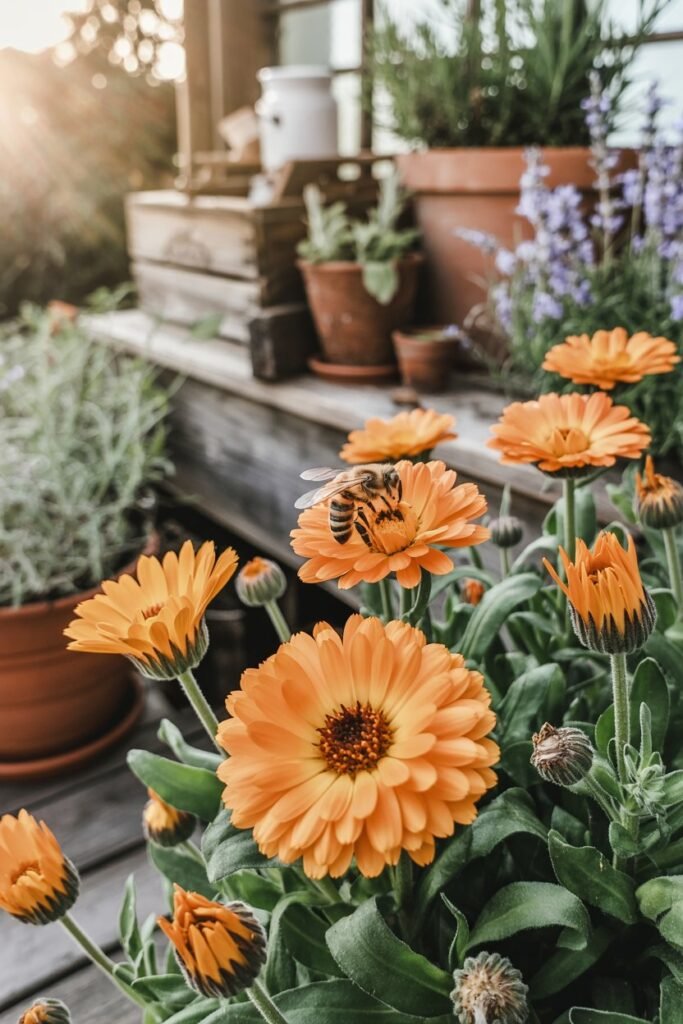
Annual
Calendula is one of those plants that feels like sunshine made physical. With her cheerful golden-orange blooms and soft, resinous petals, she brings both beauty and powerful healing into the garden.
If you were only to grow a handful of medicinal herbs, Calendula would absolutely earn her place.
She is a generous plant easy to grow, quick to bloom, and endlessly useful.
Why I Love Calendula
Calendula has long been treasured for her skin-healing, anti-inflammatory, antiseptic, and antioxidant properties.
She is particularly known for helping wounds heal faster by stimulating new skin growth and protecting delicate tissue from infection.
She is wonderfully gentle so gentle, in fact, that she’s commonly used in baby care products for diaper rash, cradle cap, and sensitive skin.
I often think of Calendula as the plant you reach for when something needs comfort rather than harsh treatment.
Beyond skin care, Calendula also supports the lymphatic system, helping with swollen glands and sluggish circulation.
Some herbal traditions also suggest she may ease muscle spasms and menstrual discomfort, making her a quiet ally for women’s health.
In the Garden
Calendula is also a gift to the ecosystem. When interplanted among vegetables and herbs, she acts as a pollinator magnet and a mild pest deterrent, making your entire garden healthier.
She often reseeds herself happily, popping up year after year like a familiar friend if you allow her flowers to go to seed.
How Calendula Is Commonly Used
- Healing salves and balms
- Infused oils for skin care
- Gentle creams and ointments
- Lymphatic support blends
She pairs beautifully with comfrey and plantain for a deeply effective healing salve.
Edibility
Calendula is edible, though slightly bitter. The petals are often used to add color to salads, rice, or herbal butters earning her the nickname “poor man’s saffron.”
Parts Used
- Whole dried flowers for medicinal oils and salves
- Fresh or dried petals for culinary use
Harvesting
Harvest flowers when fully open, ideally in the late morning after dew has dried. Regular harvesting encourages more blooms.
How to Start Calendula
- Direct sowing is preferred
- Plant in spring around the last frost
- Press seeds into the soil or cover lightly (¼ inch)
- Prefers rich, organic soil
- Can be started indoors 3–4 weeks early if needed
2. Chamomile (Matricaria chamomilla or Chamaemelum nobile)
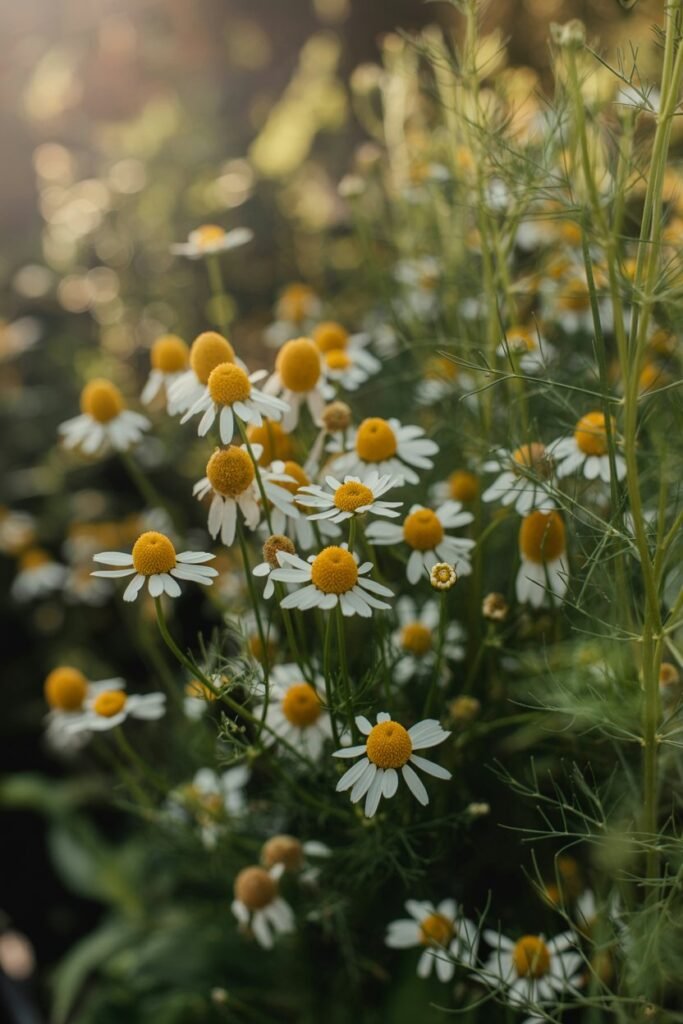
Annual (German) or Perennial (Roman)
Chamomile is the embodiment of calm. Soft, daisy-like flowers sway gently in the breeze, releasing a sweet apple-like scent that feels instantly soothing.
This is the herb I turn to when life feels overwhelming when nerves are frayed and sleep feels far away.
Why Chamomile Belongs in Every Apothecary
Chamomile is best known for her calming, anti-inflammatory, digestive, and gentle sedative properties.
She is especially beloved for easing anxiety, promoting restful sleep, and calming digestive upset including gas, bloating, and cramps.
She is also incredibly helpful for children, making her one of the most family-friendly herbs in the garden.
On the skin, chamomile can help soothe irritation, rashes, eczema, and minor wounds.
Emotional & Feminine Support
Chamomile feels like a mother’s presence soft, reassuring, and safe. She’s often used to support emotional balance, especially during times of stress or hormonal shifts.
Common Uses
- Herbal teas (fresh or dried flowers)
- Sleep blends
- Digestive support
- Skin washes and compresses
- Hair rinses to enhance shine
Parts Used
- Flower heads
Harvesting
Harvest flowers when fully open. Frequent harvesting encourages more blooms.
How to Grow Chamomile
- Prefers full sun to partial shade
- Well-drained soil
- Direct sow in spring
- Lightly cover seeds (they need light to germinate)
3. Lavender (Lavandula angustifolia)
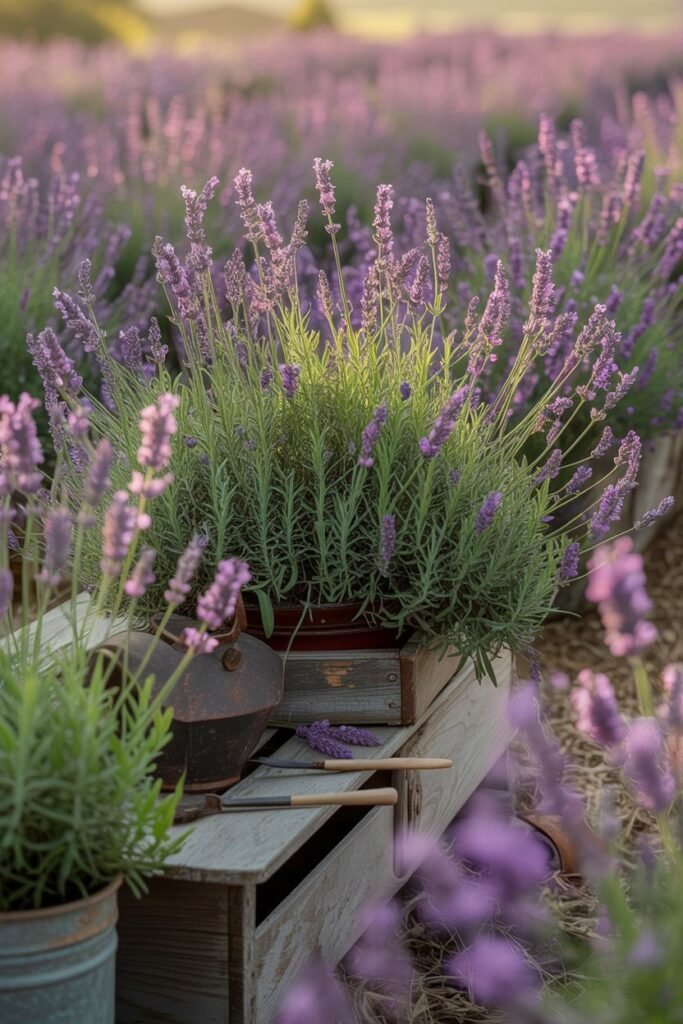
Perennial
Lavender is elegance and resilience woven together. With her silvery-green foliage and fragrant purple spikes, she brings a sense of calm order to any apothecary garden.
Why Lavender Is Essential
Lavender is known for her calming, antimicrobial, anti-inflammatory, and nervous system-supporting qualities. She is often used for anxiety, headaches, insomnia, and emotional overwhelm.
She’s also wonderful for the skin helping soothe burns, bites, and minor cuts.
In the Home Apothecary
- Sleep sachets
- Herbal oils
- Bath blends
- Stress-relief teas (in small amounts)
- Natural perfume
Parts Used
- Flowering tops
Growing Notes
- Loves full sun
- Excellent drainage is essential
- Prefers slightly alkaline soil
- Drought tolerant once established
4. Lemon Balm (Melissa officinalis)
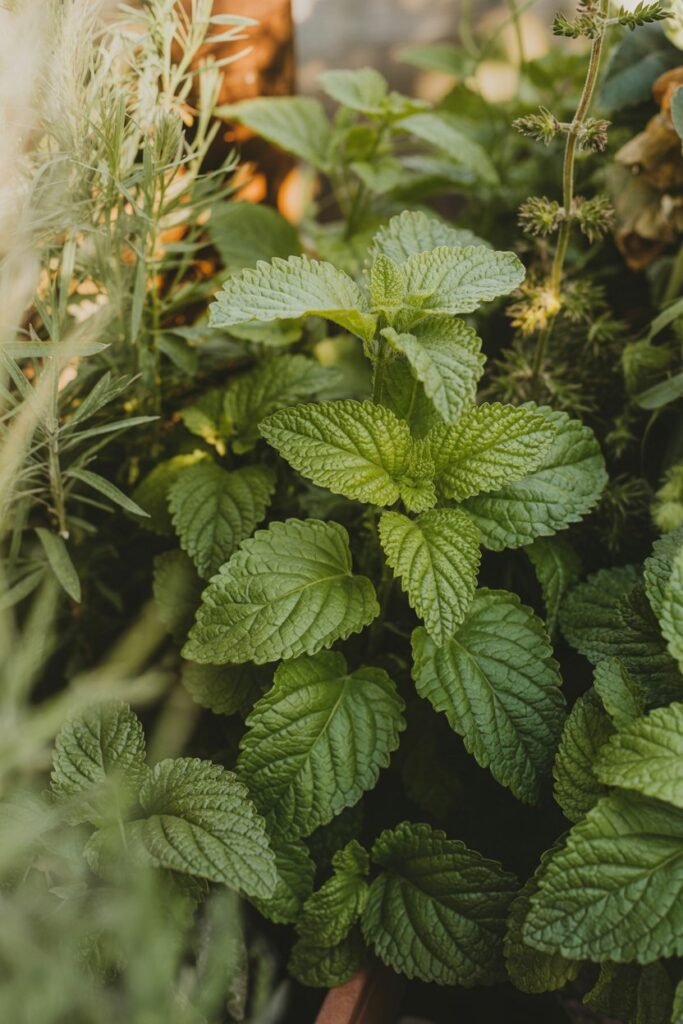
Perennial
Lemon balm is joy in leaf form. One brush of her bright green leaves releases a fresh lemon scent that instantly lifts the mood.
Medicinal Benefits
Lemon balm is a powerful nervine, supporting anxiety, stress, and nervous tension. She’s also antiviral and traditionally used for cold sores and immune support.
She is especially helpful for calming racing thoughts and supporting gentle emotional balance.
Uses
- Teas
- Tinctures
- Glycerites
- Skin preparations
Parts Used
- Leaves
Growing Tips
- Partial sun to full sun
- Moist, rich soil
- Can spread best grown with intention
5. Peppermint (Mentha × piperita)
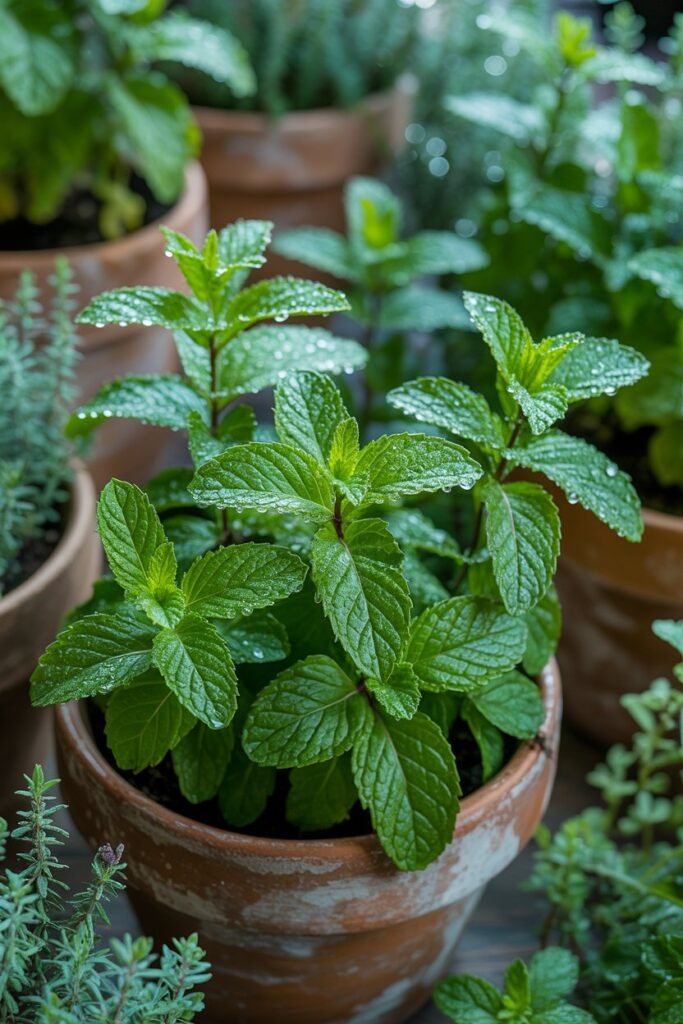
Perennial
Peppermint is bold, refreshing, and unapologetically powerful. She wakes you up just by being near her.
Medicinal Properties
Peppermint is famous for supporting digestion, easing nausea, headaches, and muscle tension. She is cooling, stimulating, and incredibly effective.
Common Uses
- Digestive teas
- Headache relief
- Muscle rubs
- Steam inhalations
Parts Used
- Leaves
Growing Notes
- Thrives in containers
- Partial shade to full sun
- Spreads aggressively if not contained
6. Rosemary (Salvia rosmarinus)
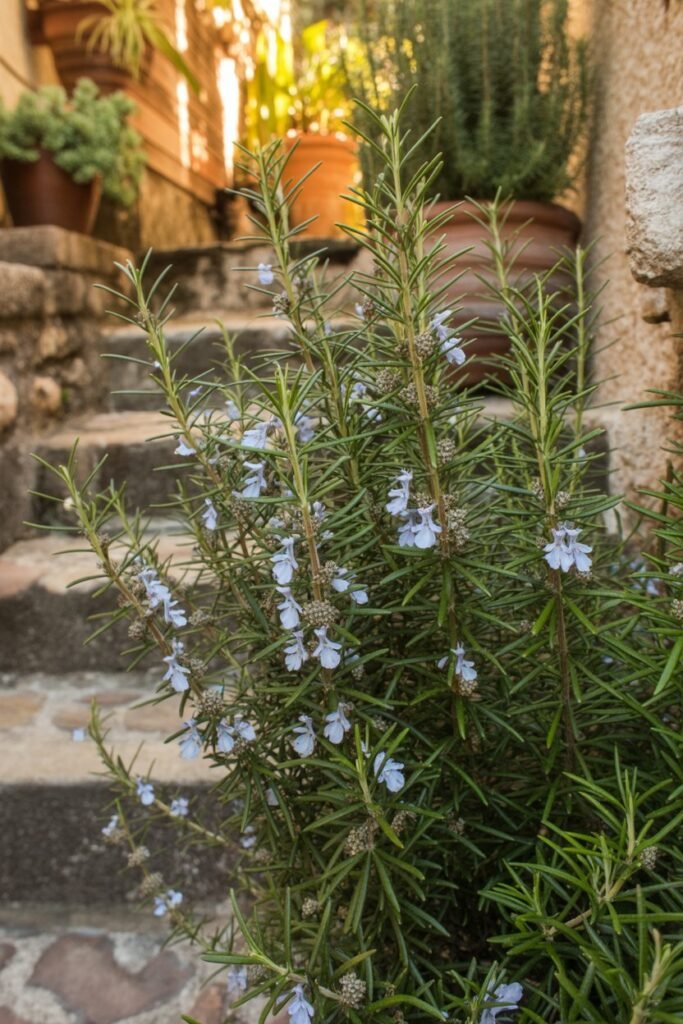
Perennial
Rosemary is strength and clarity growing straight from the earth. With her woody stems and needle-like leaves, she feels protective almost guardian-like in the apothecary garden.
This is a plant that carries ancient memory, often associated with remembrance, wisdom, and resilience.
Why Rosemary Deserves Her Place
Medicinally, rosemary is known for her circulatory-stimulating, antioxidant, antimicrobial, and cognitive-supporting properties.
She has long been used to support memory, mental clarity, and focus earning her a reputation as an herb for the mind.
Rosemary also supports digestion, helps relieve muscle pain, and improves circulation, making her especially useful in oils and salves for sore joints and tired bodies.
Emotional & Energetic Support
Rosemary has a warming, uplifting energy. She’s often turned to during periods of mental fog, low motivation, or emotional heaviness. Simply brushing against her leaves can feel invigorating.
Common Uses
- Herbal oils for muscle and joint pain
- Hair rinses to support scalp health and growth
- Memory and focus teas (used sparingly)
- Steam inhalations for congestion
Parts Used
- Leaves and tender stems
Harvesting
Harvest lightly throughout the growing season. Avoid cutting more than one-third of the plant at a time.
How to Grow Rosemary
- Full sun is essential
- Well-drained soil (she dislikes wet roots)
- Drought tolerant once established
- Can be grown in containers, especially in colder climates
7. Thyme (Thymus vulgaris)
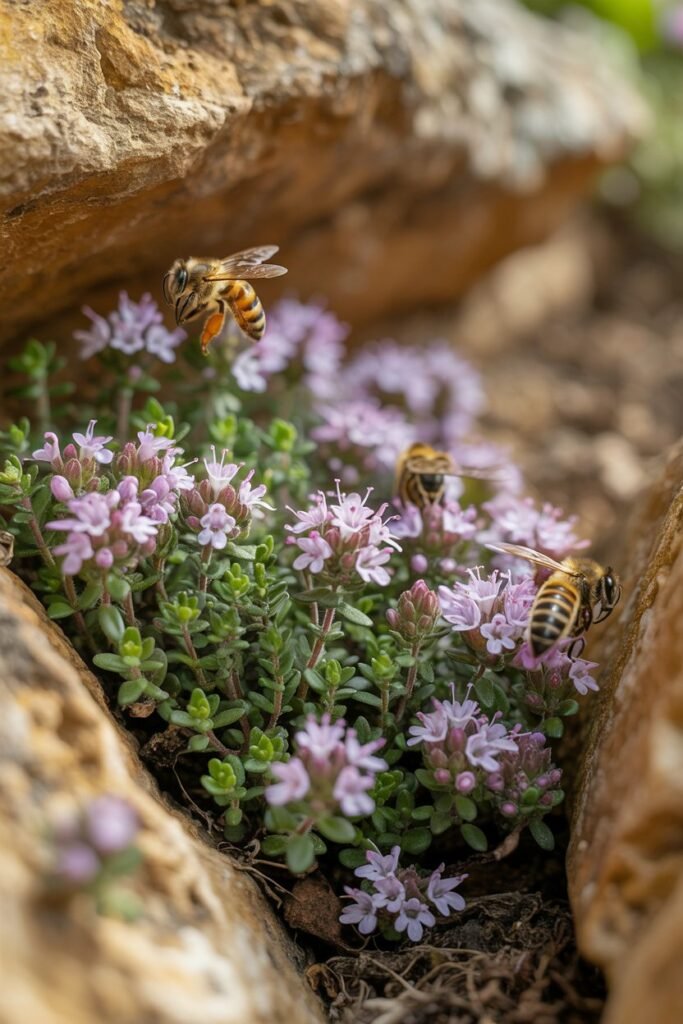
Perennial
Thyme may be small, but she is mighty. Low-growing and fragrant, thyme quietly weaves herself between stones and garden paths, offering powerful medicine without demanding attention.
Medicinal Benefits
Thyme is well known for her antimicrobial, antiviral, expectorant, and immune-supporting properties. She has traditionally been used for coughs, bronchitis, sore throats, and respiratory infections.
She also supports digestion and helps ease gas and bloating.
In the Apothecary
Thyme is often used during cold and flu season, especially in teas, steams, and infused honeys. She is warming and drying perfect for damp, congested conditions.
Common Uses
- Cough and cold teas
- Steam inhalations
- Herbal syrups
- Immune-support blends
Parts Used
- Leaves and flowering tops
Growing Notes
- Full sun
- Well-drained soil
- Low maintenance and drought tolerant
- Excellent ground cover
8. Sage (Salvia officinalis)
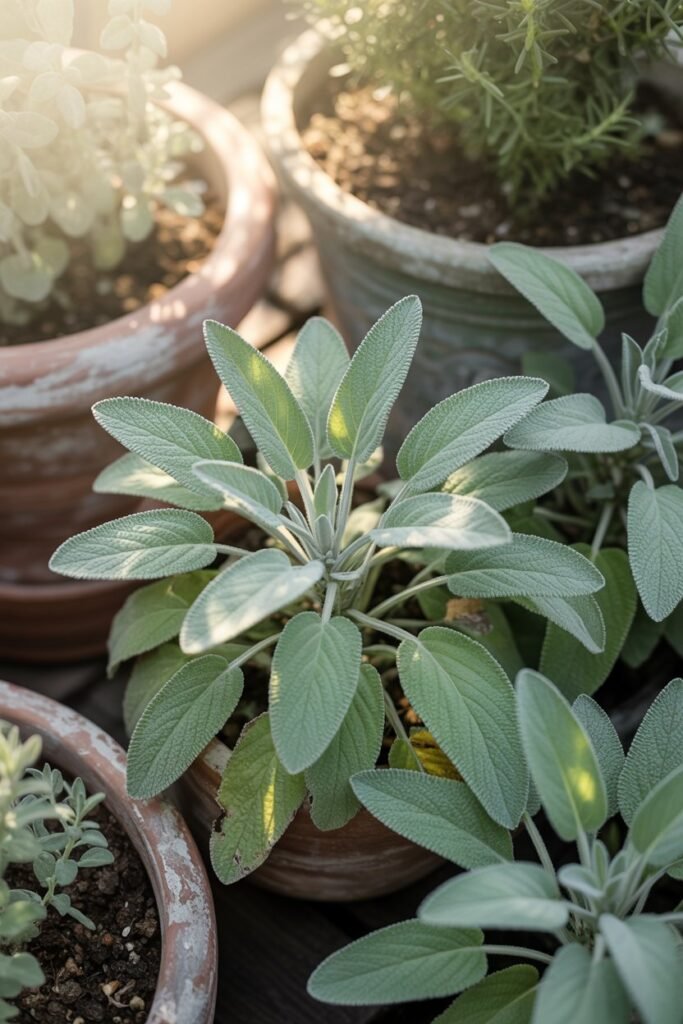
Perennial
Sage carries wisdom in her soft, velvety leaves. She feels ancient deeply rooted in both culinary and medicinal traditions across cultures. This is a plant that teaches balance.
Medicinal Properties
Sage is valued for her antimicrobial, anti-inflammatory, hormone-balancing, and digestive-supporting qualities. She has traditionally been used for sore throats, excessive sweating, and menopausal discomfort.
She is also known to support oral health and is commonly used in gargles and mouth rinses.
Feminine & Hormonal Support
Sage has long been associated with women’s health, particularly during menopause. She may help reduce hot flashes and regulate excessive perspiration.
Common Uses
- Throat gargles
- Digestive teas
- Hormonal support blends
- Herbal mouth rinses
Parts Used
- Leaves
Growing Tips
- Full sun
- Well-drained soil
- Avoid overwatering
- Prune regularly to keep her healthy
9. Yarrow (Achillea millefolium)
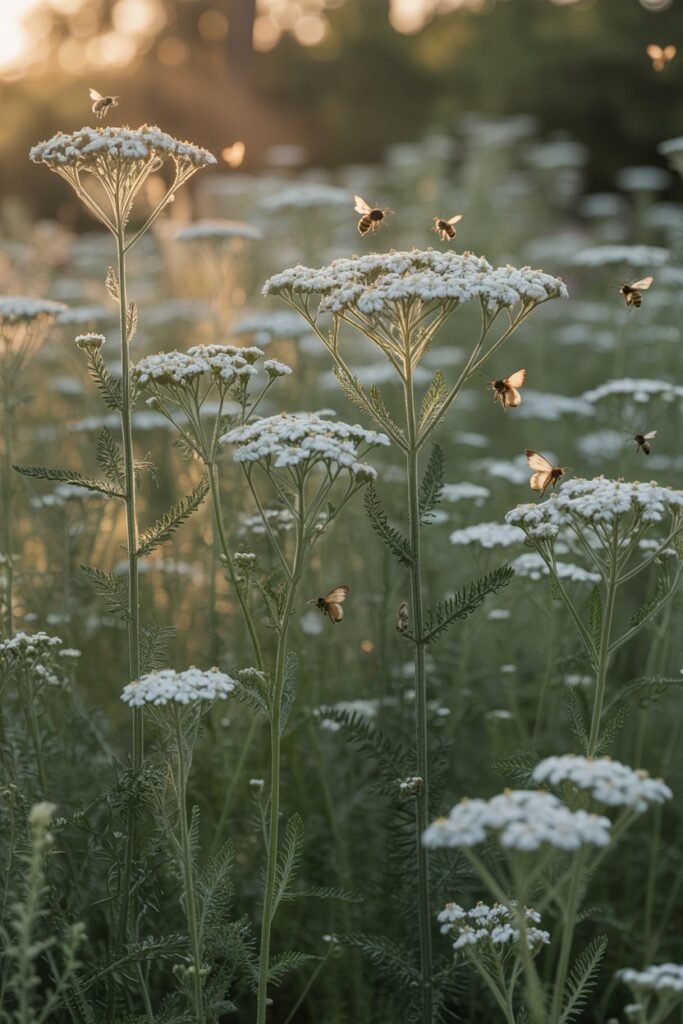
Perennial
Yarrow is both delicate and fierce a beautiful contradiction. Her feathery leaves and clustered blooms hide a powerful healer beneath their softness.
Traditionally known as a “wound herb,” yarrow has been used for centuries in first aid.
Medicinal Uses
Yarrow is known for her styptic, anti-inflammatory, antiseptic, and fever-reducing properties. She helps stop bleeding, supports wound healing, and encourages healthy circulation.
She’s also used internally to support digestion and help regulate menstrual flow.
In the Garden
Yarrow is a pollinator favorite and improves soil health. She’s hardy, adaptable, and deeply resilient.
Common Uses
- First-aid salves
- Herbal teas
- Fever support
- Menstrual balance blends
Parts Used
- Leaves and flowers
Harvesting
Harvest when flowers are fully open. Dry quickly to preserve potency.
Growing Notes
- Full sun
- Poor to average soil (she thrives where others struggle)
- Drought tolerant
- Spreads gently over time
10. Comfrey (Symphytum officinale)
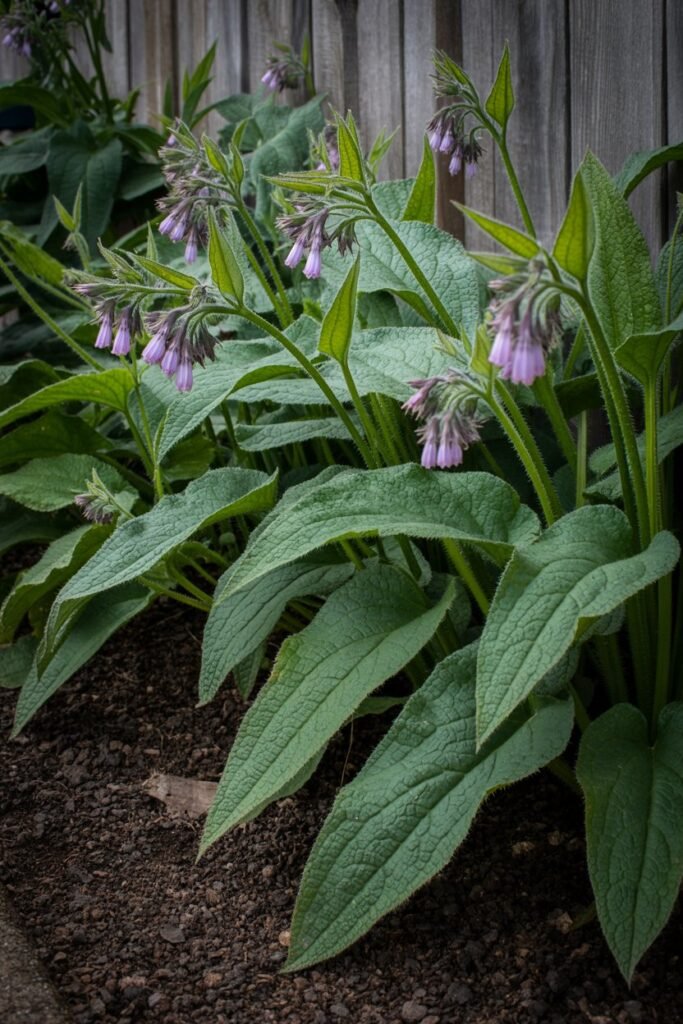
Perennial
Comfrey is the great healer of the plant world. With her large, fuzzy leaves and nodding bell-shaped flowers, she feels nurturing and strong like a mother who knows exactly how to help you heal.
Why Comfrey Is So Revered
Comfrey is famous for her ability to support bone, tissue, and skin healing. She contains allantoin, a compound that encourages rapid cell regeneration.
Traditionally used for sprains, fractures, bruises, and wounds, comfrey is best known as an external-use herb.
Important Safety Note
Comfrey should not be used internally due to concerns about liver health. She shines most powerfully when used topically.
Common Uses
- Healing salves
- Poultices
- Infused oils
- Combined with calendula and plantain
Parts Used
- Leaves (primarily)
- Roots (occasionally, for external preparations)
Growing Tips
- Partial shade to full sun
- Rich, moist soil
- Extremely hardy
- Deep roots choose her location wisely
11. Plantain (Plantago major or Plantago lanceolata)
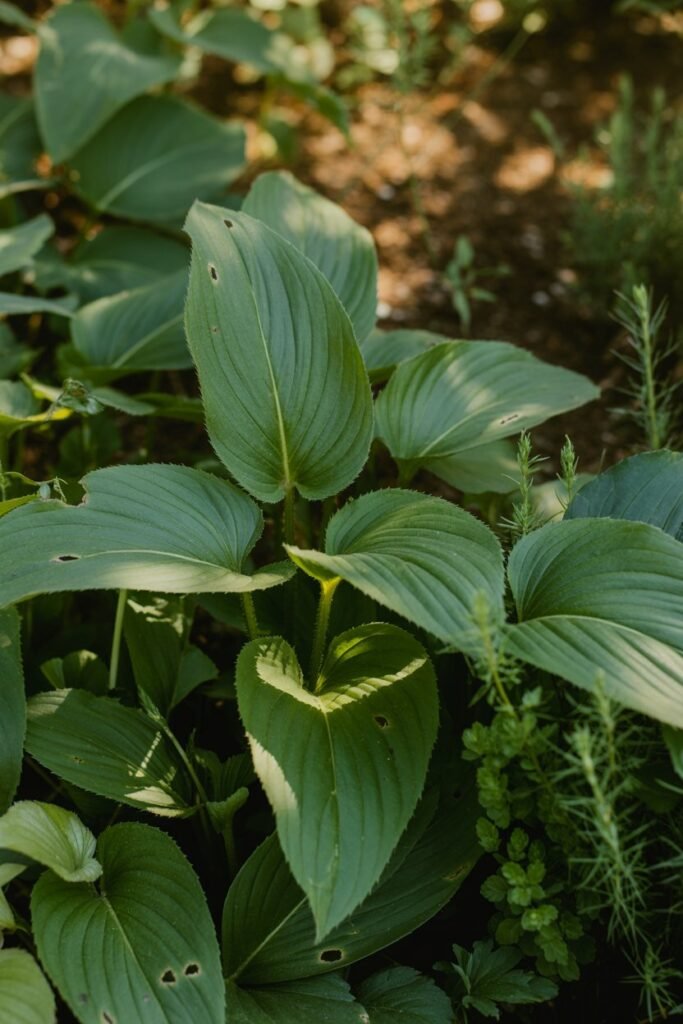
Perennial
Plantain is one of the most humble yet powerful herbs you will ever grow. Often mistaken for a weed, she quietly thrives wherever she’s planted and wherever she’s needed.
This is a plant that teaches us not to overlook the simple things.
Why Plantain Is So Special
Plantain is known for her drawing, soothing, anti-inflammatory, and antimicrobial properties.
She has a long history of use in treating cuts, stings, splinters, and insect bites. If there’s one plant to keep close for everyday first aid, it’s plantain.
She helps “draw out” infection, venom, and foreign matter from the skin while calming irritation and supporting tissue repair.
In the Home Apothecary
Plantain is incredibly versatile and gentle enough for children. Fresh leaves are often used as a spit poultice in emergencies simply crushed and applied directly to the skin.
Common Uses
- Healing salves
- Poultices
- Bug bite relief
- Wound care blends
Parts Used
- Leaves (primarily)
- Seeds (occasionally for digestive support)
Harvesting
Harvest young leaves throughout the growing season for best potency.
Growing Notes
- Full sun to partial shade
- Adapts to many soil types
- Very hardy and low maintenance
12. Echinacea (Echinacea purpurea)
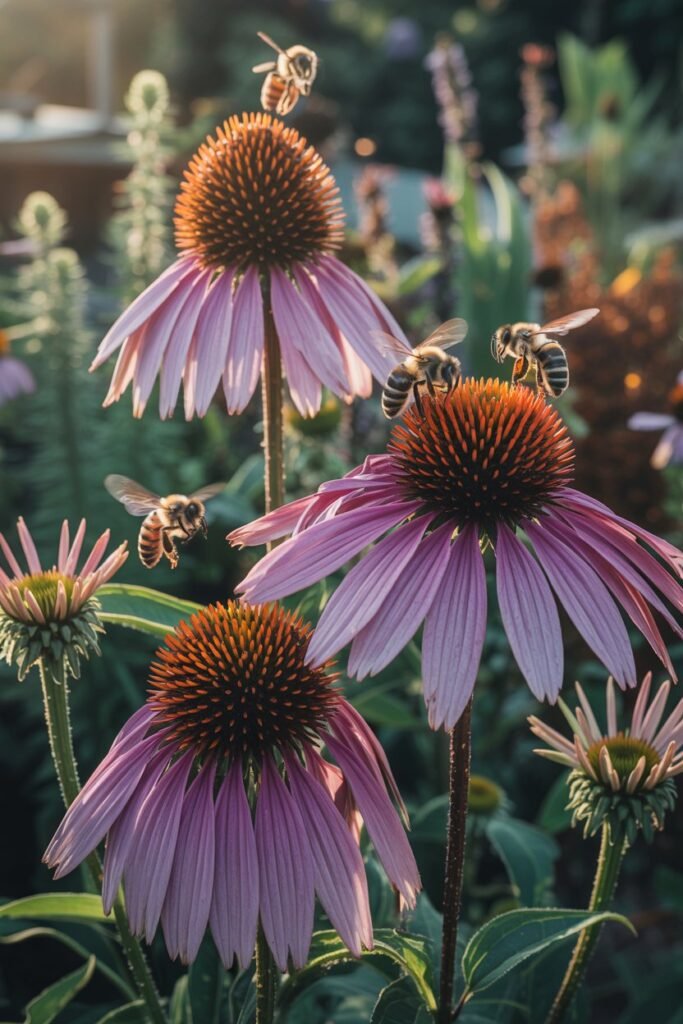
Perennial
Echinacea stands tall and confident in the garden, with her bold purple petals and spiky center.
She feels protective like a plant that knows her role is to guard the immune system and stand watch through seasonal changes.
Medicinal Properties
Echinacea is best known for her immune-stimulating, antimicrobial, and lymphatic-supporting qualities. She is often used at the first sign of illness to help the body respond more effectively.
Rather than suppressing symptoms, echinacea encourages the body’s natural defenses to engage.
Lymphatic & Immune Support
Echinacea is especially helpful when lymph nodes feel swollen or sluggish, supporting the body’s ability to clear infection.
Common Uses
- Immune tinctures
- Teas (short-term use)
- Cold and flu blends
Parts Used
- Roots (most potent)
- Leaves and flowers
Harvesting
- Leaves and flowers in summer
- Roots in fall of the second or third year
Growing Tips
- Full sun
- Well-drained soil
- Drought tolerant once established
13. Feverfew (Tanacetum parthenium)
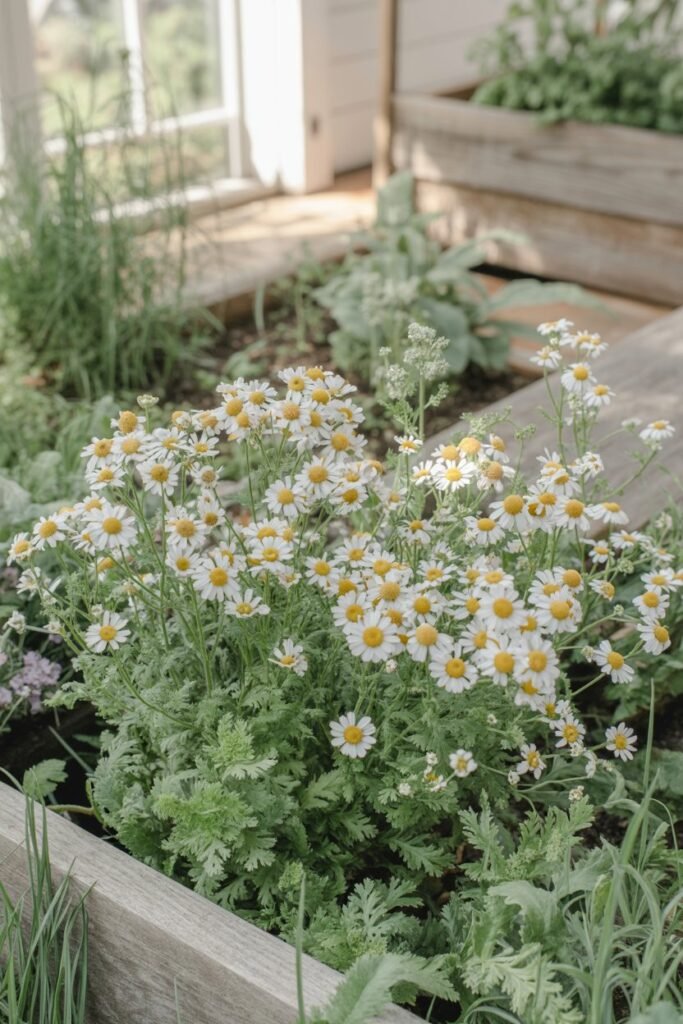
Perennial
Feverfew has a quiet, old-world charm. With her small daisy-like flowers and slightly bitter leaves, she feels like a remedy passed down through generations of women caring for one another.
Medicinal Benefits
Feverfew is traditionally used for headache and migraine support, as well as reducing inflammation and easing fevers. She has also been used to support menstrual comfort.
Her strength lies in consistency she works best when used regularly rather than as a one-time remedy.
Feminine Support
Feverfew has long been associated with easing menstrual tension and discomfort, making her a thoughtful addition to a women-centered apothecary garden.
Common Uses
- Headache support teas
- Tinctures
- Preventive herbal blends
Parts Used
- Leaves
- Flowers
Growing Notes
- Full sun to partial shade
- Well-drained soil
- Self-seeds readily
14. Horehound (Marrubium vulgare)
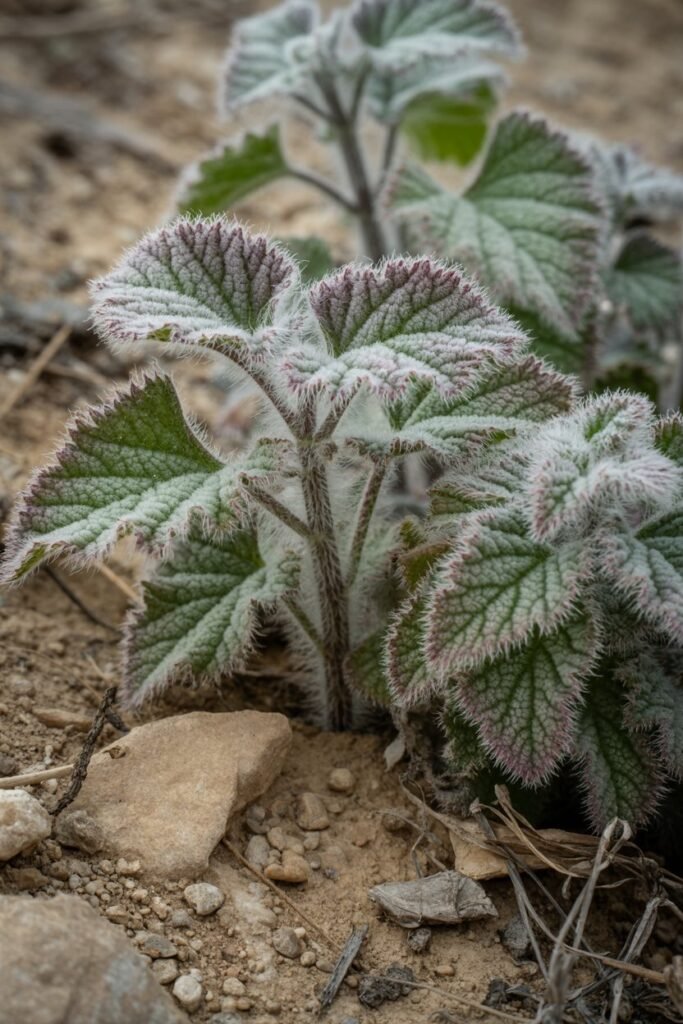
Perennial
Horehound is an herb with a strong personality. Her woolly leaves and bitter taste signal her medicinal potency. She may not be the prettiest plant in the garden, but she earns her keep tenfold.
Medicinal Uses
Horehound is a classic respiratory herb, known for her expectorant, antimicrobial, and cough-soothing properties. She helps loosen mucus and calm persistent coughs.
Her bitterness also supports digestion and liver function.
In the Apothecary
Horehound is most famously used in cough syrups and lozenges, often sweetened with honey to balance her bitterness.
Common Uses
- Cough syrups
- Respiratory teas
- Digestive bitters
Parts Used
- Aerial parts (leaves and stems)
Growing Tips
- Full sun
- Poor to average soil
- Very drought tolerant
15. Lemon Verbena (Aloysia citrodora)
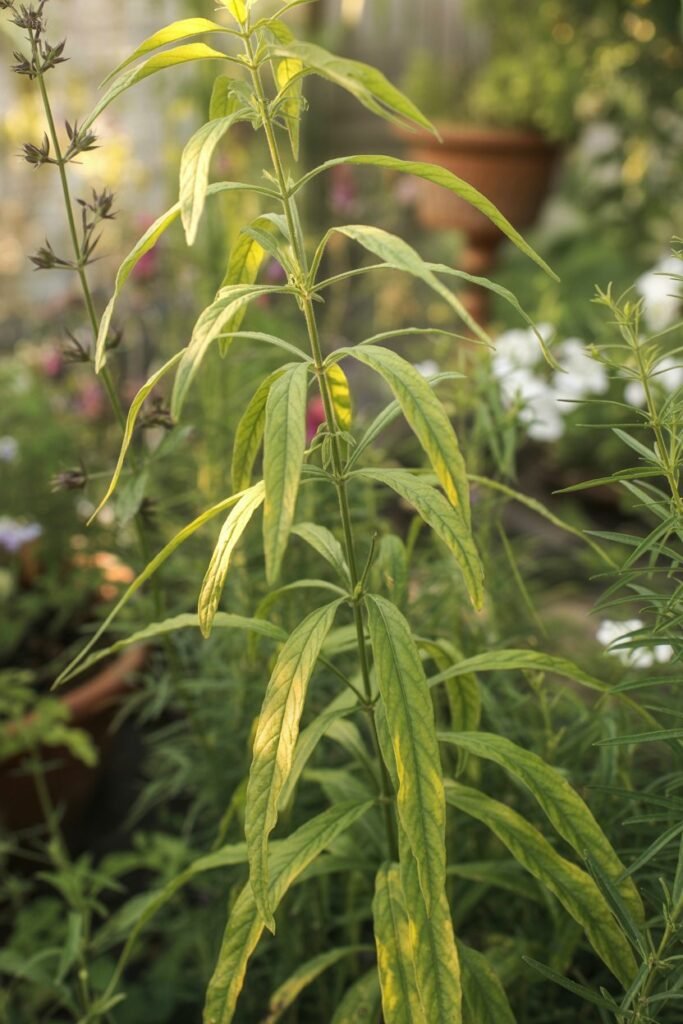
Perennial (grown as annual in colder climates)
Lemon verbena is grace and brightness wrapped in fragrance. Her long, slender leaves release an intoxicating lemon scent that feels both uplifting and calming like sunshine filtered through calm intention.
Medicinal Benefits
Lemon verbena supports nervous system health, digestion, and gentle stress relief. She is often used to ease anxiety, improve sleep quality, and calm digestive discomfort.
She also contains antioxidants that support overall wellness.
Emotional Support
Lemon verbena is a beautiful herb for emotional balance. She lifts the mood without overstimulation, making her ideal for evening teas and gentle rituals.
Common Uses
- Calming teas
- Sleep blends
- Digestive support
- Aromatic sachets
Parts Used
- Leaves
Growing Notes
- Full sun
- Rich, well-drained soil
- Protect from frost or grow in containers
16. Holy Basil (Tulsi) (Ocimum sanctum / Ocimum tenuiflorum)
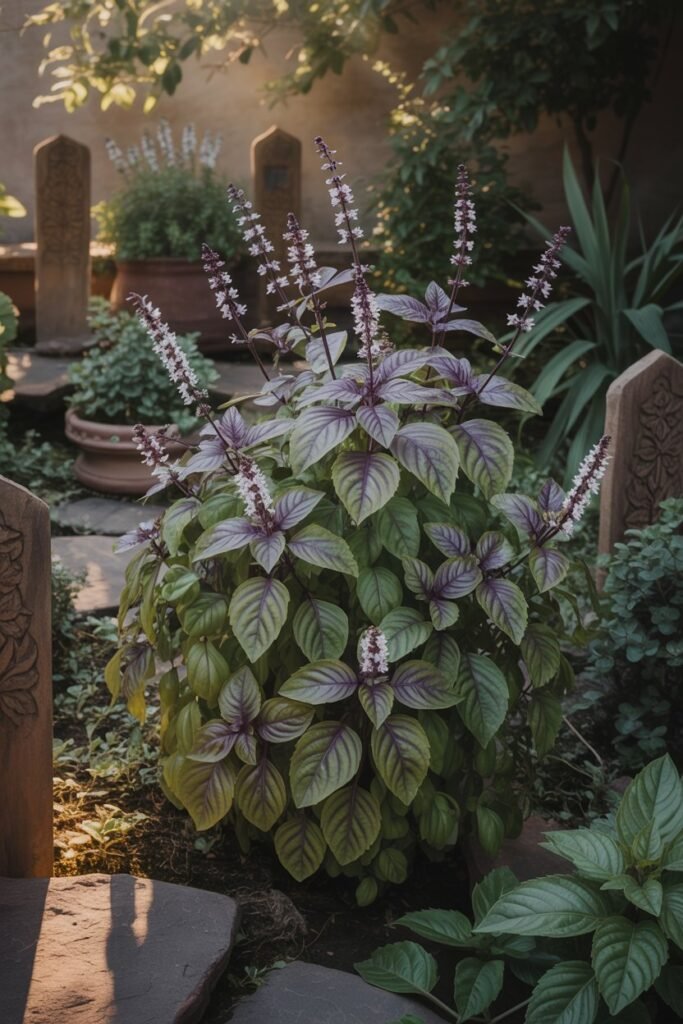
Annual (or short-lived perennial in warm climates)
Holy basil, often called Tulsi, feels less like a plant and more like a presence.
She carries a sacred energy that has been honored for thousands of years, especially in Ayurvedic traditions. In the apothecary garden, Tulsi brings balance to the body, the mind, and the spirit.
Why Holy Basil Is So Revered
Tulsi is considered an adaptogen, meaning she helps the body adapt to stress and restore balance.
She supports the nervous system, immune system, and adrenal health, making her especially helpful during times of emotional or physical strain.
She also has antimicrobial and anti-inflammatory properties and is often used to support respiratory health.
Emotional & Feminine Support
Tulsi has a grounding yet uplifting quality. She’s often turned to during periods of burnout, anxiety, or overwhelm when life feels like it’s asking too much.
Common Uses
- Stress-support teas
- Immune blends
- Respiratory support
- Daily wellness infusions
Parts Used
- Leaves
- Flowering tops
Growing Tips
- Full sun
- Warm temperatures
- Rich, well-drained soil
- Regular harvesting encourages bushy growth
17. Valerian (Valeriana officinalis)
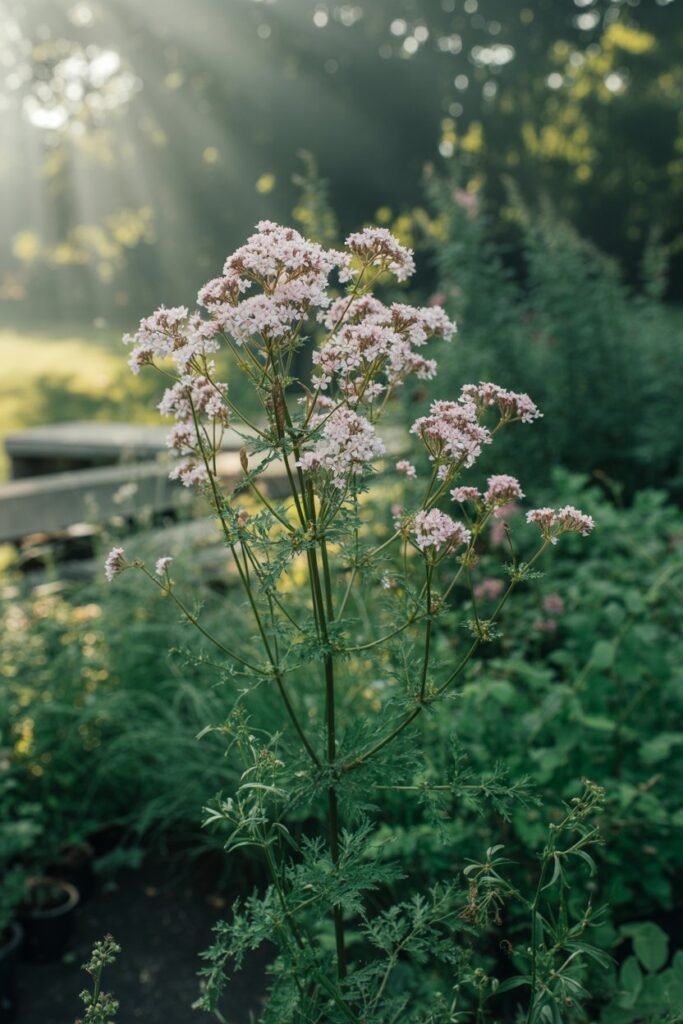
Perennial
Valerian is a plant of deep rest. Tall and graceful above ground, her true power lies hidden beneath the soil in her strong, aromatic roots.
She teaches us that healing doesn’t always look pretty but it is profoundly effective.
Medicinal Properties
Valerian is best known for her sedative, nervine, and sleep-supporting qualities. She’s traditionally used for insomnia, restlessness, anxiety, and nervous tension.
Valerian also helps relax muscle spasms and ease tension held in the body.
A Note on Scent
Valerian root has a strong, earthy scent that not everyone loves but those who need her most often find the smell strangely comforting.
Common Uses
- Sleep tinctures
- Nervous system blends
- Muscle relaxation formulas
Parts Used
- Root
Harvesting
Harvest roots in the fall of the second year for best potency.
Growing Notes
- Partial shade to full sun
- Moist, well-drained soil
- Likes rich, loamy conditions
18. Marshmallow (Althaea officinalis)
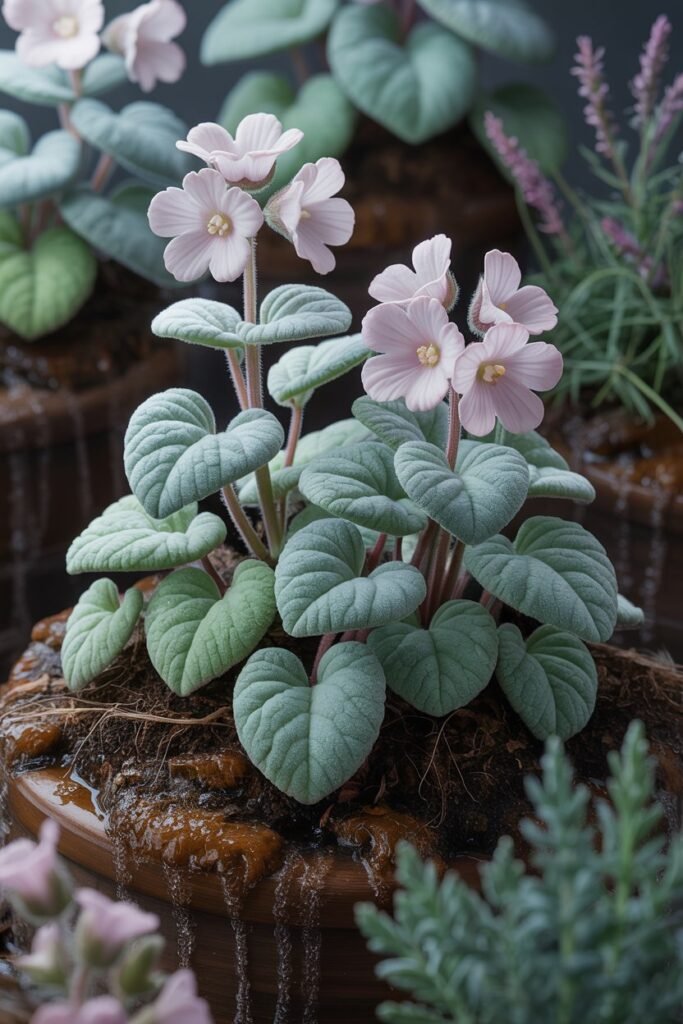
Perennial
Marshmallow is softness personified. With her velvety leaves and pale pink flowers, she brings a soothing, cooling energy to the apothecary garden especially for tissues that feel irritated or inflamed.
Medicinal Benefits
Marshmallow root and leaf are rich in mucilage, making them deeply soothing to the digestive, respiratory, and urinary systems. She coats and calms irritated tissues, easing dryness, inflammation, and discomfort.
She’s especially helpful for sore throats, coughs, acid reflux, and urinary irritation.
Gentle Healing
Marshmallow is safe, nourishing, and gentle making her suitable for children, elders, and sensitive systems.
Common Uses
- Cold infusions
- Throat soothers
- Digestive blends
- Skin poultices
Parts Used
- Root (most potent)
- Leaves
Growing Tips
- Full sun to partial shade
- Moist soil (she loves water)
- Ideal for rain gardens or low areas
19. Catnip (Nepeta cataria)
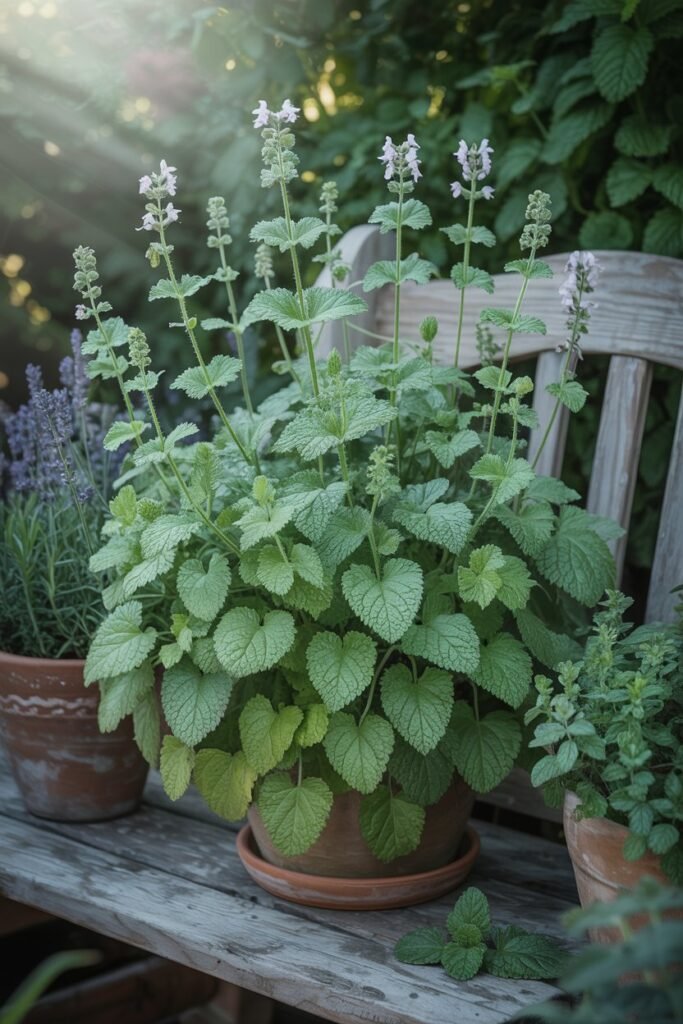
Perennial
Catnip is playful and comforting, often misunderstood because of her effect on cats but she is a deeply valuable medicinal herb for humans as well. She brings lightness and calm in equal measure.
Medicinal Uses
Catnip is known for her calming, antispasmodic, and digestive-supporting properties. She’s commonly used to ease anxiety, tension, colic, and digestive upset especially in children.
She’s also helpful for promoting gentle sleep and easing fevers.
In the Family Apothecary
Catnip is one of the best herbs to keep on hand for children, particularly for restlessness, teething discomfort, and tummy troubles.
Common Uses
- Calming teas
- Children’s blends
- Fever support
- Digestive relief
Parts Used
- Leaves
- Flowering tops
Growing Notes
- Full sun to partial shade
- Easy to grow
- Attracts cats plant with intention
20. Anise Hyssop (Agastache foeniculum)
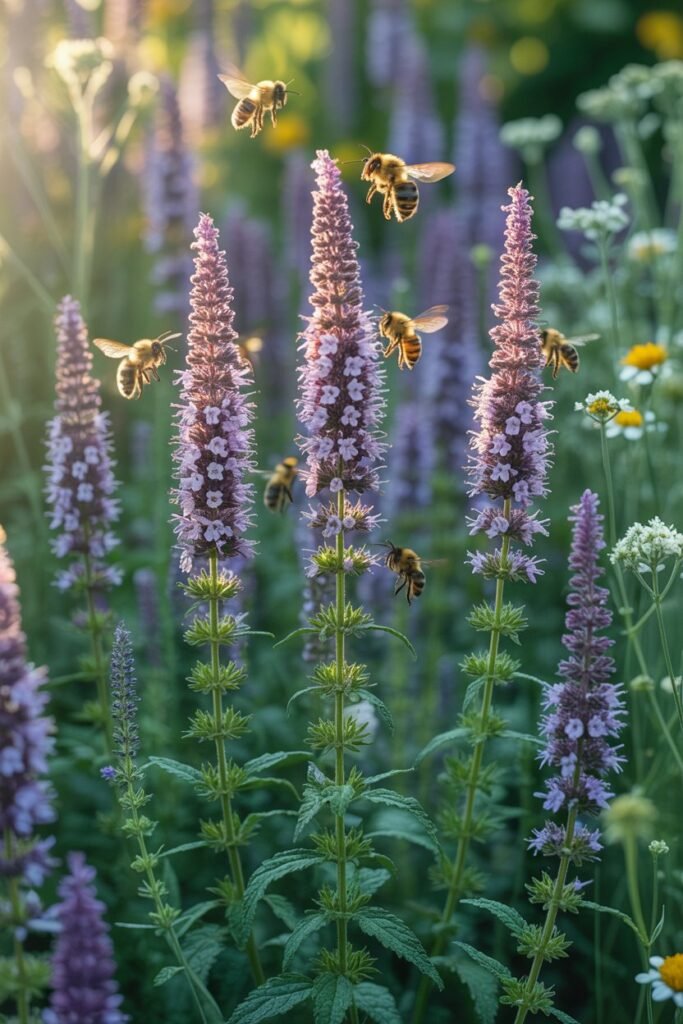
Perennial
Anise hyssop is a joy-filled herb fragrant, colorful, and generous. With her tall purple flower spikes and sweet licorice-mint aroma, she feeds both pollinators and the soul.
Medicinal Benefits
Anise hyssop supports the digestive and respiratory systems, helping ease coughs, congestion, and digestive discomfort. She also has mild calming properties and is rich in antioxidants.
In the Garden
Anise hyssop is a magnet for bees and butterflies, making her a wonderful addition to any healing garden focused on harmony and balance.
Common Uses
- Herbal teas
- Respiratory blends
- Digestive support
- Immune support infusions
Parts Used
- Leaves
- Flowers
Growing Tips
- Full sun
- Well-drained soil
- Drought tolerant once established
21. Elderberry (Sambucus nigra)
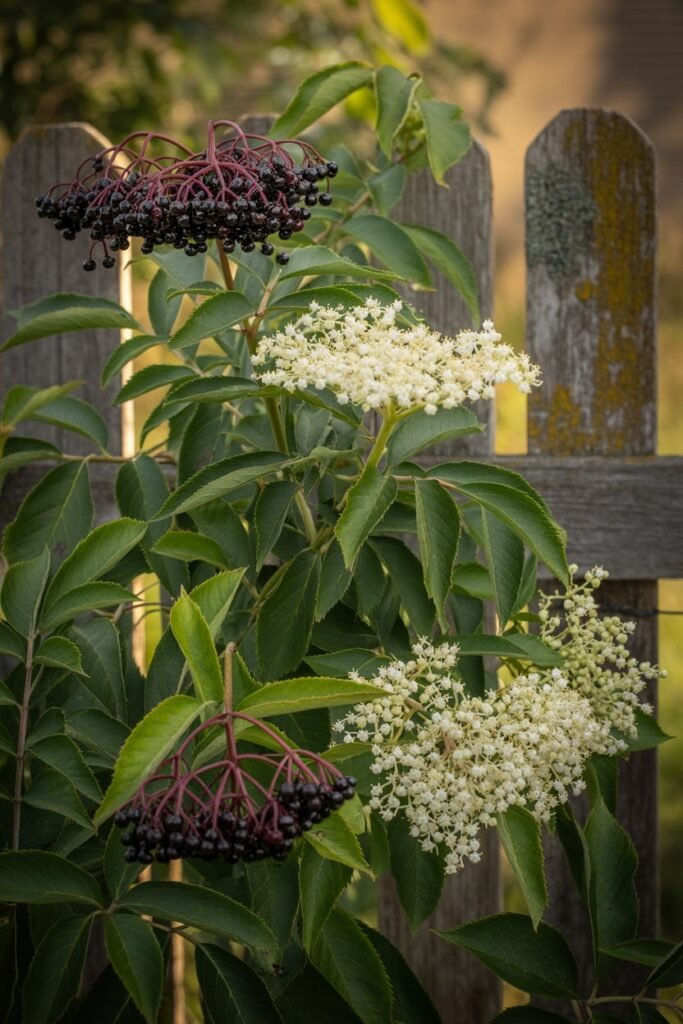
Perennial shrub
Elderberry feels like ancestral protection growing right in the garden. She’s a plant deeply woven into old-world medicine and folklore, often associated with guarding the home and strengthening the family through seasonal illness.
Why Elderberry Is So Loved
Elderberry is best known for her immune-supporting, antiviral, and antioxidant properties.
She’s commonly used to help the body respond to colds and flu, especially during the colder months when immunity needs extra care.
Her flowers are also gently diaphoretic, helping the body release heat during fevers.
In the Home Apothecary
Elderberry is often turned into syrups, teas, and tinctures especially for children and families.
Important Note: Elderberries must be cooked before use. Raw berries can cause digestive upset.
Common Uses
- Immune syrups
- Cold and flu teas
- Flower infusions
Parts Used
- Berries (cooked)
- Flowers
Growing Tips
- Full sun to partial shade
- Moist, rich soil
- Allow space she grows into a large shrub
22. Mullein (Verbascum thapsus)
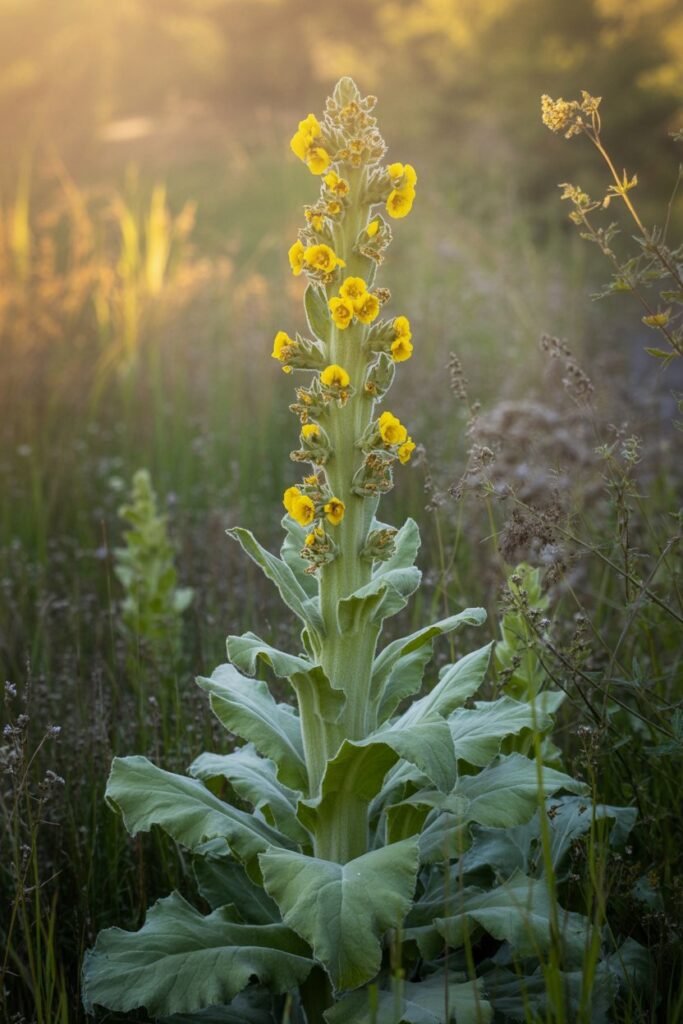
Biennial
Mullein stands tall and quiet, with soft, velvety leaves that feel like nature’s flannel. She is a powerful ally for the lungs and respiratory system, yet incredibly gentle in her approach.
Medicinal Benefits
Mullein is best known for supporting lung health, easing coughs, and soothing respiratory irritation. She helps loosen mucus while calming inflammation, making her ideal for dry or irritated coughs.
Her flowers infused in oil are traditionally used for ear support.
Gentle Strength
Mullein works slowly and steadily, reminding us that healing doesn’t need to be harsh to be effective.
Common Uses
- Respiratory teas
- Lung-support blends
- Flower-infused oil
Parts Used
- Leaves
- Flowers
Harvesting
Harvest leaves in the first year and flowers in the second year.
Growing Notes
- Full sun
- Poor to average soil
- Thrives where other plants struggle
23. Skullcap (Scutellaria lateriflora)
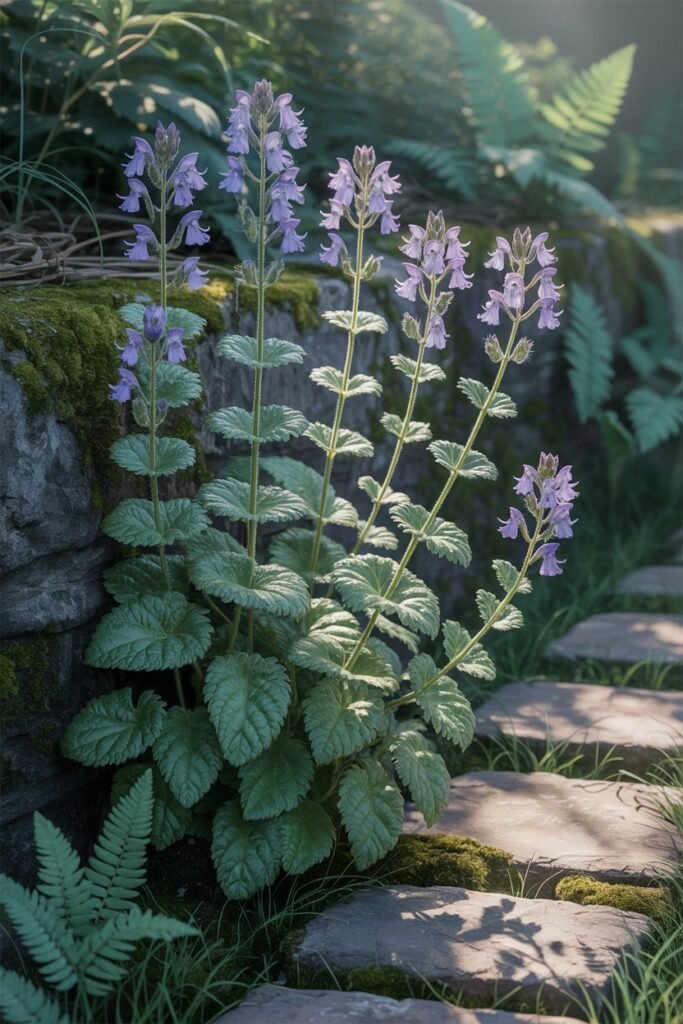
Perennial
Skullcap is a quiet nervine subtle, steady, and deeply restorative. She doesn’t sedate but instead nourishes the nervous system over time, helping restore balance after prolonged stress.
Medicinal Properties
Skullcap is known for her nervine, calming, and restorative effects. She’s often used for anxiety, burnout, emotional overwhelm, and nervous exhaustion.
She is particularly supportive for people who feel “wired but tired.”
Emotional Healing
Skullcap is a plant of recovery. She supports deep healing after long periods of emotional or mental strain.
Common Uses
- Nervous system tinctures
- Stress-support teas
- Emotional balance blends
Parts Used
- Aerial parts
Growing Tips
- Partial shade
- Moist soil
- Gentle, steady grower
24. Red Clover (Trifolium pratense)
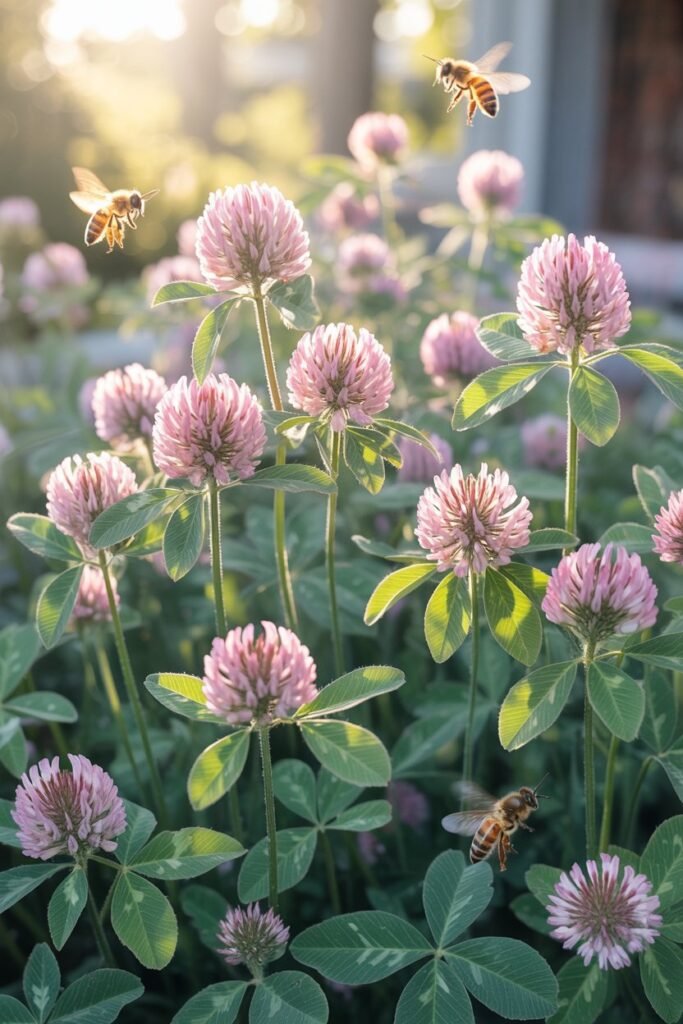
Perennial
Red clover feels soft, nurturing, and deeply feminine. Her rosy blooms and delicate leaves hold powerful cleansing and hormone-supporting medicine.
Medicinal Benefits
Red clover is traditionally used as a blood purifier and lymphatic cleanser. She’s also rich in phytoestrogens, making her especially helpful for women navigating hormonal transitions.
She supports skin health, detoxification, and gentle nourishment.
Feminine Support
Red clover has long been associated with women’s health offering gentle support during puberty, menstruation, and menopause.
Common Uses
- Lymphatic teas
- Hormonal blends
- Skin-support infusions
Parts Used
- Flowers
Growing Notes
- Full sun
- Average soil
- Attracts pollinators
25. Dandelion (Taraxacum officinale)
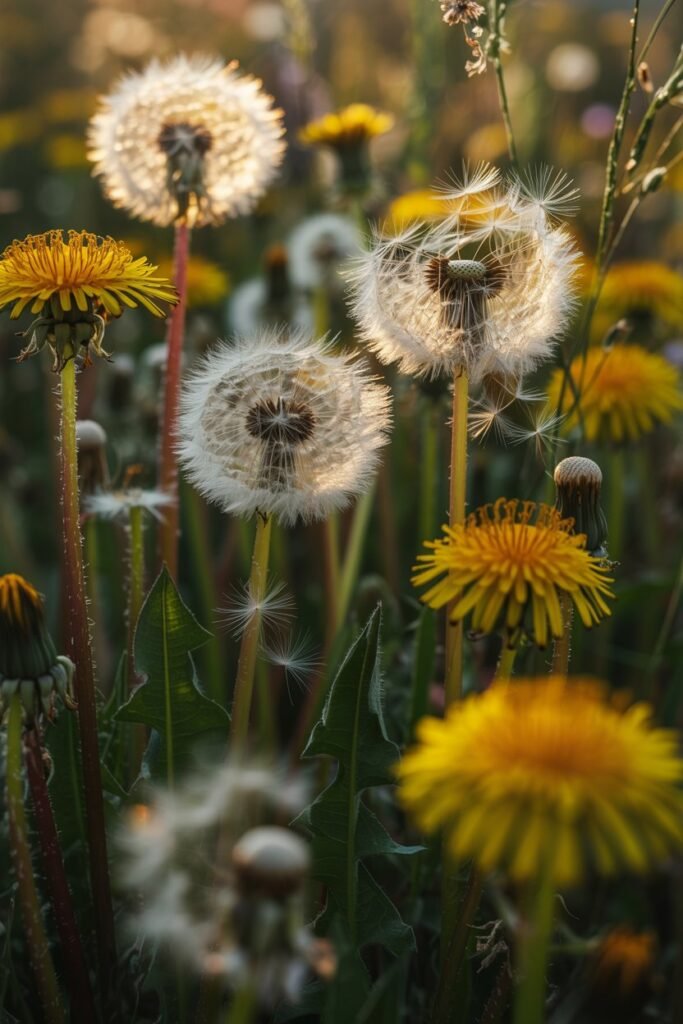
Perennial
Dandelion is resilience embodied. Often pulled out and discarded, she persists offering powerful medicine from root to flower. This is a plant that reminds us of our own strength.
Medicinal Uses
Dandelion supports the liver, digestion, kidneys, and lymphatic system. Her roots are used to support detoxification, while her leaves gently support fluid balance.
She is rich in minerals and deeply nourishing.
Whole-Plant Medicine
Every part of dandelion is useful, making her one of the most generous herbs in the apothecary garden.
Common Uses
- Liver-support teas
- Roasted root coffee
- Spring tonics
- Digestive blends
Parts Used
- Roots
- Leaves
- Flowers
Growing Tips
- Full sun to partial shade
- Extremely adaptable
- Thrives almost anywhere
26. Self-Heal (Prunella vulgaris)
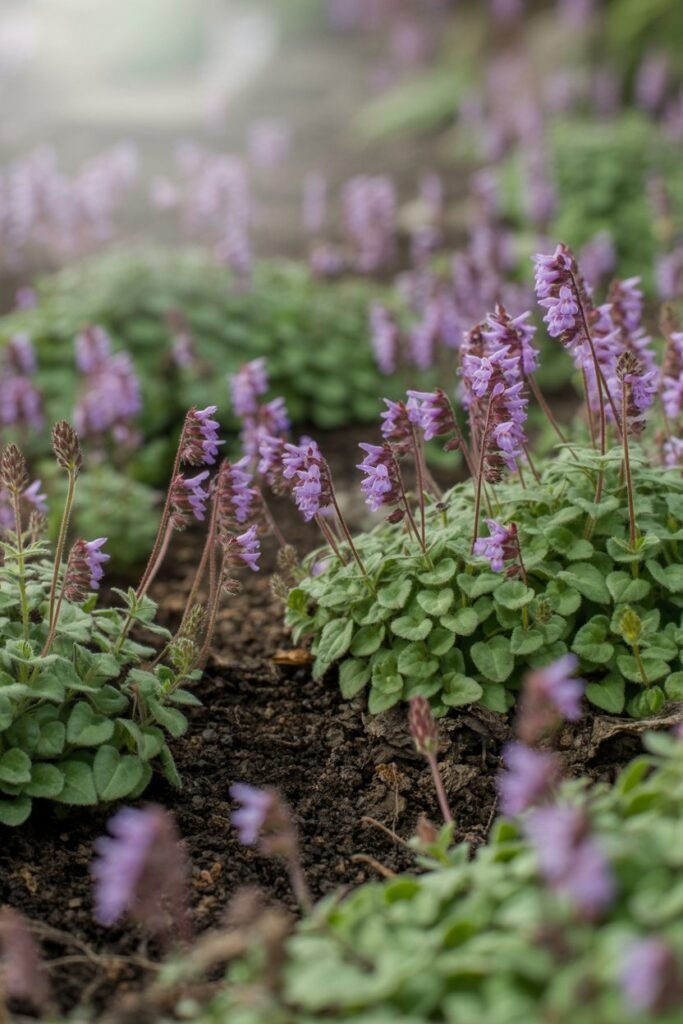
Perennial
Self-heal lives up to her name. Low-growing and quietly powerful, she spreads gently across the garden, offering medicine for wounds, inflammation, and inner balance.
Medicinal Properties
Self-heal is known for her anti-inflammatory, antimicrobial, and wound-healing qualities. She’s often used both internally and externally for cuts, infections, and immune support.
In the Apothecary
She’s a wonderful all-purpose herb perfect for teas, salves, and everyday wellness.
Common Uses
- Healing salves
- Immune teas
- Wound washes
Parts Used
- Aerial parts
Growing Notes
- Partial shade to full sun
- Moist soil
- Excellent ground cover
Closing Reflection
An apothecary garden is never truly finished it evolves with you.
Some herbs will call to you more than others, some will thrive unexpectedly, and others may take time to find their place. That’s part of the beauty.
Each plant you grow becomes a relationship one rooted in observation, care, and trust.
And over time, your garden becomes more than a source of medicine; it becomes a living reflection of your own healing journey.