
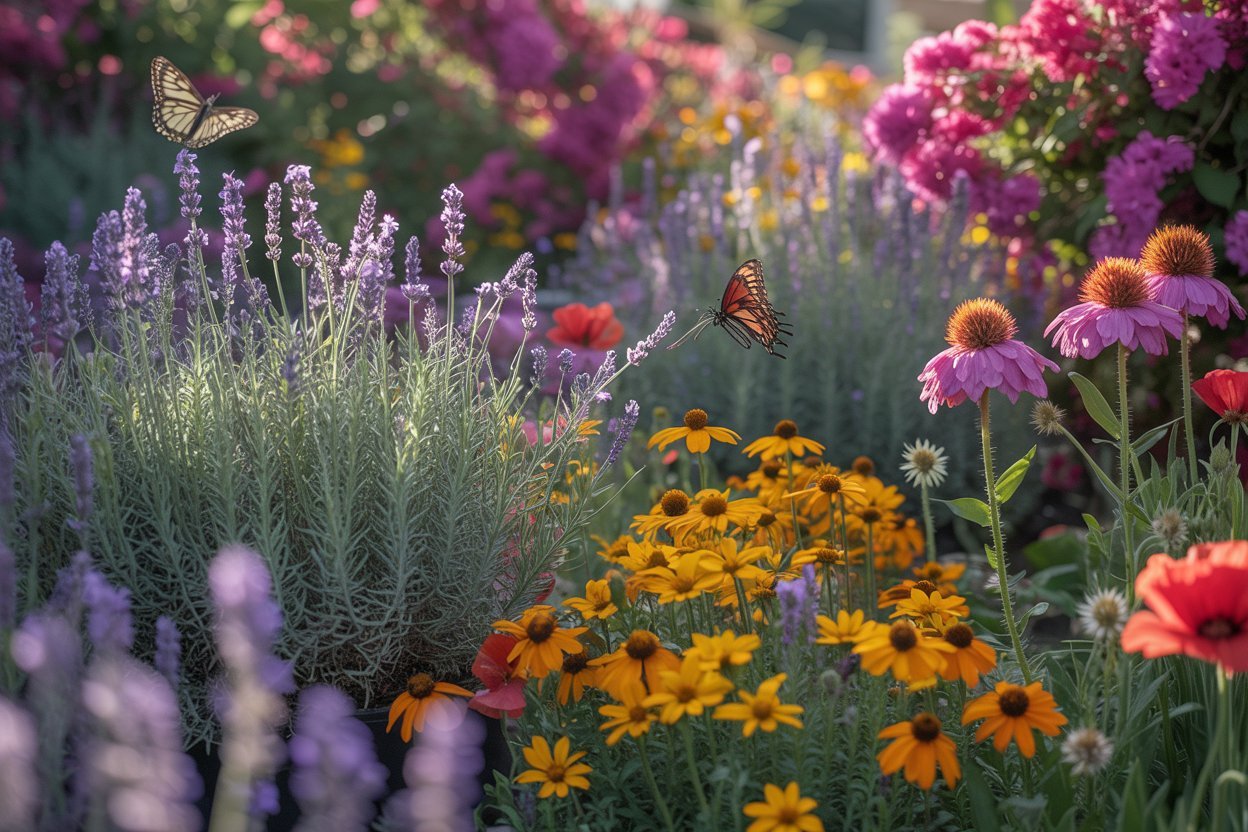

There was a time when I believed a colorful garden meant constant watering, endless hoses stretched across the yard, and worrying every time the sun stayed out too long.
I used to panic during dry weeks, watching my flowers droop and fade, thinking beauty always demanded effort and water.
But over the years, I discovered something magical.
Some of the most vibrant, joyful, and breathtaking gardens thrive with very little water at all.
Drought-tolerant flowering plants are nature’s quiet miracle workers. They bloom bravely through heat, bounce back after dry spells, and still bring lush color, texture, and life to your outdoor space.
Whether you live in a hot climate, want to conserve water, or simply crave a low-maintenance garden that still feels abundant, these plants are true treasures.
In this guide, I’m sharing 45 stunning drought-tolerant flowering plants that bring color without the stress. From soft romantic blooms to bold bursts of sunshine, these flowers prove you don’t have to sacrifice beauty for resilience.
Let’s begin with the first 10 gorgeous bloomers that will fall in love with dry conditions just as much as you will.
1. Lavender (Lavandula)
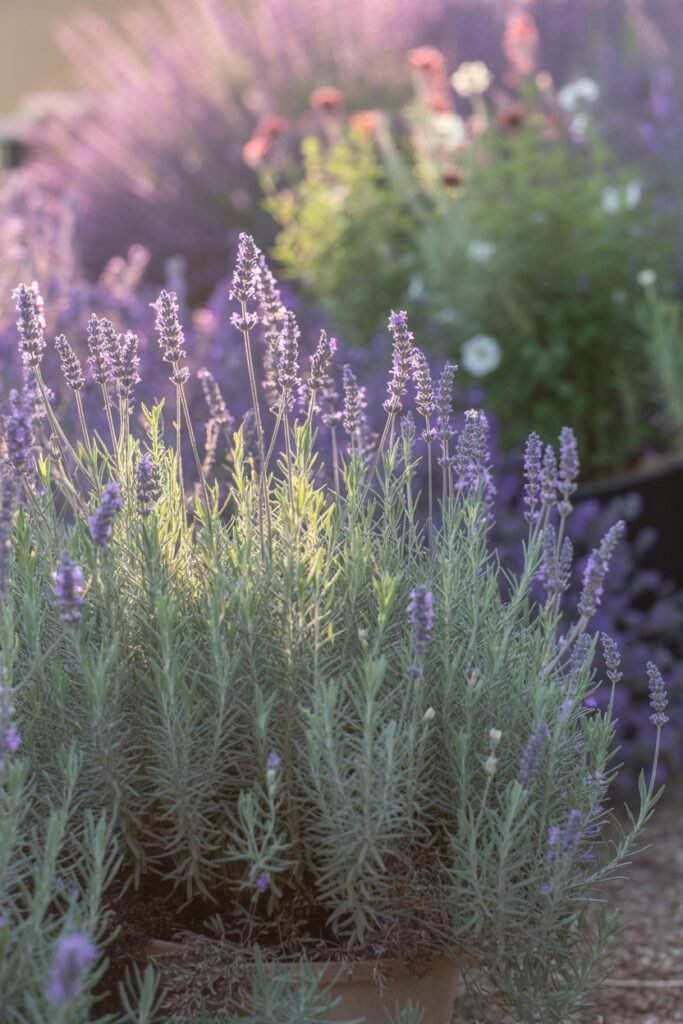
There’s something deeply calming about lavender.
Its soft purple spikes sway gently in the breeze, releasing that soothing scent that feels like summer evenings and peaceful mornings wrapped into one.
Lavender is one of the most beloved drought-tolerant plants, and for good reason. Once established, it thrives on minimal watering and actually prefers slightly dry soil. Too much moisture can make it unhappy!
Why Lavender Loves Dry Gardens
Lavender comes from Mediterranean regions where summers are hot and rainfall is low. Its silvery leaves help reflect sunlight and conserve moisture, making it naturally adapted to drought.
Growing Tips
- Plant in well-draining soil (this is the most important part!)
- Give it full sun at least 6–8 hours daily
- Water deeply but infrequently during the first growing season
Extra Benefits
- Attracts bees and butterflies
- Naturally repels mosquitoes
- Can be harvested for crafts, teas, and oils
Lavender brings elegance, fragrance, and resilience all in one graceful plant.
2. Coneflower (Echinacea)
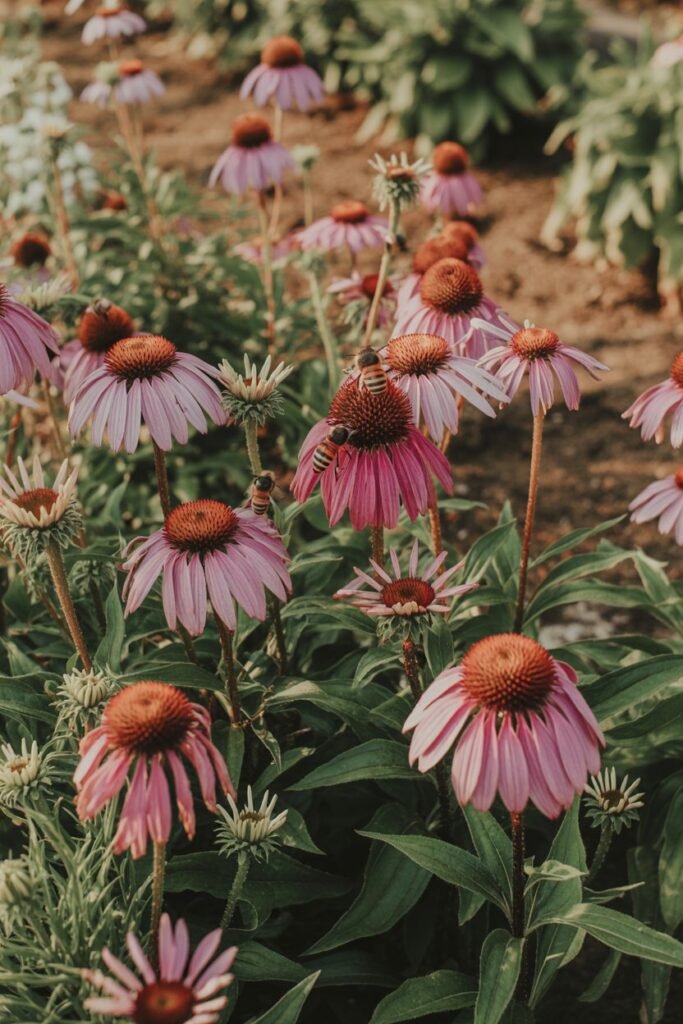
Coneflowers feel like little bursts of joy scattered across the garden.
With their bright pink, purple, white, or orange petals surrounding a raised center cone, they look cheerful even on the hottest days.
These hardy perennials are incredibly drought-tolerant once established and keep blooming from early summer well into fall.
Why Coneflowers Thrive in Dry Conditions
Their deep root systems help them access moisture far below the soil surface, allowing them to survive long dry periods with ease.
Growing Tips
- Full sun is best for maximum blooms
- Average to poor soil works fine
- Avoid overwatering
Extra Benefits
- Excellent for pollinators
- Seeds feed birds in fall and winter
- Long blooming season
Coneflowers bring that classic cottage-garden charm while being tough as nails underneath.
3. Blanket Flower (Gaillardia)
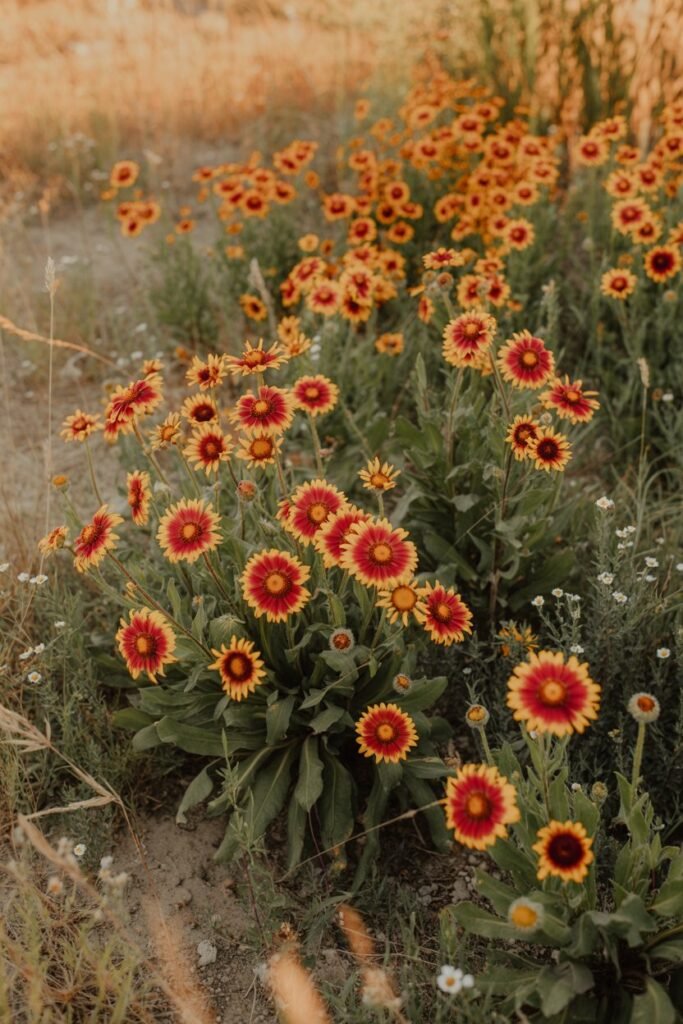
If sunshine had a flower, it would be the blanket flower.
These bold blooms mix fiery reds, oranges, and yellows in warm, glowing patterns that look like they belong in a summer painting.
Blanket flowers bloom generously even in poor, dry soil making them perfect for drought-friendly landscapes.
Why They Handle Drought So Well
Their natural habitat includes prairies and dry plains where water isn’t always reliable.
Growing Tips
- Loves full sun
- Well-drained soil is a must
- Deadhead for continuous blooming
Extra Benefits
- Blooms from early summer to frost
- Attracts bees and butterflies
- Very low maintenance
They bring warmth, color, and nonstop cheer to any garden space.
4. Yarrow (Achillea)
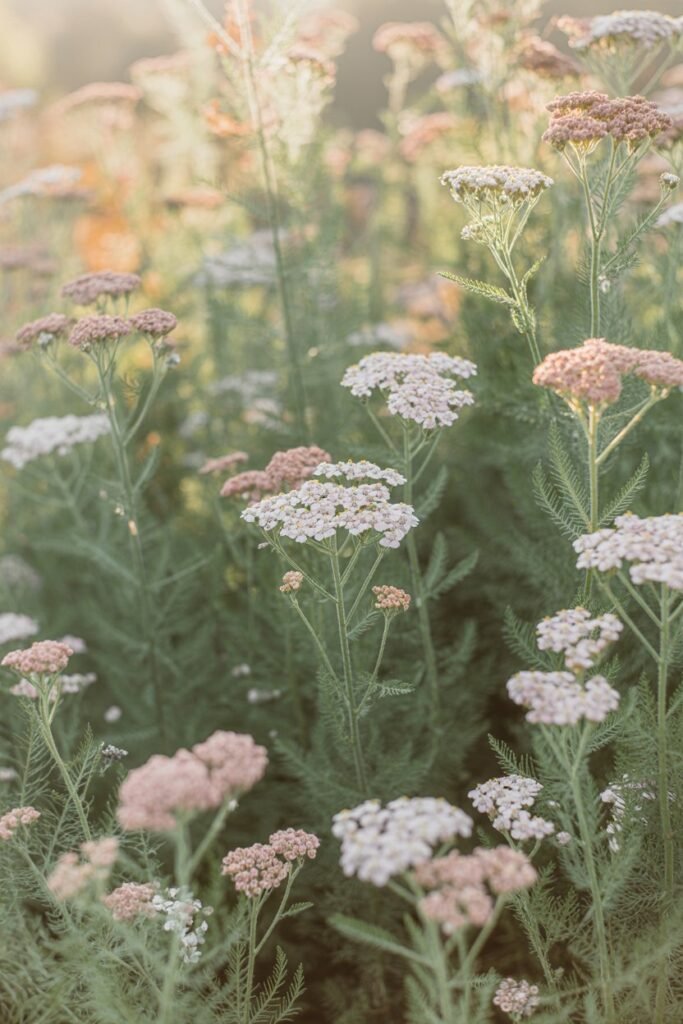
Yarrow feels soft and delicate, but don’t let its feathery leaves fool you — this plant is incredibly tough.
Its clusters of tiny flowers bloom in shades of white, pink, yellow, red, and peach, floating gracefully above fern-like foliage.
Why Yarrow Is Perfect for Dry Areas
Yarrow has deep roots and thrives in dry, sandy, or rocky soils where many plants struggle.
Growing Tips
- Full sun for best flowering
- Avoid rich soil (it prefers it simple)
- Water sparingly once established
Extra Benefits
- Long-lasting cut flowers
- Attracts beneficial insects
- Very disease resistant
Yarrow adds a soft romantic touch while being one of the easiest flowers to care for.
5. Russian Sage (Perovskia)
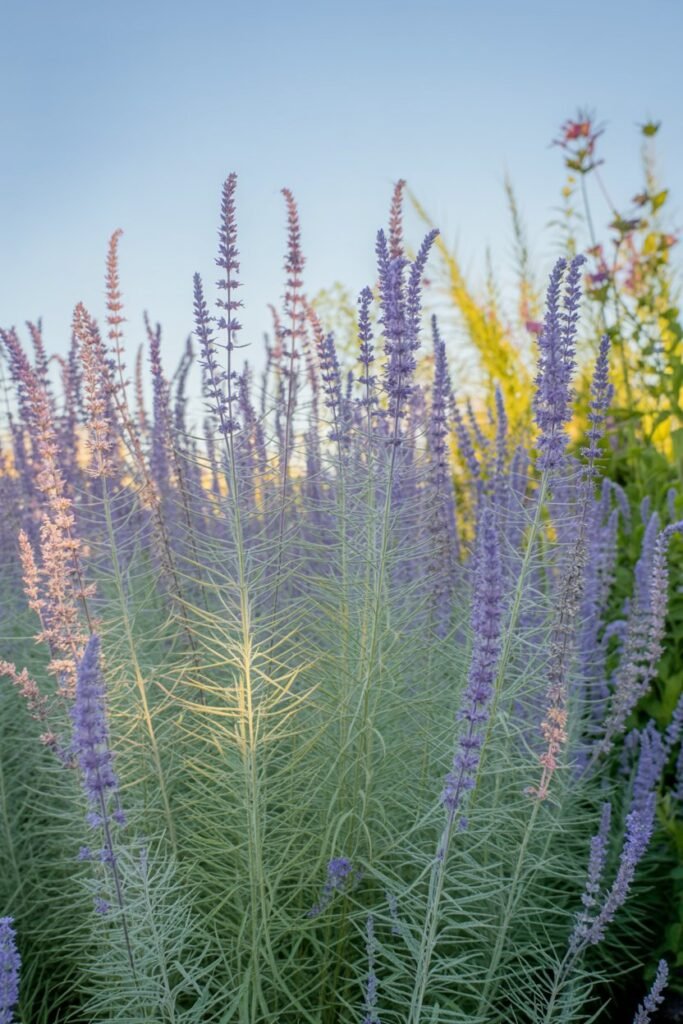
Russian sage is like a dreamy purple cloud floating in your garden.
Its tall stems are covered in delicate lavender-blue flowers that bloom for months, paired with silvery foliage that glows in the sunlight.
Why It Loves Dry Weather
Native to dry regions of Central Asia, Russian sage is built to handle heat and drought beautifully.
Growing Tips
- Full sun is essential
- Well-drained soil
- Cut back in early spring for fresh growth
Extra Benefits
- Blooms from summer to fall
- Deer and rabbit resistant
- Attracts pollinators
This plant adds height, softness, and movement to drought-tolerant gardens.
6. Portulaca (Moss Rose)
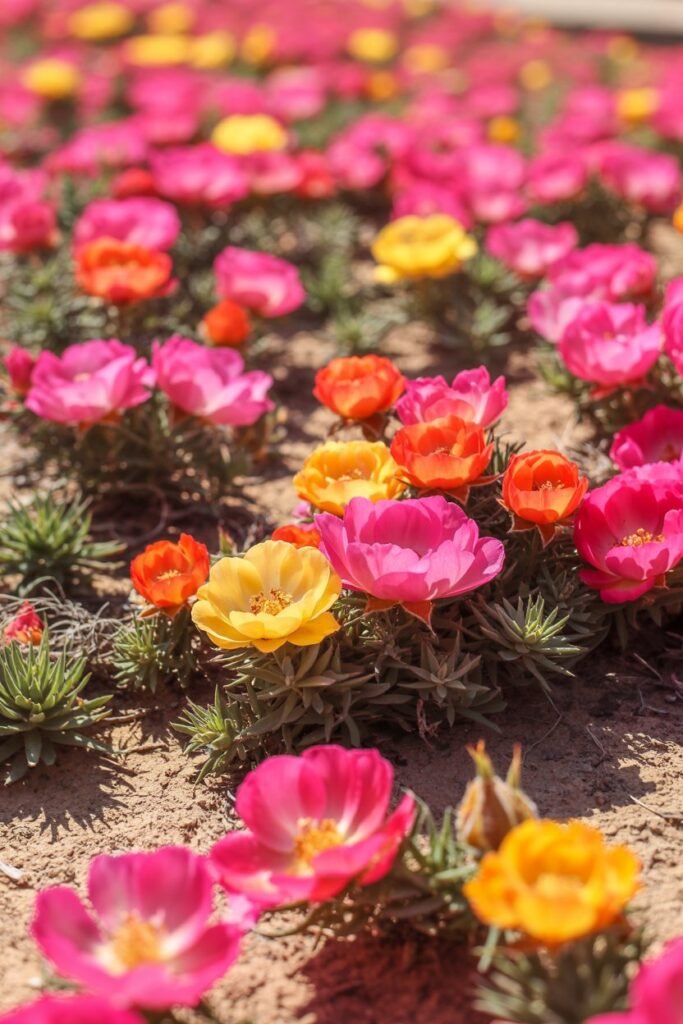
Portulaca is proof that small flowers can still make a big statement.
These low-growing blooms come in bright pinks, oranges, reds, yellows, and whites, opening fully in the sunshine like little jewels on the ground.
Why Portulaca Thrives in Dry Soil
Its succulent-like leaves store water, helping it survive extreme heat and drought.
Growing Tips
- Loves full sun
- Sandy or rocky soil works best
- Very little watering needed
Extra Benefits
- Great ground cover
- Blooms nonstop all summer
- Perfect for containers
Portulaca brings vibrant color to even the driest spots in your garden.
7. Salvia
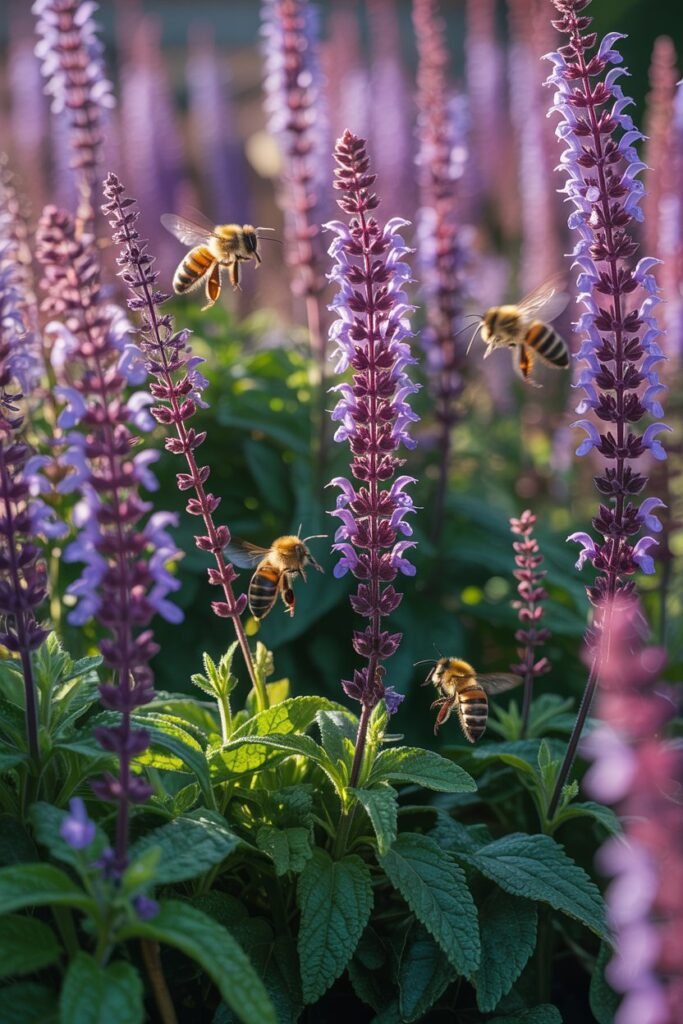
Salvia brings bold vertical spikes of blue, purple, red, pink, or white flowers that seem to dance in the breeze.
These long-blooming plants are incredibly hardy and drought-tolerant once settled.
Why Salvia Handles Heat So Well
Salvia’s roots grow deep, and its leaves are adapted to conserve moisture efficiently.
Growing Tips
- Full sun is best
- Well-drained soil
- Trim spent blooms to encourage more flowers
Extra Benefits
- Loved by hummingbirds and bees
- Blooms for months
- Great for borders and mixed beds
Salvia adds structure, color, and life to dry gardens effortlessly.
8. Black-Eyed Susan (Rudbeckia)
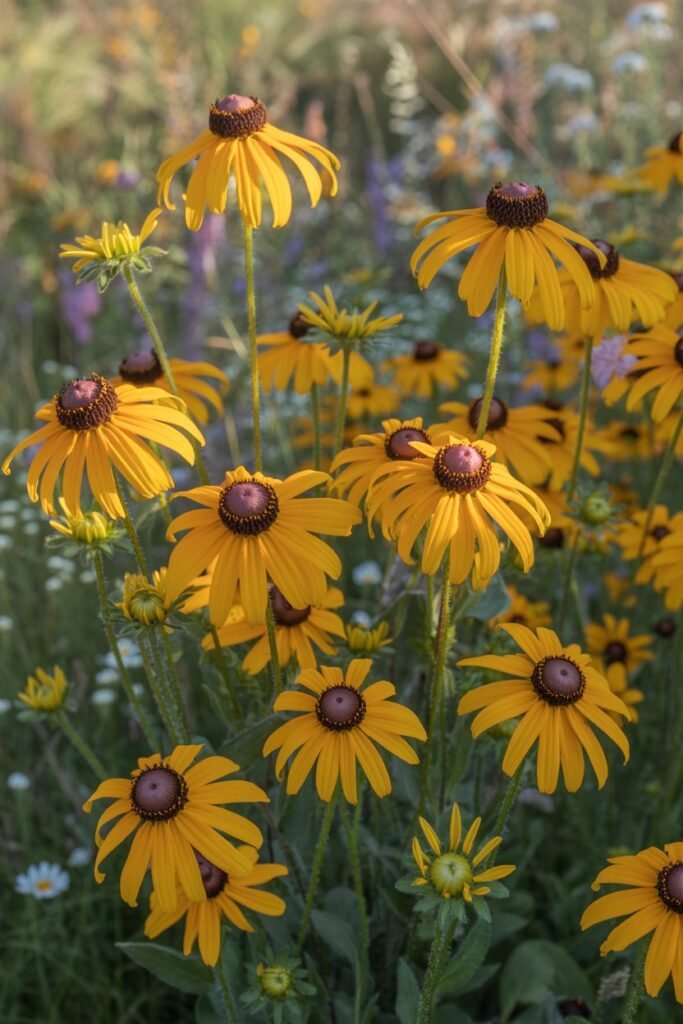
There’s something so comforting about black-eyed Susans.
Their golden yellow petals with dark centers feel warm and welcoming like little suns shining through your garden.
These cheerful flowers are extremely drought-tolerant and thrive in summer heat.
Why They’re So Resilient
Their strong roots help them endure long dry periods without losing blooms.
Growing Tips
- Full sun preferred
- Average soil is fine
- Minimal watering once established
Extra Benefits
- Long bloom season
- Great for wildlife
- Easy to grow
They bring that classic wildflower beauty with very little effort.
9. Ice Plant (Delosperma)
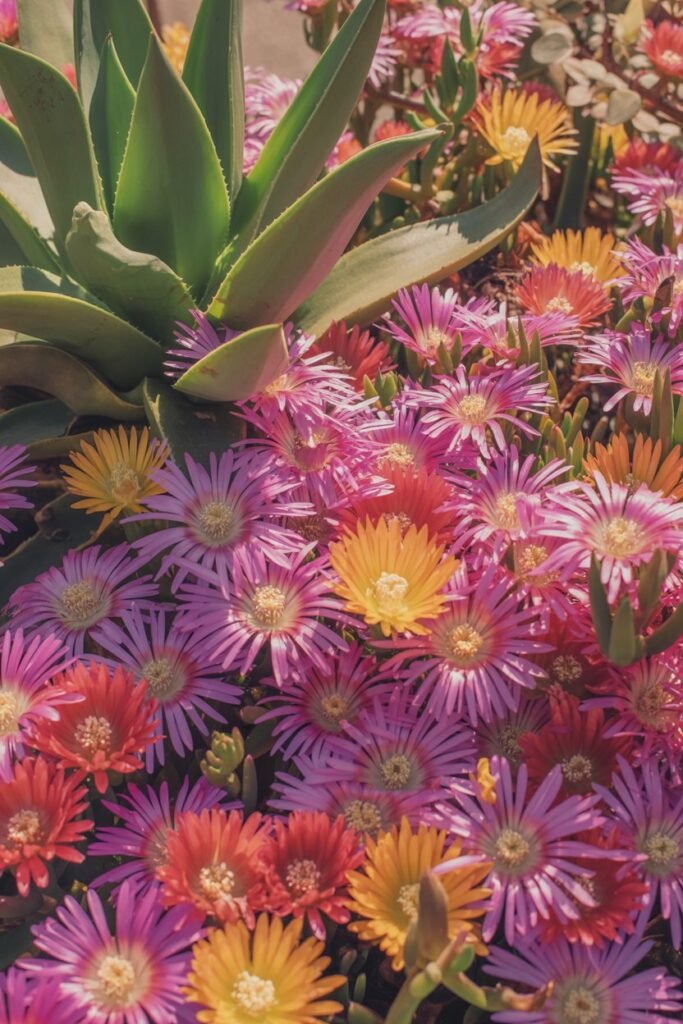
Ice plants are magical little ground covers that shimmer in the sunlight.
Their bright daisy-like flowers sparkle almost like tiny crystals hence the name.
Why Ice Plants Love Dry Conditions
Their thick succulent leaves store water, making them extremely drought-tolerant.
Growing Tips
- Full sun
- Well-drained soil
- Avoid overwatering
Extra Benefits
- Excellent erosion control
- Blooms heavily in summer
- Great for rock gardens
Ice plants turn dry, tough spaces into colorful carpets of blooms.
10. California Poppy (Eschscholzia)
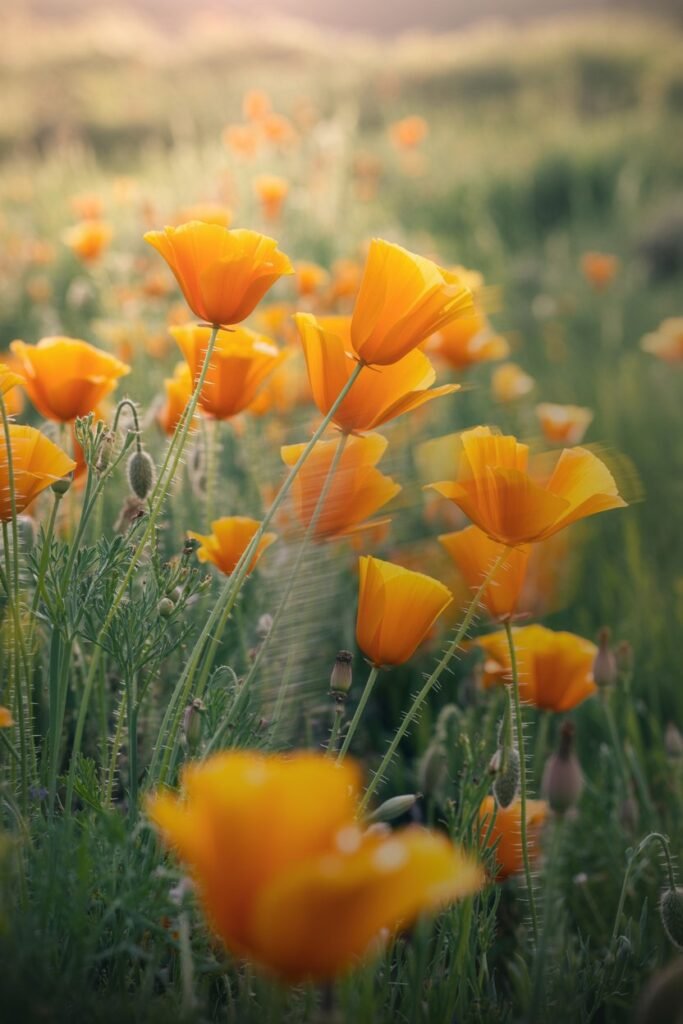
California poppies are soft, silky, and breathtaking in their simplicity.
Their bright orange, yellow, pink, and cream petals glow beautifully against blue-green foliage.
Why Poppies Thrive With Little Water
They’re native to dry regions and naturally adapted to survive drought.
Growing Tips
- Full sun
- Light, well-drained soil
- Water sparingly
Extra Benefits
- Self-seeding
- Fast growing
- Perfect for natural gardens
They bring effortless beauty that feels wild, free, and joyful.
11. Bougainvillea
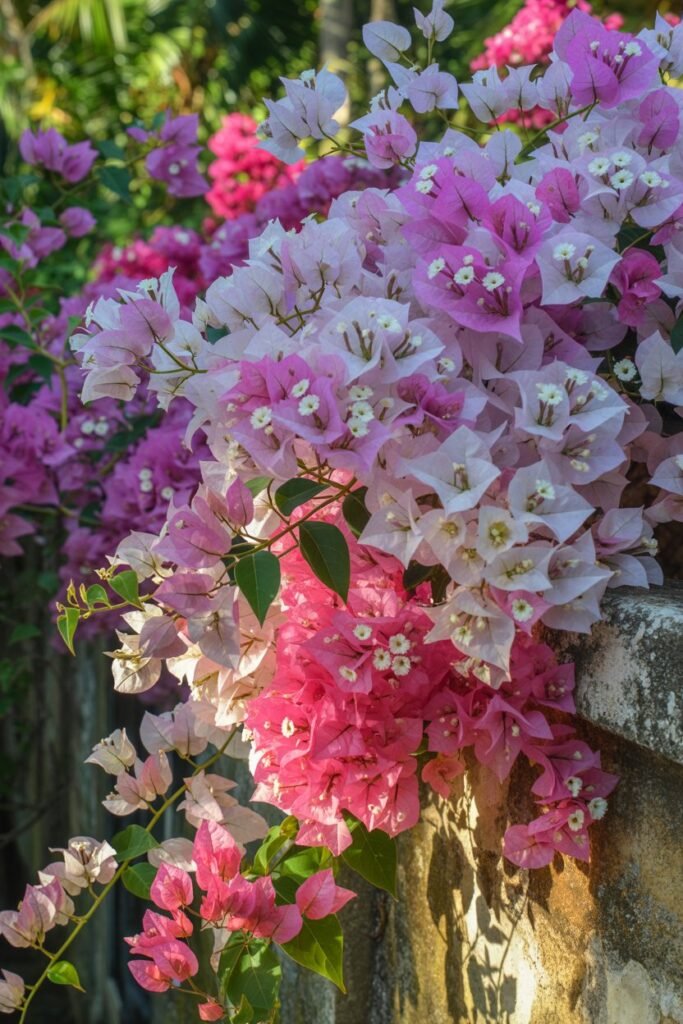
Bougainvillea feels like pure summer joy climbing across walls, fences, and garden arches.
Its vibrant “flowers” (which are actually colorful bracts) come in glowing shades of pink, purple, red, orange, and white, creating a waterfall of color wherever it grows.
Once established, bougainvillea is incredibly drought-tolerant and actually blooms more beautifully when slightly stressed by dry soil.
Why Bougainvillea Thrives in Dry Conditions
Native to tropical and subtropical regions, bougainvillea has adapted to hot climates with minimal rainfall. Too much water often leads to more leaves and fewer blooms.
Growing Tips
- Plant in full sun for maximum flowering
- Use well-draining soil
- Water deeply but allow soil to dry between watering
Extra Benefits
- Perfect for trellises and pergolas
- Long blooming season
- Adds dramatic vertical color
Bougainvillea brings a bold, romantic feel that instantly transforms any garden into a paradise.
12. Lantana
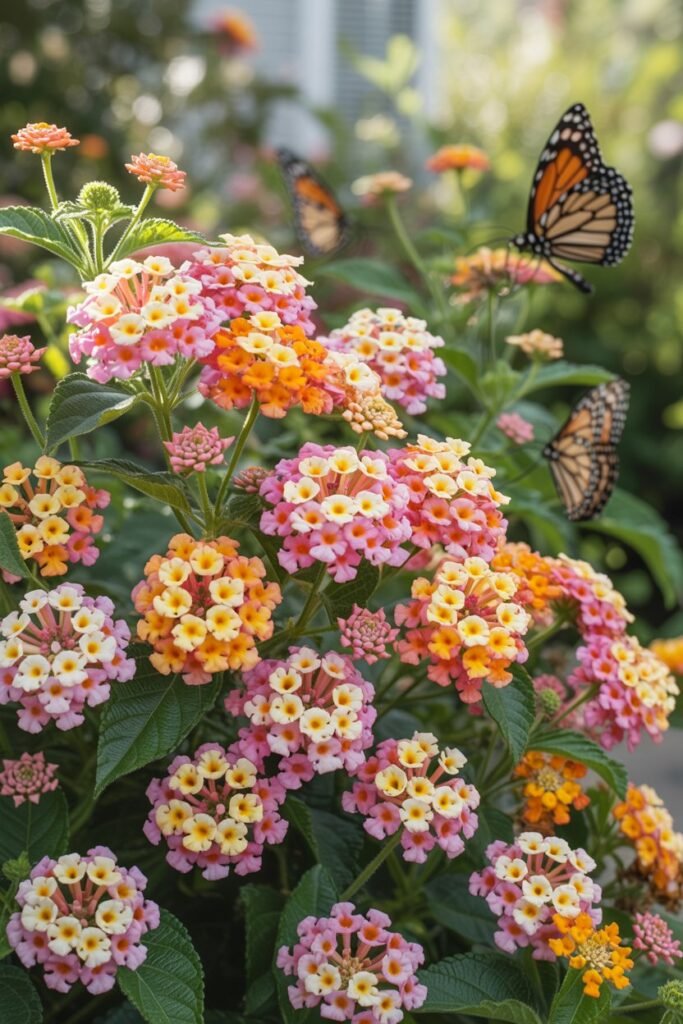
Lantana is one of those plants that seems to bloom nonstop, no matter how hot or dry it gets.
Its small clustered flowers blend beautiful shades of yellow, pink, orange, red, and purple often changing color as they mature.
Why Lantana Loves the Heat
This tough plant thrives in sunny, dry conditions and is highly resistant to drought once established.
Growing Tips
- Full sun is essential
- Average to sandy soil works well
- Water lightly after establishment
Extra Benefits
- Attracts butterflies and bees
- Blooms all summer long
- Excellent for containers and borders
Lantana adds cheerful pops of color with almost no effort.
13. Coreopsis (Tickseed)
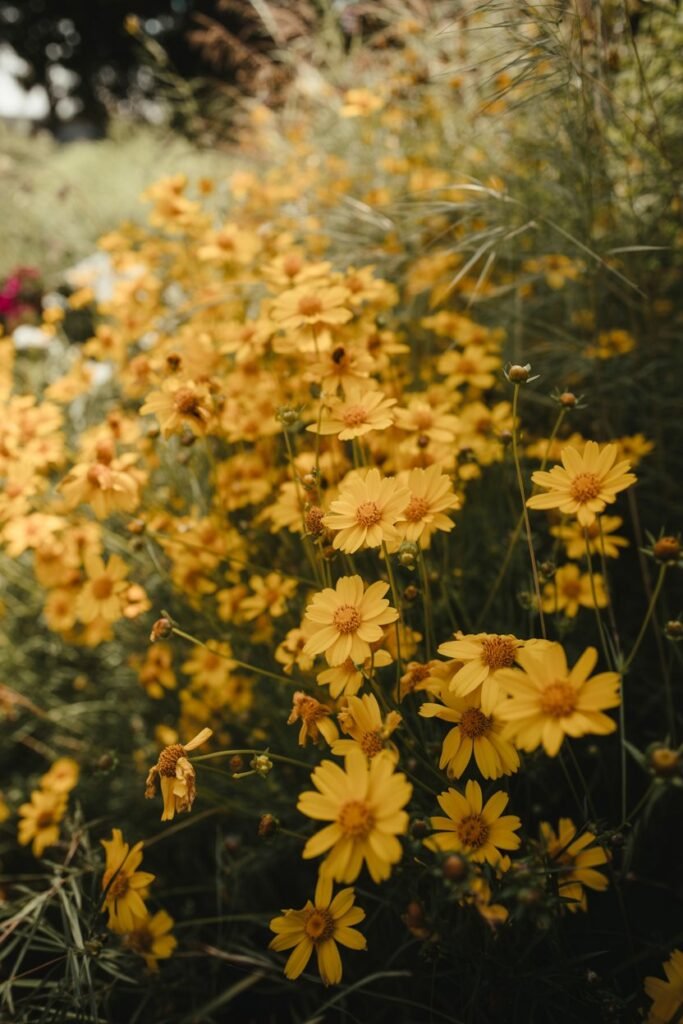
Coreopsis feels light and airy, like sunshine sprinkled across your garden.
Its daisy-like flowers bloom in bright yellow, gold, pink, and red, dancing gracefully above slender stems.
Why Coreopsis Is Drought-Tolerant
Its roots are adapted to dry prairie environments, allowing it to survive long dry spells with ease.
Growing Tips
- Full sun
- Well-drained soil
- Deadhead regularly for continuous blooms
Extra Benefits
- Long flowering season
- Low maintenance
- Great for wildflower gardens
Coreopsis brings a soft, happy glow that lasts for months.
14. Verbena
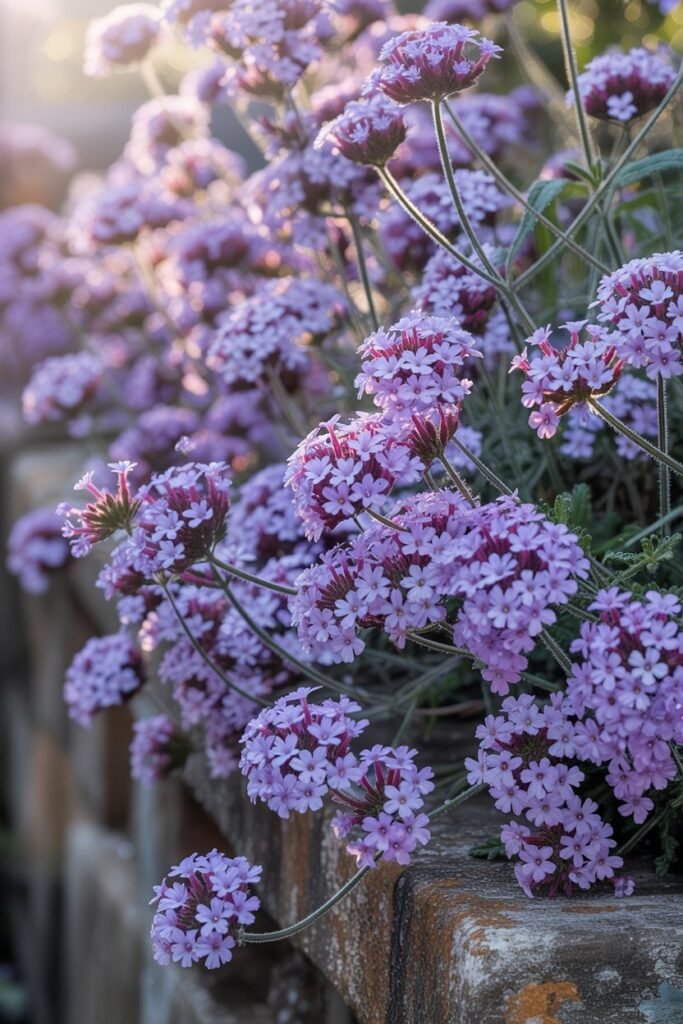
Verbena offers clusters of tiny blooms in rich purples, pinks, reds, and whites that seem to float above trailing or upright stems.
It’s one of those flowers that keeps blooming even during scorching heat.
Why Verbena Thrives With Little Water
Once its roots are established, verbena tolerates drought extremely well and prefers slightly dry soil.
Growing Tips
- Full sun
- Well-draining soil
- Light pruning encourages bushier growth
Extra Benefits
- Perfect for hanging baskets and ground cover
- Attracts pollinators
- Long-lasting blooms
Verbena adds soft elegance while handling tough conditions gracefully.
15. Zinnia

Zinnias are bright, bold, and full of personality.
From soft pastels to vibrant reds, oranges, pinks, and purples, they bloom generously all summer long and thrive in warm, dry weather.
Why Zinnias Are Drought-Friendly
They have strong stems and roots that tolerate heat and brief droughts beautifully.
Growing Tips
- Full sun
- Well-drained soil
- Water at the base to prevent mildew
Extra Benefits
- Easy from seed
- Great cut flowers
- Loved by butterflies
Zinnias bring playful color and joy to any sunny garden space.
16. Gaura (Bee Blossom)
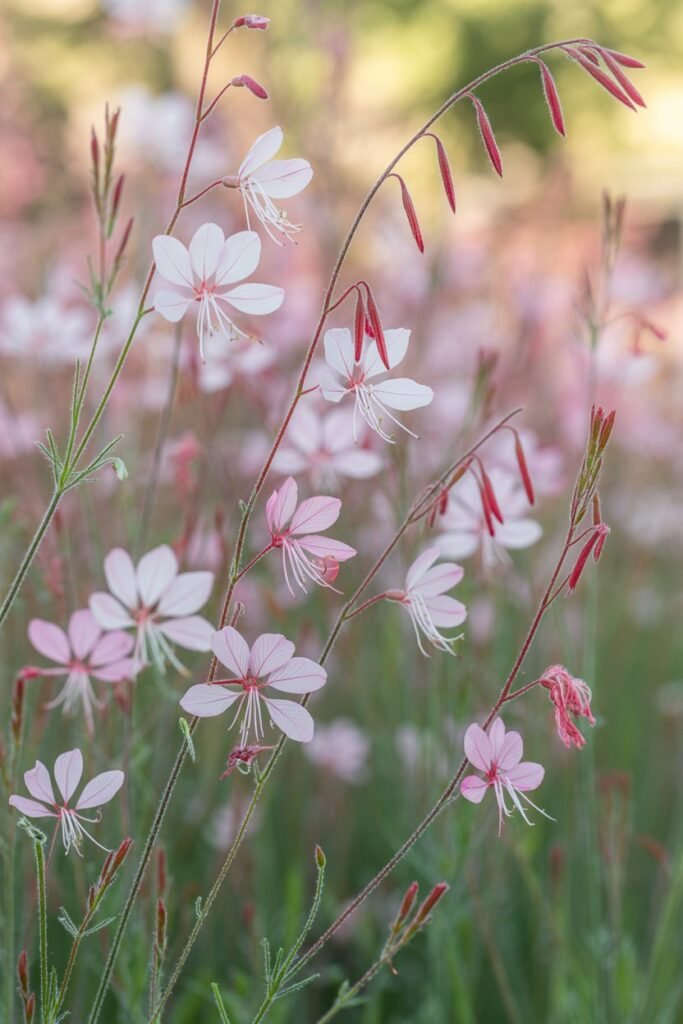
Gaura feels like delicate butterflies dancing above your garden beds.
Its airy stems are covered in soft pink or white blooms that sway gently with the breeze.
Why Gaura Thrives in Dry Soil
Native to dry regions, gaura is very drought-tolerant once established.
Growing Tips
- Full sun
- Light, well-drained soil
- Minimal watering needed
Extra Benefits
- Long blooming season
- Adds movement and softness
- Attracts pollinators
Gaura creates a dreamy, romantic atmosphere with little maintenance.
17. Penstemon
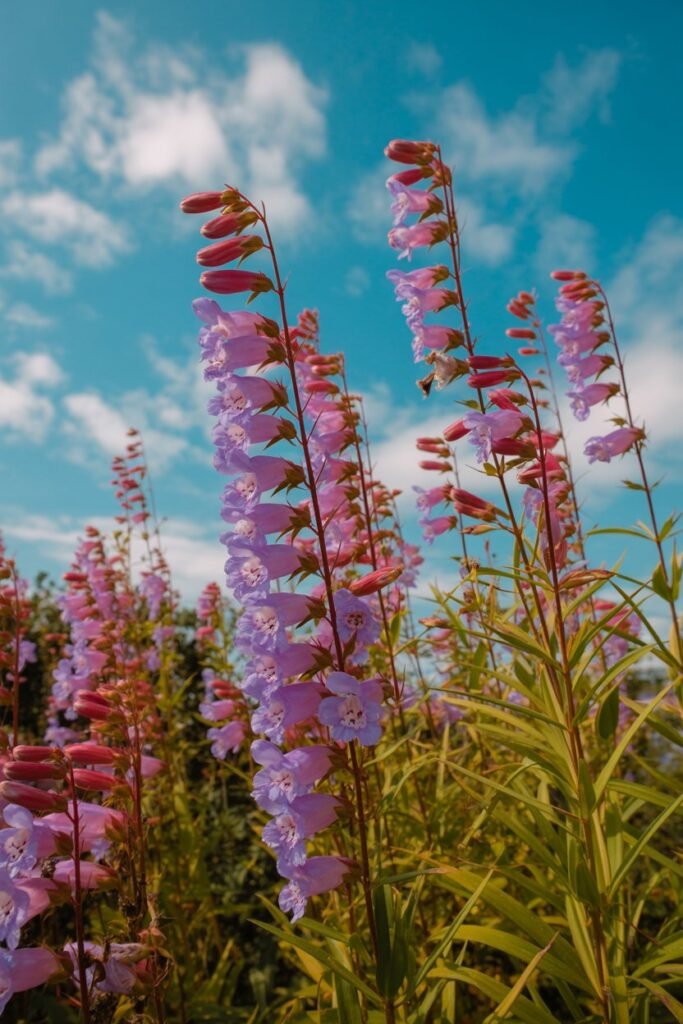
Penstemon brings tall spikes of tubular flowers in shades of purple, red, pink, blue, and white.
These bold blooms look stunning in mixed flower beds and natural landscapes.
Why Penstemon Handles Drought Well
Its deep roots help it reach moisture far below the surface.
Growing Tips
- Full sun to partial shade
- Well-drained soil
- Avoid overwatering
Extra Benefits
- Loved by hummingbirds
- Long-lasting flowers
- Adds height and structure
Penstemon gives gardens a graceful yet wildflower-inspired beauty.
18. Sedum (Stonecrop)
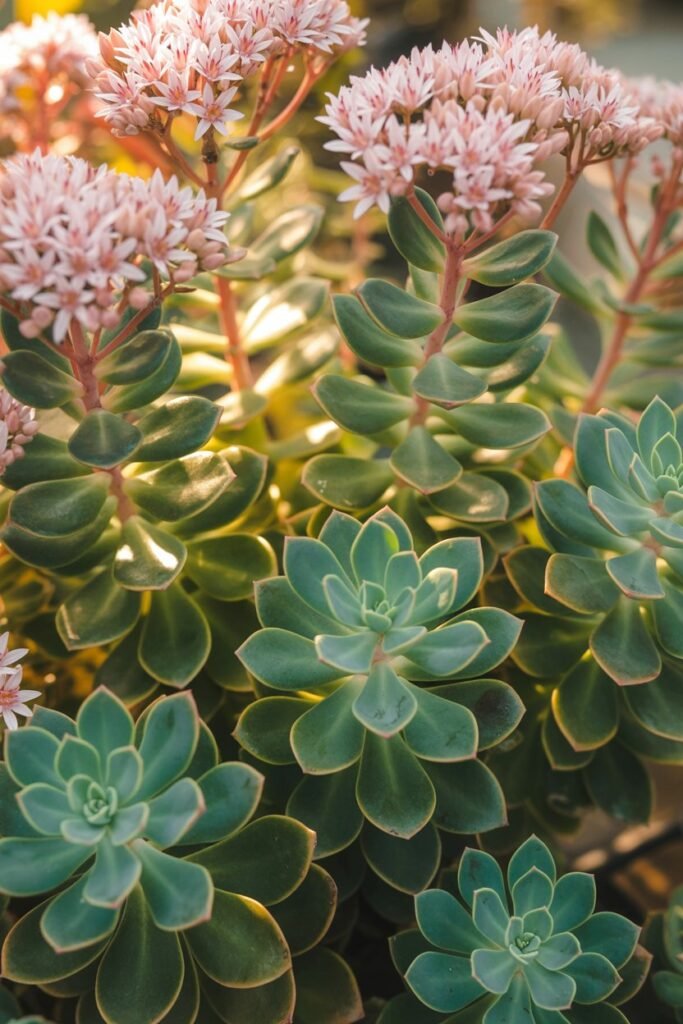
Sedum is a hardy beauty that looks lovely from spring through fall.
Its thick succulent leaves store water, while clusters of star-shaped flowers bloom in soft pinks, whites, and reds.
Why Sedum Is Extremely Drought-Tolerant
Those fleshy leaves act like tiny reservoirs, helping the plant survive dry periods easily.
Growing Tips
- Full sun preferred
- Well-drained soil
- Very little watering needed
Extra Benefits
- Great for rock gardens
- Attracts pollinators
- Beautiful fall color
Sedum is perfect for gardeners who want beauty with almost no work.
19. Cosmos
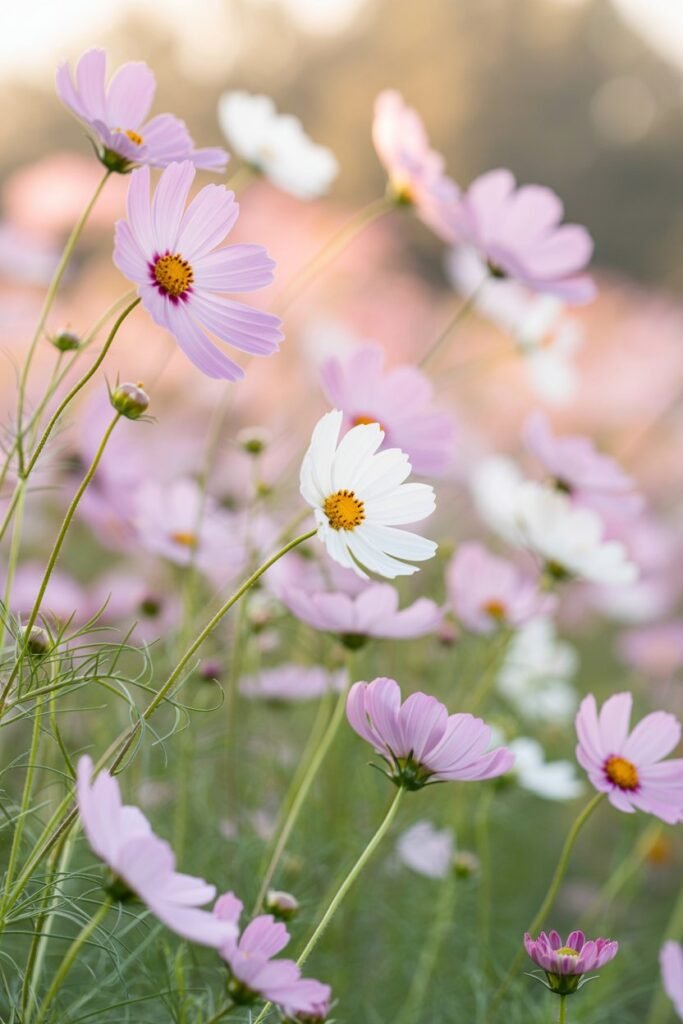
Cosmos bring a soft, whimsical charm to any garden.
Their daisy-like blooms in pink, purple, white, and deep red float above delicate, ferny foliage.
Why Cosmos Thrive in Dry Conditions
They prefer poor, dry soil and actually bloom better with less water.
Growing Tips
- Full sun
- Avoid rich soil
- Water sparingly
Extra Benefits
- Easy to grow from seed
- Long blooming season
- Great for natural gardens
Cosmos create an effortless, airy beauty that feels like a summer meadow.
20. Butterfly Bush (Buddleja)
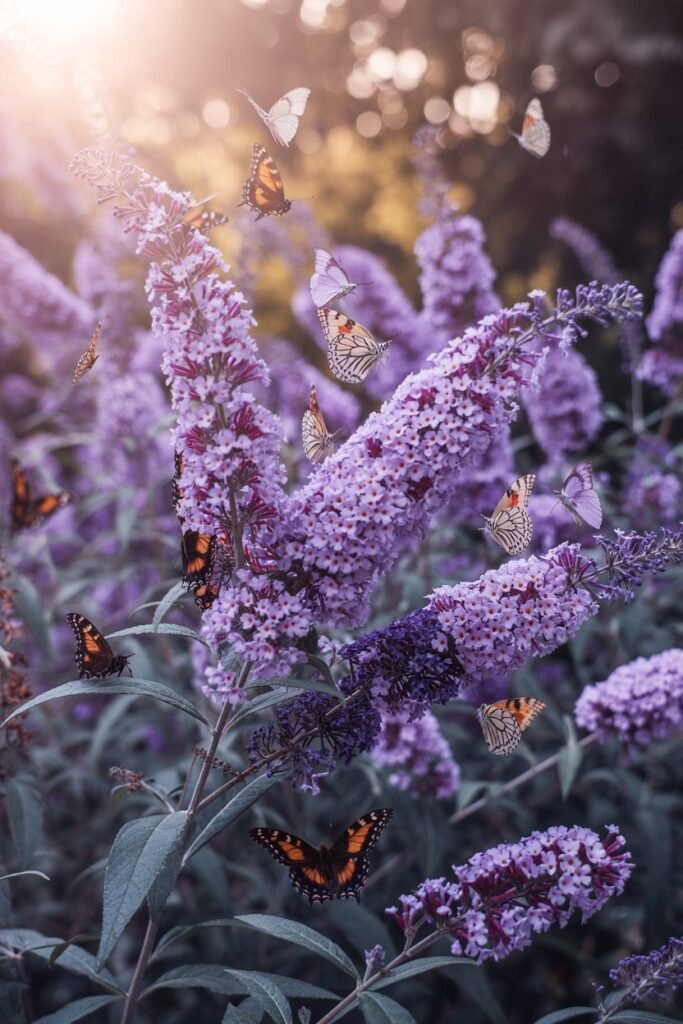
Butterfly bush is a showstopper with long cone-shaped clusters of purple, pink, white, or blue blooms.
As the name suggests, it attracts butterflies in abundance, filling your garden with movement and life.
Why It’s Drought-Tolerant
Once established, butterfly bush thrives in hot, dry conditions and needs little water.
Growing Tips
- Full sun
- Well-drained soil
- Prune yearly for healthy growth
Extra Benefits
- Blooms from summer to fall
- Fast growing
- Great focal plant
Butterfly bush brings drama, fragrance, and pollinator magic to drought-friendly gardens.
21. Oleander (Nerium oleander)
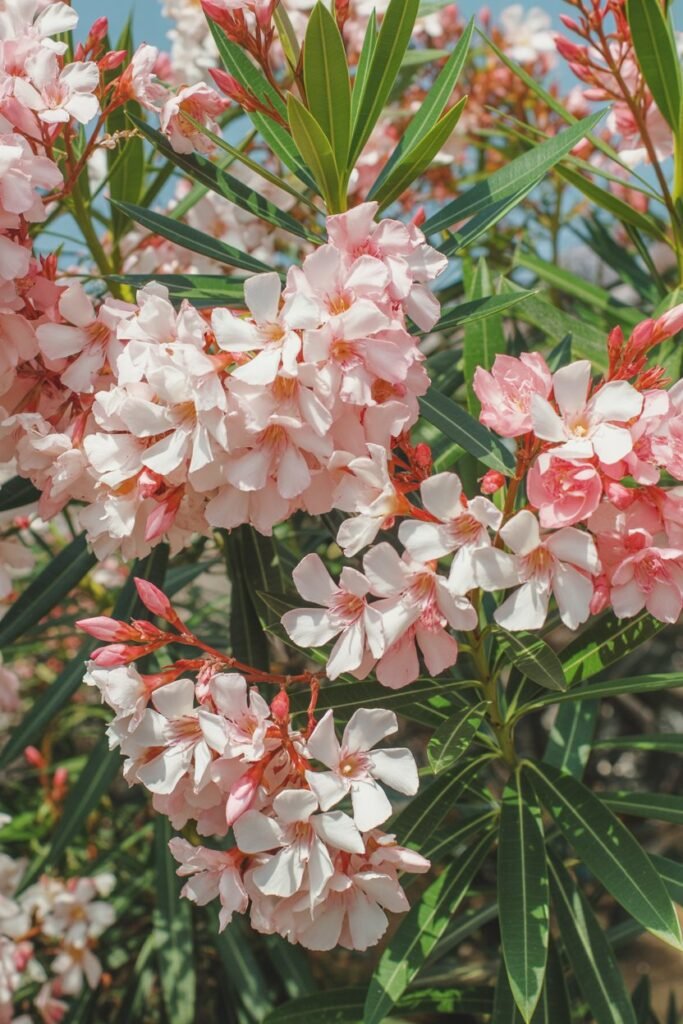
Oleander feels lush and tropical, even in the driest landscapes.
Its clusters of fragrant flowers bloom in shades of white, pink, red, and soft peach, creating a beautiful contrast against its glossy green leaves.
Why Oleander Thrives in Drought
Oleander has tough, leathery leaves that reduce water loss, making it incredibly drought-tolerant once established.
Growing Tips
- Full sun to partial shade
- Well-drained soil
- Water occasionally once mature
Extra Benefits
- Long blooming season
- Excellent hedge or privacy screen
- Heat and salt tolerant
Oleander brings a resort-like beauty while handling dry weather with ease.
22. Desert Marigold (Baileya multiradiata)
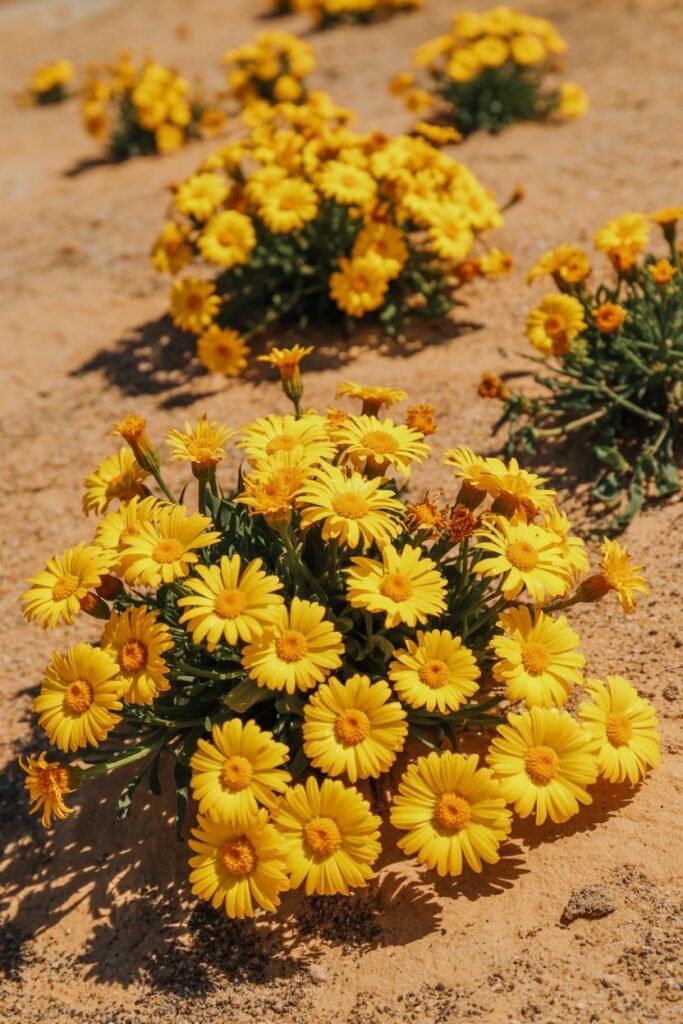
Desert marigold is a soft, glowing flower that looks like sunshine resting on silvery stems.
Its bright yellow blooms appear almost effortlessly, even in hot, dry environments.
Why It Loves Dry Soil
Native to desert regions, this plant thrives where water is scarce.
Growing Tips
- Full sun
- Sandy or rocky soil
- Minimal watering
Extra Benefits
- Blooms repeatedly throughout summer
- Low maintenance
- Perfect for dry landscapes
Desert marigold adds gentle brightness to the toughest garden spots.
23. Red Hot Poker (Kniphofia)
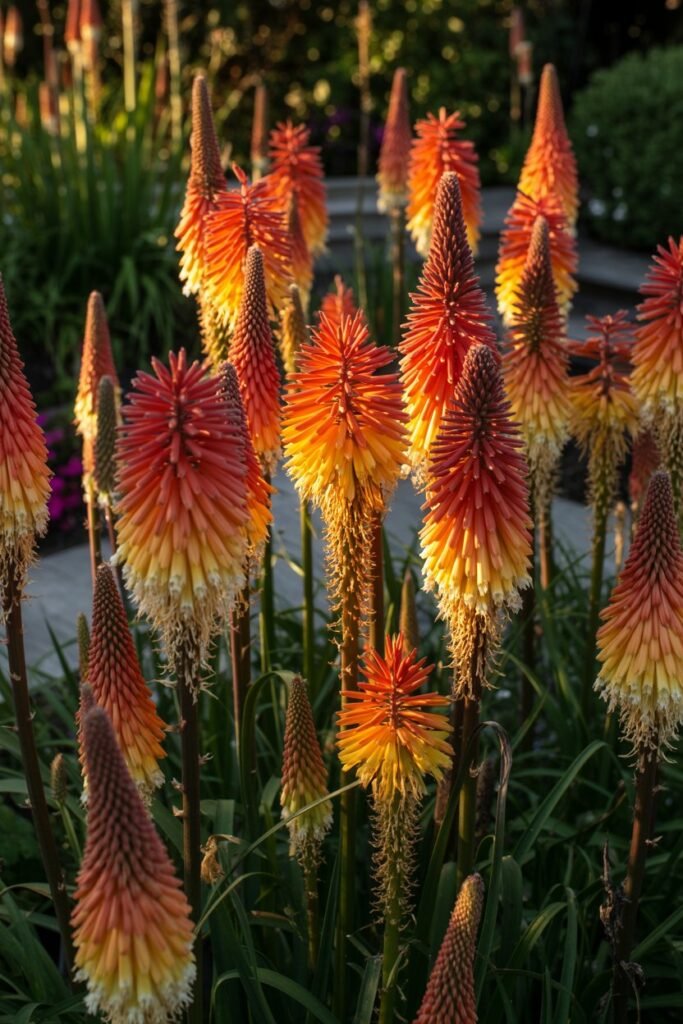
Red hot poker plants bring drama and bold color to any garden.
Their tall flower spikes glow in fiery shades of red, orange, and yellow, like little torches lighting up your flower beds.
Why They’re Drought-Tolerant
Their thick roots store moisture, allowing them to survive dry periods.
Growing Tips
- Full sun
- Well-drained soil
- Water moderately at first, then sparingly
Extra Benefits
- Attract hummingbirds
- Long blooming season
- Great statement plant
They add height, color, and excitement without needing much water.
24. Blanket Sage (Salvia dorrii)
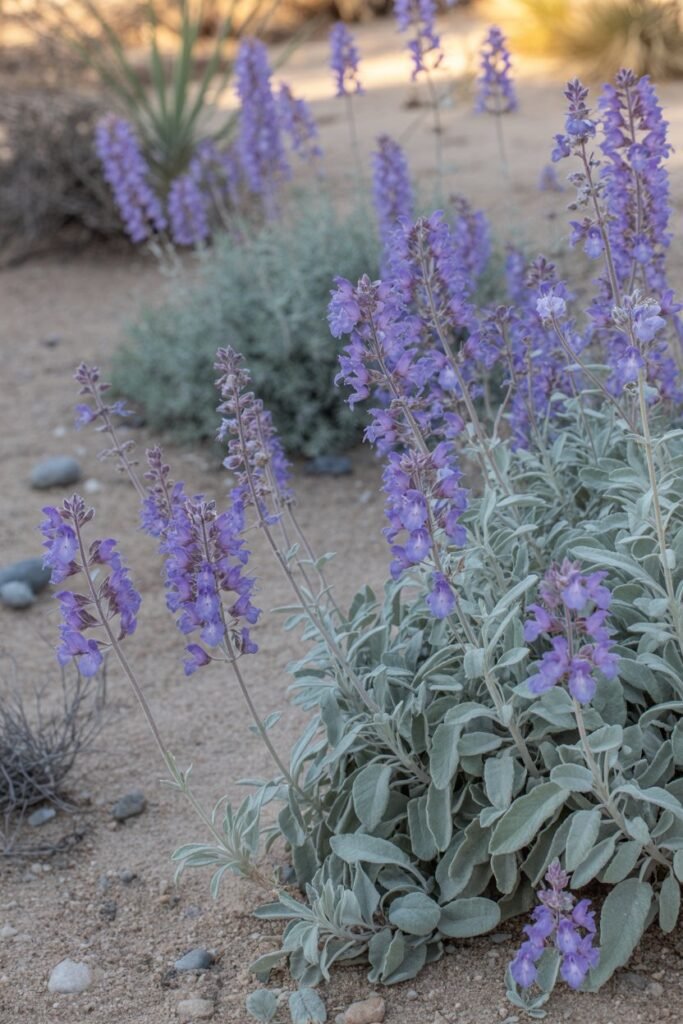
Blanket sage feels soft and calming with its silvery leaves and rich purple-blue flowers.
It has a gentle beauty that blends perfectly into drought-tolerant landscapes.
Why Blanket Sage Thrives in Drought
Native to dry desert areas, it’s naturally built to conserve moisture.
Growing Tips
- Full sun
- Well-drained soil
- Very little watering once established
Extra Benefits
- Fragrant foliage
- Attracts pollinators
- Deer resistant
Blanket sage brings peaceful elegance to dry garden spaces.
25. Rock Rose (Cistus)
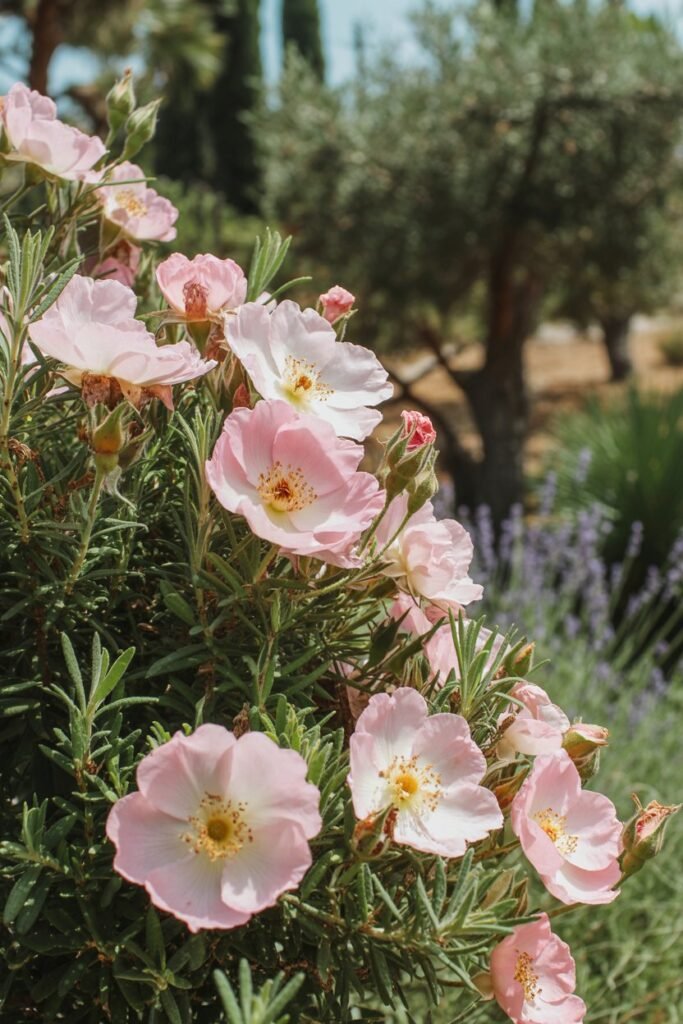
Rock rose blooms look like delicate tissue-paper flowers scattered across evergreen shrubs.
They bloom heavily in spring and early summer in shades of white, pink, and soft purple.
Why Rock Rose Loves Dry Conditions
This Mediterranean native thrives in hot, dry summers and poor soil.
Growing Tips
- Full sun
- Well-drained soil
- Avoid heavy watering
Extra Benefits
- Evergreen foliage
- Beautiful natural shape
- Low maintenance
Rock rose offers effortless beauty with remarkable toughness.
26. Scabiosa (Pincushion Flower)
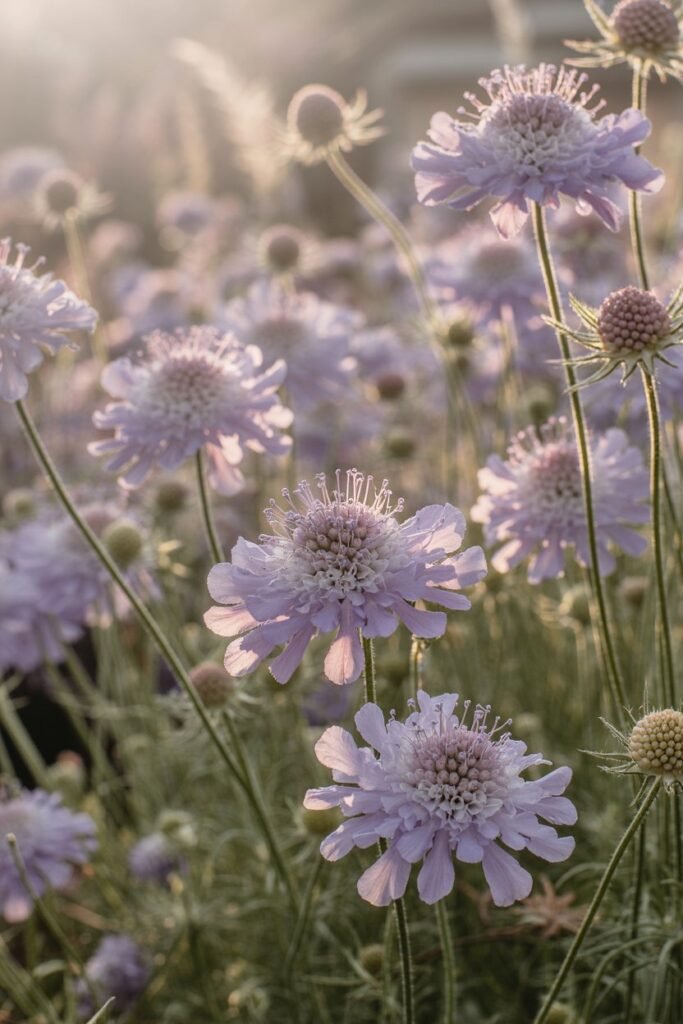
Scabiosa feels light and graceful, with soft blooms perched atop slender stems like little cushions of color.
They come in dreamy shades of lavender, blue, pink, and white.
Why Scabiosa Is Drought-Friendly
Once established, it tolerates dry spells while continuing to bloom generously.
Growing Tips
- Full sun
- Well-drained soil
- Deadhead for more blooms
Extra Benefits
- Great cut flower
- Attracts butterflies
- Long blooming season
Scabiosa adds gentle charm and romantic softness.
27. Catmint (Nepeta)
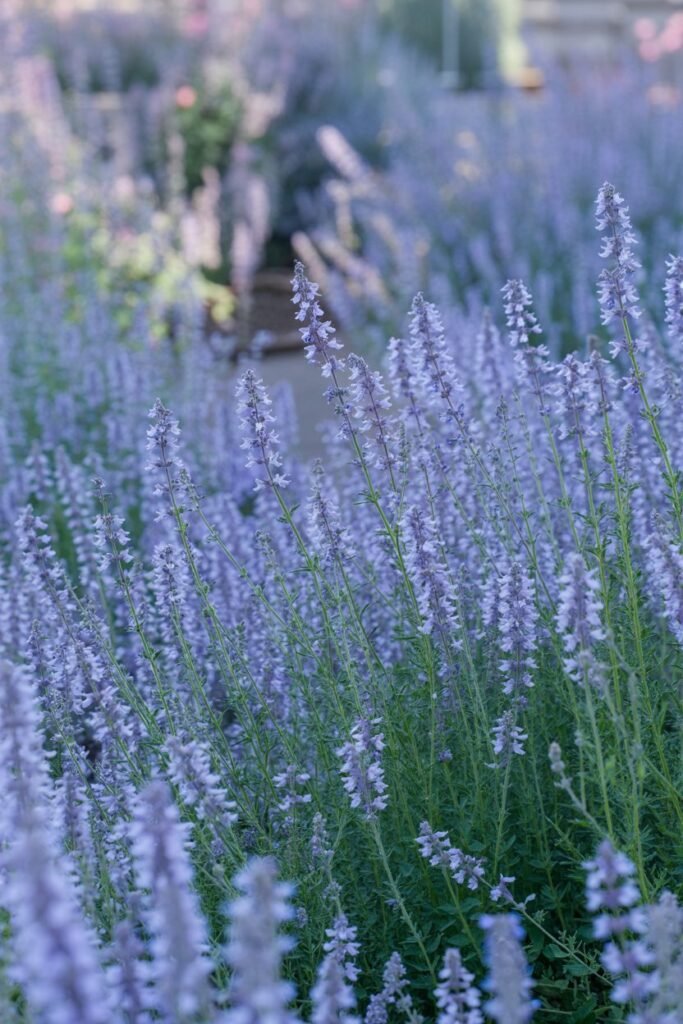
Catmint brings soft waves of lavender-blue flowers paired with aromatic gray-green leaves.
It creates a relaxed, cottage-garden look while being extremely drought-tolerant.
Why It Thrives in Dry Soil
Its roots and foliage are adapted to conserve moisture efficiently.
Growing Tips
- Full sun to partial shade
- Well-drained soil
- Trim after first bloom for rebloom
Extra Benefits
- Loved by bees
- Deer resistant
- Long flowering period
Catmint offers soothing color and effortless care.
28. Globe Thistle (Echinops)
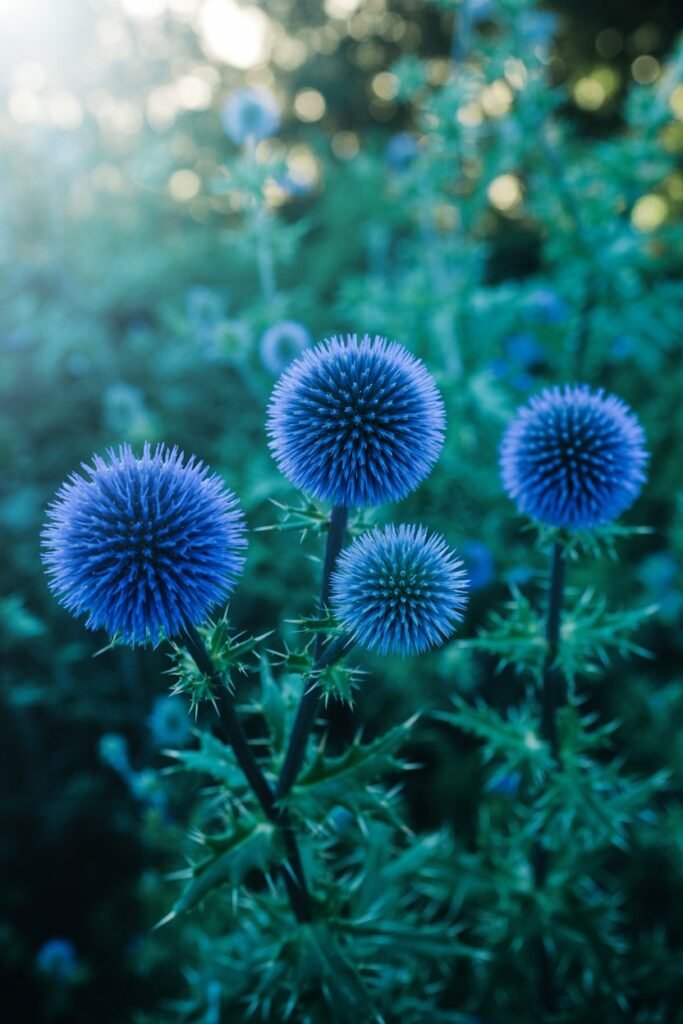
Globe thistle stands out with its round, spiky blue flower balls that look like tiny glowing orbs.
They add a modern, artistic touch to any garden.
Why It Handles Drought Well
Native to dry regions, globe thistle thrives with little water.
Growing Tips
- Full sun
- Well-drained soil
- Minimal watering
Extra Benefits
- Excellent cut flower
- Attracts pollinators
- Very hardy
Globe thistle brings texture, beauty, and resilience together.
29. Evening Primrose (Oenothera)
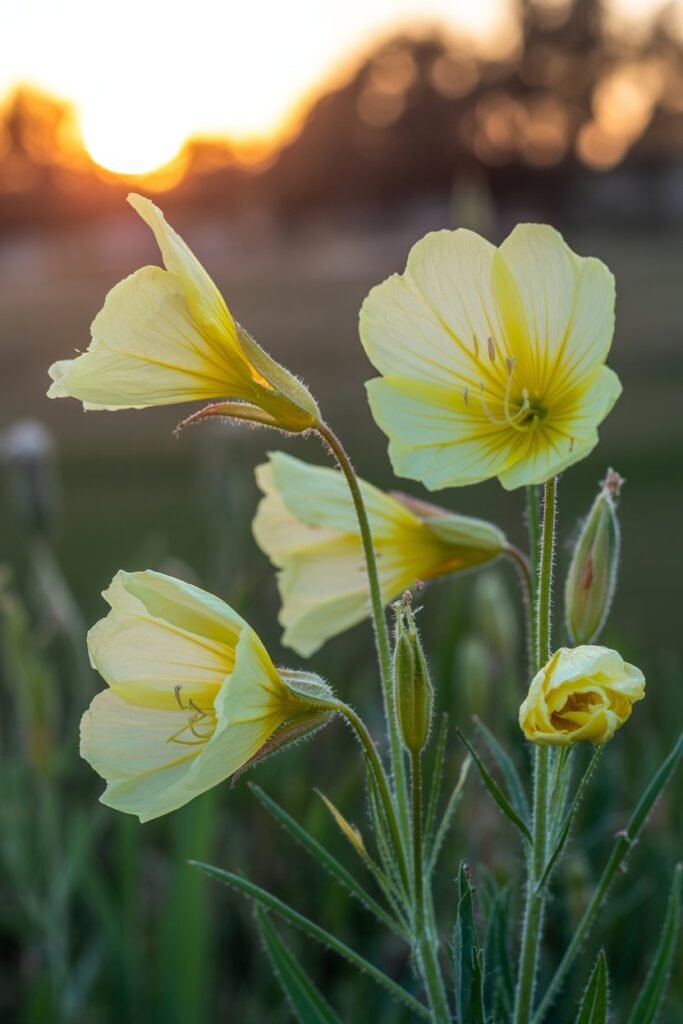
Evening primrose feels magical as its soft yellow, pink, or white flowers open in the evening light.
It creates a peaceful garden moment as the sun sets.
Why It’s Drought-Tolerant
Its deep roots allow it to reach moisture far underground.
Growing Tips
- Full sun
- Well-drained soil
- Moderate watering initially
Extra Benefits
- Night pollinators love it
- Long blooming season
- Easy to grow
Evening primrose adds romance and serenity.
30. Gazania
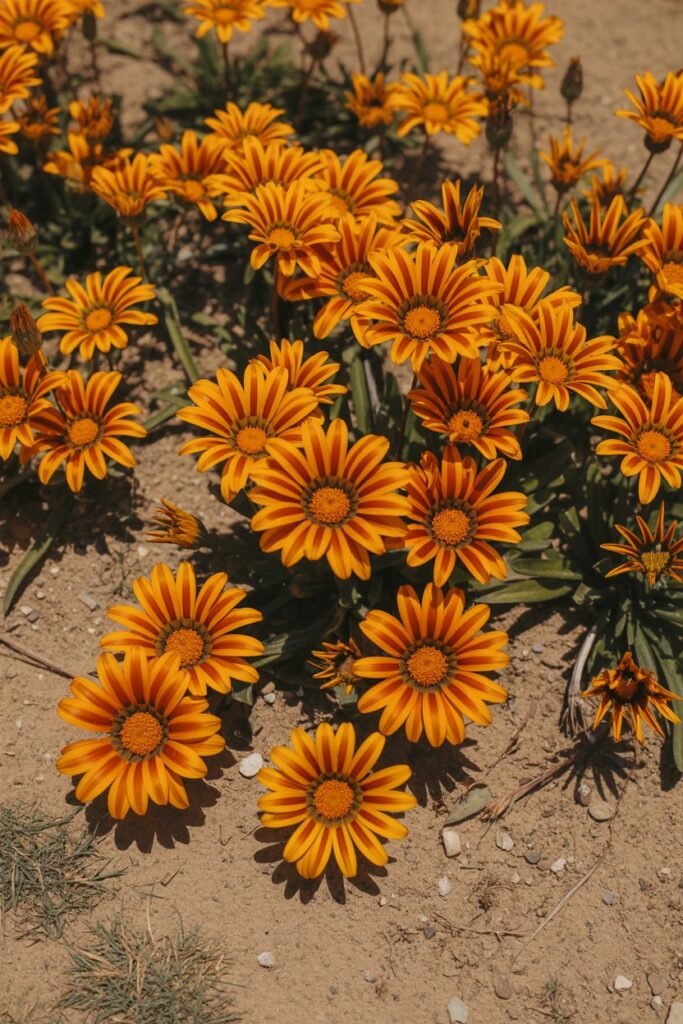
Gazania flowers look like tiny suns scattered across the ground.
Their bold colors — orange, yellow, red, pink, and striped patterns — shine brightly even in intense heat.
Why Gazania Loves Dry Weather
Native to South Africa, gazania thrives in hot, dry climates.
Growing Tips
- Full sun
- Sandy, well-drained soil
- Very little watering needed
Extra Benefits
- Great ground cover
- Blooms all summer
- Extremely low maintenance
Gazania brings nonstop color to even the driest spots.
31. Agastache (Hyssop)
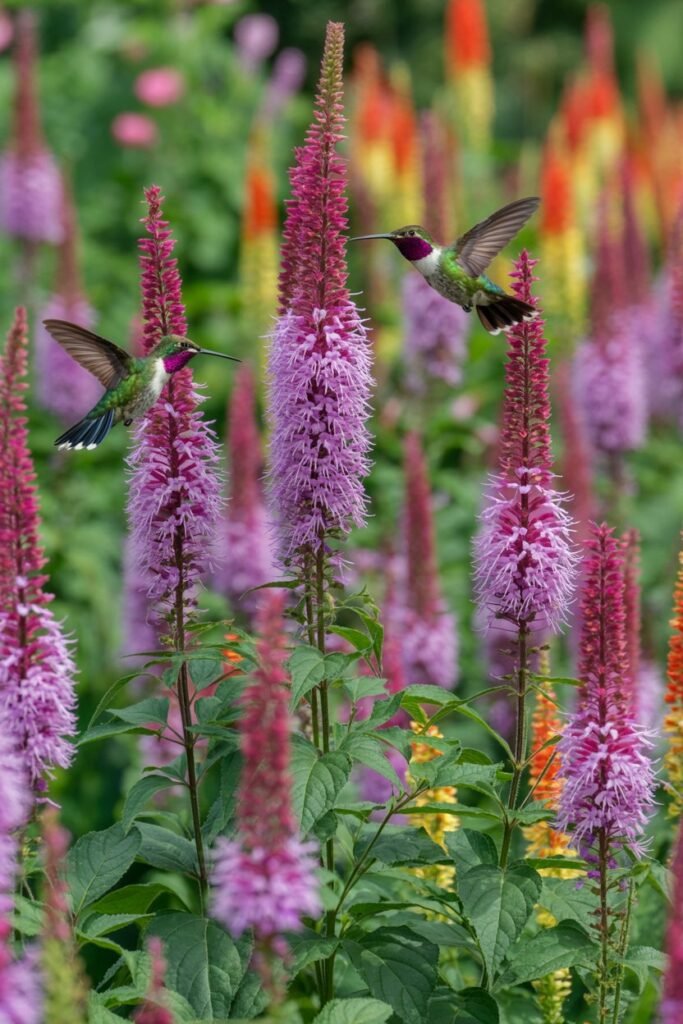
Agastache feels like a burst of sunshine mixed with wildflower charm.
Its tall spikes of tubular flowers bloom in warm shades of orange, pink, purple, blue, and soft peach, standing proudly above fragrant foliage.
Why Agastache Thrives in Drought
Native to dry regions of North America, agastache has deep roots that search for moisture far below the surface.
Growing Tips
- Full sun is best
- Well-drained soil
- Avoid overwatering
Extra Benefits
- Loved by hummingbirds and bees
- Long blooming season
- Naturally deer resistant
Agastache brings color, fragrance, and graceful height with very little effort.
32. Purple Heart (Tradescantia pallida)
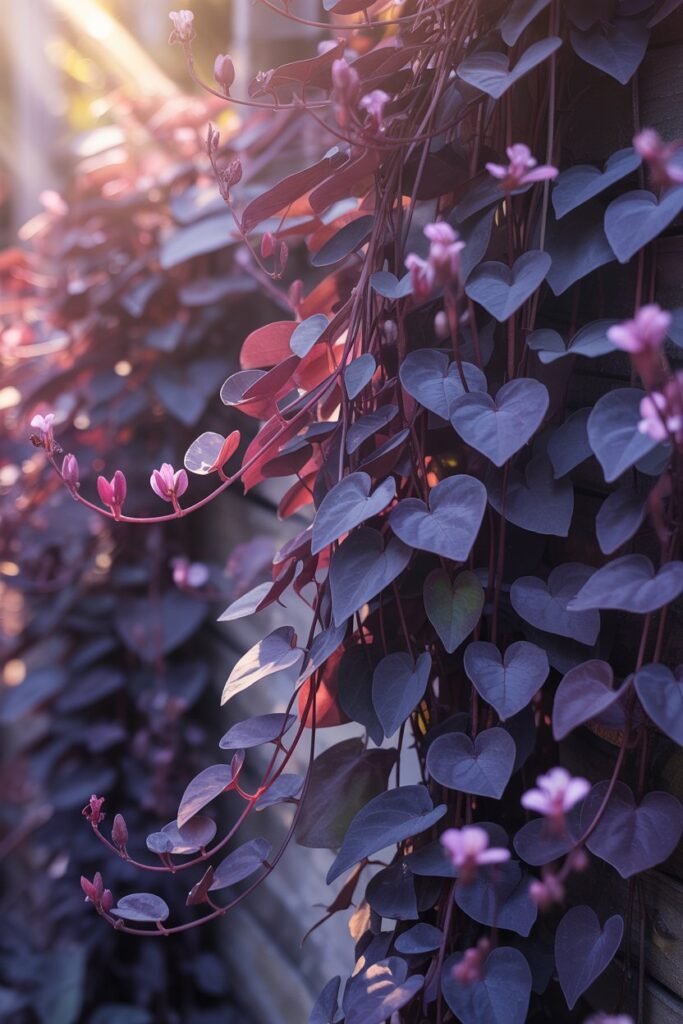
Purple Heart adds a rich splash of deep purple that feels bold yet elegant.
Its long trailing stems are covered in vibrant violet leaves with small soft pink flowers sprinkled throughout.
Why It’s Drought-Tolerant
This plant stores moisture in its thick stems, helping it survive dry spells easily.
Growing Tips
- Full sun for best color
- Well-drained soil
- Water lightly once established
Extra Benefits
- Great ground cover
- Easy to propagate
- Beautiful in containers
Purple Heart creates striking contrast in drought-friendly gardens.
33. Hens and Chicks (Sempervivum)
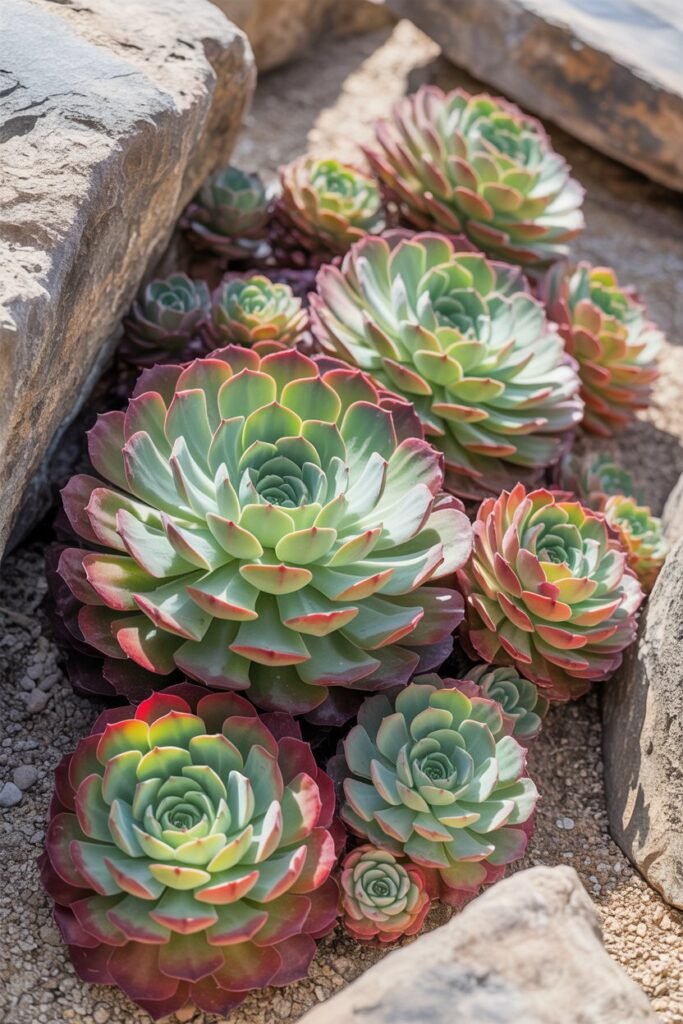
Hens and chicks are tiny, charming succulents that look like little floral rosettes.
They come in shades of green, red, purple, and silver, and produce tall flower stalks in summer.
Why They Thrive With Little Water
Their thick leaves store moisture, allowing them to survive long dry periods.
Growing Tips
- Full sun to partial shade
- Well-drained soil
- Rare watering needed
Extra Benefits
- Cold hardy
- Great for rock gardens
- Extremely low maintenance
These sweet plants bring texture and beauty with almost no care.
34. Mexican Sunflower (Tithonia)
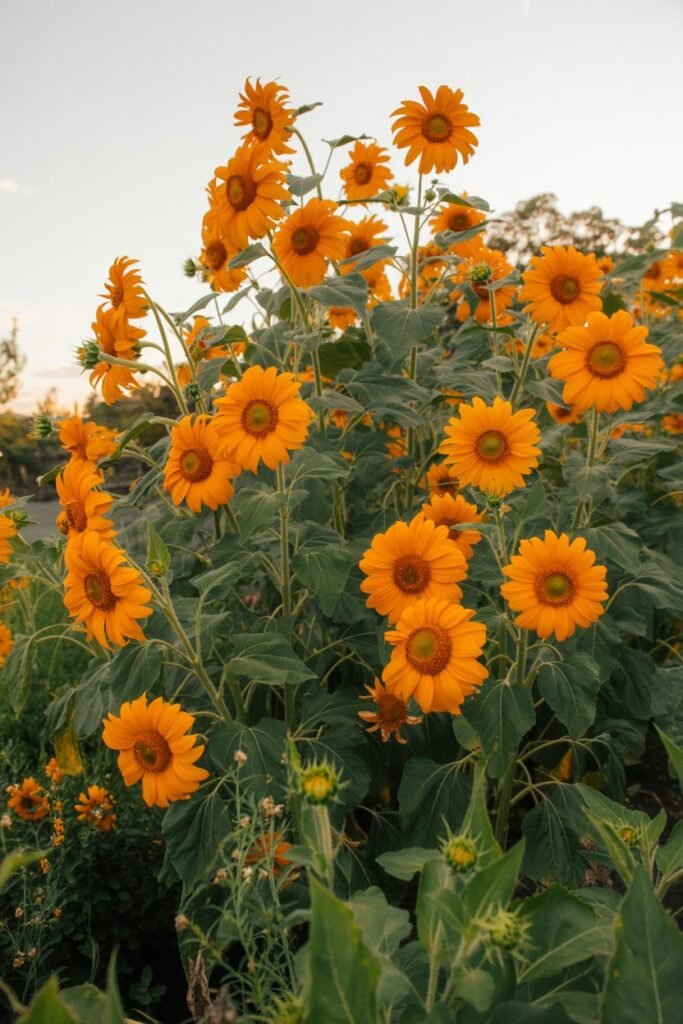
Mexican sunflowers are bold, fiery, and impossible to ignore.
Their large orange and red blooms stand tall, creating a vibrant wall of color all summer long.
Why They’re Drought-Tolerant
Once established, they handle dry spells beautifully thanks to their strong root systems.
Growing Tips
- Full sun
- Well-drained soil
- Moderate watering during early growth
Extra Benefits
- Attract butterflies
- Fast growing
- Excellent cut flowers
Mexican sunflowers bring drama and warmth to any garden.
35. Blue Fescue (Festuca glauca)
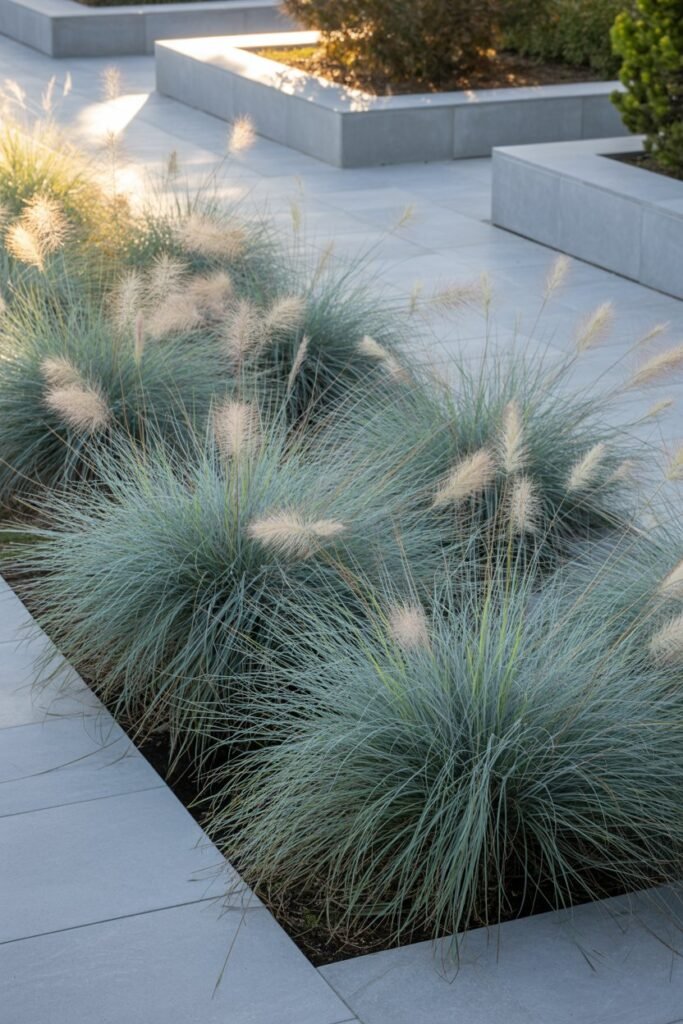
While technically a grass, blue fescue adds soft color and texture that beautifully complements flowering plants.
Its icy blue tufts create a calming, modern look.
Why It Handles Drought Well
This ornamental grass thrives in dry, sunny conditions.
Growing Tips
- Full sun
- Well-drained soil
- Minimal watering
Extra Benefits
- Evergreen in mild climates
- Low maintenance
- Perfect border plant
Blue fescue brings peaceful beauty to drought-tolerant designs.
36. Crown of Thorns (Euphorbia milii)
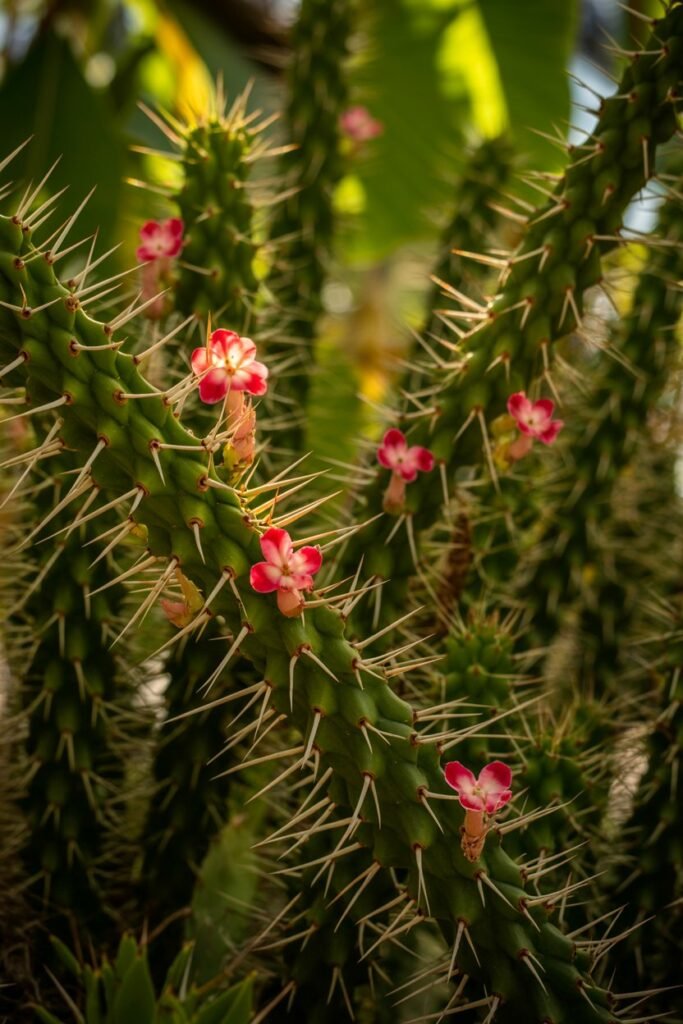
Crown of thorns offers small but vibrant blooms in red, pink, yellow, and white that appear almost year-round in warm climates.
Its thorny stems give it character and toughness.
Why It’s Drought-Friendly
As a succulent-type plant, it stores water in its stems.
Growing Tips
- Full sun to partial shade
- Well-drained soil
- Water sparingly
Extra Benefits
- Very long blooming season
- Great for containers
- Heat loving
It’s a beautiful, resilient choice for dry gardens.
37. Jerusalem Sage (Phlomis)
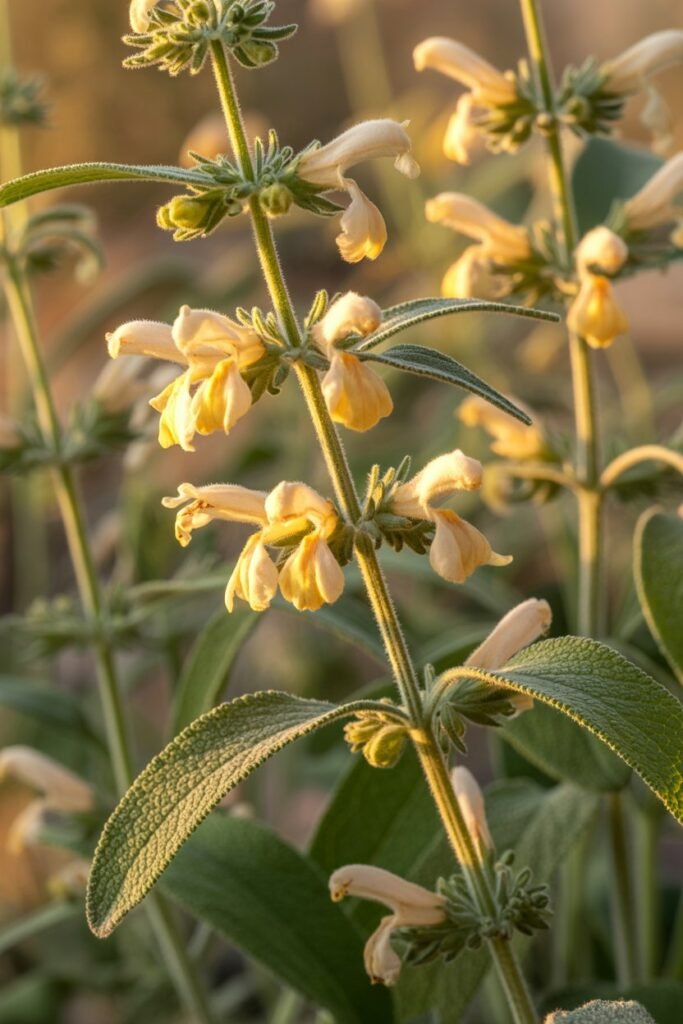
Jerusalem sage brings soft yellow blooms with fuzzy silver-green leaves that glow in the sun.
Its tall stems add structure and a gentle Mediterranean feel.
Why It Thrives in Dry Conditions
Native to dry climates, it tolerates drought extremely well.
Growing Tips
- Full sun
- Well-drained soil
- Minimal watering once mature
Extra Benefits
- Deer resistant
- Long-lasting flowers
- Architectural beauty
Jerusalem sage adds timeless elegance.
38. Purslane (Portulaca oleracea)
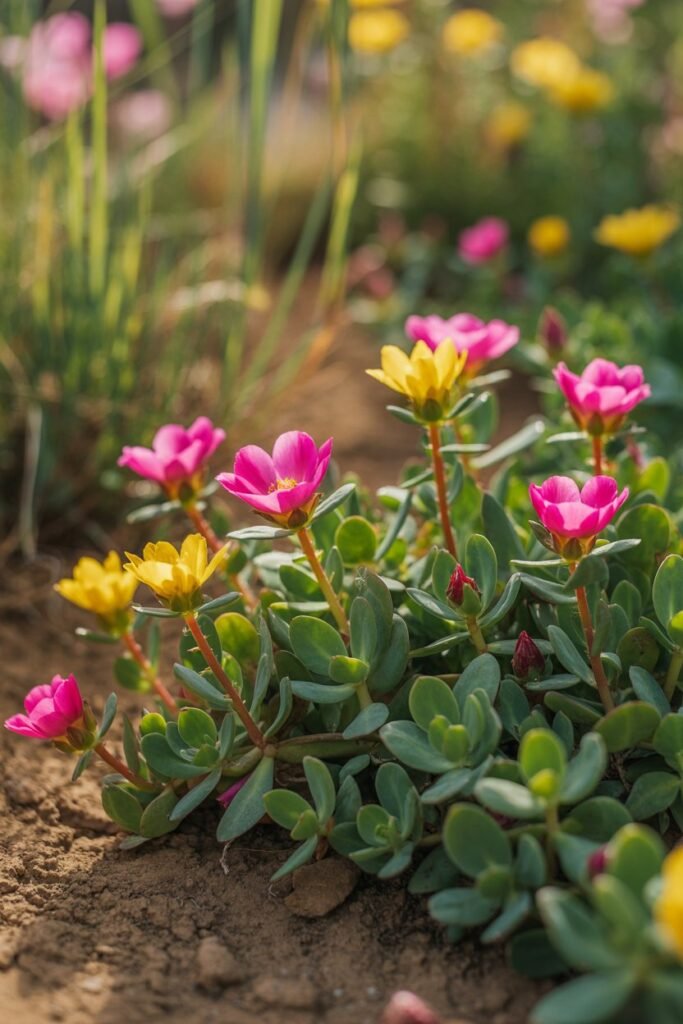
Purslane is both beautiful and useful.
Its small bright flowers bloom in pink, yellow, orange, and white over thick, juicy leaves.
Why It Loves Dry Soil
Its succulent leaves store moisture efficiently.
Growing Tips
- Full sun
- Sandy or rocky soil
- Little watering required
Extra Benefits
- Edible leaves rich in nutrients
- Fast growing
- Great ground cover
Purslane brings cheerful color with bonus benefits.
39. Gaillardia Aristata (Perennial Blanket Flower)
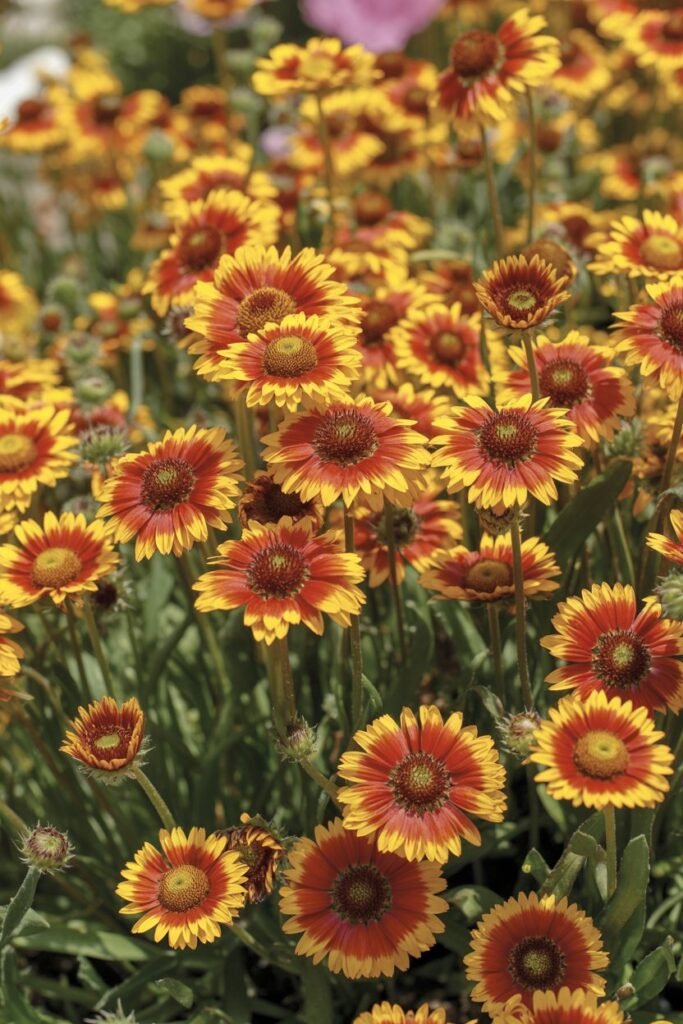
This perennial version of blanket flower blooms year after year with warm red, yellow, and orange petals.
It’s just as bright and hardy as its annual cousin.
Why It’s Drought-Tolerant
Adapted to dry prairies, it handles heat and drought easily.
Growing Tips
- Full sun
- Well-drained soil
- Deadhead for longer blooms
Extra Benefits
- Long blooming season
- Attracts pollinators
- Low care
It keeps your garden glowing all summer long.
40. Snapdragon
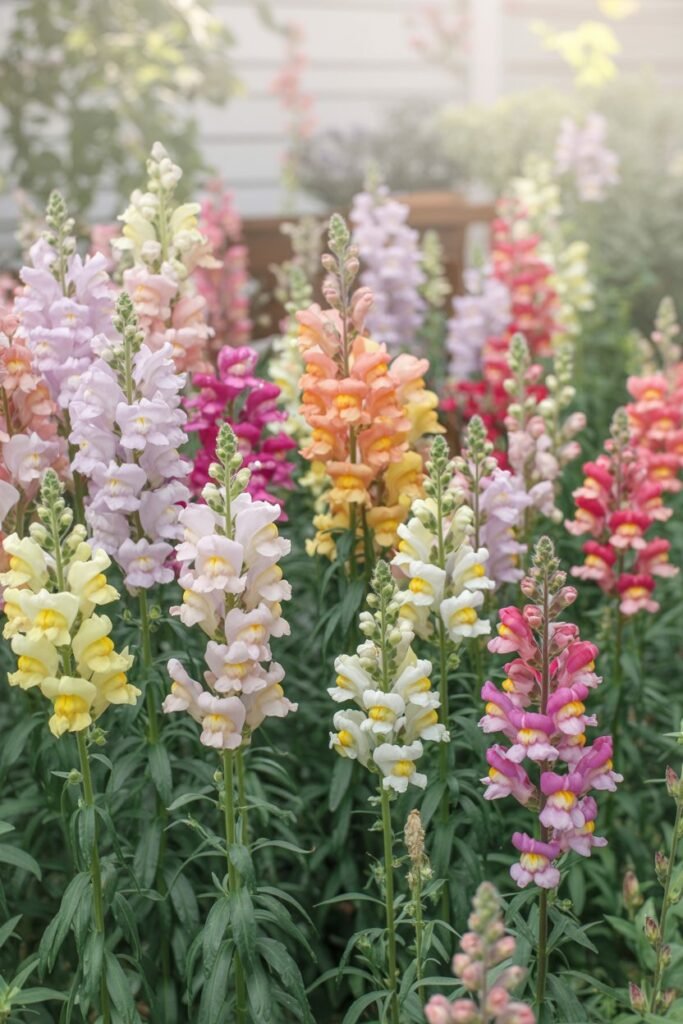
Snapdragons bring soft romantic beauty mixed with playful charm.
Their tall colorful blooms come in almost every shade imaginable.
Why They Can Handle Drought
Once established, snapdragons tolerate dry conditions surprisingly well.
Growing Tips
- Full sun to partial shade
- Well-drained soil
- Moderate watering during extreme heat
Extra Benefits
- Long flowering season
- Great cut flowers
- Loved by pollinators
Snapdragons add elegance and color even in warmer, drier gardens.
41. Kangaroo Paw (Anigozanthos)
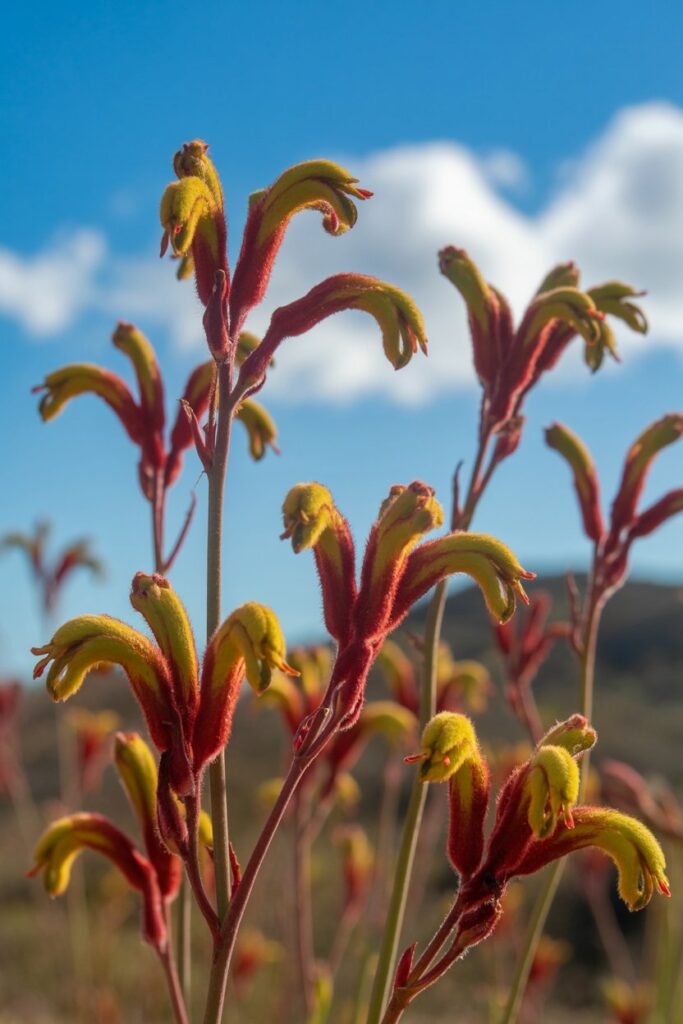
Kangaroo paw feels exotic and playful, with fuzzy tubular flowers that look like little paws reaching toward the sky.
They bloom in stunning shades of red, yellow, pink, green, and orange, standing tall above slender leaves.
Why It Thrives in Dry Gardens
Native to Australia’s dry regions, kangaroo paw is perfectly adapted to heat and low water conditions.
Growing Tips
- Full sun is essential
- Well-drained sandy soil works best
- Water lightly once established
Extra Benefits
- Attracts birds and pollinators
- Long blooming season
- Adds unique texture
Kangaroo paw brings a touch of the tropics while loving drought-friendly care.
42. Chocolate Flower (Berlandiera lyrata)
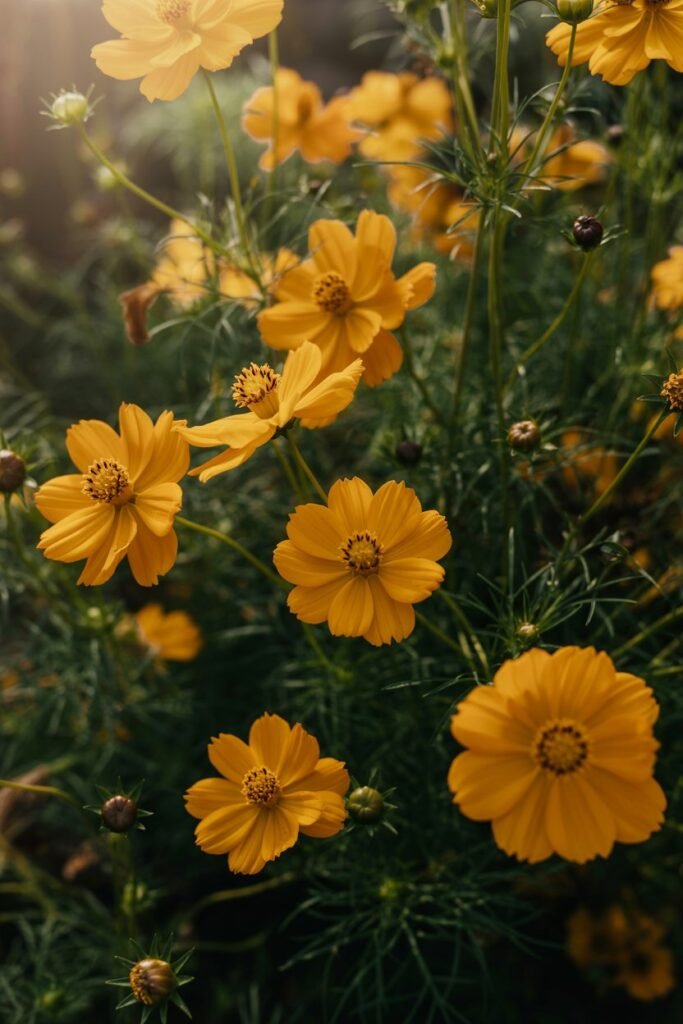
Chocolate flower is a sweet surprise in the garden.
Its bright yellow daisy-like blooms release a soft chocolate scent, especially in the morning sunlight.
Why It Handles Drought So Well
Native to dry prairies and desert areas, this plant thrives with very little water.
Growing Tips
- Full sun
- Well-drained soil
- Water sparingly
Extra Benefits
- Fragrant flowers
- Long blooming season
- Low maintenance
Chocolate flower brings warmth, charm, and a lovely sensory experience.
43. Desert Willow (Chilopsis linearis)
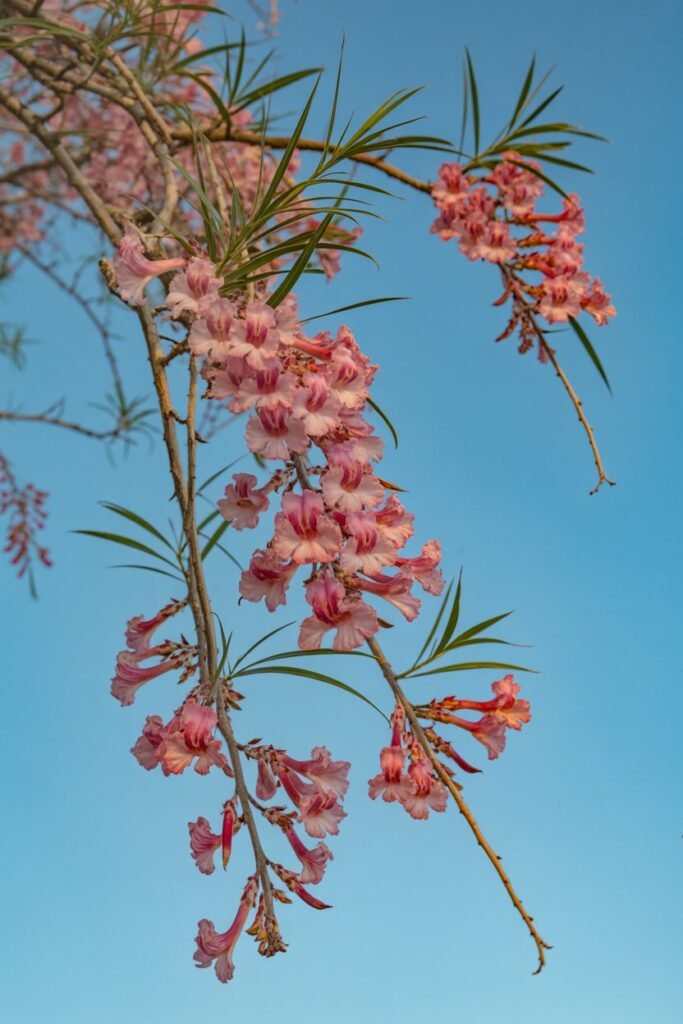
Desert willow is a small flowering tree that feels graceful and airy.
Its trumpet-shaped blooms come in soft pinks, purples, and whites, gently swaying in the breeze.
Why It Thrives in Drought
Its deep roots reach far underground for moisture, making it extremely drought-tolerant.
Growing Tips
- Full sun
- Well-drained soil
- Occasional deep watering during first year
Extra Benefits
- Attracts hummingbirds
- Provides light shade
- Long blooming season
Desert willow adds elegance and vertical interest to dry landscapes.
44. Sea Holly (Eryngium)
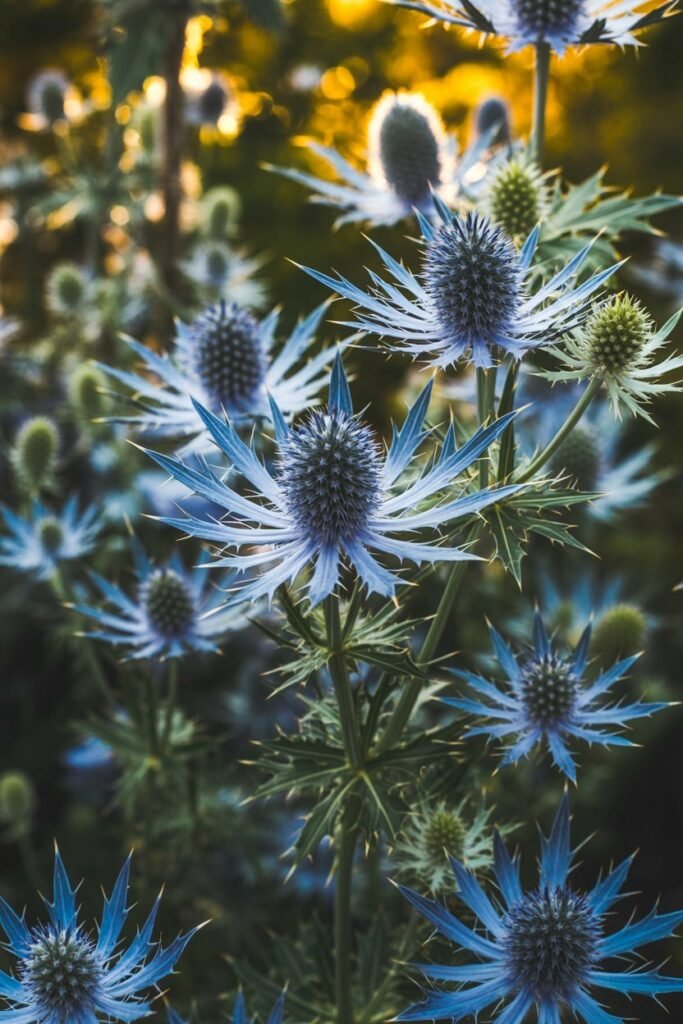
Sea holly feels wild and magical, with spiky blue and silver flowers that shimmer in sunlight.
It looks delicate but is incredibly tough.
Why Sea Holly Loves Dry Conditions
Native to coastal and dry regions, it thrives in sandy, dry soil.
Growing Tips
- Full sun
- Well-drained soil
- Minimal watering
Extra Benefits
- Excellent dried flower
- Deer resistant
- Unique texture
Sea holly adds bold beauty and structure.
45. Globe Mallow (Sphaeralcea)
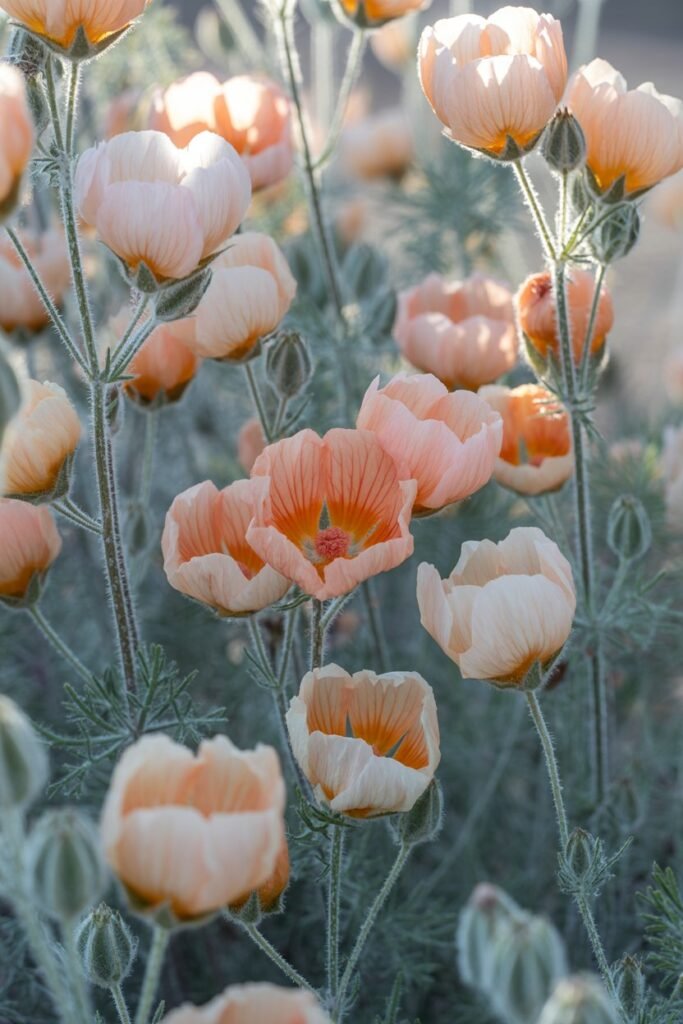
Globe mallow feels soft and romantic, with clusters of cup-shaped flowers in peach, coral, pink, and orange.
Its fuzzy silver-green leaves glow gently in the sun.
Why It’s Perfect for Dry Gardens
Native to desert areas, globe mallow thrives with little water.
Growing Tips
- Full sun
- Well-drained soil
- Very low watering once established
Extra Benefits
- Blooms for months
- Attracts pollinators
- Extremely hardy
Globe mallow finishes the list with gentle beauty and strength.
Final Thoughts: A Garden That Thrives with Less
Creating a colorful garden doesn’t have to mean endless watering, high bills, or constant worry during hot days.
As you’ve seen through these 45 beautiful drought-tolerant flowering plants, nature offers us so many resilient blooms that thrive in sunshine, handle dry spells gracefully, and still reward us with stunning color, fragrance, and life.
From soft romantic lavenders and airy cosmos to bold bougainvillea and fiery blanket flowers, drought-tolerant plants come in every shape, size, and shade imaginable.
They’re perfect for busy gardeners, hot climates, and anyone who wants a low-maintenance space that still feels lush and full of joy.
The key is simple:
- Choose plants suited for dry conditions
- Give them plenty of sunlight
- Water deeply at first, then less often as they establish
Once settled, many of these flowers will bloom better with less water proving that sometimes, less truly is more.
I hope this guide inspires you to create a garden that’s not only beautiful but also sustainable, stress-free, and full of color through even the hottest seasons.
