
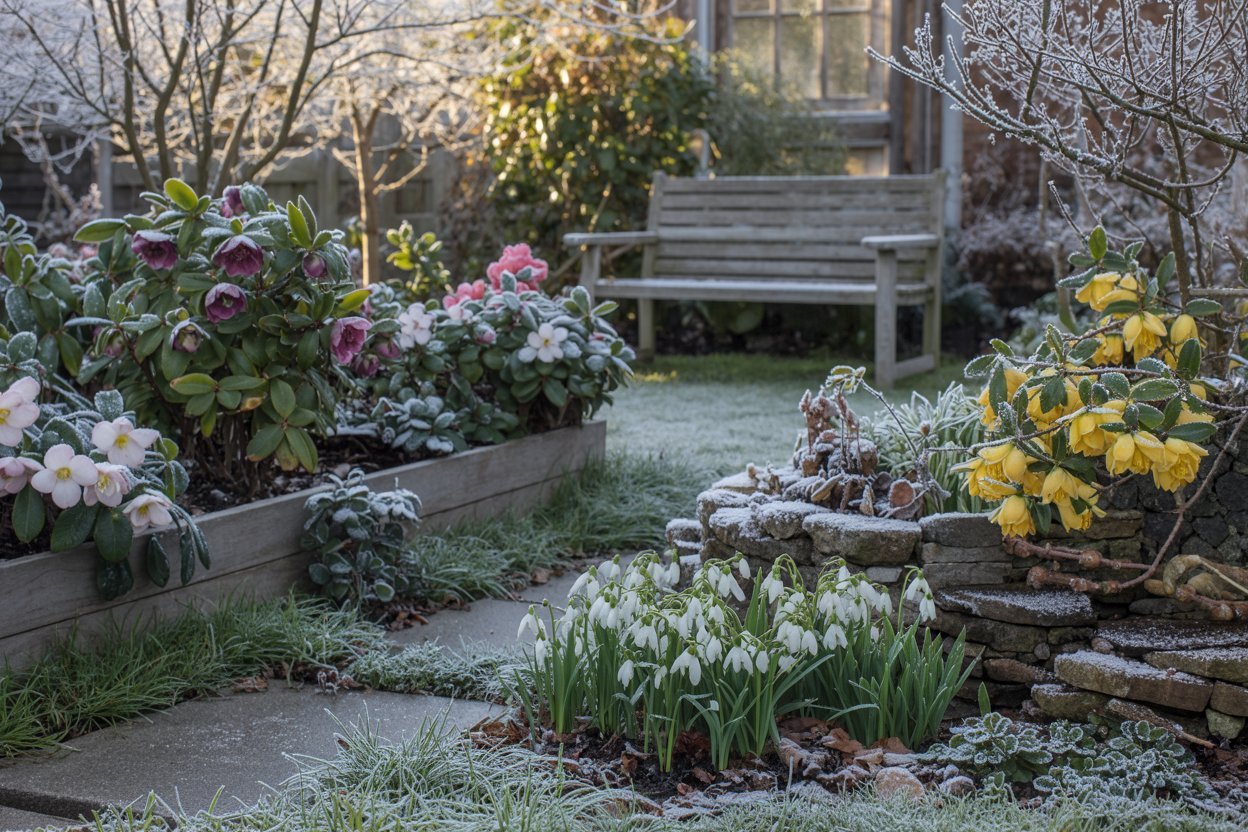

I used to think winter was the season when the garden simply held its breath bare branches, quiet soil, and a long wait until spring.
But over the years, as I learned to slow down and truly observe my garden, I discovered something magical: winter doesn’t have to be colorless.
In fact, some of my most treasured garden moments have happened on cold mornings, when frost still clings to the ground and a brave bloom pushes through as if to whisper, “Life continues.”
Winter-blooming plants are some of the most resilient, rewarding, and emotionally uplifting additions you can make to your garden.
They don’t just survive the cold they thrive in it, offering flowers, fragrance, and structure when the rest of the landscape rests.
Whether you garden in mild winters or face occasional frost, there are plants that will bloom for you and remind you why gardening is an act of hope.
In this post, I’ll walk you through 9 winter gardening plants that bloom, sharing not just what they are, but how to grow them successfully, why I love them, and how they can transform your winter garden into a living, breathing sanctuary.
Why Winter-Blooming Plants Matter
Before we dive into the list, let’s talk about why winter bloomers are worth your time.
- They provide color and interest during the dullest months
- Many offer fragrance, which feels extra special in cold air
- They support early pollinators when little else is available
- They add structure and purpose to winter garden design
- Most are low-maintenance and resilient
Winter gardening isn’t about fighting nature—it’s about working with it. These plants understand the rhythm of the seasons and bloom exactly when they’re needed most.
Shop my amazon essentials
- Hand trowel
- Gardening gloves
- Watering can or garden hose
- Pruning shears
- Frost protection cover or garden fleece
- Compost or organic fertilizer
- Mulch
1. Hellebores (Lenten Rose)
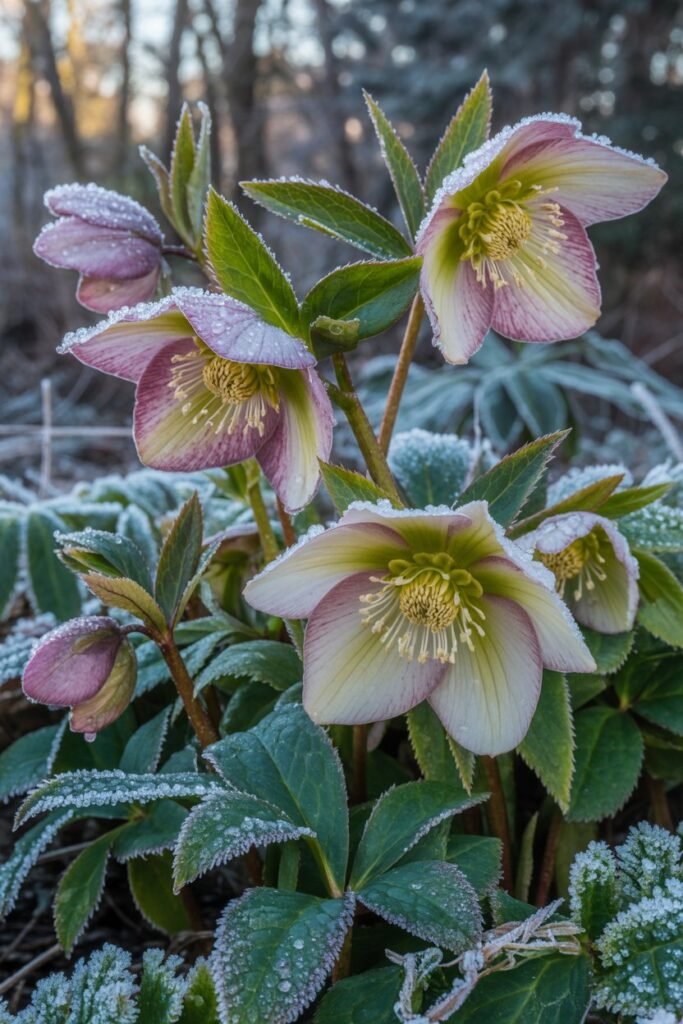
Hellebores are often the first plant I recommend to anyone dreaming of winter flowers, and for good reason.
These elegant, nodding blooms appear in late winter, sometimes even pushing through snow, and they last for weeks.
Why I love them:
They feel timeless and romantic, with petals in shades of creamy white, dusty pink, deep plum, and even green. Their evergreen foliage keeps the garden looking full even when nothing else is happening.
Growing tips:
- Thrive in partial shade
- Prefer well-draining soil rich in organic matter
- Extremely cold-hardy once established
- Deer-resistant and long-lived
Hellebores are perfect for woodland gardens, shady borders, and beneath deciduous trees where winter light can reach them.
2. Winter Jasmine (Jasminum nudiflorum)
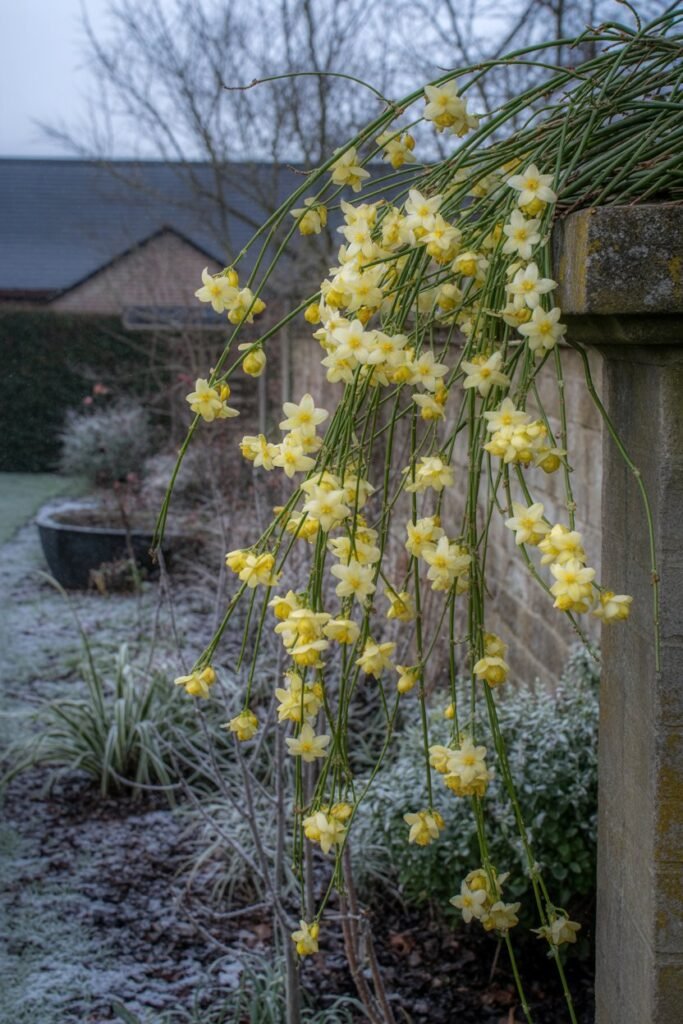
Winter jasmine is one of those plants that surprises everyone. Its cheerful yellow flowers appear on bare, arching green stems often in the dead of winter long before leaves emerge.
Why it stands out:
Unlike fragrant jasmine, winter jasmine focuses on visual brightness. On a gray winter day, those sunny yellow blooms feel like pure joy.
Growing tips:
- Grows best in full sun to partial shade
- Tolerates poor soil and urban conditions
- Can be trained along walls, fences, or used as a ground cover
- Very low maintenance
It’s especially beautiful spilling over retaining walls or softening hard winter landscapes.
3. Camellia
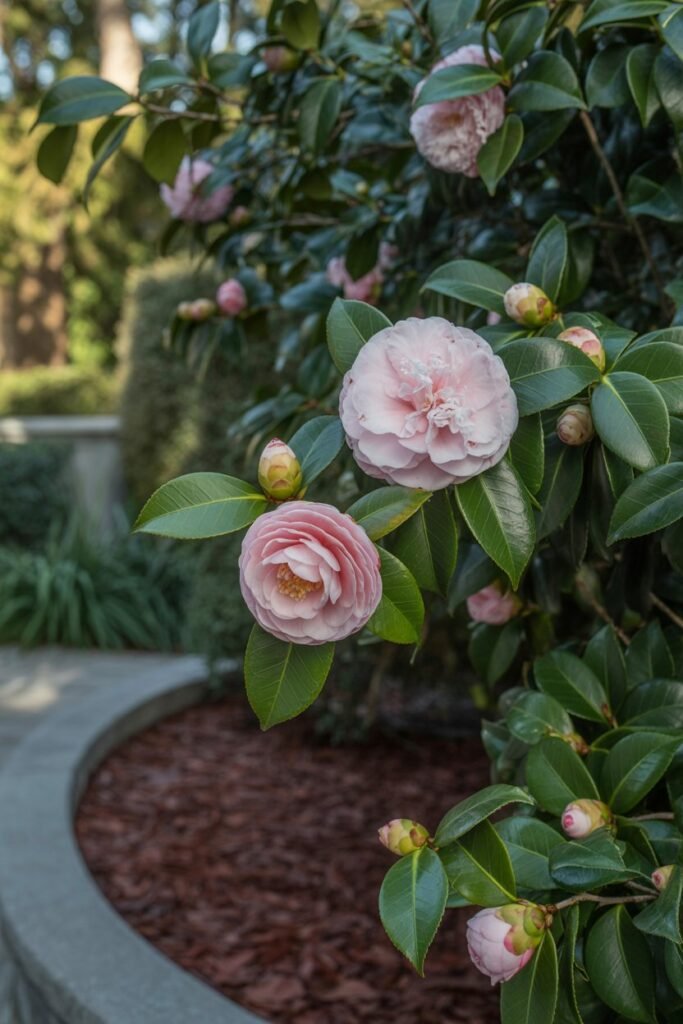
Camellias bring elegance to the winter garden like few other plants can. Their glossy evergreen leaves and perfectly formed blooms make them look almost unreal—like flowers borrowed from spring.
Why gardeners adore them:
Camellias bloom from late fall through winter, depending on the variety, with flowers resembling roses or peonies in shades of white, pink, red, and even bi-color.
Growing tips:
- Prefer acidic, well-drained soil
- Grow best in partial shade
- Protect from harsh afternoon sun and drying winds
- Mulch well to protect roots
Camellias are ideal for mild-winter regions and sheltered garden spaces.
4. Snowdrops (Galanthus)
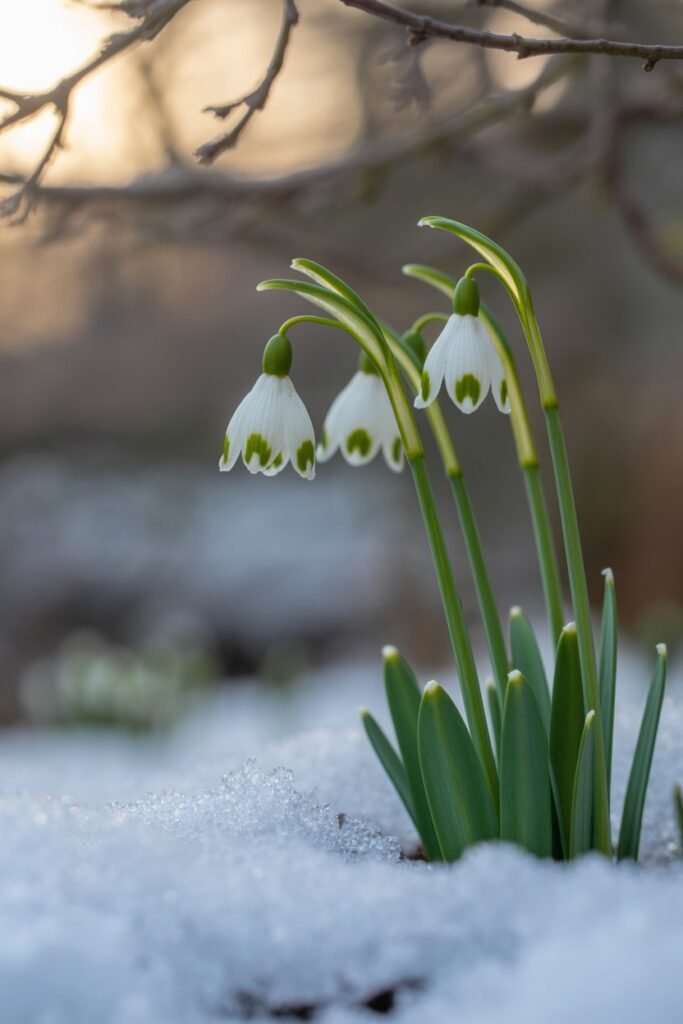
Snowdrops may be small, but their impact is enormous. These delicate white flowers are often the first sign that winter is slowly loosening its grip.
Why they’re special:
They bloom in late winter, sometimes poking through snow, and naturalize beautifully over time.
Growing tips:
- Plant bulbs in fall
- Prefer partial shade and moist, well-draining soil
- Best left undisturbed once established
- Perfect for woodland gardens and borders
Snowdrops teach patience and appreciation for subtle beauty.
5. Cyclamen (Hardy Varieties)
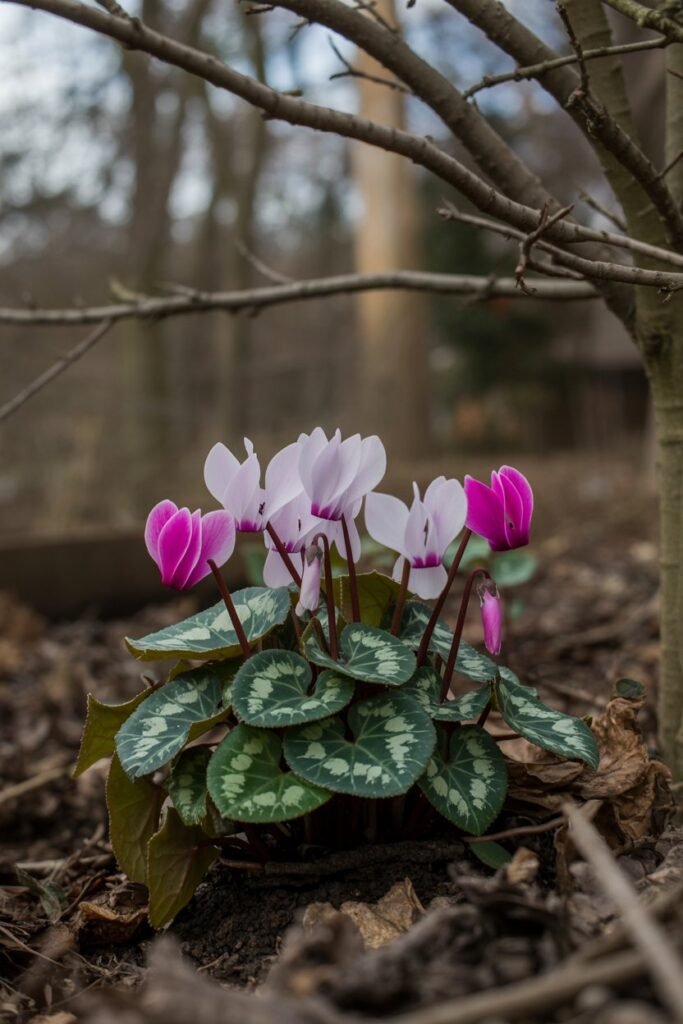
Hardy cyclamen bring intricate, jewel-toned flowers to winter gardens along with beautifully patterned leaves that last long after blooming.
Why they’re worth growing:
Their flowers pink, white, or magenta hover above heart-shaped foliage and bloom from late fall into winter.
Growing tips:
- Thrive in partial shade
- Prefer well-drained soil
- Excellent under trees and shrubs
- Drought-tolerant once established
They’re wonderful for gardeners who love texture as much as color.
6. Pansies and Violas
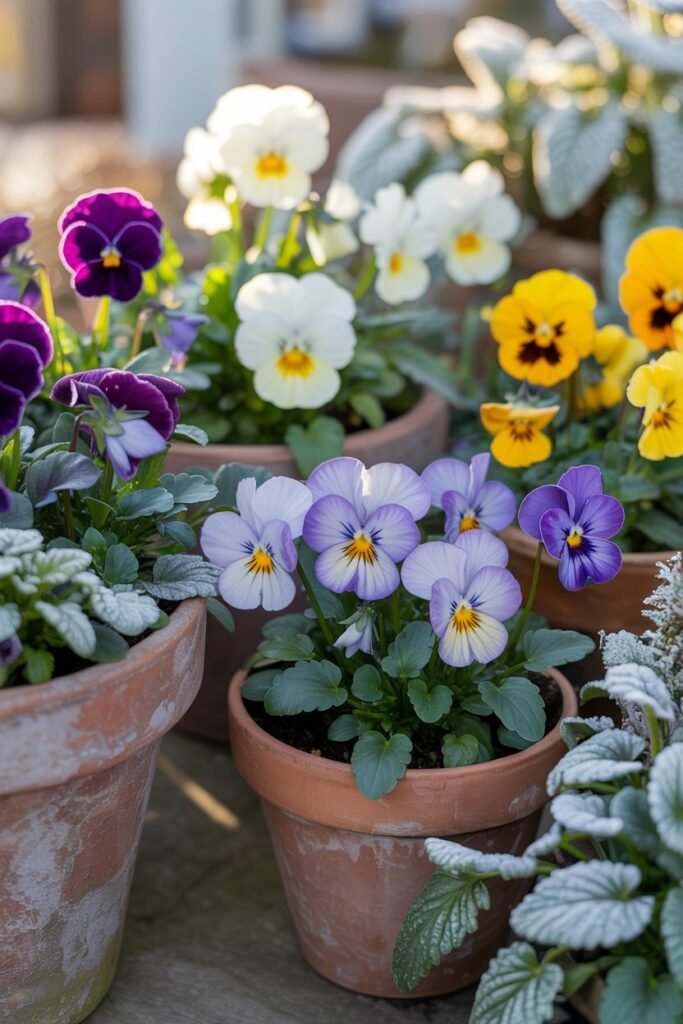
If you want reliable winter color with minimal effort, pansies and violas are your best friends. These cheerful annuals are surprisingly cold-tolerant and will bloom through winter in many climates.
Why I always include them:
They’re easy, affordable, and endlessly versatile—with faces that seem to smile back at you on cold mornings.
Growing tips:
- Plant in fall for winter blooms
- Full sun to partial shade
- Water regularly but avoid soggy soil
- Deadhead to encourage continuous flowering
They’re perfect for containers, window boxes, and garden edges.
7. Witch Hazel (Hamamelis)
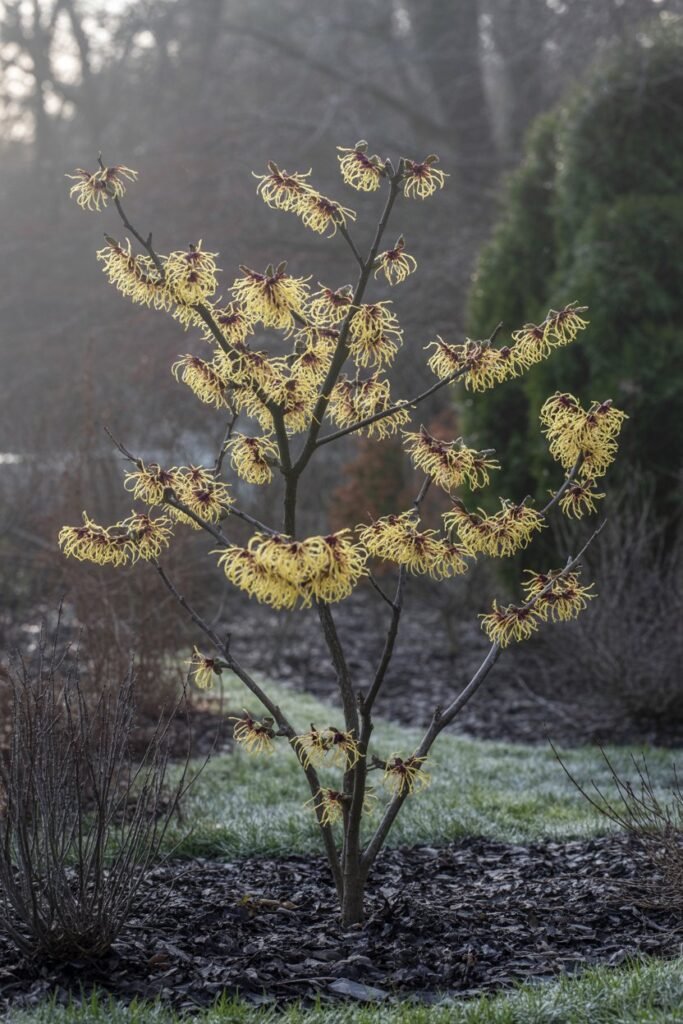
Witch hazel is one of the most enchanting winter-blooming shrubs you can grow. Its spidery flowers unfurl in shades of yellow, orange, or red, often releasing a light, citrusy fragrance.
Why it feels magical:
It blooms on bare branches, creating a dramatic contrast against winter skies.
Growing tips:
- Grows best in full sun to partial shade
- Prefers moist, well-drained soil
- Slow-growing but long-lived
- Minimal pruning required
Witch hazel is a statement plant that turns winter into a season of wonder.
8. Winter Heath (Erica carnea)
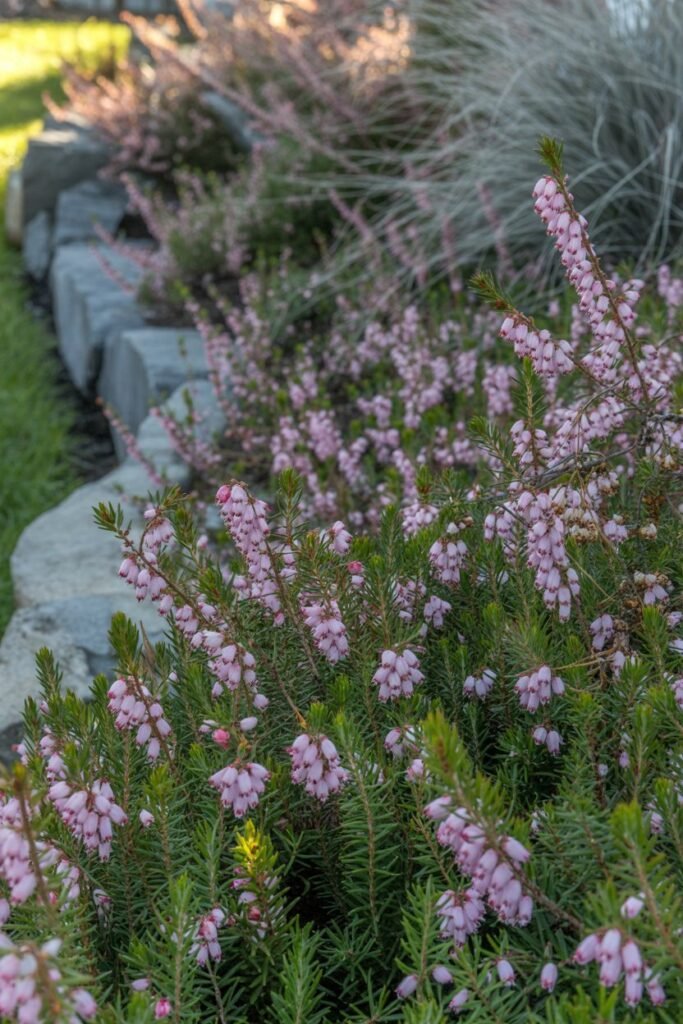
Winter heath is a low-growing evergreen shrub that produces masses of tiny bell-shaped flowers from late winter into early spring.
Why it’s so useful:
It provides both color and structure, making it perfect for borders, slopes, and rock gardens.
Growing tips:
- Prefers full sun
- Tolerates cold and poor soil
- Requires good drainage
- Attracts early pollinators
Its pink, white, or purple blooms feel like a soft carpet of color during winter.
9. Sweet Alyssum (Cool-Season Annual)
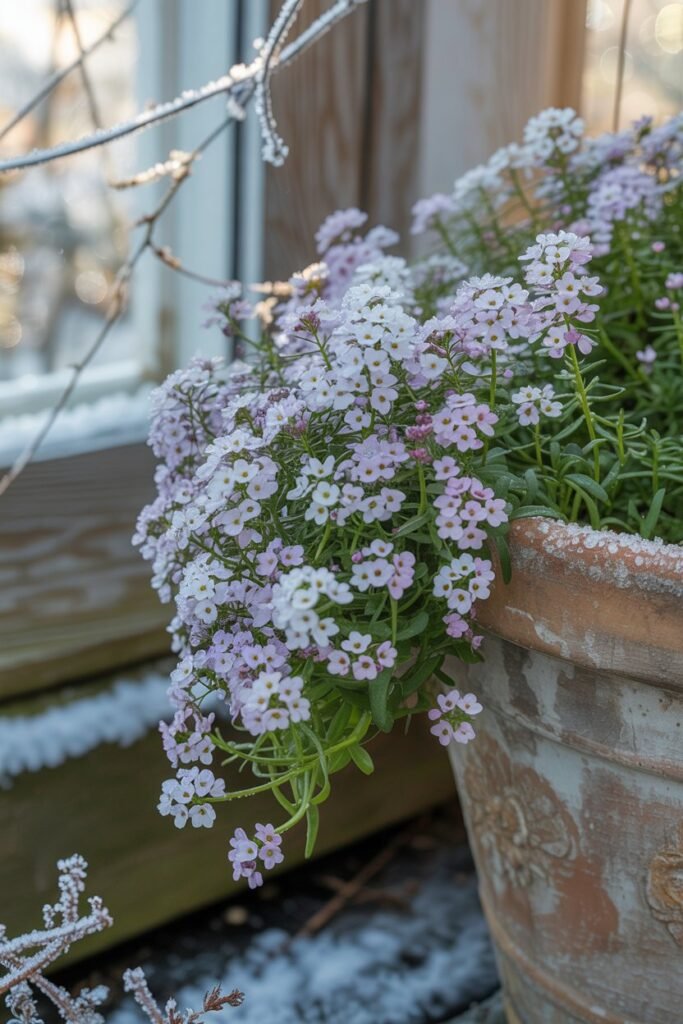
In milder winters, sweet alyssum can bloom almost continuously, filling the garden with tiny white, pink, or lavender flowers and a soft honey-like fragrance.
Why it deserves a spot:
It’s gentle, graceful, and perfect for filling gaps when other plants are dormant.
Growing tips:
- Full sun to partial shade
- Grows well in containers and borders
- Prefers cool temperatures
- Trim lightly to refresh blooms
It’s a beautiful way to soften winter garden edges.
Caring for a Winter-Blooming Garden
Winter gardens require a slightly different mindset:
- Mulch generously to protect roots
- Water during dry winter periods
- Avoid heavy pruning in winter
- Protect plants from harsh winds
- Choose sheltered planting locations
The goal isn’t perfection it’s resilience.
Final Thoughts
Winter gardening has taught me patience, gratitude, and trust in the natural cycle of life. When you plant flowers that bloom in winter, you’re choosing optimism.
You’re choosing beauty in unexpected moments. And you’re choosing to stay connected to your garden even when the world feels quiet and still.
These nine winter-blooming plants remind us that every season has something to offer, if we’re willing to look closely enough.
With a little planning and care, your winter garden can be just as meaningful and just as beautiful as any spring display.
