
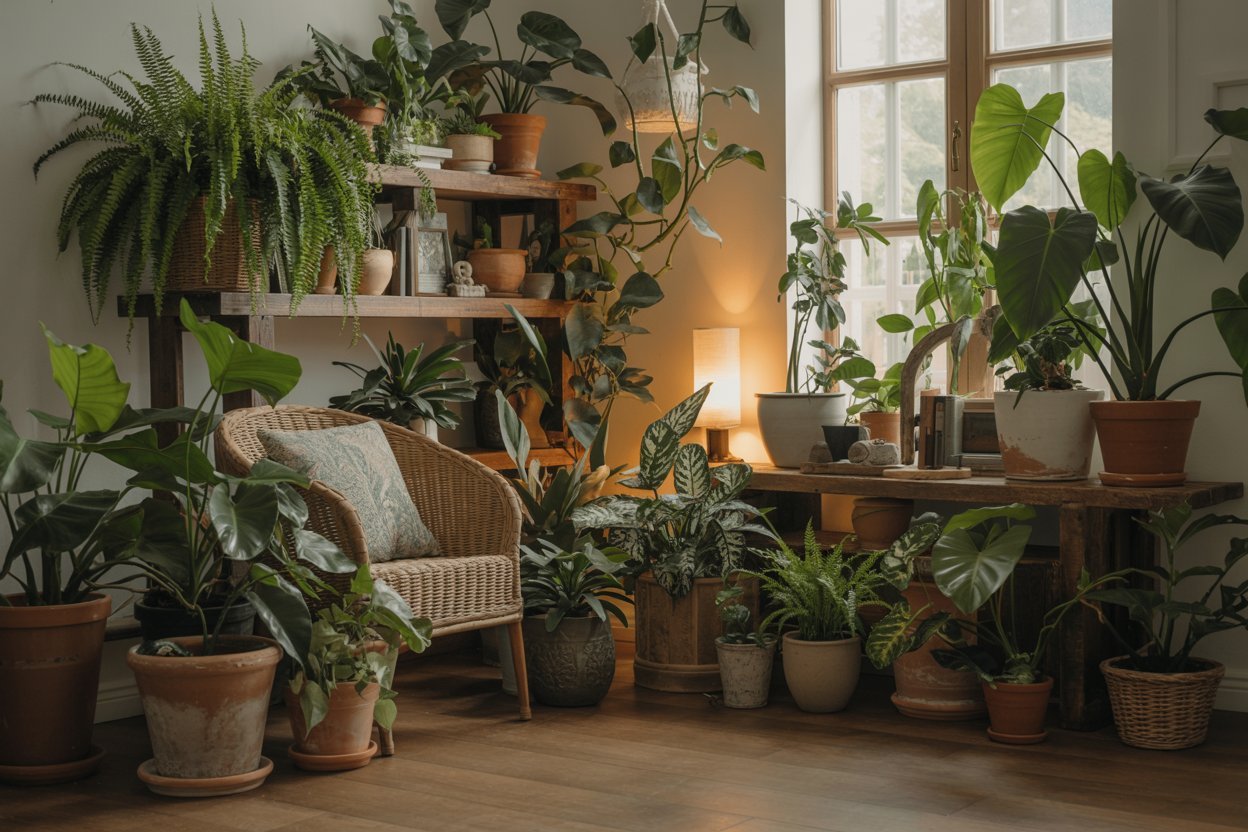

There’s something magical about watching green life thrive in places you thought were too dim for growth a bathroom corner, a hallway, or that cozy reading nook that barely sees the sun.
For gardeners like us who can’t stand a dull corner, these low-light plants are the quiet heroes. They don’t demand much, yet they fill your home with color, texture, and life even where sunlight barely reaches.
Whether you’re working with windowless rooms or cloudy weather, these 15 overlooked plants will happily remind you that growth isn’t always about the spotlight sometimes, it’s about quiet resilience.
Shop my amazon essentials
- Spray Bottle
- Plant Stand or Shelf
- Trellis or Plant Support
- Organic Pest Control Spray
- Compost or Worm Castings
- Pruning Shears
- watering can
1. Cast Iron Plant (Aspidistra elatior) The Survivor Queen
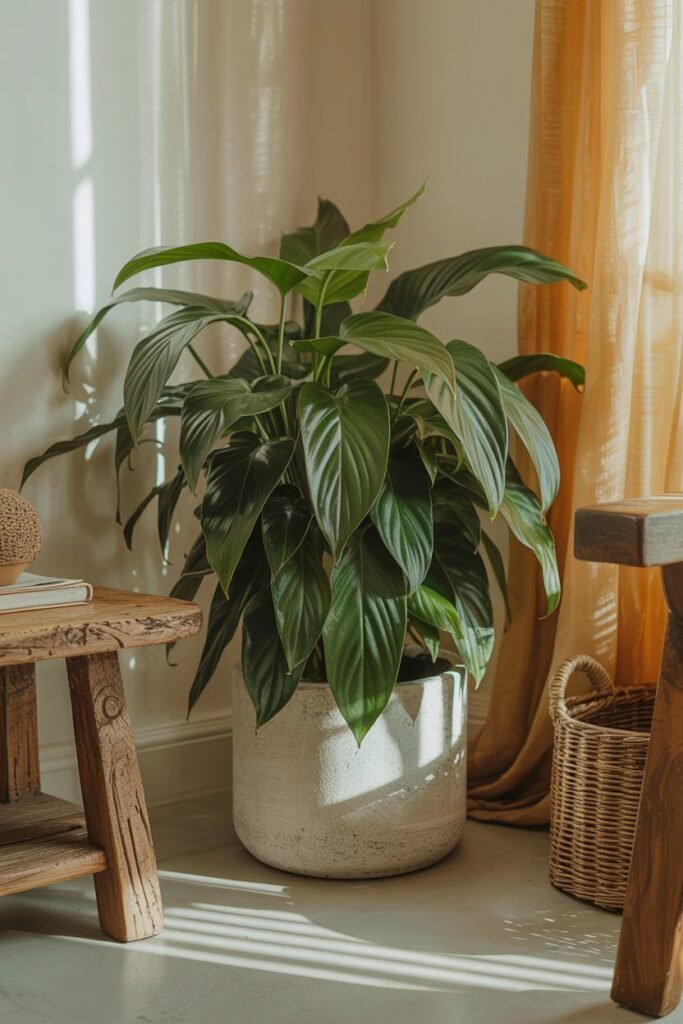
If plants had survival awards, the Cast Iron Plant would win every time. Native to Japan and China, this beauty earned her name because she’s almost indestructible.
Why It Thrives:
Cast Iron Plants handle low light and neglect like a champ. They’ve evolved to grow under thick forest canopies where light barely filters through so dim rooms are their comfort zone.
How to Plant:
Use a medium-sized pot with drainage holes and a well-draining soil mix equal parts potting soil, perlite, and peat. Repot every 2–3 years to refresh nutrients.
Care Tips:
- Light: Indirect or even artificial light. Avoid direct sun.
- Water: Once every 10–14 days; let soil dry out between watering.
- Humidity: Average room humidity is fine.
- Feeding: Monthly in spring and summer with a balanced houseplant fertilizer.
2. ZZ Plant (Zamioculcas zamiifolia) Glossy and Unstoppable
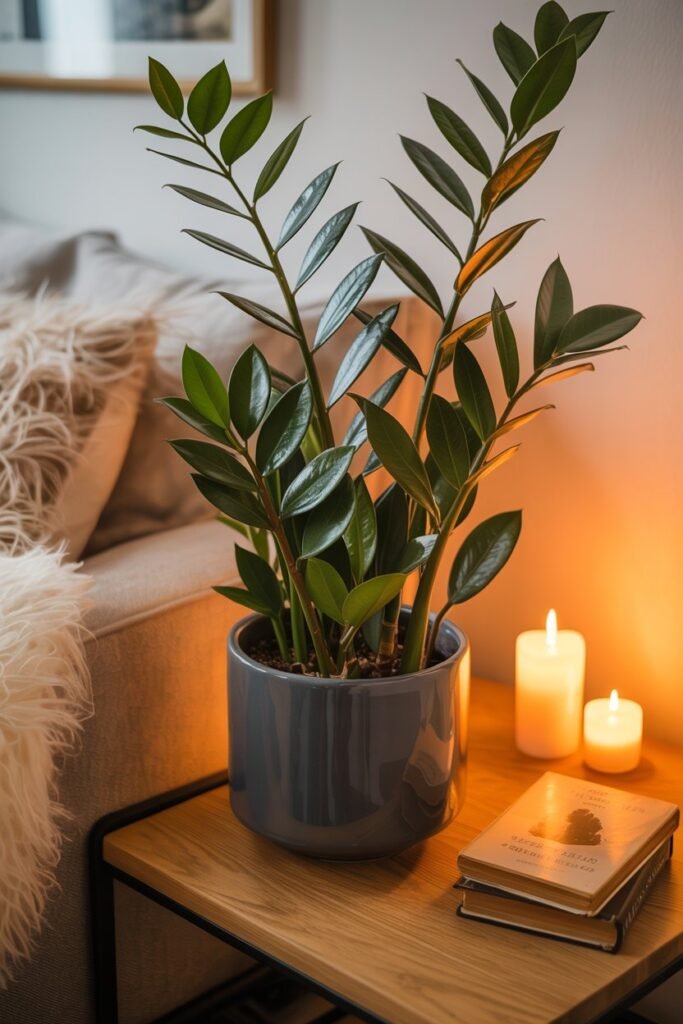
The ZZ Plant is your go-to for style and simplicity. With its waxy emerald leaves and sculptural form, it fits beautifully into any décor from minimalist to boho.
Why It Thrives:
ZZ plants store water in their thick rhizomes, meaning they survive long dry spells and thrive on neglect. They’re practically immortal in low light.
How to Plant:
Plant in a small pot with cactus or succulent mix. ZZ roots don’t like staying soggy.
Care Tips:
- Light: From low light to bright indirect light.
- Water: Every 2–3 weeks. Less is more!
- Humidity: Average home humidity is perfect.
- Fertilizer: Once every two months in the growing season.
Pro Tip: “Polish the leaves occasionally that glossy shine reflects light beautifully, even in the dimmest rooms.”
3. Chinese Evergreen (Aglaonema) A Patterned Shade Lover
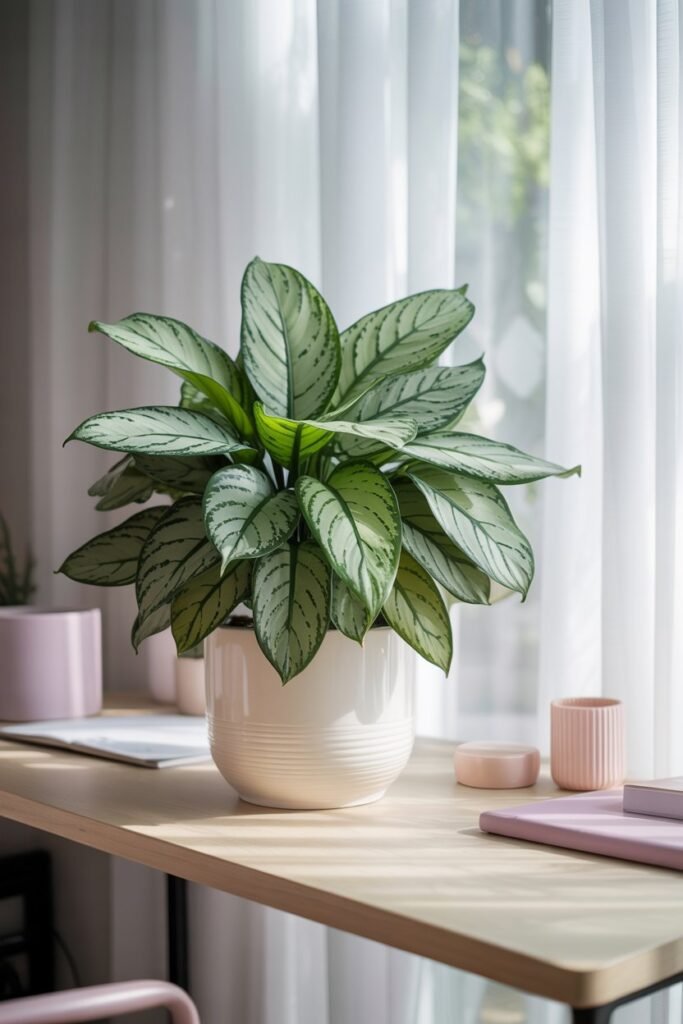
A Chinese Evergreen is like a quiet friend with a colorful personality. Its patterned leaves silver, green, and sometimes pink brighten shadowy spaces instantly.
Why It Thrives:
This plant evolved in tropical forests with filtered light. It doesn’t just tolerate shade it loves it.
How to Plant:
Plant in a mix of peat, perlite, and compost for gentle moisture and air flow.
Care Tips:
- Light: Low to medium indirect light.
- Water: Keep soil lightly moist, not soggy.
- Humidity: Moderate to high; mist occasionally.
- Fertilizer: Every 4–6 weeks in summer.
4. Maidenhair Fern (Adiantum raddianum) — The Delicate Dreamer
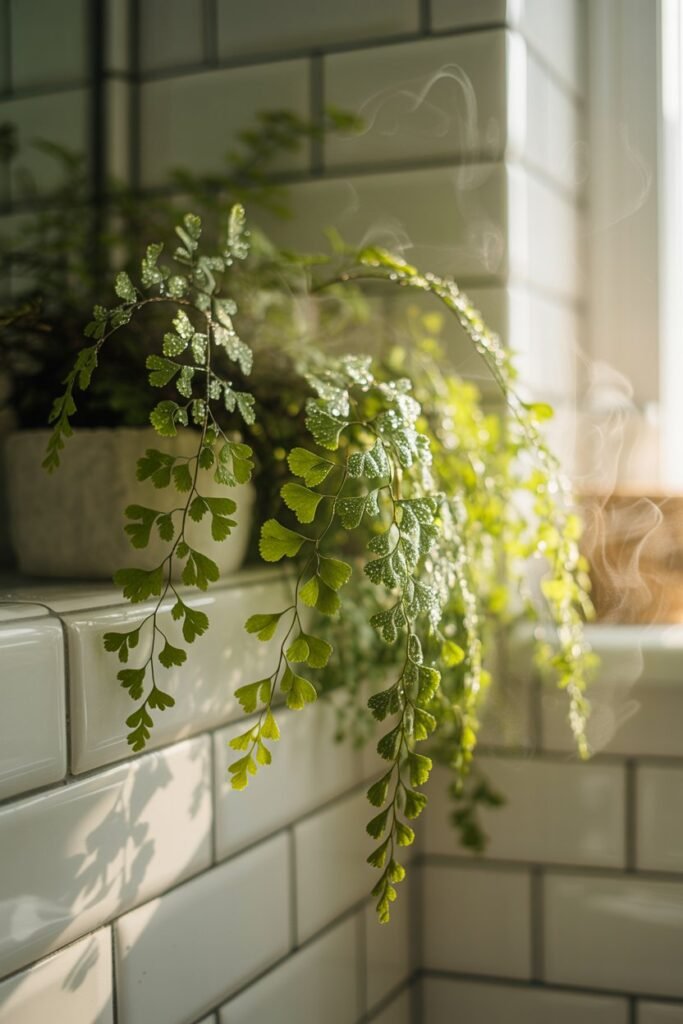
Few plants feel as soft and graceful as the Maidenhair Fern. Its fine lace-like fronds bring movement and femininity to any room.
Why It Thrives:
This fern naturally grows on shaded forest floors, where the air is moist and cool perfect for bathrooms or shaded kitchens.
How to Plant:
Use a rich, moisture-retentive soil in a pot with good drainage. Line the top with moss to retain humidity.
Care Tips:
- Light: Soft, indirect light or north-facing window.
- Water: Keep soil evenly moist; never dry.
- Humidity: High mist daily or use a pebble tray.
- Temperature: Prefers cooler indoor spots.
Pro Tip: “Think of Maidenhair as a gentle soul she doesn’t like sudden changes. Keep her away from drafts or direct air conditioning.”
5. Nerve Plant (Fittonia albivenis) The Living Mosaic
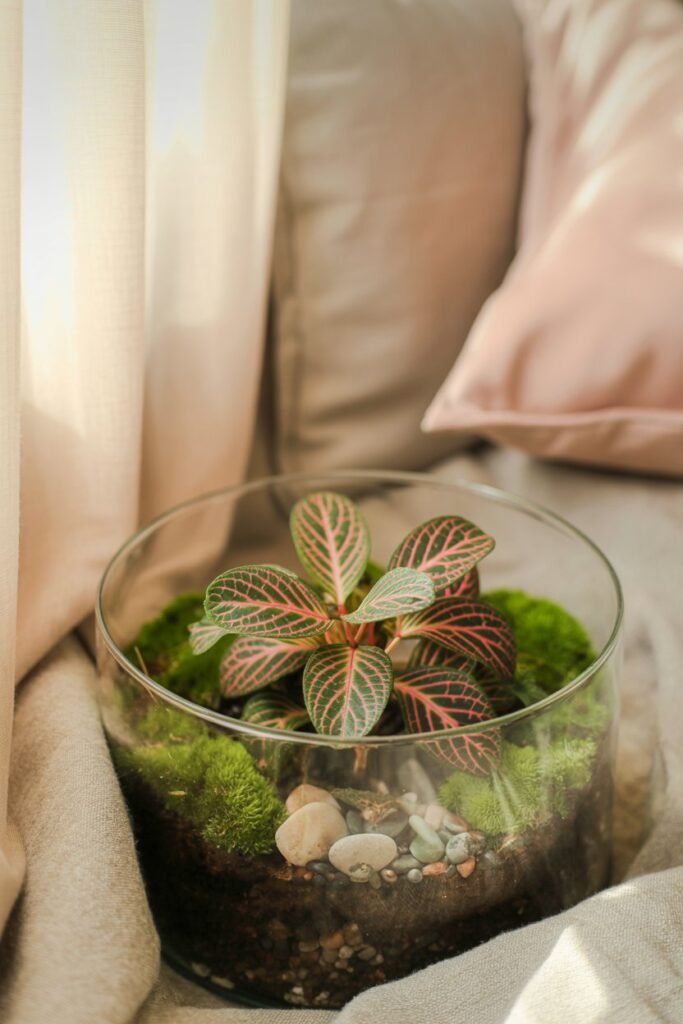
The Nerve Plant looks like an artist painted its leaves with delicate white or pink veins. It’s one of the most stunning low-light plants, often overlooked because it loves humidity.
Why It Thrives:
Native to tropical Peru, it grows in the understory the darkest, most humid part of the forest.
How to Plant:
Use a light, peat-rich soil and a small pot with excellent drainage. Great for terrariums.
Care Tips:
- Light: Indirect or low light no direct sun.
- Water: Keep soil moist but never soggy.
- Humidity: High mist often or group with other plants.
- Fertilizer: Monthly with diluted houseplant food.
6. Peace Lily (Spathiphyllum) The Graceful Bloomer
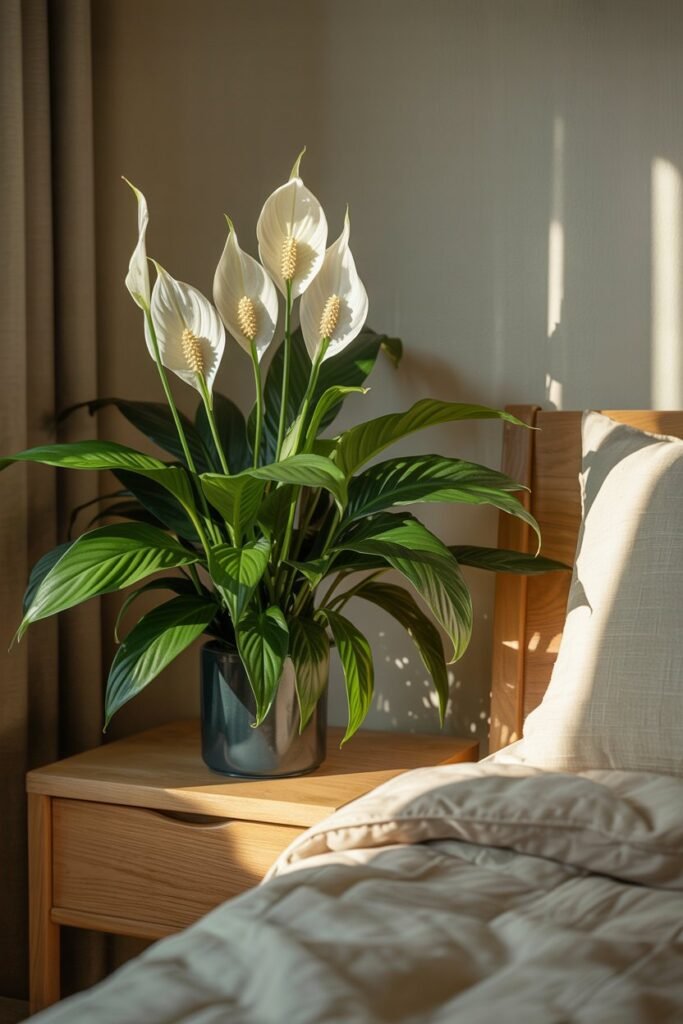
Few plants can brighten a dim space like a Peace Lily. With her glossy leaves and elegant white blooms, she brings peace (and clean air) to every corner.
Why It Thrives:
Peace Lilies are native to the rainforest floor thriving under thick canopies with filtered light.
How to Plant:
Plant in peat-based soil in a pot with drainage holes. Water thoroughly, then allow the top inch to dry before watering again.
Care Tips:
- Light: Low to medium indirect light.
- Water: Weekly, or when leaves slightly droop.
- Humidity: Loves it occasional misting helps.
- Fertilizer: Every 6 weeks during growth season.
Pro Tip: “Wipe leaves weekly dust blocks light and prevents her natural shine from glowing through.”
7. Bird’s Nest Fern (Asplenium nidus) The Gentle Curves
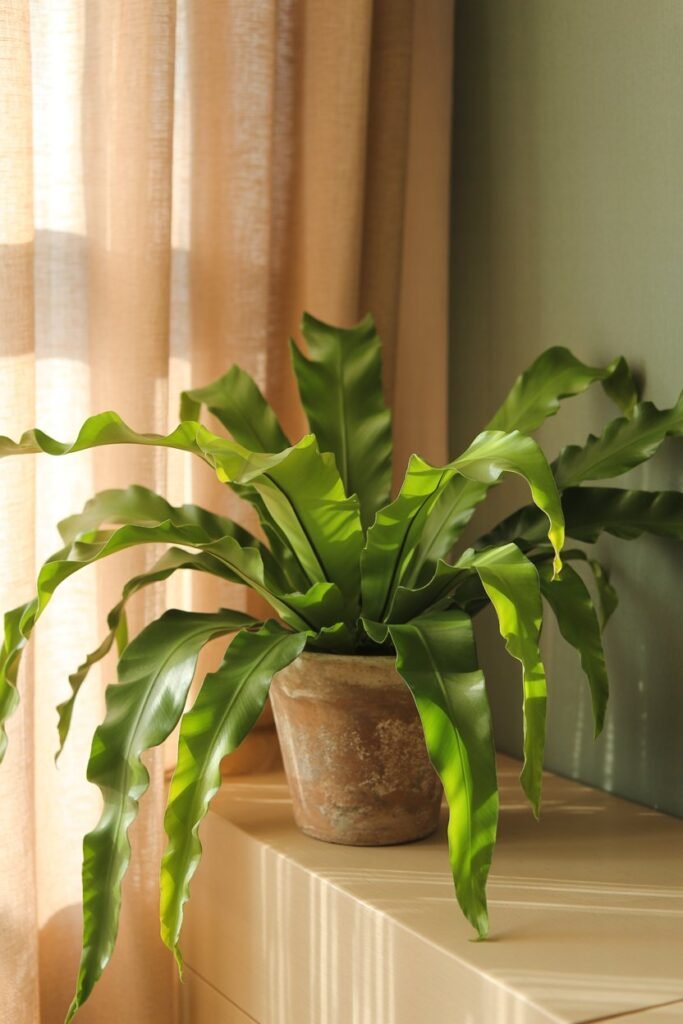
If you adore soft, sculptural greenery, the Bird’s Nest Fern is pure charm. Its wavy, bright green leaves look like they’re unfolding from the heart of a nest giving every corner a fresh, lush feeling.
Why It Thrives:
This fern grows beneath tall trees in the rainforest, living happily in low, dappled light.
How to Plant:
Plant in loose, well-draining soil with organic compost. Keep slightly moist but not wet.
Care Tips:
- Light: Medium to low indirect light.
- Water: Water when the topsoil feels slightly dry.
- Humidity: Moderate to high.
- Fertilizer: Diluted monthly feeding during spring and summer.
Pro Tip: “Never water the center of the fern always around the edges to prevent rot.”
8. Lucky Bamboo (Dracaena sanderiana) The Symbol of Serenity
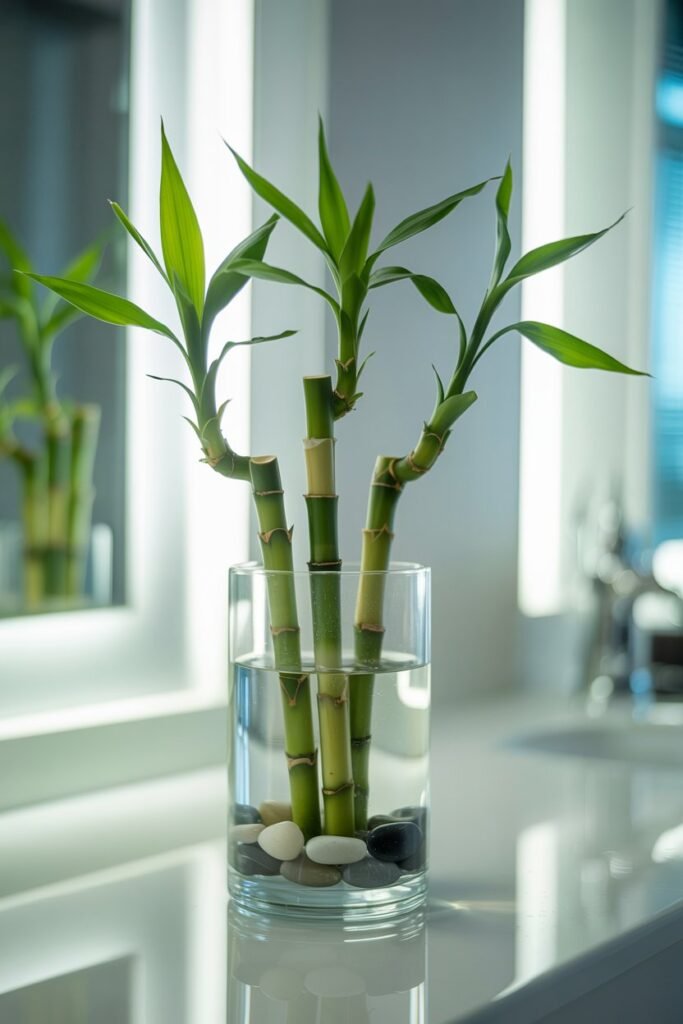
Lucky Bamboo isn’t bamboo at all but a resilient, elegant plant that thrives in both soil and water. Its clean lines and calm energy make it a lovely addition to bedrooms, bathrooms, or your work desk.
Why It Thrives:
It grows naturally under tree canopies in tropical forests, meaning it’s used to filtered or indirect light. It’s perfect for offices or windowless corners where sunlight is scarce.
How to Grow:
Place the stalks in a glass container with filtered water or plant them in well-draining soil. Change water every 10 days if grown hydroponically.
Care Tips:
- Light: Indirect or artificial light.
- Water: Filtered or distilled water only (tap water may cause yellowing).
- Humidity: Average to high.
- Fertilizer: A drop of liquid fertilizer once a month.
Pro Tip: “Lucky Bamboo loves consistency keep it in the same spot, and it’ll reward you with vibrant green shoots year-round.”
9. Spider Plant (Chlorophytum comosum) The Effortless Healer
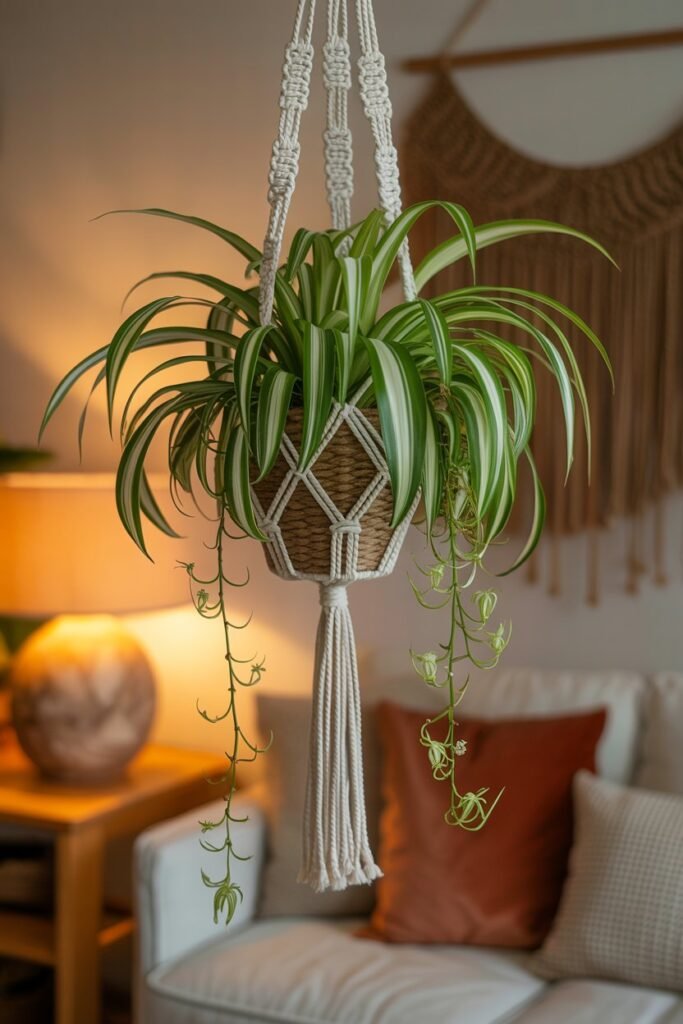
Spider Plants are among the most forgiving and generous houseplants. Their long, arching leaves and cute little baby “spiderettes” make them perfect hanging beauties.
Why It Thrives:
They handle everything — low light, neglect, dry air — yet keep producing new growth. Plus, they’re excellent air purifiers.
How to Plant:
Use a loose potting mix with perlite for airflow. Hang near a shaded window or place on a shelf where it gets soft, indirect light.
Care Tips:
- Light: Low to moderate indirect light.
- Water: When the top inch of soil feels dry.
- Humidity: Average home humidity.
- Fertilizer: Every 4–6 weeks during active growth.
10. Heartleaf Philodendron (Philodendron hederaceum) The Romantic Climber
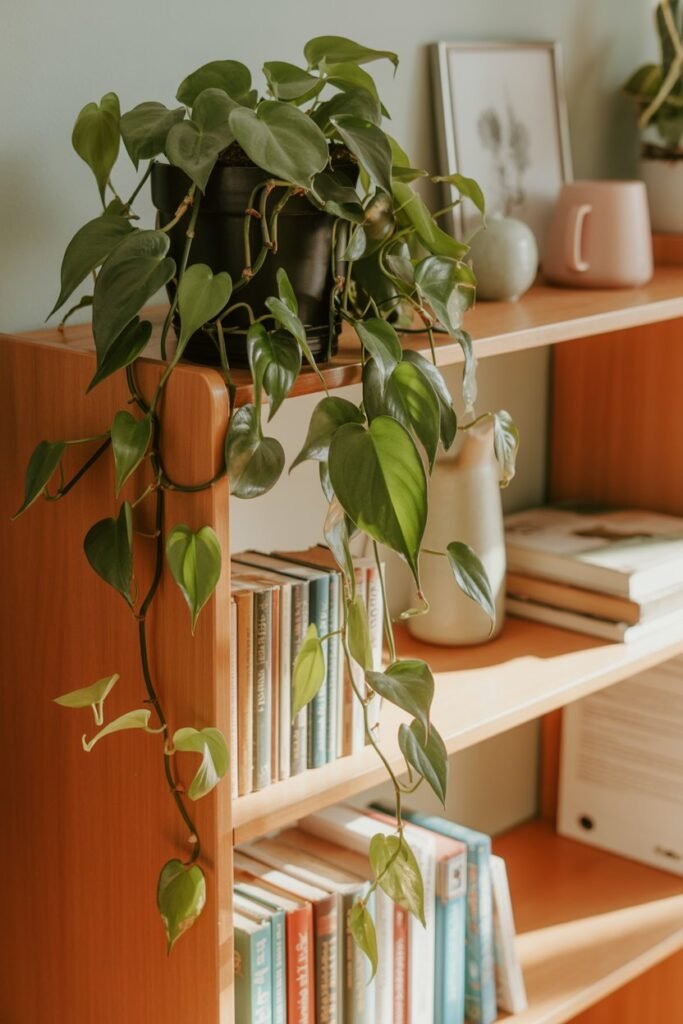
With heart-shaped leaves and soft trailing vines, this plant brings a lush, romantic touch to dim corners or shelves. It’s a plant that truly feels alive.
Why It Thrives:
This philodendron naturally grows beneath thick canopies in tropical forests, thriving on filtered light.
How to Plant:
Plant in rich, well-draining soil and use a moss pole if you want it to climb.
Care Tips:
- Light: Low to medium indirect light.
- Water: When topsoil is slightly dry.
- Humidity: Appreciates misting once a week.
- Fertilizer: Monthly feeding during spring and summer.
Pro Tip: “Prune your philodendron to encourage fuller, bushier growth she loves a gentle trim now and then.”
11. Prayer Plant (Maranta leuconeura) The Mover and Dreamer
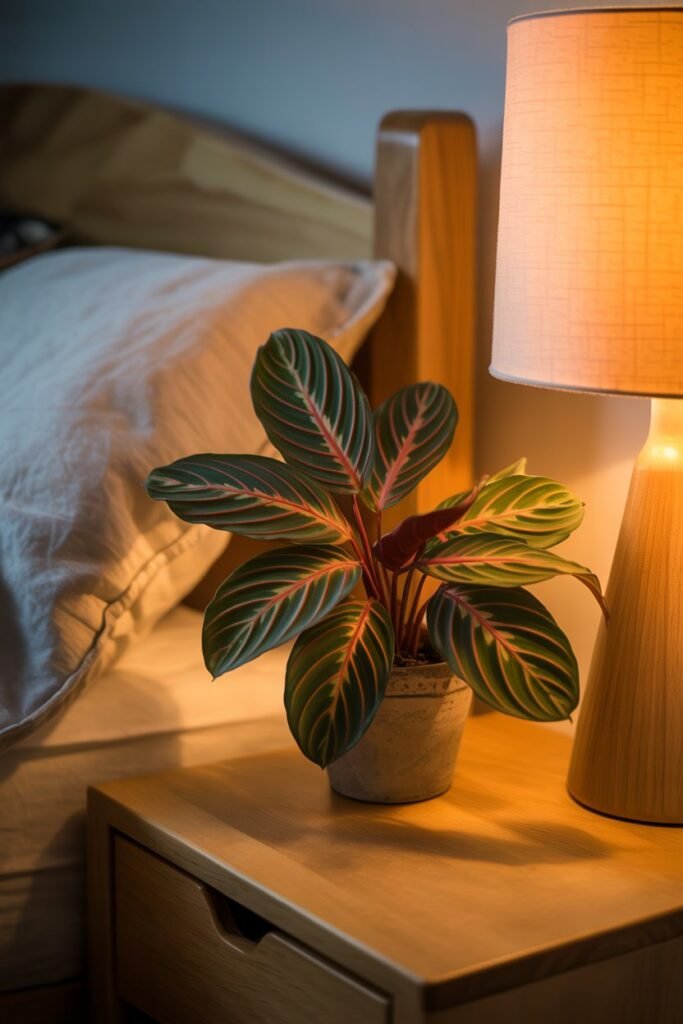
The Prayer Plant is pure poetry. Its leaves open during the day and fold up at night, as if in prayer a daily reminder of life’s rhythm.
Why It Thrives:
It’s native to tropical forests, where sunlight barely reaches the ground making it perfect for low light homes.
How to Plant:
Use peat-based soil with perlite, and keep it slightly moist at all times.
Care Tips:
- Light: Low, indirect light only.
- Water: Keep evenly moist (never soggy).
- Humidity: High mist or group with other plants.
- Fertilizer: Every 4 weeks during growing season.
Pro Tip: “If your Prayer Plant’s leaves stop folding at night, she’s telling you she needs a little more humidity or consistent watering.”
12. Pothos ‘Marble Queen’ (Epipremnum aureum) The Loyal Companion
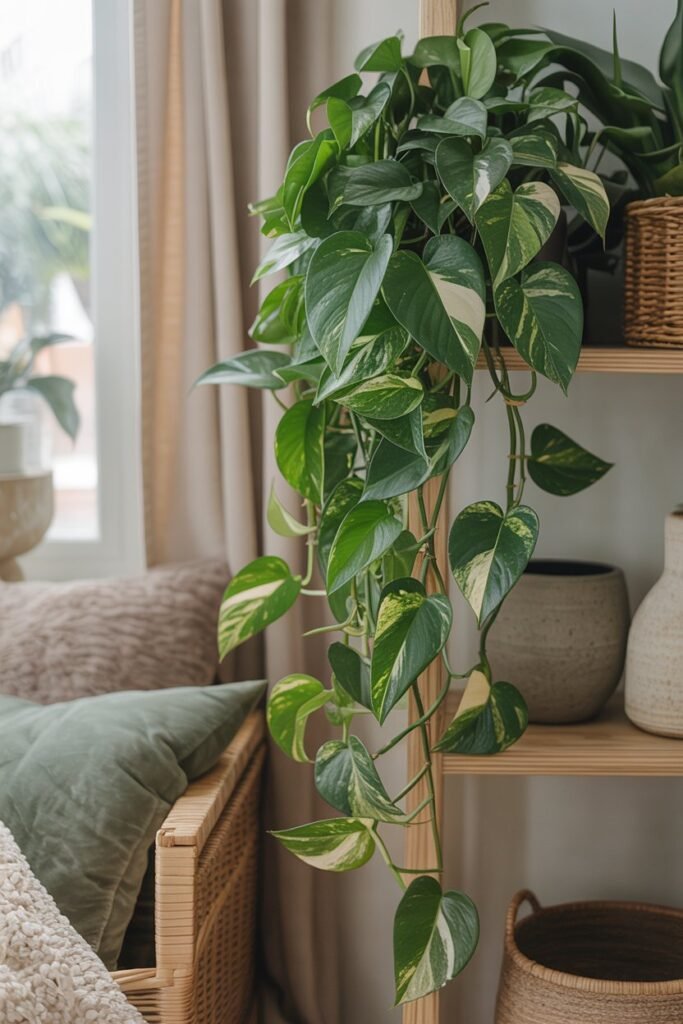
Every gardener needs a Marble Queen. Her white-green variegated leaves trail gracefully, and she tolerates nearly every environment even that gloomy office corner.
Why It Thrives:
Pothos plants naturally climb through dense forests, so they’re masters at surviving low light.
How to Plant:
Use a basic potting mix with added perlite for drainage. Train the vines on shelves or hanging planters.
Care Tips:
- Light: Low to medium indirect light.
- Water: When soil feels dry 2 inches down.
- Humidity: Average is fine.
- Fertilizer: Monthly in spring and summer.
Pro Tip: “Snip and propagate vines in water they’ll root quickly, giving you endless greenery to share.”
13. Parlor Palm (Chamaedorea elegans) The Graceful Classic
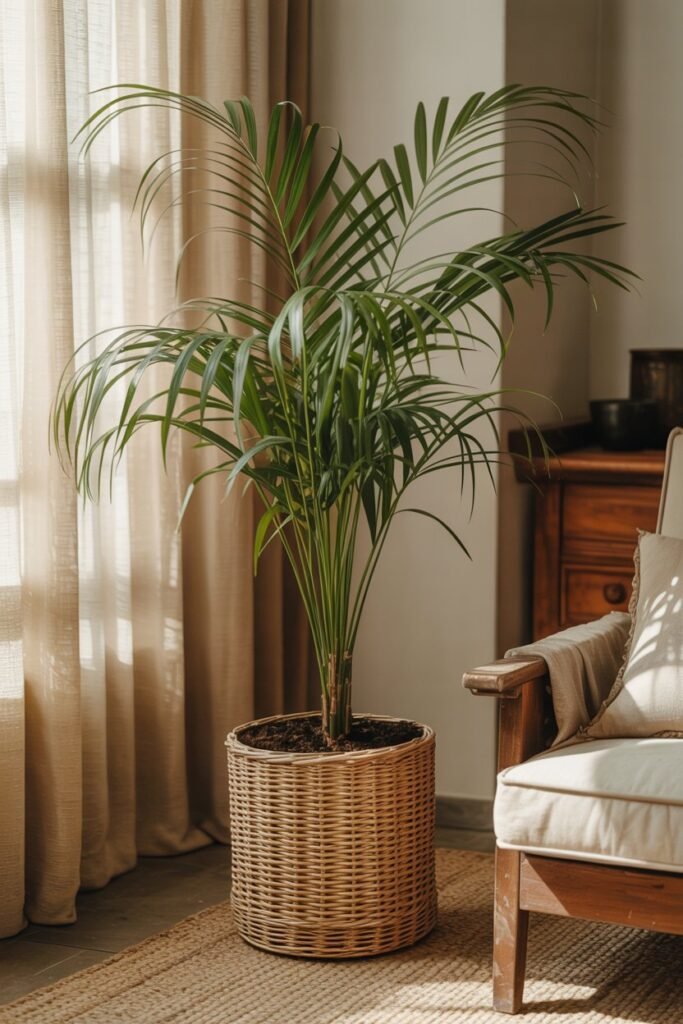
This timeless favorite has been gracing indoor spaces since Victorian times. Its feathery fronds add elegance to low-lit living rooms or bedrooms.
Why It Thrives:
Parlor Palms are native to rainforests of Central America, where they grow under shade canopies.
How to Plant:
Use light, loamy soil with good drainage. Avoid compacted soil.
Care Tips:
- Light: Low to moderate indirect light.
- Water: Every 10–14 days, letting soil dry slightly.
- Humidity: Medium to high preferred.
- Fertilizer: Balanced fertilizer every 6 weeks.
Pro Tip: “Dust the fronds gently with a damp cloth clean leaves breathe better and look fresher.”
14. Arrowhead Plant (Syngonium podophyllum) The Shape Shifter
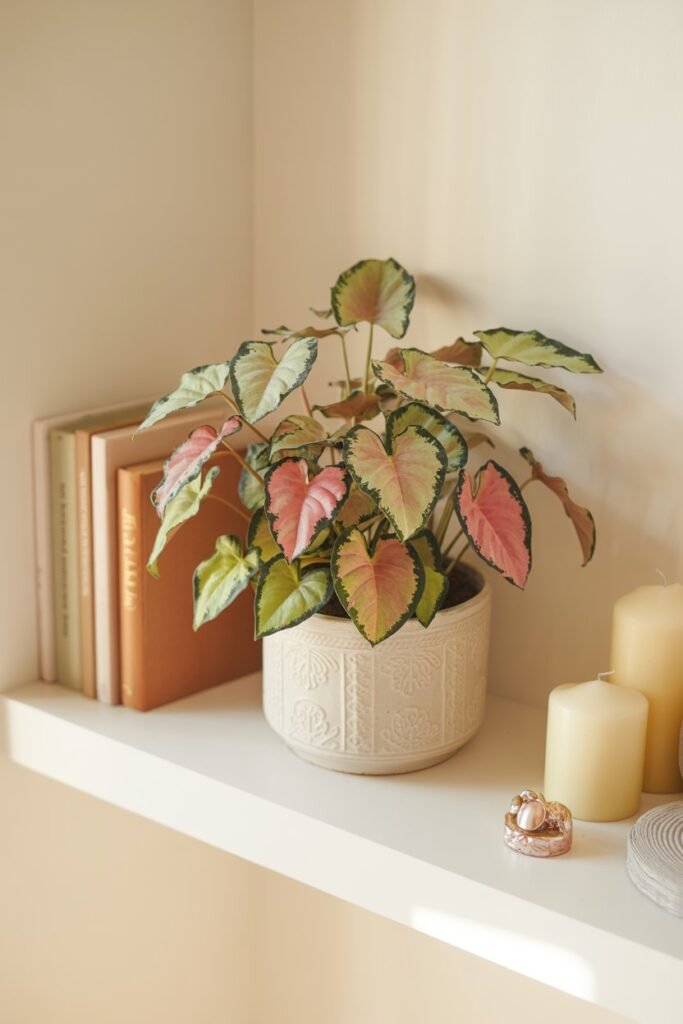
Arrowhead Plants start compact but can trail gracefully as they grow. Their pink, green, or cream leaves give off a soft glow even in dim light.
Why It Thrives:
They’re natural understory plants, perfectly happy in low to medium light.
How to Plant:
Use a mix of peat, perlite, and coco coir to maintain balanced moisture.
Care Tips:
- Light: Indirect, low to medium.
- Water: Water when top inch feels dry.
- Humidity: Moderate; occasional misting helps.
- Fertilizer: Every 6 weeks in growing season.
Pro Tip: “Rotate your Arrowhead monthly it grows toward the light, and this keeps her even and full.”
15. Rattlesnake Plant (Calathea lancifolia) The Patterned Performer
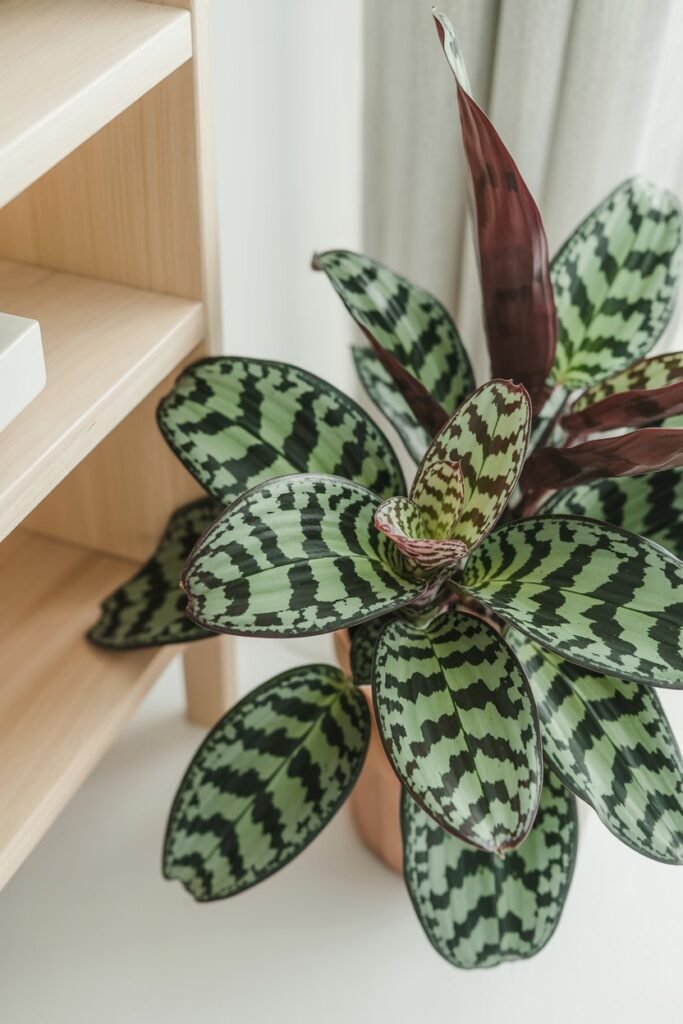
The Rattlesnake Plant is the showstopper of low-light gardening. Its long, wavy leaves are painted in rich green with deep purple undersides it’s pure art in plant form.
Why It Thrives:
Calatheas thrive in shady, humid forest environments, making them ideal for low-light indoor spaces.
How to Plant:
Plant in light, airy soil (equal parts peat, compost, and perlite). Keep evenly moist, never soggy.
Care Tips:
- Light: Low to medium indirect light.
- Water: Distilled or filtered water, always room temperature.
- Humidity: Loves humidity bathroom placement is perfect.
- Fertilizer: Every 4–6 weeks during growth season.
Pro Tip: “When the Rattlesnake’s leaves curl or fade, it’s asking for more humidity a simple misting will make her perk up again.”
Bringing It All Together — Creating Your Low-Light Sanctuary
Caring for low-light plants isn’t about deprivation it’s about discovery. These species remind us that beauty often blooms quietly, even when the sun doesn’t shine.
Whether your favorite nook is softly lit by a lamp or you’re decorating a shaded corner, these 15 overlooked wonders will transform it into a living sanctuary.
Quick Styling Ideas:
- Group 3–5 different textures (like ferns + palms + vines) for a mini indoor jungle.
- Use reflective surfaces or mirrors to bounce available light around.
- Mist your plants lightly in the mornings it’s a mindful, nurturing ritual.
- Don’t forget to talk to them; energy matters in a gentle gardener’s home.
Final Thought:
“Even in darkness, life finds a way to grow. And when we care for that quiet life leaf by leaf, drop by drop it’s our own peace that blossoms too.”
