
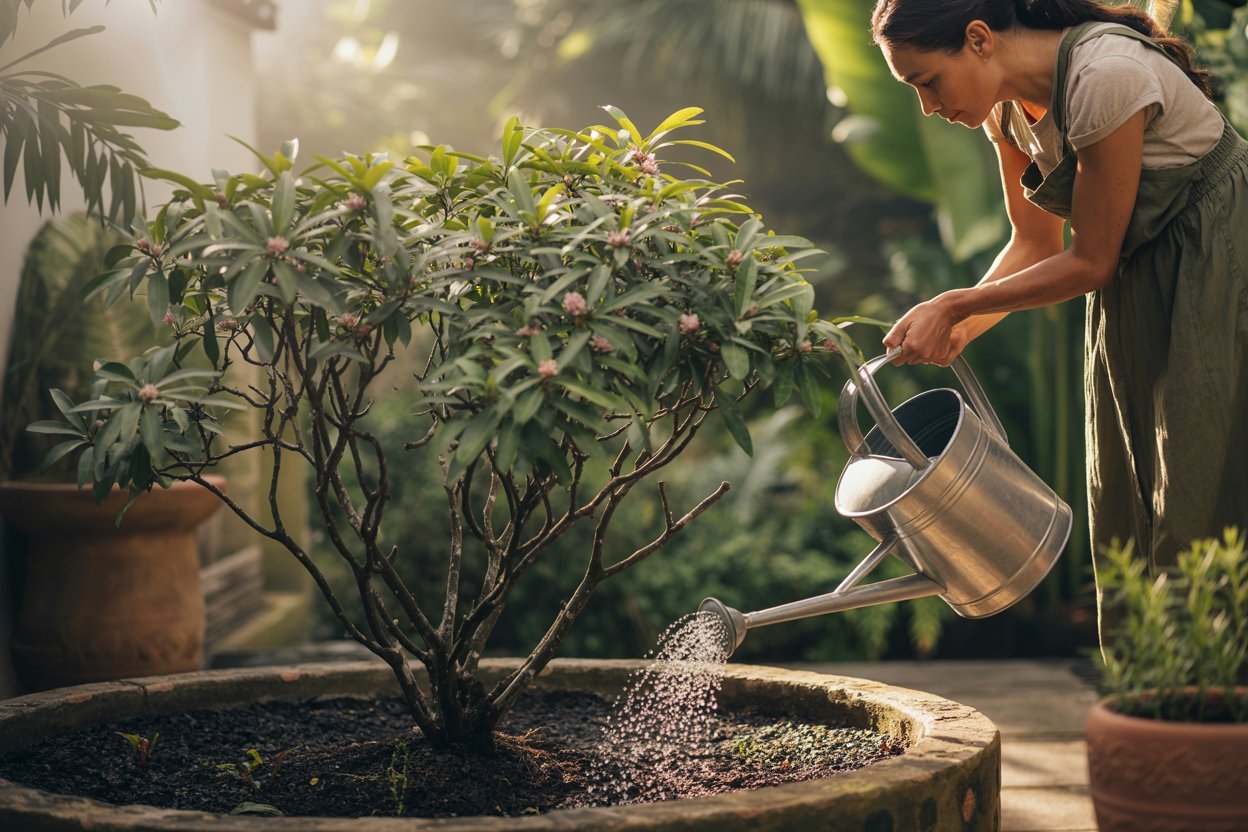

I still remember the first time I crushed a fresh clove between my fingers. The aroma was warm, sweet, and comforting nothing like the dull spice from a jar.
In that moment, I dreamed of growing my own clove tree, watching it grow slowly and beautifully, and harvesting my own fragrant buds straight from my garden.
Cloves may sound like a spice only grown in faraway tropical lands, but with patience, care, and the right knowledge, you can absolutely grow cloves at home.
Whether in your backyard, greenhouse, or even a large container on a sunny patio, clove trees can thrive and reward you for years.
This guide will walk you through every single step deeply and gently just like a seasoned gardener sharing her experience with a friend.
Getting to Know the Clove Tree (Syzygium aromaticum)
Before planting anything, it’s important to understand what cloves truly are.
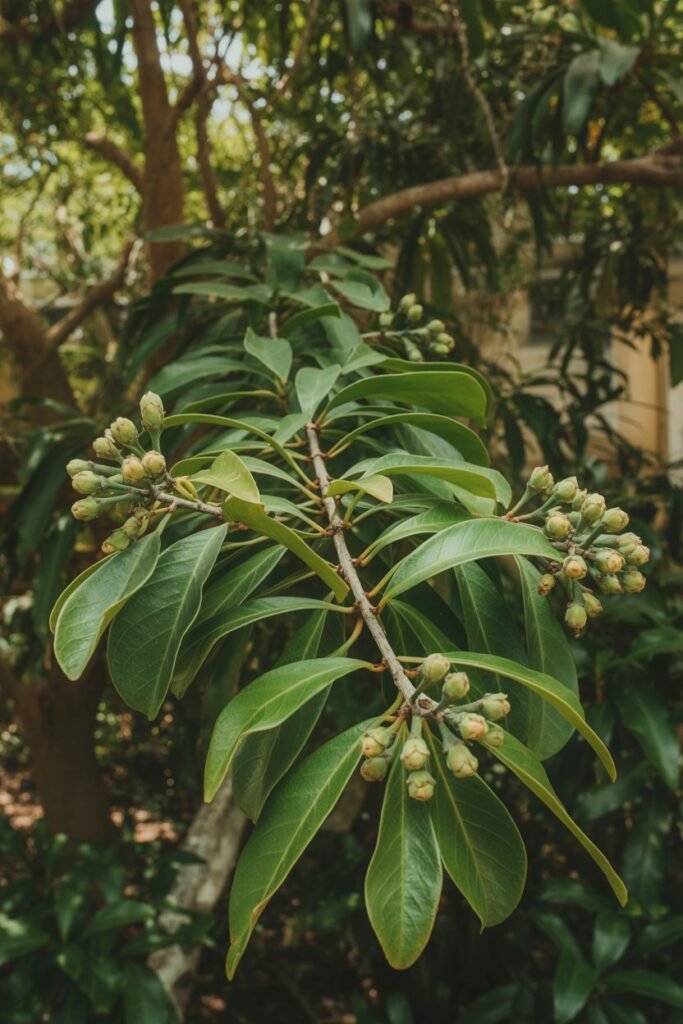
Cloves come from an evergreen tropical tree that belongs to the myrtle family. The spice we use is actually the unopened flower bud of this tree.
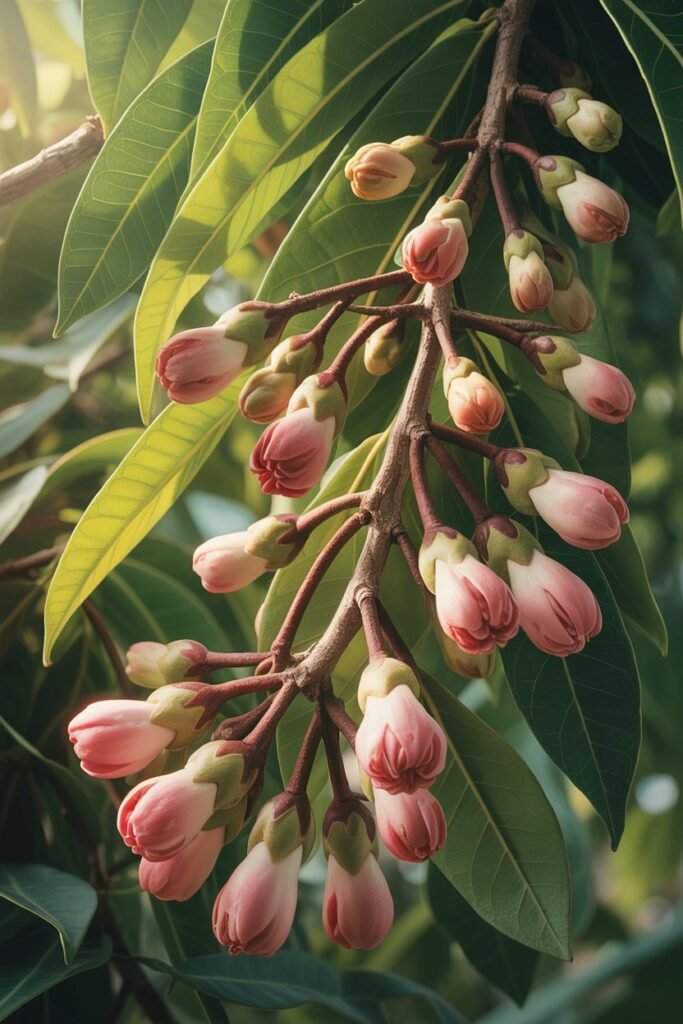
When fresh, the buds are soft and pale green, but as they mature, they turn pinkish-red. Once harvested and dried, they become the dark brown cloves we recognize.
The clove tree itself is quite beautiful. It has:
• Glossy deep green leaves
• Strong woody branches
• A pleasant aromatic scent
• Small clusters of flower buds
In natural conditions, clove trees can grow very tall up to 40 feet but when grown in containers or pruned regularly, they stay much more manageable.
What makes cloves special is their long life. A healthy tree can continue producing for 50 years or more.
Growing cloves is like planting a legacy in your garden.
Creating the Perfect Environment for Cloves to Thrive

Cloves are tropical plants, so they need warmth, moisture, and gentle sunlight.
Temperature
Clove trees love warm temperatures all year round. Ideally, they grow best between 70°F and 90°F (21°C to 32°C).
They do not tolerate frost. Even cold winds can stress young plants.
If you live in a cooler climate, growing in containers allows you to bring them indoors during colder months.
Humidity
Humidity is extremely important for clove trees.
In their natural habitat, humidity stays high almost all year.
You can increase humidity by:
• Misting leaves lightly in the morning
• Placing trays of water near plants
• Growing near other plants
This helps keep leaves lush and prevents drying.
Sunlight
Young clove plants prefer partial shade, especially during their first 1–2 years.
As they mature, they gradually tolerate more sunlight but still appreciate filtered or morning sun.
Harsh afternoon sun can scorch leaves.
If indoors, place near bright windows but avoid direct midday sun.
Choosing Seeds or Seedlings (The Most Important Step)
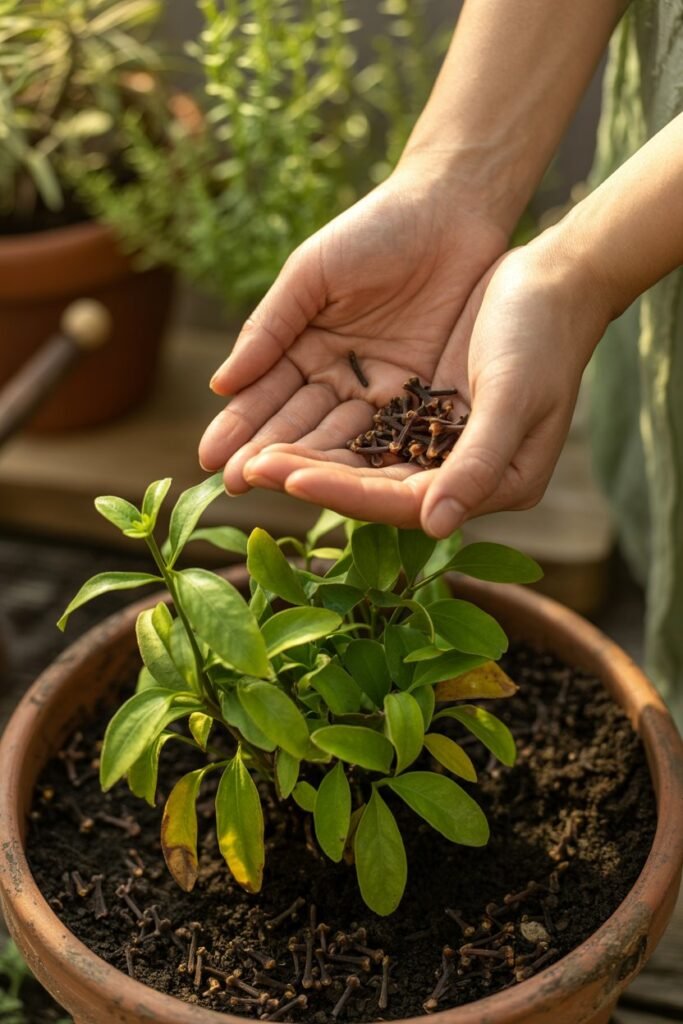
Many people fail at growing cloves because they use dried spice cloves from the store. These will never sprout.
You need:
✔ Fresh clove seeds (from ripe fruits)
✔ Or young nursery seedlings
Fresh seeds lose their ability to grow quickly, so plant them immediately.
If you can find seedlings, they’re the easiest and fastest way to start.
Look for:
• Bright green leaves
• No spots or yellowing
• Strong stems
Healthy beginnings mean stronger trees later.
Preparing Rich, Living Soil for Your Clove Tree
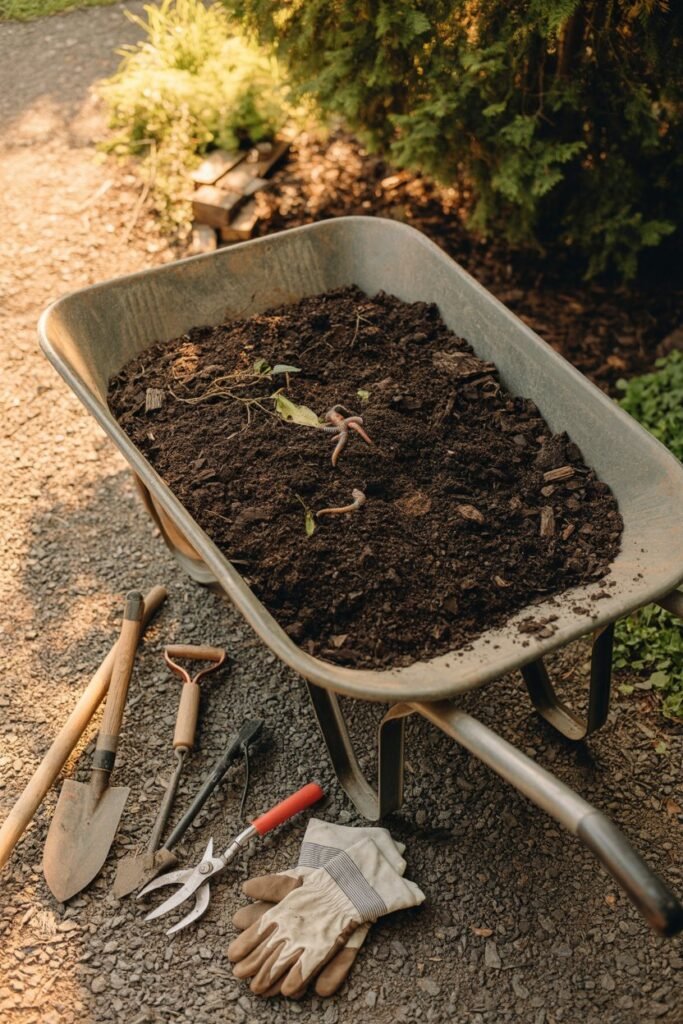
Cloves thrive in soil that is:
• Moist but well-drained
• Rich in organic matter
• Slightly acidic
A great homemade soil mix:
• 40% garden loam
• 30% compost
• 20% coco peat or leaf mold
• 10% sand
This mixture holds water while allowing excess to drain away.
Good soil is like a warm blanket for your plant’s roots it keeps them nourished and comfortable.
Planting Cloves Properly for Strong Growth
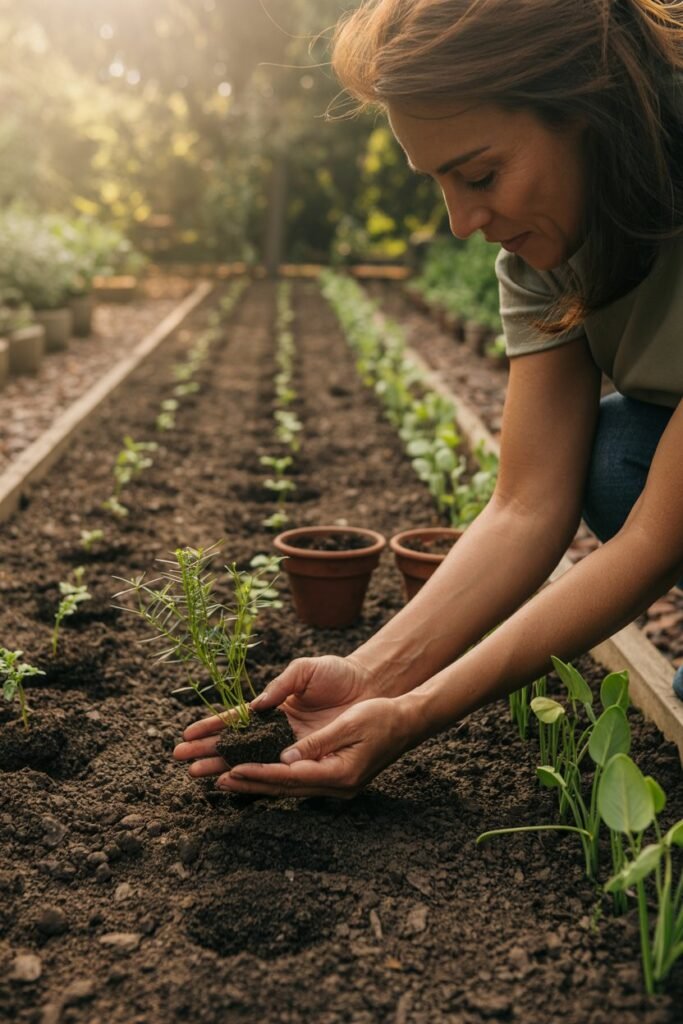
Planting Fresh Seeds
- After soaking seeds overnight
- Dig small holes about 1 inch deep.
- Place each seed gently and cover lightly.
- Water carefully.
- Keep soil consistently moist but not soaked.
- Sprouts usually appear in 2–3 weeks.
Planting Seedlings
- Dig a hole twice as wide as the root ball.
- Gently loosen roots before planting.
- Place upright and fill soil around it.
- Press gently and water deeply.
- Provide shade for first few weeks.
Mastering the Art of Watering Cloves
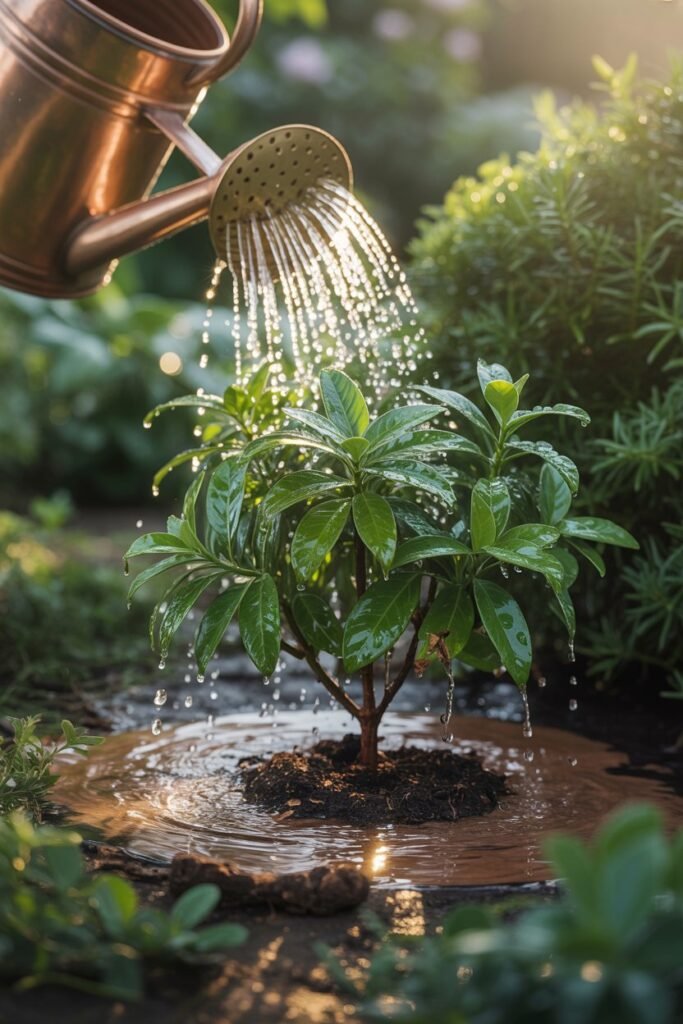
Cloves are thirsty plants — but they don’t like flooded roots.
The goal is consistent moisture.
Best watering approach:
- Water when the top inch of soil feels slightly dry.
- In hot climates, this may be daily.
- In cooler weather, every 2–3 days.
- Never let soil dry out completely.
- Standing water causes root rot the most common killer of clove plants.
Feeding Your Clove Tree for Long-Term Health
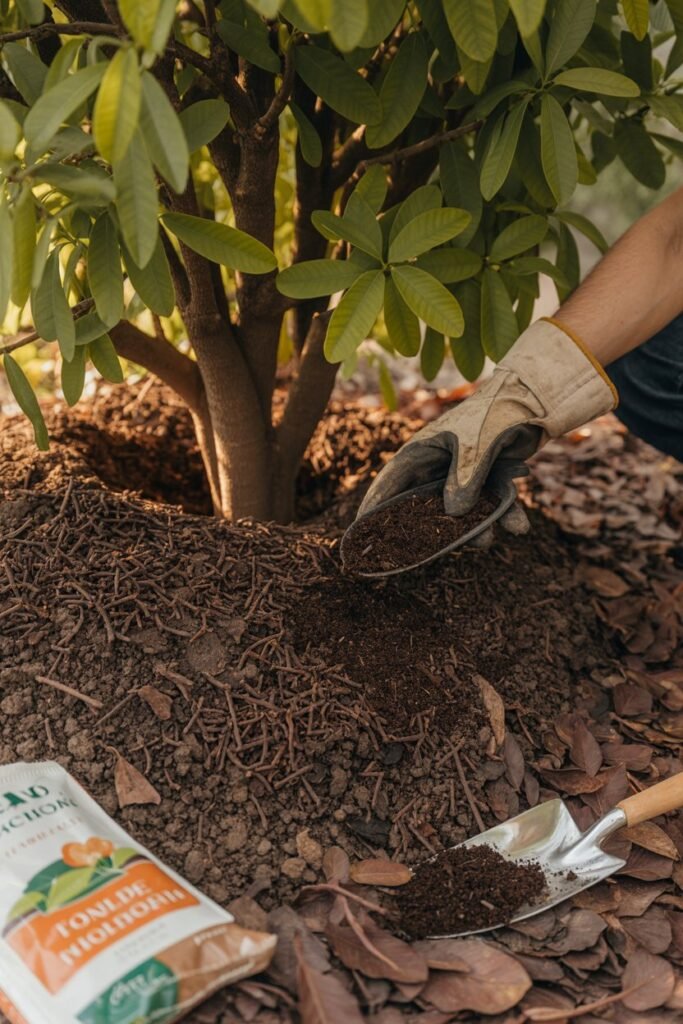
Because clove trees grow slowly and live long, they benefit from steady nutrition.
Organic feeding works best.
Great natural fertilizers:
• Compost tea
• Aged manure
• Fish emulsion
• Balanced organic fertilizer
Feed every 2–3 months during active growth.
This encourages:
• Deep root systems
• Strong stems
• More flower bud production in later years
Pruning: Keeping Your Clove Tree Beautiful and Productive
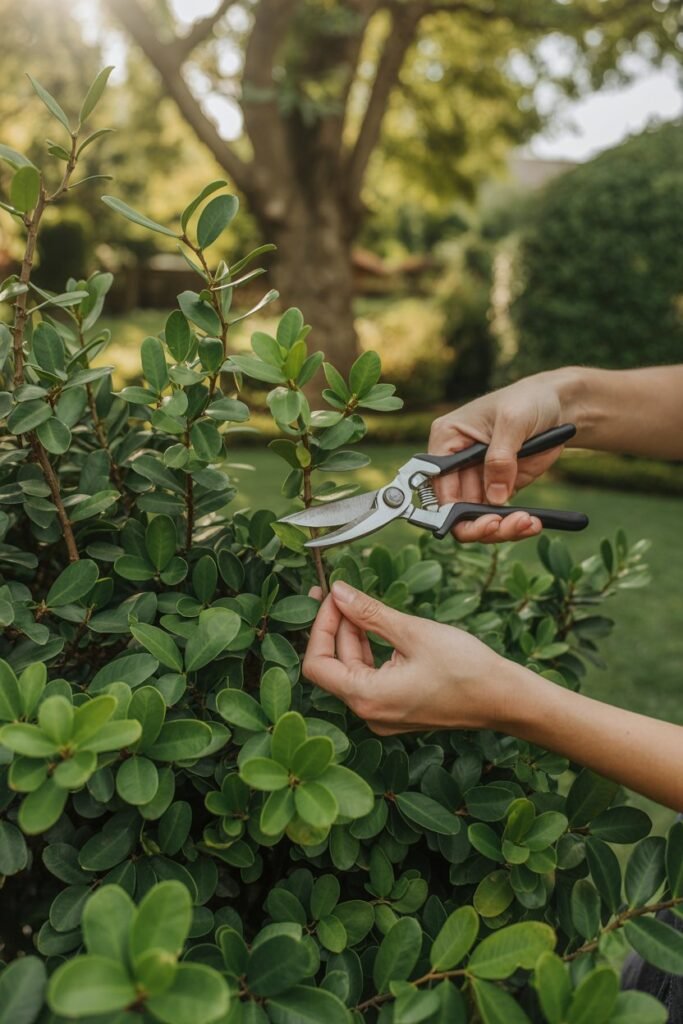
Pruning isn’t just about shape it helps health.
Remove:
• Dead branches
• Crossing branches
• Weak growth
This improves airflow and light.
Light pruning once a year is enough.
For container plants, prune slightly more to keep size manageable.
Understanding Pests and Plant Health Issues
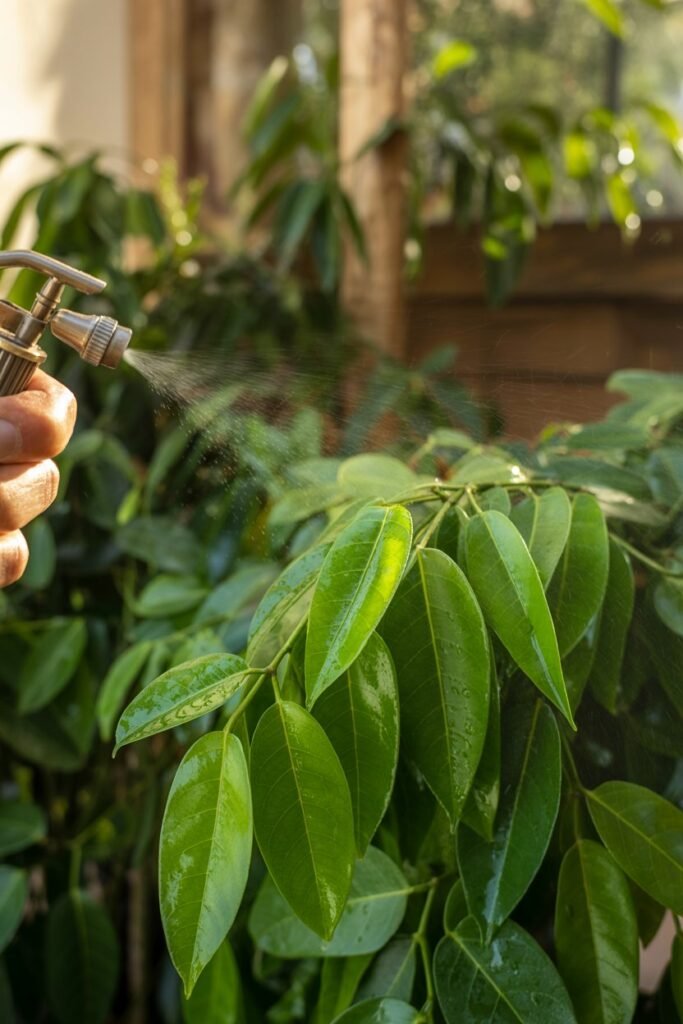
Clove trees are naturally aromatic, which repels many pests but some can still appear.
Common issues:
Aphids – tiny insects sucking sap
Scale insects – hard bumps on stems
Fungal diseases – caused by poor drainage
Gentle treatments:
Neem oil spray every 7–10 days
Remove affected leaves
Improve drainage
Healthy plants resist pests naturally.
When Will My Clove Tree Produce Buds?
This is where patience truly matters.
Most clove trees take:
- 5 to 7 years to begin flowering
- Some may take longer
But once they begin, production increases each year.
Buds appear in clusters at branch tips.
They start green, then turn pink when ready.
Harvesting Cloves the Right Way
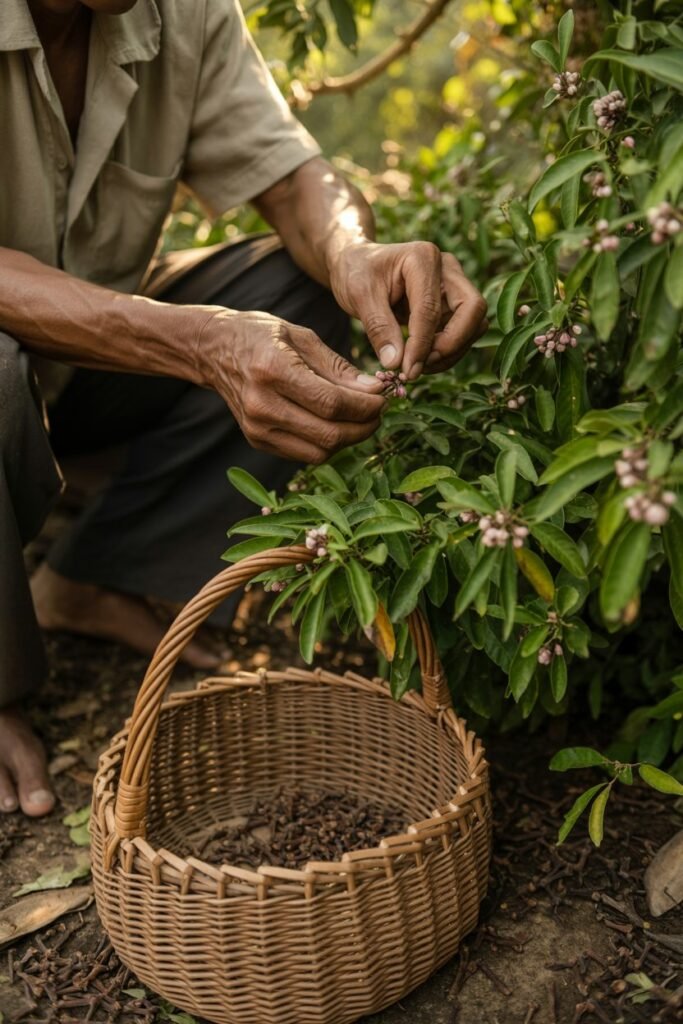
- Harvest just before buds fully open.
- This is when oils are strongest.
- Gently pick or snip clusters.
- Avoid pulling hard — it can damage branches.
- Harvest usually happens once or twice a year.
Drying and Curing for Perfect Flavor
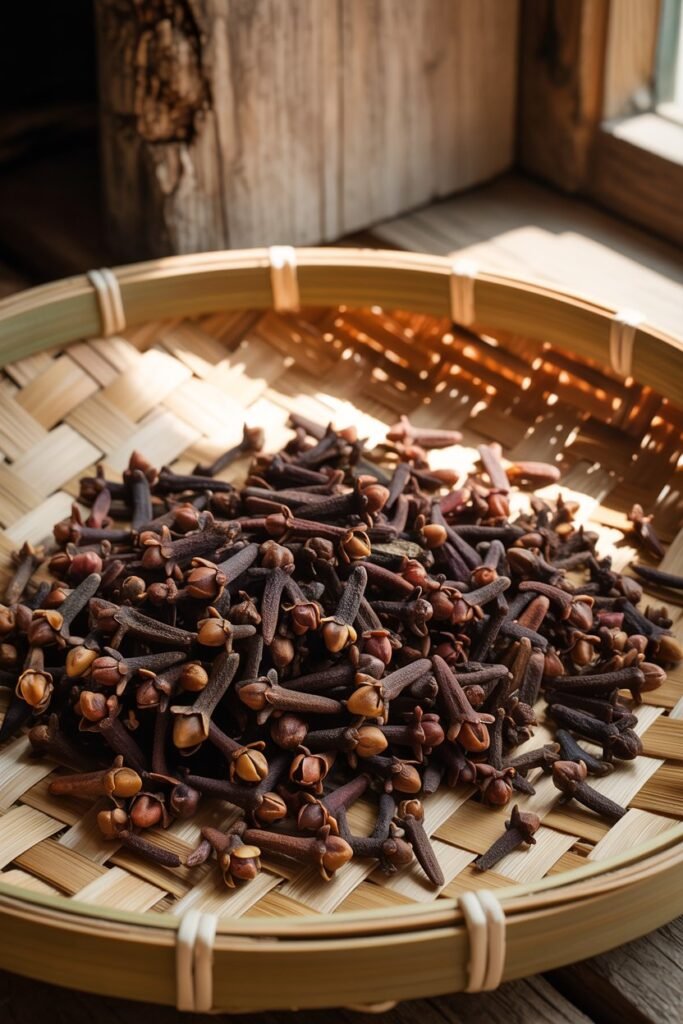
- Spread buds in a thin layer in sunlight or airy shade.
- Turn them daily.
- They slowly darken and harden.
- Properly dried cloves snap when broken and release strong fragrance.
Storing Cloves Safely
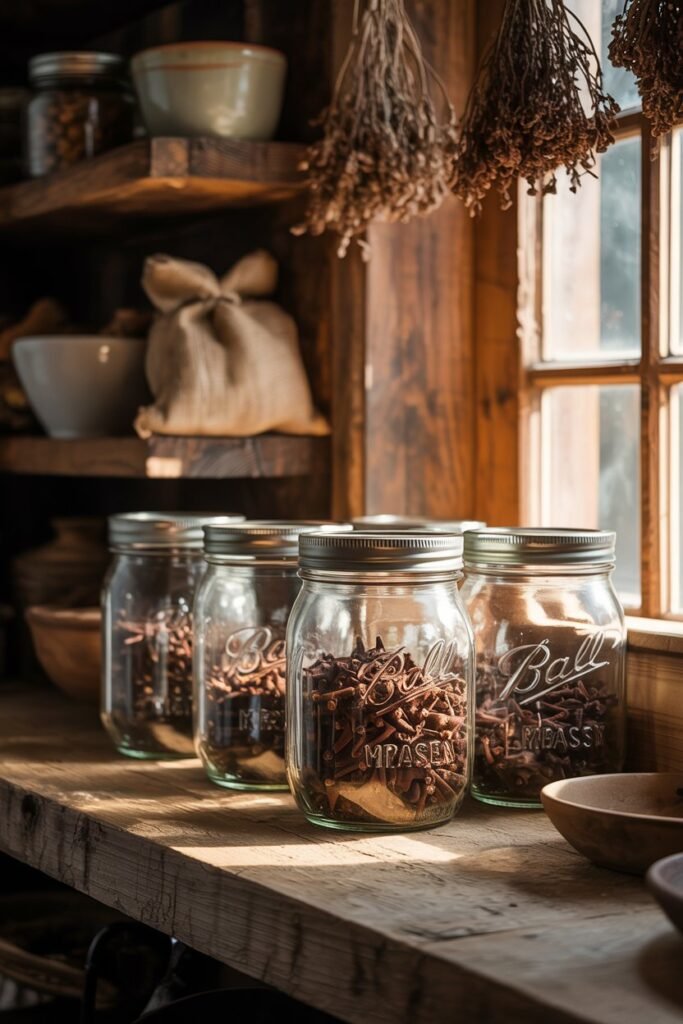
- Use airtight jars.
- Keep away from light and heat.
- Whole cloves last longer than ground.
- Proper storage keeps flavor for over a year.
Growing Cloves in Containers (Small-Space Gardening)
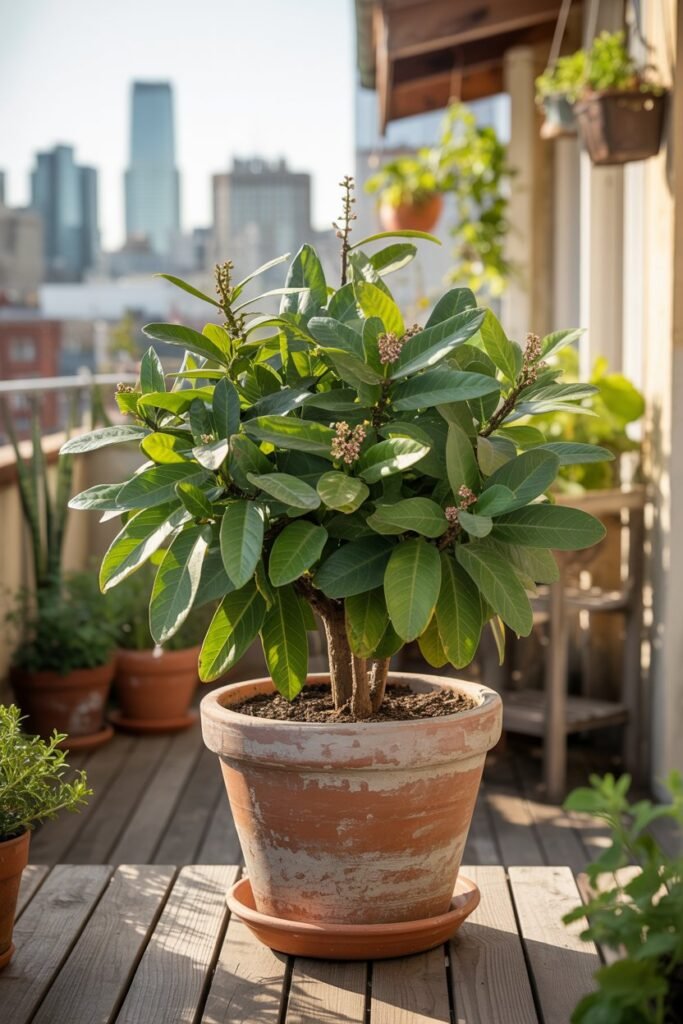
- Choose a large, deep pot.
- Minimum 15 gallons.
- Ensure excellent drainage.
- Repot every 2–3 years as roots grow.
- This is perfect for balconies and indoor gardeners.
Health Benefits of Cloves (Bonus Value for Readers)
Cloves are more than flavor.
They help with:
• Digestion
• Tooth pain relief
• Immune support
• Reducing inflammation
Growing your own means pure, chemical-free spice.
Final Thoughts: A Garden Filled With Patience and Fragrance
Growing cloves is not for rushed gardeners.
It’s for those who love nurturing slow-growing treasures.
But once your tree begins producing the reward is incredible.
Your home will smell amazing.
Your meals will taste richer.
And you’ll feel proud knowing you grew one of the world’s most precious spices yourself.
