
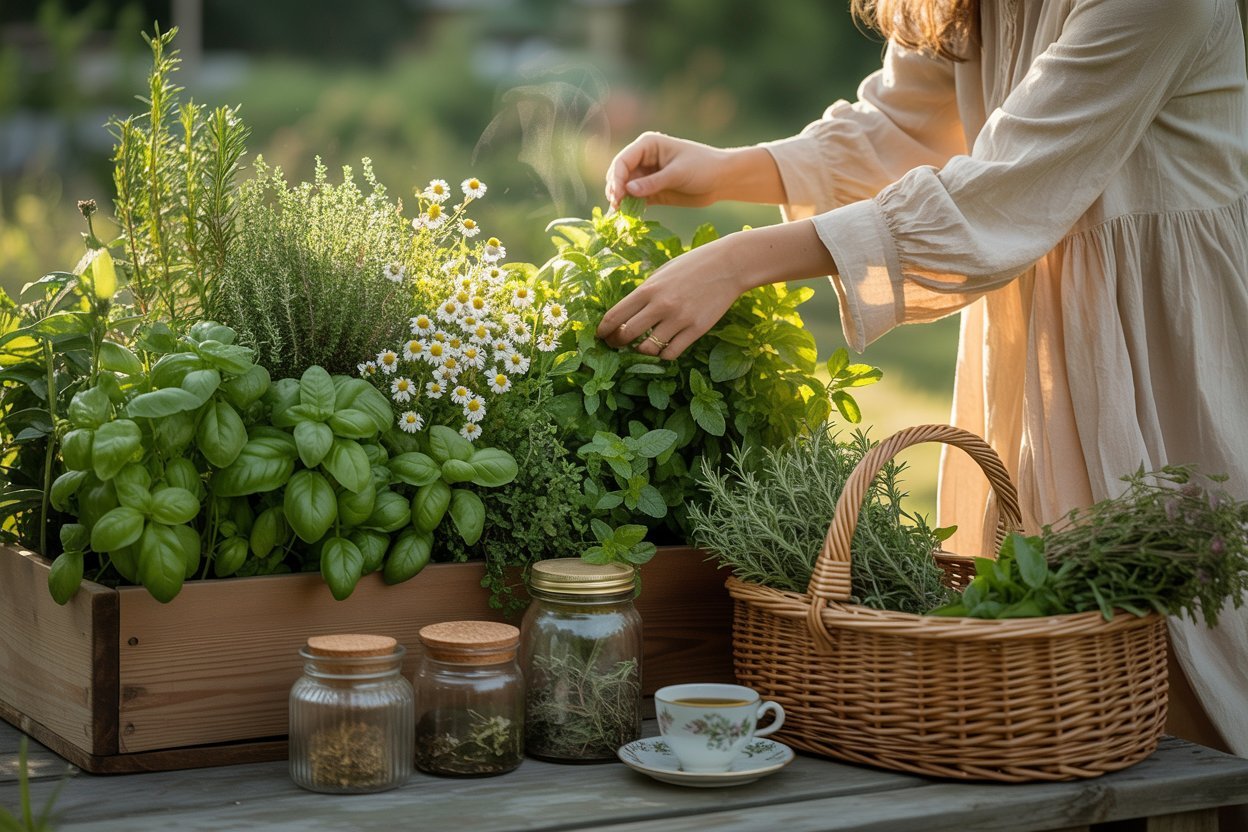

There’s something deeply comforting about stepping into your garden and knowing that the plants growing there can support your body, calm your mind, and gently heal everyday ailments.
A medicinal herb garden isn’t about replacing doctors or medicine it’s about reconnecting with nature, slowing down, and learning how plants can care for us in quiet, powerful ways.
If you’ve ever dreamed of brewing your own calming teas, soothing a sore throat with herbs you grew yourself, or simply surrounding your home with plants that serve a purpose beyond beauty, this guide is for you.
Let’s take this journey together one thoughtful step at a time.
What Is a Medicinal Herb Garden?
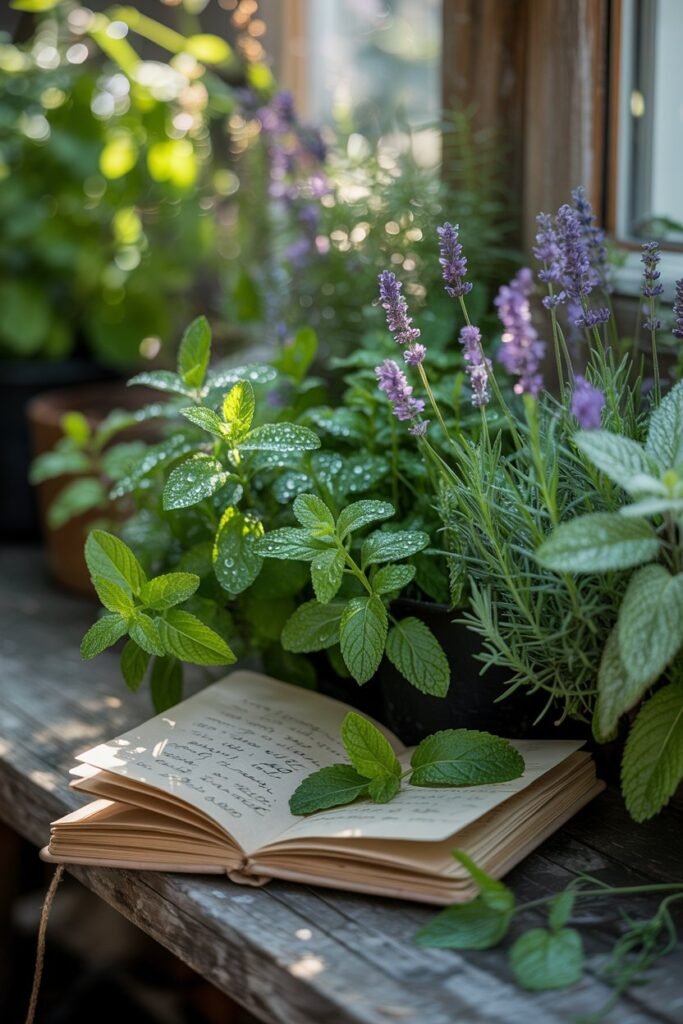
A medicinal herb garden is a collection of plants grown specifically for their therapeutic properties.
These herbs can support digestion, improve sleep, boost immunity, calm anxiety, ease minor pains, and nourish the body gently over time.
Unlike large vegetable gardens, medicinal herb gardens can be:
- Small or large
- Grown in pots or in-ground
- Kept on balconies, patios, or windowsills
You don’t need acres of land or years of experience. You just need curiosity, patience, and a willingness to learn as you grow.
Step 1: Start With Intention, Not Overwhelm
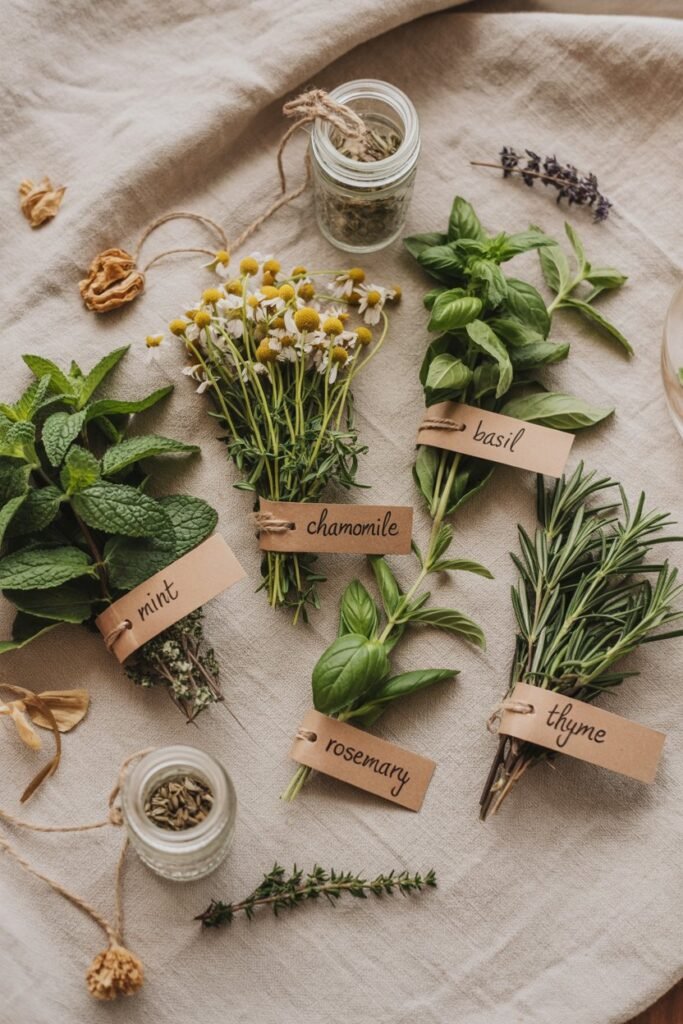
One of the biggest mistakes beginners make is trying to grow everything at once. Medicinal herbs are powerful, and learning them slowly is part of respecting them.
Before buying seeds or pots, pause and ask yourself:
- What do I want these herbs for?
- Teas? Salves? Simple home remedies?
- Daily wellness or occasional use?
Beginner-Friendly Goals
If you’re just starting, focus on:
- Stress relief
- Digestive support
- Immune support
- Skin soothing
This keeps your garden purposeful and manageable.
Step 2: Choose the Right Medicinal Herbs for Beginners
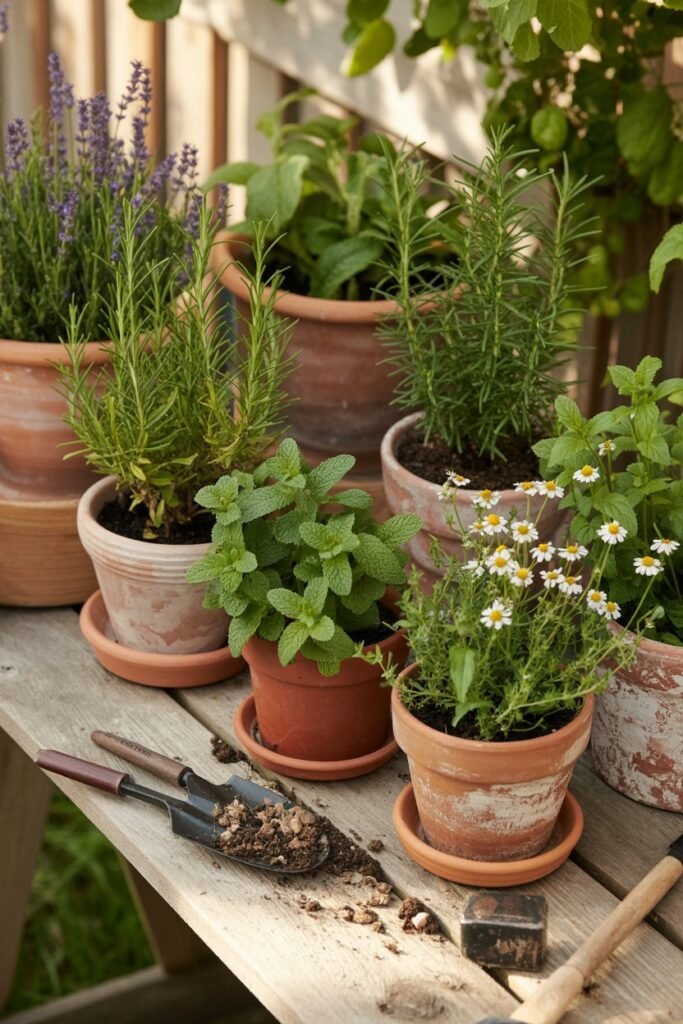
Some herbs are gentle, forgiving, and perfect for first-time gardeners. These are reliable, versatile, and widely used.
Best Medicinal Herbs to Start With
1. Basil (Ocimum basilicum)
Supports digestion, reduces inflammation, and lifts mood. Easy to grow and fast-growing.
2. Mint (Peppermint or Spearmint)
Soothes digestion, headaches, and nausea. Grow in containers it spreads quickly.
3. Lemon Balm (Melissa officinalis)
A calming herb for anxiety, sleep, and stress. Smells heavenly and grows easily.
4. Chamomile
Known for sleep support and digestive calm. Gentle and perfect for tea lovers.
5. Rosemary
Supports memory, circulation, and immunity. Loves sunshine and minimal fuss.
6. Thyme
Powerful antimicrobial properties. Excellent for coughs and respiratory health.
7. Aloe Vera
A must-have for skin burns, cuts, and irritation. Thrives indoors or outdoors.
You don’t need all of these start with 3 to 5 herbs and expand as your confidence grows.
Step 3: Decide Where Your Herb Garden Will Live
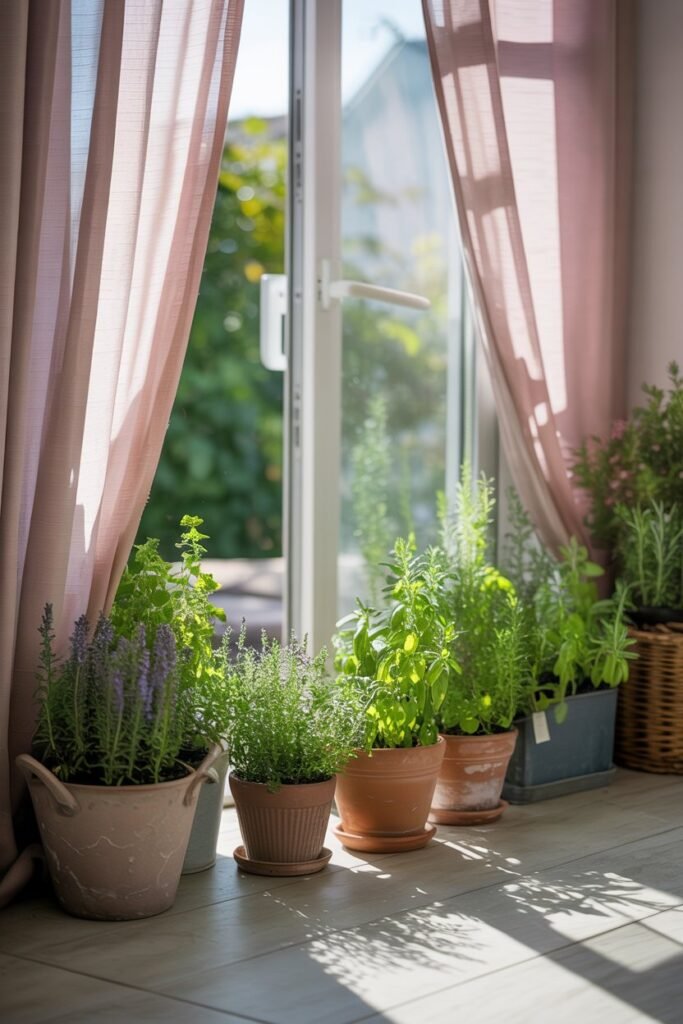
Medicinal herbs are surprisingly flexible, but they do have preferences.
Outdoor Gardens
Perfect if you have:
- A small yard
- Raised beds
- Balcony or patio space
Most medicinal herbs love sunlight aim for 6–8 hours of sun daily.
Indoor Herb Gardens
Ideal for:
- Apartments
- Limited outdoor space
- Year-round growing
Choose a sunny window or supplement with grow lights.
🌿 Gentle reminder: Herbs grown indoors often grow slower but their energy and potency are still beautiful.
Step 4: Choose Containers or Garden Beds Wisely
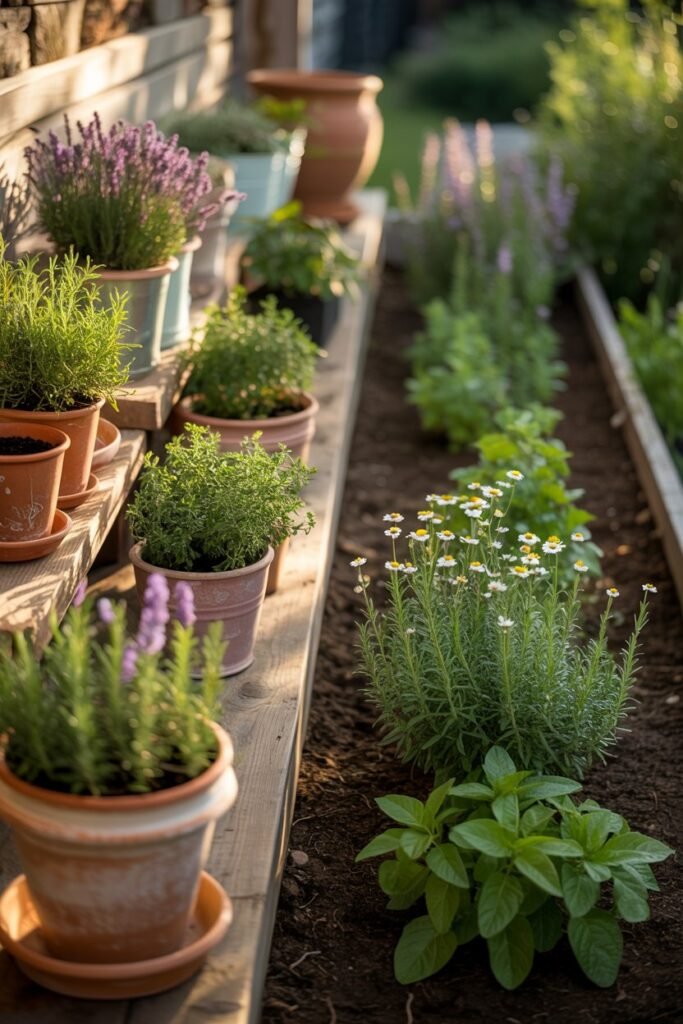
Containers (Perfect for Beginners)
- Control soil quality easily
- Prevent aggressive herbs from spreading
- Easy to move with sunlight changes
Choose pots with:
- Drainage holes
- Breathable material (terracotta is wonderful)
In-Ground or Raised Beds
Better for:
- Larger gardens
- Perennial herbs like rosemary and thyme
Make sure soil drains well medicinal herbs dislike soggy roots.
Step 5: Soil Is Everything (This Is Where Healing Begins)
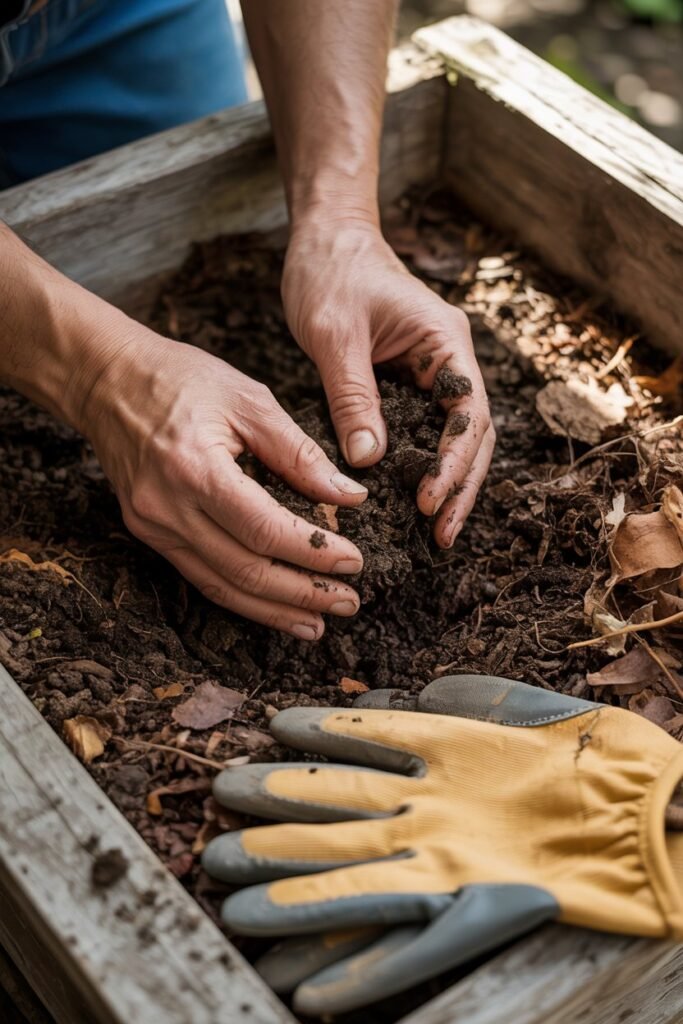
Healthy soil equals healthy medicine.
Ideal Soil for Medicinal Herbs
- Loose and well-draining
- Rich in organic matter
- Slightly sandy for Mediterranean herbs
Avoid heavy clay soil if possible.
Tip: Mix garden soil with compost and a little sand or perlite for balance.
Step 6: Planting Your Herbs With Care
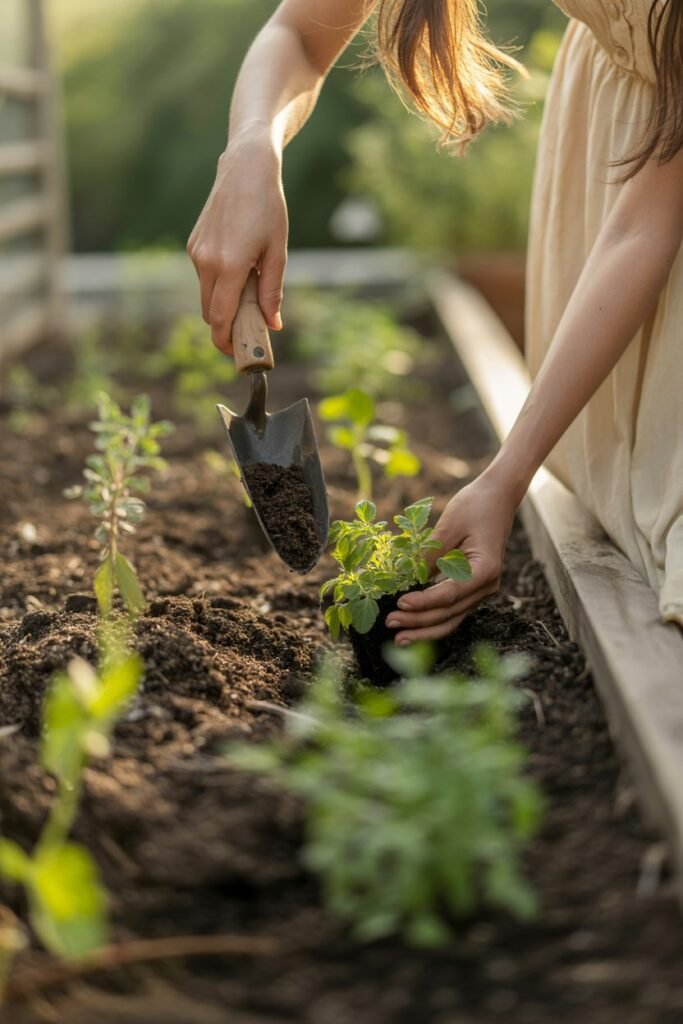
From Seeds
- More affordable
- Deeply satisfying
- Requires patience
From Seedlings
- Faster results
- Easier for beginners
- Less guesswork
When planting:
- Space herbs properly (crowding reduces airflow and potency)
- Water gently after planting
- Label everything trust me, you’ll forget what’s what early on
Step 7: Watering and Daily Care
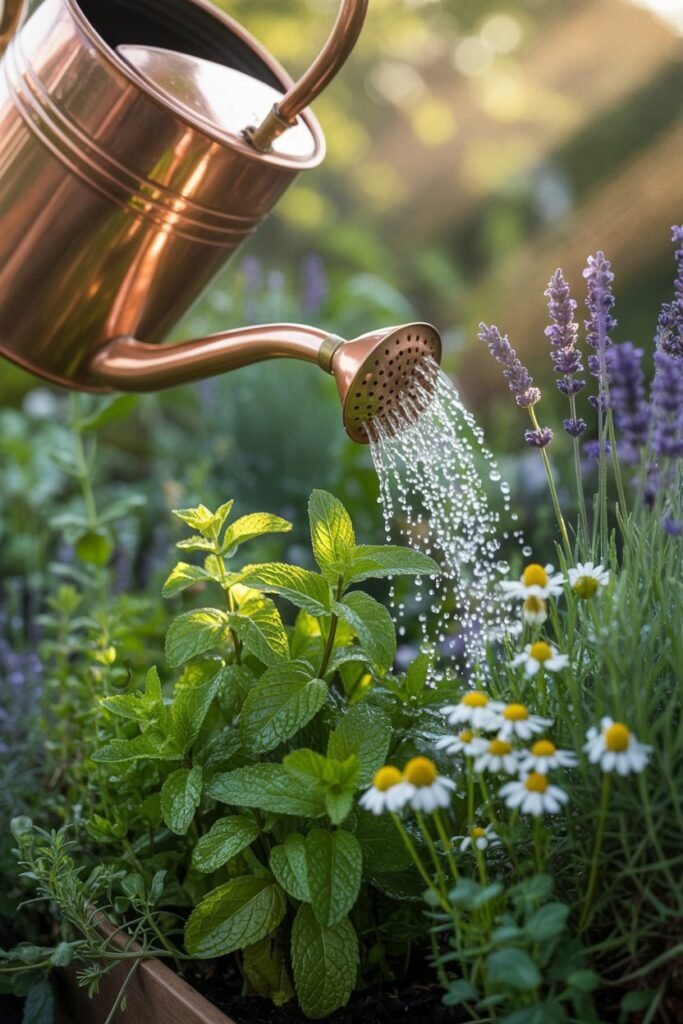
Medicinal herbs thrive when cared for gently.
Watering Tips
- Water deeply, but less often
- Allow soil to dry slightly between watering
- Overwatering reduces essential oils
Touch the soil your fingers know more than schedules do.
Step 8: Harvesting Herbs the Right Way
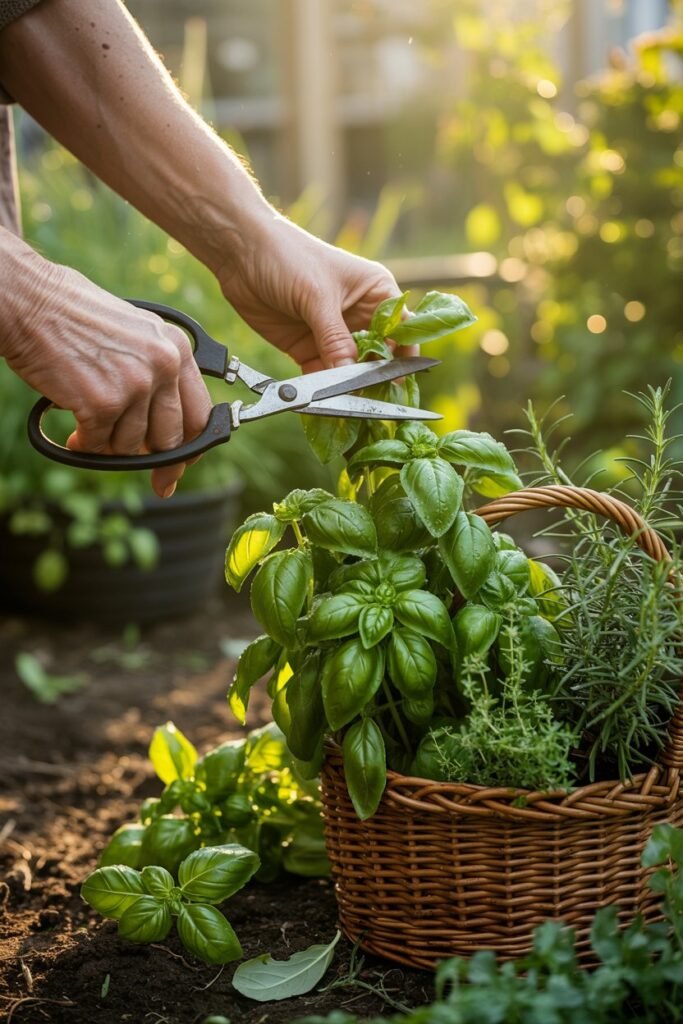
This is where the magic truly happens.
When to Harvest
- Morning, after dew dries
- Before flowering for most leafy herbs
- When plants are healthy and vibrant
How to Harvest
- Use clean scissors or pruning shears
- Never remove more than one-third of the plant
- Cut just above a leaf node to encourage growth
Harvesting actually makes herbs stronger and fuller.
Step 9: Drying and Storing Medicinal Herbs
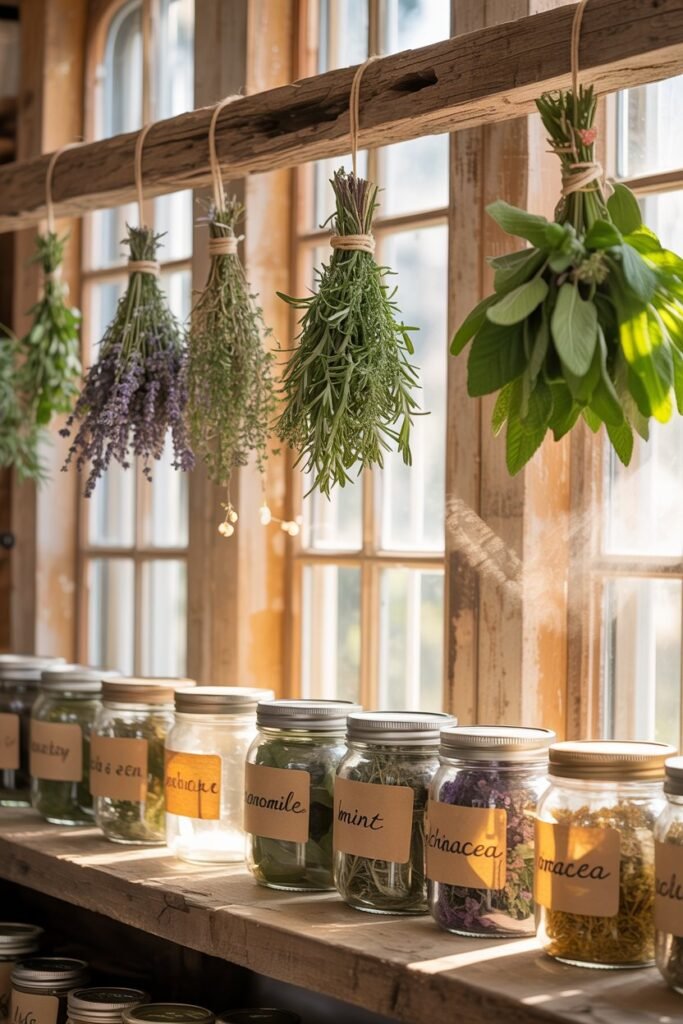
Proper storage protects the healing properties of your herbs.
Drying Methods
- Air-dry bundles in a shaded, ventilated space
- Lay leaves flat on screens
- Avoid direct sunlight
Storage Tips
- Store in glass jars
- Label with name and date
- Keep away from heat and light
Most dried herbs stay potent for 6–12 months.
Step 10: Simple Ways to Use Your Medicinal Herbs
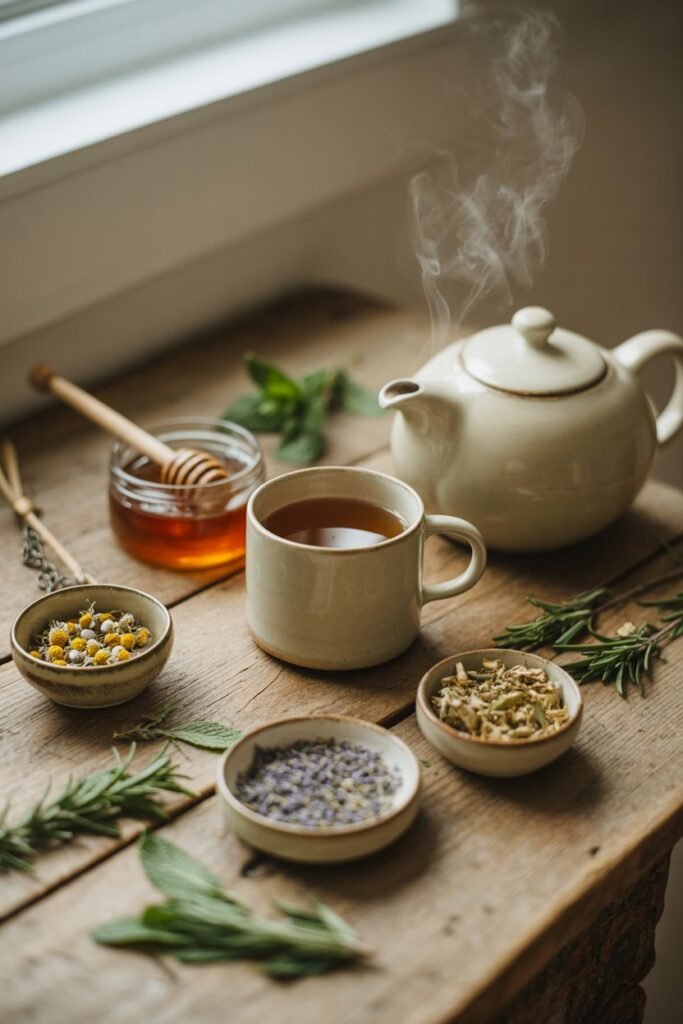
You don’t need complex recipes to begin.
Beginner Uses
- Herbal teas
- Steam inhalations
- Simple infused oils
- Herbal baths
Start slow. Learn how each herb feels in your body.
Important note: Always research contraindications and avoid medicinal use during pregnancy unless guided by a professional.
Helpful Tips for a Thriving Medicinal Herb Garden
- Keep a small herb journal
- Observe your plants daily
- Avoid chemical pesticides
- Use organic fertilizers sparingly
- Trust the learning process
Gardening teaches patience, presence, and self-trust just like healing does.
Amazon Shopping List for Starting a Medicinal Herb Garden
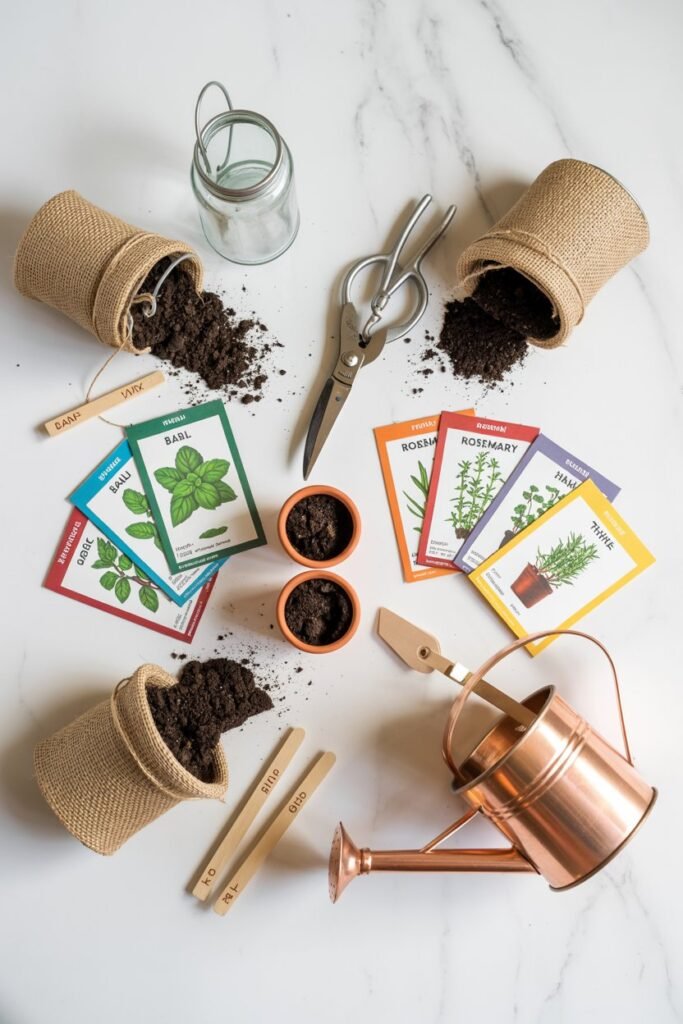
Here’s a gentle, practical list you can recommend to your readers:
Essential Gardening Supplies
- Organic herb seeds or starter plants
- Terracotta pots with drainage
- High-quality organic potting soil
- Compost or worm castings
- Hand trowel and pruning shears
- Plant labels and marker
Indoor Growing Essentials
- LED grow lights
- Humidity tray
- Watering can with narrow spout
Harvesting & Storage Tools
- Herb drying rack or mesh screens
- Glass storage jars with airtight lids
- Mortar and pestle
- Cheesecloth for straining teas and oils
Optional But Lovely Extras
- Gardening gloves
- Herb scissors
- Botanical reference book
- Wooden plant markers
These items make the journey smoother and more enjoyable especially for beginners.
Final Thoughts: Let Your Garden Grow With You
Starting a medicinal herb garden is not about perfection it’s about connection. Some plants will thrive, others may struggle, and that’s part of the relationship you’re building with nature.
Each leaf you harvest carries time, care, and intention. Over time, your garden becomes more than a collection of plants it becomes a quiet sanctuary, a place of learning, and a source of gentle healing.
Start small. Grow slowly. Trust yourself.
Your garden will meet you where you are.
