
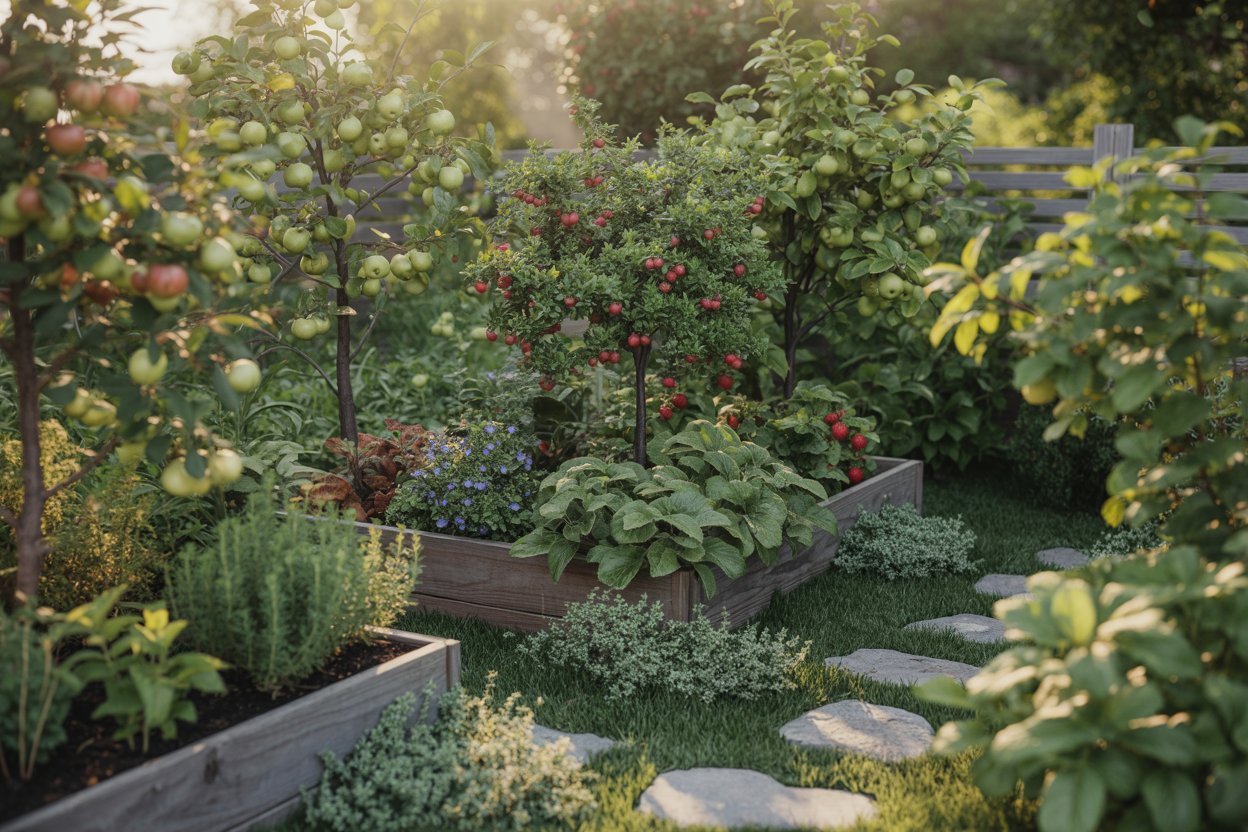

There’s something deeply comforting about stepping outside and gathering your own food especially when your space is small, quiet, and personal.
For a long time, many of us believed that food forests were only possible on acres of land, somewhere rural and far away.
But the truth is softer, simpler, and far more empowering: you can build a food forest almost anywhere even in the tiniest yard.
A mini food forest isn’t about perfection or having endless space. It’s about layering plants with intention, letting nature do some of the work, and creating a space that feeds your body, your soil, and your spirit.
Whether you have a small backyard, a narrow side yard, or even just a sunny corner, you can turn it into a living pantry that grows more abundant with time.
In this guide, I’m walking you through 20 mini food forest ideas designed especially for small spaces. I’ll show you:
- What foods work best
- How to layer them properly
- What you actually need (and what you don’t)
- Gentle, budget-friendly tips to make it all thrive
Think of this as a cozy conversation over tea, where I’m sharing everything I’ve learned mistakes included so you can grow with confidence and joy.
Let’s begin with the foundation.
Amazon Essentials Shopping Lists for a Mini Food Forest
Core Essentials (For Every Food Forest)
- Gardening gloves
- Hand trowel
- Pruning shears
- Watering can or hose nozzle
- Mulch (wood chips or straw)
Soil & Plant Health
- Organic compost
- Worm castings
- Slow-release organic fertilizer
- Raised bed soil mix (optional)
Vertical & Support Tools
- Garden trellises
- Bamboo stakes
- Garden twine
- Plant clips
Containers & Organization
- Large grow bags or pots
- Plant labels
- Seed storage containers
Protection & Maintenance
- Shade cloth
- Netting for birds
- Mulch fabric (optional)
(You can customize these lists p
1. The Dwarf Fruit Tree Guild (The Heart of a Mini Food Forest)
What This Food Forest Is
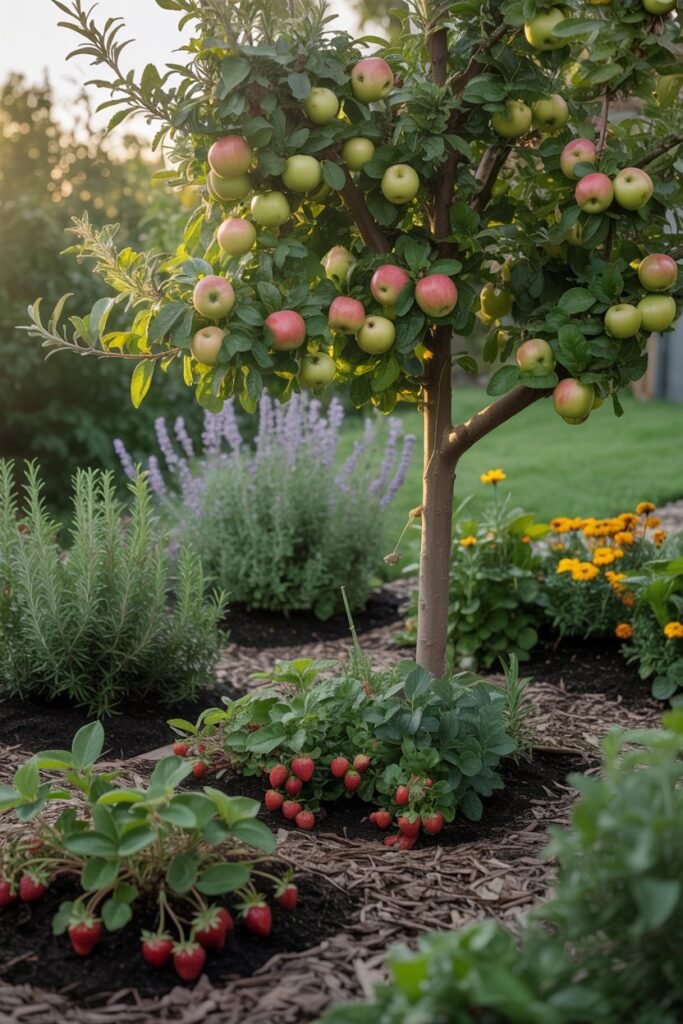
At the center of many successful mini food forests is one dwarf fruit tree. This tree becomes the anchor the quiet provider that everything else supports.
Perfect dwarf trees for tiny yards include:
- Dwarf apple
- Dwarf pear
- Dwarf peach
- Dwarf plum
- Dwarf citrus (lemon, lime, orange)
These trees are bred to stay compact while still producing generous harvests.
How to Achieve This Idea
Start by choosing one dwarf fruit tree suited to your climate. Plant it in the sunniest spot in your yard. Around it, you’ll build layers that mimic nature:
- Understory plants (smaller fruiting shrubs)
- Herbs that repel pests and attract pollinators
- Ground covers to protect the soil
- Root crops that grow quietly below
This layered approach keeps weeds down, improves soil health, and increases yield without taking up more space.
What You Need
- 1 dwarf fruit tree
- Compost or well-rotted manure
- Mulch (wood chips, straw, or dry leaves)
- Companion plants such as:
- Chives
- Garlic
- Calendula
- Thyme
- Strawberries
Free, Gentle Tips
- Plant garlic and chives around the base of the tree to naturally deter pests
- Mulch deeply this one step alone can reduce watering by half
- Don’t rush pruning in the first year; let the tree settle and root deeply
This single-tree guild alone can feed a small household beautifully.
2. Berry Shrub Paradise (Maximum Yield in Minimal Space)
What This Food Forest Is
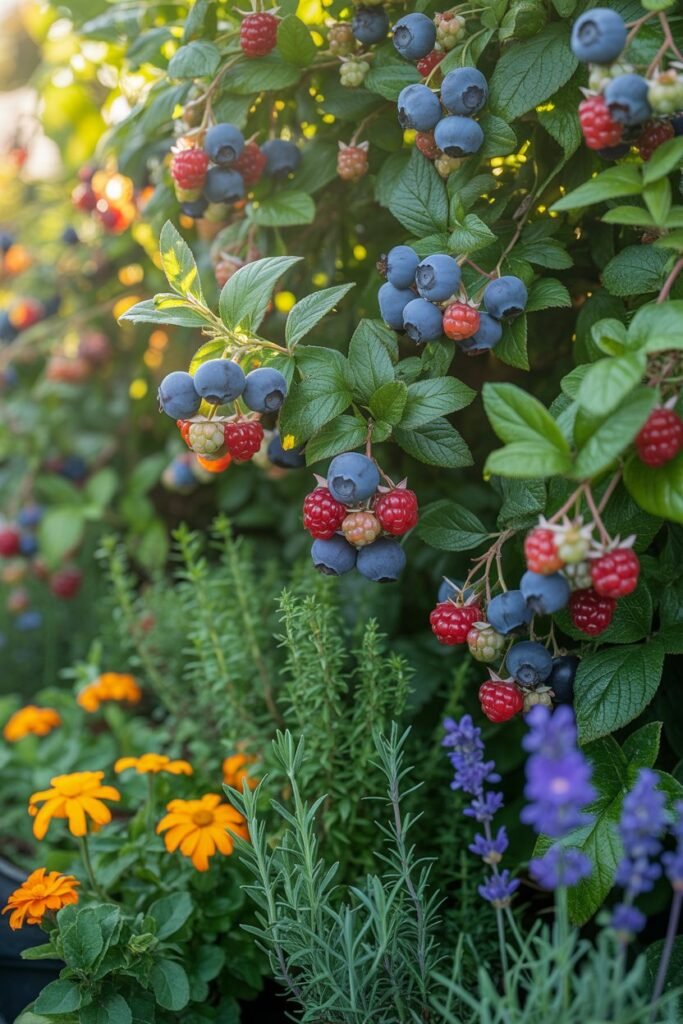
Berry shrubs are one of the most rewarding plants you can grow in a small yard. They’re compact, productive, and incredibly forgiving.
Excellent berry options include:
- Blueberries
- Raspberries
- Blackberries (thornless varieties work best)
- Gooseberries
- Currants
How to Achieve This Idea
Instead of planting berries in straight rows, cluster them naturally like they would grow in the wild. Mix varieties for staggered harvests and better pollination.
Underplant your berry shrubs with:
- Low-growing herbs
- Pollinator flowers
- Ground covers
This creates a lush, layered look while protecting the soil.
What You Need
- 2–5 berry shrubs (depending on yard size)
- Acidic soil amendments (especially for blueberries)
- Mulch
- Companion plants such as:
- Lavender
- Chamomile
- Nasturtiums
- Clover
Free, Gentle Tips
- Fallen leaves make excellent mulch for berry bushes
- Water deeply but less often—berries hate shallow watering
- Netting can protect fruit if birds become too enthusiastic
This idea is perfect if you want fast results and heavy harvests without much effort.
3. Herb-Centered Mini Food Forest (Healing and Culinary Abundance)
What This Food Forest Is
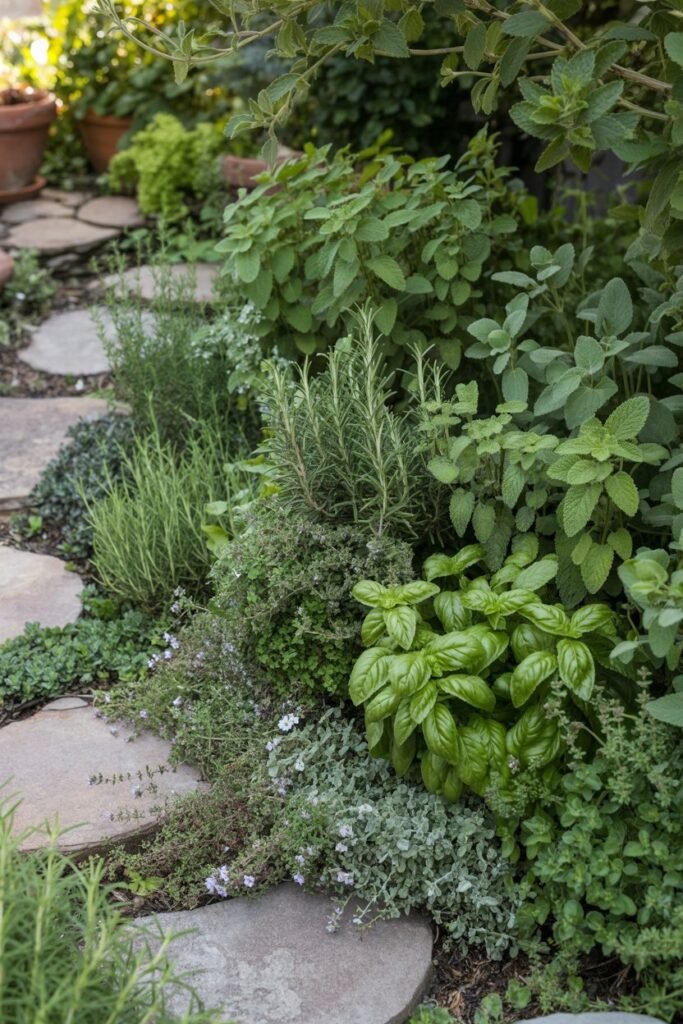
An herb-focused food forest is ideal for very small yards or spaces where you want constant harvests for cooking and wellness.
Key perennial and self-seeding herbs include:
- Rosemary
- Thyme
- Sage
- Lemon balm
- Mint (best contained)
- Oregano
How to Achieve This Idea
Place taller, woody herbs at the back or center, and let softer herbs spill forward. Mix culinary herbs with medicinal ones to create a space that supports both body and home.
Add one small fruiting shrub or dwarf tree if space allows to create vertical interest.
What You Need
- A mix of perennial herbs
- One raised bed or curved planting area
- Well-draining soil
- Stones or bricks to retain warmth
Free, Gentle Tips
- Herbs thrive on neglect don’t overwater
- Regular harvesting keeps plants compact and productive
- Let some herbs flower to attract pollinators
This type of food forest feels especially nurturing and calming, perfect for daily connection.
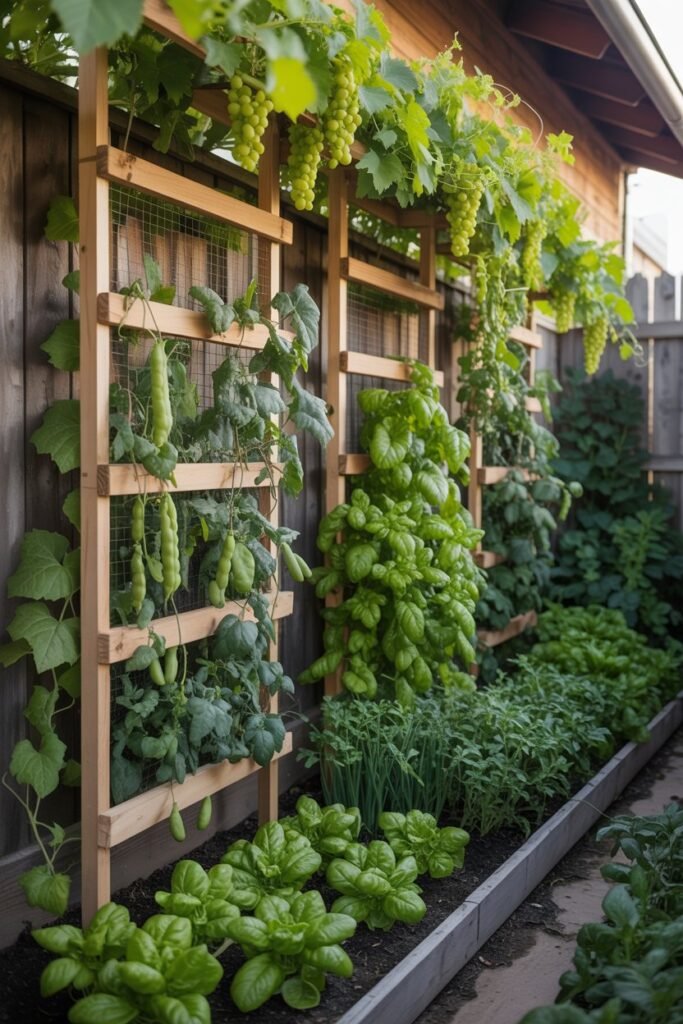
4. Vertical Food Forest for Narrow Yards
What This Food Forest Is
If your yard is long and narrow or barely wider than a walkway vertical growing is your best friend.
This food forest uses walls, fences, and trellises to grow upward instead of outward.
How to Achieve This Idea
Install trellises or wire supports along fences. Grow climbers vertically while planting shade-tolerant herbs and greens at the base.
Great vertical foods include:
- Grapes
- Passionfruit
- Climbing beans
- Malabar spinach
- Cucumbers
Below them, plant:
- Lettuce
- Parsley
- Cilantro
- Chives
What You Need
- Trellises or wire supports
- Climbing plant seeds or starts
- Mulch
- Lightweight soil amendments
Free, Gentle Tips
- Use old pallets or bamboo for DIY trellises
- Vertical plants improve airflow and reduce disease
- Harvest often to encourage continuous growth
This idea proves that height is just as powerful as space.
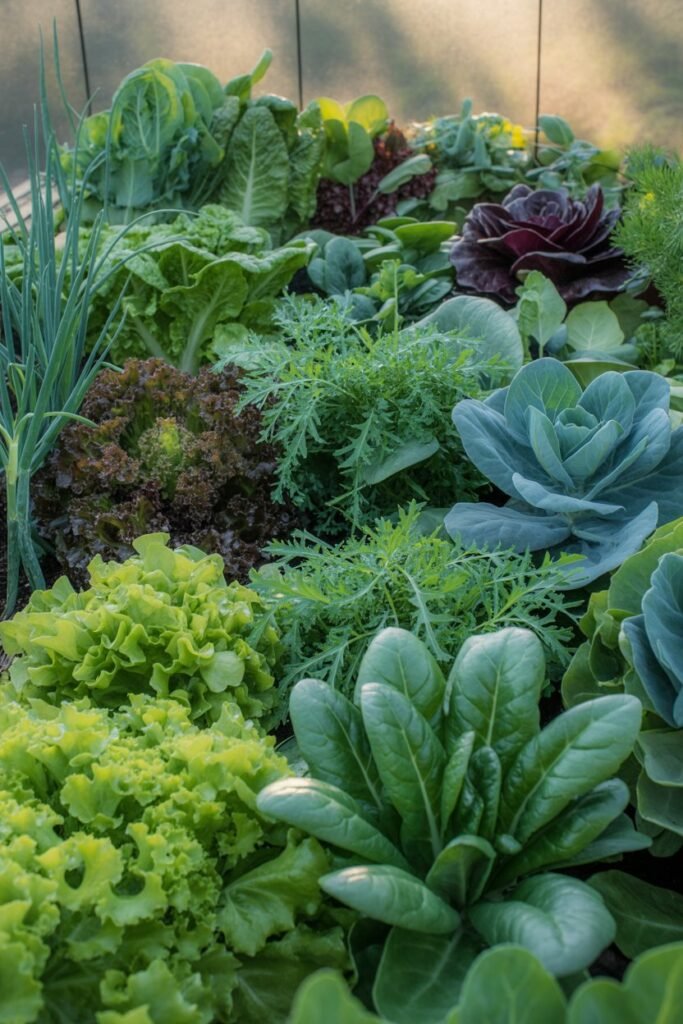
5. The Salad Bowl Food Forest (Fresh Harvests Every Day)
What This Food Forest Is
This mini food forest is designed for constant, tender harvests perfect if you love fresh salads and quick meals.
Plants that shine here include:
- Lettuce varieties
- Arugula
- Spinach
- Kale
- Swiss chard
- Green onions
How to Achieve This Idea
Plant densely, mixing colors and textures. Harvest outer leaves instead of pulling whole plants, allowing them to regrow again and again.
Add flowers and herbs to keep pests away and bring beauty.
What You Need
- Mixed salad green seeds
- Shallow beds or containers
- Rich compost
- Partial shade if your climate is hot
Free, Gentle Tips
- Succession plant every 2–3 weeks
- Morning harvest keeps greens crisp
- Shade cloth can extend growing seasons
This food forest feels playful, abundant, and incredibly satisfying especially when you can step outside and gather a meal in minutes.
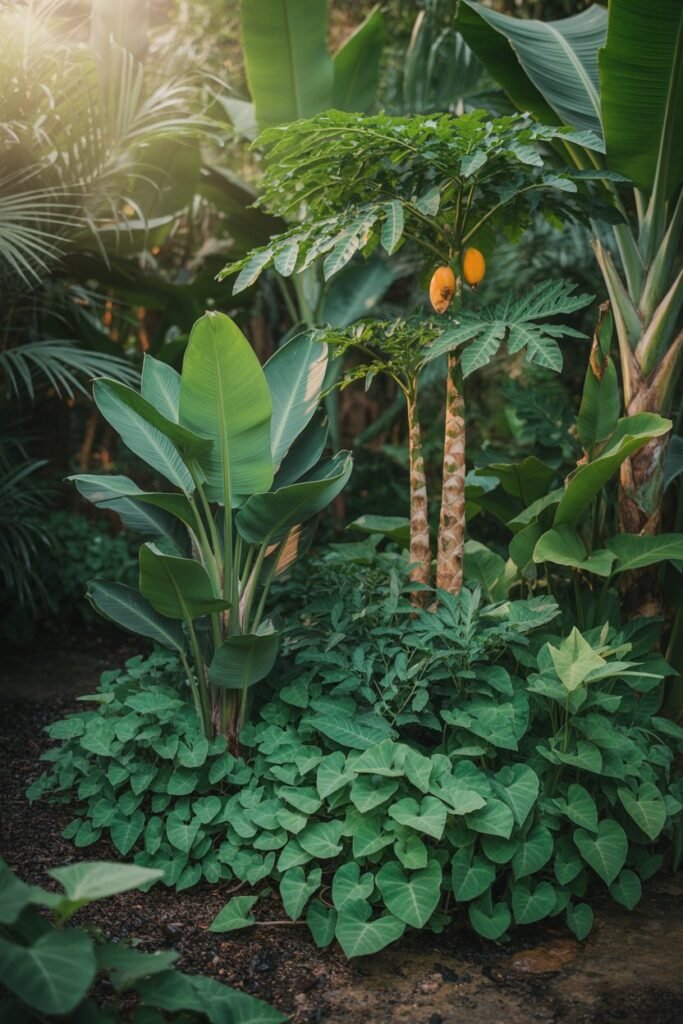
6. The Tropical-Inspired Mini Food Forest (Warm-Climate Magic in a Small Space)
What This Food Forest Is
This mini food forest is lush, layered, and vibrant perfect for warm or subtropical climates. Even in small yards, tropical plants can create a dense canopy that produces food almost year-round.
Common plants for this setup include:
- Banana (dwarf varieties)
- Papaya
- Pineapple
- Ginger
- Turmeric
- Sweet potato
How to Achieve This Idea
Begin with one or two soft-canopy plants, like dwarf bananas or papaya, placed toward the back or center of your yard. These create partial shade beneath them, which is ideal for tropical roots and ground covers.
Underplant with:
- Ginger and turmeric (they love filtered light)
- Sweet potato as a living mulch
- Pineapple along sunny edges
This style thrives when plants are allowed to grow close together, mimicking the jungle floor.
What You Need
- Dwarf tropical fruit plants
- Rich, organic soil
- Compost (tropical plants are heavy feeders)
- Thick mulch to retain moisture
Free, Gentle Tips
- Use fallen banana leaves as mulch nature provides its own blanket
- Water deeply but ensure good drainage
- Don’t worry about perfect spacing; tropical plants prefer community
This food forest feels wild, abundant, and deeply nourishing like a tiny escape right in your yard.
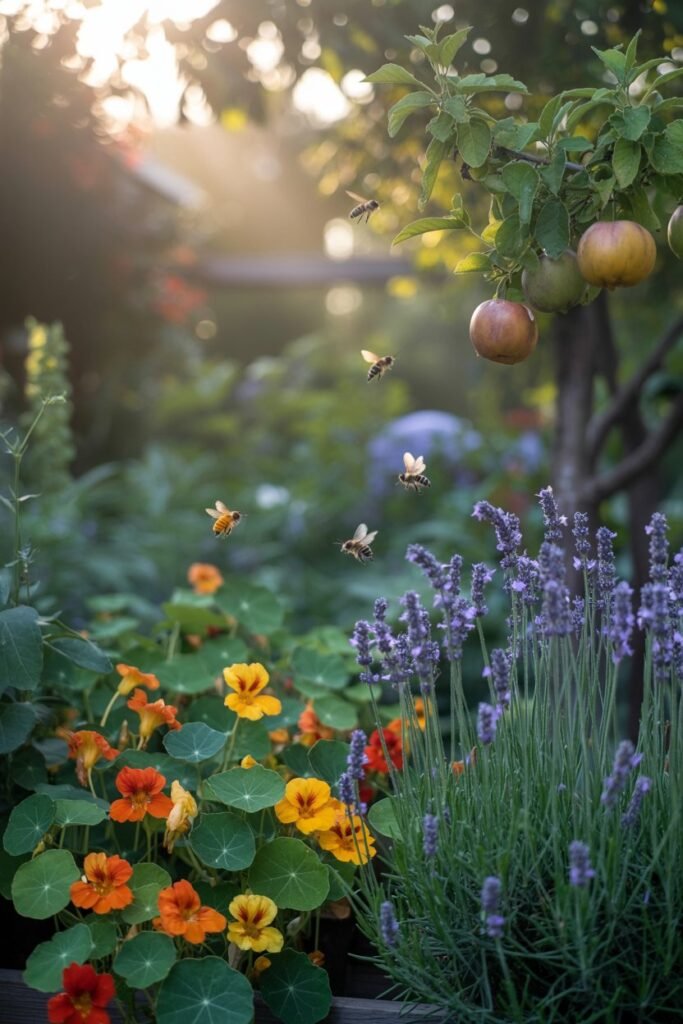
7. The Pollinator-Lover’s Food Forest (Where Beauty and Food Meet)
What This Food Forest Is
This idea focuses on inviting bees, butterflies, and beneficial insects into your yard, which naturally increases food production without chemicals.
Food-producing plants that pollinators adore include:
- Fruit trees
- Berries
- Squash
- Tomatoes
- Herbs like basil, thyme, and oregano
How to Achieve This Idea
Design your food forest so something is always flowering. Mix edible flowers with vegetables and fruits so pollinators move effortlessly from plant to plant.
Key edible flowers include:
- Nasturtiums
- Calendula
- Borage
- Sunflowers
- Lavender
What You Need
- A mix of flowering edibles
- Open planting layout (not too crowded)
- Shallow water source for pollinators
Free, Gentle Tips
- Let herbs flower it boosts pollination dramatically
- Avoid chemical sprays completely
- Even one shallow dish of water can attract helpful insects
This type of food forest hums with life and teaches your readers that beauty and productivity can coexist.
8. The Root-to-Leaf Food Forest (Zero-Waste Growing)
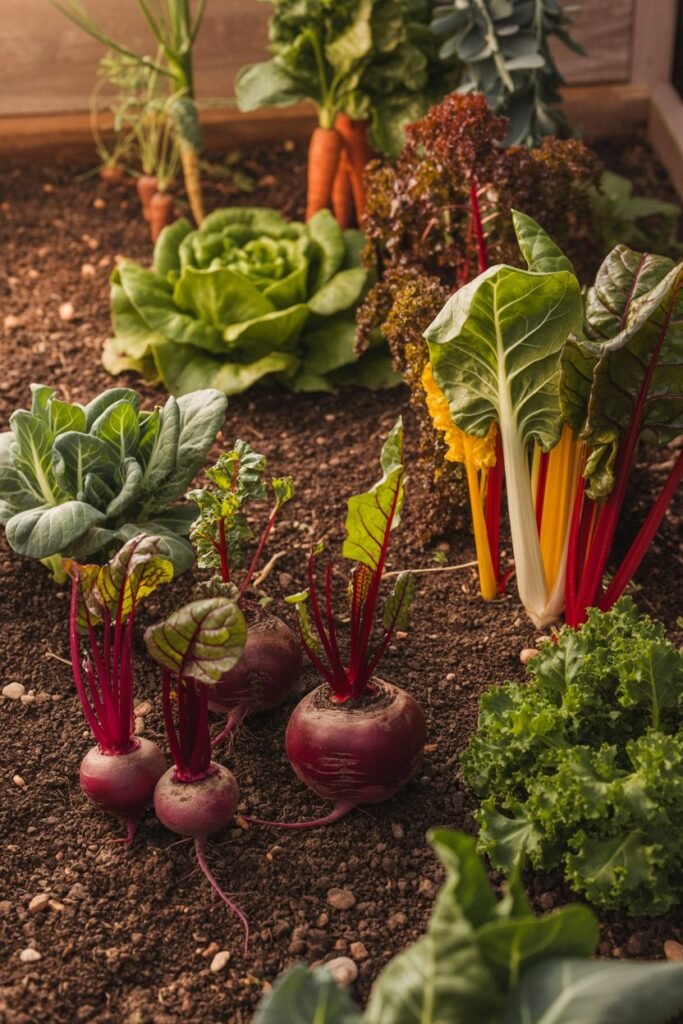
What This Food Forest Is
This idea centers on plants where every part is edible roots, stems, leaves, and sometimes flowers. It’s perfect for small yards where efficiency matters.
Key plants include:
- Beets
- Carrots
- Turnips
- Radishes
- Sweet potatoes
- Swiss chard
How to Achieve This Idea
Plant taller leafy greens toward the center, with root crops filling the spaces below. Add herbs around the edges to repel pests and improve flavor.
This approach maximizes calories per square foot while keeping the soil loose and healthy.
What You Need
- Loose, well-amended soil
- Root crop seeds
- Mulch to prevent soil compaction
- Simple hand tools
Free, Gentle Tips
- Thin seedlings and eat the thinnings
- Use kitchen scraps to create compost
- Rotate root crops yearly to avoid soil depletion
This food forest is deeply practical and empowering nothing is wasted, and everything has purpose.
9. The Children-Friendly Food Forest (Snackable and Fun)
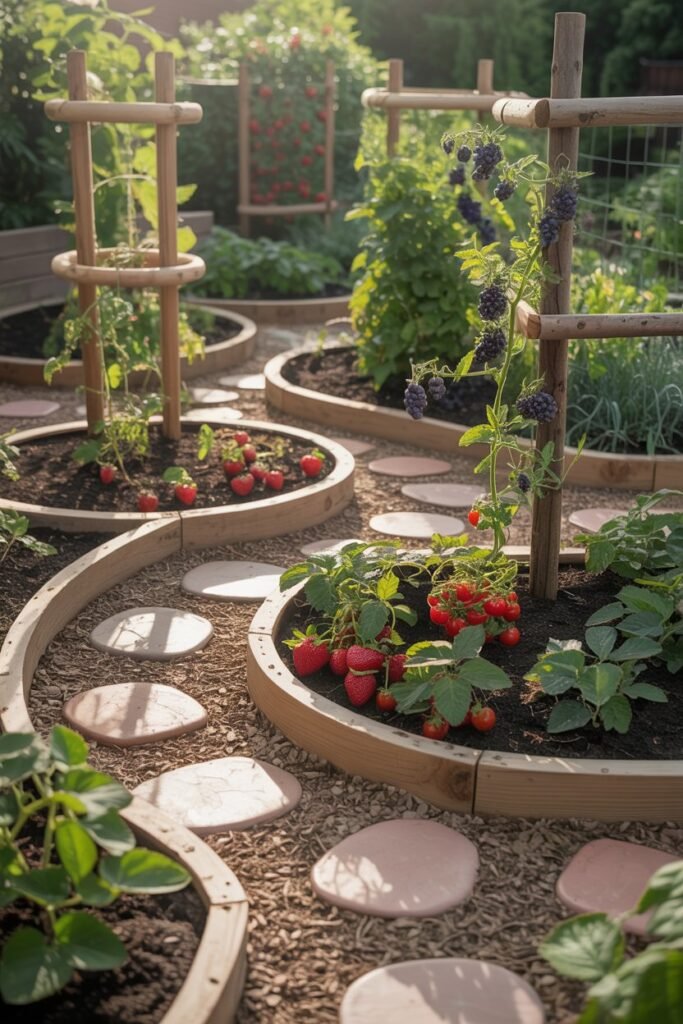
What This Food Forest Is
Designed with little hands in mind, this mini food forest focuses on easy-to-pick, sweet, and safe foods that encourage children to interact with nature.
Great choices include:
- Strawberries
- Cherry tomatoes
- Blueberries
- Snap peas
- Mini carrots
How to Achieve This Idea
Keep plants low and accessible. Use curved paths or stepping stones so children can move through without damaging plants.
Mix food with sensory plants like:
- Lamb’s ear
- Lemon balm
- Mint (contained)
What You Need
- Low-growing edible plants
- Child-safe pathways
- Labels or plant markers
Free, Gentle Tips
- Let kids help harvest it builds confidence
- Choose thornless and non-toxic varieties
- Expect mess; it’s part of the magic
This food forest turns gardening into shared memories, not chores.
10. The Lazy Gardener’s Food Forest (Low Effort, High Reward)
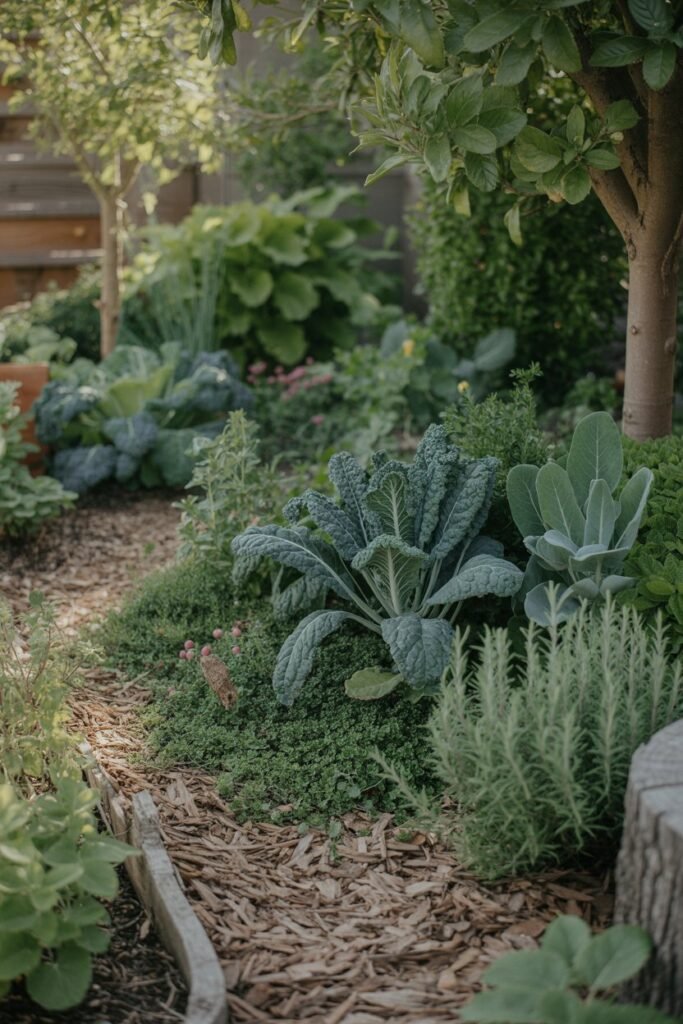
What This Food Forest Is
This idea is for readers who want abundance without constant maintenance. It relies on perennials, self-seeding plants, and natural ground covers.
Low-maintenance stars include:
- Perennial kale
- Asparagus
- Rhubarb
- Walking onions
- Perennial herbs
How to Achieve This Idea
Plant once, mulch heavily, and let plants establish over time. Avoid bare soil completely ground covers and mulch do the work for you.
Let self-seeders spread naturally and gently guide them where needed.
What You Need
- Perennial food plants
- Thick organic mulch
- Patience (this forest improves yearly)
Free, Gentle Tips
- Resist the urge to over-tidy
- Fallen leaves are free mulch
- Observe before intervening
This food forest feels peaceful and forgiving perfect for busy lives and quiet mornings.
11. The Container-Based Mini Food Forest (Perfect for Patios and Courtyards)
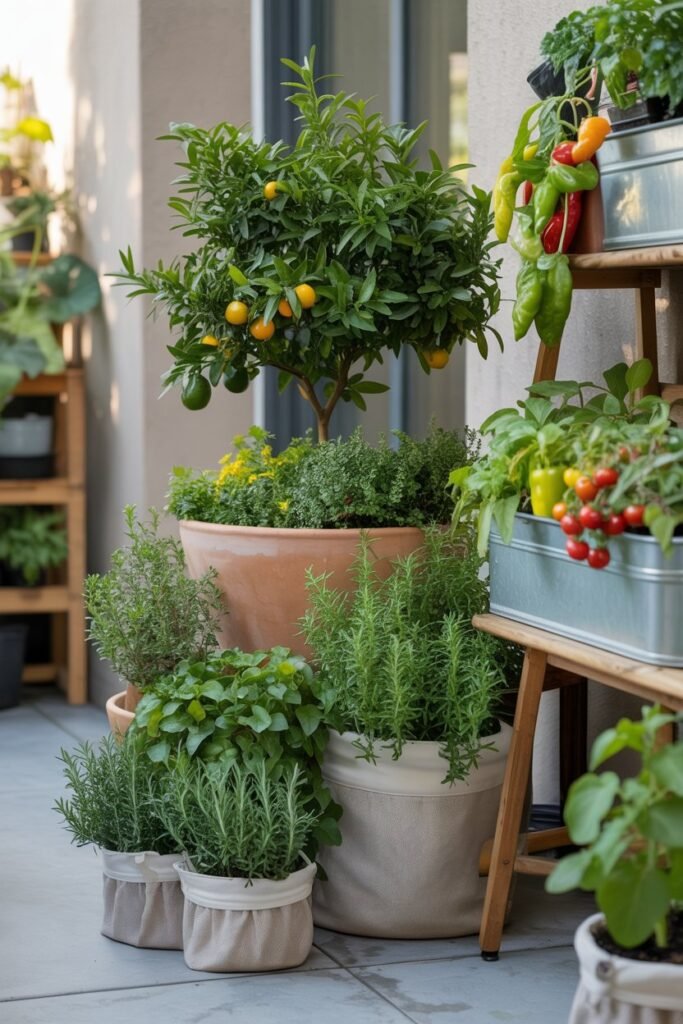
What This Food Forest Is
This food forest proves that you don’t need soil in the ground to grow abundantly. Everything lives in containers, making it ideal for paved yards, patios, and rental spaces.
Food forest-friendly container plants include:
- Dwarf citrus trees
- Figs
- Blueberries
- Peppers
- Herbs like basil, thyme, and parsley
How to Achieve This Idea
Use different container heights to create layers. Large pots hold fruit trees, medium containers support shrubs, and smaller pots fill in with herbs and greens.
Group containers closely to create a shared microclimate that holds moisture and warmth.
What You Need
- Large containers with drainage holes
- Quality potting mix
- Slow-release organic fertilizer
- Mulch (even containers need mulch)
Free, Gentle Tips
- Old buckets and barrels can be reused as planters
- Place containers on bricks for better drainage
- Rotate pots seasonally to maximize sunlight
This setup is flexible, forgiving, and surprisingly productive.
12. The Shade-Loving Food Forest (For Low-Light Yards)
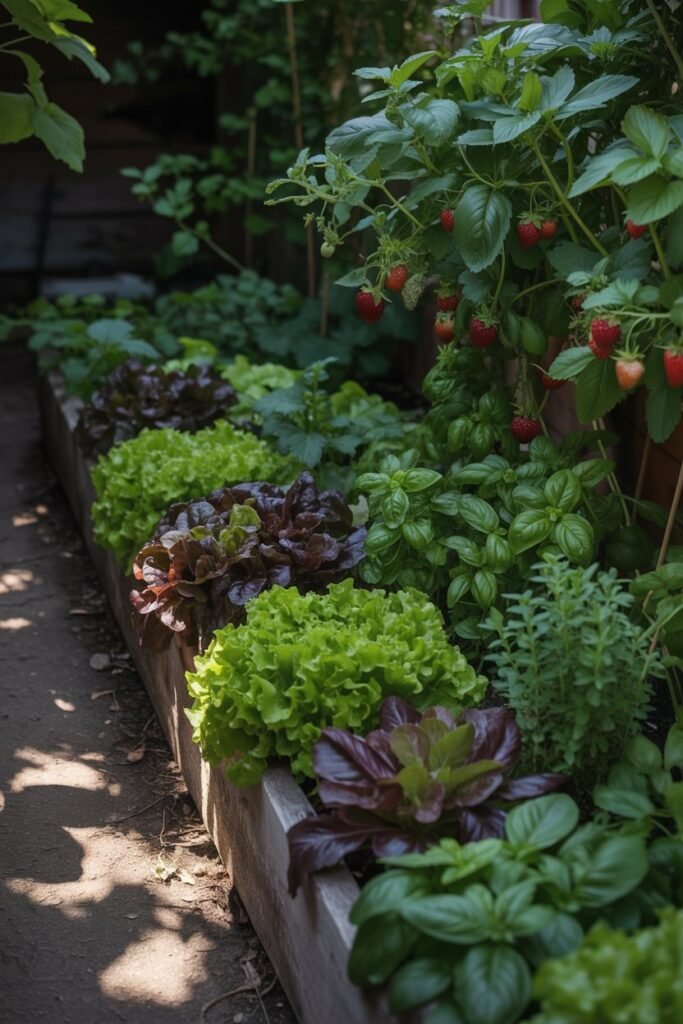
What This Food Forest Is
If your yard receives limited sunlight, this idea shows how to work with shade instead of fighting it.
Shade-tolerant edibles include:
- Leafy greens (spinach, lettuce, arugula)
- Kale
- Mint
- Parsley
- Chives
- Raspberries
How to Achieve This Idea
Focus on plants grown for their leaves rather than fruit. Layer taller shade-tolerant shrubs with ground-level greens.
Brighten the space with edible flowers and reflective mulch to increase available light.
What You Need
- Shade-tolerant seeds or plants
- Compost-rich soil
- Light-colored mulch
Free, Gentle Tips
- Morning sun is more valuable than afternoon sun
- Harvest often to encourage regrowth
- Don’t overfertilize shade plants prefer balance
This food forest feels quiet, cool, and soothingperfect for reflective garden spaces.
13. The Budget-Friendly Food Forest (Abundance Without Overspending)
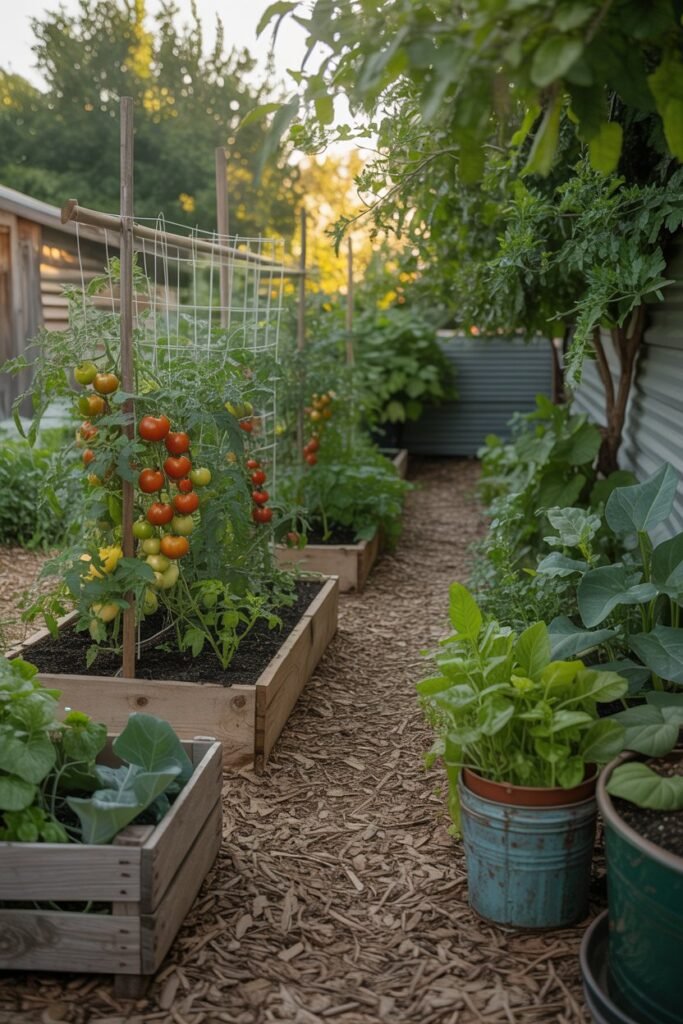
What This Food Forest Is
This idea is designed for readers who want to grow food without stretching their finances.
Best budget plants include:
- Sweet potatoes
- Pumpkin
- Squash
- Okra
- Amaranth
- Beans
How to Achieve This Idea
Grow from seed whenever possible. Use fast-growing annuals to fill gaps while perennials establish.
Layer tall growers with sprawling plants to cover soil and suppress weeds naturally.
What You Need
- Seeds instead of transplants
- Homemade compost
- Recycled containers and supports
Free, Gentle Tips
- Save seeds from mature plants
- Share cuttings with neighbors
- Kitchen scraps are future soil
This food forest empowers readers by showing that abundance doesn’t require wealth just intention.
14. The Medicinal Mini Food Forest (Healing Grown at Home)
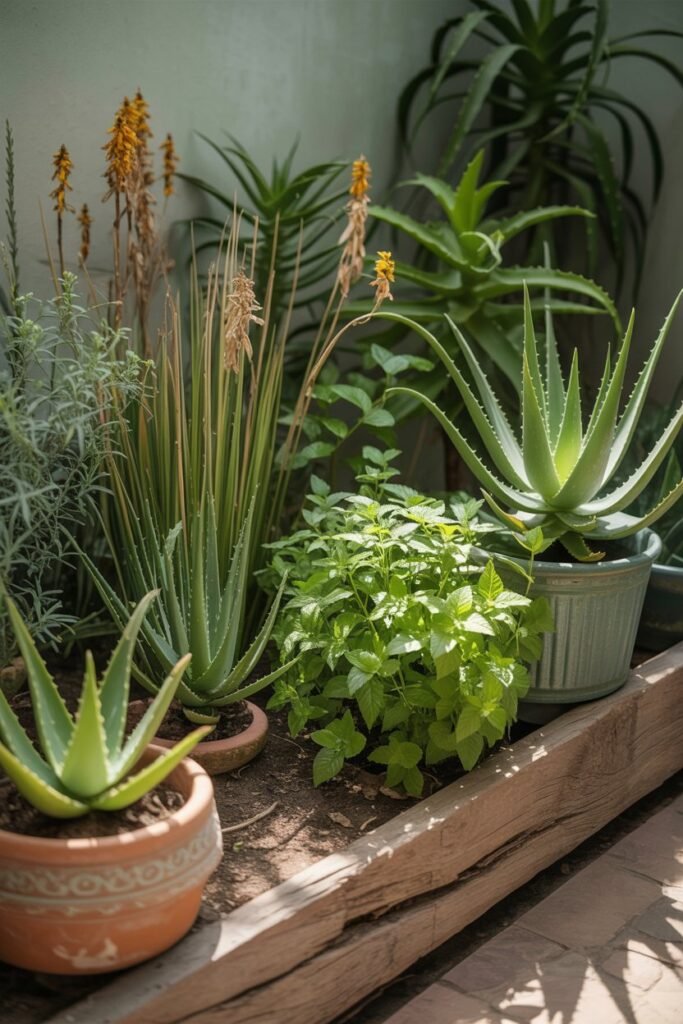
What This Food Forest Is
This forest blends food and medicine, creating a space that supports everyday wellness naturally.
Key plants include:
- Aloe vera
- Ginger
- Turmeric
- Lemongrass
- Echinacea
- Lemon balm
How to Achieve This Idea
Plant medicinal herbs near paths or entrances for easy access. Combine them with edible plants to keep the space productive and beautiful.
Layer taller herbs behind smaller, spreading ones to maximize airflow.
What You Need
- Medicinal herb plants or cuttings
- Well-draining soil
- Containers for spreading plants
Free, Gentle Tips
- Harvest herbs gently and regularly
- Dry excess herbs for future use
- Label plants clearly for safety
This food forest feels nurturing and intentional like a quiet promise of self-care growing outside your door.
15. The Edible Privacy Screen Food Forest (Beauty with Purpose)
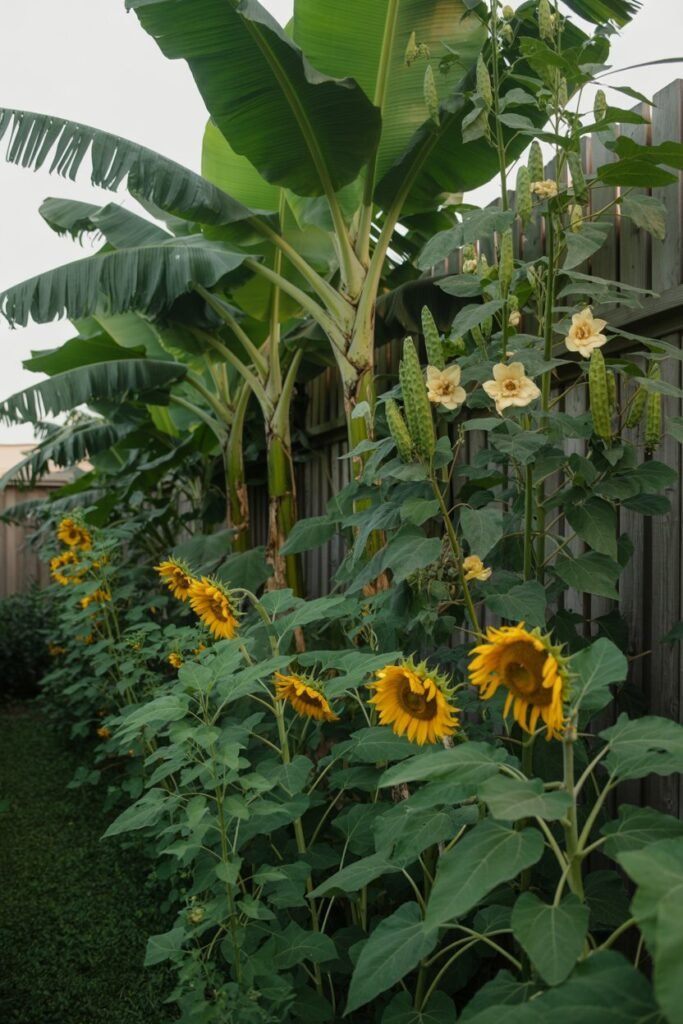
What This Food Forest Is
This idea uses food-producing plants to create natural privacy, replacing fences with living abundance.
Ideal plants include:
- Bamboo (clumping varieties)
- Banana
- Papaya
- Tall okra
- Sunflowers
How to Achieve This Idea
Plant taller plants along property edges. Underplant with shade-tolerant greens and herbs to fill space efficiently.
This layered approach creates a dense screen that feeds you while softening your landscape.
What You Need
- Tall edible plants
- Support stakes if needed
- Mulch to protect roots
Free, Gentle Tips
- Choose non-invasive varieties
- Prune gently to maintain airflow
- Combine beauty with harvest
This food forest feels protective, generous, and quietly powerful.
16. The Survival-Style Mini Food Forest (Calorie-Dense and Reliable)
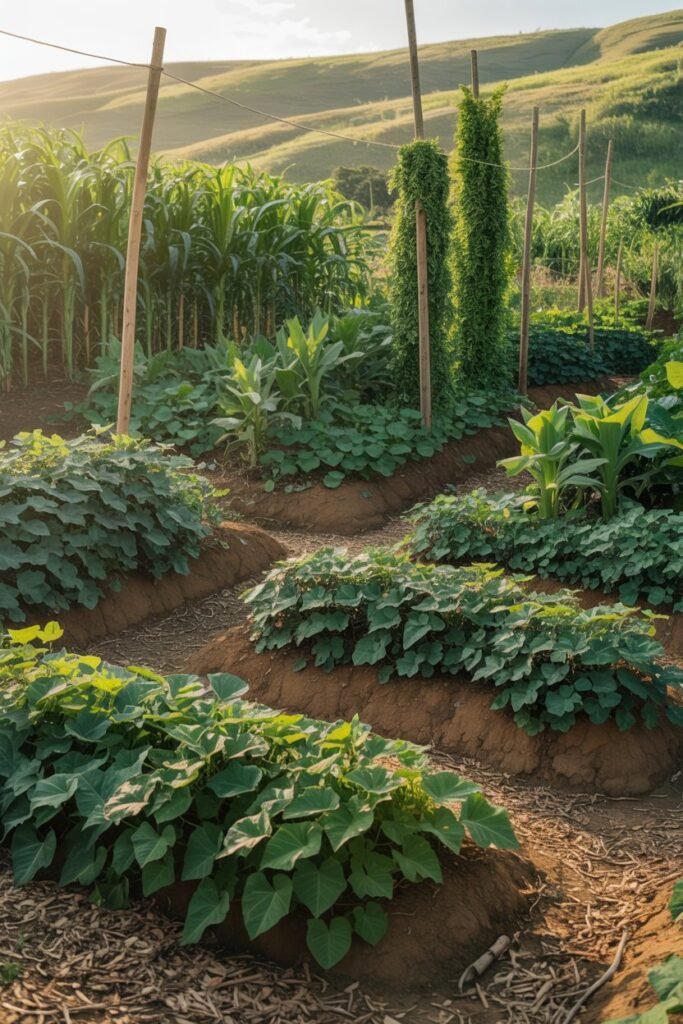
What This Food Forest Is
This mini food forest focuses on foods that truly sustain you—plants that produce calories, store well, and keep giving even during tough seasons.
Key survival-friendly foods include:
- Cassava
- Sweet potatoes
- Yams
- Plantains (dwarf varieties)
- Corn
- Pigeon peas
How to Achieve This Idea
Choose plants that grow vigorously and tolerate neglect. Place taller, sun-loving crops toward the back or center, and let sprawling root crops cover the soil beneath.
This forest isn’t about beauty first it’s about resilience and nourishment.
What You Need
- Hardy, locally adapted plants
- Deep soil for roots
- Heavy mulch to conserve moisture
Free, Gentle Tips
- Focus on crops you already eat regularly
- Save cuttings and replant seasonally
- Prioritize soil health over perfection
This food forest gives a quiet sense of security knowing food is always growing, just outside your door.
17. The Microclimate Food Forest (Turning Challenges into Advantages)
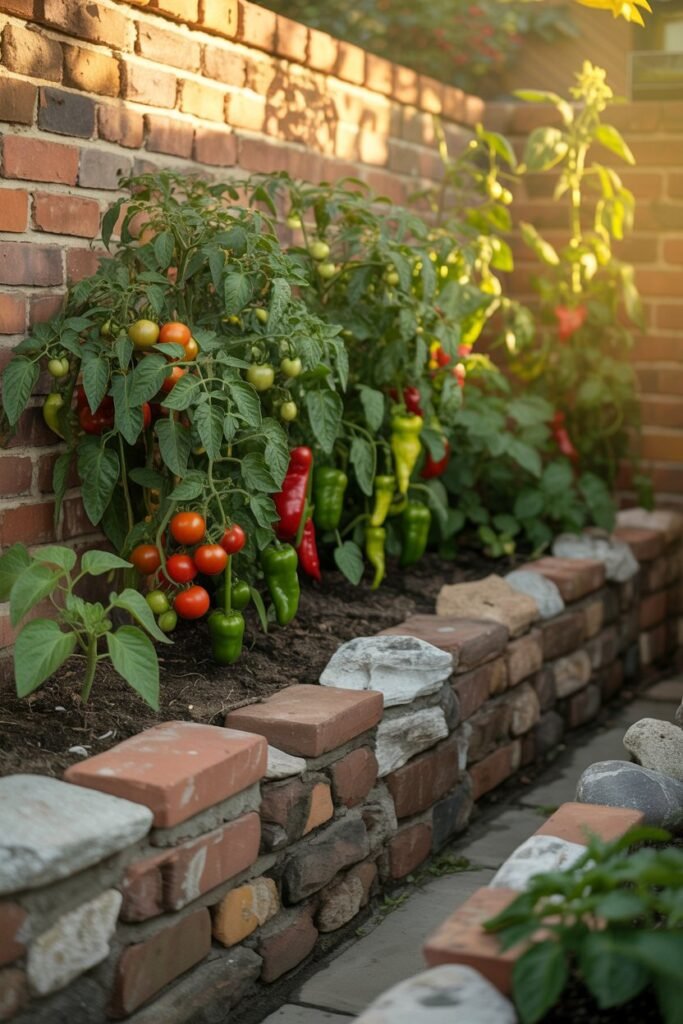
What This Food Forest Is
This idea teaches readers how to use walls, fences, and structures to create warmer or cooler pockets that extend growing seasons.
Perfect plants for microclimates include:
- Tomatoes
- Peppers
- Herbs
- Citrus
- Leafy greens
How to Achieve This Idea
Plant heat-loving crops near walls that reflect sunlight. Grow shade-loving plants behind taller companions.
Windbreaks, stones, and mulch all help stabilize temperatures naturally.
What You Need
- Awareness of sun and wind patterns
- Mulch and stones
- Flexible planting mindset
Free, Gentle Tips
- Observe your yard for a full day before planting
- Dark containers hold warmth longer
- Small adjustments can mean big harvests
This food forest rewards observation and patience nature quietly teaches you what works.
18. The Seasonal Rotation Food Forest (Always Growing Something)
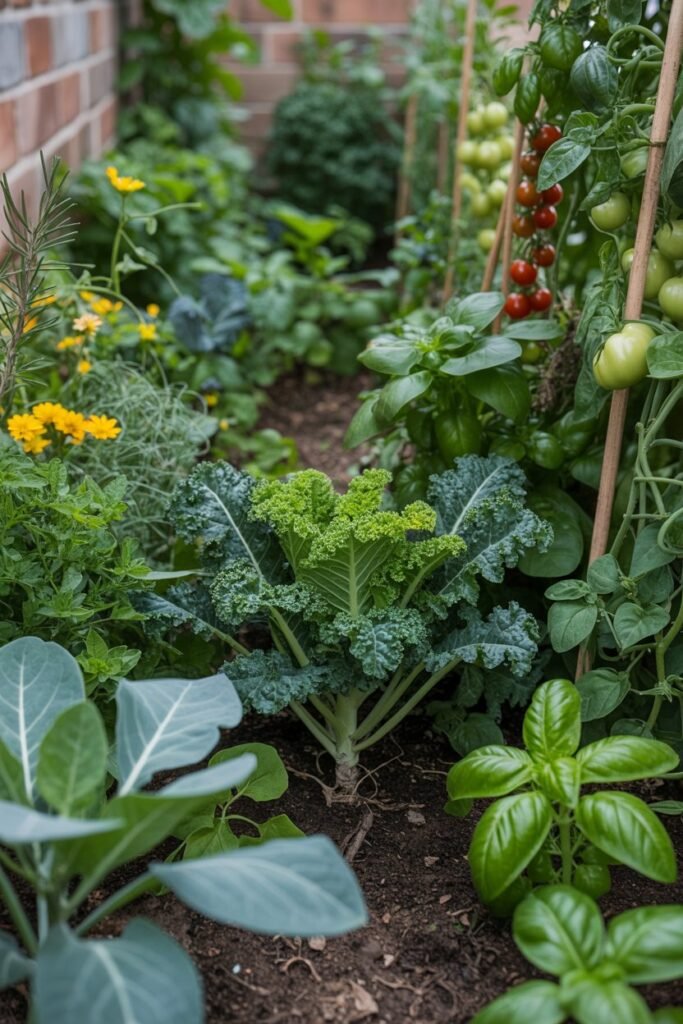
What This Food Forest Is
Instead of one static setup, this forest changes gently with the seasons, ensuring year-round productivity.
Seasonal favorites include:
- Cool-season greens
- Warm-season vegetables
- Perennial anchors like fruit trees and herbs
How to Achieve This Idea
Keep perennials as your backbone, then rotate annuals around them. When one crop finishes, another takes its place.
This keeps soil active and pests confused.
What You Need
- Seasonal seed varieties
- Compost for replanting
- Simple planting calendar
Free, Gentle Tips
- Succession planting prevents empty spaces
- Leave roots in soil when harvesting
- Follow nature’s rhythm instead of forcing growth
This approach keeps your garden and your spirit feeling alive.
19. The Wildlife-Friendly Food Forest (Sharing Without Losing Everything)
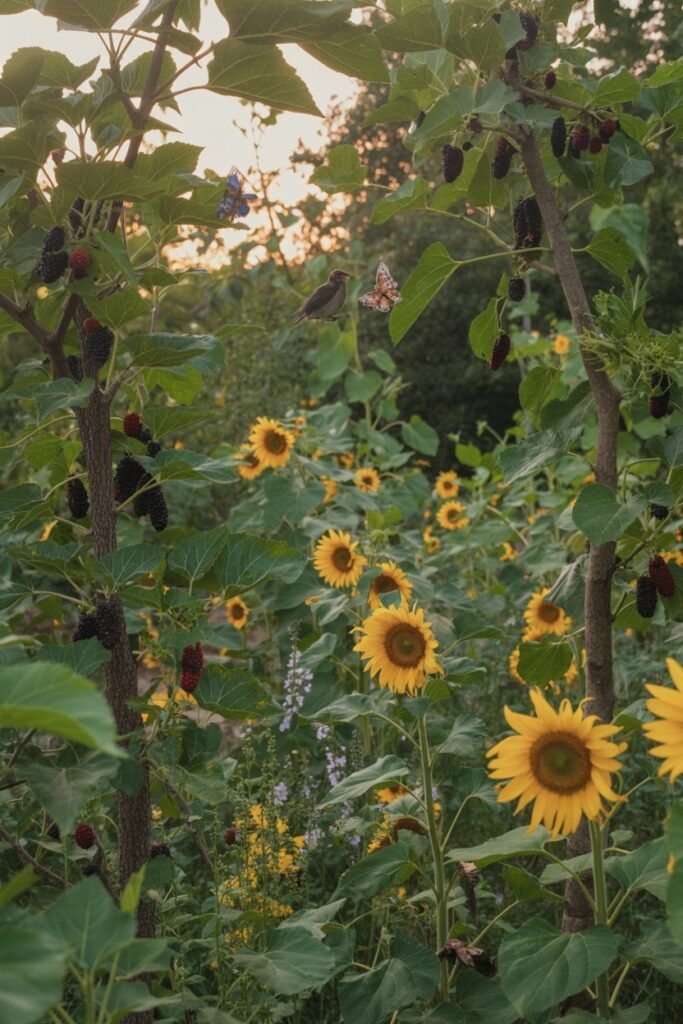
What This Food Forest Is
This forest accepts that you’re not the only one who loves fresh food. By planning for wildlife, you reduce damage and stress.
Plants that work well include:
- Mulberries
- Sunflowers
- Amaranth
- Native fruiting shrubs
How to Achieve This Idea
Plant sacrificial crops at the edges and reserve protected zones for your main harvest.
Diversity is the secret when there’s enough for everyone, balance follows.
What You Need
- Fast-growing plants
- Netting (optional)
- Clear garden zones
Free, Gentle Tips
- Birds often prefer ripe fruit harvest early
- Native plants attract helpful predators
- Harmony beats constant defense
This forest teaches coexistence and patience.
20. The Personal Sanctuary Food Forest (Growing Food and Peace)
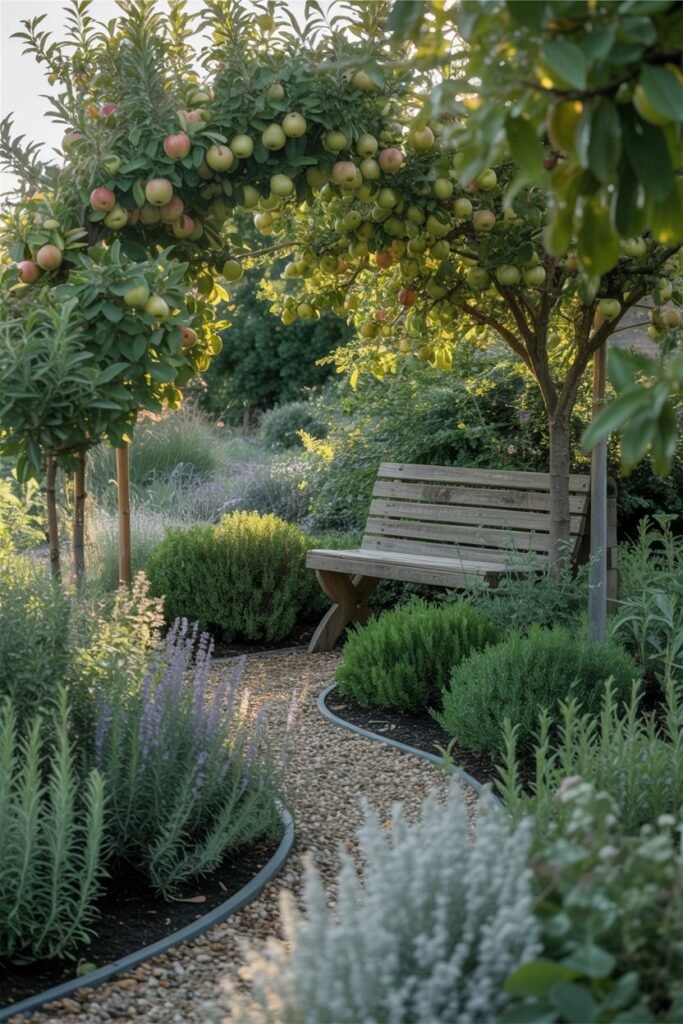
What This Food Forest Is
This final idea is deeply personal. It’s about creating a space that feeds your body, your creativity, and your calm.
Plants here are chosen as much for feeling as for food:
- Herbs you love cooking with
- Fruits tied to childhood memories
- Flowers that make you pause
How to Achieve This Idea
Add seating, winding paths, or stepping stones. Let the garden invite you in, not demand work from you.
This forest grows with you.
What You Need
- Plants that feel meaningful
- A small bench or chair
- Time and gentleness
Free, Gentle Tips
- Garden slowly
- Let intuition guide plant choices
- Your joy matters as much as yield
This is where the food forest becomes a refuge.
Final Thought: A Tiny Yard Can Hold a Big Life
A mini food forest isn’t about copying someone else’s garden or doing everything “right.” It’s about listening, experimenting, and allowing abundance to grow slowly sometimes imperfectly, always generously.
Even the smallest yard can become a place of nourishment, beauty, and quiet pride. Every plant you add is a vote for self-reliance, for connection, for a softer way of living with the land.
Start small. Trust the process.
Your edible paradise is closer than you think
