
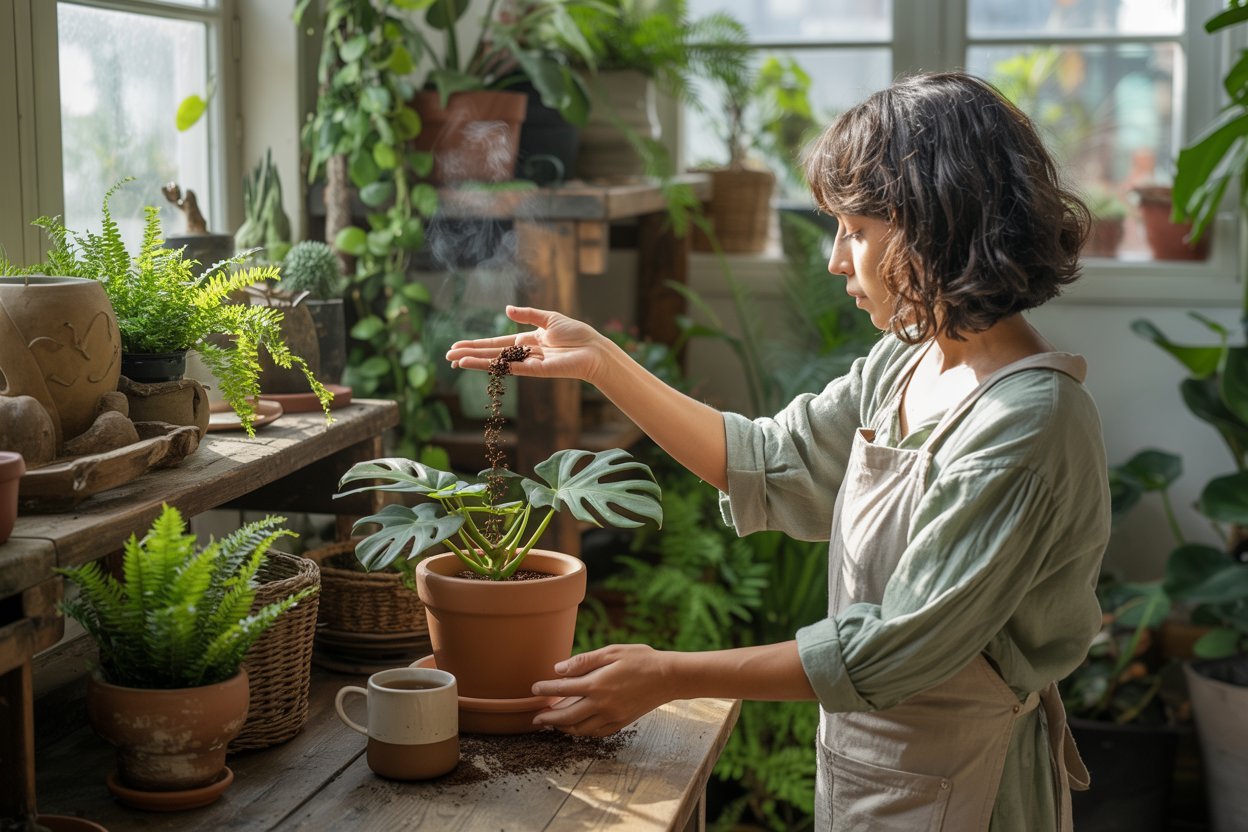

If you love coffee as much as your plants love nutrients, here’s a little secret you’ll adore: those leftover coffee grounds from your morning brew can be a natural powerhouse for your indoor garden.
Coffee grounds are more than just kitchen waste they’re packed with nitrogen, calcium, magnesium, and trace minerals that indoor plants crave.
When used correctly, they can enrich the soil, encourage strong root development, and even keep pesky pests like fungus gnats away.
But not all plants handle coffee grounds the same way. Some absolutely thrive on them showing richer foliage, faster growth, and more vibrant blooms while others prefer less acidic soil and may struggle.
In this guide, we’ll explore 20 indoor plants that grow faster and healthier with coffee grounds, plus how to use them the right way for quick results.
Setting Up Your Indoor Coffee Garden
Before you start sprinkling coffee grounds on your beloved plants, here’s how to prepare your space and soil so every nutrient works its magic.
1. Choose the Right Containers
Pick pots with drainage holes coffee grounds can hold moisture, so proper drainage prevents root rot. For best results, use breathable materials like terracotta or ceramic.
2. Prepare the Ideal Soil Mix
Mix a blend of:
- 2 parts organic potting soil
- 1 part dried, used coffee grounds
- 1 part perlite or coarse sand for aeration
- Optional: a pinch of compost or worm castings for added microbes
This mix creates a loose, nutrient-rich base that prevents compaction something coffee grounds can cause if overused.
3. Lighting & Placement
Most coffee-loving plants prefer medium to bright indirect light. Set them near east-facing windows or areas with filtered sunlight.
4. How to Use Coffee Grounds Safely
- Always use dried, brewed grounds (never fresh or wet grounds directly from the pot).
- Mix into the top 1–2 inches of soil — do not layer on top.
- Reapply every 3–4 weeks, depending on the plant’s growth rate.
- Avoid using grounds alone; think of them as a supplement, not a soil substitute.
Pro Gardener Quote:
“Coffee grounds are like vitamins for your plants beneficial in small, steady doses. Balance is the secret to keeping your soil alive.”
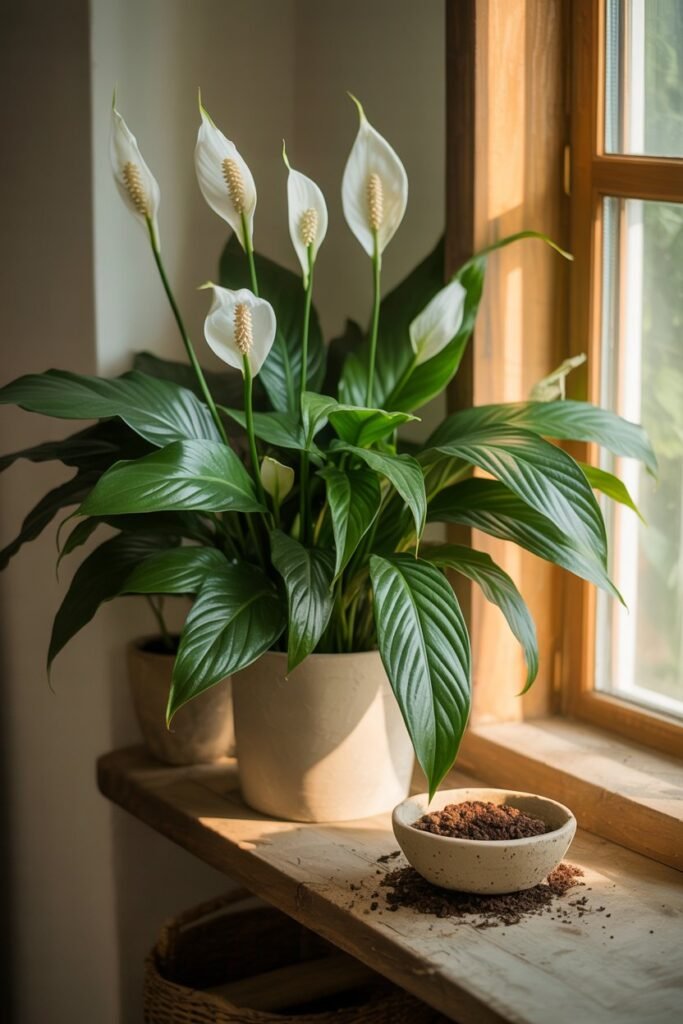
1. Peace Lily (Spathiphyllum)
Why It Thrives on Coffee Grounds
Peace Lilies adore slightly acidic soil, and coffee grounds help create that perfect pH balance. The extra nitrogen strengthens their deep green leaves and supports continuous flowering.
How to Plant
- Choose a 6–8 inch pot with drainage holes.
- Use a soil mix of: 2 parts peat moss, 1 part perlite, 1 part dried coffee grounds.
- Plant the lily so its crown sits just above the soil surface.
How to Apply Coffee Grounds
Mix 1 tablespoon of dried grounds into the topsoil every 3–4 weeks. Alternatively, steep grounds in water overnight and use the liquid as a gentle “coffee tea” to water the plant.
Care Tips
- Light: Bright, indirect sunlight.
- Water: Keep soil moist, not soggy.
- Humidity: Loves a humid environment — mist weekly.
- Fertilizer: Monthly liquid feed in growing season.
Pro Tip:
“Add coffee grounds after watering, not before it helps the nutrients seep deeper into the soil without overwhelming the roots.”
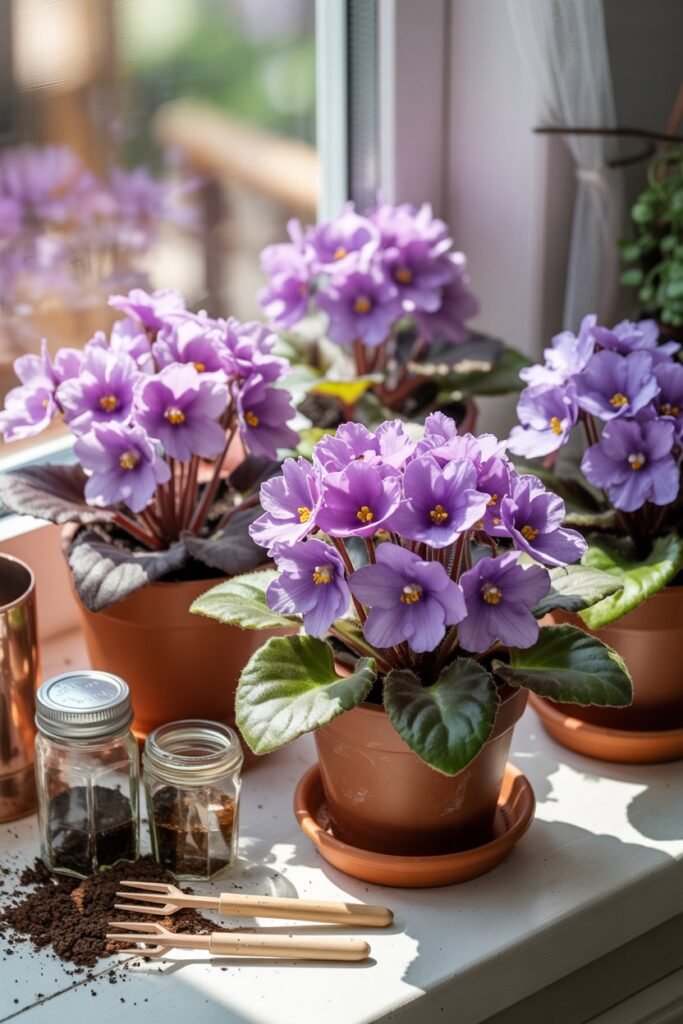
2. African Violet (Saintpaulia)
Why It Thrives
African Violets flourish in mildly acidic soil exactly what coffee grounds provide. The boost in nitrogen encourages richer foliage and more frequent blooms.
How to Plant
- Use a shallow, wide pot with drainage holes.
- Combine 2 parts light potting soil, 1 part perlite, and 1 part coffee-infused compost.
- Gently plant the violet, leaving the crown slightly above the soil line.
How to Apply Coffee Grounds
Mix 1 teaspoon of used, dried coffee grounds into the soil once every month. Or, water with a diluted mix (1 teaspoon grounds in 2 cups of water).
Care Tips
- Light: Moderate, indirect light avoid harsh sunlight.
- Water: Use room-temperature water; never wet the leaves.
- Humidity: Prefers 50–60% humidity.
- Temperature: Keep between 65–75°F (18–24°C).
Pro Tip:
“Used coffee grounds encourage gentle root stimulation. But keep the mix airy African Violets dislike compact soil.”
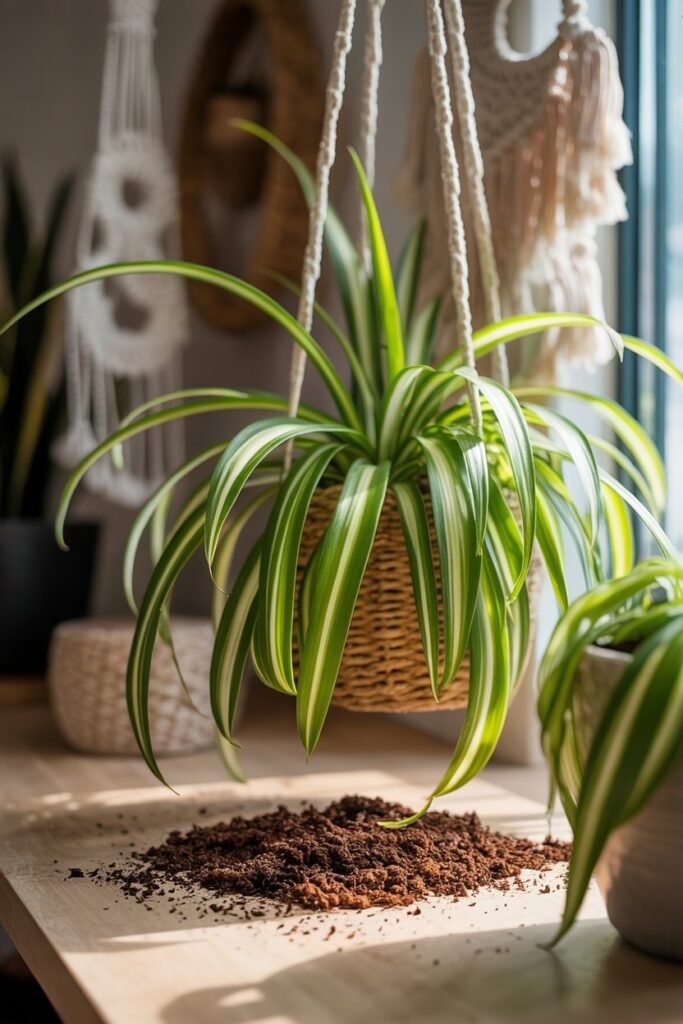
3. Spider Plant (Chlorophytum comosum)
Why It Thrives
The Spider Plant loves nitrogen and organic matter both found in coffee grounds. This helps promote vigorous root growth and more baby “spiderettes.”
How to Plant
- Choose a medium-sized hanging pot or regular container with drainage.
- Mix 3 parts well-draining potting mix with 1 part dried coffee grounds.
- Plant the Spider Plant with roots spread evenly in the soil.
How to Apply Coffee Grounds
Add 1 tablespoon of grounds mixed with compost around the base once every 4–6 weeks.
Care Tips
- Light: Bright, indirect sunlight.
- Water: Let the top inch of soil dry before watering again.
- Fertilizer: Use a balanced organic fertilizer every 2 months.
- Propagation: Easily grown from baby offshoots.
Pro Tip:
“A light sprinkle of coffee grounds every few weeks keeps your Spider Plant vibrant and full but always mix it in, never pile it on top.”
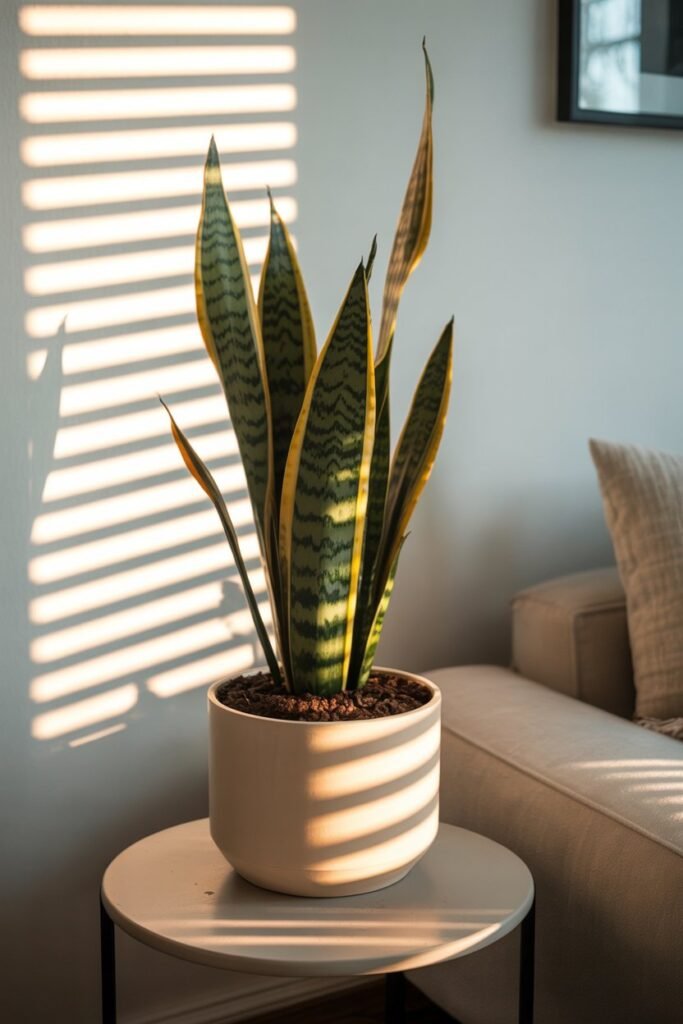
4. Snake Plant (Sansevieria trifasciata)
Why It Thrives
Known for its resilience, the Snake Plant doesn’t need much but it responds well to small doses of nitrogen. Coffee grounds add organic texture and strengthen its thick, sword-like leaves.
How to Plant
- Pick a deep pot with excellent drainage.
- Blend 2 parts cactus soil, 1 part perlite, and 1 part coffee-infused compost.
- Set the root ball an inch below the rim and cover with soil.
How to Apply Coffee Grounds
Mix a teaspoon of coffee grounds into the soil twice a year (spring and mid-summer). Avoid frequent use this plant prefers a lighter touch.
Care Tips
- Light: Thrives in both low and bright light.
- Water: Allow soil to dry completely between waterings.
- Temperature: Prefers warmth (60–85°F).
- Fertilizer: Coffee grounds replace most nitrogen feeding needs.
Pro Tip:
“For Snake Plants, think less is more. Coffee adds slow-release nutrition too much moisture will stunt growth.”
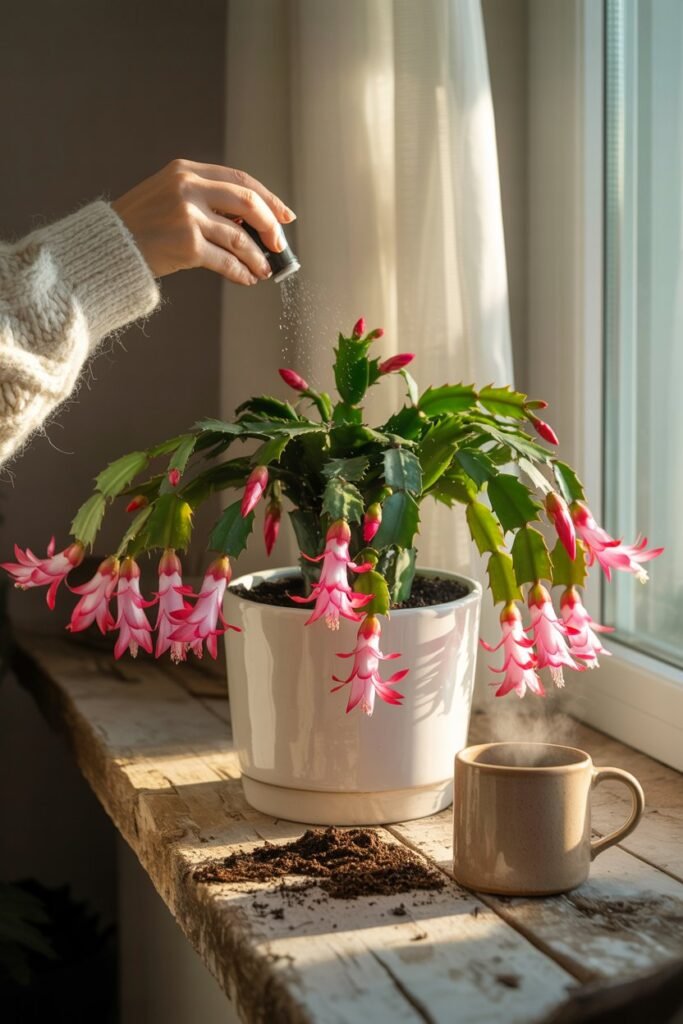
5. Christmas Cactus (Schlumbergera bridgesii)
Why It Thrives
Christmas Cactus loves moisture-retentive, organic soil and coffee grounds add the perfect blend of nutrients and acidity. The nitrogen boost promotes thicker, greener stems and longer-lasting blooms during the holiday season.
How to Plant
- Choose a shallow pot with drainage holes; these cacti have shallow root systems.
- Mix 2 parts peat moss, 1 part perlite, and 1 part dried coffee grounds.
- Place the root ball in the center, cover gently, and water lightly.
How to Apply Coffee Grounds
Mix 1–2 teaspoons of dry coffee grounds into the soil every two months during the growing season (spring and summer). You can also make a gentle “coffee compost tea” by steeping grounds in water for 24 hours, then using it to water once a month.
Care Tips
- Light: Bright but indirect sunlight.
- Water: Keep soil slightly moist; never soggy.
- Temperature: Prefers 65–75°F (18–24°C).
- Humidity: Loves humidity mist weekly.
- Fertilizer: Apply a balanced liquid fertilizer once a month in spring and summer.
Pro Tip:
“Add your coffee grounds after watering it helps nutrients absorb slowly, mimicking natural compost in the wild.”
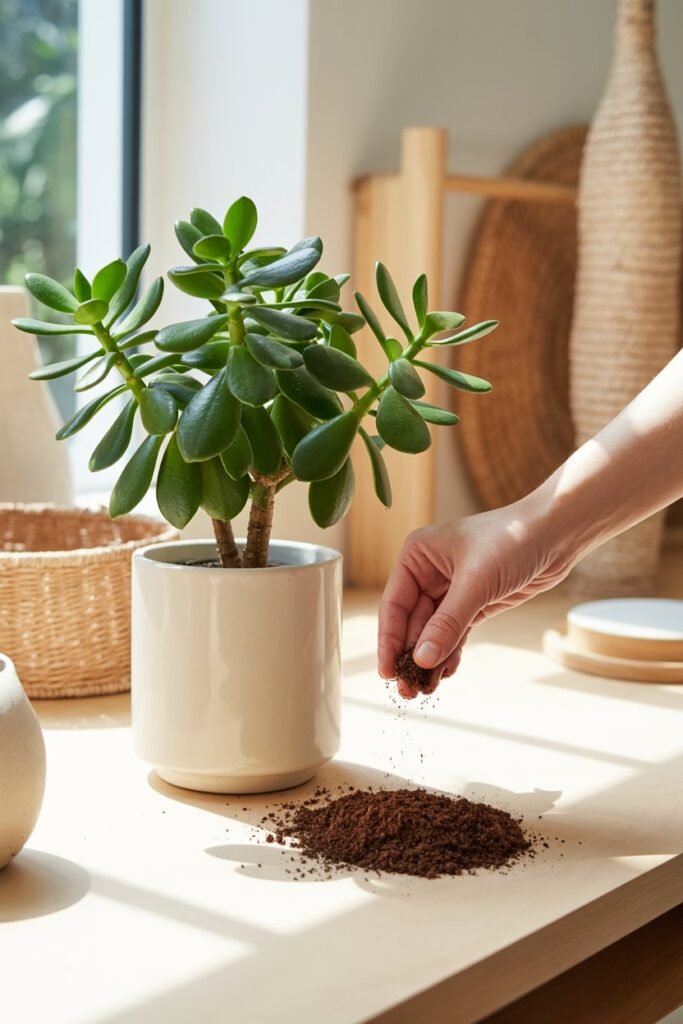
6. Jade Plant (Crassula ovata)
Why It Thrives
The Jade Plant enjoys slightly acidic, nutrient-balanced soil. Coffee grounds add organic matter that helps strengthen stems and deepen the glossy green color of its succulent leaves.
How to Plant
- Select a sturdy pot with drainage holes; terracotta is ideal to wick away excess moisture.
- Mix 2 parts cactus/succulent soil, 1 part perlite, and ½ part coffee-infused compost.
- Place your Jade cutting or small plant into the mix and water sparingly.
How to Apply Coffee Grounds
Dilute used coffee grounds in water (1 tablespoon per 2 cups of water), let it cool, and use this mixture as a light feed once every 4–6 weeks.
Care Tips
- Light: Needs bright, indirect sunlight at least 4 hours daily.
- Water: Only when soil is completely dry.
- Temperature: Prefers 60–75°F (16–24°C).
- Fertilizer: Use mild organic fertilizer once every 3 months.
Pro Tip:
“Never apply coffee grounds directly on Jade soil. Its roots need airy, well-drained space liquid coffee feed is safer and gentler.”
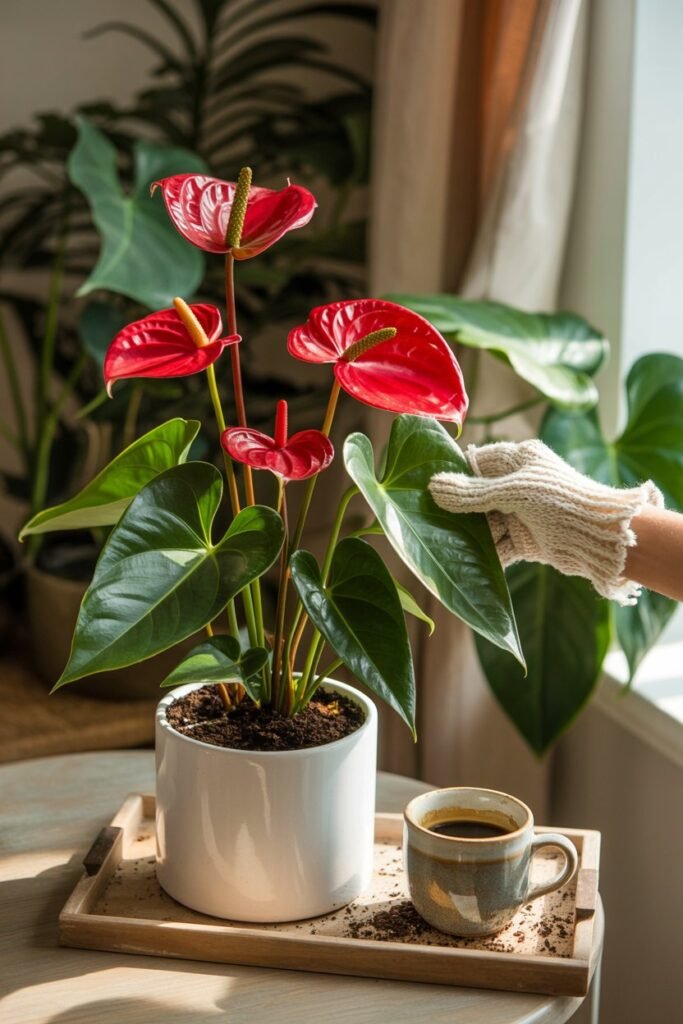
7. Anthurium (Flamingo Flower)
Why It Thrives
Anthuriums love slightly acidic, organic soil the perfect match for coffee grounds. The nitrogen, calcium, and magnesium in coffee stimulate glossy foliage and vibrant, longer-lasting blooms.
How to Plant
- Pick a 6–8 inch pot with excellent drainage.
- Blend 1 part orchid bark, 1 part peat moss, 1 part perlite, and ½ part dried coffee grounds.
- Plant the roots just below the surface and water lightly.
How to Apply Coffee Grounds
Once every 3–4 weeks, sprinkle 1 tablespoon of dried grounds onto the soil and gently mix it in. Or, add grounds to compost and use that to refresh the topsoil.
Care Tips
- Light: Bright, filtered sunlight.
- Water: Keep soil moist but not waterlogged.
- Humidity: Prefers 60–80% mist often or use a humidity tray.
- Fertilizer: Monthly organic liquid fertilizer during growing season.
Pro Tip:
“Coffee grounds not only feed Anthuriums they naturally deter fungus gnats, keeping your blooms spotless and healthy.”
8. Pothos (Epipremnum aureum)
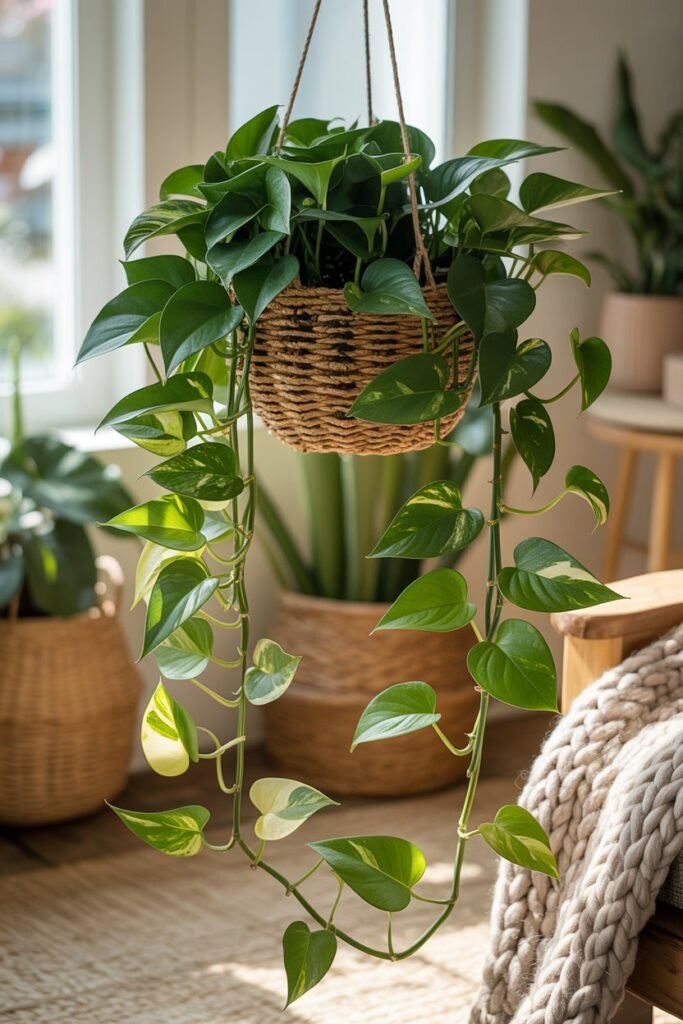
Why It Thrives
Pothos, one of the easiest houseplants, absolutely loves coffee grounds. The organic matter boosts nitrogen levels, supporting quick vine growth and larger, lush leaves.
How to Plant
- Choose a medium-sized pot with drainage holes.
- Mix 2 parts indoor potting soil, 1 part perlite, and 1 part coffee grounds.
- Plant your Pothos cutting or starter plant so roots sit evenly in the soil.
How to Apply Coffee Grounds
Mix 1–2 tablespoons of used, dried coffee grounds into the soil every 4 weeks. Or, steep coffee grounds in water for 24 hours and use the resulting liquid to water once monthly.
Care Tips
- Light: Thrives in bright, indirect light but tolerates low light.
- Water: Let the top 2 inches of soil dry between waterings.
- Temperature: Best at 65–85°F (18–29°C).
- Fertilizer: Coffee grounds are usually enough; optional organic feed every 2 months.
Pro Tip:
“For faster vining, gently prune and propagate your Pothos in a fresh soil mix with a hint of coffee it roots quickly and grows stronger.”
9. Philodendron (Heartleaf & Hybrid Varieties)
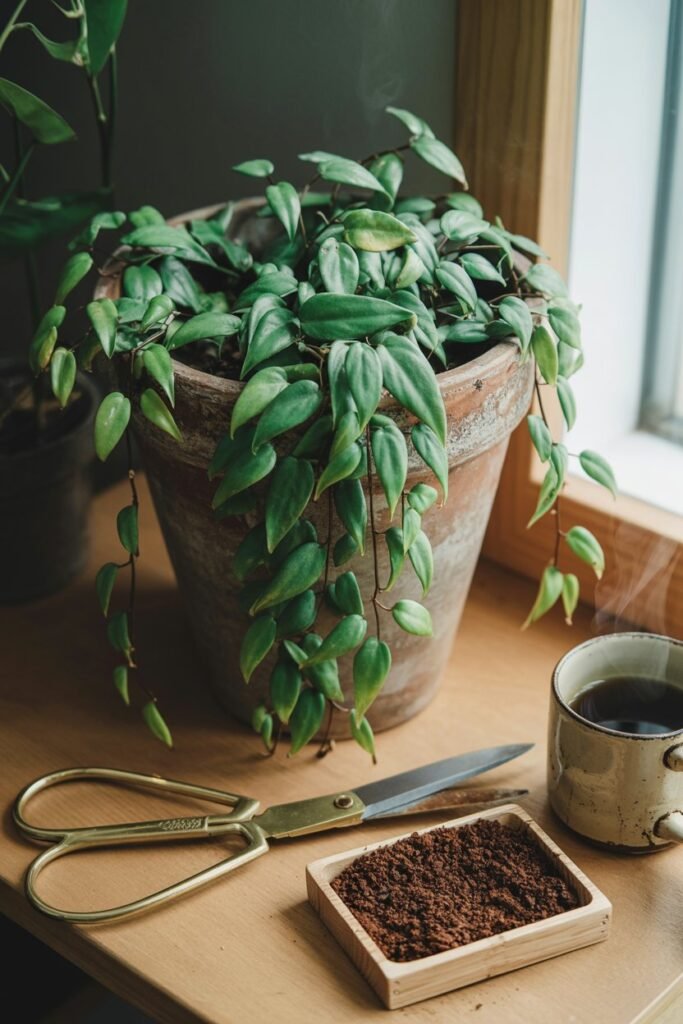
Why It Thrives
Philodendrons are tropical plants that adore organic matter and steady nitrogen levels. Coffee grounds give them the energy for lush, glossy leaves and longer trailing vines perfect for indoor living spaces.
How to Plant
- Choose a medium pot with drainage holes.
- Create a mix of 2 parts potting soil, 1 part coco coir or peat, and ½ part coffee grounds for a light acidity boost.
- Plant your Philodendron slightly above the soil line to prevent stem rot.
How to Apply Coffee Grounds
Blend 1 tablespoon of used, dried coffee grounds into the top 2 inches of soil every month during spring and summer.
Care Tips
- Light: Prefers bright, indirect light avoid direct sunlight.
- Water: Keep soil evenly moist but never soggy.
- Humidity: 60–70% ideal. Mist leaves weekly.
- Fertilizer: Coffee grounds act as a natural nitrogen feed, but add organic liquid fertilizer every 6 weeks.
Pro Tip:
“Rotate your Philodendron every few weeks so all sides receive light coffee-fed growth can get lopsided if one side grows faster.”
10. Begonia (Rex, Wax, & Angel Wing)
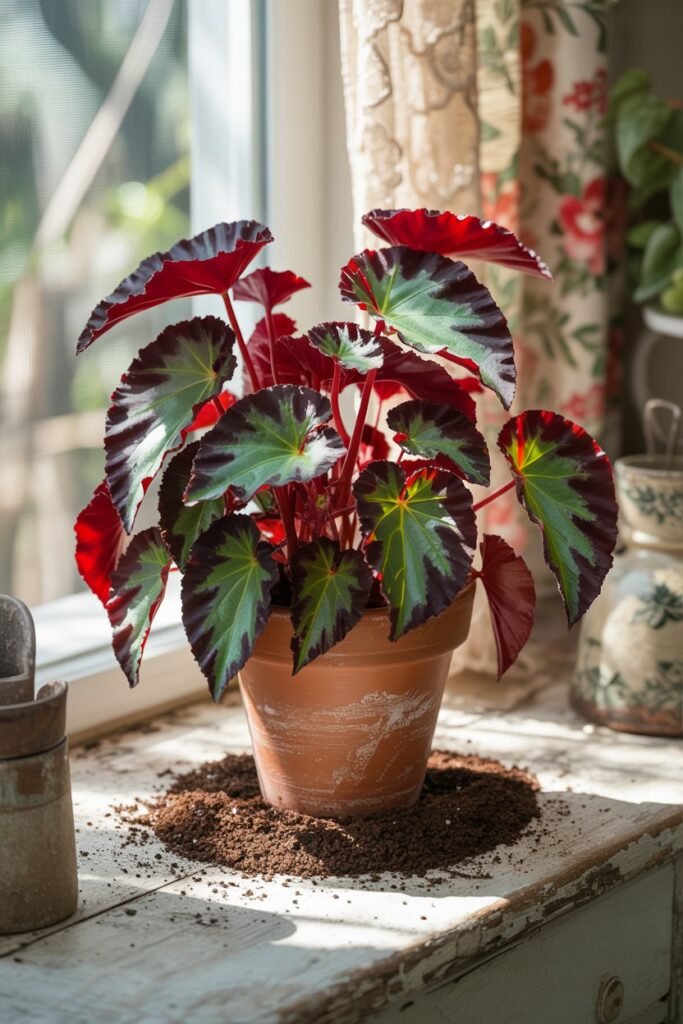
Why It Thrives
Begonias thrive in nutrient-rich, slightly acidic soil exactly what coffee grounds provide. The organic boost intensifies leaf color, strengthens stems, and supports frequent flowering.
How to Plant
- Pick a 6-inch decorative pot with holes for drainage.
- Mix 2 parts peat moss, 1 part perlite, and 1 part coffee-infused compost.
- Gently set your Begonia so its crown sits just above the soil.
How to Apply Coffee Grounds
Add 1 teaspoon of dried grounds to the soil surface and lightly mix in every 4–5 weeks. Alternatively, use diluted coffee tea once a month to feed.
Care Tips
- Light: Bright, indirect sunlight.
- Water: Keep evenly moist; never allow roots to sit in water.
- Humidity: High humidity keeps leaves supple and colorful.
- Temperature: Warm, stable conditions (65–75°F).
Pro Tip:
“Coffee-fed Begonias grow more vividly when you occasionally wipe leaves with a damp cloth it helps them absorb light more efficiently.”
11. Ferns (Boston, Maidenhair & Kimberly Queen)
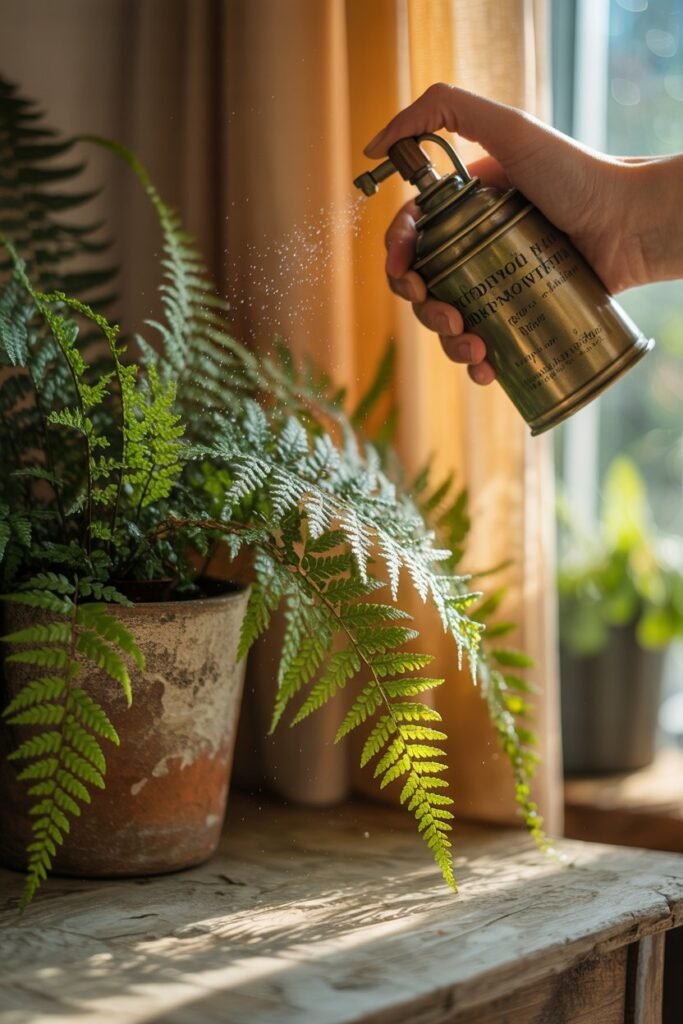
Why They Thrive
Ferns love moisture and acidity, and coffee grounds deliver both. The nitrogen-rich boost encourages lush, feathery fronds and vibrant green color, especially in low-light rooms.
How to Plant
- Choose a wide pot or hanging basket with drainage.
- Combine 2 parts peat moss, 1 part perlite, and 1 part coffee grounds.
- Firm gently around the roots and water immediately.
How to Apply Coffee Grounds
Mix 1–2 tablespoons of used coffee grounds into soil once a month. For extra humidity, use coffee-infused water to mist the leaves weekly.
Care Tips
- Light: Indirect or filtered light; no direct sun.
- Water: Keep soil moist at all times.
- Humidity: Ferns thrive above 60%. Use a pebble tray or humidifier if needed.
- Temperature: 60–75°F preferred.
Pro Tip:
“Sprinkle a light dusting of coffee grounds on top of soil and mist afterward it mimics a rainforest floor, your fern’s natural home.”
12. Rubber Plant (Ficus elastica)
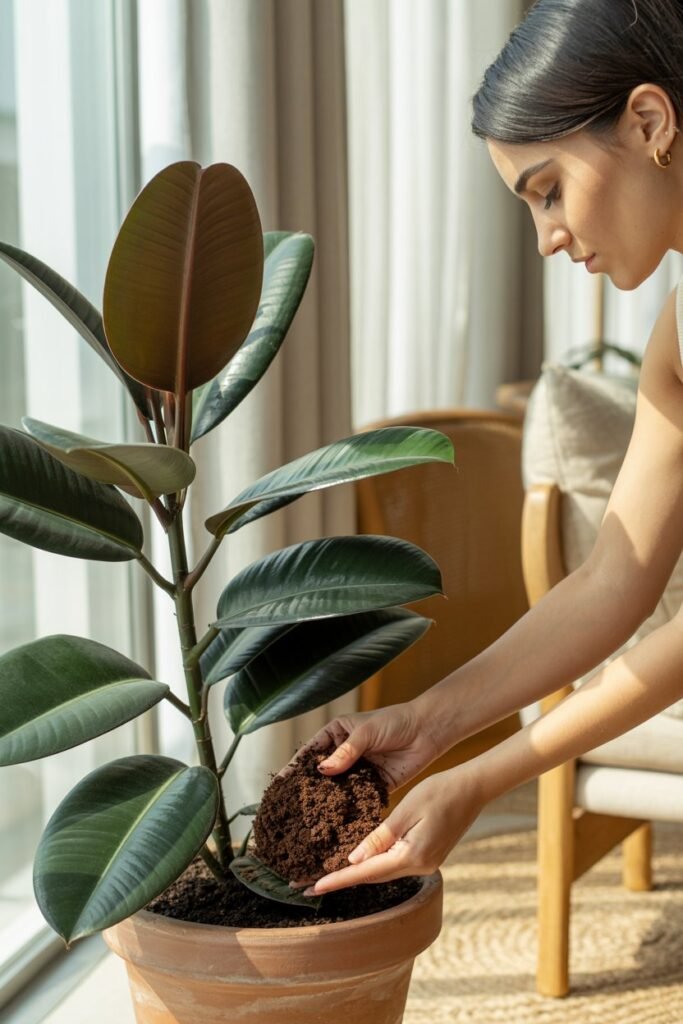
Why It Thrives
Rubber Plants love organic matter and a balanced soil pH. Coffee grounds contribute mild acidity, steady nitrogen, and improved soil structure all key for strong, glossy leaves.
How to Plant
- Use a large pot with drainage to support its deep roots.
- Mix 3 parts all-purpose potting soil, 1 part perlite, and ½ part coffee compost.
- Plant so roots are covered but the stem base is visible above the soil.
How to Apply Coffee Grounds
Every 2–3 months, mix a teaspoon of dried coffee grounds into the topsoil or feed with a diluted coffee-water mix once a month during spring and summer.
Care Tips
- Light: Bright, indirect sunlight avoid harsh rays.
- Water: Let top 2 inches of soil dry before watering again.
- Humidity: Moderate; mist occasionally.
- Fertilizer: Organic liquid feed every 6–8 weeks for best results.
Pro Tip:
“Wipe Rubber Plant leaves with a soft, damp cloth after feeding with coffee grounds it helps them shine and breathe.”
13. Orchid (Phalaenopsis & Dendrobium Varieties)
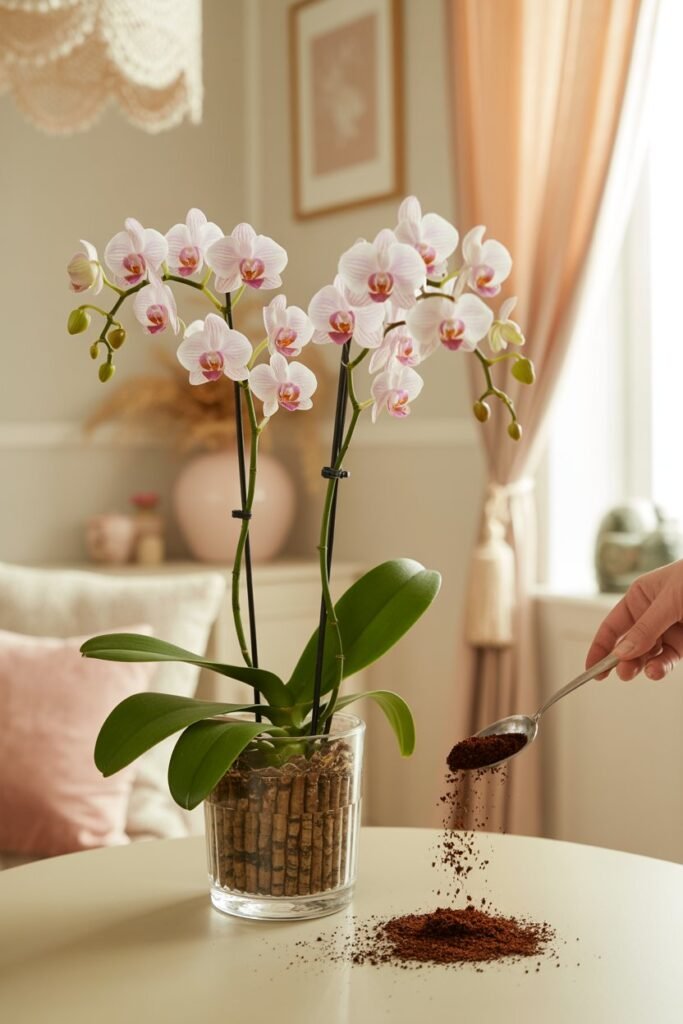
Why It Thrives
Orchids naturally grow on tree bark and thrive in nutrient-rich, slightly acidic environments. Coffee grounds deliver mild acidity and nitrogen two things that encourage strong roots and more frequent blooms.
How to Plant
- Choose a clear orchid pot with good ventilation and drainage holes.
- Use a special orchid mix: bark chips, perlite, and sphagnum moss.
- Add 1 tablespoon of used, dried coffee grounds to your mix for each pot.
- Position the orchid so the roots are tucked between the bark pieces, and water gently afterward.
How to Apply Coffee Grounds
Mix small amounts into the bark medium every 6–8 weeks, or use a coffee-infused mist (brewed coffee diluted 1:5 with water) to mist the leaves and roots once a month.
Care Tips
- Light: Bright but indirect sunlight.
- Water: Once weekly; allow medium to dry slightly between watering.
- Humidity: 50–70%; mist regularly.
- Temperature: 65–80°F.
Pro Tip:
“After feeding with coffee grounds, always rinse your orchid gently the following week it prevents salt or acid buildup while keeping the roots fresh.”
14. ZZ Plant (Zamioculcas zamiifolia)
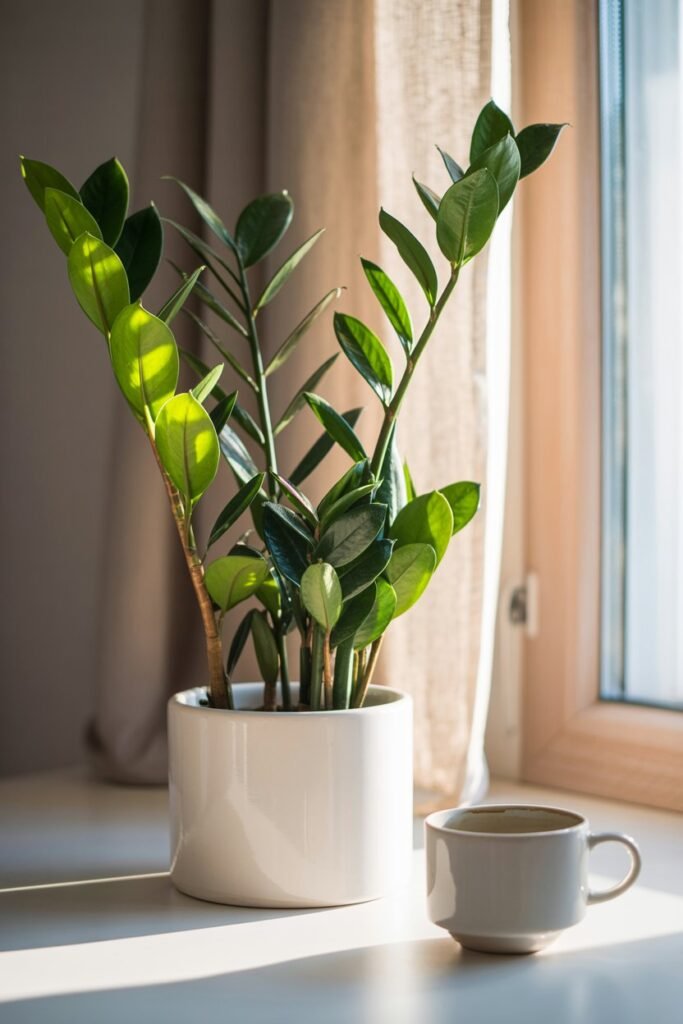
Why It Thrives
The ZZ plant is nearly indestructible and appreciates slow-release nitrogen. Coffee grounds, when used sparingly, promote darker, shinier foliage and stronger underground rhizomes.
How to Plant
- Use a medium-sized ceramic or plastic pot with holes for drainage.
- Combine 2 parts potting soil, 1 part perlite, and ½ part coffee-infused compost.
- Plant your ZZ’s rhizomes just below the soil surface.
How to Apply Coffee Grounds
Incorporate 1 tablespoon of used, dried coffee grounds into the soil every 2–3 months. Avoid wet grounds they can retain too much moisture.
Care Tips
- Light: Low to bright indirect light.
- Water: Every 2–3 weeks ZZ plants prefer drying out between waterings.
- Temperature: 60–75°F, humidity not essential.
- Fertilizer: Coffee provides enough slow nitrogen for several months.
Pro Tip:
“Wipe the leaves with diluted coffee water once in a while it gives them a gorgeous, natural sheen.”
15. Aloe Vera
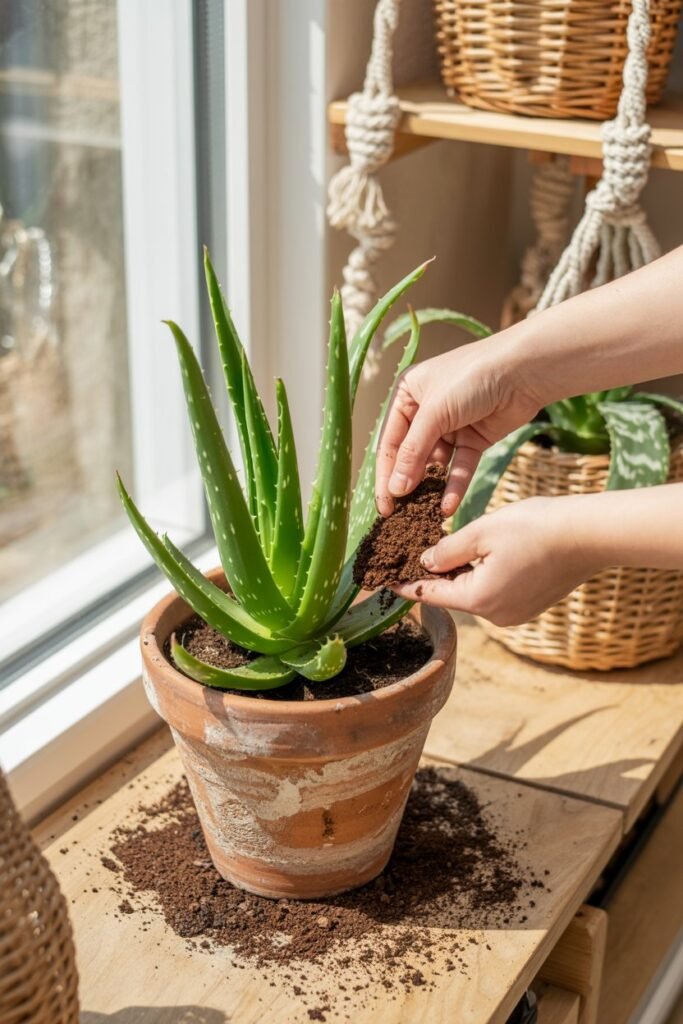
Why It Thrives
Aloe Vera thrives on mild acidity and well-drained soil. Coffee grounds improve aeration, encourage healthy root growth, and provide trace minerals that make the gel-rich leaves grow thicker.
How to Plant
- Choose a terracotta or clay pot (Aloe loves breathing roots).
- Mix 2 parts cactus soil, 1 part sand, and ½ part coffee-infused compost.
- Plant your Aloe so its base sits just above the soil surface never bury it too deep.
How to Apply Coffee Grounds
Use 1 tablespoon of dried coffee grounds mixed into the soil every 2–3 months, or sprinkle lightly on top and water through.
Care Tips
- Light: Bright, direct sunlight at least 6 hours a day.
- Water: Only when the soil is completely dry.
- Temperature: Warm above 60°F.
- Humidity: Low; Aloe prefers drier air.
Pro Tip:
“Too much coffee can make Aloe soil retain moisture always balance with sand or perlite for fast drainage.”
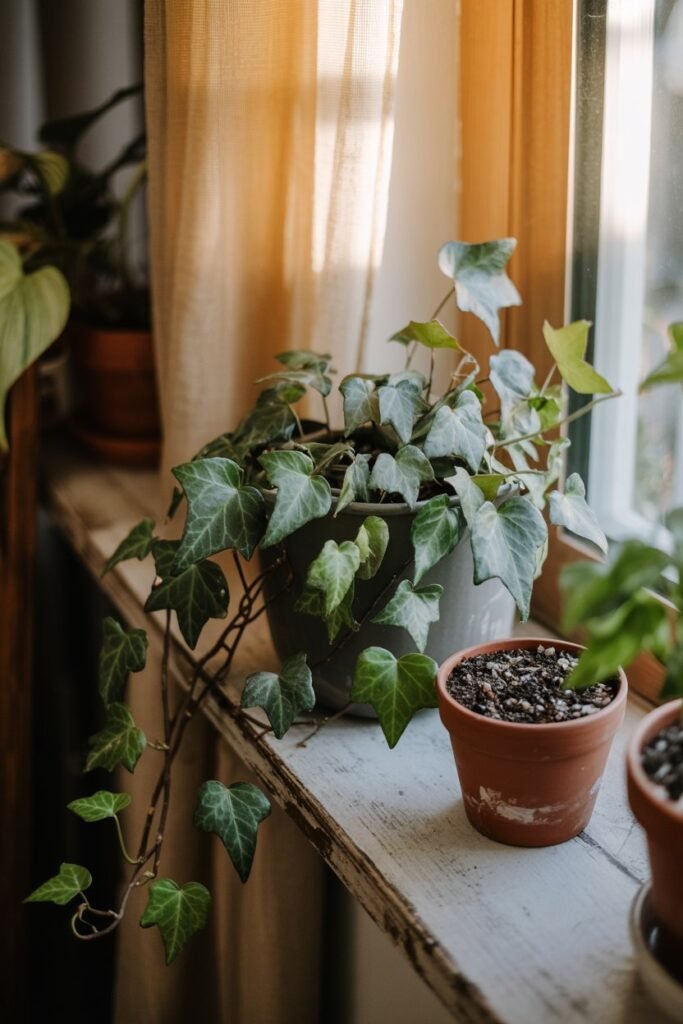
16. English Ivy (Hedera helix)
Why It Thrives
English Ivy loves a slightly acidic, organic soil mix. The nitrogen from coffee encourages dense, green leaves and longer, trailing vines perfect for hanging baskets or tall shelves.
How to Plant
- Select a shallow, wide container with drainage holes.
- Combine 2 parts potting soil, 1 part perlite, and ½ part coffee grounds or compost.
- Plant several stems close together for a fuller look.
How to Apply Coffee Grounds
Mix 1 teaspoon of coffee grounds into the soil monthly during active growth (spring and summer). Avoid overfeeding in winter.
Care Tips
- Light: Bright, indirect light or partial shade.
- Water: Keep soil lightly moist but never soggy.
- Humidity: Moderate to high.
- Temperature: Prefers cooler indoor conditions 55–70°F.
Pro Tip:
“Coffee grounds help prevent spider mites a common issue with Ivy by slightly acidifying the soil and deterring pests.”
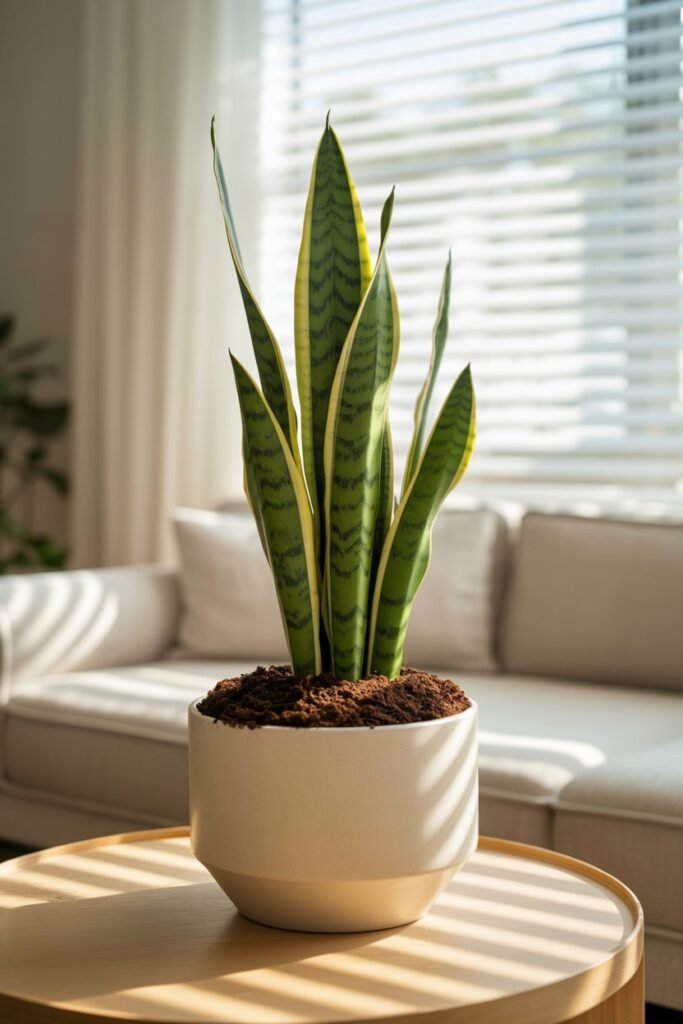
17. Snake Plant (Sansevieria trifasciata)
Why It Thrives
Snake Plants are known for their resilience, and coffee grounds make them even tougher. The gentle acidity enhances nutrient absorption, while organic matter keeps the soil structure airy perfect for slow, steady growth.
How to Plant
- Choose a tall, narrow pot with excellent drainage.
- Mix 2 parts cactus soil, 1 part sand, and ½ part coffee-infused compost.
- Plant the root crown slightly above soil level to avoid rot.
How to Apply Coffee Grounds
Add a small pinch (about 1 teaspoon) of dried coffee grounds to the soil every 2–3 months. Alternatively, water with a diluted coffee mix (1 part brewed coffee to 4 parts water) once every other month.
Care Tips
- Light: Can thrive in low to bright light.
- Water: Only when the soil is completely dry.
- Temperature: 60–85°F.
- Humidity: Low to moderate; very tolerant of dry air.
Pro Tip:
“Less is more too much coffee can compact the soil. Use it sparingly to keep your Snake Plant’s roots happy and oxygenated.”
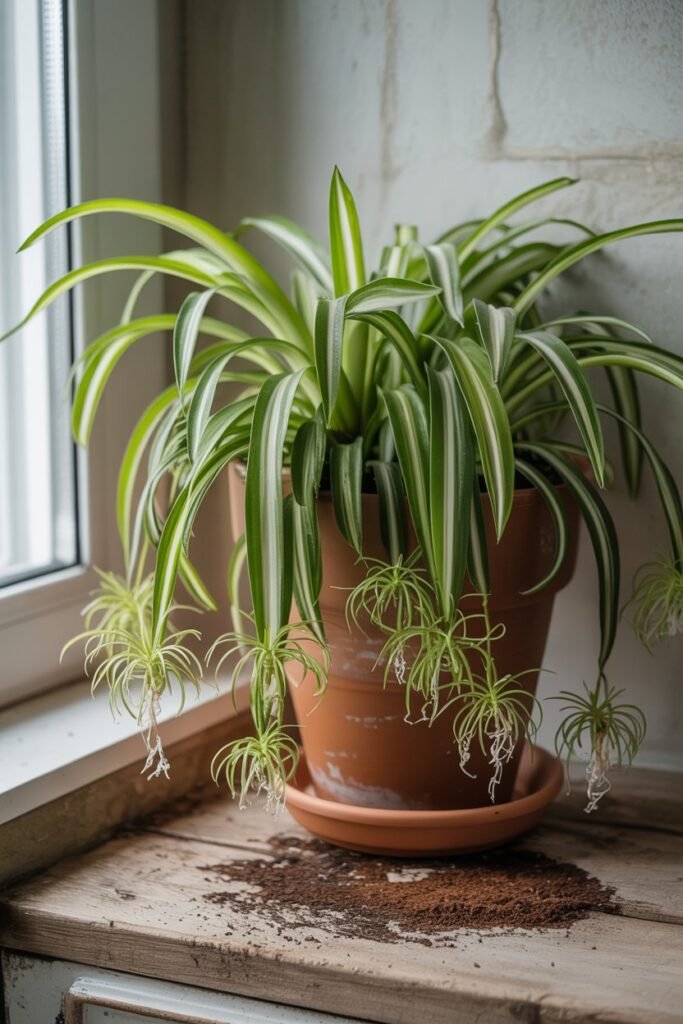
18. Spider Plant (Chlorophytum comosum)
Why It Thrives
Spider Plants adore nitrogen, and coffee grounds provide a slow, organic dose that enhances leaf variegation and encourages baby offshoots (“spiderettes”).
How to Plant
- Use a wide pot to accommodate spreading roots.
- Combine 2 parts loamy soil, 1 part perlite, and ½ part coffee compost.
- Position the crown slightly above the soil surface.
How to Apply Coffee Grounds
Mix 1 tablespoon of used coffee grounds into the top layer of soil every month during spring and summer. Avoid direct contact with stems.
Care Tips
- Light: Bright, indirect light.
- Water: When the top inch of soil feels dry.
- Humidity: Prefers slightly humid environments mist weekly.
- Temperature: 60–75°F ideal.
Pro Tip:
“Feed Spider Plants coffee water right after pruning it helps them bounce back and produce more baby shoots quickly.”
19. Pothos (Epipremnum aureum) Why It Thrives
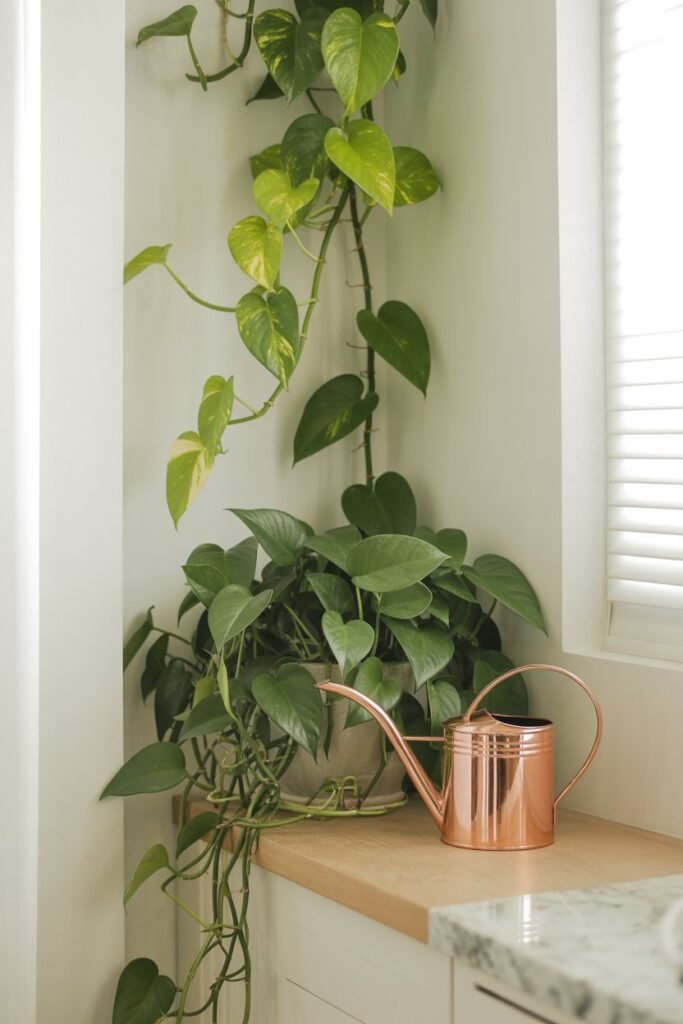
Pothos is one of the easiest houseplants to grow, and coffee grounds give it the extra edge. The nitrogen and trace minerals in coffee support rapid leaf growth and rich green tones especially in low-light spaces.
How to Plant
- Select a medium pot with drainage holes.
- Mix 2 parts potting soil, 1 part peat moss, and ½ part coffee-enriched compost.
- Plant several cuttings close together for a lush effect.
How to Apply Coffee Grounds
Incorporate a small handful of dried grounds into the soil every 2–3 months. Coffee compost tea (1:4 dilution) can also be used as a light fertilizer once per month.
Care Tips
- Light: Low to bright indirect light.
- Water: When topsoil dries; avoid overwatering.
- Humidity: Moderate; mist occasionally.
- Temperature: 60–80°F.
Pro Tip:
“If your Pothos leaves turn pale, feed with diluted coffee water it’ll green up within weeks.”
20. Christmas Cactus (Schlumbergera truncata)
Why It Thrives
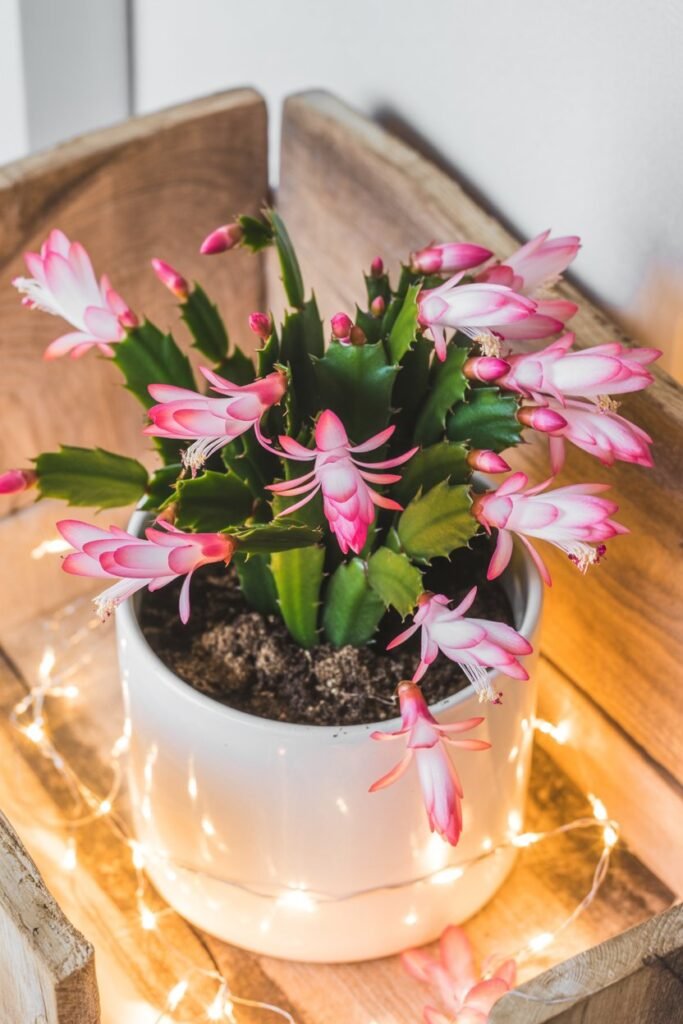
The Christmas Cactus flourishes with mild acidity and steady moisture — both supported by coffee grounds. The nitrogen encourages stronger stems and more vibrant blooms in winter.
How to Plant
- Use a shallow pot with drainage holes.
- Mix equal parts cactus mix, perlite, and ½ part coffee compost.
- Plant segments with the joint slightly buried, then water thoroughly once.
How to Apply Coffee Grounds
Feed with 1 tablespoon of dried, used coffee grounds mixed into soil every 2–3 months or water monthly with coffee tea during active growth.
Care Tips
- Light: Bright, indirect sunlight.
- Water: Keep soil slightly moist during blooming; reduce in dormancy.
- Humidity: Prefers higher humidity (50–60%).
- Temperature: 65–75°F year-round.
Pro Tip:
“After your cactus blooms, feed it once more with diluted coffee water it helps it store energy for next season’s flowers.”
Final Thoughts: Brewing Life Into Your Indoor Garden
Coffee grounds are one of the most underrated natural fertilizers available. They’re rich in nitrogen, trace minerals, and organic matter that improve soil texture and moisture balance. But as with any plant feeding method moderation and balance are key.
Gardener’s Quote:
“A spoonful of coffee, a little care, and a lot of love that’s the secret recipe to keeping an indoor garden thriving.”
By thoughtfully adding coffee grounds to your care routine, you’re not just recycling waste you’re enriching your plants’ world, one cup at a time.
