
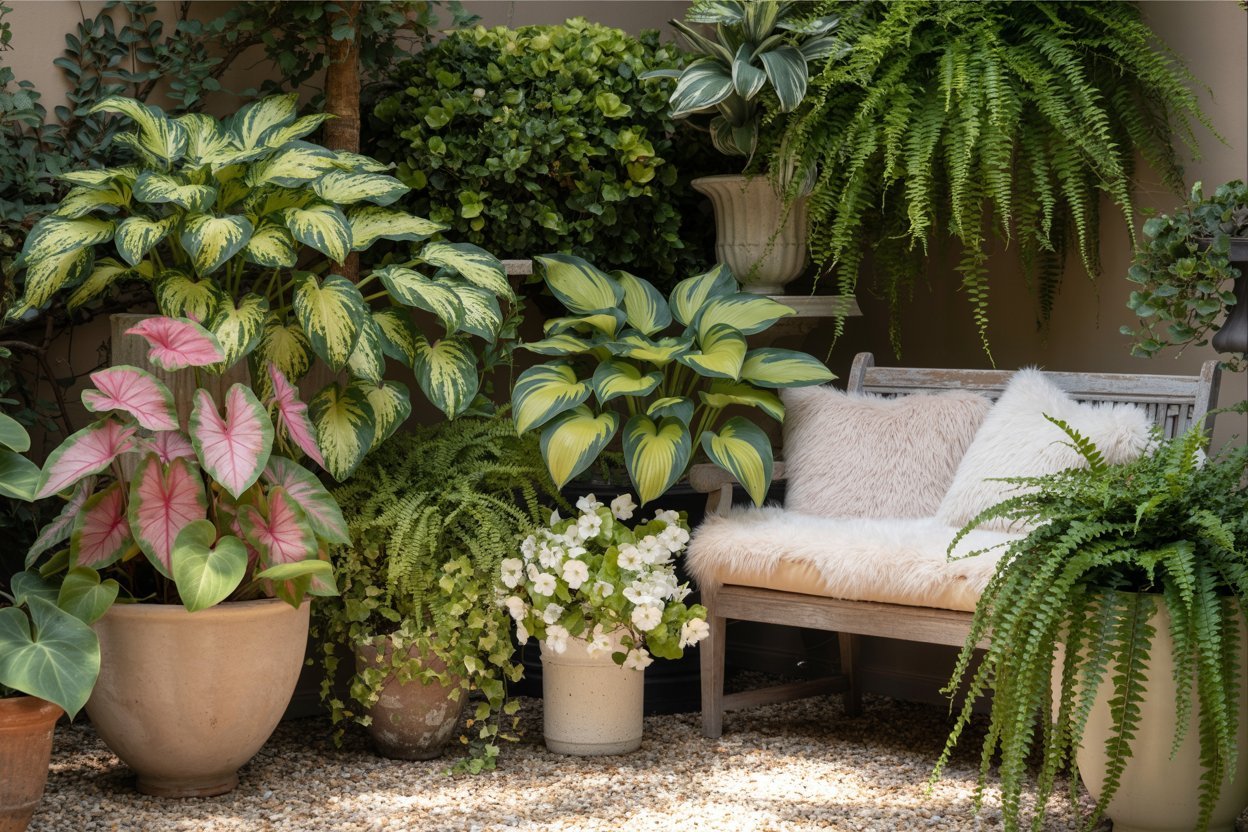

The first time I tried to decorate my shaded patio with plants, I felt frustrated. Every gardening book I owned seemed obsessed with full sun. Tomatoes. Lavender. Roses. Sun-loving blooms everywhere.
Meanwhile, my little balcony barely received two hours of gentle morning light.
I remember standing there with a watering can in hand, wondering if shade meant I simply couldn’t have the lush container garden I dreamed of.
I was wrong.
Shade gardening didn’t limit me it refined me. It taught me patience, layering, texture, and subtle beauty. And today, some of my most breathtaking pots live in the quietest, coolest corners of my home.
If you’re working with shade, this guide will help you choose the right plants, prepare your containers properly, care for them confidently, and design a space that feels intentional rather than accidental.
Let’s build something beautiful.
Shop my amazon essentials
- Hand trowel
- Sharp pruning shears
- Watering can with soft spout
- Moisture meter (optional but helpful)
- Slow-release balanced fertilizer
- Neem oil (for pest prevention)
- Mulch (fine bark or leaf mold)
- Gloves
Understanding Shade (This Step Changes Everything)
Before you buy a single plant, pause.
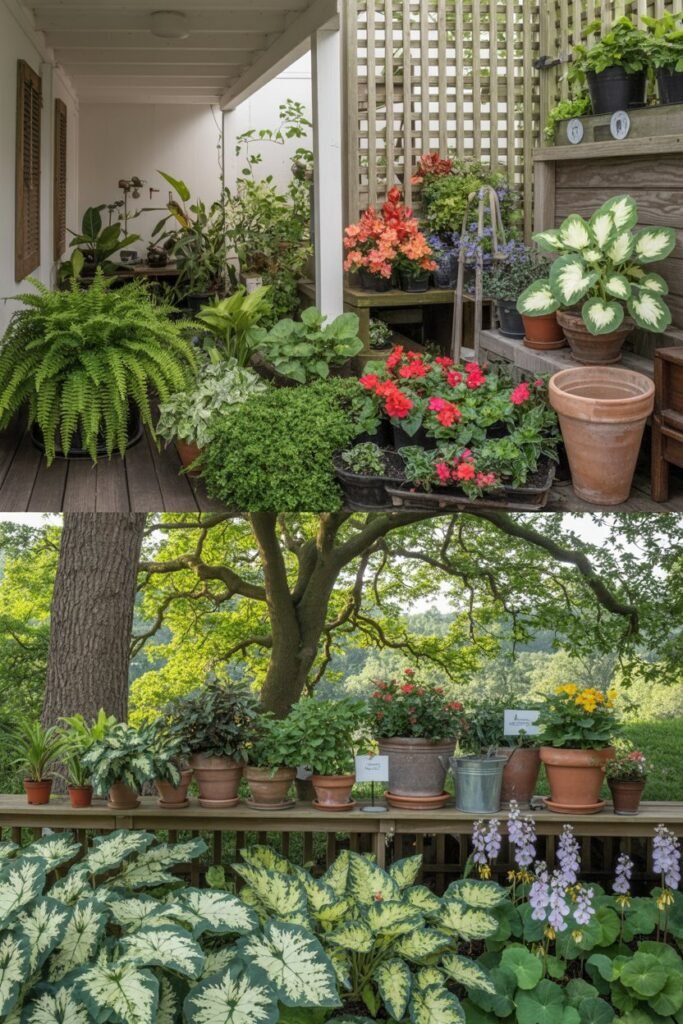
Shade isn’t one single condition and understanding your specific shade will determine your success.
The Four Types of Shade
1. Full Shade
No direct sunlight at all. Often under large trees, covered porches, north-facing balconies, or walls that block sunlight most of the day.
Plants here must tolerate low light consistently.
2. Partial Shade
2–4 hours of soft morning sun. This is ideal for many flowering shade plants.
3. Dappled Shade
Light filtered through trees. This mimics forest conditions and is perfect for foliage plants.
4. Bright Indirect Light
Very bright but no harsh direct rays common on covered patios.
Spend one day observing your space every few hours. I literally set reminders on my phone when I was learning. You’ll notice patterns you didn’t expect.
What to Buy: Building the Foundation for Shade Success
A beautiful shade container garden begins long before planting day.
1. Choosing the Right Pots
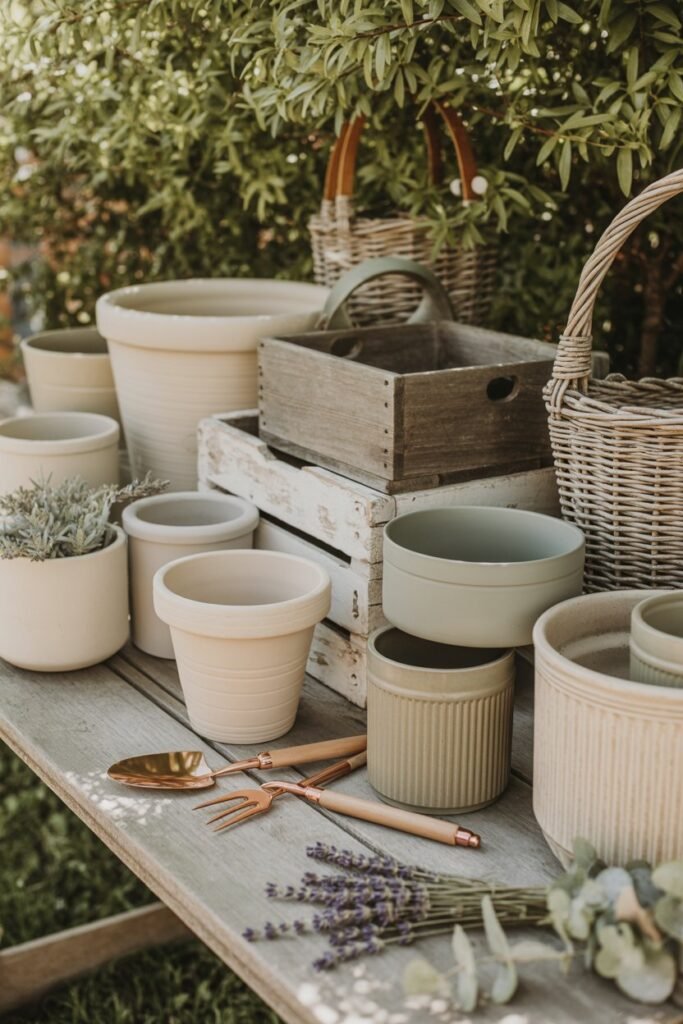
Shade plants are often more sensitive to root conditions.
Look for:
- Drainage holes (absolutely essential)
- Pots at least 8–12 inches deep
- Wider containers for ferns and spreading plants
Materials I personally rotate between:
- Ceramic – Elegant and moisture-retentive
- Resin – Lightweight and durable
- Wooden planters – Warm and natural
- Hanging baskets – Perfect for trailing shade plants
Lighter-colored pots brighten darker spaces visually, which makes the entire area feel more open.
2. Soil Matters More in Shade
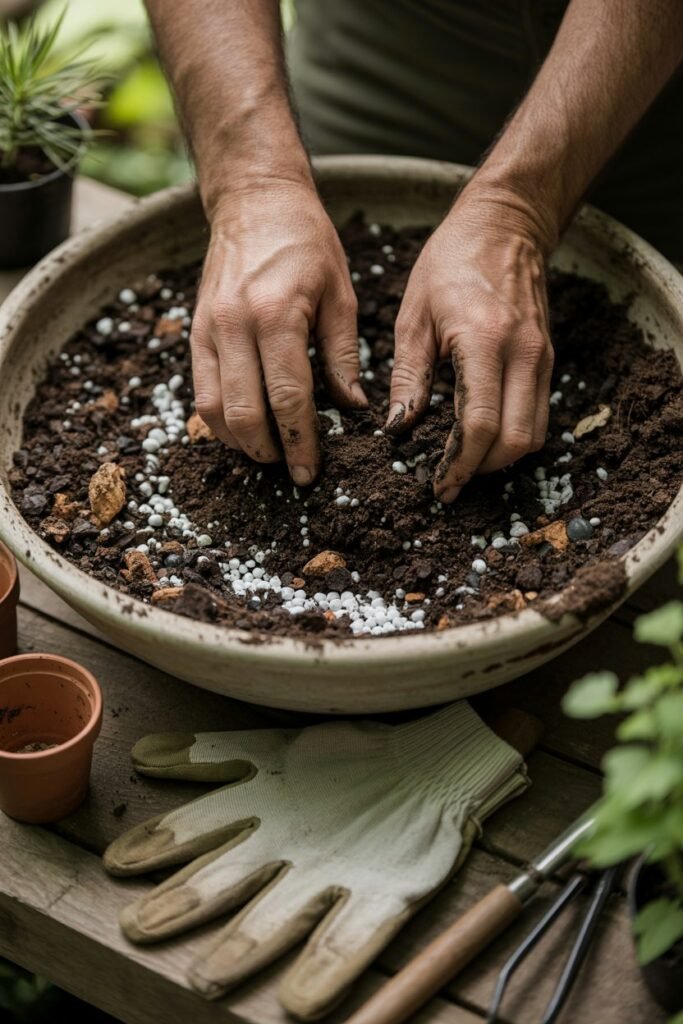
Shade soil dries slower. That means drainage is everything.
My personal shade mix:
- 60% high-quality potting mix
- 20% compost
- 10% perlite
- 10% orchid bark (for airflow)
This creates moisture retention without suffocating roots.
Never use garden soil in pots it compacts and traps water.
3. Essential Items to Have Before Planting
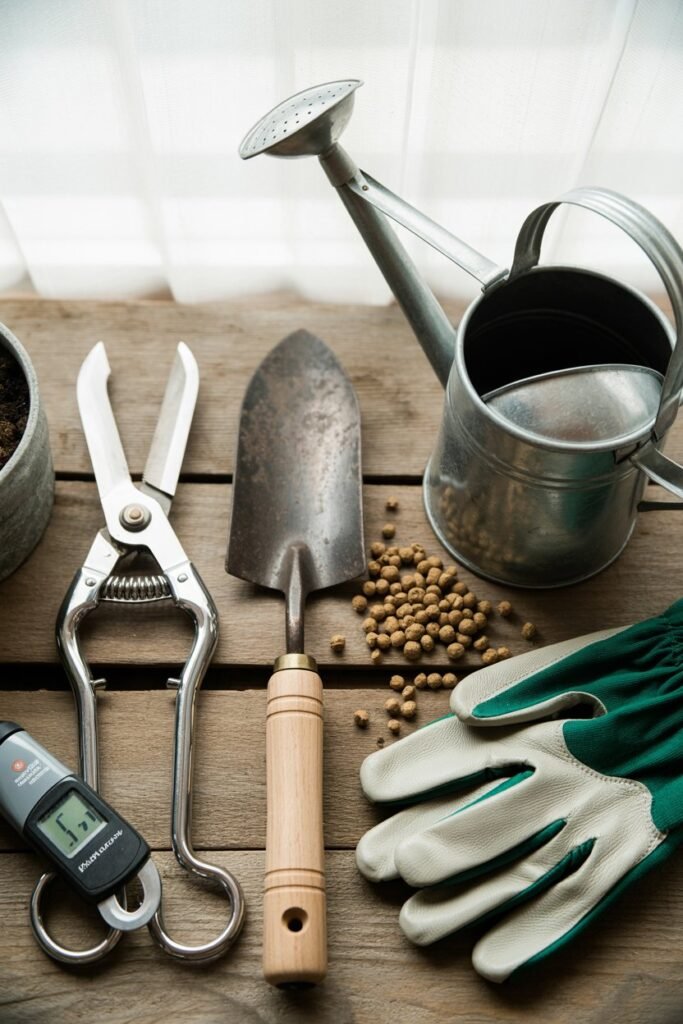
These tools make shade gardening easier:
- Hand trowel
- Sharp pruning shears
- Watering can with soft spout
- Moisture meter (optional but helpful)
- Slow-release balanced fertilizer
- Neem oil (for pest prevention)
- Mulch (fine bark or leaf mold)
Mulch is especially helpful in shade to prevent fungal issues from soil splash.
Best Potted Plants for the Shade (Detailed Plant Guide)
These plants have personally thrived in my shaded spaces.
Hosta
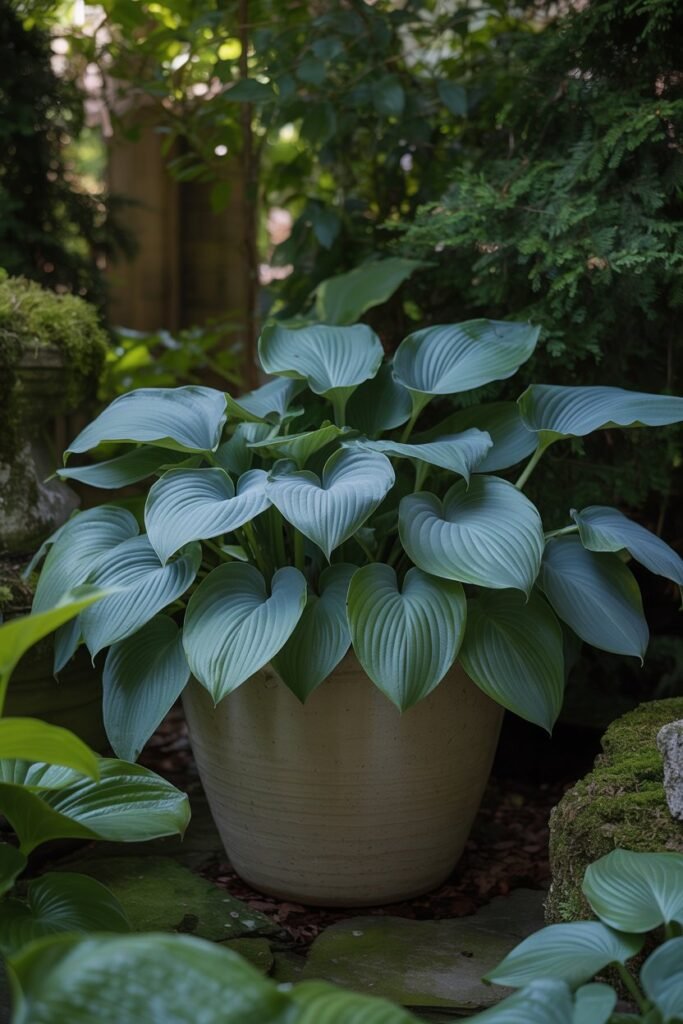
Hostas are the backbone of shade gardening.
Why they’re powerful in pots:
- Bold, sculptural leaves
- Wide color range (blue-green, lime, variegated)
- Extremely shade tolerant
Container care:
- Keep soil consistently moist
- Protect from slugs
- Divide every few years to refresh growth
Design tip:
Pair blue-green hostas with white flowers for a calm palette.
Begonia
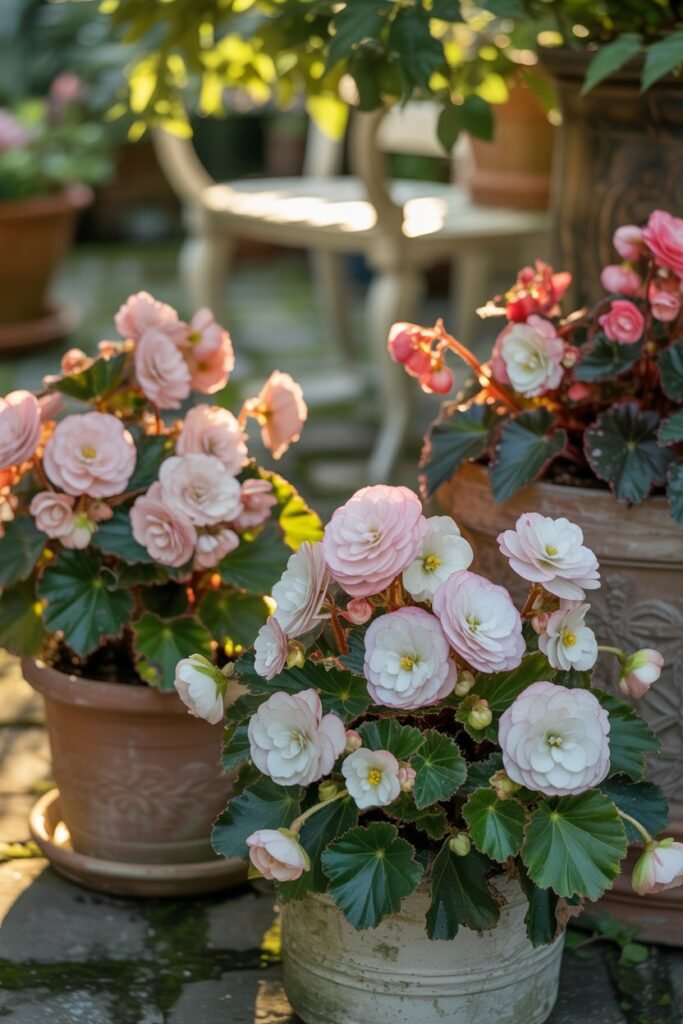
Begonias gave me confidence in shade blooms.
Types that thrive in containers:
- Wax begonias
- Tuberous begonias
- Rex begonias (for foliage drama)
Why I adore them:
- Continuous flowers
- Compact growth
- Excellent in partial to full shade
Care:
- Water at soil level
- Avoid soggy roots
- Deadhead faded blooms
They’re ideal for soft, romantic container arrangements.
Coleus
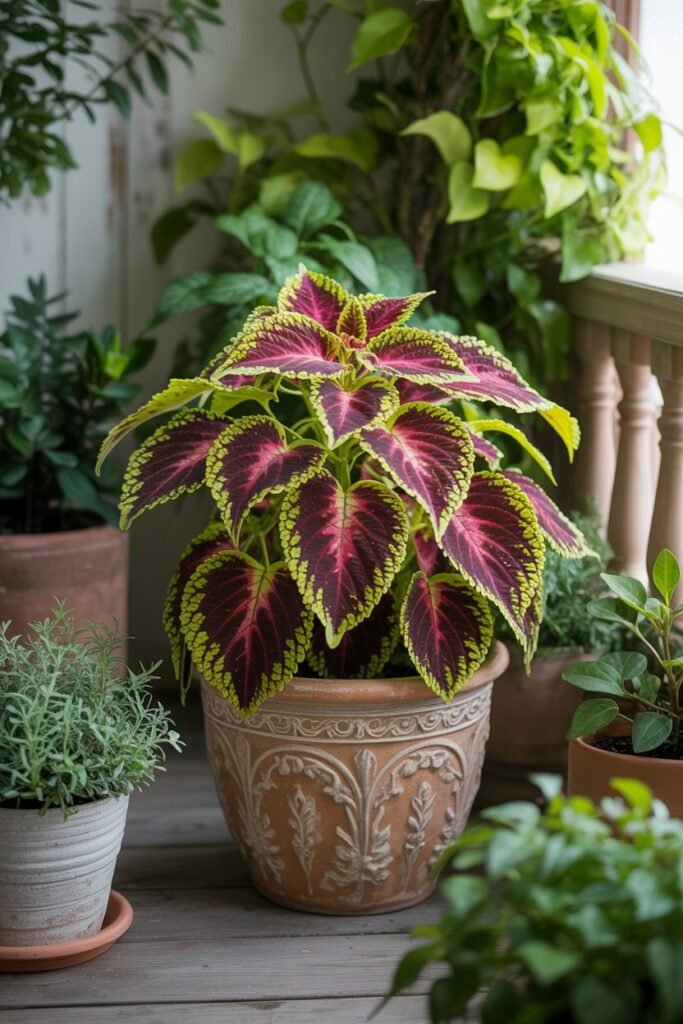
Coleus doesn’t need flowers to impress.
Leaves come in:
- Deep burgundy
- Lime green
- Pink blends
- Purple patterns
Container care:
- Pinch regularly for bushy growth
- Keep evenly moist
- Avoid harsh afternoon sun
Design tip:
Use coleus as your “thriller” in mixed containers.
Impatiens
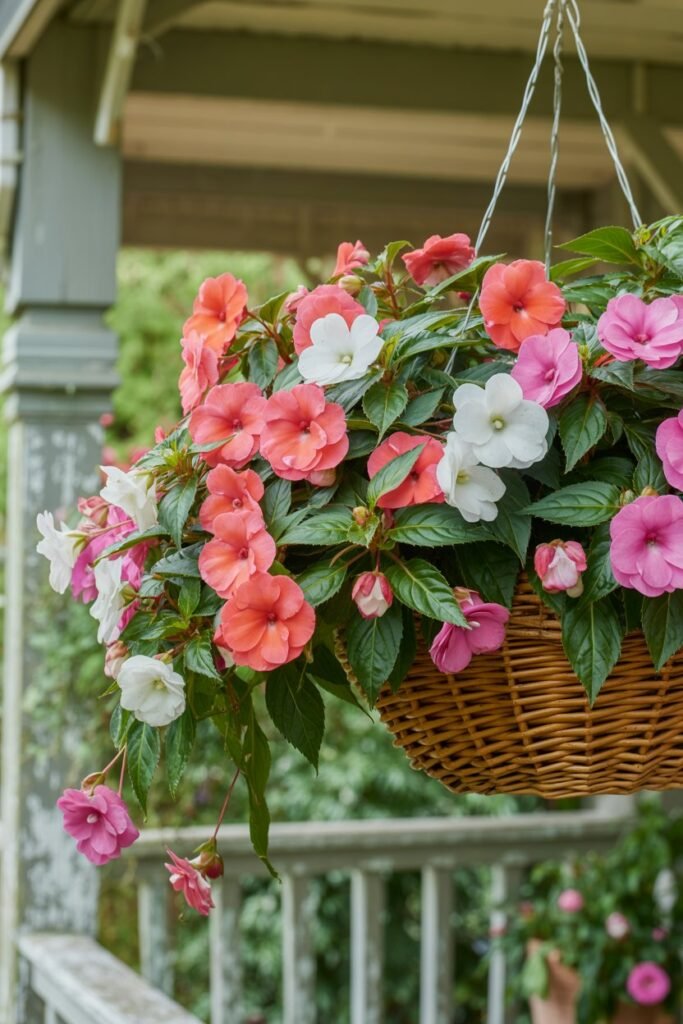
For reliable color in deep shade, impatiens are dependable.
Why they shine:
- Continuous blooms
- Thrive with minimal sun
- Perfect for borders and pots
Care:
- Consistent watering
- Monthly feeding
- Avoid waterlogged soil
They’re especially beautiful in hanging baskets.
Ferns
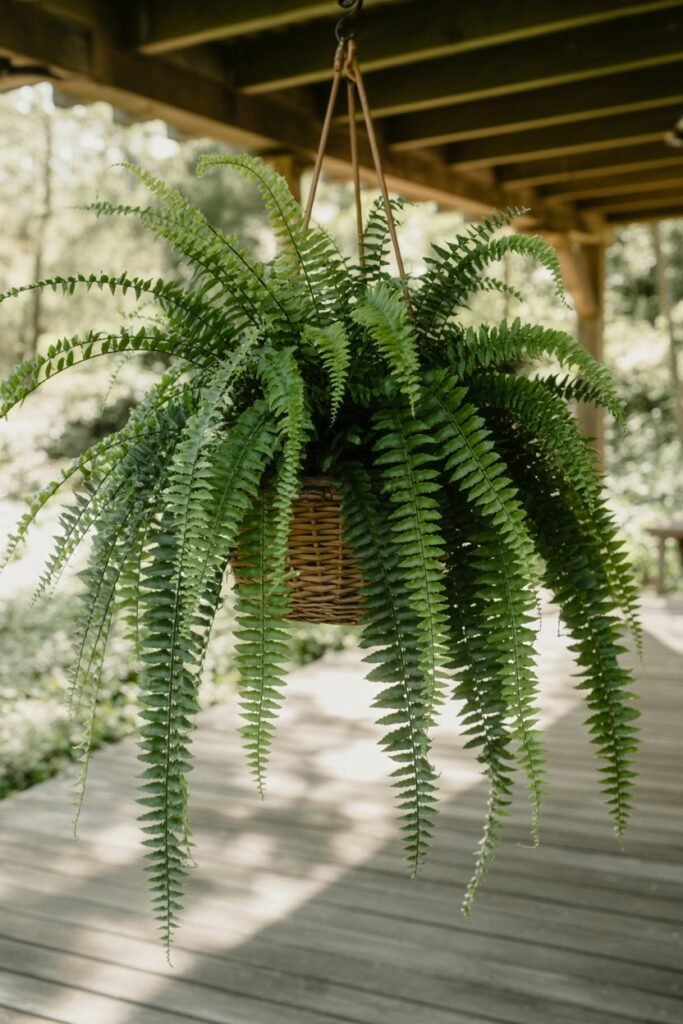
Ferns create softness and movement.
Great potted varieties:
- Boston fern
- Maidenhair fern
- Kimberly queen fern
Care:
- High humidity
- Never let soil fully dry
- Occasional misting
They transform a space into something peaceful and lush.
Caladium
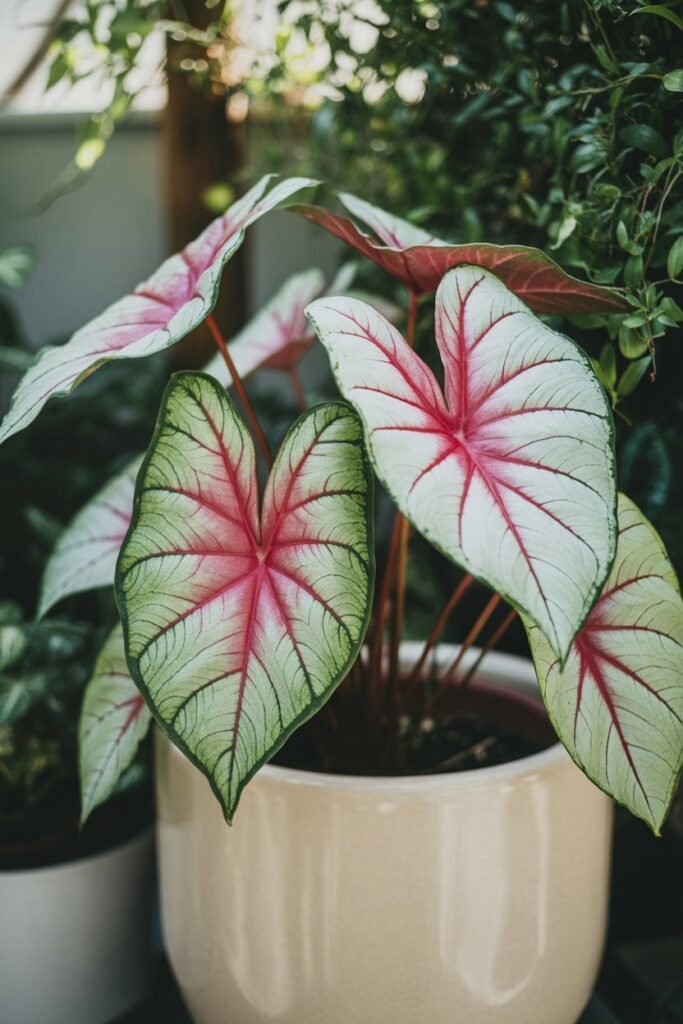
Caladiums glow in shade.
Heart-shaped leaves in:
- Pink
- White
- Red
- Green splashes
Care:
- Warm temperatures
- Moderate watering
- Store bulbs indoors in cold climates
They bring color without relying on flowers.
Peace Lily
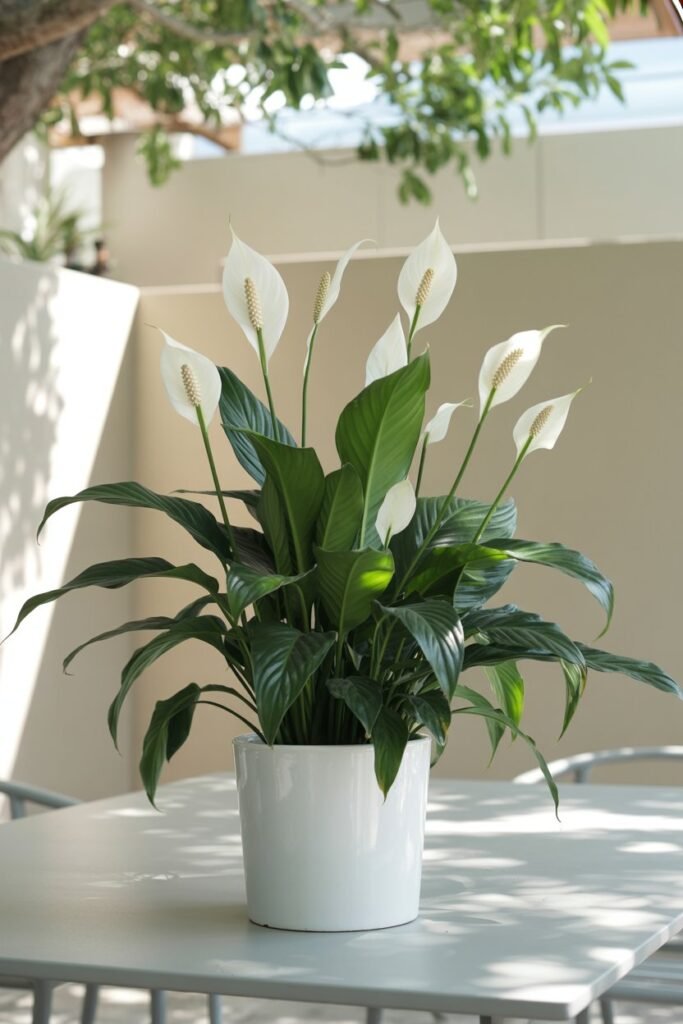
Perfect for shaded patios and indoor corners.
Why they work:
- Tolerate low light
- Glossy leaves
- Elegant white blooms
Care:
- Water when leaves slightly droop
- Wipe leaves for shine
- Avoid direct sun
They bring a calm, clean aesthetic.
Designing Shade Containers Like a Pro
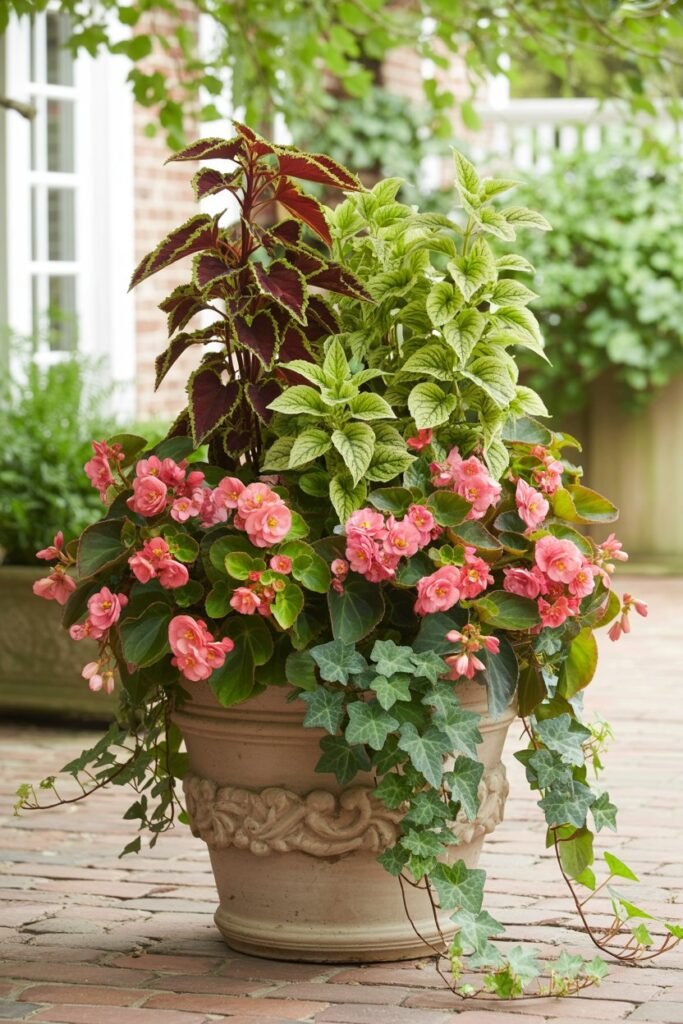
When designing, I follow the classic formula:
Thriller, Filler, Spiller
- Thriller: Tall focal plant (Coleus, Hosta)
- Filler: Rounded plants (Begonias, Impatiens)
- Spiller: Trailing plants (Creeping Jenny, ivy)
Layer heights intentionally. Shade gardens are more about texture than brightness.
Watering in Shade: The Hidden Danger
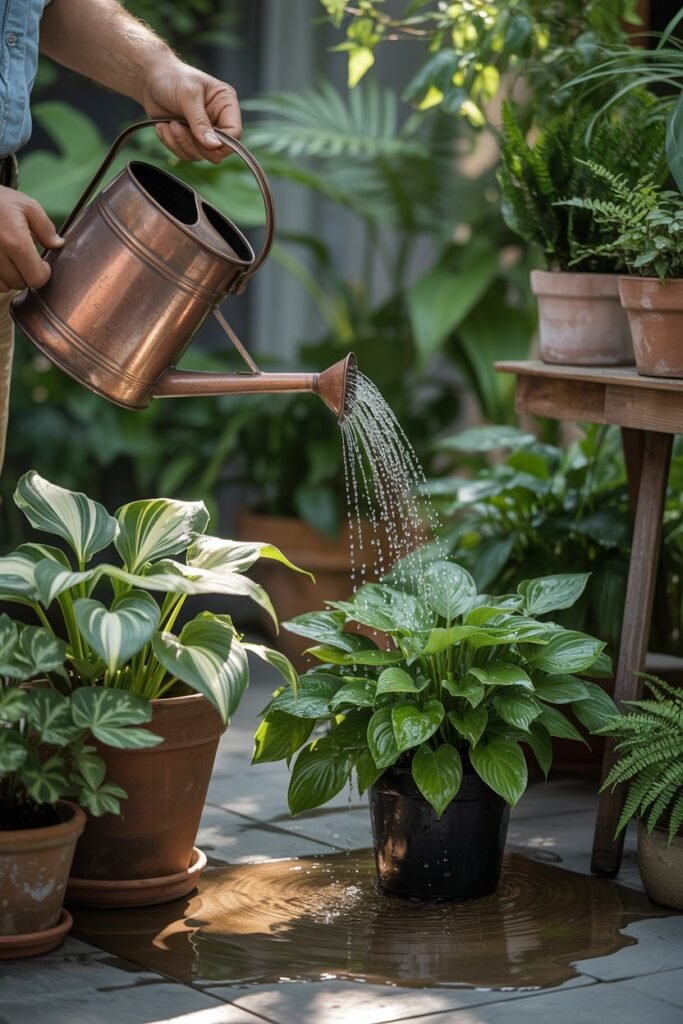
Overwatering kills more shade plants than neglect.
My watering routine:
- Insert finger 2 inches into soil.
- If dry → water slowly.
- If moist → wait.
Water early in the day to reduce fungal issues.
Feeding Schedule for Shade Pots
Because growth is slower in shade:
- Slow-release fertilizer every 2–3 months
- Diluted liquid fertilizer once monthly during active growth
Avoid heavy nitrogen it causes weak, leggy growth.
Seasonal Shade Care
Spring
- Refresh soil top layer
- Divide overcrowded perennials
- Begin light feeding
Summer
- Monitor humidity
- Watch for fungal issues
- Prune leggy growth
Fall
- Reduce feeding
- Remove dead foliage
- Prepare tropical plants for indoor transition
Winter
- Protect pots from freezing
- Water sparingly
- Avoid fertilizing
Common Problems in Shade Containers
Yellow Leaves
Usually overwatering.
Powdery Mold
Improve airflow and reduce watering.
Leggy Plants
Move slightly closer to brighter indirect light.
Fungus Gnats
Allow soil to dry more between watering.
Creating Atmosphere in a Shaded Garden
Shade gardens feel intimate.
Enhance with:
- Lanterns
- Soft string lights
- Light-colored gravel
- Wooden benches
- Cream or white flowers to brighten darkness
Shade gardening is about mood as much as plants.
Final Thoughts
Working with shade taught me something I didn’t expect — slower growth can be more beautiful.
Potted plants for the shade don’t scream for attention. They whisper. They layer. They soften hard corners. They invite you to sit down and stay awhile.
If you’re beginning your own shade container garden, start gently. Choose one large pot. Pick one foliage plant and one flowering plant. Prepare your soil carefully. Water intentionally.
And let the quiet corners bloom.
