
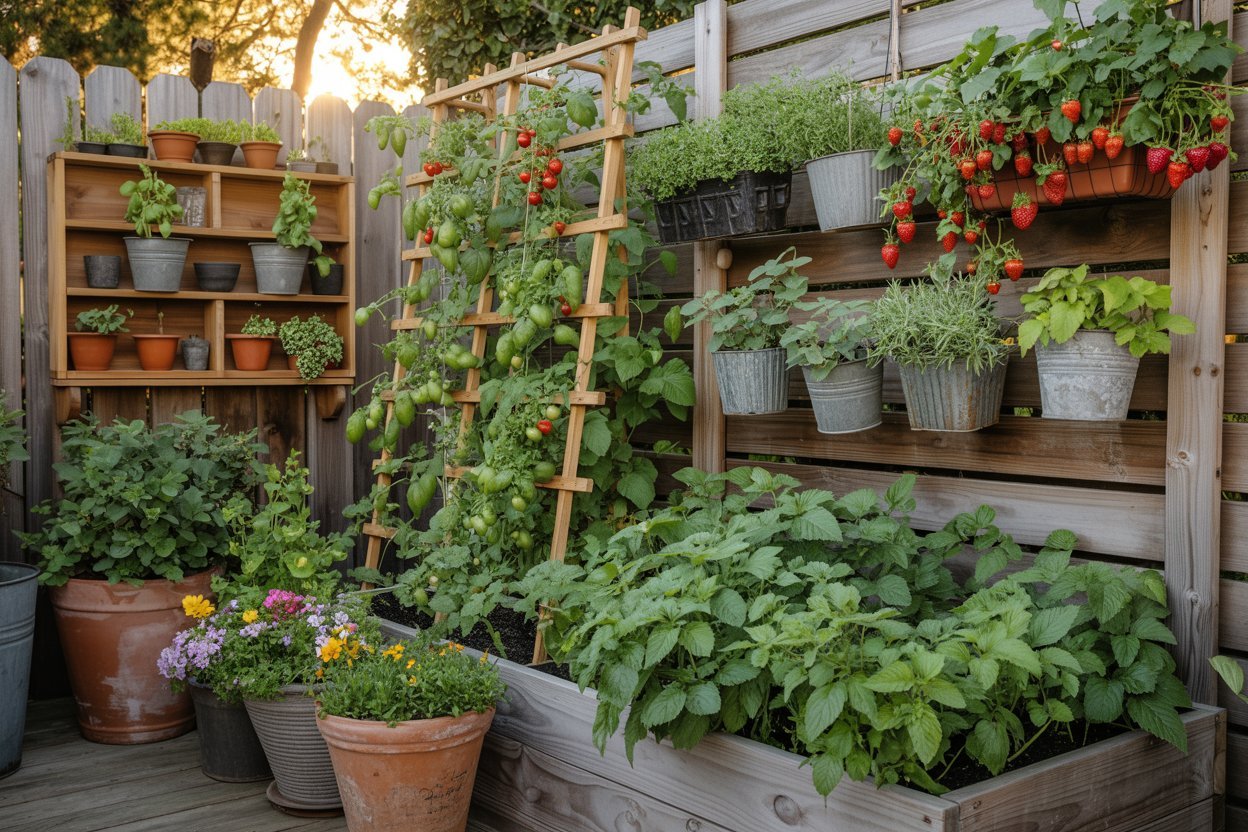

My love for gardening started in a small space that felt almost impossible to work with. The yard was tiny, the patio even smaller, and every pot I added seemed to steal precious walking room.
Instead of feeling discouraged, I started looking upward. Walls, fences, railings, and even old ladders suddenly looked like opportunities rather than obstacles.
That small shift completely changed the way I garden.
Vertical gardening opened up a whole new world for me. Plants that once crowded the ground could now climb, trail, and stretch upward.
Tomatoes climbed neatly along trellises, herbs hung in pockets along the fence, and strawberries spilled beautifully from stacked planters. My little space suddenly felt lush, productive, and incredibly charming.
Growing vertically isn’t just about saving space although that is a wonderful benefit. It also improves airflow, reduces certain pests and diseases, makes harvesting easier, and adds beautiful layers of greenery to your garden.
If you’re working with a small yard, balcony, patio, or simply want to make better use of your garden space, vertical gardening might become your favorite gardening trick too.
In this guide, I’ll walk you through everything I’ve learned about growing upward from choosing the right structures to selecting the best plants so you can create a thriving vertical garden of your own.
What Is Vertical Gardening?
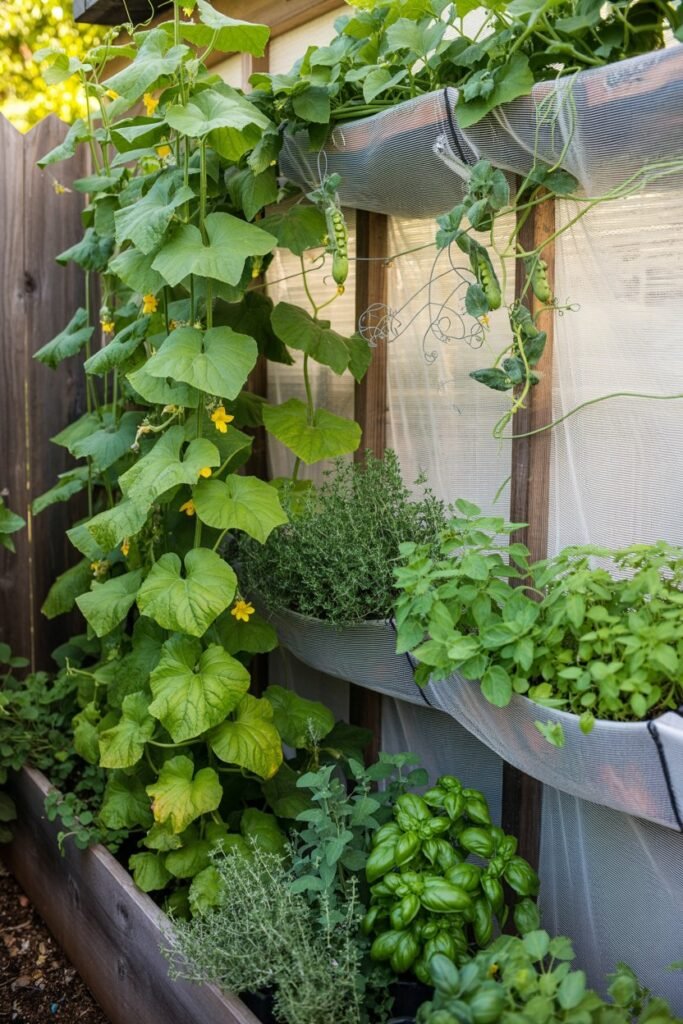
Vertical gardening is exactly what it sounds like: growing plants upward instead of letting them spread across the ground.
Instead of taking up horizontal space, plants climb, trail, or grow along structures like trellises, walls, fences, towers, and stacked planters.
When I first started gardening, almost everything I planted lived in traditional garden beds or pots sitting on the ground. That worked for a while, but space filled up quickly.
Adding a simple trellis for cucumbers was the moment everything changed. The plants grew taller, healthier, and suddenly I had room for more vegetables underneath.
Vertical gardening works by supporting plants with structures that encourage upward growth. Some plants naturally climb using tendrils or vines, like beans and cucumbers.
Others need gentle guidance, like tomatoes or peas, which can be tied to supports as they grow.
One of the most beautiful things about vertical gardening is how versatile it is. You can create vertical gardens using:
- Trellises
- Garden arches
- Wall planters
- Hanging pockets
- Plant towers
- Ladder shelves
- Pallet gardens
Each method allows plants to grow in layers, which makes the garden look fuller and more interesting.
Another wonderful advantage is improved plant health. When plants grow vertically, they receive better airflow and sunlight. Leaves dry faster after watering or rain, which helps prevent fungal diseases.
Harvesting also becomes easier because fruits and vegetables hang freely rather than hiding under dense leaves.
Vertical gardening works for vegetables, herbs, flowers, and even some fruits. Whether you have a large backyard or just a balcony, growing upward can dramatically expand what your garden can produce.
Why Vertical Gardening Is Perfect for Small Spaces
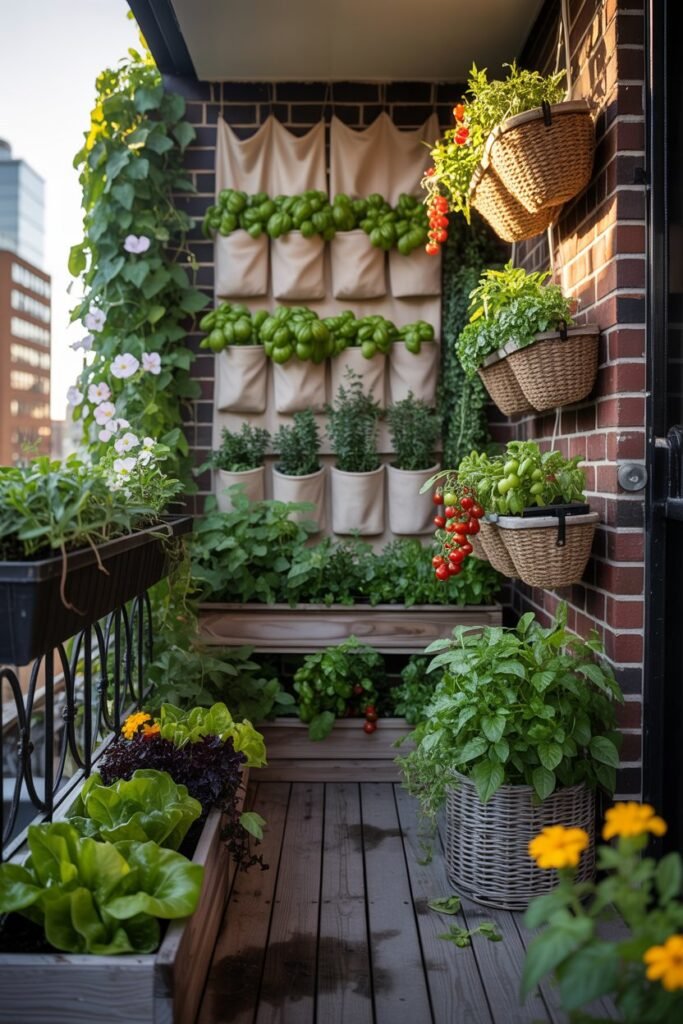
One of the biggest challenges many gardeners face is limited space. Not everyone has room for large garden beds or sprawling vegetable patches. Vertical gardening solves that problem in such a clever and beautiful way.
When I started experimenting with vertical growing methods, I quickly realized how much unused space existed in my garden.
Fences, walls, and railings were just sitting there empty, even though they had so much potential.
By adding a few simple vertical structures, the entire garden suddenly became more productive.
Instead of spreading plants across the ground, vertical gardening uses height. This means you can grow significantly more plants in the same area.
A single trellis can support multiple cucumber vines, a tower planter can hold dozens of strawberry plants, and a wall garden can grow an entire collection of herbs.
Vertical gardening is especially perfect for:
- Balconies
- Small backyards
- Patio gardens
- Urban gardens
- Apartment gardening
- Tiny courtyard spaces
Another thing I love about vertical gardening is how organized everything feels. Plants grow neatly upward rather than sprawling across walkways.
Harvesting becomes easier too, since vegetables are often at eye level rather than hidden beneath leaves.
Small-space gardeners also benefit from better light exposure. When plants grow upward, more leaves receive sunlight instead of being shaded by neighboring plants. This can lead to stronger growth and healthier harvests.
Even if you already have a decent-sized garden, vertical growing can help maximize productivity.
Growing upward allows you to add layers to your garden, which means you can produce more food without expanding your footprint.
Best Structures for Vertical Gardening
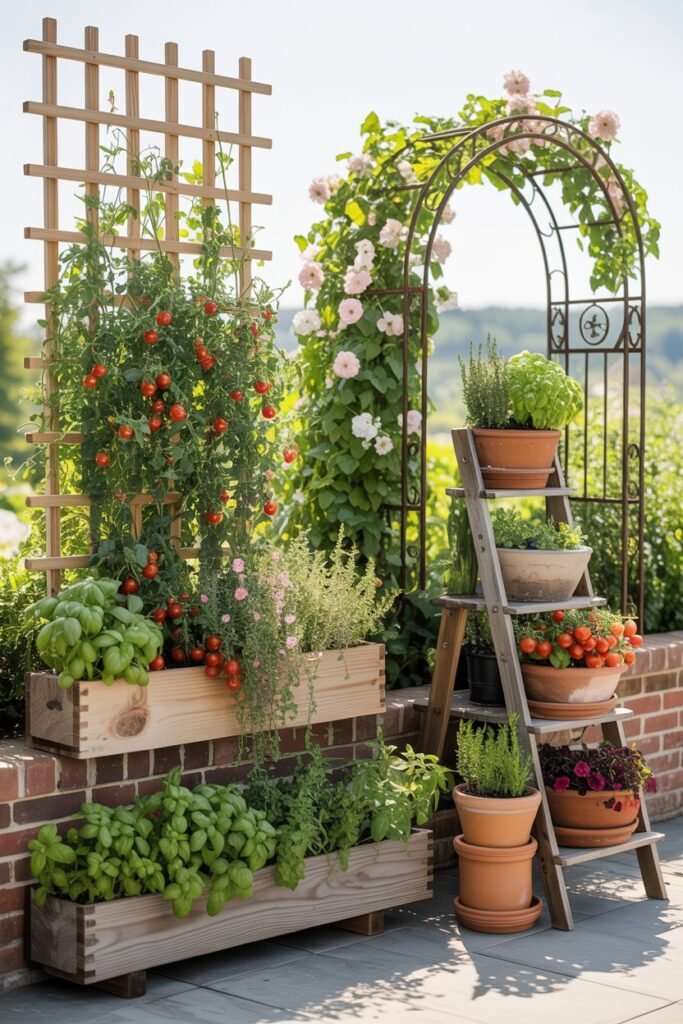
Choosing the right support structure is one of the most exciting parts of vertical gardening. These structures not only help plants grow properly but also add beauty and character to the garden.
Over the years, I’ve experimented with many different vertical supports, and each one has its own charm and usefulness depending on what you want to grow.
Trellises
Trellises are one of the most common vertical gardening tools. They’re perfect for climbing vegetables like beans, cucumbers, peas, and some types of squash.
A simple wooden or metal trellis can be placed in garden beds or large containers. As plants grow, they naturally climb the structure or can be gently tied to it.
Garden Arches
Garden arches are both functional and beautiful. They create a lovely walkway while supporting climbing plants.
I especially love using arches for:
- Pole beans
- Cucumbers
- Climbing roses
- Sweet peas
Walking under an arch filled with greenery and hanging vegetables feels magical.
Wall Planters
Wall planters are perfect for herbs, leafy greens, and small flowers. These systems attach directly to fences or walls and hold multiple small pockets or containers.
They’re ideal for patios or balcony gardens where floor space is limited.
Plant Towers
Plant towers allow you to grow dozens of plants vertically in stacked layers. These are wonderful for strawberries, lettuce, spinach, and herbs.
Because towers grow upward in a compact footprint, they’re incredibly efficient.
Garden Obelisks and Tripods
Obelisks and tripod supports are excellent for container gardens. These structures provide vertical support for climbing plants while keeping everything contained in a single pot.
They’re particularly useful for tomatoes, beans, and peas.
Adding vertical structures doesn’t just improve plant growth it transforms the visual appeal of your garden as well.
Best Plants for Vertical Gardening
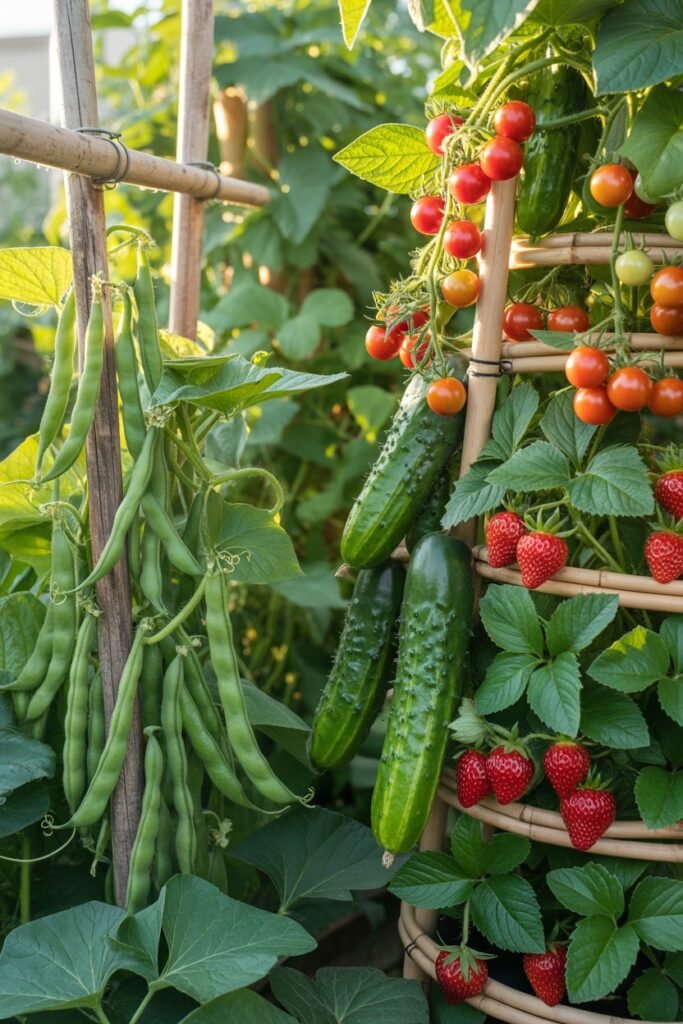
Not every plant enjoys climbing, but many garden favorites absolutely thrive when given vertical support.
Choosing the right plants makes vertical gardening much easier and more productive. Over time, I’ve discovered that certain vegetables, fruits, and flowers seem to love growing upward.
Climbing Vegetables
Many vegetables naturally climb or vine, making them perfect candidates for vertical gardens.
Some of the best include:
- Pole beans
- Cucumbers
- Peas
- Cherry tomatoes
- Malabar spinach
- Small squash varieties
Pole beans are one of my personal favorites. They grow quickly, climb beautifully, and produce a surprisingly large harvest in a small space.
Fruiting Plants
Some fruiting plants can also grow vertically with proper support.
Great options include:
- Strawberries (in vertical towers)
- Melons (with strong trellises)
- Passionfruit
- Grapes
When growing heavier fruits like melons, using fabric slings to support the fruit helps prevent the vines from breaking.
Leafy Greens
Leafy greens work wonderfully in vertical systems like wall pockets and towers.
Some great choices include:
- Lettuce
- Spinach
- Kale
- Arugula
- Swiss chard
Because these plants don’t grow too large, they adapt well to stacked planters or pocket gardens.
Herbs
Herbs are perfect for vertical growing and look beautiful in wall gardens.
Some favorites include:
- Basil
- Thyme
- Parsley
- Mint
- Oregano
- Chives
Having herbs growing vertically near the kitchen door makes harvesting incredibly convenient.
How to Start a Vertical Garden Step-by-Step
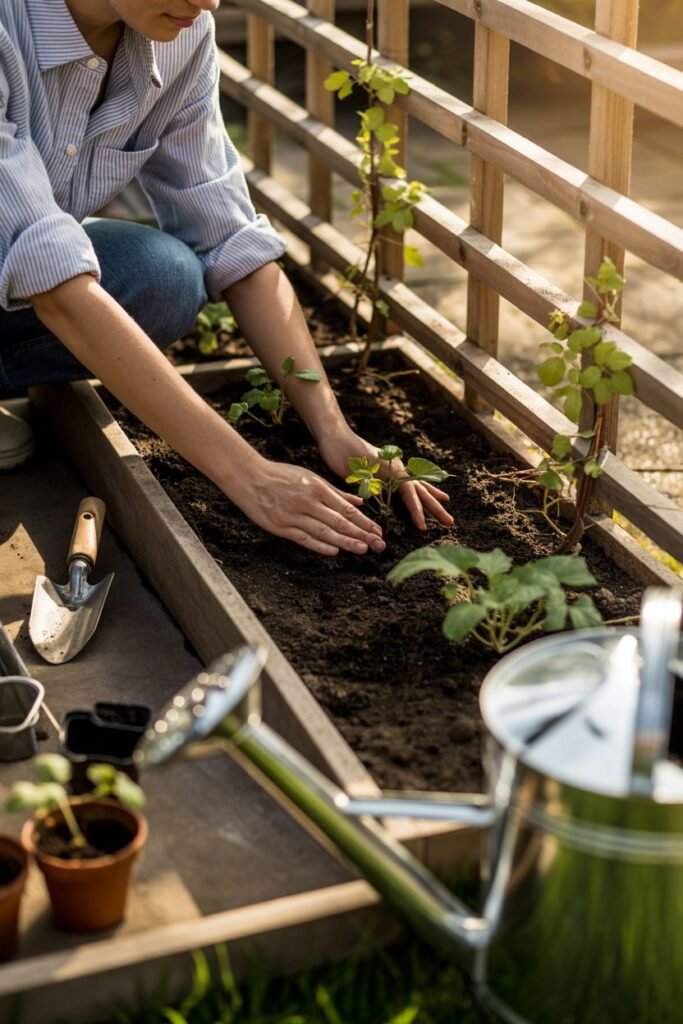
Starting a vertical garden might seem complicated at first, but the process is actually quite simple once you break it down into manageable steps.
When I built my first vertical garden, I kept things very basic. A trellis, a few climbing plants, and good soil were all it took to begin.
Step 1: Choose the Right Location
Most vegetables and herbs require at least 6–8 hours of sunlight per day. Before installing any vertical structures, spend a few days observing how sunlight moves across your space.
Walls and fences facing south or west typically receive the most light.
Step 2: Select Your Vertical Structure
Choose a support system that fits both your space and the plants you want to grow.
Examples include:
- Trellises for climbing vegetables
- Wall pockets for herbs
- Towers for strawberries and greens
- Arches for decorative climbers
Make sure the structure is sturdy enough to support mature plants.
Step 3: Use High-Quality Soil
Healthy soil makes a huge difference in plant success. Container-based vertical gardens especially benefit from rich, well-draining soil mixes.
I always mix compost into my soil to provide extra nutrients.
Step 4: Plant Carefully
When planting climbers, place seeds or seedlings near the base of the support structure. This encourages vines to start climbing immediately.
Spacing also matters. Even though plants grow upward, their roots still need enough room.
Step 5: Train and Support Plants
Some plants naturally climb, while others need gentle guidance.
Using soft garden ties, loosely attach vines to the trellis as they grow. Avoid tying stems too tightly because plants need room to expand.
With just a little attention early on, most climbing plants will quickly learn to grow upward on their own.
Common Vertical Gardening Mistakes to Avoid
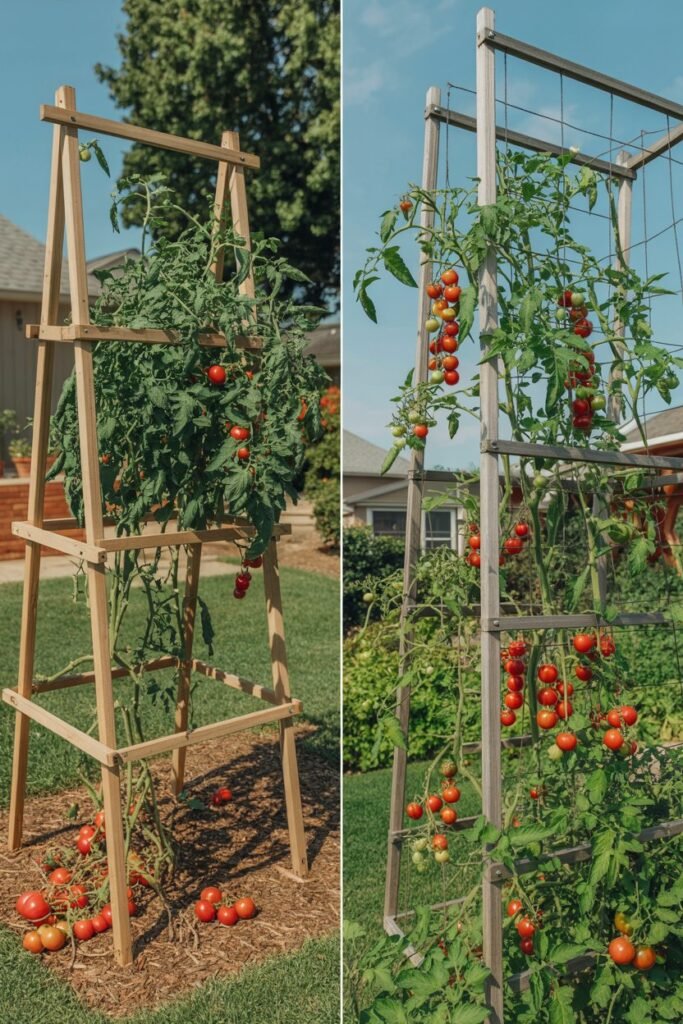
Vertical gardening is simple once you get the hang of it, but a few common mistakes can make things harder than they need to be. I certainly made my share of these mistakes when I first started experimenting with growing upward.
Learning from them made a huge difference in how successful my vertical garden became.
Using Weak Structures
One of the earliest mistakes I made was choosing a trellis that looked pretty but wasn’t strong enough. At first it worked fine, but once the tomato plants grew heavy with fruit, the whole structure started leaning.
Climbing plants can become surprisingly heavy, especially when they are full of leaves and produce. Cucumbers, melons, and tomatoes can quickly overwhelm weak supports.
Always choose sturdy materials like metal, thick wood, or reinforced plastic. Strong structures ensure your plants stay safe throughout the growing season.
Overcrowding Plants
Vertical gardening saves space, but that doesn’t mean plants should be crowded together.
Each plant still needs adequate root space, airflow, and sunlight. When plants grow too close together, leaves overlap, air circulation decreases, and diseases can spread more easily.
Following proper spacing recommendations helps plants stay healthy and productive.
Forgetting to Water Properly
Vertical gardens often dry out faster than traditional garden beds, especially when they’re grown in containers or wall planters.
Soil in elevated containers can lose moisture quickly due to increased airflow and sun exposure. Regular watering becomes essential.
Adding compost, mulch, or moisture-retaining soil mixes helps keep roots hydrated longer.
Ignoring Plant Weight
Some gardeners try to grow very large vegetables vertically without providing proper support.
Heavy fruits like pumpkins or large melons can damage vines if the weight isn’t supported. Fabric slings or small hammocks can help hold developing fruit safely.
Avoiding these common mistakes helps ensure your vertical garden remains strong, healthy, and productive.
Final Thoughts
Vertical gardening completely transformed the way I look at garden space. Instead of feeling limited by square footage, I began seeing endless possibilities in the height around me.
Walls became living gardens. Fences turned into lush green backdrops. Even the smallest patio started producing fresh vegetables and herbs.
Growing upward allows gardeners to produce more food, improve plant health, and create beautiful layered gardens that feel full of life.
It also brings a sense of creativity into gardening, encouraging us to think beyond traditional planting methods.
If your garden feels cramped or underutilized, consider looking up instead of out.
A simple trellis, a climbing plant, and a bit of curiosity might be all it takes to transform your space into a thriving vertical garden.
And once you see those vines stretching toward the sky, you may never look at your garden the same way again.
