
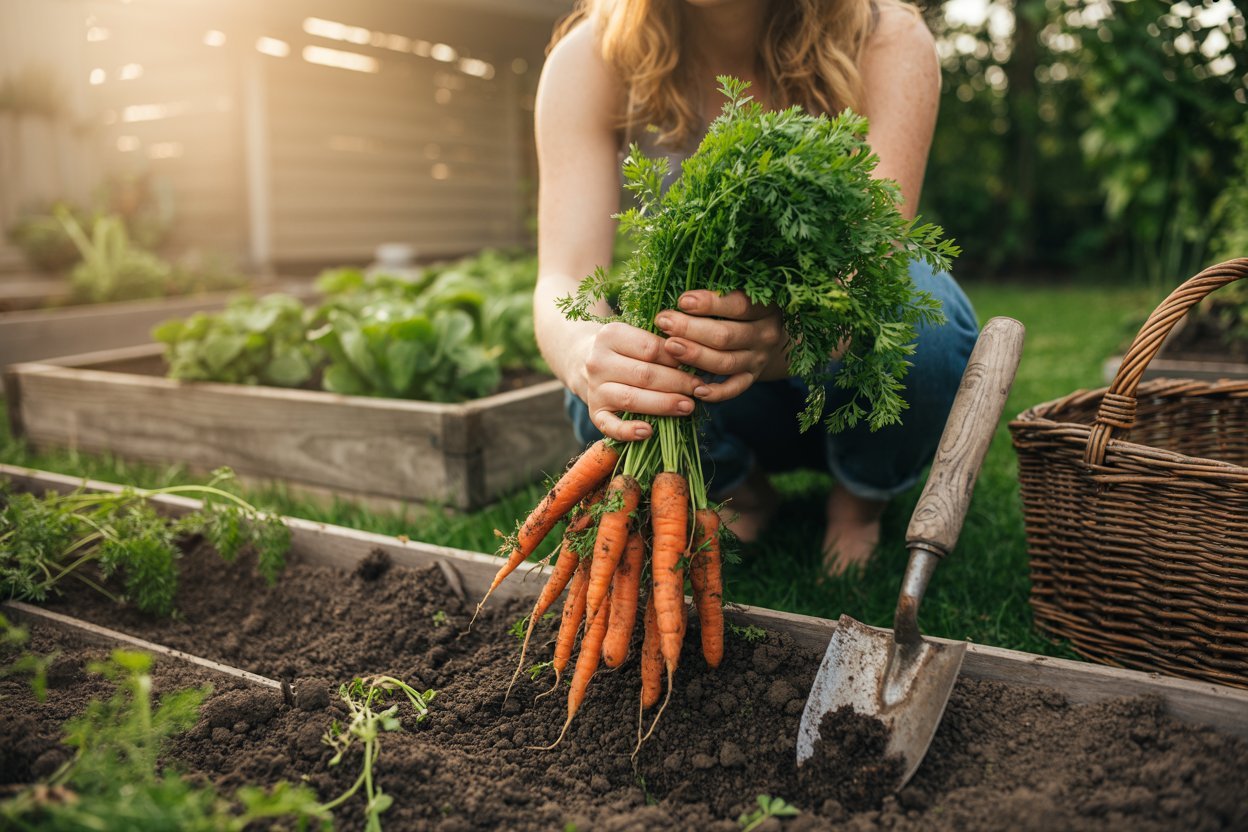

Growing carrots has always felt a little magical to me. One moment you’re sprinkling tiny seeds into the soil, and weeks later you’re gently pulling out vibrant orange roots that look like they came straight from a storybook garden.
Carrots are one of those vegetables that remind me why gardening is so rewarding. They’re simple, beautiful, nutritious, and incredibly satisfying to grow at home.
Every time I harvest them, I still feel that little spark of excitement wondering how big they grew beneath the soil.
Homegrown carrots taste sweeter, fresher, and far more flavorful than most store-bought ones. Once you start growing them yourself, it becomes difficult to go back to buying them from the grocery store.
In this guide, I’m sharing everything I’ve learned over the years about growing carrots successfully. From choosing the right varieties to preparing the perfect soil, these 10 best tips for growing carrots will help you grow healthy, straight, and delicious roots in your own garden.
Whether you’re planting in a backyard bed, a raised garden, or even containers, this guide will walk you through the entire process step by step.
Why I Recommend Growing Carrots at Home
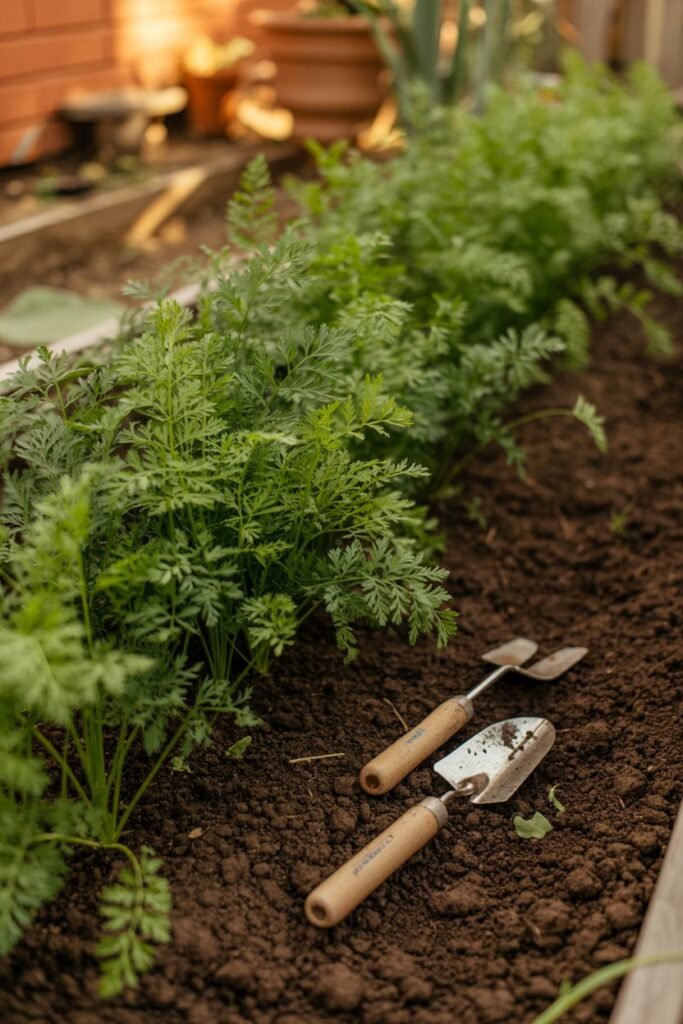
Carrots are one of my favorite vegetables to recommend to new gardeners. They’re surprisingly easy to grow once you understand their needs, and they fit beautifully into almost any garden space.
Here are a few reasons carrots are perfect for home gardens.
They Don’t Take Up Much Space
Carrots grow downward instead of outward, which means you can grow a lot of them in a small area. Even a narrow garden bed can produce a generous harvest.
They Store Well
When harvested properly, carrots can last weeks in the refrigerator and even longer when stored in cool conditions.
They Grow in Containers
Many gardeners don’t realize that carrots grow wonderfully in containers. Deep pots or grow bags work perfectly.
They Taste Better Homegrown
Fresh carrots have a natural sweetness that’s often missing in store-bought ones.
They’re Great for Beginner Gardeners
Once the soil is prepared correctly, carrots are fairly low maintenance.
Different Varieties of Carrots You Can Grow
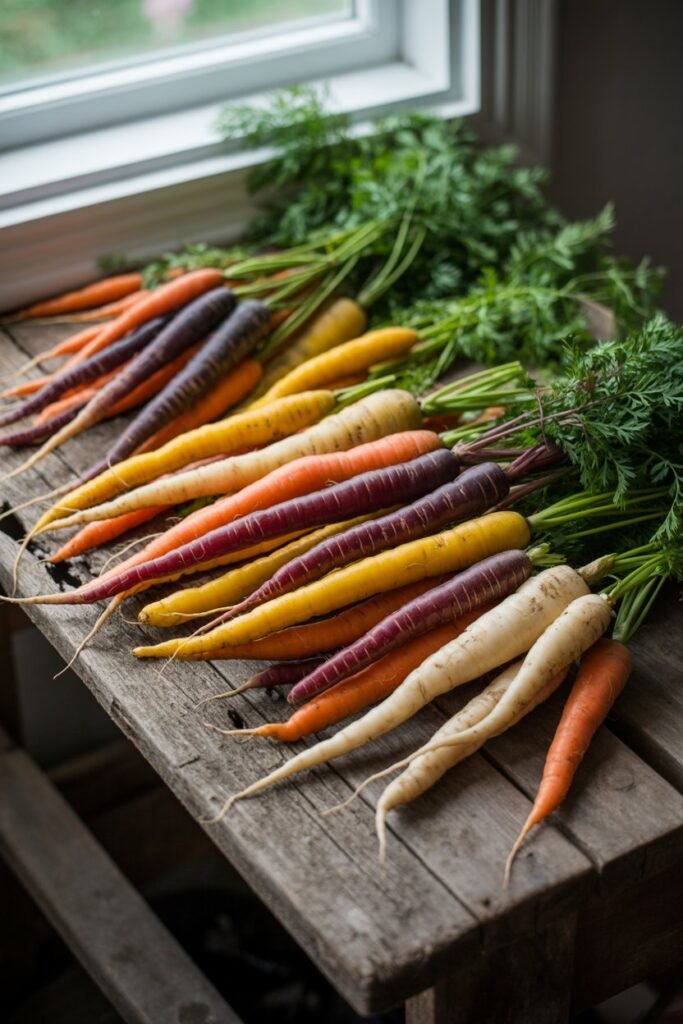
One of the most enjoyable parts of growing carrots is choosing from the many beautiful varieties available. Carrots aren’t just orange—they come in purple, yellow, red, and white.
Here are some popular types gardeners love.
Nantes Carrots
Nantes carrots are one of the most popular varieties for home gardeners.
They have:
- Smooth skin
- Sweet flavor
- Straight cylindrical roots
They’re excellent for beginners and grow well in loose soil.
Imperator Carrots
These are the long, slender carrots you usually see in grocery stores.
They grow best in deep, loose soil because their roots grow quite long.
Chantenay Carrots
Chantenay carrots are shorter and thicker.
They’re perfect for:
- Heavy soil
- Clay soil
- Raised beds
Danvers Carrots
Danvers carrots are hardy and adaptable.
They tolerate poorer soil conditions better than many other varieties and still produce good roots.
Mini or Baby Carrots
These small varieties are ideal for containers and shallow soil.
Examples include:
- Little Finger
- Parisian Round
Rainbow Carrots
Rainbow carrots are incredibly fun to grow.
You can find:
- Purple carrots
- Yellow carrots
- Red carrots
- White carrots
They add color and excitement to meals and gardens.
Health Benefits of Carrots
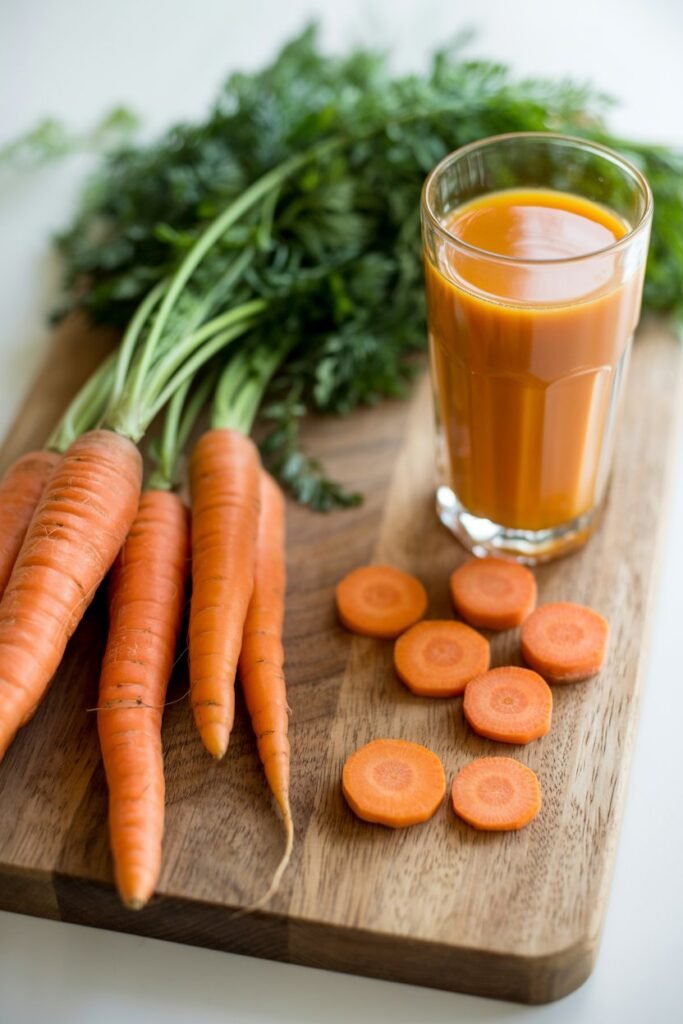
Carrots aren’t just delicious they’re also packed with nutrients that support overall health.
Rich in Vitamin A
Carrots are famous for their beta-carotene, which the body converts into Vitamin A.
This helps support:
- Healthy vision
- Skin health
- Immune system function
Supports Eye Health
The nutrients in carrots support eye health and may help maintain good vision.
High in Antioxidants
Carrots contain antioxidants that help fight inflammation and protect the body from harmful free radicals.
Good for Heart Health
Carrots contain fiber and potassium, which support healthy blood pressure and heart health.
Supports Digestion
The fiber in carrots helps maintain healthy digestion and gut health.
Understanding How Carrots Grow
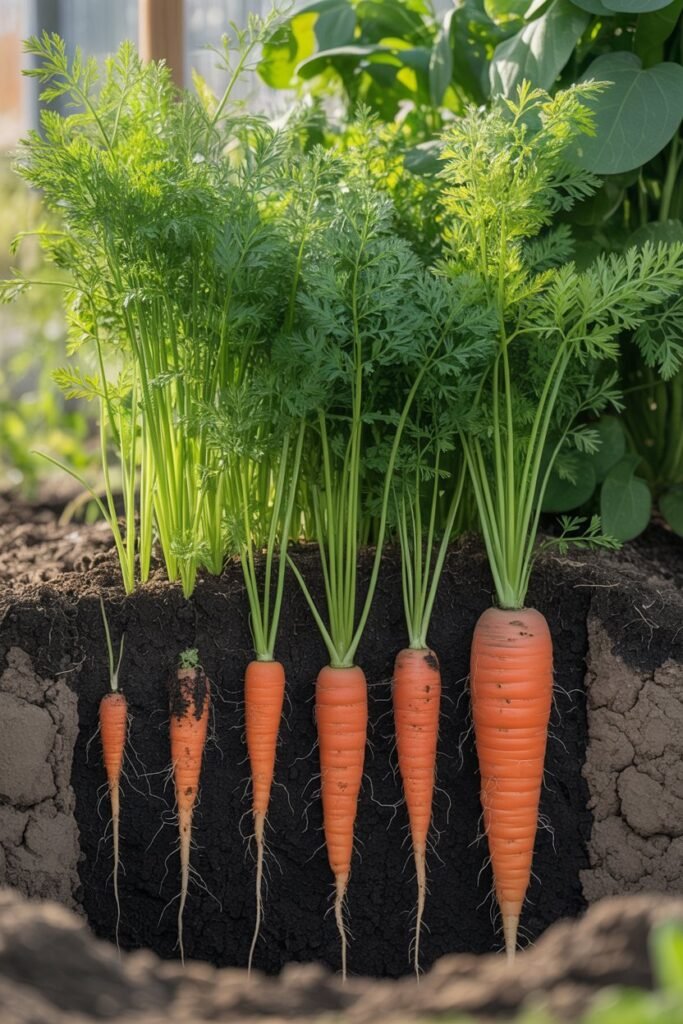
Carrots are root vegetables, which means the part we eat grows underground.
Because of this, the soil structure plays a huge role in how successful your crop will be.
If the soil is compacted, rocky, or heavy, carrots may grow:
- Twisted
- Short
- Forked
Loose, well-prepared soil allows carrots to grow long, straight, and beautiful.
10 Best Tips for Growing Carrots Successfully
Now let’s walk through the most important tips that help carrots thrive in the garden.
1. Choose the Right Location
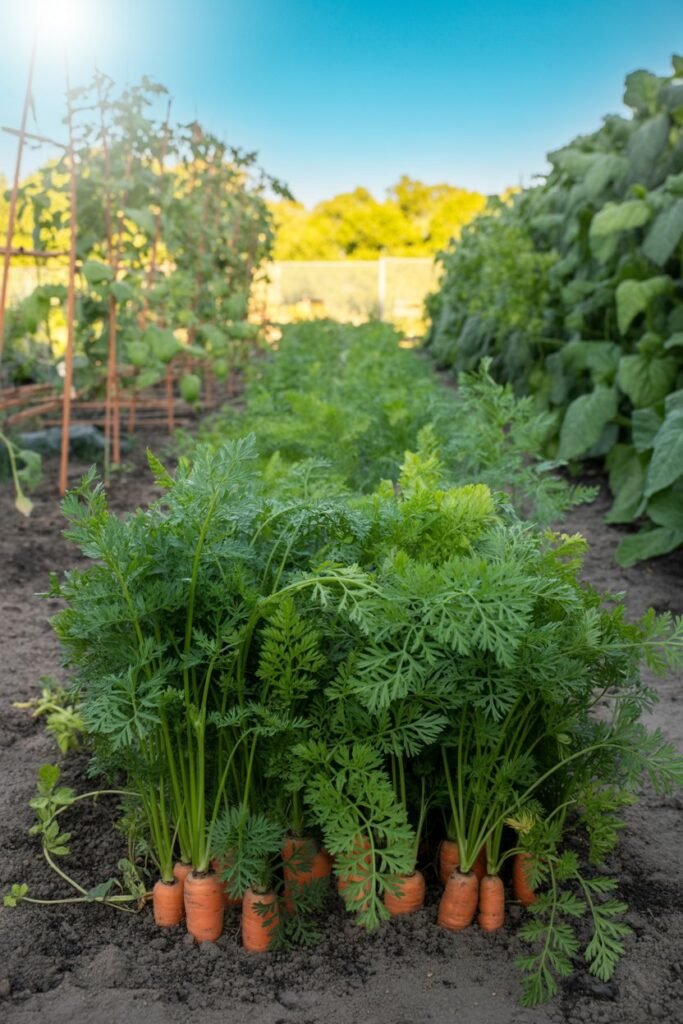
Carrots grow best in a location that receives full sunlight.
Ideally, choose a spot that gets 6–8 hours of sunlight daily.
Sunlight helps the plants produce energy, which supports strong root development.
If your garden receives partial shade, carrots can still grow, but they may mature a bit slower.
2. Prepare Loose, Deep Soil
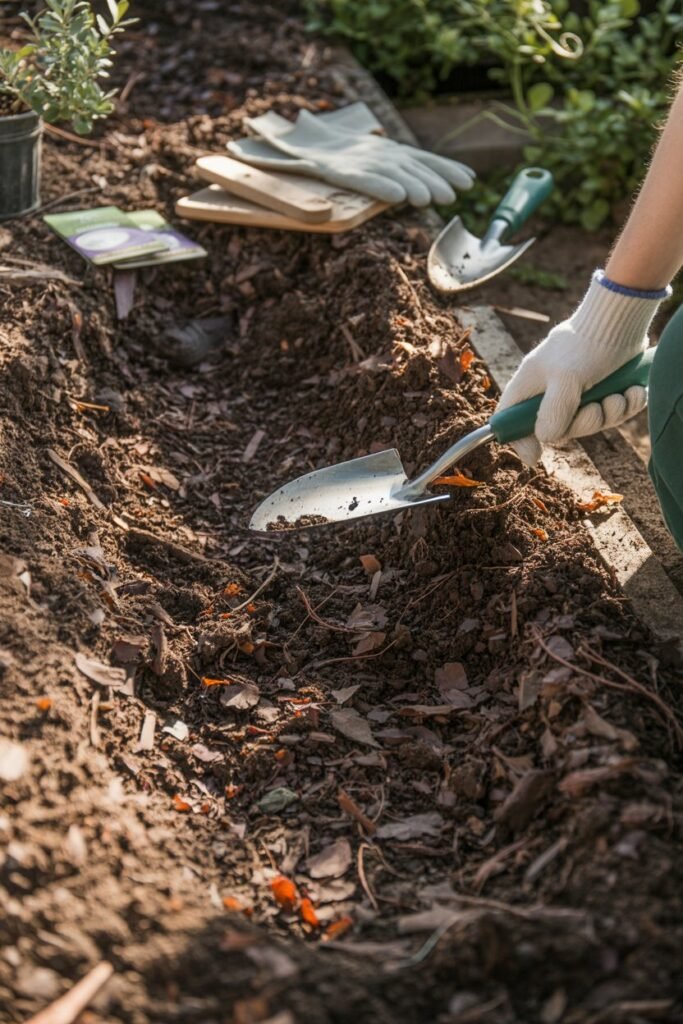
Healthy carrot roots start with the right soil.
Carrots prefer:
- Loose soil
- Well-draining soil
- Stone-free soil
Before planting, loosen the soil at least 10–12 inches deep.
Remove:
- Rocks
- Roots
- Debris
Adding compost helps improve soil texture and nutrients.
Avoid fresh manure, which can cause carrots to fork.
3. Plant Seeds Directly in the Garden
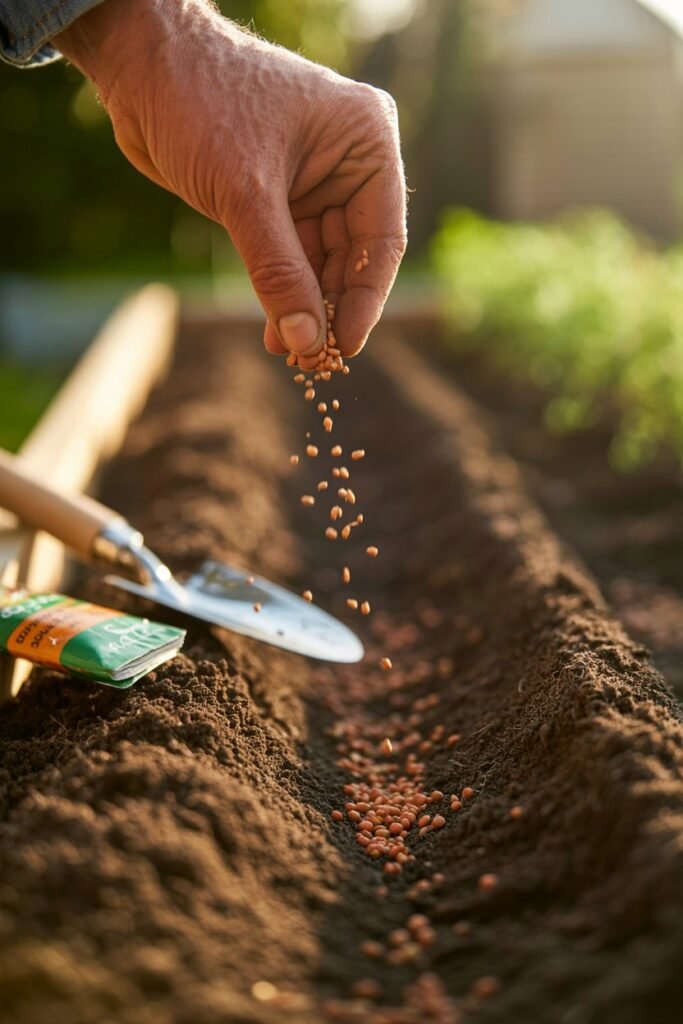
Carrots do not transplant well because disturbing the roots can affect their shape.
Always direct sow carrot seeds into the garden.
Plant seeds about:
- ¼ inch deep
- 1 inch apart
Rows should be about 12 inches apart.
Carrot seeds are very tiny, so try mixing them with sand to spread them evenly.
4. Keep the Soil Moist During Germination
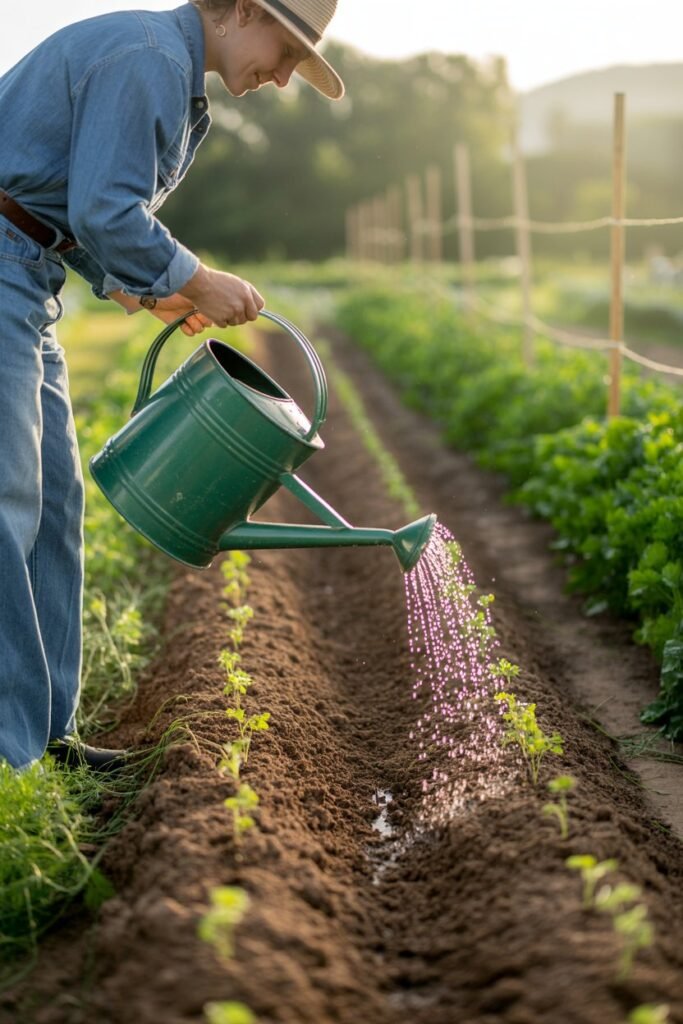
Carrot seeds can take 10–21 days to germinate.
During this time, the soil must remain consistently moist.
Dry soil can prevent seeds from sprouting.
To maintain moisture:
- Water gently every day
- Use mulch to retain moisture
- Cover rows with burlap or board until sprouting begins
5. Thin Seedlings Early
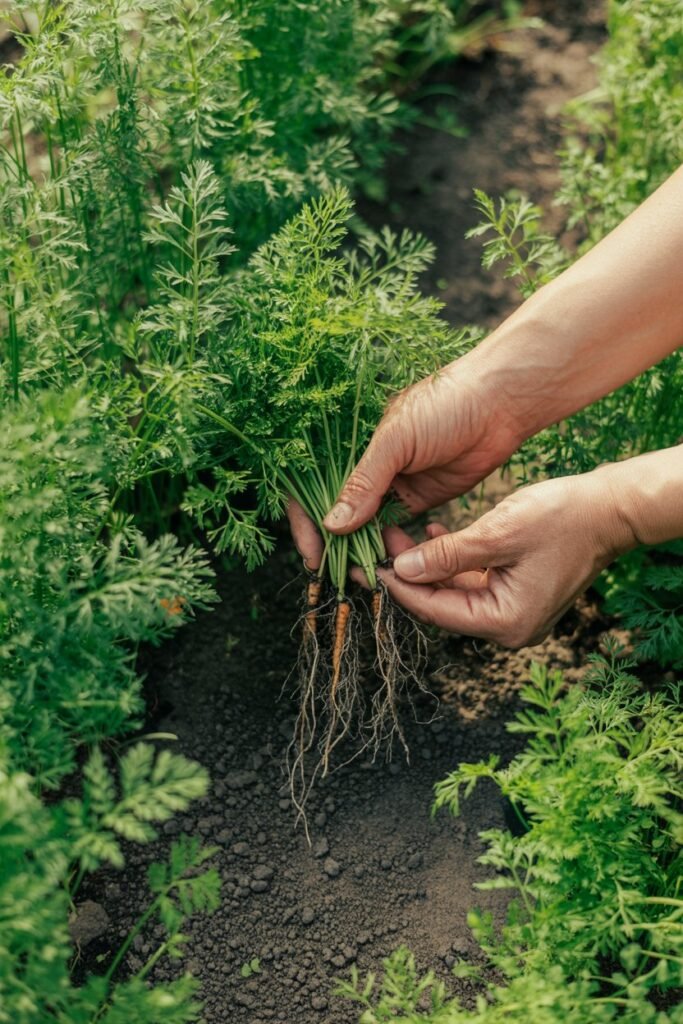
Once seedlings reach about 2 inches tall, thinning becomes necessary.
Overcrowded carrots compete for space and nutrients.
Thin them so that plants are spaced about:
2–3 inches apart
This gives each carrot enough room to grow properly.
6. Water Consistently
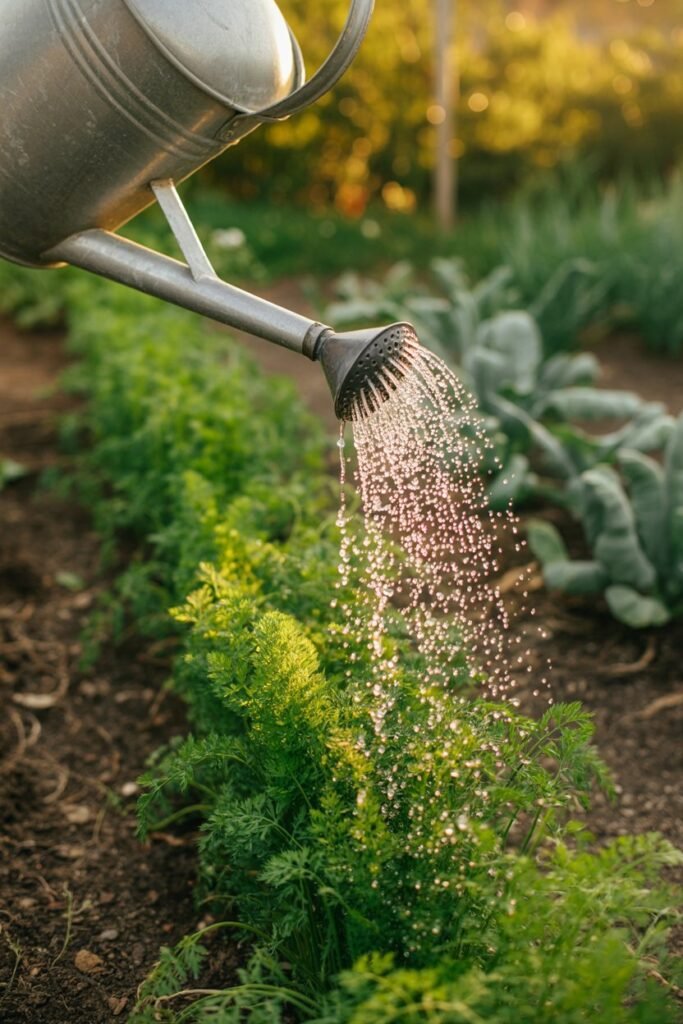
Carrots need steady moisture to grow well.
Inconsistent watering can cause problems such as:
- Cracking roots
- Tough texture
- Slow growth
Aim to give carrots about 1 inch of water per week.
Deep watering encourages roots to grow deeper into the soil.
7. Add Mulch to Protect the Soil
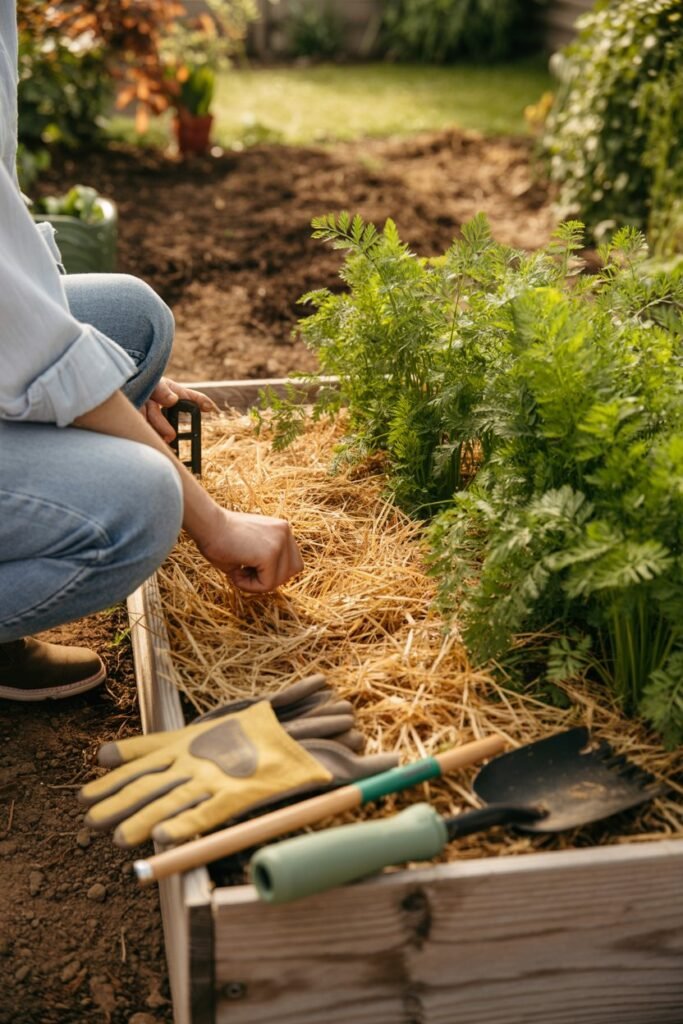
Mulching around carrot plants helps:
- Retain moisture
- Prevent weeds
- Keep soil temperatures stable
Use organic mulch such as:
- Straw
- Grass clippings
- Shredded leaves
Mulch also helps prevent the tops of carrots from turning green.
8. Control Weeds Carefully
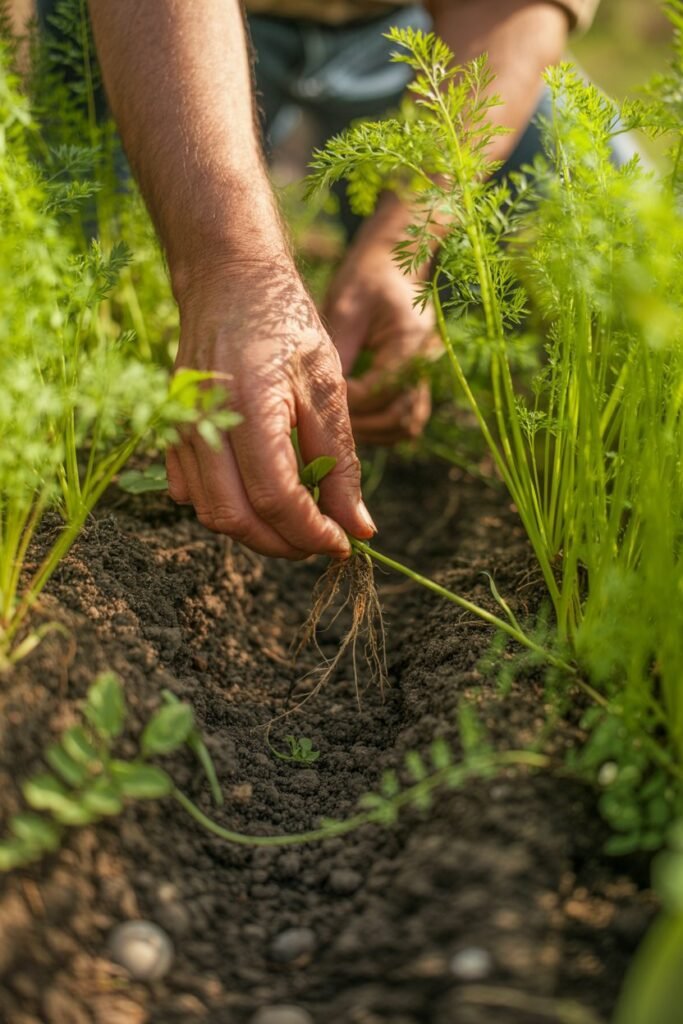
Carrot seedlings are small and delicate, which makes them vulnerable to weeds.
Weeds compete for nutrients and water.
Remove weeds gently by hand to avoid disturbing the carrot roots.
A layer of mulch helps reduce weed growth significantly.
9. Fertilize Lightly
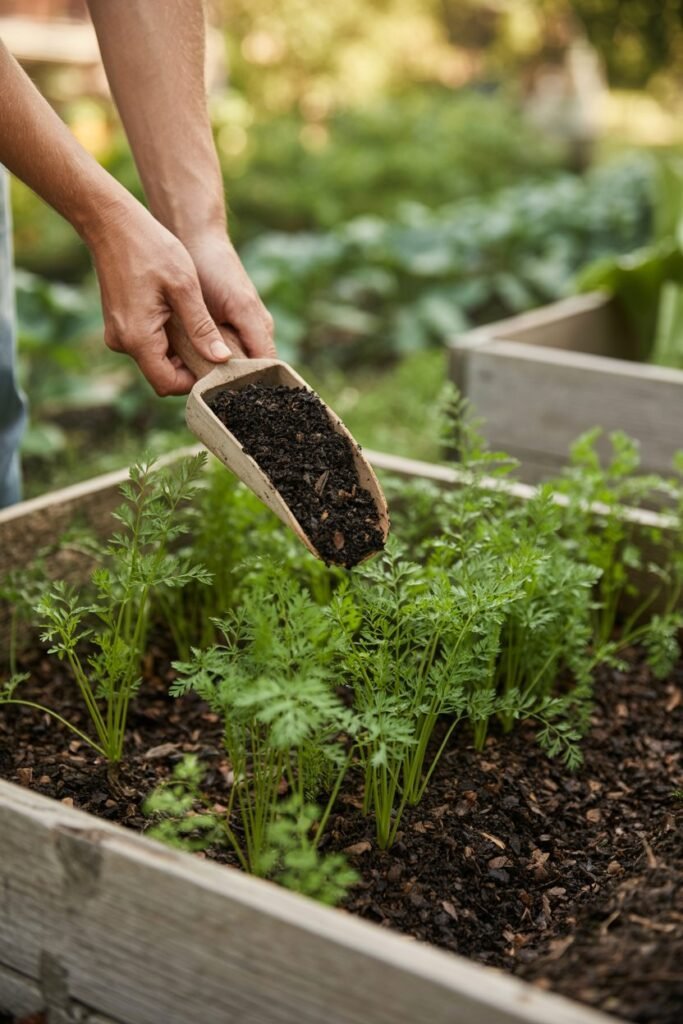
Carrots do not need heavy feeding.
Too much nitrogen encourages leafy growth instead of root development.
A balanced fertilizer or compost added before planting is usually enough.
If feeding later, choose a low-nitrogen fertilizer.
10. Harvest at the Right Time
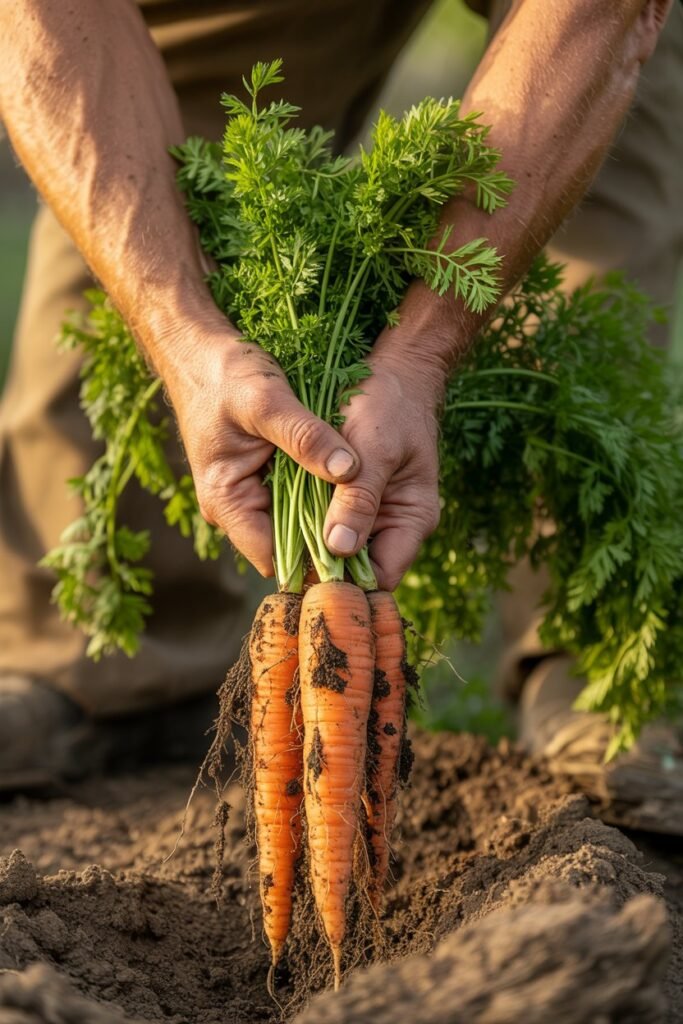
Carrots are usually ready to harvest 60–80 days after planting, depending on the variety.
Signs they’re ready include:
- Bright color at the top of the root
- Roots reaching their mature size
- Healthy green tops
To harvest:
- Loosen soil around the carrot.
- Hold the greens near the base.
- Gently pull upward.
Freshly harvested carrots are crisp, sweet, and incredibly satisfying.
Common Problems When Growing Carrots
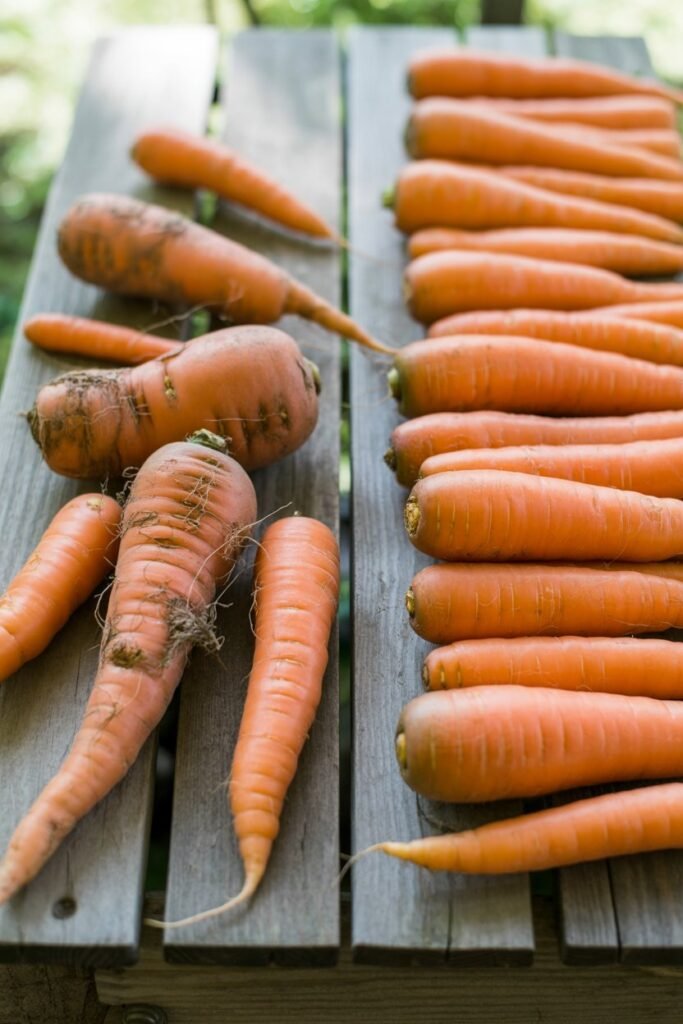
Even experienced gardeners occasionally run into carrot challenges.
Forked Carrots
Often caused by:
- Heavy soil
- Stones
- Fresh manure
Cracked Roots
Usually the result of irregular watering.
Small Carrots
Often caused by overcrowding or poor soil nutrients.
Slow Germination
Carrot seeds naturally take longer to sprout.
Keeping the soil moist helps improve germination rates.
Growing Carrots in Containers
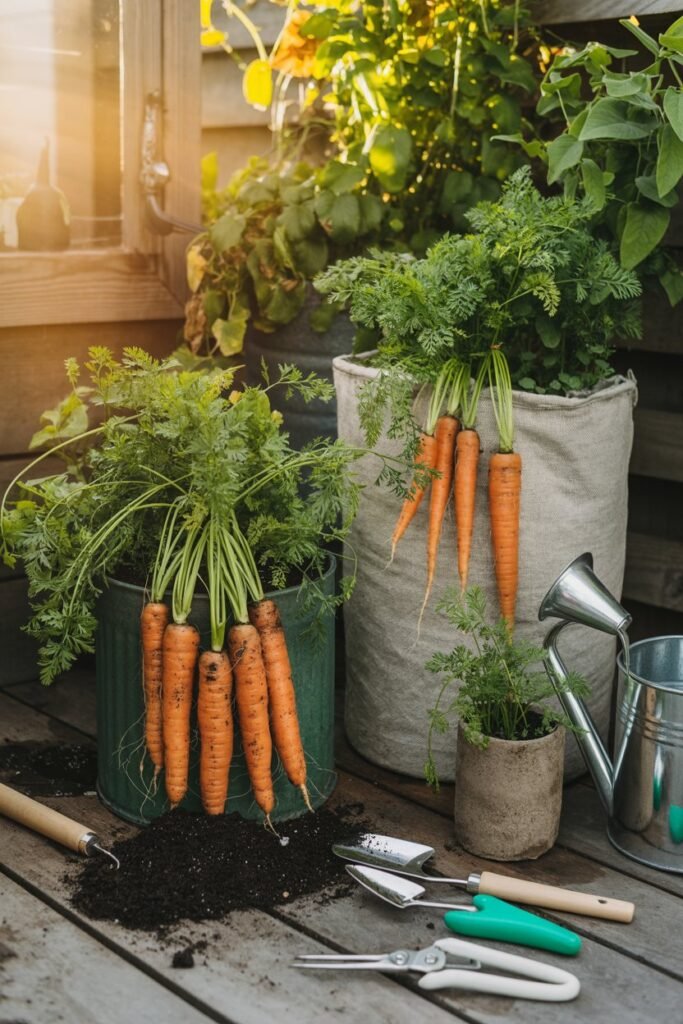
Container gardening works beautifully for carrots.
Choose containers that are at least 12 inches deep.
Good options include:
- Grow bags
- Deep pots
- Raised planters
Use loose potting soil mixed with compost.
Short carrot varieties grow especially well in containers.
Companion Plants for Carrots
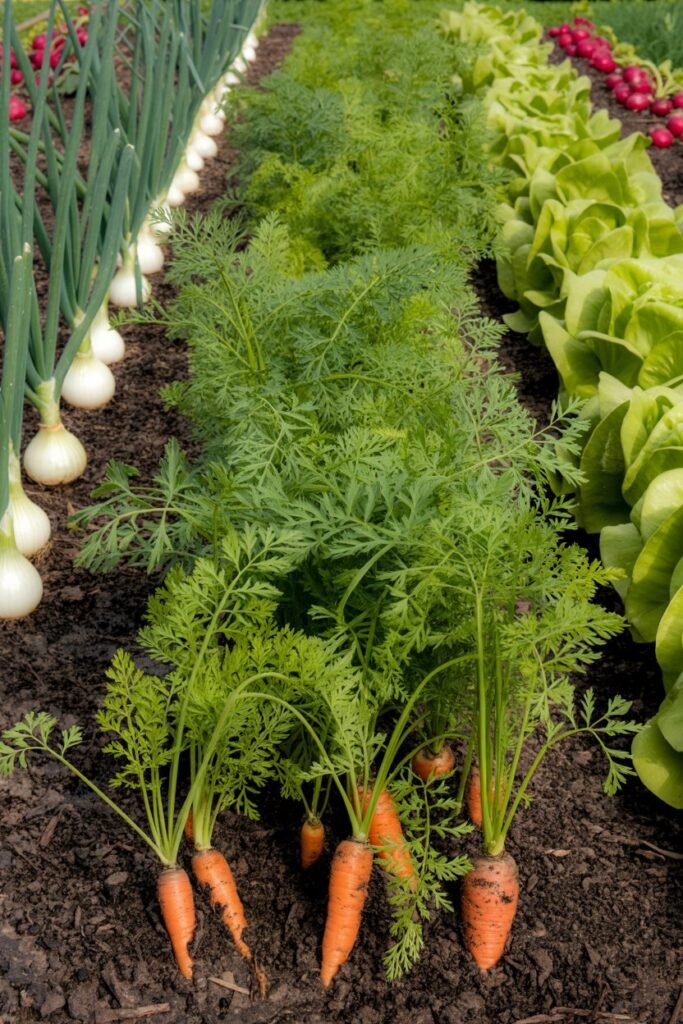
Some plants grow wonderfully alongside carrots.
Good companions include:
- Onions
- Garlic
- Lettuce
- Radishes
- Chives
These plants help deter pests and make good use of garden space.
Final Thoughts
Growing carrots is one of the most satisfying gardening experiences. Watching those delicate green tops grow day by day and then pulling up bright, sweet roots from the soil never gets old.
Carrots reward patience and good soil preparation more than anything else. Once you give them the right growing conditions, they’ll happily do the rest.
Every garden feels a little more complete with a row of carrots tucked somewhere between other vegetables. They’re simple, nutritious, beautiful, and incredibly rewarding to grow.
If you’ve never grown carrots before, this season might be the perfect time to try. With these tips and a little care, you’ll be enjoying your own crisp, homegrown carrots before you know it.
