
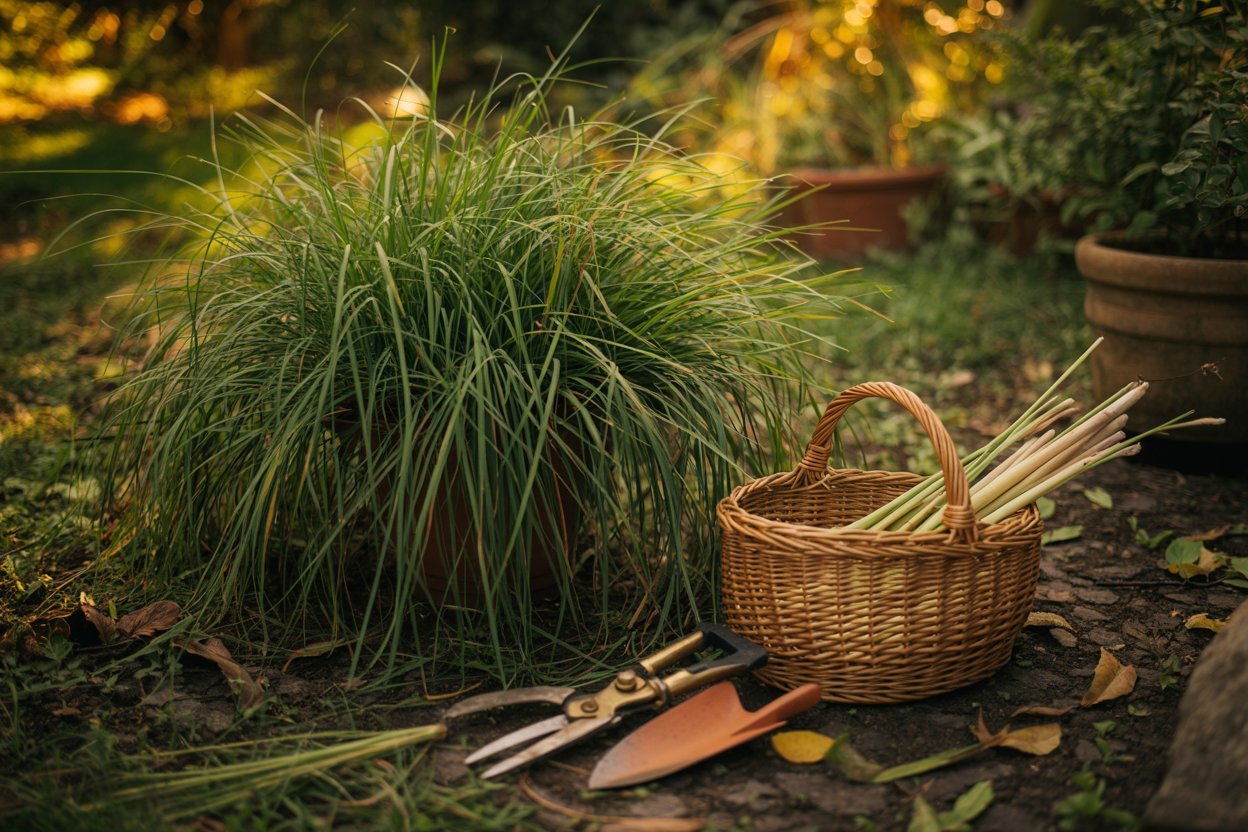

Some plants quietly become part of your daily rhythm, and lemongrass is one of mine.
It started as a single stalk tucked into the corner of my garden, and before I knew it, it had grown into a lush, fragrant cluster I reached for almost every day whether for cooking, tea, or simply brushing past to enjoy its citrus scent.
Growing lemongrass isn’t complicated, but doing it well makes all the difference. In this guide, I’ll walk you through everything I’ve learned from planting to dividing so you can grow it confidently and use it generously in your home.
Why Grow Lemongrass? (More Than Just a Herb)
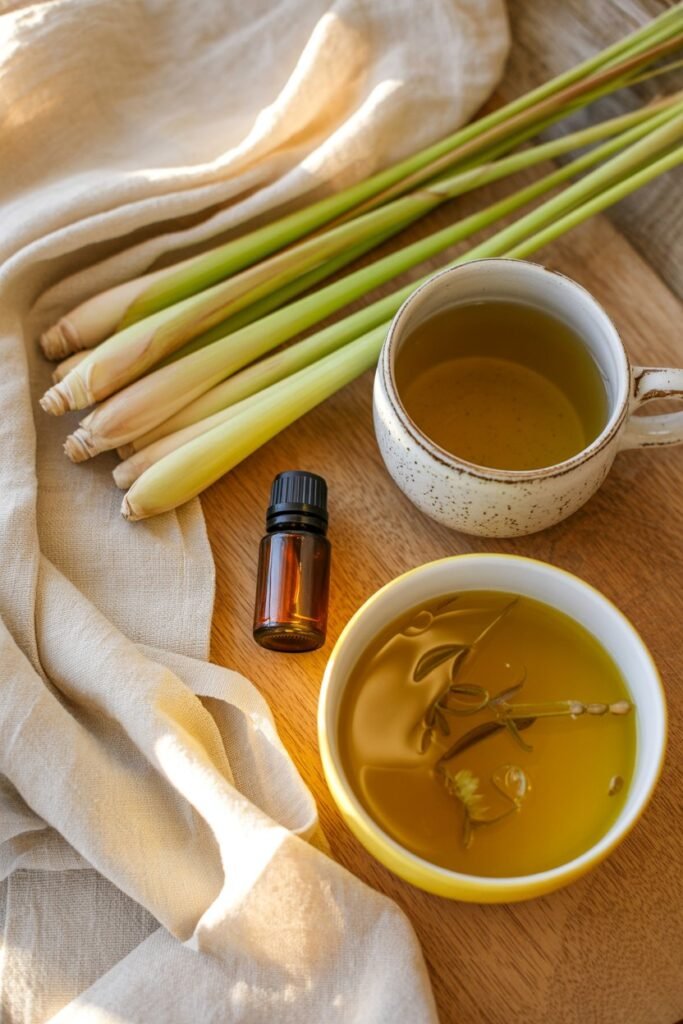
Lemongrass is one of those plants that gives far more than it asks for. Once you understand its rhythm, it becomes one of the most rewarding additions to your garden.
A multi-purpose plant
- Culinary staple – adds a fresh citrus flavor to soups, teas, curries, and marinades
- Medicinal uses – commonly used for digestion, relaxation, and immunity
- Natural pest repellent – helps deter mosquitoes and insects
- Aromatic beauty – adds texture and fragrance to your garden
Why gardeners love it
- Fast-growing and resilient
- Thrives in warm climates
- Easy to propagate and multiply
- Low-maintenance once established
If you’re building a productive garden, lemongrass earns its space.
Understanding Lemongrass Before You Plant
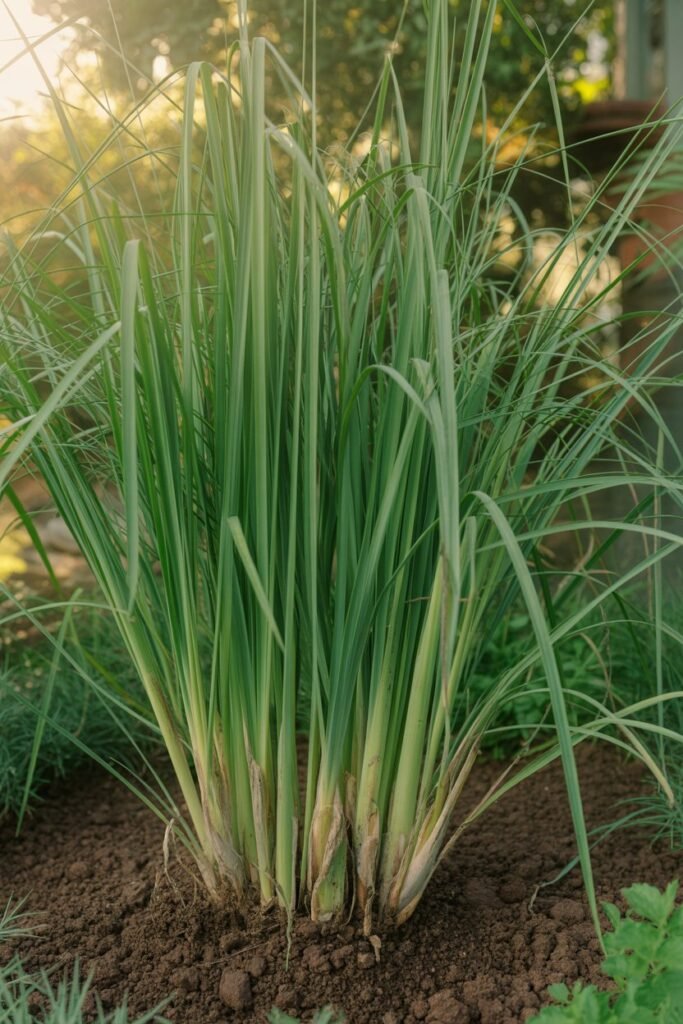
Before planting, it helps to understand how lemongrass grows.
Growth habit
Lemongrass grows in dense clumps, not as a spreading vine or creeping plant. Each stalk grows upright and multiplies from the base.
Climate preference
- Loves warm, tropical, or subtropical climates
- Sensitive to frost
- Thrives in full sun
If you’re in a warm region, you can grow it year-round. In cooler areas, it does well in containers that can be moved indoors.
Soil needs
- Well-draining soil is essential
- Rich in organic matter
- Slightly moist but never soggy
Understanding this helps you avoid the most common mistake: overwatering in poor soil.
How to Grow Lemongrass (Step-by-Step)
1 Starting Lemongrass from Stalks
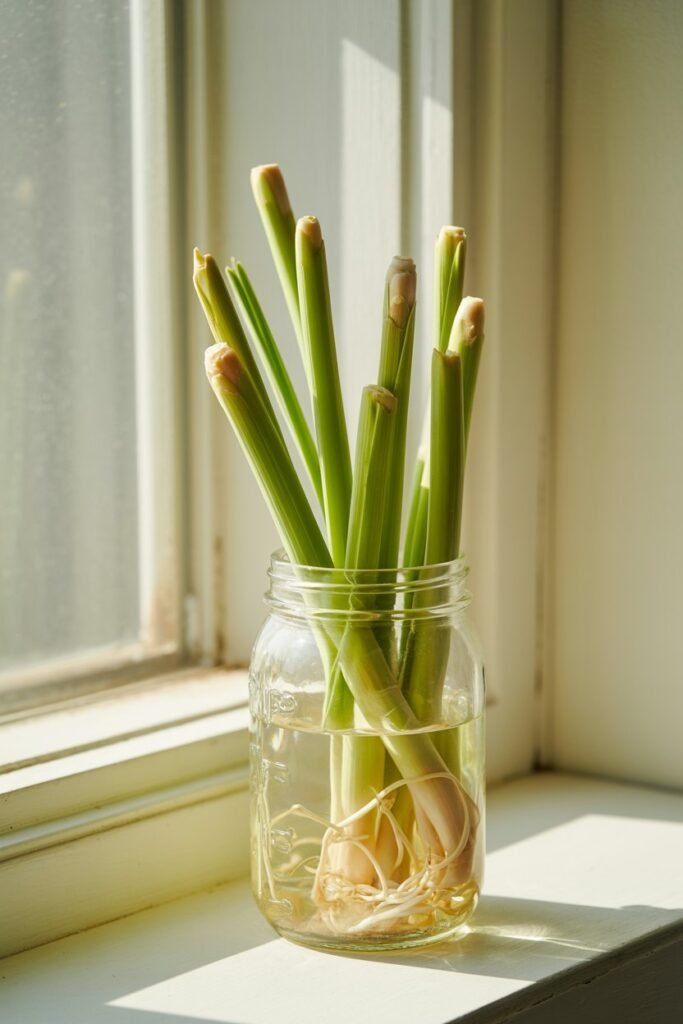
This is the easiest and most reliable method.
What you need:
- Fresh lemongrass stalks (with the base intact)
- A glass of water
- Patience (about 1–2 weeks)
Steps:
- Place stalks in water (base submerged)
- Keep them in a sunny spot
- Change water every 2–3 days
- Wait for roots to grow (about 5 cm long)
- Transplant into soil
This method is simple and very beginner-friendly.
2 Planting in Soil
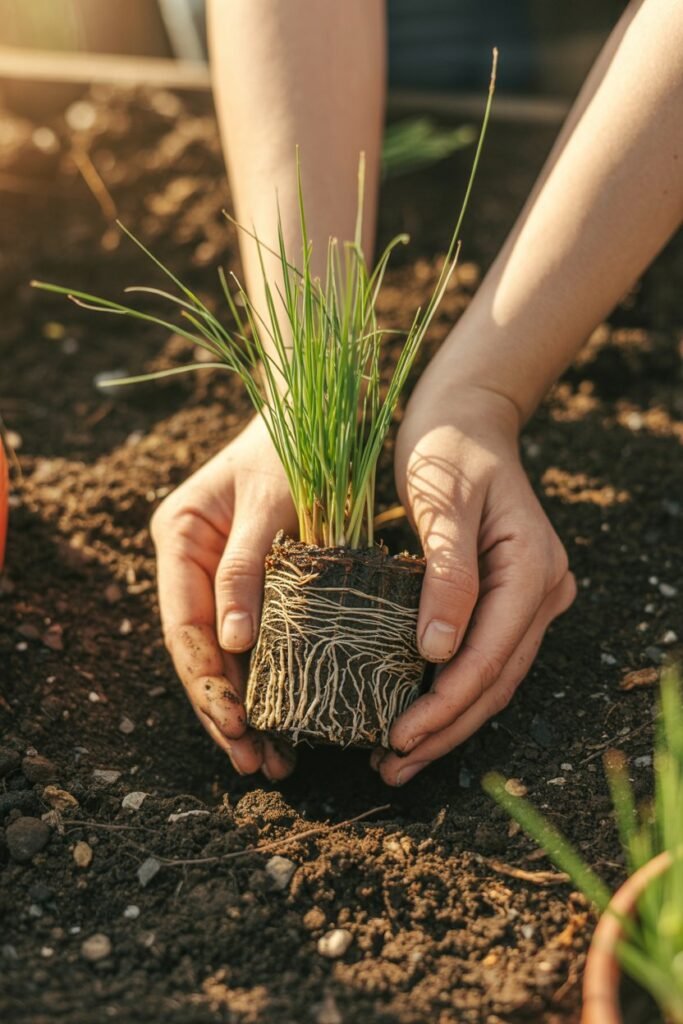
Once roots have formed, it’s time to plant.
How to plant:
- Choose a sunny location
- Dig a small hole
- Place the rooted stalk upright
- Cover the roots and firm the soil
- Water thoroughly
Spacing:
- Leave about 60–90 cm (2–3 feet) between plants
- Lemongrass grows wide over time
3 Growing Lemongrass in Containers
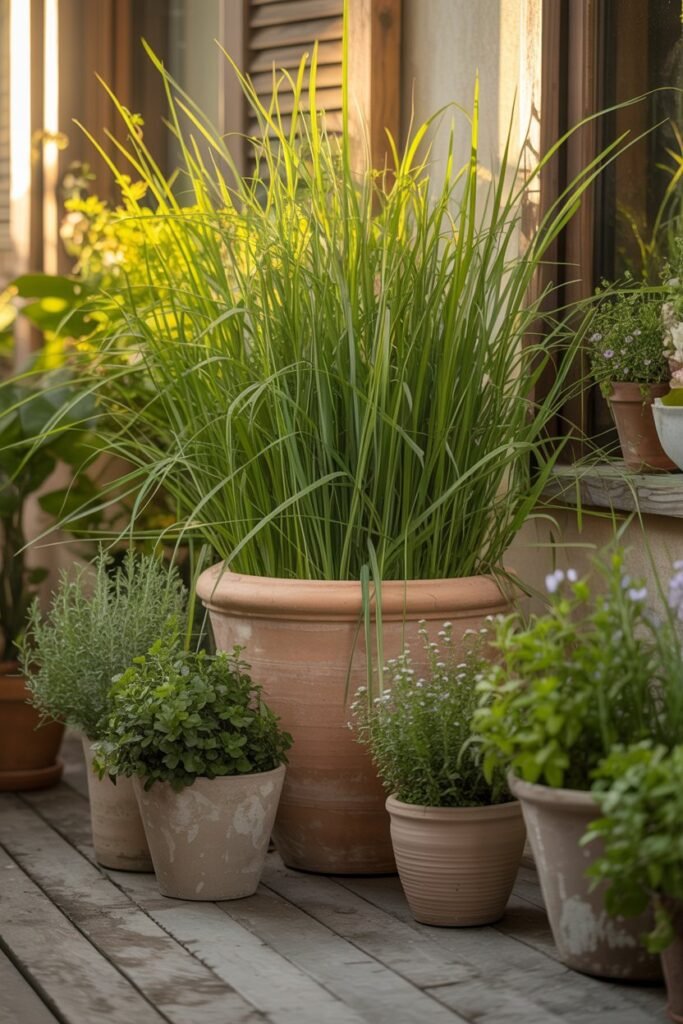
Perfect if space is limited.
Tips:
- Use a large pot (at least 12 inches deep)
- Ensure good drainage
- Use rich potting mix
- Place in full sunlight
Container-grown lemongrass needs slightly more frequent watering.
4 Watering the Right Way
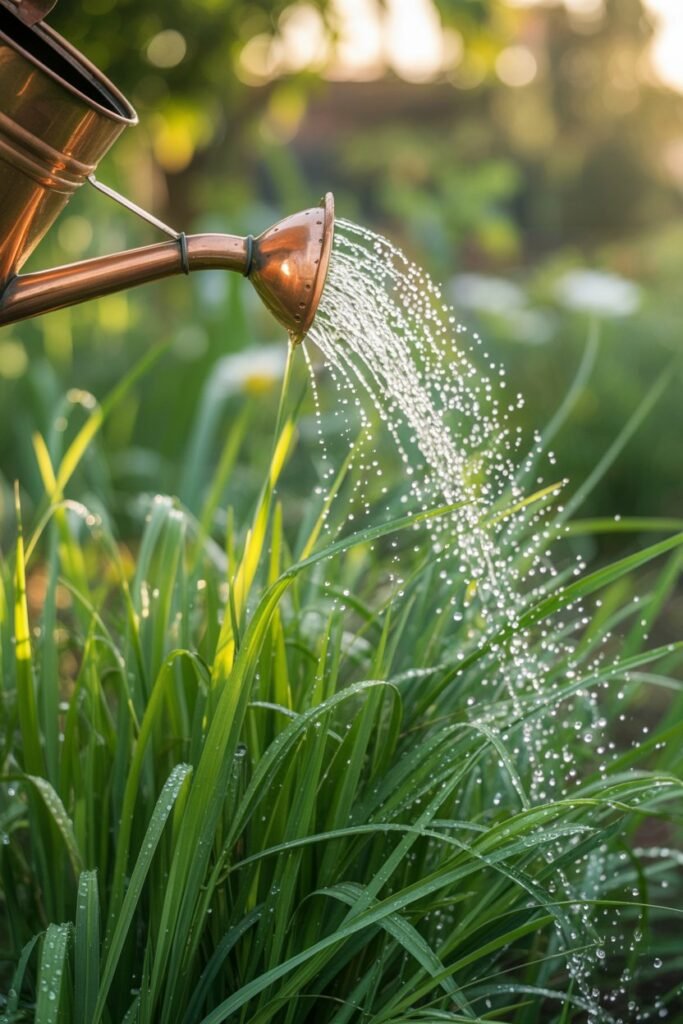
Lemongrass loves moisture but not too much.
Best practice:
- Keep soil consistently moist
- Water deeply, not lightly
- Avoid waterlogging
Signs of problems:
- Yellow leaves → overwatering
- Dry, brown tips → underwatering
Balance is key.
5 Fertilizing for Strong Growth
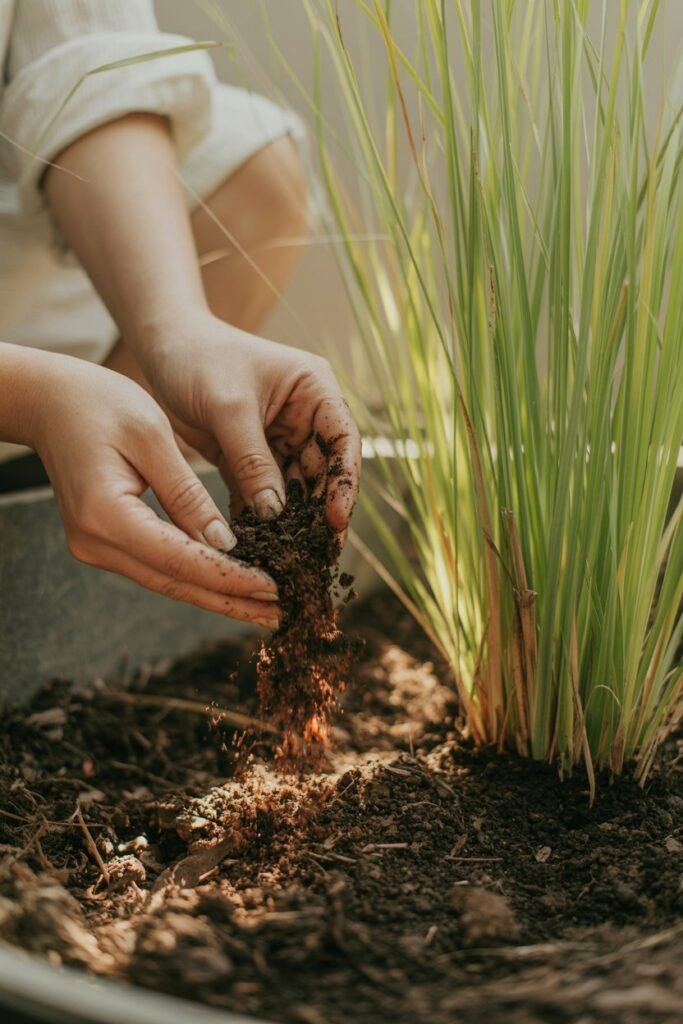
To get lush, thick stalks:
- Use compost or organic fertilizer
- Feed every 2–4 weeks during growing season
- Nitrogen-rich fertilizers help leaf growth
Healthy soil = healthy lemongrass.
6 Sunlight Requirements
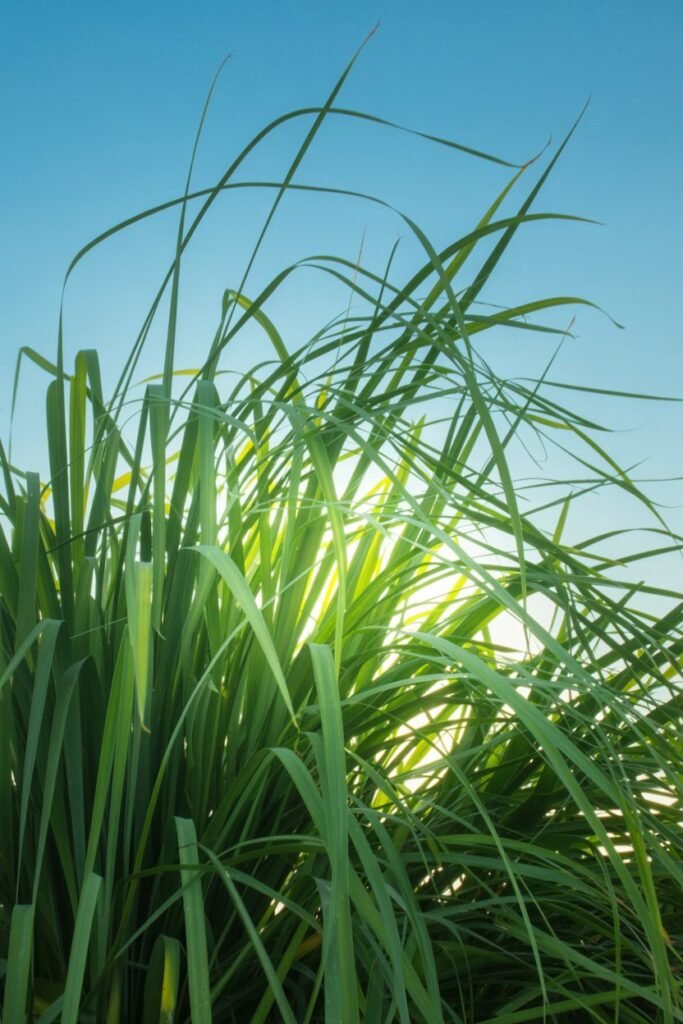
Lemongrass thrives in:
- 6–8 hours of direct sunlight daily
Without enough sun:
- Growth becomes weak
- Stalks stay thin
If indoors, place near the brightest window.
Caring for Lemongrass (Keeping It Thriving)
1 Pruning
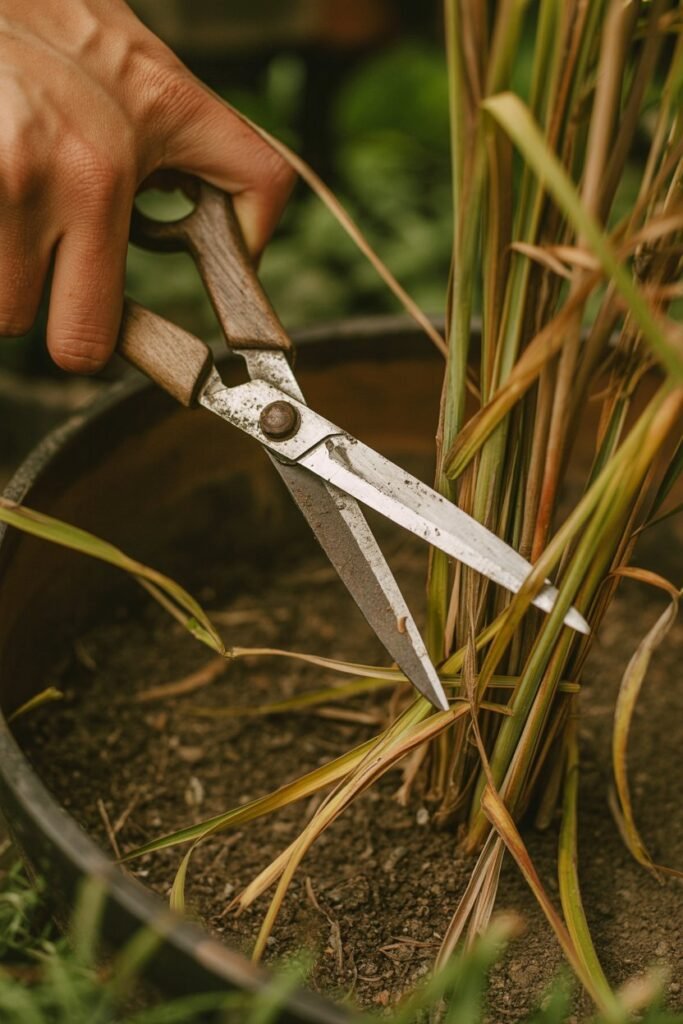
Regular trimming keeps the plant productive.
- Remove dry or dead leaves
- Cut back older stalks
- Shape the clump to prevent overcrowding
Pruning encourages new growth.
4.2 Weed Control
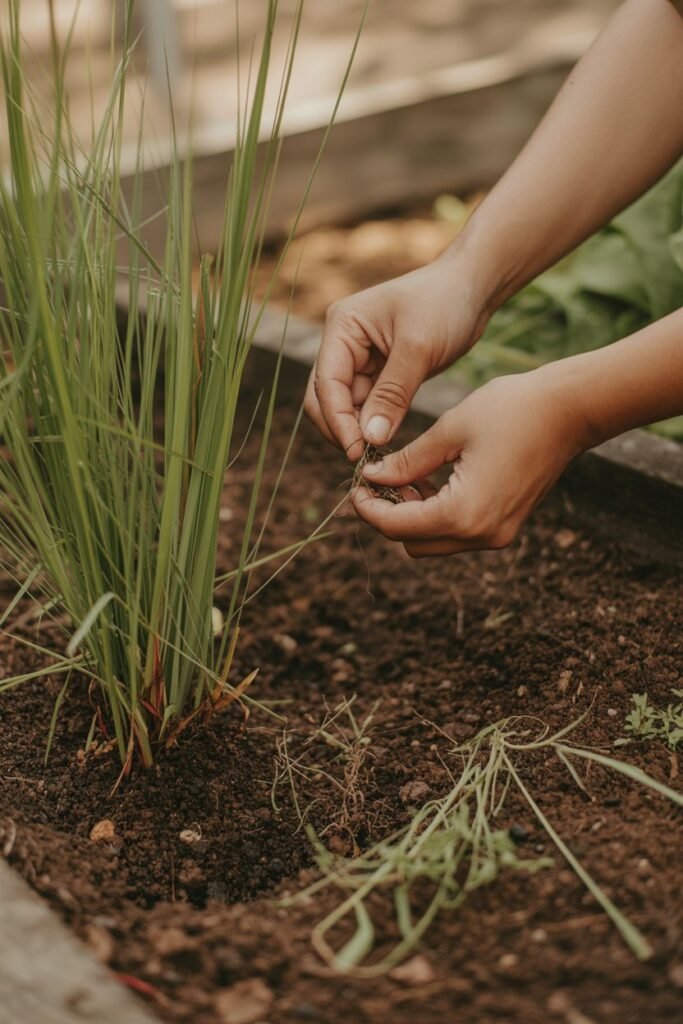
Keep the base clean:
- Remove weeds regularly
- Mulch to suppress weed growth
Mulching also helps retain moisture.
3 Pest and Disease Management
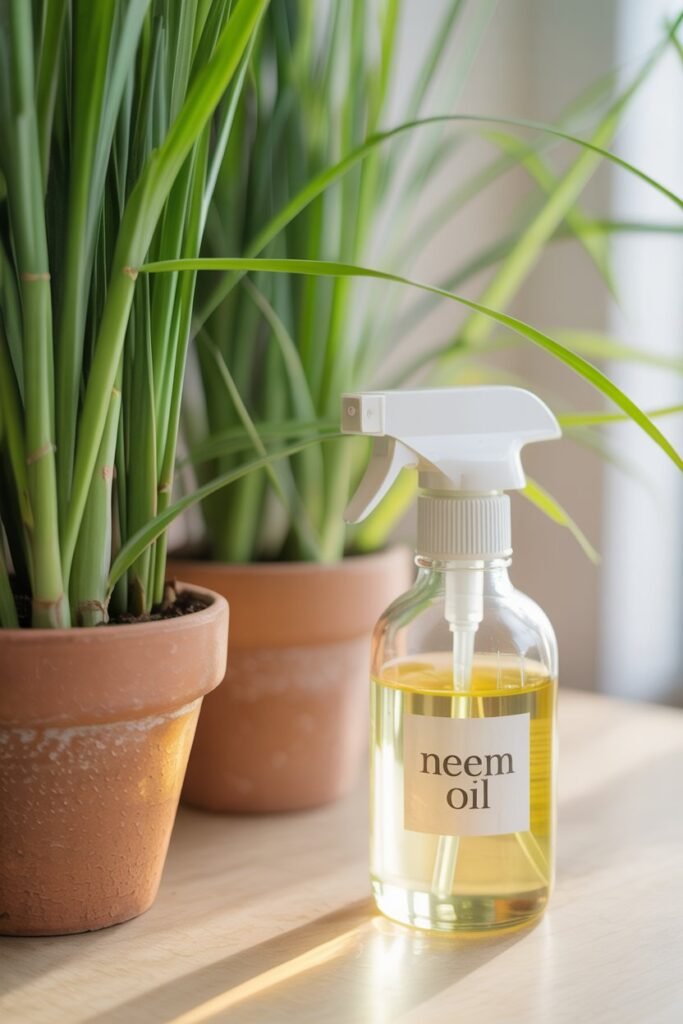
Lemongrass is naturally resistant, but watch for:
Common issues:
- Aphids
- Spider mites
Natural solutions:
- Neem oil spray
- Soapy water
- Good airflow
Healthy plants rarely suffer serious problems.
5. How to Harvest Lemongrass Properly
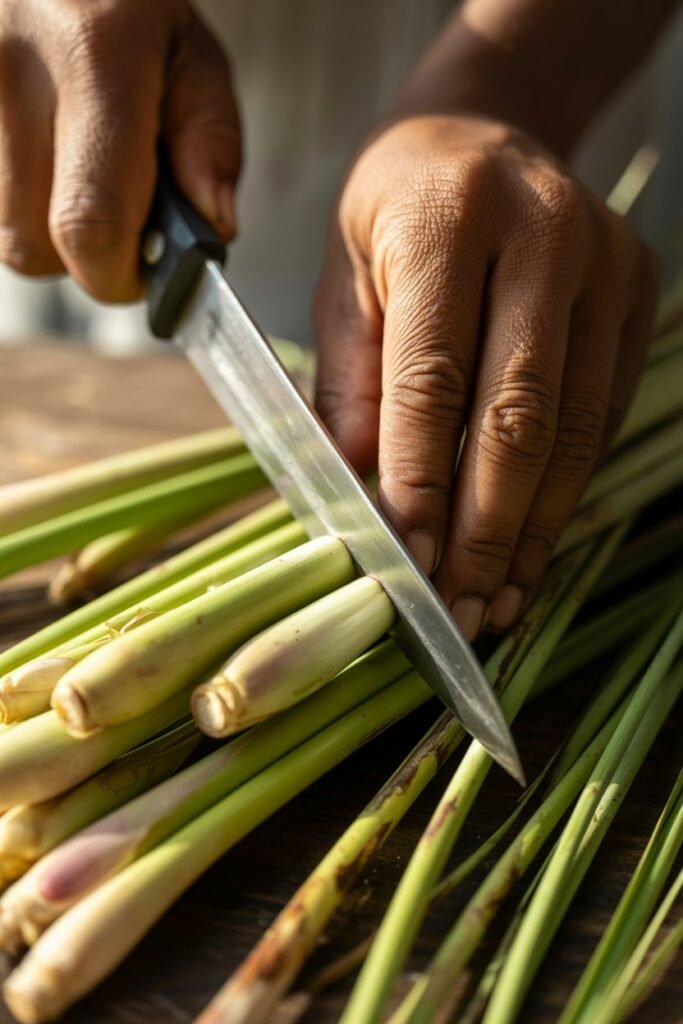
Harvesting is where the real joy begins.
1 When to Harvest
- When stalks are thick and firm
- Usually after 4–6 months of growth
2 How to Harvest
Method:
- Choose a mature outer stalk
- Cut at the base (close to the soil)
- Leave inner stalks to continue growing
Never harvest the entire plant at once.
3 Harvesting Leaves vs Stalks
- Stalks – used for cooking
- Leaves – great for tea and infusions
Both are valuable don’t waste them.
6. How to Divide Lemongrass (Multiply Your Plant)
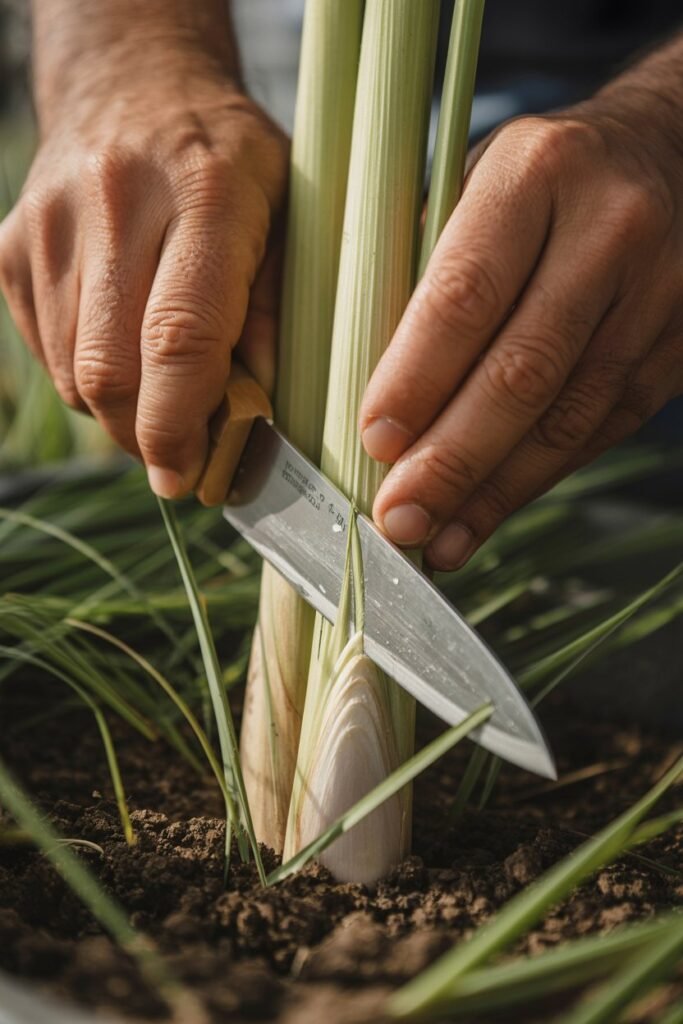
One of the best things about lemongrass is how easily it multiplies.
1 When to Divide
- When the clump becomes crowded
- Usually after 1 year of growth
2 Step-by-Step Division
- Dig up the entire clump
- Shake off excess soil
- Separate into smaller sections
- Ensure each section has roots
- Replant immediately
3 Why Division Matters
- Prevents overcrowding
- Encourages healthier growth
- Gives you more plants for free
It’s one of the most rewarding parts of growing lemongrass.
7. Storing Lemongrass After Harvest
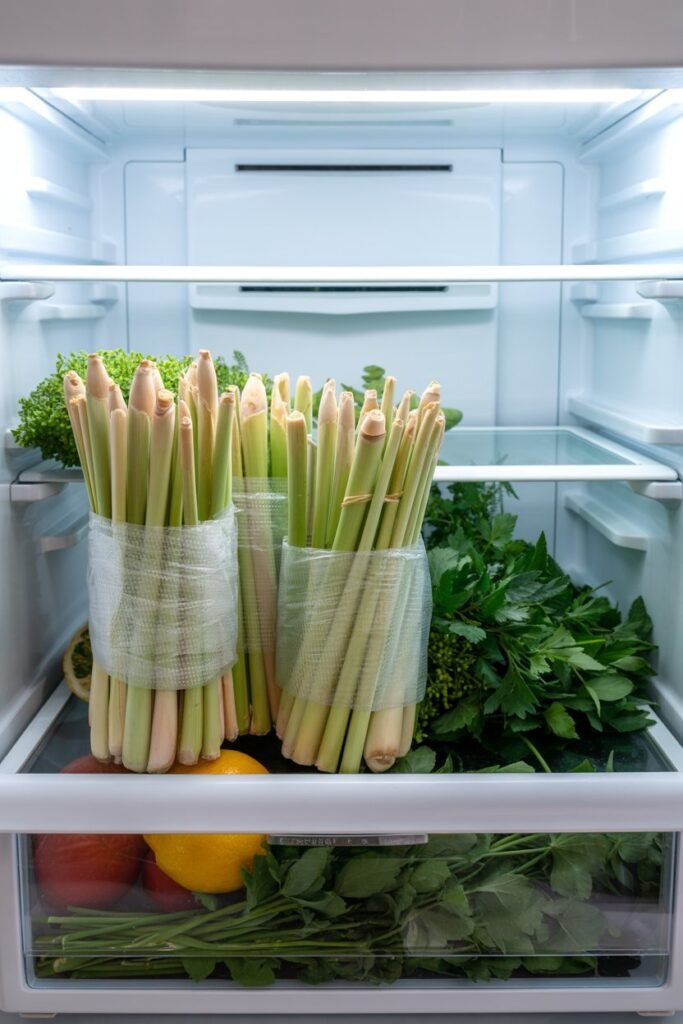
1 Fresh Storage
- Wrap in plastic or cloth
- Store in the refrigerator
- Lasts up to 2 weeks
2 Freezing
- Chop into pieces
- Store in airtight containers
- Keeps for several months
3 Drying
- Hang leaves upside down
- Store in airtight jars
Perfect for tea.
8. How to Use Lemongrass (Practical & Everyday Uses)
1 Cooking with Lemongrass
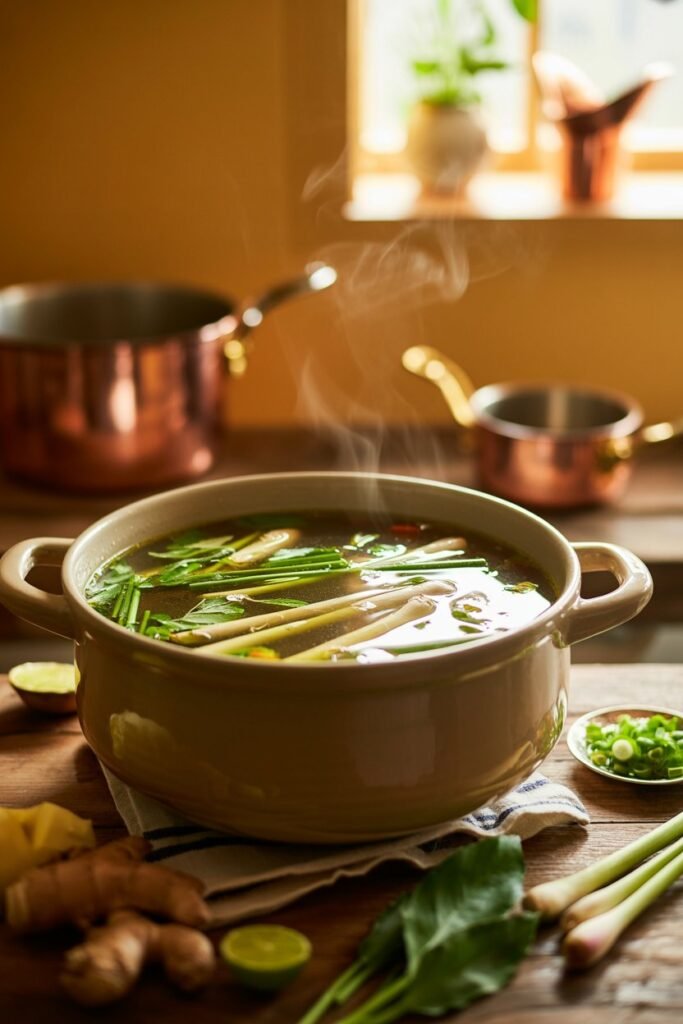
Lemongrass adds a fresh, citrusy depth to dishes.
Popular uses:
- Soups and broths
- Rice dishes
- Marinades
- Stir-fries
Tip:
Crush the stalk before cooking to release flavor.
2 Lemongrass Tea

One of the simplest and most comforting uses.
How to make:
- Cut fresh leaves or stalks
- Boil in water for 10–15 minutes
- Strain and enjoy
Optional: add honey or ginger.
3 Natural Remedies
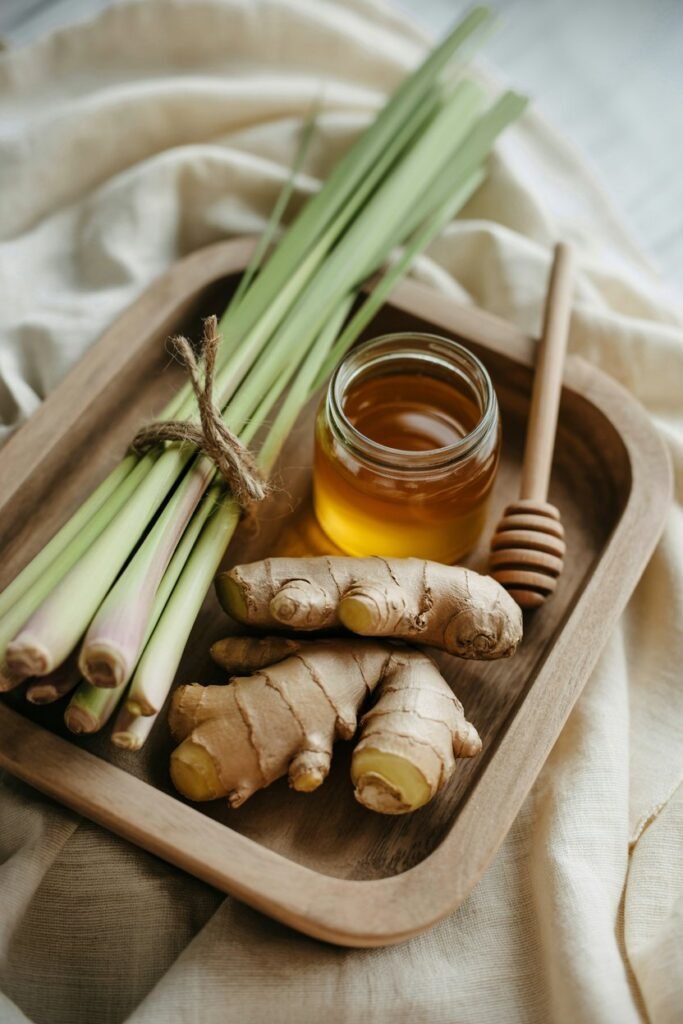
Traditionally used for:
- Relaxation
- Digestion
- Mild cold relief
4 Household Uses
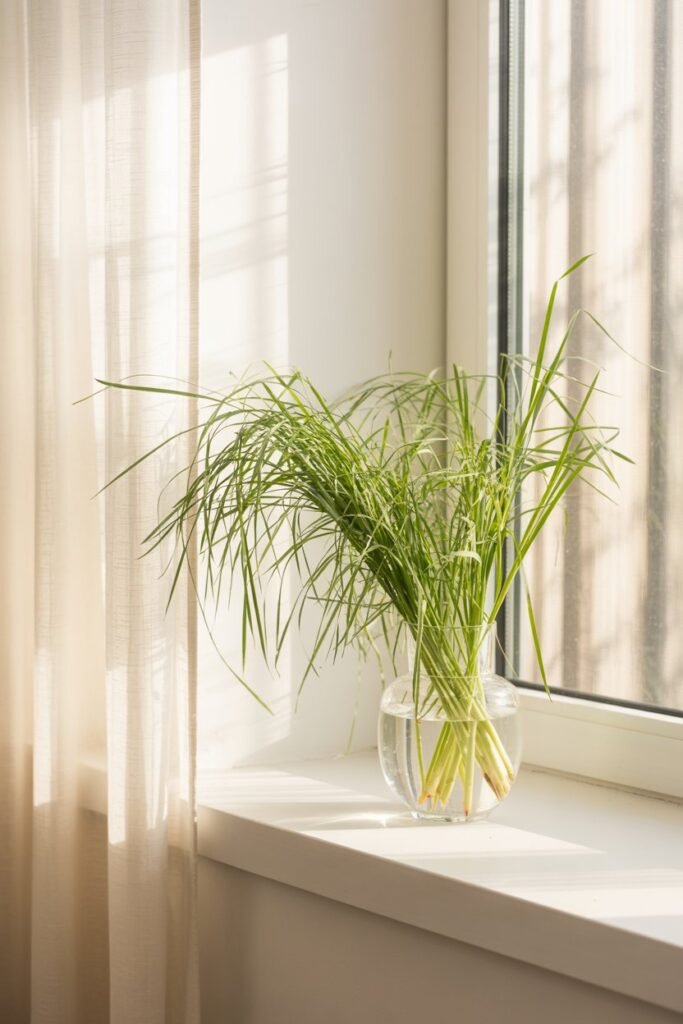
- Natural air freshener
- Insect repellent
- Bath infusions
Lemongrass brings both function and comfort into your home.
9. Common Mistakes to Avoid
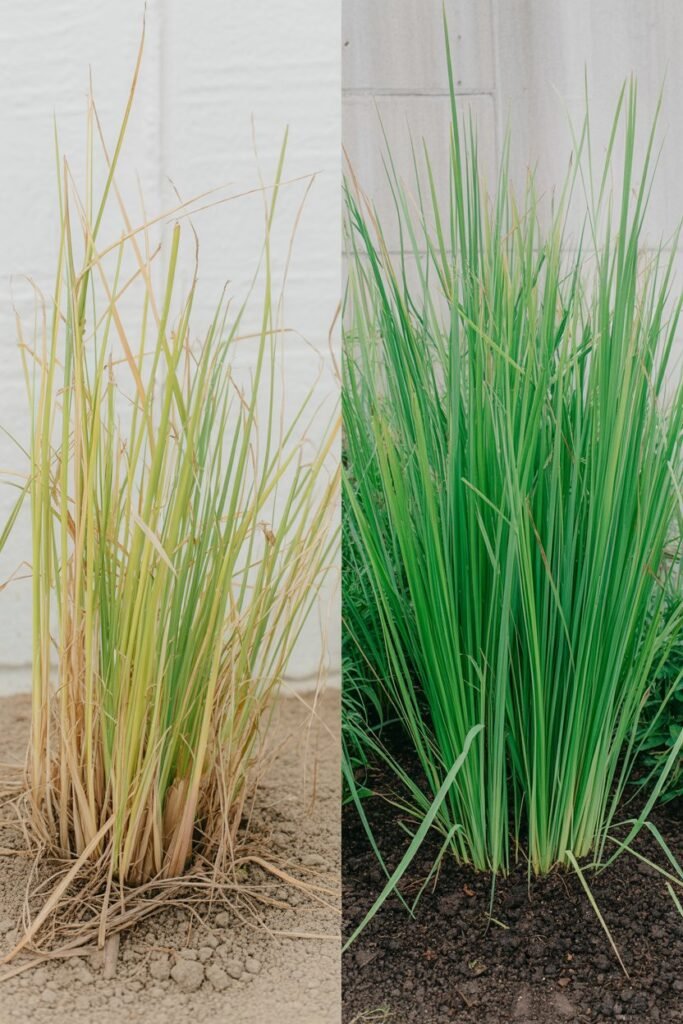
1. Overwatering
Leads to root rot quickly.
2. Poor sunlight
Weak, thin growth.
3. Crowded plants
Reduces airflow and productivity.
4. Harvesting too early
Stalks won’t have full flavor.
5. Ignoring soil quality
Healthy soil is everything.
10. Growing Lemongrass Year-Round
If you want a constant supply:
In warm climates:
- Grow outdoors all year
In cooler climates:
- Move indoors during cold months
- Place near sunlight
- Reduce watering slightly
11. Final Thoughts (From One Gardener to Another)
Lemongrass is one of those plants that quietly becomes essential. It doesn’t demand much, but it gives back generously flavor, fragrance, and a sense of abundance.
Once you’ve grown it successfully, you’ll find yourself dividing it, sharing it, and reaching for it almost daily.
Start with one plant. Care for it well. And before long, you’ll have more than enough—not just to harvest, but to truly enjoy.
