
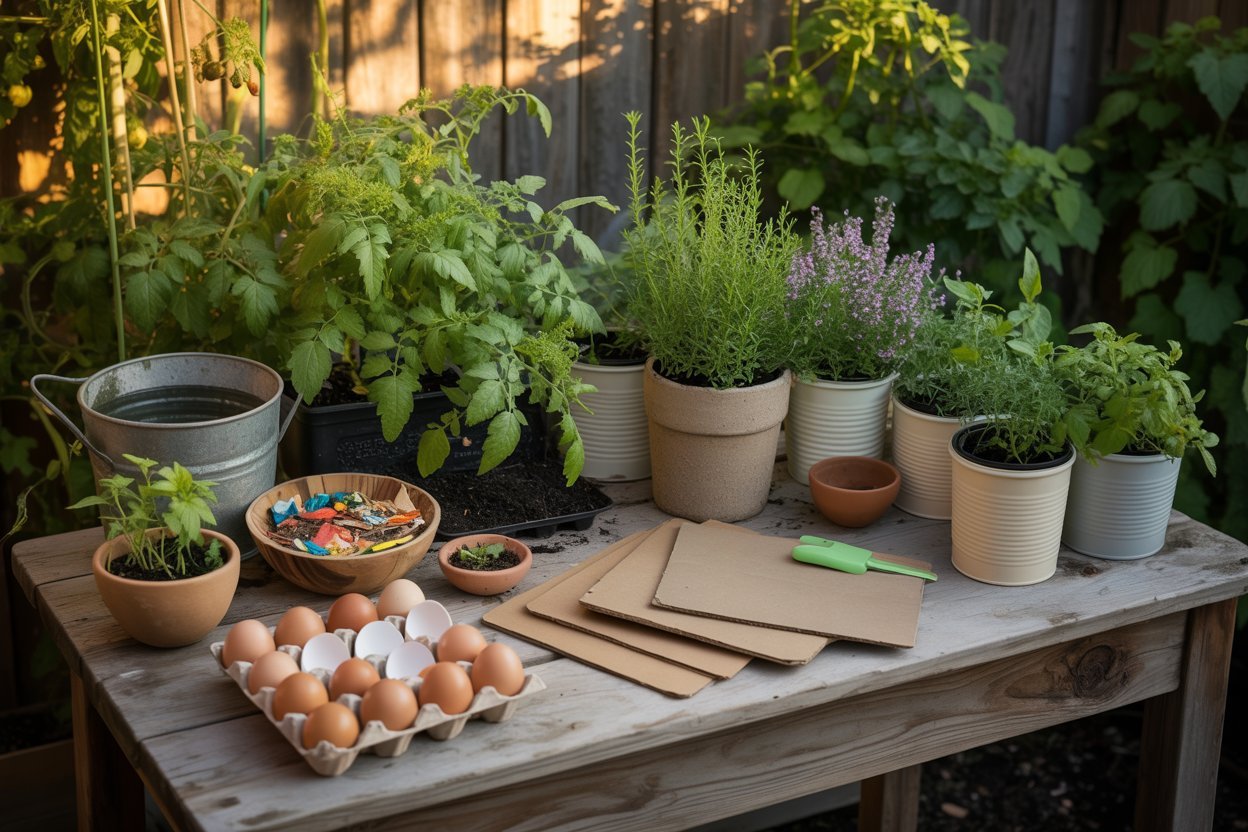

Some of the most beautiful, productive gardens I’ve ever grown didn’t come from expensive tools or fancy supplies they came from resourcefulness.
Early on, I realized that nature and everyday life already provide so much of what we need to grow healthy plants.
Instead of constantly buying new things, I began looking around differently at kitchen scraps, packaging, yard waste, and even items others were throwing away.
That shift didn’t just save money, it made my gardening feel more intentional and sustainable.If you’re trying to garden on a budget or simply want to waste less, you’ll love this approach.
In this guide, I’ll walk you through nine gardening supplies you can get for free, how to find them, and exactly how to use them to grow a thriving, productive garden.
1. Kitchen Scraps (Compost Gold)
Why They Matter
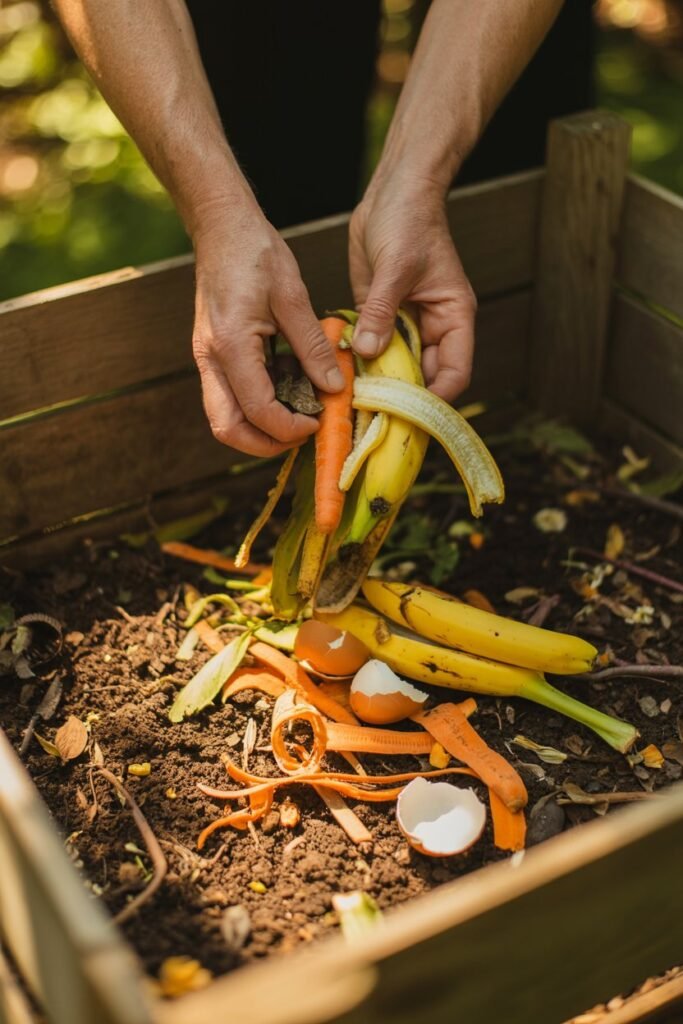
Kitchen scraps are one of the easiest and most valuable free gardening supplies you can get.
Instead of throwing away vegetable peels, fruit scraps, eggshells, and coffee grounds, you can turn them into rich, nutrient-packed compost.
These scraps are full of essential nutrients like nitrogen, potassium, and calcium everything your plants need to grow strong and healthy.
How to Get Them
You don’t need to look far just start in your own kitchen. Collect:
- Vegetable peels (carrots, potatoes, onions)
- Fruit scraps (banana peels, apple cores)
- Coffee grounds
- Eggshells
You can also ask neighbors, friends, or even local food vendors if they’re willing to save scraps for you.
How to Use Them
- Composting: Create a compost pile or bin and layer your scraps with dry materials like leaves or cardboard.
- Direct soil feeding: Bury scraps directly in garden beds (deep enough to avoid pests).
- Liquid fertilizer: Soak scraps in water for a few days to create a mild nutrient “tea.”
Extra Tip
Avoid adding meat, dairy, or oily foods they can attract pests and slow down decomposition.
2. Cardboard and Paper (Free Weed Barrier & Mulch)
Why They Matter
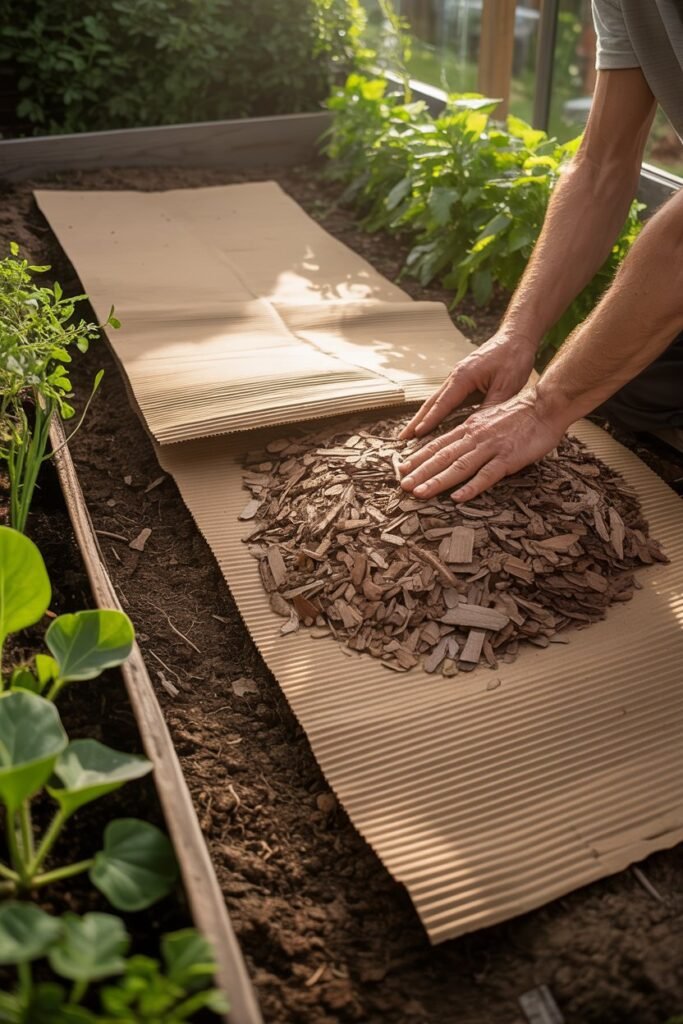
Cardboard and paper are incredibly useful for suppressing weeds, improving soil structure, and retaining moisture. They break down over time and feed the soil.
How to Get Them
- Delivery boxes
- Old newspapers
- Packaging materials
- Local shops (many are happy to give away boxes)
How to Use Them
- Weed barrier: Lay cardboard directly on the soil, then cover with mulch or compost.
- Sheet mulching: Build a new garden bed by layering cardboard, compost, and soil.
- Pathways: Use thick layers in garden walkways to prevent weeds.
Extra Tip
Remove tape and glossy coatings before using cardboard in your garden.
3. Plastic Containers (Seed Starters & Pots)
Why They Matter
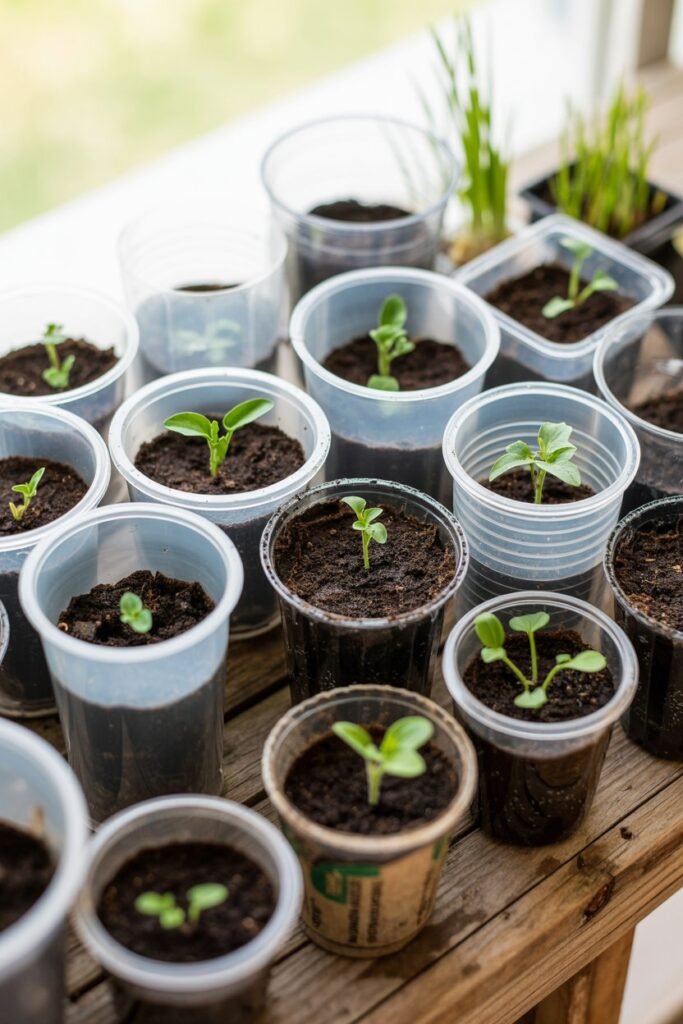
You don’t need to buy seed trays or pots many everyday containers work just as well.
How to Get Them
- Yogurt cups
- Water bottles
- Food containers
- Takeaway packaging
Ask friends or family to save these for you instead of throwing them away.
How to Use Them
- Seed starting: Fill with soil and plant seeds.
- Transplant pots: Use for young plants before moving them outdoors.
- Mini greenhouses: Cut bottles in half and place over seedlings.
Extra Tip
Always poke drainage holes at the bottom to prevent root rot.
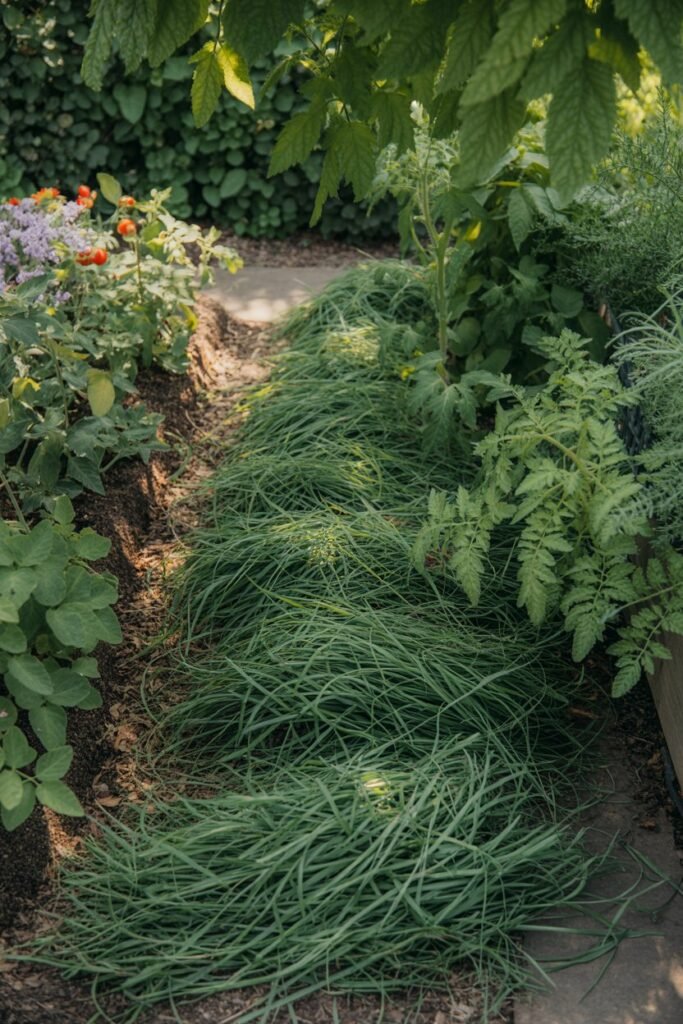
4. Grass Clippings (Natural Mulch & Fertilizer)
Why They Matter
Grass clippings are rich in nitrogen, making them perfect for feeding plants and improving soil fertility.
How to Get Them
- Your own lawn
- Neighbors (many are happy to give them away after mowing)
How to Use Them
- Mulch: Spread around plants to retain moisture and reduce weeds.
- Compost: Add to your compost pile for a nitrogen boost.
- Soil amendment: Mix lightly into soil to improve nutrients.
Extra Tip
Let clippings dry slightly before using to avoid clumping and odor.
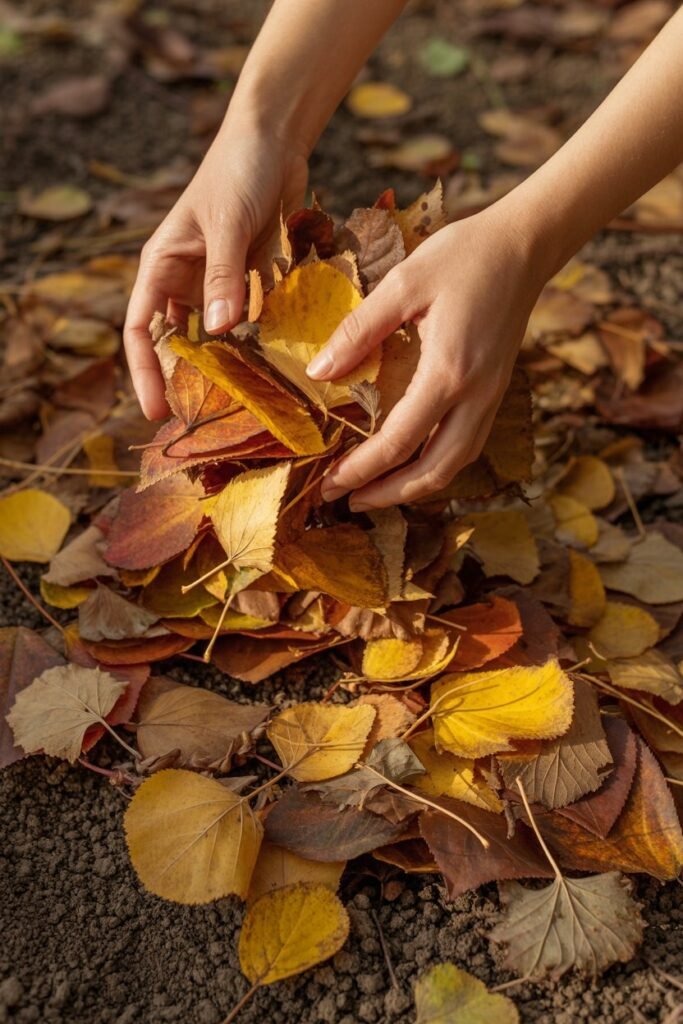
5. Fallen Leaves (Free Organic Matter)
Why They Matter
Leaves are one of the best free resources for building healthy soil. They improve structure, retain moisture, and feed beneficial organisms.
How to Get Them
- Your yard
- Streets and parks (where permitted)
- Neighbors’ yards
How to Use Them
- Leaf mulch: Spread around plants to protect soil.
- Leaf mold: Let leaves break down into a rich, crumbly soil conditioner.
- Compost ingredient: Balance with kitchen scraps.
Extra Tip
Shred leaves before using they break down faster and look neater.
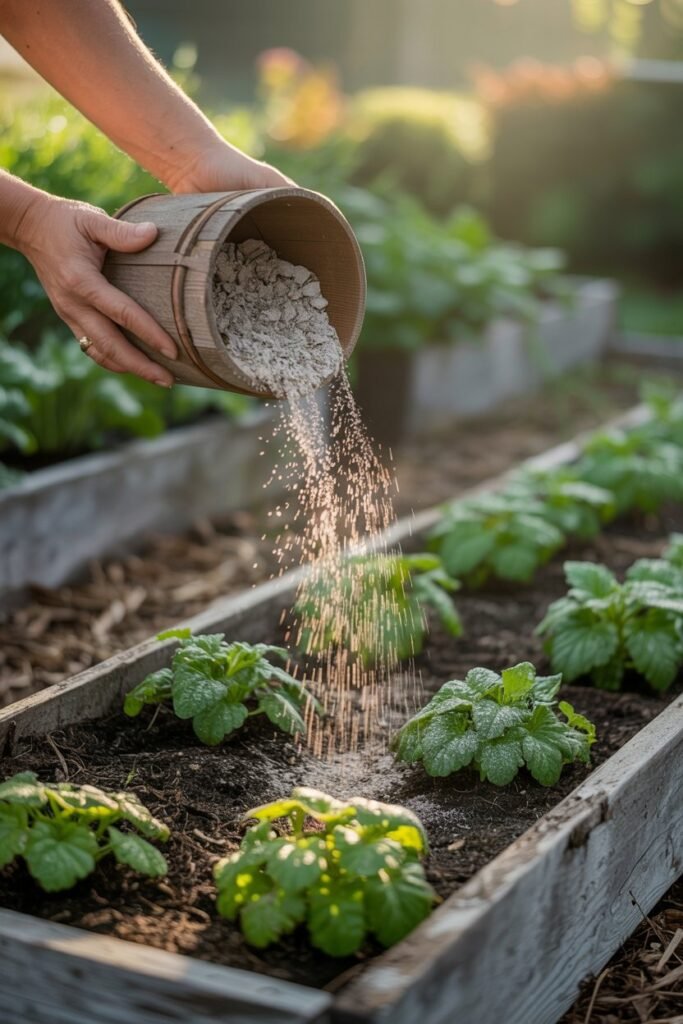
6. Wood Ash (Natural Soil Booster)
Why They Matter
Wood ash contains potassium and helps raise soil pH, making it useful for certain crops.
How to Get Them
- Fireplaces
- Outdoor cooking fires
- Wood-burning stoves
Ask neighbors if they burn wood regularly.
How to Use Them
- Soil amendment: Sprinkle lightly around plants.
- Compost addition: Add small amounts to your compost pile.
- Pest deterrent: Create a barrier against slugs and snails.
Extra Tip
Use sparingly too much ash can make soil too alkaline.
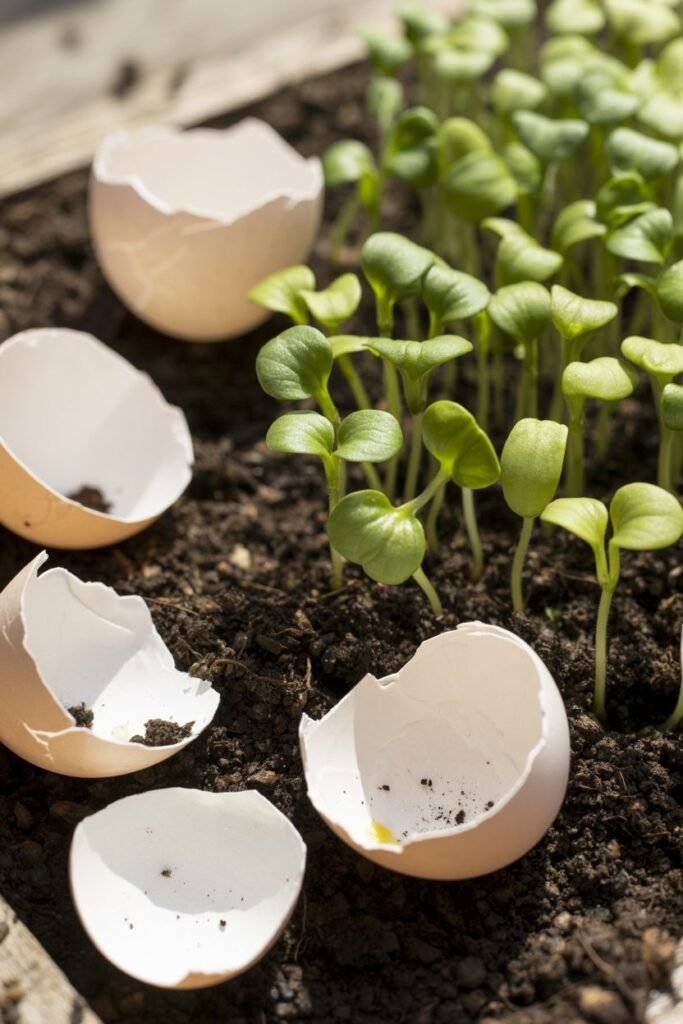
7. Eggshells (Calcium Boost)
Why They Matter
Eggshells are rich in calcium, which helps prevent issues like blossom end rot in tomatoes and peppers.
How to Get Them
- Your kitchen
- Friends and neighbors
- Local food vendors
How to Use Them
- Crushed in soil: Mix into planting holes.
- Compost: Add for long-term nutrient release.
- Seed starters: Use half shells as tiny pots.
Extra Tip
Crush them finely so plants can absorb nutrients faster.
8. Old Wood and Pallets (Garden Structures)
Why They Matter
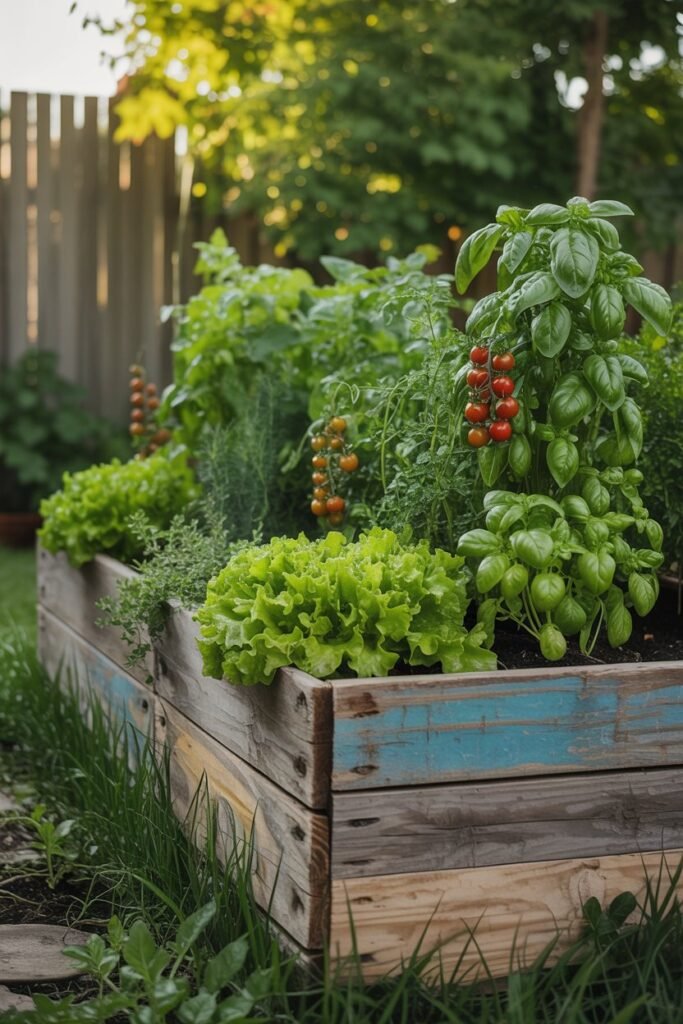
Old wood can be transformed into raised beds, trellises, and garden borders saving you a lot of money.
How to Get Them
- Construction sites (ask first)
- Local businesses
- Shipping areas
- Online community groups
How to Use Them
- Raised beds: Build simple garden boxes.
- Trellises: Support climbing plants like beans or cucumbers.
- Garden edging: Define your planting areas.
Extra Tip
Avoid treated wood it may contain harmful chemicals.
9. Rainwater (Free, Natural Irrigation)
Why It Matters
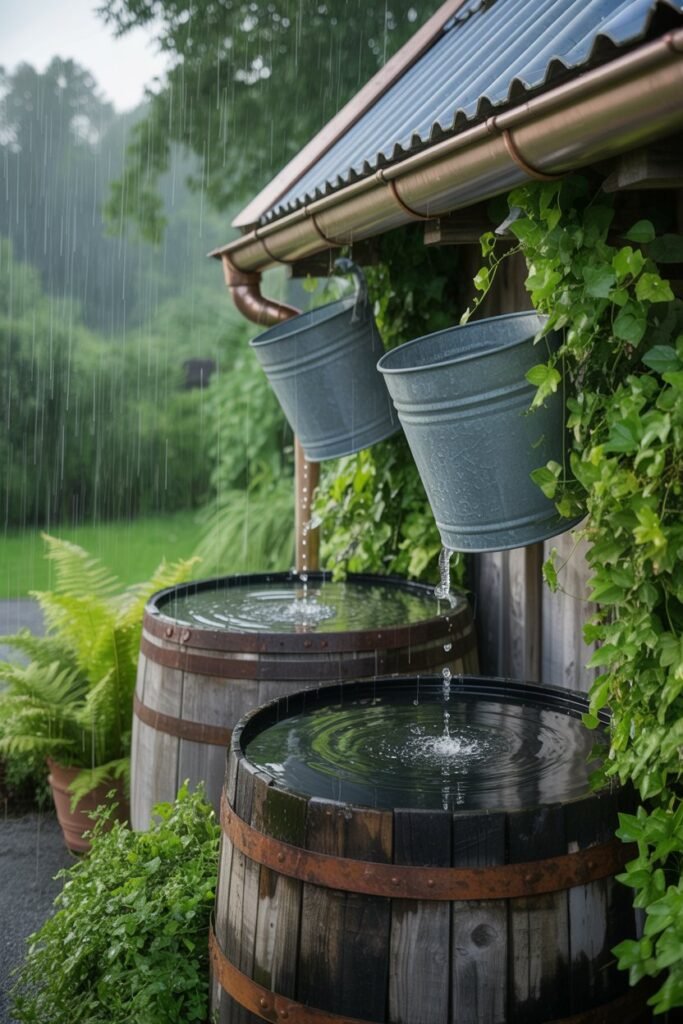
Rainwater is one of the best water sources for plants. It’s free, chemical-free, and naturally soft.
How to Get It
- Place buckets, barrels, or containers outside during rainfall
- Use rooftops with gutters to collect and direct water
How to Use It
- Watering plants: Ideal for seedlings and mature plants alike.
- Mixing fertilizers: Works better than tap water for many plants.
- Emergency supply: Helps during dry periods.
Extra Tip
Cover your containers to prevent mosquitoes from breeding.
Bringing It All Together: A Smarter Way to Garden
Once you start using these free supplies, something shifts. Gardening becomes less about spending and more about observing, reusing, and working with what you already have.
You begin to see value where others see waste and that’s where truly sustainable gardening begins.
By combining these resources:
- Kitchen scraps + leaves = rich compost
- Cardboard + grass clippings = powerful weed control
- Containers + rainwater = a complete seed-starting system
You can build a fully functional garden with almost no cost.
Final Thoughts
Gardening doesn’t have to be expensive to be successful. In fact, some of the best gardens grow from creativity and care rather than money. These free supplies not only help you save but also reduce waste and improve your soil naturally.
Start small pick two or three of these ideas and try them out. As you get comfortable, you’ll find even more ways to reuse and repurpose what’s around you.
Over time, you’ll build a garden that feels abundant, sustainable, and deeply rewarding without spending much at all.
