
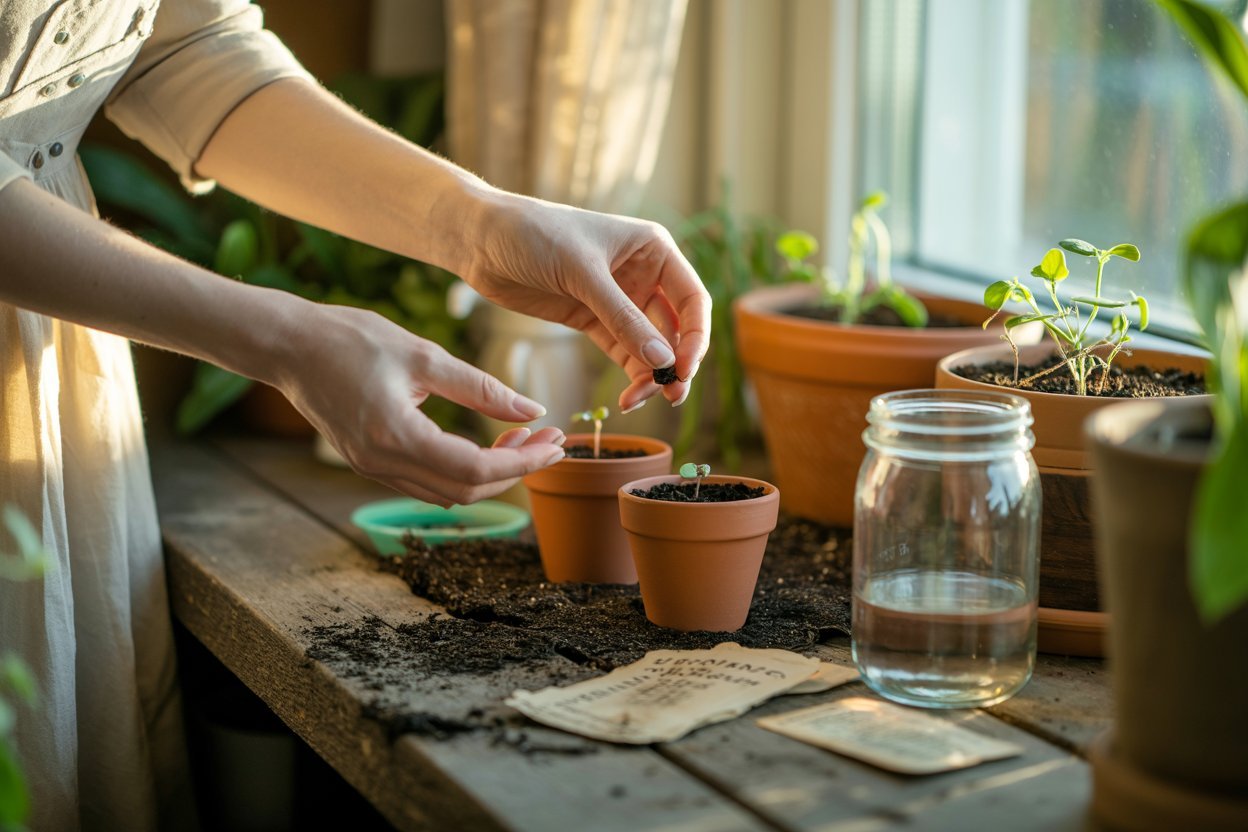

I still remember the first time I planted seeds and waited… and waited… and waited. Every morning, I would check the soil, hoping to see that tiny green sprout pushing through.
Some seeds took forever, others didn’t grow at all, and a few surprised me by popping up quickly.
That experience taught me something important germination isn’t just about planting seeds and hoping for the best. It’s a process you can influence, improve, and even speed up.
If you’ve ever felt impatient waiting for your seeds to sprout, you’re not alone.
The good news is that faster germination is not only possible, but it also leads to healthier plants and better harvests when done correctly.
In this guide, I’ll walk you through everything you need to know about germinating seeds faster how it works, why certain methods speed things up, and how to give your seeds the best possible start.
Understanding Germination: What’s Really Happing Under the Soil
Before we talk about speeding things up, it’s important to understand what germination actually is.
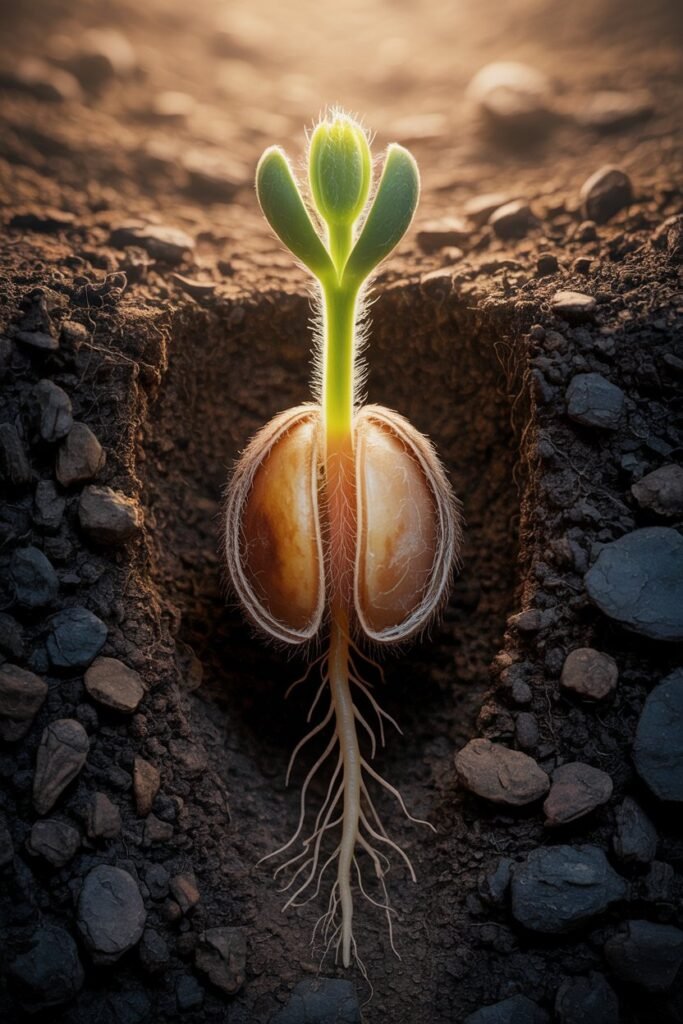
Germination is the process where a seed wakes up from dormancy and begins to grow into a plant. Inside every seed is a tiny embryo and a food reserve.
When the right conditions are met water, warmth, oxygen, and sometimes light the seed absorbs water, swells, and activates enzymes that trigger growth.
The first visible sign of germination is the radicle (the baby root) emerging. Shortly after, the shoot pushes upward toward the surface.
Why Some Seeds Germinate Slowly
Not all seeds are created equal. Some germinate quickly, while others take their time because of:
- Hard outer seed coats
- Natural dormancy mechanisms
- Temperature sensitivity
- Low moisture availability
- Poor oxygen access
The techniques we’ll explore work by removing or reducing these barriers.
Why Faster Germination Matters
Speed isn’t just about impatience it actually improves your gardening success.
1. Stronger Seedlings
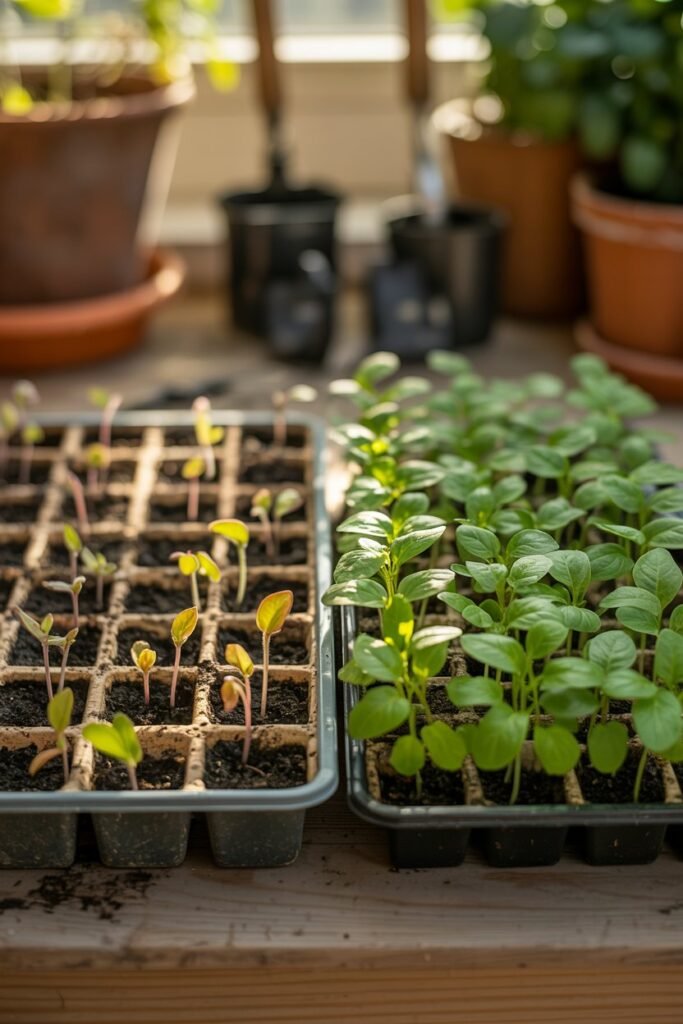
Seeds that germinate quickly tend to produce more vigorous plants. They spend less time in vulnerable stages where rot, fungi, or pests can attack.
2. Higher Success Rate
The longer a seed sits in soil without sprouting, the greater the chance it may fail. Faster germination reduces that risk.
3. Earlier Harvests
Faster starts mean earlier maturity. This is especially important if you’re working within a short growing season.
4. Better Use of Resources
When seeds sprout quickly and evenly, you waste fewer seeds and have more uniform plants.
The Core Factors That Control Germination Speed
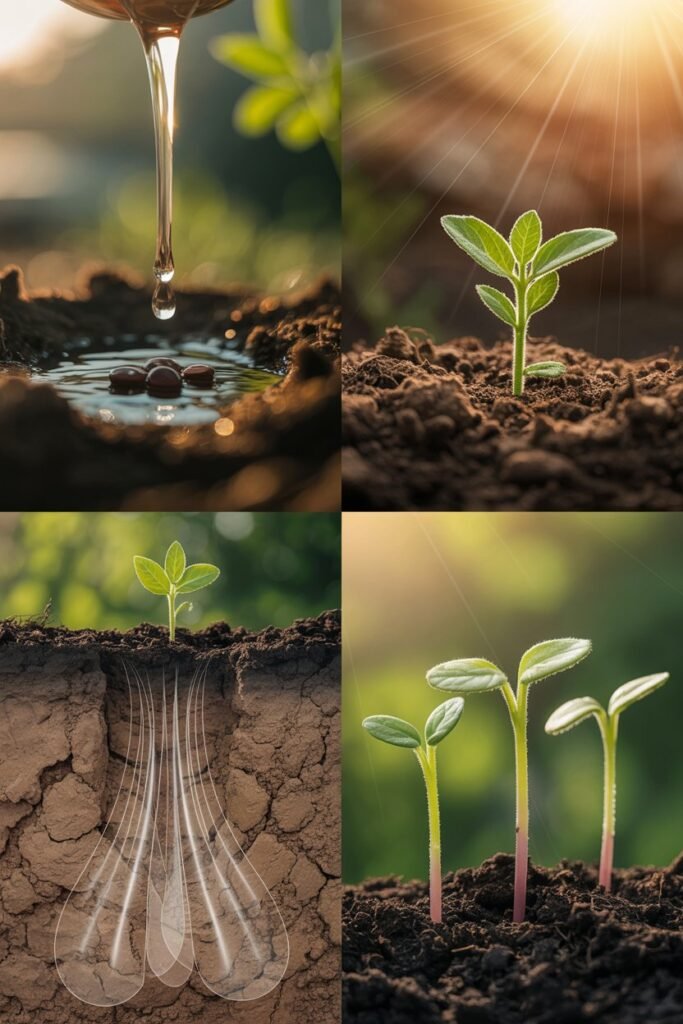
To germinate seeds faster, you need to optimize four main factors:
1. Moisture
Water activates the seed. Without it, nothing happens.
2. Temperature
Most seeds germinate best in warm conditions (18°C–30°C / 65°F–86°F).
3. Oxygen
Seeds need air to respire. Overwatering can suffocate them.
4. Light (for some seeds)
Some seeds require light to germinate, while others prefer darkness.
Proven Methods to Germinate Seeds Faster
Now let’s get into the practical part the methods that actually speed up germination.
1. Pre-Soaking Seeds
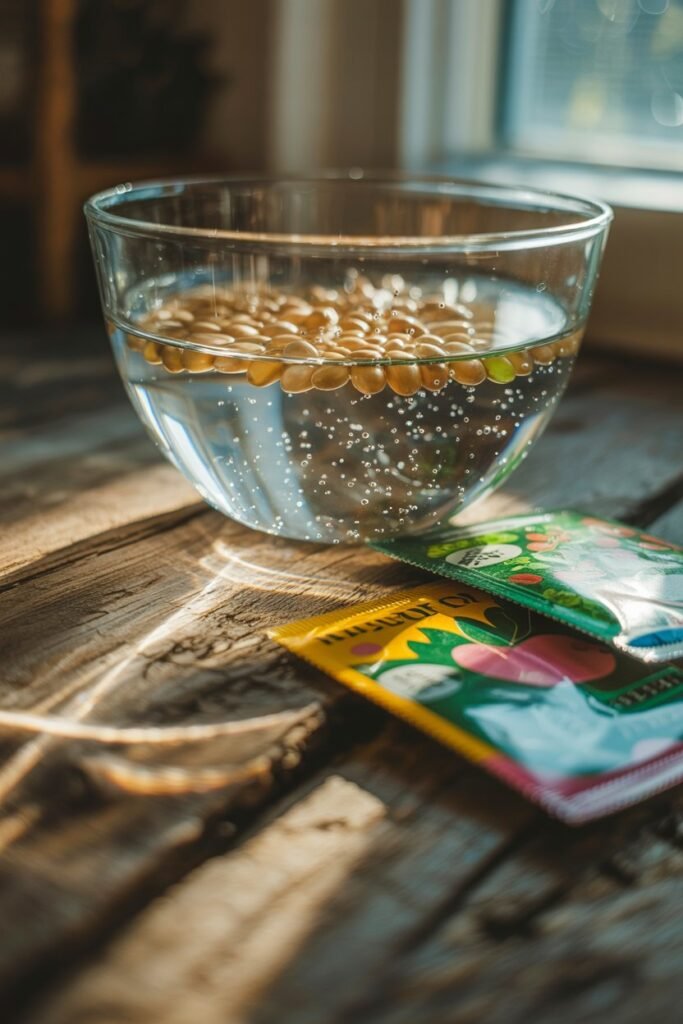
One of the simplest and most effective ways to speed up germination is soaking your seeds before planting.
How It Works
Seeds have protective outer coatings. Soaking softens this layer, allowing water to penetrate faster and trigger growth.
How to Do It
- Place seeds in a bowl of room-temperature water
- Soak for 6–24 hours (depending on seed size)
- Remove and plant immediately
Best For
- Beans
- Peas
- Corn
- Pumpkin
- Okra
Why It Speeds Things Up
Instead of waiting days for moisture to penetrate the seed coat in soil, soaking gives seeds a head start.
2. Scarification (Breaking the Seed Coat)
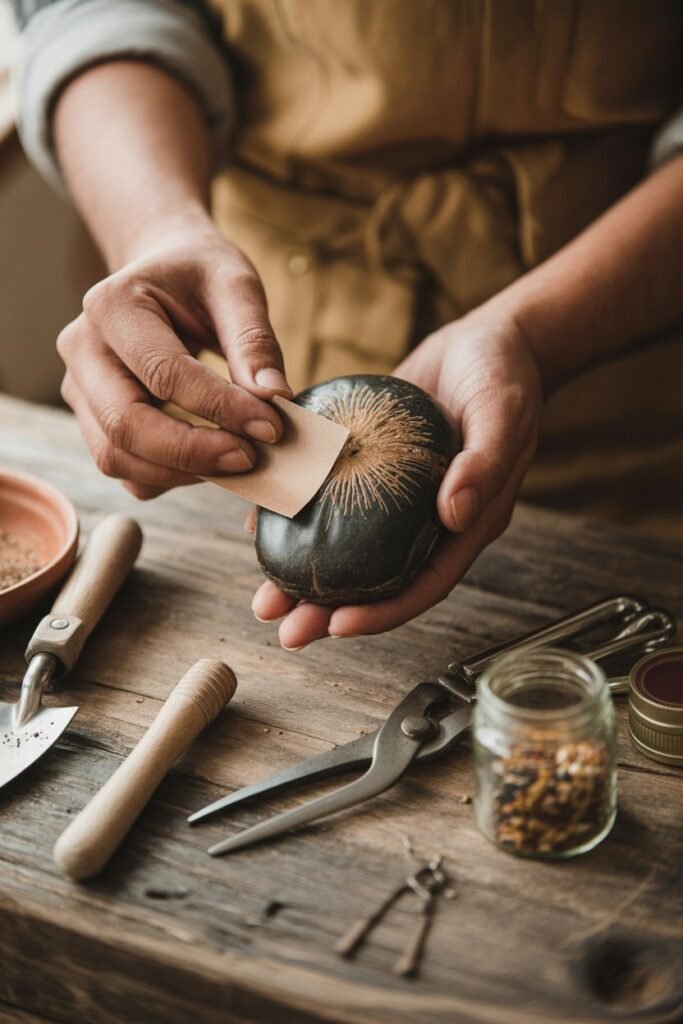
Some seeds have very hard shells that delay germination.
How It Works
Scarification weakens or breaks the outer layer so water can enter easily.
Methods
- Lightly scratch with sandpaper
- Nick with a knife
- Gently crack the shell
Best For
- Morning glory
- Lupine
- Certain tree seeds
Why It’s Faster
Water enters immediately instead of slowly breaking down the seed coat over time.
3. Using Warmth (Heat Boosting)
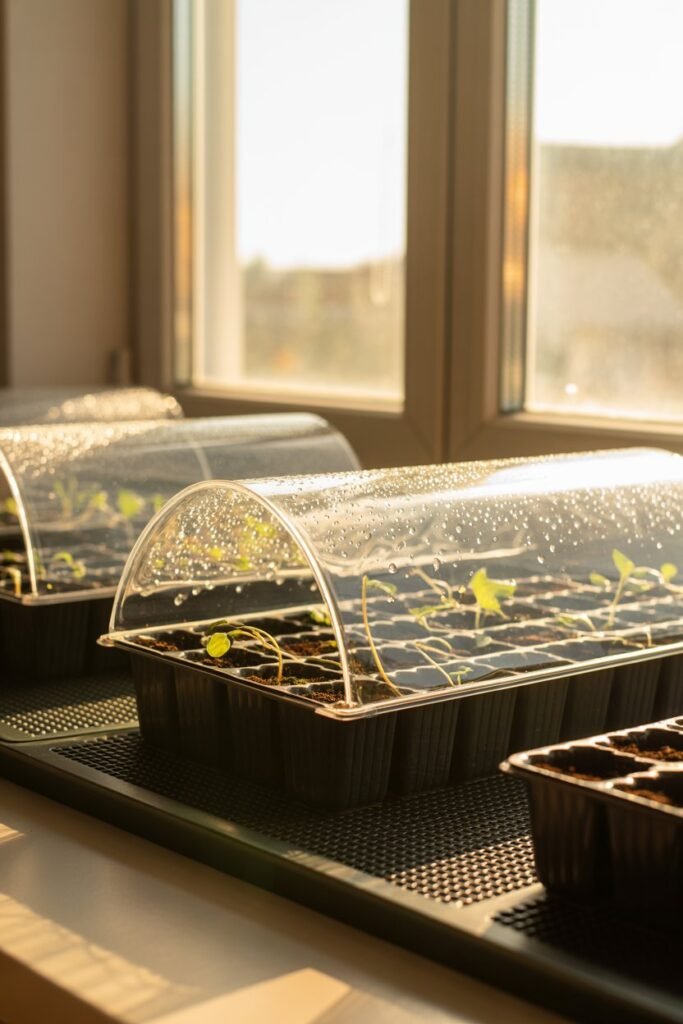
Temperature plays a huge role in how quickly seeds sprout.
Ideal Range
Most seeds prefer warm soil between 20°C–30°C.
How to Increase Temperature
- Use a heat mat
- Place trays in a warm location
- Cover with a humidity dome
Why It Works
Warmth speeds up enzyme activity inside the seed, accelerating growth processes.
4. Paper Towel Method (Pre-Sprouting)
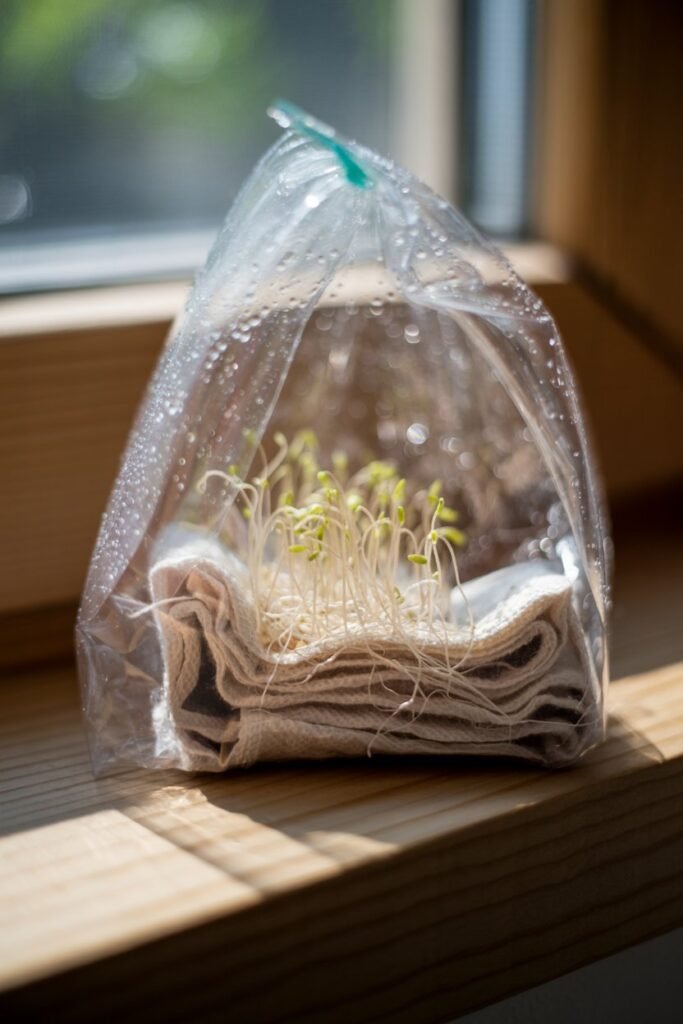
This is one of my favorite techniques when I want to see quick results.
How It Works
Seeds are placed in a moist paper towel instead of soil, allowing direct control over moisture and temperature.
Steps
- Dampen a paper towel
- Place seeds inside
- Fold and put in a plastic bag
- Keep in a warm place
- Check daily
Once seeds sprout, transfer them to soil.
Why It’s Faster
Seeds are in perfect conditions constant moisture, warmth, and oxygen without soil resistance.
5. Using the Right Growing Medium
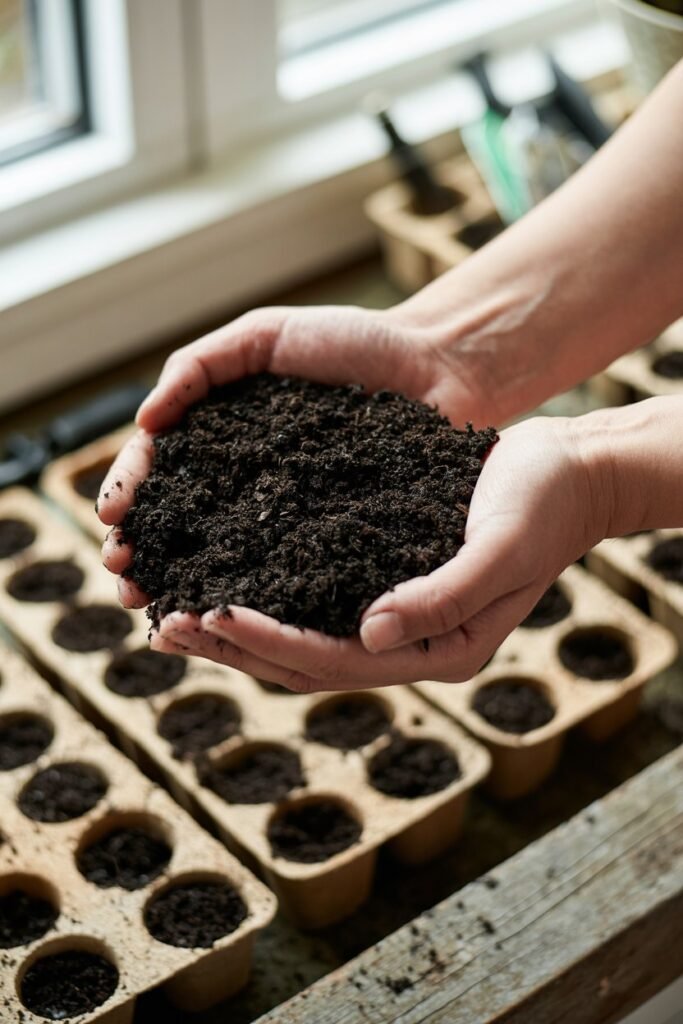
Not all soil is good for germination.
Ideal Medium Should Be:
- Light and fluffy
- Well-draining
- Free of pathogens
Best Options
- Seed-starting mix
- Coco coir
- Fine compost blends
Why It Matters
Dense or heavy soil slows root growth and reduces oxygen, delaying germination.
6. Maintaining Proper Moisture Levels
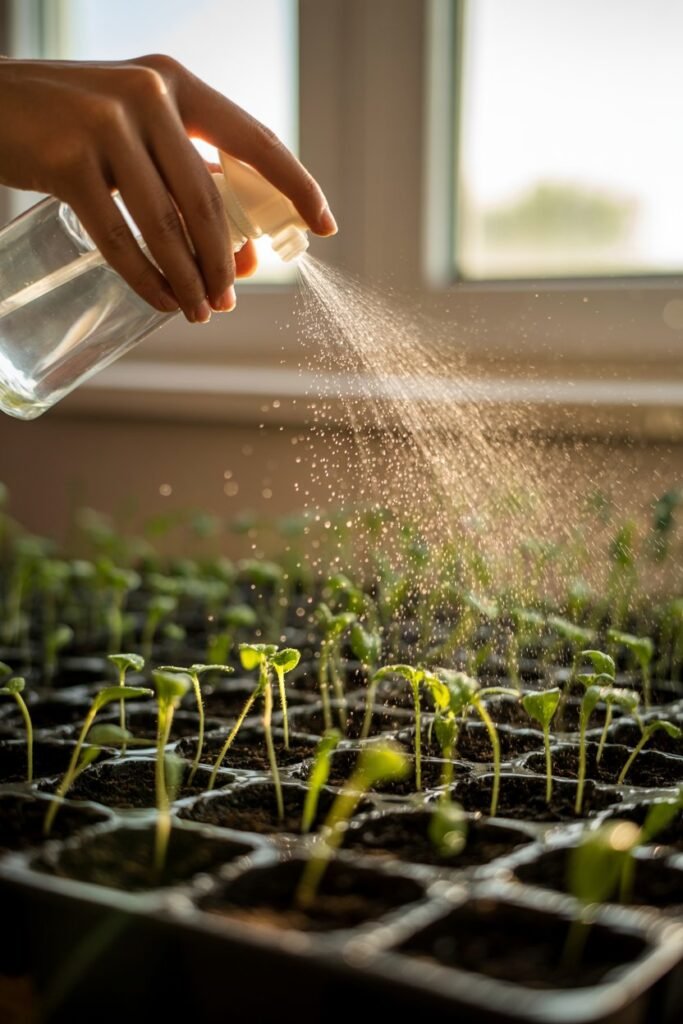
Too little water slows germination. Too much kills seeds.
Best Practice
- Keep soil evenly moist, not soggy
- Use a spray bottle instead of pouring water
Why It Speeds Germination
Consistent moisture ensures the seed stays active without stress.
7. Providing Oxygen
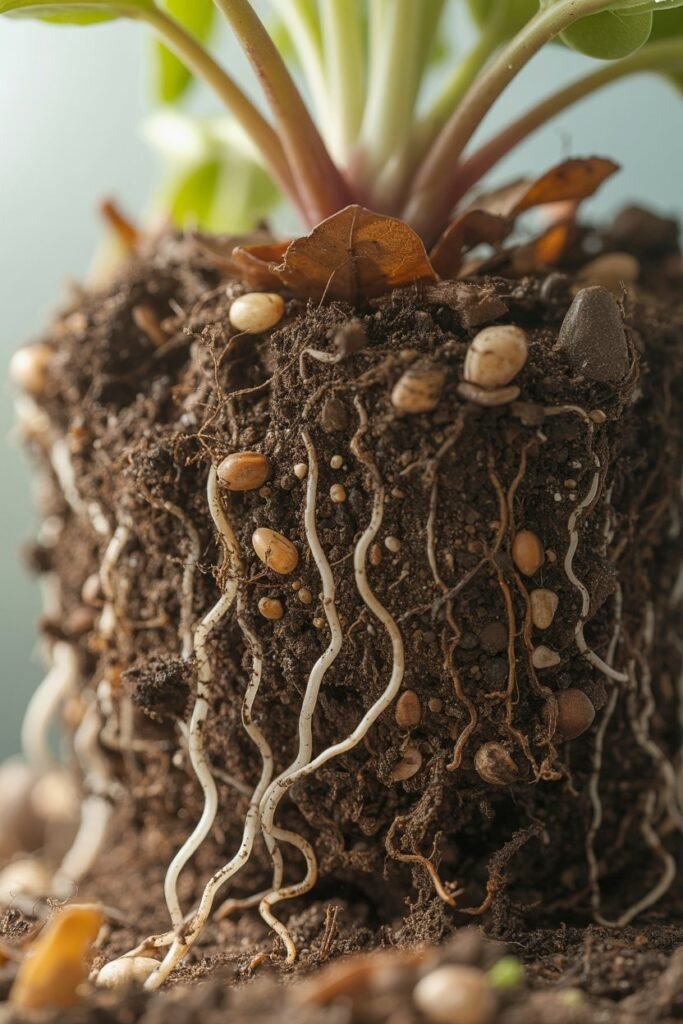
Many gardeners forget this step.
How to Improve Oxygen Flow
- Use loose soil
- Avoid compacting the soil
- Ensure good drainage
Why It Matters
Seeds need oxygen for cellular respiration. Without it, germination slows or stops.
8. Light Management
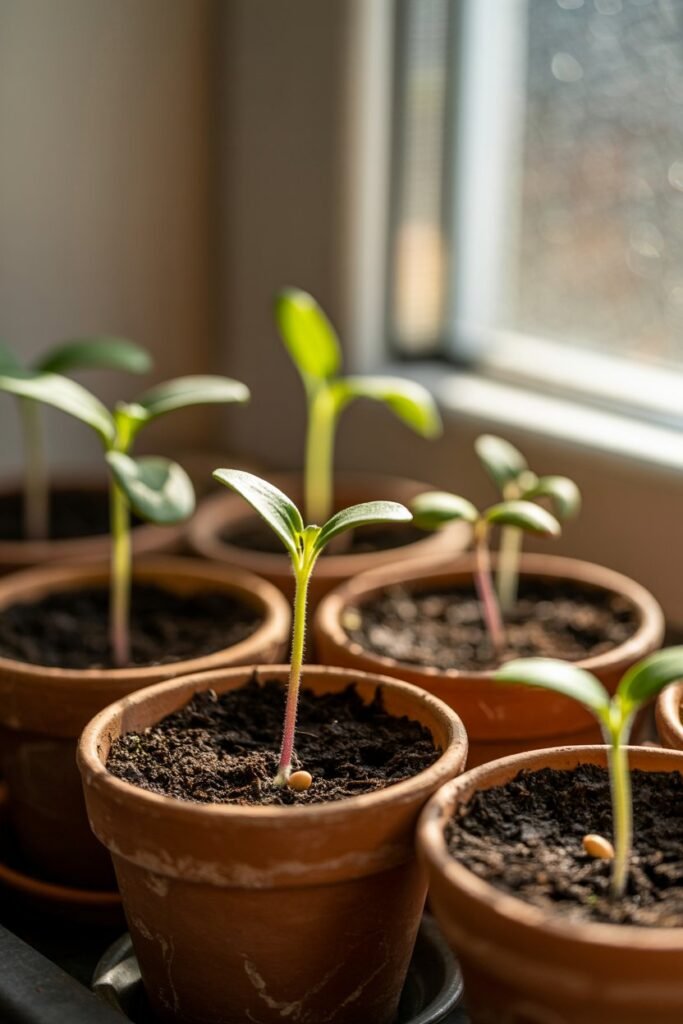
Some seeds need light to germinate, while others prefer darkness.
Light-Loving Seeds
- Lettuce
- Basil
Darkness-Loving Seeds
- Beans
- Peas
Why It Speeds Things Up
Giving seeds their preferred light condition removes delays caused by improper planting depth.
9. Proper Planting Depth
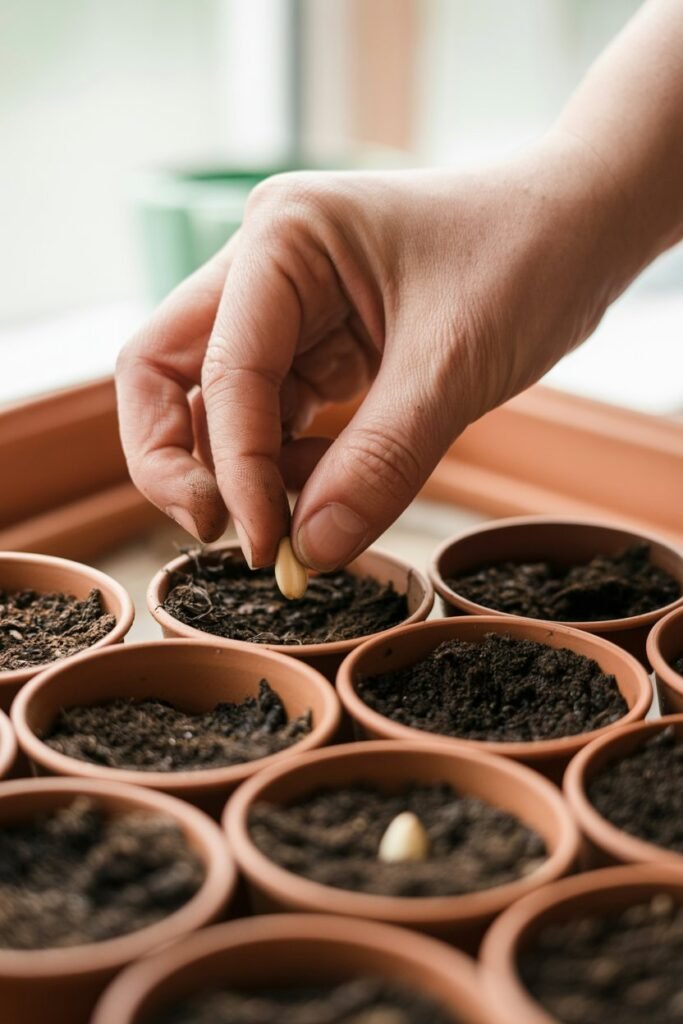
Planting too deep or too shallow can delay germination.
Rule of Thumb
Plant seeds at a depth of 2–3 times their size.
Why It Matters
- Too deep → seed struggles to reach the surface
- Too shallow → seed dries out quickly
10. Using Fresh, High-Quality Seeds

Old seeds germinate slower and less reliably.
How to Ensure Quality
- Check expiration dates
- Store seeds in cool, dry conditions
- Use seeds from trusted sources
Why It Speeds Germination
Fresh seeds have higher energy and better viability.
Advanced Techniques for Even Faster Germination
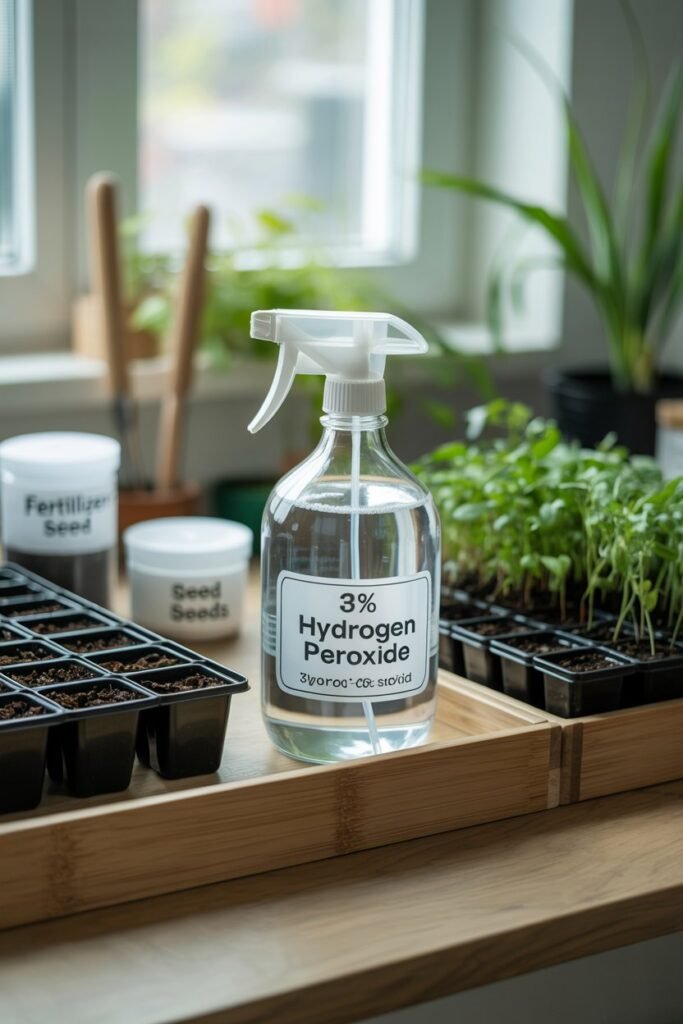
If you want to take things to the next level, try these methods.
1. Pre-Germination in Controlled Environments
Using trays, domes, and controlled setups ensures ideal conditions.
2. Using Hydrogen Peroxide Solution
A diluted hydrogen peroxide soak can:
- Kill pathogens
- Increase oxygen availability
Simple Mix
- 1 teaspoon hydrogen peroxide in 1 cup of water
3. Stratification (Cold Treatment)
Some seeds require a cold period before germination.
How It Works
Simulates winter conditions, breaking dormancy.
Best For
- Strawberries
- Apples
- Lavender
Step-by-Step Fast Germination Routine
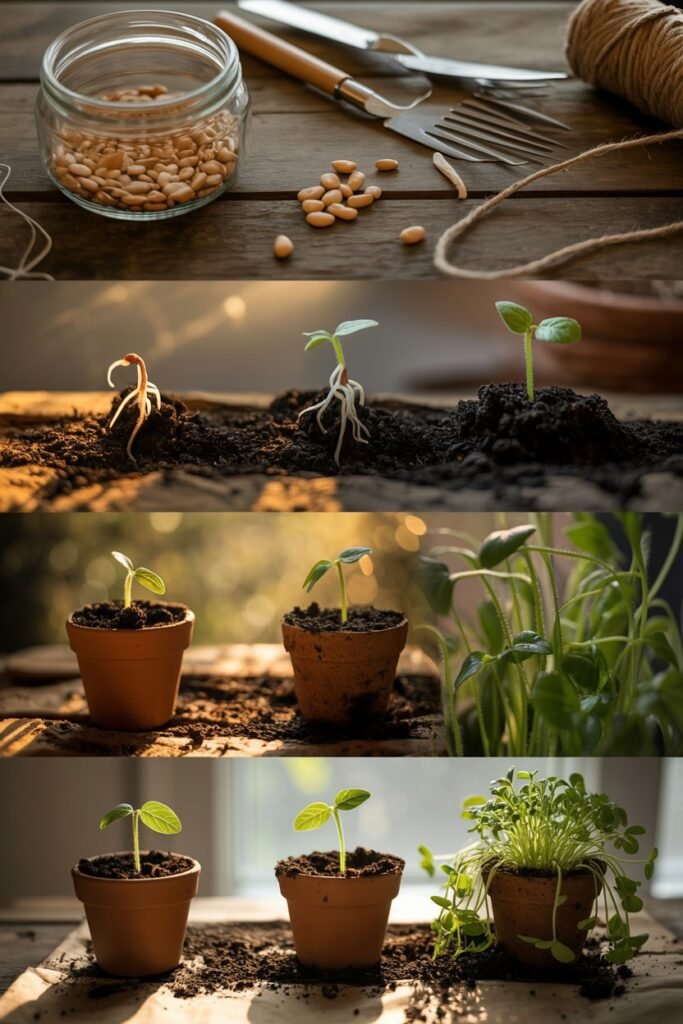
Here’s a simple process you can follow:
- Select fresh seeds
- Pre-soak if needed
- Use a light seed-starting mix
- Plant at correct depth
- Water gently
- Keep warm (20–30°C)
- Maintain moisture
- Provide correct light
- Monitor daily
Common Mistakes That Slow Germination
Avoid these if you want fast results:
- Overwatering (causes rot)
- Using heavy soil
- Planting too deep
- Ignoring temperature
- Using old seeds
- Letting soil dry out
How Faster Germination Leads to Better Yields
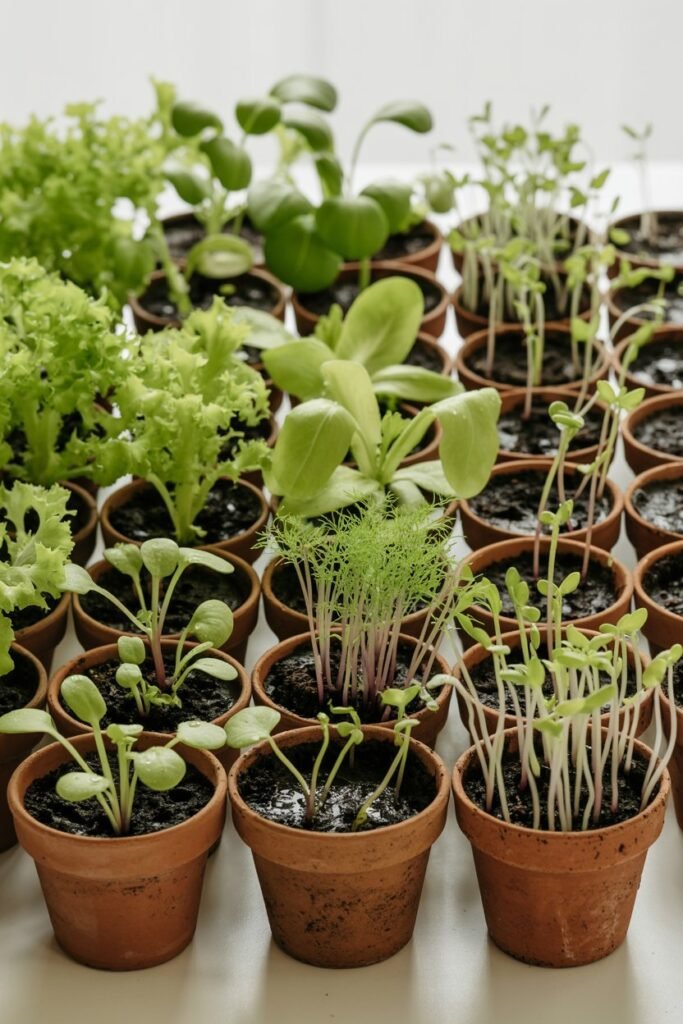
Fast germination doesn’t just save time it directly impacts your harvest.
1. Strong Root Systems
Quick-start seeds develop roots earlier, giving plants a solid foundation.
2. Uniform Growth
Even germination leads to plants growing at the same rate.
3. Reduced Disease Risk
Seeds that sprout quickly spend less time exposed to soil pathogens.
4. Better Nutrient Uptake
Healthy early growth improves the plant’s ability to absorb nutrients.
Best Seeds for Quick Germination (Beginner-Friendly)
If you want fast results, start with these:
- Radishes (3–5 days)
- Lettuce (5–7 days)
- Beans (5–10 days)
- Cucumbers (5–8 days)
- Sunflowers (7–10 days)
Creating the Perfect Germination Environment at Home
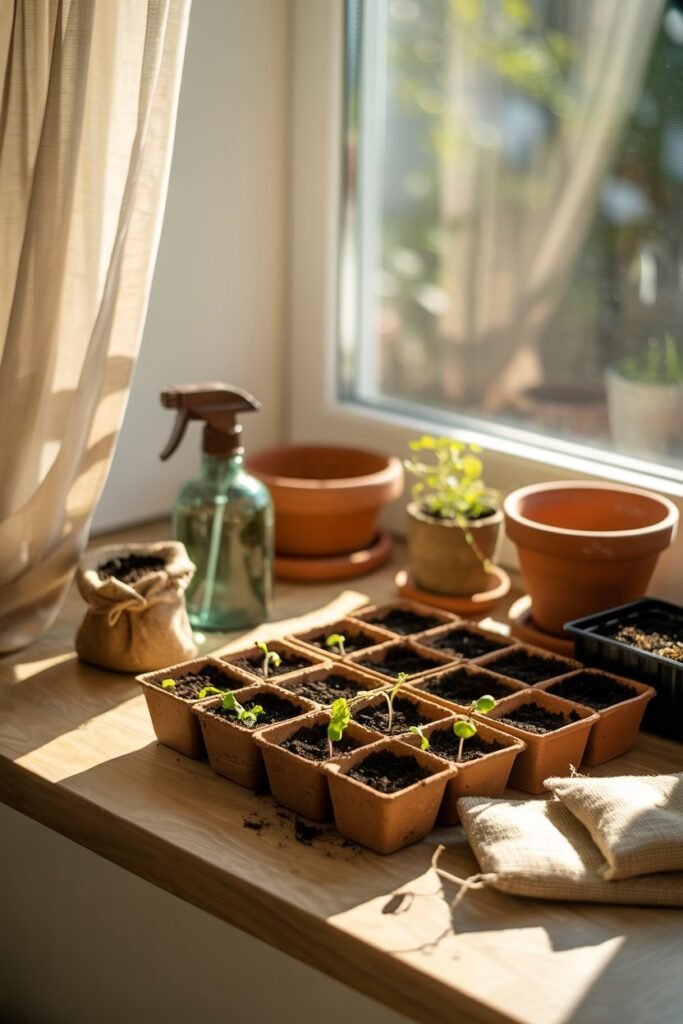
You don’t need expensive tools to get great results.
Simple Setup
- Seed trays or containers
- Good soil mix
- Plastic cover or wrap
- Warm spot (like near a window)
Optional Upgrades
- Heat mat
- Grow lights
- Humidity dome
Final Thoughts
Speeding up germination is really about understanding what seeds need and giving it to them in the best possible way.
Once you learn how to control moisture, temperature, oxygen, and light, everything changes. Seeds stop feeling unpredictable, and gardening becomes more intentional and rewarding.
There’s something incredibly satisfying about seeing those first sprouts appear sooner than expected. It feels like a quiet confirmation that you’re doing something right. And the more you practice these methods, the more consistent your results will become.
Start simple try soaking a few seeds or using the paper towel method and build from there.
Over time, you’ll develop your own rhythm and preferences, and germination will no longer feel like a waiting game, but a process you understand and control.
And honestly, that’s when gardening becomes truly magical.
