
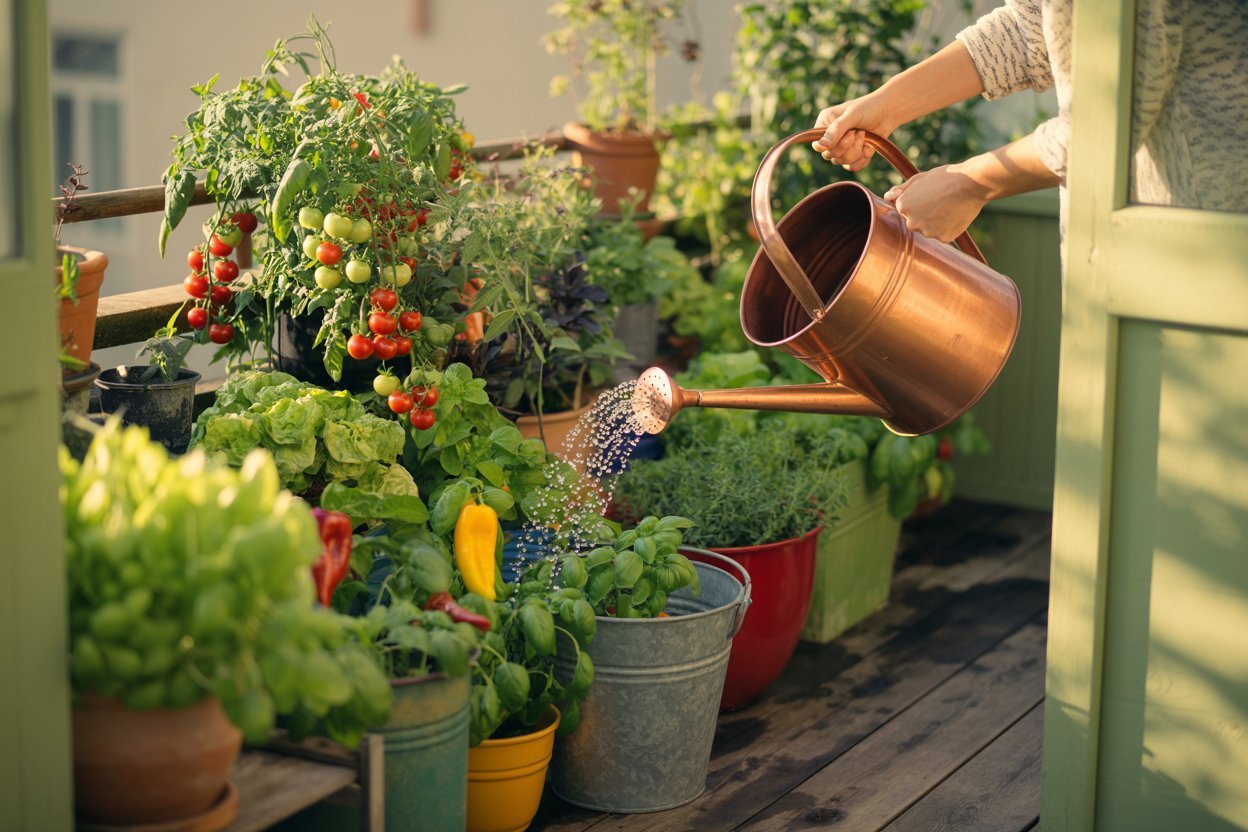

There’s something quietly empowering about growing your own food especially when you realize you don’t need a large garden, perfect soil, or even much space to begin.
A simple bucket, a bit of sunlight, and your willingness to nurture life is enough to start something truly special.
Bucket gardening is not just a workaround for small spaces it’s a beautifully flexible, beginner-friendly way to grow fresh, nourishing vegetables right at home.
Whether you’re working with a balcony, a small backyard, a rooftop, or even a sunny corner near your door, buckets open up a world of possibilities.
This guide will gently walk you through everything you need to know from the best vegetables to grow, to the exact steps for planting, caring, and harvesting all in a way that feels simple, doable, and rewarding.
Let’s begin.
Why Growing Vegetables in Buckets Just Makes Sense
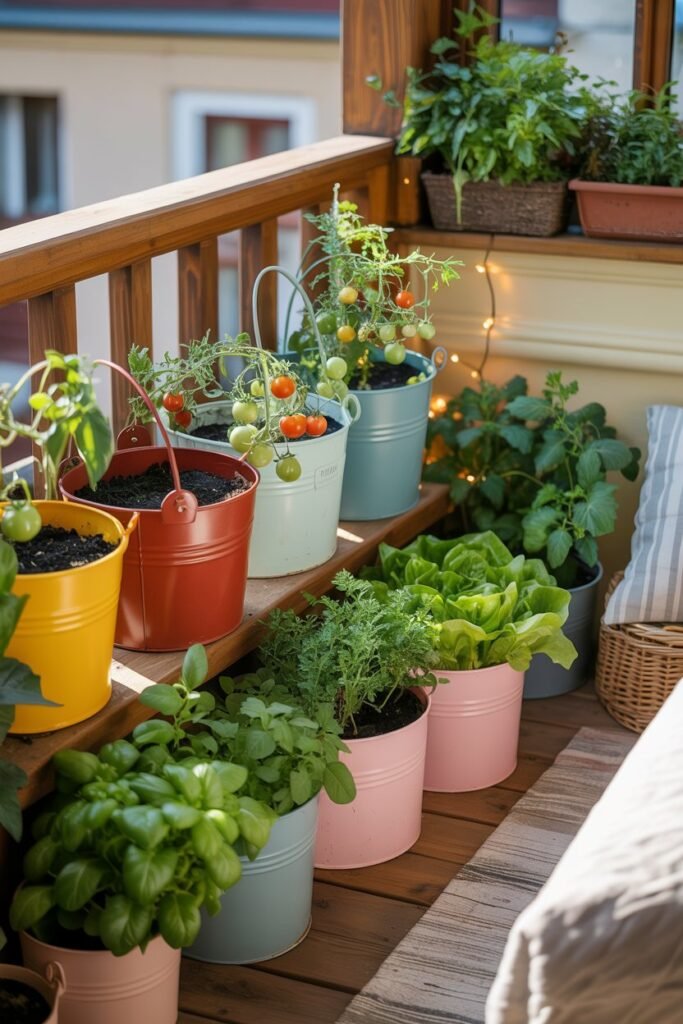
Before we dive into what to grow, it’s important to understand why bucket gardening is such a powerful method.
1. Perfect for Small Spaces
Not everyone has access to a traditional garden, but buckets can fit almost anywhere balconies, patios, rooftops, and even indoors near a sunny window.
2. Control Over Soil Quality
Instead of struggling with poor or compacted ground soil, you can create your own rich, healthy growing mix inside each bucket.
3. Easier Pest Management
Raising plants off the ground often reduces pest issues, and it’s easier to monitor and protect your crops.
4. Mobility
Buckets can be moved chasing sunlight, avoiding heavy rain, or protecting plants during harsh weather.
5. Beginner-Friendly
There’s less guesswork. You’re working in a contained environment, which makes learning much easier.
Choosing the Right Buckets (Your Foundation Matters)
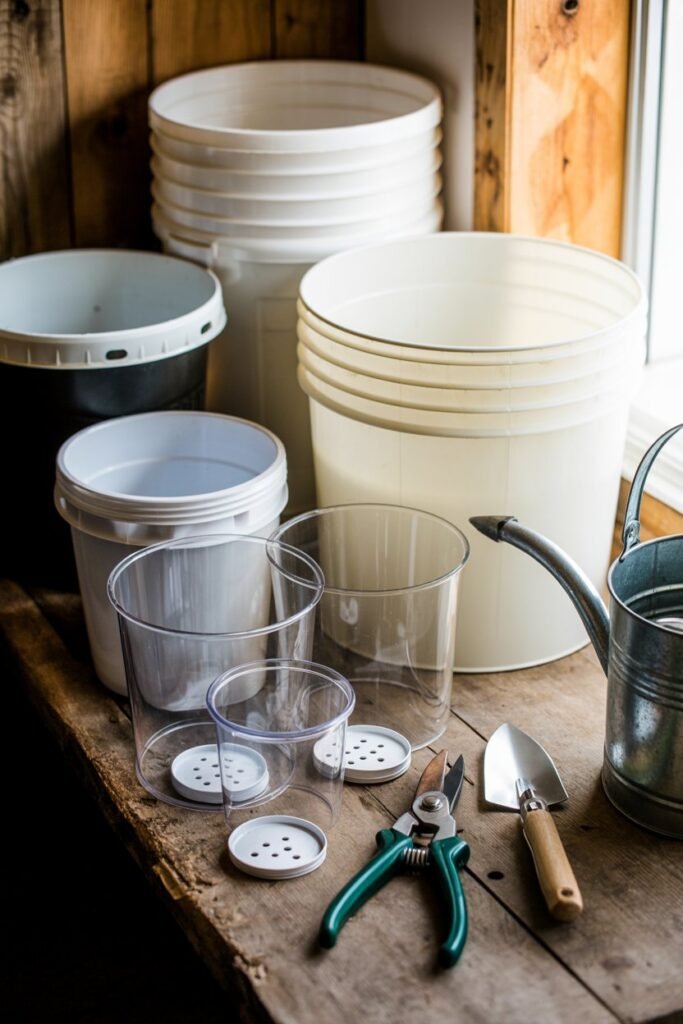
Not all buckets are created equal, and choosing the right one will make a big difference.
Ideal Bucket Size
- Minimum: 10 liters (2.5 gallons)
- Best for most vegetables: 15–20 liters (4–5 gallons)
- Larger plants (like tomatoes) thrive in bigger containers
Material Options
- Plastic buckets (most common and affordable)
- Food-grade containers (safer for edibles)
- Paint buckets (only if thoroughly cleaned and safe)
Drainage is Essential
This is non-negotiable.
You’ll need:
- 3–6 holes at the bottom
- Optional: a few side holes near the base
Without drainage, roots can rot and that’s one of the most common beginner mistakes.
The Perfect Soil Mix for Bucket Gardening
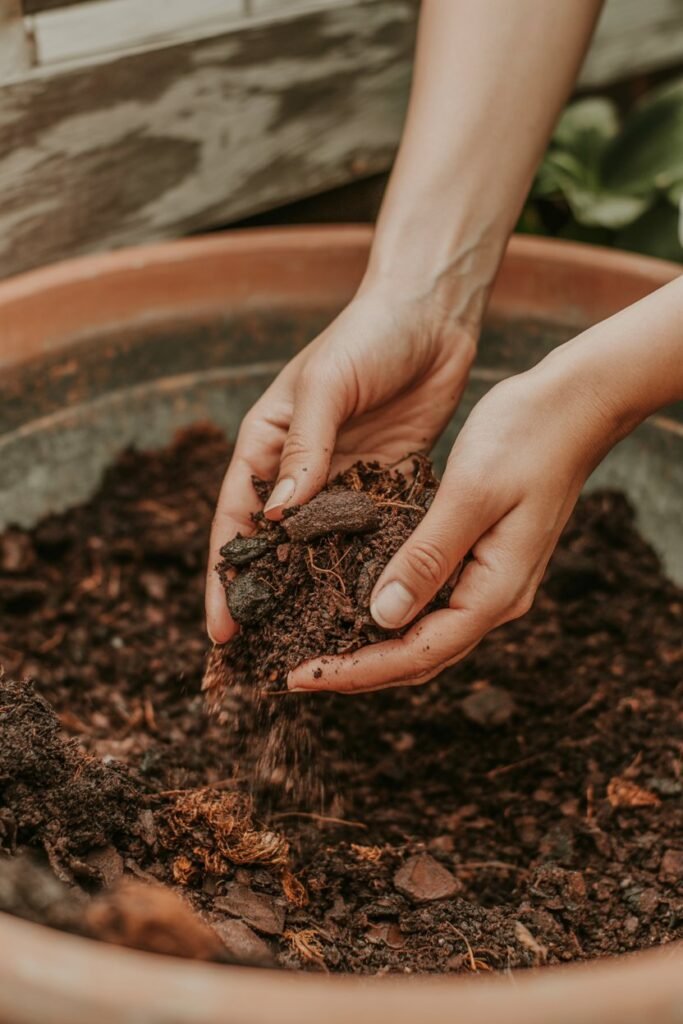
Your plants depend entirely on what’s inside that bucket so let’s make it nourishing.
Ideal Soil Mix:
- 40% garden soil (or topsoil)
- 30% compost (very important!)
- 20% coco coir or peat (for moisture retention)
- 10% sand or perlite (for drainage)
Why This Works:
- Compost feeds your plants
- Coco coir keeps moisture balanced
- Sand/perlite prevents waterlogging
Think of this as creating a soft, breathable, nutrient-rich home for your plants.
Best Vegetables You Can Grow in Buckets
Now comes the exciting part choosing what to grow
1. Leafy Greens (Fast, Easy, and Rewarding)
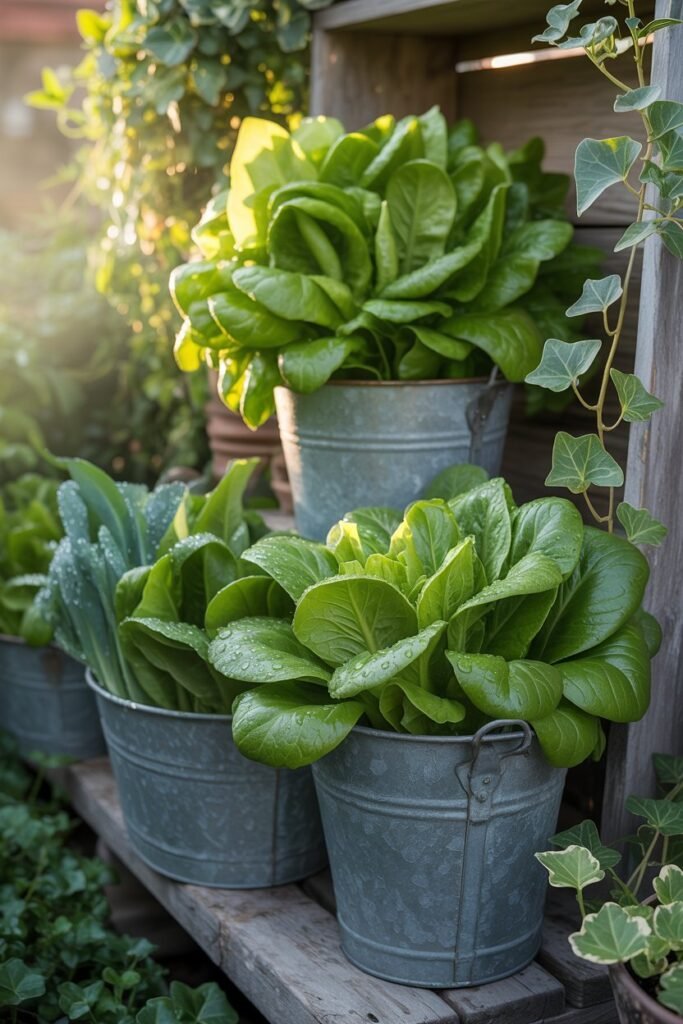
Examples:
- Lettuce
- Spinach
- Kale
- Arugula
Why They’re Perfect:
- Shallow roots
- Grow quickly
- Can be harvested multiple times
How to Grow:
- Use a medium-sized bucket (10–15L)
- Sow seeds directly
- Keep soil moist (not soggy)
- Partial sunlight works fine
Harvest Tip:
Pick outer leaves first your plant will keep producing.
2. Tomatoes (A Bucket Garden Favorite)
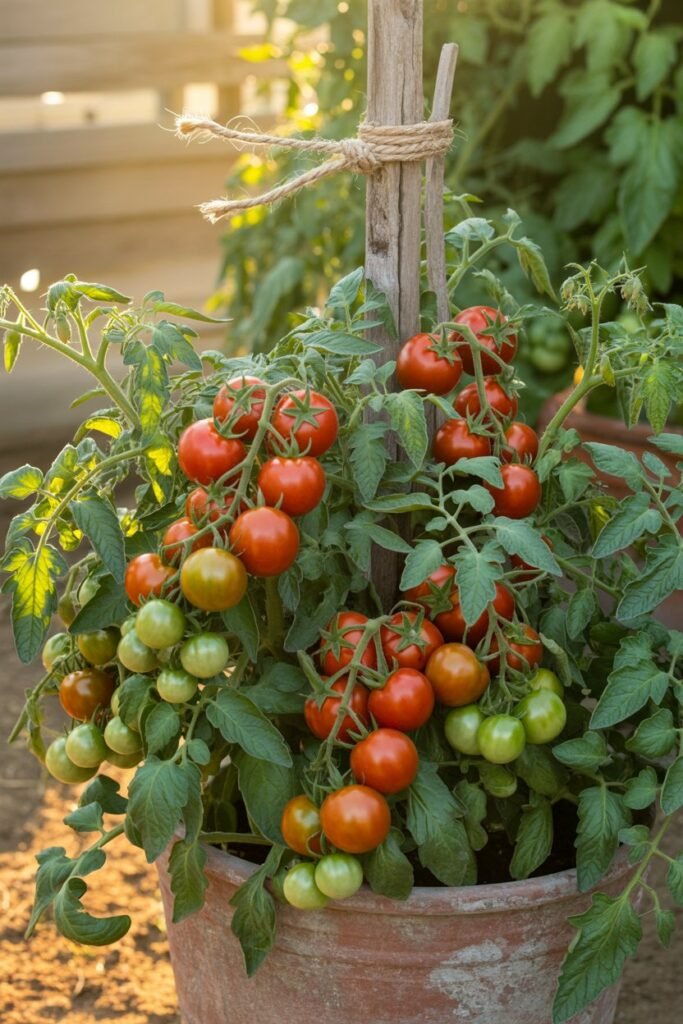
Why They’re Popular:
- High yield
- Grow beautifully in containers
- Extremely satisfying to harvest
What They Need:
- 20L bucket (minimum)
- Strong support (stake or cage)
- Full sunlight (6–8 hours daily)
Growing Tips:
- Plant deep (bury part of the stem)
- Water consistently
- Feed regularly with compost or liquid fertilizer
3. Peppers (Sweet and Hot Varieties)
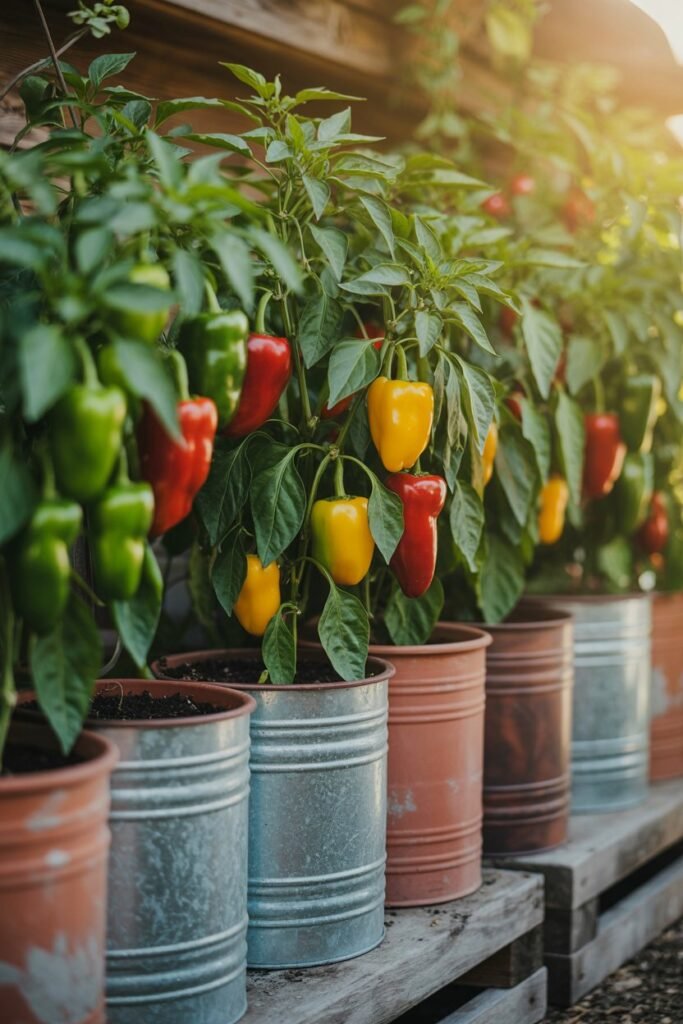
Includes:
- Bell peppers
- Chili peppers
Why They Thrive:
- Compact growth
- Adapt well to containers
Care Tips:
- Use a 15–20L bucket
- Full sunlight is key
- Avoid overwatering
4. Root Vegetables (Yes, Even These!)
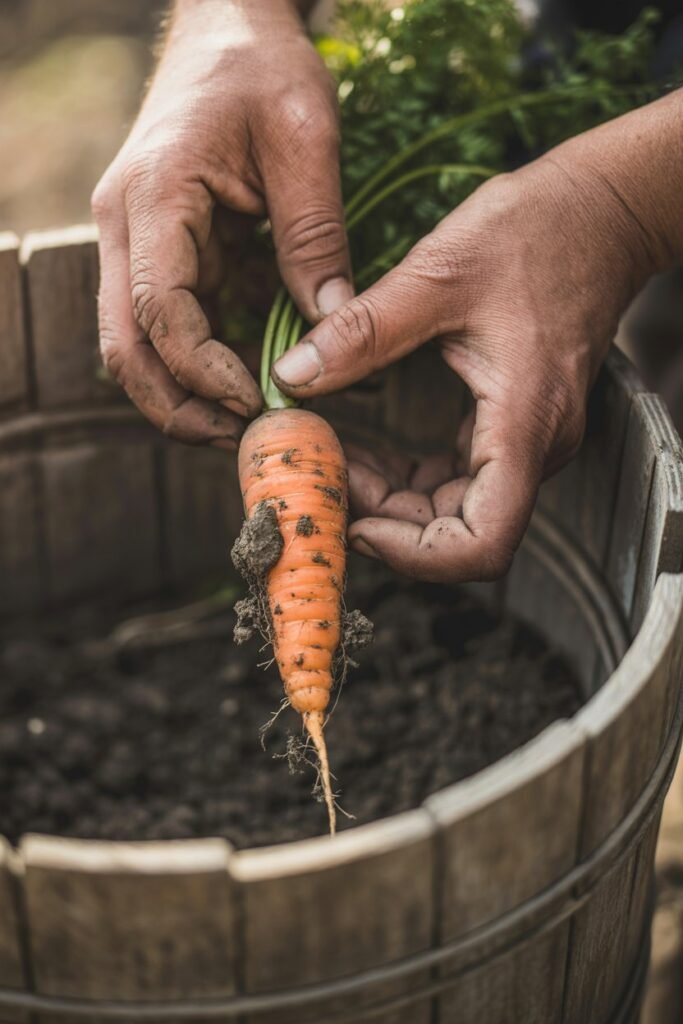
Examples:
- Carrots
- Radishes
- Beets
What Matters Most:
Depth.
Tips:
- Use deep buckets (at least 20–30cm)
- Loose, stone-free soil
- Keep soil evenly moist
Short carrot varieties work best in containers.
5. Cucumbers (Climbing and Space-Saving)
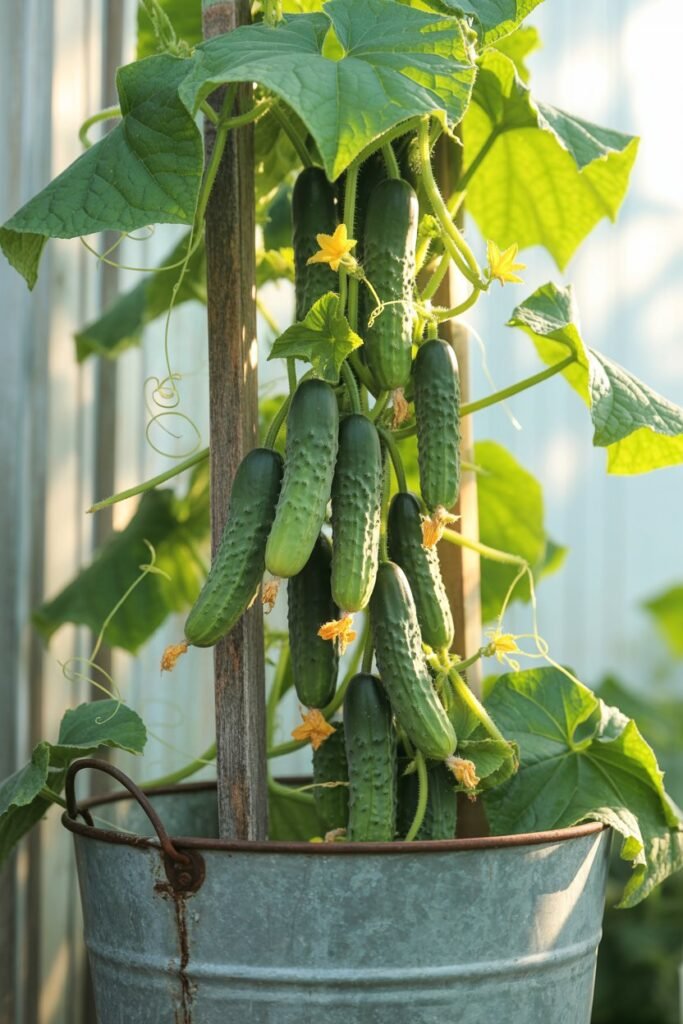
Why They’re Great:
- Grow vertically
- Produce generously
Requirements:
- 20L bucket
- Trellis or support
Tips:
- Water consistently
- Harvest regularly to encourage more growth
6. Onions and Green Onions
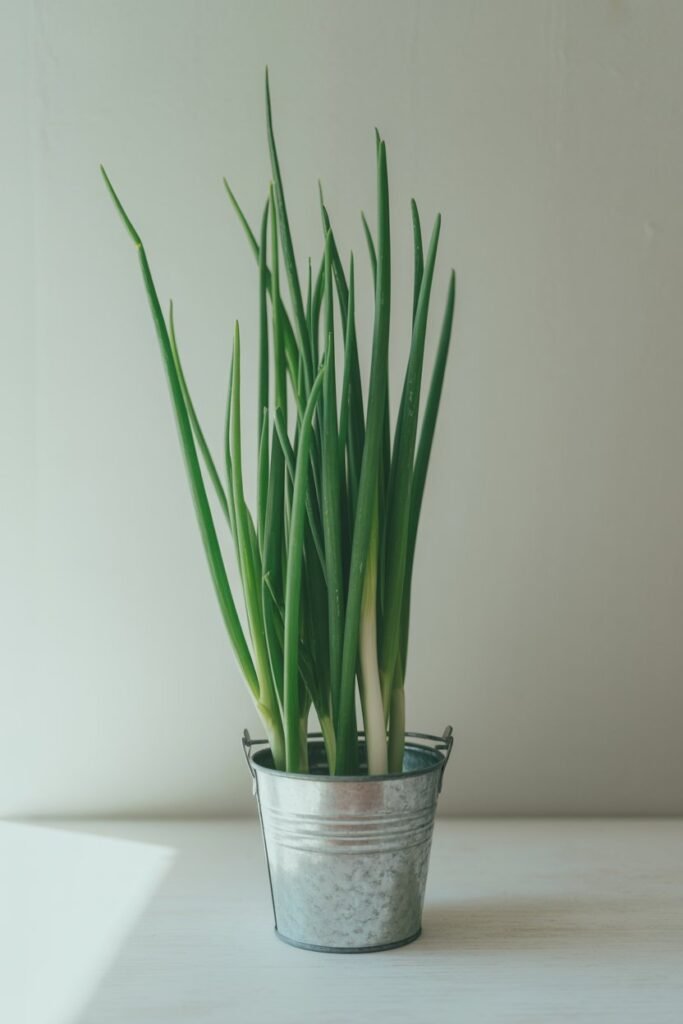
Easy and Low Maintenance
Growing Tips:
- Use smaller buckets
- Space bulbs properly
- Requires moderate sunlight
7. Potatoes (Surprisingly Easy!)
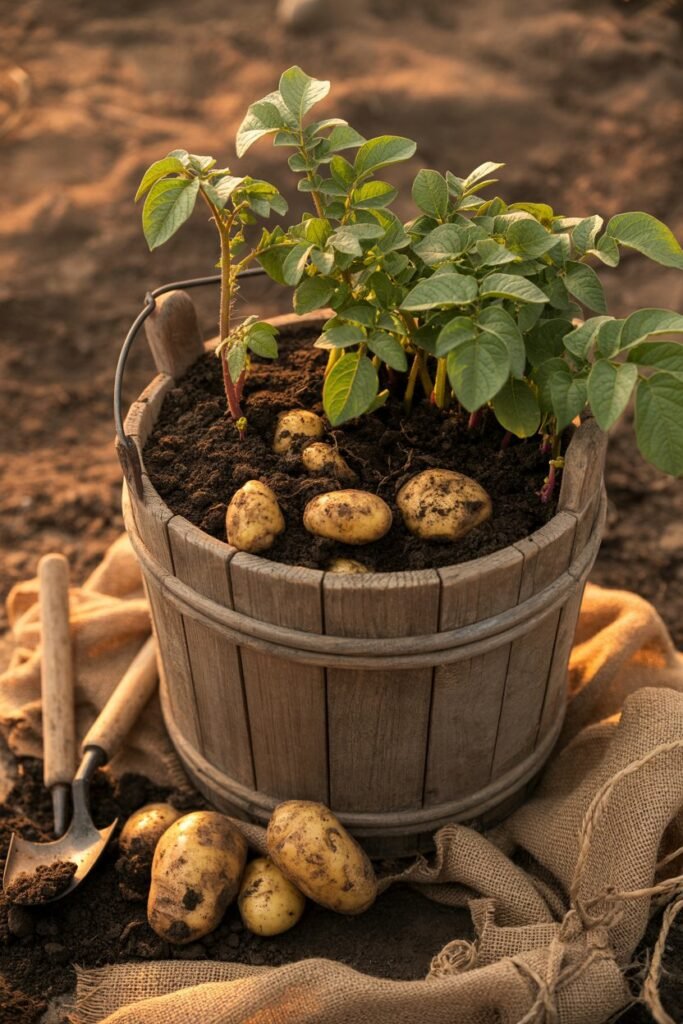
Why Try Them:
- Fun and rewarding
- High yield in containers
How to Grow:
- Start with seed potatoes
- Add soil gradually as they grow
- Use deep buckets or grow bags
8. Herbs (Perfect for Beginners)
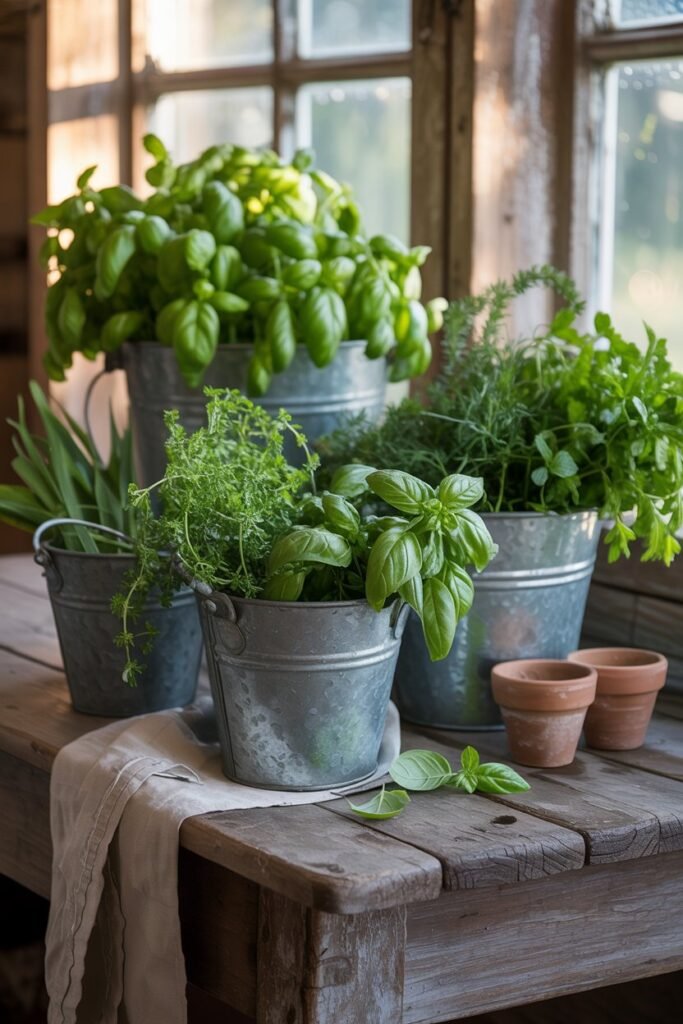
Examples:
- Basil
- Mint
- Parsley
- Thyme
Why They Shine:
- Require little space
- Grow quickly
- Perfect for kitchen use
Sunlight Requirements (Understanding Your Space)
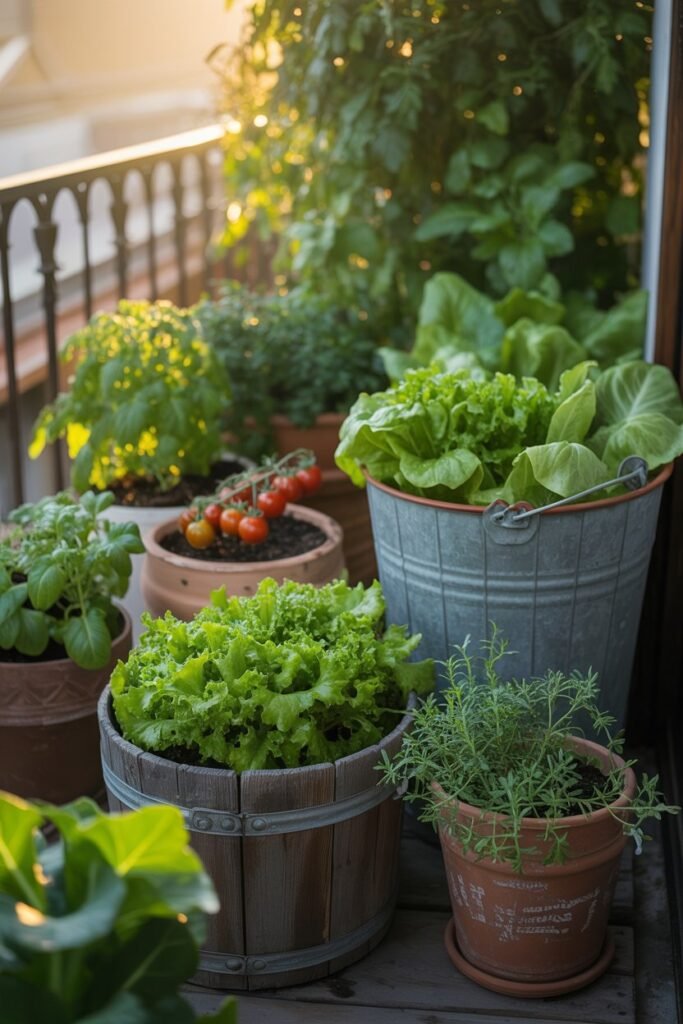
Most vegetables need:
- Full sun: 6–8 hours daily
- Leafy greens can tolerate less
Tips:
- Observe your space for a day
- Move buckets if needed
- South-facing areas are ideal
Watering Your Bucket Garden (The Gentle Balance)
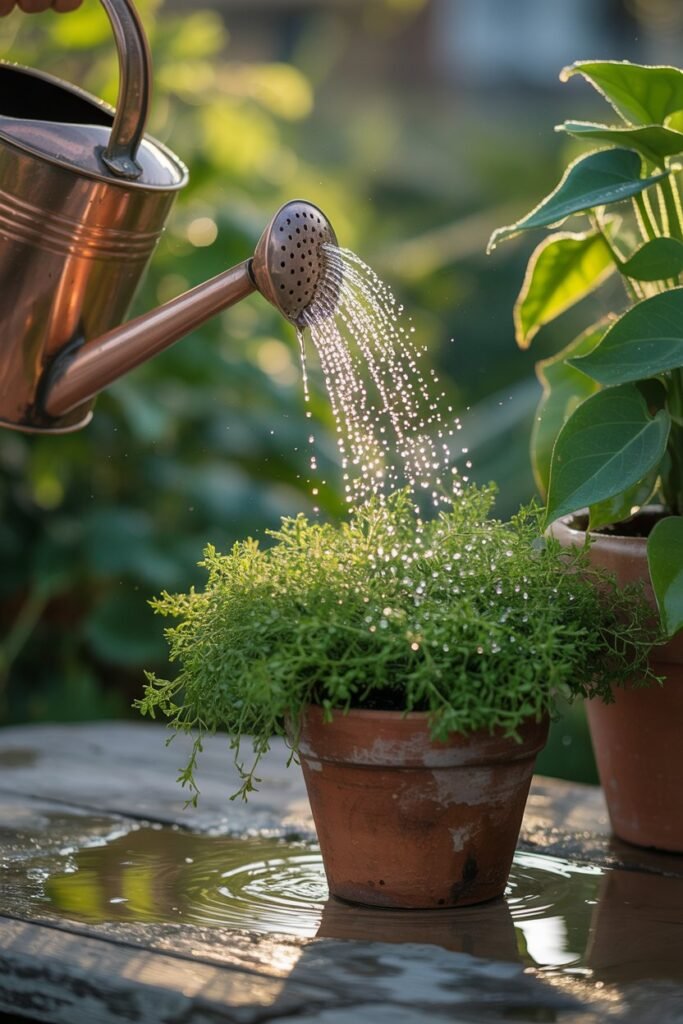
Watering is where many beginners struggle but it’s simple once you understand the rhythm.
General Rule:
- Water when the top 2–3cm of soil feels dry
Signs of Overwatering:
- Yellow leaves
- Mushy soil
- Slow growth
Signs of Underwatering:
- Wilting
- Dry, cracked soil
Buckets dry out faster than ground soil check daily.
Feeding Your Plants (Because Buckets Run Out of Nutrients)
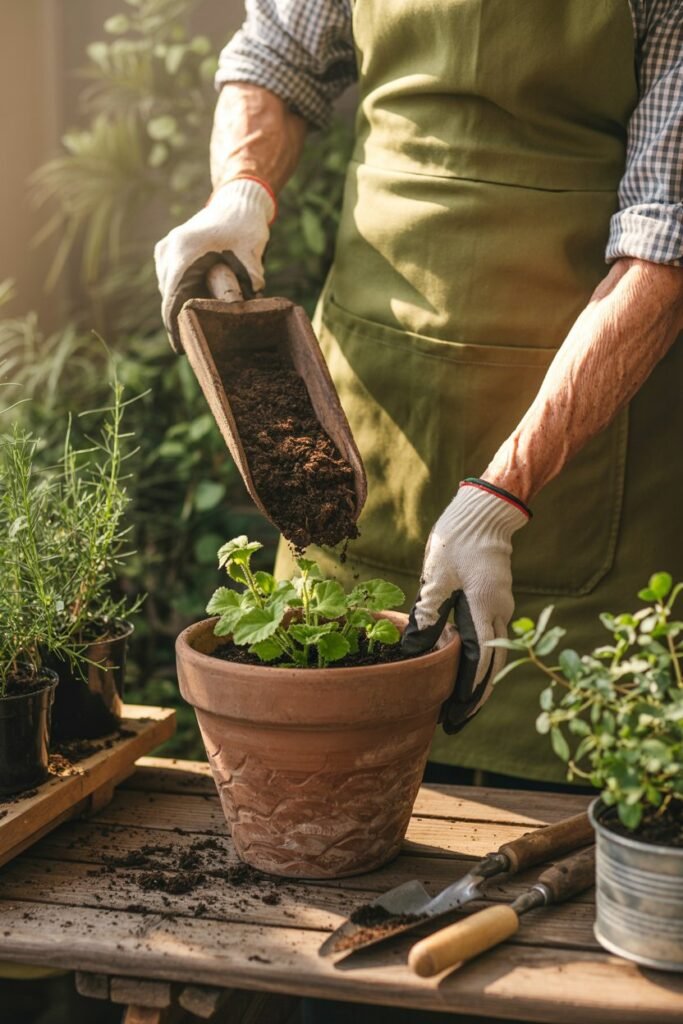
Unlike ground soil, bucket soil loses nutrients quickly.
Feed Every 1–2 Weeks:
- Compost
- Liquid fertilizer
- Organic options like compost tea
Why This Matters:
Healthy plants = better yield and stronger growth
Common Problems (And Gentle Solutions)
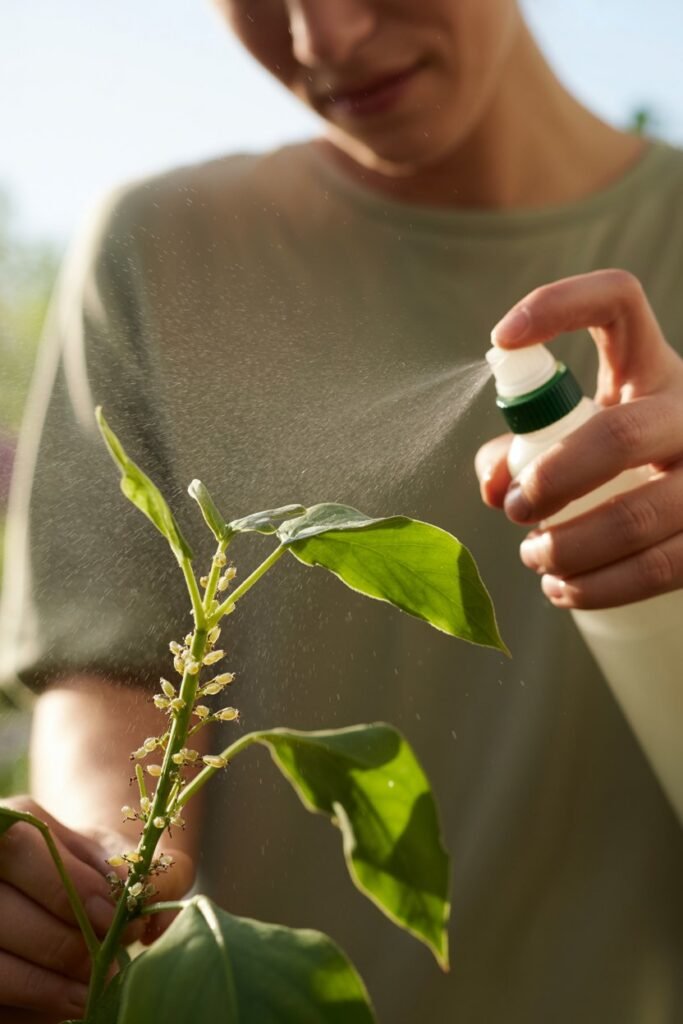
Pests
- Aphids, caterpillars, whiteflies
Solution:
- Neem oil spray
- Soapy water spray
Yellow Leaves
- Overwatering or nutrient deficiency
Slow Growth
- Lack of sunlight
- Poor soil
- Need for feeding
Companion Planting in Buckets
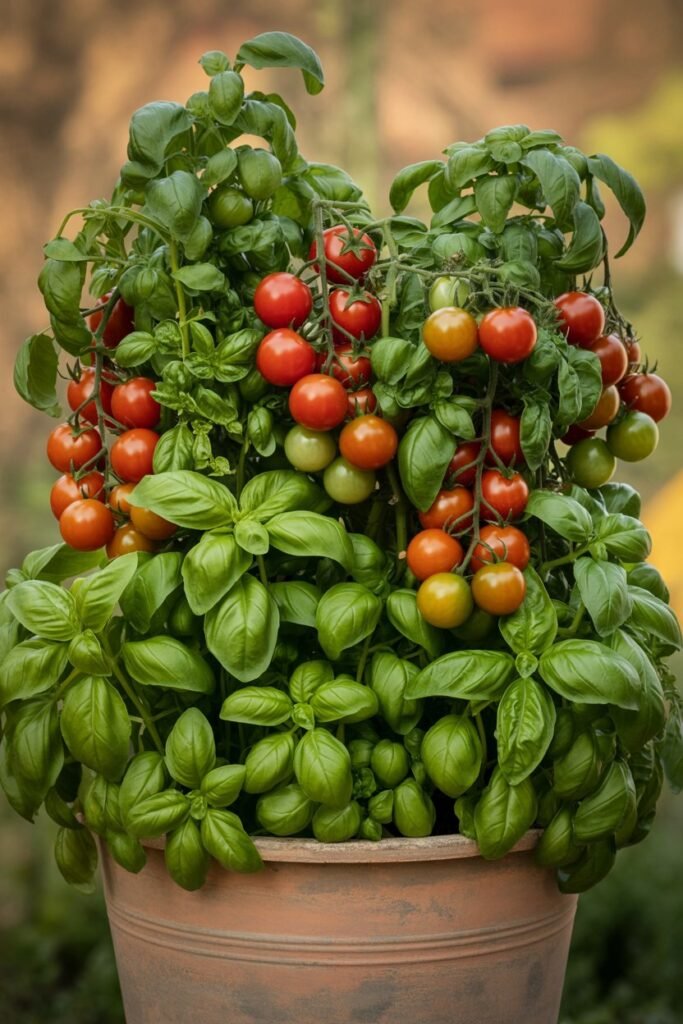
You can grow multiple plants together:
Examples:
- Tomatoes + basil
- Lettuce + radishes
Benefits:
- Saves space
- Improves growth
- Helps deter pests
Step-by-Step: How to Start Your Bucket Garden
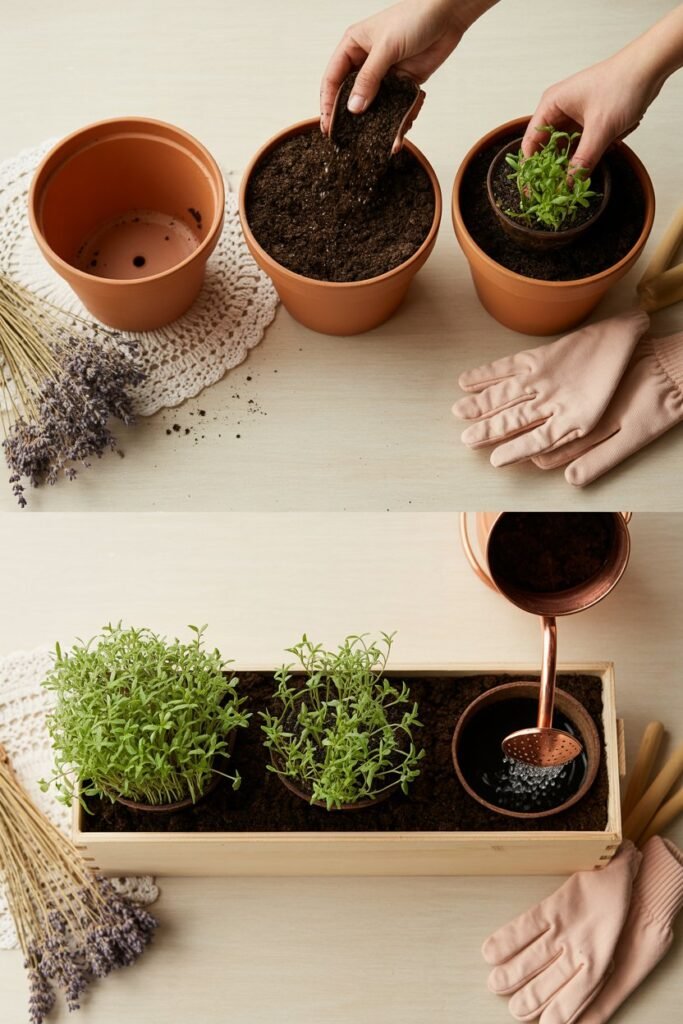
Let’s bring it all together in a simple, gentle process:
1. Choose Your Buckets
Make sure they’re clean and have drainage holes.
2. Prepare Soil Mix
Light, rich, and well-draining.
3. Plant Seeds or Seedlings
Follow spacing guidelines.
4. Water Gently
Don’t flood just moisten.
5. Place in Sunlight
Adjust as needed.
6. Feed Regularly
Every 1–2 weeks.
7. Watch and Care
Observe your plants they’ll “tell” you what they need.
Tips for Success (From One Gardener to Another)
- Start small don’t overwhelm yourself
- Label your buckets
- Rotate crops occasionally
- Keep a simple gardening journal
- Celebrate small wins
Harvesting (The Most Rewarding Part)
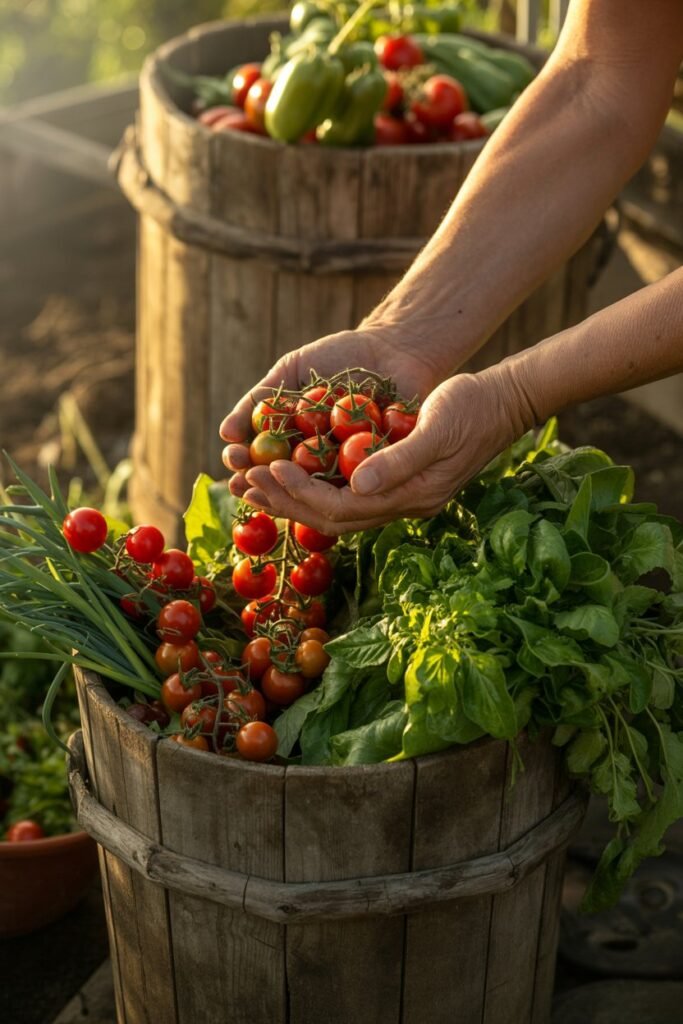
Harvesting isn’t just about food it’s about connection.
Tips:
- Harvest early in the morning
- Use clean scissors or hands
- Don’t wait too long many vegetables taste best when young
Final Thoughts: Growing More Than Just Food
Bucket gardening is more than a method it’s a quiet invitation to slow down, to nurture, and to reconnect with something real and grounding.
Even with just one bucket, you’re creating life. You’re learning patience. You’re building something meaningful one leaf, one fruit, one harvest at a time.
Start where you are. Use what you have. Grow what you can.
And trust it will be enough
