
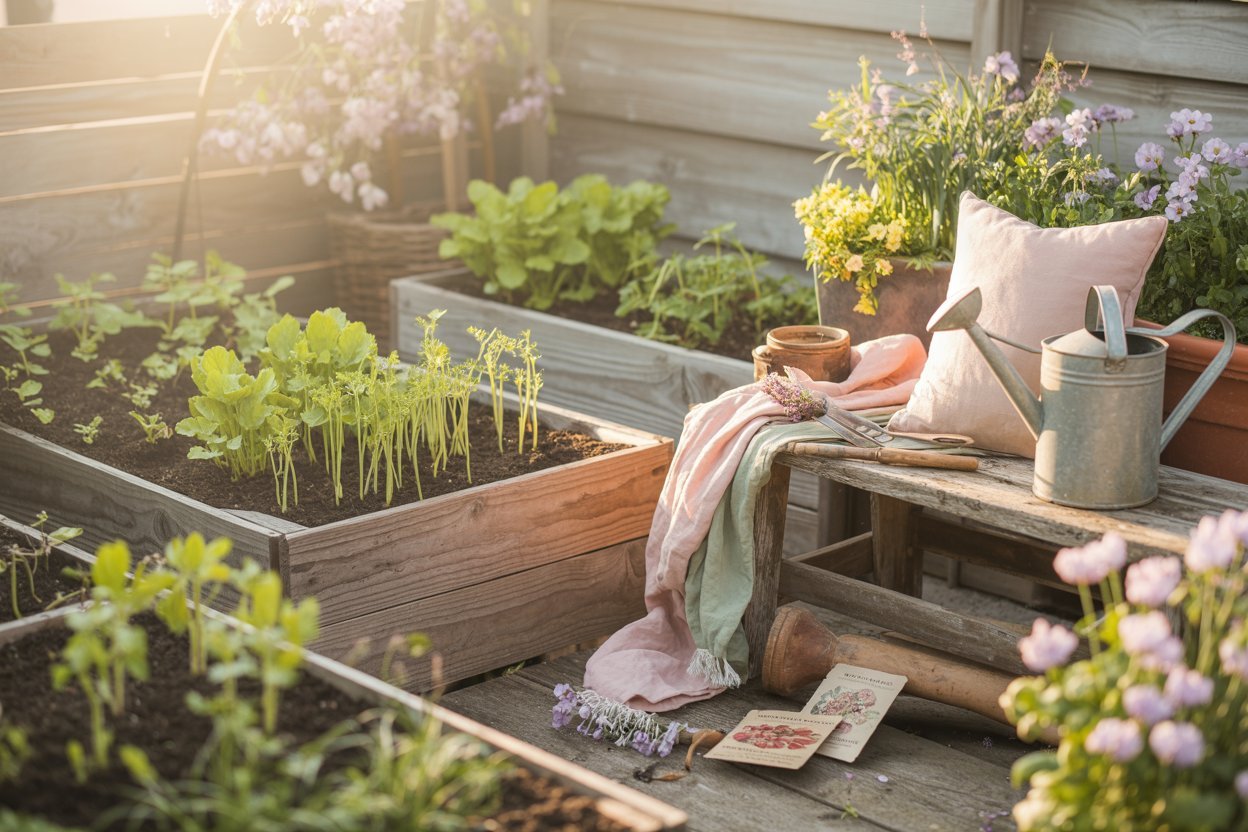

Gardening in Zone 6 is a quiet dance with the seasons a rhythm of cool springs, warm summers, and crisp autumns that invites you to grow a wide variety of plants throughout the year.
With average minimum winter temperatures between -10°F and 0°F (-23°C to -18°C), this zone offers a balanced growing season full of opportunity.
Knowing what to plant and when makes all the difference. It helps you avoid frustration, reduce wasted effort, and create a garden that feels alive and productive every single month.
This guide will walk you through the entire year month by month so you can plant with confidence, nurture with intention, and harvest with joy.
Understanding Zone 6 Growing Seasons
Before we step into each month, it helps to understand the natural flow of Zone 6:
- Last Frost Date: Typically mid-April to early May
- First Frost Date: Usually mid-October
- Growing Season: About 150–180 days
This means your gardening year naturally breaks into:
- Late Winter (Planning + Indoor Starting)
- Cool Spring (Hardy Crops)
- Warm Summer (Heat Lovers)
- Autumn (Second Harvest + Prep)
- Winter (Rest + Reflection)
January: A Season of Quiet Beginnings
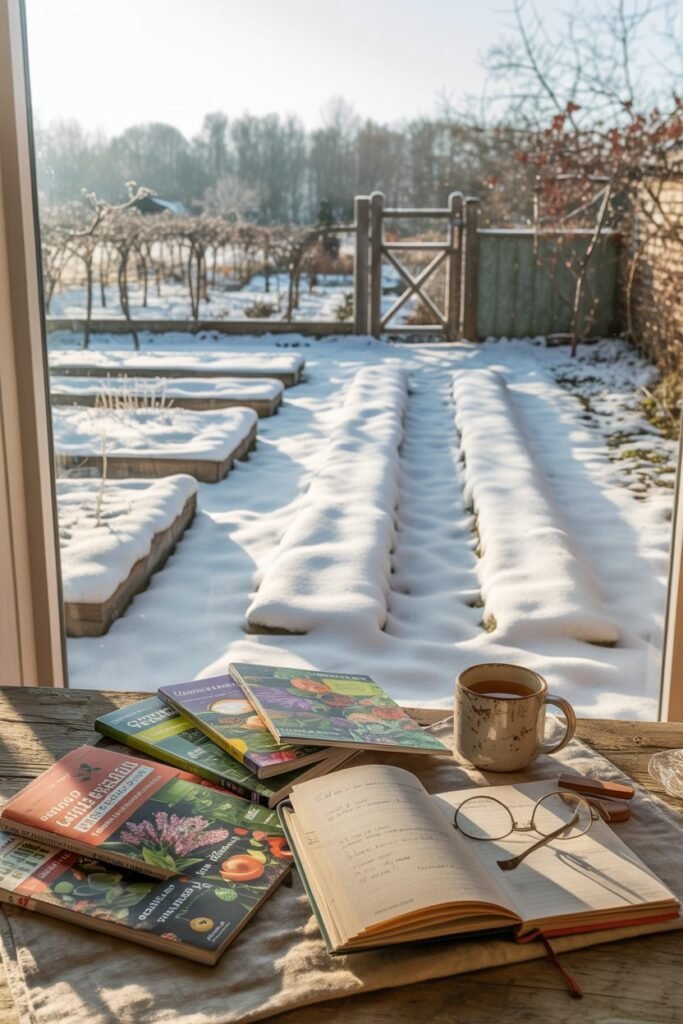
January is a soft pause a time to dream, plan, and prepare.
What to Plant
Outdoors, the ground is often frozen. But indoors, life can begin.
- Herbs: basil (late month), parsley
- Flowers: petunias, geraniums (under grow lights)
What to Do
- Plan your garden layout
- Order seeds early
- Clean and organize tools
- Check seed viability from last year
Gentle Tip
Think of January as planting intentions. A well-planned garden always feels calmer and more abundant later.
February: The First Signs of Growth
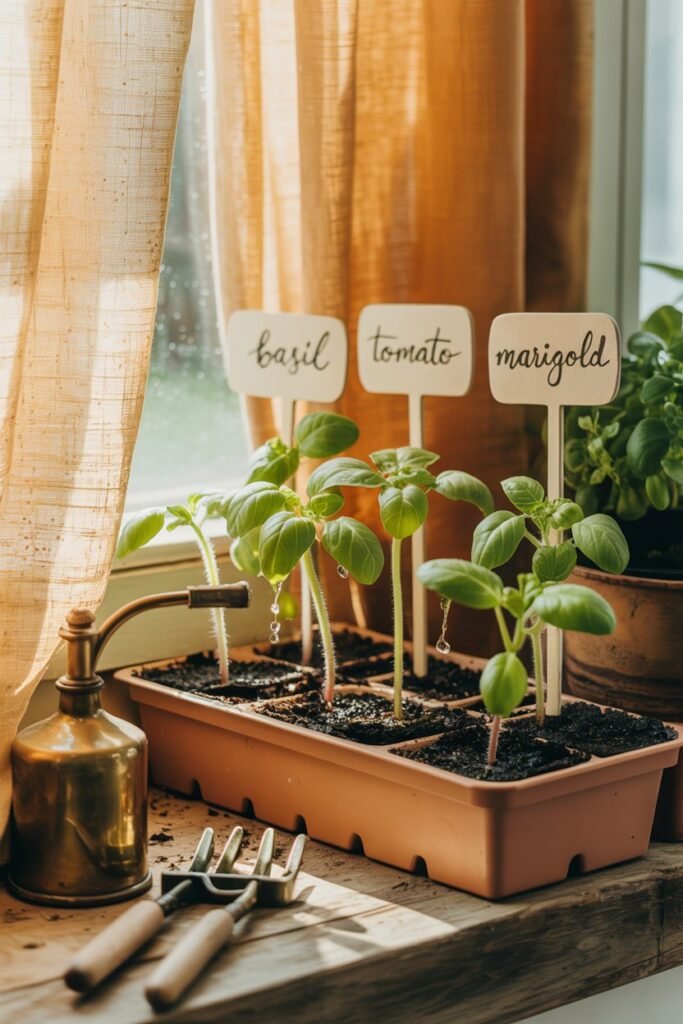
February brings a subtle shift—longer days and renewed energy.
What to Plant Indoors
- Broccoli
- Cabbage
- Cauliflower
- Lettuce
- Onions (from seed)
What to Do
- Start seeds under grow lights
- Prepare seed trays and soil
- Begin compost planning
Gentle Tip
Start small. It’s easy to overplant indoors focus on strong, healthy seedlings rather than quantity.
March: Awakening the Garden
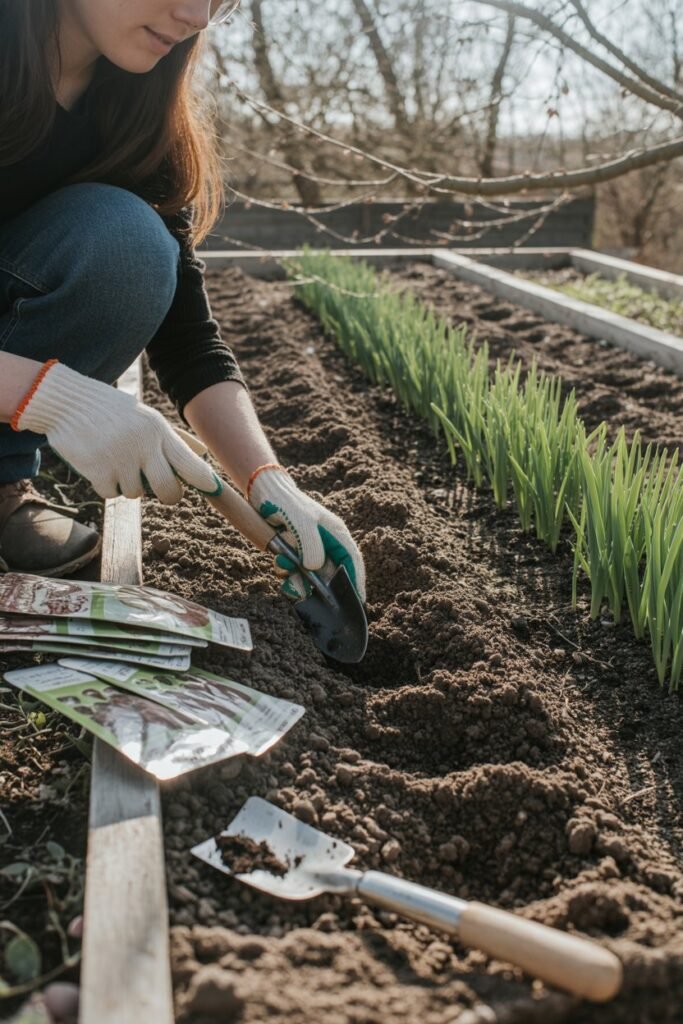
March is where things begin to feel real. The soil slowly softens, and early planting begins.
What to Plant Outdoors (if soil is workable)
- Peas
- Spinach
- Radishes
- Carrots
- Lettuce
What to Start Indoors
- Tomatoes
- Peppers
- Eggplant
What to Do
- Test soil drainage
- Add compost to beds
- Set up trellises early
Gentle Tip
Cool-season crops love this weather. Don’t wait too long they thrive in the chill.
April: The Garden Comes Alive
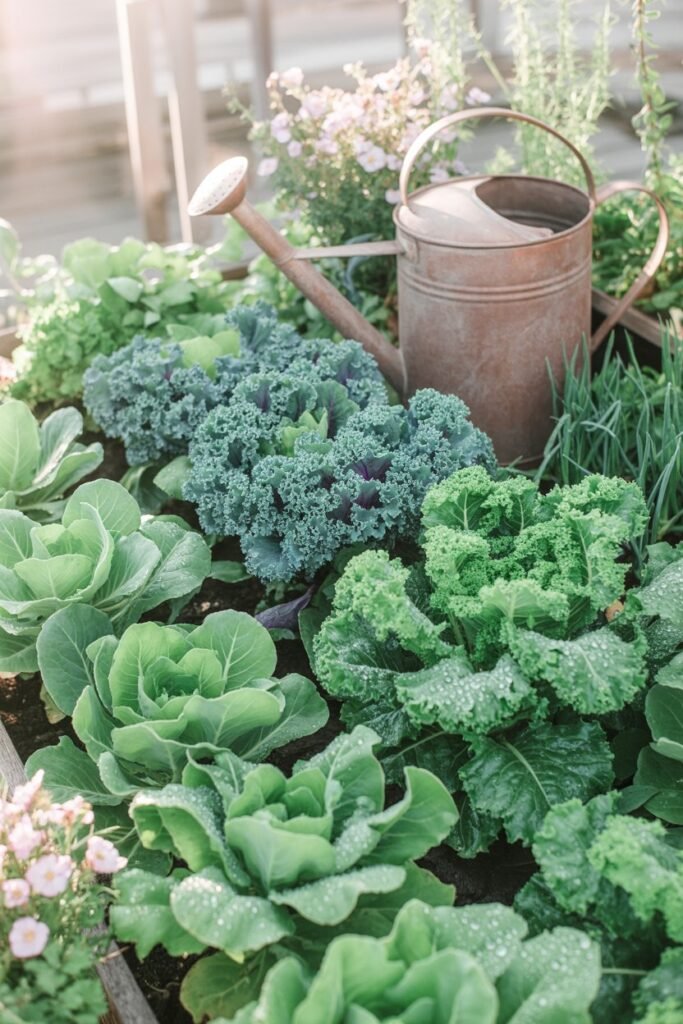
April is a busy, hopeful month filled with possibility.
What to Plant Outdoors
- Beets
- Swiss chard
- Kale
- Potatoes
- Turnips
What to Transplant (late April)
- Broccoli
- Cabbage
- Cauliflower
What to Start Indoors
- Cucumbers
- Squash
- Melons
What to Do
- Watch for late frosts
- Use row covers for protection
- Keep soil consistently moist
Gentle Tip
April teaches patience—warm days can be misleading. Protect tender plants when needed.
May: The Big Planting Month
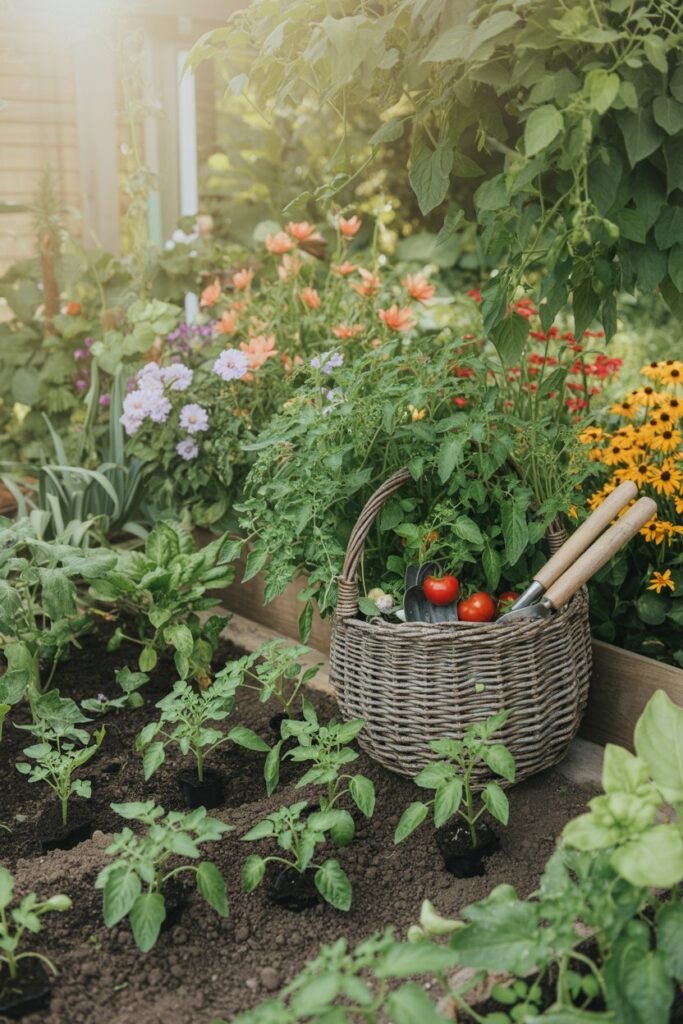
This is when your garden truly begins to flourish.
What to Plant Outdoors (after last frost)
- Tomatoes
- Peppers
- Cucumbers
- Beans
- Corn
- Squash
- Zucchini
Herbs to Plant
- Basil
- Dill
- Cilantro
What to Do
- Mulch your garden beds
- Install supports for climbing plants
- Water deeply and consistently
Gentle Tip
Don’t rush planting before frost is gone. A little patience now leads to stronger plants later.
June: Growth and Abundance
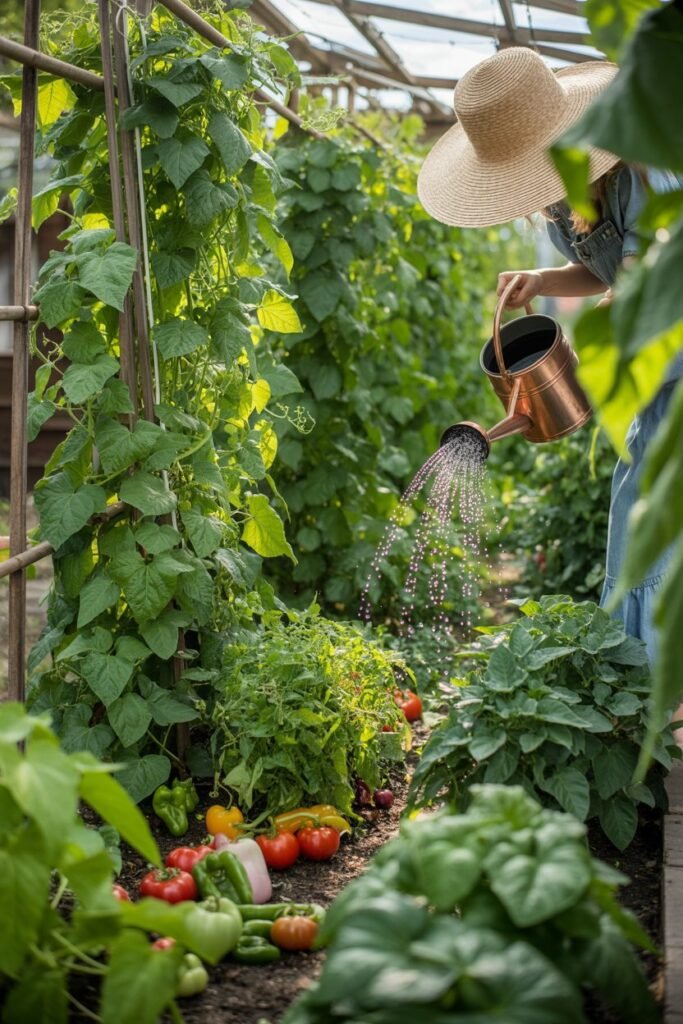
June is lush and full—your garden begins to feel alive and productive.
What to Plant
- Successions of lettuce
- Beans (second round)
- Carrots (for later harvest)
- Cucumbers (second planting)
What to Do
- Weed regularly
- Fertilize as needed
- Watch for pests early
Gentle Tip
Stay consistent with care. Small daily attention prevents bigger problems later.
July: Mid-Summer Maintenance and Planning
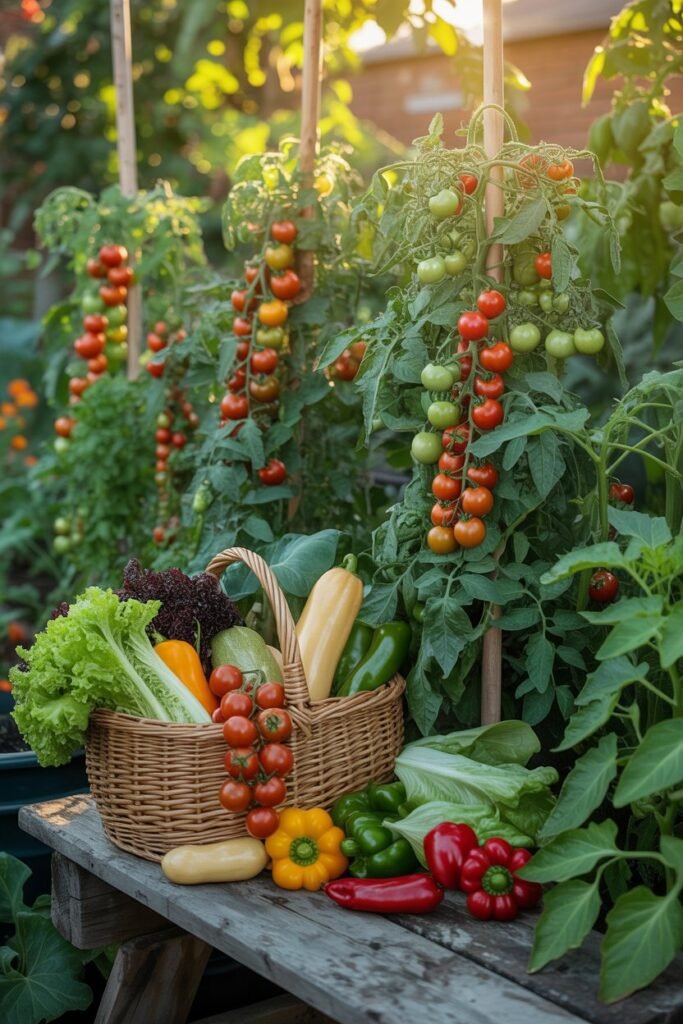
July is warm, vibrant, and sometimes overwhelming—but also deeply rewarding.
What to Plant
- Fall crops start now:
- Broccoli
- Kale
- Cabbage
- Brussels sprouts
What to Do
- Water deeply during heat
- Harvest regularly
- Shade delicate plants if needed
Gentle Tip
Your garden may feel wild right now—this is a sign of life, not disorder.
August: Preparing for the Next Season
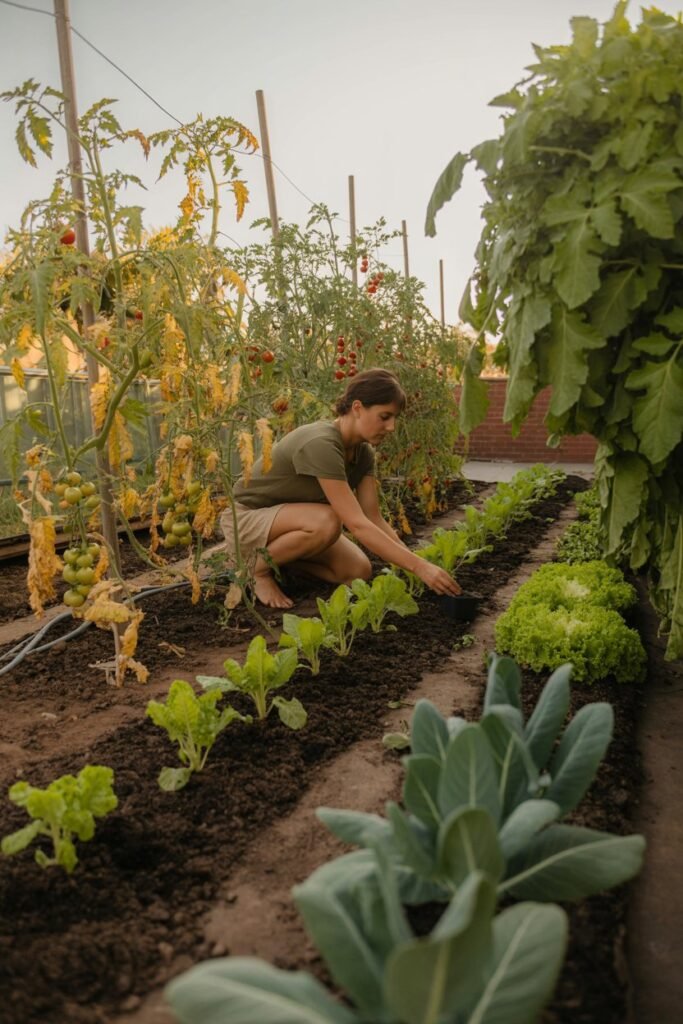
August gently shifts your focus toward fall.
What to Plant
- Spinach
- Lettuce
- Radishes
- Turnips
What to Do
- Start fall seedlings
- Remove spent plants
- Refresh soil with compost
Gentle Tip
A second harvest can be just as beautiful as the first—don’t miss this window.
September: A Season of Renewal
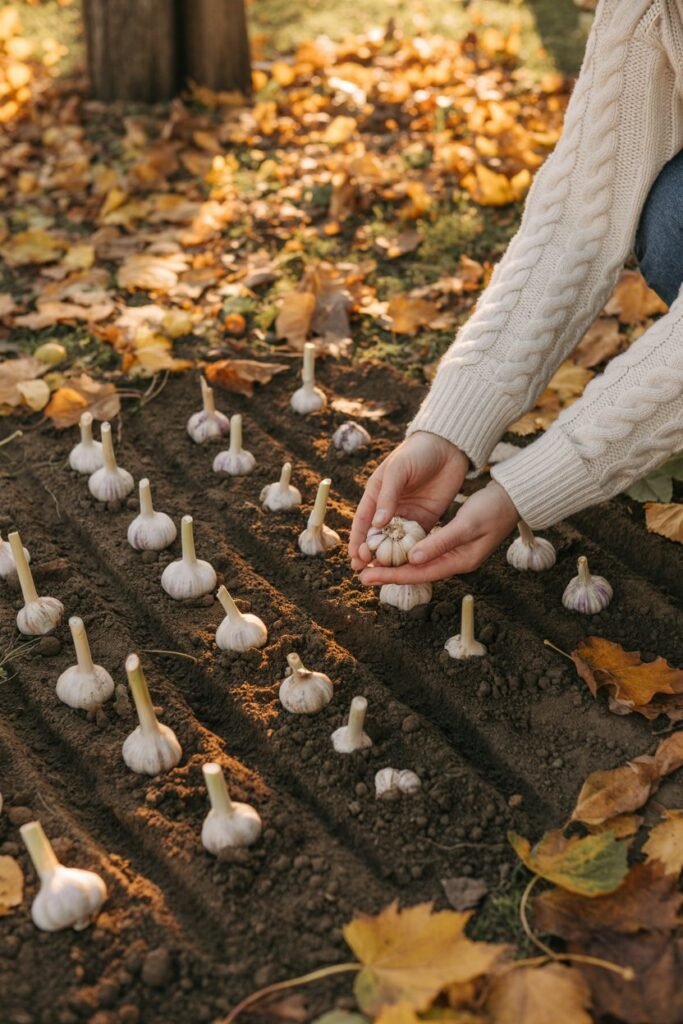
Cooler air returns, bringing a sense of calm.
What to Plant
- Garlic (late month)
- Cover crops (clover, rye)
What to Do
- Harvest remaining summer crops
- Begin garden cleanup
- Protect plants from early frost
Gentle Tip
September is about balance—harvesting while gently preparing to let go.
October: Closing the Garden Gently
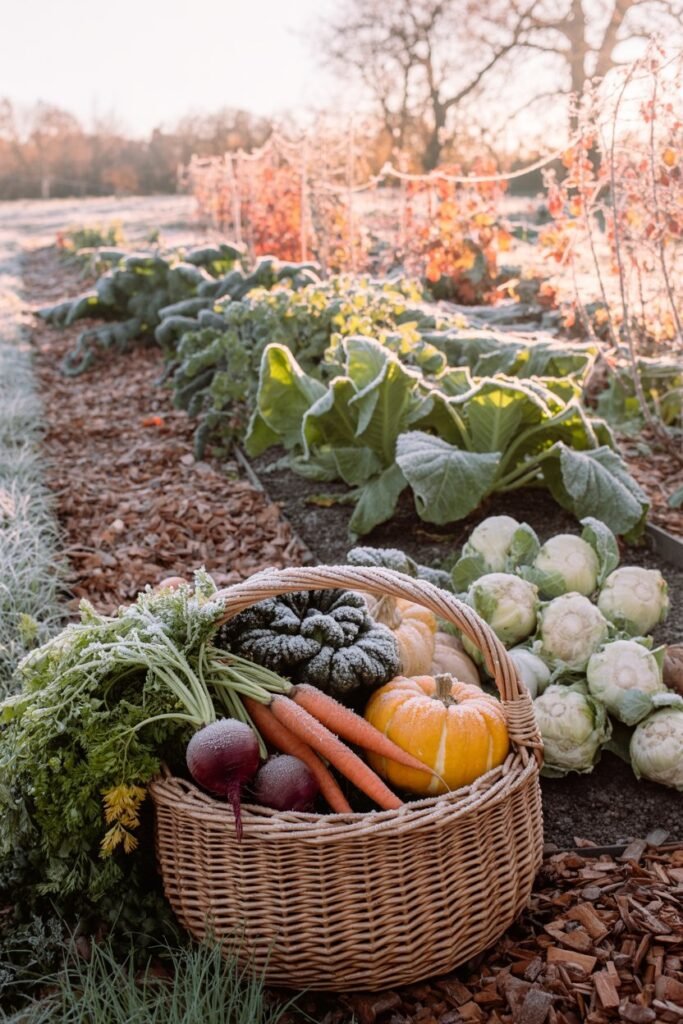
Frost begins to visit more often.
What to Plant
- Garlic (early October if not done)
What to Do
- Mulch heavily
- Protect perennials
- Harvest root crops
Gentle Tip
Let your garden rest. It has given so much already.
November: Rest and Reflection
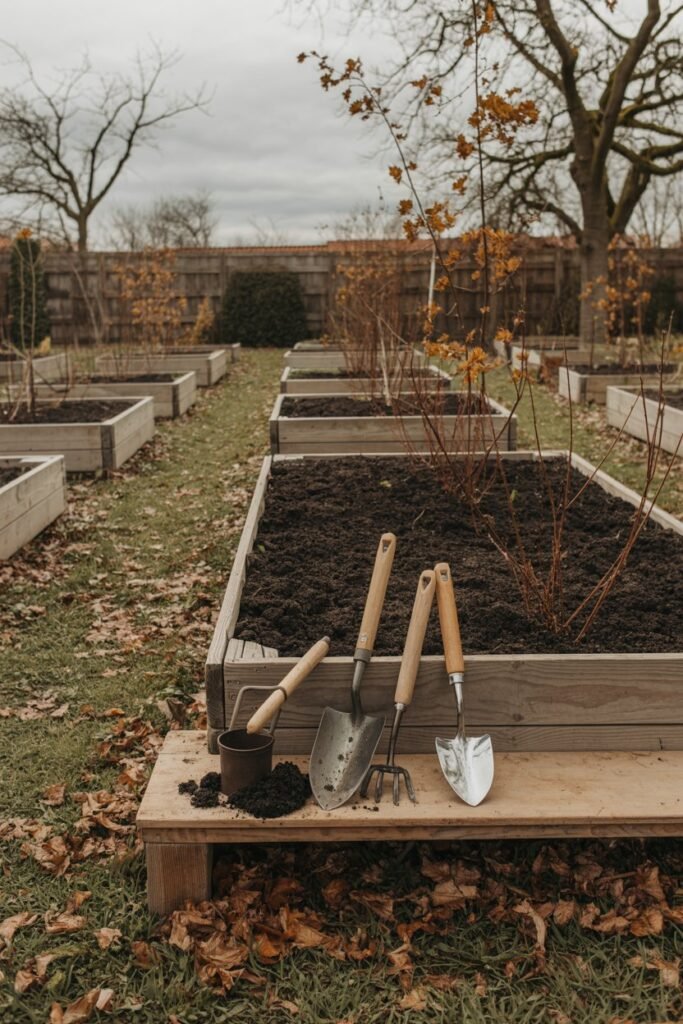
The garden quiets, and so do you.
What to Do
- Clean tools
- Store equipment
- Reflect on what worked
Optional Planting
- Indoor herbs (for winter use)
Gentle Tip
Every season teaches something. Take notes—you’ll thank yourself next year.
December: A Time to Dream Again
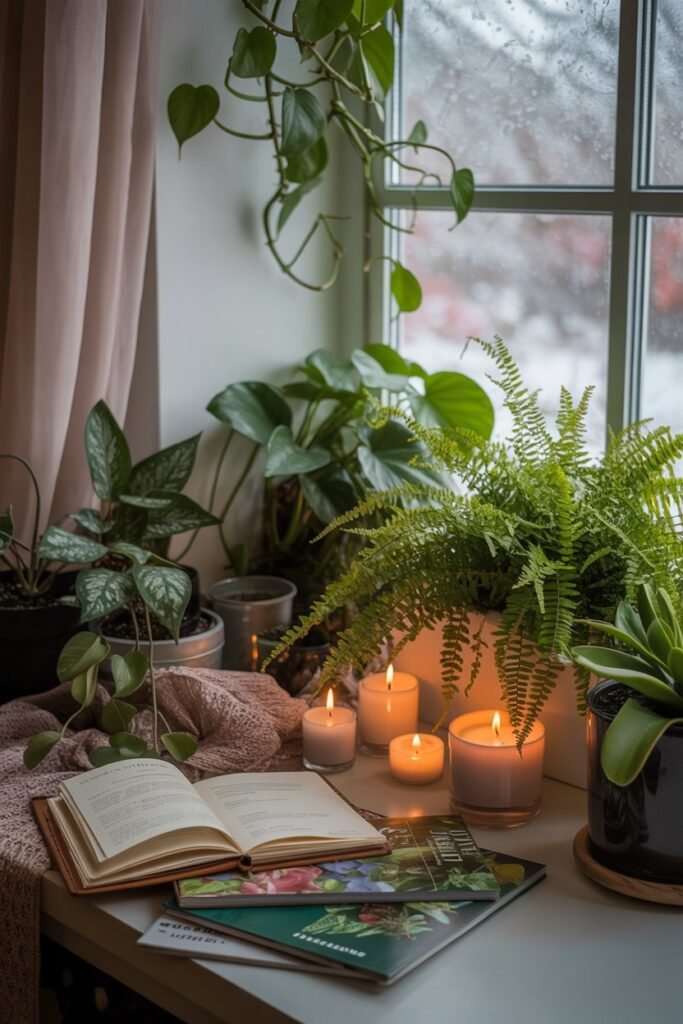
December is peaceful and still.
What to Do
- Plan next year’s garden
- Browse seed catalogs
- Rest and recharge
Gentle Tip
Gardening isn’t just growing plants—it’s nurturing a rhythm of life.
Bonus: Quick Monthly Planting Summary
For easy reference:
- Jan–Feb: Start seeds indoors
- March: Plant cool crops outdoors
- April: Expand cool-season planting
- May: Plant warm-season crops
- June–July: Maintain + succession plant
- August: Start fall crops
- September–October: Garlic + cleanup
- November–December: Rest + plan
Final Thoughts: Growing with the Seasons
A Zone 6 garden is a journey—not a race. Each month offers something meaningful, whether it’s planting, tending, harvesting, or simply observing.
When you follow the natural rhythm of your growing zone, gardening becomes less stressful and more intuitive. You begin to notice small changes—the warmth of the soil, the length of the days, the quiet signals plants give you.
And slowly, your garden becomes more than just a space.
It becomes a place of peace, growth, and connection.
