
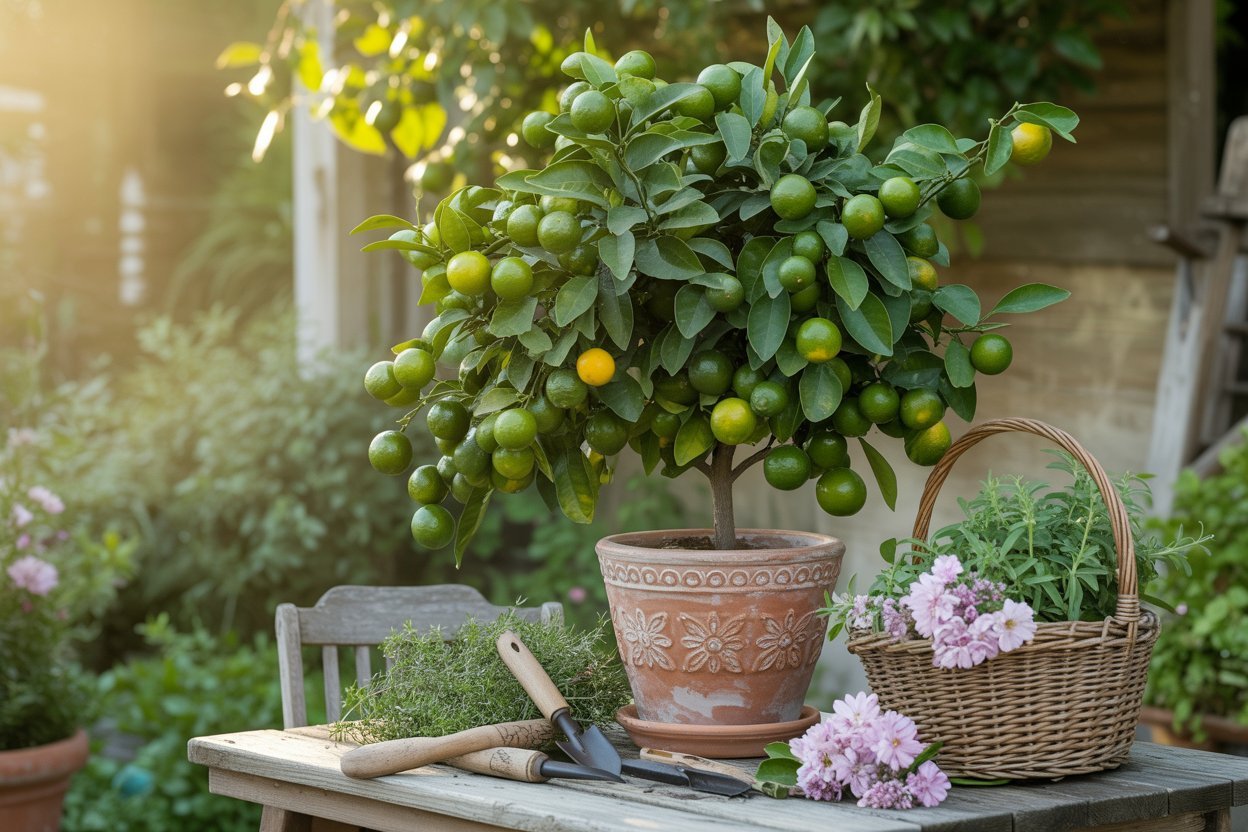

A lime tree has a way of bringing life into a space that feels almost magical.
The glossy green leaves, the delicate white blossoms, and that fresh citrus scent drifting through the air it’s not just gardening, it’s creating a living, breathing companion that gives back generously.
Whether you’re working with a small balcony, a sunny windowsill, or a backyard garden, growing limes is entirely possible. With the right care, a little patience, and a touch of love, you can enjoy your own homegrown limes no matter where you live.
Let’s walk through this together, step by step, like we’re in the garden side by side.
Understanding Lime Trees (Before You Even Plant)
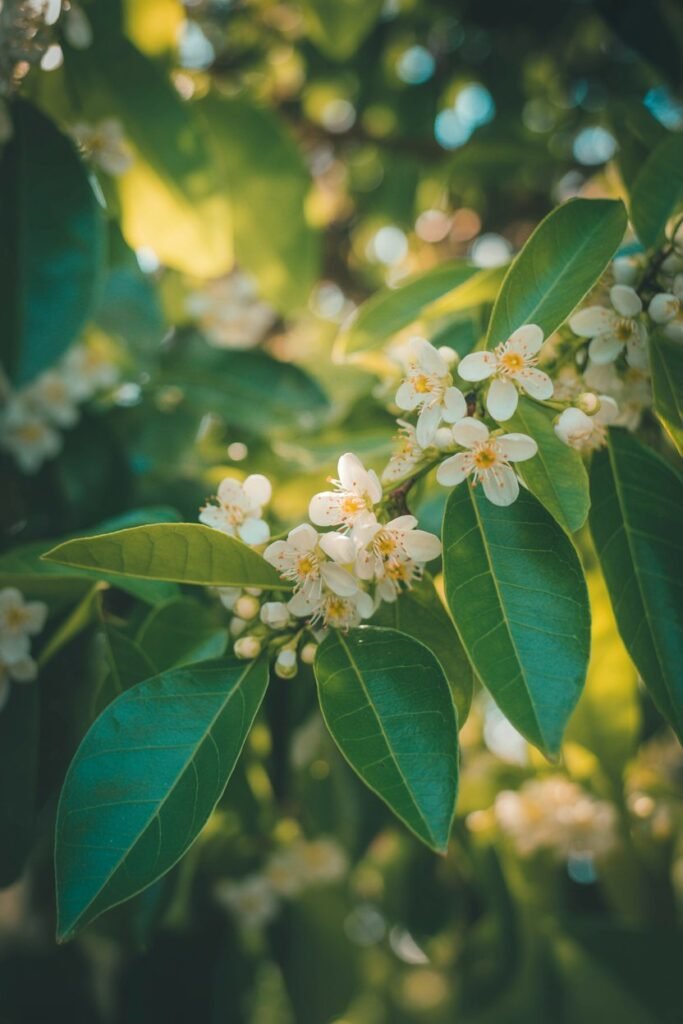
Before planting anything, it’s important to understand what lime trees truly need to thrive.
Lime trees are tropical to subtropical plants. They adore:
- Warm temperatures
- Plenty of sunlight
- Well-draining soil
- Consistent, gentle care
But here’s the lovely part they are incredibly adaptable. With container growing, indoor setups, and a few smart adjustments, you can grow them anywhere.
Popular Lime Varieties for Home Growing
Choosing the right variety is your first “pro gardener” move:
- Key Lime (Mexican Lime) – Smaller fruit, very aromatic, perfect for containers
- Persian Lime (Tahiti Lime) – Larger, seedless, more common in stores
- Kaffir Lime – Grown more for its fragrant leaves than fruit
- Dwarf Lime Trees – Ideal for small spaces and indoor growing
If you’re growing in limited space, always go for dwarf varieties they’re easier to manage and just as rewarding.
Choosing the Perfect Growing Location
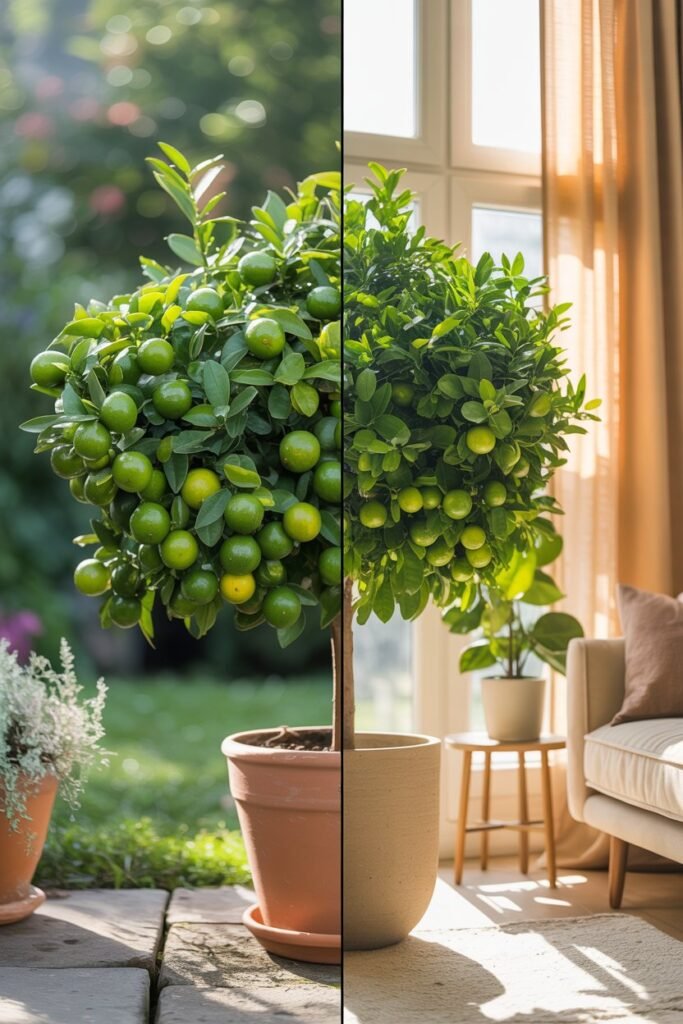
This is where many beginners make mistakes but you won’t.
Lime trees crave sunlight. Think of them as little sun worshippers.
Outdoor Growing
- Choose a spot with 6–10 hours of direct sunlight daily
- Protect from strong winds
- South-facing areas are ideal
Indoor Growing
- Place near a bright window (south or west-facing)
- Supplement with a grow light if sunlight is limited
- Keep away from cold drafts or AC vents
Temperature Matters
- Ideal range: 18°C – 32°C (65°F – 90°F)
- Avoid temperatures below 10°C (50°F)
If you live in a cooler climate, containers are your best friend you can move your tree indoors when needed.
Choosing the Right Container (For Growing Anywhere)
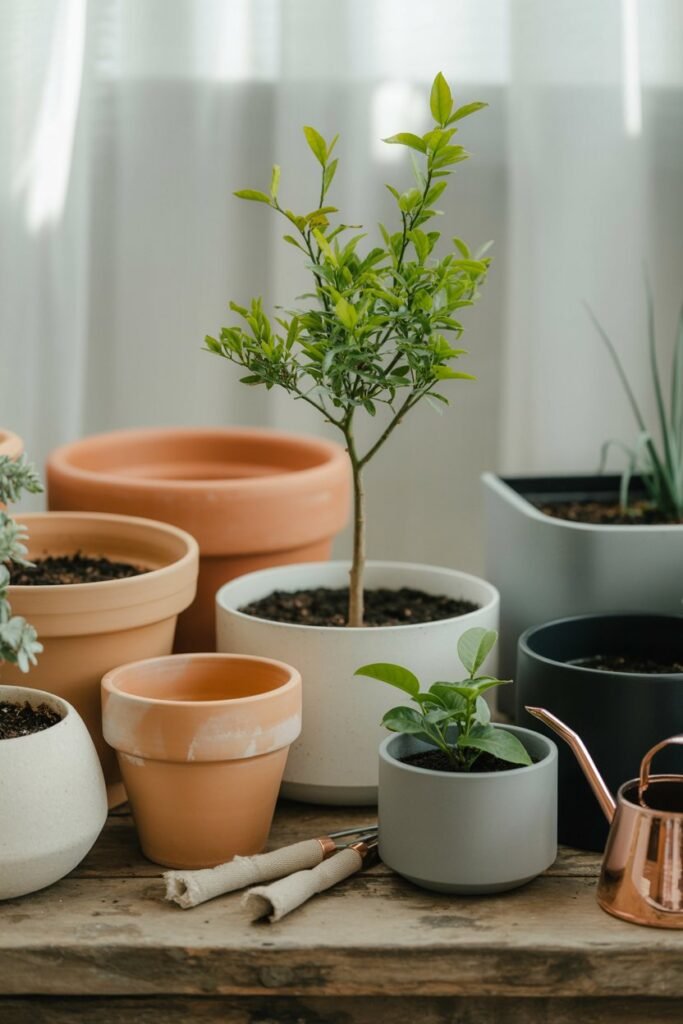
If you want flexibility, containers are everything.
What to Look For
- At least 12–18 inches deep
- Drainage holes (non-negotiable)
- Made of terracotta, plastic, or ceramic
Start smaller and repot as your tree grows. This prevents root rot and encourages steady development.
Pro Tip
Always elevate your pot slightly so excess water drains freely lime trees hate sitting in soggy soil.
The Perfect Soil Mix for Limes
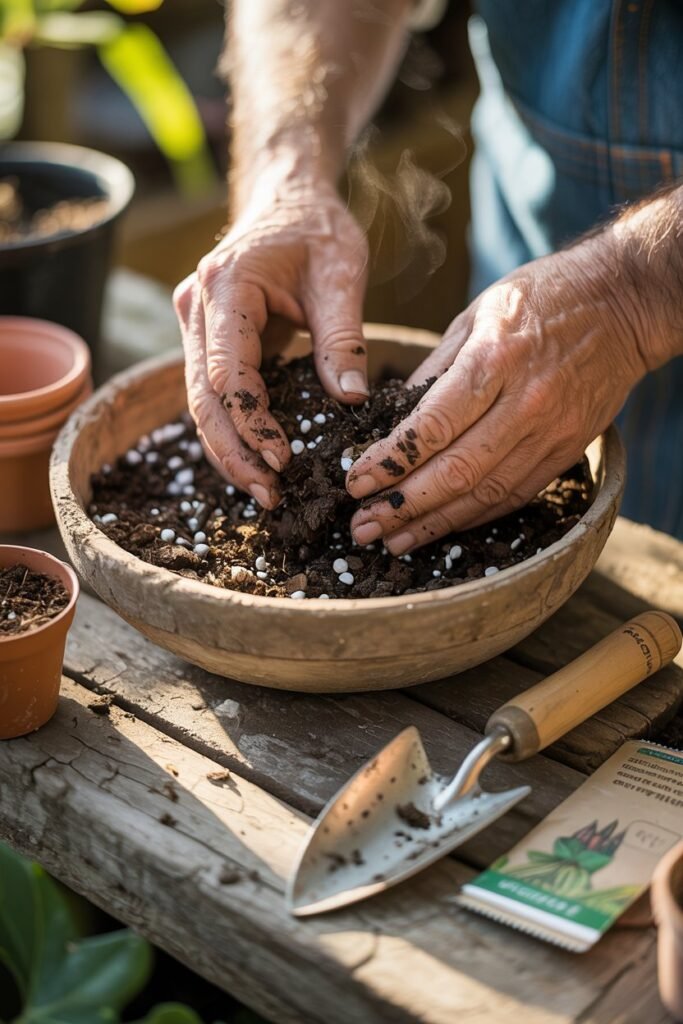
Healthy soil is the heart of a thriving lime tree.
Ideal Soil Characteristics
- Light and airy
- Well-draining
- Slightly acidic to neutral (pH 6.0–7.0)
DIY Soil Mix
Mix:
- 2 parts potting soil
- 1 part sand or perlite
- 1 part compost or organic matter
This creates a breathable, nutrient-rich environment your lime tree will adore.
Planting Your Lime Tree (Like a Pro Gardener)
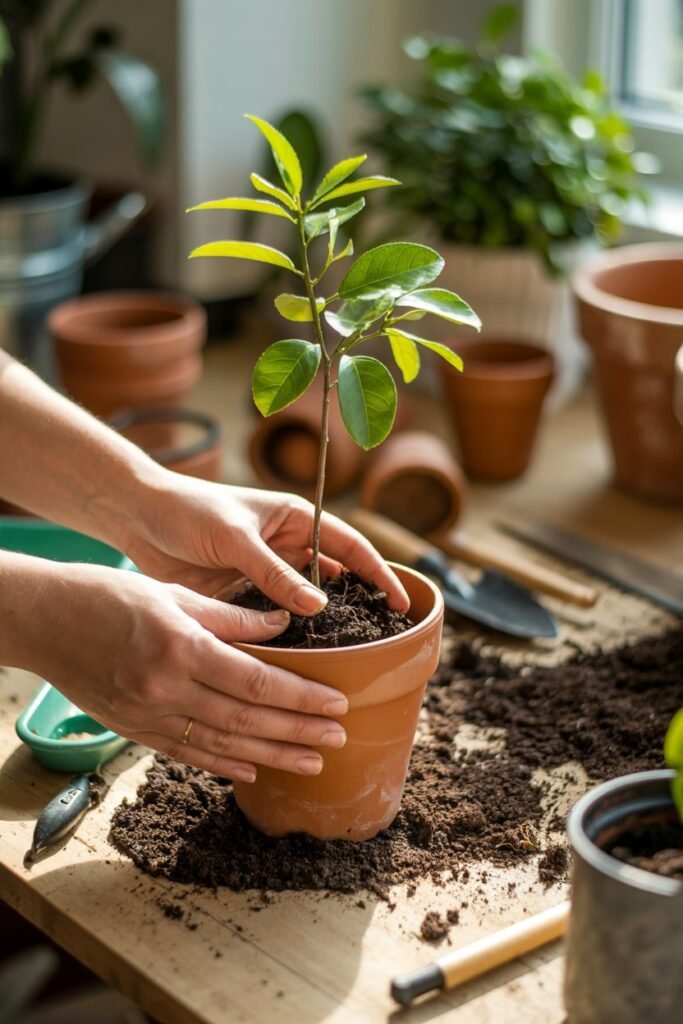
Now comes the most exciting part planting.
Step-by-Step Planting Guide
- Prepare your container or garden hole
- Ensure proper drainage
- Fill partially with your soil mix
- Remove the plant gently
- Loosen roots slightly if compacted
- Position your tree
- Keep the root ball level with the soil surface
- Fill and firm the soil
- Press gently don’t compact too tightly
- Water deeply
- Let water run through completely
- Add mulch (optional)
- Helps retain moisture and regulate temperature
A Gentle Reminder
Planting is a quiet beginning. Your tree may take time to adjust be patient with it.
Watering Your Lime Tree the Right Way
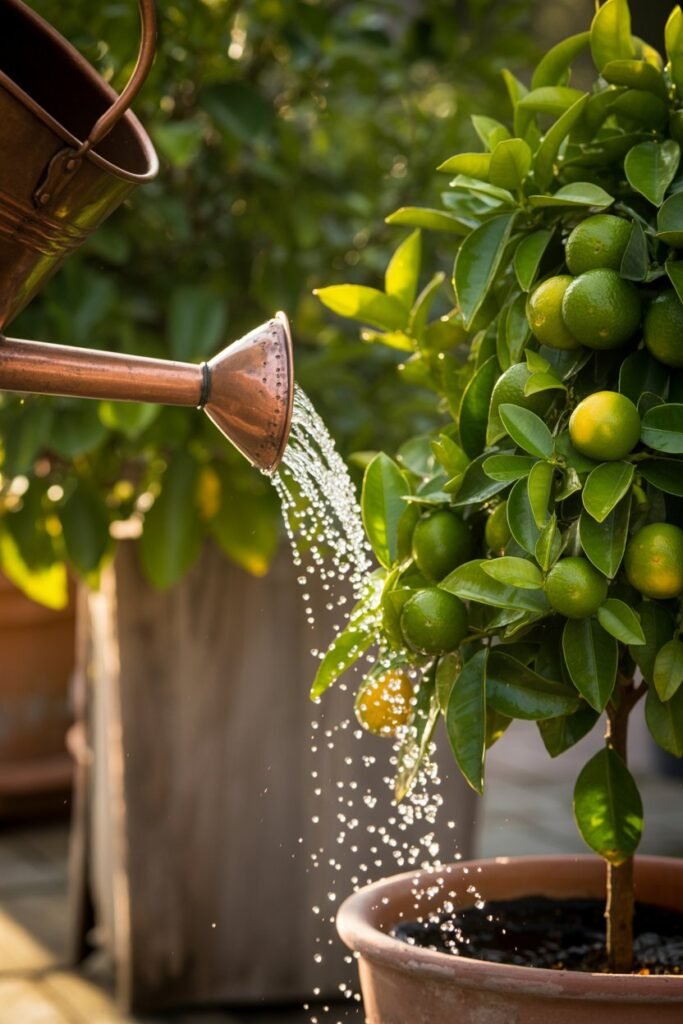
Watering is where many gardeners either over-love or under-love their plants.
The Golden Rule
Water deeply, but not too often.
How to Know When to Water
- Stick your finger 2 inches into the soil
- If it feels dry → it’s time to water
Watering Tips
- Water until it drains from the bottom
- Never let the plant sit in standing water
- Reduce watering slightly in cooler months
Overwatering is the fastest way to harm a lime tree, so always let the soil breathe.
Feeding Your Lime Tree (For Healthy Growth & Fruit)
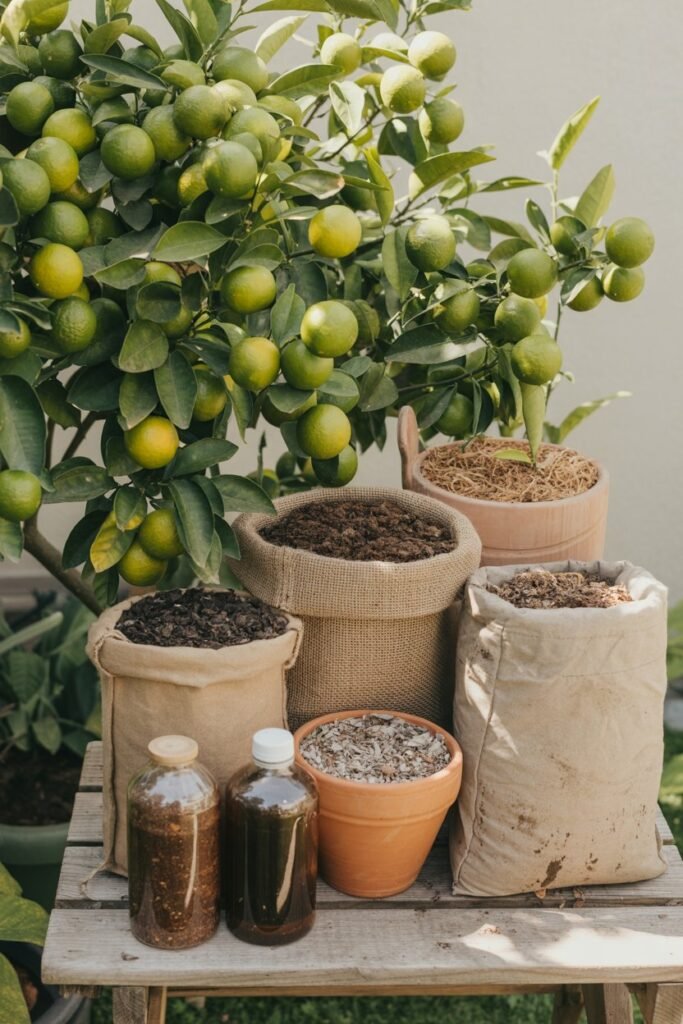
Lime trees are hungry, especially when growing and fruiting.
Best Fertilizers
- Citrus-specific fertilizers
- Balanced NPK (like 10-10-10)
- Organic options (compost, worm castings)
Feeding Schedule
- Every 4–6 weeks during growing season
- Reduce feeding in winter
Pro Tip
Look for micronutrients like magnesium and iron they keep leaves lush and green.
Pruning & Shaping Your Lime Tree
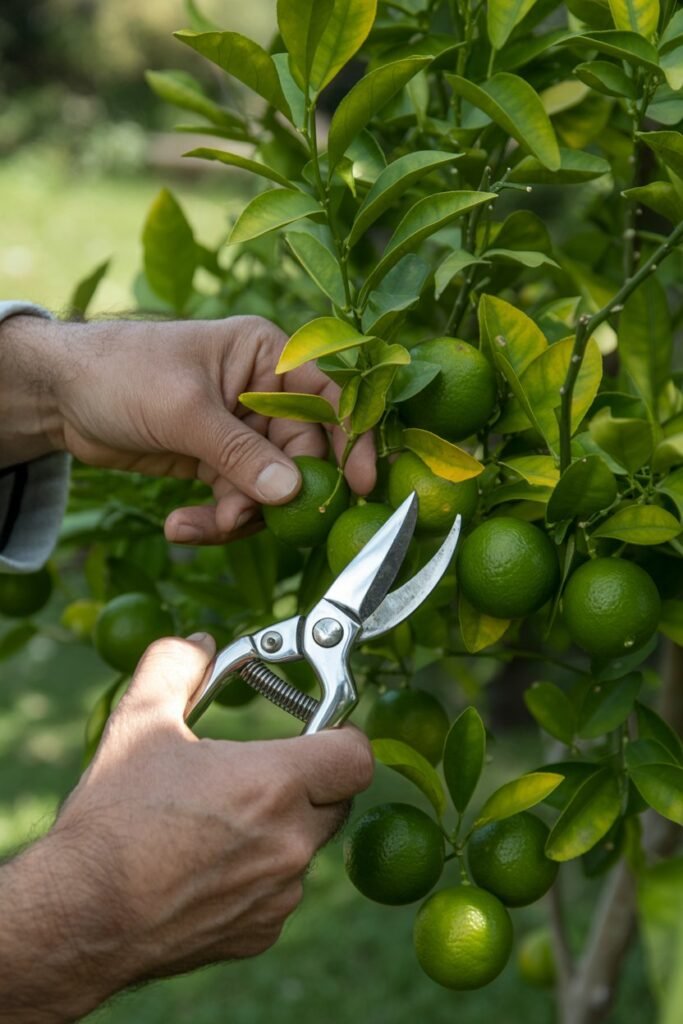
Pruning keeps your tree healthy, productive, and beautiful.
When to Prune
- Early spring or after fruiting
What to Remove
- Dead or damaged branches
- Crossing branches
- Weak growth
Why It Matters
- Improves airflow
- Encourages stronger fruit production
- Keeps your tree manageable
Think of pruning as a gentle conversation with your plant you’re guiding it, not forcing it.
Pollination (Especially for Indoor Trees)
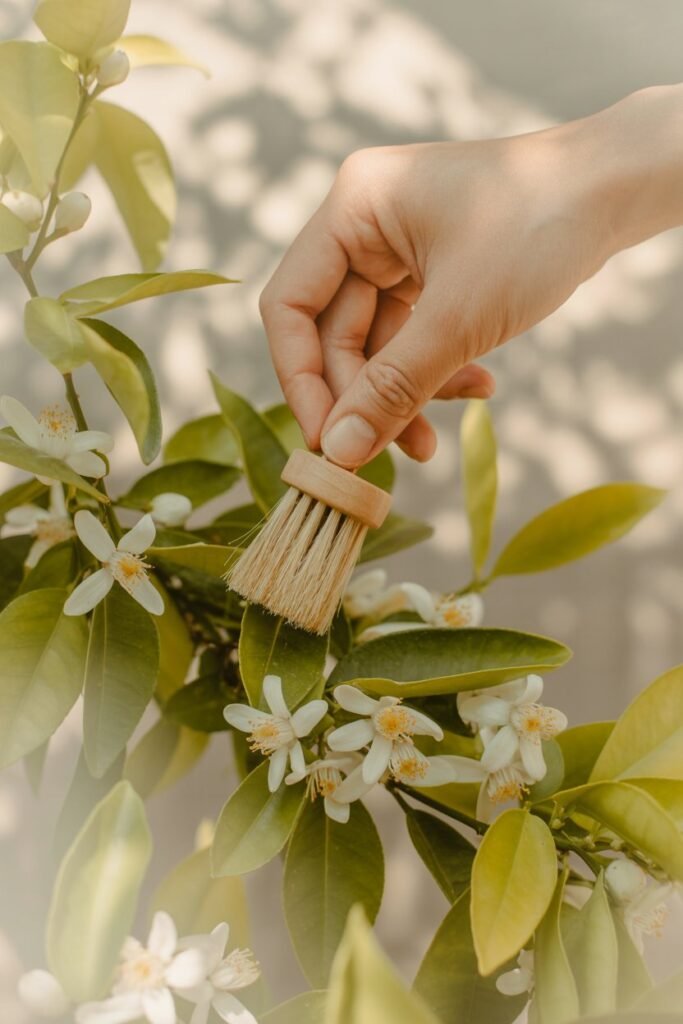
Outdoor lime trees usually take care of this naturally with bees and wind.
But indoors, you’ll need to step in.
Hand Pollination Method
- Use a small paintbrush or cotton swab
- Gently transfer pollen between flowers
It’s simple, almost meditative and incredibly rewarding when fruits begin to form.
Common Problems & How to Handle Them
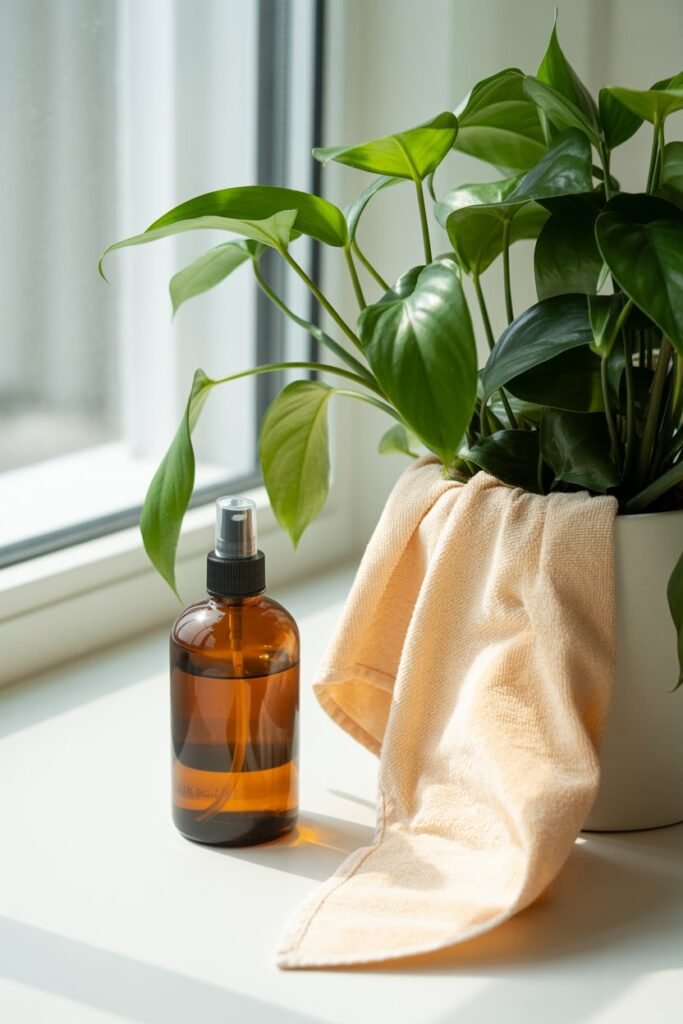
Even the healthiest gardens face challenges.
Common Pests
- Aphids
- Spider mites
- Whiteflies
Natural Solutions
- Neem oil spray
- Soapy water
- Wiping leaves gently
Common Issues
- Yellow leaves → overwatering or nutrient deficiency
- Leaf drop → temperature stress
- No fruit → lack of sunlight or pollination
Stay observant your tree will always show you what it needs.
Encouraging Your Lime Tree to Fruit
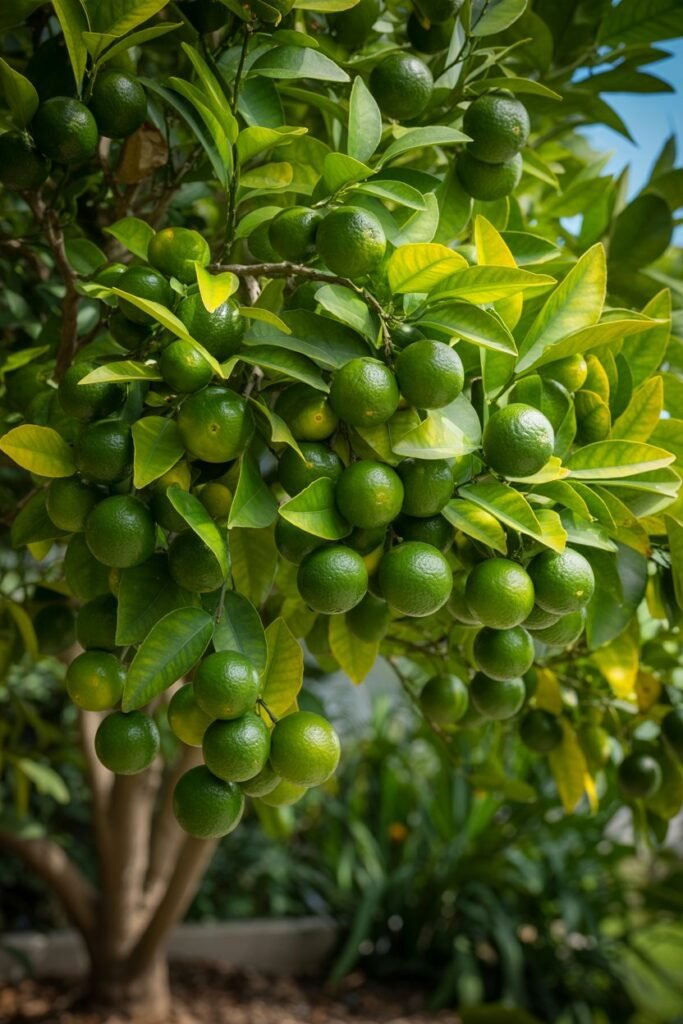
Fruit is the reward, but it comes with patience.
Key Requirements
- Plenty of sunlight
- Proper feeding
- Consistent watering
- Mature tree (some take 1–3 years)
Gentle Tip
Don’t rush it. Focus on building a strong, healthy tree first the fruit will follow naturally.
Growing Limes in Any Climate
This is where “anywhere” truly becomes possible.
Cold Climates
- Grow in containers
- Bring indoors during winter
- Use grow lights if needed
Hot Climates
- Provide afternoon shade if extreme
- Increase watering slightly
Flexible Gardening
Your lime tree doesn’t need perfection it just needs consistency and care.
Harvesting Your Limes
This is the moment every gardener waits for.
When to Harvest
- Firm, glossy, and full-sized
- Slightly soft when gently pressed
How to Harvest
- Twist gently or use clean scissors
Fresh limes straight from your tree have a fragrance and flavor that store-bought ones simply can’t match.
Final Thoughts: Growing Limes with Confidence
Growing limes anywhere isn’t about having the perfect environment it’s about understanding your plant and meeting it where it is.
With sunlight, patience, and a little daily attention, your lime tree will grow into something truly special. It becomes more than just a plant it becomes part of your space, your rhythm, your life.
And one day, when you pick your first lime, you’ll realize it was never just about the fruit it was about the journey of nurturing something beautiful from the very beginning
