
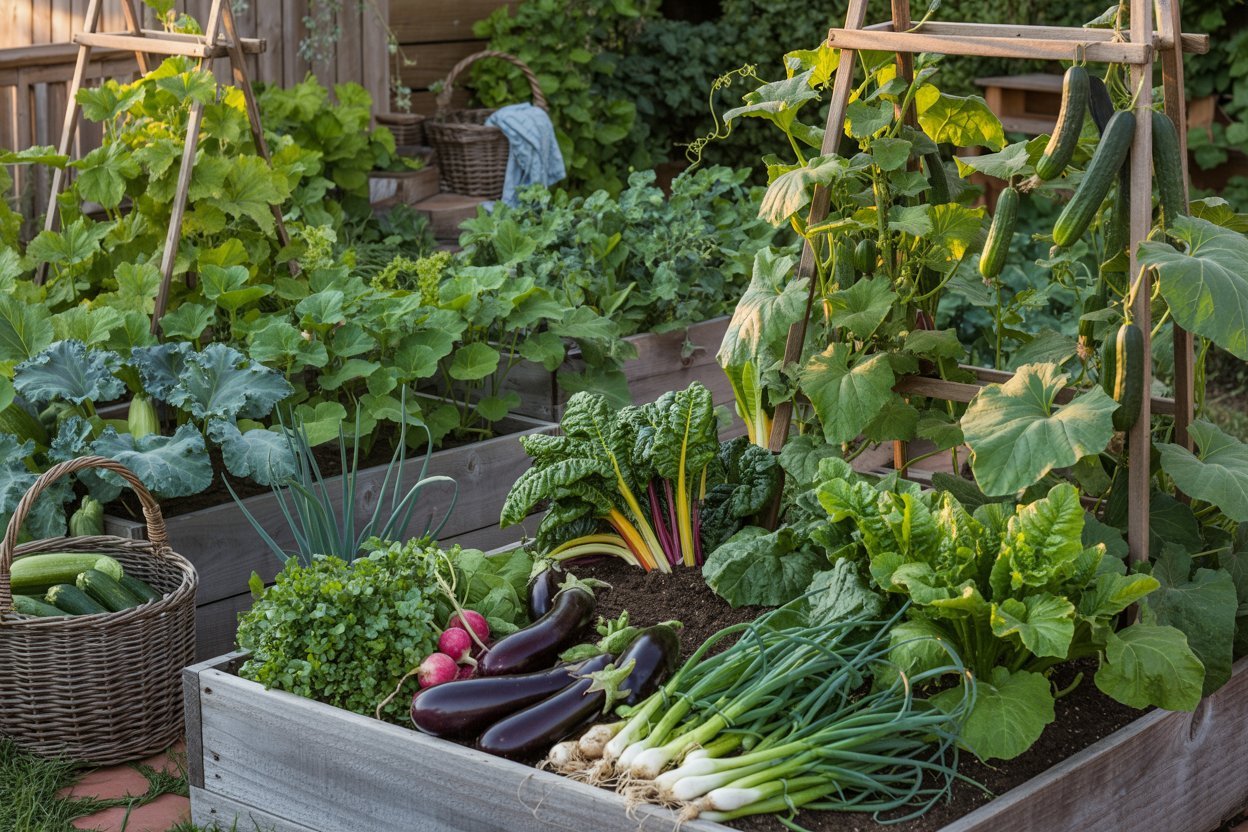

June has a special kind of energy in the garden. The days are longer, the soil is warm, and everything seems ready to grow with fresh enthusiasm.
If spring planting slipped by too quickly or your earlier crops have already finished, June offers another beautiful opportunity to fill your garden beds, containers, or raised planters with vegetables that thrive in summer warmth.
Many gardeners assume they have missed their chance once June arrives. That simply is not true. In fact, June is one of the best months to plant many fast-growing and heat-loving vegetables.
Seeds germinate more quickly in warm soil, young plants establish faster, and many crops will reward you with harvests in just a few short weeks.
Whether you are gardening in a backyard, on a balcony, in grow bags, or in raised beds, this guide will walk you through the best vegetables to grow in June, how to plant them properly, and how to care for them for a generous harvest.
If you are ready to make the most of the season, June can become one of your most productive gardening months yet.
Why June Is a Great Time to Plant Vegetables
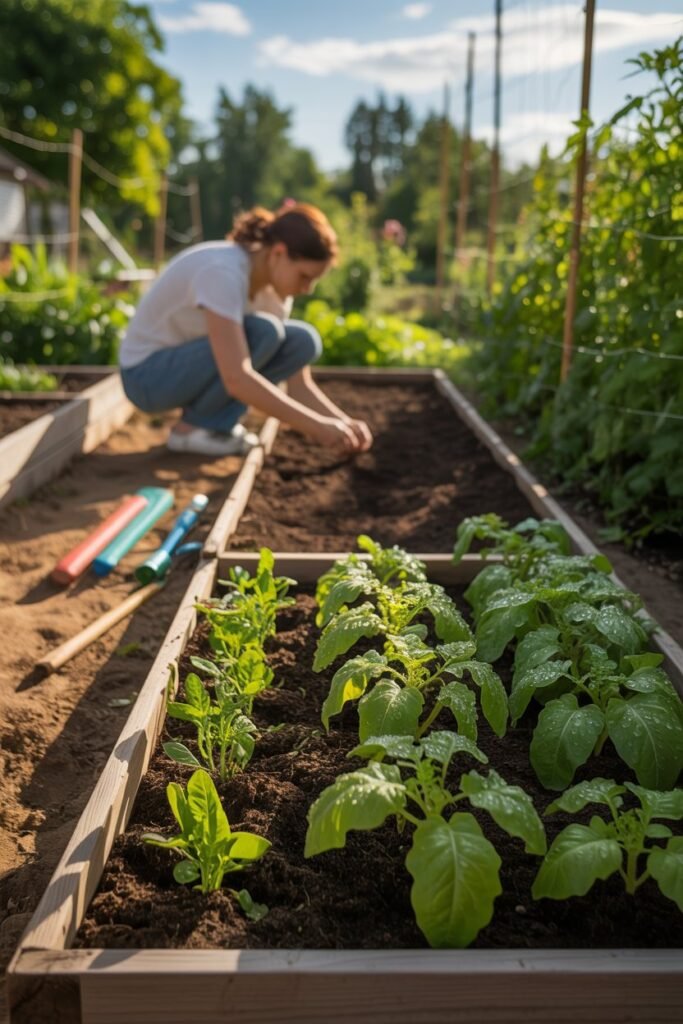
June planting comes with several advantages that make gardening easier and often more successful.
Warm Soil Helps Seeds Sprout Faster
Many vegetables prefer warm soil. Beans, cucumbers, squash, corn, and okra often germinate much better in June than they do in chilly spring conditions.
Long Sunny Days Encourage Growth
Vegetables need sunlight to grow strong and healthy. June’s long daylight hours help plants establish quickly and produce faster.
Lower Risk of Frost
In many regions, frost danger has passed by June. Tender vegetables can be planted with much more confidence.
Perfect for Succession Planting
If spring lettuce, spinach, peas, or radishes have finished, June is the ideal time to refill those empty spaces with fresh crops.
Better Growing Conditions for Beginners
June weather is often more stable than early spring. That means fewer cold snaps, less transplant shock, and easier success for new gardeners.
How to Prepare Your Garden for June Planting
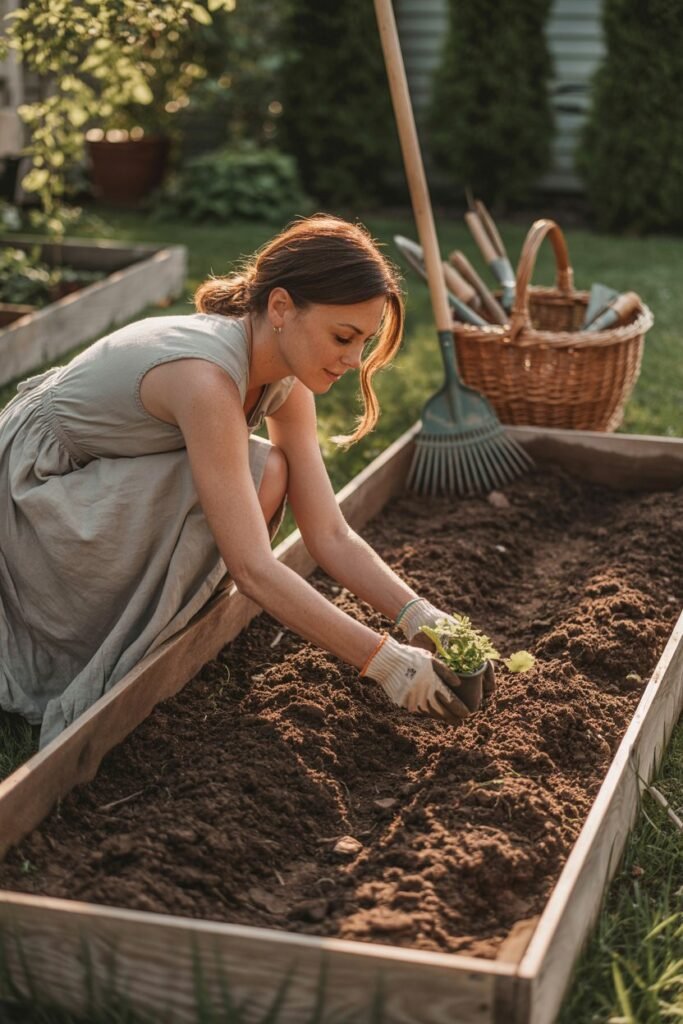
Before adding new seeds or seedlings, a little preparation can make a big difference.
1. Clear Finished Spring Crops
Remove any bolted lettuce, old pea vines, weeds, or tired spring plants.
2. Refresh the Soil
Add compost or aged manure to replace nutrients used by previous crops.
3. Water the Bed Before Planting
Moist soil gives seeds a better start and helps new transplants settle in.
4. Check Sunlight
Most summer vegetables need at least 6 to 8 hours of direct sunlight each day.
5. Plan for Watering
Hotter weather means plants dry out faster. Set up a hose, watering can, or drip system before planting.
Best Vegetables to Grow in June
Here are some of the most reliable, productive, and beginner-friendly vegetables to plant in June.
1. Bush Beans
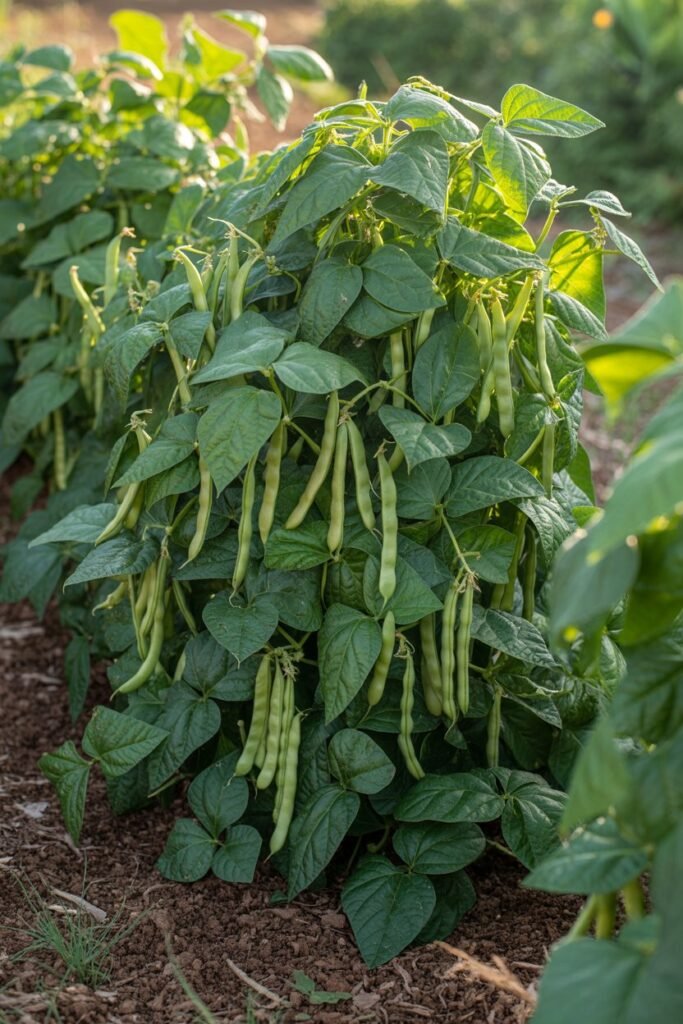
Bush beans are one of the most rewarding vegetables to grow in June. They love warm soil, germinate quickly, and begin producing in a short amount of time.
If you are looking for a beginner-friendly crop that gives generous harvests with very little fuss, bush beans are a beautiful choice.
Why Grow Bush Beans in June
- Warm June soil helps seeds sprout quickly
- Fast harvest, often ready in 50 to 60 days
- Compact plants ideal for raised beds and containers
- Great for succession planting every few weeks
- Produces heavily when pods are picked often
- Helps improve soil health by fixing nitrogen
How to Plant Bush Beans
- Sow seeds directly into the garden after frost danger has passed
- Plant seeds 1 inch deep
- Space seeds 3 inches apart
- Leave 18 inches between rows
- Choose a sunny location with at least 6 hours of sunlight
- Use loose, well-drained soil enriched with compost
Care Tips
Keep soil evenly moist, especially during flowering and pod formation. Water deeply rather than lightly.
Mulch around plants to hold moisture and reduce weeds. Harvest beans when pods are firm, smooth, and before seeds inside become too large. Frequent picking keeps plants producing longer.
2. Cucumbers
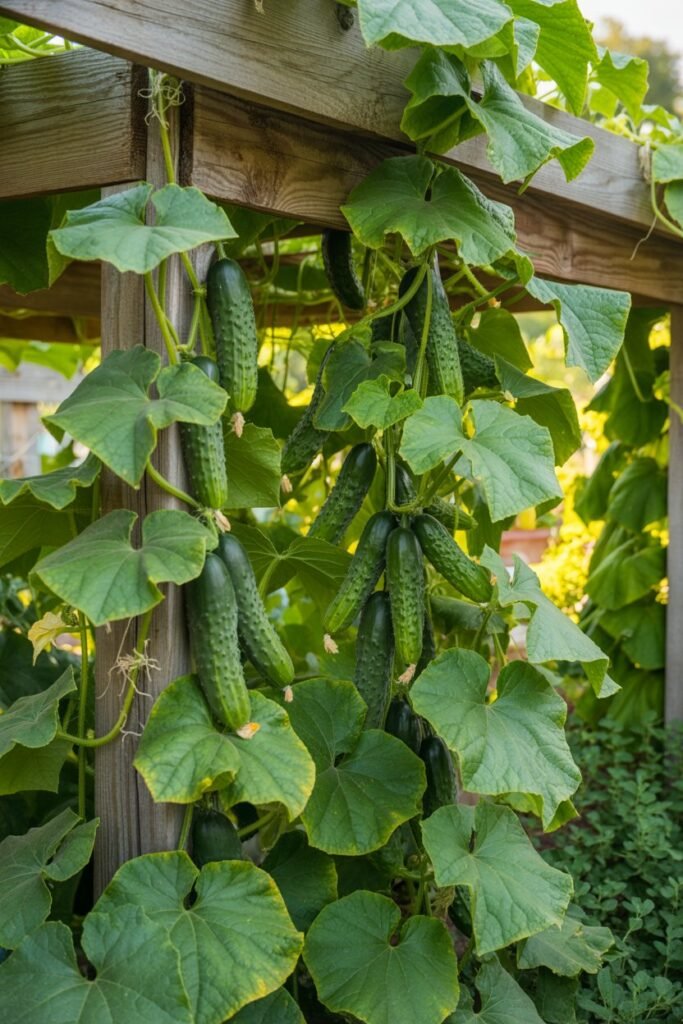
Cucumbers thrive in June warmth and grow with wonderful energy once the weather turns consistently warm.
They are one of the most satisfying summer vegetables, offering crisp fruits for salads, sandwiches, and pickling.
Why They’re Perfect for June
- Love heat and sunshine
- Fast-growing and productive
- Ideal for trellises and vertical spaces
- Excellent for fresh eating or preserving
- Warm soil encourages quick germination
How to Plant Cucumbers
- Sow seeds directly or transplant healthy seedlings
- Space plants 12 inches apart
- Use a trellis, fence, or cage for climbing varieties
- Plant in rich, fertile, well-drained soil
- Choose a full sun location
Care Tips
Cucumbers need consistent moisture to prevent bitterness. Water deeply several times a week depending on heat.
Mulch the soil to keep roots cool. Harvest fruits regularly while young and tender to encourage more flowers and fruit.
3. Zucchini
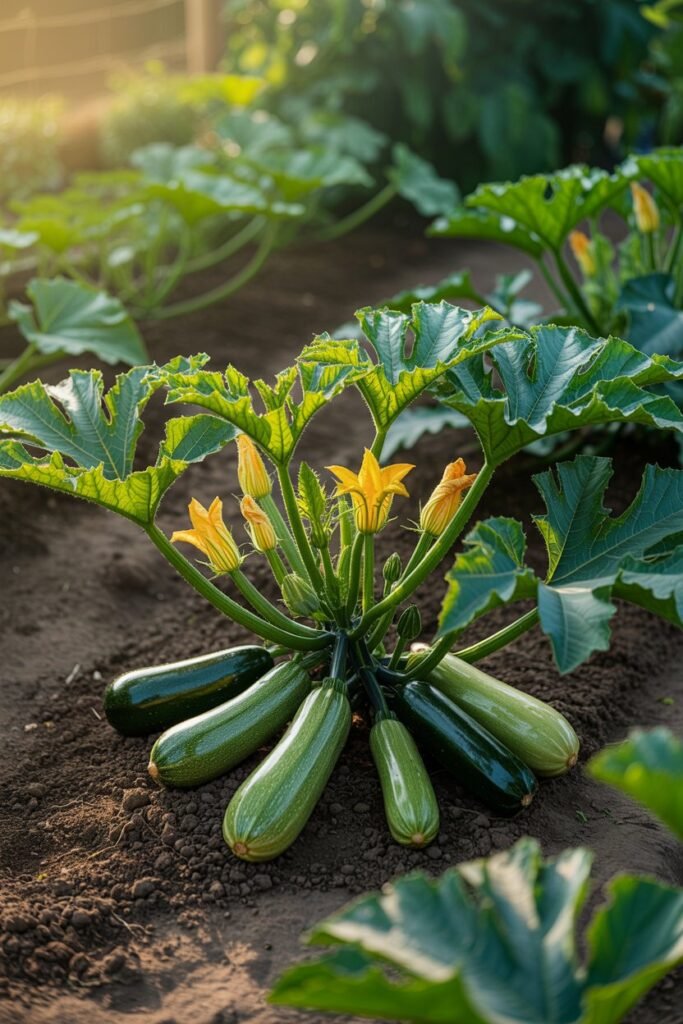
If you dream of a garden that gives generously, zucchini is a lovely crop to grow in June. It grows quickly, loves summer warmth, and often produces more than expected.
Why Plant Zucchini in June
- Extremely productive
- Fast-growing in warm weather
- Beginner friendly
- Great for small gardens if spaced properly
- Useful in many kitchen recipes
How to Plant
- Sow seeds directly 1 inch deep
- Space plants 2 to 3 feet apart
- Plant in compost-rich soil
- Choose a sunny position with good airflow
Care Tips
Water deeply at the base of the plant. Avoid wetting leaves when possible. Check plants daily once flowering begins because zucchini can grow very quickly. Harvest fruits when 6 to 8 inches long for the most tender flavor.
4. Spinach (Replacement for Carrots)
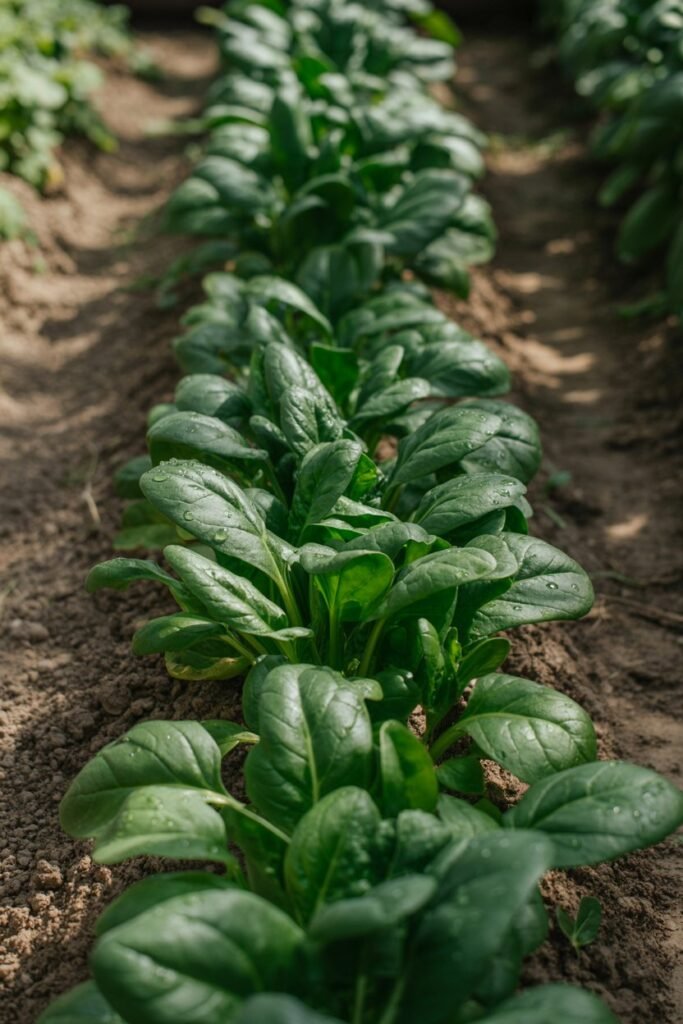
Spinach may surprise some gardeners as a June option, but heat-tolerant varieties and partial shade planting can still give delicious harvests, especially in milder climates or early June sowings.
Why Grow Spinach in June
- Fast-growing leafy crop
- Nutritious and versatile in the kitchen
- Great for containers and small beds
- Perfect for baby leaf harvests
How to Plant
- Sow seeds ½ inch deep
- Space seeds 2 inches apart
- Plant in a spot with morning sun and afternoon shade
- Use fertile, moist soil rich in compost
Care Tips
Keep soil consistently moist to reduce bolting. Harvest outer leaves often while young and tender. Sow small batches every two weeks for continuous harvest.
5. Radishes (Replacement for Beetroot)
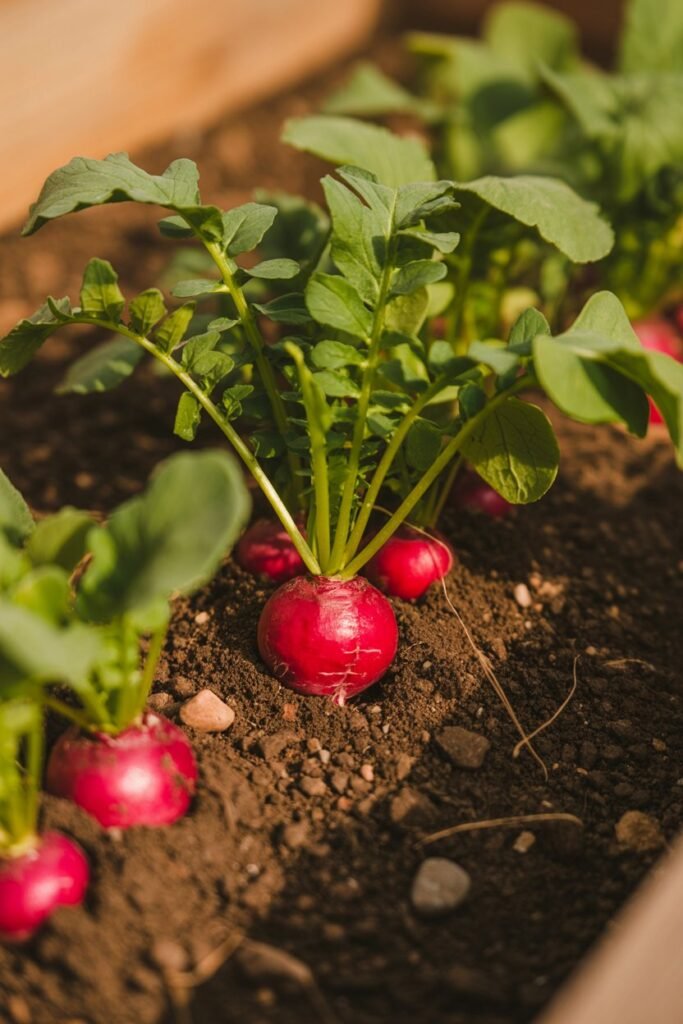
Radishes are one of the quickest vegetables you can grow, making them perfect for June gardens when you want fast rewards.
Why Grow Radishes in June
- Ready in as little as 25 to 35 days
- Excellent for beginners
- Perfect between slower-growing crops
- Crisp, peppery roots and edible leaves
How to Plant
- Sow seeds ½ inch deep
- Space seeds 1 inch apart
- Thin seedlings early if crowded
- Grow in loose, stone-free soil
Care Tips
Keep soil moist so roots stay tender and do not become woody. Harvest promptly once roots reach usable size.
6. Swiss Chard
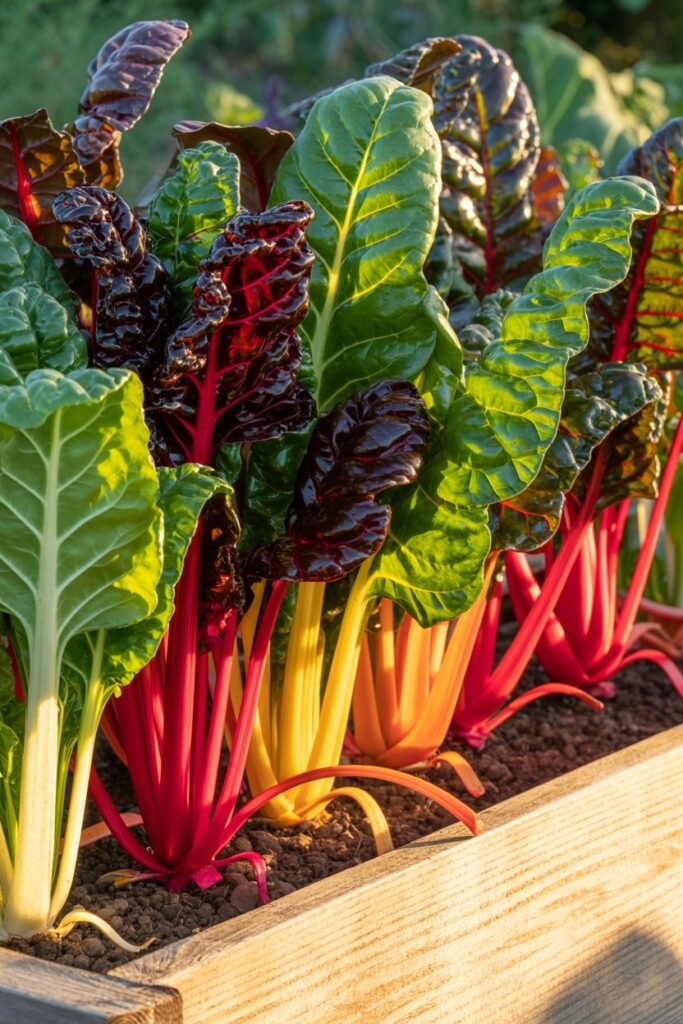
Swiss chard handles summer heat much better than spinach and keeps producing for months. It is both practical and beautiful in the garden.
Why Plant Chard in June
- Heat tolerant
- Continuous cut-and-come-again harvests
- Colorful stems brighten beds and containers
- Nutrient-rich leaves
How to Plant
- Sow seeds ½ inch deep
- Space plants 10 inches apart
- Choose full sun or light afternoon shade
- Grow in fertile, moisture-retentive soil
Care Tips
Harvest outer leaves first and allow the center to continue growing. Water regularly for tender leaves.
7. Kale (Replacement for Lettuce)
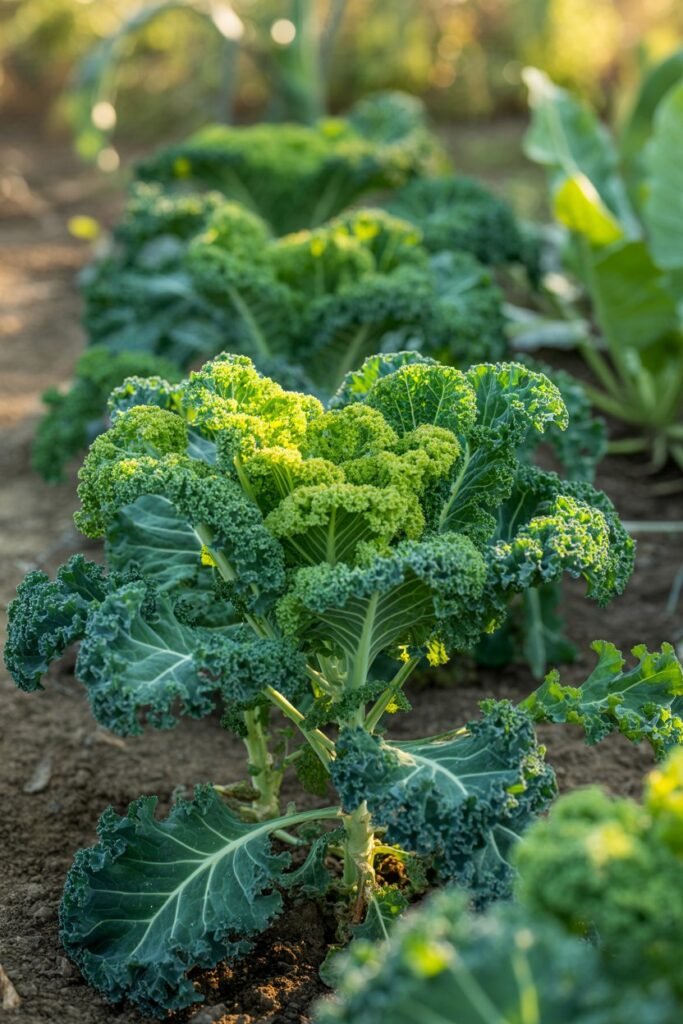
Kale is a strong, dependable leafy crop that can be planted in June for summer baby leaves and later mature harvests.
Why Grow Kale in June
- Highly nutritious
- More heat tolerant than many greens
- Suitable for containers and beds
- Harvest over a long season
Best Types for June
- Curly kale
- Lacinato kale
- Red Russian kale
How to Plant
- Sow seeds ½ inch deep or transplant seedlings
- Space plants 12 to 18 inches apart
- Plant in full sun or light shade
Care Tips
Keep soil moist and feed lightly every few weeks. Harvest outer leaves regularly.
8. Green Onions (Replacement for Okra)
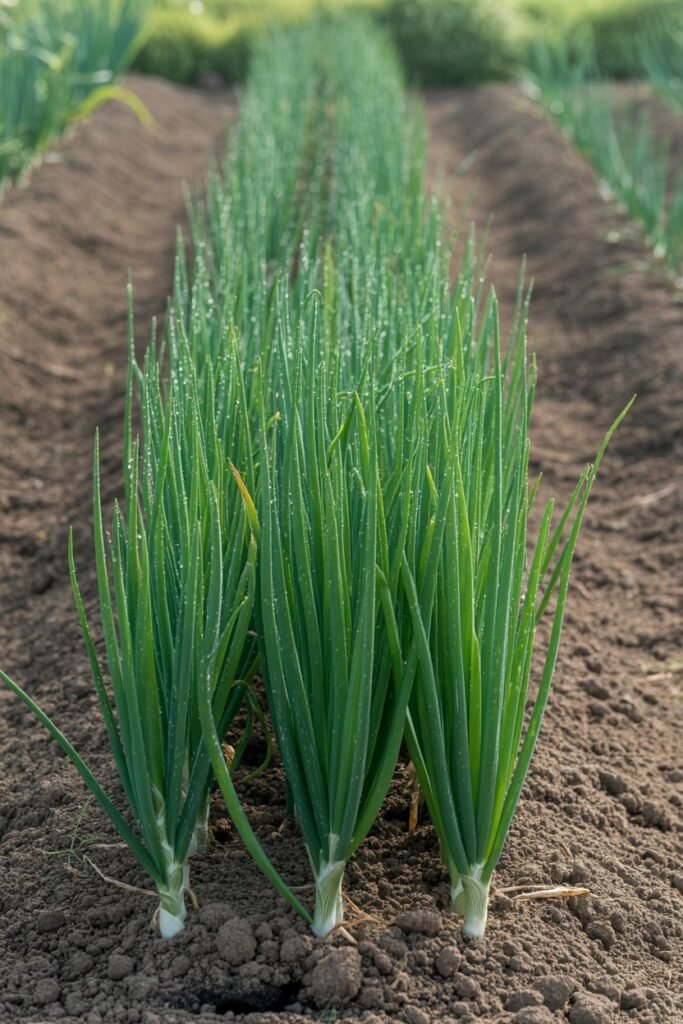
Green onions are wonderfully easy to grow and fit beautifully into June gardens, especially in small spaces.
Why Green Onions Are Perfect for June
- Fast-growing
- Excellent for containers
- Take little room
- Useful in everyday cooking
- Can be harvested young or mature
How to Plant
- Sow seeds shallowly or plant sets
- Space plants 1 to 2 inches apart
- Grow in full sun
- Use loose, fertile soil
Care Tips
Water regularly and keep beds weed-free. Harvest when stems are pencil-thick or earlier for tender scallions.
9. Celery (Replacement for Sweet Corn)
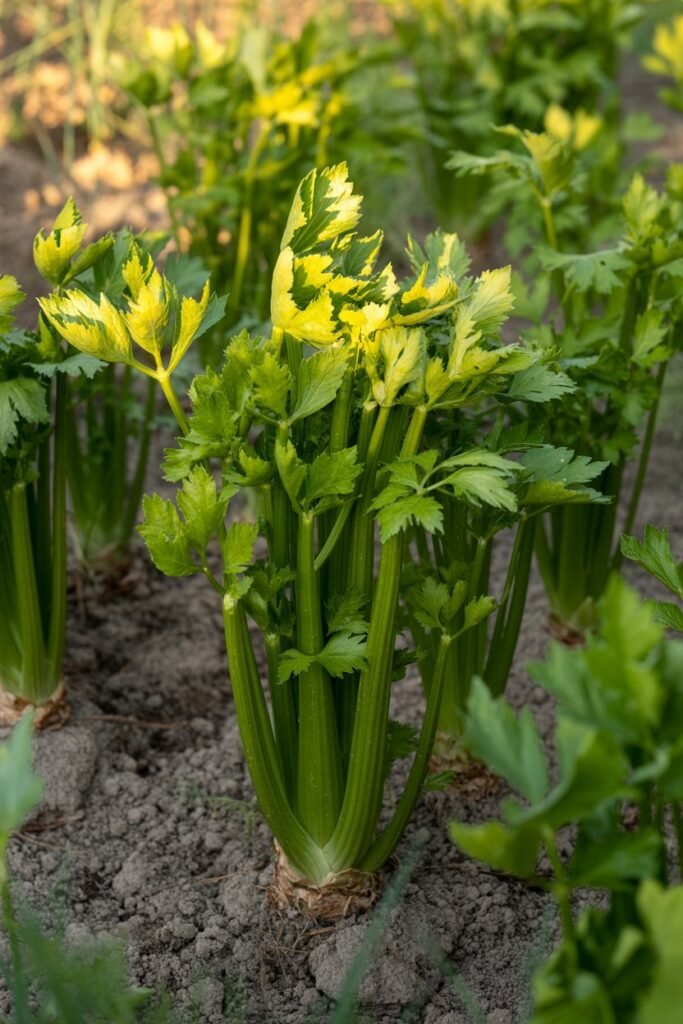
Celery is a rewarding crop for gardeners who enjoy fresh flavor and crisp harvests. June warmth helps young plants establish well.
Why Plant Celery in June
- Excellent for soups, salads, and cooking
- Great in raised beds
- Productive with steady moisture
- Adds variety to the garden
How to Plant
- Use seedlings for best results
- Space plants 8 to 10 inches apart
- Plant in rich soil with plenty of compost
- Choose full sun or light shade
Care Tips
Celery needs consistent watering. Never allow soil to dry completely. Feed regularly and mulch heavily to retain moisture.
10. Summer Squash
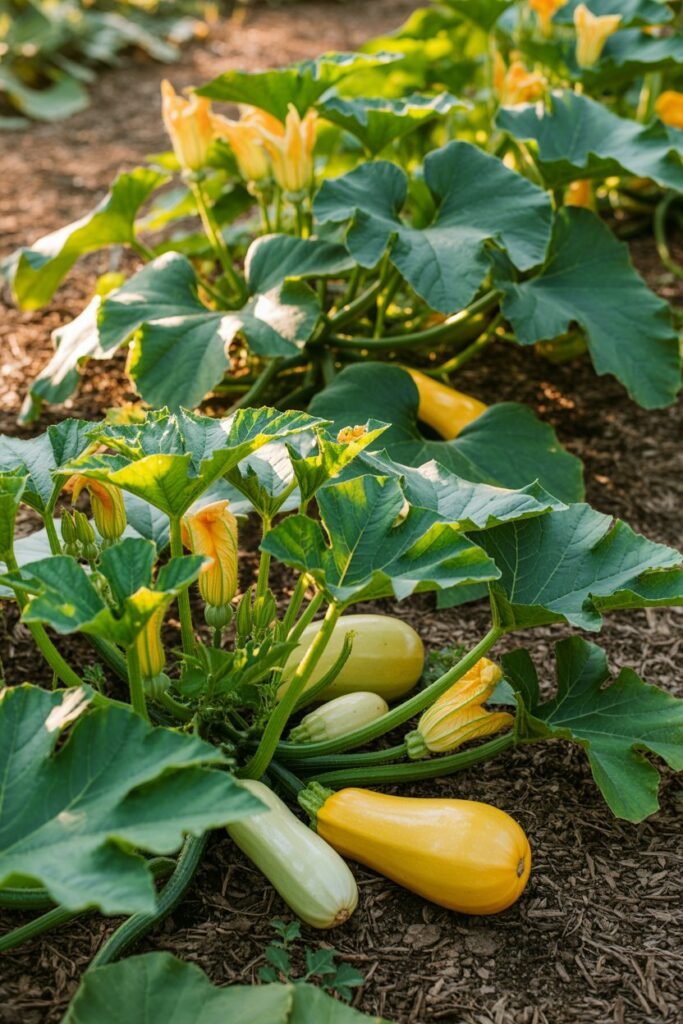
Summer squash grows quickly and gives repeated harvests all season when cared for properly.
Why Grow Summer Squash in June
- Loves warm weather
- Reliable producer
- Easy for beginners
- Great for grilling, roasting, and sautéing
Planting Tips
- Full sun location
- Rich composted soil
- Space generously for airflow
- Sow seeds directly once soil is warm
Care Tips
Harvest fruits while small and tender for the best taste. Pick often to keep plants productive.
11. Eggplant (Replacement for Tomatoes)
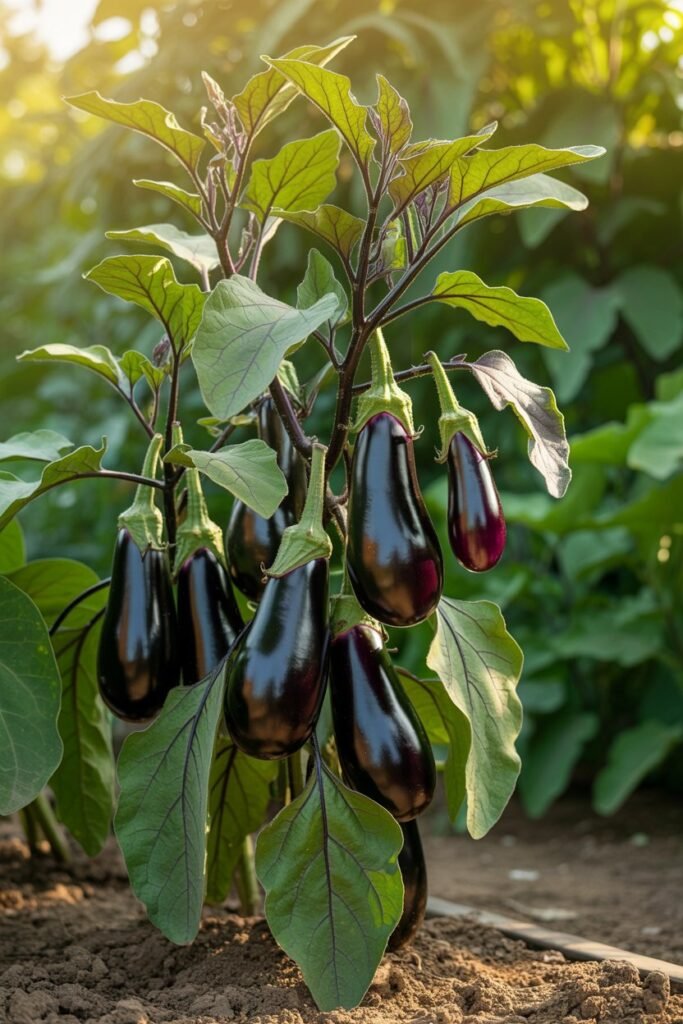
Eggplant loves heat and becomes happier as summer deepens, making June a wonderful time to plant transplants.
Why Grow Eggplant in June
- Thrives in hot weather
- Beautiful glossy fruits
- Perfect for containers and garden beds
- Excellent for grilling and roasting
How to Plant
- Use healthy transplants
- Space plants 18 to 24 inches apart
- Plant in rich, warm soil
- Choose a sunny sheltered location
Care Tips
Keep soil evenly moist and mulch around roots. Stake larger varieties if heavy with fruit. Harvest when skin is glossy and firm.
12. Peas (Replacement for Peppers)
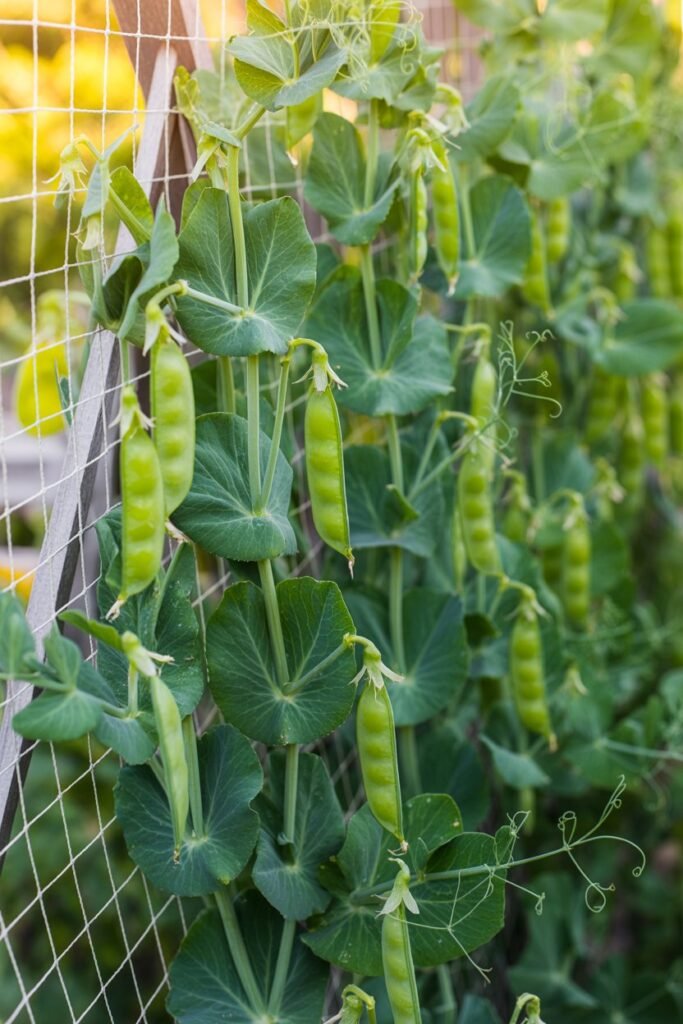
For milder climates or early June planting, peas can still be a charming crop, especially fast-growing varieties.
Why Grow Peas in June
- Sweet fresh flavor
- Excellent for trellises
- Great for small spaces
- Nitrogen-fixing roots benefit soil
How to Plant
- Sow seeds 1 inch deep
- Space seeds 2 inches apart
- Provide netting or support
- Plant where they receive morning sun
Care Tips
Water regularly and harvest pods often to keep plants producing. In hotter climates, give afternoon shade if possible.
Step-by-Step Guide to Planting Vegetables in June
Step 1: Choose the Right Crops
Select heat-loving or quick-growing vegetables.
Step 2: Prepare Soil
Loosen soil, remove weeds, and add compost.
Step 3: Water Before Sowing
Moist soil supports quick germination.
Step 4: Plant at Correct Depth
Follow seed packet directions.
Step 5: Label Rows
Especially helpful if planting several vegetables.
Step 6: Water Gently
Use a fine spray to avoid washing seeds away.
Step 7: Mulch After Seedlings Establish
Mulch conserves water and suppresses weeds.
Watering Tips for June Gardens
Summer vegetables need steady moisture.
Best Watering Practices
- Water early in the morning
- Water deeply instead of lightly
- Check containers daily
- Mulch to reduce evaporation
- Avoid splashing leaves late evening
Fertilizing June Vegetables
Fast-growing summer crops need nutrients.
At Planting Time
Mix compost into the soil.
Mid-Season Feeding
Use:
- Compost tea
- Liquid seaweed
- Balanced organic fertilizer
Fruiting Plants Need Extra Support
Tomatoes, cucumbers, peppers, and squash benefit from potassium and phosphorus during flowering and fruiting.
Common June Gardening Mistakes to Avoid
1. Forgetting to Water Seeds
Freshly planted seeds must stay moist.
2. Overcrowding Plants
Crowded crops invite mildew and pests.
3. Planting Cool Crops in Extreme Heat
Spinach and peas often struggle in hot June weather.
4. Waiting Too Long to Harvest
Beans, zucchini, and cucumbers become tough if left too long.
5. Ignoring Mulch
Bare soil dries quickly in summer.
Best Vegetables for Containers in June
Limited space does not mean limited harvests.
Try these in pots or grow bags:
- Bush beans
- Lettuce
- Chard
- Tomatoes
- Peppers
- Cucumbers on trellis
- Carrots in deep containers
- Herbs alongside vegetables
A Simple June Garden Plan for Beginners
If you are just starting, keep it manageable.
Small Raised Bed Example
Back Row: Tomatoes
Middle Row: Bush beans and chard
Front Row: Lettuce and carrots
Corner Trellis: Cucumbers
This gives a lovely balance of quick harvests and longer-season crops.
What You Can Harvest if You Plant in June
In 30 Days
- Lettuce
- Baby greens
- Baby beets
In 50 to 60 Days
- Bush beans
- Cucumbers
- Zucchini
In 70+ Days
- Carrots
- Sweet corn
- Peppers
- Tomatoes
- Pumpkins
How to Keep Your Garden Productive All Summer
Succession Plant Every Few Weeks
Sow more beans, carrots, lettuce, and beets regularly.
Harvest Often
Frequent picking encourages more vegetables.
Replant Empty Spaces
Once one crop finishes, replace it quickly.
Watch for Pests Early
Inspect leaves often for damage.
Feed and Water Consistently
Healthy plants produce more.
June Gardening Tips for Hot Climates
If you live in a warmer region, including areas with intense summer heat:
- Use mulch generously
- Water early morning
- Give lettuce afternoon shade
- Choose heat-tolerant varieties
- Use shade cloth during extreme heatwaves
- Grow okra, peppers, sweet potatoes, and cowpeas for reliable summer harvests
Frequently Asked Questions
Is June Too Late to Start a Vegetable Garden?
Not at all. Many vegetables thrive when planted in June.
What Is the Fastest Vegetable to Grow in June?
Bush beans, lettuce, zucchini, and cucumbers are among the fastest.
Can I Grow Vegetables in Pots in June?
Yes. Containers are excellent for June planting as long as they are watered regularly.
Should I Start Seeds or Buy Plants?
Both work well. Direct sow beans, carrots, beets, and cucumbers. Buy tomato and pepper transplants if you want faster harvests.
Final Thoughts
June is full of gardening possibilities. If spring plans changed, space opened up in your beds, or you are only now finding time to plant, you have not missed your chance.
Warm soil, longer days, and steady weather make June one of the most rewarding times to grow vegetables.
Choose a few easy crops, prepare your soil with care, water faithfully, and enjoy the gentle rhythm of watching everything grow.
Before long, you can be harvesting baskets of beans, crisp cucumbers, tender greens, zucchini, carrots, and more straight from your own garden.
