
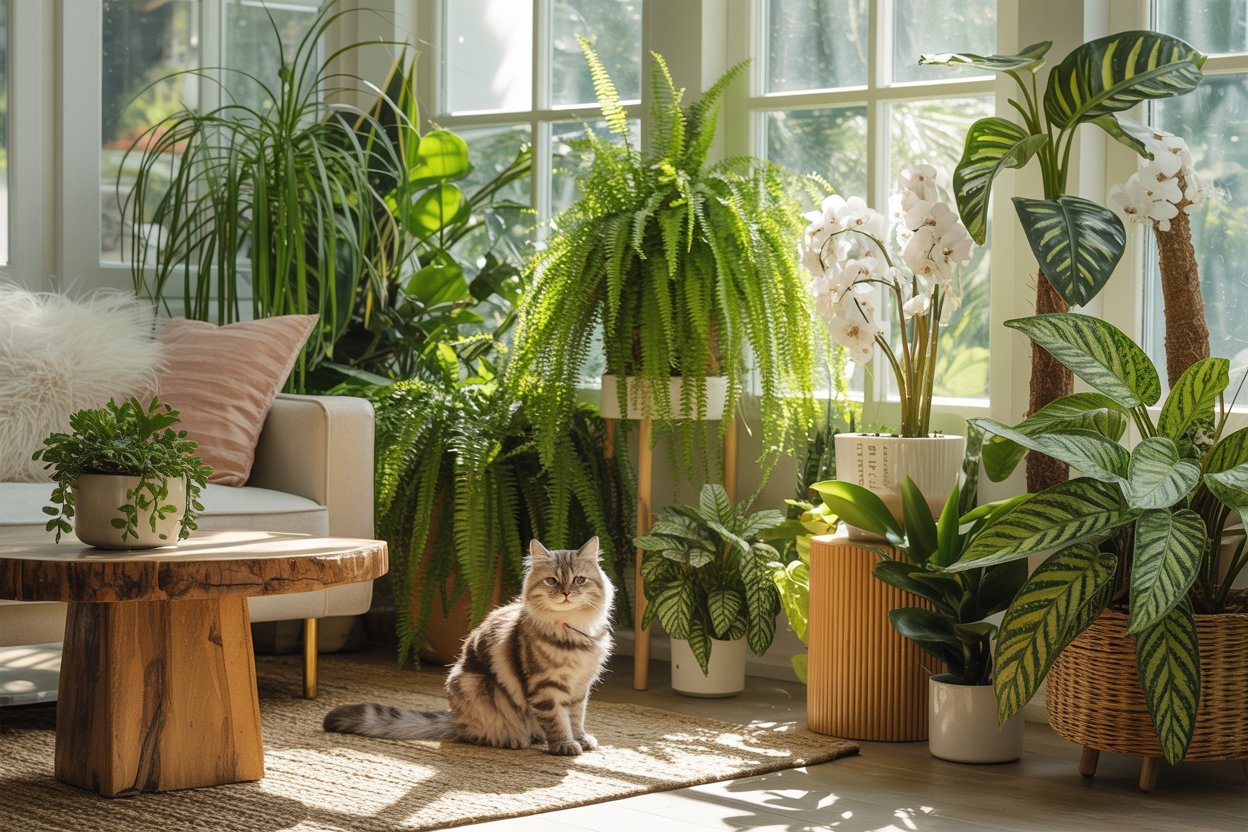

Living with cats changes the way you decorate your home and that includes the plants you choose. I learned this the first time my curious cat jumped onto a windowsill, knocked over a pot, and then tried to nibble the leaves like she was taste-testing my décor.
From that day forward, every plant I brought inside had to meet two standards: beautiful and safe.
If you love houseplants, fresh indoor spaces, and feline companions, you already know the challenge. Many common houseplants are toxic to cats, which can make plant shopping stressful.
The good news is that you do not have to choose between a lush indoor jungle and a pet-friendly home.
Many plants connected to the famous NASA Clean Air Study are known for helping support cleaner indoor air while also being non-toxic to cats.
While no plant can completely purify a room on its own, these plants can still be a lovely part of a healthier home when paired with ventilation, regular cleaning, and proper care.
In this detailed guide, you will discover the best NASA approved air-filtering plants that are cat safe, how to care for them, where to place them, and how to create a home that feels fresh, elegant, and safe for your furry friend.
What Does “NASA Approved” Mean?
Before we begin, it helps to understand the phrase “NASA approved plants.”
NASA does not officially approve houseplants as products. Instead, the phrase comes from the NASA Clean Air Study, a well-known experiment that explored how certain plants could help remove indoor pollutants such as benzene, formaldehyde, and trichloroethylene in sealed environments.
Today, people often use the phrase “NASA approved air-filtering plants” to describe:
- Plants included in the NASA study
- Plants associated with air-purifying benefits
- Popular houseplants that support fresher indoor environments
So while it is a popular phrase, it really means plants inspired by NASA’s indoor air research.
Why Choose Cat Safe Houseplants?
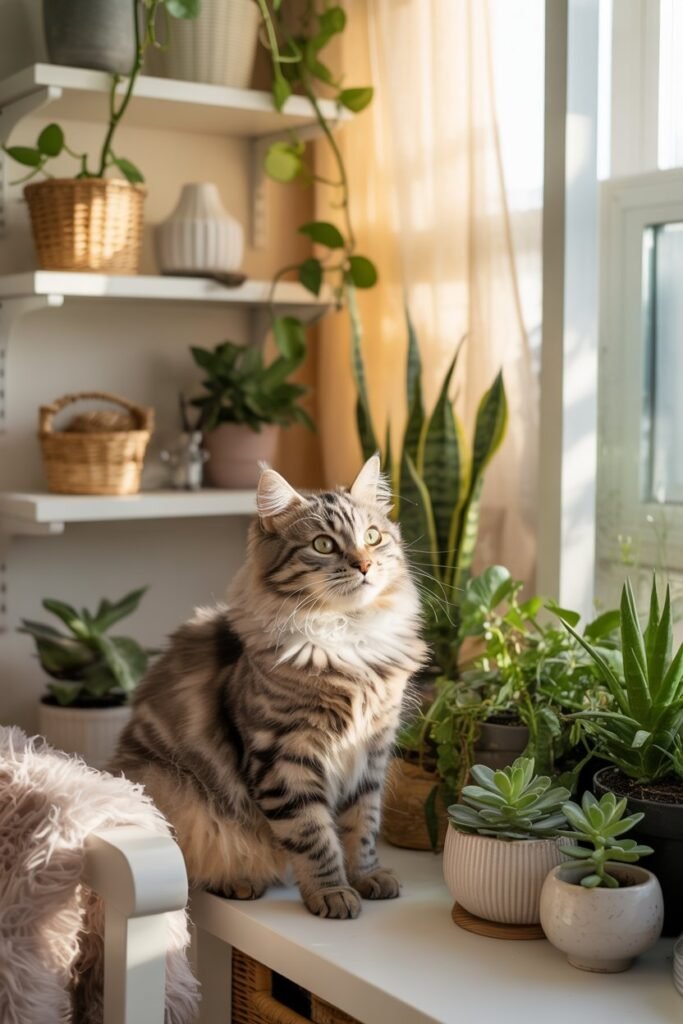
Cats are naturally curious creatures. Many love to chew leaves, dig in soil, or swat hanging foliage just for fun. That means bringing home the wrong plant can create unnecessary risk.
Choosing cat safe indoor plants gives you peace of mind and allows your home to stay stylish and green.
Benefits of Cat Safe Plants
- Safer environment for pets
- Less stress for pet owners
- Beautiful home décor
- Cleaner-feeling indoor air
- More confidence when decorating with greenery
Safety Note for Cat Owners
Even non-toxic plants can still cause mild stomach upset if eaten in large amounts.
For the safest indoor garden:
- Keep fallen leaves cleaned up
- Use sturdy pots that do not tip easily
- Avoid chemical sprays on leaves
- Store fertilizers safely
- Offer cat grass as an alternative snack
- Contact your vet if your cat acts unwell after chewing plants
12 NASA Approved Air-Filtering Plants That Are Cat Safe
1. Spider Plant
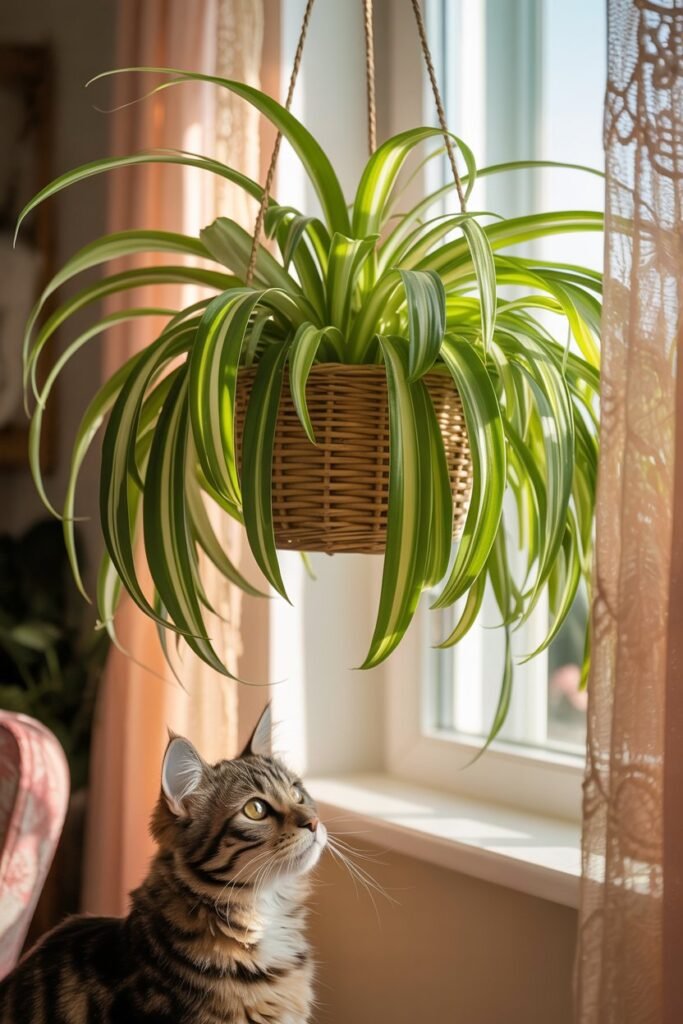
Spider plants are one of the easiest indoor plants to grow and a wonderful choice for beginners. Their striped arching leaves look lovely in hanging baskets or shelves.
Why It’s Great
- Popular air-filtering plant
- Safe for cats
- Easy to grow
- Produces baby plants quickly
Care Tips
- Bright indirect sunlight
- Water when top inch of soil dries
- Average humidity works well
- Avoid soggy soil
Best Placement
Hang near a bright window where leaves can trail beautifully.
2. Areca Palm
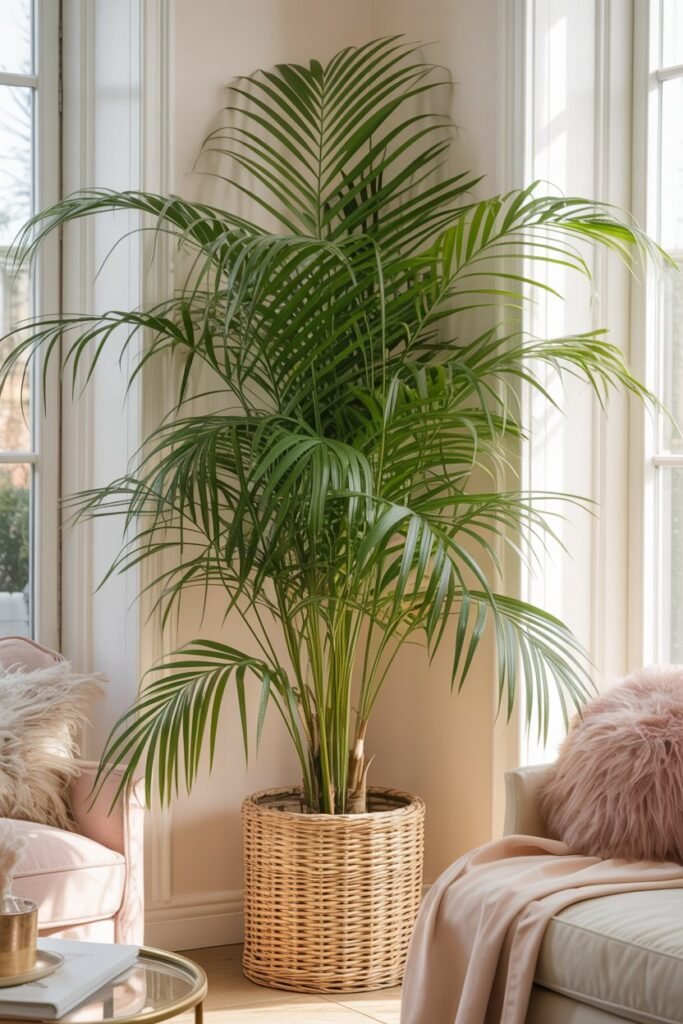
The areca palm creates a soft tropical feel indoors with elegant feathery fronds. It adds instant warmth to living rooms and bedrooms.
Why It’s Great
- Helps add humidity indoors
- Cat safe
- Large statement plant
- Beautiful graceful shape
Care Tips
- Bright filtered light
- Keep soil lightly moist
- Loves warm rooms
- Rotate regularly for even growth
Best Placement
Place in a sunny corner with space around it.
3. Bamboo Palm
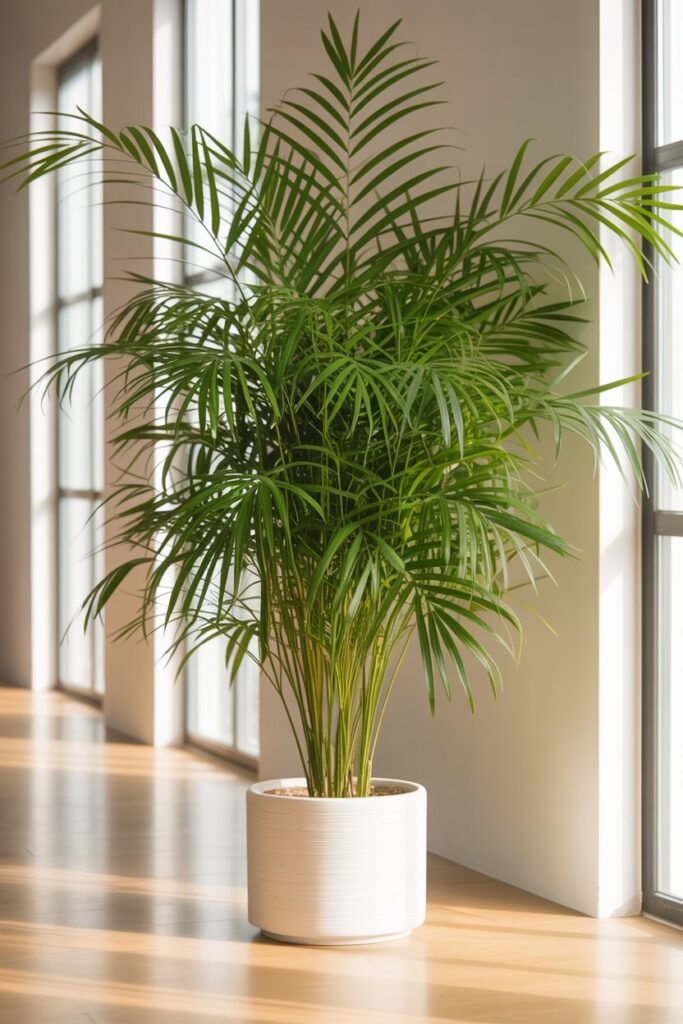
Bamboo palm is a classic houseplant with upright stems and lush green foliage. It is perfect for adding height and softness to interiors.
Why It’s Great
- Frequently listed in air-purifying guides
- Safe for cats
- Great for corners
- Tropical look
Care Tips
- Medium to bright indirect light
- Water when surface soil dries
- Enjoys moderate humidity
Best Placement
Perfect for living rooms or office corners.
4. Parlor Palm
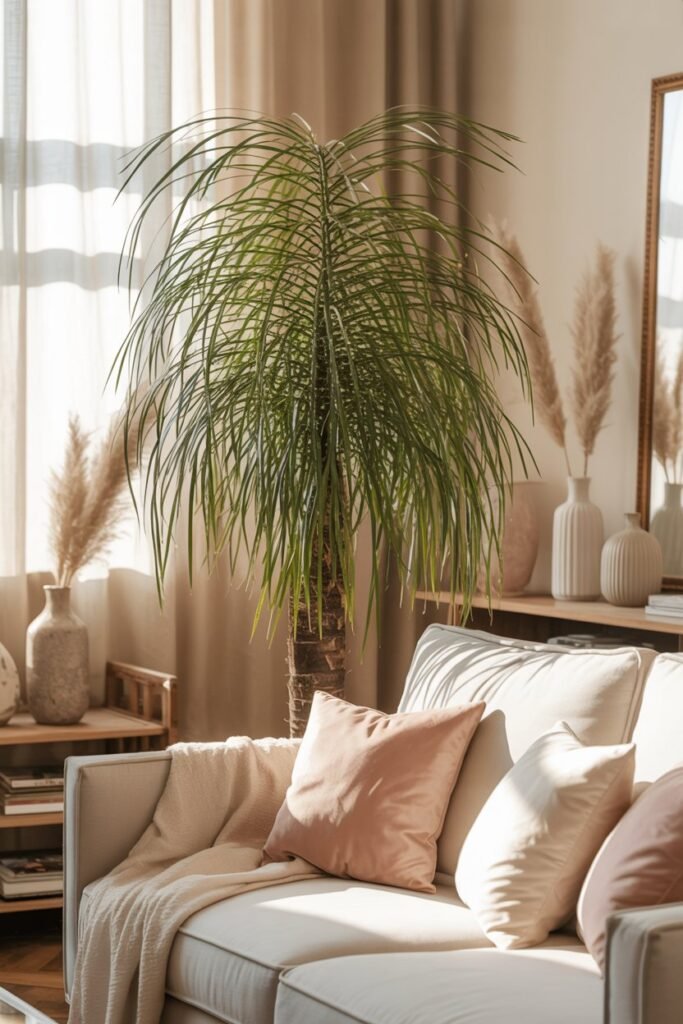
Parlor palms have remained popular for generations because they are elegant, easygoing, and adaptable.
Why It’s Great
- Thrives in lower light
- Pet safe
- Compact enough for apartments
- Classic timeless beauty
Care Tips
- Low to medium light
- Water when top soil dries
- Avoid overwatering
Best Placement
Lovely beside a sofa or hallway table.
5. Boston Fern
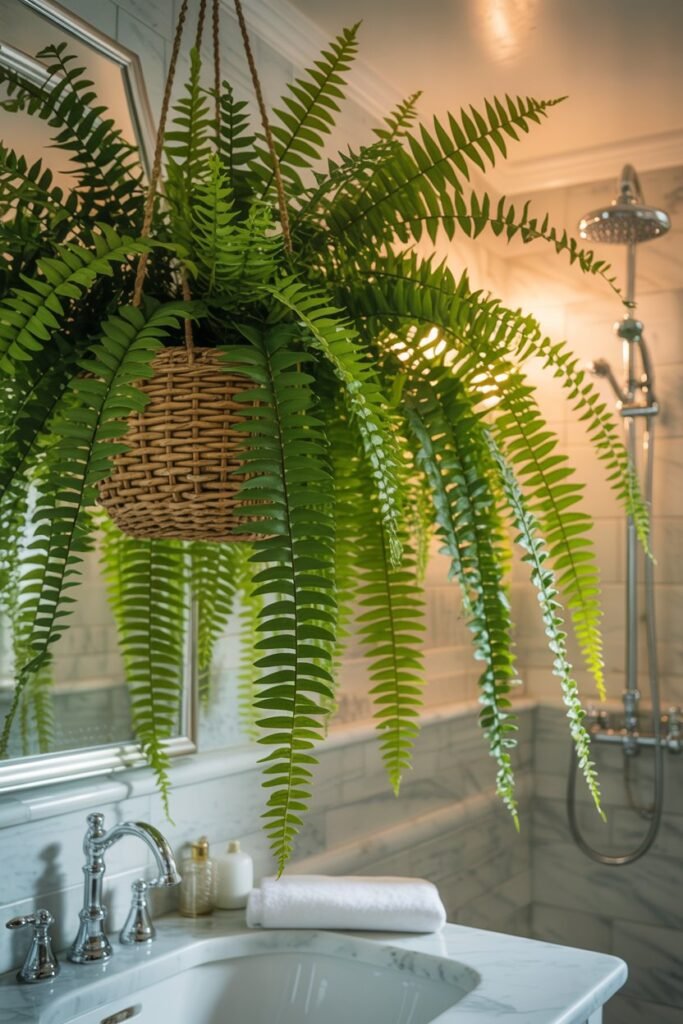
Boston ferns are lush, full, and romantic-looking. Their soft fronds instantly brighten a room.
Why It’s Great
- Safe for cats
- Adds humidity
- Great hanging plant
- Softens indoor décor
Care Tips
- Bright indirect light
- Keep soil evenly moist
- Enjoys humidity
- Mist lightly if air is dry
Best Placement
Bathrooms, kitchens, or hanging near bright windows.
6. Calathea
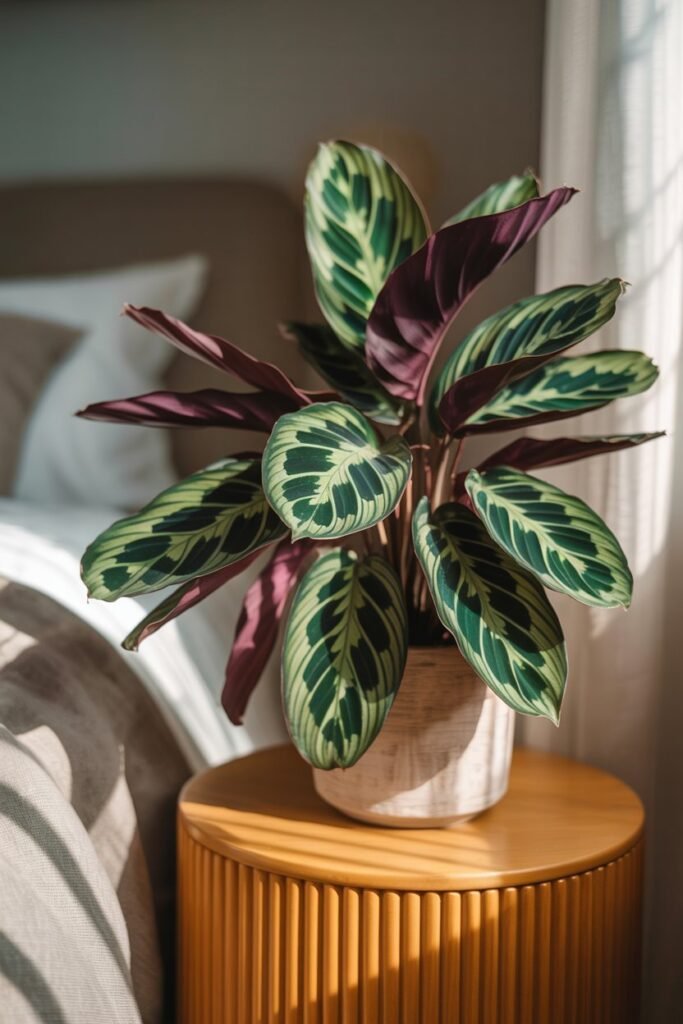
Calatheas are known for their stunning patterned leaves and graceful movement throughout the day.
Why It’s Great
- Cat safe
- Decorative foliage
- Many colors and patterns
- Great tabletop plant
Care Tips
- Medium indirect light
- Keep soil lightly moist
- Use filtered water if possible
- Loves humidity
Best Placement
Bedrooms, shelves, or side tables.
7. Peperomia
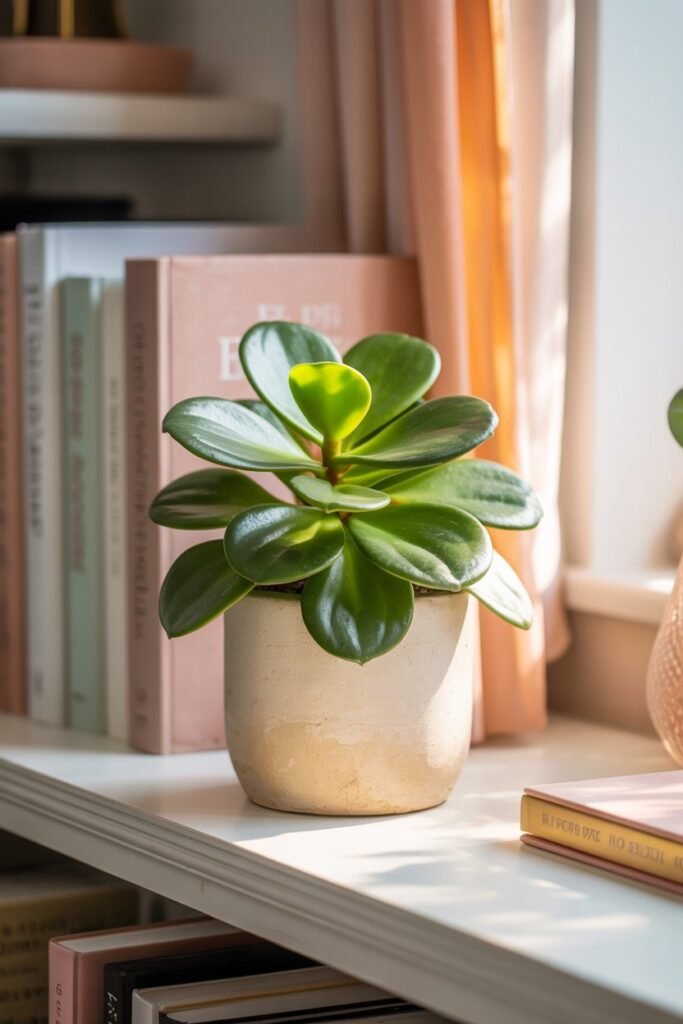
Peperomia is perfect for small spaces and plant lovers who enjoy collecting different textures and leaf shapes.
Why It’s Great
- Safe for cats
- Compact size
- Stylish appearance
- Low maintenance
Care Tips
- Bright indirect light
- Let topsoil dry slightly between watering
- Avoid overwatering
Best Placement
Desks, bookshelves, and kitchen windows.
8. Baby Rubber Plant
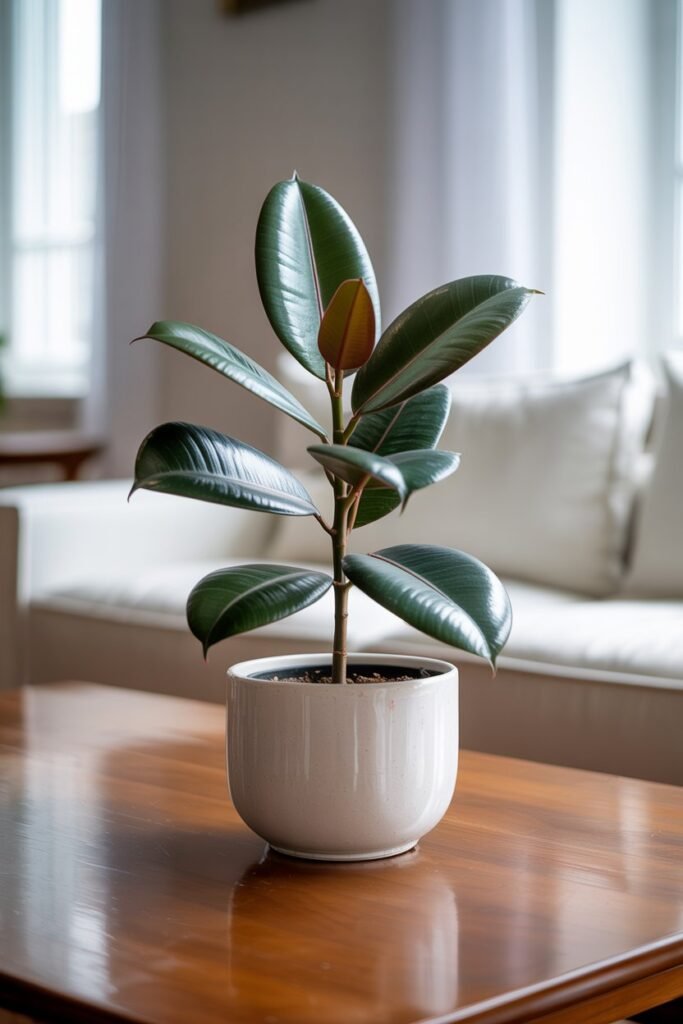
Baby rubber plant has thick glossy leaves and a neat compact habit. It looks polished and modern.
Why It’s Great
- Non-toxic to cats
- Attractive shiny leaves
- Easy care
- Great beginner plant
Care Tips
- Bright indirect light
- Moderate watering
- Warm indoor conditions
Best Placement
Coffee tables, side tables, and shelves.
9. Money Tree
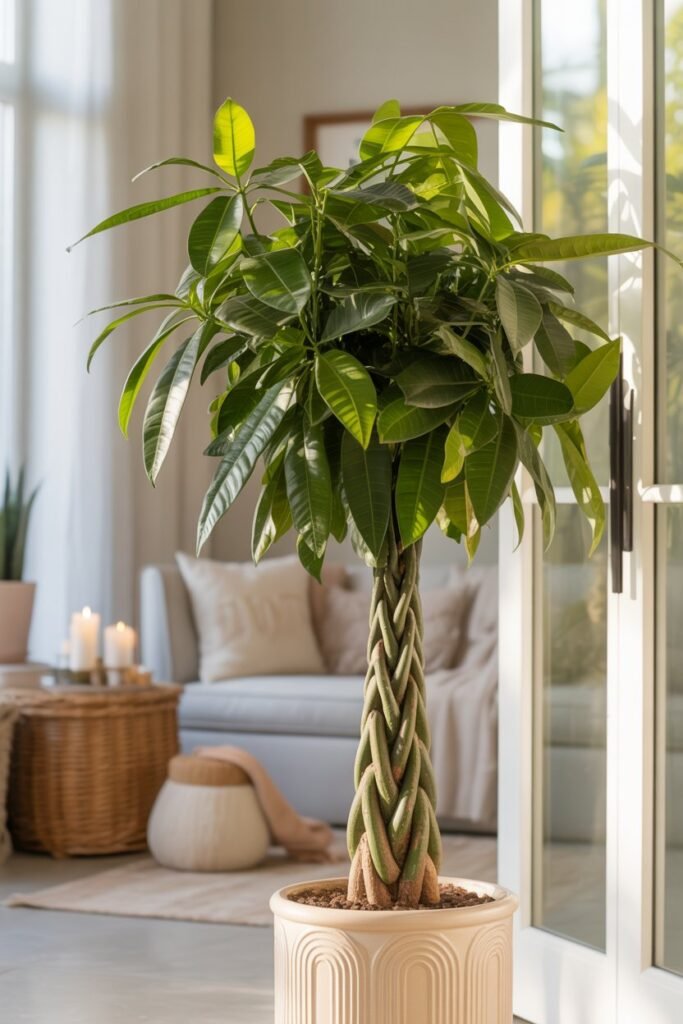
Money trees are often sold with braided trunks and are believed to symbolize prosperity.
Why It’s Great
- Safe for cats
- Elegant indoor tree look
- Long-lasting houseplant
- Great focal point
Care Tips
- Bright indirect light
- Water when top few inches dry
- Rotate for balanced growth
Best Placement
Entryways or bright living rooms.
10. African Violet
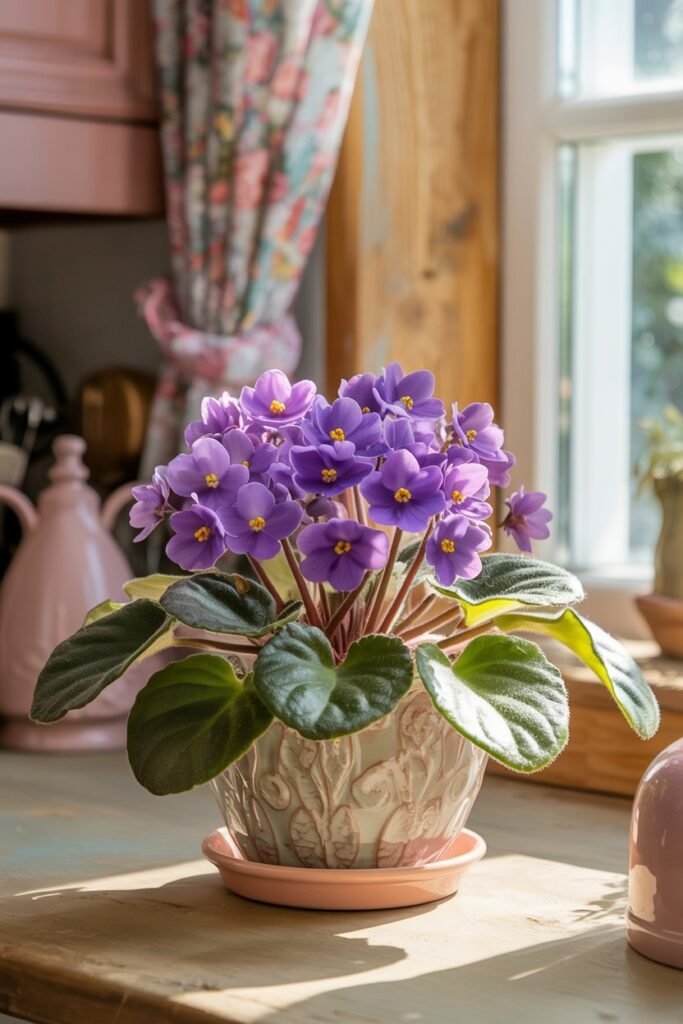
African violets add cheerful blooms while staying compact and pet friendly.
Why It’s Great
- Safe for cats
- Colorful flowers
- Compact size
- Blooms indoors often
Care Tips
- Bright indirect light
- Keep leaves dry when watering
- Warm conditions preferred
Best Placement
Kitchen windowsills or bright counters.
11. Orchid (Phalaenopsis)
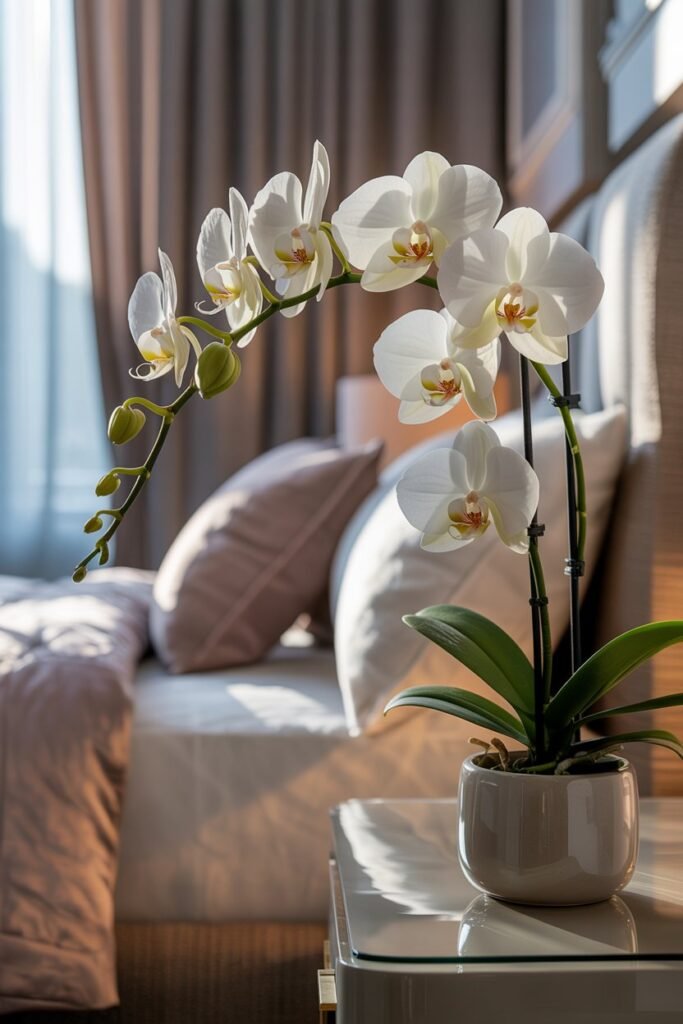
Orchids bring elegance and long-lasting flowers to indoor spaces.
Why It’s Great
- Cat safe
- Beautiful blooms
- Sophisticated style
- Excellent gift plant
Care Tips
- Bright indirect light
- Water lightly
- Use orchid bark mix
- Good airflow around roots
Best Placement
Bedrooms, bathrooms, and side tables.
12. Cast Iron Plant
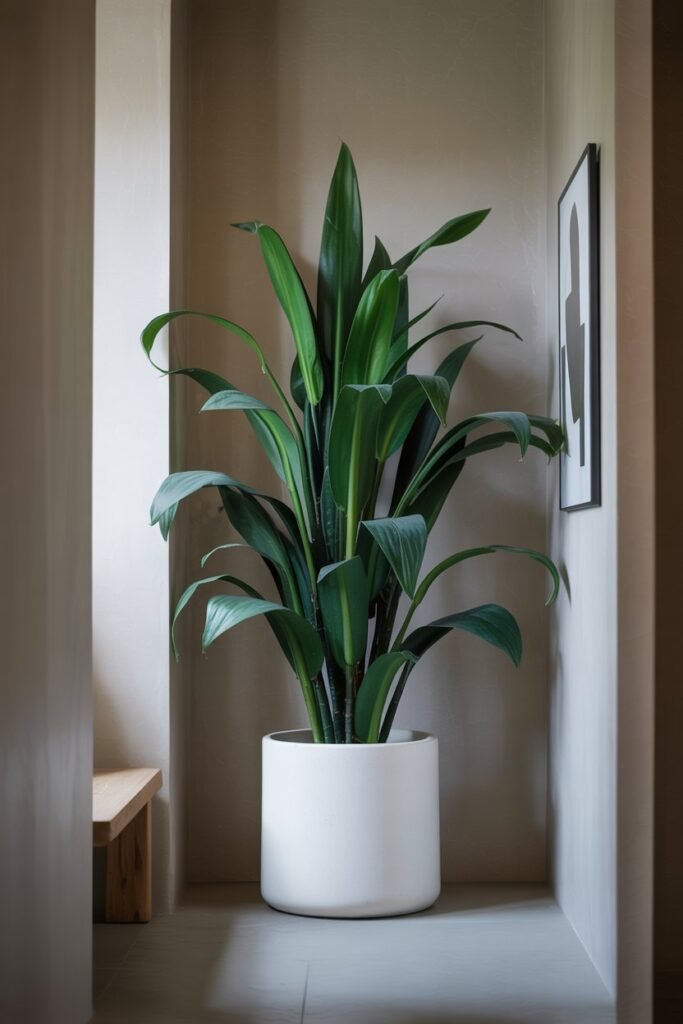
Cast iron plant is wonderfully durable and perfect for beginners or busy homes.
Why It’s Great
- Very hardy
- Safe for cats
- Tolerates low light
- Elegant dark leaves
Care Tips
- Low to medium light
- Water moderately
- Let soil partly dry between watering
Best Placement
Hallways, darker corners, or offices.
Best Rooms for Cat Safe Air Purifying Plants
Choosing the right room helps plants thrive.
Living Room
Use palms, money tree, or bamboo palm for height and drama.
Bedroom
Choose calathea, orchid, or parlor palm for a peaceful look.
Bathroom
Boston fern and calathea enjoy humidity.
Kitchen
African violets and peperomia work beautifully.
Home Office
Spider plant and cast iron plant are easy low-fuss options.
Plants to Avoid If You Have Cats
Some popular plants can be toxic to cats. Always research before buying.
Avoid:
- Lilies
- Pothos
- Snake plant
- Aloe vera
- Philodendron
- Dieffenbachia
- Peace lily
How to Keep Cats Away from Houseplants
Even safe plants may become toys for playful cats.
Helpful Tricks
- Offer cat grass nearby
- Use hanging baskets
- Place plants on shelves
- Use heavy pots
- Provide toys and scratching posts
- Redirect with playtime
Avoid punishing your cat. Redirection works much better.
Extra Ways to Improve Indoor Air Naturally
Plants help, but healthy homes use multiple habits.
Open Windows Often
Fresh airflow matters.
Vacuum Frequently
Pet hair and dust can hold allergens.
Use Gentle Cleaning Products
Reduce strong chemical residue.
Control Moisture
Avoid mold from overwatering plants or damp areas.
Wash Plant Leaves
Dusty leaves cannot photosynthesize efficiently.
Beginner Indoor Garden Setup for Cat Owners
If you are just starting, try this easy combination:
- 1 Spider Plant in hanging basket
- 1 Parlor Palm in living room
- 1 Peperomia on shelf
- 1 Boston Fern in bathroom
- 1 African Violet in kitchen
This gives you texture, blooms, greenery, and beginner-friendly care.
Frequently Asked Questions
Are spider plants toxic to cats?
Spider plants are considered non-toxic to cats, though chewing too much may cause mild tummy upset.
Do air purifying plants really work?
Plants may help support indoor air quality, but they work best alongside ventilation and cleaning.
What is the safest large houseplant for cats?
Areca palm and parlor palm are both excellent larger cat-safe choices.
Can cats eat houseplants?
Even safe plants should not be eaten regularly. Offer cat grass instead.
SEO Keywords Included in This Guide
This article naturally targets
Final Thoughts
Creating a beautiful home filled with greenery should never come at the cost of your cat’s safety. With the right plant choices, you can enjoy fresh leaves, soft tropical textures, colorful blooms, and a calmer atmosphere—all while knowing your feline companion is safe.
Start with one or two easy plants like spider plant or parlor palm, then slowly grow your indoor garden over time. Before long, your home can become a cozy, stylish sanctuary where both you and your cat thrive beautifully.
