
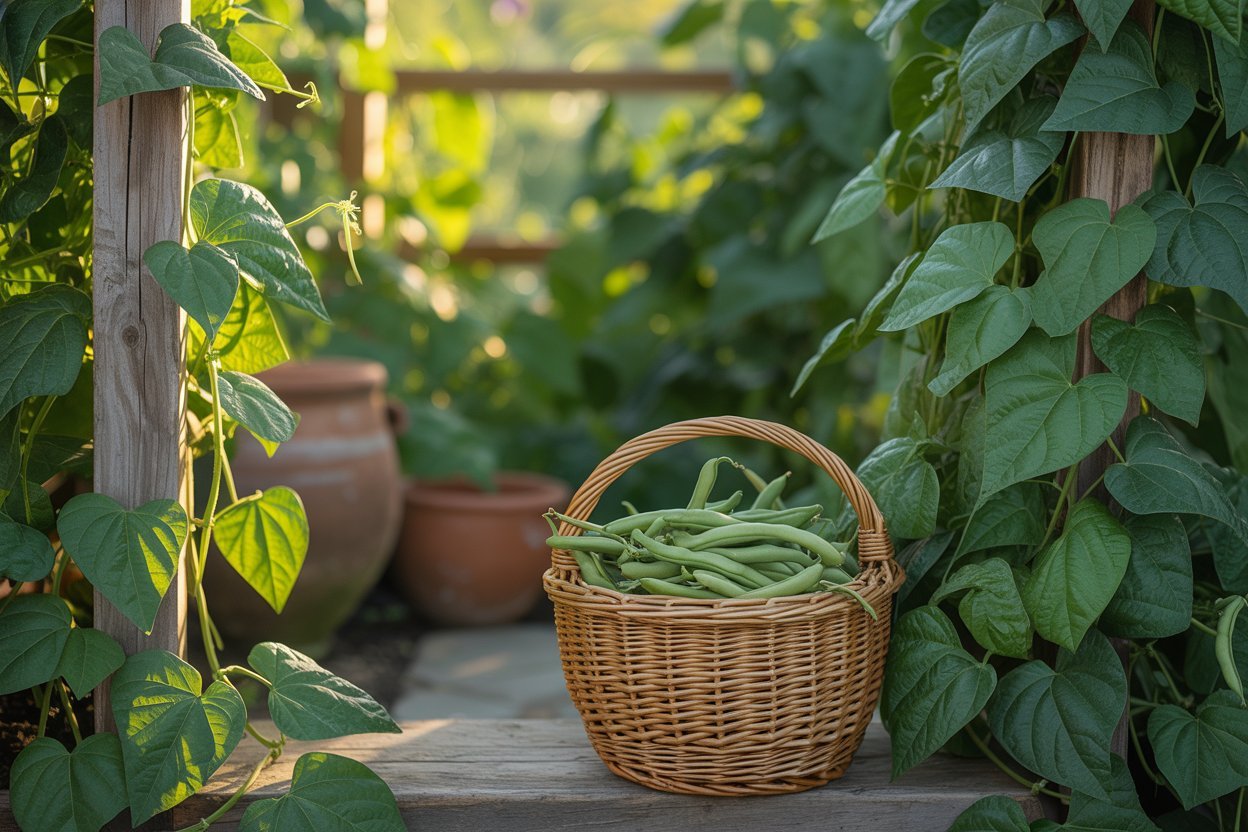

There’s something deeply comforting about stepping into your garden (or even your little balcony space) and picking fresh green beans that you nurtured yourself.
Growing green beans at home isn’t just about food it’s about slowing down, connecting with nature, and creating something beautiful and nourishing with your own hands.
If you’ve ever dreamed of having a thriving, productive garden but felt unsure where to begin, green beans are one of the most forgiving, rewarding crops you can grow.
Whether you have a backyard, a small patio, or just a few containers, this guide will walk you through every step with care and clarity.
In this detailed guide, you’ll learn everything you need to successfully grow green beans at home from choosing the right variety to harvesting baskets full of crisp, tender beans.
Why Grow Green Beans at Home?
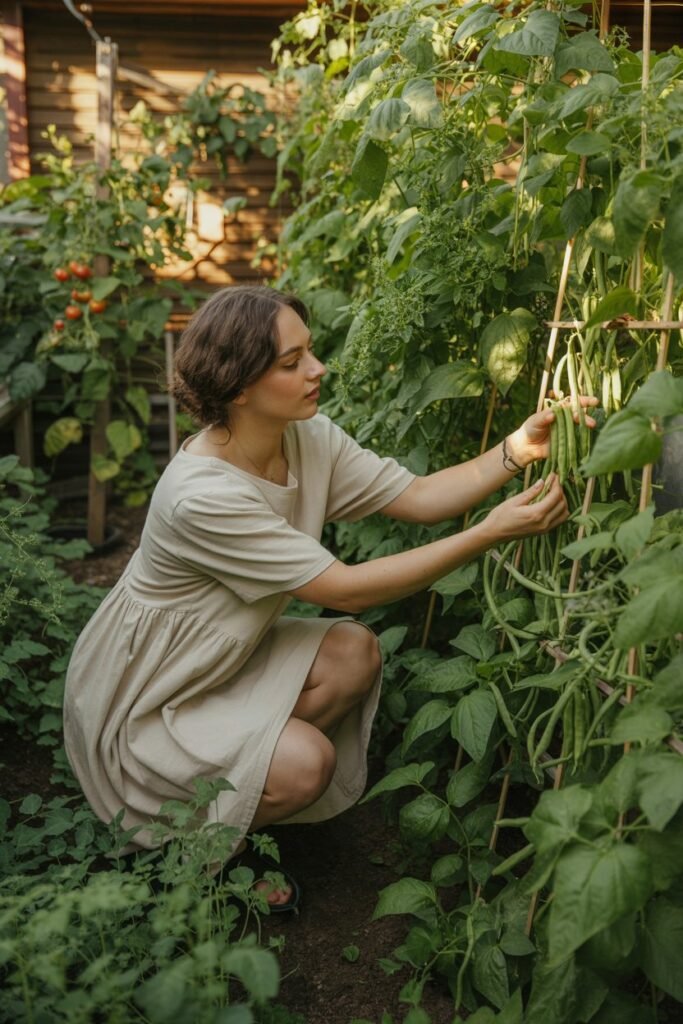
Green beans are one of those crops that feel like a little gift that keeps giving. Once they start producing, they’ll reward you generously if you care for them well.
Here’s why they’re so lovely to grow:
- They grow quickly, giving you results in just a few weeks
- They don’t require complicated care routines
- They can thrive in small spaces
- They improve your soil naturally by fixing nitrogen
- They produce abundantly over time
And honestly, the taste of freshly picked green beans is so much richer and sweeter than anything you’ll find in a store.
Types of Green Beans You Can Grow
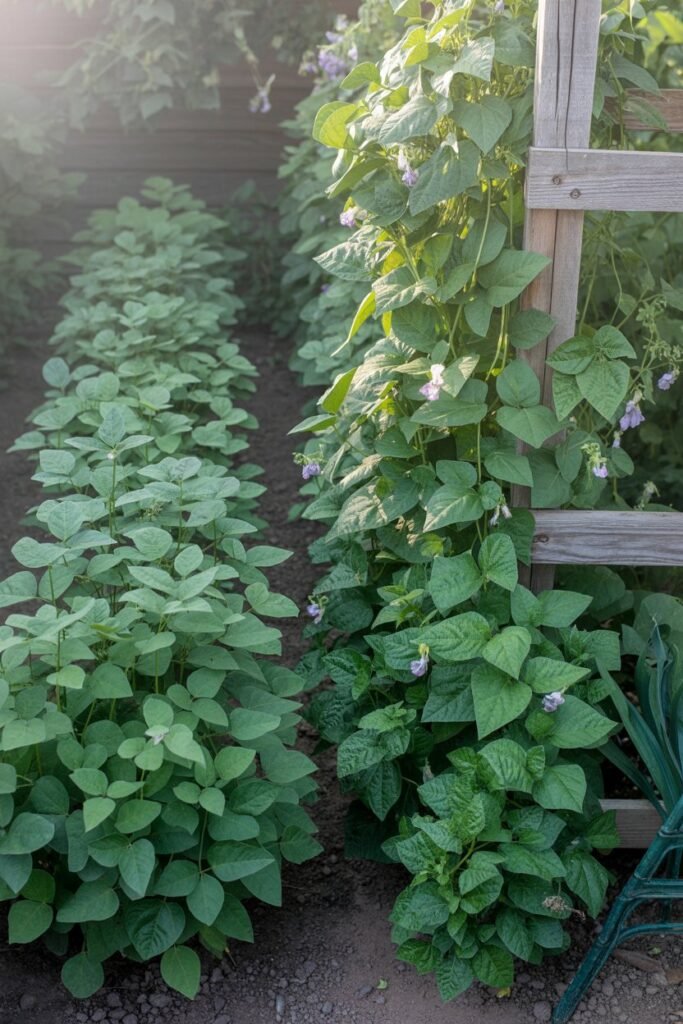
Before planting, it’s important to choose the right type of green beans for your space and lifestyle.
1. Bush Beans
Bush beans are compact and tidy, making them perfect for beginners or small gardens.
Features:
- Grow low and bushy (no support needed)
- Mature quickly (about 50–60 days)
- Produce all at once
Perfect for:
- Containers
- Raised beds
- Small gardens
2. Pole Beans
Pole beans are a bit more adventurous they love to climb and stretch toward the sky.
Features:
- Require support (trellis, poles, or strings)
- Produce continuously over a longer period
- Often more productive overall
Perfect for:
- Vertical gardening
- Maximizing small spaces
If you want a steady harvest over time, pole beans are your best friend. If you prefer a quick, single harvest, bush beans are a beautiful choice.
Choosing the Right Location
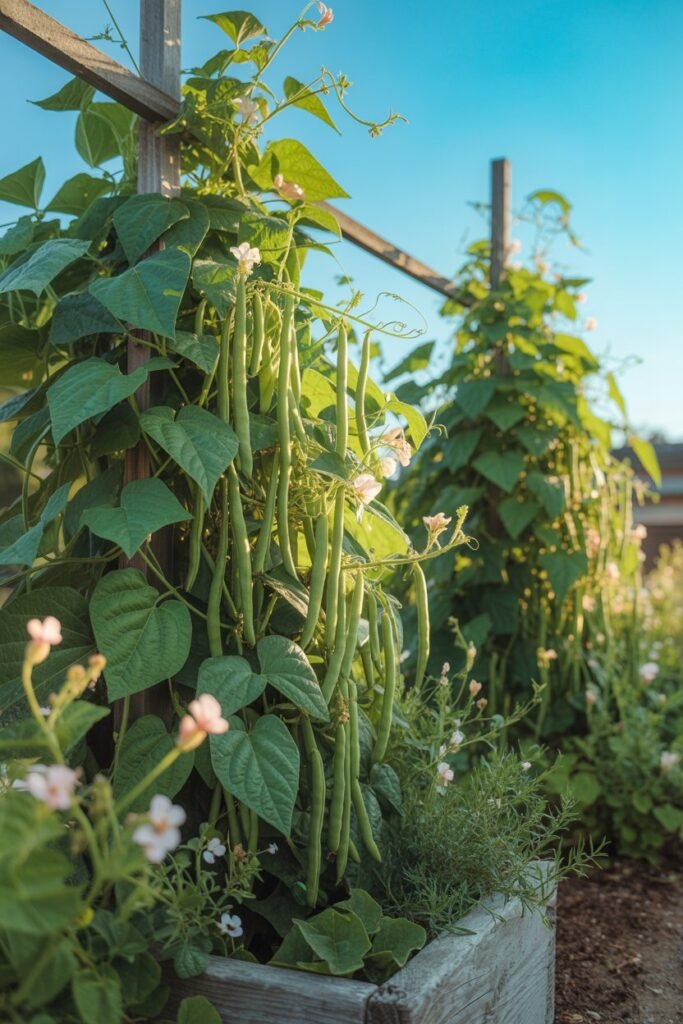
Green beans adore sunlight it’s their love language.
Sunlight Requirements
- At least 6–8 hours of direct sunlight daily
- More sun = better growth and higher yields
Temperature Needs
- Ideal range: 18°C to 30°C
- Beans are sensitive to cold
- Avoid planting during frost or very cool weather
If you live in a warm climate, green beans will thrive beautifully with minimal stress.
Preparing Your Soil
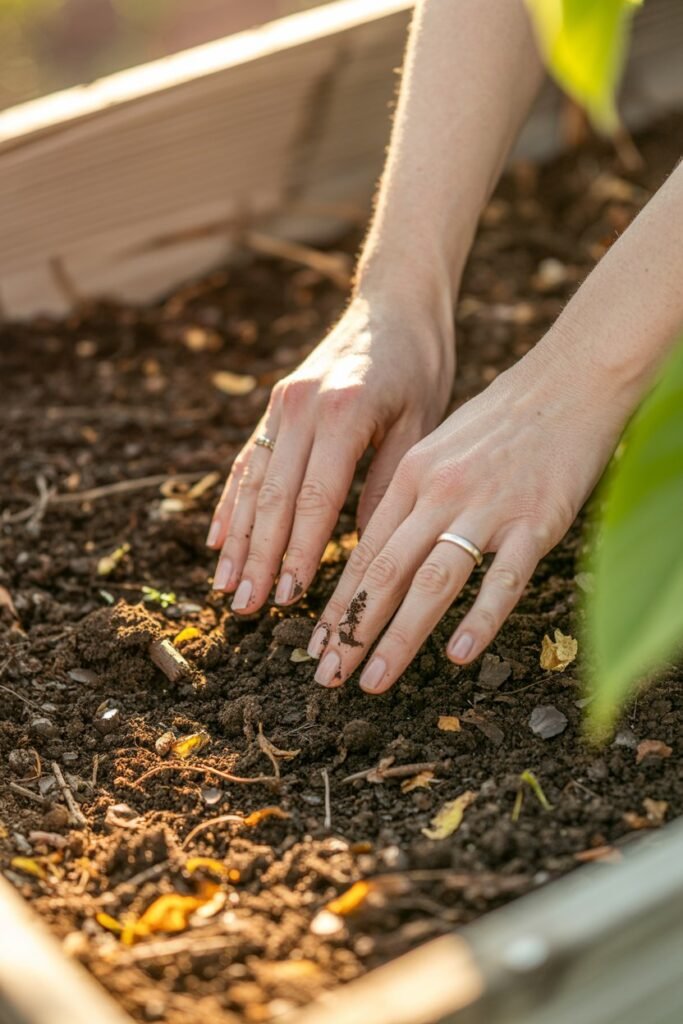
Healthy soil is the foundation of a thriving garden. Think of it as creating a soft, nourishing home for your plants.
Soil Requirements
- Well-draining soil
- Slightly acidic to neutral pH (6.0–7.0)
- Rich in organic matter
How to Prepare the Soil
- Loosen the soil to about 20–30 cm deep
- Remove weeds, stones, and debris
- Mix in compost or well-rotted manure
- Level the surface gently
Adding compost not only feeds your plants but also improves soil structure, helping roots grow freely.
Growing Green Beans in Containers
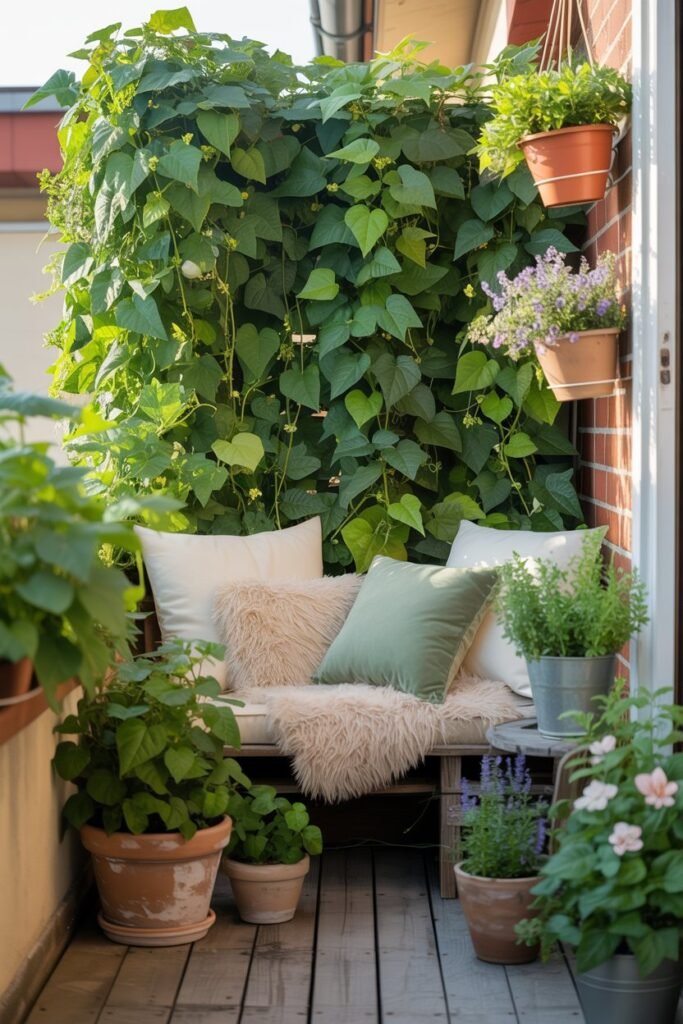
If you don’t have a garden, don’t worry green beans are wonderfully adaptable.
Choosing a Container
- At least 20–30 cm deep
- Good drainage holes
- Wide enough to space plants properly
Best Soil Mix
- Garden soil + compost + a little sand or coco coir
Tips for Container Growing
- Place containers in full sun
- Water more frequently (containers dry out faster)
- Use a trellis for pole beans
Even a small balcony can turn into a lush, productive space with the right care.
How to Plant Green Beans (Step-by-Step)
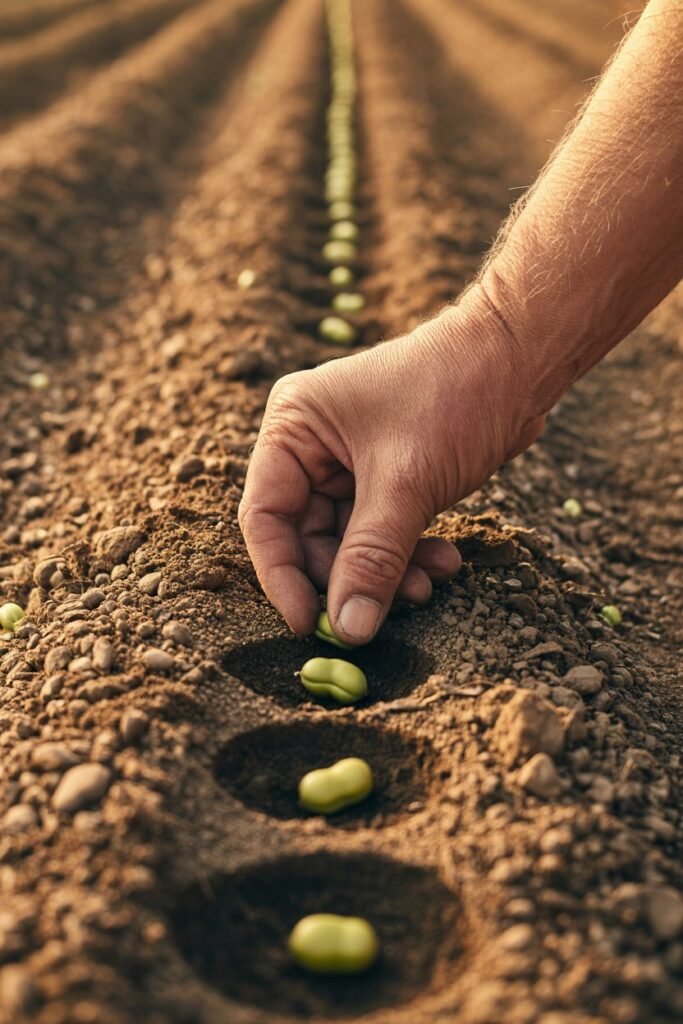
Planting green beans is a simple, satisfying process.
Step 1: Choose Quality Seeds
Select fresh, high-quality seeds for better germination and growth.
Step 2: Plant Directly in Soil
Green beans don’t like being transplanted, so it’s best to sow them directly where they’ll grow.
Step 3: Spacing and Depth
- Plant seeds 2–3 cm deep
- Space 5–10 cm apart
- Rows should be about 45–60 cm apart
Step 4: Water Gently
Water lightly after planting to keep the soil moist but not soggy.
Germination Time
- Seeds usually sprout within 5–10 days
Watching those tiny green shoots emerge is such a joyful moment.
Supporting Your Plants (For Pole Beans)
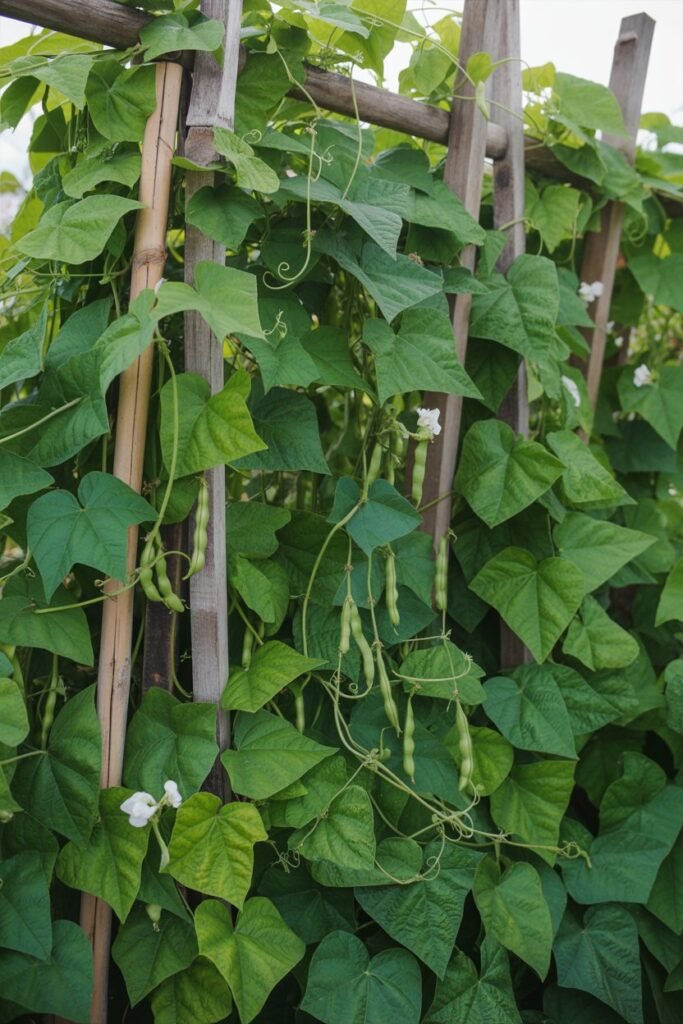
Pole beans need something to climb, and giving them support early makes all the difference.
Support Options
- Bamboo stakes
- Wooden trellis
- String or netting
Tips
- Install supports before planting or soon after
- Guide young vines gently as they grow
There’s something so graceful about watching them spiral upward.
Watering Your Green Beans
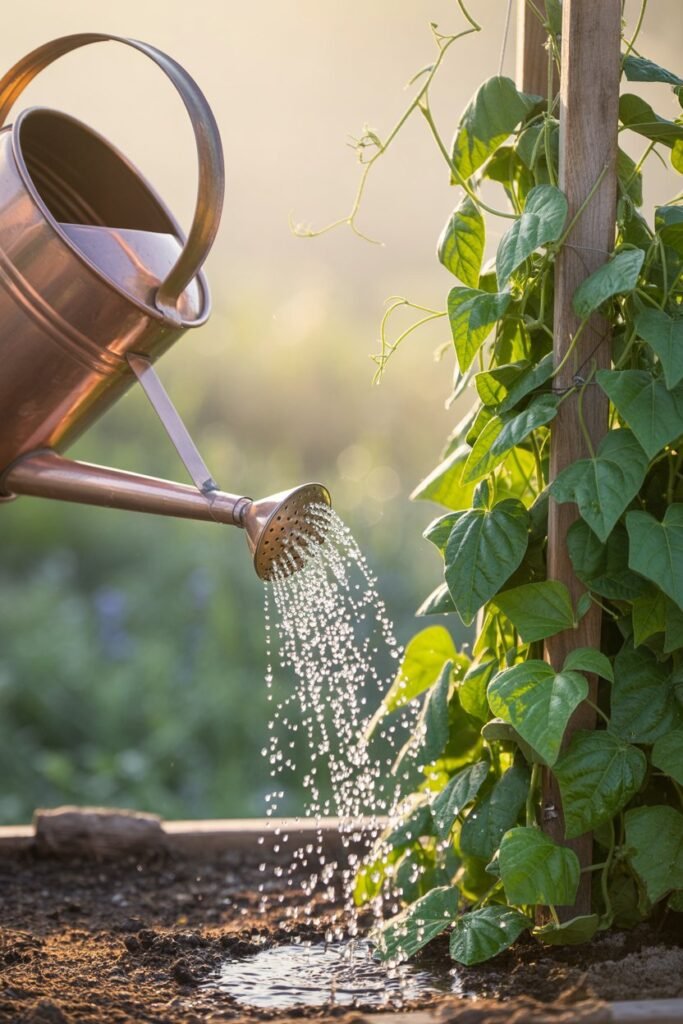
Watering is where balance matters most.
How Often to Water
- 2–3 times per week
- More often during hot, dry weather
Best Practices
- Water at the base (not on leaves)
- Keep soil consistently moist
- Avoid overwatering
Too much water can lead to root rot, while too little can reduce your harvest.
Fertilizing Green Beans
Green beans are quite self-sufficient, but a little extra nourishment helps.
Fertilizer Tips
- Use compost or organic fertilizer
- Avoid too much nitrogen (it promotes leaves over beans)
When to Fertilize
- At planting time
- Light feeding during flowering
Gentle feeding is all they need to thrive.
Mulching for Healthy Growth
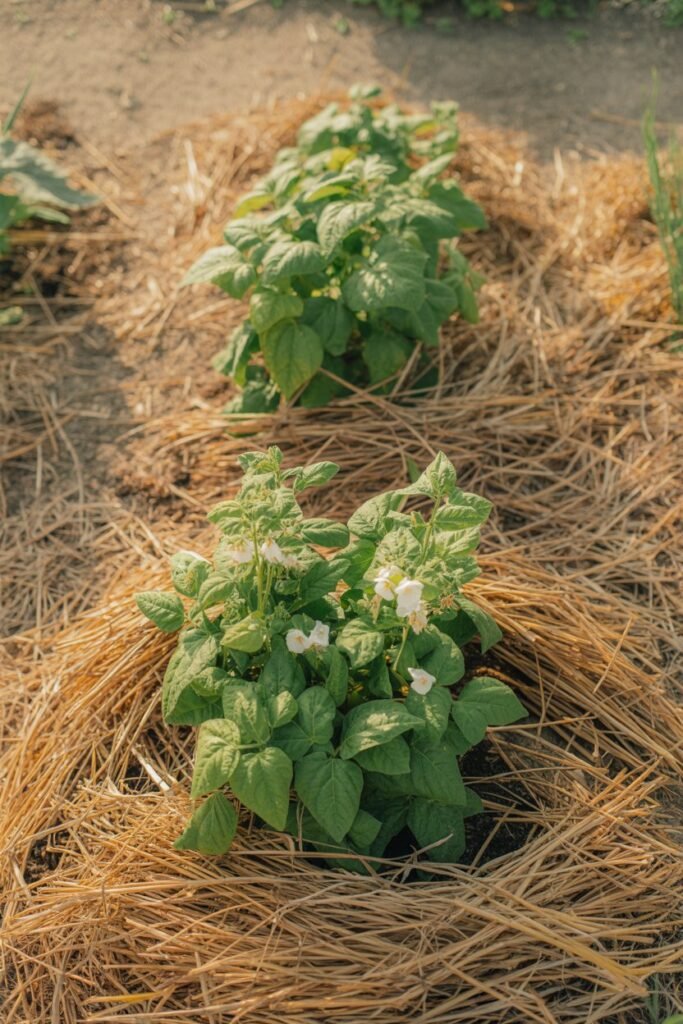
Mulch is like a protective blanket for your soil.
Benefits of Mulching
- Retains moisture
- Suppresses weeds
- Keeps soil temperature stable
Best Mulch Options
- Dry grass
- Straw
- Leaves
Spread a thin layer around your plants, keeping it slightly away from the stems.
Common Pests and How to Handle Them
Every garden has its little challenges, but with a little attention, you can manage them naturally.
Common Pests
- Aphids
- Bean beetles
- Spider mites
Natural Solutions
- Spray with soapy water
- Use neem oil
- Encourage beneficial insects like ladybugs
Regularly checking your plants helps you catch problems early.
Diseases to Watch Out For
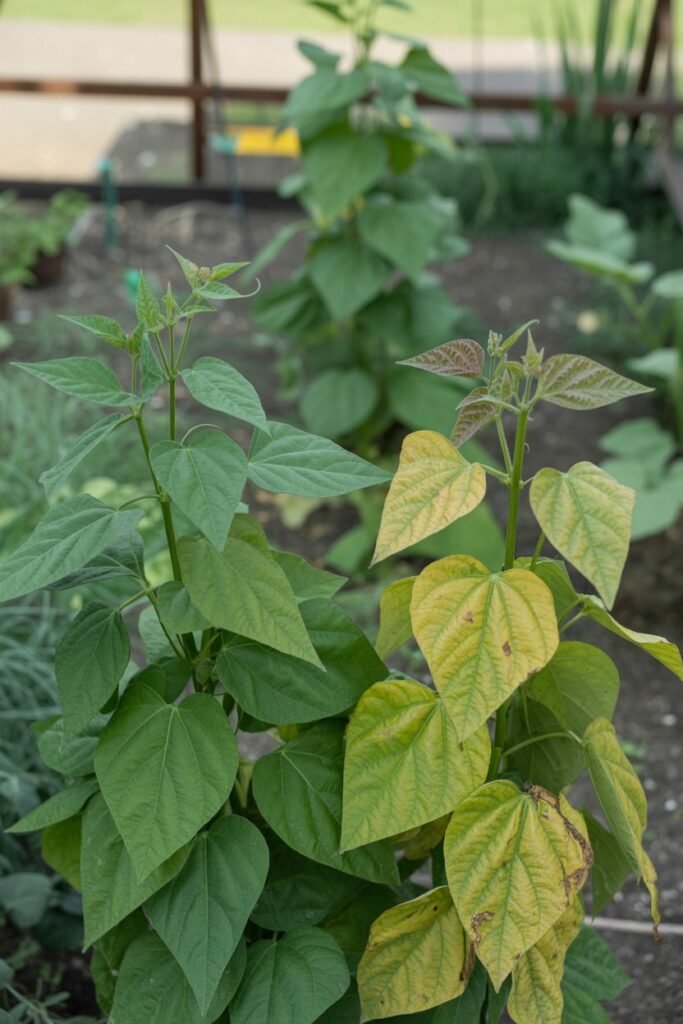
Healthy plants are less likely to fall ill, but it’s still important to stay aware.
Common Diseases
- Powdery mildew
- Rust
- Root rot
Prevention Tips
- Avoid overhead watering
- Space plants properly
- Ensure good air circulation
Prevention is always easier than treatment.
Flowering and Pod Development
After a few weeks, your plants will begin to flower—tiny blossoms that soon turn into beans.
What to Expect
- Flowers appear first
- Pods develop shortly after
- Continuous harvesting encourages more production
This stage feels magical, like your garden is quietly rewarding you.
How and When to Harvest Green Beans
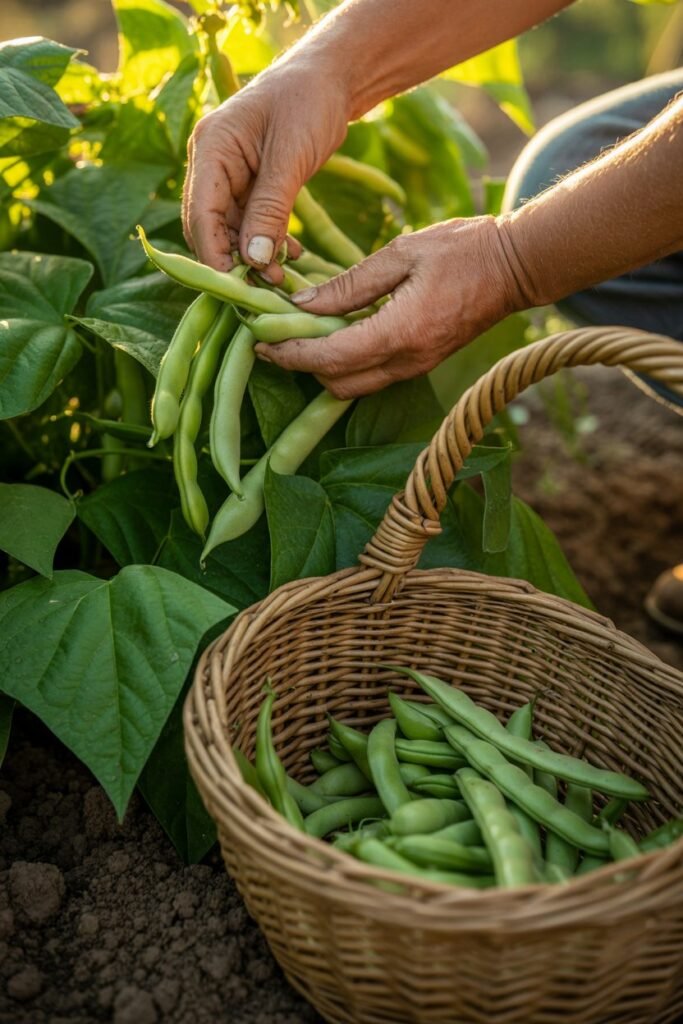
Harvesting is one of the most satisfying parts of the process.
When to Harvest
- 50–60 days for bush beans
- 60–70 days for pole beans
How to Harvest
- Pick beans when they are firm and crisp
- Harvest regularly to encourage more growth
Tip
Use gentle hands to avoid damaging the plant.
The more you harvest, the more your plants will produce.
Storing Your Fresh Green Beans
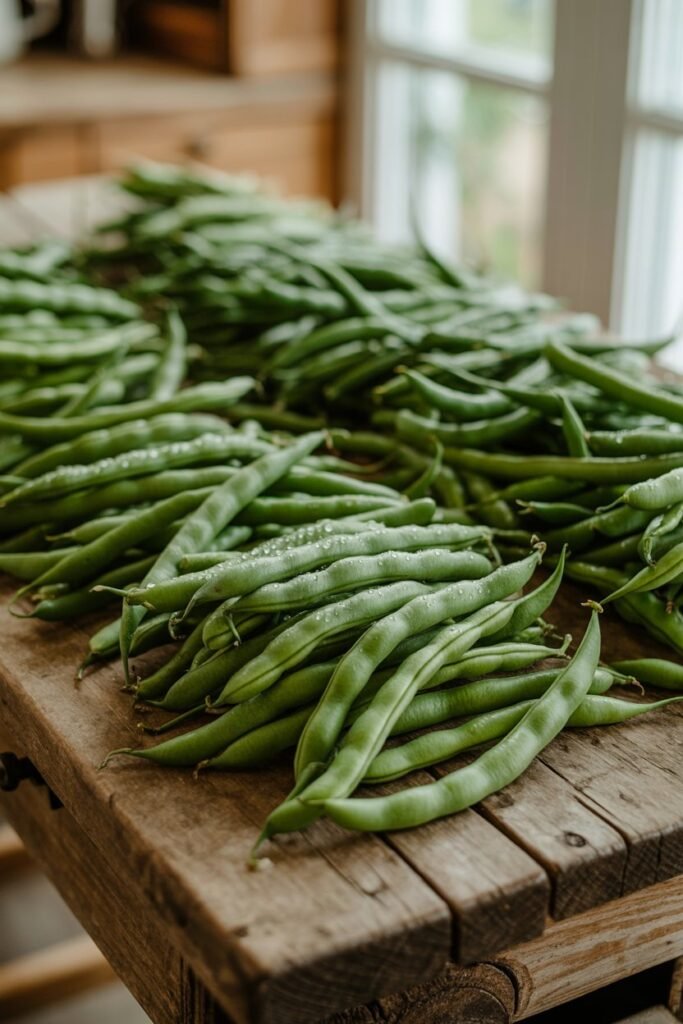
Once harvested, you’ll want to keep them fresh and delicious.
Short-Term Storage
- Refrigerate in a breathable bag
- Use within 5–7 days
Long-Term Storage
- Blanch and freeze
- Dry for later use
Homegrown beans always taste better, no matter how you store them.
Companion Planting for Better Growth
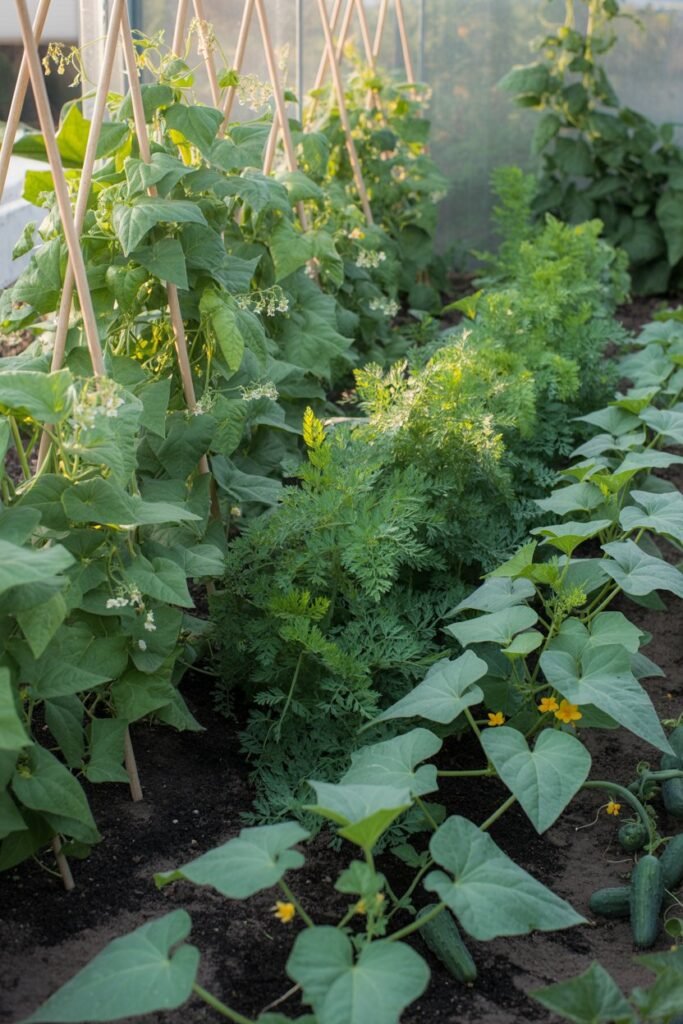
Some plants grow beautifully together and support each other.
Good Companions
- Corn
- Cucumbers
- Carrots
Avoid Planting Near
- Onions
- Garlic
Companion planting helps improve growth and reduce pests naturally.
Tips for a Bigger Harvest
If you want to maximize your yield, these gentle habits make a big difference:
- Harvest frequently
- Keep soil consistently moist
- Provide adequate sunlight
- Use vertical space for pole beans
- Plant in succession every 2–3 weeks
These small efforts add up to a thriving, abundant garden.
Growing Green Beans Year-Round
In warmer climates, you can enjoy multiple planting cycles.
Tips
- Avoid extreme heat or heavy rains
- Use shade cloth if needed
- Rotate crops to maintain soil health
With thoughtful timing, you can enjoy fresh beans for much longer.
Final Thoughts
Growing green beans at home is more than just a gardening project it’s a gentle, rewarding journey.
From planting those tiny seeds to harvesting fresh, crisp pods, every step invites you to slow down and reconnect with something natural and nourishing.
You don’t need perfection to grow a beautiful garden. Just a little patience, consistency, and care.
Start small, learn as you go, and allow yourself to enjoy the process. Before you know it, you’ll be standing in your garden, basket in hand, surrounded by the quiet satisfaction of something you grew yourself.
And honestly, there’s nothing quite like that feeling.
