
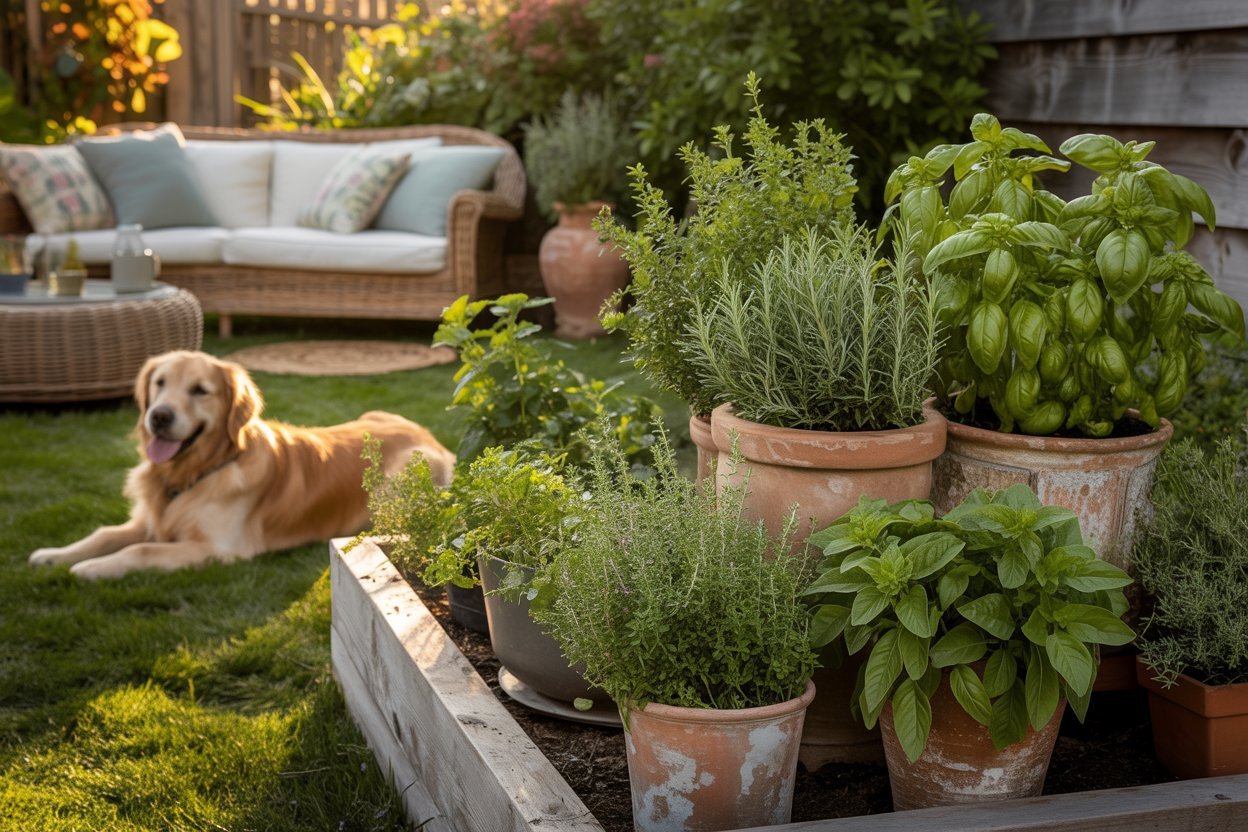

Few things ruin a peaceful afternoon in the garden faster than mosquitoes buzzing around your ears while your dog happily rolls in the grass nearby.
After years of gardening with dogs always by my side, I learned the hard way that many popular “pest-repelling” plants aren’t actually pet-safe. Some can upset a dog’s stomach, while others are downright toxic if chewed.
That realization completely changed the way I garden.
Now, whenever I add a new plant to my yard, I always ask two questions first:
- Will it help naturally reduce pests?
- Is it safe for curious dogs?
Thankfully, the answer to both can absolutely be yes.
There are several beautiful, fragrant, and easy-to-grow plants that naturally help discourage mosquitoes and common garden pests while still being considered non-toxic or generally safe around dogs.
Even better, many of these plants make your outdoor spaces feel lush, calming, and welcoming.
Over time, I’ve planted these around patios, walkways, raised beds, and even near outdoor seating areas where mosquitoes used to swarm every evening.
While no plant will completely eliminate pests on its own, I’ve personally noticed a huge difference when these plants are combined with good garden maintenance and proper airflow.
In this guide, I’m sharing six of my favorite dog-safe plants that naturally repel mosquitoes and other pests, along with practical growing tips, placement ideas, and honest advice from experience.
Why Use Plants for Natural Pest Control?
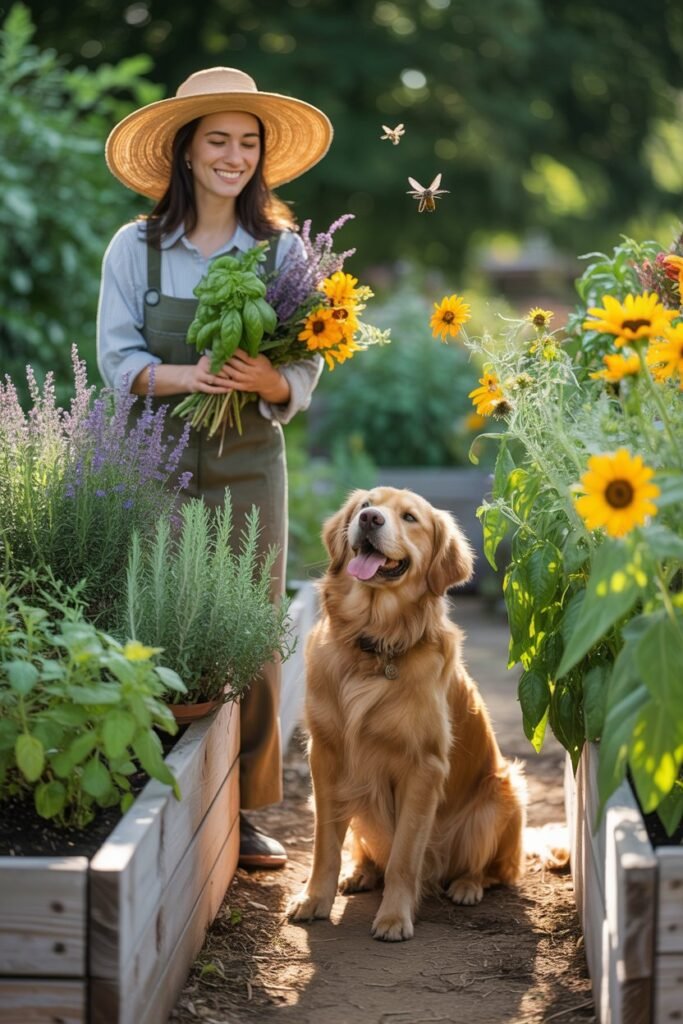
Chemical sprays may work quickly, but many gardeners are trying to reduce how often they rely on them especially when pets are involved.
Dogs explore the world with their noses and mouths. They sniff leaves, chew grass, roll through flower beds, and sometimes lick their paws after walking through treated areas.
Because of that, many gardeners are becoming more cautious about using harsh pesticides around pets.
That’s where natural pest-repelling plants can help.
These plants often contain strong-smelling oils or compounds that insects dislike. Some release fragrance into the air, while others are more effective when brushed against or crushed slightly.
The best part is that many of them serve multiple purposes:
- Repelling insects
- Attracting pollinators
- Adding beauty and fragrance
- Providing culinary or herbal uses
- Creating a calmer outdoor environment
Still, it’s important to stay realistic.
No plant acts like a magical mosquito shield. You’ll get the best results by combining these plants with:
- Removing standing water
- Keeping grass trimmed
- Improving airflow
- Cleaning shaded damp areas
- Using pet-safe mosquito prevention methods
Think of these plants as part of a bigger natural pest-management system.
1. Basil
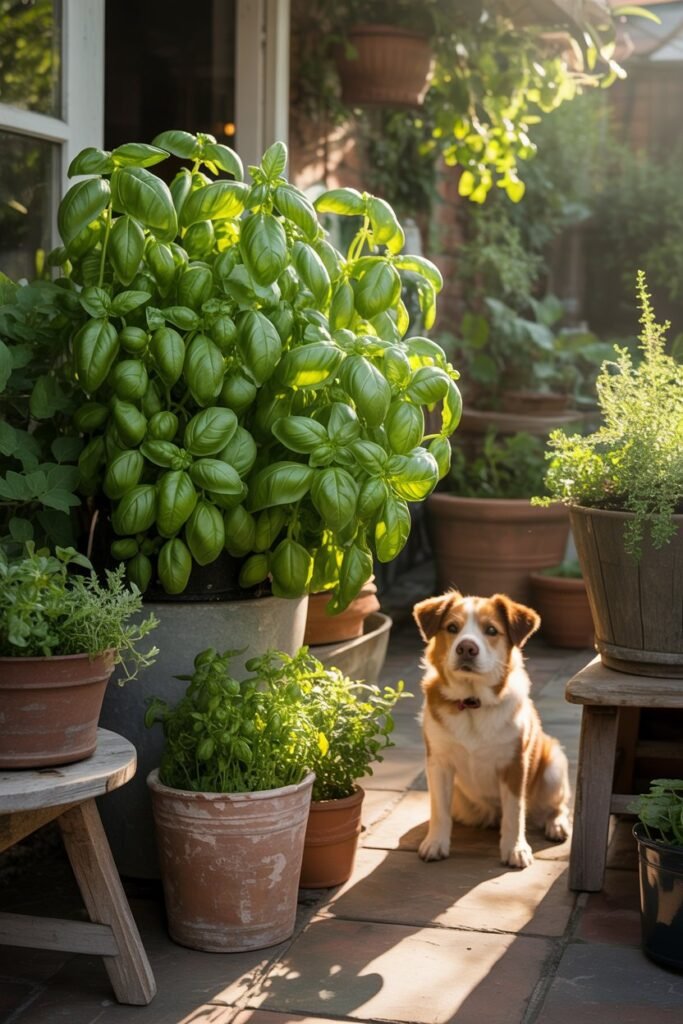
Basil surprised me the first time I noticed how few mosquitoes hovered around it compared to other plants nearby. I originally grew it for cooking, but it quickly became one of my favorite dual-purpose garden herbs.
Its strong aroma helps discourage mosquitoes and flies, and dogs generally leave it alone because of the scent.
Sweet basil is considered non-toxic to dogs, which makes it one of the safest and easiest choices for pet-friendly gardens.
Why Basil Helps Repel Pests
Basil contains aromatic oils that many insects dislike. Gardeners commonly use it to help deter:
- Mosquitoes
- House flies
- Aphids
- Whiteflies
The scent becomes even stronger when the leaves are brushed or lightly pinched.
I’ve found basil especially useful around:
- Patio tables
- Outdoor dining spaces
- Deck containers
- Kitchen garden entrances
Growing Tips
Basil thrives in warm weather and loves sunshine.
Best Conditions
- Full sun
- Rich, well-draining soil
- Regular watering
- Warm temperatures
Helpful Tip
Pinch off flower buds regularly to keep the plant leafy and productive longer.
Once basil flowers heavily, the leaves can become less flavorful and growth slows down.
My Experience Growing Basil Near Seating Areas
One summer, I placed large pots of basil around our backyard sitting area almost entirely for cooking convenience. By mid-season, I realized we were swatting away far fewer mosquitoes than usual.
Was basil the only reason? Probably not. But combined with airflow and fewer damp shady spots, it definitely helped.
And honestly, brushing against fragrant basil every time you walk by is one of the nicest little garden experiences.
2. Rosemary
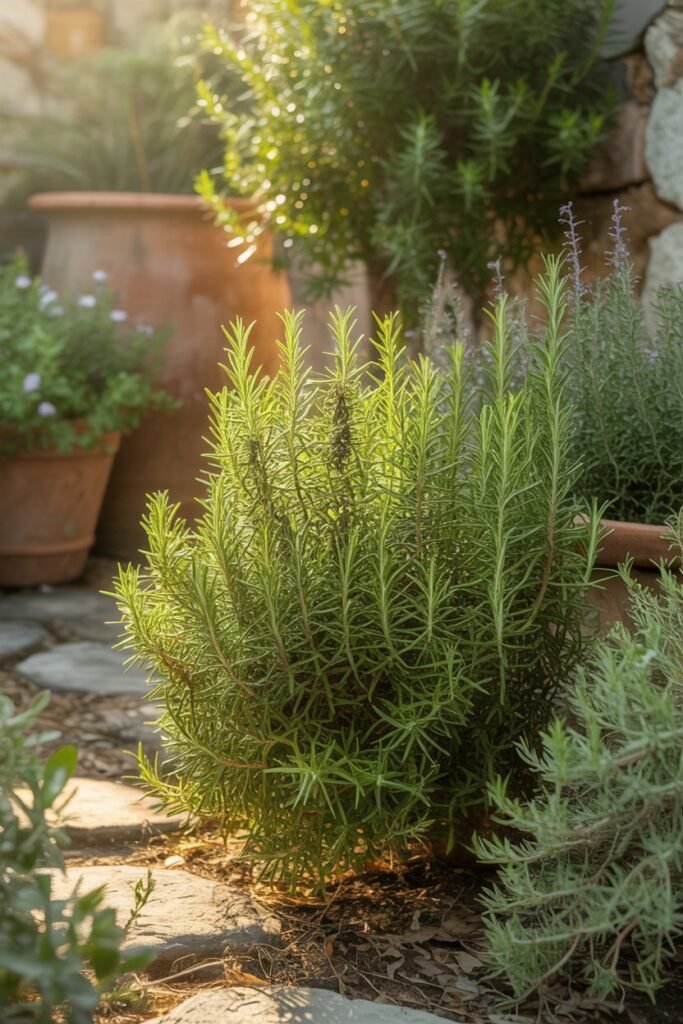
Rosemary is one of those plants that earns its space in the garden over and over again.
It smells wonderful, tolerates heat beautifully, looks attractive year-round in warm climates, and naturally helps repel several annoying pests.
Even better, rosemary is considered non-toxic to dogs.
Pests Rosemary May Help Deter
Rosemary’s woody fragrance can help discourage:
- Mosquitoes
- Cabbage moths
- Certain beetles
- Flies
I especially like planting rosemary near vegetable beds because it blends beautifully with edible gardens.
Why I Love Rosemary for Dog-Friendly Gardens
Unlike delicate herbs that struggle in summer heat, rosemary often thrives during the hottest months.
That means:
- Less maintenance
- Less watering
- Fewer dying plants attracting pests
And because rosemary grows dense and shrubby over time, it can even create natural borders around patios or pathways.
Growing Rosemary Successfully
Rosemary Needs:
- Full sun
- Excellent drainage
- Moderate watering
- Good airflow
Overwatering is one of the fastest ways to kill rosemary.
I learned this the hard way years ago when I treated it like basil and kept the soil too moist. Once I switched to a drier routine, the plant exploded with healthy growth.
Bonus Tip: Burn Rosemary Clippings Outdoors
One old gardening trick I still use during outdoor evenings is tossing a few rosemary clippings onto a fire pit or outdoor grill.
The fragrant smoke naturally helps discourage mosquitoes while making the whole yard smell amazing.
3. Lemon Balm
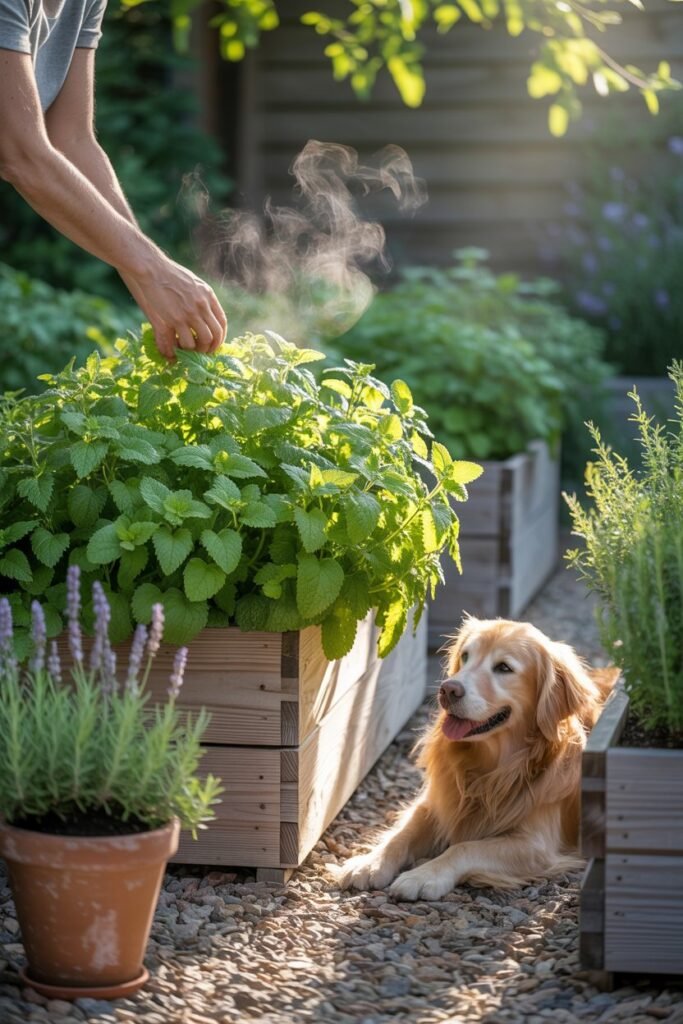
Lemon balm has one of the freshest scents in the garden.
The first time I crushed a leaf between my fingers, the bright citrusy fragrance instantly reminded me why mosquitoes dislike it so much.
Part of the mint family, lemon balm contains citronella-like compounds that may help repel mosquitoes naturally.
And thankfully, it’s considered non-toxic to dogs.
Why Gardeners Love Lemon Balm
Lemon balm is:
- Fast growing
- Beginner friendly
- Fragrant
- Useful for herbal teas
- Attractive to pollinators
It’s one of those relaxed, cheerful herbs that quickly fills empty spaces with greenery.
A Quick Warning About Growth
This plant spreads aggressively if left unchecked.
I always recommend growing lemon balm:
- In containers
- In raised beds
- Or in controlled sections of the garden
Otherwise, it can slowly take over nearby plants.
Best Growing Conditions
Lemon balm grows best with:
- Partial to full sun
- Moist but well-draining soil
- Regular trimming
Frequent harvesting keeps the plant bushier and healthier.
My Favorite Place to Grow It
I love keeping lemon balm near walkways or garden gates because every brush against the leaves releases that fresh lemon scent into the air.
It makes the garden feel alive and refreshing during hot evenings.
4. Thyme
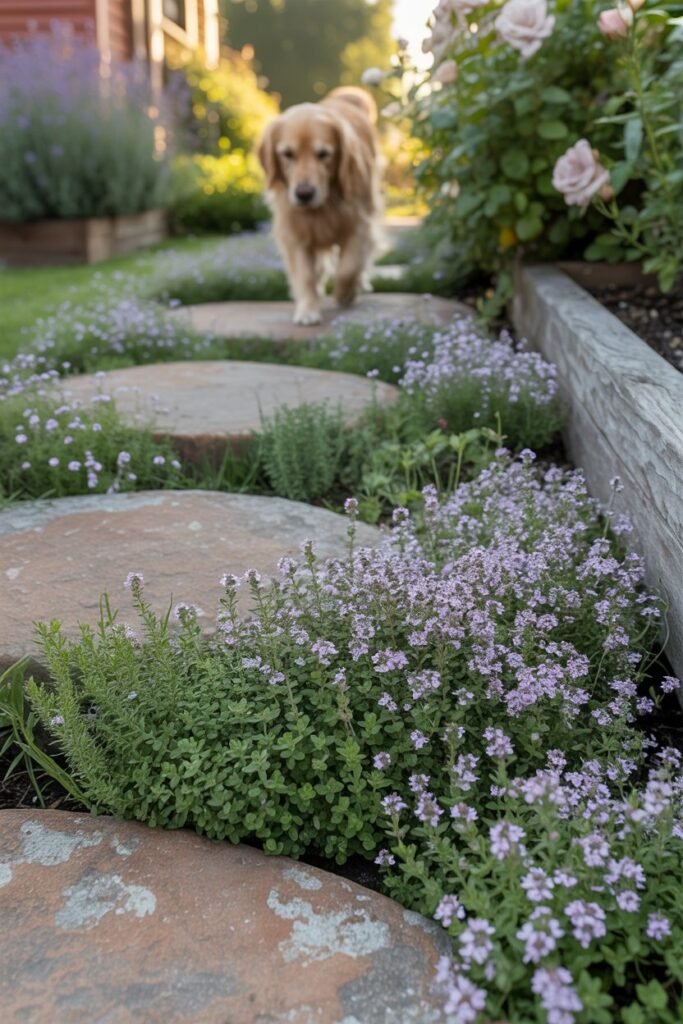
Thyme may be small, but it’s incredibly hardworking in the garden.
This low-growing herb naturally contains aromatic oils that pests tend to avoid, and it’s generally considered safe for dogs.
I originally planted thyme simply to fill gaps between stepping stones. Now I use it all over the garden.
Pests Thyme May Help Repel
Thyme may help discourage:
- Mosquitoes
- Cabbage worms
- Whiteflies
- Certain beetles
The scent becomes stronger when stepped on or brushed against.
That’s one reason thyme works especially well along pathways and patio edges.
Why Thyme Is So Useful
Thyme is:
- Drought tolerant
- Heat tolerant
- Pollinator friendly
- Compact and tidy
- Easy to maintain
It’s also one of the easiest herbs to weave into ornamental landscaping without making the yard look like a vegetable garden.
Best Growing Conditions
Thyme prefers:
- Full sun
- Dry to moderately moist soil
- Excellent drainage
Wet soil is usually the biggest problem.
In rainy climates, raised beds or containers can help prevent root rot.
My Favorite Variety
Creeping thyme is especially beautiful between pavers. During summer, tiny flowers cover the plant and attract bees while releasing fragrance underfoot.
It creates a garden that feels both practical and magical.
5. Sage
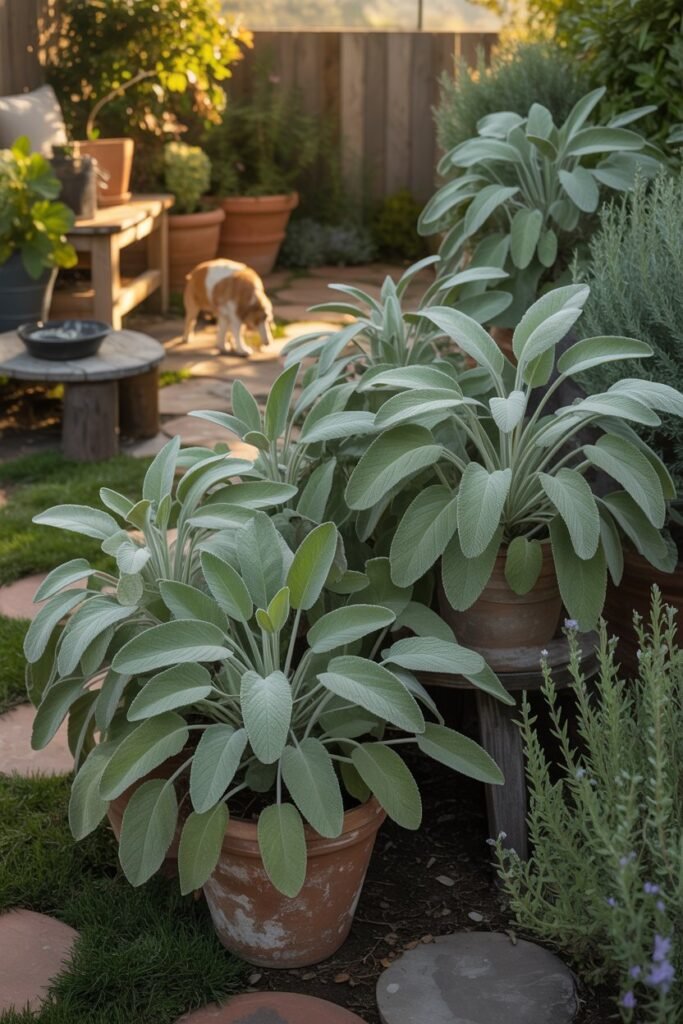
Sage is one of the oldest traditional herbs used around homes and gardens for both culinary and practical purposes.
Its earthy scent naturally helps discourage pests, while its soft silvery leaves add beautiful texture to garden beds.
Common garden sage is considered non-toxic to dogs when grown normally in home gardens.
Why Sage Works Well Against Pests
Sage’s strong aroma may help deter:
- Mosquitoes
- Fleas
- Certain moths
- Garden flies
Like rosemary, sage becomes especially fragrant in warm weather.
One Trick I Use in Summer
During outdoor gatherings, I sometimes burn dried sage leaves carefully in a fire-safe container outdoors.
The smoke has traditionally been used to help repel mosquitoes naturally.
It’s simple, inexpensive, and surprisingly effective during calm evenings.
Growing Sage Successfully
Sage grows best with:
- Full sun
- Well-draining soil
- Moderate watering
Avoid overly rich soil, which can make the plant leggy and weak.
Why Sage Fits Beautifully Into Landscapes
Many people think herb gardens must look messy or overly practical.
But sage has such soft color and structure that it blends perfectly into ornamental borders.
It pairs beautifully with:
- Lavender-colored flowers
- Stone walkways
- Terracotta pots
- Cottage gardens
6. Calathea
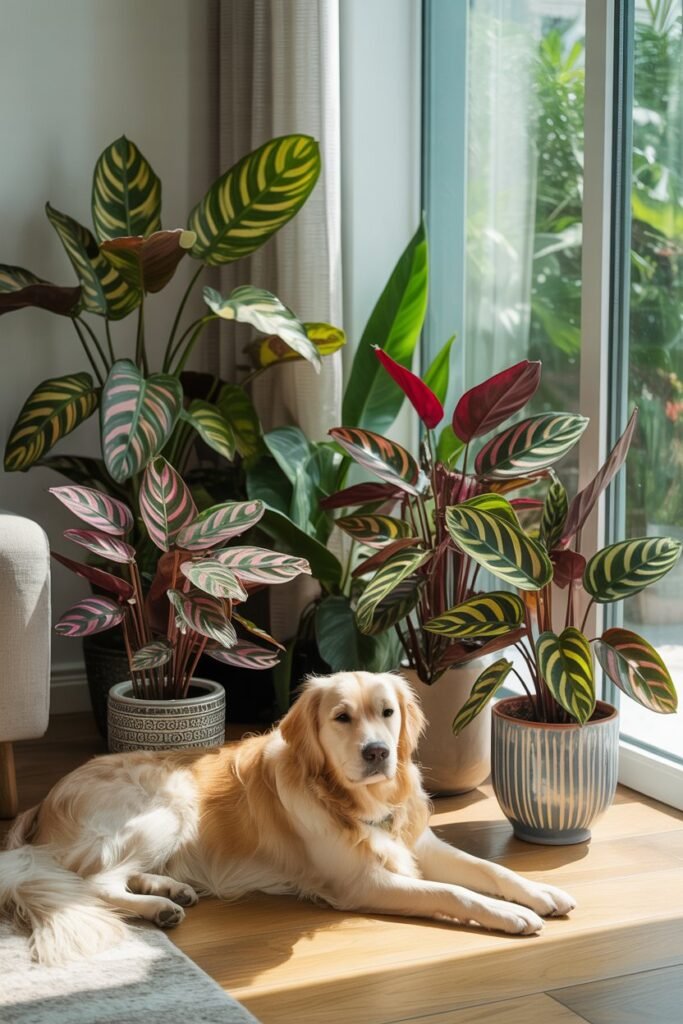
Most people think of mosquito-repelling plants as outdoor herbs, but indoor pests can become a problem too.
That’s one reason I love calatheas.
While they aren’t powerful mosquito repellents like aromatic herbs, they can help support healthier indoor environments by discouraging certain pests when paired with proper care and airflow.
Most importantly, calatheas are considered pet-safe for dogs.
Why Calatheas Are Great for Pet Owners
Many popular houseplants are toxic to pets, which makes decorating with greenery stressful for dog owners.
Calatheas offer:
- Beautiful patterned foliage
- Pet safety
- Humidity support
- Tropical indoor beauty
They’re especially helpful for homes where dogs spend lots of time indoors.
Common Indoor Pests to Watch For
Healthy calatheas are less likely to attract pest outbreaks, but poor conditions can invite:
- Fungus gnats
- Spider mites
- Mealybugs
Good plant care matters far more than the plant itself for indoor pest prevention.
Growing Tips for Calatheas
Calatheas prefer:
- Bright indirect light
- Moderate humidity
- Even moisture
- Warm temperatures
Dry air is usually their biggest enemy.
I keep mine near a bright bathroom window, and the humidity keeps the leaves looking gorgeous year-round.
Plants That Are Often Recommended — But Unsafe for Dogs
This part is incredibly important.
Many online lists recommend mosquito-repelling plants without mentioning pet safety at all.
Some common pest-repelling plants that may be harmful to dogs include:
- Citronella geranium
- Pennyroyal
- Certain marigolds
- Lavender in large quantities
- Eucalyptus
- Garlic plants
That doesn’t mean every accidental sniff is dangerous, but ingestion can sometimes cause digestive upset or worse.
Always double-check plant safety before adding anything to a pet-friendly garden.
If you’re ever unsure, consult:
- Your veterinarian
- The ASPCA toxic plant database
- Trusted horticultural sources
How to Make Your Garden Naturally Less Attractive to Mosquitoes
Even the best mosquito-repelling plants work better when combined with smart garden habits.
Here’s what made the biggest difference in my own yard.
Remove Standing Water
Mosquitoes breed in stagnant water incredibly quickly.
Check:
- Plant saucers
- Buckets
- Bird baths
- Gutters
- Tarps
- Wheelbarrows
Even small amounts of water can become breeding spots.
Improve Airflow
Mosquitoes prefer still, humid environments.
Prune overcrowded plants and improve air circulation around seating areas whenever possible.
Keep Grass and Weeds Trimmed
Tall grass creates cool hiding spots for pests during the day.
Regular maintenance helps reduce mosquito resting areas significantly.
Use Fans on Patios
This is one of the simplest tricks that actually works.
Mosquitoes are weak flyers, so outdoor fans can dramatically reduce how many hover around sitting spaces.
Encourage Natural Predators
Birds, dragonflies, and certain beneficial insects naturally feed on mosquitoes and garden pests.
A healthy, diverse garden ecosystem always performs better than a sterile one.
Creating a Dog-Friendly Mosquito-Repelling Garden
One thing I’ve learned over the years is that pet-friendly gardens feel different.
They’re softer, more relaxed, and designed to be lived in rather than simply admired.
When planning your space:
- Choose sturdy non-toxic plants
- Avoid chemical-heavy treatments
- Create shaded resting areas
- Add safe walking paths
- Keep water bowls fresh and clean
I also recommend observing your dog’s habits carefully.
Some dogs ignore plants completely.
Others sample every leaf they see.
Your dog’s personality matters just as much as the plant selection.
Final Thoughts
Creating a beautiful garden that’s both dog-safe and naturally resistant to pests is absolutely possible.
You don’t have to choose between a thriving outdoor space and your pet’s safety.
Plants like basil, rosemary, lemon balm, thyme, sage, and calathea can help reduce mosquitoes and other pests while adding fragrance, texture, and life to your home and garden.
Over time, I’ve found that the best gardens aren’t perfect or overly controlled. They’re balanced ecosystems places where people, pets, pollinators, and plants can comfortably exist together.
And honestly, there’s something especially peaceful about sitting outside on a summer evening surrounded by fragrant herbs while your dog naps nearby without constantly swatting mosquitoes away.
That’s the kind of garden worth creating.
