
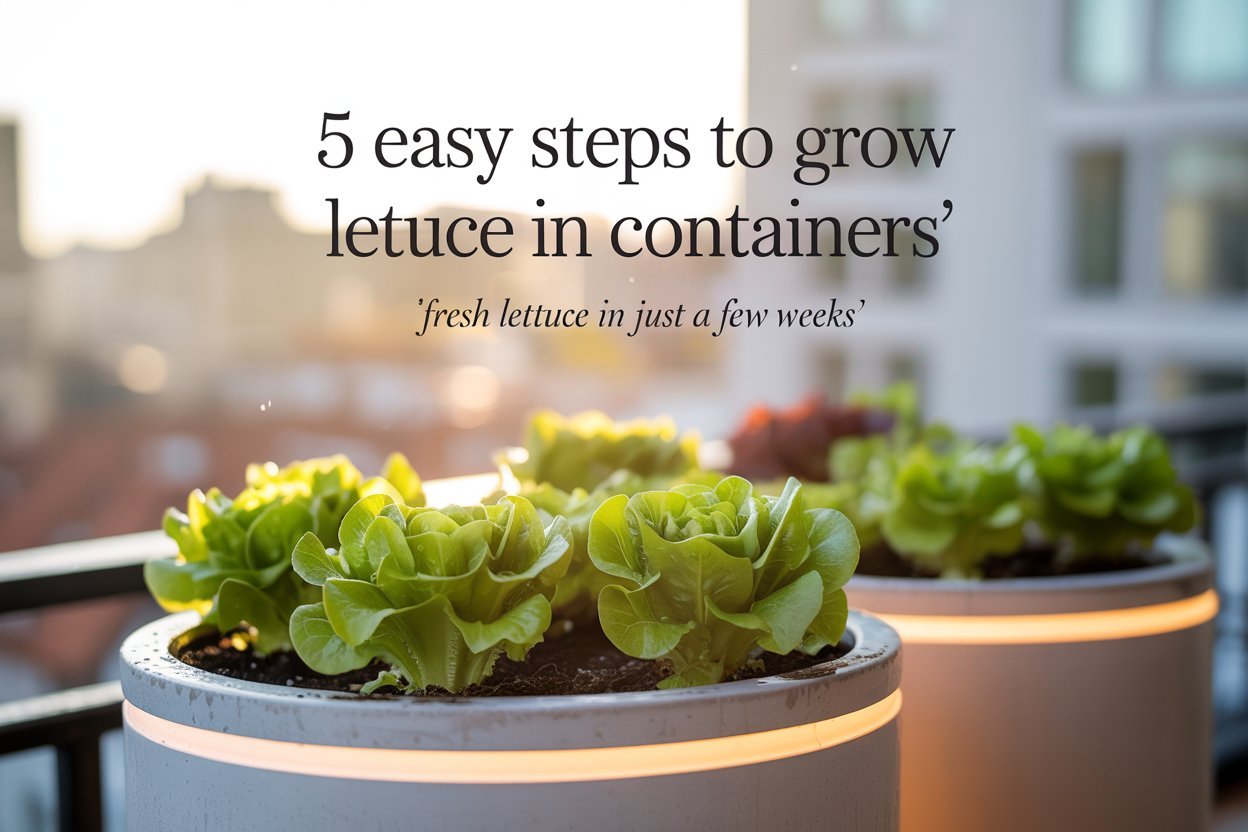

If you’ve been craving the joy of harvesting your own crisp, tender lettuce but you don’t have a big backyard or a traditional garden bed let me tell you something reassuring, woman to woman: you absolutely don’t need one.
Container gardening is one of the most accessible, flexible, and surprisingly therapeutic ways to grow your own food. And lettuce? She’s one of the easiest and most forgiving plants to start with.
Whether you’re gardening on a tiny balcony, a sunny windowsill, a patio corner, or even your kitchen, you can grow beautiful, vibrant lettuce in just a few weeks with the right techniques.
It doesn’t require heavy digging, fancy equipment, or advanced gardening skills. Truly if you can water a houseplant, you can grow lettuce successfully.
But here’s what most people never tell beginners: lettuce thrives when you understand its soft, delicate nature. It loves cool temperatures, gentle sunlight, cozy soil, and steady moisture.
Once you learn how to give it those comforts, it rewards you fast with fresh, leafy greens you can snip anytime you want a salad, a wrap, a smoothie boost, or something crunchy on your plate.
In this guide, I’ll walk you through 5 deeply simple, but incredibly effective steps to grow lettuce in containers with real, practical explanations of why each step matters, so you can grow confidently.
We’re talking tips that save you from bitter leaves, prevent wilting, help you avoid root problems, and keep your lettuce producing longer.
By the end, you’ll feel like you’ve unlocked a whole new gardening superpower.
So take a deep breath, grab your favorite container, and let’s begin this soft, green journey together.
1: Choose the Right Container (This Is Where Success Truly Begins)

Before you even open that little packet of seeds, the very first decision that determines how well your lettuce grows is the container you choose. And trust me this part matters more than people think.
Lettuce has a shallow root system, which means you don’t need a giant pot. but you do need one that allows for healthy airflow, moisture balance, and room for roots to spread comfortably. Think of it like giving your lettuce a cozy home where it won’t feel cramped, soggy, or overheated.
What Type of Container Works Best?
You have lots of options, and none of them have to be expensive:
- Wide bowls
- Window boxes
- Recycled buckets
- Wooden planters
- Large plastic tubs
- Ceramic or resin pots
As long as it can hold soil and drain water properly, you’re halfway there.
The Ideal Container Size
Lettuce grows wonderfully in containers that are:
- 6–8 inches deep
- Wide enough to plant several seeds without overcrowding
Why this depth?
Because lettuce roots don’t go far down they spread outward. A shallow, wide container gives them the space they naturally prefer, helping your plants grow fuller, leafier, and more uniform.
Drainage Is EVERYTHING
Your container must have drainage holes.
Lettuce hates soggy roots. When water sits at the bottom of a pot without draining, roots suffocate, rot starts, and your lettuce becomes pale, stunted, and sad.
If your container doesn’t have holes, don’t stress—grab a drill, a nail, or even a hot metal skewer and make:
- 4–6 holes at the bottom for drainage
- Optional small side holes (¼ inch from the bottom) for extra airflow
Container Material Matters Too
The material affects temperature and moisture:
- Plastic pots stay moist longer—great for hot climates.
- Ceramic/glazed pots look pretty and hold moisture well.
- Terracotta pots dry fast—best for cool or damp climates, but not ideal for scorching heat.
- Fabric grow bags breathe beautifully and prevent root rot, but may require more frequent watering.
If you live somewhere warm or dry, plastic or ceramic will be your best friend.
If you’re in a cool or humid area, terracotta can actually help regulate the soil.
Pro Tip (woman-to-woman):
If you struggle with overwatering or you’re still building your plant-confidence, choose fabric grow bags. They’re almost impossible to overwater and they produce incredibly healthy lettuce.
Where to Place Your Container
Your placement should get morning sun and afternoon shade—but we’ll go deeper into light needs later. For now, just keep in mind:
- A balcony railing
- A windowsill
- A porch table
- A kitchen window
- A patio shelf
All make excellent growing spots—just make sure the pot is stable and gets good airflow.
2: Choose High-Quality Soil & Build the Perfect Lettuce Mix (Your Plants Will Feel the Difference)
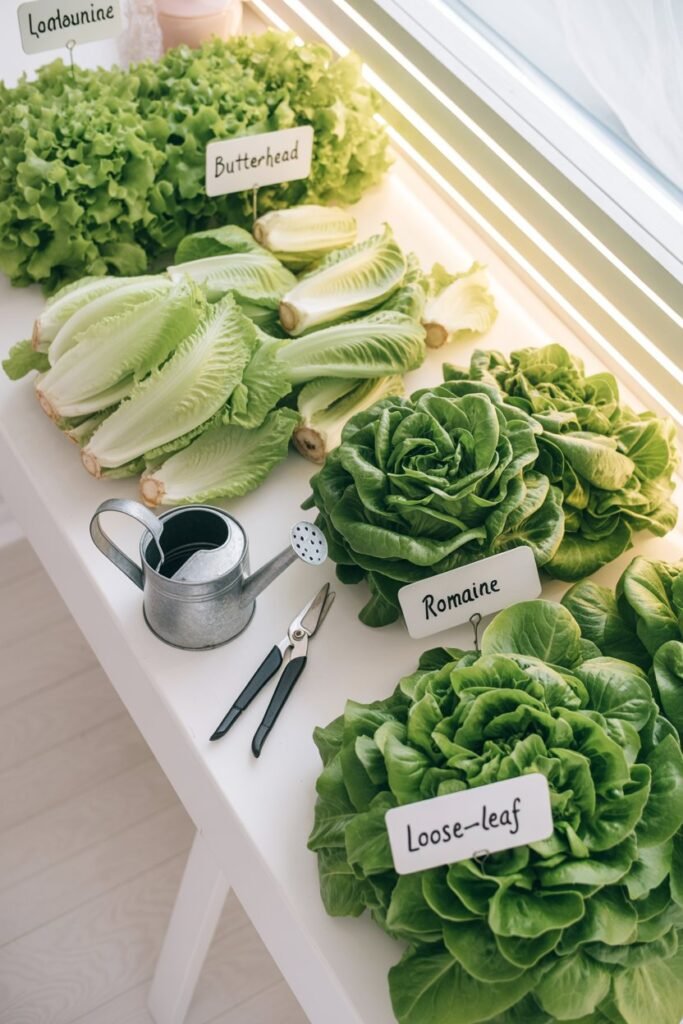
Now that your container is ready, it’s time to create the environment where your lettuce will actually live, breathe, and grow: the soil.
If the container is the home…
the soil is the comfort, the nourishment, and the foundation.
And lettuce—being the delicate, leafy sweetheart she is—absolutely thrives when planted in soil that is soft, airy, nutrient-rich, and moisture-balanced.
This is the step that takes your container lettuce from “it grew okay” to “wow, why does my lettuce look like something from a magazine?”
Let’s walk through it gently and clearly.
Why Soil Quality Matters So Much for Lettuce
Lettuce has shallow, tender roots. These roots:
- Need oxygen to stay healthy
- Need consistent moisture (but never sogginess)
- Absorb nutrients quickly
- Hate compacted or heavy soil
If the soil is too dense or too dry, lettuce becomes stressed—and stressed lettuce turns:
- Bitter
- Tough in texture
- Slow to grow
- Easily wilted
- More prone to pests
So when you choose the right soil, you’re basically pampering your lettuce. And she rewards pampering.
Use a High-Quality Potting Mix (Not Garden Soil)
This is important: never use garden soil in containers.
Why?
- It’s too heavy
- It compacts easily
- It holds too much moisture
- It limits airflow to roots
- It often carries pests and fungi
Your container lettuce wants something much gentler.
Look for a bag labeled “potting mix” or “container mix,” not “topsoil.”
A good potting mix is:
- Light
- Fluffy
- Sterile (no pests or weed seeds)
- Designed to hold moisture without waterlogging
- Filled with organic matter and helpful ingredients
Your lettuce roots will slip right through it, expanding easily and growing fast.
Build the Perfect Lettuce Mix (Optional, but Highly Recommended)
If you want to take your container lettuce to the next level, you can create a mix that mimics the cool, soft forest-floor soil that leafy greens naturally love.
Here’s a perfect recipe:
Lettuce-Perfect Soil Blend
- 50% quality potting mix (base)
- 25% compost (nutrition + moisture retention)
- 15% coco coir or peat moss (keeps the soil soft and fluffy)
- 10% perlite or vermiculite (improves drainage and airflow)
Mix everything thoroughly before filling your container.
This creates a soil that is:
- Moist but never soggy
- Airy but not too crumbly
- Nutrient-rich without being overwhelming
- Gentle on delicate roots
Your lettuce will grow softer, greener, and faster in a mix like this.
Add Gentle Nutrition (Lettuce Doesn’t Like Heavy Food)
Lettuce is a light feeder; it doesn’t need strong, heavy fertilizers.
Instead, use one of these:
- A handful of compost per container
- A slow-release organic fertilizer labeled for leafy greens
- Worm castings (1–2 tablespoons mixed into the top layer—plants LOVE this)
What you want to avoid:
- High-nitrogen chemical fertilizers
- Lawn fertilizer
- Anything too strong or fast-acting
Why?
Because overly strong fertilizers can cause:
- Bitter-tasting leaves
- Burned roots
- Rapid, weak growth
- Leaf spots or discoloration
Lettuce grows best when fed gently and consistently—like a nurturing meal, not a heavy feast.
Moisture Matters: Get the Soil Ready Before Planting
Before sowing your seeds, moisten the soil first.
This helps the delicate seeds settle and gives them an even start.
Here’s how to do it:
- Put your soil mix in a bowl or bucket.
- Add water slowly, mixing with your hand.
- Stop when it feels like a wrung-out sponge—moist but never dripping.
- Fill your container loosely (don’t pack the soil tight).
This creates the perfect growing environment from day one.
A Gentle Tip From One Woman to Another
If you’ve ever struggled with plants wilting, drying out too quickly, or getting soggy roots, the issue was probably the soil—not you.
Choosing the right soil gives your lettuce every chance to grow beautifully, even if you’re a beginner. With a supportive soil mix, your plants will almost grow themselves.
3: Sow Your Lettuce Seeds the Right Way (This Gentle Step Makes All the Difference)
Now that your container is ready and your soil is perfectly soft, airy, and enriched, it’s finally time for one of the most magical moments in gardening: sowing your seeds.
This is where your tiny, delicate lettuce seeds begin their journey from little specks of life to fresh, crisp leaves you’ll soon be harvesting.
And even though sowing lettuce seeds is simple, there’s a beautiful art to doing it well — an art that makes your plants stronger, healthier, and much more abundant.
Lettuce responds deeply to how it’s planted. Because the seeds are tiny and need just the right level of moisture, light, and depth, proper sowing is the secret behind lush, full container lettuce.
Let’s walk through it together in a slow, gentle, intentional way.
Start With Moist Soil (It Makes Germination So Much Easier)
Before scattering your seeds, make sure your soil is already lightly moistened.
This prevents the seeds from floating around or sinking too deep when you water later.
The soil should feel:
- Cool
- Soft
- Slightly damp
- Easy to crumble in your hands
When the soil is prepared this way, your lettuce seeds settle comfortably and sprout evenly.
Sprinkle the Seeds Lightly — They Don’t Like Being Buried
Lettuce seeds are especially tiny, and they need light to germinate.
This means they should never be planted deep.
Here’s how to sow them properly:
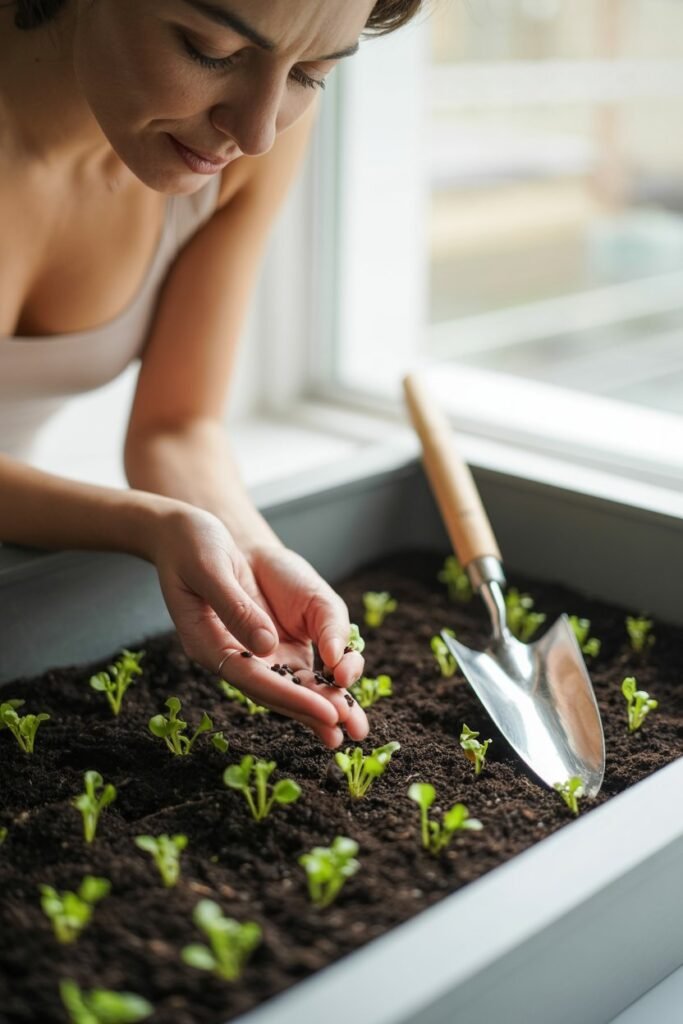
- Hold the seeds between your fingers and gently sprinkle them across the surface of your soil.
- Keep your sprinkling light and airy — almost like adding powdered sugar on a cake.
- Aim for even spacing, but don’t worry if some spots look denser. You’ll thin them later.
Lettuce is forgiving here, so don’t stress about perfection.
Press the Seeds Into the Soil (Instead of Covering Them
Most beginners make the mistake of burying lettuce seeds.
Instead, all you need to do is:
- Use your fingers or the flat part of your hand
- Gently press the seeds into the surface
- Ensure they have good contact with the soil, but are not buried
This allows sunlight and warmth to reach them, which speeds up germination.
If You Want to Cover Them, Use a Very Light Dusting
If you feel uncomfortable leaving the seeds fully exposed, you may cover them with:
- A very thin layer of fine soil
- Or a light sprinkle of vermiculite
But keep it so thin that you can still almost see the seeds.
Too much soil blocks light and slows or prevents germination.
Mist — Don’t Splash — Your Seeds
Watering right after sowing is important, but you must be gentle.
Use:
- A spray bottle
- A misting nozzle
- A watering can with the smallest holes
Misting ensures the seeds don’t get pushed around or washed into clumps.
Your goal is soft, even moisture — not puddles.
Spacing: Give Your Lettuce Room to Breathe
Even if your seeds look scattered perfectly, they will always sprout closer than you expect.
That’s completely normal.
Here’s the spacing guideline:
- Loose-leaf lettuce: 3–4 inches apart
- Romaine or butterhead: 6–8 inches apart
But don’t worry — you don’t have to get it right at sowing time.
You’ll thin the seedlings later (we’ll cover that in Step 4).
🌿 Optional: Use the “Row” Method for Fuller Pots
If you want your container to look extra full and elegant, try this method:
- Draw shallow lines (rows) across your soil surface using your finger.
- Leave about 2 inches between rows.
- Sprinkle seeds lightly into each row.
- Press down gently to ensure seed-to-soil contact.
This creates beautiful, even lines of lettuce that grow like a soft, green blanket.
Cover Your Container Lightly (But Only in Warm Climates)
Lettuce germinates best in cool, moist conditions.
If you live somewhere warm:
- Cover your pot with a light cloth
- Or place it in a shaded area until sprouting begins
If your climate is cool, you can leave it uncovered — the seeds love cool air.
The Waiting Period (Only 2–7 Days!)
This is the sweetest part.
Once sown properly, lettuce seeds germinate quickly.
You will see tiny green sprouts in:
- 2–3 days (warm conditions)
- 4–7 days (cooler conditions)
They’ll look like little green eyelashes emerging from the soil — thin, delicate, and adorable.
Your job during this time?
- Keep the soil lightly moist
- Avoid direct, hot sunlight
- Watch for signs of sprouting
- Don’t overwater (water lightly if the top feels dry)
Think of this stage as nurturing newborn plants—they need softness and consistency.
A Soft, Loving Reminder
Sowing seeds isn’t just a gardening task… it’s a moment of creation.
If you take this step slowly and carefully, your lettuce will repay you with beautiful, abundant harvests.
And you’ll feel proud — because you grew this from almost nothing.
4: Give Your Lettuce the Right Light & Watering Routine (This Is the Heart of Healthy, Tender Leaves)

Once your tiny lettuce seedlings have sprouted, they enter one of the most important phases of their life — the delicate growing stage.
This is when they’re building their root system, forming their first true leaves, and figuring out how to thrive in the space you’ve created for them.
And here’s the gentle truth:
Light and water are the two biggest factors that determine whether your lettuce grows soft, vibrant, and delicious… or weak, bitter, and stressed.
Lettuce is a cool-season crop, which means it loves gentle sunshine and consistent moisture.
When you get these two things right, everything else becomes so much easier.
Let’s break this down carefully and beautifully.
LIGHT: Soft Sunlight for Tender, Beautiful Leaves
How Much Sun Does Lettuce Need?
Lettuce grows best with:
- 4–6 hours of sunlight per day
- Preferably morning sun and afternoon shade
Lettuce doesn’t enjoy harsh heat. In fact, if your sunlight is too intense, your lettuce can:
- Turn bitter
- Wilt easily
- Bolt (go to seed) too early
- Become pale or floppy
You want to think of lettuce like a sensitive, soft-skinned plant — she wants brightness, but not burning.
The Best Light Conditions Based on Your Climate
If your weather is HOT or tropical:
Your lettuce will be happiest with:
- Morning sunlight
- Shade during the hottest hours
- A light cloth or sheer curtain for protection
Try placing your container where it gets:
- Sun before 11 AM
- Filtered light afterward
A shaded balcony or patio corner works perfectly.
If your weather is mild or cool:
Your lettuce can enjoy:
- 5–6 hours of direct sun
- The rest of the day in partial light
- Full morning sun without stress
Lettuce LOVES cool air with light sun.
Growing Indoors? Here’s What You Need:
If you don’t have access to outdoor sunlight, no problem at all.
Place your container:
- Near a bright window
- In front of a sliding glass door
- Or under a small grow light
Most lettuce varieties thrive under even simple indoor lights because they don’t need intense sun to flourish.
Signs Your Lettuce Needs More Light
Watch your seedlings carefully. They’ll tell you what they need.
Your lettuce needs more light if:
- It grows tall and stretched (“leggy”)
- The stems look thin or weak
- The leaves are pale or yellowish
- It leans in one direction toward the sun
If you notice this, gently rotate the pot every 2–3 days or move it to a brighter spot.
Signs Your Lettuce Needs LESS Light
This includes:
- Crispy edges
- Wilting near midday
- Soil drying out too fast
- Leaves turning bitter
If this happens, soften the light exposure with shade cloth or by moving the container to a spot with gentler sun.
WATER: Consistent Moisture Keeps Lettuce Sweet & Crisp
Lettuce has very shallow roots, which makes it sensitive to dryness — but also sensitive to overwatering.
Your goal is to give it:
- Moist soil
- Even watering
- Good drainage
Not too wet. Not too dry. Balanced.
How Often Should You Water?
Think of watering lettuce like caring for a houseplant that never wants to dry out completely.
Water when the top 1 inch of soil feels slightly dry
—but not bone dry.
What this feels like:
- It shouldn’t crumble to dust
- It shouldn’t feel soggy
- It should feel like a damp, soft sponge
The Best Way to Water Your Lettuce
To keep your lettuce happy, follow these tips:
- Water the soil, not the leaves
- Water slowly, allowing the soil to absorb gradually
- Avoid splashing directly onto young seedlings
- Always let excess water drain out the bottom of the pot
Remember:
Lettuce likes moisture, but it hates sitting in muddy soil.
Morning Watering Is Best
Watering in the morning:
- Keeps the soil moist throughout the day
- Helps prevent heat stress
- Reduces the risk of fungal diseases
- Sets your plant up for healthy growth
If your climate is hot, sometimes a light evening mist is helpful too — just don’t overdo it.
How to Know If You’re Overwatering
Signs of too much water include:
- Mushy stems
- Yellowing leaves
- Soil that stays wet overnight
- A slightly earthy or sour smell
- Mold forming on the soil surface
If you see this, reduce watering and increase airflow.
How to Know If You’re Underwatering
Your lettuce may be thirsty if:
- The leaves droop or look limp
- Edges turn brown or dry
- Soil pulls away from the sides of the container
- Leaves taste more bitter
A quick, deep watering usually revives it beautifully.
A Gentle Tip for Every Gardener
Lettuce is like a sensitive little friend — she tells you immediately when she’s unhappy, and she recovers quickly when you correct the issue.
As long as you keep her soil consistently moist and give her soft, gentle light, she will flourish for you.
5: Harvest Your Lettuce at the Perfect Time (and Keep It Producing for Weeks!)

You’ve prepared the perfect container…
You’ve built soft, nourishing soil…
You’ve sown your seeds with intention…
You’ve cared for your plants with gentle light and consistent moisture…
Now comes the part every gardener looks forward to — the moment you finally get to enjoy the fruits (or in this case, leaves) of your care.
Harvesting lettuce isn’t just the final step — it’s a beautiful continuation of the growing process. When you harvest the right way, your plants will keep giving and giving, offering fresh greens week after week.
Let’s walk through exactly how to harvest your lettuce in a way that keeps your container full, thriving, and endlessly generous.
When Is Lettuce Ready to Harvest?
Lettuce grows quickly — which is one of the reasons it’s such a joyful crop for beginners. You don’t have to wait long.
You can begin harvesting:
- Baby leaves: in 3–4 weeks
- Mature leaves: in 4–6 weeks
- Full heads: in 6–8 weeks
But here’s what matters most:
Always harvest before the leaves turn bitter or tough.
Lettuce becomes bitter when:
- The weather is too hot
- The plant is stressed
- The leaves get too old
- The plant is close to “bolting” (sending up a flower stalk)
If you notice the center stretching upward, that’s your sign to harvest immediately.
The Best Way to Harvest: The “Cut-and-Come-Again” Method
This is the most feminine, gentle, plant-loving method — and it’s the one I recommend for container gardeners because it keeps your lettuce producing continuously.
Here’s how to do it:
- Take a pair of clean scissors.
- Look at your lettuce plant and identify the outer leaves — the ones growing on the outside of the plant.
- Snip these outer leaves close to the base.
- Leave the inner leaves (the heart or center) untouched.
That’s it.
This allows your lettuce to continue growing from the middle, sending out new leaves every few days.
With this method, you can harvest:
- Every 3–5 days
- For several weeks
- Without ever harming the plant
It’s a gentle, sustainable cycle — almost like giving your plant a light haircut while letting her keep growing in beauty.
Harvesting Full Heads (If You Prefer Bigger Harvests at Once)
If you planted butterhead, romaine, or another head-forming variety, you can also harvest the entire head once it matures.
To harvest a full head:
- Hold the plant at the base.
- Gently lift the leaves to expose the stem.
- Use a sharp knife or scissors to cut the whole head off about 1 inch above the soil.
Here’s a beautiful secret:
If you leave the roots in the soil, many varieties will grow a second, smaller head.
It’s like a bonus harvest.
Don’t Forget to Taste As You Go
No rule says you have to wait for perfect size.
Lettuce is edible at any stage, and honestly…
- Baby leaves are softer
- They’re sweeter
- They’re more delicate
- They look beautiful in salads and wraps
Sometimes, the most enjoyable part of growing lettuce is walking outside in the morning, snipping a handful of fresh baby greens, and adding them to breakfast.
It’s the smallest luxury — and it feels so wholesome.
How Long Will Your Lettuce Keep Producing?
If harvested properly, your lettuce will keep giving you fresh leaves for 4–6 weeks, sometimes longer.
To extend your harvest:
- Keep the soil moist
- Shade the container during hot afternoons
- Harvest frequently
- Never cut the center growing point
- Water in the morning
- Feed lightly every 2–3 weeks with a gentle fertilizer
And for continuous supply:
Sow a few new seeds every 10–14 days
This is called succession planting, and it keeps your container garden fresh and productive all season long.
A Soft Reminder From One Woman to Another
Your first harvest will feel magical — not because of how much lettuce you grew, but because of the pride that comes from nurturing something from seed to plate.
Harvest gently.
Enjoy slowly.
Celebrate your success.
You grew this.
With your hands, your time, your care, and your patience.
And there is something beautifully empowering about that.
Conclusion: Your Fresh, Home-Grown Harvest Awaits
Growing lettuce in containers is more than just gardening it’s a small act of self-care, nourishment, and intentional living. With just a little space, a little patience, and the five gentle steps you followed, you’ve created something fresh, alive, and truly your own.
From preparing your soil…
to planting your seeds with love…
to tending each leaf as it grew stronger…
all the way to that first crisp harvest
you’ve walked through a journey that many people underestimate, yet it’s incredibly rewarding.
The beauty of container gardening is that it meets you exactly where you are — on a small balcony, by a sunny kitchen window, or on a tiny patio. And lettuce, with its fast growth and delicate charm, is the perfect reminder that you don’t need a big garden to grow something meaningful.
So celebrate each leaf, each harvest, and each moment you spend caring for your plants.
Because every time you step outside, snip a handful of fresh greens, and taste that crispness… you’re enjoying the results of your own gentle effort. And that’s something to be truly proud of.
Here’s to fresh bowls of home-grown salad, tiny seedlings that grow with your care, and a container garden that keeps giving back week after week.
You’ve got this, and your garden knows it too.
