
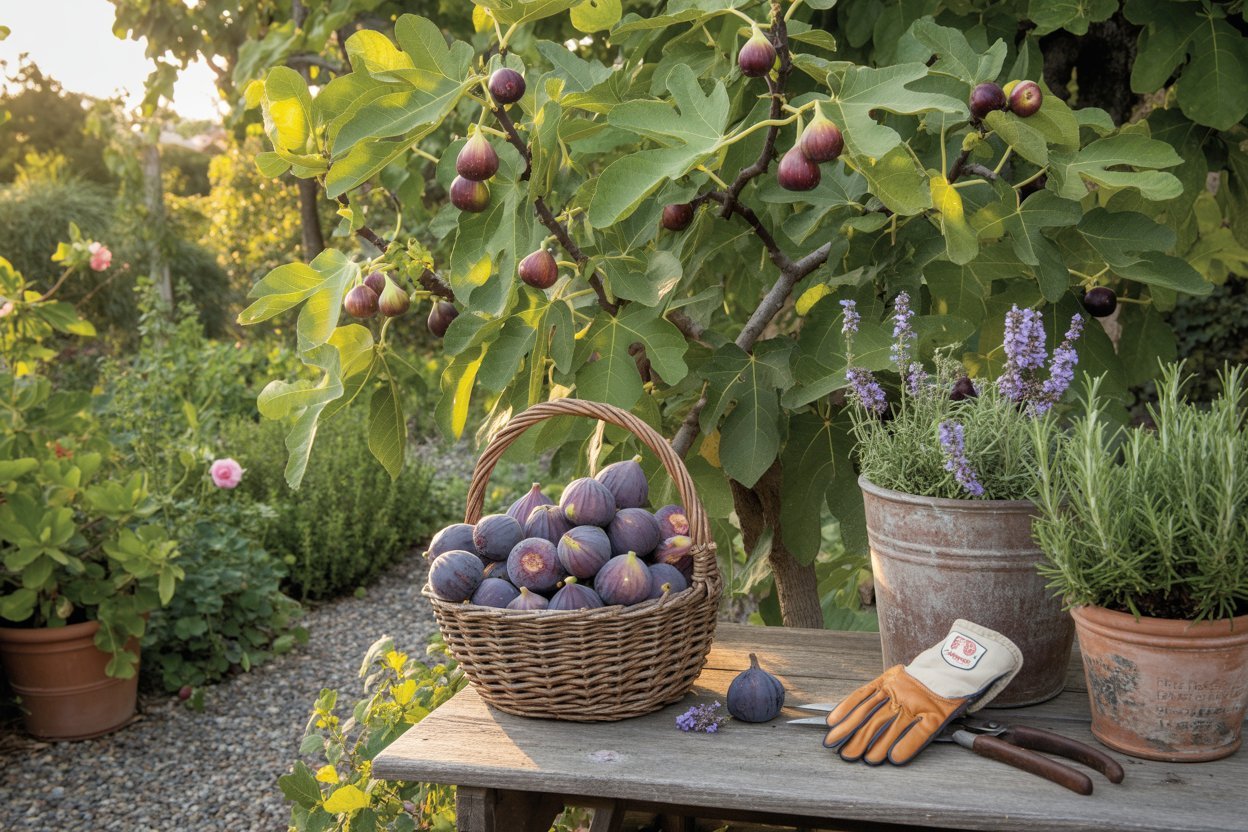

Few things feel more rewarding than stepping into the garden and picking a sun-warmed fig straight from the tree.
Mission figs have a way of making a garden feel lush, romantic, and wonderfully abundant, even in a small backyard space.
Their deep purple skin, honey-like sweetness, and beautiful foliage turn an ordinary garden into something that feels almost Mediterranean.
Growing Mission fig seeds may take patience, but the process is deeply satisfying for gardeners who love nurturing plants from the very beginning.
From germination to harvest, this guide walks you through everything you need to know in a simple, beginner-friendly way that feels easy to follow and genuinely helpful.
What Are Mission Fig Seeds?
Understanding the Mission Fig Variety
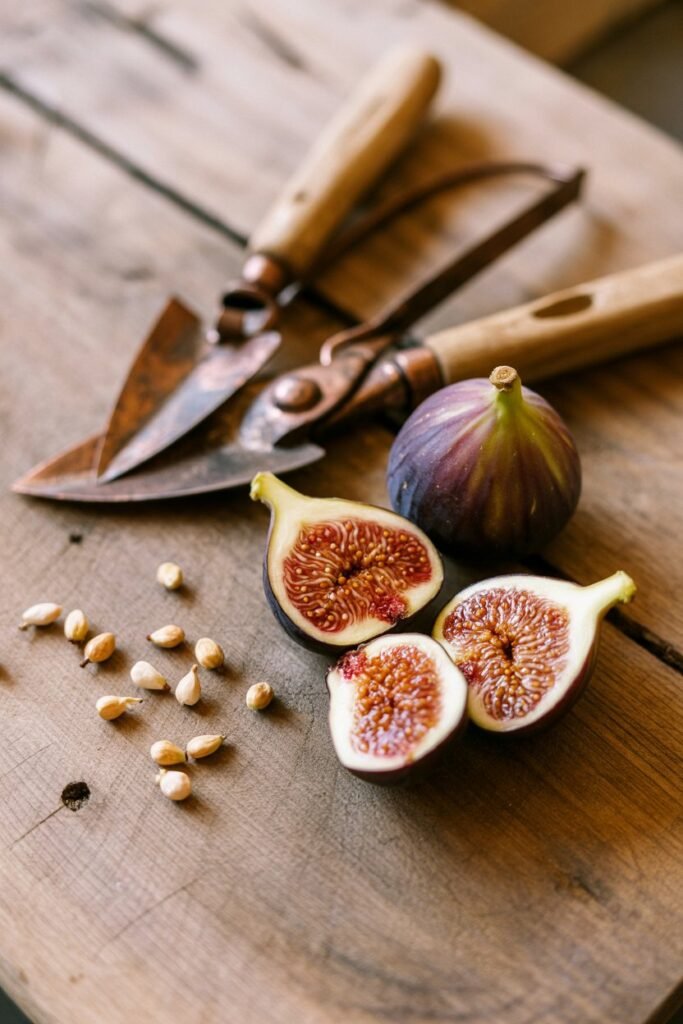
Mission figs come from the famous Ficus carica species, one of the oldest cultivated fruit trees in the world. The “Mission” variety became especially popular in warm regions because of its rich flavor, reliable fruiting, and adaptability.
Mission fig seeds grow into trees known for:
- Deep purple to black fruit skin
- Sweet pink flesh inside
- Rich berry-like flavor
- Large decorative leaves
- Heat tolerance
- Heavy fruit production
Gardeners adore Mission figs because they combine beauty and productivity. Even before the tree fruits, the dramatic leaves make it look ornamental and tropical.
Why Gardeners Love Growing Mission Figs

Benefits of Growing Mission Fig Trees
Growing Mission figs from seed can feel incredibly rewarding because you get to witness the full life cycle of the plant.
1. Beautiful Landscape Tree
Mission fig trees instantly add elegance to:
- Backyard gardens
- Patio containers
- Cottage gardens
- Mediterranean-style landscapes
- Urban edible gardens
The oversized leaves create a lush, dreamy atmosphere.
2. Delicious Fruit
Fresh Mission figs taste far better than store-bought ones. The flavor is:
- Sweet
- Jam-like
- Slightly berry flavored
- Rich and juicy
They’re perfect for:
- Fresh snacking
- Desserts
- Jams
- Salads
- Cheese boards
3. Drought Tolerance
Once established, fig trees tolerate dry conditions surprisingly well, making them easier to maintain than many fruit trees.
4. Long Lifespan
A healthy fig tree can produce fruit for decades with proper care.
What Mission Fig Seeds Look Like
Identifying Healthy Seeds
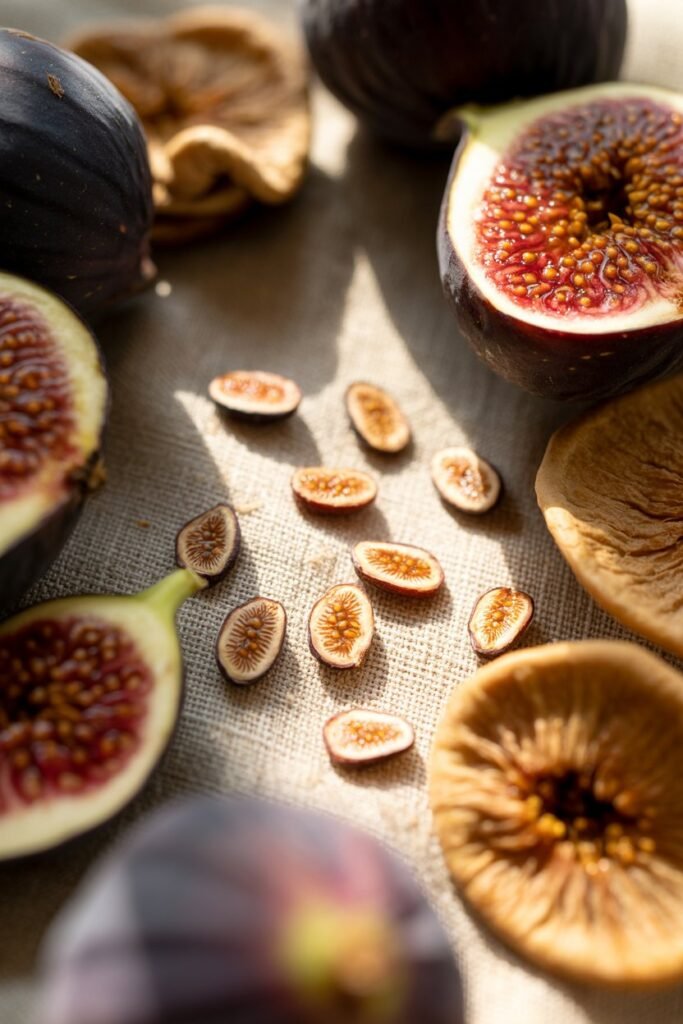
Mission fig seeds are extremely tiny and often found inside ripe figs. They are:
- Small
- Oval-shaped
- Pale brown to golden
- Slightly crunchy when dried
Because they are tiny, handling them carefully during planting is important.
Can You Really Grow Mission Figs From Seed?
Seed Growing vs Propagation
Yes, you absolutely can grow Mission figs from seed, although many gardeners also propagate figs through cuttings.
Growing from seed takes longer, but it offers:
- A rewarding gardening experience
- Strong root development
- Genetic diversity
- The joy of nurturing a tree from scratch
Keep in mind that seed-grown figs may vary slightly from the parent plant.
Best Climate for Mission Fig Trees
Ideal Growing Conditions
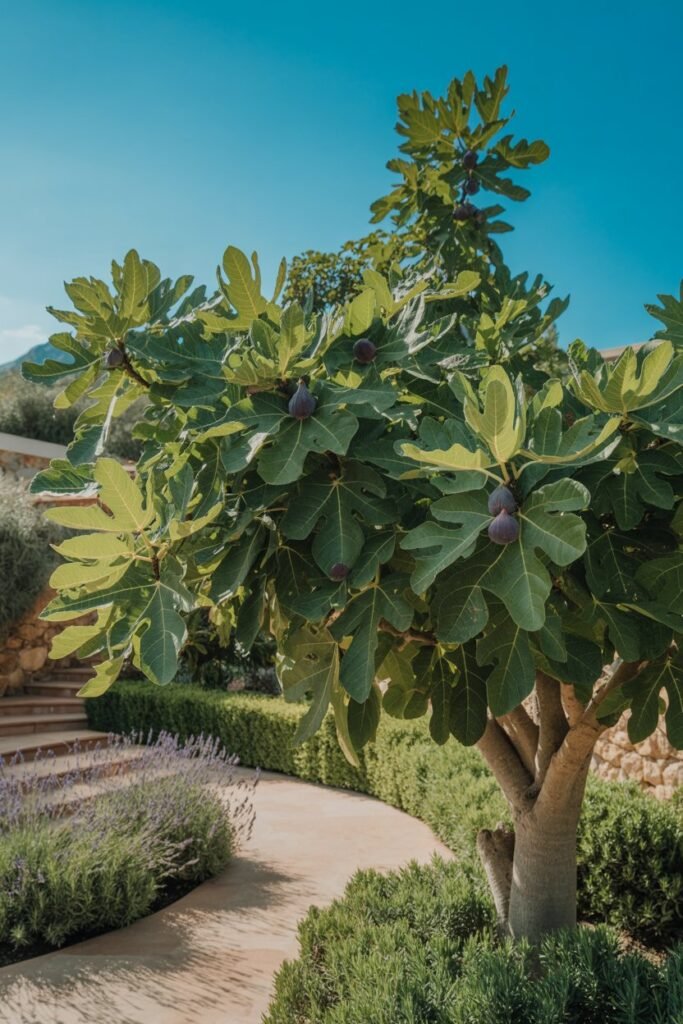
Mission figs thrive best in warm climates.
Best USDA Zones
- Zones 7–11
Preferred Conditions
- Full sunlight
- Warm summers
- Mild winters
- Good airflow
- Well-draining soil
In cooler climates, Mission figs can still grow beautifully in containers that move indoors during winter.
How To Harvest Mission Fig Seeds
Collecting Seeds From Fresh Figs
If you want to collect your own seeds, start with fully ripe Mission figs.
Step-by-Step Seed Collection
- Slice the ripe fig open.
- Scoop out the pulp.
- Place the pulp into a bowl of water.
- Stir gently to separate seeds.
- Allow viable seeds to sink.
- Drain and rinse thoroughly.
- Spread seeds on paper towels.
- Let them dry for several days.
Store dried seeds in a cool, dry place until planting.
Best Time To Plant Mission Fig Seeds
Timing Matters
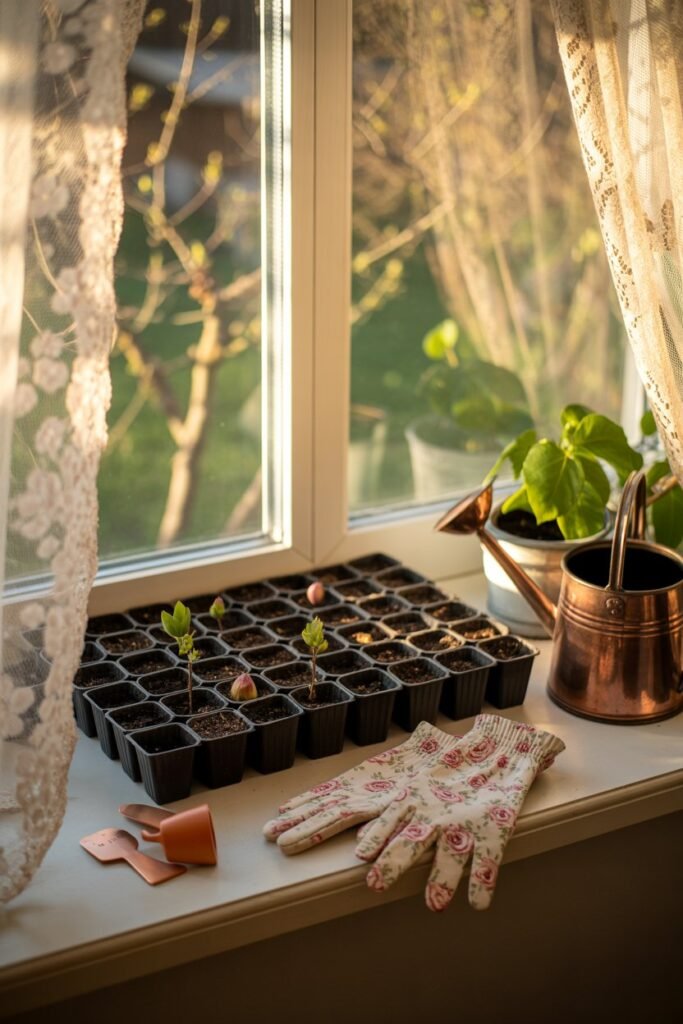
The ideal time to start Mission fig seeds is:
- Late winter
- Early spring
This gives seedlings plenty of warmth and light during their early growth stage.
Indoor seed starting works best for beginners because conditions are easier to control.
Supplies You’ll Need
Seed Starting Essentials
Before planting, gather these supplies:
- Seed trays or small pots
- Seed-starting mix
- Spray bottle
- Plastic humidity dome or wrap
- Grow light or sunny window
- Labels
- Drainage trays
Using the right setup improves germination success dramatically.
Best Soil For Mission Fig Seeds
Choosing The Right Soil Mix
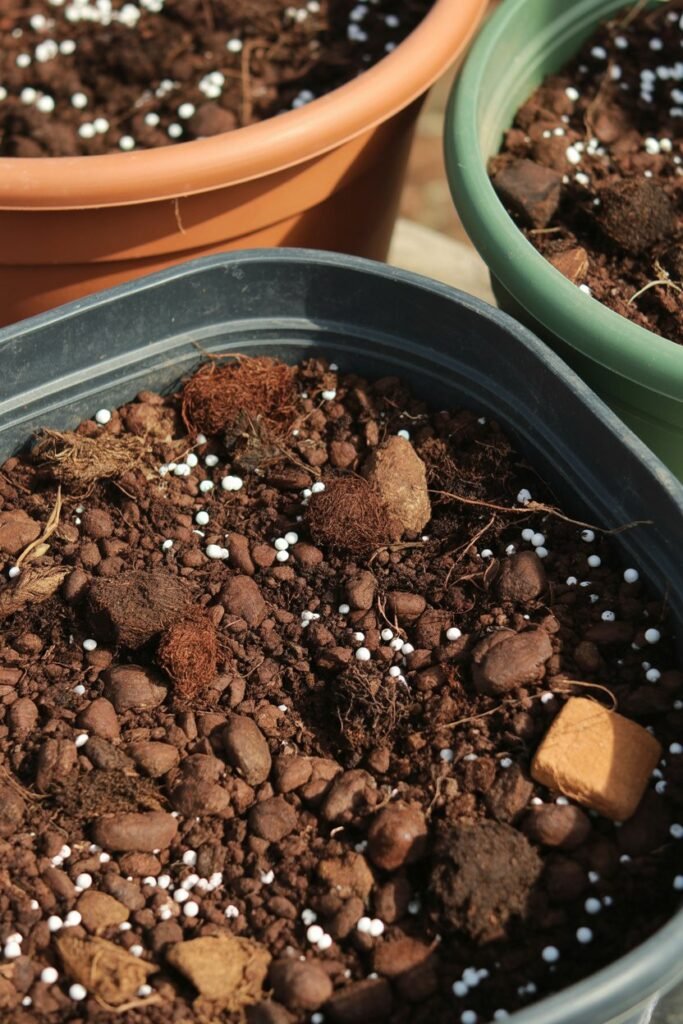
Mission fig seeds need lightweight, airy soil.
Ideal Soil Characteristics
- Well-draining
- Loose texture
- Moist but not soggy
- Rich in organic matter
Great Soil Blend
A simple mix can include:
- 50% seed-starting mix
- 25% perlite
- 25% coco coir
This combination keeps roots healthy while preventing rot.
How To Plant Mission Fig Seeds
Step-By-Step Planting Guide
Step 1: Fill Containers
Fill seed trays or pots with moist seed-starting mix.
Step 2: Sprinkle Seeds
Because the seeds are tiny, lightly sprinkle them across the surface.
Step 3: Cover Lightly
Add only a thin dusting of soil over the seeds. They should not be buried deeply.
Step 4: Mist Gently
Use a spray bottle to avoid disturbing the seeds.
Step 5: Create Humidity
Cover the tray with plastic wrap or a humidity dome.
Step 6: Place In Warm Light
Keep temperatures between:
- 70–80°F
A bright window or grow light works beautifully.
How Long Mission Fig Seeds Take To Germinate
Patience Is Important
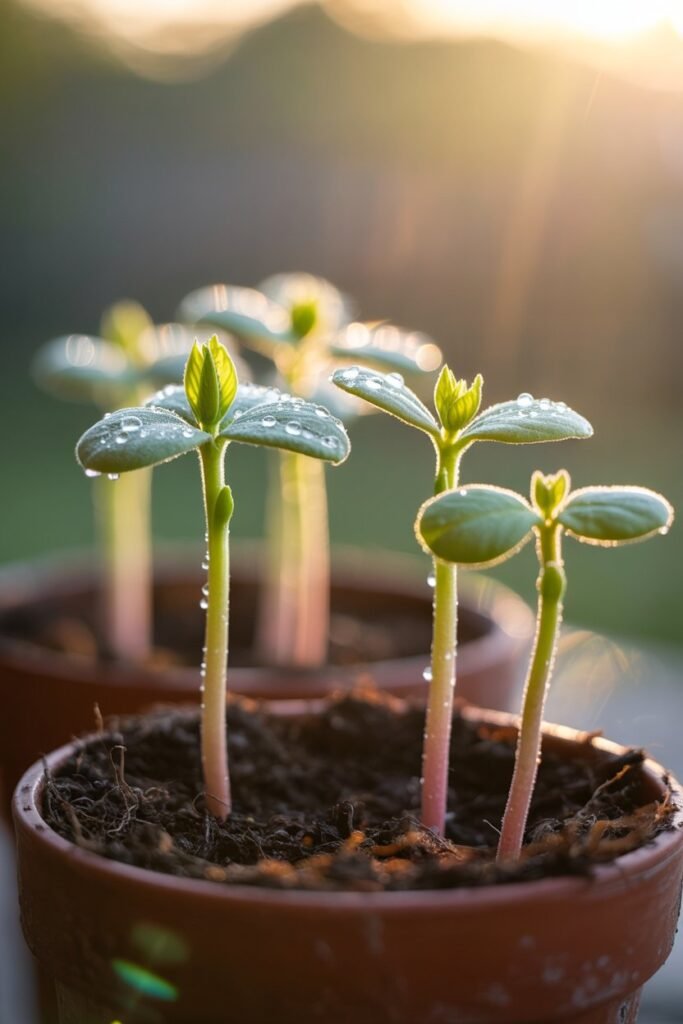
Mission fig seeds can germinate slowly.
Typical Germination Time
- 2 to 8 weeks
Some seeds sprout faster than others.
Keep the soil consistently moist but never soaked.
Caring For Young Fig Seedlings
Early Seedling Care
Once seedlings emerge, proper care becomes essential.
Light Requirements
Seedlings need:
- 6–8 hours of bright light daily
Without enough light, they become leggy and weak.
Watering
Water gently whenever the top layer of soil begins drying out.
Avoid:
- Overwatering
- Waterlogged soil
- Standing water
Air Circulation
Good airflow helps prevent fungal issues.
A small fan nearby can help indoors.
When To Transplant Mission Fig Seedlings
Moving Seedlings To Larger Pots
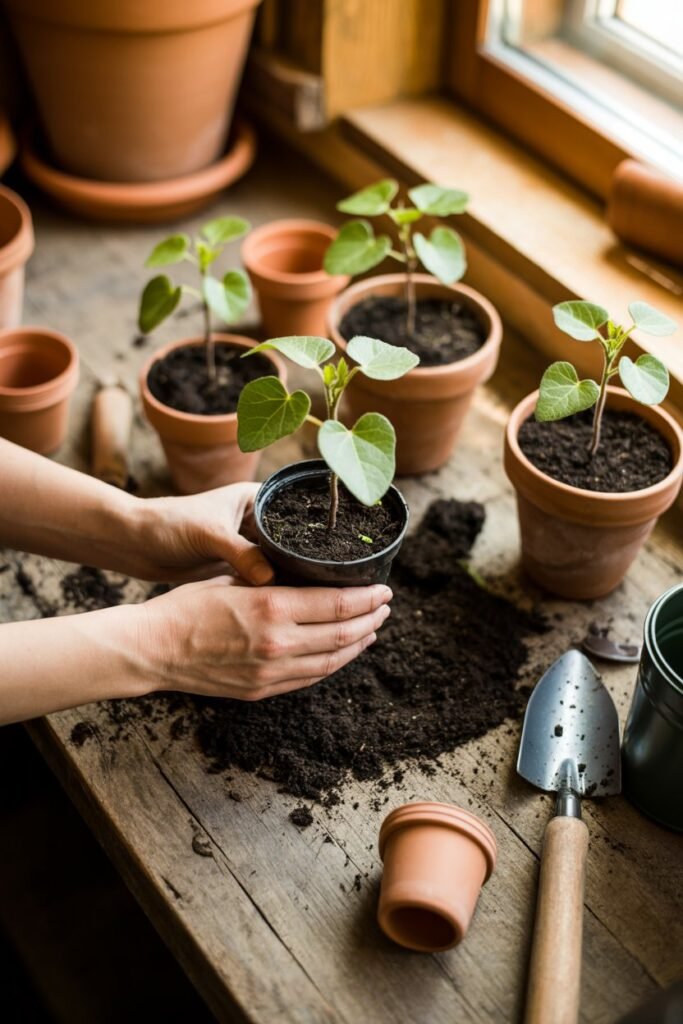
Transplant seedlings once they develop:
- 2–4 true leaves
Signs They’re Ready
- Strong stems
- Healthy root system
- Steady growth
- Roots visible near drainage holes
Handle seedlings carefully because young roots are delicate.
Best Containers For Fig Trees
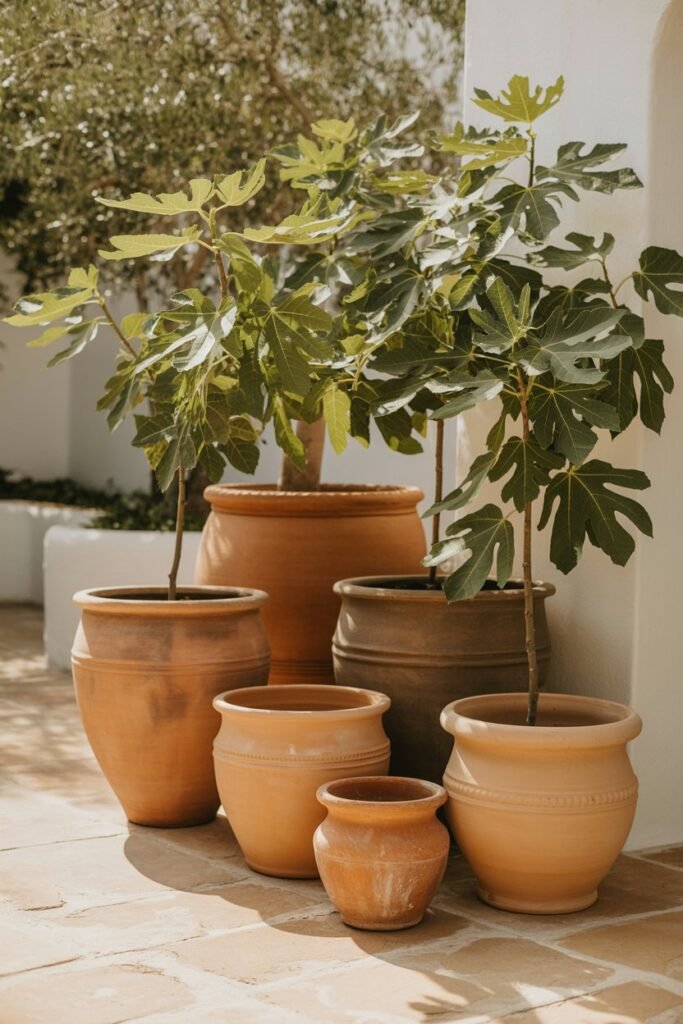
Choosing The Right Pot
Mission figs grow very well in containers.
Ideal Pot Features
- Large drainage holes
- At least 15–20 gallons for mature trees
- Breathable materials like terracotta
Container gardening is especially helpful in cooler climates.
How Much Sunlight Mission Figs Need
Sunlight Requirements
Mission figs absolutely love sunshine.
Best Light Conditions
- 6–8 hours minimum
- Full sun preferred
More sunlight typically means sweeter fruit and healthier growth.
Watering Mission Fig Trees

Proper Watering Routine
Young fig trees need regular moisture while establishing roots.
Watering Tips
- Water deeply
- Allow topsoil to dry slightly between watering
- Reduce watering during dormancy
Too much water can cause:
- Root rot
- Yellow leaves
- Fruit splitting
Fertilizing Mission Fig Trees
Feeding For Healthy Growth
Mission figs benefit from balanced feeding during active growth.
Best Fertilizer Types
- Compost
- Worm castings
- Balanced fruit tree fertilizer
- Fish emulsion
Feeding Schedule
Feed every:
- 4–6 weeks during spring and summer
Avoid excessive nitrogen because it can reduce fruit production.
Pruning Mission Fig Trees
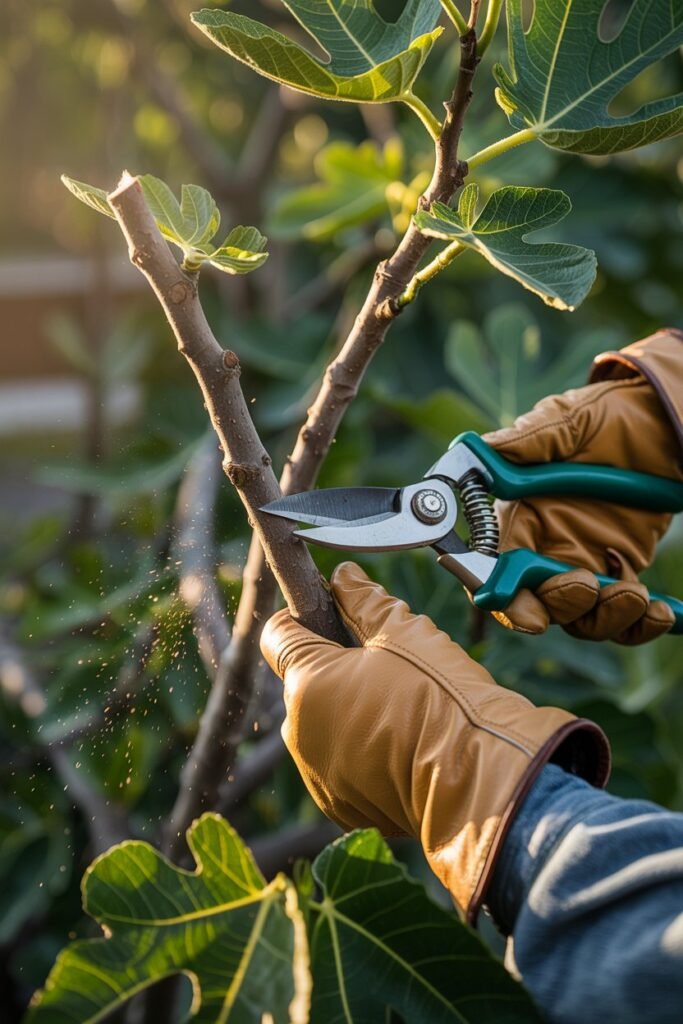
Why Pruning Matters
Pruning keeps fig trees:
- Productive
- Healthy
- Easier to harvest
Best Time To Prune
- Late winter
- Early spring before active growth
Remove:
- Dead branches
- Crossing limbs
- Weak growth
- Crowded interior branches
Good airflow improves overall tree health.
Common Problems When Growing Mission Figs
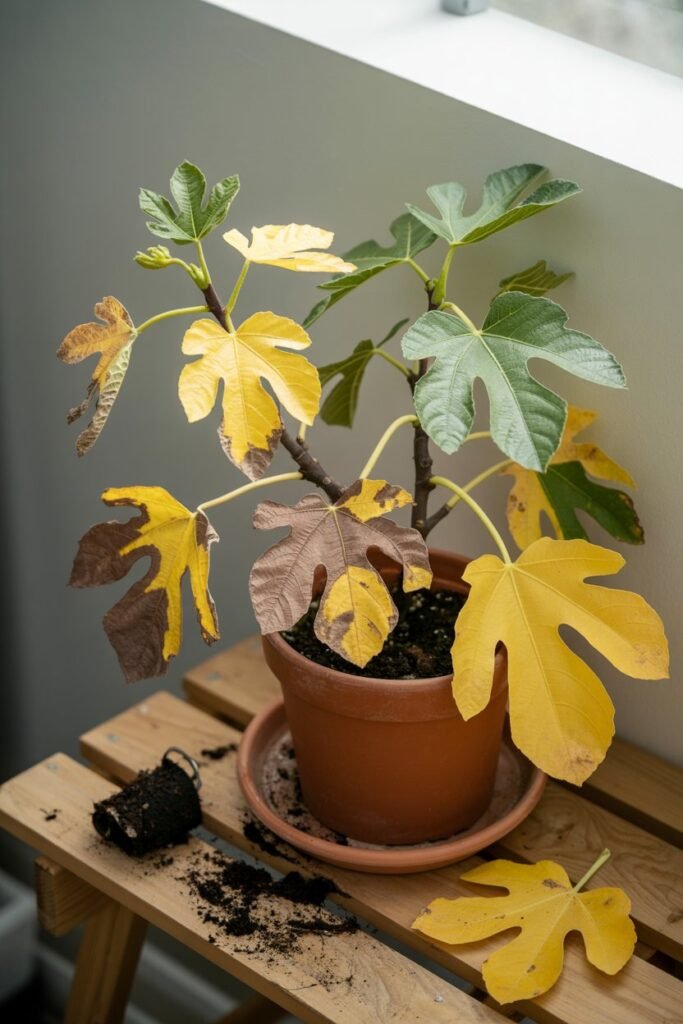
Troubleshooting Guide
1. Yellow Leaves
Usually caused by:
- Overwatering
- Poor drainage
- Nutrient imbalance
2. Leaf Drop
Can happen from:
- Sudden temperature changes
- Stress
- Underwatering
3. Root Rot
Often caused by soggy soil.
Always use containers with drainage holes.
4. Slow Growth
Usually linked to:
- Lack of sunlight
- Poor soil
- Insufficient warmth
Common Pests On Mission Fig Trees
Pest Prevention Tips
Mission figs are fairly resilient but can still attract pests.
Common Pests
- Spider mites
- Aphids
- Mealybugs
- Scale insects
Natural Prevention
- Neem oil
- Insecticidal soap
- Strong water spray
- Healthy airflow
Regular inspection helps catch problems early.
How Long Until Mission Fig Trees Produce Fruit?
The Waiting Period
Seed-grown Mission figs take time.
Typical Fruiting Timeline
- 3–7 years
While this requires patience, many gardeners find the process deeply rewarding.
Trees grown from cuttings fruit faster, but seed-grown trees often develop strong long-term vigor.
Harvesting Mission Figs
Knowing When Figs Are Ready
Ripe Mission figs become:
- Deep purple-black
- Soft to the touch
- Slightly droopy at the stem
Harvest Tip
Pick figs gently because ripe fruit bruises easily.
Fresh figs do not store long, so enjoy them quickly.
How To Store Fresh Mission Figs
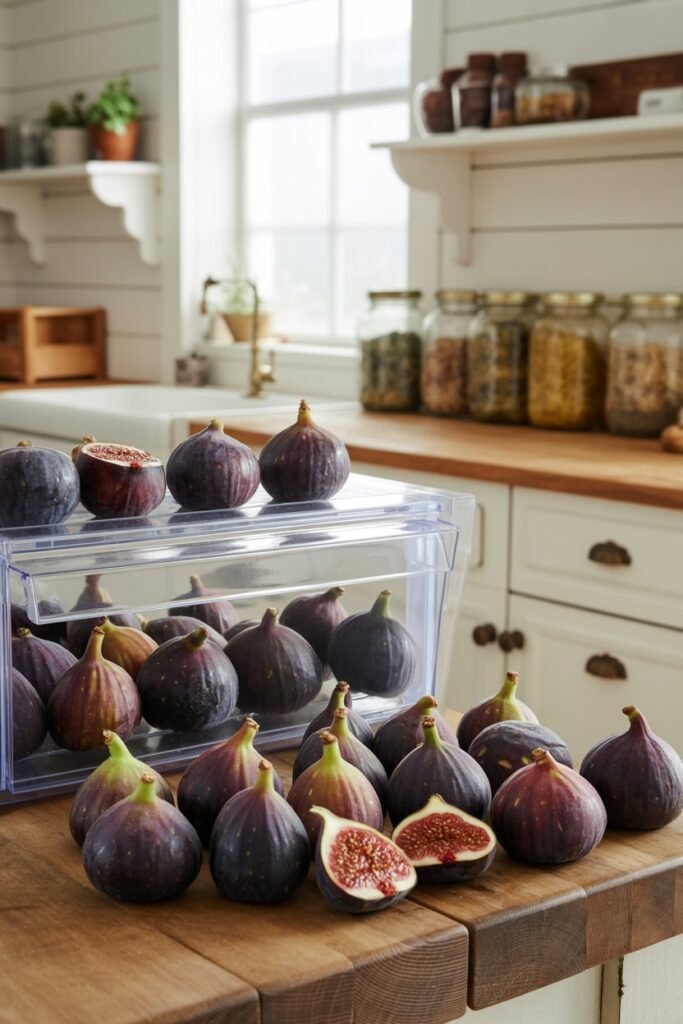
Storage Tips
Fresh Mission figs are delicate.
Short-Term Storage
- Refrigerate for 2–3 days
- Store in a single layer
- Avoid stacking
Long-Term Preservation
You can also:
- Dry them
- Freeze them
- Make preserves
- Create fig jam
Growing Mission Figs Indoors
Indoor Fig Gardening
Mission figs can grow indoors if given enough light.
Indoor Requirements
- Bright south-facing window
- Grow lights
- Large container
- Proper pruning
Indoor trees may stay smaller but can still produce fruit beautifully.
Companion Plants For Mission Fig Trees
Plants That Grow Well Nearby
Good companion plants include:
- Lavender
- Rosemary
- Thyme
- Marigolds
- Nasturtiums
These plants help:
- Improve pollinator activity
- Reduce pests
- Create a beautiful edible garden aesthetic
Are Mission Fig Trees Safe Around Pets?
Pet Safety Information
The sap from fig trees can irritate skin and may bother pets if ingested.
Safety Tips
- Wear gloves when pruning
- Keep fallen leaves cleaned up
- Monitor curious pets
Most problems are mild but caution is still smart.
Why Your Mission Fig Tree Isn’t Fruiting
Common Fruiting Issues
Possible Causes
- Not enough sunlight
- Excess nitrogen fertilizer
- Tree too young
- Over-pruning
- Cold damage
Improving sunlight exposure often makes a huge difference.
Winter Care For Mission Fig Trees
Protecting Trees During Cold Weather
Mission figs need extra protection in colder areas.
Winter Protection Tips
- Mulch heavily around roots
- Move containers indoors
- Wrap outdoor trees with burlap
- Reduce watering during dormancy
Protecting young trees is especially important.
Why Mission Figs Are Worth Growing
A Fruit Tree That Gives Back
Mission figs offer so much more than fruit.
They create:
- Shade
- Beauty
- Privacy
- Pollinator support
- A Mediterranean garden feeling
Watching a tiny seed eventually become a fruiting tree feels incredibly fulfilling.
Final Thoughts
Growing Mission fig seeds may not be the fastest gardening project, but it’s one of the most rewarding.
Every stage feels meaningful, from watching tiny seedlings emerge to harvesting your first sweet, velvety figs years later.
With warmth, patience, sunlight, and proper care, these beautiful trees can thrive in gardens, patios, and even containers indoors.
Whether you’re creating a cozy edible garden or dreaming of a backyard filled with lush fruit trees, Mission figs bring beauty and abundance in the loveliest way possible.
