
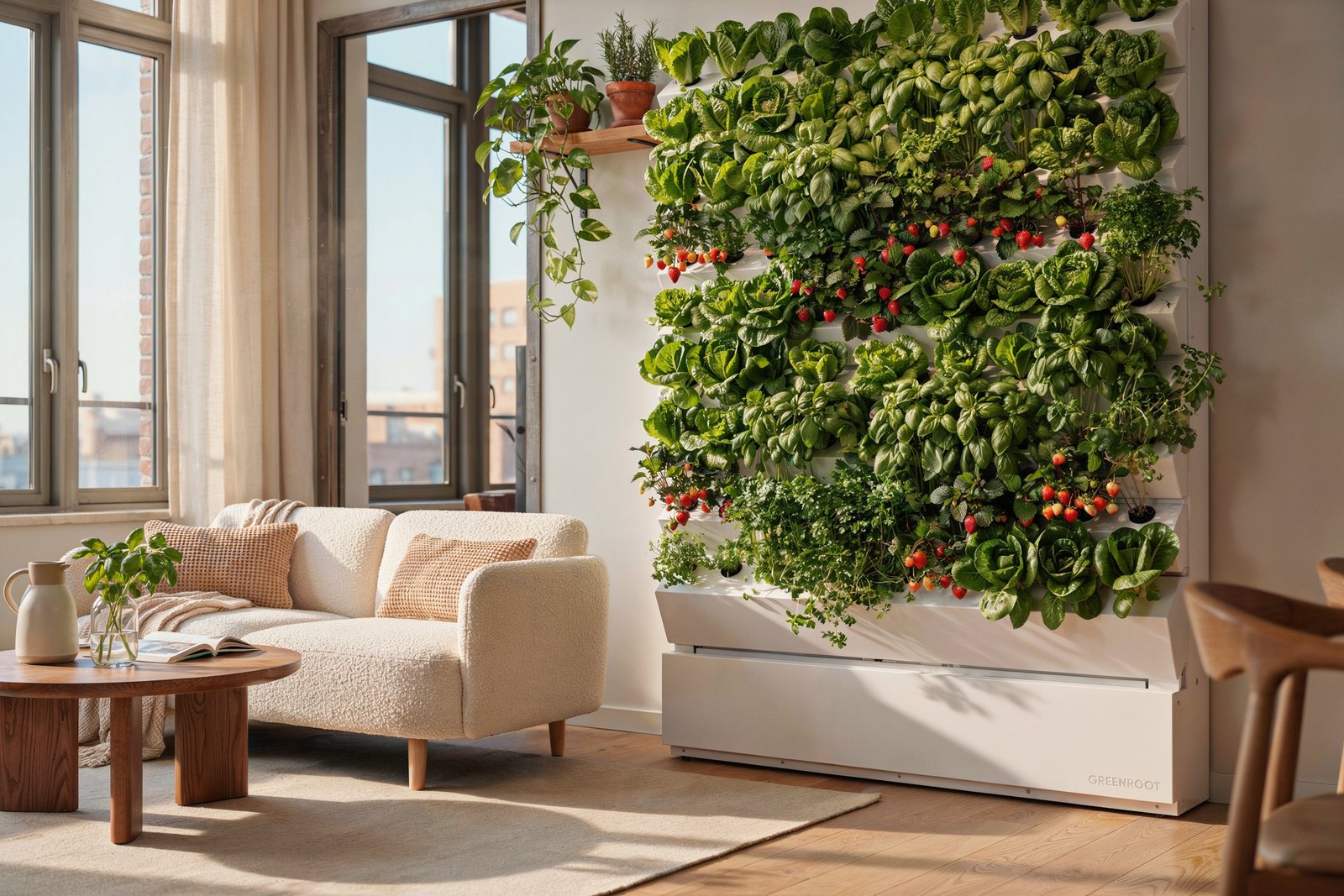

A few years ago, I never imagined that an empty wall could become one of the most productive and beautiful parts of a home.
Yet that is exactly what happened when vertical gardening and hydroponics came together to create the modern urban hydroponics wall.
What began as a creative way to grow fresh herbs indoors has evolved into a stunning gardening solution that fits perfectly into apartments, balconies, patios, kitchens, offices, and small urban homes.
If you’ve been dreaming about growing fresh food but feel limited by space, a hydroponic wall garden may be exactly what you need.
These living walls combine modern design with efficient plant-growing technology, allowing you to cultivate vegetables, herbs, and ornamental plants without traditional garden beds.
In this guide, we’ll explore everything you need to know before building your own hydroponics wall, including benefits, costs, setup, maintenance, plant selection, common mistakes, and expert tips for success.
What Is a Modern Urban Hydroponics Wall?
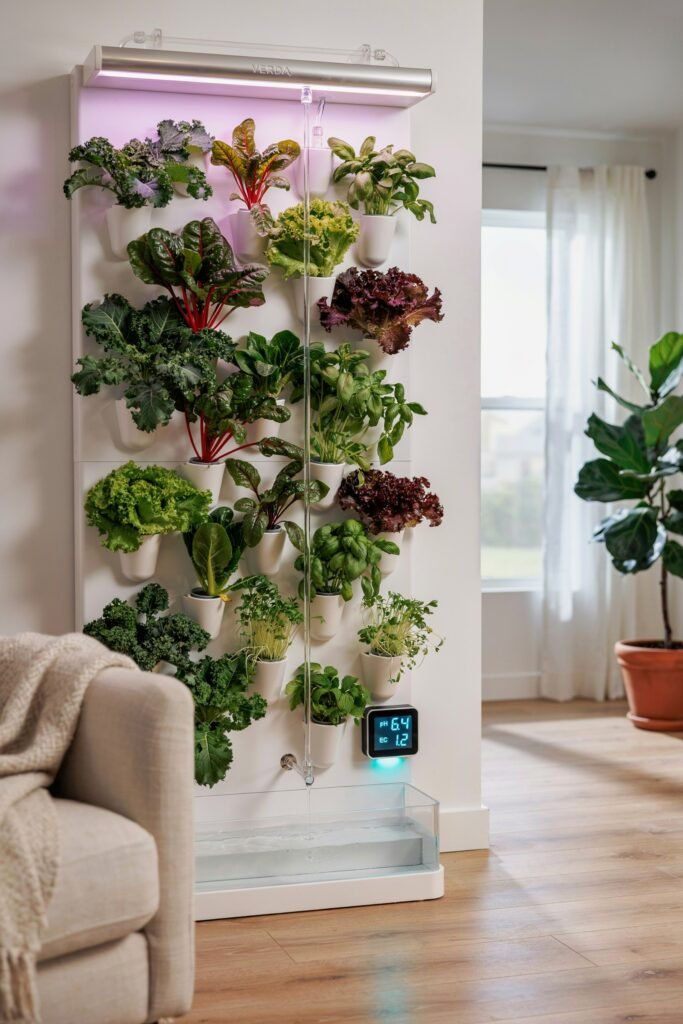
A hydroponics wall is a vertical gardening system that grows plants without soil. Instead of relying on traditional garden beds, plants grow in specially designed containers or channels while their roots receive nutrient-rich water.
The system is mounted vertically on a wall, frame, fence, or freestanding structure, making it ideal for urban environments where floor space is limited.
Modern hydroponic walls often include:
- Vertical growing panels
- Water reservoirs
- Pumps
- Nutrient delivery systems
- Grow lights (for indoor setups)
- Irrigation tubing
- Plant holders or net pots
The result is a beautiful living wall that can produce fresh food year-round while enhancing the appearance of your home.
Why Hydroponic Wall Gardens Are Becoming So Popular
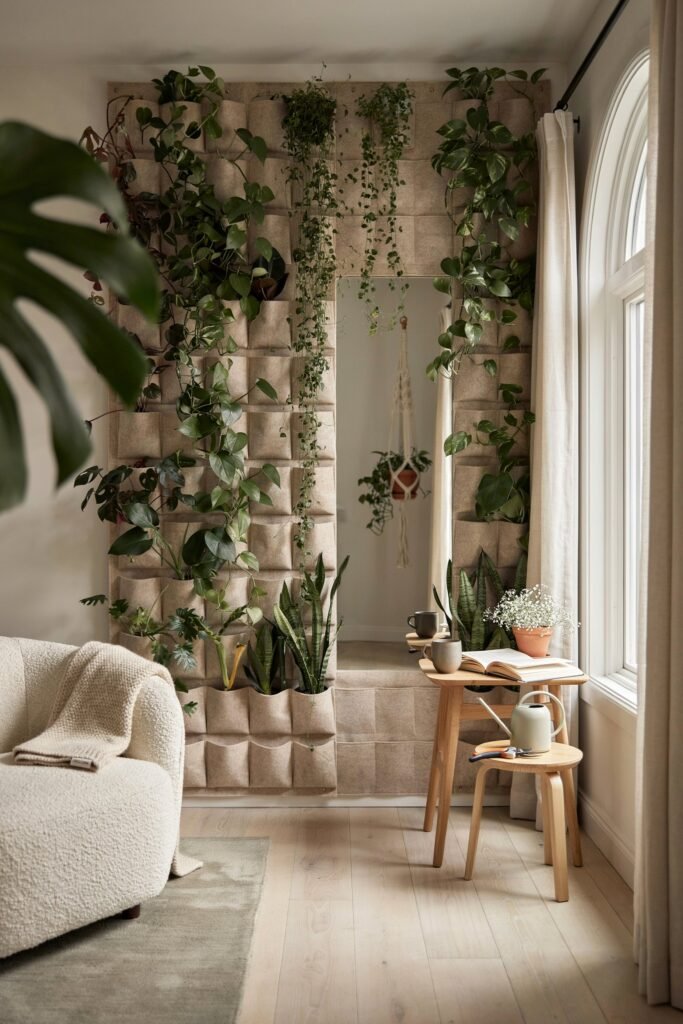
Urban gardeners are embracing hydroponic walls for several reasons.
They Save Space
Traditional gardens require large planting areas. Hydroponic walls use vertical space, allowing dozens of plants to grow on a single wall.
They Look Beautiful
A living wall instantly transforms a plain area into a lush focal point filled with greenery and life.
They Use Less Water
Hydroponic systems recycle water, often using up to 90% less water than conventional gardening.
They Produce Faster Growth
Plants receive nutrients directly through the water system, often resulting in quicker growth and higher yields.
They Reduce Weeding
Since no soil is involved, weeds become virtually nonexistent.
They Support Sustainable Living
Growing your own herbs and vegetables reduces food miles and packaging waste.
Things You Should Know Before Starting
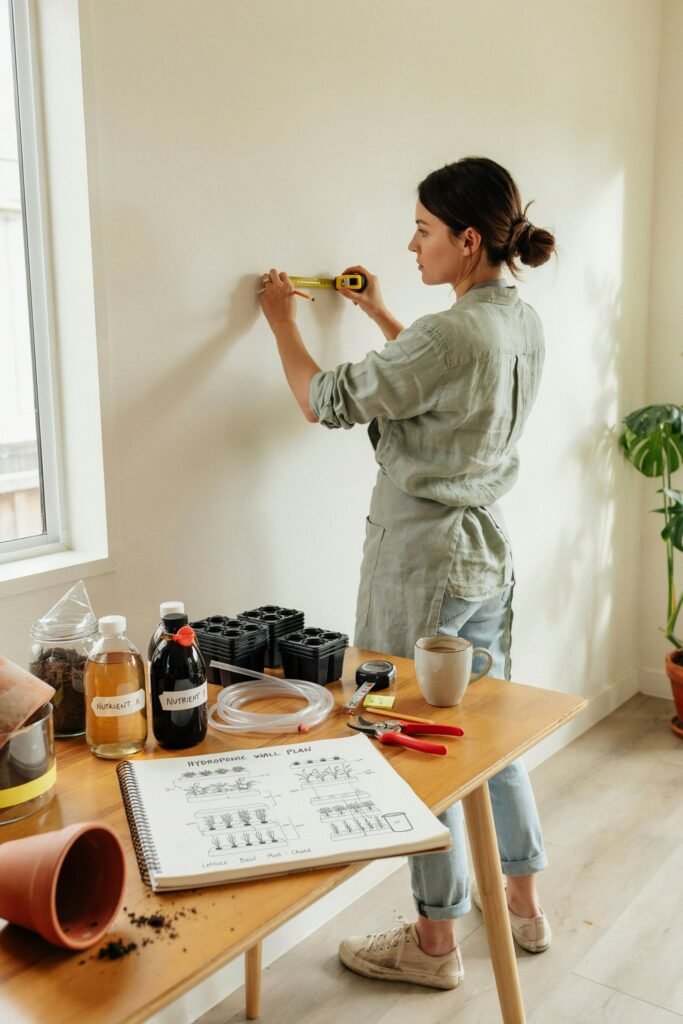
Before purchasing supplies or building your wall, there are several important factors to consider.
Available Space
Measure your wall carefully.
Ask yourself:
- Is it indoors or outdoors?
- How much vertical space is available?
- Will the structure support the weight?
- Is there access to electricity?
Sunlight Requirements
Most edible plants need at least:
- 6–8 hours of sunlight daily
For indoor walls, grow lights may be necessary.
Water Access
Hydroponic systems require regular monitoring and occasional refilling of reservoirs.
Choose a location where water maintenance is convenient.
Budget
Hydroponic walls range from affordable DIY projects to premium automated systems.
Your budget will influence:
- Materials
- Automation level
- Lighting
- Size of the wall
Time Commitment
Although hydroponics reduces many traditional gardening tasks, regular maintenance is still necessary.
How Hydroponic Wall Systems Work
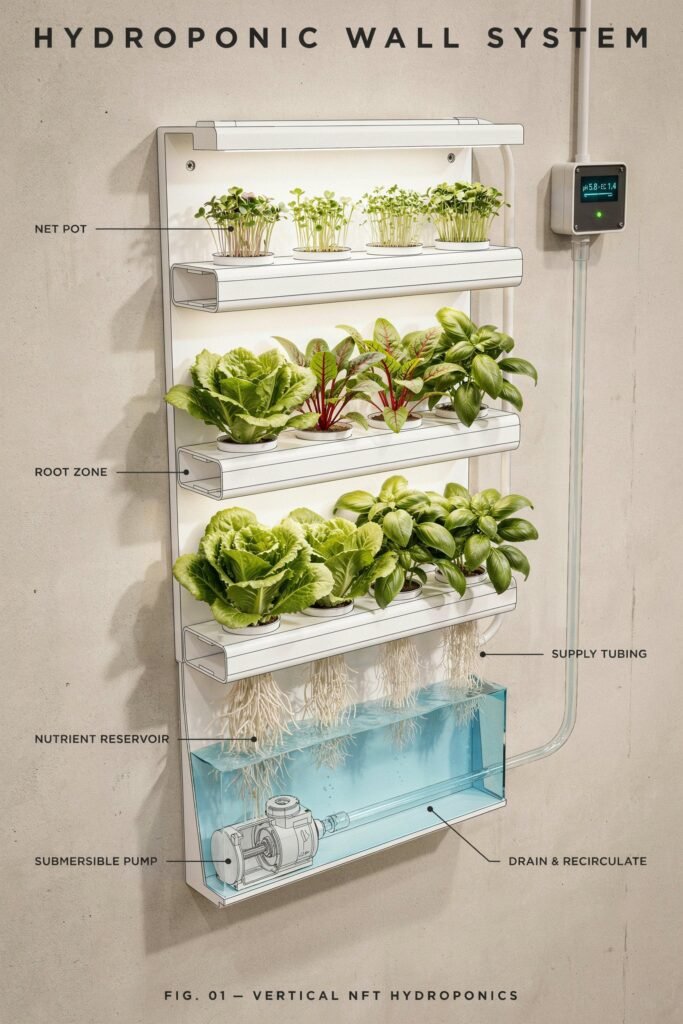
The basic principle is surprisingly simple.
Water mixed with nutrients is stored in a reservoir.
A pump moves the nutrient solution upward through tubing.
The solution flows through plant channels, delivering nutrients directly to roots.
Excess water returns to the reservoir and repeats the cycle.
This continuous circulation provides plants with:
- Water
- Oxygen
- Essential nutrients
Because roots have direct access to these resources, plants often grow faster than soil-grown crops.
Different Types of Hydroponic Wall Systems
Nutrient Film Technique (NFT)
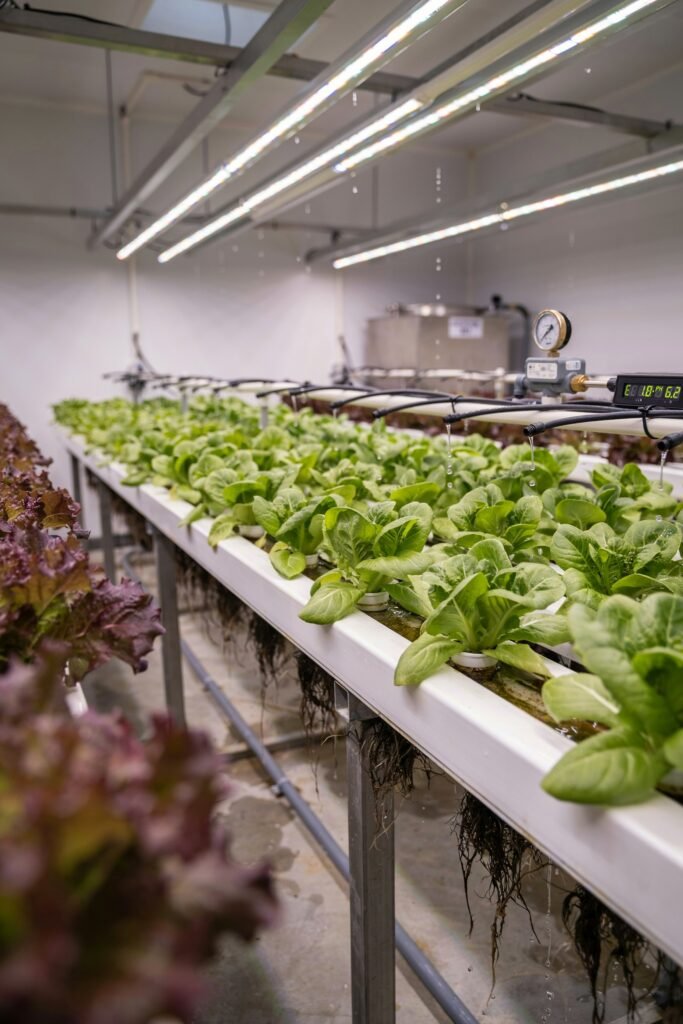
NFT systems use a thin stream of nutrient solution flowing continuously through channels.
Advantages:
- Water efficient
- Fast growth
- Lightweight design
Best for:
- Lettuce
- Herbs
- Leafy greens
Drip Systems
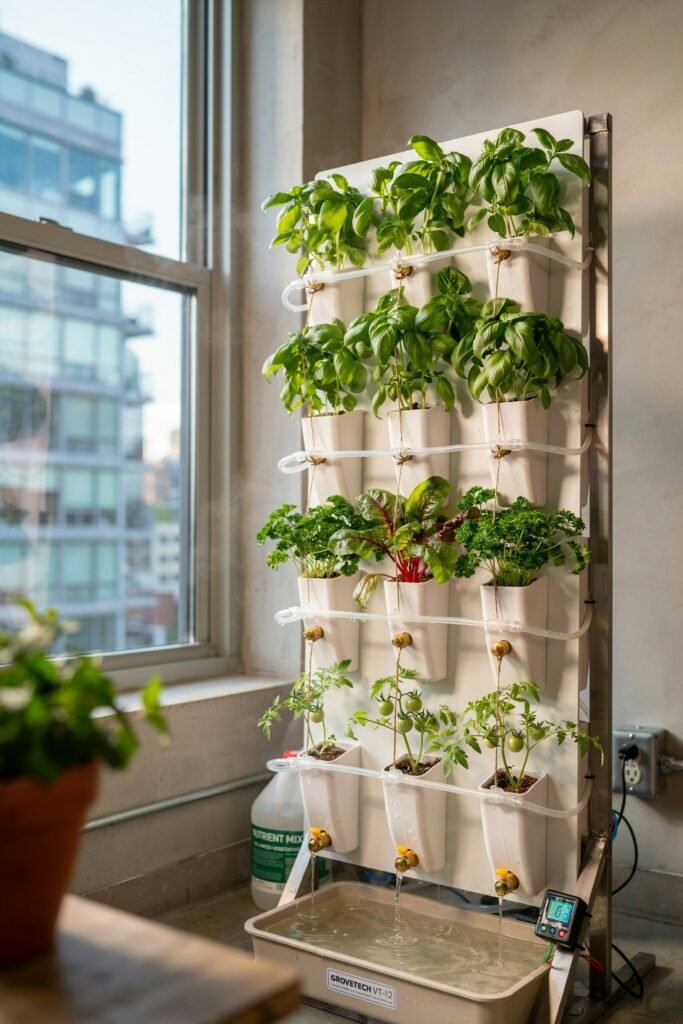
Drip irrigation delivers nutrients directly to each plant.
Advantages:
- Highly customizable
- Suitable for many plant types
- Easy to scale
Best for:
- Herbs
- Vegetables
- Ornamentals
Tower Systems
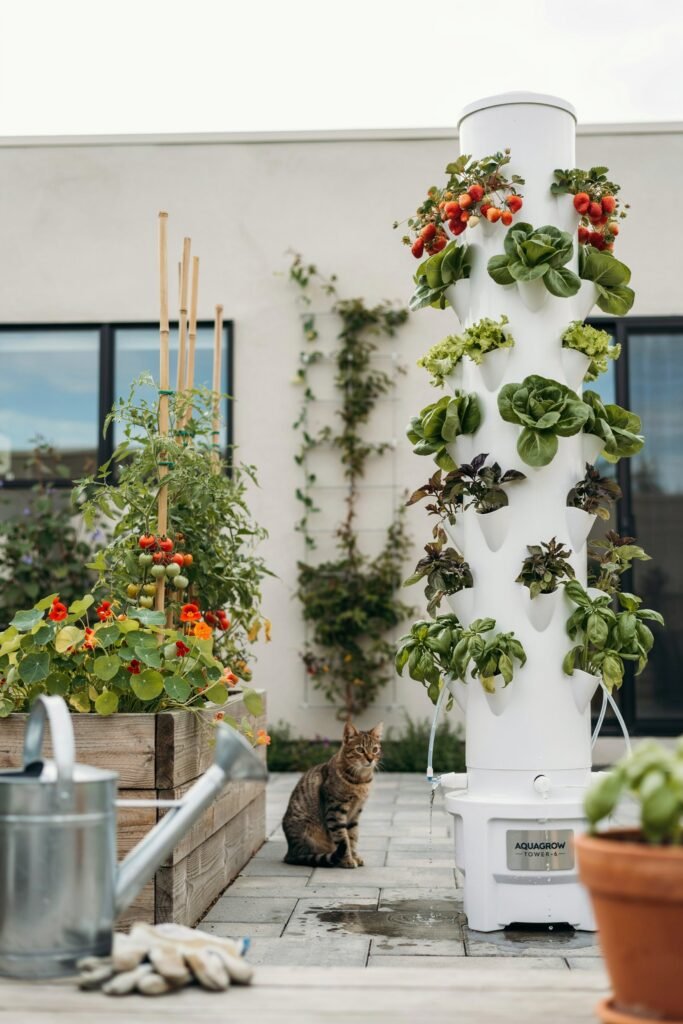
Vertical towers stack growing spaces upward.
Advantages:
- Maximum productivity
- Compact footprint
Best for:
- Strawberries
- Herbs
- Lettuce
Living Wall Panels
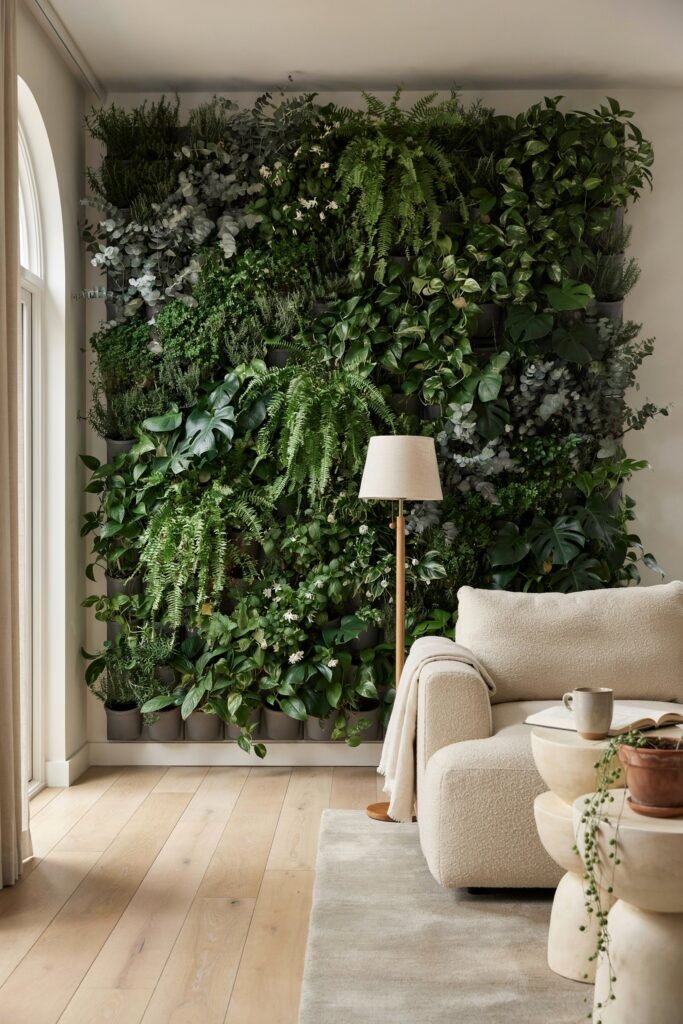
These decorative systems focus on aesthetics while supporting healthy plant growth.
Advantages:
- Stunning visual impact
- Flexible designs
- Perfect for interiors
Best for:
- Decorative foliage
- Herbs
- Mixed plant displays
Essential Components You’ll Need
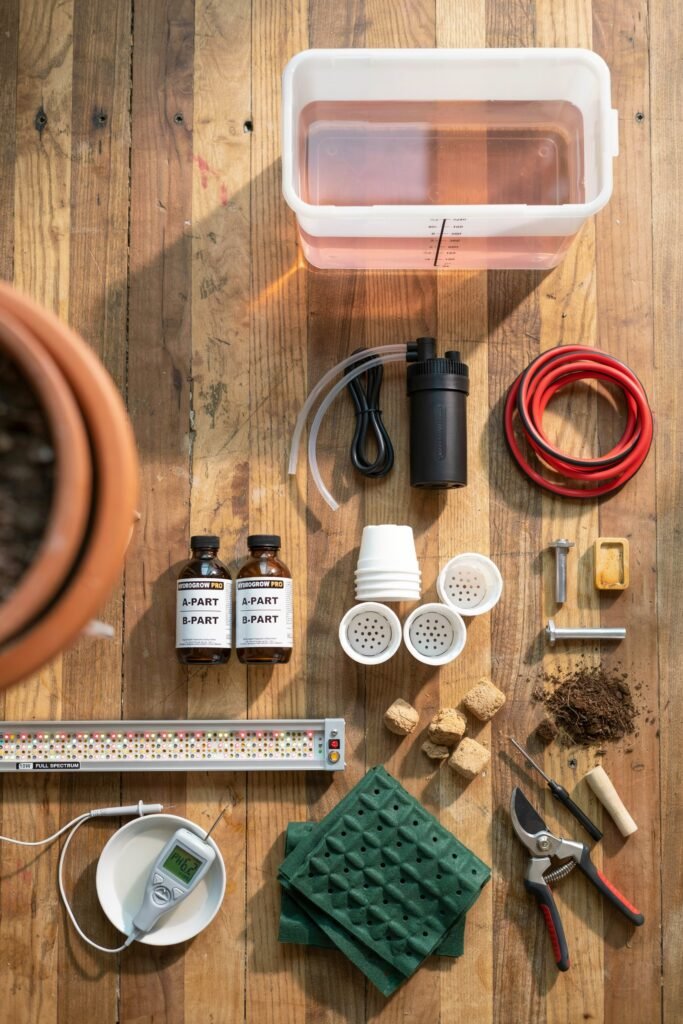
A successful hydroponics wall requires the right equipment.
Growing Structure
Options include:
- PVC panels
- Metal frames
- Modular wall systems
- Wooden support structures
Reservoir
Stores nutrient solution.
Choose a container large enough to support the entire system.
Water Pump
Moves nutrients through the irrigation network.
Tubing
Transports water between components.
Net Pots
Support plants while allowing roots to access water.
Growing Medium
Common choices include:
- Rockwool
- Coco coir
- Clay pebbles
- Perlite
Nutrients
Hydroponic fertilizers provide:
- Nitrogen
- Phosphorus
- Potassium
- Micronutrients
Grow Lights
Necessary when natural sunlight is insufficient.
Best Plants for a Hydroponic Wall Garden
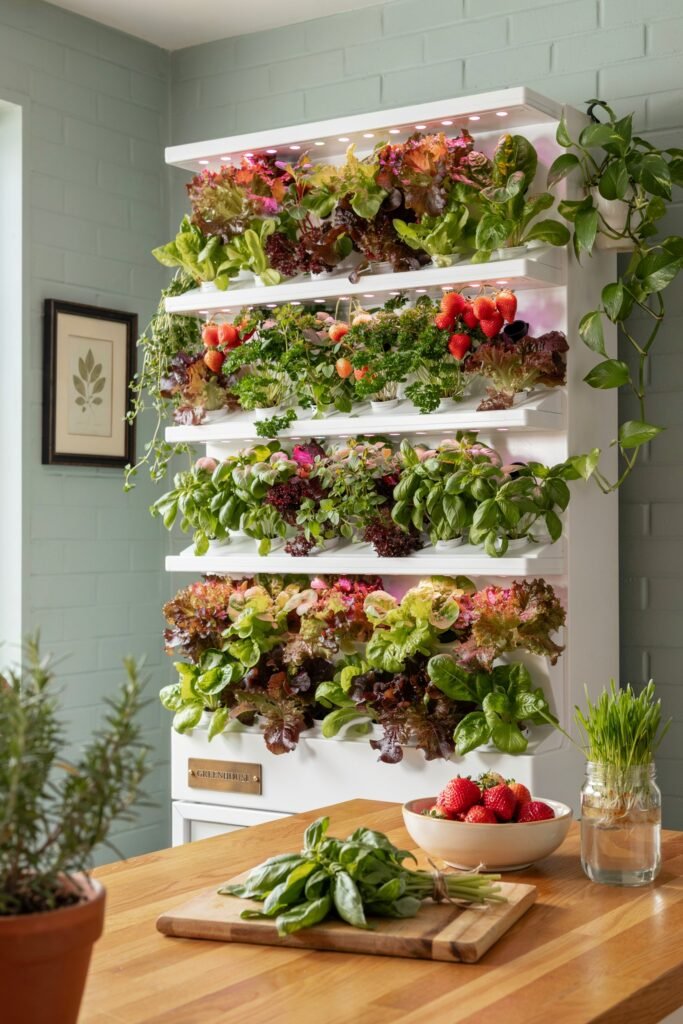
Not all plants perform equally in vertical hydroponic systems.
Herbs
Excellent choices include:
- Basil
- Mint
- Parsley
- Oregano
- Thyme
- Cilantro
These plants grow quickly and require minimal space.
Leafy Greens
Leafy vegetables are among the easiest hydroponic crops.
Popular options:
- Lettuce
- Kale
- Spinach
- Arugula
- Swiss chard
Strawberries
Hydroponic strawberries often produce abundant harvests while creating a beautiful cascading effect.
Compact Vegetables
Try:
- Dwarf peppers
- Small tomatoes
- Bok choy
- Green onions
Decorative Plants
Beautiful wall garden additions include:
- Pothos
- Philodendron
- Ferns
- Spider plants
- Peace lilies
Step-by-Step Guide to Building a Hydroponics Wall
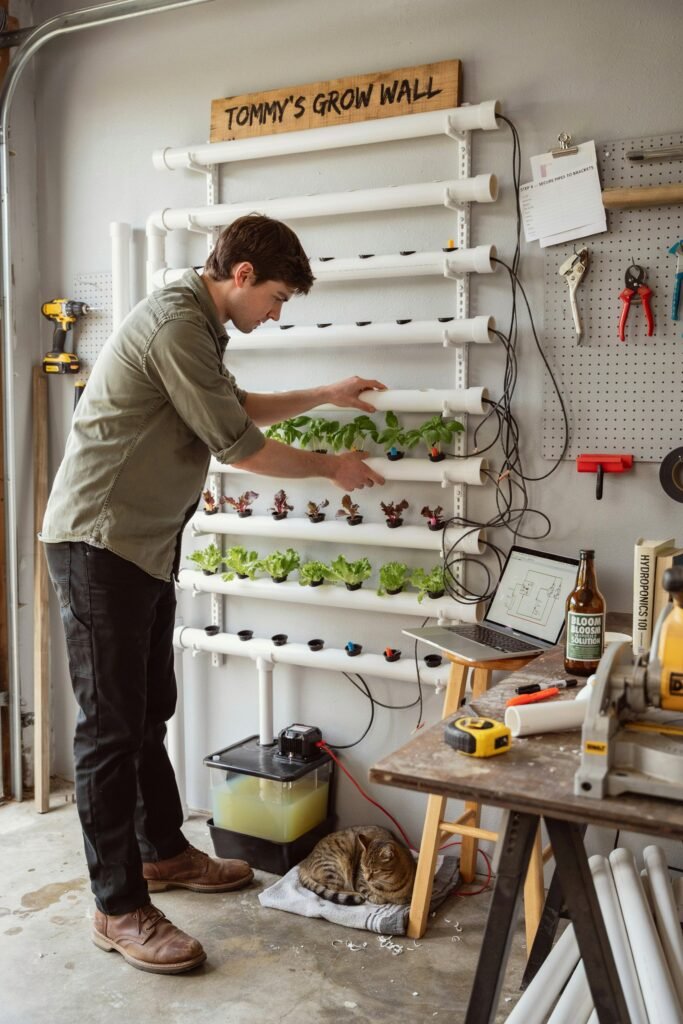
Step 1: Choose Your Location
Select a sturdy wall with sufficient sunlight or space for grow lights.
Step 2: Design Your Layout
Sketch the arrangement before purchasing materials.
Consider:
- Plant spacing
- Maintenance access
- Reservoir placement
Step 3: Install the Frame
Secure the growing structure safely.
Double-check weight capacity.
Step 4: Set Up Irrigation
Install:
- Pump
- Tubing
- Water return system
Test for leaks.
Step 5: Add Growing Medium
Place growing medium into net pots.
Step 6: Plant Seedlings
Use healthy seedlings rather than seeds for faster establishment.
Step 7: Fill Reservoir
Add nutrient solution according to manufacturer recommendations.
Step 8: Monitor Growth
Observe plants daily during the first few weeks.
Maintaining Your Hydroponics Wall
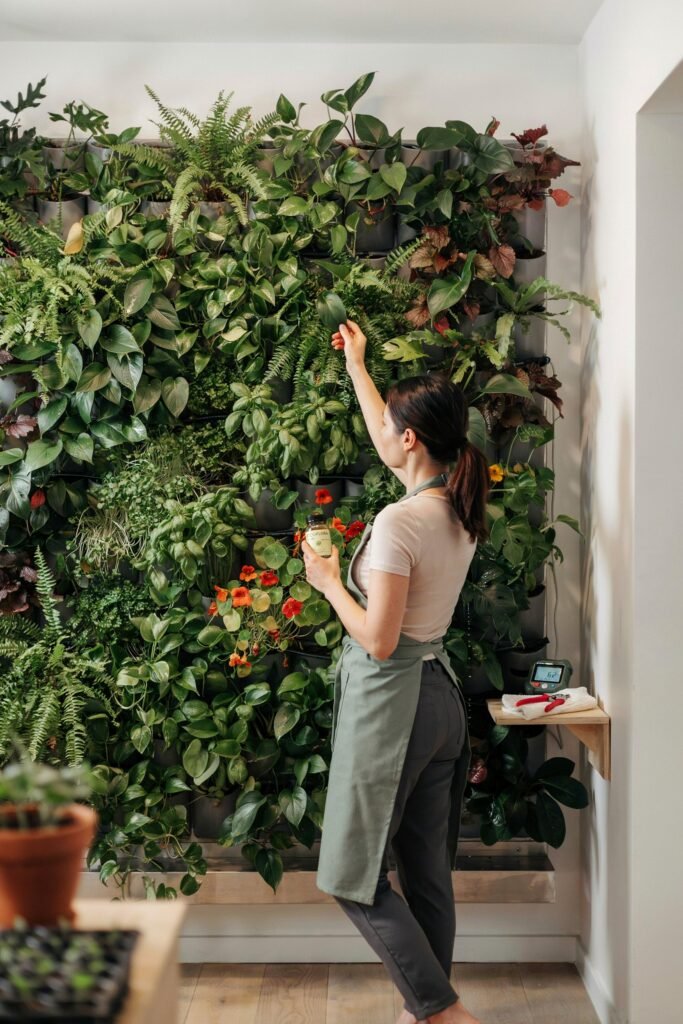
Consistent maintenance ensures healthy growth.
Check Water Levels
Inspect reservoirs regularly.
Monitor pH
Most plants thrive between:
- pH 5.5–6.5
Inspect Pumps
Ensure water circulation remains uninterrupted.
Prune Plants
Remove dead or overcrowded growth.
Replace Nutrients
Refresh nutrient solutions every few weeks.
Clean Components
Prevent algae and mineral buildup.
Common Mistakes Beginners Make
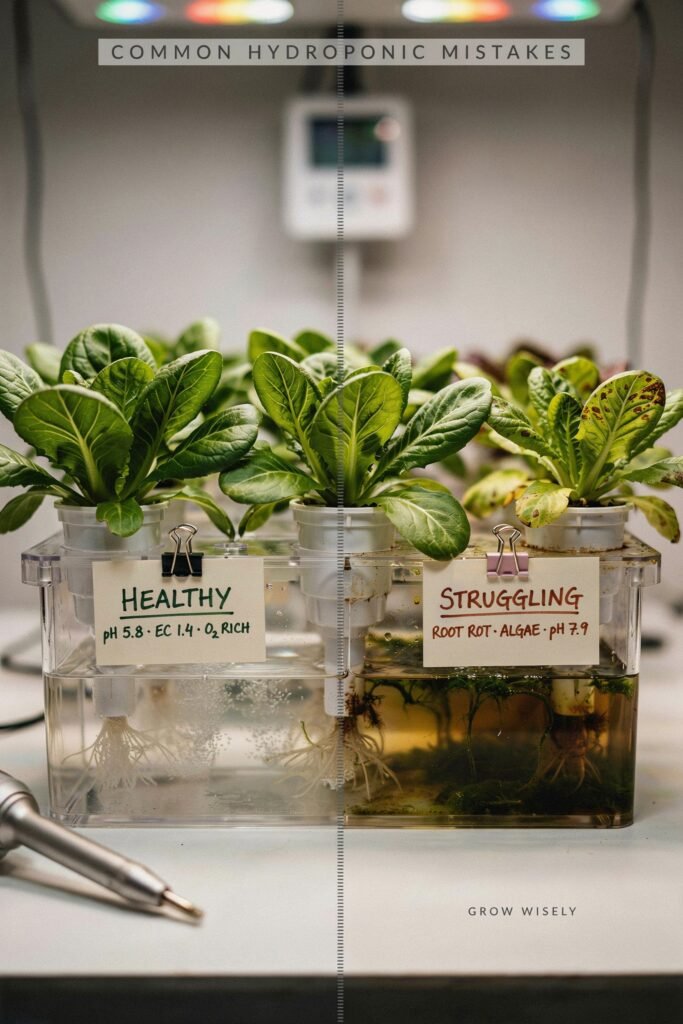
Ignoring pH Levels
Improper pH prevents nutrient absorption.
Overcrowding Plants
Crowded plants compete for light and airflow.
Choosing the Wrong Plants
Large crops may overwhelm compact systems.
Poor Lighting
Insufficient light leads to weak growth.
Skipping Maintenance
Small problems can become major issues quickly.
How Much Does a Hydroponics Wall Cost?
Costs vary widely.
DIY Beginner Setup
Approximately:
- $100–$400
Mid-Range System
Approximately:
- $500–$1,500
Premium Automated Wall
Approximately:
- $2,000–$10,000+
Costs depend on:
- Size
- Automation
- Lighting
- Materials
- Plant capacity
Indoor vs Outdoor Hydroponics Walls
Indoor Systems
Pros:
- Year-round growing
- Climate control
- Cleaner environment
Cons:
- Lighting expenses
- Electricity usage
Outdoor Systems
Pros:
- Free sunlight
- Lower operating costs
Cons:
- Weather exposure
- Seasonal limitations
Is a Hydroponics Wall Worth It?
For many urban gardeners, the answer is absolutely yes.
A hydroponic wall allows you to grow fresh produce, beautify your home, save space, and enjoy gardening even in the middle of a busy city. While there is an initial investment and a learning curve, the rewards often far outweigh the challenges.
Whether you want fresh basil for dinner, crisp lettuce for salads, or simply a breathtaking living wall that turns heads, a modern urban hydroponics wall offers an innovative and practical way to bring nature into everyday life.
Final Thoughts
Modern urban hydroponics walls represent the future of small-space gardening. They combine sustainability, beauty, and productivity in a way that traditional gardens often cannot.
With thoughtful planning, the right equipment, and consistent care, even a small wall can become a thriving source of fresh food and natural beauty.
If you’ve been searching for a stylish solution to limited gardening space, this may be the perfect project to transform your home into a lush, productive urban oasis.
