
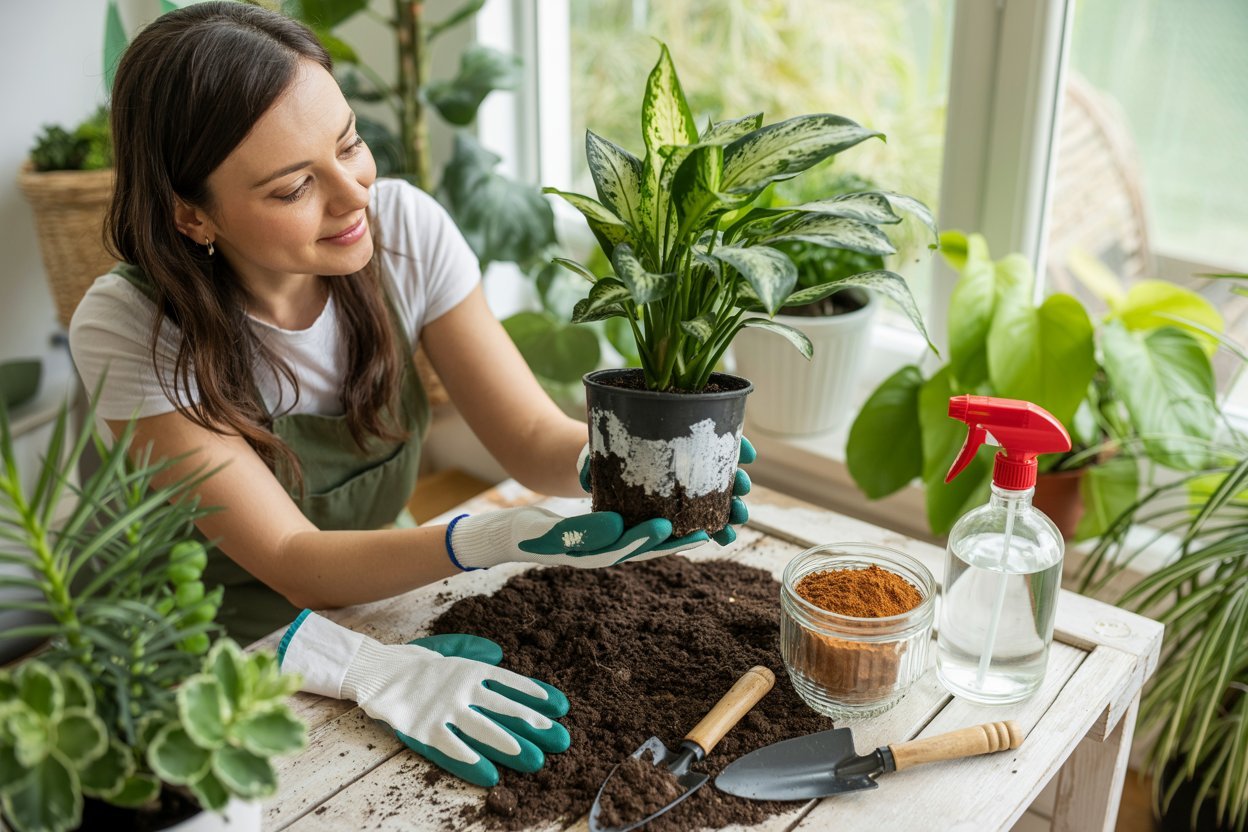

A few years ago, I noticed a fuzzy white layer spreading across the soil of one of my favorite houseplants.
At first, I thought it was harmless, but as the mold continued to grow, I realized it was a sign that something in my plant care routine needed attention.
Mold in potted plants is a common issue that many gardeners face, especially when growing plants indoors or in humid conditions.
The good news is that it’s usually easy to fix once you understand what causes it. In this guide, I’ll share practical, proven ways to remove mold from potted plants and prevent it from coming back.
Shop my amazon essentials
- Organic Potting Mix – Replace moldy or contaminated soil with fresh, well-draining potting mix.
- Neem Oil Spray – A natural fungicide that helps control mold and fungal growth.
- Garden Pruning Shears – Trim away moldy leaves, stems, or dead plant material.
- Soil Moisture Meter – Prevent overwatering, one of the leading causes of mold.
- Small Hand Trowel – Remove old soil and repot plants with ease.
- Terracotta Plant Pots – Improve airflow and help soil dry faster than plastic pots.
- Perlite – Mix into potting soil to improve drainage and reduce excess moisture.
- Coconut Coir Potting Mix – A lightweight growing medium that resists compaction and promotes healthy roots.
- Gardening Gloves – Protect your hands while handling moldy soil and repotting plants.
- Plant Spray Bottle – Apply diluted neem oil or other plant-safe treatments evenly.
What Is Mold in Potted Plants?
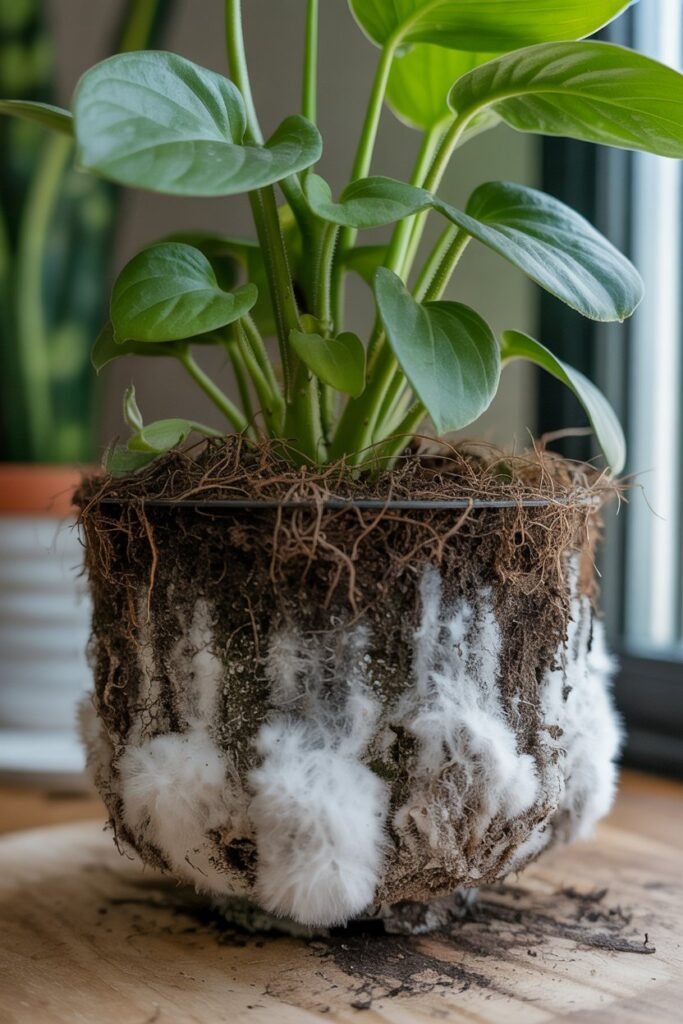
Mold is a type of fungus that grows in moist environments. In potted plants, mold usually appears on the surface of the soil as white, gray, yellow, or even green fuzzy patches.
It feeds on decaying organic matter and thrives when conditions are damp and poorly ventilated.
While seeing mold in your plant pot can be alarming, it doesn’t always mean your plant is in danger. In many cases, mold is simply a sign that the soil is staying too wet or that the growing environment needs adjustment.
Mold spores naturally exist in the air around us. Once they land on damp soil with enough organic material to feed on, they begin to multiply and form visible colonies.
Understanding why mold develops is the first step toward eliminating it successfully.
Is Mold Harmful to Plants?
One of the most common questions gardeners ask is whether mold will kill their plants.
The answer depends on the type and severity of the mold.
Surface mold growing on the top layer of soil is usually not directly harmful to healthy plants. However, it often indicates growing conditions that can eventually lead to more serious problems, including:
- Root rot
- Fungus gnats
- Poor root health
- Nutrient uptake issues
- Stunted growth
- Yellowing leaves
For people with allergies or respiratory sensitivities, mold can also become a household concern. Removing it promptly helps maintain both plant health and indoor air quality.
Even when mold isn’t immediately dangerous, it’s best to treat it as a warning sign that your plant’s environment needs improvement.
Common Types of Mold Found in Plant Pots
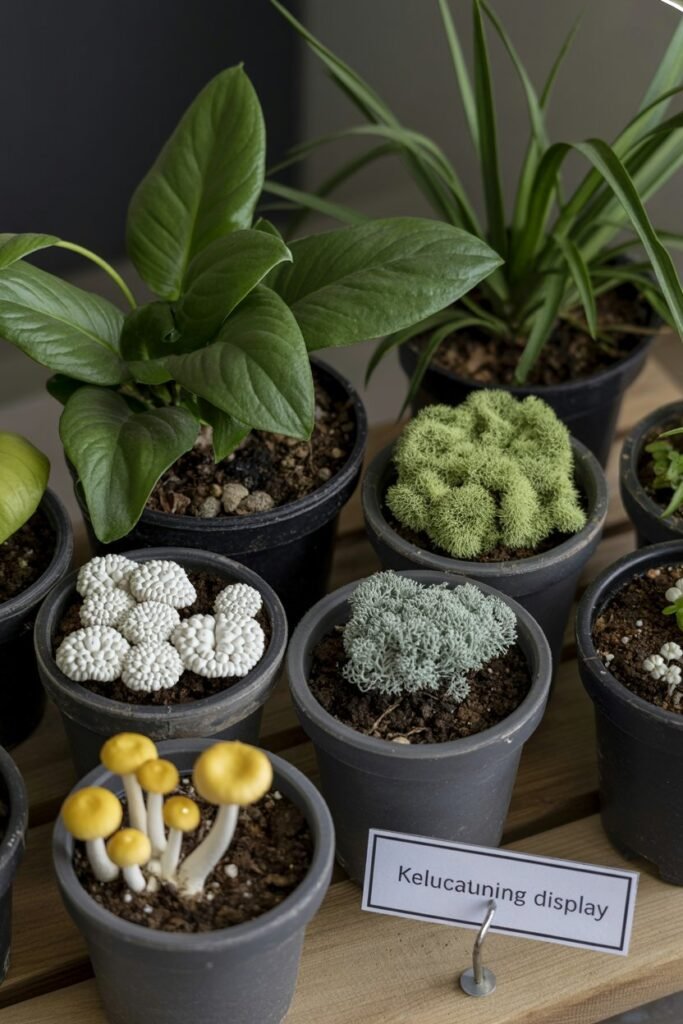
Not all mold looks the same. Here are the most common types gardeners encounter.
White Mold
White mold is the most frequently seen type in potted plants. It often appears as a fluffy or cotton-like layer across the soil surface.
This mold usually develops when soil remains consistently damp and airflow is limited.
Fortunately, white mold is generally easy to remove and manage.
Gray Mold
Gray mold is often caused by fungal organisms that thrive in cool, humid environments.
You may notice gray fuzzy growth on both the soil and parts of the plant itself.
If left untreated, gray mold can spread quickly and damage stems, flowers, and leaves.
Green Mold
Green mold tends to appear in overly moist soil rich in organic matter.
Although it is often less concerning than some plant diseases, it signals that watering habits may need adjustment.
Yellow Mold
Yellow mold is less common but can appear as bright yellow patches or crust-like growth.
It thrives in moist potting mixes containing decomposing wood products.
While unsightly, it can usually be removed without harming the plant.
Mushroom-Like Fungal Growth
Sometimes gardeners discover small mushrooms growing from the soil.
Mushrooms indicate that fungal activity is occurring within the potting mix. While they often aren’t dangerous to plants, they suggest the soil is retaining excessive moisture.
What Causes Mold to Grow in Potted Plants?
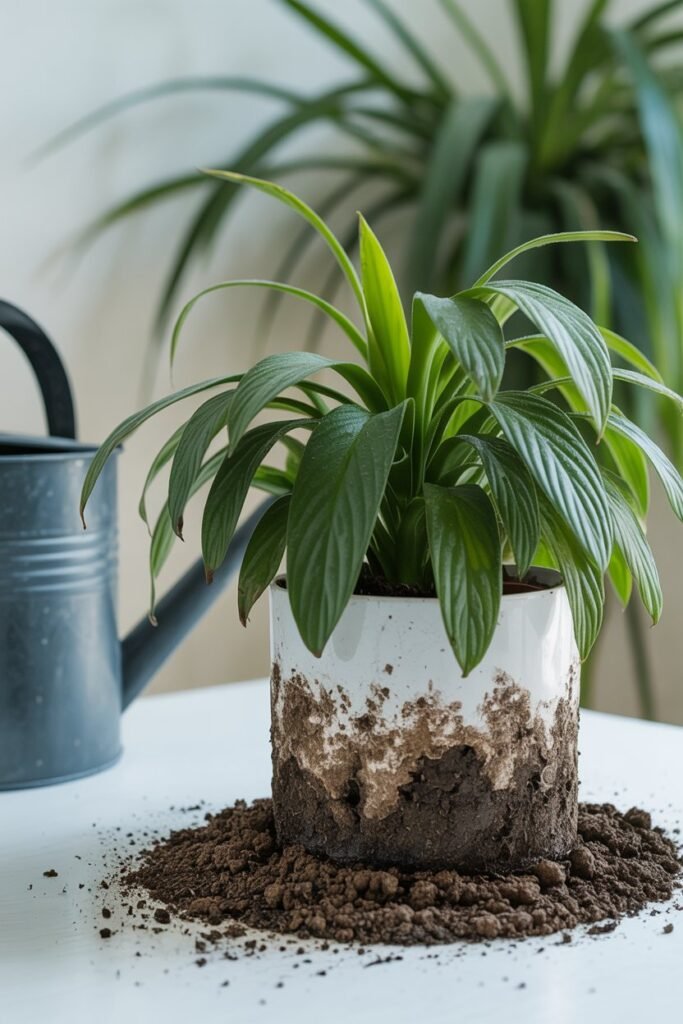
Before you can eliminate mold permanently, it’s important to understand what causes it.
Overwatering
Overwatering is by far the most common cause of mold growth.
When soil stays wet for extended periods, it creates ideal conditions for fungal development.
Many gardeners water on a schedule instead of checking whether the soil actually needs moisture. This habit often leads to consistently damp soil.
A good rule of thumb is to check the top inch of soil before watering. If it still feels moist, wait another day or two.
Poor Drainage
Even if you’re watering correctly, poor drainage can trap excess moisture around the roots.
Common drainage problems include:
- Pots without drainage holes
- Blocked drainage holes
- Heavy soil mixes
- Decorative cachepots that hold standing water
Plants need soil that drains efficiently while still retaining enough moisture for healthy growth.
High Humidity
Indoor environments with high humidity can encourage mold growth.
Bathrooms, kitchens, and rooms with limited ventilation often create ideal fungal conditions.
During humid seasons, mold can develop even when watering practices are reasonable.
Lack of Air Circulation
Plants crowded closely together may not receive adequate airflow.
Without moving air, moisture remains trapped around the soil surface and foliage.
Good air circulation helps soil dry more evenly and discourages fungal growth.
Decomposing Organic Matter
Dead leaves, fallen flowers, and decaying plant material provide food for mold.
When organic debris accumulates on the soil surface, fungi quickly move in to break it down.
Regularly cleaning plant containers can significantly reduce mold problems.
Contaminated Potting Soil
Occasionally, mold spores may already exist in bagged potting soil before you use it.
This doesn’t necessarily mean the soil is bad. Mold spores are naturally present in many organic materials.
However, once favorable conditions develop, these spores can multiply rapidly.
Low Light Conditions
Plants growing in dark areas tend to use water more slowly.
As a result, the soil remains moist for longer periods.
Combining low light with frequent watering creates one of the most common situations where mold develops.
Signs That Your Potted Plant Has Mold
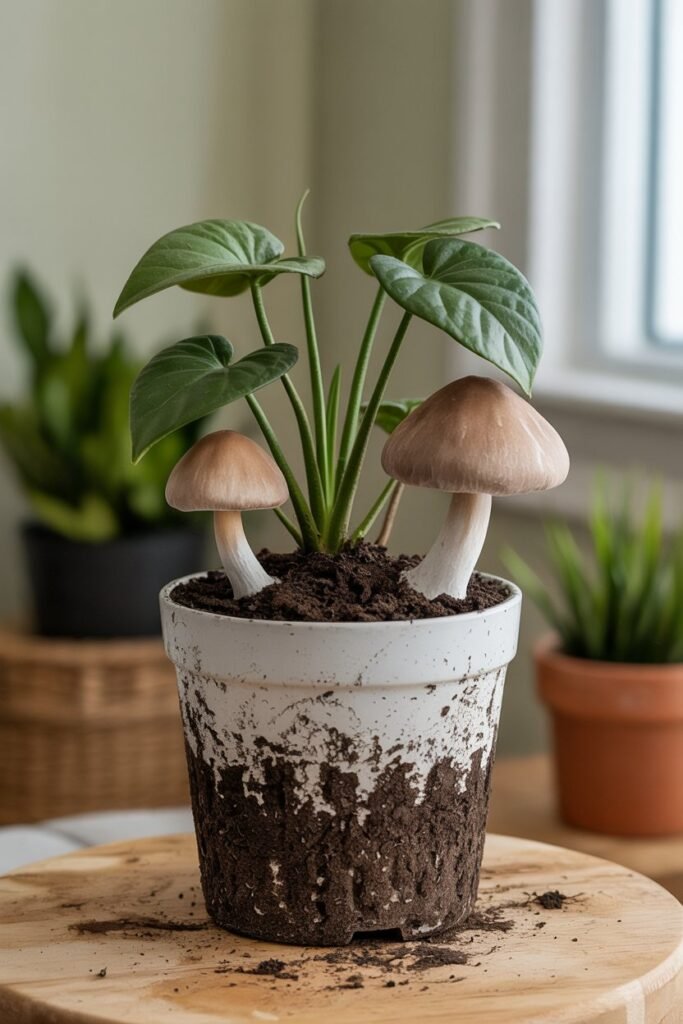
Sometimes mold is obvious, but other times it can be mistaken for mineral deposits or fertilizer residue.
Watch for these signs:
- White fuzzy patches on the soil surface
- Gray or green growth spreading across the potting mix
- Musty or earthy odors coming from the pot
- Small mushrooms emerging from the soil
- Increased fungus gnat activity
- Soil that remains wet for unusually long periods
- Discolored crust forming on the surface
Early detection makes treatment much easier.
The moment you notice any of these symptoms, it’s worth inspecting your plant more closely and taking corrective action before the problem spreads.
How to Get Rid of Mold in a Potted Plant (Step-by-Step Guide)
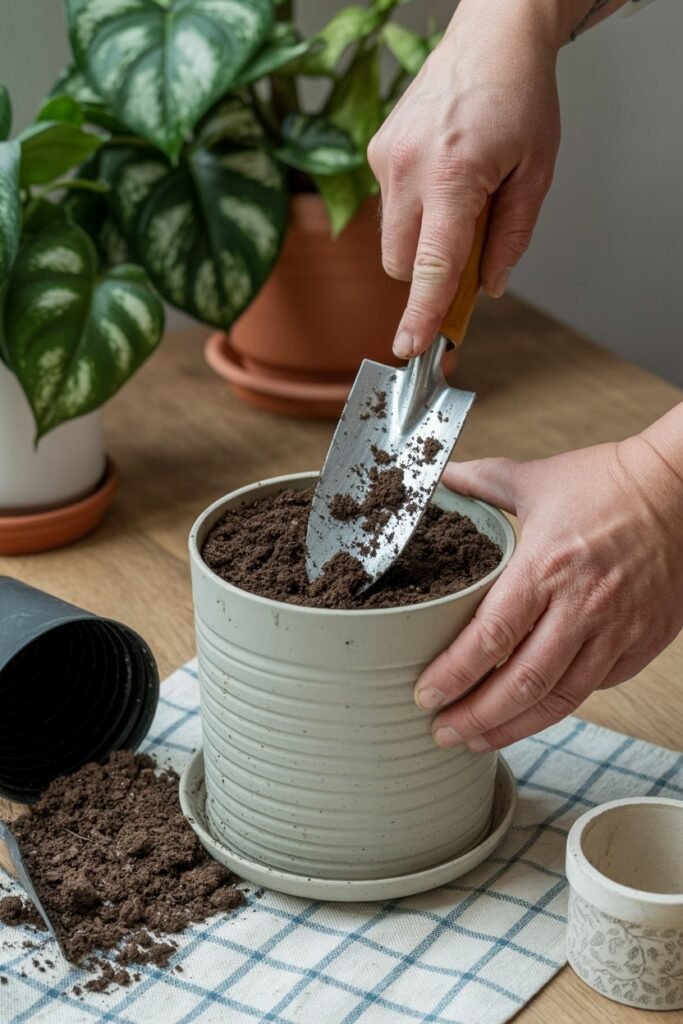
Once you spot mold in your potted plant, don’t panic. In most cases, the problem can be resolved quickly with a few simple steps.
The key is not only removing the visible mold but also correcting the conditions that allowed it to grow in the first place.
Follow these steps to restore your plant and prevent future outbreaks.
Step 1: Move the Plant to a Well-Ventilated Area
Start by placing the plant in a location with better airflow.
Fresh air helps dry the soil surface and slows fungal growth. If possible, move indoor plants near an open window, a screened porch, or a room with better air circulation.
Avoid placing the plant in direct, intense sunlight immediately if it normally grows in shade. Sudden changes can stress the plant.
Step 2: Remove the Visible Mold
Put on gardening gloves and gently scrape away the top layer of moldy soil.
Using a small hand trowel or spoon, remove the top 1 to 2 inches of affected soil. Dispose of the contaminated soil in the trash rather than adding it to indoor compost bins.
Removing the visible mold eliminates a large portion of the fungal colony and helps prevent spores from spreading.
Step 3: Replace the Soil
After removing the moldy layer, add fresh, clean potting mix to the top of the pot.
Choose a high-quality potting soil designed for container gardening. Fresh soil provides a clean growing surface and reduces the chances of mold returning.
Lightly level the soil without compacting it.
Step 4: Allow the Soil to Dry
One of the most effective mold treatments is simply allowing the soil to dry properly.
Most molds thrive in constantly damp conditions. Letting the top few inches of soil dry out creates an environment where fungal growth struggles to survive.
Check moisture levels regularly and avoid watering until the soil genuinely needs it.
Step 5: Improve Drainage
Examine the pot carefully.
Make sure:
- Drainage holes are open
- Excess water can escape freely
- The saucer beneath the pot is emptied after watering
- The potting mix drains efficiently
If drainage issues are severe, repotting may be necessary.
Step 6: Clean the Pot Exterior
Mold spores can settle on the outside of containers.
Wipe down the pot using a damp cloth and mild soap solution.
For ceramic or plastic containers, a gentle cleaning helps reduce the chance of spores recolonizing the soil surface.
Step 7: Monitor the Plant
Over the next several weeks, continue checking the soil regularly.
Most cases of surface mold disappear completely once moisture levels and airflow improve.
If mold returns repeatedly despite corrective measures, deeper intervention may be needed.
Natural Remedies for Mold in Plant Soil
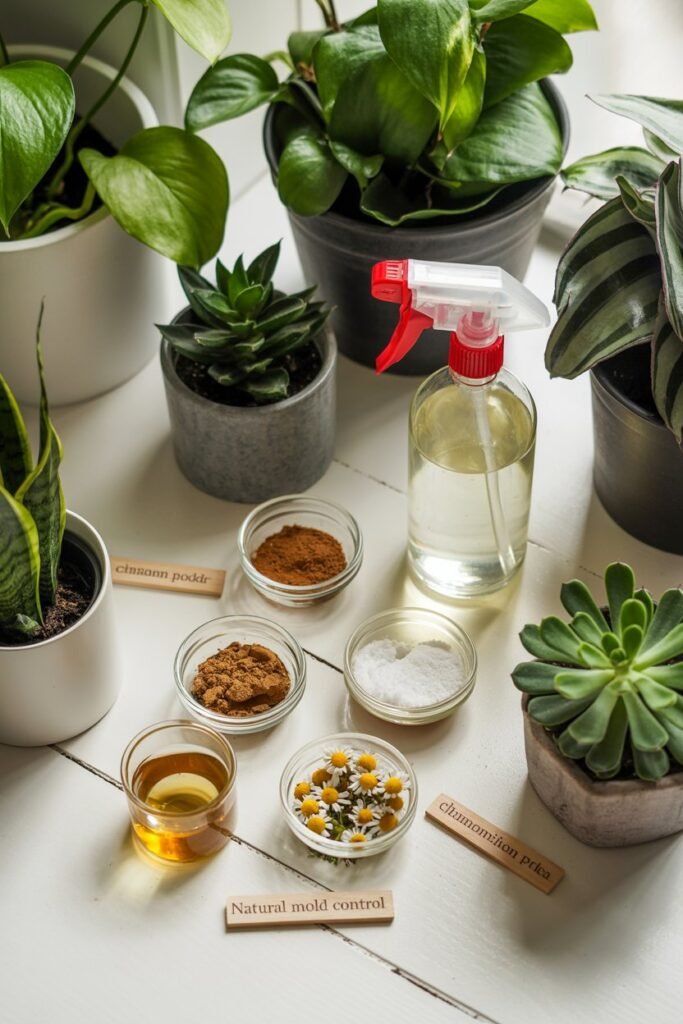
Many gardeners prefer natural solutions before turning to commercial fungicides. Fortunately, several household remedies can help suppress mold growth safely.
Cinnamon
Cinnamon is one of the most popular natural mold remedies among gardeners.
It contains natural compounds that help inhibit fungal growth while being gentle on plants.
To use:
- Remove visible mold.
- Sprinkle a thin layer of ground cinnamon across the soil surface.
- Allow the soil to dry slightly.
Many gardeners find that cinnamon helps prevent mold from reappearing.
Baking Soda Solution
Baking soda can create conditions that are less favorable for fungal development.
Mix:
- 1 teaspoon baking soda
- 1 quart (1 liter) of water
Lightly mist the soil surface.
Avoid overusing this treatment since excessive baking soda can affect soil balance.
Chamomile Tea
Chamomile contains natural antifungal properties.
Brew a weak cup of chamomile tea, allow it to cool completely, and use it as a light soil drench.
This traditional gardening remedy is particularly popular for seedlings and houseplants.
Hydrogen Peroxide Solution
Hydrogen peroxide can help reduce fungal growth and improve soil aeration.
Mix:
- 1 part 3% hydrogen peroxide
- 4 parts water
Use the solution occasionally when watering.
As the peroxide breaks down, it releases oxygen into the soil, creating conditions that are less favorable for mold.
Increasing Sunlight Exposure
Natural sunlight can help dry the soil surface and reduce fungal activity.
If your plant’s light requirements allow, move it to a brighter location.
Always verify the plant’s specific light needs before making major changes.
Read Easily Grow Broccoli at Home in a Container (Step-by-Step Guide)
When to Repot a Moldy Plant
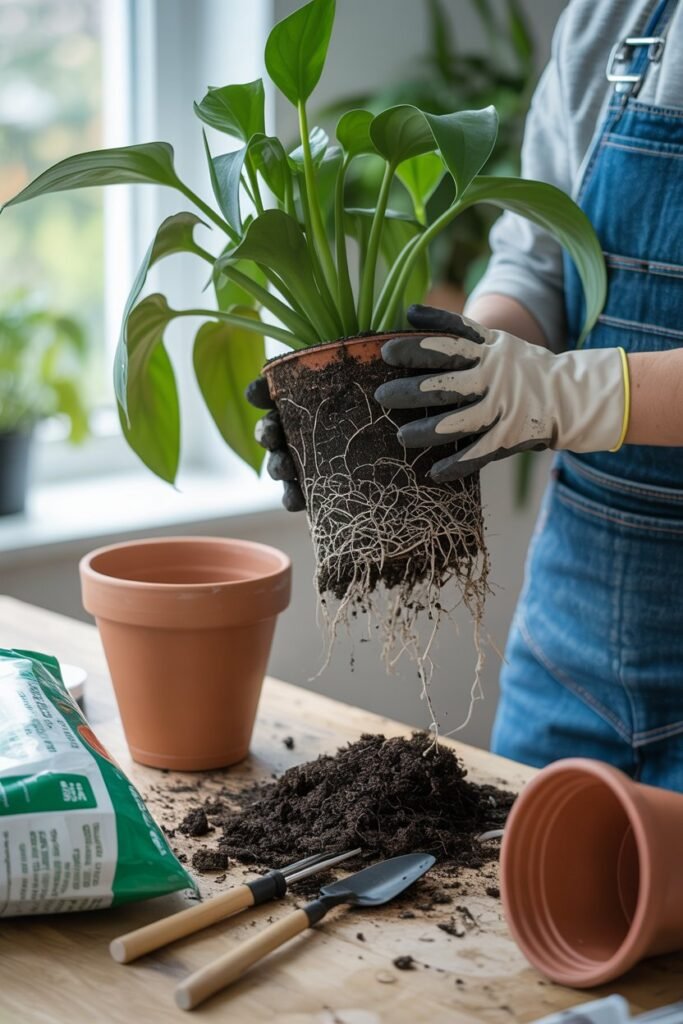
Sometimes simple treatments aren’t enough.
Repotting becomes necessary when:
- Mold repeatedly returns
- The soil smells sour or rotten
- Drainage is poor
- Root rot is suspected
- The potting mix has broken down significantly
Repotting gives you an opportunity to completely refresh the growing environment.
How to Repot a Moldy Plant
Remove the Plant
Carefully slide the plant out of its container.
Support the root ball while gently loosening the pot.
Inspect the Roots
Healthy roots are typically:
- White
- Cream-colored
- Firm
Unhealthy roots may appear:
- Brown
- Black
- Mushy
- Slimy
Trim away damaged roots using clean pruning shears.
Discard Old Soil
Remove as much contaminated soil as possible.
Do not reuse severely mold-infested potting mix.
Clean the Container
Wash the pot thoroughly before reuse.
Use warm water and mild soap to remove debris and lingering spores.
Allow the pot to dry completely.
Replant in Fresh Soil
Fill the container with fresh, well-draining potting mix.
Position the plant at the correct depth and gently firm the soil around the roots.
Water lightly after repotting.
How to Prevent Mold From Returning
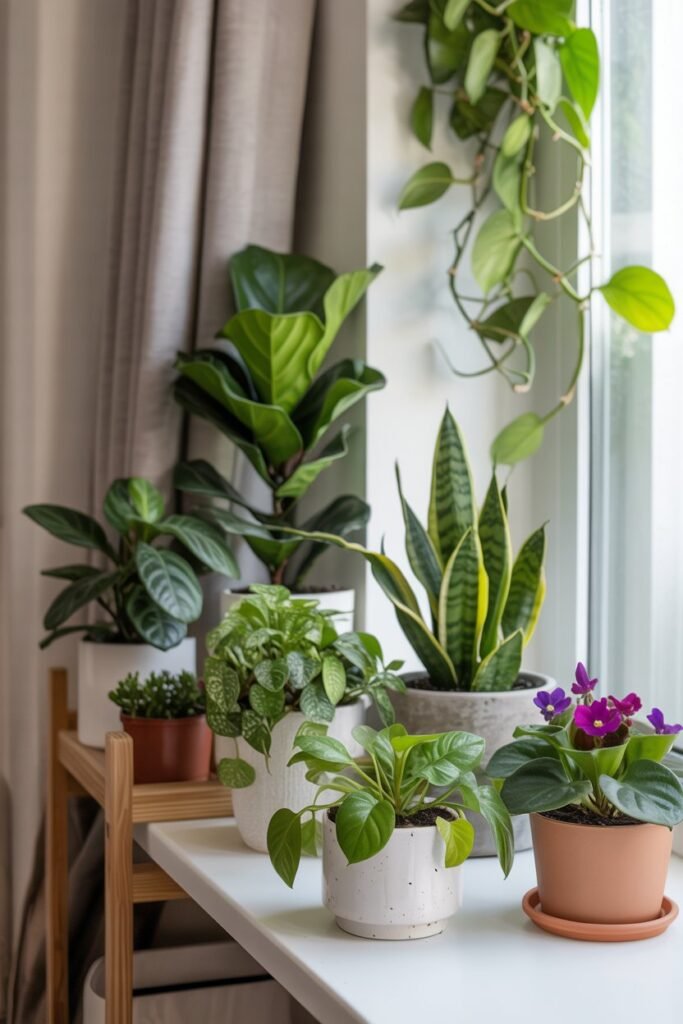
The best mold treatment is prevention.
Once you’ve eliminated the current problem, a few simple habits can keep mold from coming back.
Water Only When Necessary
Avoid watering on a fixed schedule.
Instead:
- Check soil moisture regularly
- Water based on plant needs
- Adjust watering frequency with the seasons
Plants generally need less water during cooler months.
Improve Airflow
Good air circulation is one of the most effective mold prevention tools.
You can improve airflow by:
- Spacing plants farther apart
- Opening windows periodically
- Using ceiling fans
- Avoiding overcrowded plant shelves
Better airflow helps soil dry more evenly.
Remove Dead Plant Material
Regular grooming keeps fungal food sources to a minimum.
Remove:
- Dead leaves
- Fallen flowers
- Decaying stems
- Plant debris on the soil surface
A tidy plant is often a healthier plant.
Choose Well-Draining Soil
Dense soil remains wet longer.
Look for potting mixes containing ingredients such as:
- Perlite
- Pumice
- Coarse sand
- Pine bark
These materials improve drainage and reduce the risk of mold development.
Use Containers With Drainage Holes
Drainage holes are essential.
Without them, excess water becomes trapped around roots and creates perfect fungal conditions.
If decorative pots don’t have drainage holes, place nursery pots inside them and remove excess water regularly.
Avoid Excess Humidity
While many tropical plants enjoy moderate humidity, excessive humidity encourages fungal growth.
Monitor indoor conditions and adjust as needed.
Humidity trays should be used carefully and monitored closely.
Rotate Plants Occasionally
Rotating plants helps expose different areas to airflow and light.
This simple practice can help prevent persistently damp zones from developing around the pot.
Best Watering Practices to Avoid Mold
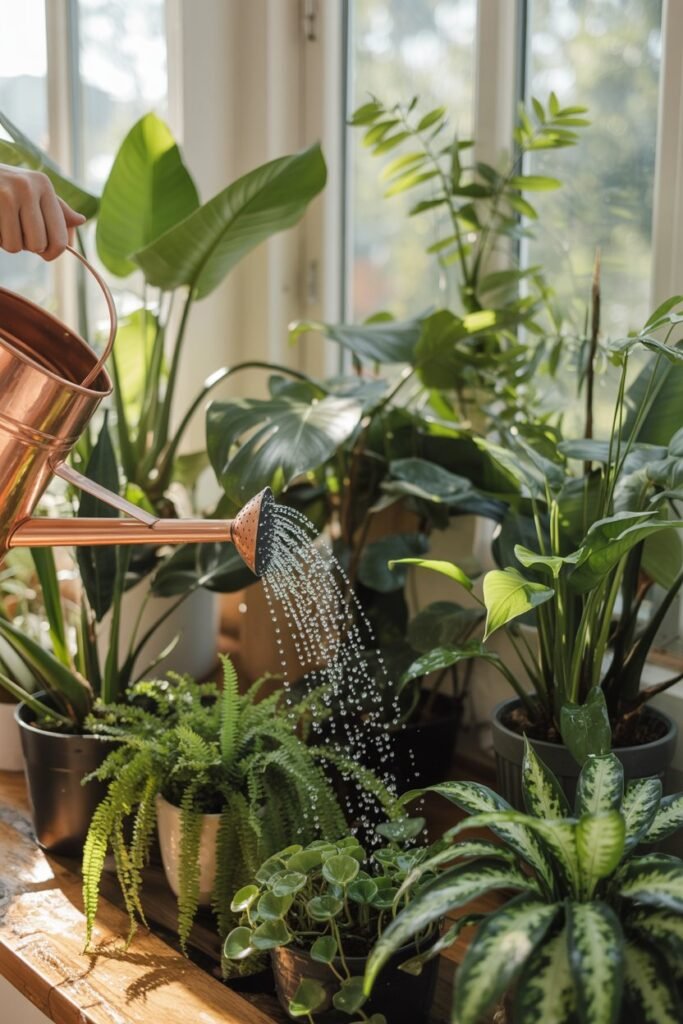
Proper watering is one of the most important skills a gardener can develop. Mold problems are often linked directly to excess moisture, so learning how and when to water can save you from future headaches.
Check Soil Before Watering
Instead of watering on a strict schedule, check the soil first.
Insert your finger about one inch into the soil. If it still feels damp, wait another day or two before watering.
This simple habit can prevent overwatering and help maintain healthy roots.
Water Thoroughly but Less Often
Many gardeners make the mistake of giving their plants small amounts of water every day.
A better approach is to water thoroughly until excess water drains from the bottom of the pot. Then allow the soil to dry slightly before watering again.
This encourages stronger root growth and reduces constantly wet soil conditions.
Water in the Morning
Morning watering allows excess moisture to evaporate throughout the day.
Watering late in the evening can leave the soil damp overnight, creating ideal conditions for mold and fungal growth.
Adjust Watering With the Seasons
Plants often require less water during winter when growth slows down.
Many mold issues develop because gardeners continue summer watering routines throughout cooler months.
Pay attention to seasonal changes and adjust accordingly.
Use the Right Pot Size
An oversized pot holds more soil and moisture than a plant can use.
When the root system is too small for the container, soil may stay wet for extended periods.
Choose containers that match the plant’s current size and growth stage.
Common Mistakes That Encourage Mold Growth
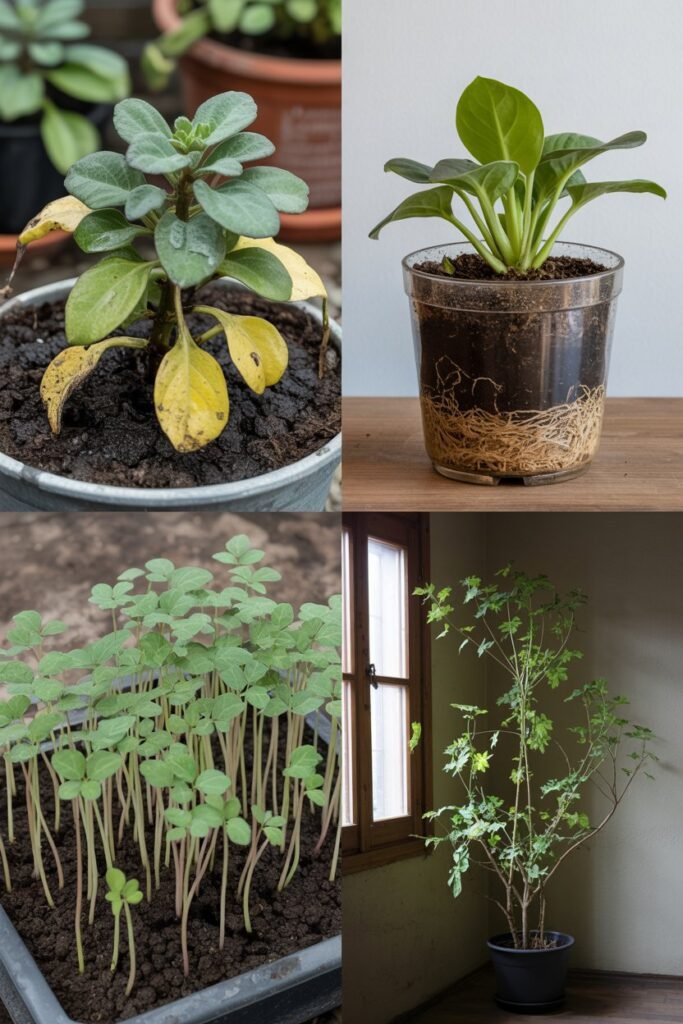
Even experienced gardeners occasionally make mistakes that create favorable conditions for mold.
Being aware of these common issues can help you avoid future problems.
Overwatering
This remains the number one cause of mold in potted plants.
Too much water creates a consistently moist environment where fungi thrive.
Ignoring Drainage Problems
A pot without proper drainage can quickly become waterlogged.
Always ensure excess water has a way to escape.
Using Heavy Garden Soil Indoors
Outdoor garden soil is often too dense for containers.
It compacts easily, drains poorly, and retains excessive moisture.
Use a quality potting mix specifically formulated for container plants.
Crowding Plants Together
A crowded plant collection may look lush and beautiful, but poor airflow can lead to fungal problems.
Leave enough space between pots to allow air to circulate freely.
Leaving Dead Leaves on the Soil
Dead plant material acts as a food source for mold.
Regular cleanup is a simple but effective prevention strategy.
Keeping Plants in Dark Corners
Low-light areas slow evaporation and keep soil damp longer.
Make sure your plants receive appropriate light based on their growing requirements.
Reusing Contaminated Soil
If soil has experienced severe mold issues, reusing it can reintroduce fungal spores.
Fresh potting mix is often the safest choice.
Expert Tips for Keeping Potted Plants Mold-Free
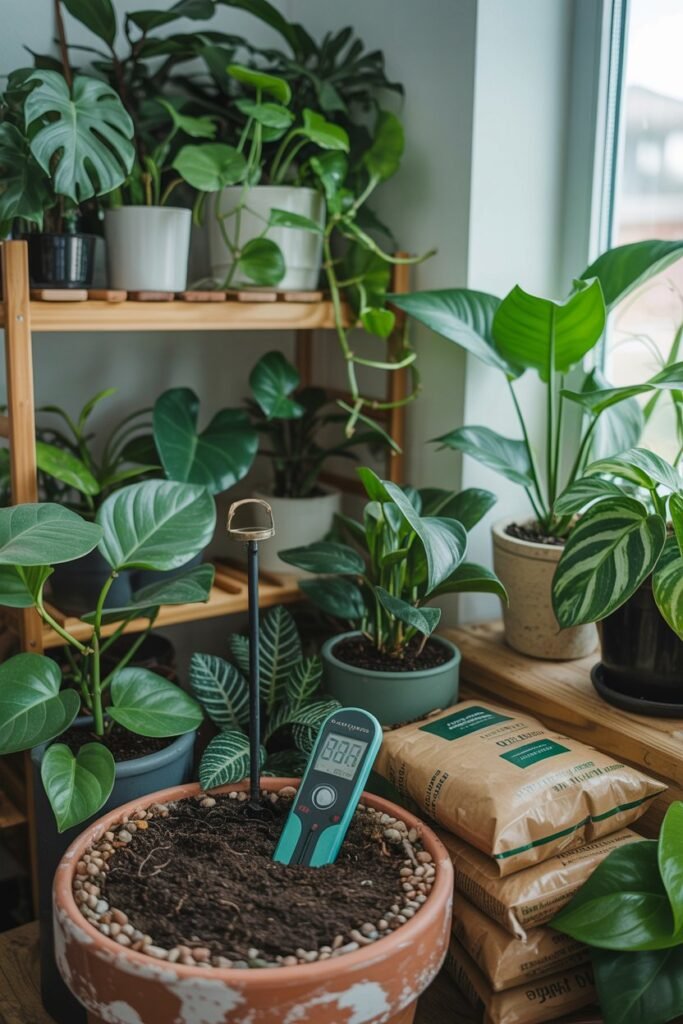
Over the years, I’ve found a few extra habits that make a noticeable difference.
Use a Moisture Meter
A moisture meter takes the guesswork out of watering.
It’s especially helpful for beginners who are learning to understand their plants’ needs.
Add Perlite to Potting Mix
Perlite improves drainage and increases airflow within the soil.
Many houseplants benefit from a potting mix that contains additional perlite.
Empty Saucers Promptly
Never allow pots to sit in standing water for long periods.
Empty saucers shortly after watering to prevent excess moisture from being reabsorbed.
Inspect Plants Weekly
A quick weekly inspection allows you to catch mold, pests, and other problems before they become serious.
Early intervention is always easier than dealing with a major outbreak.
Keep Plant Leaves Clean
Dusty leaves reduce airflow and plant efficiency.
Wiping leaves occasionally helps plants stay healthier and allows you to spot problems sooner.
Frequently Asked Questions
Can mold kill my potted plant?
Surface mold usually won’t kill a healthy plant directly. However, it often signals moisture problems that can eventually lead to root rot and other serious issues if left unaddressed.
Is white mold on potting soil dangerous?
White mold is generally harmless to healthy plants but should still be removed because it indicates overly damp growing conditions.
Can I simply scrape mold off the soil?
Yes, removing the top layer of moldy soil is often the first step. However, you’ll also need to address the underlying cause, such as overwatering or poor airflow.
Should I throw away a moldy plant?
In most cases, no. Mold problems can usually be corrected with proper care and adjustments to the growing environment.
Will sunlight kill mold?
Sunlight can help dry the soil and discourage fungal growth, but it may not completely eliminate mold on its own.
Does cinnamon really work against mold?
Many gardeners successfully use cinnamon as a natural antifungal treatment. While it isn’t a cure-all, it can help suppress mold growth when combined with proper plant care.
How often should I replace potting soil?
Most container plants benefit from fresh potting soil every one to two years, depending on growth rate and soil condition.
Why does mold keep coming back?
Recurring mold usually means the underlying conditions haven’t been corrected. Common causes include overwatering, poor drainage, high humidity, or inadequate airflow.
Final Thoughts
Finding mold in a potted plant can be frustrating, but it’s one of the easiest plant problems to solve once you understand what’s causing it.
In most cases, mold is less of a disease and more of a warning sign that your plant’s environment needs a few adjustments.
By removing visible mold, improving drainage, watering more carefully, and increasing airflow, you can usually eliminate the problem quickly and keep it from returning.
Healthy plants thrive when their roots have access to both moisture and oxygen, and maintaining that balance is the key to long-term success.
Every gardener encounters mold at some point, whether caring for houseplants, herbs, tropical foliage, or flowering containers.
The good news is that a little observation and a few simple changes can restore your plant’s health and keep your indoor garden looking beautiful.
The next time you spot a fuzzy patch on the soil surface, you’ll know exactly what to do. With the right approach, your potted plants can stay healthy, vibrant, and mold-free all year long.
