
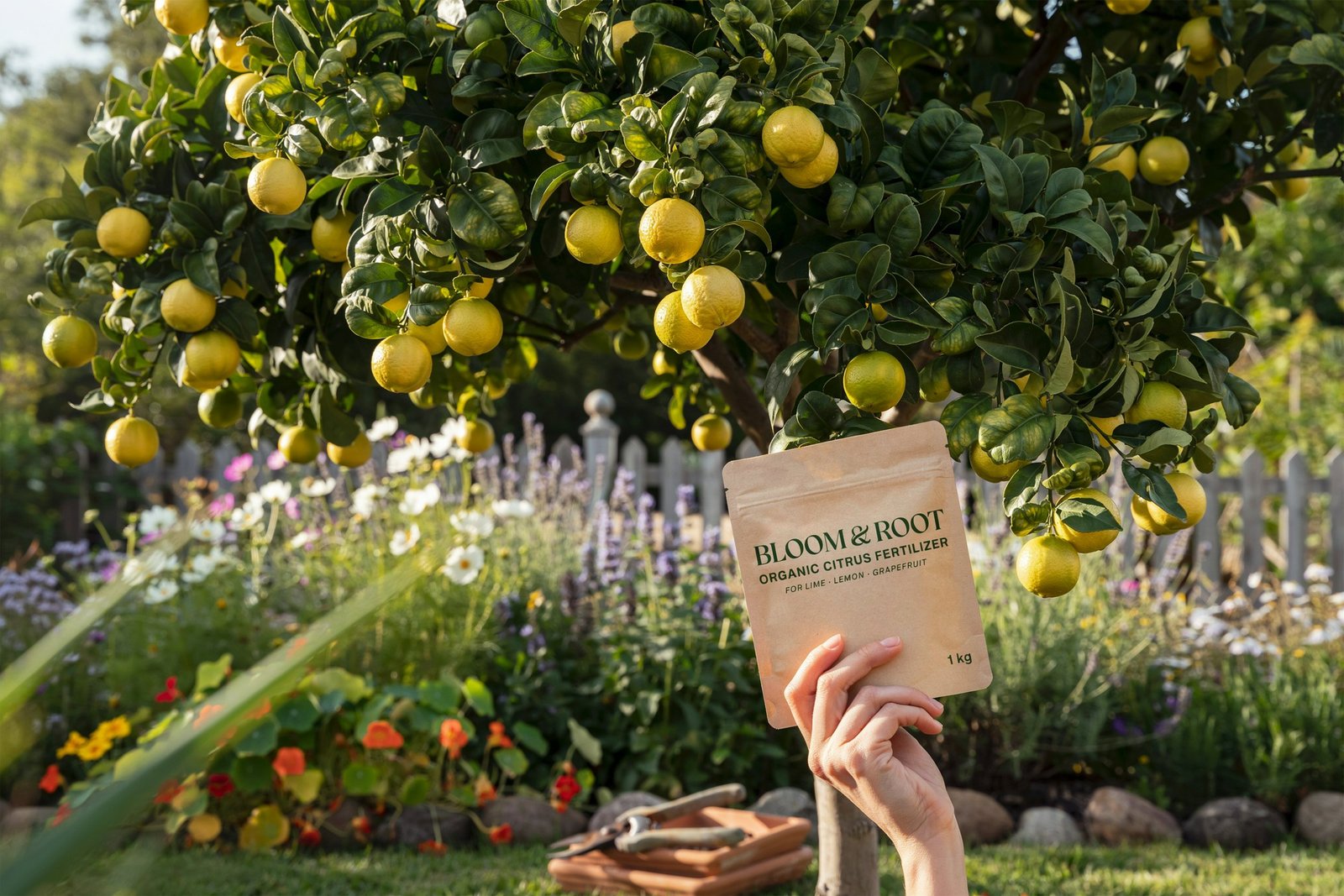

Nothing feels more rewarding than walking into the garden and picking fresh, juicy limes straight from your own tree.
When a lime tree is loaded with glossy green leaves and branches full of fruit, it becomes the centerpiece of the garden. Yet many gardeners find themselves wondering why their tree produces only a handful of limes despite receiving regular care.
The secret often comes down to feeding. Lime trees are heavy feeders that need the right balance of nutrients to support healthy growth, flowering, and fruit production.
Choosing the best fertilizer can make a remarkable difference in the number, size, and quality of your harvest.
This guide covers everything you need to know about fertilizing lime trees, including the nutrients they need, the best fertilizers to use, how often to feed them, and common mistakes that may be limiting your harvest.
Why Fertilizer Matters for Lime Production
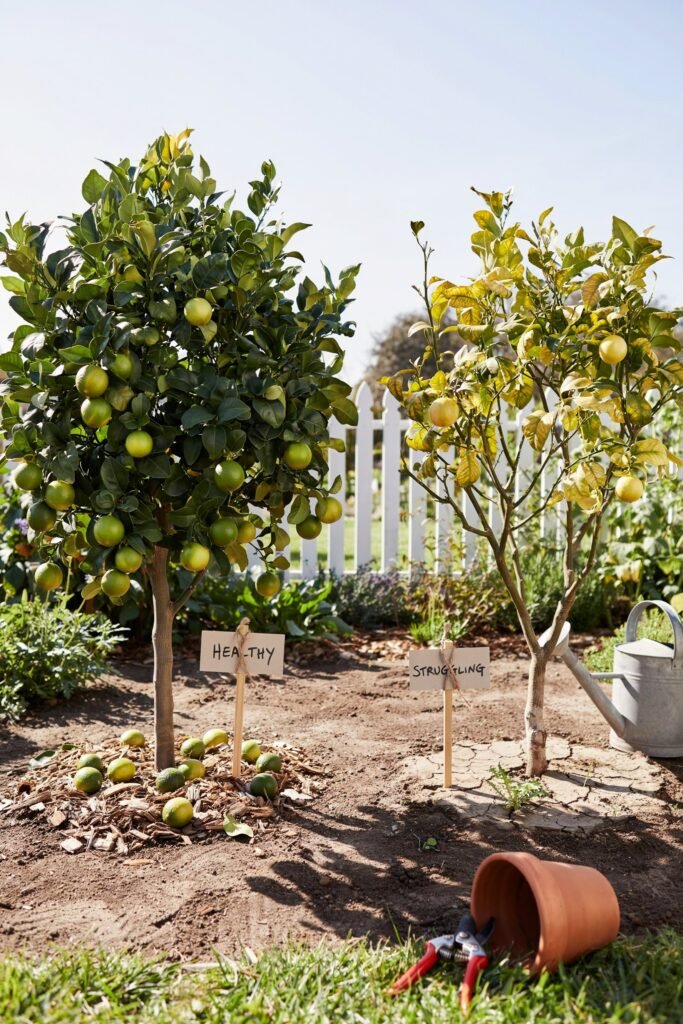
Lime trees use a tremendous amount of energy to produce flowers and fruit. Every blossom, leaf, branch, and developing lime requires nutrients from the soil.
Without adequate nutrition, lime trees may:
- Produce fewer flowers
- Drop blossoms before fruit forms
- Develop small or misshapen fruit
- Show yellowing leaves
- Grow slowly
- Become more vulnerable to pests and diseases
Proper fertilization helps trees:
- Produce more blooms
- Increase fruit set
- Grow larger limes
- Improve fruit quality
- Strengthen roots
- Support healthy foliage
- Encourage consistent harvests
A well-fed lime tree simply has more energy available for fruit production.
Understanding the Nutrients Lime Trees Need
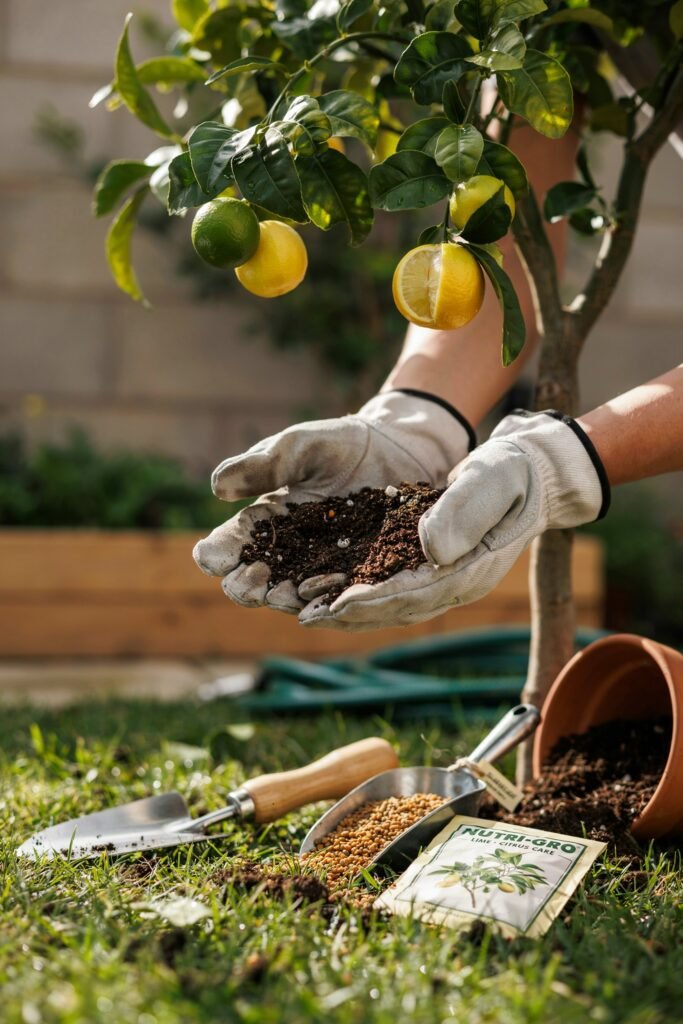
Before choosing a fertilizer, it helps to understand what nutrients actually do for your tree.
Nitrogen (N)
Nitrogen promotes leafy growth and keeps foliage lush and green.
Benefits include:
- Strong branch development
- Healthy leaf production
- Better photosynthesis
- Increased overall vigor
However, too much nitrogen can lead to excessive leaf growth at the expense of fruit production.
Phosphorus (P)
Phosphorus plays a critical role in root development and flower production.
Benefits include:
- Strong root systems
- Increased flowering
- Better fruit development
- Improved nutrient uptake
Trees lacking phosphorus often struggle to produce abundant blooms.
Potassium (K)
Potassium is one of the most important nutrients for fruiting citrus trees.
Benefits include:
- Improved fruit size
- Better fruit flavor
- Stronger disease resistance
- Enhanced drought tolerance
Many citrus experts consider potassium essential for maximizing fruit production.
Magnesium
Magnesium helps lime trees maintain healthy green leaves.
Benefits include:
- Better chlorophyll production
- Improved photosynthesis
- Stronger growth
Deficiencies often appear as yellowing between leaf veins.
Calcium
Calcium supports cell growth and overall plant structure.
Benefits include:
- Strong roots
- Healthy fruit development
- Improved disease resistance
Micronutrients
Lime trees also require small amounts of:
- Iron
- Zinc
- Manganese
- Copper
- Boron
Although needed in tiny quantities, these nutrients are essential for healthy growth and fruiting.
What NPK Ratio Is Best for Lime Trees?
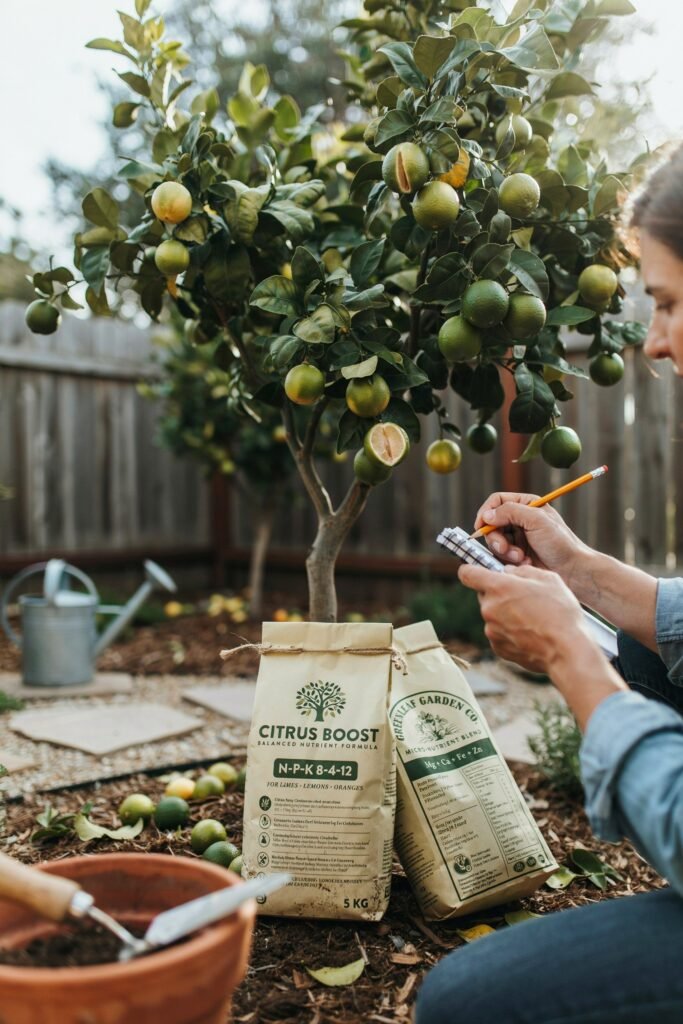
Most lime trees perform best with fertilizers that contain a balanced ratio or slightly higher nitrogen content.
Popular citrus fertilizer ratios include:
- 6-4-6
- 8-3-9
- 10-10-10
- 12-6-6
- 6-6-6
Many experienced gardeners prefer fertilizers specifically formulated for citrus because they include additional micronutrients often missing from general-purpose fertilizers.
The best choice depends on your soil conditions, tree age, and growing environment.
Best Citrus Fertilizers for More Limes
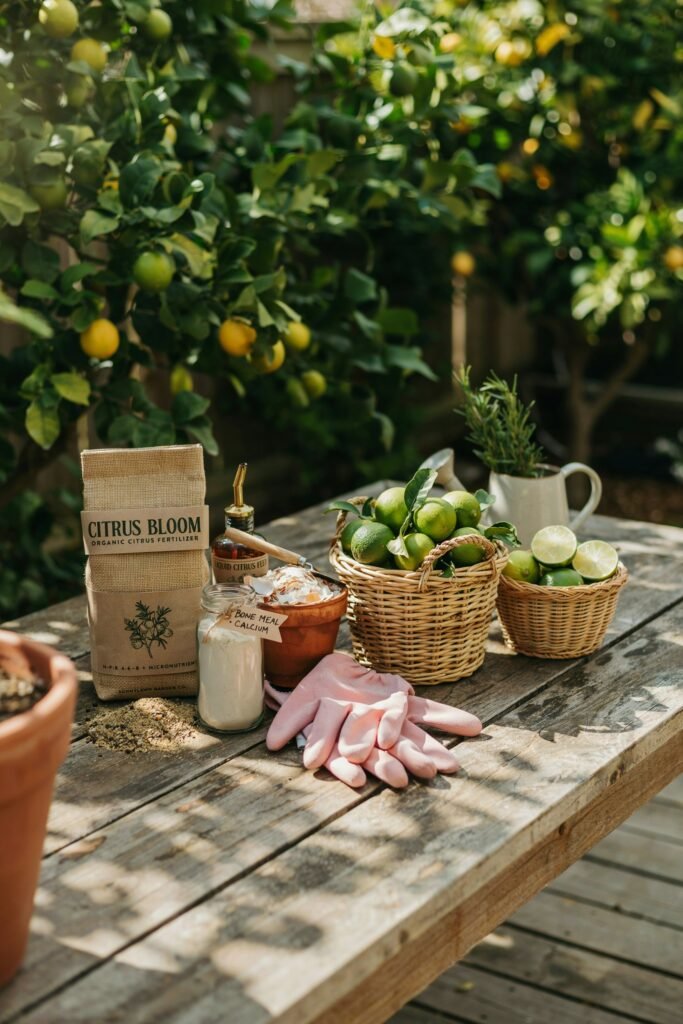
1. Citrus-Specific Granular Fertilizer
Granular citrus fertilizers are among the most effective options available.
These products are formulated specifically for citrus trees and typically contain:
- Balanced NPK ratios
- Magnesium
- Iron
- Zinc
- Manganese
Advantages include:
- Easy application
- Long-lasting feeding
- Consistent nutrient release
- Excellent fruit production support
Granular fertilizers are ideal for both in-ground and container-grown lime trees.
2. Slow-Release Citrus Fertilizer
Slow-release fertilizers gradually feed trees over several months.
Benefits include:
- Reduced risk of overfertilization
- Less frequent applications
- Steady nutrient availability
- Improved root uptake
Many gardeners find slow-release fertilizers especially helpful during the growing season because they simplify maintenance.
3. Organic Citrus Fertilizer
Organic fertilizers improve soil health while feeding your tree.
Common ingredients include:
- Feather meal
- Bone meal
- Fish meal
- Kelp meal
- Compost
Advantages include:
- Better soil structure
- Increased microbial activity
- Long-term fertility improvement
- Reduced risk of nutrient burn
Organic options may work more slowly, but they often produce healthier soil over time.
4. Fish Emulsion Fertilizer
Fish emulsion is a favorite among organic gardeners.
Benefits include:
- Quick nutrient absorption
- Nitrogen-rich feeding
- Improved leaf growth
- Easy application
It works particularly well for boosting young trees that need stronger vegetative growth.
5. Liquid Citrus Fertilizer
Liquid fertilizers provide nutrients rapidly.
Advantages include:
- Fast absorption
- Immediate correction of deficiencies
- Easy application through watering
They are especially useful when trees show signs of nutrient stress.
6. Compost
Compost may not seem like a fertilizer, but it can significantly improve lime production.
Benefits include:
- Slow nutrient release
- Improved soil drainage
- Enhanced moisture retention
- Better microbial activity
Adding compost around the base of the tree every year helps maintain long-term fertility.
7. Well-Aged Manure
Properly composted manure provides valuable nutrients.
Suitable options include:
- Cow manure
- Horse manure
- Chicken manure compost
Benefits include:
- Increased organic matter
- Better soil structure
- Improved nutrient availability
Always use aged manure to avoid damaging roots.
8. Seaweed Fertilizer
Seaweed products contain beneficial micronutrients and natural growth stimulants.
Benefits include:
- Improved root growth
- Better stress tolerance
- Enhanced flowering
- Increased fruit production
Many gardeners combine seaweed fertilizer with other feeding methods.
Best Fertilizer for Young Lime Trees
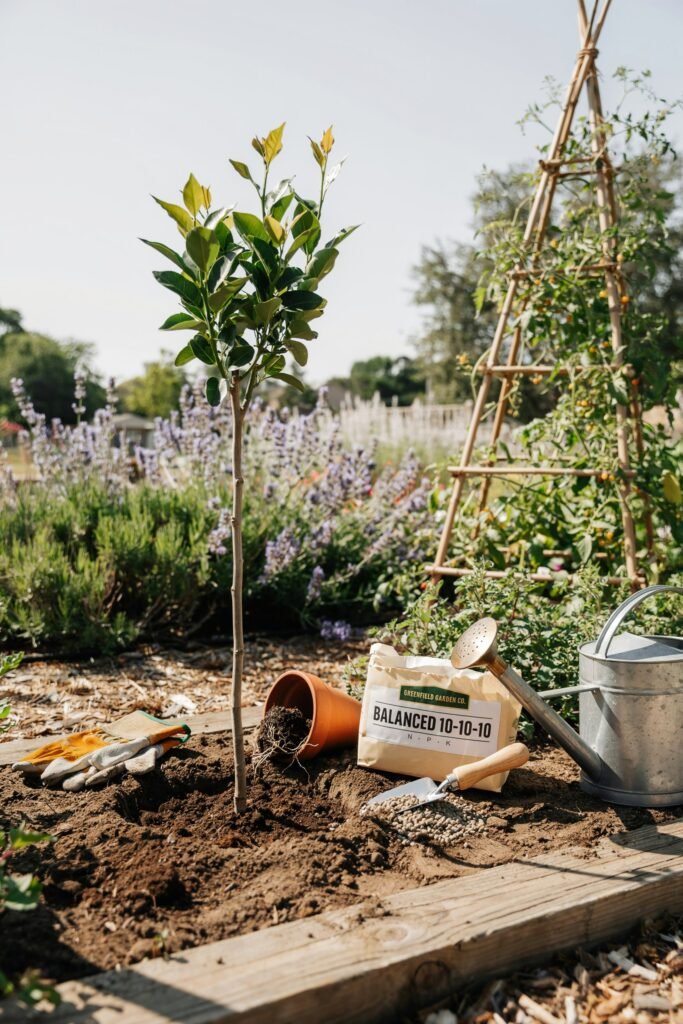
Young trees require nutrients that encourage healthy establishment.
Look for fertilizers that:
- Have moderate nitrogen levels
- Include micronutrients
- Release nutrients gradually
Focus on developing:
- Strong roots
- Healthy branches
- Vigorous foliage
Avoid pushing young trees into heavy fruit production too early.
Best Fertilizer for Mature Lime Trees
Mature trees benefit from fertilizers that support flowering and fruit development.
The best products contain:
- Balanced nutrients
- Adequate potassium
- Essential micronutrients
As trees age, potassium becomes increasingly important for maintaining heavy crops.
Organic Fertilizer Program for More Limes
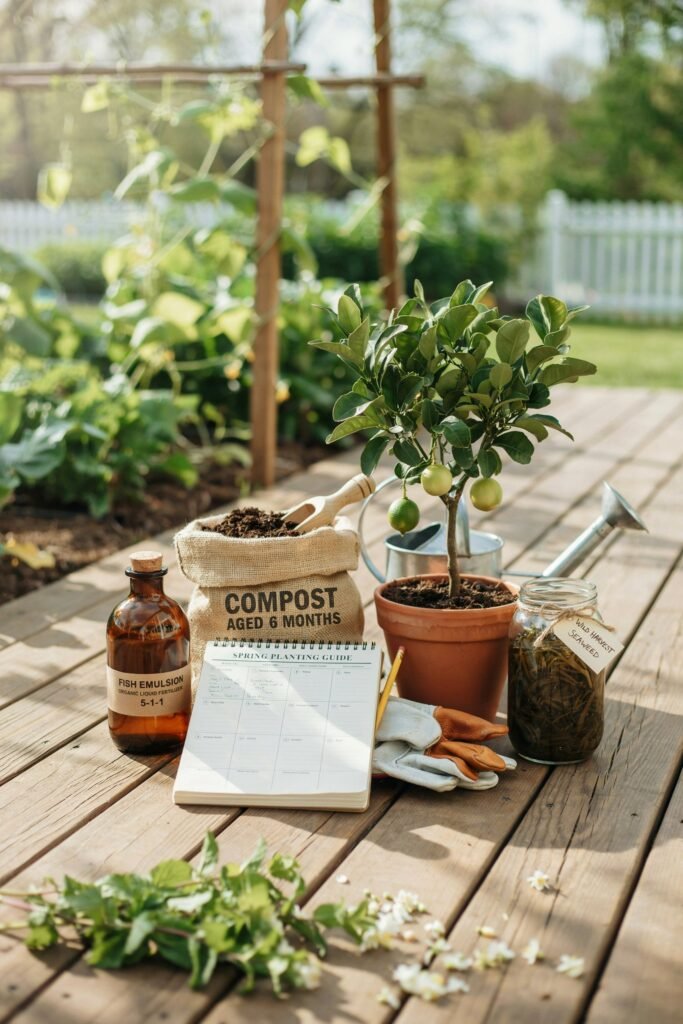
Many gardeners achieve excellent results with an entirely organic approach.
A simple yearly program may include:
Early Spring
Apply:
- Compost
- Organic citrus fertilizer
Late Spring
Feed with:
- Fish emulsion
- Seaweed extract
Mid-Summer
Apply:
- Additional compost
- Organic citrus fertilizer
Early Fall
Provide:
- Light feeding of compost
- Seaweed supplement
This schedule supports healthy growth throughout the season.
How Often Should You Fertilize Lime Trees?
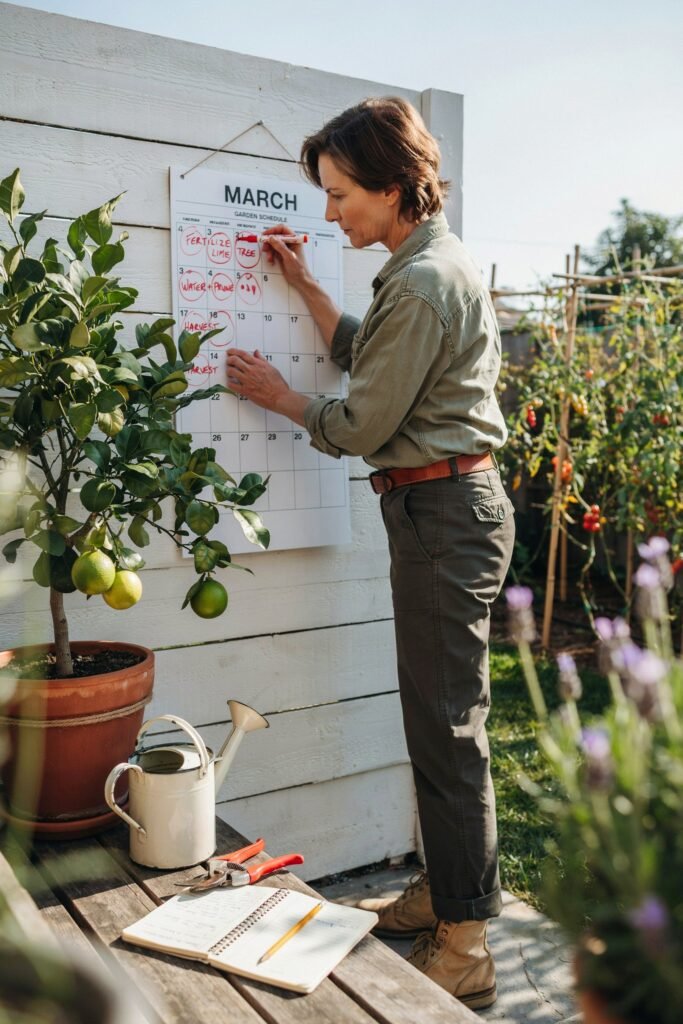
Young Trees
Feed every 6 to 8 weeks during active growth.
Young trees benefit from regular nutrition while establishing themselves.
Mature Trees
Most mature trees do well with:
- Three to four feedings per year
Typical schedule:
- Early spring
- Late spring
- Mid-summer
- Early fall
Avoid heavy fertilization during winter when growth naturally slows.
Signs Your Lime Tree Needs Fertilizer
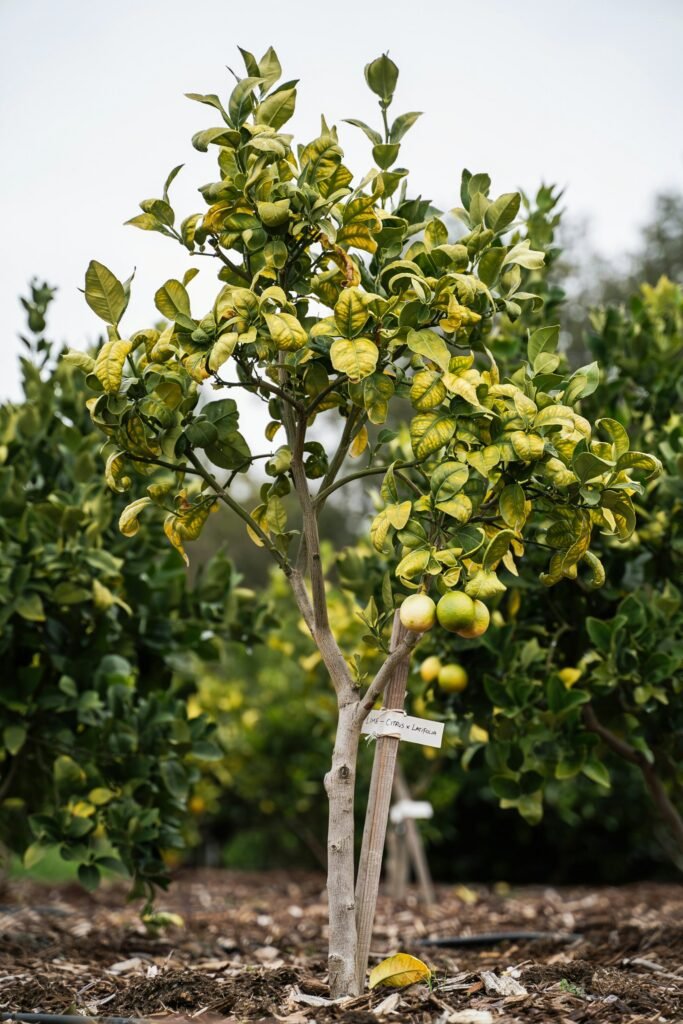
Trees often provide clues when nutrients are lacking.
Watch for:
Yellow Leaves
This may indicate:
- Nitrogen deficiency
- Iron deficiency
- Magnesium deficiency
Poor Flowering
A lack of blooms often points to insufficient nutrition.
Small Fruit
Tiny limes can indicate nutrient shortages, particularly potassium deficiencies.
Slow Growth
Weak branch growth often suggests inadequate feeding.
Premature Fruit Drop
Trees under stress may drop developing fruit before maturity.
Signs of Overfertilization
More fertilizer does not always mean more fruit.
Overfeeding can cause:
- Leaf burn
- Excessive foliage growth
- Reduced fruit production
- Root damage
- Salt buildup in soil
Symptoms may include:
- Brown leaf edges
- Wilting despite adequate moisture
- Poor flowering
Always follow application recommendations carefully.
How to Apply Fertilizer Correctly
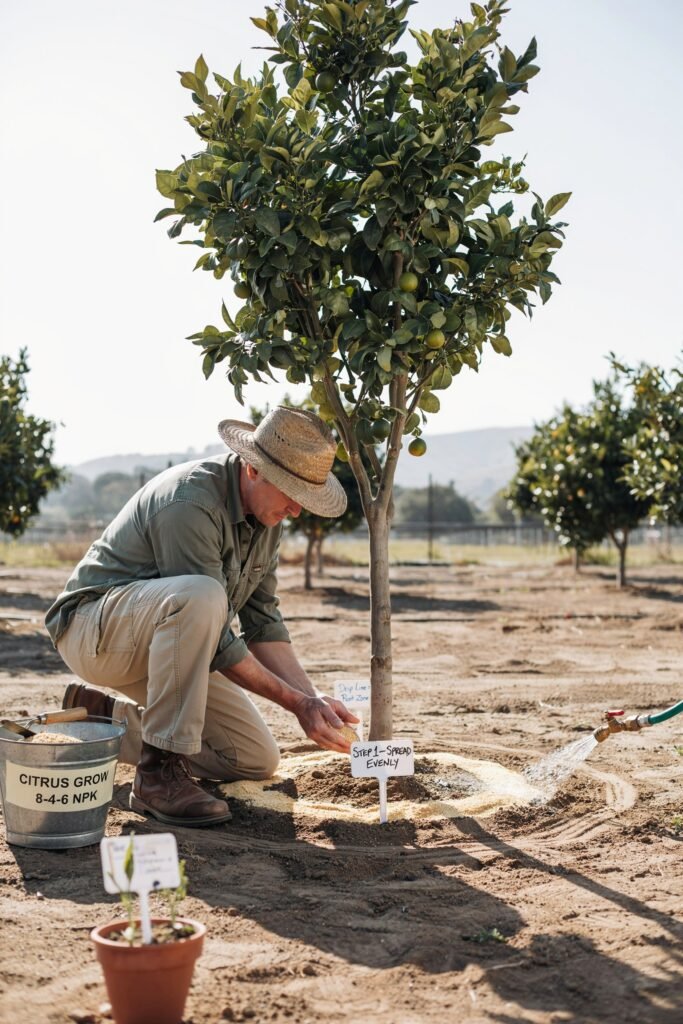
Proper application is just as important as choosing the right product.
Step 1: Water First
Moist soil helps prevent root damage.
Step 2: Spread Evenly
Apply fertilizer around the drip line rather than directly against the trunk.
Step 3: Work Into the Soil
Lightly scratch granular fertilizers into the surface.
Step 4: Water Thoroughly
Watering helps nutrients move into the root zone.
Step 5: Mulch
Apply mulch to help retain moisture and improve soil health.
Fertilizing Container-Grown Lime Trees
Potted lime trees require more frequent feeding than trees planted in the ground.
Why?
Because nutrients wash out of containers more quickly.
For best results:
- Use citrus fertilizer regularly
- Apply liquid feeds monthly
- Refresh potting mix annually
- Monitor for nutrient deficiencies
Container trees depend entirely on you for nutrition.
Soil pH and Lime Production
Even the best fertilizer cannot work properly if soil pH is unsuitable.
Lime trees prefer:
- pH 6.0 to 7.0
If soil is too alkaline:
- Iron deficiencies become common
- Nutrient uptake decreases
Testing soil every few years helps ensure optimal growing conditions.
Natural Ways to Boost Lime Production
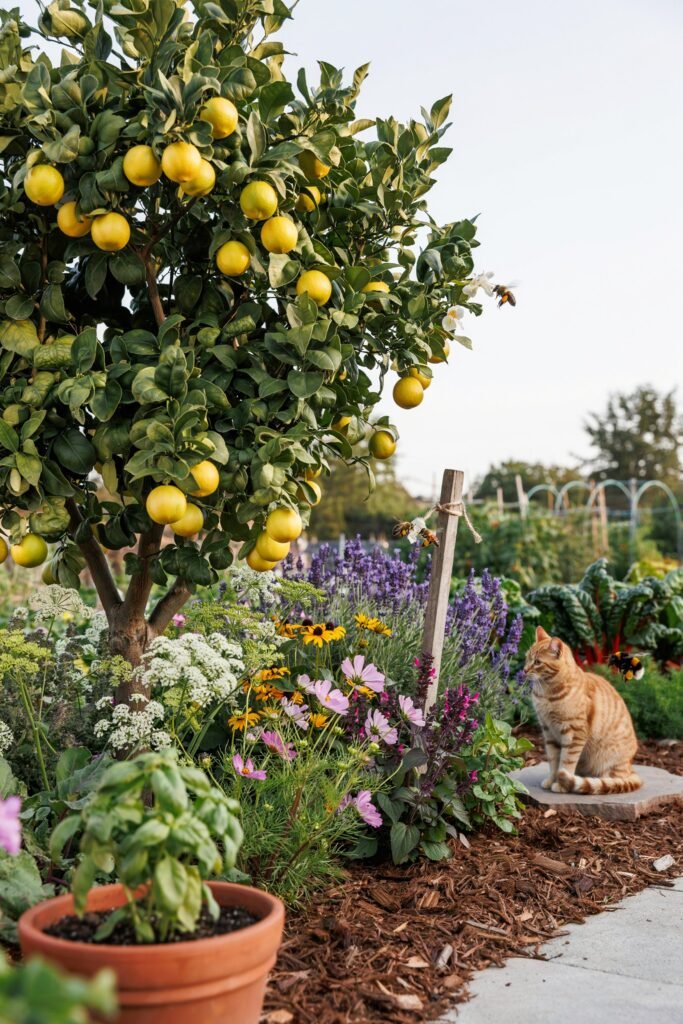
Fertilizer is important, but several other practices can increase yields.
Provide Full Sun
Lime trees need:
- At least 6 to 8 hours of sunlight daily
Water Consistently
Deep watering encourages stronger roots and better fruit development.
Prune Lightly
Remove:
- Dead branches
- Crossing limbs
- Damaged growth
Avoid excessive pruning, which can reduce fruiting.
Mulch Annually
Mulch helps:
- Retain moisture
- Regulate soil temperature
- Improve soil health
Encourage Pollinators
Flowers attract:
- Bees
- Butterflies
- Beneficial insects
More pollination often means more fruit.
Common Fertilizing Mistakes That Reduce Lime Harvests
Using Lawn Fertilizer
Lawn products often contain excessive nitrogen and lack important citrus micronutrients.
Fertilizing Too Close to the Trunk
This can damage bark and roots.
Ignoring Micronutrients
Many nutrient problems stem from missing trace elements rather than major nutrients.
Applying Fertilizer to Dry Soil
Dry roots are more susceptible to fertilizer burn.
Overfeeding
Too much fertilizer can actually reduce fruit production.
Seasonal Fertilizer Schedule for Maximum Lime Production
Spring
Focus on:
- New growth
- Flower production
- Root activity
Summer
Support:
- Fruit development
- Continued growth
Fall
Provide light feeding to maintain health before cooler weather.
Winter
Reduce or stop fertilization in most climates.
Trees naturally slow their growth during this period.
Frequently Asked Questions
What fertilizer makes lime trees produce more fruit?
Citrus-specific fertilizers with balanced nutrients and adequate potassium typically produce the best fruiting results.
Can I use Epsom salt on lime trees?
Yes. Epsom salt supplies magnesium, which can help correct deficiencies and improve leaf color when used appropriately.
Is coffee grounds good for lime trees?
Coffee grounds can add organic matter and small amounts of nutrients, but they should not replace a complete fertilizer program.
How long does fertilizer take to work?
Liquid fertilizers may show results within weeks, while granular and organic fertilizers often take longer.
Can too much fertilizer stop fruit production?
Yes. Excess nitrogen frequently encourages leafy growth while reducing flowers and fruit.
Final Thoughts
Growing a lime tree that consistently produces baskets of fresh fruit starts with proper nutrition.
The right fertilizer supplies the nutrients needed for healthy roots, vigorous growth, abundant blossoms, and heavy harvests.
Whether you prefer a citrus-specific granular fertilizer, an organic feeding program, or a combination of both, consistency is the key to success.
Feed your tree at the right times, pay attention to nutrient deficiencies, and avoid the temptation to overfertilize.
With a little patience and the right care, your lime tree can reward you with larger harvests, healthier growth, and an abundance of delicious homegrown limes season after season.
