
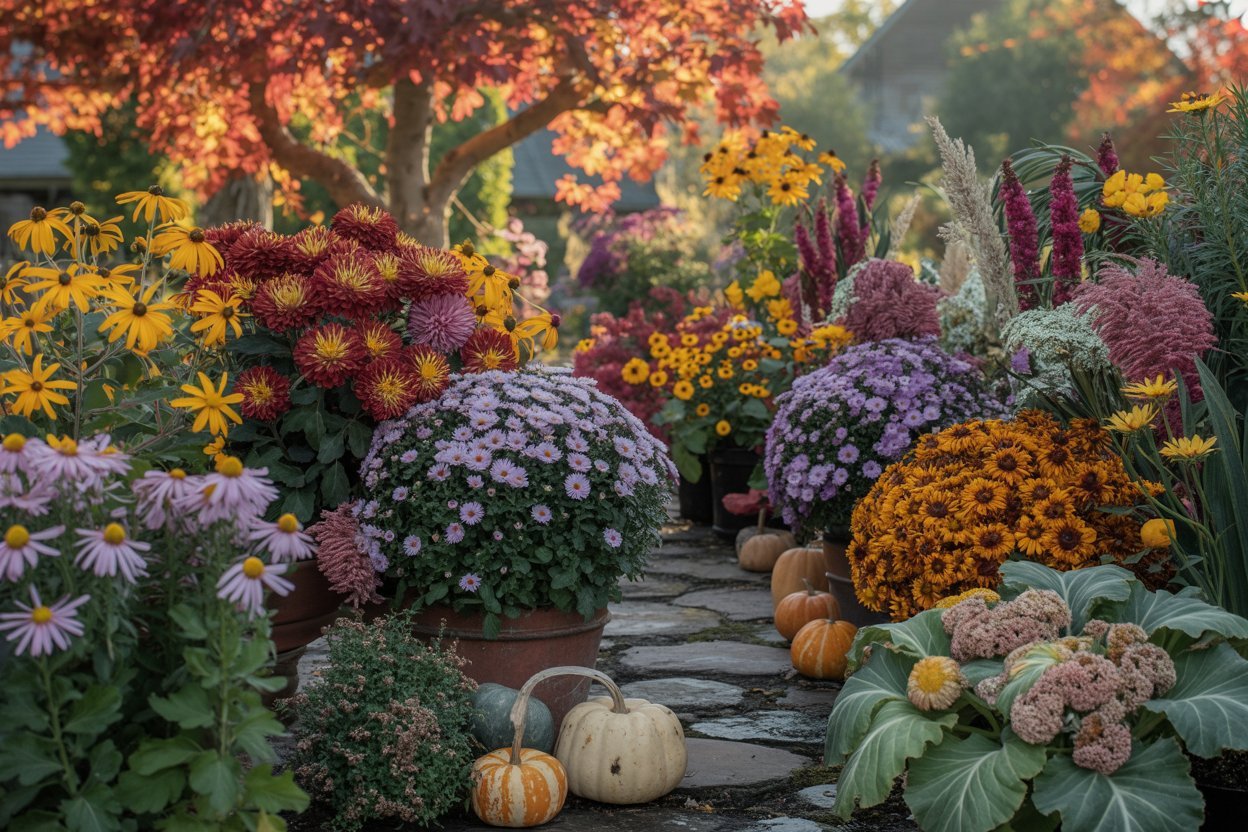

As summer fades and cooler temperatures arrive, many gardens begin to lose their vibrant color.
Fortunately, plenty of beautiful flowers thrive during autumn, adding rich shades of red, orange, yellow, purple, pink, and white just when most landscapes start looking tired.
Even better, many of these hardy bloomers continue flowering until the first hard frost, giving your garden weeks or even months of extra beauty.
Choosing the right fall flowers does more than brighten your yard. These late-season bloomers provide valuable nectar for bees, butterflies, and other pollinators preparing for winter.
They also pair beautifully with ornamental grasses, pumpkins, colorful foliage, and fall decorations to create stunning seasonal displays.
Whether you’re planting flower beds, containers, borders, or window boxes, these reliable plants are known for their long bloom season, easy care, and ability to handle cool autumn weather.
In this guide, you’ll discover 15 gorgeous fall flowers that bloom until frost, along with practical growing tips, planting advice, and care guides to help each one perform at its best.
Why Choose Flowers That Bloom Until Frost?
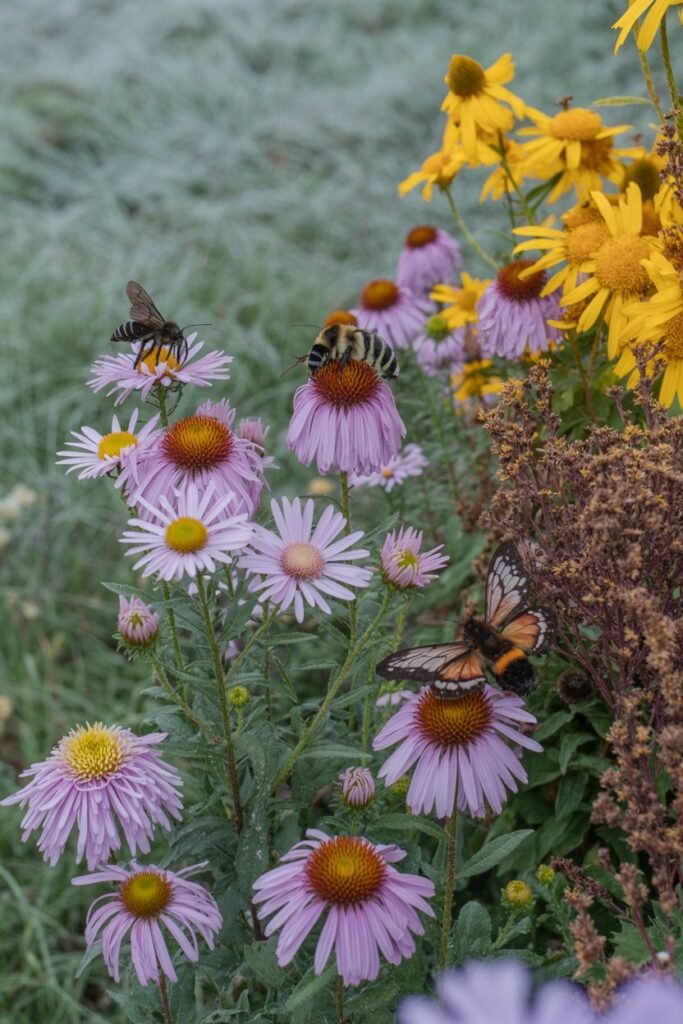
Many annuals begin slowing down by late summer, but certain flowers actually perform their best once temperatures cool. Fall-blooming plants offer several benefits:
- Keep your garden colorful long after summer flowers fade.
- Support bees and butterflies when nectar sources become scarce.
- Extend the gardening season with minimal extra work.
- Add seasonal charm around patios, porches, walkways, and entrances.
- Create beautiful container arrangements for autumn decorating.
Most of these flowers prefer the cooler days and crisp nights of early and mid-fall, producing their brightest colors before winter arrives.
Quick Growing Tips for Fall Flowers
Before planting, keep these simple tips in mind:
- Choose a location that receives at least 6 hours of sunlight unless the plant prefers partial shade.
- Improve heavy soil with compost to increase drainage and fertility.
- Water deeply but avoid constantly soggy soil.
- Remove spent blooms regularly to encourage more flowers.
- Feed flowering annuals monthly with a balanced fertilizer during the growing season.
- Apply mulch around plants to help regulate soil temperature and retain moisture as the weather cools.
1. Chrysanthemums (Mums)
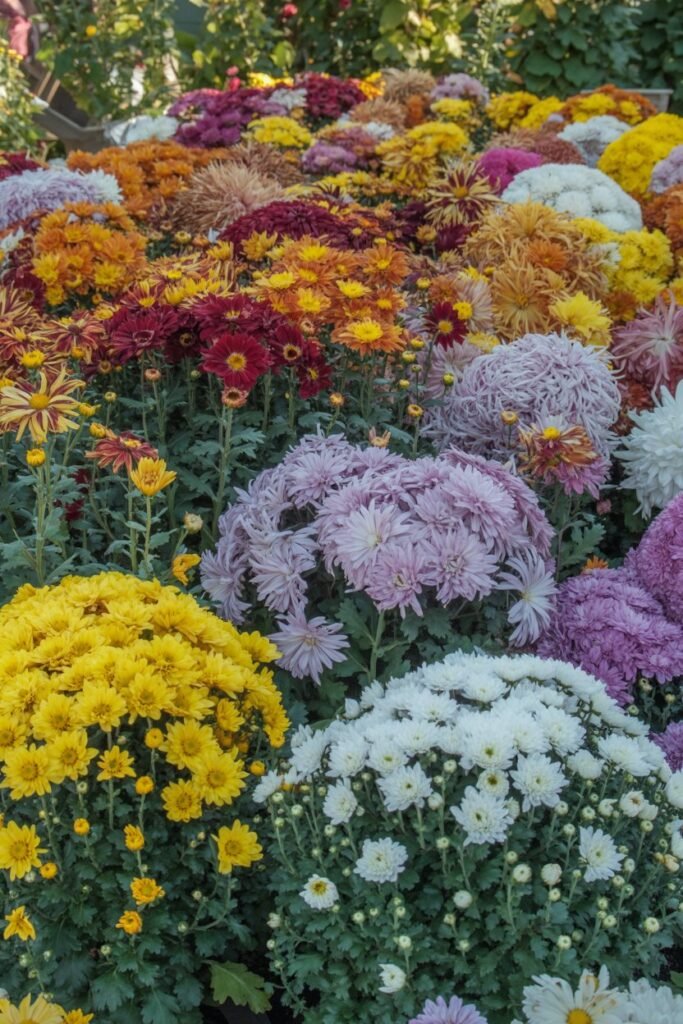
Nothing says autumn quite like chrysanthemums. Often simply called mums, these classic fall flowers are famous for producing hundreds of cheerful blooms in nearly every color imaginable.
Their ability to tolerate chilly nights while continuing to flower makes them one of the best choices for extending color into late fall.
Why Gardeners Love Them
- Bloom from late summer until frost
- Huge variety of colors
- Excellent for containers and flower beds
- Cold-tolerant
- Attractive to pollinators
Growing Conditions
- Light: Full sun
- Soil: Well-drained, fertile soil
- Water: Keep evenly moist but never waterlogged
- USDA Zones: 5–9 (hardy garden mums vary by cultivar)
Care Guide
Water whenever the top inch of soil becomes dry. Deadhead faded flowers regularly to keep plants producing fresh blooms.
Garden mums planted early in the season establish better roots and are more likely to survive winter than those planted very late in fall.
Apply a layer of mulch after the ground begins to cool if you’re growing perennial garden mums in colder regions.
Expert Tip
Choose hardy garden mums instead of florist mums if you want plants that return year after year. Garden mums are bred for outdoor landscapes and have much better winter survival.
2. Pansies
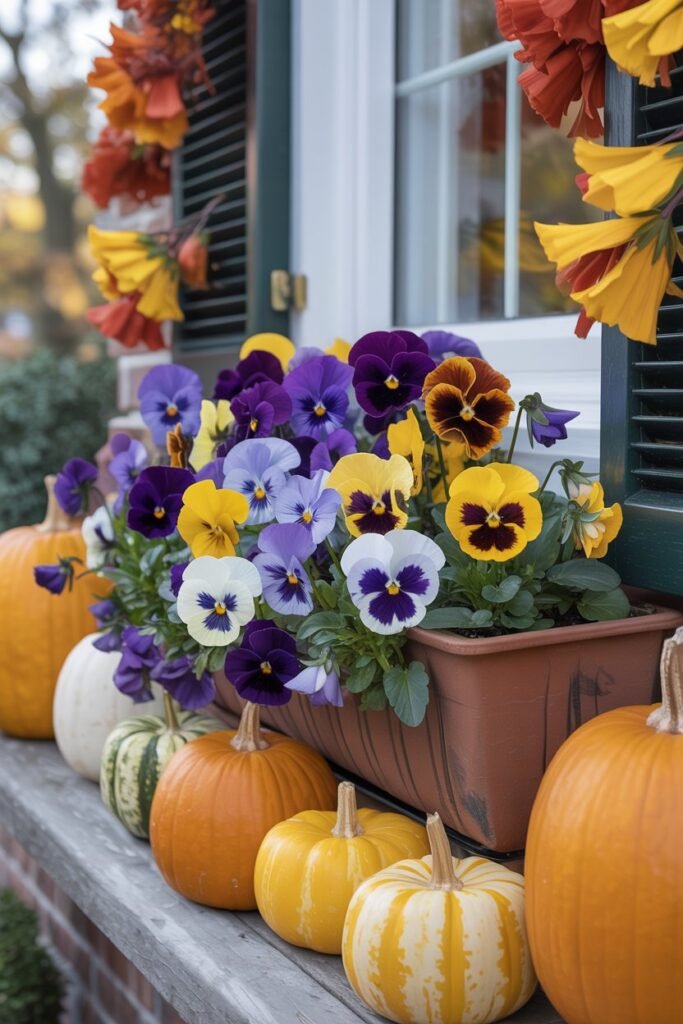
Pansies are surprisingly tough little flowers that thrive in cool weather.
While many summer flowers struggle once temperatures drop, pansies often become even more vibrant during autumn. In mild climates, they can continue blooming throughout winter.
Their cheerful “faces” make them favorites for porch planters, hanging baskets, borders, and window boxes.
Why Gardeners Love Them
- Excellent cold tolerance
- Continuous blooms in cool weather
- Huge range of colors and patterns
- Perfect for containers
- Easy for beginners
Growing Conditions
- Light: Full sun to partial shade
- Soil: Rich, well-drained soil
- Water: Moderate, keeping soil evenly moist
- USDA Zones: Typically grown as annuals, but hardy in Zones 6–10
Care Guide
Water when the soil begins drying out, especially in containers.
Remove faded flowers every few days to encourage fresh blooms. Feed every three to four weeks with a balanced liquid fertilizer for the best flowering performance.
During unusually warm autumn spells, provide afternoon shade if possible.
Expert Tip
Plant pansies in early fall while the soil is still warm. Their roots establish quickly, leading to stronger plants and more blooms once cooler temperatures arrive.
3. Asters
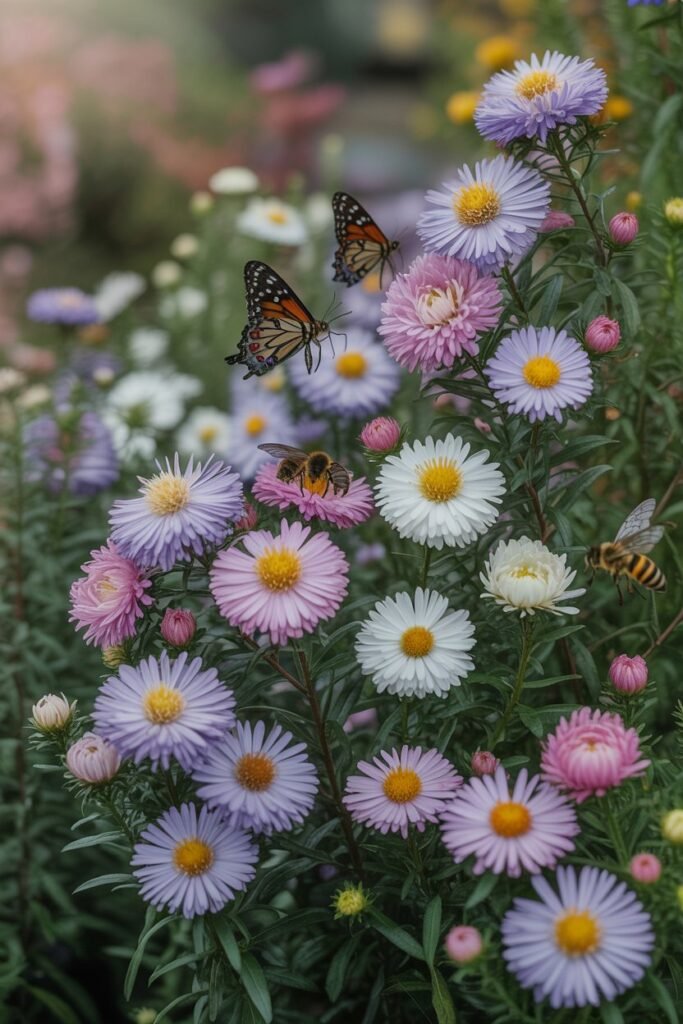
Asters are among the most valuable late-season flowers in any garden.
Their daisy-like blooms appear just as many other plants finish flowering, providing an important nectar source for bees, butterflies, and other pollinators preparing for winter.
Available in shades of purple, pink, blue, and white, asters create a spectacular display well into autumn.
Why Gardeners Love Them
- Long-lasting fall blooms
- Excellent pollinator plant
- Cold-hardy perennial
- Low maintenance
- Beautiful cut flowers
Growing Conditions
- Light: Full sun
- Soil: Moist, well-drained soil
- Water: About 1 inch per week
- USDA Zones: 3–8
Care Guide
Water deeply during dry periods, especially while flower buds are developing. Divide mature clumps every two to three years to improve airflow and maintain vigorous blooming.
Avoid overhead watering whenever possible to reduce the risk of fungal diseases such as powdery mildew.
Leave some seed heads after flowering if you want to provide food for birds during late fall and winter.
Expert Tip
Pinch back asters once or twice in late spring or early summer. This encourages bushier plants with more branches, resulting in a fuller display of blooms when fall arrives.
4. Black-Eyed Susan
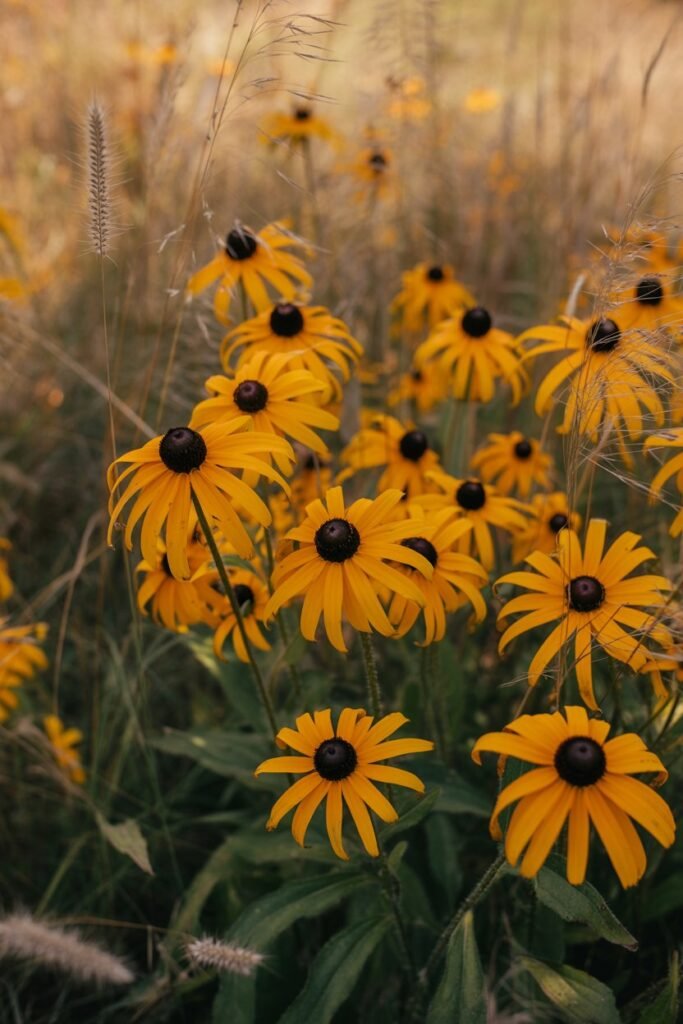
Black-Eyed Susans are cheerful native wildflowers that brighten gardens from midsummer well into fall.
Their golden-yellow petals surrounding a dark brown center create a striking display that complements autumn landscapes perfectly.
These hardy plants are drought-tolerant once established and continue blooming until frost with very little maintenance.
Why Gardeners Love Them
- Long-lasting blooms
- Excellent drought tolerance
- Attracts bees, butterflies, and birds
- Easy to grow
- Makes excellent cut flowers
Growing Conditions
- Light: Full sun
- Soil: Average, well-drained soil
- Water: Moderate; drought tolerant once established
- USDA Zones: 3–9
Care Guide
Water regularly during the first growing season to establish a strong root system. Once mature, Black-Eyed Susans need watering only during prolonged dry periods.
Remove spent flowers to encourage additional blooms, although leaving some seed heads in late fall provides food for birds.
Divide overcrowded clumps every three to four years in spring or fall to maintain healthy growth.
Expert Tip
Plant Black-Eyed Susans alongside ornamental grasses for a natural prairie-inspired garden that looks spectacular throughout autumn.
5. Sedum (Stonecrop)
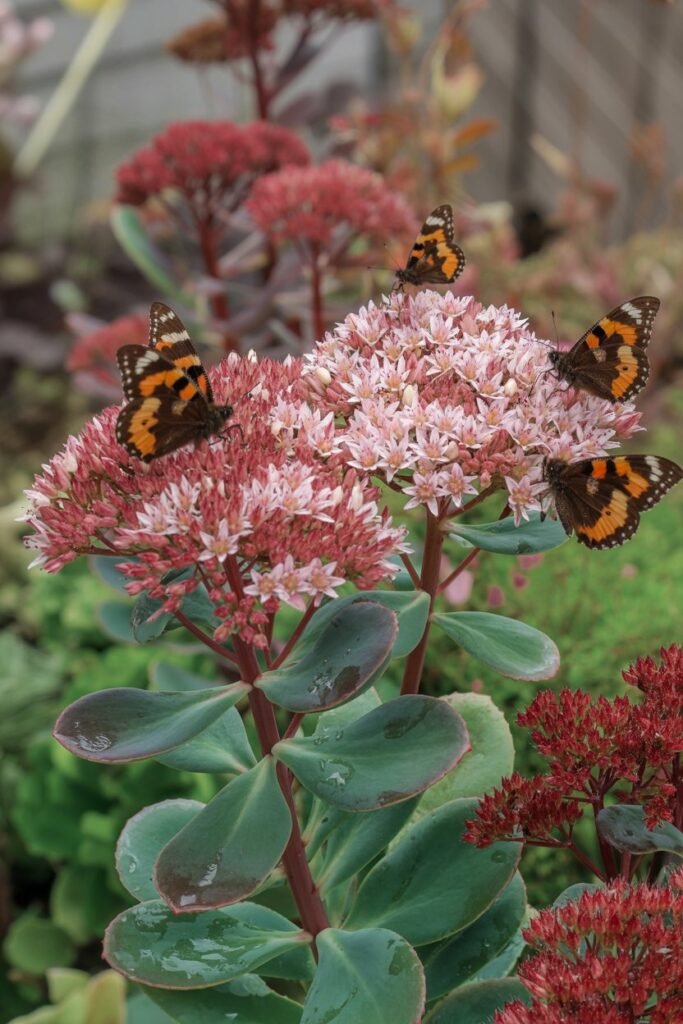
Sedum, especially upright varieties like ‘Autumn Joy,’ becomes one of the stars of the fall garden.
Thick succulent leaves support large flower clusters that gradually change from pale pink to deep rose and finally rich copper as temperatures cool. Even after frost, the dried flower heads continue adding texture and interest.
Why Gardeners Love Them
- Outstanding fall color
- Extremely drought tolerant
- Loved by pollinators
- Low maintenance
- Attractive seed heads through winter
Growing Conditions
- Light: Full sun
- Soil: Well-drained, sandy or average soil
- Water: Low once established
- USDA Zones: 3–9
Care Guide
Avoid overwatering, as soggy soil can cause root rot. Water only when the soil is dry during extended dry weather. Cut old stems back in late winter or early spring before new growth appears.
Avoid heavy fertilization, which can cause floppy stems.
Expert Tip
Leave dried flower heads standing through winter. They provide visual interest in snowy gardens and shelter for beneficial insects.
6. Japanese Anemone
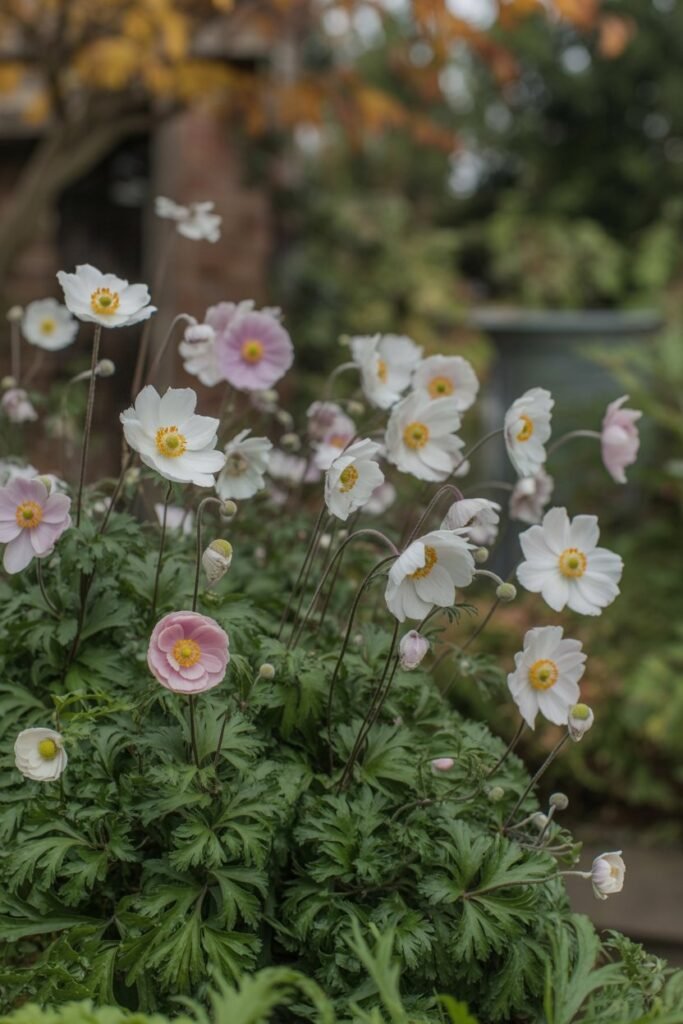
Japanese anemones produce elegant blooms on tall, graceful stems from late summer until frost.
Their white or pink flowers seem to float above dark green foliage, making them an excellent choice for partially shaded gardens where many fall flowers struggle.
Why Gardeners Love Them
- Elegant late-season blooms
- Excellent for partial shade
- Long flowering period
- Great cut flowers
- Deer and rabbit resistant
Growing Conditions
- Light: Partial shade to full sun in cooler climates
- Soil: Rich, moist, well-drained soil
- Water: Keep consistently moist
- USDA Zones: 4–8
Care Guide
Water deeply during dry spells, especially during the first year after planting. Apply compost annually to improve soil fertility and retain moisture. Mulch around the base to keep roots cool and reduce water evaporation.
Allow enough space, as mature plants gradually spread over time.
Expert Tip
Choose a sheltered location protected from strong winds since the tall flower stems may bend during storms.
7. Goldenrod
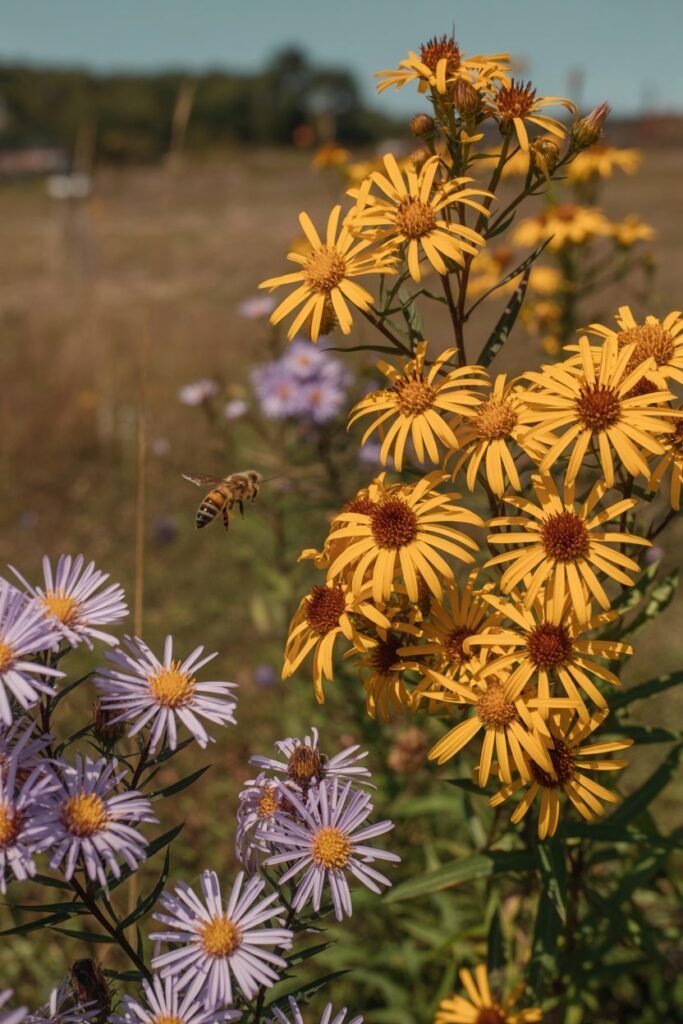
Goldenrod often gets blamed for seasonal allergies, but that’s actually a myth. Ragweed not goldenrod is usually responsible.
Goldenrod produces bright golden flower spikes that bloom from late summer through frost and provide one of the richest nectar sources for pollinators before winter.
Why Gardeners Love Them
- Brilliant golden flowers
- Supports bees and butterflies
- Native to many regions
- Very hardy
- Low maintenance
Growing Conditions
- Light: Full sun
- Soil: Average, well-drained soil
- Water: Moderate
- USDA Zones: 3–9
Care Guide
Goldenrod adapts to many soil types and rarely requires fertilizer. Water during prolonged dry periods until established. Divide plants every few years if they become crowded or spread beyond their intended area.
Cut back stems in late winter before new growth begins.
Expert Tip
Pair goldenrod with purple asters for one of the most beautiful and classic fall garden color combinations.
8. Blanket Flower (Gaillardia)
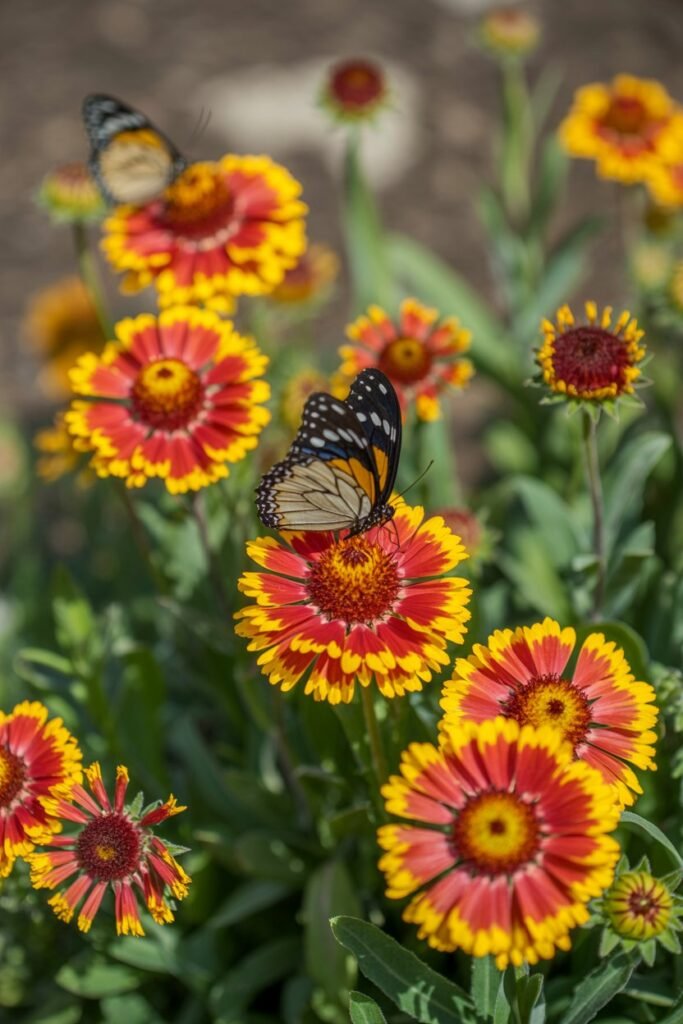
Blanket flowers keep producing colorful daisy-like blooms long after many summer flowers have faded.
Their fiery combinations of red, orange, and yellow fit perfectly into autumn gardens and continue blooming until frost when properly maintained.
Why Gardeners Love Them
- Extremely long bloom season
- Heat and drought tolerant
- Attracts pollinators
- Excellent for borders
- Low maintenance
Growing Conditions
- Light: Full sun
- Soil: Well-drained, sandy or average soil
- Water: Low to moderate
- USDA Zones: 3–10
Care Guide
Avoid rich, heavily fertilized soil, which encourages leafy growth instead of flowers. Water deeply but infrequently once established. Remove faded blooms every week to encourage continuous flowering throughout fall.
Good drainage is essential, especially during wet autumn weather.
Expert Tip
Blanket flowers thrive in poor soil where many other flowering plants struggle, making them an excellent choice for dry, sunny locations.
9. Celosia
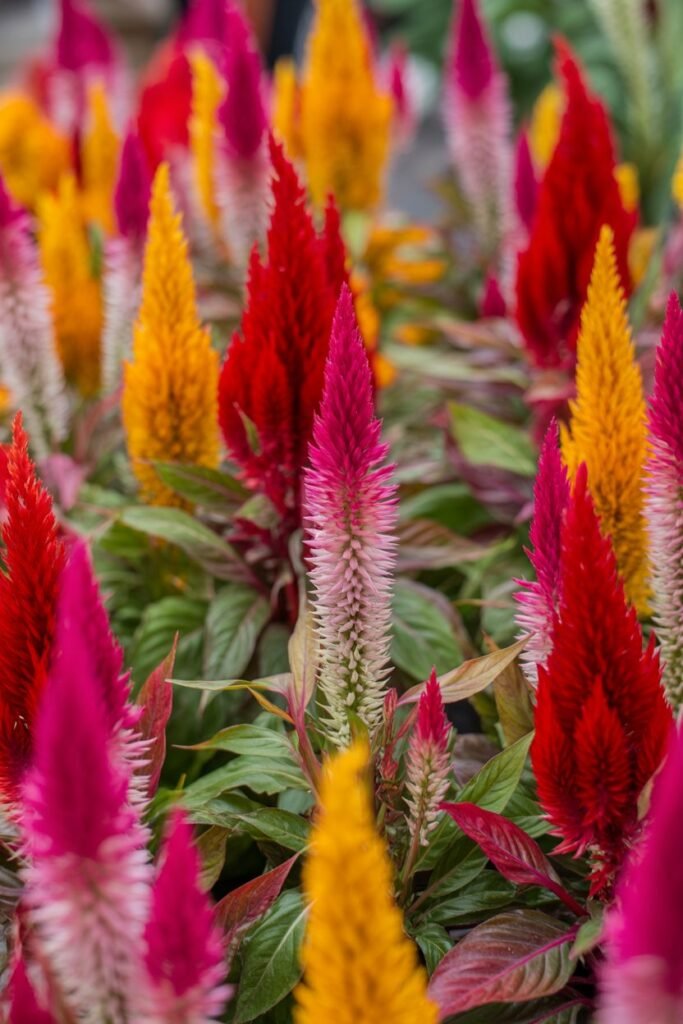
Celosia brings bold texture and vibrant color to the fall garden with its unique plume-like or crested flower heads.
Available in shades of red, orange, yellow, pink, and purple, these flowers continue blooming until frost and hold their color exceptionally well. They also make excellent fresh and dried flowers for seasonal arrangements.
Why Gardeners Love Them
- Eye-catching, unusual flower shapes
- Vibrant fall colors
- Heat and drought tolerant
- Great for containers and borders
- Excellent for dried floral displays
Growing Conditions
- Light: Full sun
- Soil: Well-drained, fertile soil
- Water: Moderate; allow the top inch of soil to dry between waterings
- USDA Zones: 10–12 (grown as an annual in most regions)
Care Guide
Water consistently, especially during dry spells, but avoid overwatering, which can lead to root rot.
Feed with a balanced fertilizer once a month during the growing season to encourage continuous blooms. Remove faded flower heads to keep plants looking tidy and encourage new growth.
Expert Tip
Celosia performs best in warm weather, so plant it in late spring or early summer to enjoy colorful blooms that last well into autumn.
10. Snapdragons
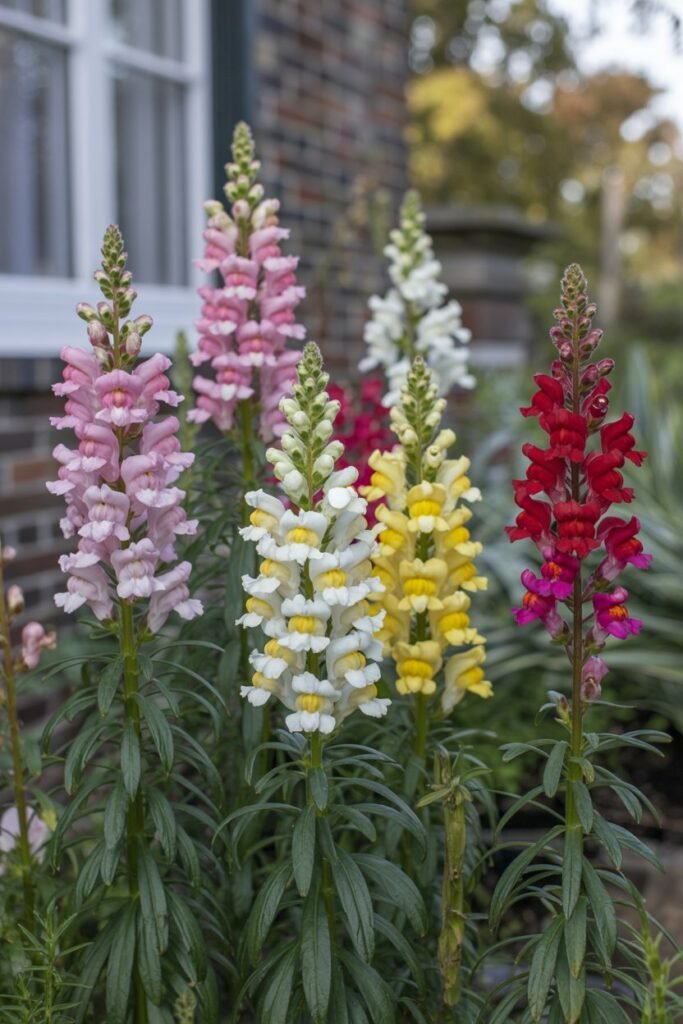
Snapdragons often experience a second wave of blooms when cooler fall temperatures arrive. Their tall flower spikes come in nearly every color and add height and elegance to flower beds, borders, and containers.
Why Gardeners Love Them
- Excellent cool-weather performer
- Wide range of colors
- Great cut flowers
- Attracts bees and hummingbirds
- Long blooming season
Growing Conditions
- Light: Full sun to partial shade
- Soil: Rich, well-drained soil
- Water: Keep evenly moist
- USDA Zones: 7–11 (grown as annuals in colder areas)
Care Guide
Water regularly without allowing the soil to become soggy. Remove spent flower spikes to encourage additional blooms. Apply a balanced fertilizer every four to six weeks during active growth.
Tall varieties may benefit from staking in windy locations.
Expert Tip
Plant snapdragons in early fall for another beautiful display after summer’s intense heat has passed.
11. Zinnias
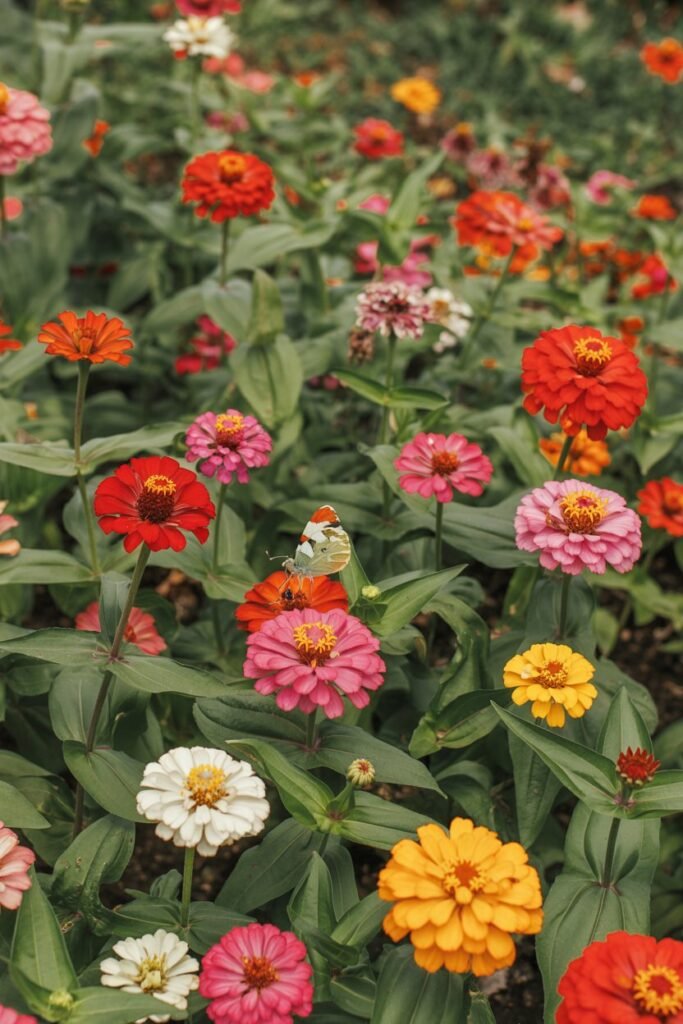
Zinnias are among the easiest annual flowers to grow and often continue blooming until the first frost. Their bright flowers attract butterflies throughout late summer and autumn, making them a favorite for pollinator gardens.
Why Gardeners Love Them
- Continuous blooms
- Huge variety of colors
- Excellent butterfly plant
- Easy for beginners
- Great cut flowers
Growing Conditions
- Light: Full sun
- Soil: Well-drained soil
- Water: Moderate; water at the base of the plant
- USDA Zones: Grown as annuals in most regions
Care Guide
Deadhead regularly to encourage nonstop flowering. Water deeply once or twice a week instead of frequent shallow watering. Space plants properly to improve airflow and reduce the risk of powdery mildew.
Avoid wetting the foliage whenever possible.
Expert Tip
Harvest flowers frequently for bouquets. Regular cutting actually encourages the plant to produce even more blooms.
12. Marigolds
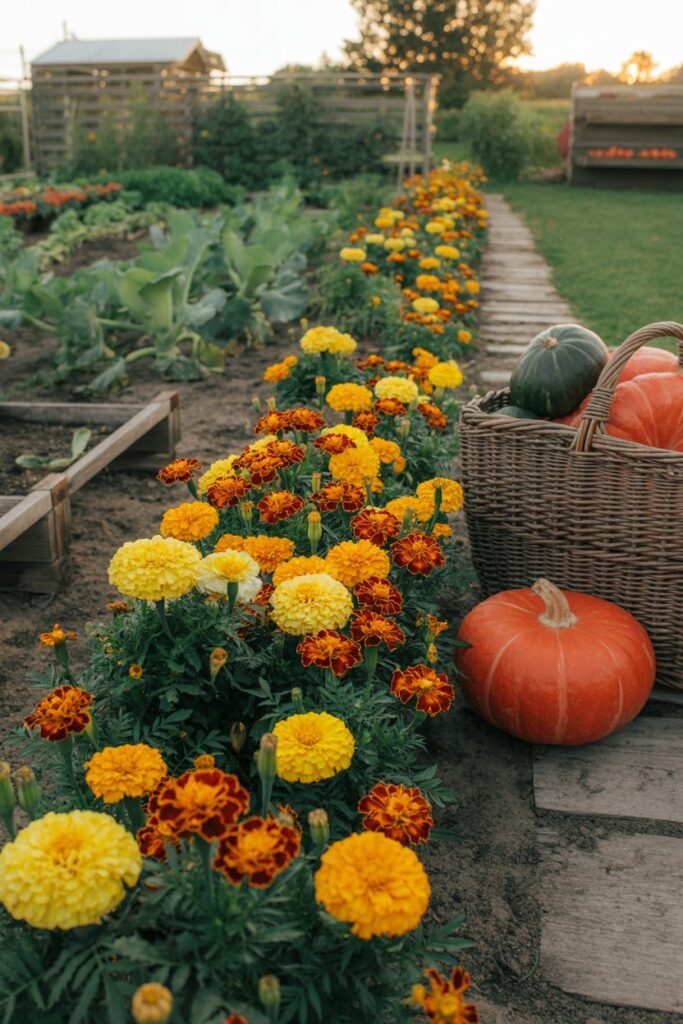
Marigolds remain one of the most dependable annual flowers for extending garden color into fall. Their cheerful orange, yellow, gold, and red blooms tolerate cool temperatures surprisingly well and continue flowering until frost.
Why Gardeners Love Them
- Extremely easy to grow
- Long flowering season
- Natural pest deterrent
- Excellent border plant
- Bright autumn colors
Growing Conditions
- Light: Full sun
- Soil: Well-drained soil
- Water: Moderate
- USDA Zones: Grown as annuals
Care Guide
Allow the soil to dry slightly between waterings. Deadhead faded blooms regularly to encourage fresh flowers. Avoid excessive fertilizer, as it promotes leafy growth instead of blooms.
Expert Tip
Plant marigolds around vegetable gardens to attract beneficial insects and add cheerful color during harvest season.
13. Coneflower (Echinacea)
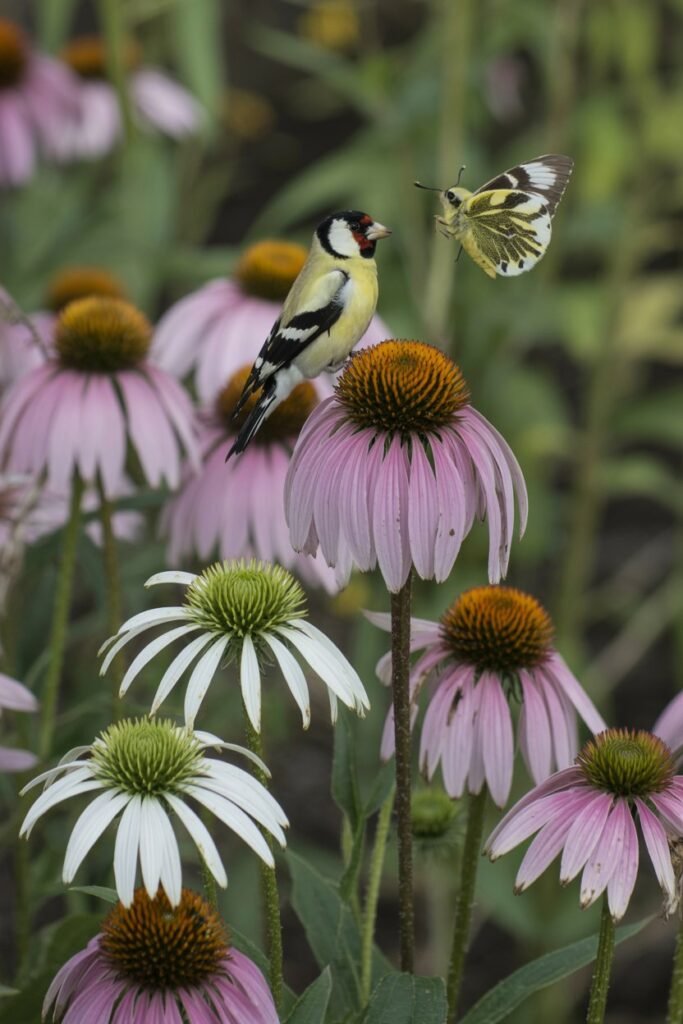
Coneflowers continue blooming well into autumn while providing valuable nectar for pollinators. Even after flowering ends, their seed heads attract finches and other birds throughout fall and winter.
Why Gardeners Love Them
- Long bloom period
- Excellent pollinator plant
- Drought tolerant
- Native perennial
- Attractive seed heads
Growing Conditions
- Light: Full sun
- Soil: Well-drained soil
- Water: Moderate; drought tolerant once established
- USDA Zones: 3–9
Care Guide
Water regularly during the first year. Mature plants require little supplemental watering except during extended drought. Leave some seed heads standing after flowering to feed birds during winter.
Divide mature clumps every four to five years if needed.
Expert Tip
Mix different coneflower colors for a vibrant late-season display that attracts butterflies all autumn long.
14. Ornamental Kale and Cabbage
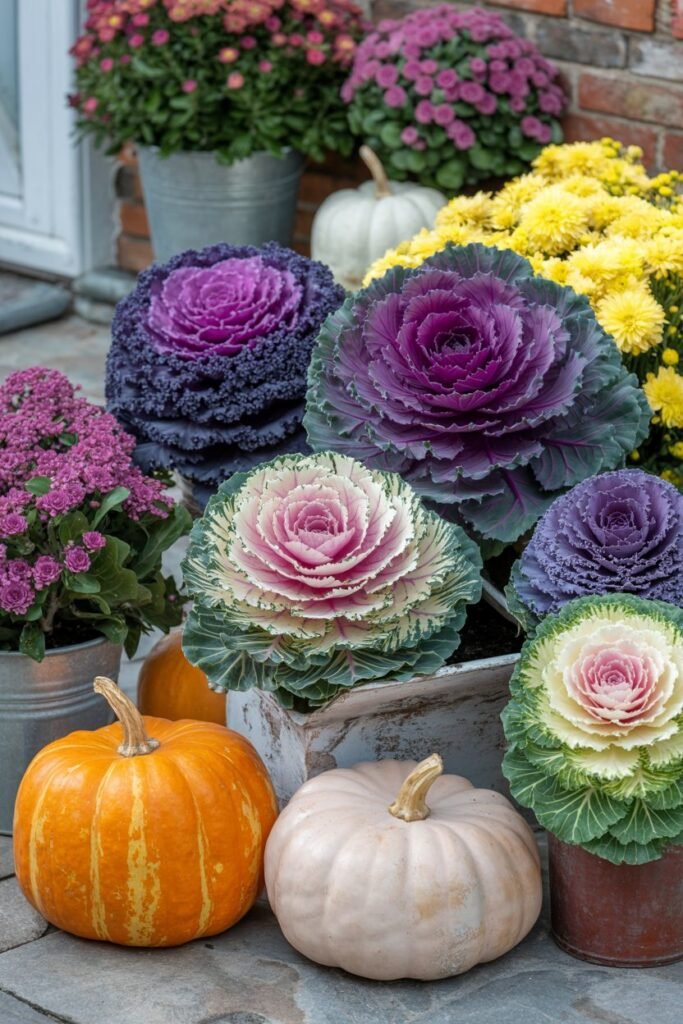
Although grown for their colorful foliage rather than flowers, ornamental kale and cabbage become even more vibrant as temperatures drop.
Their purple, pink, white, and green leaves add outstanding texture and color after many flowering plants fade.
Why Gardeners Love Them
- Stunning foliage
- Frost improves color
- Long-lasting displays
- Excellent for containers
- Very low maintenance
Growing Conditions
- Light: Full sun
- Soil: Fertile, well-drained soil
- Water: Keep consistently moist
- USDA Zones: Grown as cool-season annuals
Care Guide
Water whenever the top inch of soil begins to dry. Feed lightly once after planting with a balanced fertilizer. Remove damaged outer leaves as needed to keep plants attractive.
Expert Tip
Pair ornamental kale with pansies and chrysanthemums for beautiful mixed fall containers.
15. Sweet Alyssum
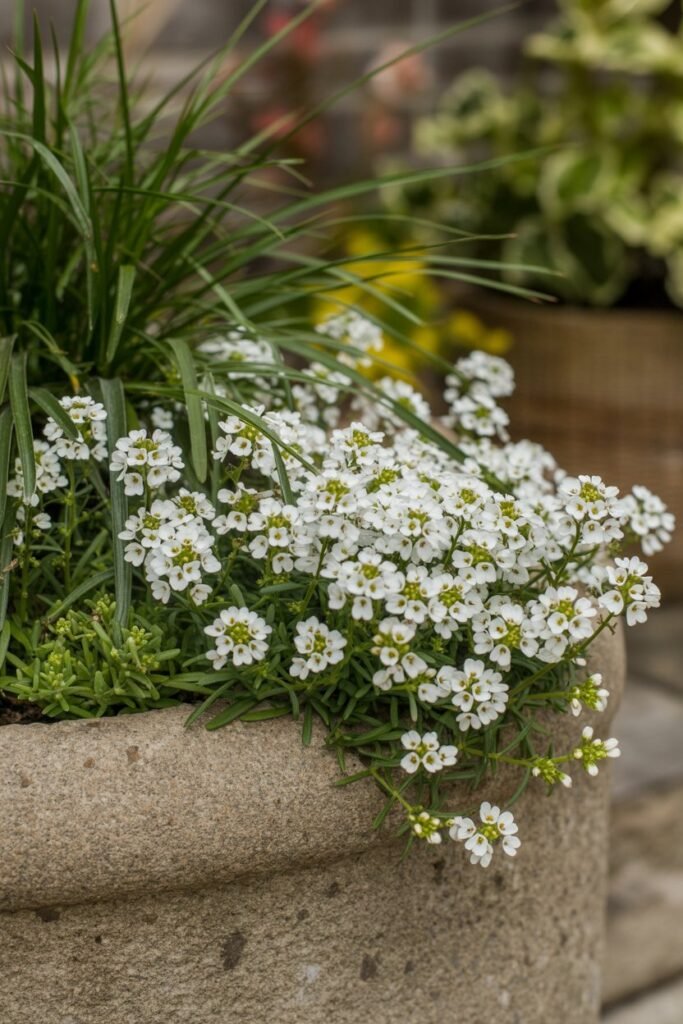
Sweet alyssum forms low-growing mounds covered in tiny, fragrant flowers that continue blooming well into fall. Cooler temperatures often trigger another flush of blooms after summer heat subsides.
Why Gardeners Love Them
- Sweet fragrance
- Excellent ground cover
- Attracts beneficial insects
- Great for containers and borders
- Continuous blooms until frost
Growing Conditions
- Light: Full sun to partial shade
- Soil: Well-drained soil
- Water: Moderate
- USDA Zones: 5–9 (often grown as an annual)
Care Guide
Keep the soil evenly moist but not waterlogged. Trim plants lightly if they become leggy during summer to encourage fresh fall growth. Apply a balanced fertilizer once or twice during the season if growth slows.
Expert Tip
Plant sweet alyssum along pathways or container edges where its pleasant fragrance can be fully appreciated.
How to Keep Fall Flowers Blooming Until Frost
With a little extra care, many fall flowers will continue producing blooms until freezing temperatures finally arrive.
Water Deeply but Less Often
Cooler weather means plants lose moisture more slowly, but they still need regular watering.
Water deeply once or twice a week during dry periods rather than giving shallow daily watering. This encourages stronger root systems and healthier plants.
Remove Spent Blooms
Deadheading is one of the easiest ways to extend the flowering season. Removing faded flowers prevents plants from putting energy into seed production and encourages them to produce new buds instead.
Feed Wisely
Many annual flowers benefit from a balanced liquid fertilizer every three to four weeks during early fall. Avoid applying high-nitrogen fertilizers late in the season, as they encourage leafy growth instead of flowers.
Apply Mulch
A 2- to 3-inch layer of organic mulch helps regulate soil temperature, conserve moisture, and reduce weed growth as autumn temperatures fluctuate.
Watch the Weather
When an early light frost is forecast, cover tender annuals overnight with frost cloths, lightweight fabric, or old bedsheets. Remove the covers the following morning once temperatures rise.
Common Mistakes to Avoid
Even hardy fall flowers can struggle if they aren’t cared for properly. Avoid these common mistakes:
- Planting too late for roots to establish
- Overwatering in cool weather
- Forgetting to deadhead spent blooms
- Growing sun-loving flowers in too much shade
- Using poorly drained soil
- Overfertilizing late in the season
- Crowding plants, which reduces airflow and increases the risk of disease
Best Flower Combinations for a Beautiful Fall Garden
Create eye-catching displays by combining plants with complementary colors and textures.
Classic Autumn Display
- Chrysanthemums
- Pansies
- Ornamental Kale
Pollinator Paradise
- Asters
- Goldenrod
- Coneflowers
- Black-Eyed Susans
Warm Autumn Colors
- Blanket Flower
- Celosia
- Marigolds
- Sedum
Elegant Cottage Garden
- Japanese Anemones
- Snapdragons
- Sweet Alyssum
Final Thoughts
A beautiful garden doesn’t have to end when summer does. By choosing flowers that thrive in cooler temperatures, you can enjoy vibrant color, support pollinators, and keep your outdoor spaces looking lively until the first hard frost.
Whether you prefer the classic beauty of chrysanthemums, the cheerful faces of pansies, the elegant blooms of Japanese anemones, or the fiery colors of blanket flowers, these reliable plants prove that autumn can be one of the most colorful seasons in the garden.
With proper planting, regular watering, occasional feeding, and routine deadheading, your fall garden can remain healthy and full of blooms right up to winter.
Frequently Asked Questions
What flowers bloom the longest in fall?
Chrysanthemums, asters, pansies, marigolds, snapdragons, and zinnias are among the longest-blooming fall flowers and can continue flowering until frost with proper care.
Which fall flowers survive frost?
Pansies, ornamental kale, ornamental cabbage, asters, chrysanthemums, and coneflowers tolerate light frosts very well. Some even become more colorful after exposure to cool temperatures.
When should I plant fall flowers?
Most fall flowers should be planted in late summer or early fall while the soil is still warm. This gives them time to establish healthy roots before colder weather arrives.
Which fall flowers attract pollinators?
Asters, goldenrod, coneflowers, Black-Eyed Susans, sedum, and zinnias are excellent choices for attracting bees, butterflies, and other beneficial pollinators during late summer and fall.
Can I grow fall flowers in containers?
Yes. Many fall flowers including chrysanthemums, pansies, ornamental kale, celosia, marigolds, snapdragons, and sweet alyssum perform exceptionally well in containers as long as they receive enough sunlight, consistent watering, and well-drained potting soil.
