
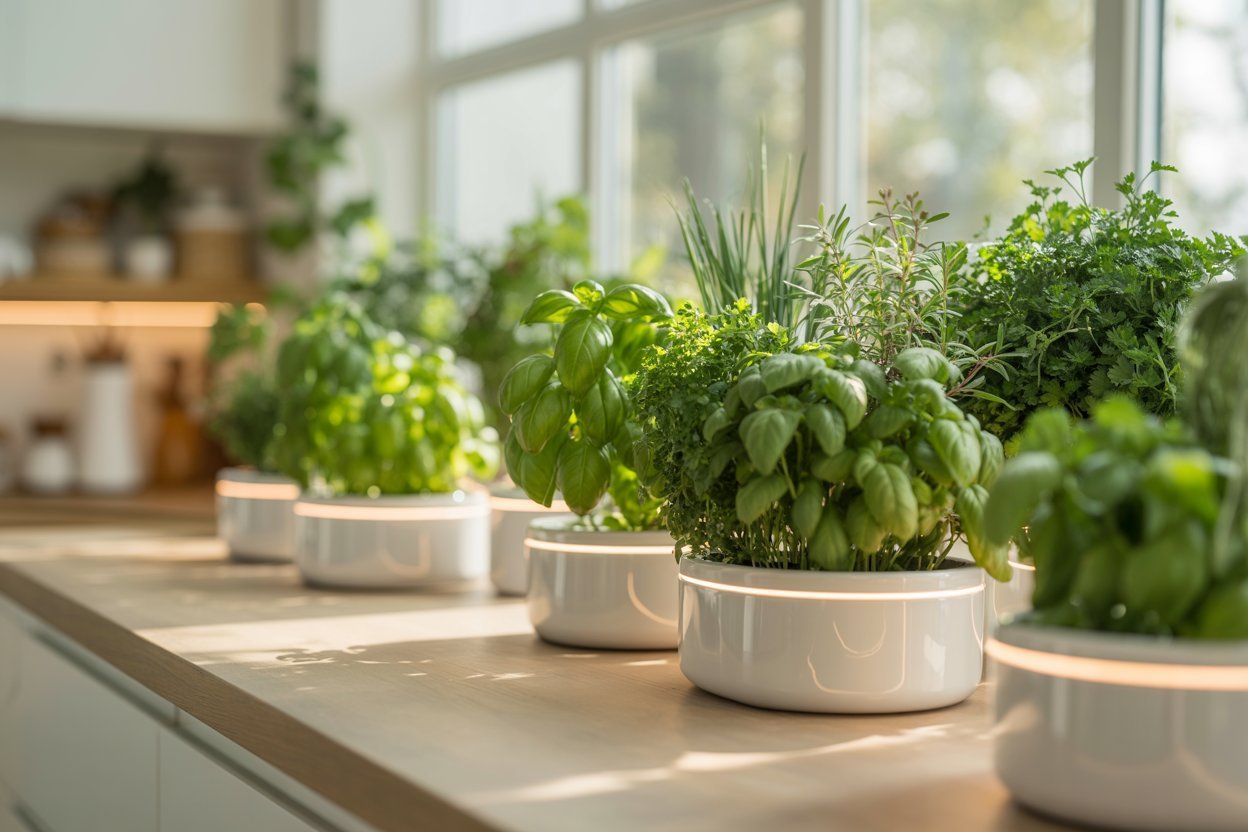

If you’ve ever bought a bunch of herbs with the best intentions only to find them wilted and forgotten days later you’re not alone. For many of us, keeping fresh flavor in the kitchen has always felt like a race against time.
That’s exactly why growing herbs indoors becomes more than a cute idea; it turns into a quiet little upgrade to everyday life.
There’s something incredibly satisfying about reaching over to your windowsill and snipping exactly what you need no waste, no rush, no guilt. Just fresh, living flavor waiting patiently for you.
And the beautiful part? You don’t need to be a gardening expert. You don’t even need a garden.
Whether your space is a sunny kitchen ledge or a tiny apartment corner, indoor herbs fit themselves into your life without demanding much in return.
Why Indoor Herbs Feel Like the Better Option
One thing I quickly learned is that indoor herbs aren’t just about convenience they’re about reliability.
Outdoor plants deal with too many “what-ifs”: unexpected heat, sudden rain, bugs that show up overnight. Indoors, everything is calmer.
Herbs stay protected, cleaner, and surprisingly happier. Most culinary herbs actually prefer stable indoor conditions, which makes them ideal for anyone who wants something low-stress and forgiving.
They also don’t need big pots or complicated setups. A bright spot, a little airflow, and light watering are usually enough.
And instead of waiting months the way you would with vegetables, herbs often become usable in just a few weeks.
Once they start growing, they keep producing for months, especially when you trim them gently rather than harvesting all at once.
How Indoor Herbs Quietly Add Value to Your Days
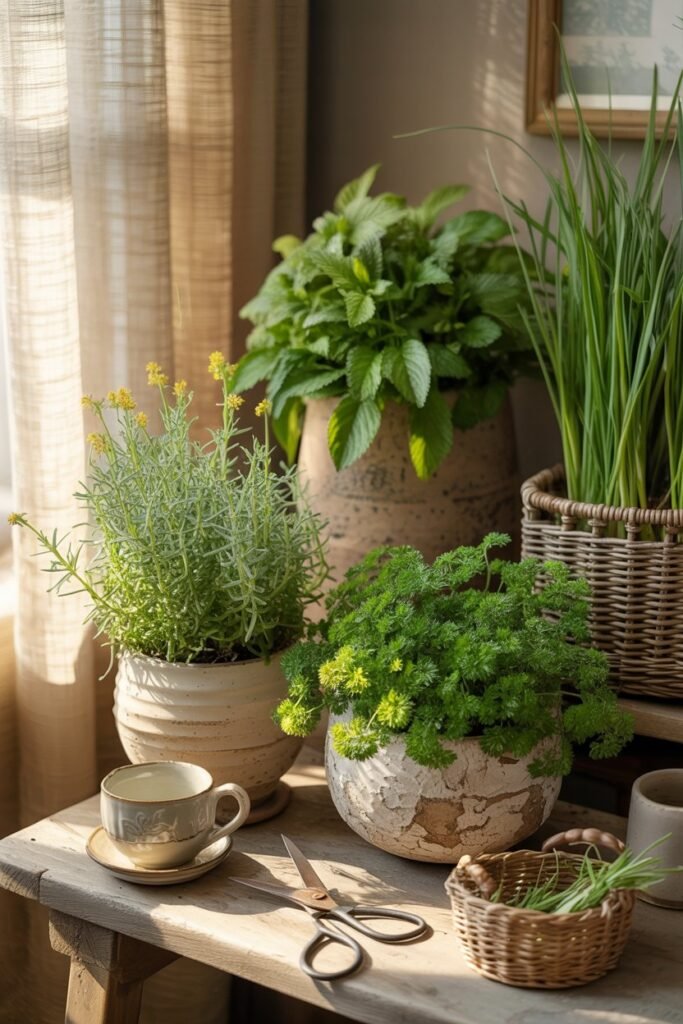
What makes this so rewarding goes beyond flavor:
- You only cut what you need, which means nothing goes to waste
- They save money especially if you use herbs often
- Meals taste fresher, even when the recipe is simple
- Herbs like mint, rosemary, and basil bring subtle wellness benefits
- They add a soft, natural beauty to your space without overwhelming it
- Some even help freshen indoor air with their gentle, plant-based scent
And there’s an emotional piece too.
Watching something grow because you cared for it seeing tiny new leaves appear, noticing stems get fuller creates a sense of calm and accomplishment that’s hard to explain until you feel it.
It’s a small ritual that gives back.
Why Freshness Makes Such a Noticeable Difference
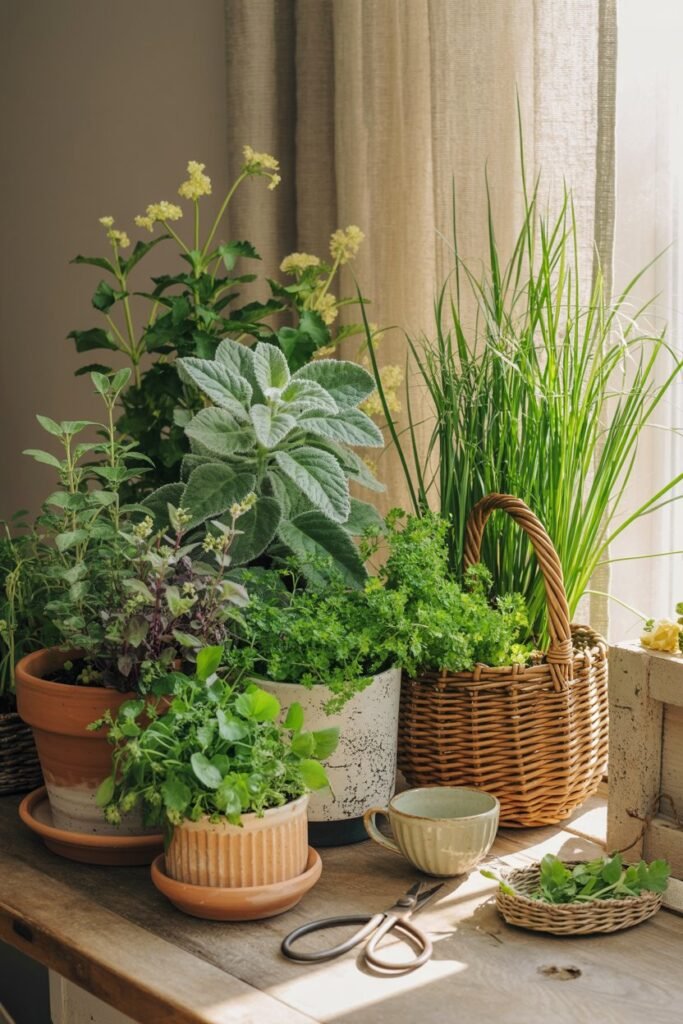
Fresh herbs still hold their natural oils the tiny pockets where all the flavor and aroma live.
When you pick basil or thyme right before using it, those oils are still alive, which makes the taste brighter and more vibrant.
Dried herbs can be helpful, but they lose much of their strength over time, which is why they never quite create the same experience.
With indoor growing, nothing gets shipped, stored, or processed. It’s just pure, immediate freshness right when you want it.
Shop my amazon essentials
- Grow Light
- Drainage-Friendly Herb Pots
- High-Quality Organic Potting Mix
- Watering Can
- Pruning Scissors
- Mini Indoor Thermometer
- Organic Liquid Fertilizer
- Seed Starter Kit
- Fabric Grow Bags
- Small Clip-On Fan
- Indoor Compost Bin
- Herb Drying Rack
The 13 Best Alternative Herbs to Grow Indoors (Fresh Picks You’ll Love)
- Marjoram
- Thai Basil
- Stevia
- Peppercorn Plant (Piper nigrum)
- Greek Mountain Tea (Sideritis)
- Shiso (Perilla)
- Curly Leaf Parsley (different variety than flat-leaf)
- Lemongrass
- Chervil
- Epazote
- Vietnamese Coriander (Rau Răm)
- Winter Savory
- Curry Leaf Plant (Murraya koenigii)
1. Marjoram — The Soft, Sweet Herb That Loves Indoor Life

What Makes Marjoram Special
Marjoram is often described as oregano’s gentler, sweeter sister. It has a mild, floral warmth that adds depth without overpowering dishes.
Indoors, it stays compact, tidy, and incredibly fragrant—perfect for kitchens, small apartments, or anyone new to growing herbs.
Why Marjoram Thrives Indoors
- Prefers stable, warm temperatures (no cold drafts)
- Doesn’t require deep pots or large space
- Handles light trimming beautifully, becoming fuller and bushier
- Less prone to pests than many outdoor herbs
Indoors, it avoids the heavy rain and harsh sun that can easily stunt its growth outside.
How to Care for It
- Light: Bright indirect light or 4–6 hours of sun
- Water: Allow the top inch of soil to dry before watering
- Soil: Light, well-draining mix (like indoor potting soil with perlite)
- Temperature: Happy around 18–24°C (65–75°F)
A gentle pinch of the growing tips every couple of weeks encourages lush, rounded growth.
How to Use It
Marjoram shines in:
- roasted vegetables
- light soups and stews
- herb butters
- salad dressings
It’s especially lovely added at the end of cooking, where its delicate flavor stays intact.
Read Overlooked Plants That Can Survive in the (Almost) Dark
2. Thai Basil — Bright, Beautiful, and Packed With Aroma
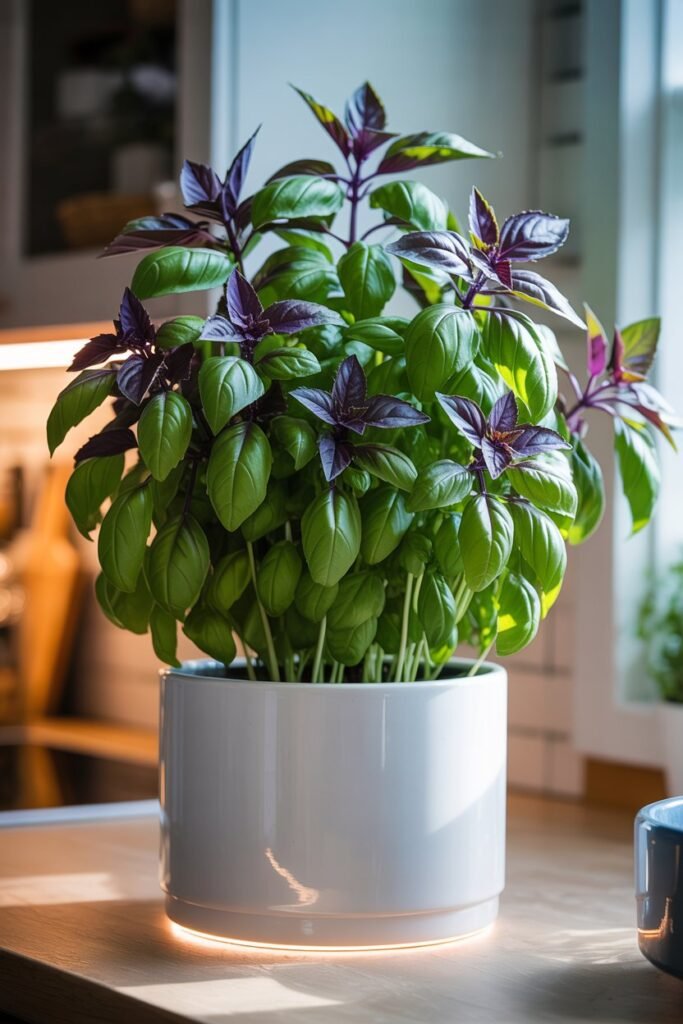
What Makes Thai Basil Unique
Unlike sweet Italian basil, Thai basil has a subtle licorice and spice note, making it irresistible in Asian-inspired dishes.
It grows upright with purple stems and glossy leaves—bringing both flavor and beauty into your space.
Why It’s Perfect Indoors
- Loves warmth and steady conditions
- Grows fast with regular harvesting
- Doesn’t bolt (flower) as quickly indoors
- Compact enough for windowsills and countertop pots
With enough light, it stays vibrant and produces continuously.
How to Care for It
- Light: 6–8 hours of bright light (south-facing window or grow light)
- Water: Keep soil lightly moist but never soggy
- Pruning: Pinch off flower buds to keep flavor strong
- Container: A pot with drainage, at least 6 inches deep
Harvesting often is the secret—this keeps it leafy, not leggy.
Best Ways to Use
Perfect for:
- stir-fries
- noodle bowls
- Thai curries
- fresh summer rolls
- infused oils
A few fresh leaves can completely transform even simple rice or eggs.
3. Stevia — Nature’s Gentle Sweetener in a Pot

Why Stevia Is Worth Growing Indoors
Stevia is a naturally sweet herb that allows you to add sweetness without sugar. The leaves contain steviol glycosides, which taste sweet while using only tiny amounts.
Indoors, it stays cleaner and healthier than outdoor plants, which are often sensitive to rain and humidity.
What Makes It Indoor-Friendly
- Prefers warmth and steady temperature
- Grows well in containers
- Responds beautifully to pruning
- Low pest pressure indoors
It’s a wonderful choice for anyone who enjoys herbal teas or gentle sweetness.
How to Care for It
- Light: 5–6 hours of bright light
- Water: Moist soil—not dry, not soggy
- Soil: Rich and well-draining
- Pruning: Trim regularly to prevent stretching
Avoid letting the plant flower once it blooms, the leaves become less flavorful.
How to Use Stevia Leaves
- Steep fresh leaves in tea
- Dry and crumble for homemade sweetener
- Add to fruit-infused water
- Use a tiny pinch in smoothies
A little goes a very long way.
4. Peppercorn Plant (Piper nigrum) — A Truly Elegant Indoor Climber
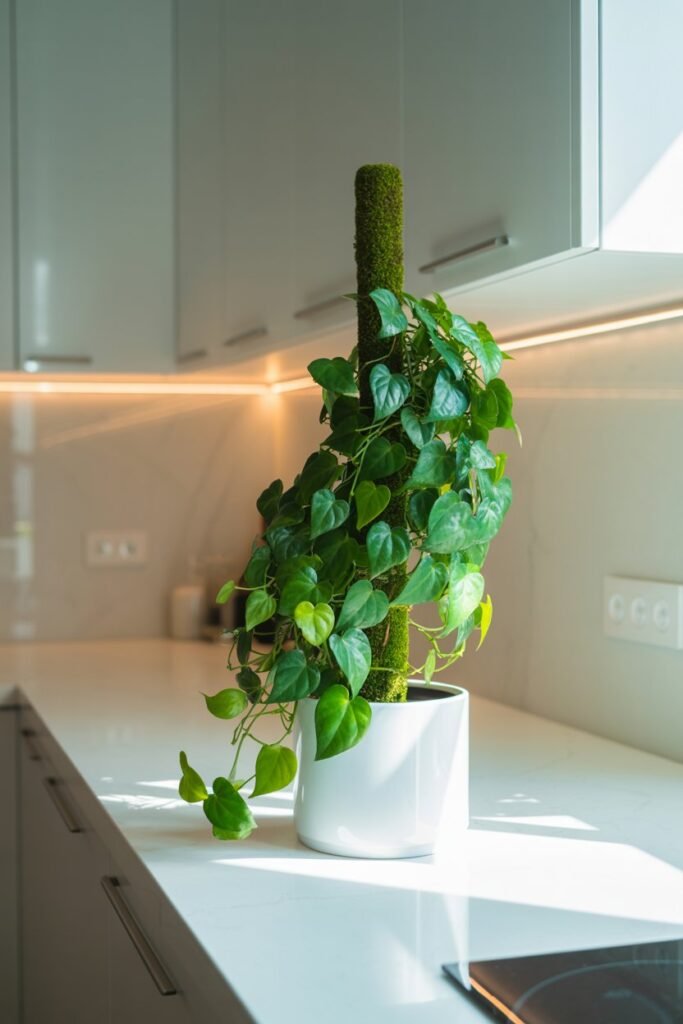
What Makes It So Fascinating
This is the plant that produces black, white, and green peppercorns—one of the world’s most-used spices.
Indoors, it becomes a graceful trailing or climbing plant with glossy heart-shaped leaves, adding a lush, tropical touch to your space.
Why It Thrives Indoors
- Prefers humidity and warmth easier to maintain inside
- Grows slowly but steadily
- Far less vulnerable to pests indoors
- Ideal for people who enjoy long-term plants
It’s not a fast-harvest herb, but it’s incredibly rewarding.
How to Care for It
- Light: Bright, indirect light (no harsh direct sun)
- Water: Even moisture never let soil completely dry
- Support: Provide a small trellis or moss pole
- Humidity: Loves misting or being near other plants
Think of it as a slow-growing companion, not a quick crop.
How It’s Used
While it takes time to produce peppercorns, the leaves can be used lightly in:
- aromatics
- herbal broths
- infused oils
Mostly, this plant is treasured for its beauty and uniqueness indoors.
Read 45 Beautiful Drought-Tolerant Flowering Plants for a Colorful Garden
5. Greek Mountain Tea (Sideritis) — The Calm, Comforting Herb You Didn’t Know You Needed
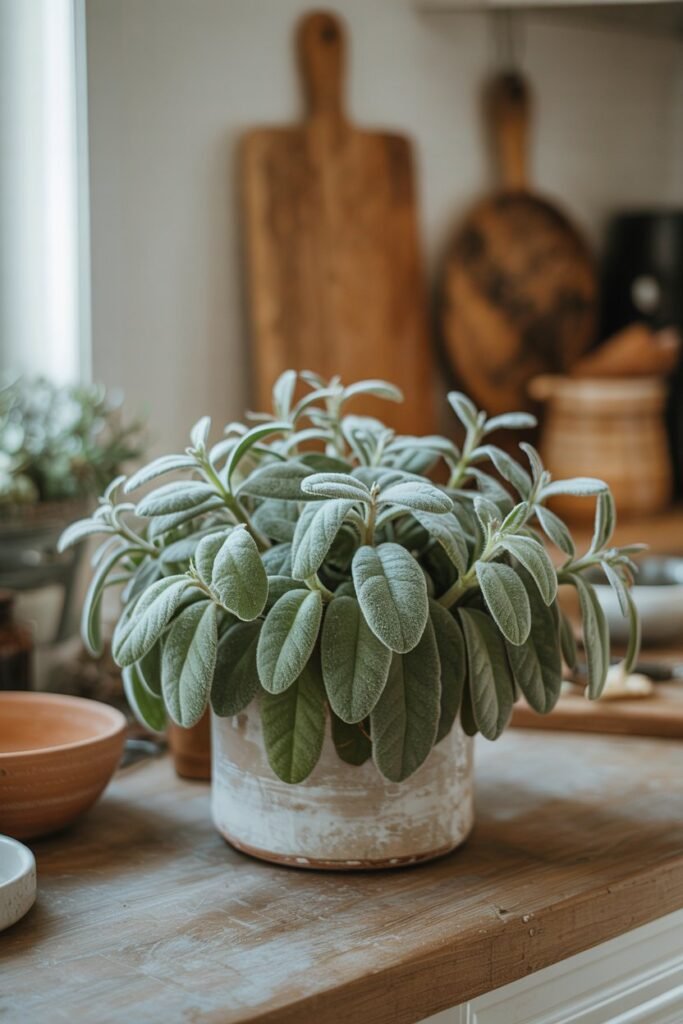
What Makes It So Special
Greek Mountain Tea is a soft, silvery-leaved herb traditionally sipped in the Mediterranean for relaxation and wellness.
It has a gentle, earthy-floral flavor not minty, not grassy just soothing and naturally comforting.
Indoors, it brings a soft, velvety beauty and grows slowly but steadily, making it perfect for anyone who appreciates low-maintenance plants with a calming presence.
Why It Thrives Indoors
- Prefers dry, stable conditions
- Naturally resistant to pests
- Doesn’t need frequent watering
- Ideal for warm, bright indoor spaces
It avoids the heavy moisture and unexpected rain that often harm it outdoors.
How to Care for It
- Light: 6–8 hours of bright light (windowsill friendly)
- Water: Let soil dry almost completely between watering
- Soil: Sandy, well-draining mix
- Temperature: Loves warmth avoid cold drafts
This herb likes to be left alone overwatering is its only real enemy.
How to Use It
- Steep dried leaves for a calming evening tea
- Blend with honey and lemon
- Enjoy as a caffeine-free comfort drink
Harvest lightly this is a slow grower that rewards patience.
6. Shiso (Perilla) — A Bold, Beautiful Herb with Stunning Flavor
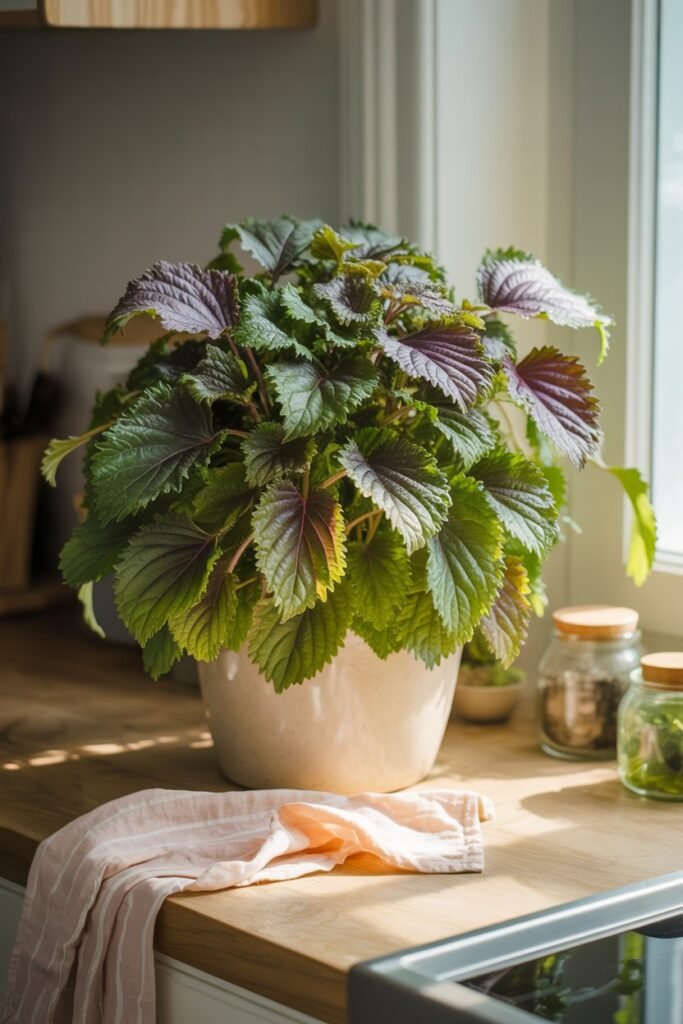
What Makes Shiso Unique
Shiso is a vibrant herb used widely in Japanese and Korean cooking. Its flavor is unlike anything else—fresh, slightly spicy, with hints of mint, basil, and citrus.
The leaves come in green or deep purple, adding both taste and beauty to your indoor space.
Why It’s Perfect Indoors
- Grows quickly from seed
- Compact and container-friendly
- Less likely to bolt indoors
- Produces generously with regular harvesting
Indoors, its leaves stay tender and flavorful for much longer.
How to Care for It
- Light: 5–6 hours of bright light
- Water: Keep soil evenly moist
- Soil: Rich potting mix
- Pruning: Pinch back to encourage branching
Shiso becomes fuller and more productive the more you trim.
How to Use Shiso
- Wrap around rice or veggies
- Add to salads and sushi bowls
- Use in pickling
- Blend into refreshing drinks
Even a few leaves can transform a simple dish into something exciting.
7. Curly Leaf Parsley — A Frilly, Fresh Essential for Indoor Kitchens

Why This Variety Stands Out
Curly parsley is often overlooked, but indoors it becomes a lush, decorative herb with tightly curled leaves and a clean, fresh flavor. It’s gentle, bright, and perfect for garnishing or adding life to everyday meals.
Why It Thrives Indoors
- Slow and steady grower
- Handles cooler indoor temperatures
- Less prone to yellowing when protected from harsh sun
- Great for beginners and small spaces
Indoors, it stays crisp and vibrant much longer than store-bought bunches.
How to Care for It
- Light: 4–6 hours of bright light
- Water: Keep soil lightly moist
- Container: Deep pot parsley has long roots
- Feeding: Light, monthly fertilizer keeps leaves rich and green
Harvest from the outer stems first to encourage continuous growth.
Best Ways to Use
- Finishing soups and pasta
- Fresh tabbouleh
- Herb butters
- Smoothies for a gentle, cleansing boost
It brings freshness without overwhelming other flavors.
8. Lemongrass — The Tall, Elegant Herb with Bright Citrus Aroma

What Makes Lemongrass a Favorite
Lemongrass brings a clean, lemony fragrance that instantly lifts a room. Indoors, it grows in graceful, upright clumps and adds a soft tropical feel—even in the smallest kitchen corner.
Why It Loves Indoor Growing
- Warmth and steady temperatures suit it perfectly
- Regrows after cutting
- Less exposed to fungal issues indoors
- Can thrive in containers without spreading
Even a single pot can supply months of flavor.
How to Care for It
- Light: 6–8 hours of bright light or a grow light
- Water: Keep soil consistently moist, never soggy
- Container: Tall pot to support root growth
- Humidity: Appreciates occasional misting
Trim older stalks to encourage fresh, tender new shoots.
How to Use Lemongrass
- Add to soups and curries
- Steep for calming herbal tea
- Infuse oils or broths
- Use crushed stalks to release more aroma
Before cooking, gently bruise the stalk—this wakes up the citrus oils beautifully.
9. Chervil — The Delicate, Elegant Herb for Subtle Flavor
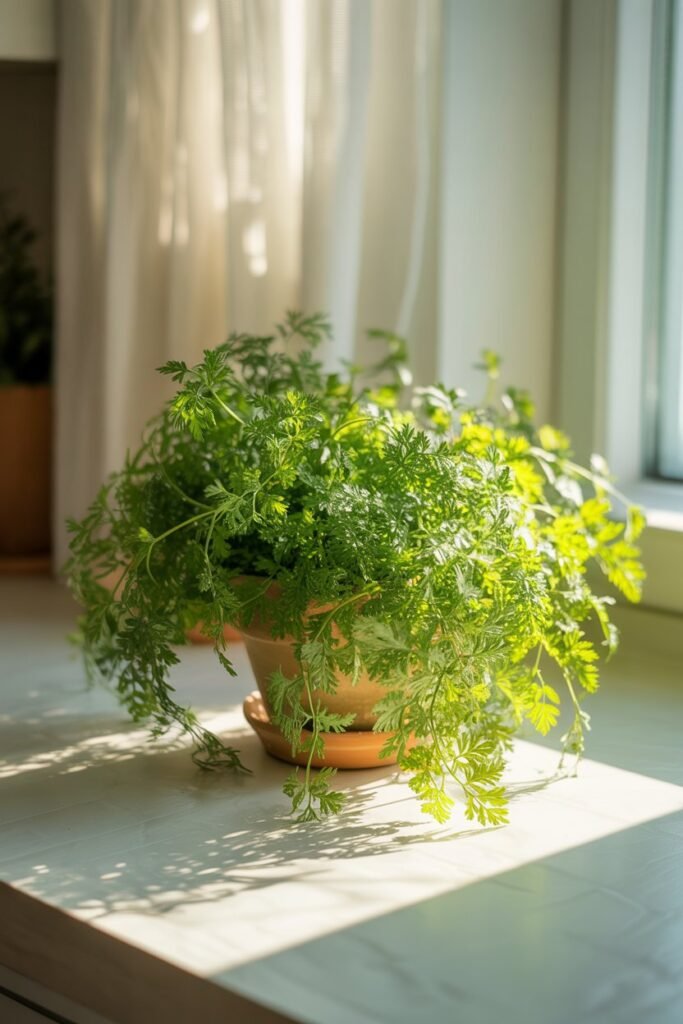
What Makes Chervil Special
Chervil is a soft, fern-like herb often called the “gourmet parsley.” It has a mild, slightly anise-like flavor that adds elegance without overpowering a dish.
Indoors, it grows beautifully in small pots, making it perfect for kitchens or cozy corners.
Why It Thrives Indoors
- Prefers cooler indoor temperatures
- Protected from heavy rains and wind
- Slow-growing but reliable with regular trimming
- Minimal pest problems indoors
Its delicate stems and leaves stay tender and vibrant in stable indoor conditions.
How to Care for It
- Light: Bright indirect light, 4–6 hours per day
- Water: Keep soil evenly moist
- Soil: Light, well-draining potting mix
- Harvesting: Snip outer leaves regularly to encourage regrowth
Best Ways to Use Chervil
- Garnish omelets, soups, and salads
- Mix into vinaigrettes
- Lightly flavor delicate sauces or fish dishes
Its subtle flavor works best when added at the end of cooking.
10. Epazote — The Bold, Health-Boosting Indoor Herb
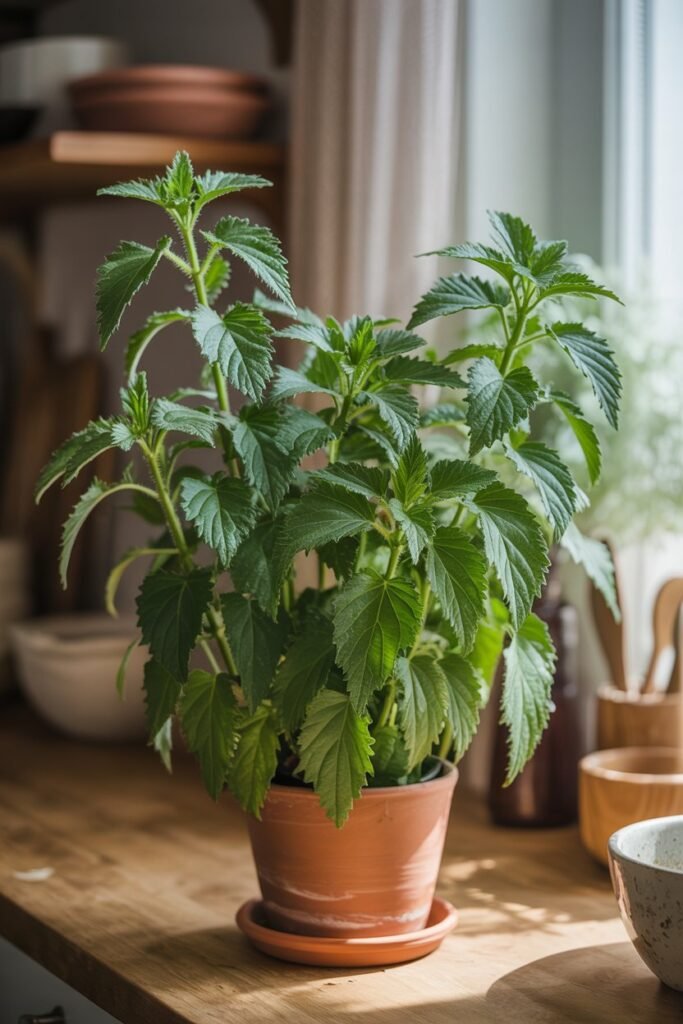
What Makes Epazote Unique
Epazote is a distinctive herb from Central and South America, known for its strong aroma and digestive benefits.
Its leaves have a slightly pungent, earthy flavor that enhances beans and traditional dishes, while also helping reduce bloating.
Why It’s Perfect Indoors
- Sensitive to cold, so indoor growing ensures steady warmth
- Thrives in pots and small containers
- Low maintenance once established
- Produces year-round with proper care
Its bold aroma makes it a conversation starter in any indoor herb collection.
How to Care for It
- Light: 5–6 hours of bright light daily
- Water: Keep soil moderately moist
- Soil: Well-draining, fertile soil
- Pruning: Trim regularly to prevent legginess
How to Use Epazote
- Add to cooked beans and lentils
- Lightly flavor soups and stews
- Use sparingly—its flavor is strong
Even a small plant can provide enough leaves for multiple meals.
11. Vietnamese Coriander (Rau Răm) — The Fresh, Peppery Twist
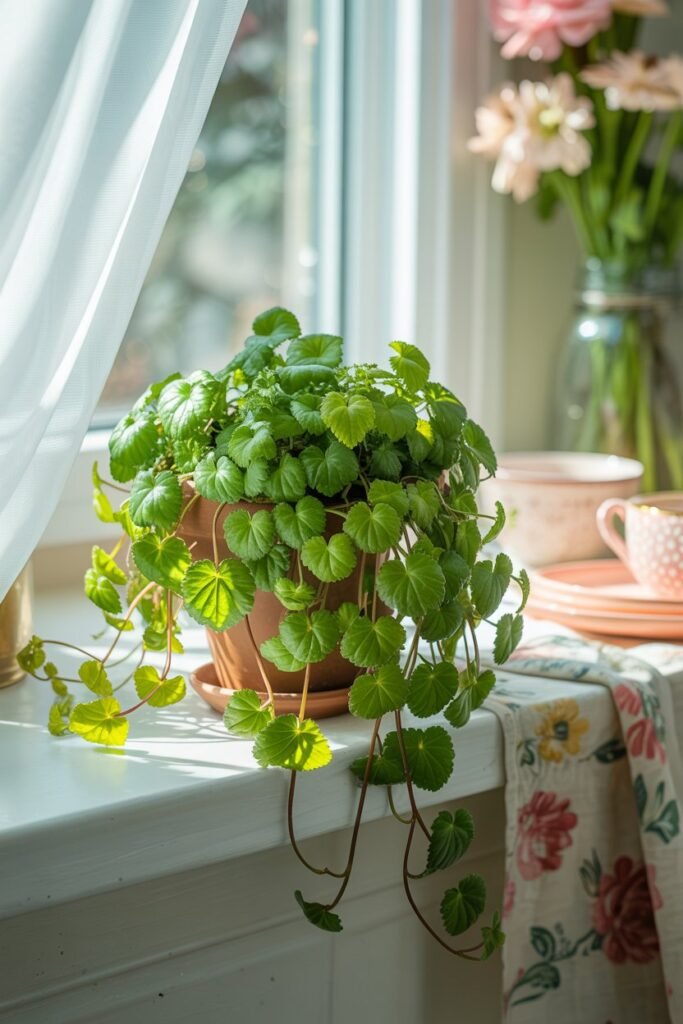
What Makes It Stand Out
Vietnamese coriander isn’t your typical cilantro. It has bright, peppery leaves with a hint of lemon, perfect for Southeast Asian dishes. Indoors, it forms a lush, trailing plant that is both beautiful and practical.
Why It Thrives Indoors
- Prefers warm, stable conditions
- Thrives in containers and small spaces
- Continues producing when regularly harvested
- Less prone to pests indoors
Its trailing stems make it visually appealing on a windowsill or shelf.
How to Care for It
- Light: Bright indirect sunlight, 4–6 hours daily
- Water: Keep soil moist, not soggy
- Soil: Rich, well-draining potting mix
- Pruning: Snip tips to encourage bushy growth
Best Ways to Use Vietnamese Coriander
- Fresh garnish for soups and salads
- Add to spring rolls or stir-fries
- Infuse in herbal water or teas
Its vibrant leaves bring fresh flavor and a pop of green to any dish.
12. Winter Savory — The Hardy, Aromatic Companion
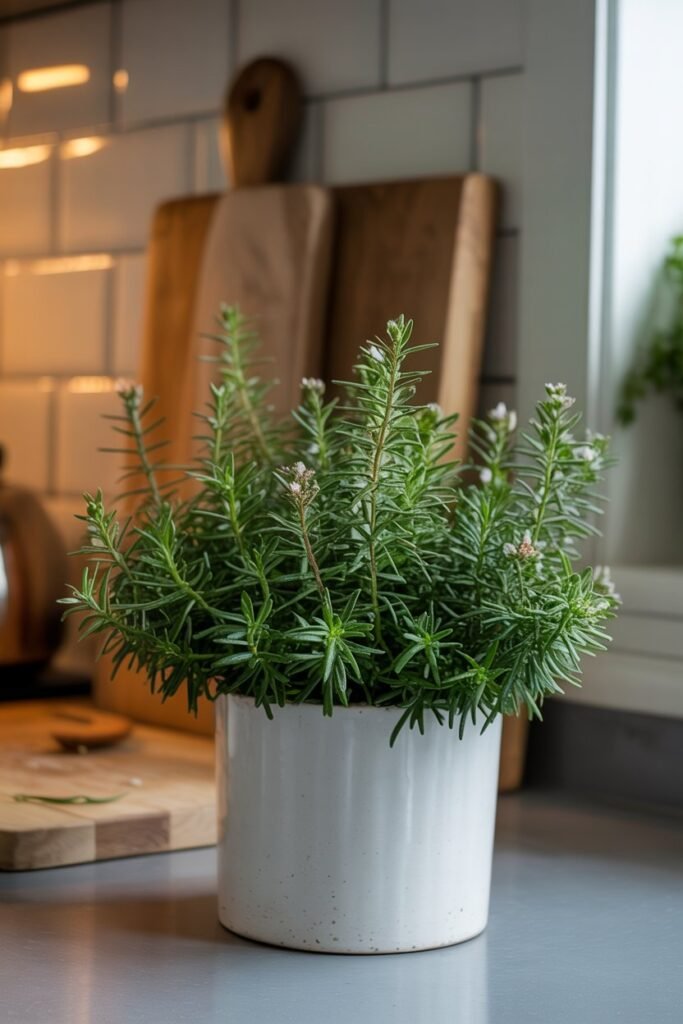
Why Winter Savory Is Special
Winter Savory is a strong, peppery herb that complements beans, roasted vegetables, and poultry.
Its evergreen leaves make it a beautiful, year-round indoor plant, especially for colder months when many herbs slow down outdoors.
Why It Thrives Indoors
- Enjoys warmth and bright light
- Compact growth makes it ideal for small pots
- Less pest-prone than outdoor plants
- Maintains flavor and aroma even in winter
It’s a reliable herb for kitchens that see seasonal changes.
How to Care for It
- Light: 6–8 hours of bright sunlight or grow light
- Water: Let soil dry slightly between waterings
- Soil: Well-draining potting soil
- Pruning: Regularly trim for bushy growth and new shoots
How to Use Winter Savory
- Season beans, stews, and roasts
- Blend into herb mixes for long-term storage
- Add a few leaves to marinades or sauces
Its peppery notes give meals depth without overpowering other flavors.
13. Curry Leaf Plant (Murraya koenigii) — The Aromatic Treasure of Your Kitchen
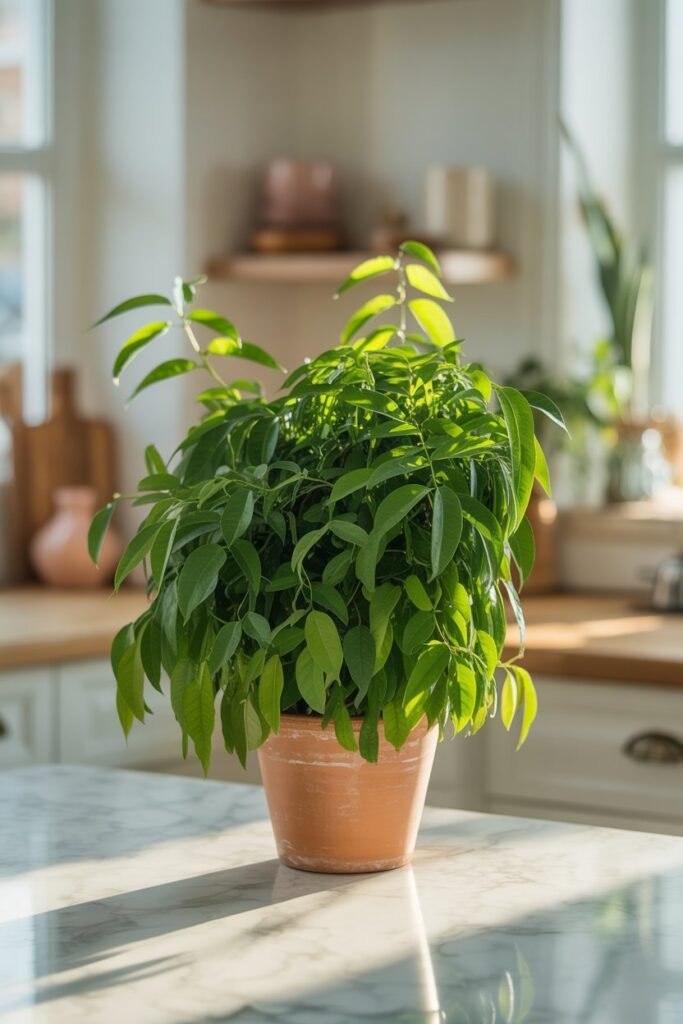
Why Curry Leaf Is Special
The Curry Leaf Plant is a small, evergreen shrub cherished in Indian and Southeast Asian cooking.
Its leaves are intensely aromatic, releasing a rich, warm, slightly citrusy fragrance that elevates every dish it touches. Indoors, it grows gracefully in a pot, bringing both beauty and a burst of flavor right into your kitchen.
Why It Thrives Indoors
- Prefers consistent warmth and indirect sunlight
- Slow but steady grower, perfect for container life
- Protected from pests and harsh weather indoors
- Can live for many years with proper care
It’s a long-term companion plant—rewarding patience with flavorful leaves season after season.
How to Care for It
- Light: Bright, indirect sunlight (south or east-facing window ideal)
- Water: Keep soil evenly moist but not soggy
- Soil: Well-draining, rich potting mix
- Pruning: Trim sparingly to encourage branching and maintain size
How to Use Curry Leaves
- Add fresh leaves to curries, dals, and soups
- Infuse in oils for cooking or seasoning
- Use in rice dishes or sautéed vegetables
The aroma alone can transform your kitchen into a fragrant, welcoming space.
Conclusion: Fresh Herbs, Endless Joy
Growing herbs indoors is more than just a culinary convenience—it’s a daily act of care for yourself and your space.
From the gentle sweetness of Marjoram to the bold, peppery notes of Winter Savory, and the aromatic magic of the Curry Leaf Plant, each herb brings fresh flavor, natural wellness benefits, and a touch of greenery into your home.
By choosing herbs that thrive indoors, you can enjoy year-round freshness, reduce waste, save money, and create a small indoor garden that’s both practical and beautiful.
There’s a unique joy in reaching for a leaf you nurtured yourself, knowing it’s at the peak of flavor and ready to elevate your meals.
Whether you’re sprinkling Vietnamese Coriander over a salad, adding Lemongrass to tea, or infusing your kitchen with the aroma of Curry Leaves, these herbs transform everyday cooking into something special.
And the best part? Caring for them becomes a calming, mindful routine—a little daily ritual that brings life, scent, and beauty into your home.
