
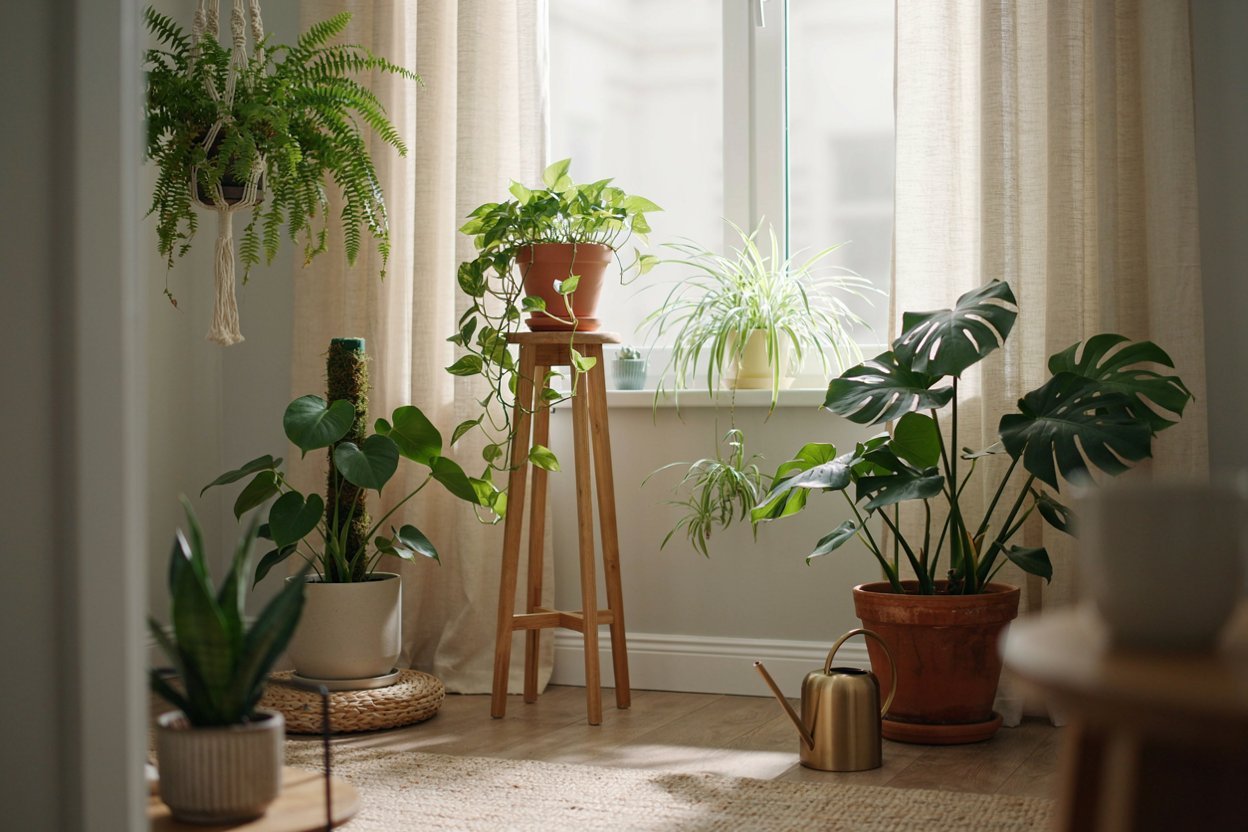

I’ve always loved the look of a full, healthy potted plant.
A plant with plenty of leaves and stems can make a room, patio, or garden corner feel instantly more beautiful.
Over the years, though, I’ve learned that fuller plants do not always happen by accident. Sometimes a few simple changes in the way you prune, position, water, and plant can make a big difference.
If your potted plants look thin or leggy, this guide will help you encourage a fuller, healthier appearance.
1. Start With the Right Amount of Light
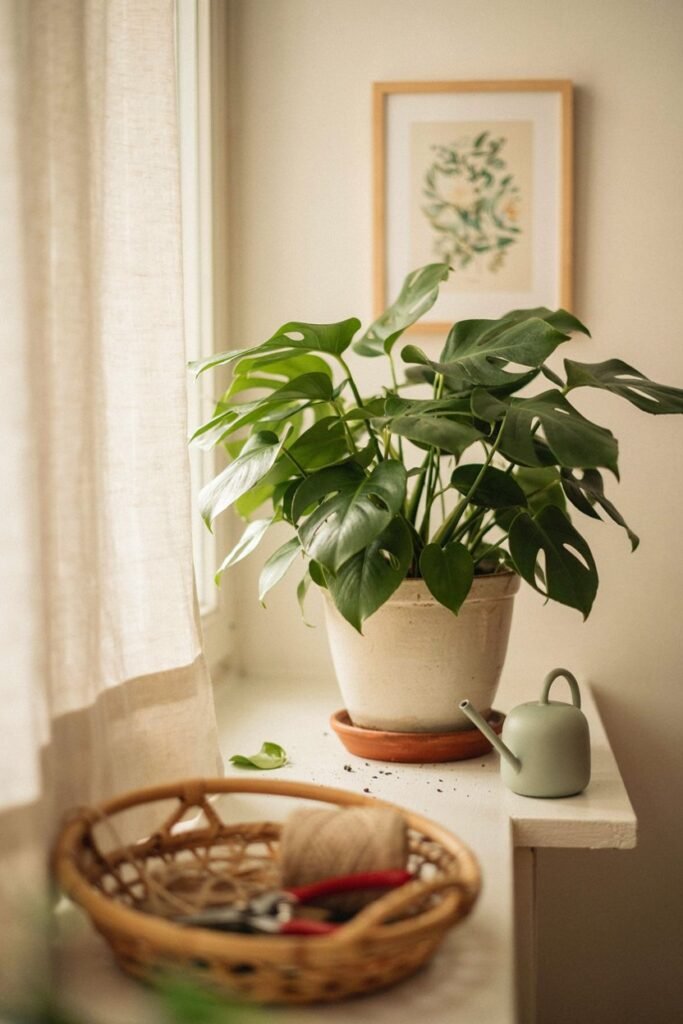
One of the biggest reasons potted plants become thin and stretched out is poor lighting.
Plants need enough light to produce strong, healthy growth. When a plant does not receive enough light, it may stretch toward the nearest light source.
This often creates long stems with large gaps between the leaves, making the plant look sparse instead of full.
What to do
Before trying anything else, check whether your plant is getting the right type of light.
- Bright-light plants should be placed close to a bright window or another suitable light source.
- Low-light plants can tolerate less light, but they still need some light to grow properly.
- Outdoor container plants should receive the amount of sun recommended for their particular species.
If you notice your plant leaning strongly toward a window, that is often a sign that it wants more light.
Rotate the pot regularly
I like to turn my potted plants every week or two. This helps all sides of the plant receive light more evenly.
Without rotation, one side may become fuller while the other side stays thin. A simple quarter-turn can encourage more balanced growth over time.
Tip: Always check your plant’s specific light requirements before moving it into direct sun. Some plants can develop leaf damage when exposed to too much intense sunlight.
2. Prune or Pinch Back Leggy Growth
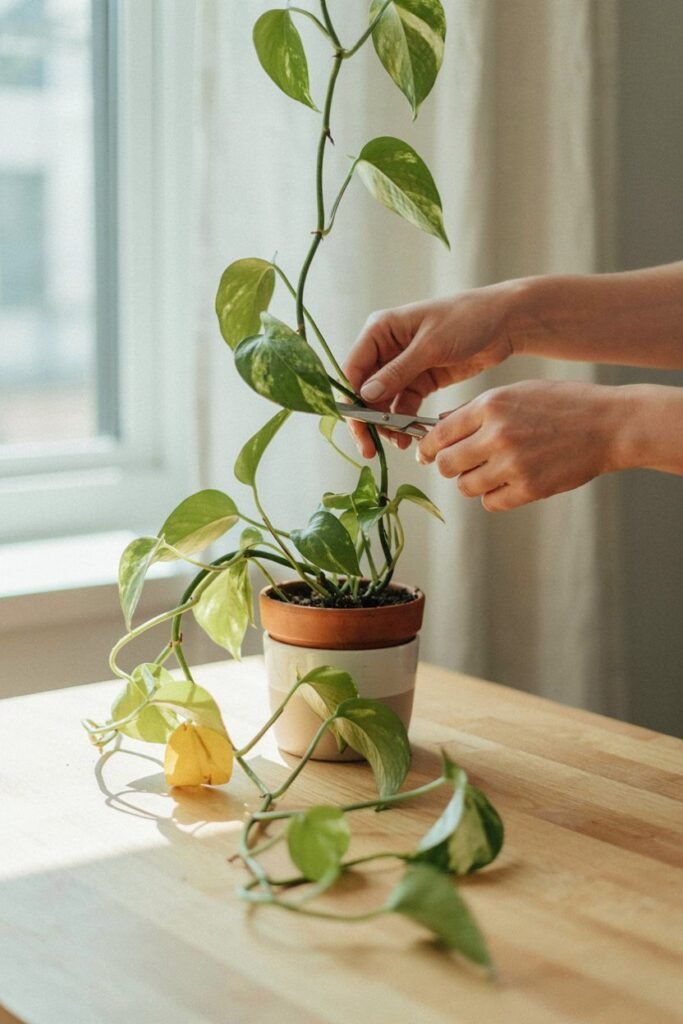
Pruning is one of the easiest ways to encourage many plants to grow fuller.
When a stem grows long without producing many side branches, carefully trimming or pinching it can encourage new growth from lower points on the stem.
This can help the plant develop more branches and create a bushier shape.
How to pinch a plant
For plants with soft stems, you can often pinch off the growing tip using clean fingers or scissors.
Look for the newest growth at the end of a stem and remove the tip just above a leaf node.
A leaf node is the small area where leaves grow from the stem. Many plants can produce new branches from nodes after the growing tip is removed.
Why pruning helps
Think of pruning as giving your plant a little direction. Instead of putting all of its energy into making one long stem, many plants will begin developing side growth.
Over time, this can create:
- More branches
- More leaves
- A more balanced shape
- A fuller overall appearance
Always use clean, sharp scissors or pruning shears when cutting thicker stems.
Important: Not every plant responds to pruning in the same way. Research your particular plant before making major cuts.
3. Don’t Be Afraid to Trim Your Plant Regularly
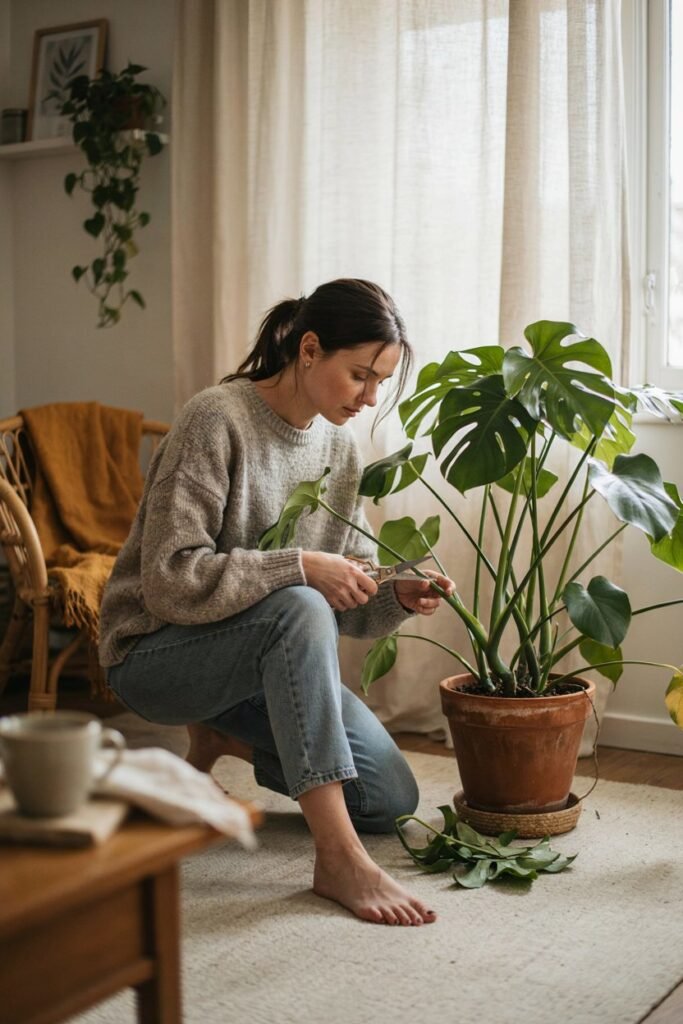
A single pruning session can help, but regular light trimming can be even more useful for plants that naturally become leggy.
I like to check my plants while watering them. If I see one stem growing much longer than the rest, I consider trimming it back.
This keeps the plant’s shape more balanced and prevents one or two stems from taking over.
What to look for
Trim stems that are:
- Much longer than the rest of the plant
- Growing in an awkward direction
- Bare or sparse
- Weak and stretched
- Making the plant look uneven
You do not need to remove large amounts of the plant all at once. Small, careful trims can help maintain a neat and full appearance.
Avoid heavy pruning when a plant is already stressed by poor lighting, pests, or other problems.
4. Use the Right Pot Size
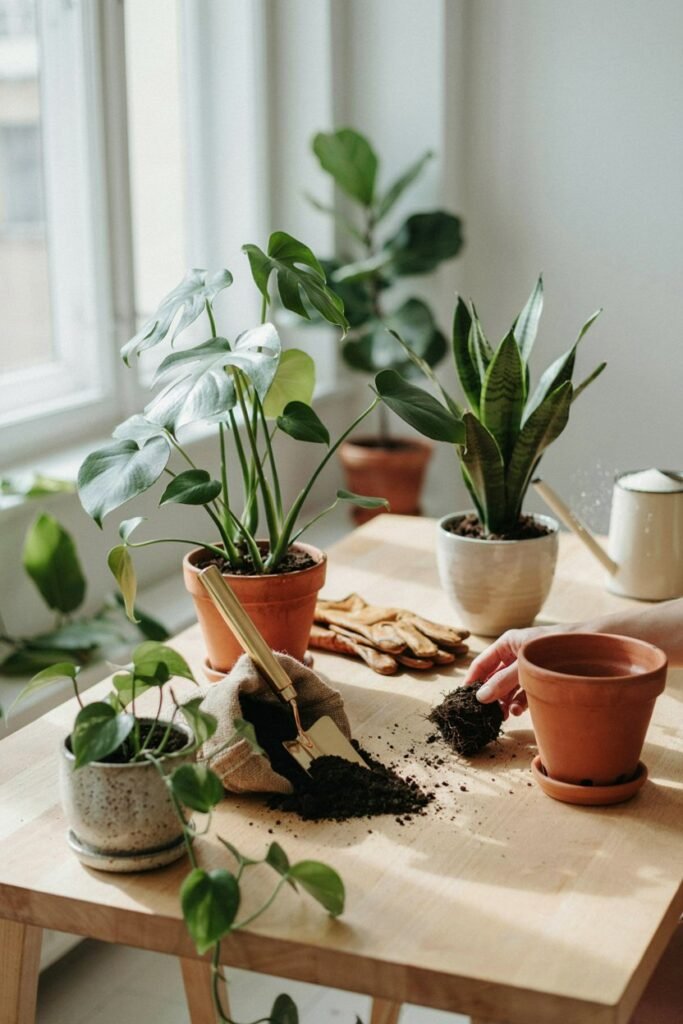
Sometimes a plant looks less full simply because the container is not the right size.
A very large pot can make a small plant look tiny and lost. On the other hand, a plant that has badly outgrown its container may struggle to grow well.
When choosing a pot, select one that suits the current size of the plant and its root system.
Signs your plant may need a new pot
Your plant may be ready for repotting if:
- Roots are growing out of the drainage holes
- The soil dries out unusually quickly
- Growth has slowed despite good care
- Roots are tightly crowded inside the pot
- The plant frequently becomes unstable
When repotting, it is usually best to move up gradually rather than placing a small plant into an extremely large container.
A properly sized pot can help your plant grow comfortably and look more proportional.
5. Plant More Than One Plant in the Same Pot
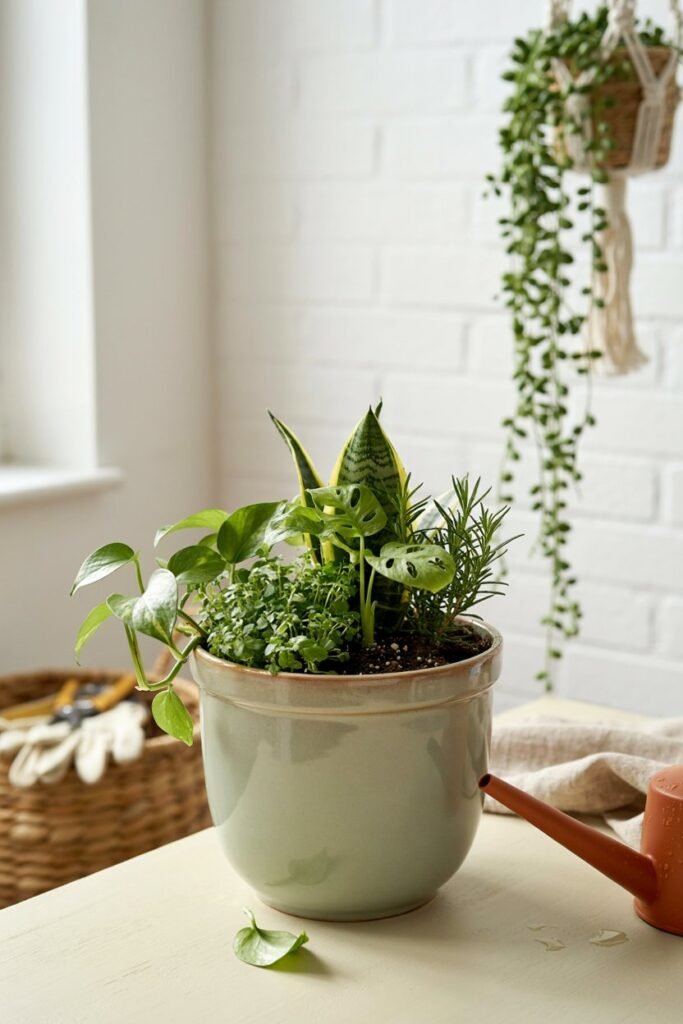
This is one of my favorite tricks for creating an instantly fuller container
Sometimes the secret is not making one plant produce twice as many stems. Instead, you can plant several compatible plants together.
Many hanging baskets and decorative containers look incredibly full because they contain multiple young plants rather than just one.
This works especially well for:
- Pothos
- Spider plants
- Tradescantia
- Herbs
- Some annual flowers
- Trailing plants
When planting several plants together, make sure they have similar needs.
They should generally require similar:
- Light conditions
- Watering schedules
- Soil types
- Temperatures
Avoid overcrowding the pot so much that the plants compete heavily for water and nutrients.
6. Add Propagated Cuttings Back Into the Pot
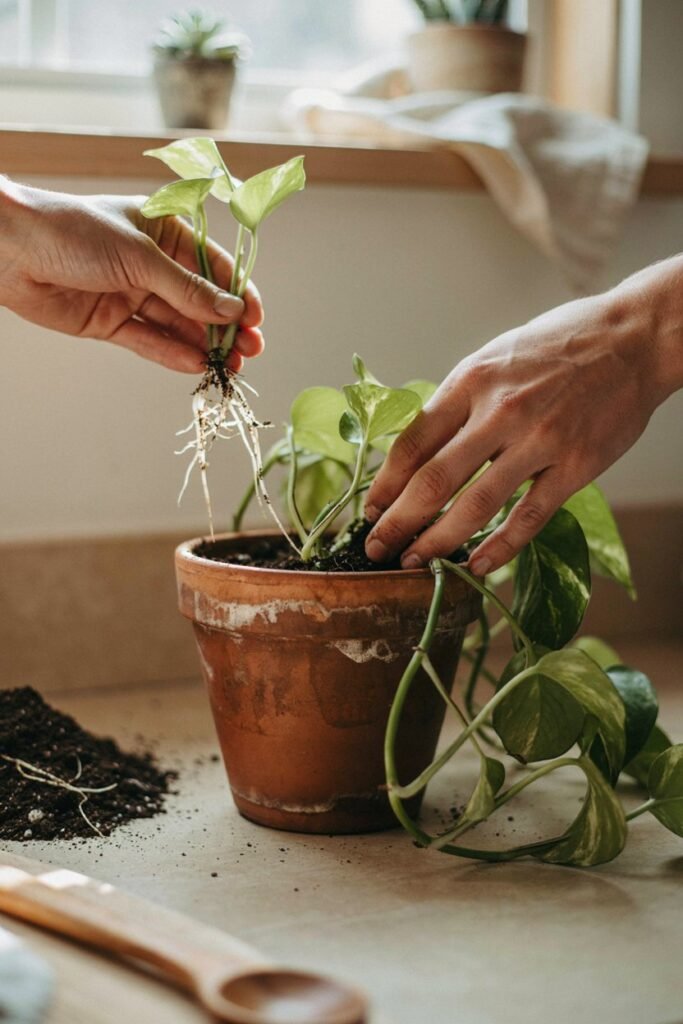
If your plant has long, healthy stems, propagation can be a wonderful way to make the original pot look fuller.
For example, some popular trailing houseplants can be propagated from stem cuttings. Once the cuttings develop roots, they can be planted back into the original container.
This adds new stems and leaves, helping fill empty spaces.
A simple approach
- Take a healthy cutting from the plant.
- Make sure the cutting includes suitable nodes for the type of plant.
- Root the cutting using the method recommended for that species.
- Wait until it has developed a healthy root system.
- Plant the rooted cutting back into the original pot.
Over time, the new plants can grow alongside the original one and create a much fuller display.
This is especially useful when a trailing plant has bare sections near the top of the pot.
7. Give Your Plant Enough Water
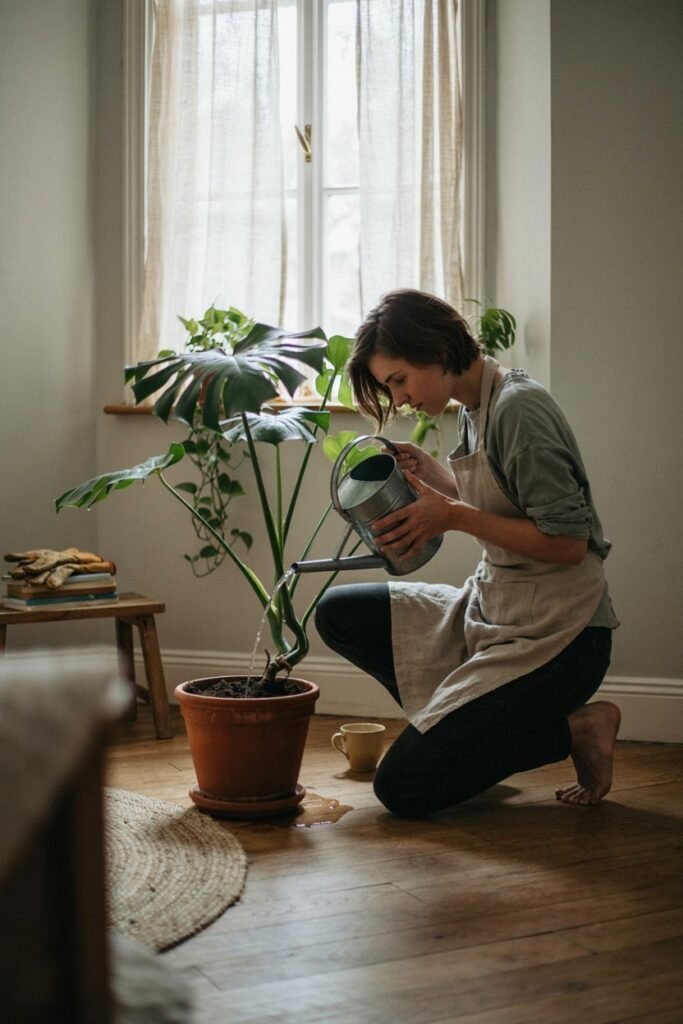
Watering affects the way a plant grows.
A plant that is repeatedly allowed to become severely dry may struggle to produce healthy new growth. At the same time, constantly soaking the soil can damage roots and create other problems.
The goal is not to follow the exact same watering schedule for every plant. Instead, pay attention to your plant and its soil.
Check before watering
Stick your finger gently into the soil to check moisture, or use another reliable method appropriate for your plant.
Different plants have very different needs.
For example:
- Some plants prefer the soil to dry slightly between waterings.
- Others prefer more consistent moisture.
- Succulents generally need much less frequent watering than many tropical plants.
Healthy roots support healthy growth, and healthy growth is essential for a fuller plant.
8. Use Good-Quality Potting Mix
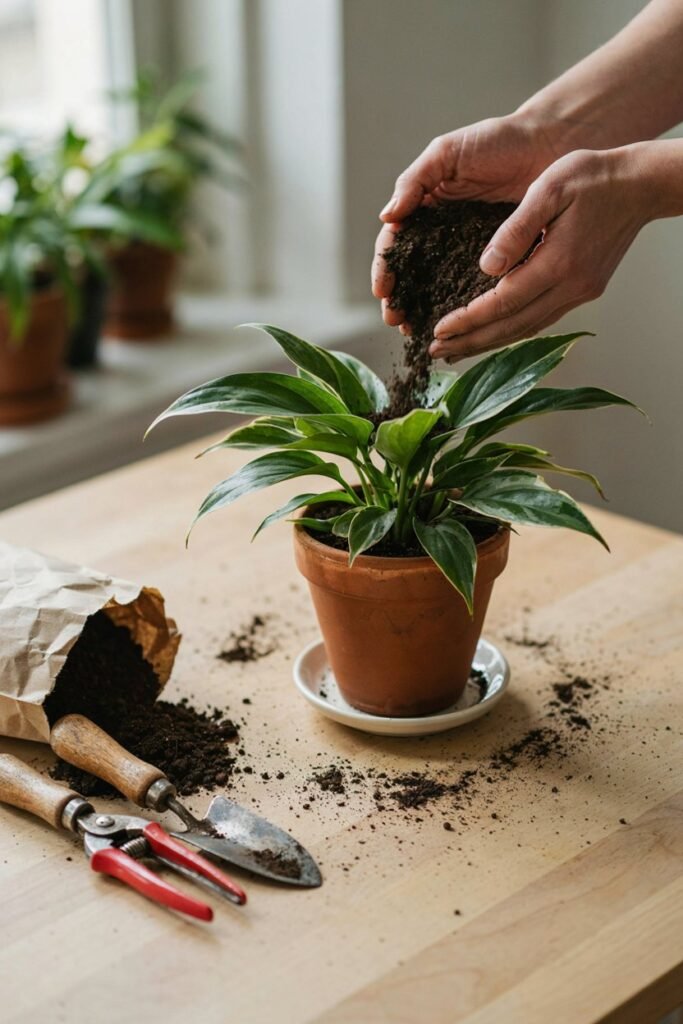
Your plant spends its entire life growing in the soil inside its container, so the quality of that growing medium matters.
Old, compacted soil can make it harder for water and air to move around the roots.
A good potting mix should generally provide a balance between:
- Moisture retention
- Drainage
- Air around the roots
Choose a mix appropriate for the type of plant you are growing.
For example, a succulent needs a different type of growing medium than a moisture-loving tropical houseplant.
If your soil has become extremely compacted or exhausted, refreshing the potting mix may help support healthier future growth.
9. Feed Your Plant During Active Growth
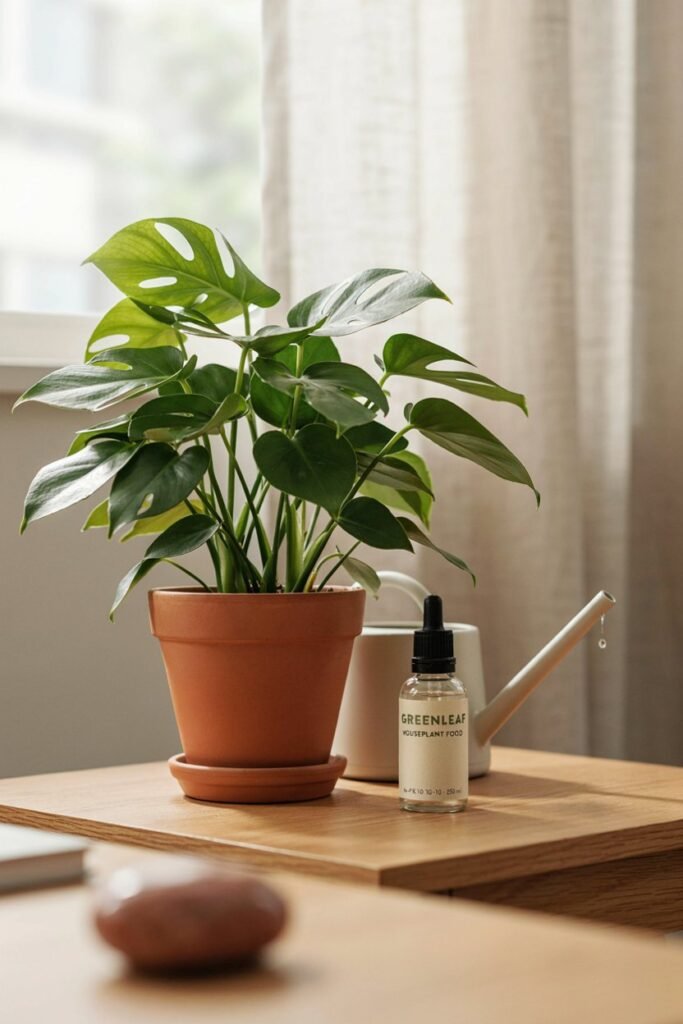
Plants need nutrients to produce new leaves and stems.
If a potted plant has been growing in the same soil for a long time, some nutrients may become depleted. During the plant’s active growing period, an appropriate fertilizer can support healthy growth.
However, more fertilizer does not always mean faster or better growth.
Overfertilizing can stress plants and may damage roots.
Keep it simple
Choose a fertilizer suitable for your type of plant and follow the product directions carefully.
Remember that fertilizer works best when the plant already has:
- Suitable light
- Proper watering
- Healthy roots
- Appropriate soil
Fertilizer cannot completely fix a plant that is struggling because it is sitting in the wrong location or suffering from poor root health.
Think of feeding as one helpful part of overall plant care.
10. Give Your Plant Room to Grow
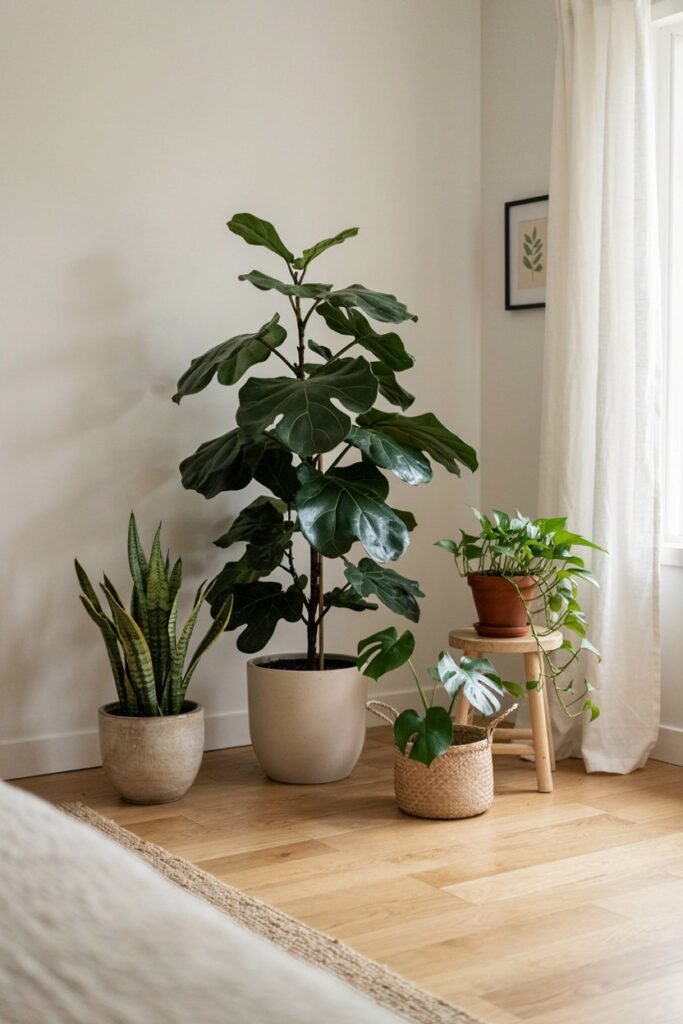
Plants need enough space for light and air to reach their leaves.
If several plants are crowded together, the inside portions may receive less light. This can sometimes cause lower leaves to decline or stems to become uneven.
For a fuller appearance, you want growth throughout the plant rather than only at the very top.
Make sure your potted plant has enough room around it and is not constantly blocked by larger plants or objects.
Good spacing can also make it easier to:
- Inspect for pests
- Water properly
- Rotate the pot
- Remove damaged leaves
- Maintain an even shape
11. Remove Dead or Damaged Leaves
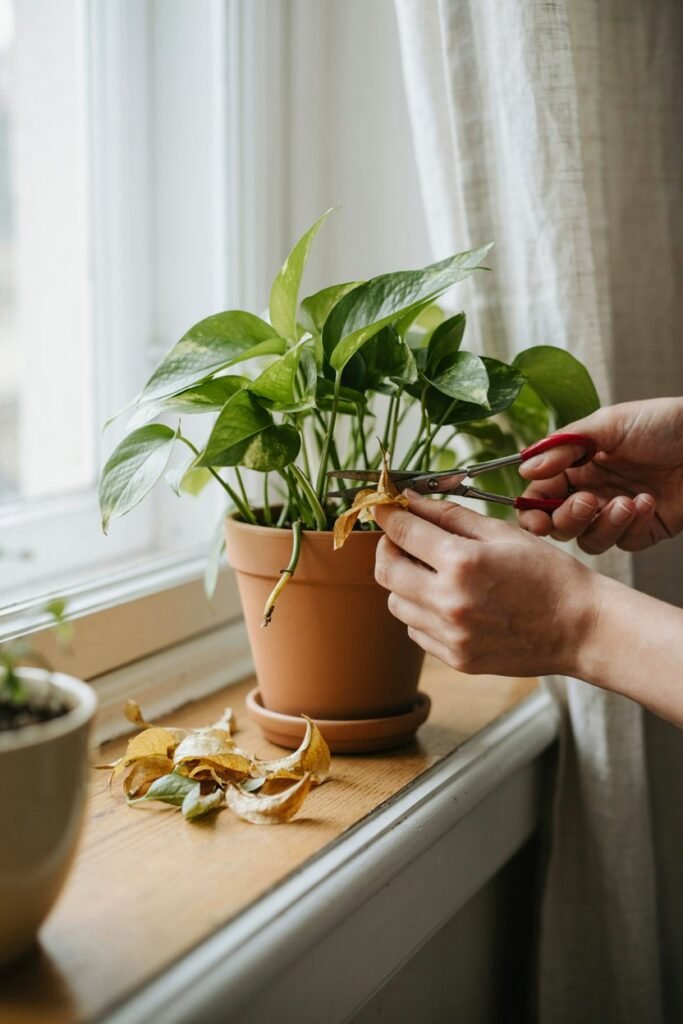
Dead leaves can make an otherwise healthy plant look messy and sparse.
Every so often, take a few minutes to inspect your plant and remove leaves that are completely dead or badly damaged.
This simple bit of maintenance instantly makes many potted plants look cleaner and healthier.
Use clean scissors when necessary, especially if you are removing damaged stems.
While removing old leaves will not magically create new ones, it helps you see the plant’s true shape and focus on encouraging healthy future growth.
12. Watch Out for Pests
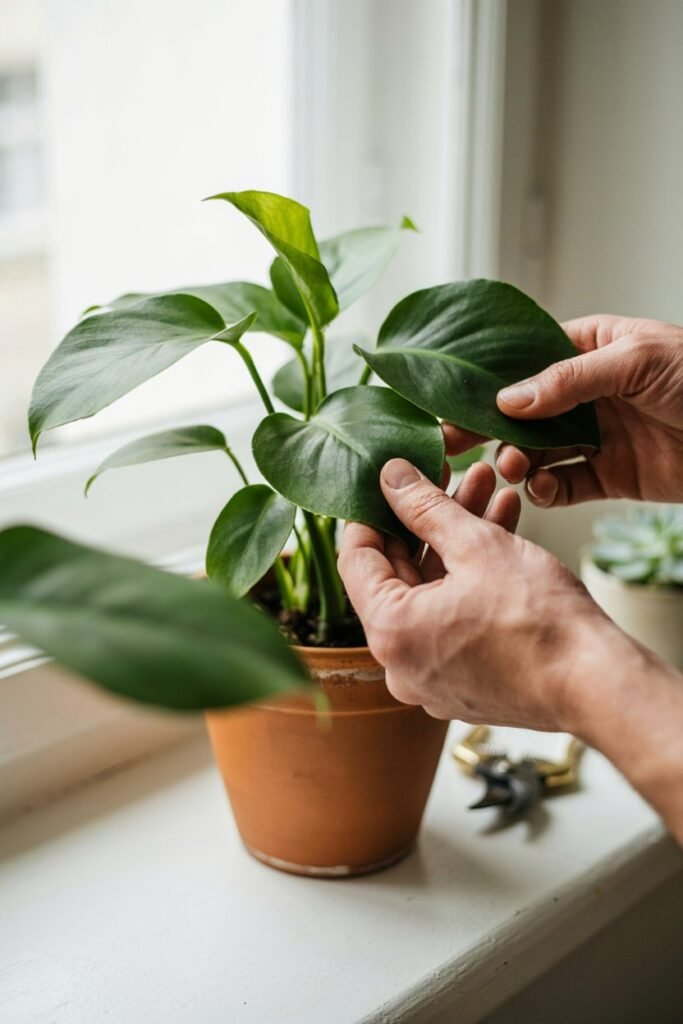
A plant that suddenly stops growing well or begins losing leaves may have a pest problem.
Common houseplant pests can weaken plants by feeding on leaves or stems.
Check your plants regularly, especially:
- Under the leaves
- Along the stems
- Around new growth
- Near the soil surface
Catching problems early can make them easier to manage.
If you notice signs of pests, identify the problem before choosing a treatment. Different pests may require different approaches.
Keeping your plant healthy and pest-free gives it a better chance of producing strong, full growth.
13. Be Patient With New Growth
This may be the most important tip of all.
A fuller plant usually does not happen overnight.
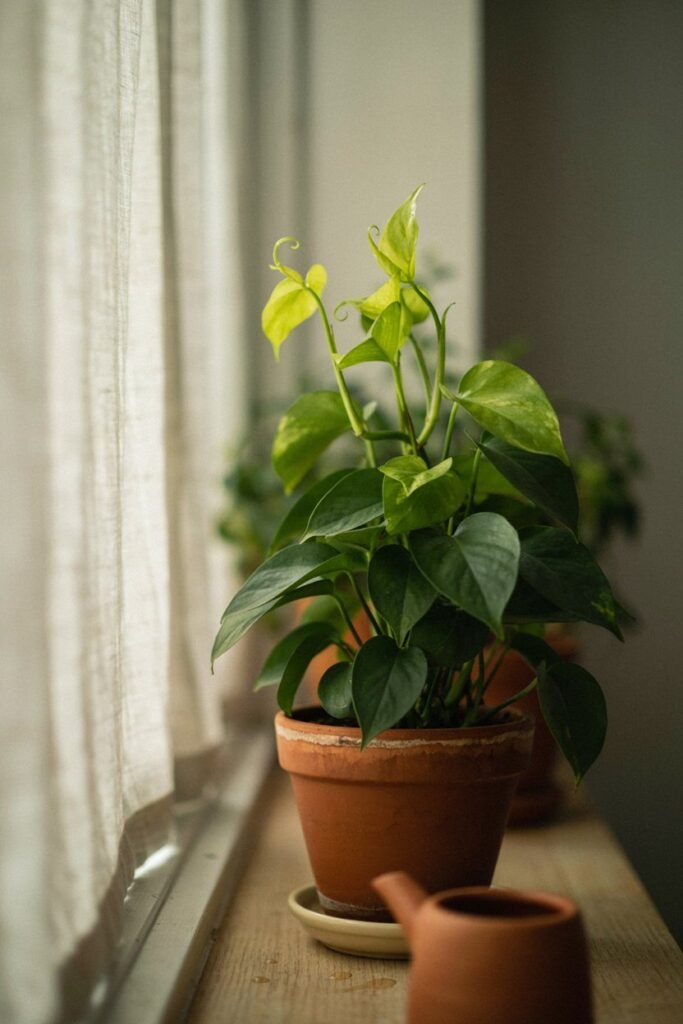
After improving the light, pruning carefully, and giving your plant better overall care, it may take time before you see a major difference.
I always remind myself that plants grow at their own pace.
Some plants grow quickly during the growing season, while others are naturally slower.
Instead of expecting instant results, watch for small signs of improvement, such as:
- New leaves
- New side shoots
- Stronger stems
- More balanced growth
- Healthier-looking foliage
Those small changes can eventually turn into a much fuller plant.
A Simple Routine for Fuller Potted Plants
If you are not sure where to begin, keep your routine simple.
Every week or two:
- Check the soil moisture.
- Look for pests.
- Rotate the pot if appropriate.
- Remove completely dead leaves.
- Check whether the plant is growing evenly.
Every few weeks:
- Look for long or leggy stems that may need trimming.
- Check whether the plant is receiving enough light.
- Inspect the overall shape of the plant.
During active growth:
- Feed the plant if appropriate for the species.
- Monitor new growth.
- Continue light pruning when needed.
Final Thoughts
Making your potted plants look fuller does not have to be complicated. In many cases, a few simple habits can make a noticeable difference.
Better lighting, careful pruning, proper watering, and healthy soil all work together to support stronger growth.
If you want an instantly fuller pot, adding compatible plants or rooted cuttings can also be a wonderful option. The biggest secret is patience and consistency.
Give your plants the care they actually need, keep an eye on their shape, and make small adjustments along the way.
With time, those thin stems and empty spaces can be replaced with healthier, fuller growth that makes your potted plants look beautiful from every angle.
