
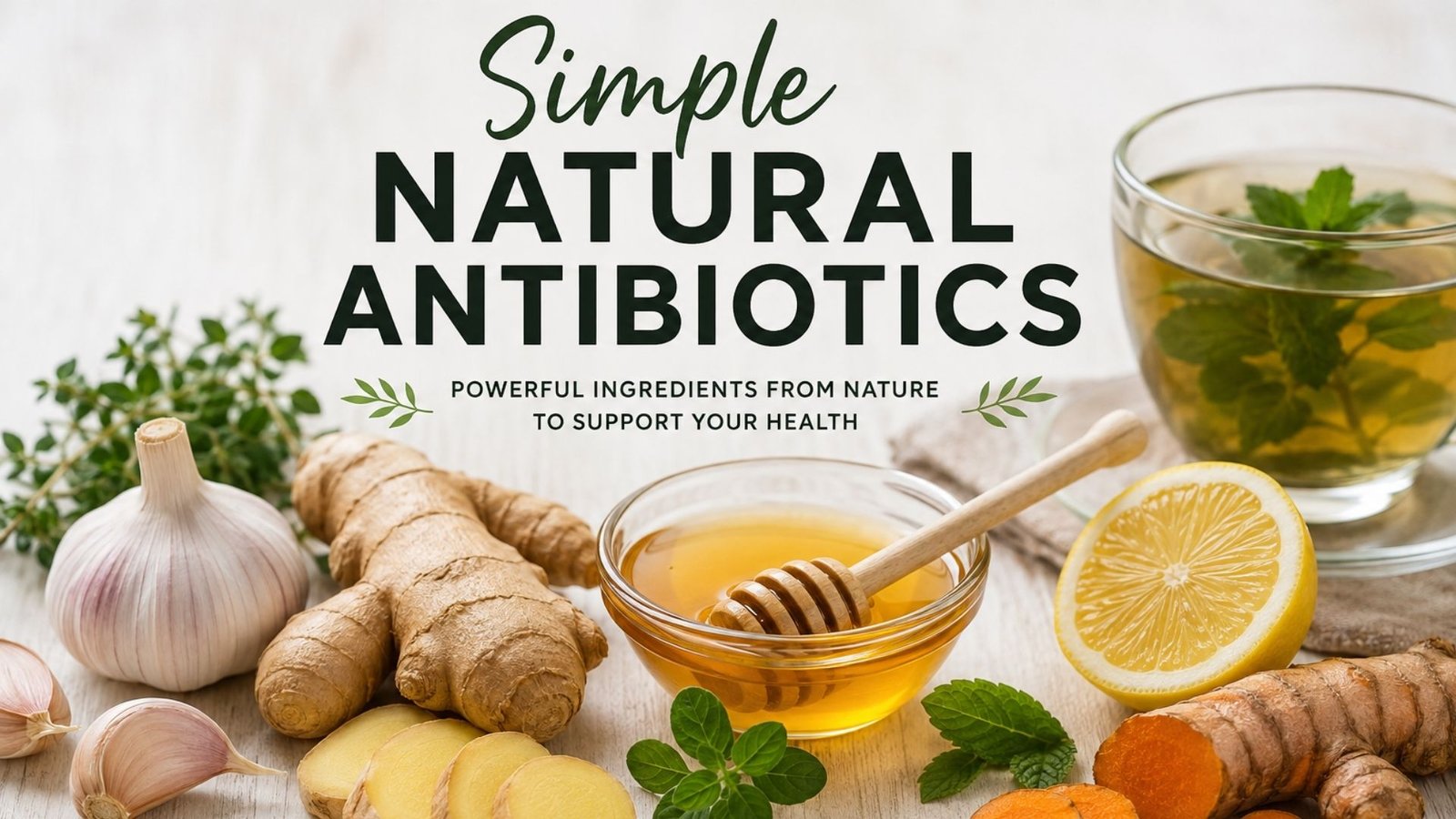

When I first started paying more attention to the ingredients in my kitchen, I was fascinated by how many everyday foods had a long history of being used for health and wellness.
Garlic, honey, ginger, and herbs have been valued for generations, and modern research has explored some of their antimicrobial properties too.
But one important lesson I’ve learned is that “natural” does not automatically mean “a replacement for medical treatment.”
Some foods may support overall health or help with minor symptoms, while serious infections need proper medical care. Here are some of the most interesting natural antimicrobial foods and what you should realistically know about them.
Important note: This article is for general educational purposes and is not a substitute for medical advice. Natural remedies should not replace prescribed antibiotics or professional treatment for a suspected bacterial infection.
What Does “Natural Antibiotic” Really Mean?
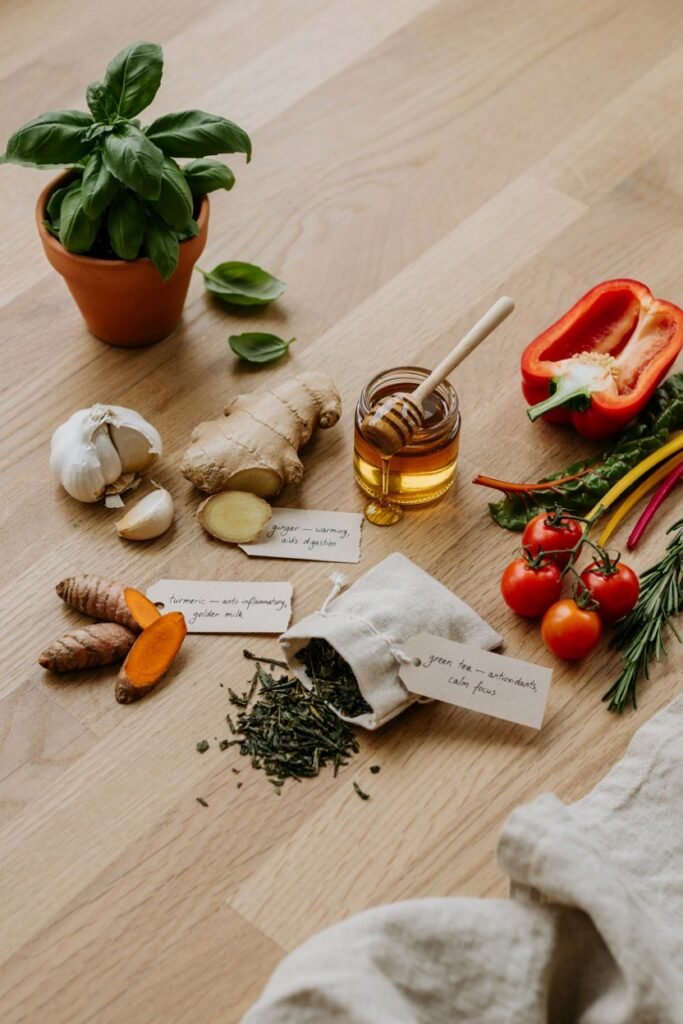
The phrase natural antibiotic is used everywhere online, but it can be a little misleading.
Prescription antibiotics are medicines designed to treat certain bacterial infections. They have been tested for specific uses, doses, safety concerns, and effectiveness.
Natural foods and plant compounds are different.
Some foods contain compounds that have demonstrated antimicrobial or antibacterial activity, particularly in laboratory studies.
However, something that slows the growth of bacteria in a laboratory dish does not automatically mean it can safely or effectively treat an infection inside the human body.
That is why I prefer to think of these ingredients as:
- Natural foods with antimicrobial properties
- Traditional wellness ingredients
- Foods that may support general health
- Ingredients with promising scientific research
This is an important distinction because serious infections should never be treated by simply eating more garlic or taking herbal supplements.
Antibiotics also do not work against viruses such as the common cold and flu, so taking any kind of “antibiotic” for every illness is not the answer either.
With that in mind, let’s look at some of the most popular natural ingredients.
1. Garlic
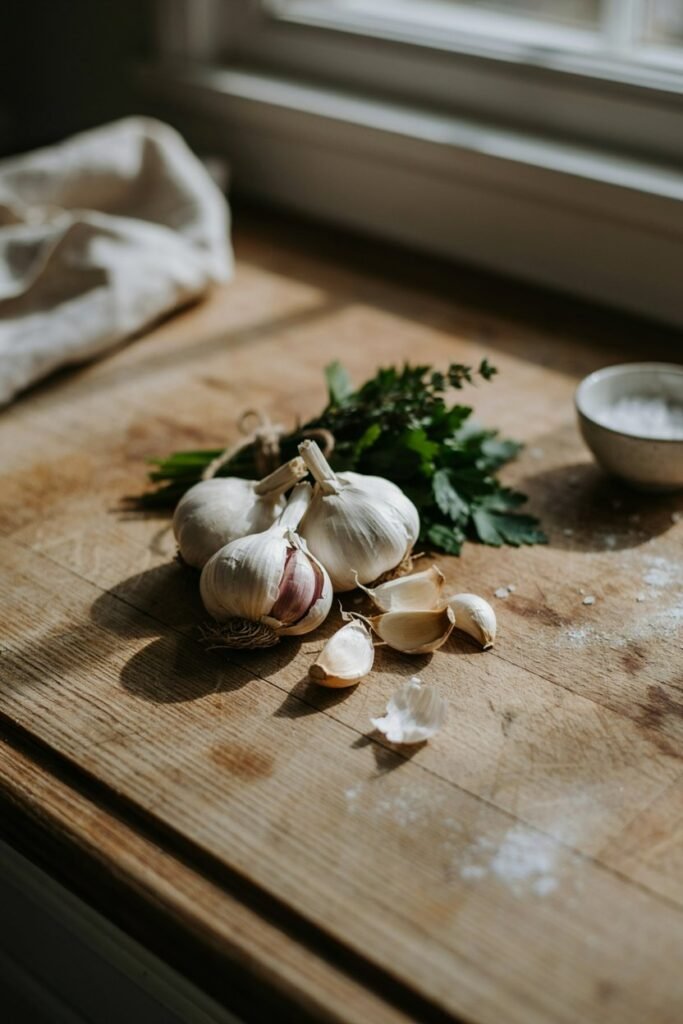
Garlic is probably the first ingredient most people think about when they hear the words “natural antibiotic.”
This humble kitchen staple has been used in traditional food and wellness practices for centuries. Garlic contains sulfur-containing compounds, including allicin, which has attracted scientific interest because of its antimicrobial activity.
Why garlic is so interesting
When garlic is chopped or crushed, chemical reactions can produce compounds that researchers have studied for possible antibacterial effects.
Garlic has been investigated for a variety of health purposes, although the strength of evidence depends greatly on the specific condition being studied.
The easiest way to enjoy garlic
The simplest option is to use fresh garlic as part of a balanced diet.
Try adding it to:
- Soups
- Vegetable dishes
- Roasted vegetables
- Salad dressings
- Sauces
- Stir-fries
- Beans and lentils
Fresh garlic can add incredible flavor without requiring you to treat it like medicine.
An important safety reminder
Garlic is generally safe in normal food amounts for most people. However, garlic supplements can interact with certain medicines and may increase bleeding risk.
Fresh raw garlic can also irritate or damage the skin if applied directly.
So, while garlic is a wonderful ingredient to keep in your kitchen, more is not always better.
2. Honey
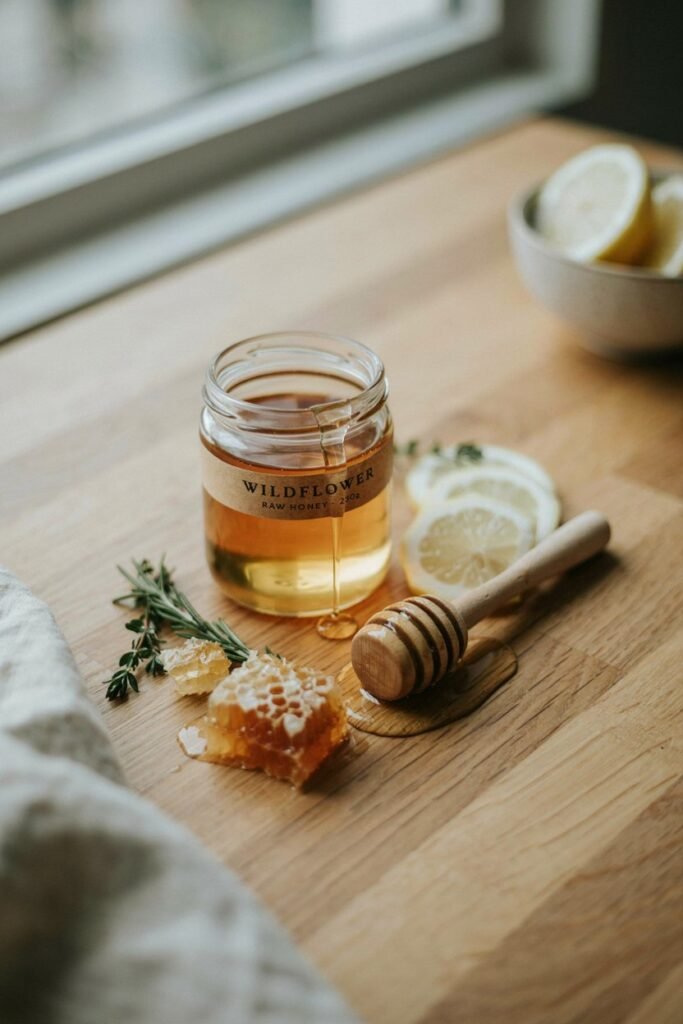
Honey has been treasured for generations, and it remains one of the most interesting natural substances studied for antimicrobial properties.
Honey has a complex composition, and certain types can make it difficult for some microorganisms to grow. Special medical-grade honey products have also been used in professional wound-care settings.
That does not mean every jar of kitchen honey should be used to treat a wound or infection at home.
Where honey may be most useful
For everyday wellness, honey is perhaps best known as a soothing ingredient.
It may be enjoyed in:
- Warm drinks
- Tea
- Homemade dressings
- Oatmeal
- Yogurt
- Simple recipes
Research also suggests that honey may help relieve coughing in children over the age of one.
Never give honey to infants
Honey should not be given to babies under 12 months old because of the risk of infant botulism.
For wounds or suspected infections, professional medical advice is important rather than relying on ordinary food-grade honey.
3. Ginger
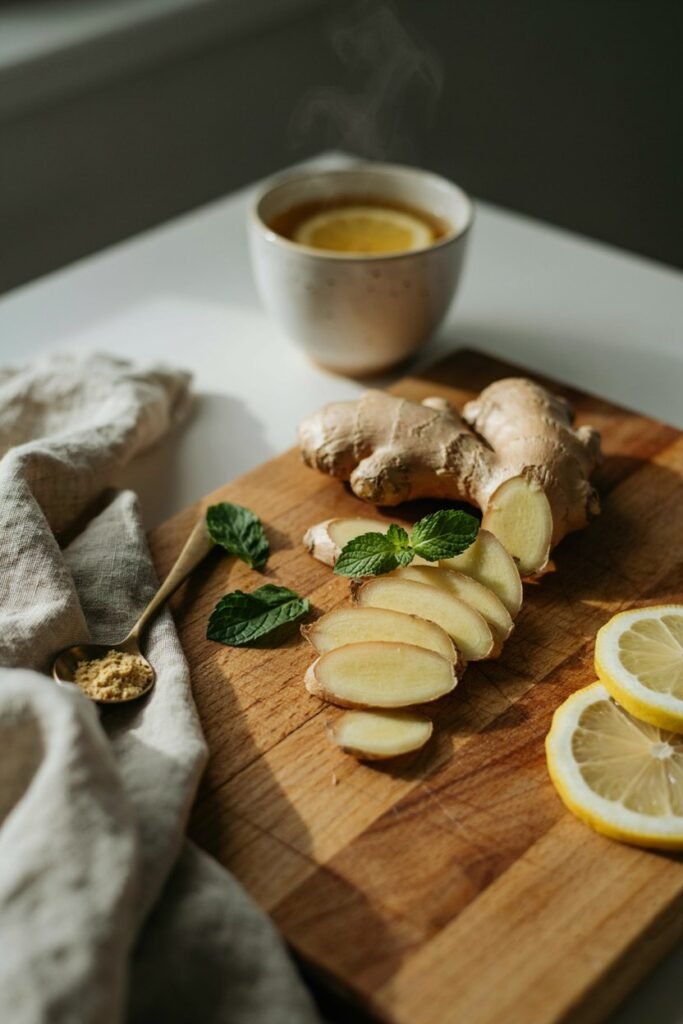
Ginger is another kitchen ingredient with a long history of traditional use.
Its warm, spicy flavor makes it easy to include in everyday meals, and ginger contains natural compounds that researchers have studied for a variety of possible health effects.
Some laboratory research has explored the antimicrobial properties of ginger compounds, but that does not mean ginger can replace antibiotics prescribed for a bacterial infection.
Ways I love using ginger
Ginger is incredibly easy to add to your routine.
You can use it in:
- Soups
- Stir-fries
- Smoothies
- Tea
- Vegetable dishes
- Marinades
- Rice dishes
Fresh ginger has a bright, warming flavor, while dried ginger is convenient for baking and cooking.
A simple ginger drink
For a comforting drink, add fresh sliced ginger to hot water and allow it to steep.
You can add lemon for flavor or a little honey if desired.
Think of this as a comforting beverage rather than a cure for an infection.
4. Thyme
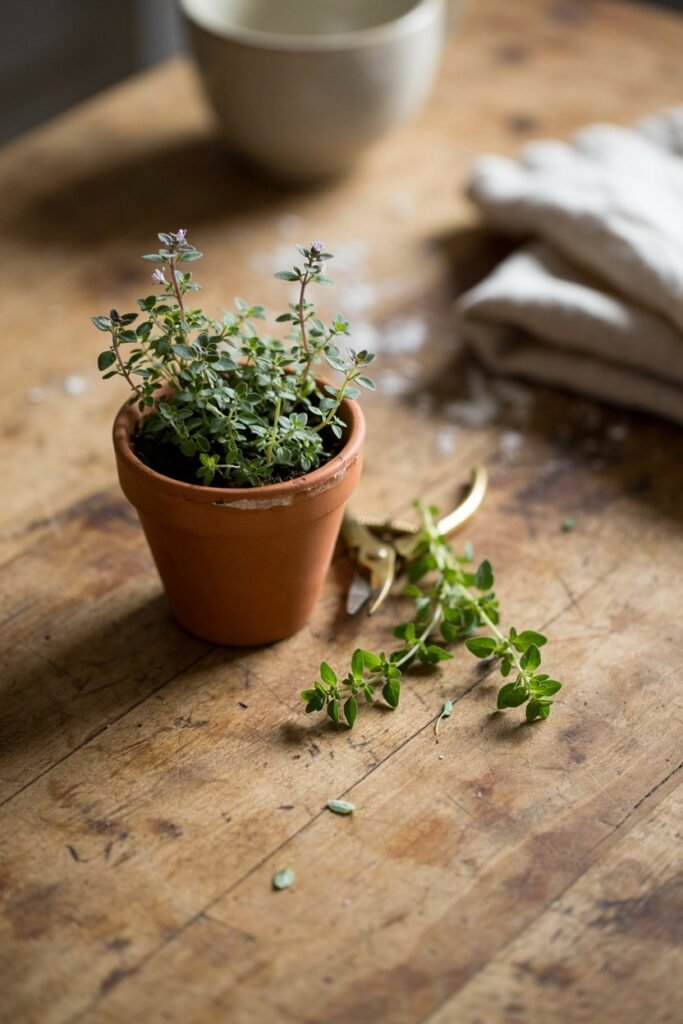
Thyme is one of my favorite herbs because it is easy to grow and incredibly useful in the kitchen.
Thyme contains aromatic plant compounds that have been studied for antimicrobial activity, especially in laboratory research.
The herb has a strong, earthy flavor and works beautifully in simple home cooking.
How to use thyme
Try thyme in:
- Roasted vegetables
- Chicken dishes
- Soups
- Beans
- Potatoes
- Homemade sauces
- Vegetable broths
Fresh thyme can also be grown in containers, making it a lovely herb for a kitchen garden.
Be careful with concentrated products
Using thyme as a culinary herb is very different from using highly concentrated thyme essential oil.
Essential oils are not simply stronger versions of herbs. They are concentrated substances and can cause harm when used improperly.
Do not assume that an essential oil is safe to swallow or apply directly to your skin just because the plant itself is edible.
5. Oregano
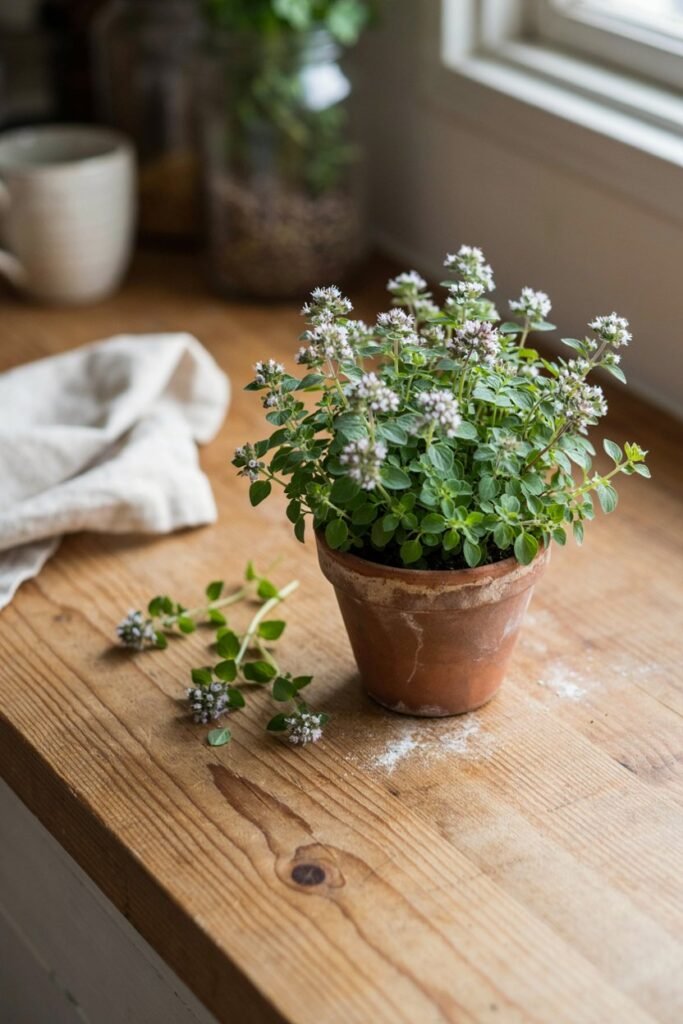
Oregano is another popular herb often mentioned in discussions about natural antimicrobial ingredients.
Oregano contains several naturally occurring compounds that have attracted scientific attention.
In the kitchen, oregano is an easy and flavorful way to add herbs to everyday meals.
Delicious ways to use oregano
You can add oregano to:
- Tomato sauces
- Pasta dishes
- Roasted vegetables
- Salad dressings
- Beans
- Soups
- Mediterranean-style meals
Fresh oregano has a different flavor from dried oregano, and both can be useful depending on the recipe.
What about oregano oil?
Oregano essential oil is highly concentrated and should not be treated like an ordinary food.
Claims online often make concentrated oregano oil sound like a powerful substitute for prescription antibiotics, but strong evidence does not support using oregano oil to replace proper treatment for serious infections.
6. Turmeric
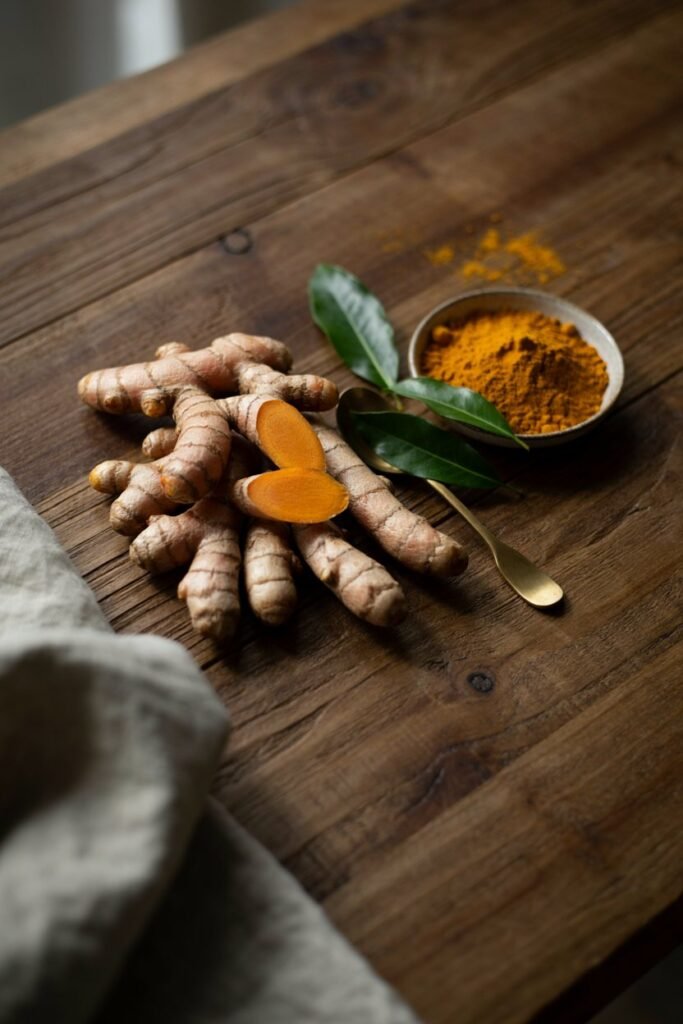
Turmeric is famous for its beautiful golden color and warm flavor.
The spice contains curcumin, a compound that has been widely studied for its potential biological effects.
Laboratory research has investigated curcumin and other turmeric compounds, including their interactions with inflammation and microorganisms.
However, laboratory findings do not automatically prove that turmeric can treat infections in people.
How to enjoy turmeric
Turmeric is delicious in:
- Curries
- Rice dishes
- Soups
- Roasted vegetables
- Lentil dishes
- Homemade spice blends
You can also use it in warm drinks and recipes.
The best approach is to enjoy turmeric as part of a varied diet rather than expecting it to work like a prescription medicine.
7. Cranberries
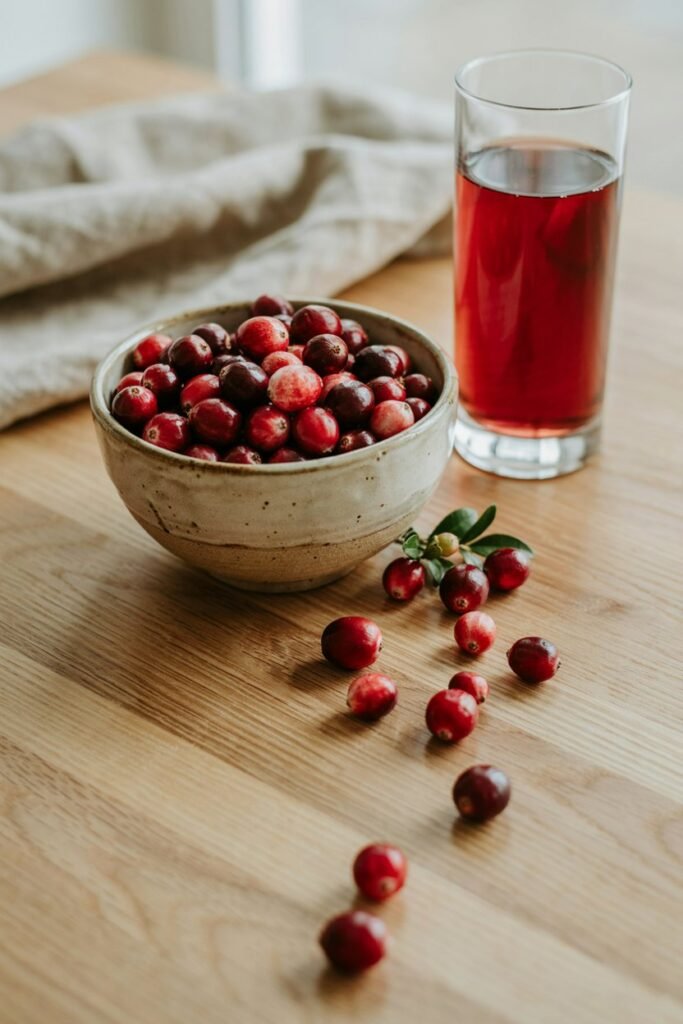
Cranberries are often discussed in connection with urinary tract health.
They are especially interesting because some research suggests cranberry products may help reduce the risk of recurrent urinary tract infections in certain women.
However, this is very different from saying cranberries can treat an active UTI.
If someone believes they have a urinary tract infection, proper diagnosis and treatment are important.
Ways to enjoy cranberries
Choose options with little or no added sugar when possible.
Try:
- Fresh cranberries in recipes
- Unsweetened cranberry products
- Cranberries added to salads
- Homemade sauces
The important takeaway
Cranberry products may have a role in prevention for some people, but they should not replace proven treatment for an existing infection.
8. Coconut
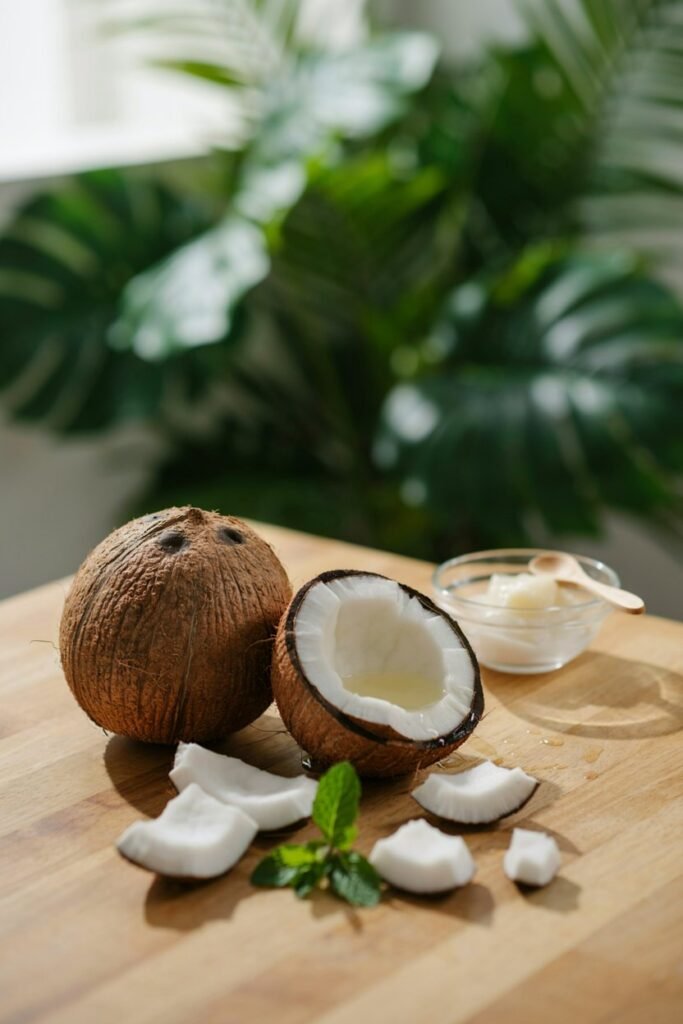
Coconut contains fatty acids and other compounds that researchers have investigated for possible antimicrobial activity.
Coconut products are popular in cooking, skincare, and traditional wellness practices.
However, different coconut products are not interchangeable.
For example:
- Coconut oil is primarily a cooking oil
- Coconut milk is commonly used in recipes
- Coconut water is a beverage
The presence of interesting compounds does not mean coconut oil can treat a serious infection.
Easy ways to use coconut
You can enjoy coconut in:
- Curries
- Smoothies
- Baking
- Soups
- Rice dishes
Coconut products can be part of a varied diet, but they should not be presented as substitutes for medical treatment.
9. Cinnamon

Cinnamon is one of those pantry ingredients that can make a simple recipe feel special.
It contains aromatic compounds that have been studied in laboratory settings for possible antimicrobial activity.
Simple ways to use cinnamon
Try adding cinnamon to:
- Oatmeal
- Yogurt
- Fruit dishes
- Smoothies
- Baked goods
- Warm drinks
Cinnamon can be a delicious addition to your diet, but it is important not to confuse a spice with a proven treatment for bacterial infections.
Also, taking large amounts of cinnamon or concentrated cinnamon supplements may not be safe for everyone.
Food amounts are very different from medicinal doses.
10. Green Tea
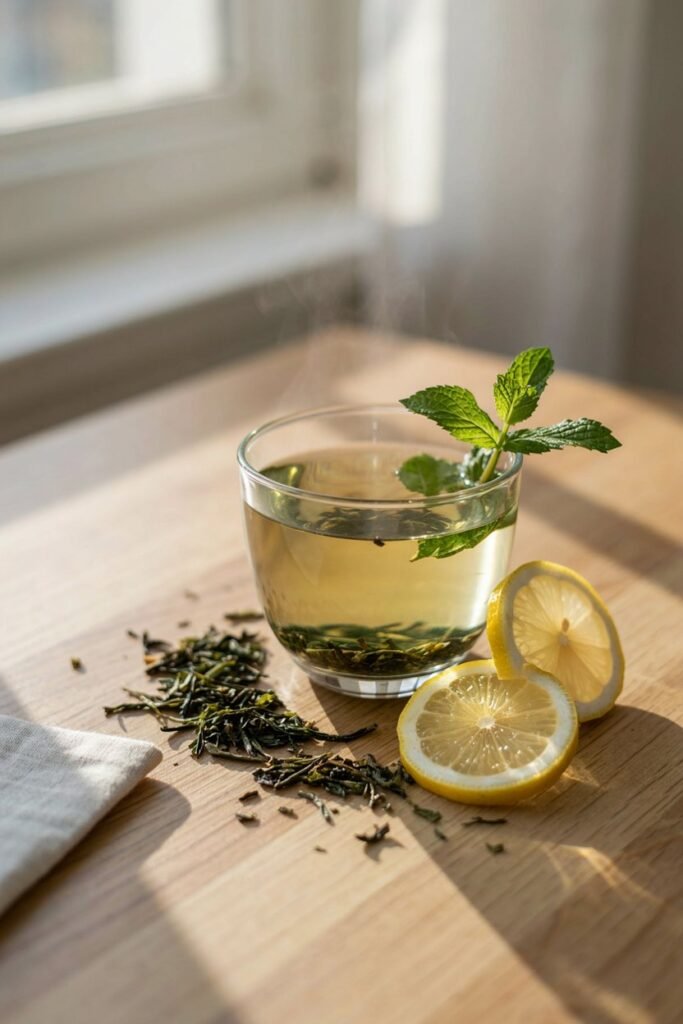
Green tea contains plant compounds called polyphenols, including catechins.
These compounds have been widely researched for their possible effects on health.
Some studies have investigated their interactions with microorganisms, although drinking green tea should not be considered a treatment for an infection.
Why green tea is a wonderful everyday choice
Green tea can be a simple addition to a healthy routine.
Enjoy it:
- Hot
- Chilled
- With lemon
- As part of a balanced breakfast
The biggest benefit of including foods like green tea, herbs, fruits, and vegetables in your diet is that overall eating patterns matter much more than finding one “miracle” ingredient.
Natural Antimicrobial Foods Are Not the Same as Prescription Antibiotics
This is the most important part of the entire article.
Natural ingredients can be fascinating, and many have a long history of traditional use. But antimicrobial activity is not the same as proven medical treatment.
A substance might:
- Show activity in a laboratory
- Affect certain microorganisms under experimental conditions
- Be used traditionally for wellness
…and still not be proven to safely cure an infection in humans.
Prescription antibiotics are used to treat certain bacterial infections. They should be taken only when a qualified healthcare professional determines they are needed.
Using antibiotics unnecessarily can contribute to side effects and antimicrobial resistance. Antibiotics also do not work against viruses such as colds and flu.
When You Should Not Rely on Natural Remedies
Natural foods should not delay appropriate medical care.
Seek help from a qualified healthcare professional if you have symptoms of a potentially serious infection or if symptoms are severe, worsening, or not improving.
This is especially important for:
- Persistent or worsening illness
- High fever or severe symptoms
- Difficulty breathing
- Signs of a serious wound infection
- Severe dehydration
- Symptoms that concern you or worsen quickly
Children, older adults, pregnant people, and people with weakened immune systems may also need extra caution.
The safest approach is simple: enjoy natural foods as part of a healthy lifestyle, but do not use them to replace necessary medical care.
How to Build a Naturally Supportive Kitchen
Instead of filling your pantry with expensive “natural antibiotic” supplements, I believe it makes more sense to create a kitchen filled with wholesome, flavorful ingredients.
Here are a few items I love keeping around:
Fresh garlic
Perfect for everyday cooking and packed with flavor.
Fresh ginger
Wonderful for soups, stir-fries, and warm drinks.
Honey
Useful as a sweetener and soothing ingredient for appropriate age groups.
Dried oregano
Easy to store and wonderful in sauces and savory dishes.
Thyme
A versatile herb that can be grown at home or purchased fresh or dried.
Turmeric
Adds beautiful color and flavor to meals.
Cinnamon
Perfect for sweet and savory recipes.
Green tea
A simple drink filled with naturally occurring plant compounds.
Fresh fruits and vegetables
A varied diet provides far more benefits than focusing on one supposed miracle food.
A Simple Daily Wellness Approach
You do not need to eat enormous amounts of any one ingredient.
A more realistic approach could look like this:
Breakfast
Enjoy fruit, oatmeal, or yogurt with a little cinnamon.
Lunch
Prepare a colorful meal with vegetables, herbs, and whole foods.
Dinner
Use garlic, ginger, thyme, turmeric, or oregano to add flavor.
Drinks
Choose water as your main drink and enjoy tea when you like.
Overall lifestyle
Prioritize:
- Adequate sleep
- Regular movement
- A varied diet
- Hand hygiene
- Recommended vaccines
- Proper medical care when needed
Healthy habits can help reduce the risk of infections and support overall well-being.
Common Myths About Natural Antibiotics
Myth: Garlic can replace prescribed antibiotics
Truth: Garlic contains interesting natural compounds, but evidence does not support replacing prescribed treatment for a serious bacterial infection with garlic. Research on garlic for preventing or treating colds is also insufficient.
Myth: Antibiotics are needed for every cold
Truth: Colds are caused by viruses, and antibiotics do not work against viruses.
Myth: If something is natural, it is automatically safe
Truth: Natural products can cause side effects and interact with medicines. Concentrated supplements and essential oils require particular caution.
Myth: Essential oils are the same as culinary herbs
Truth: Essential oils are highly concentrated products and should not be treated like ordinary herbs or foods.
Myth: More is always better
Truth: Taking large amounts of a food or supplement can increase the risk of unwanted effects without providing additional benefits.
Final Thoughts
I love the idea of filling my kitchen with ingredients that are both delicious and nourishing.
Garlic, ginger, honey, herbs, spices, cranberries, and tea all have fascinating histories and contain natural compounds that scientists continue to study.
But the most valuable lesson is not to search for one magical ingredient that can cure everything.
Real wellness is usually much simpler.
Eat a varied diet. Use herbs and spices generously. Get enough rest. Practice good hygiene. Stay up to date with appropriate preventive care. And when an illness or infection requires professional treatment, do not delay getting help.
Natural ingredients can absolutely have a place in a healthy lifestyle—but they work best when we understand both their possibilities and their limits.
That balance is what makes a natural wellness routine practical, responsible, and truly helpful.
