

I love discovering simple ways the garden can do more than just look beautiful.
Some plants contain natural compounds called saponins, which can create a gentle lather when mixed with water.
Before I learned about them, I never thought ordinary leaves, roots, berries, or flowers could be used for cleaning.
If you enjoy natural gardening, self-sufficiency, or simply experimenting with useful plants, these 11 options are fascinating to grow and learn about.
What Makes a Plant Work Like Soap?
Some plants contain saponins, naturally occurring compounds that produce a soapy foam when they come into contact with water.
Saponins can help loosen oils, dirt, and other debris, which is why certain plants have traditionally been used for washing clothes, cleaning household items, or personal cleansing.
However, plant-based cleaners aren’t automatically safe for your skin. Some plants can cause irritation or allergic reactions, while others may be toxic if swallowed.
For that reason, think of these plants primarily as natural soap alternatives and useful garden plants, rather than assuming every one is suitable for bathing.
1. Soapwort
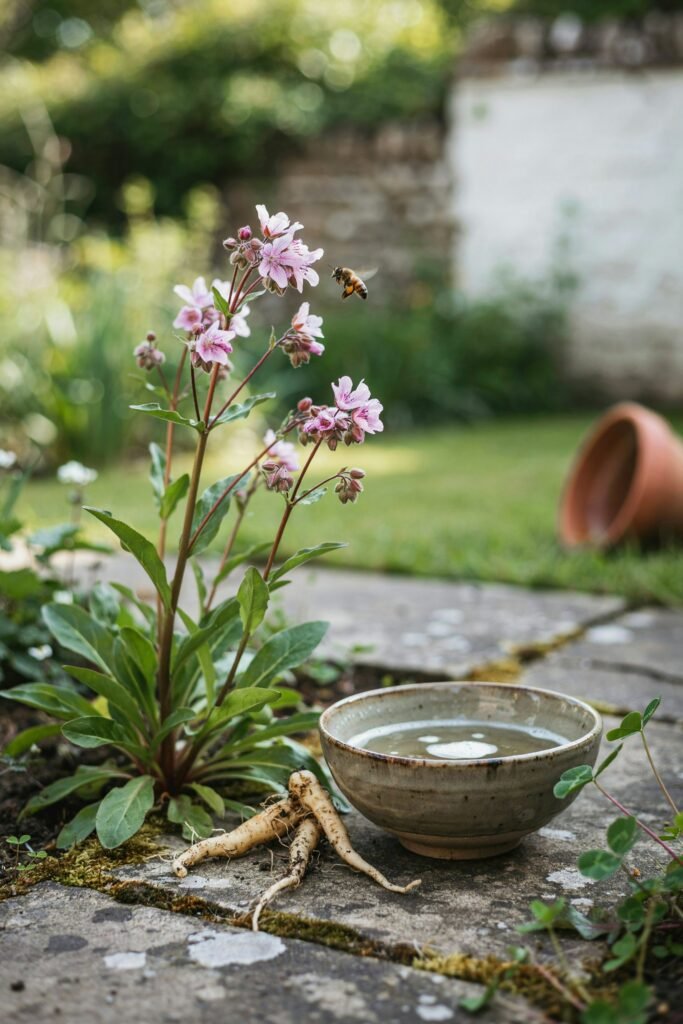
Soapwort (Saponaria officinalis) is probably one of the best-known plants for making a natural soap substitute.
Its roots and leaves contain saponins that become foamy when crushed and mixed with water. Historically, soapwort has been used to clean delicate fabrics because its cleansing action can be relatively mild.
How to use it
Fresh or dried plant material can be chopped and simmered gently in water to make a simple soapwort liquid. After cooling and straining, the liquid can be used for certain household cleaning purposes.
Soapwort is particularly interesting for gardeners who want to grow a traditional plant with a practical use beyond decoration.
Important: Soapwort should not be treated as an edible plant, and homemade preparations shouldn’t automatically be used on the body.
2. Yucca
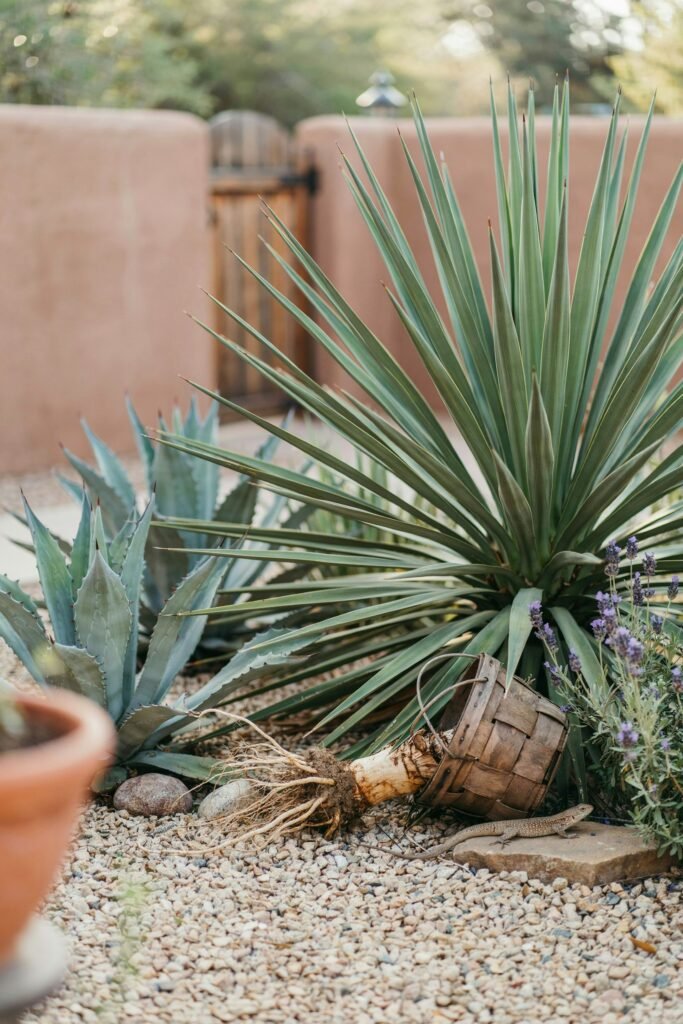
Yucca is another fascinating plant because its roots contain natural saponins.
Different yucca species have been traditionally used by Indigenous peoples of North America for various cleansing and household purposes.
The roots can produce a surprisingly foamy mixture when crushed and worked with water.
Why grow yucca?
Yucca is also extremely useful as a landscape plant. Many varieties tolerate dry conditions and require relatively little maintenance once established.
If you’re interested in combining low-water gardening with useful plants, yucca is worth learning about.
Safety note: Yucca species vary, and some parts may be irritating or unsafe to consume. Identify the species correctly before experimenting.
3. Soap Nuts
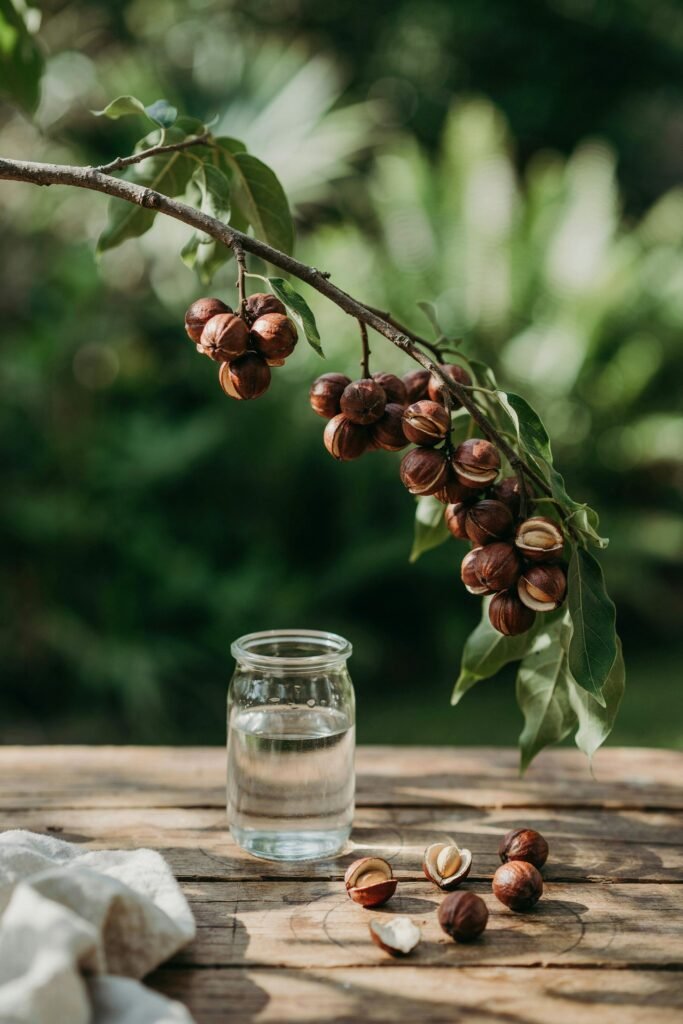
Soap nuts, also called soapberries, come from trees in the Sapindus genus.
The dried fruit shells contain saponins that are released when they come into contact with water. They’re especially popular as a natural laundry alternative.
How they work
The shells can be placed in a small cloth bag and added to a wash, allowing the saponins to dissolve into the water.
You can also make a liquid extract from the shells for certain household cleaning applications.
Soap-nut trees are more suited to warm climates, so gardeners in tropical or subtropical regions may find them particularly interesting.
4. Horse Chestnut
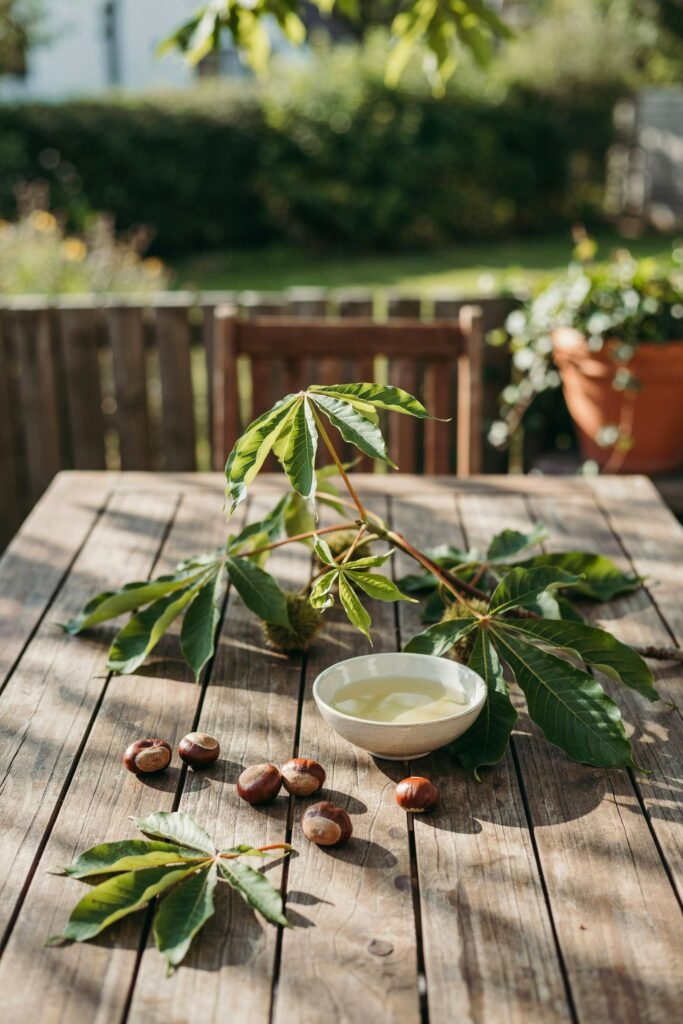
Horse chestnuts are another source of natural saponins.
The nuts contain compounds that can help produce a cleansing solution, and some people use processed horse chestnuts as a natural laundry detergent alternative.
A simple household use
Horse chestnuts can be chopped and soaked or simmered in water to extract their saponins. The resulting liquid can then be strained before being used for appropriate cleaning tasks.
Do not confuse horse chestnuts with edible sweet chestnuts. Horse chestnuts are not food and can be toxic if eaten.
5. Ivy
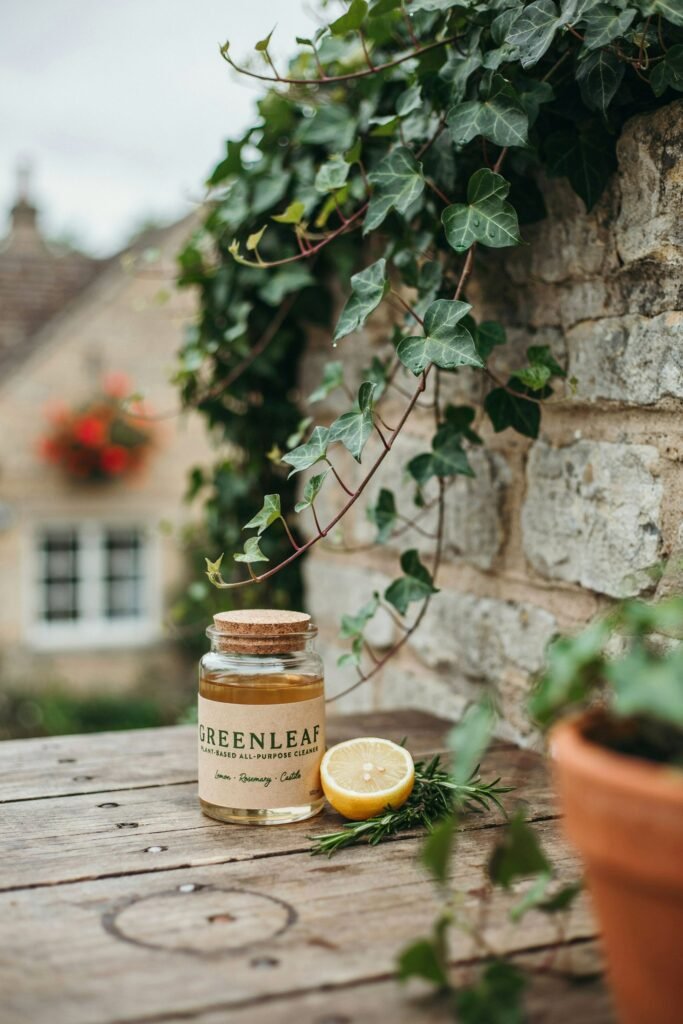
Common ivy, particularly English ivy (Hedera helix), contains saponins.
That makes this familiar climbing plant an interesting candidate for homemade natural cleaning solutions.
The leaves can be used to create a liquid extract containing some of the plant’s cleansing compounds.
A word of caution
English ivy can irritate the skin in some people, and ingesting it can be harmful. Homemade ivy preparations should therefore be handled carefully and kept away from children and pets.
It is better viewed as a household-cleaning experiment rather than a homemade body wash.
6. Mountain Lilac
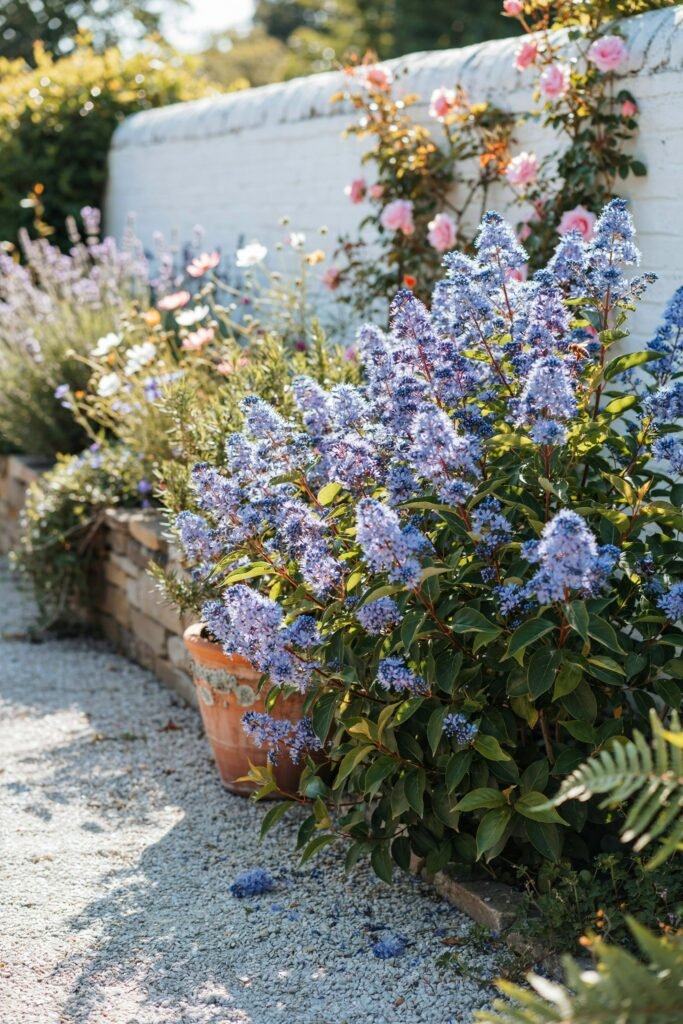
Mountain lilac, particularly plants in the Ceanothus genus, has a long history of traditional use for cleansing.
Some Ceanothus species contain saponins, especially in their roots.
The plant is also valued as a beautiful landscape shrub, with attractive flowers that can provide interest in the garden.
Because different Ceanothus species have different properties, proper plant identification is important before attempting any traditional preparation.
7. Bouncing Bet
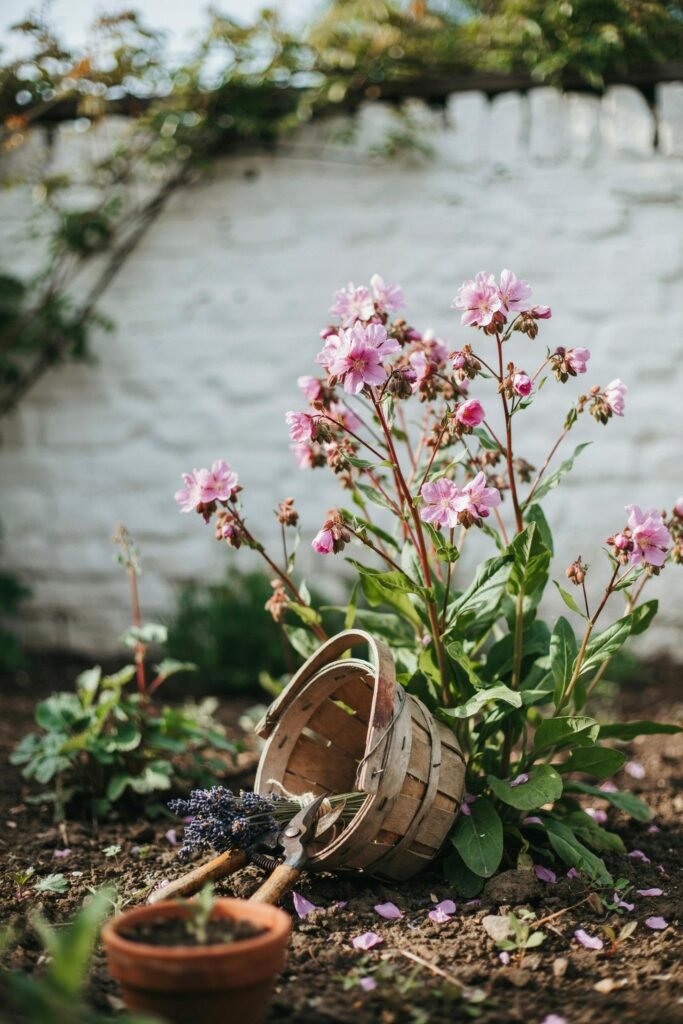
Bouncing Bet is another common name for soapwort, so it belongs to the same plant family discussed earlier.
The name comes from the plant’s traditional use as a natural cleansing plant. Its roots and foliage contain saponins that can create foam in water.
If you’re growing soapwort, remember that it can spread aggressively in some climates. Give it enough room or consider growing it where its spread can be controlled.
8. Buffalo Gourd
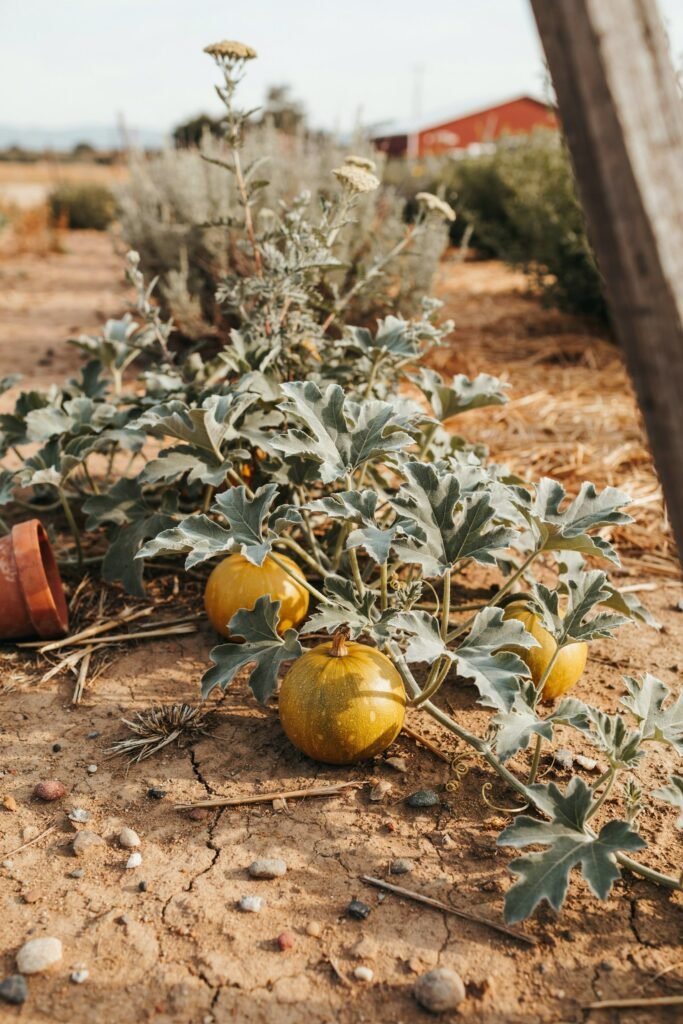
Buffalo gourd is a hardy plant associated with dry regions of North America.
Its roots contain saponins, which have contributed to its traditional use as a cleansing plant.
It is particularly interesting for gardeners who enjoy learning about native and drought-tolerant plants.
Because buffalo gourd is not a typical garden soap plant and can have toxic properties, it should be approached as a traditional-use plant rather than something to casually turn into homemade personal-care products.
9. Mountain Laurel
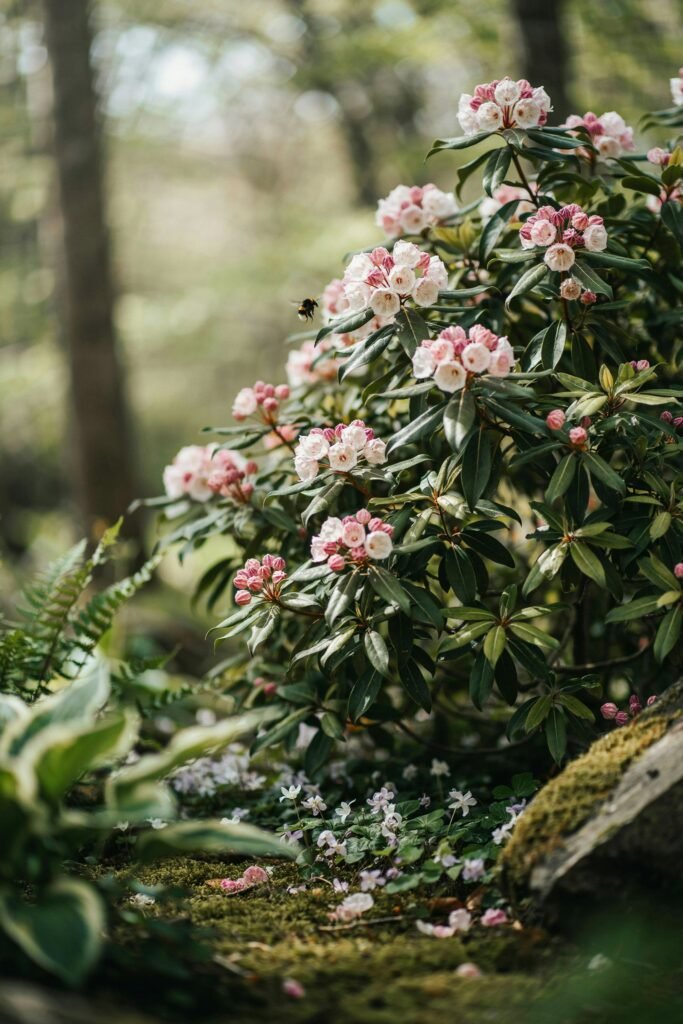
Mountain laurel is a beautiful evergreen shrub, but it is important to understand that beauty does not mean safety.
Some traditional plant uses have involved saponin-containing species, but mountain laurel is also poisonous.
For that reason, this is one plant I would not recommend experimenting with as a homemade skin cleanser.
It is included because plants containing soap-like compounds aren’t necessarily safe household or personal-care ingredients.
This is an important lesson when exploring natural alternatives: always research the entire plant, not just one useful compound it contains.
10. Soapberry
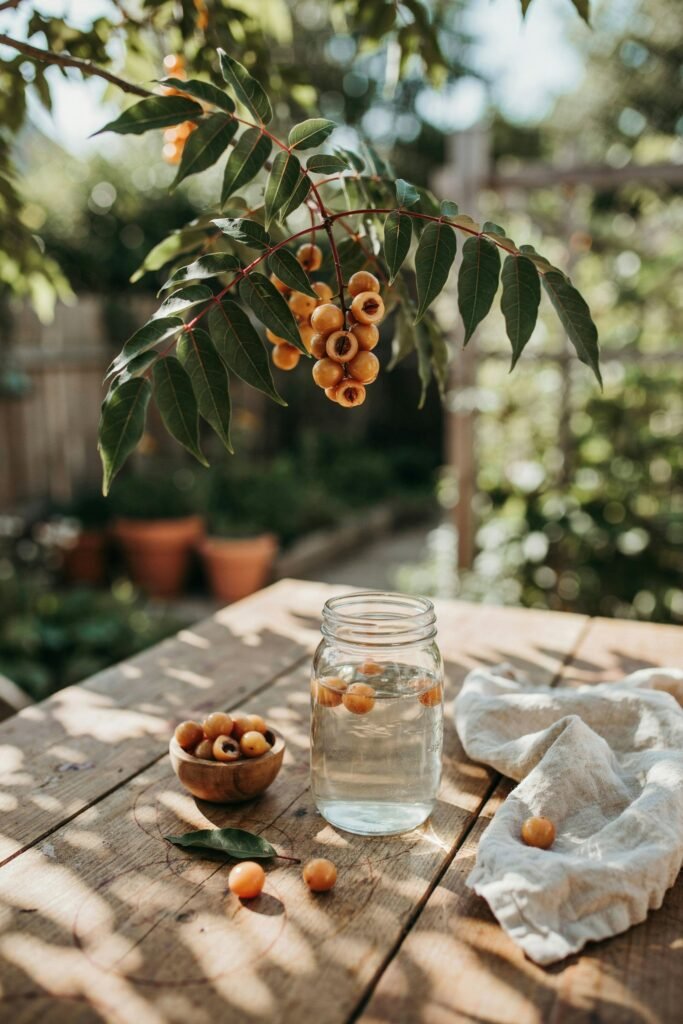
Soapberry trees are closely related to the soap-nut plants mentioned earlier.
Their fruits contain saponins, giving them their distinctive natural cleansing properties.
Depending on the species and climate, these trees can become attractive landscape plants while also producing useful fruit shells.
Why gardeners find them interesting
Soapberries demonstrate how plants can provide practical resources without relying entirely on commercially manufactured cleaners.
They’re particularly fascinating for people interested in homesteading, sustainable gardening, and traditional plant uses.
As always, don’t assume the fruit is edible simply because it is called a berry.
11. Wild Sarsaparilla
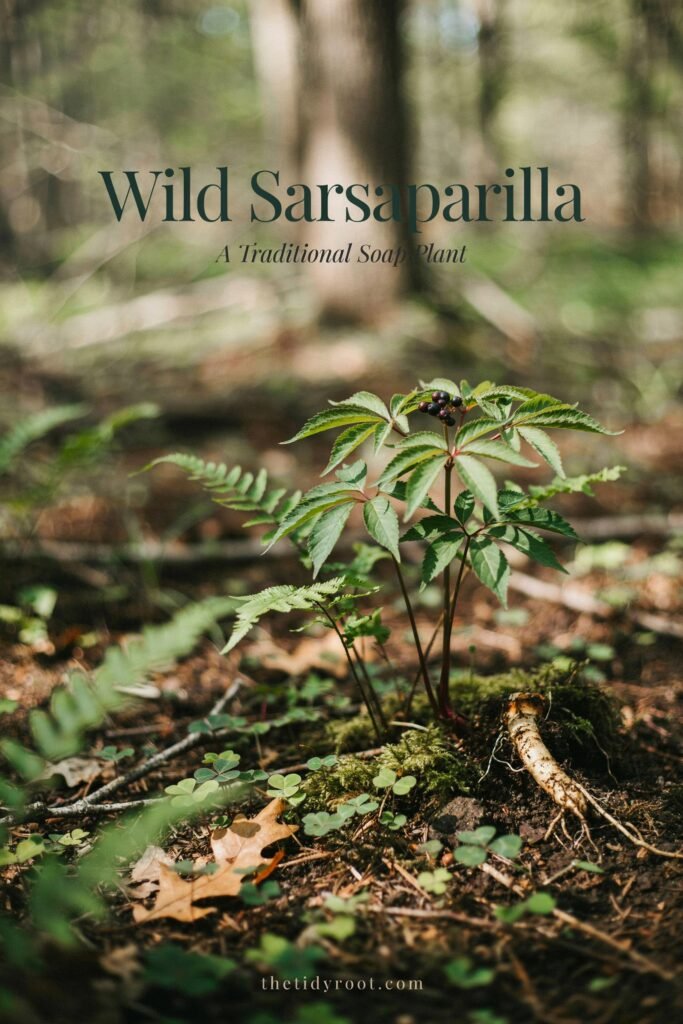
Wild sarsaparilla refers to several plants that have been traditionally valued for their roots.
Some species contain saponin-like compounds, although their traditional uses and chemistry vary considerably.
This makes wild sarsaparilla a good example of why plant identification matters when learning about natural cleaners.
If you’re interested in growing or foraging useful plants, learn the scientific name and local species rather than relying only on common names.
How to Make a Simple Plant-Based Soap Solution
Once you’ve identified a suitable saponin-containing plant, you can make a basic plant extract for certain household cleaning purposes.
You’ll need:
- Fresh or dried plant material
- Clean water
- A saucepan
- A spoon
- A fine strainer
- A clean jar or bottle
Basic method:
- Clean the plant material. Remove dirt, insects, and damaged pieces.
- Chop the plant material. Smaller pieces allow more surface area to contact the water.
- Add water. Place the plant material in a saucepan and cover it with water.
- Heat gently. A gentle simmer can help extract the saponins.
- Cool the mixture. Allow it to cool before handling.
- Strain thoroughly. Remove all plant pieces.
- Store carefully. Keep the finished liquid refrigerated and make small batches because homemade plant extracts can spoil.
The exact amount of plant material and water depends on the species, the plant part being used, and how concentrated you want the solution.
What Can Plant-Based Soap Be Used For?
Natural saponin extracts can be useful for experimenting with:
- Laundry
- Cleaning certain household surfaces
- Washing gardening tools
- Removing light dirt
- Traditional craft and household applications
They generally won’t behave exactly like commercial soap or detergent.
Commercial cleaning products are formulated for predictable cleaning performance, storage, and stability, while homemade plant extracts can vary considerably.
Can You Use These Plants On Your Skin?
This is where you should be especially careful.
Natural does not automatically mean safe.
A plant may contain saponins and still contain other compounds that can irritate your skin or cause poisoning if swallowed.
For homemade personal-care products, avoid experimenting with plants that are known to be poisonous, strongly irritating, or poorly identified.
If you want to explore plant-based cleansing for your skin, research the specific species, plant part, preparation method, and traditional use first. Patch testing also cannot guarantee that a plant is safe.
For children and pets, it’s safest to keep homemade plant cleaners out of reach.
How to Grow Your Own Soap Plants
If you’re interested in building a useful garden, consider dedicating a small area to plants with traditional household uses.
You could combine plants such as:
- Soapwort
- Yucca
- Soapberry trees
- Other locally appropriate saponin-containing plants
Choose species suited to your climate rather than planting everything on the list.
Before growing an unfamiliar plant, check whether it is invasive or toxic in your region.
For gardeners with limited space, one well-researched soap plant can be enough to start experimenting.
Important Safety Tips
Before making any homemade plant cleaner, keep these rules in mind:
Identify the plant correctly. Common names can refer to several completely different species.
Know which plant part is traditionally used. Roots, leaves, bark, berries, and seeds can have very different chemical properties.
Don’t taste homemade plant extracts. A plant being used as a cleaner doesn’t make it edible.
Avoid poisonous plants for homemade cleaners. There are plenty of safer options to experiment with.
Protect your skin. Wear gloves when handling unfamiliar plants or concentrated extracts.
Keep mixtures away from children and pets.
Label every homemade preparation. Include the plant name and date it was prepared.
Make small batches. Homemade water-based extracts can spoil quickly.
Final Thoughts
Learning about soap-making plants has changed the way I look at an ordinary garden.
A plant doesn’t have to produce food or flowers to be useful; some can provide natural compounds that have been used for generations in everyday cleaning.
My favorite part is simply learning what each plant can do and where it fits in a practical garden.
If you’re interested in self-sufficiency, start with one well-identified plant, learn its traditional uses, and experiment cautiously rather than trying everything at once.
