
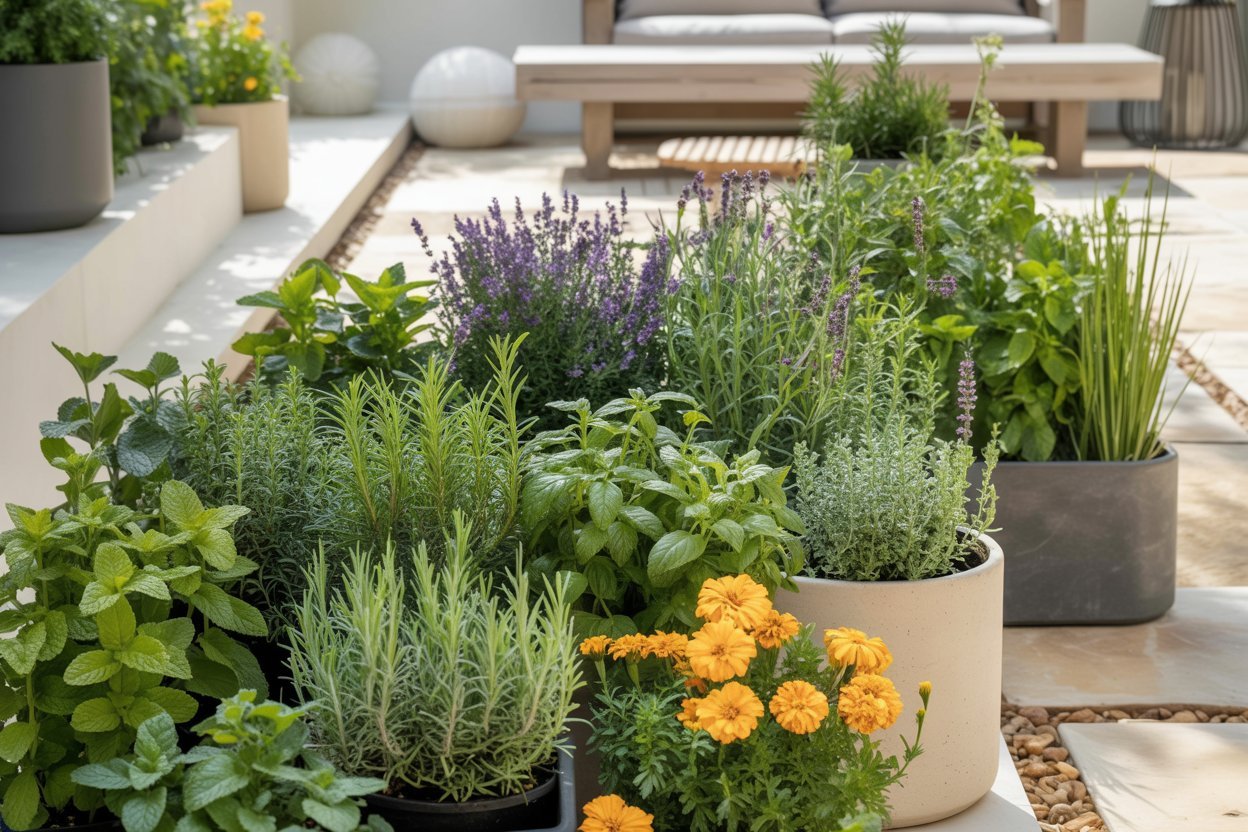

If you’ve ever walked into your garden or home and wished for a natural, graceful way to keep rodents away, you’re in good company.
Many of us prefer solutions that feel aligned with nature methods that protect our spaces without harsh chemicals or worry.
Over the years, I’ve learned that some plants do far more than color our gardens; they quietly defend them, too.
In this guide, we’ll explore the best plants that naturally repel mice and rats, and how to use them effectively for a cleaner, calmer home and garden.
You’ll also learn why plant-based deterrents offer a gentler environmental footprint and how they compare to conventional control methods.
How Plants Repel Rodents
Rodent-repelling plants work through scent, taste, or natural compounds that irritate or overwhelm rodents’ highly sensitive noses.
While pleasant to us, many botanical oils especially those in mint, lavender, or strongly aromatic herbs create an environment mice and rats prefer to avoid.
Most of these plants:
- Release strong essential oils
- Disturb rodents’ sense of direction
- Mask food smells
- Form natural “scent barriers”
This makes them excellent for lining walkways, surrounding entry points, or planting near compost bins, sheds, and garages.
Environmental Impact – Why Plants Are Better Than Chemical Repellents
Choosing plant-based rodent control is not only safe for your home it’s kind to the ecosystem.
The benefits include:
- Safer for kids, pets & wildlife: Plant scents repel rodents—without harming birds, soil life, or beneficial insects.
- No toxic residues: Unlike chemical sprays and pellets, these plants don’t linger in your soil or water supply.
- Pollinator-friendly options: Many rodent-repelling plants, like lavender and rosemary, attract bees while keeping rodents away.
- Long-term, low-maintenance protection: Once planted, they continue working season after season.
Using plants is a gentle, holistic approach and often just as effective over time.
Limitations of Conventional Rodent Control Methods (and Why Plants Are a Better Alternative)
Traditional methods often fall short:
Common limitations:
- Chemical repellents fade quickly, requiring constant reapplication
- Poison baits pose risks to pets, local wildlife, and curious children
- Traps only treat symptoms, not root causes
- Rodents quickly adapt to store-bought smell deterrents
Plant-based methods, by contrast, provide:
- Continuous scent release
- A safer, eco-conscious solution
- Decorative appeal along with protection
- No risk of poisoning or contamination
- A long-term, integrated pest-management strategy
While plants alone may not solve severe infestations, they are perfect for prevention, repelling, and maintaining rodent-free spaces.
How to Use These Plants Effectively
Here’s how to get the best results:
1. Create a Scent Barrier
Plant strong-smelling herbs or flowers along foundations, fences, and known rodent pathways.
2. Place Potted Plants at Entry Points
Great for:
- Doorways
- Window sills
- Patios
- Garages
- Outdoor kitchens
Pots let you move plants exactly where needed.
3. Crush Leaves Occasionally
Releasing more aroma wakes up their repellent properties (especially mint, lavender, and marigold).
4. Combine Several Plants
A variety of strong scents is more effective than relying on just one plant.
5. Pair Plants With Good Hygiene Practices
Plants work best when:
- Food scraps are sealed
- Bird feeders are kept tidy
- Compost bins are secure
- Clutter is minimized
Plants repel; cleanliness prevents attraction.
1. Peppermint
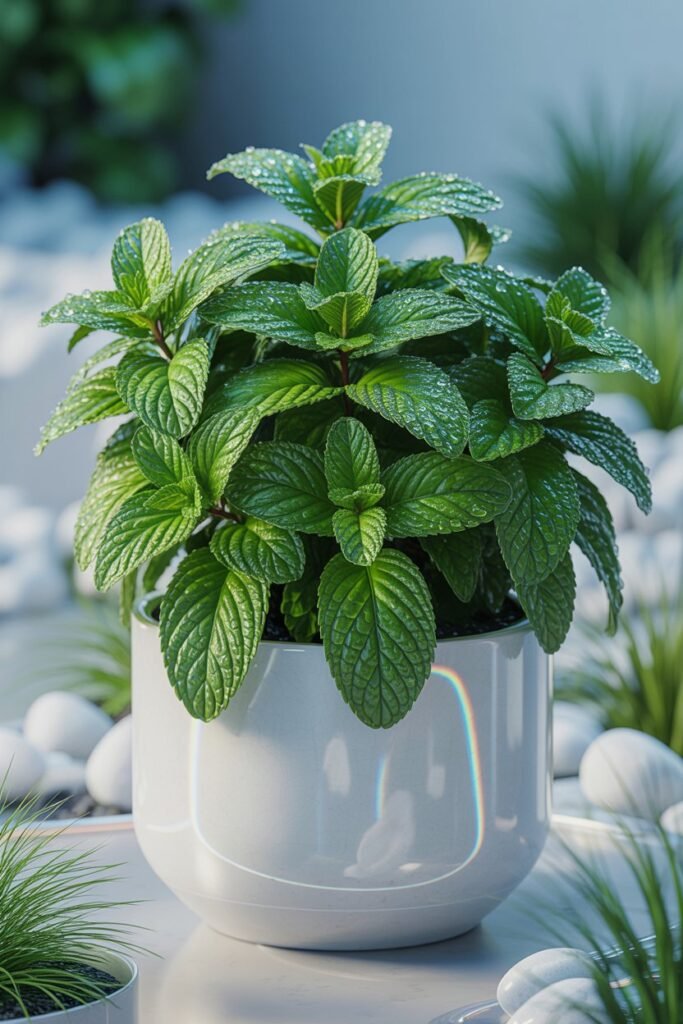
Peppermint is one of the strongest natural rodent deterrents, thanks to its extremely high menthol content.
Rodents rely on scent to navigate toward food sources, and peppermint’s intense aroma completely disrupts their sense of direction.
How it helps: Overwhelms rodent scent pathways.
Where to use: Near doorways, cracks, garage corners, pantry entrances, and the edges of your home.
Growing notes: Thrives in containers (recommended so it doesn’t spread aggressively).
Extra tip: Crush a few leaves monthly, especially in warm weather, to renew the aroma.
2. Spearmint
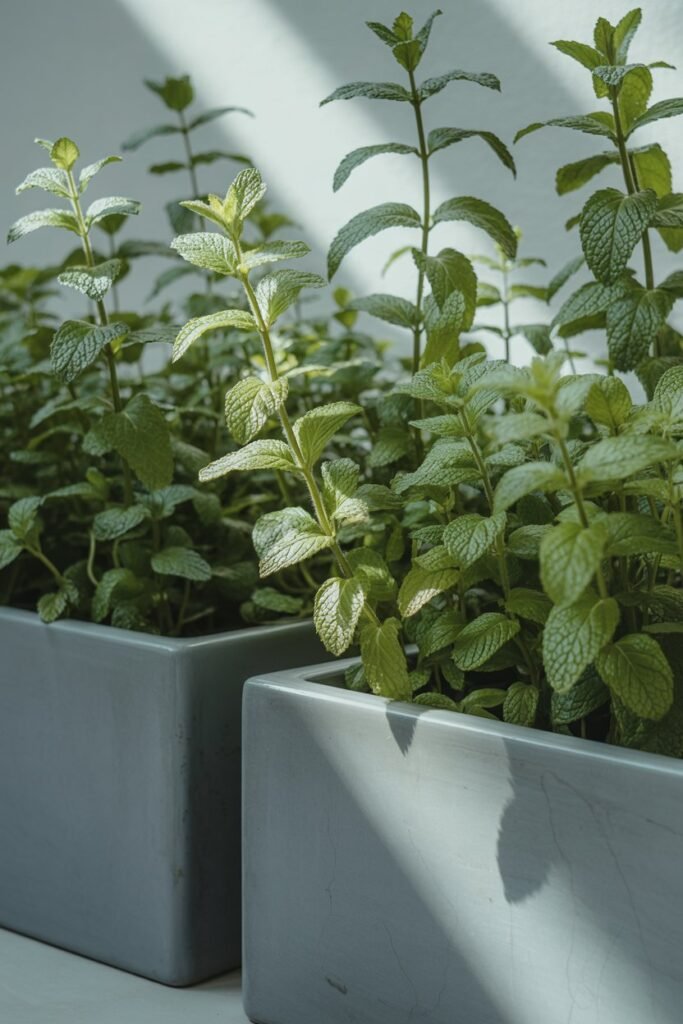
Gentler than peppermint for us, but still highly irritating to mice and rats.
Why it’s effective: It emits aromatic oils that confuse and repel rodents.
Best placements: Along fences, backyard sheds, outdoor kitchens, RV storage, and chicken areas.
Growing notes: Prefers partial shade and moist soil.
Extra tip: Mix with peppermint for a stronger “Mint Defense Line.”
3. Lavender
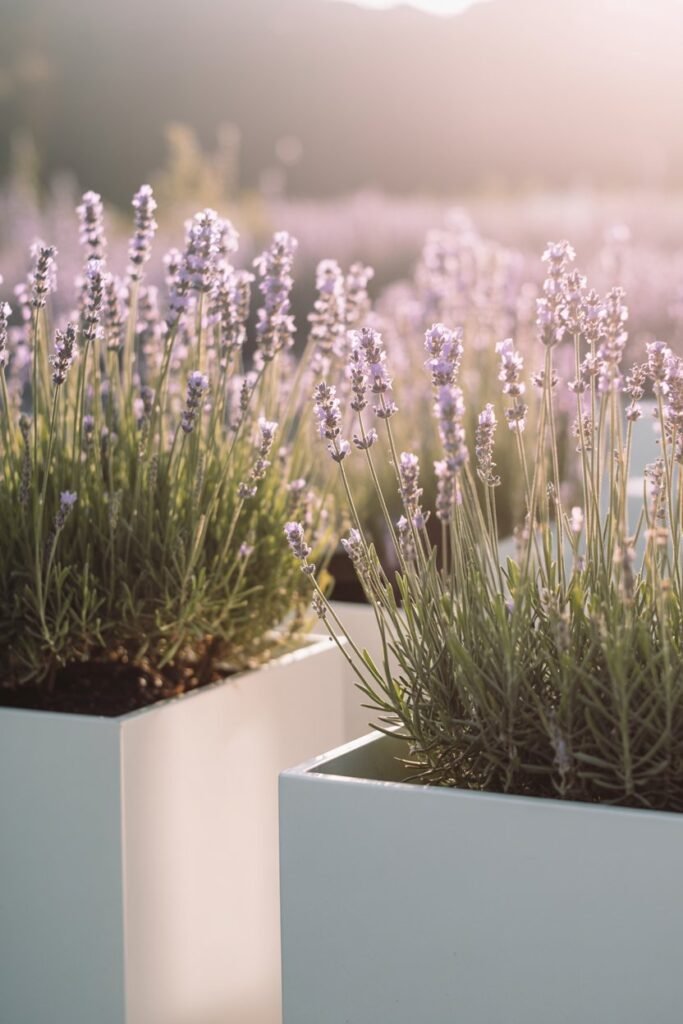
Lavender’s floral scent is beloved by humans but incredibly overpowering for rodents.
Why it works: Rodents dislike its essential oils and avoid nesting near it.
Best placements: Windowsills, front porch planters, patio borders, and along walkways.
Growing notes: Loves full sun and dry, rocky soil.
Extra tip: Harvest the blooms and hang small bundles inside closets or kitchen cabinets.
4. Rosemary

A sturdy herb with strong, resinous fragrance rodents hate the smell.
How it works: Releases aromatic oils when brushed or warmed by the sun.
Where to plant: Foundation beds, entry paths, hot sunny corners, and near trash storage.
Growing notes: Thrives in hot climates. Drought tolerant.
Extra tip: Clip a few sprigs indoors and place by windows or small gaps.
5. Sage
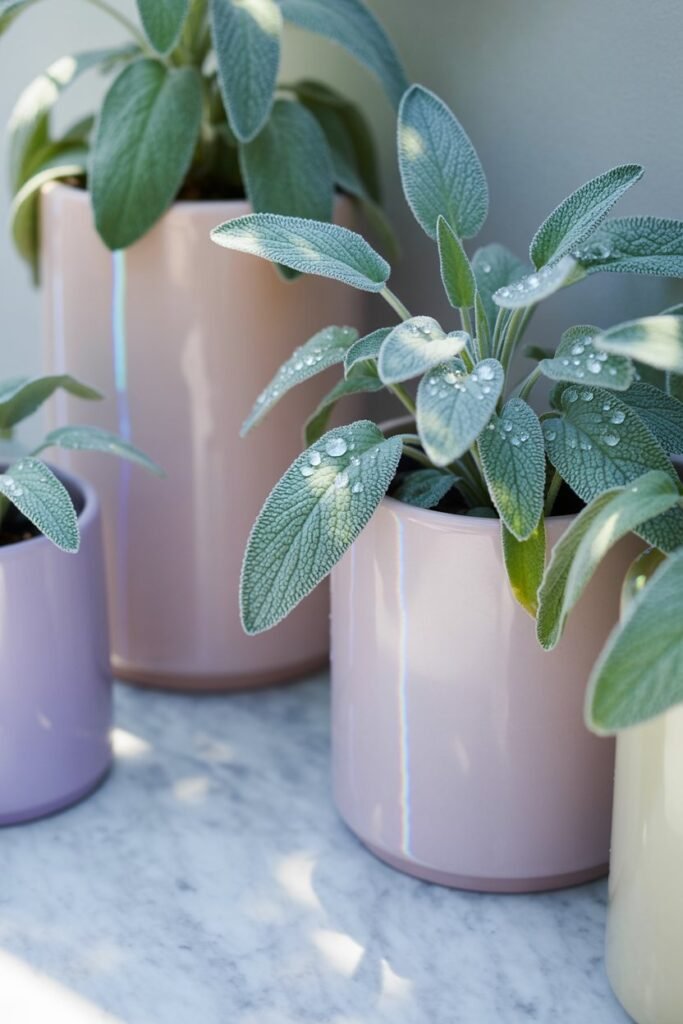
Sage’s grounding, earthy fragrance repels rodents naturally.
Why it helps: Its oils disrupt the smell of nearby seeds or food.
Where to plant: Vegetable gardens, garden borders, and outdoor seating areas.
Growing notes: Prefers dry soil and lots of sun.
Extra tip: Burn dried sage leaves outdoors to strengthen the scent barrier (never indoors).
6. Oregano
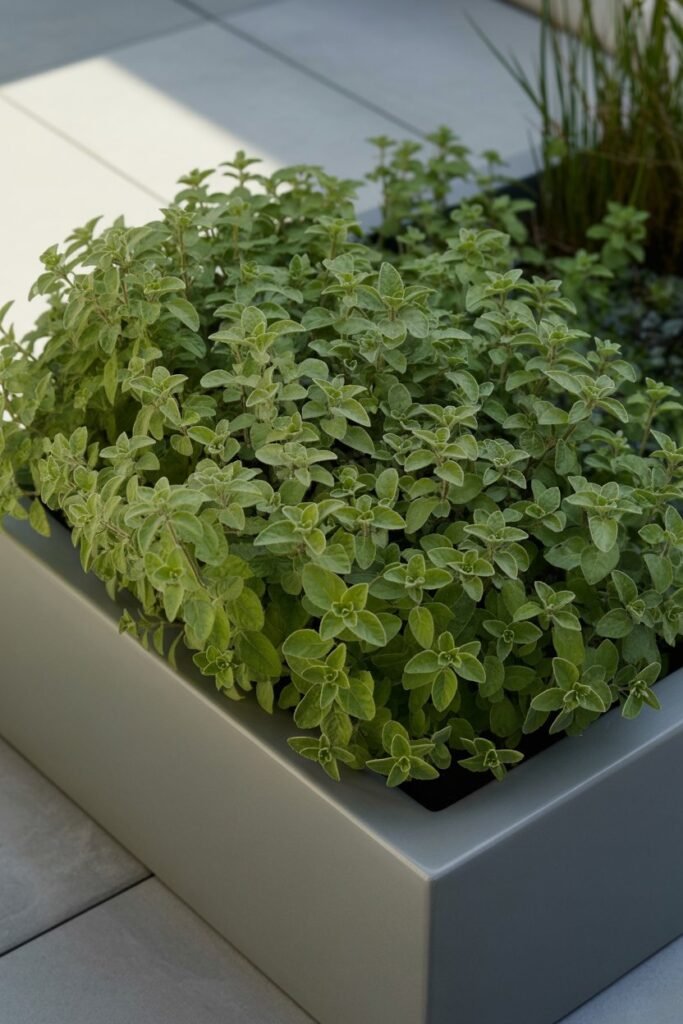
A culinary herb with a surprisingly strong pest-deterring scent.
What makes it effective: Its oils mask food smells rodents seek.
Where to use: As dense ground cover in veggie gardens or under fruit trees.
Growing notes: Very low-maintenance, grows well in rock gardens.
Extra tip: Trim lightly during summer to keep scent strong.
7. Thyme
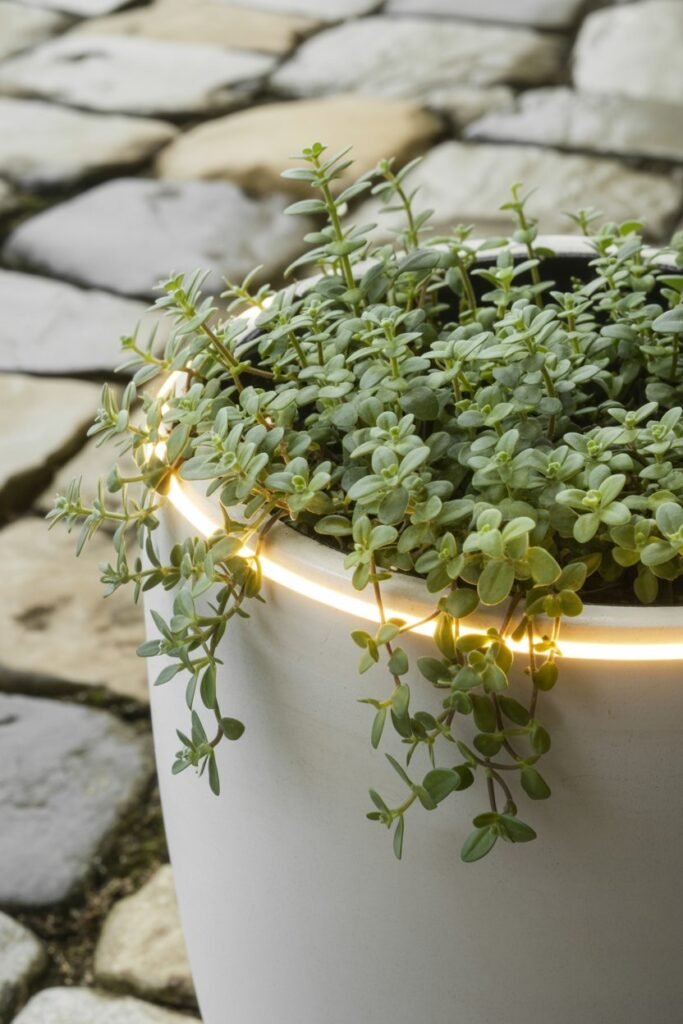
Tiny leaves, powerful fragrance.
Why it works: Thyme’s essential oils irritate rodent noses.
Perfect for: Walkway edges, between stepping stones, around garden beds.
Growing notes: Drought-resistant and thrives in poor soil.
Extra tip: Lemon thyme offers an even sharper scent repellent.
8. Basil
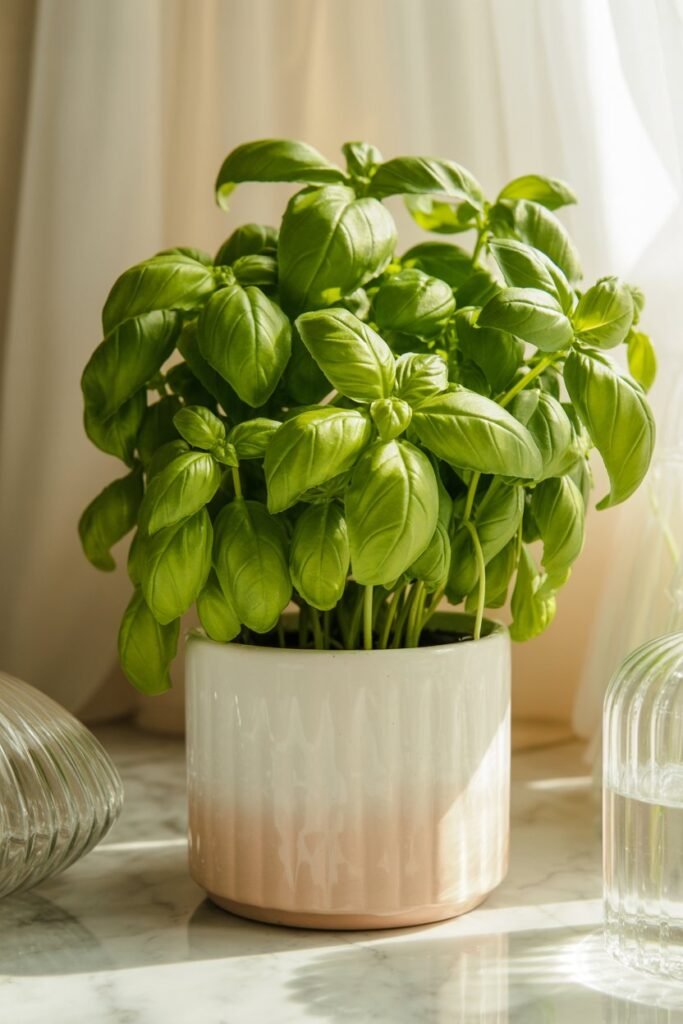
Almost all basil varieties work, but lemon basil is especially potent.
Rodent-repelling reason: Its citrusy aromatics are too intense for mice and rats.
Best placement: Kitchen windows, back patios, and outdoor dining areas.
Growing notes: Loves warmth and regular watering.
Extra tip: Dry the leaves and place sachets inside kitchen drawers.
9. Garlic
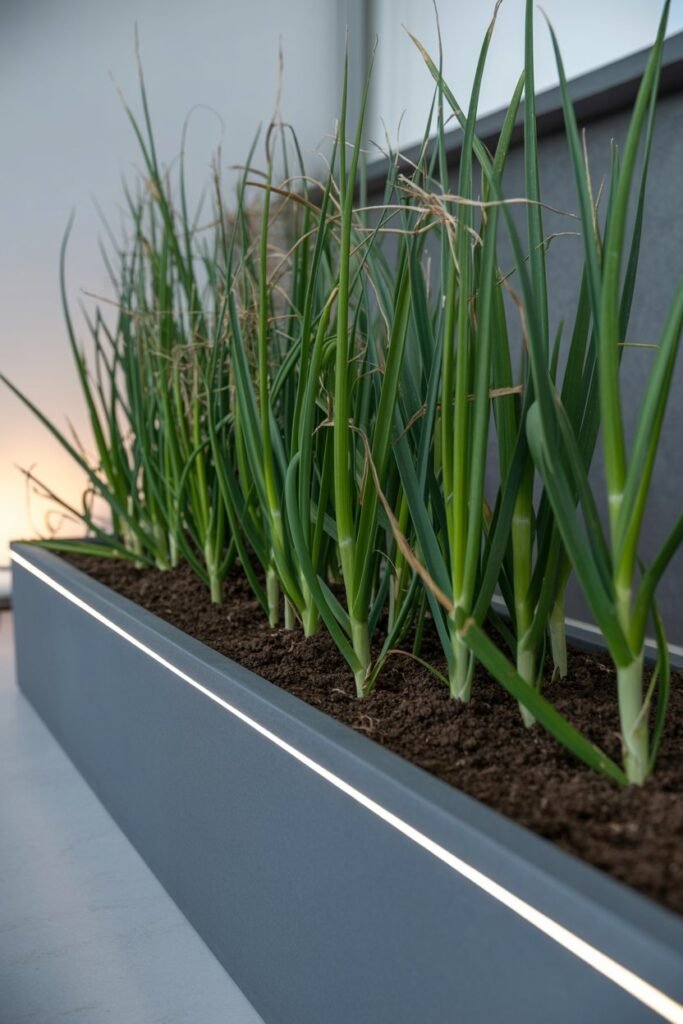
A classic pest deterrent with strong sulfur compounds rodents dislike.
How it helps: Creates a scent wall both above and below the ground.
Great for: Garden perimeters, root vegetable beds, and compost areas.
Growing notes: Plant in fall or early spring, harvest in summer.
Extra tip: Blend garlic peels in water to create a natural spray around entry points.
10. Onions

Onions produce a similarly intense odor that rodents avoid.
Why it works: Their strong sulfur content discourages nibbling and digging.
Where to plant: Along the edges of gardens, under raised beds, and around storage sheds.
Growing notes: Require loose soil and consistent watering.
Extra tip: Place dried onion skins in pantry corners (excellent for indoor repelling).
11. Catnip

A favorite for cats, hated by rodents.
Key compound: Nepetalactone, a natural rodent repellent.
Where to use: Foundation beds, garage entrances, along basement walls.
Growing notes: Hardy and spreads quickly best kept in pots.
Extra tip: Scatter dried catnip flowers around known entry points.
12. Lemongrass
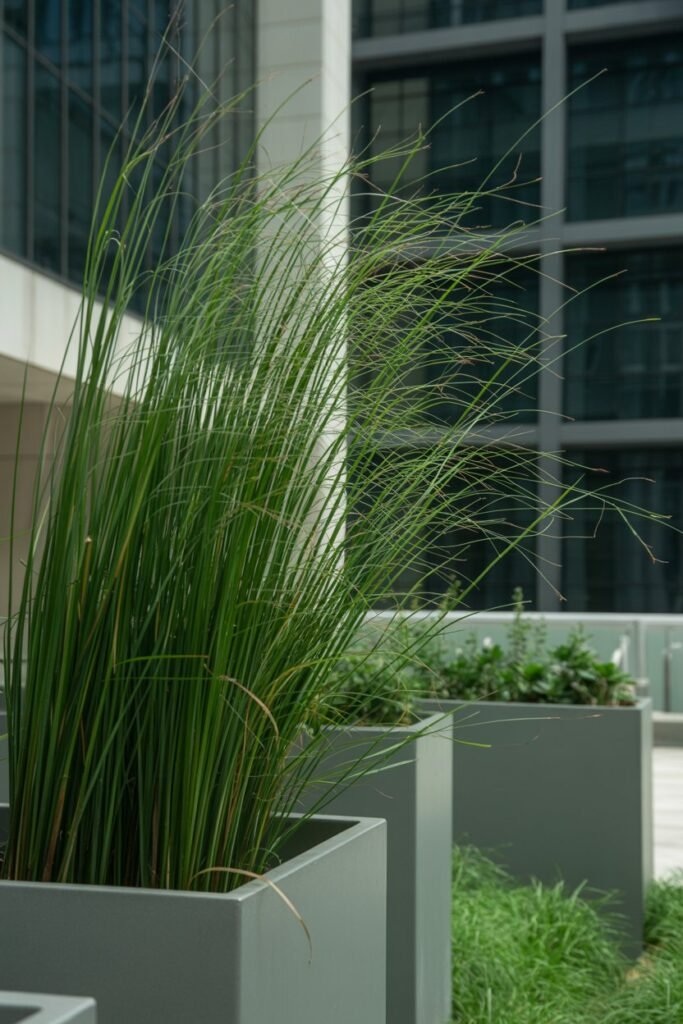
A tall, grassy plant that produces citronella.
How it repels: The citrus scent masks food odors and drives rodents away.
Best placement: Outdoor kitchens, patios, balconies, and under windows.
Growing notes: Prefers heat and regular watering.
Extra tip: Cut the leaves occasionally to release more fragrance.
13. Citronella (Cymbopogon)
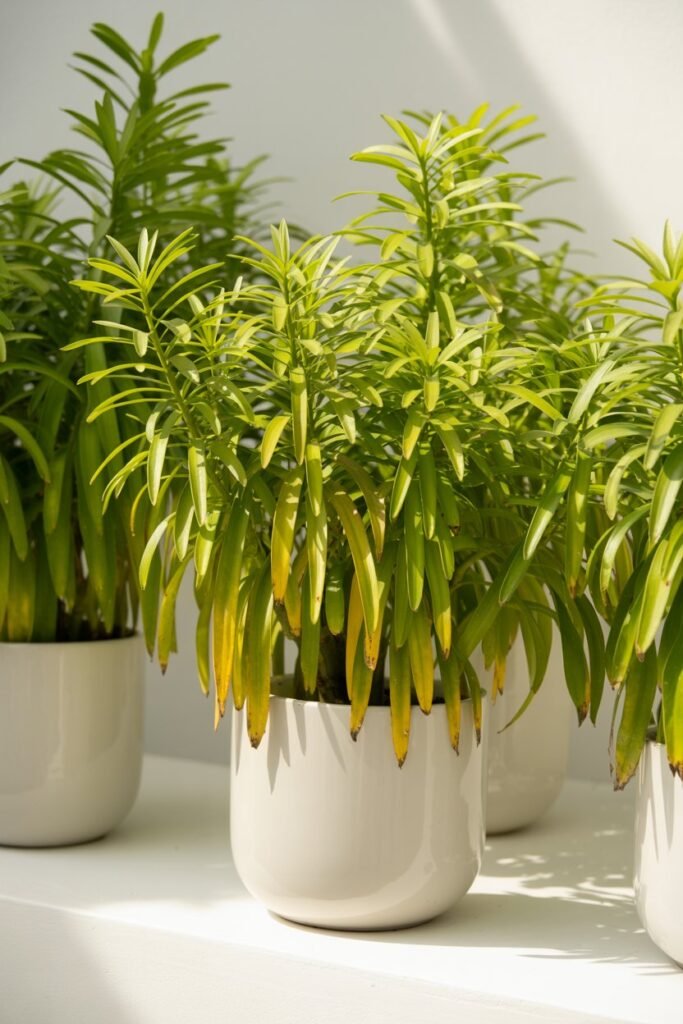
The well-known mosquito plant also repels rodents.
Why it’s effective: Rodents cannot tolerate its lemony, pungent scent.
Where to plant: Entry pathways, backyard corners, poolside, patio borders.
Growing notes: Thrives in warm climates; grows well in large pots.
Extra tip: Combine with lemongrass for maximum effect.
14. Eucalyptus
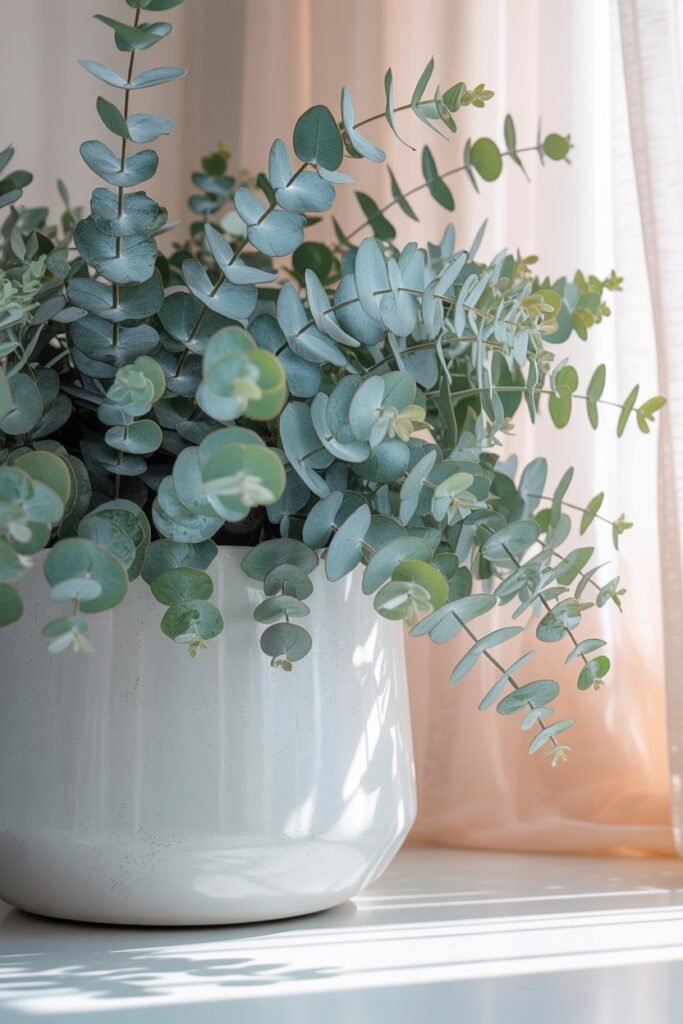
A fresh, icy fragrance that overwhelms rodent scent systems.
Why it works: Strong aromatic oils released from leaves.
Use: Large pots by entryways, pathways, or near garbage storage.
Growing notes: Fast-growing; prune often to keep manageable.
Extra tip: Dry the leaves and tuck them behind appliances indoors.
15. Tea Tree (Melaleuca)
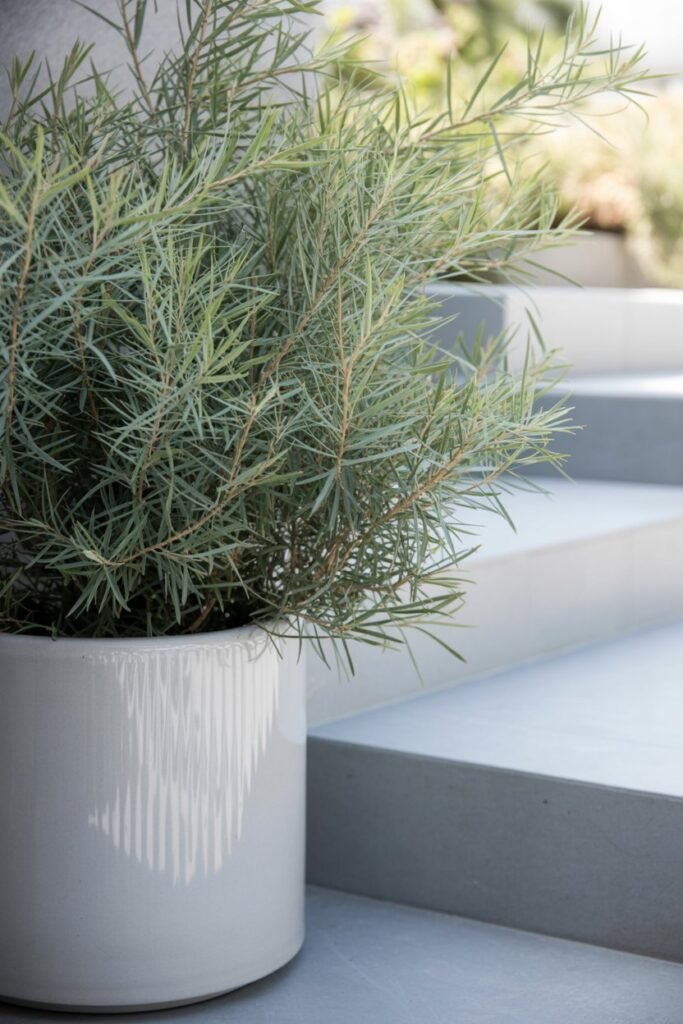
Known for its medicinal oil, also disliked by rodents.
Why it helps: The aroma confuses rodents and disrupts nesting behavior.
Where to plant: Moist areas, shady corners, or along fences.
Growing notes: Prefers bright light and moderate moisture.
Extra tip: Scatter pruned branches around crawlspaces.
16. Marigold
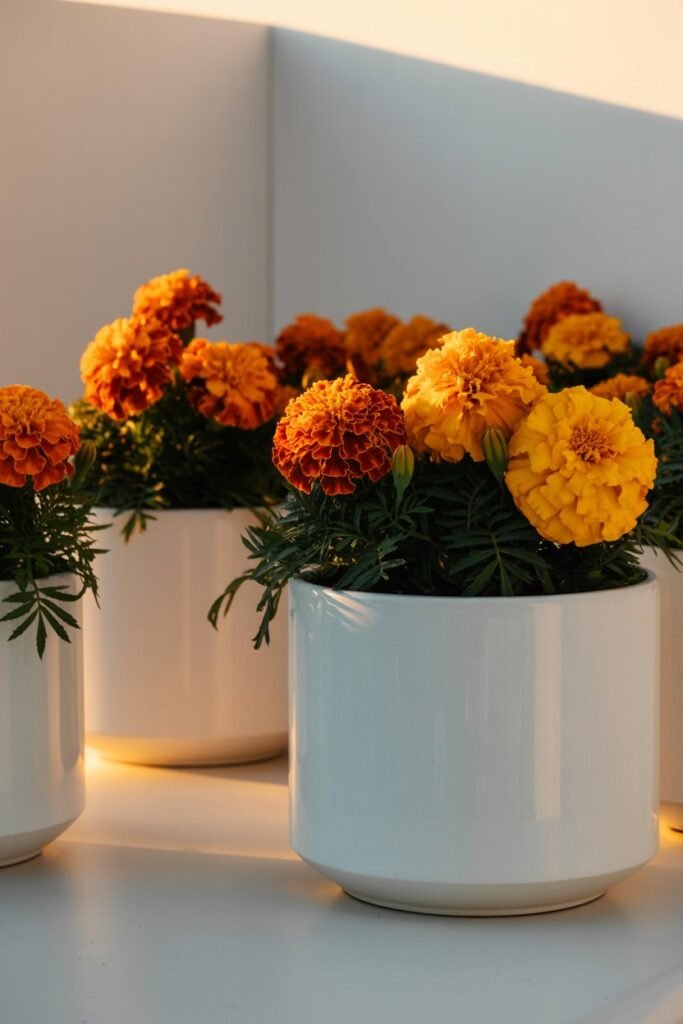
Sunny flowers with a sharp, bitter scent.
How it repels: Aromatic oils + soil chemicals that discourage burrowing.
Where to use: Vegetable gardens, front borders, or around patios.
Growing notes: Very easy to grow; thrives in full sun.
Extra tip: Use marigolds around tomatoes to protect against both rodents and insects.
17. Chrysanthemums
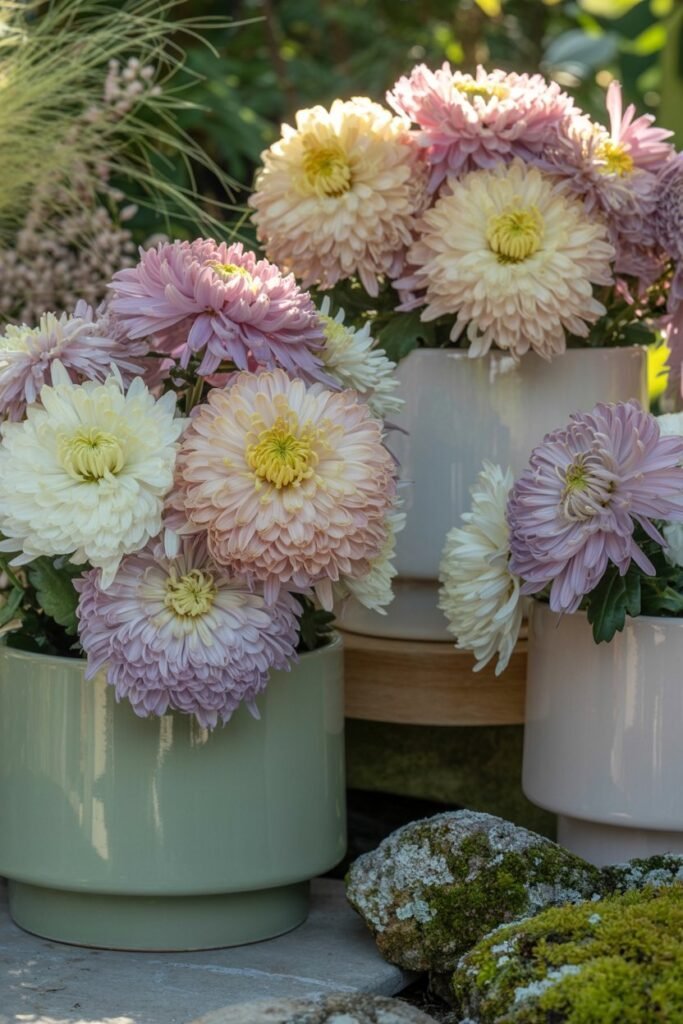
Contain natural pyrethrins, the base of many pest-control sprays.
Why it works: Rodents are repelled by both the scent and the compounds in roots.
Placement: Flower beds, foundation plantings, and garden edges.
Growing notes: Prefers cool weather and rich soil.
Extra tip: Dry the petals for indoor sachets.
18. Bay Laurel

Bay leaves have been used for centuries to repel pests.
How it repels rodents: The oils create a strong scent barrier.
Where to plant: Kitchen gardens, patios, and inside containers near entry points.
Growing notes: Slow-growing evergreen; loves sunshine.
Extra tip: Place dried bay leaves in pantry corners or cupboards.
19. Daffodils
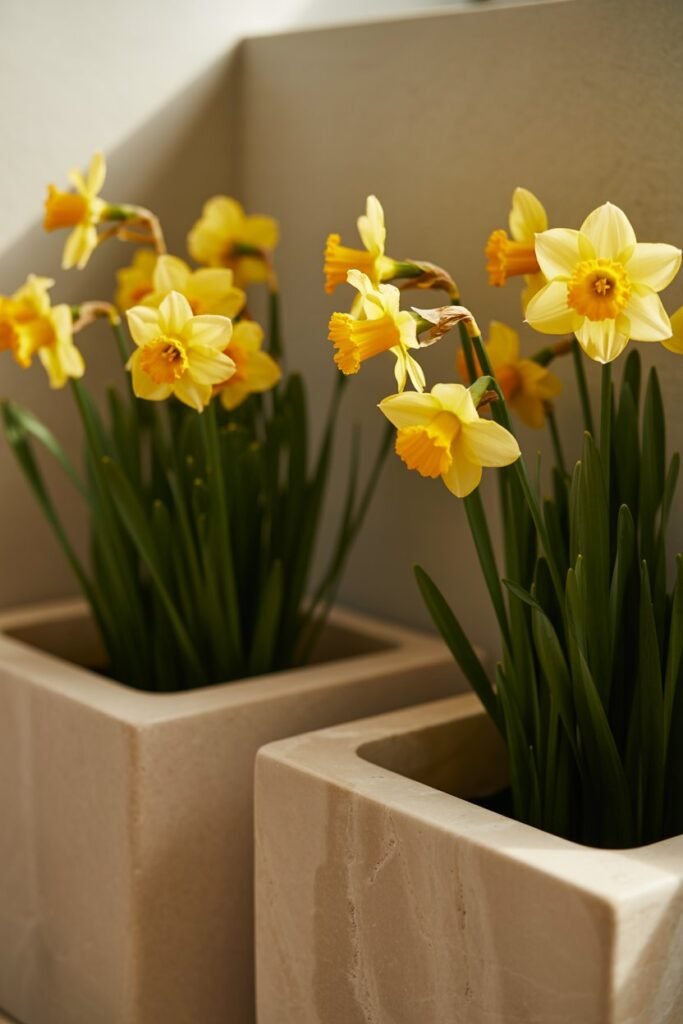
Beautiful spring flowers that rodents do NOT want to dig near.
Why it helps: The bulbs contain alkaloids that are toxic to rodents.
Where to plant: Around garden beds, under trees, and near tulip plantings.
Growing notes: Plant bulbs in fall for early spring blooms.
Extra tip: Ring vegetable gardens with daffodils to stop burrowing.
20. Hyacinths
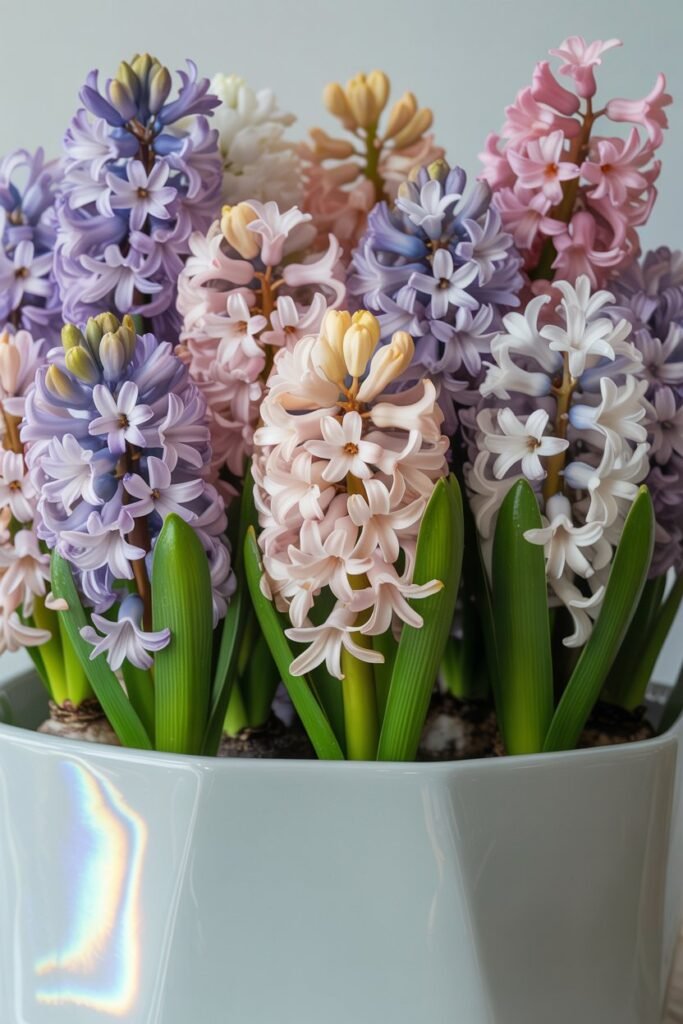
Fragrant bulbs that emit a strong, lingering smell.
Why it repels: Rodents dislike both the scent and the mild toxicity.
Placement: Walkways, garden borders, raised beds.
Growing notes: Very cold-hardy; great for spring interest.
Extra tip: Plant clusters for a stronger scent blockade.
21. Mint Geraniums (Scented Geraniums)

Soft, lovely foliage with a minty aroma.
Why rodents hate it: Strong, refreshing scent rodents avoid instinctively.
Best locations: Patio pots, windowsills, sunrooms, or balcony corners.
Growing notes: Prefers bright light and moderate watering.
Extra tip: Rub leaves gently when hosting guests to refresh the scent.
22. Rue

Rue is an old-fashioned herb historically used to deter pests.
Why it works: A bitter, almost medicinal scent that rodents dislike.
Where to plant: In sunny, dry corners or around building foundations.
Growing notes: Drought tolerant and very hardy.
Extra tip: Keep it away from pets bitter taste they won’t enjoy.
23. Wormwood (Artemisia)
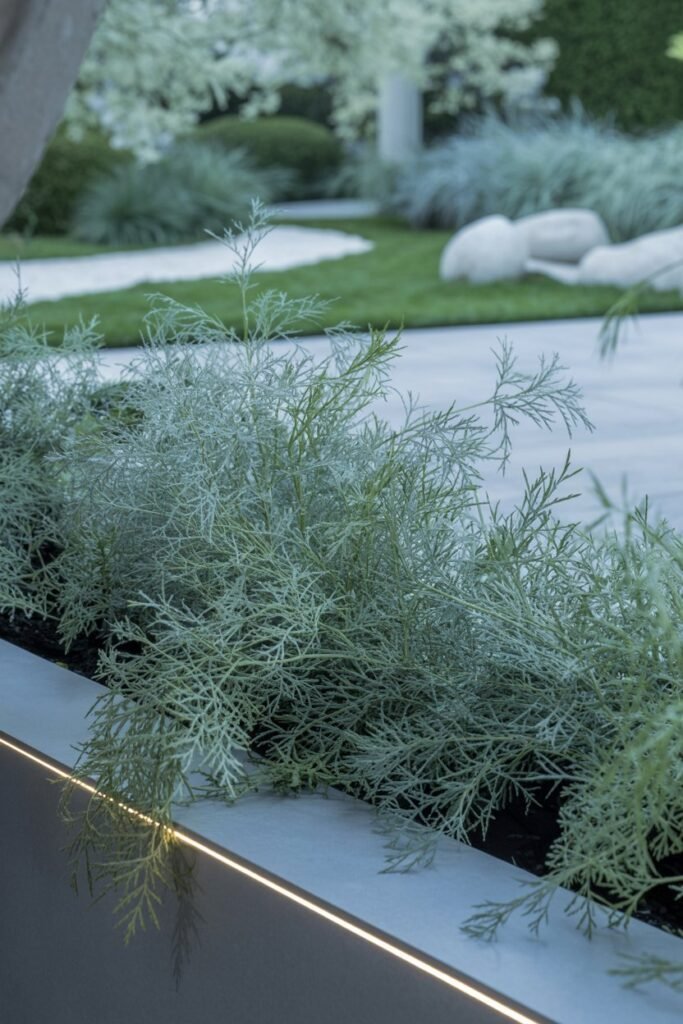
A silver, feathery plant with a strong, sharp herbal scent.
Why it helps: Its aromatic compounds irritate rodents’ noses and deter nesting.
Best placement: Around veggie gardens, fence lines, and under windows.
Growing notes: Thrives in dry, sandy soil with full sun.
Extra tip: Plant as a low hedge for a constant scent wall.
24. Snowdrops

Early-spring bulbs with gentle beauty and strong deterrent power.
Why it works: Contains alkaloids that rodents dislike and avoid nibbling.
Where to plant: Under shrubs, around fruit trees, and garden edges.
Growing notes: Very easy to grow; loves cool weather.
Extra tip: Combine with daffodils for a double barrier.
Final Thoughts
As gardeners, we learn that harmony often grows from the simplest choices like surrounding our homes with plants that naturally protect, calm, and balance the spaces we cherish.
Using rodent-repellent plants isn’t just about keeping mice and rats away; it’s about choosing gentler, greener solutions that honor the rhythms of the earth.
Each leaf, bloom, and scent works quietly, turning your garden into its own little sanctuary of beauty and resilience.
Whether you’re tucking lavender by your doorway, letting mint spill from a patio pot, or planting rosemary along a sunny fence, these botanical allies do more than deter pests they bring texture, fragrance, and life to your home.
