
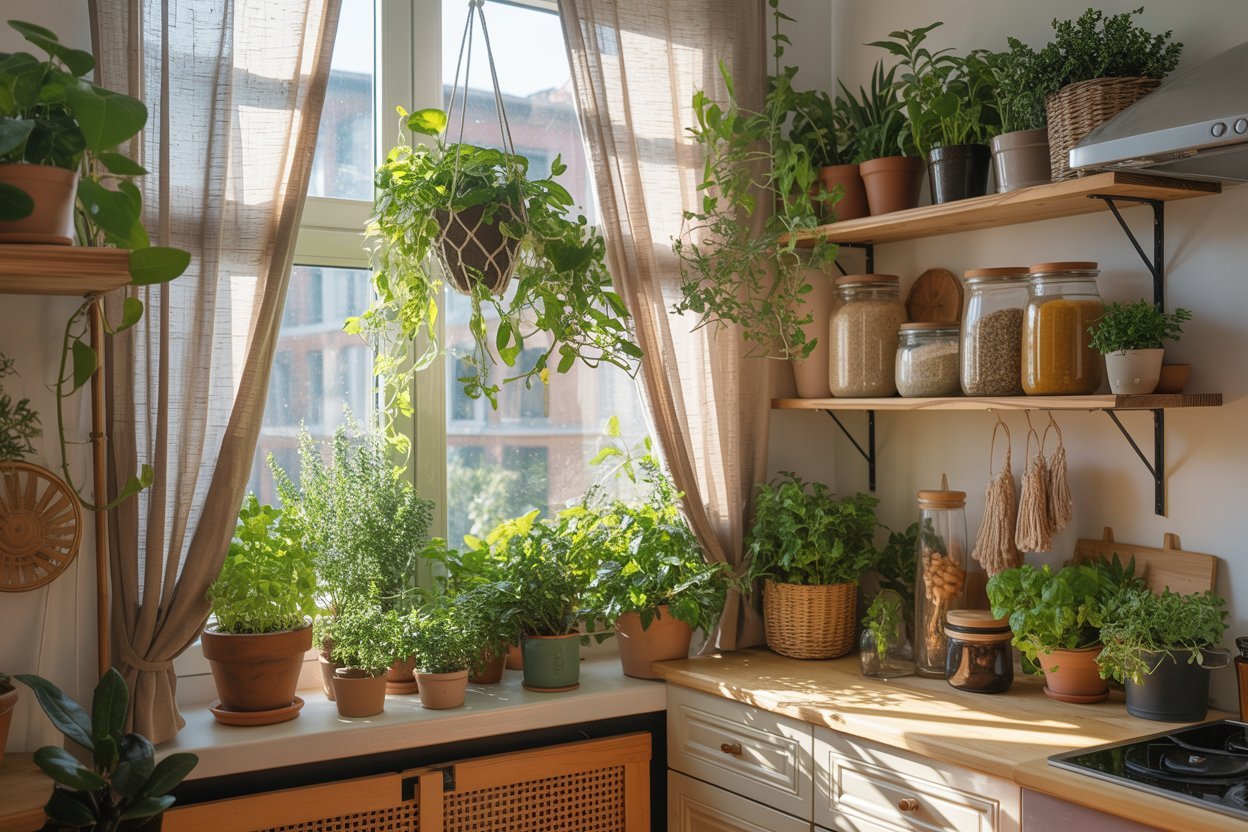

Urban homesteading doesn’t begin with acres of land, a red barn, or a farmhouse kitchen. For many of us, it begins quietly inside a small apartment, with sunlight streaming through one good window and a deep desire to live a little more intentionally.
I want you to know this right from the start: a 500‑square‑foot apartment is not a limitation. It’s an invitation.
Urban homesteading in a small space is about nurturing life, skills, and self‑reliance in gentle, realistic ways.
It’s about learning how to feed yourself better, waste less, spend smarter, and feel more connected to what sustains you even in the middle of the city.
This guide is written to walk beside you, step by step, with practical advice and honest encouragement, so you can build a homestead that fits your life, not overwhelms it.
shop my amazon essentials
- Small to medium pots (with drainage holes)
- Grow Lights
- Watering Tools
- High-quality potting mix
- Plant Support Tools(Plant stakes and clips)
- Pebbles or gravel layer
- Seed Starting & Propagation Kit
- Hand trowel
- Gardening gloves
- Drip irrigation kit
Urban Homesteading Mindset: How to Start Small and Stay Consistents
Before you grow a single leaf of lettuce or save your first jar, homesteading begins with mindset.
In a small apartment, success doesn’t come from doing everything it comes from doing a few things well.
Release the pressure to be perfect or “fully self‑sufficient.” Urban homesteading is about progress, not purity. You are allowed to start messy, start small, and change your approach as you learn.
Set gentle goals such as:
- Growing one food successfully
- Cooking at home more often
- Reducing food waste by a small percentage
- Learning one new practical skill per month
Think of your homestead as something that grows with you.
Every habit you build watering plants, saving scraps, cooking from scratch adds up over time. Consistency matters more than intensity.
Read Easily Grow Broccoli at Home in a Container (Step-by-Step Guide)
Assessing Your Apartment for Urban Homesteading (Light, Space, and Layout)
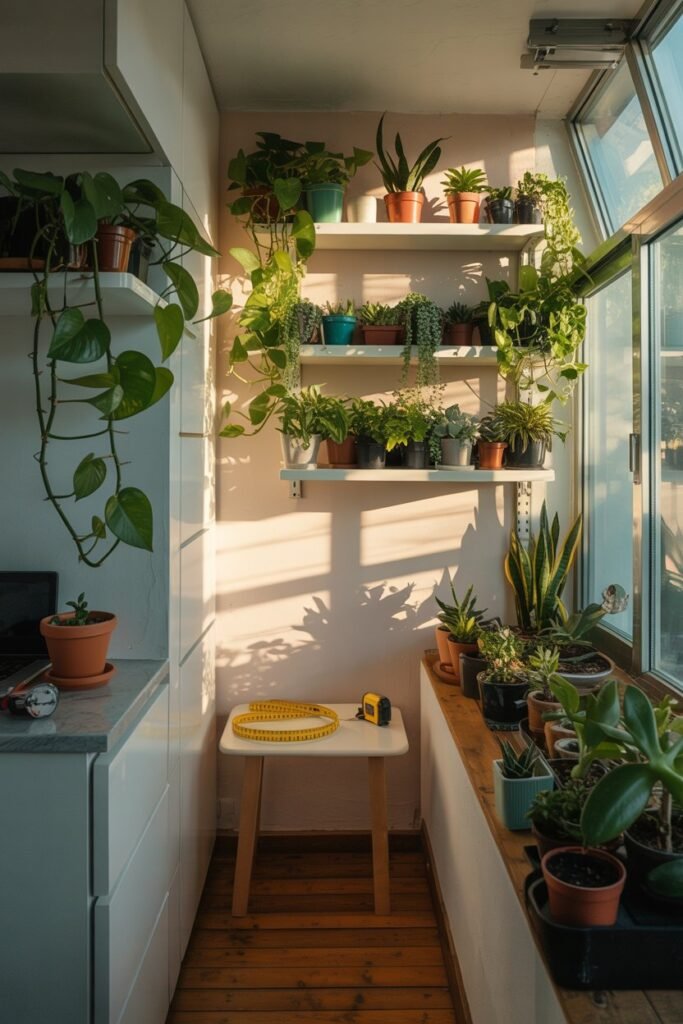
Your apartment is your land. The first step to successful apartment homesteading is understanding what your space offers.
(Internal link idea: link to a post on “How to Choose the Best Grow Lights for Apartments”)
Light Comes First
Observe your space throughout the day for a full week if possible. Notice:
- Which windows receive direct sunlight
- How many hours of light each window gets
- Whether the light is morning or afternoon
Most edible plants need 6–8 hours of good light. If you don’t have that naturally, don’t worry many apartment homesteaders rely on affordable grow lights. A single shelf with a grow light can outperform a poorly lit window.
Measure and Re‑imagine
In a 500‑sq‑ft apartment, every inch matters. Measure:
- Window sills
- Wall space
- Balcony corners (if you have one)
- The top of your refrigerator or cabinets
Start seeing vertical space as potential growing space. Walls, shelves, and hanging systems are your best friends.
Read 45 Beautiful Drought-Tolerant Flowering Plants for a Colorful Garden
Best Foods to Grow First in an Apartment Homestead
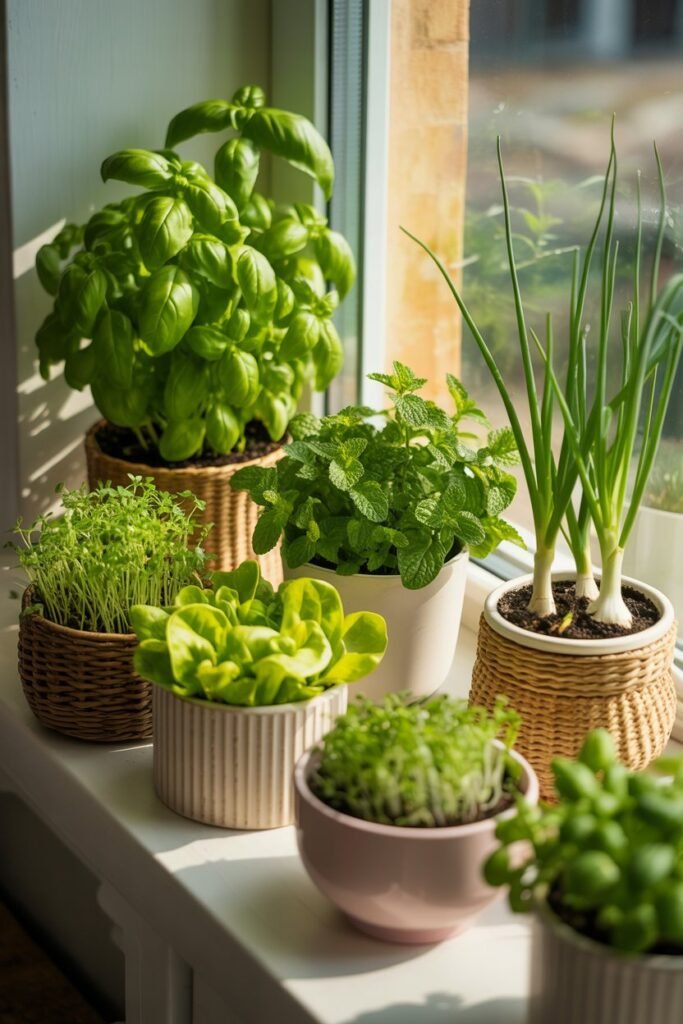
When space is limited, early wins are important. Start with plants that are forgiving, productive, and fast.
Excellent beginner crops for urban homesteading in apartments include:
(Internal link idea: link to “Best Vegetables to Grow Indoors Year‑Round”)
- Herbs: basil, mint, parsley, chives
- Leafy greens: lettuce, spinach, arugula
- Green onions (especially regrown from scraps)
- Microgreens
- Cherry tomatoes (with enough light)
These foods offer frequent harvests and help build confidence. There’s something deeply satisfying about snipping herbs you grew yourself just before cooking dinner.
Avoid slow or space‑hungry crops at first. You can always expand later.
Container Gardening and Vertical Growing for Small Apartments
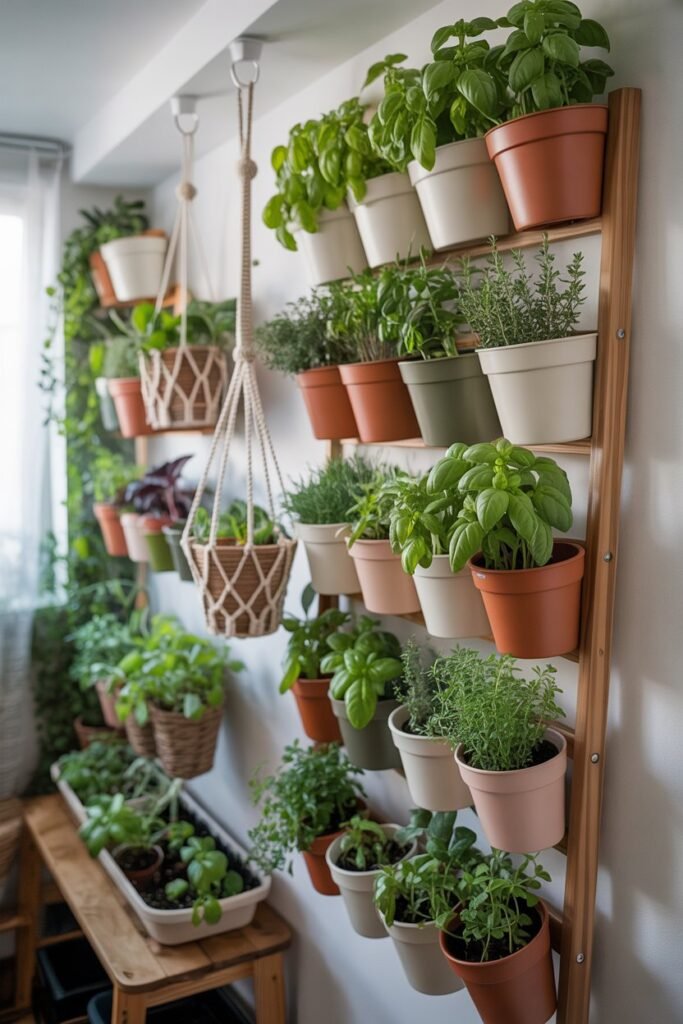
Container growing is the foundation of small‑space and apartment homesteading.
(Internal link idea: link to “Best Containers for Indoor Vegetable Gardening”) Choose containers that:
- Have drainage holes
- Match the size of the plant’s root system
- Are lightweight but sturdy
Fabric grow bags, recycled buckets, ceramic pots, and even repurposed food containers can all work beautifully.
Go Vertical
Vertical growing multiplies your space. Consider:
- Wall‑mounted planters
- Ladder shelves
- Hanging baskets
- Tension rods for lightweight planters
Group plants with similar light and water needs together. This makes care easier and keeps your homestead manageable.
Soil, Watering, and Plant Care for Apartment Gardening
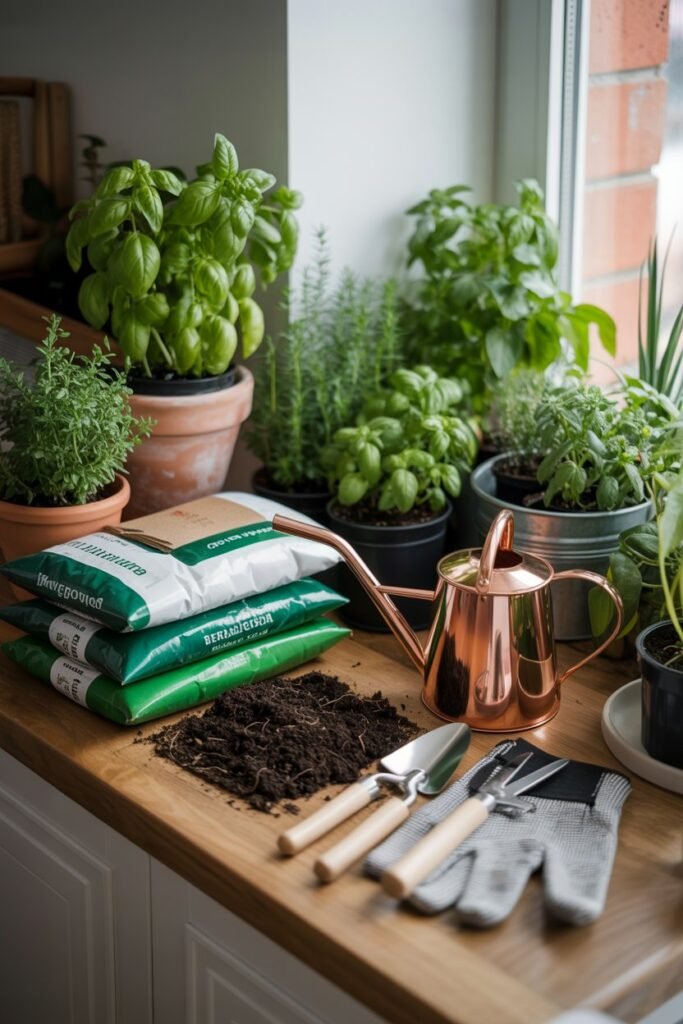
Healthy soil is the heart of a successful homestead.
Use high‑quality potting mix designed for containers. Garden soil from outside is usually too dense and can introduce pests. Enhance your soil with:
- Compost (store‑bought or homemade)
- Worm castings
- Coconut coir for moisture retention
Watering Without Stress
Overwatering is more common than underwatering in apartments. Learn the feel of your soil—stick your finger in about an inch deep. If it’s still moist, wait.
Self‑watering planters, drip trays, and simple watering schedules can help prevent mistakes. Always empty saucers to avoid root rot.
How to Harvest and Use Food Grown in Your Apartment
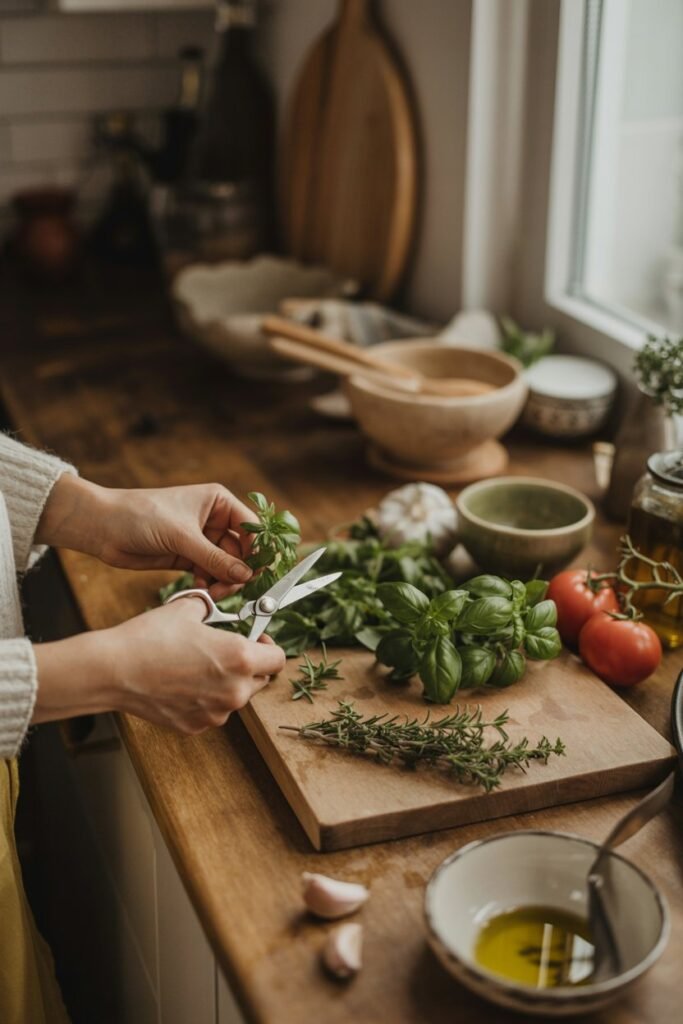
Harvest often and gently. Many plants grow better when regularly picked. Use clean scissors or pruners and never remove more than one‑third of the plant at a time.
Make the most of your harvest by:
- Adding fresh herbs to everyday meals
- Drying or freezing extras
- Making simple infused oils or vinegars
Even small harvests matter. They represent nourishment, patience, and care.
Read How to Grow Ferns in Water (A Complete Guide for Indoor Gardeners)
Urban Homesteading Beyond Plants: Skills You Can Learn Indoors
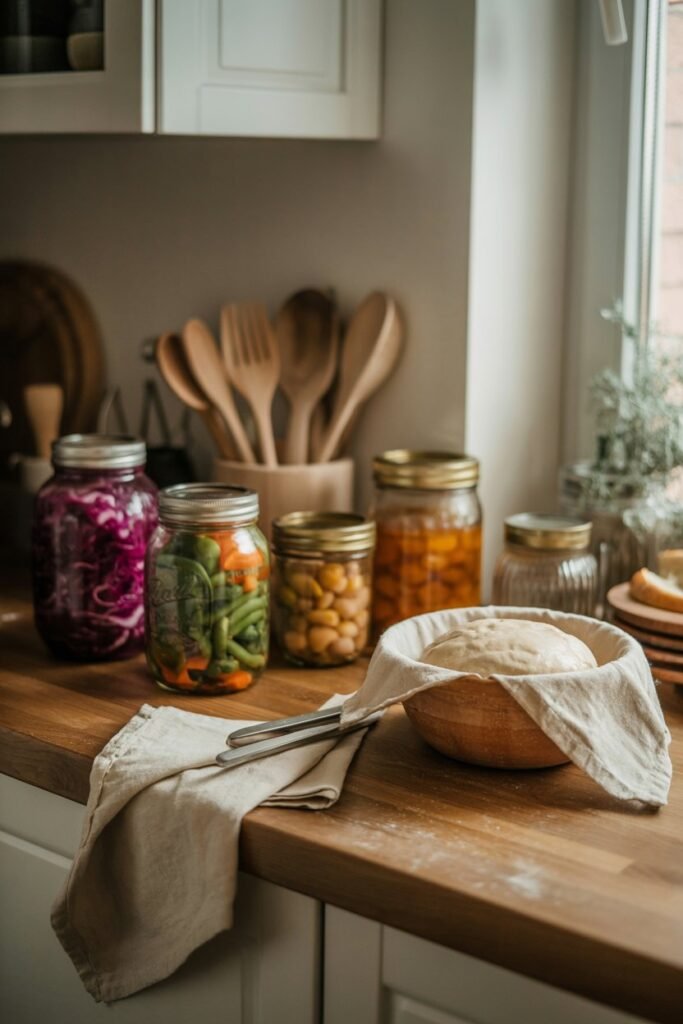
Urban homesteading is more than gardening. In a small apartment, skills matter as much as space.
Practical urban homesteading skills you can learn indoors include:
(Internal link idea: link to “Easy Homesteading Skills You Can Learn at Home”)
- Bread baking
- Yogurt or simple cheese making
- Fermenting vegetables
- Sewing and mending clothes
- Natural cleaning products
- Basic food preservation
Choose one skill at a time. Let it become part of your routine before adding another.
How Urban Homesteading Helps Stretch Your Food Budget
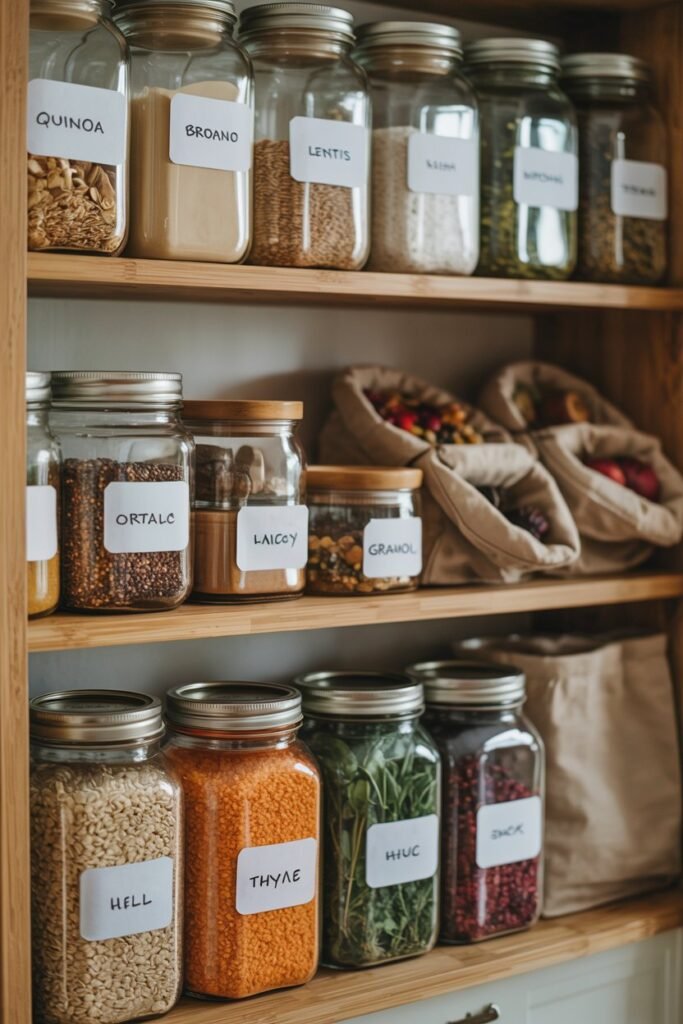
A successful urban homestead saves money over time.
Ways to stretch your food budget through urban homesteading:
(Internal link idea: link to “How to Save Money on Groceries with Homegrown Food”)
- Grow herbs instead of buying them weekly
- Cook from scratch more often
- Plan meals around what you grow
- Buy dry goods in bulk
- Reduce food waste through better storage
Track your grocery spending for a month—you may be surprised how quickly small changes add up.
Building Urban Homesteading Community in the City
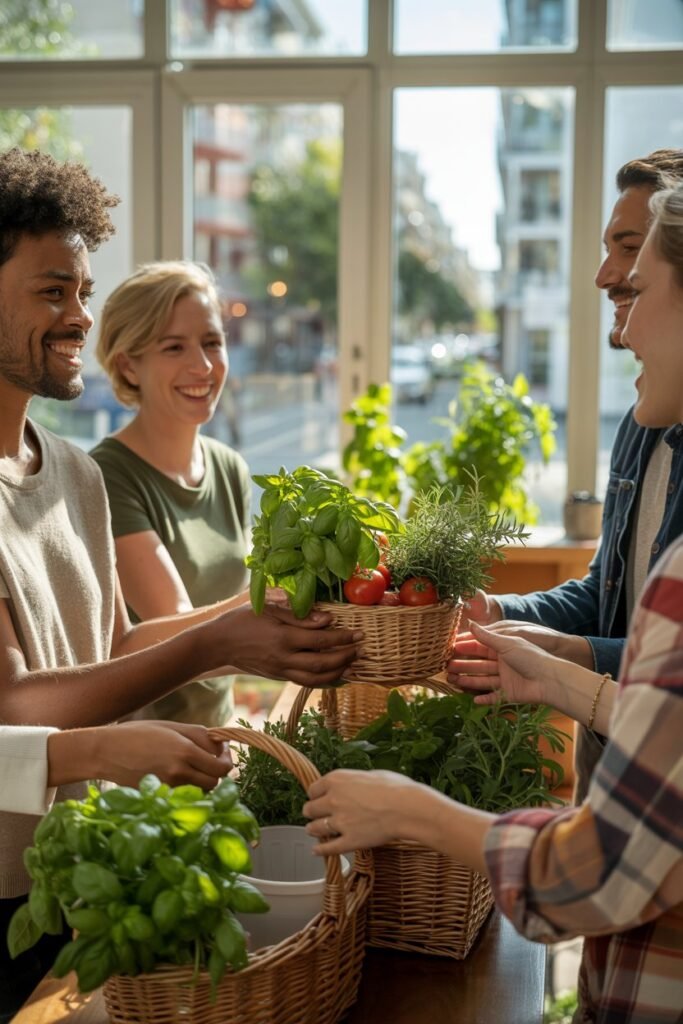
Homesteading thrives in community.
Connect with others by:
- Joining local gardening or homesteading groups
- Participating in seed swaps
- Sharing harvests or skills with neighbors
- Following urban homesteaders online
Community brings encouragement, knowledge, and shared joy.
30-Day Urban Homesteading Starter Plan for Apartment Dwellers
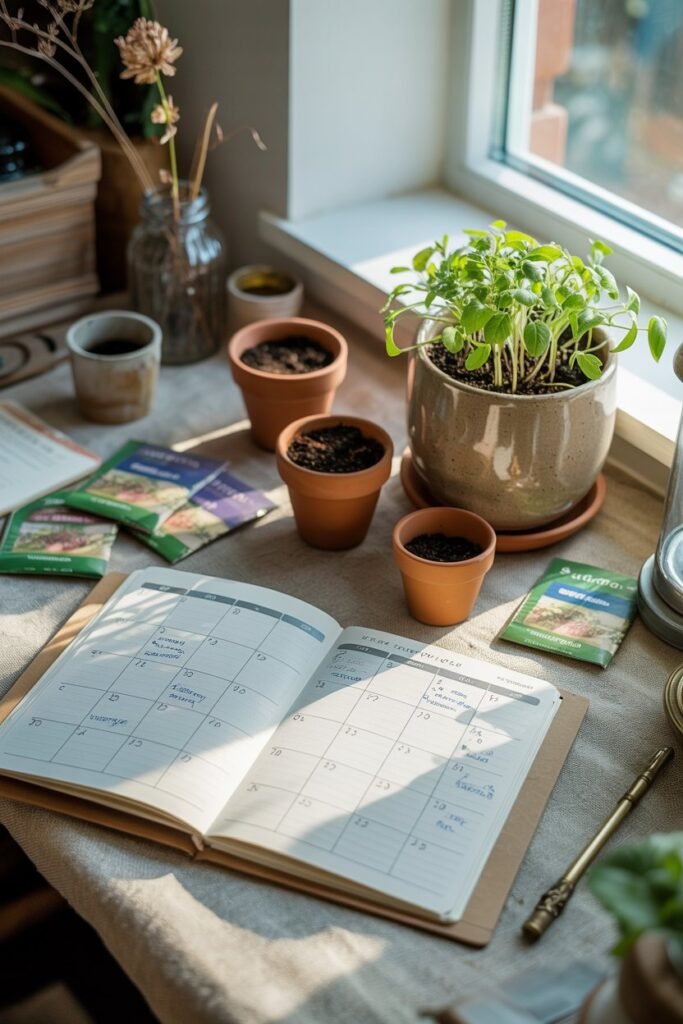
This gentle starter plan is designed to help you build momentum without burnout. Think of it as a rhythm, not a rigid rulebook.
Week 1: Observation and Setup
Spend time truly noticing your apartment. Track sunlight, airflow, and temperature changes. Choose one primary growing zone (a window, shelf, or balcony corner).
Purchase or repurpose containers, quality potting mix, and one or two easy plants. Set realistic goals for what you want your urban homestead to support better meals, lower grocery bills, or a calmer routine.
Week 2: Planting and Daily Care
Plant your herbs or leafy greens. Establish a daily two-minute plant check habit. Learn how your soil feels when it’s dry versus moist. Begin saving kitchen scraps for composting or regrowing (like green onions).
Week 3: Skill Building and Systems
Choose one homestead skill to practice this week baking bread, fermenting vegetables, or cooking meals entirely from scratch. Create simple systems: a watering schedule, a grocery list focused on whole foods, or a weekly reset routine.
Week 4: First Harvests and Reflection
Harvest lightly if your plants are ready. Taste what you’ve grown. Reflect on what worked and what felt difficult. Adjust plant placement, light, or watering as needed. Celebrate consistency more than results.
Week 1: Observe your space, choose one growing area, and set up containers.
Week 2: Plant herbs or greens, establish a watering routine, and start composting scraps (even a small countertop system).
Week 3: Learn one kitchen skill bread, fermentation, or from‑scratch cooking.
Week 4: Harvest lightly, adjust plant placement, and reflect on what’s working.
Slow growth builds strong foundations.
Expanding Into a Sustainable and Successful Apartment Homestead
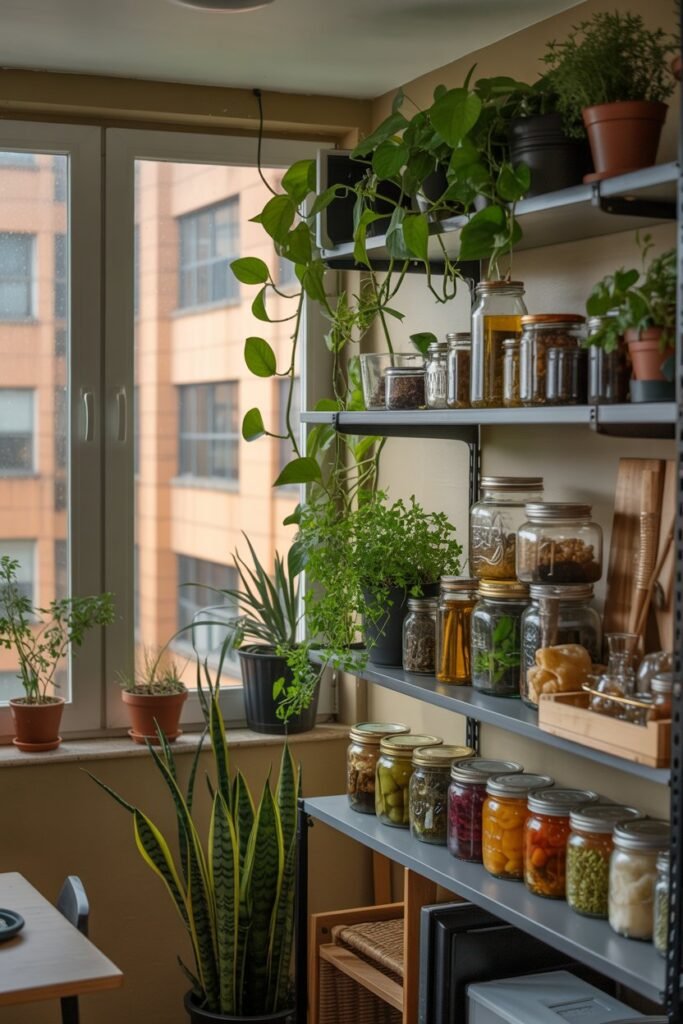
Once the basics feel comfortable, your urban homestead can quietly deepen and expand. Success in small‑space homesteading comes from refining systems rather than adding clutter.
Troubleshooting Common Apartment Homesteading Challenges
Every urban homesteader encounters setbacks. Yellowing leaves often point to overwatering or low light. Leggy plants usually need more sun or a closer grow light.
Pests can appear even indoors regular inspection, neem oil, and good airflow help prevent problems before they spread.
Instead of seeing challenges as failures, view them as feedback. Plants are excellent teachers.
Scaling Without Overwhelm
You don’t need more plants—you need better flow. Ask yourself:
- Am I using what I grow consistently?
- Does this routine fit my energy level?
- Is my setup easy to maintain?
Scaling might mean growing the same crops more efficiently rather than adding new varieties. It might also mean rotating crops seasonally or simplifying during busy months.
Safety, Cleanliness, and Apartment Living
Successful apartment homesteading respects shared spaces. Always use drip trays, avoid excess moisture, and keep walkways clear. Store tools neatly and label fermented foods. Good hygiene protects both your health and your lease agreement.
Emotional Benefits of Urban Homesteading
Beyond food and savings, homesteading nourishes something deeper. Caring for living things builds patience.
Cooking from scratch fosters confidence. Creating rhythms in a small space brings calm to busy urban lives. These benefits matter just as much as harvest totals.
Teaching and Sharing What You Learn
As your confidence grows, share your knowledge. Gift herbs, trade skills, or document your journey online. Teaching reinforces learning and strengthens community one of the most valuable homestead resources of all.
Final Thoughts on Starting an Urban Homestead in a Small Apartment
Urban homesteading in a 500‑square‑foot apartment is not about pretending you live somewhere else. It’s about honoring where you are and choosing care, intention, and resilience anyway.
A successful urban homestead grows slowly. It adapts to seasons, energy levels, and life changes. Some weeks will be abundant; others will be quiet. Both are part of the rhythm.
Start with one plant. One skill. One habit. Over time, these small choices weave together into a life that feels grounded, capable, and deeply nourishing.
Your apartment is enough. Your effort is enough. And your homestead—no matter how small—matters.
Urban homesteading in a 500‑square‑foot apartment is an act of quiet courage. It’s choosing intention in a fast world. It’s finding abundance where others see limits.
Your homestead doesn’t need to be big to be meaningful. Every plant you nurture, every meal you make from scratch, every skill you learn brings you closer to a life rooted in care and resilience.
Start where you are. Use what you have. Grow gently—and let your homestead grow with you.
