
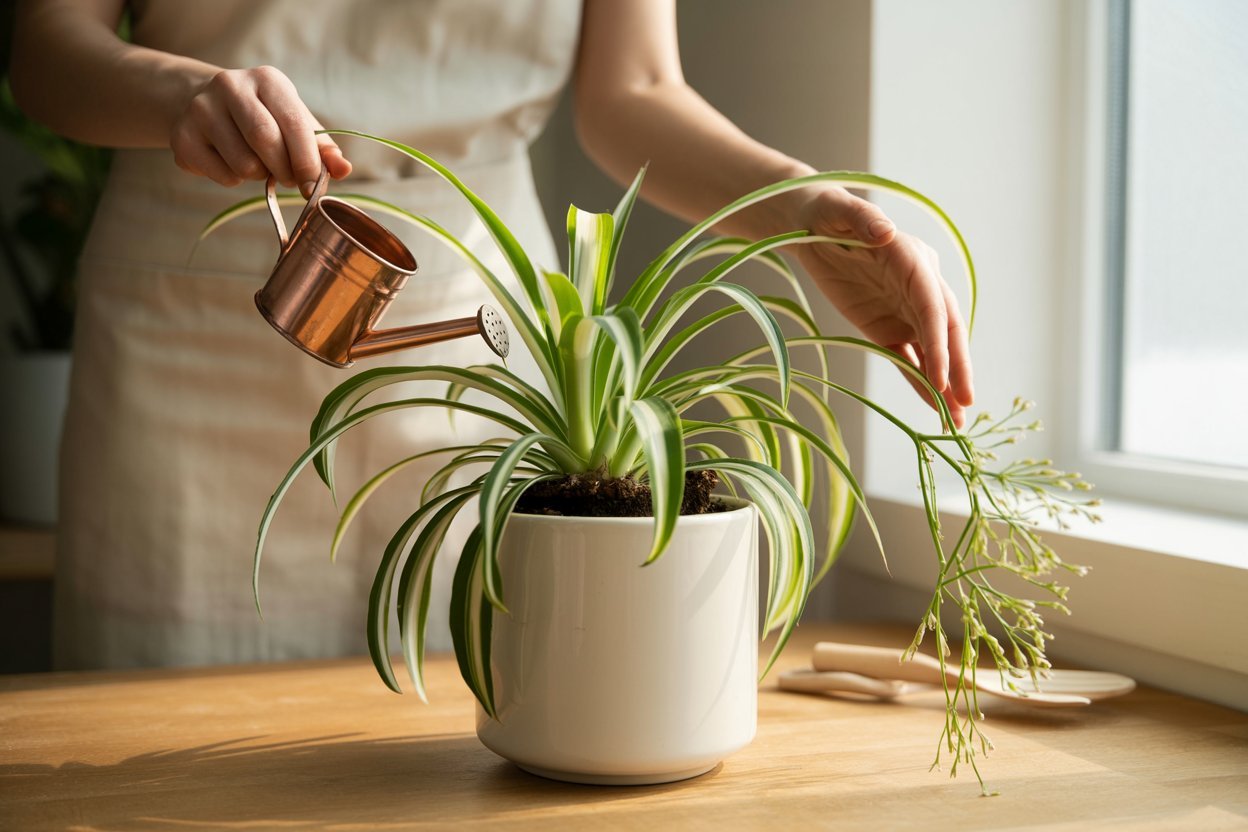

I’ve always had a soft spot for spider plants.
Maybe it’s the way they hold themselves graceful arching leaves, bright variegation, and those adorable little “spiderettes” that make them feel like the nurturing mothers of the houseplant world.
But as easy as they are to care for, I’ve learned through the years that even the most forgiving plants have small wishes.
And for spider plants, one of the sweetest ways to keep them thriving is by feeding them properly.
If you’ve ever looked at your spider plant and felt like it wasn’t as vibrant as it once was maybe the leaves looked a bit pale or the babies stopped coming fertilizer is often the quiet answer.
It’s not about pushing your plant to grow unnaturally fast; it’s about offering it the nutrients it naturally uses up over time.
Today, I’ll walk you through the exact fertilizers spider plants love, how much to use, how often to feed, and all the gentle gardener’s tips I’ve gathered from years of growing these lovely green fountains.
Why Fertilizing Matters for Spider Plants
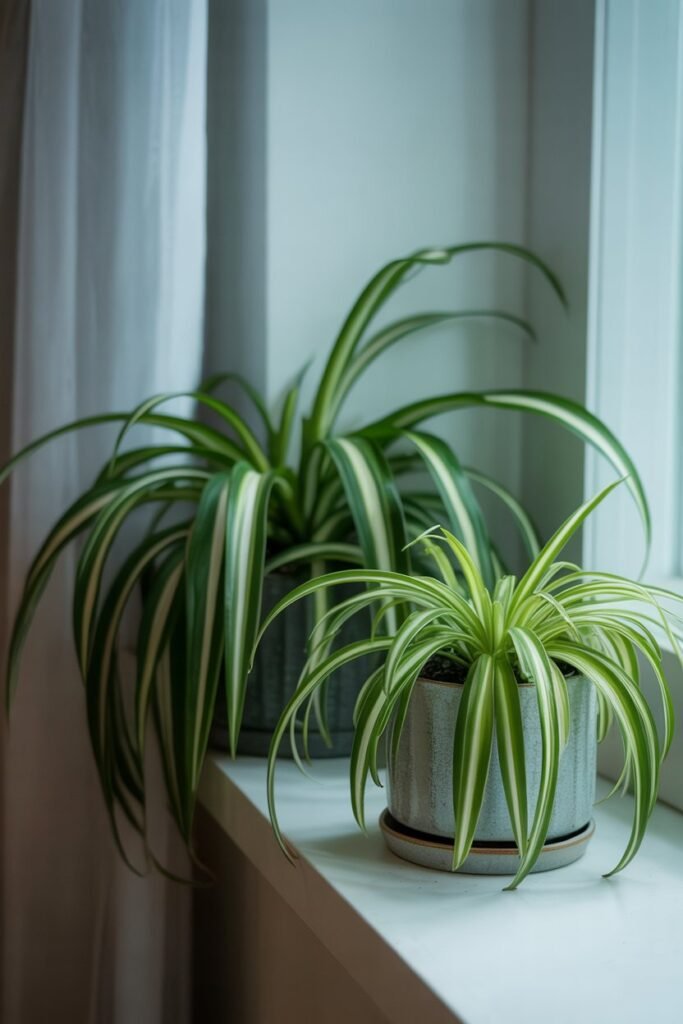
Spider plants are naturally enthusiastic growers, which means they draw nutrients from soil pretty quickly.
Over time especially in potted conditions the soil’s natural nutrient reserve becomes depleted. That’s where fertilizer steps in.
Here’s what proper fertilizing does for your spider plant:
1. Enhances Leaf Health & Color
Fertilizer helps spider plants keep their signature bright green (or variegated) leaves. Without nutrients, they begin to fade or yellow.
2. Speeds Up Growth
Spider plants can grow surprisingly fast with the right food, filling out into a lush, full plant rather than a sparse, stretched one.
3. Encourages Spiderettes (Babies!)
Healthy, well-fed plants produce more offshoots. If you’ve been waiting for those little babies to appear, nutrition is often the key.
4. Helps the Plant Recover From Stress
Repotting, inconsistent watering, or low-light periods can affect growth. A balanced fertilizer helps the plant rebuild strength.
5. Improves Root Health
Stronger roots mean your plant absorbs water better, resists disease, and grows more evenly.
In short, fertilizer keeps your spider plant not just alive, but happily thriving.
The Best Type of Fertilizer for Spider Plants
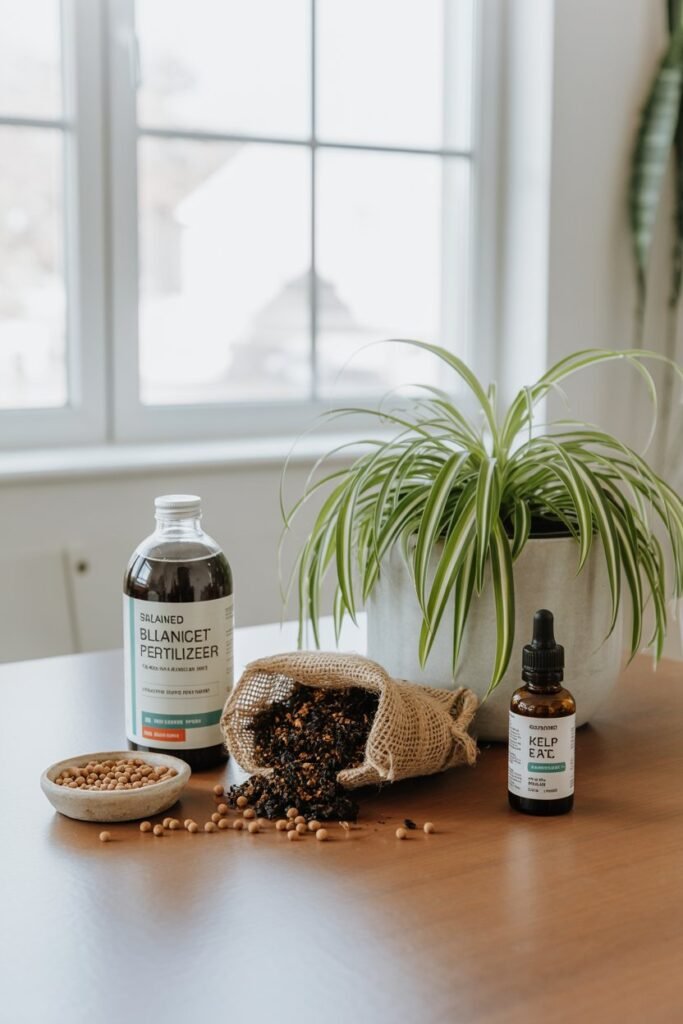
Spider plants aren’t fussy when it comes to fertilizers but they do prefer a gentle, balanced formula.
Their roots can be sensitive, and heavy feeding will do more harm than good. Here are the types that work best:
1. Balanced Liquid Fertilizer (The Most Effective Option)

Look for something with an even NPK ratio such as 10-10-10, 20-20-20, or 5-5-5.
These three numbers represent:
- Nitrogen – Makes leaves green and strong
- Phosphorus – Supports roots and growth
- Potassium – Overall vigor and resistance
A balanced fertilizer ensures your spider plant gets everything it needs without overwhelming it.
Why it’s best:
- Easy to dilute
- Easy to apply
- Absorbs quickly
- Allows gentle, consistent feeding
2. Slow-Release Granules or Pellets
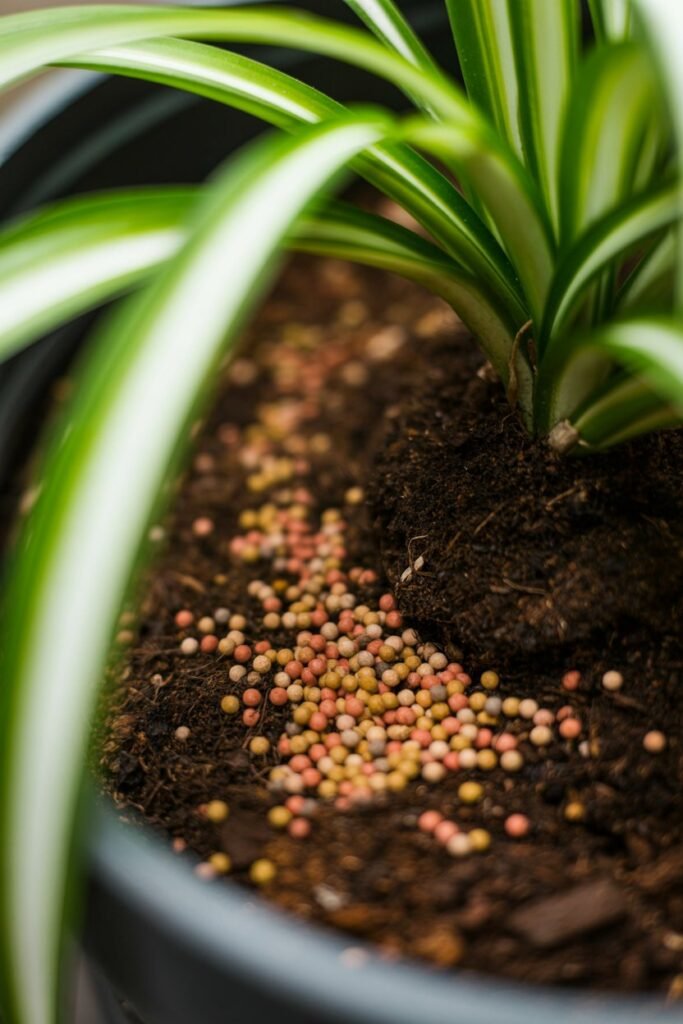
If you love low-maintenance care, these are a blessing. Slow-release pellets deliver small amounts of nutrients every time your plant is watered.
Why you might choose this option:
- Perfect for busy plant parents
- Feeds for 2–3 months
- Less risk of over-fertilizing
These are especially helpful if you keep your spider plant in a bright space where it grows very quickly.
3. Organic Fertilizers (Softest & Most Natural)
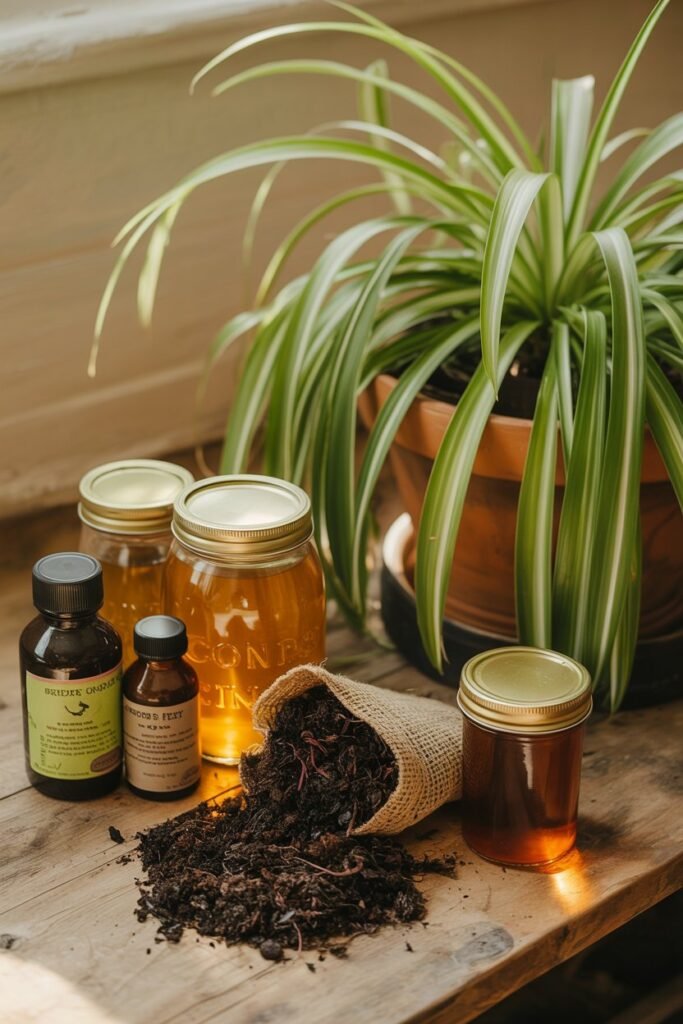
Organic options give slower, more natural boosts.
They’re great for spider plants because they improve soil health while feeding the plant.
Some wonderful choices include:
- Worm castings – Gentle and nutrient-rich
- Compost tea – Great for monthly boosts
- Fish emulsion – Very diluted, excellent for leaf color
- Kelp or seaweed fertilizer – Boosts root health and resilience
Organic fertilizers are especially helpful if your plant is sensitive or recovering from stress.
How Much Fertilizer Should You Use?
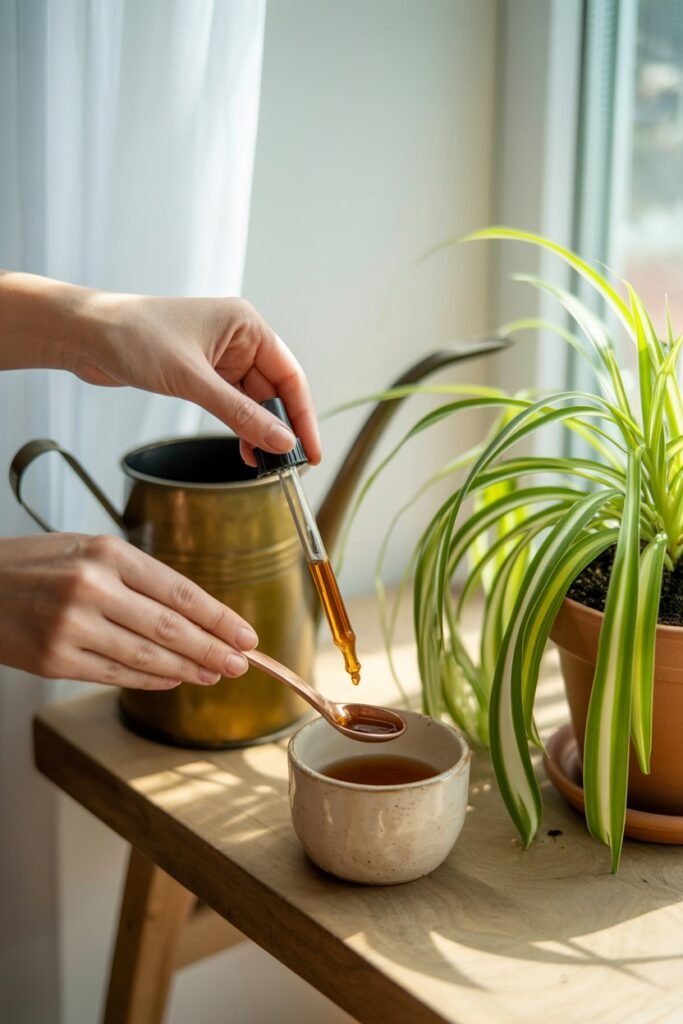
This is where many plant lovers unknowingly get things wrong.
Spider plants hate being overfed. Their roots absorb nutrients quickly, and too much fertilizer leads to brown tips or root stress.
Liquid Fertilizers:
Use half the recommended strength on the bottle.
If it says 1 teaspoon per liter, use 1/2 teaspoon.
Slow-Release Fertilizers:
Use about:
- 2–3 pellets for a small pot
- 4–6 pellets for medium pots
- 8–10 pellets for very large, mature spider plants
Organic Fertilizers:
- Worm castings: 1–2 tablespoons sprinkled on top
- Compost tea: Use like a diluted liquid fertilizer
- Seaweed fertilizer: Dilute very well
Spider plants respond best to gentle nutrition rather than heavy feeding.
How Often Should You Fertilize a Spider Plant?
Timing is everything. Spider plants have natural cycles where they grow and rest, and fertilizing according to these rhythms makes a huge difference.
Spring & Summer (Peak Growth Season)
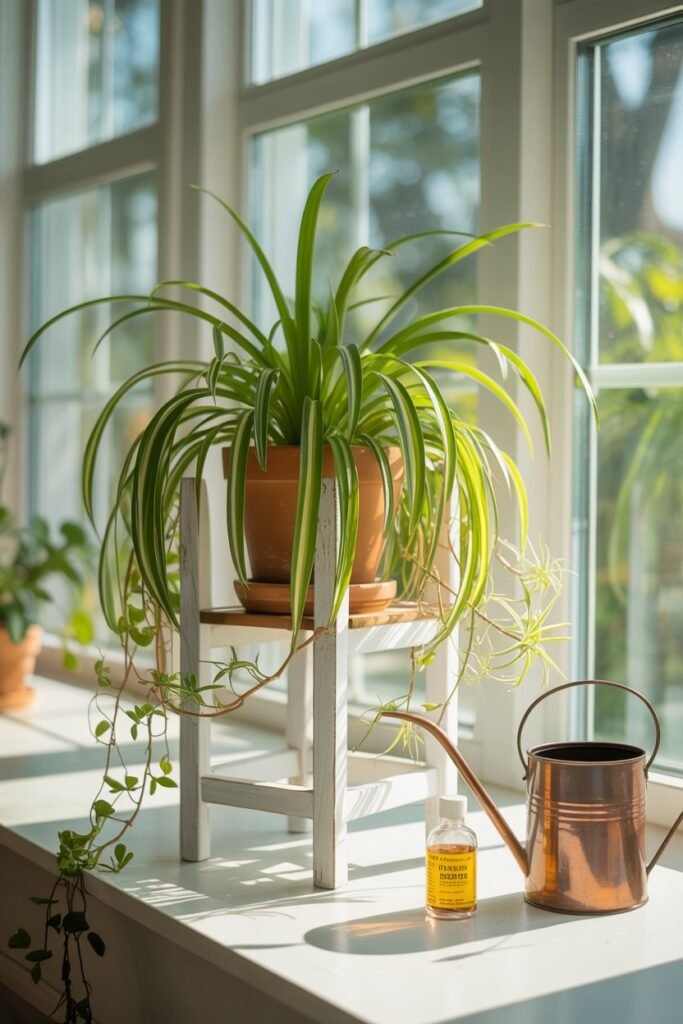
Feed every 2–4 weeks with diluted liquid fertilizer.
This is when the plant is most active, growing new leaves and producing babies.
If using slow-release pellets, one application every 2–3 months is perfect.
Fall (Slowing Down)
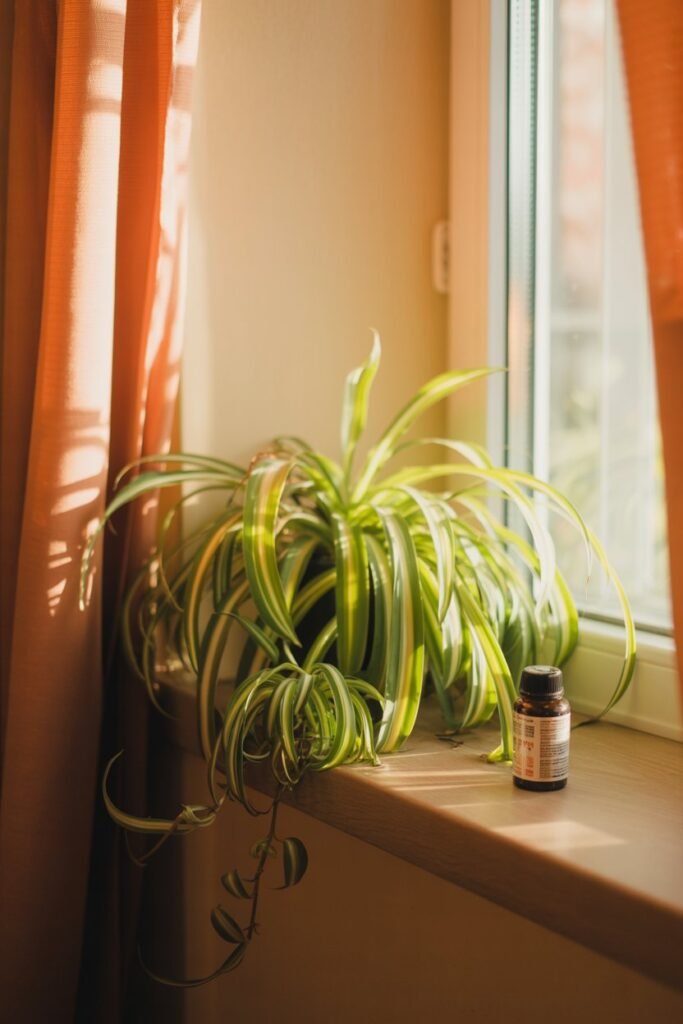
Feed once every 4–6 weeks, or switch to a very mild organic fertilizer.
Winter (Dormant Season)

Your spider plant is resting.
Feed every 6–8 weeks—or skip fertilizing until spring if your home is cool or dimly lit.
Feeding too much in winter can overwhelm your plant and cause brown tips.
Signs Your Spider Plant Needs Fertilizer
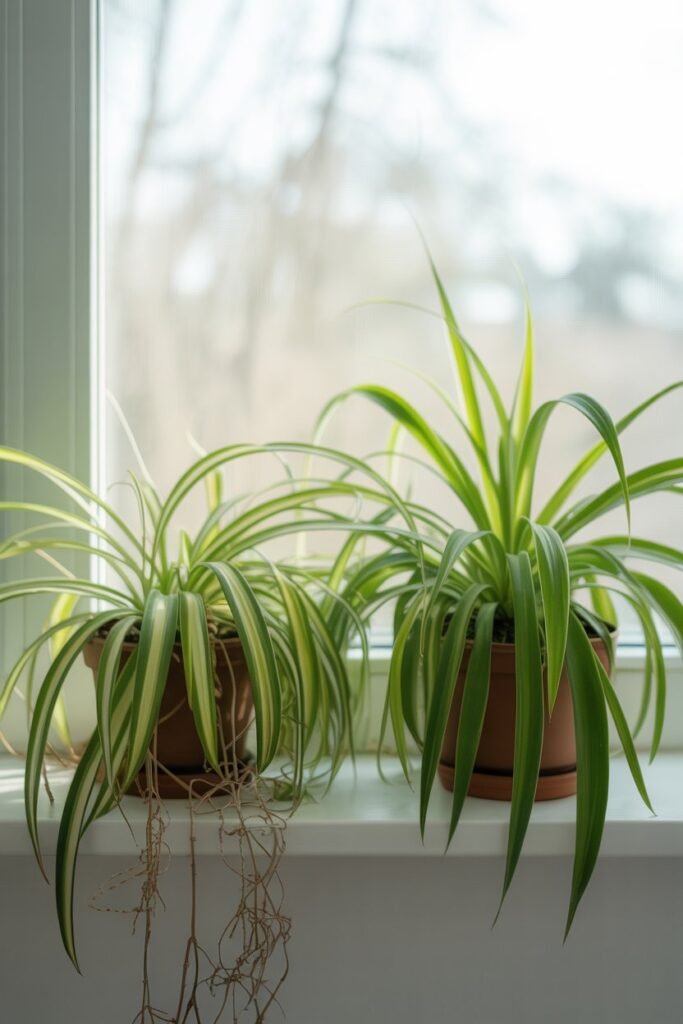
Watch for these gentle signals:
- Leaves turning pale or yellowish
- Slowed or stunted growth
- Spiderettes stop appearing
- New leaves are smaller than old ones
- Soil seems “flat,” compacted, or dull
- The plant looks healthy but not vibrant
These signs don’t mean your plant is sick they simply mean it’s hungry.
Signs You Are Over-Fertilizing
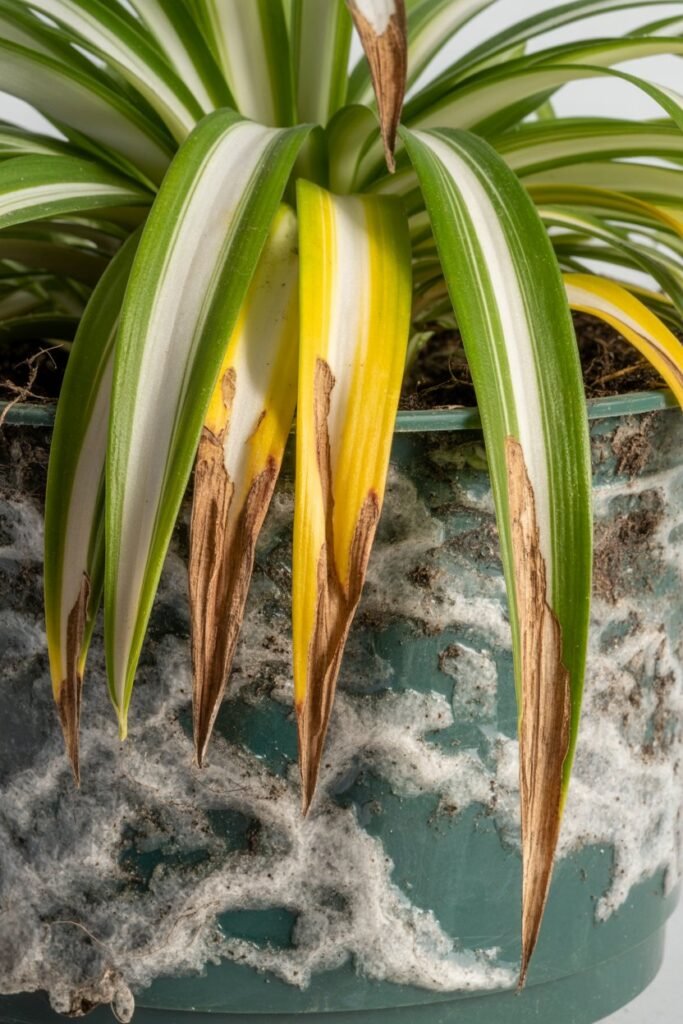
Spider plants show their discomfort quickly if they’re overfed:
- Brown leaf tips (very common)
- Crispy edges
- A white crust on top of the soil
- Limp or curling leaves
- Soil that dries out too quickly because nutrients are built up
- Sudden drooping after fertilizing
If you see these, flush the soil thoroughly:
- Take the plant to a sink or shower
- Run water through the pot for 2–3 minutes
- Let everything drain fully
This removes the excess salts and gives the roots a reset.
Helpful Fertilizing Tips for Vibrant Spider Plants
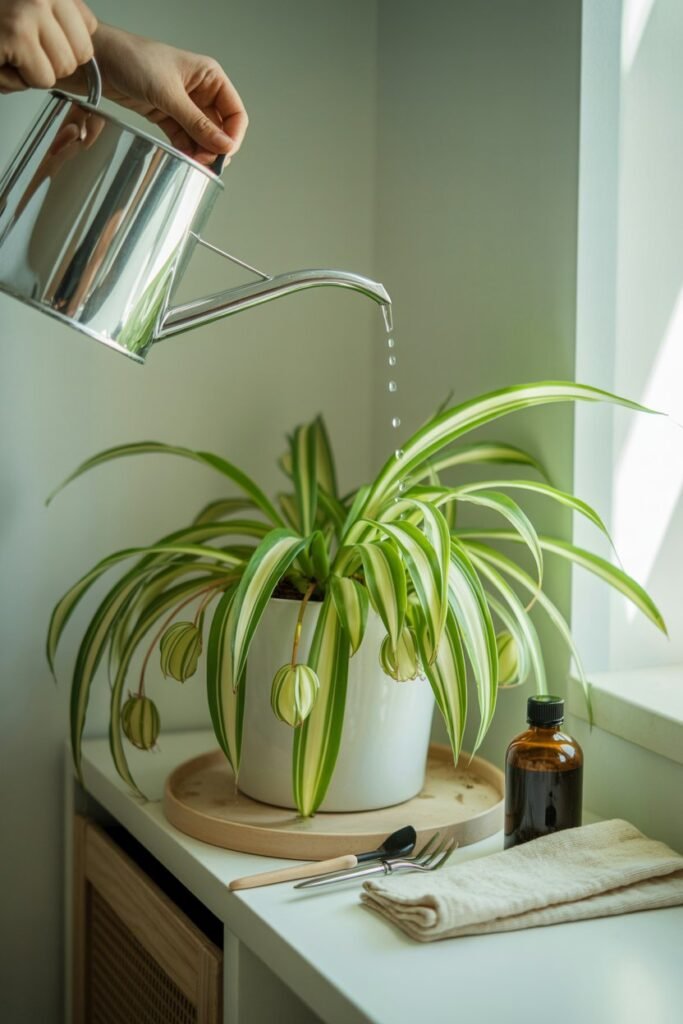
1. Water First, Then Fertilize
Never pour fertilizer onto dry soil it can burn the roots.
Always water lightly first, then feed.
2. Flush Soil Every 2–3 Months
Spider plants are sensitive to salt buildup, especially from tap water and fertilizer.
Flushing keeps the soil clean and the leaves crisp.
3. Use Filtered or Rainwater When Possible
Tap water often contains fluoride, which spider plants dislike.
Filtered water reduces brown tips dramatically.
4. Repot Every 1–2 Years
Fresh soil provides fresh nutrients and better drainage.
Spider plants grow fast and love being refreshed.
5. Bright Indirect Light Helps the Plant Use Fertilizer Better
While spider plants tolerate low light, they thrive and produce more babies when exposed to good brightindirect light.
More light = better nutrient absorption = healthier growth.
Conclusion
Spider plants are some of the most rewarding houseplants you can own.
Their resilience, charm, and willingness to grow make them perfect for beginners and seasoned plant lovers alike.
But even a plant this easygoing appreciates a thoughtful touch.
By choosing the right fertilizer, applying it gently, and respecting your plant’s natural rhythm, you can transform your spider plant into a lush, cascading beauty.
A simple feeding routine balanced fertilizer, light doses, and seasonal care is all it takes to help your spider plant shine its brightest.
And once it’s happy, it will reward you tenfold with long, glossy leaves and a steady stream of baby spiderettes ready to share.
