
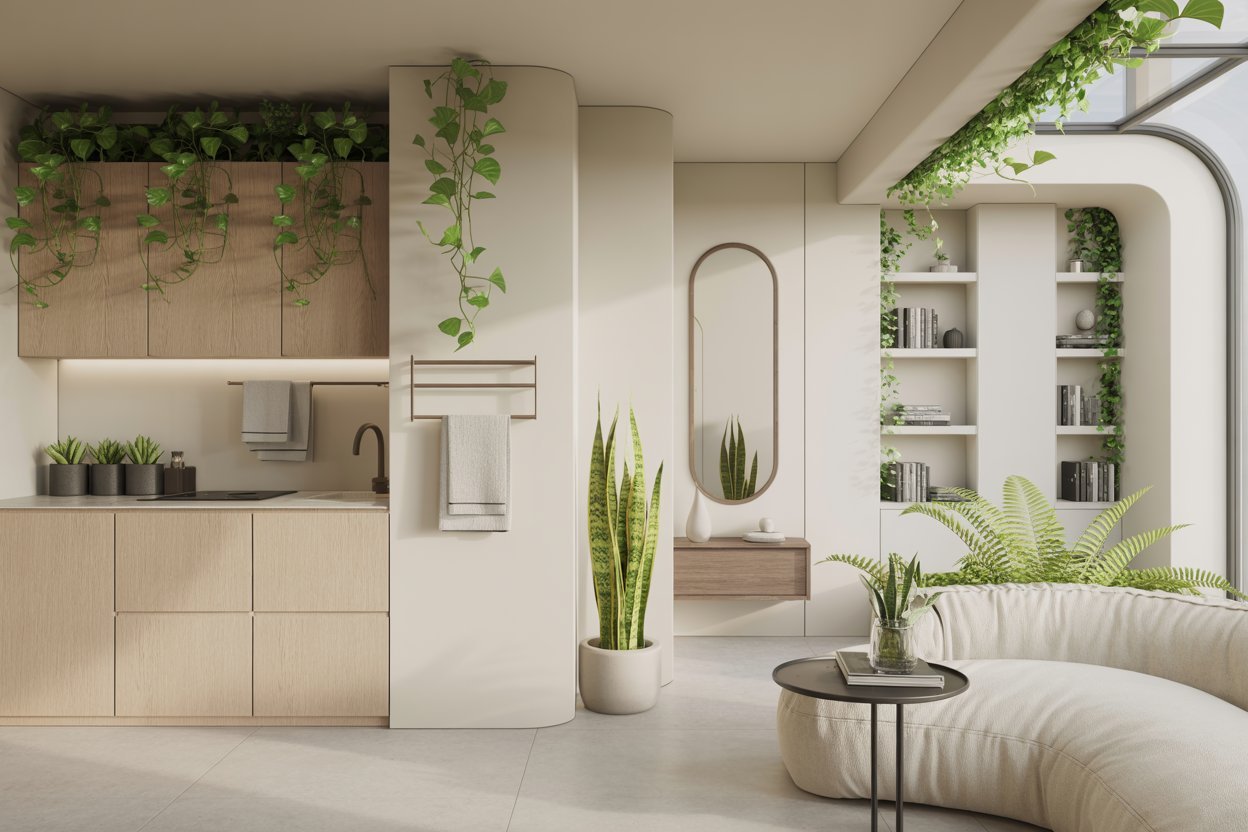

If there’s one thing gardening has taught me, it’s that plants have a beautiful way of finding “home” in the most unexpected places.
Over the years, I’ve tucked little green friends into corners, shelves, and awkward spaces simply because I felt they needed to be there only to discover those spots were secretly perfect all along.
And that’s the magic I want to share with you today.
Whether you’re running out of room (trust me, I’ve been there!) or you just want to bring more life into your home without cluttering your counters, there are so many clever places to showcase plants places most people would never even think of.
Some of these ideas came from happy accidents, others from trial and error, and a few from those “why didn’t I try this sooner?” moments.
But each one has helped me bring a little more calm, charm, and nature into my everyday routines.
So grab a cup of tea, settle in, and let’s explore 10 unexpectedly perfect plant spots that just might inspire your next little green makeover.
Shop my amazon essentials
- Self-Watering Planters
- Wall-Mounted Plant Holders & Floating Shelves
- Hanging Planters with Hooks
- Plant Grow Lights
- Lightweight Plastic or Ceramic Pots with Drainage
- Plant Saucer Trays & Drip Mats
- Small Watering Can with Long Spout
- Plant Stands
- Humidity Trays or Mini Humidifiers
- Indoor Potting Mix
Why These Clever Spots Are Worth Using
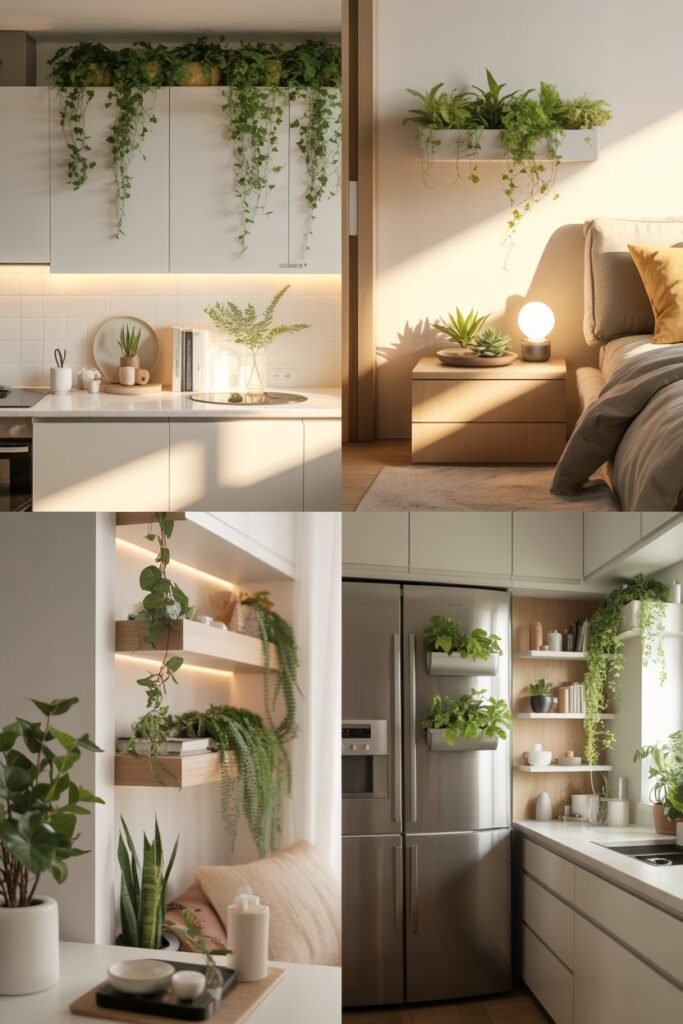
Before we list the actual spots, here are the reasons they make such a big difference in your home:
1. They Help You Maximize Space
If you’re running out of countertops, windowsills, or shelf space, these overlooked areas allow you to keep growing your plant collection without creating clutter.
2. They Bring Life to Dull or Forgotten Corners
Some areas of the home simply feel “empty.” Adding a plant turns a dead space into a little moment of beauty.
3. They Make Your Home Feel More Connected to Nature
Plants soften hard edges, brighten ordinary areas, and make your home feel more alive—even in places you usually overlook.
4. They Improve Mood and Air Quality in More Parts of the House
The more spaces where plants can quietly do their job, the more refreshing your entire home feels.
5. They Encourage Creativity in Home Styling
Finding surprising plant spots is like giving your home a new personality—unique, intentional, and full of charm.
6. They Help You Grow More Plants Without Feeling Overwhelmed
Strategic placement spreads greenery evenly throughout your home, so no single area feels crowded.
7. They Make Practical Use of Vertical and Hidden Areas
Many of these locations use “free space” that normally goes unnoticed—walls, corners, under-furniture areas, and more.
10 Clever Spots You’ve Probably Never Thought to Put a Plant
Here are the ten clever, unexpected plant spots we’ll explore in the full blog post:
- Above Your Kitchen Cabinets
- On Top of Bathroom Towel Racks
- The Empty Space Beside Your Bedside Table
- The Back Corner of Your Sofa (Behind the Cushions)
- The Top of Your Bookshelf (Not the Front — the Hidden Back Edge)
- On Your Fridge Using Small Magnetic Planters
- Hanging Under Floating Shelves
- Inside Wide Windowsill Corners (Side Walls)
- On the Tub Ledge (For Homes with Bathtubs)
- On the Wall Beside Door Frames (Vertical Wall Planting)
1. Above Your Kitchen Cabinets
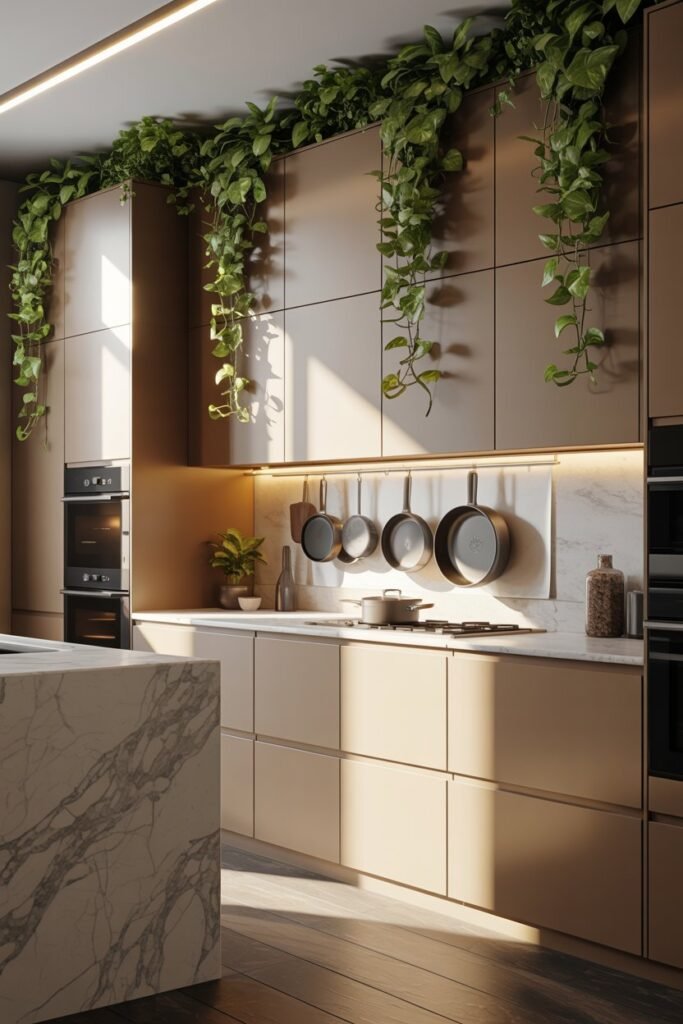
If your kitchen has that awkward gap between the cabinet tops and the ceiling, you’re sitting on prime plant real estate.
Most people treat it like a dusty storage zone, but honestly? It’s one of the best hidden places to tuck a few trailing or low-maintenance plants.
Why This Spot Works
- The height draws the eye upward, making your kitchen feel taller and more styled.
- Plants help soften the harsh, boxy look of cabinets.
- It stays out of the way—no clutter on your counters.
Best Plant Types
- Pothos
- Heartleaf philodendron
- ZZ plant (for low-light kitchens)
- Faux plants if your kitchen gets very little light
Gardener’s Tip
Group plants in threes for a more curated, intentional look.
2. On Top of Bathroom Towel Racks

This is one of my favorite “accidental discoveries.” One day I set a plant on a towel rack while cleaning and realized it looked so good there.
It instantly softens your bathroom and adds calm spa-like vibes, especially in small spaces.
Why This Spot Works
- It uses vertical space you’re not doing anything with.
- Plants thrive in the bathroom’s humidity.
- It keeps the greenery safely away from splashes and floor traffic.
Best Plant Types
- Bird’s nest fern
- Heartleaf philodendron
- Peperomia
- Air plants (super lightweight, great for thinner racks)
Gardener’s Tip
Choose lightweight pots so your rack stays sturdy and balanced.
3. The Empty Space Beside Your Bedside Table
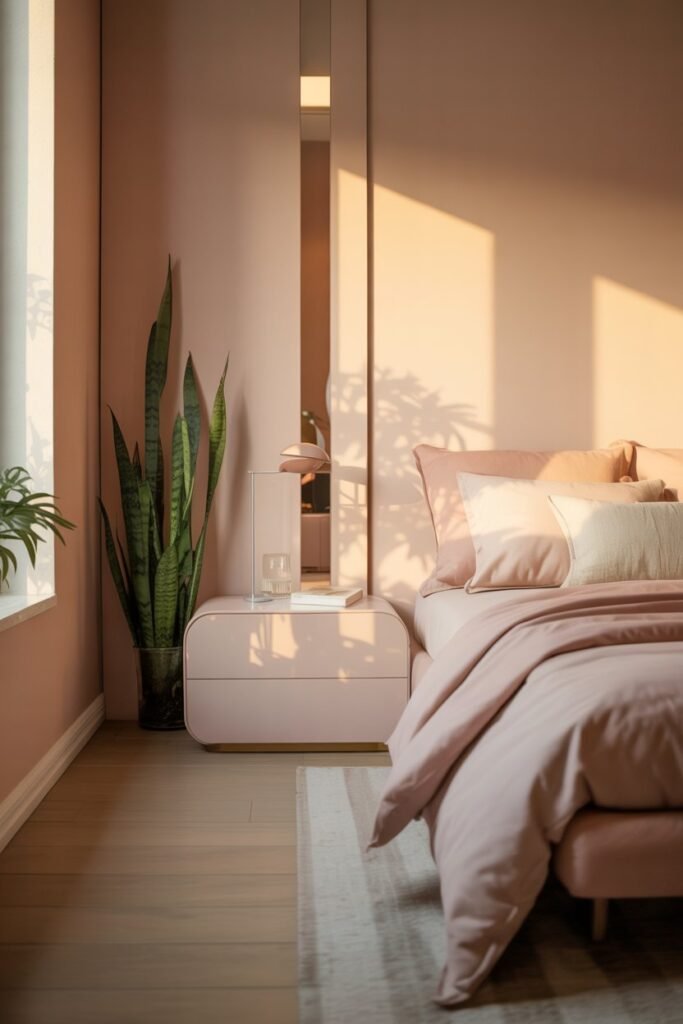
That tiny gap between your wall and your bedside table is the perfect place for a tall, narrow plant.
It adds a gentle sense of calm and is one of the easiest spots to decorate without making your bedroom feel crowded.
Why This Spot Works
- Plants in the bedroom create a naturally soothing environment.
- It fills an awkward gap that often collects dust.
- You can add height without taking up table space.
Best Plant Types
- Snake plant (low light + air purifying)
- Lucky bamboo
- Cast-iron plant
- Tall peperomia varieties
Gardener’s Tip
Use a slim, vertical planter to keep the space looking clean and intentional.
4. The Back Corner of Your Sofa (Behind the Cushions)

You know that little lost space behind the couch that nothing ever fits into? One small plant back there can completely transform your living room’s vibe. It’s subtle, cozy, and makes the room feel lived-in—in the best way.
Why This Spot Works
- Adds greenery at eye level while sitting.
- Softens hard furniture angles.
- Makes your sofa area feel warm and inviting.
Best Plant Types
- Small pothos
- Mini monstera
- Philodendron brasil
- Soft-textured ferns (if there’s at least medium light)
Gardener’s Tip
Use a moisture tray so you don’t accidentally drip water behind the couch.
5. The Top Back Edge of Your Bookshelf
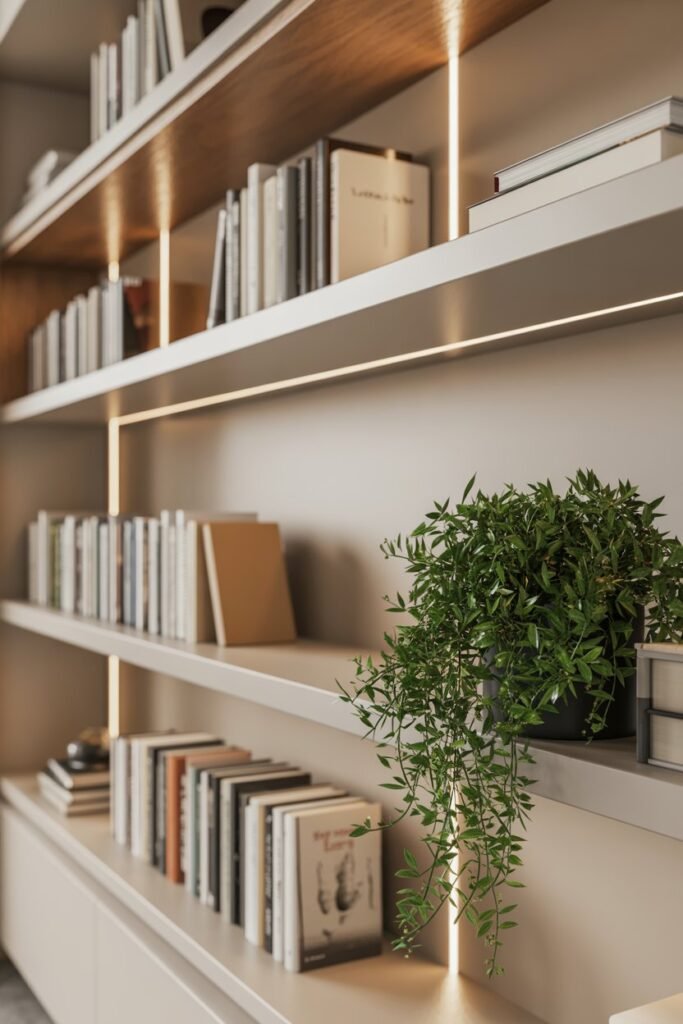
Not the front shelf where your books sit—the hidden upper back edge. It’s a magical spot for trailing plants because they cascade down visually without covering your books.
Why This Spot Works
- Creates a “green waterfall” effect.
- Draws attention to vertical height in the room.
- Keeps shelves functional and decorative at the same time.
Best Plant Types
- String of hearts
- Pothos
- Tradescantia
- Scindapsus varieties (silver foliage looks stunning)
Gardener’s Tip
Mix one trailing plant with one small upright plant for an effortless styled look.
6. On Your Fridge Using Small Magnetic Planters
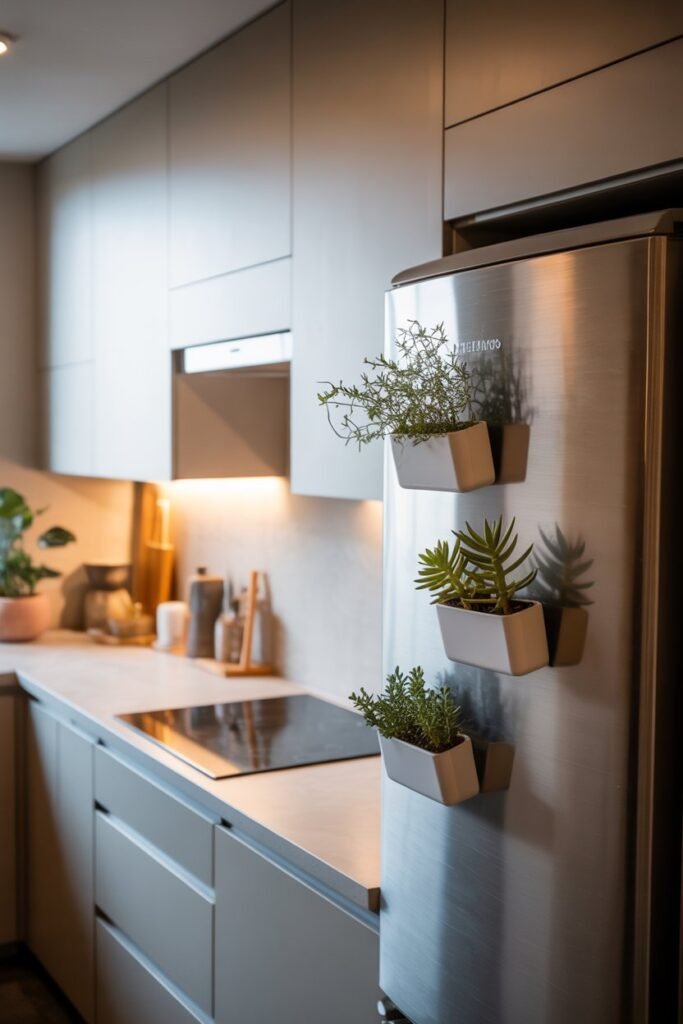
This one feels almost playful. Most people decorate their fridge with magnets, recipes, or reminders but never think of adding actual plants.
Tiny magnetic planters turn your refrigerator into a vertical mini-garden that makes the whole kitchen feel fresher.
Why This Spot Works
- It’s completely unused space—zero footprint.
- Brings unexpected beauty to a functional area.
- Perfect for small plants that don’t need much attention.
Best Plant Types
- Air plants (the easiest choice!)
- Mini succulents
- Small trailing varieties in lightweight pots
- Baby peperomia
Gardener’s Tip
Use strong, wide magnets so the plant doesn’t slide when the fridge door closes.
7. Hanging Under Floating Shelves
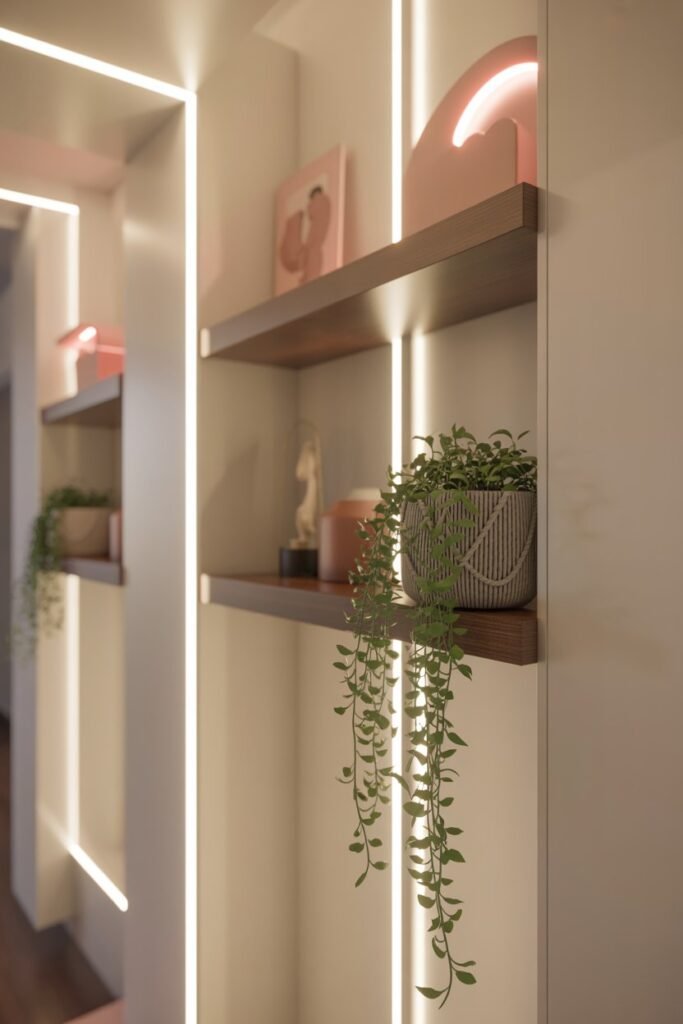
Most people decorate on top of floating shelves… but the space under them is equally valuable.
Hanging a small plant underneath adds movement and softness, especially in minimalist rooms that need a little life.
Why This Spot Works
- Adds greenery without using surface space.
- Creates a delicate “floating” effect.
- Great for hallways, bedrooms, and home offices.
Best Plant Types
- String of pearls
- Boston fern (small size)
- Trailing jade
- Scindapsus pictus (soft silver leaves look beautiful hanging)
Gardener’s Tip
Use lightweight hanging pots to protect your shelf anchors.
8. Inside Wide Windowsill Corners (Side Walls)
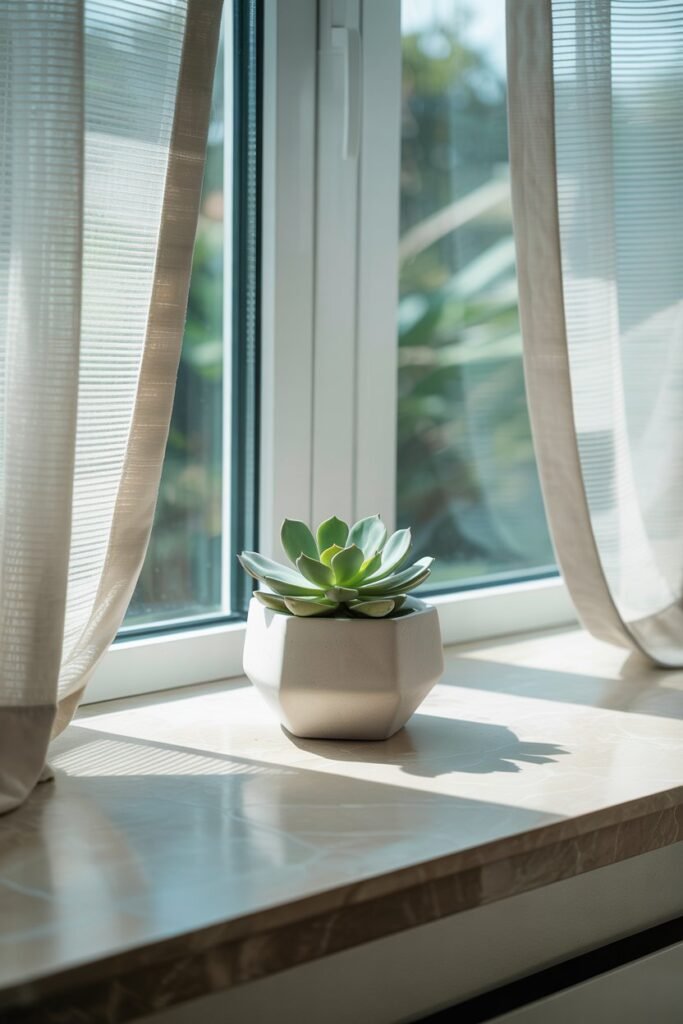
This spot is shockingly underrated. The side walls of a wide window frame (especially in kitchens or bedrooms) create a natural cozy nook where small plants thrive. The light bounces beautifully off the walls, which plants love.
Why This Spot Works
- Plants get bright, indirect light from multiple angles.
- Turns a plain window into a styled vignette.
- Perfect for tiny pots you don’t know where to place.
Best Plant Types
- Mini African violets
- Small aloes
- Fittonia
- Baby ferns or moss bowls
Gardener’s Tip
Rotate your plants every week to keep their growth even and balanced.
9. On the Tub Ledge (For Homes With Bathtubs)
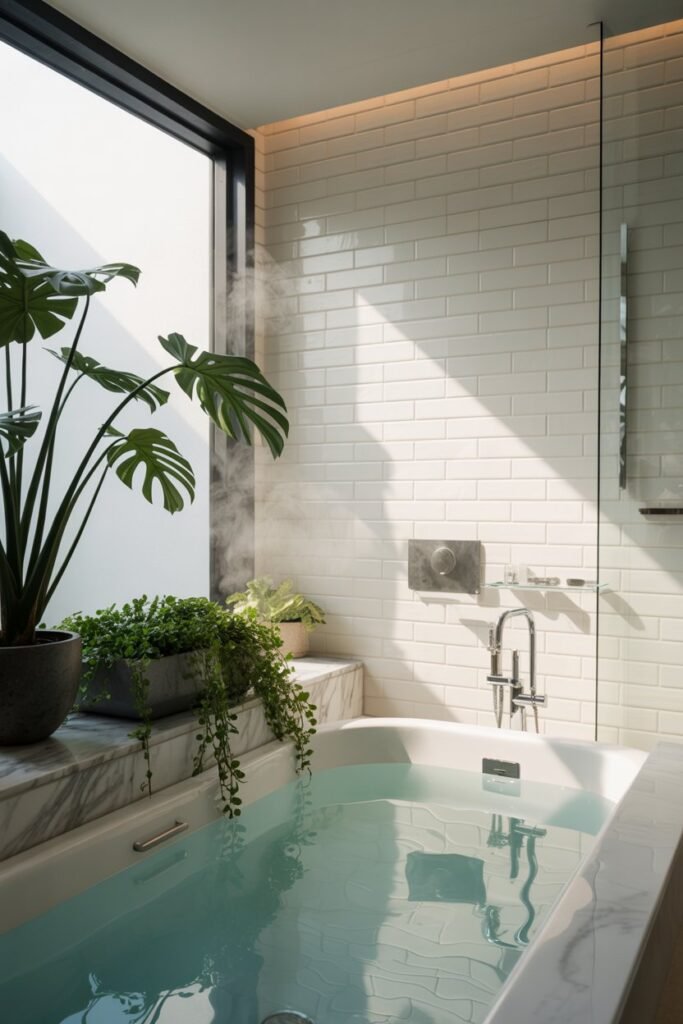
If your bathroom has a tub ledge, you have a built-in plant shelf. It brings instant spa vibes—soft, calming, and perfect for moisture-loving plants.
Why This Spot Works
- Bathrooms are naturally humid—great for tropical plants.
- Adds a relaxing, wellness-inspired feel.
- Makes baths feel more luxurious and grounding.
Best Plant Types
- Peace lily
- Ferns
- Pothos
- Lucky bamboo
Gardener’s Tip
Keep plants slightly away from direct splash zones to prevent soggy soil.
10. On the Wall Beside Door Frames (Vertical Wall Planting)

This is a brilliant way to add plants to a room without using floors or surfaces. A narrow vertical planter beside a door gives the space a gentle, lively touch—like a green “greeting” every time you walk in.
Why This Spot Works
- Uses narrow space you normally ignore.
- Adds height and interest to simple walls.
- Perfect for small trailing or upright plants.
Best Plant Types
- Small philodendrons
- Air plants in mounted frames
- Compact ferns
- Mini pothos cuttings
Gardener’s Tip
Choose a planter with a strong hook or wall mount to keep everything secure.
Conclusion: A Personal Note From One Plant Lover to Another
If there’s one thing I’ve learned from years of growing, styling, and occasionally rescuing plants, it’s that greenery has a beautiful way of transforming not just our homes—but our routines, our moods, and even the way we see everyday spaces.
Sometimes, the most unexpected spots become the most cherished ones.
A tiny fern on a towel rack.
A pothos trailing from the back of a bookshelf.
A magnetic mini air plant smiling at you from the fridge.
It’s these little touches that make a home feel alive, loved, and gently cared for.
When you experiment with unusual plant placements, you’re not just decorating—you’re creating quiet moments of joy throughout your day. Small, soft reminders that nature fits in more places than we think.
So don’t be afraid to play, to test new corners, to tuck a plant somewhere random just to see how it feels.
Half of gardening is science… and the other half is simply intuition.
And that’s what makes it so magical.
