
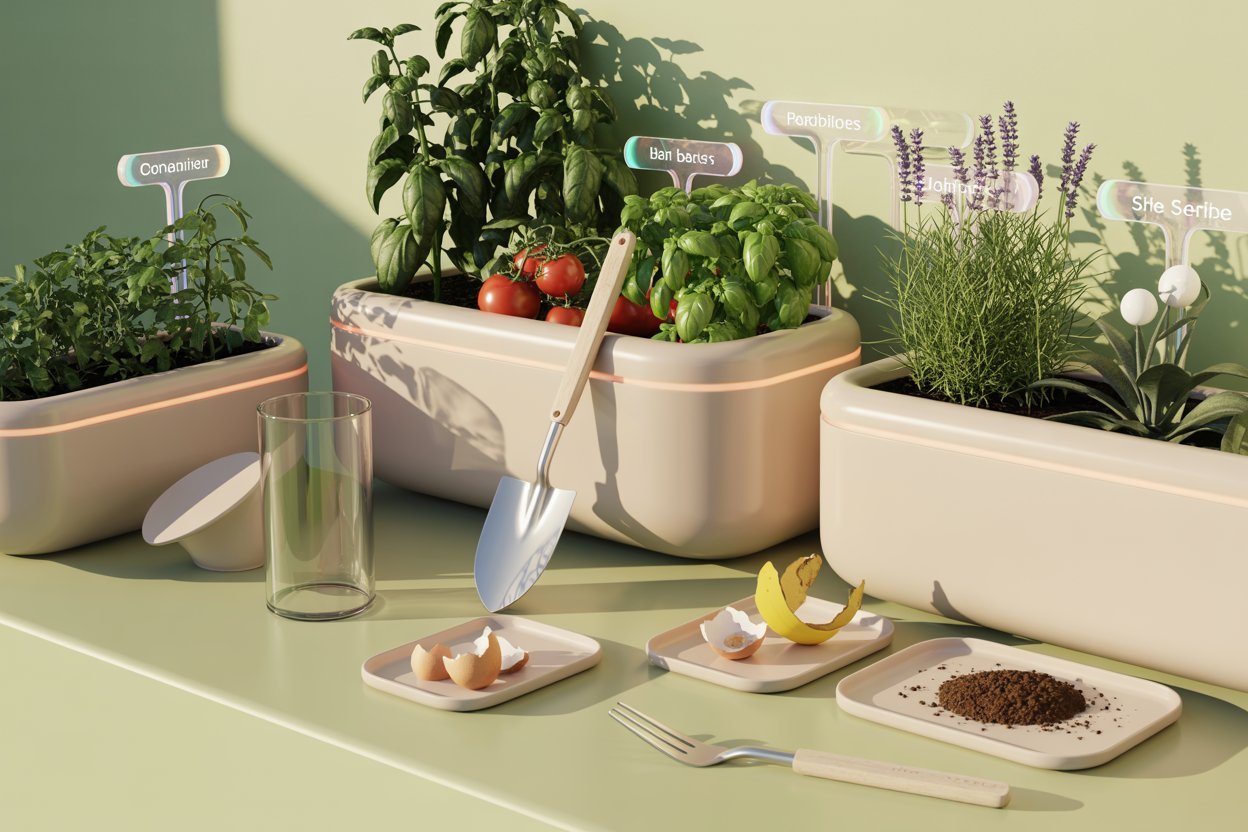

Gardening doesn’t always require expensive tools, complicated techniques, or years of experience. Sometimes, the most magical improvements come from the simplest household items you already have lying around.
Whether you garden on a balcony, a small patio, or a full backyard, these easy garden hacks let you nurture your space with creativity, resourcefulness, and everyday beauty.
Today, I want to walk you through some of my favorite gardening hacks using common household items things like eggshells, coffee grounds, banana peels, old containers, and even kitchen water.
I’ll explain what these items are, why they’re incredibly helpful, and how to actually use them safely and effectively.
Think of this as your gentle, feminine, earthy guide to growing healthier plants while saving money, reducing waste, and making your gardening routine feel even more natural.
1. Eggshells for Stronger, Healthier Plants
Why This Hack Is Helpful
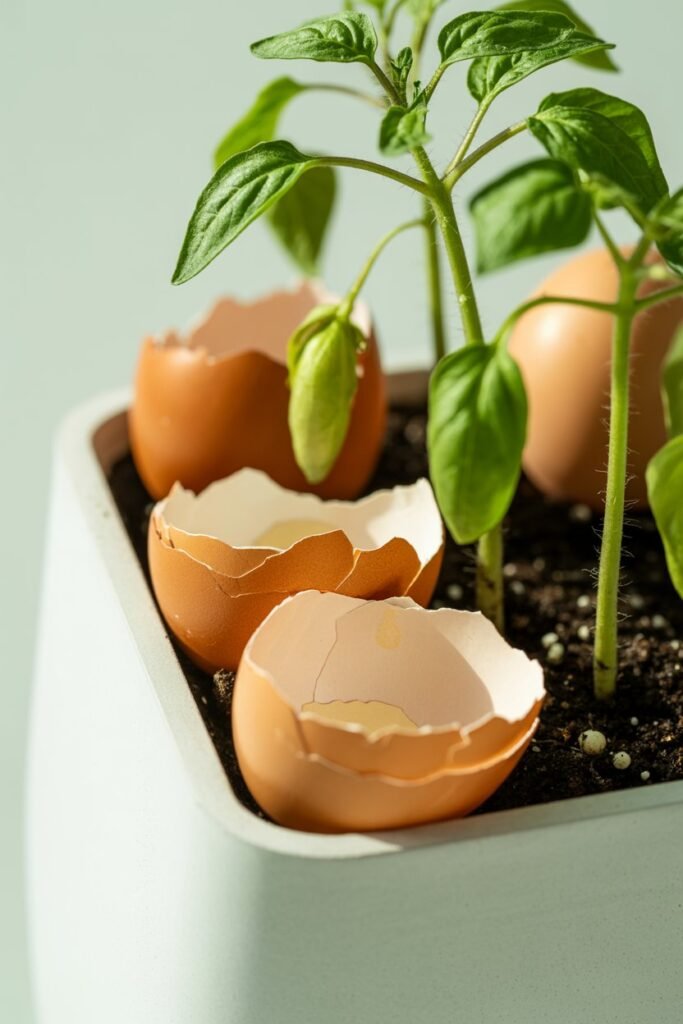
Eggshells are rich in calcium, a nutrient that helps plants develop strong cell walls.
Calcium also helps prevent issues like blossom end rot in tomatoes, peppers, and zucchini. Instead of spending money on calcium supplements, you can use what you already have in your kitchen.
What Eggshells Actually Are
Eggshells are made of about 95% calcium carbonate, plus trace minerals like magnesium and phosphorus. In plain terms—they’re tiny packets of natural minerals.
How to Use Eggshells in Your Garden
- Rinse eggshells so they don’t attract pests.
- Let them dry completely.
- Crush them into small pieces or grind them into powder.
- Sprinkle them into soil before planting, or around existing plants.
You can also use half-shells as tiny seed-starting pots. Just poke a hole at the bottom for drainage, fill with soil, and plant a seed.
When transplanting, crush the shell a bit so roots can escape and plant the whole thing.
Why it works: The shell slowly breaks down, feeding calcium into the soil over time.
2. Coffee Grounds for Rich Soil
Why This Hack Is Helpful
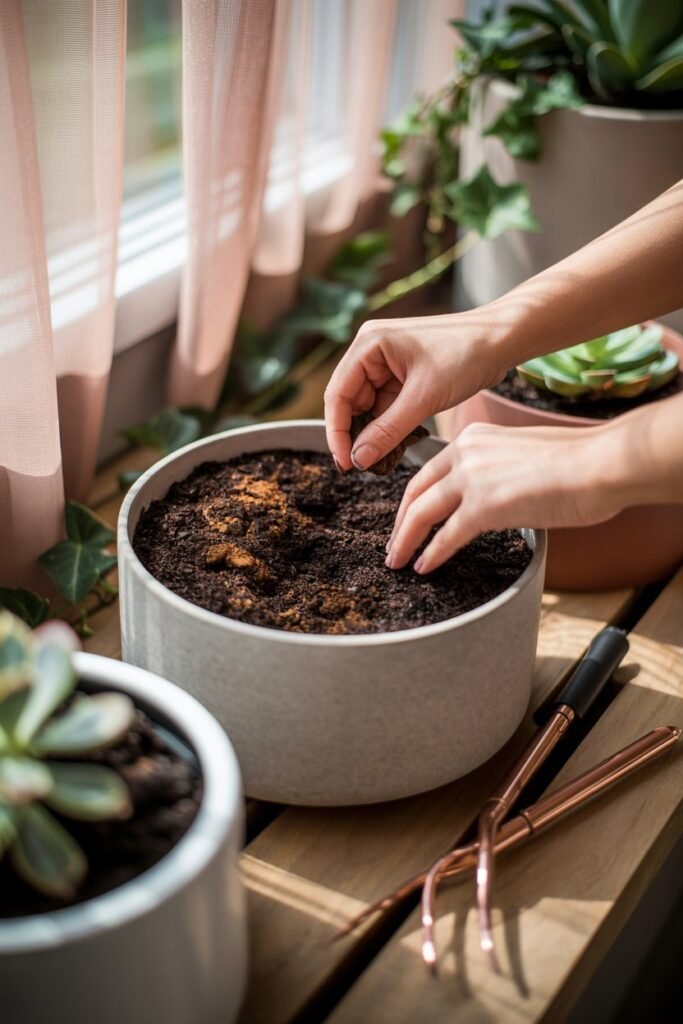
Coffee grounds add organic matter to the soil, improving moisture retention while boosting soil structure.
They provide small amounts of nitrogen, which supports leafy growth—especially for crops like lettuce, spinach, herbs, and ornamentals.
What Coffee Grounds Really Are
Used coffee grounds are simply roasted coffee beans that have already been brewed. After brewing, they still contain nitrogen and valuable compounds.
How to Use Coffee Grounds
- Mix into soil to improve texture.
- Add to compost to boost nitrogen levels.
- Sprinkle lightly on top of soil—like a soft mulch.
- Brew “coffee ground tea” by soaking grounds in water for a day and watering your plants with the strained liquid.
Important: Use used coffee grounds, not fresh. Fresh grounds are too acidic.
Why it works: Used grounds mimic natural forest soil—dark, crumbly, and full of organic life.
3. Banana Peels for Natural Fertilizer

Why This Hack Is Helpful
Banana peels are naturally packed with potassium, a nutrient plants use for flowering, fruiting, and overall vigor.
If you grow flowering plants, tomatoes, peppers, or roses, this is one of the easiest and most feminine, nurturing hacks you can add to your routine.
What Banana Peels Contain
- Potassium
- Calcium
- Magnesium
- Small amounts of nitrogen
How to Use Banana Peels in Your Garden
- Banana Peel Tea
- Chop 2–3 peels
- Soak them in water for 48 hours
- Use the water to feed plants
- Bury the Peels
- Chop finely
- Bury 2–3 inches deep around plants
- Dry and Powder
- Dry in the sun
- Blend into powder
- Use 1–2 tablespoons at the base of each plant
Why it works: Potassium strengthens plants and encourages more blooms and fruit production. It’s like giving your garden a gentle beauty boost.
4. Ice Cube Watering for Delicate Plants
Why This Hack Is Helpful
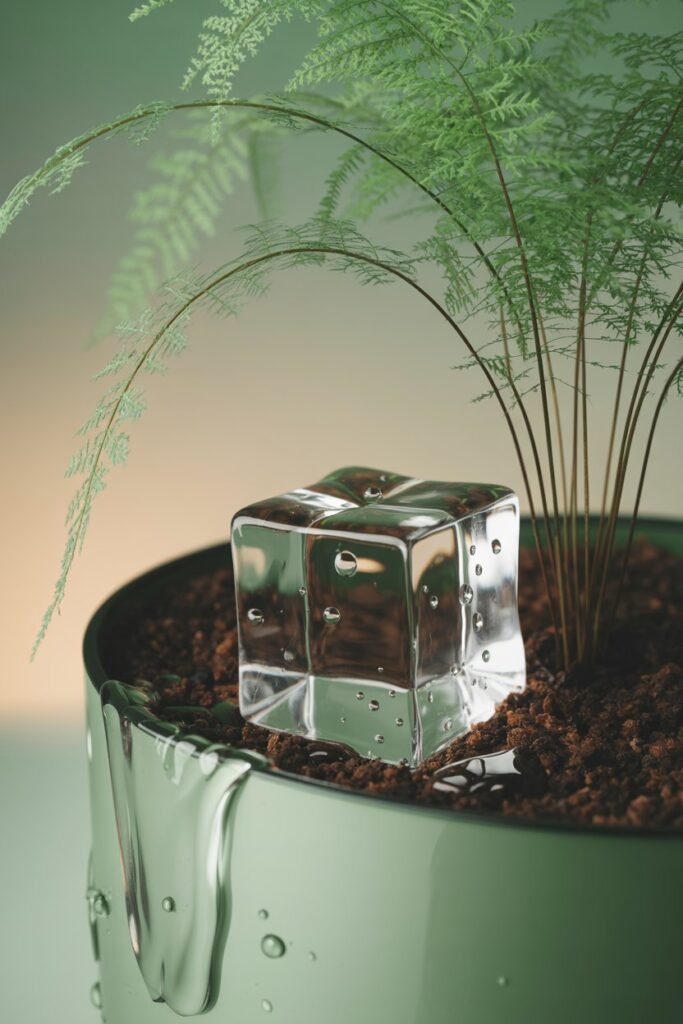
If you tend to overwater (like many new gardeners do), this hack gives you slow, controlled moisture—perfect for orchids, indoor ferns, and small potted plants.
What Ice Cubes Are (Garden-Wise)
They’re simply frozen water but used to control moisture levels by releasing water slowly.
How to Use Ice Cubes in Your Garden
- Place 1–3 ice cubes at the base of a small indoor plant.
- The cubes slowly melt, hydrating the soil evenly.
Why it works: Slow-release watering prevents waterlogged soil and root rot.
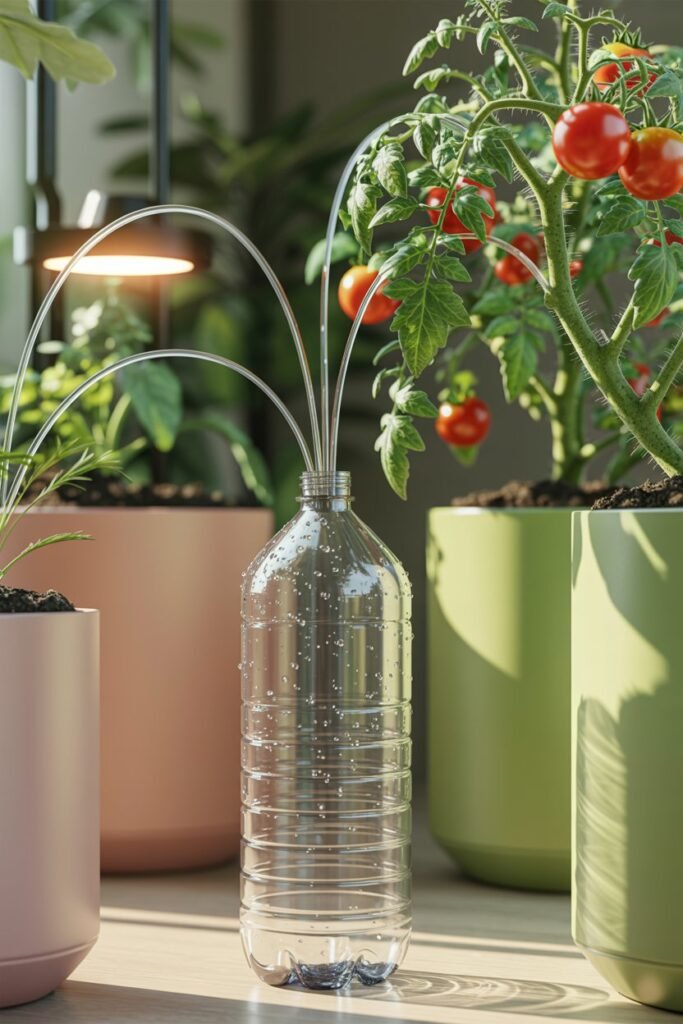
5. Reuse Plastic Bottles as Watering Tools
Why This Hack Is Helpful
Plastic bottles can become drip irrigators, mini greenhouses, or watering funnels. This helps you repurpose waste while improving your plant care.
What You’re Using
Any plastic bottle: small, large, water bottles, soda bottles, etc.
How to Use Bottles
Drip Irrigation
- Poke a few small holes in the bottle.
- Fill with water.
- Bury halfway near plant roots.
- Water seeps slowly for days.
Mini Greenhouse
Cut the bottom off and cover seedlings with the top half.
Deep Water Funnel
Cut the bottom off, leave the cap off, and bury the neck near roots. Pour water inside to hydrate deeply.
Why it works: It saves water and ensures consistent moisture—ideal for busy gardeners.
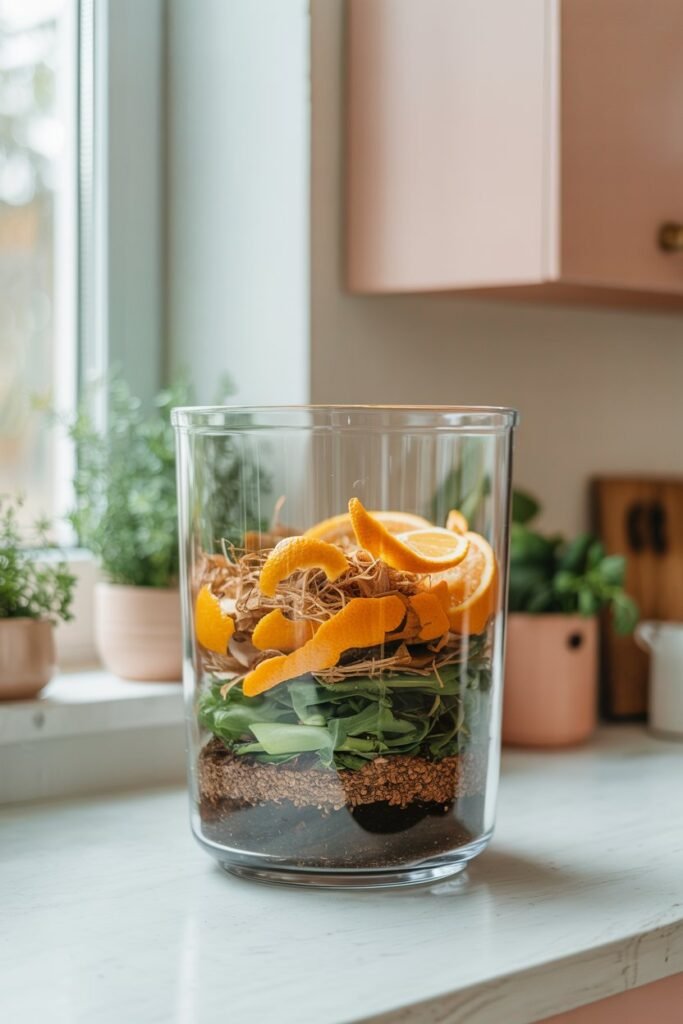
6. Kitchen Scraps Composting
Why This Hack Is Helpful
You reduce waste and create nutrient-rich compost for your plants. Compost improves soil texture, fertility, and moisture retention.
What Kitchen Scraps Are Good for Compost
- Fruit peels
- Vegetable peels
- Coffee grounds
- Tea bags (without plastic)
- Eggshells
- Stale bread
How to Compost Easily
- Use a bucket with a lid.
- Add brown materials (dry leaves, paper).
- Add kitchen scraps gradually.
- Turn every few days.
Why it works: Compost releases nutrients slowly, creating “living soil” full of beneficial microbes.
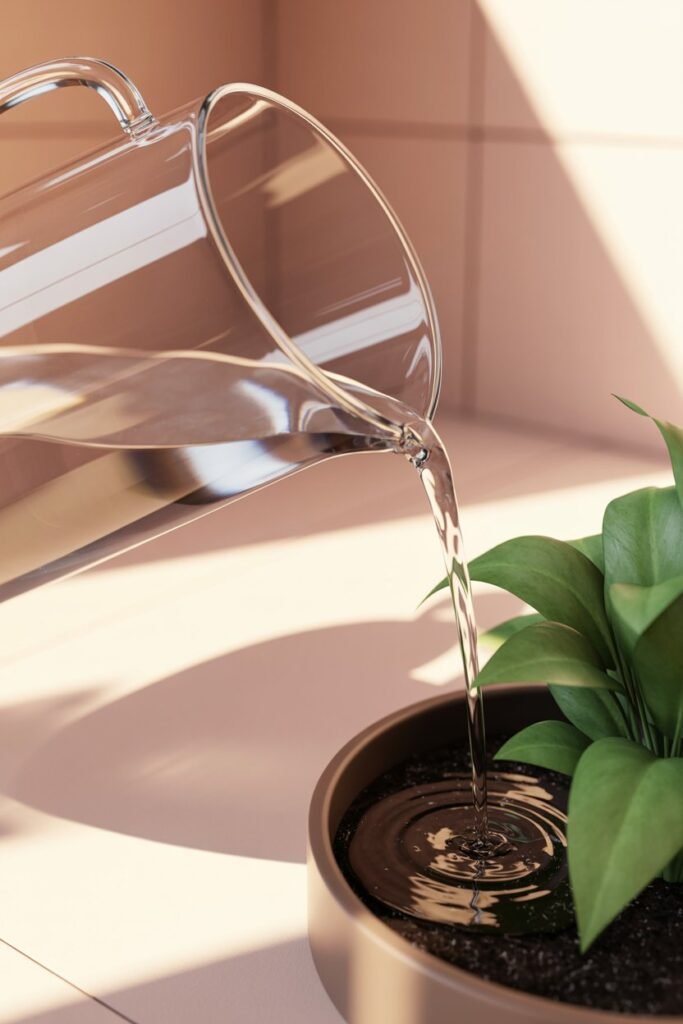
7. Use Pasta Water & Rice Water as Fertilizer
Why This Hack Is Helpful
The water left over when you cook rice or pasta contains starch and trace nutrients that plants love.
What This Water Contains
- Carbohydrates
- Mineral residue
- B vitamins from grains
How to Use It
Let the water cool completely, then water your indoor or outdoor plants with it once a week.
Why it works: The starch feeds beneficial microbes in the soil, improving nutrient availability.
8. Freeze Your Herb Butter for Instant Plant Boosts

Why This Hack Is Helpful
Herbs like basil, rosemary, mint, or parsley contain essential oils and nutrients. When they start to wilt, don’t throw them away—turn them into plant food.
What This Hack Uses
- Old herbs
- Water
- Ice cube tray
How to Make Herb “Fertilizer Cubes”
- Blend herbs with a little water.
- Pour into an ice tray.
- Freeze.
- Drop into your watering can before watering.
Why it works: Herbs break down into micronutrients that feed soil life and help plants thrive.
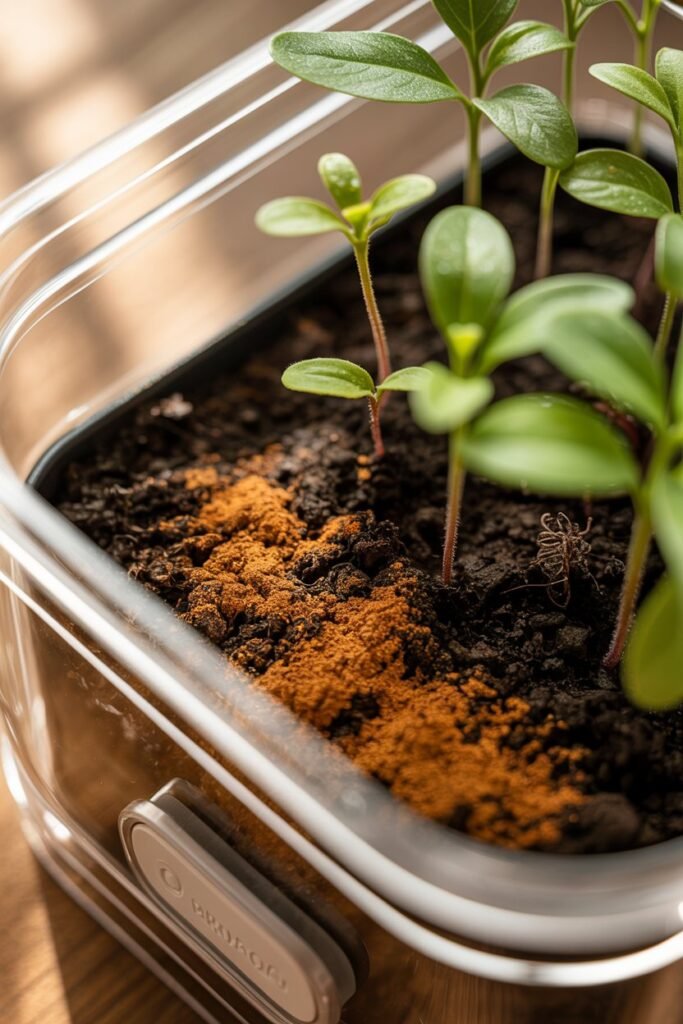
9. Cinnamon for Seedlings and Rooting
Why This Hack Is Helpful
Cinnamon has natural antifungal properties, helping prevent damping-off disease in seedlings. It also encourages root growth when propagating cuttings.
What Cinnamon Is
Ground bark from cinnamon trees—naturally antimicrobial.
How to Use It
- Sprinkle a little on top of seedling soil.
- Dip fresh plant cuttings into cinnamon before planting.
Why it works: It keeps seedlings safe from early rot and boosts root development.
10. Honey as Natural Rooting Gel
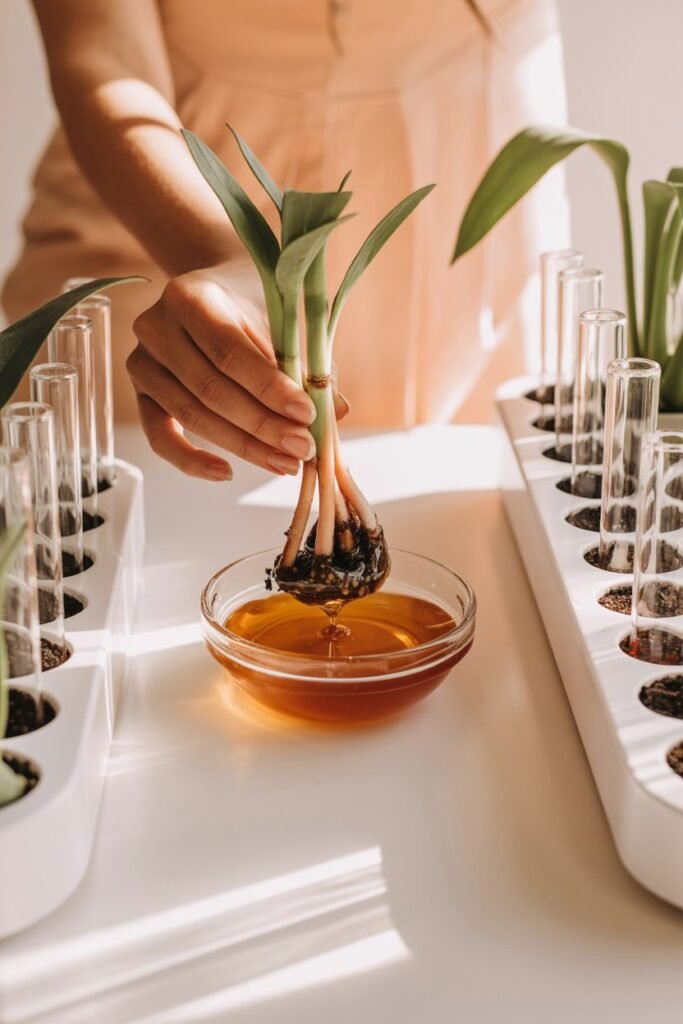
Why This Hack Is Helpful
Honey contains enzymes that protect plant cuttings from bacteria and support root formation. It’s gentle, natural, and perfect for a feminine gardening approach.
What Honey Is
A natural antimicrobial substance made by bees.
How to Use Honey for Propagation
- Warm a teaspoon of honey in 1 cup of hot water.
- Let it cool.
- Dip your cutting ends before planting.
Why it works: It reduces infection and gently stimulates rooting.
11. Paper Towels for Moisture Monitoring
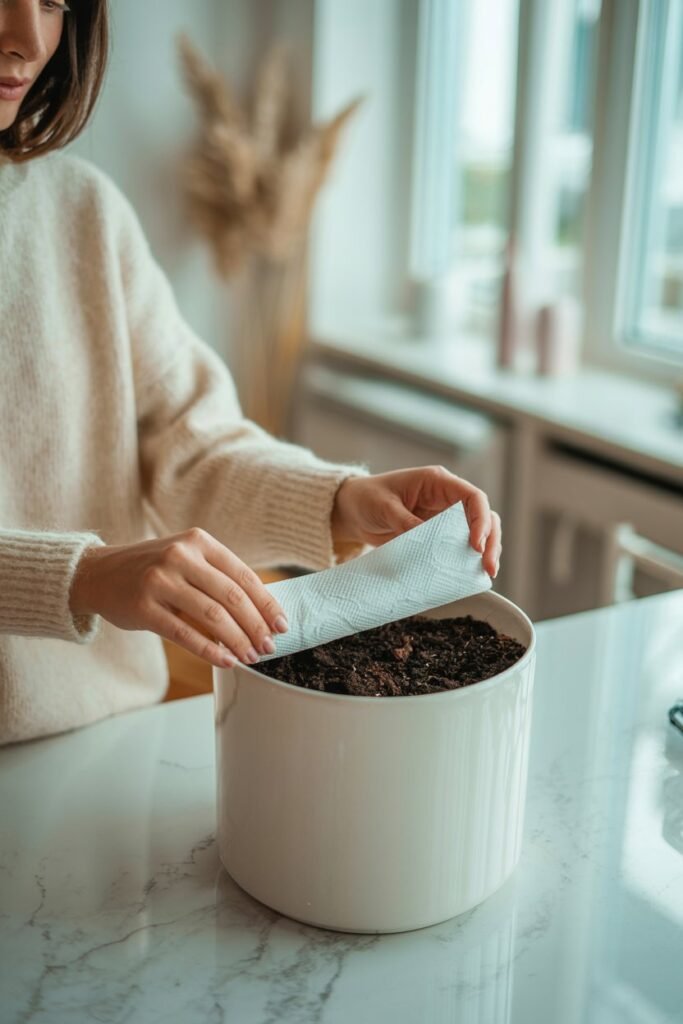
Why This Hack Is Helpful
It’s easy to accidentally underwater or overwater. Lining pots with paper towels helps you actually see the moisture level by lifting the pot.
What You’re Using
Basic absorbent paper towel.
How to Use It
- Place one or two layers at the bottom of pots before adding soil.
- If it’s still soggy after watering, you know drainage is slow.
Why it works: It’s a simple visual indicator for healthy watering habits.
12. Laundry Baskets for Root Vegetables
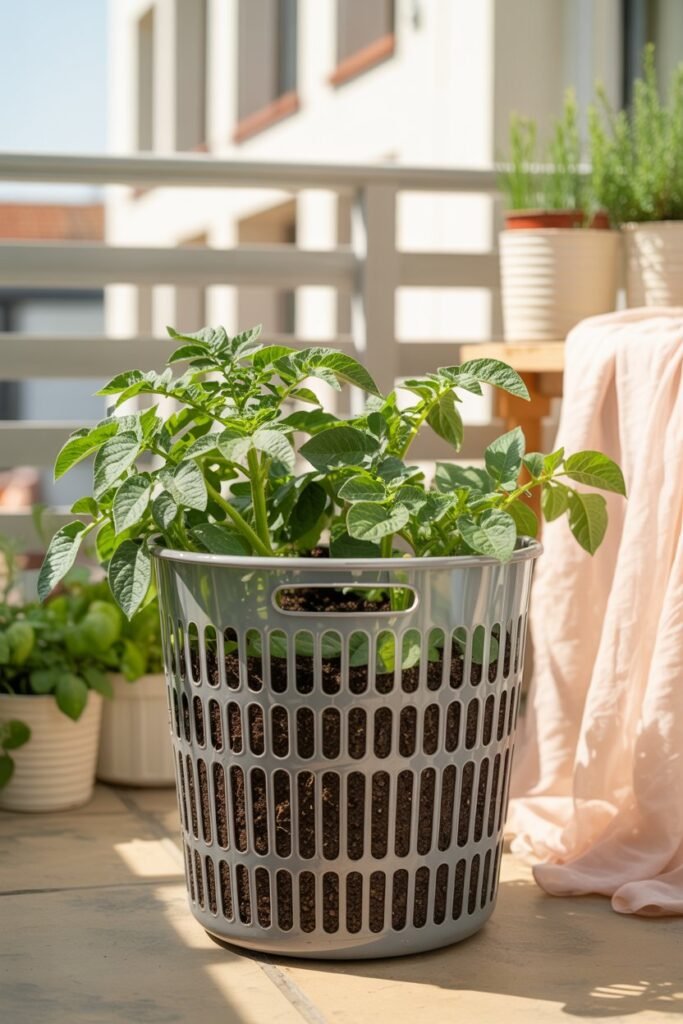
Why This Hack Is Helpful
Laundry baskets (with holes) offer excellent drainage and space for root vegetables like potatoes, carrots, ginger, and turmeric.
What You’re Using
Plastic laundry baskets with ventilation holes.
How to Use Them
- Line the basket with a lightweight cloth or newspaper.
- Add soil and compost.
- Plant root crops.
Why it works: Roots grow in airy soil, preventing rot and giving you bigger harvests.
13. Toothpicks for Supporting Seedlings

Why This Hack Is Helpful
Young seedlings often flop over. Toothpicks make perfect miniature support stakes.
What They Are
Small wooden sticks—lightweight, compostable, and easy to place.
How to Use Them
Stick them in the soil and tie seedlings gently with thread or soft ties.
Why it works: It keeps delicate stems upright while they strengthen.
14. Using Leftover Tea as Plant Food

Why This Hack Is Helpful
Tea contains nutrients like tannins and nitrogen that support plant growth.
What This Hack Uses
Leftover plain tea (no milk, no sugar).
How to Use Tea in Your Garden
- Let it cool.
- Dilute 1:1 with water.
- Water acid-loving plants like ferns, begonias, and hydrangeas.
Why it works: Tea gently boosts soil acidity and enrichment.
15. Crushed Cloves for Pest Control
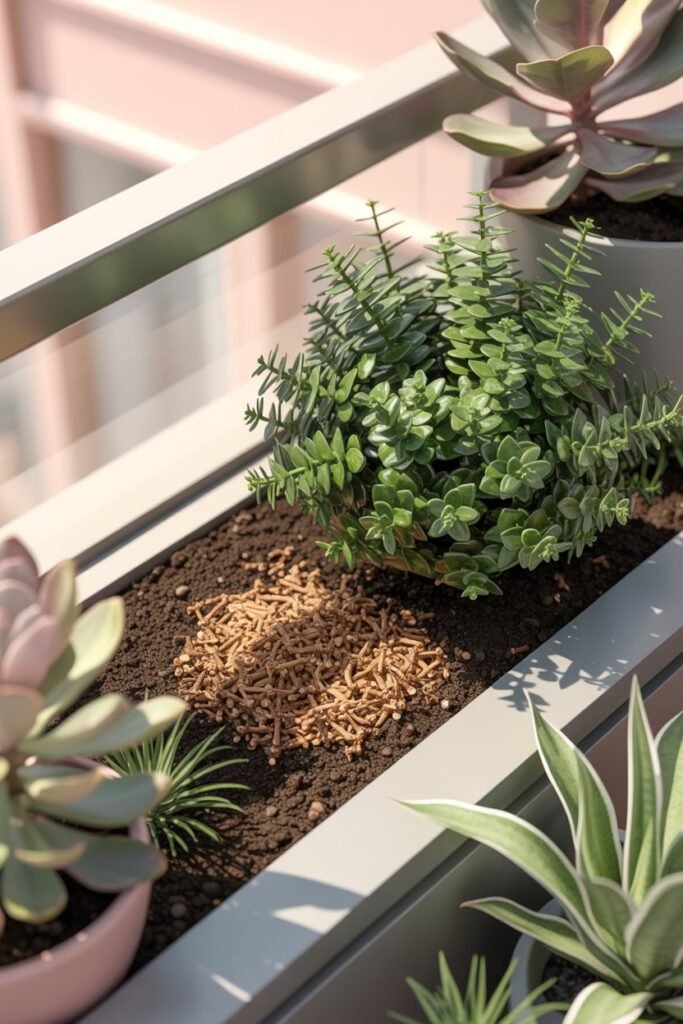
Why This Hack Is Helpful
Cloves repel ants, houseflies, and some garden pests naturally and safely.
What Cloves Are
Dried flower buds with a strong aroma.
How to Use Them
- Crush and sprinkle around plant bases.
- Or soak whole cloves in water to spray around pots.
Why it works: The fragrance masks plant scents that attract pests.
16. Rainwater Collection Using Bowls & Buckets

Why This Hack Is Helpful
Rainwater is naturally soft and perfect for plants, unlike tap water which sometimes contains chlorine.
What You’re Using
Any clean bowl, bucket, or container.
How to Use It
- Leave them outside overnight when rain is expected.
- Store in a sealed bucket to use later.
Why it works: Rainwater is closer to what plants receive in nature.
17. Aluminum Foil for More Sunlight
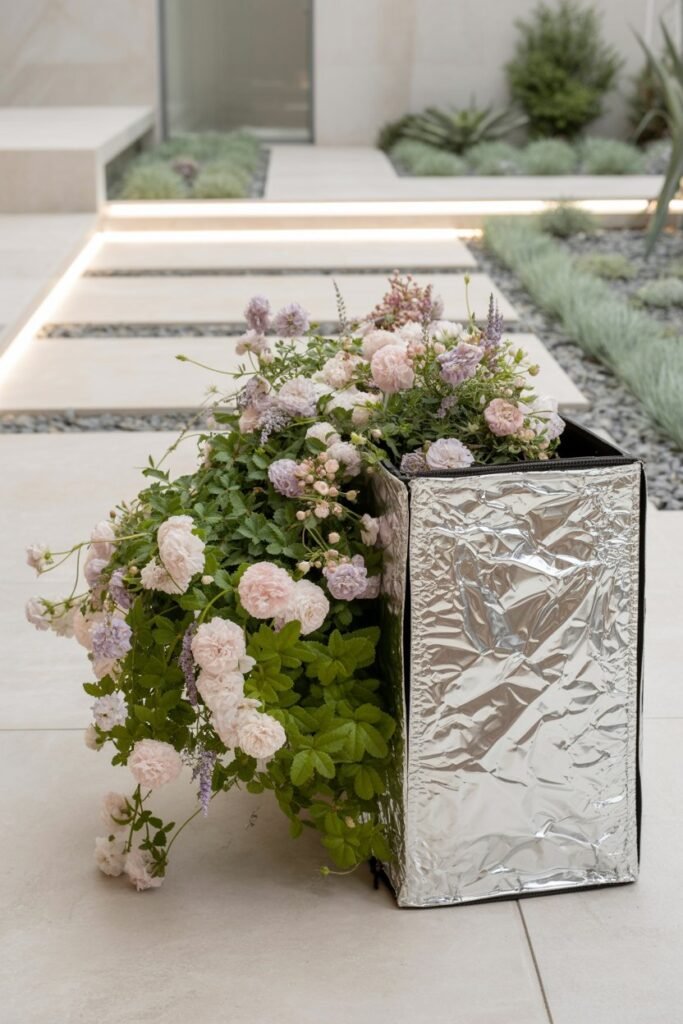
Why This Hack Is Helpful
If your plants struggle with low light, foil helps bounce more sunlight toward them.
What Aluminum Foil Does
It reflects light.
How to Use It
- Line the inside of a box with foil.
- Place plants near it to increase light exposure.
Why it works: More reflected light = more photosynthesis.
Why These Everyday Hacks Truly Matter
Using everyday household items in your garden isn’t just about saving money—though that’s a lovely bonus. These hacks are helpful because they:
- reduce waste
- support more natural gardening
- strengthen soil health
- improve plant resilience
- make gardening easier and more intuitive
- help beginners feel more confident
- create an eco-friendly, nurturing gardening style
They’re also gentle, sustainable, feminine approaches that help plants thrive without chemicals or complicated tools.
Gardening becomes less about buying products and more about connecting with your home, your environment, and the small beautiful things you already have.
Final Thoughts
Your garden doesn’t need to be expensive or overwhelming.
With just a few kitchen scraps, leftover containers, and everyday household items, you can create a lush, thriving, and beautiful plant space.
These hacks are simple, natural, and incredibly effective—and they fit into any lifestyle.
