
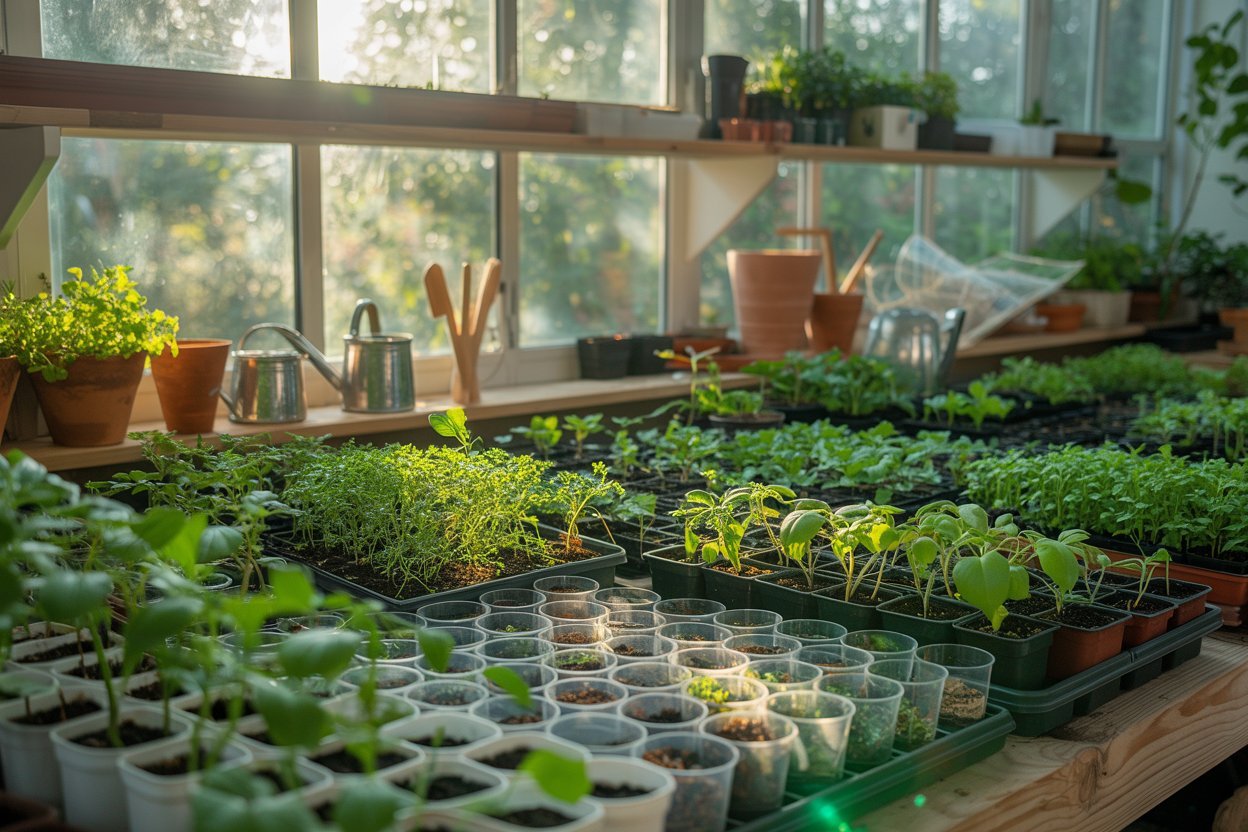

I didn’t grow up believing I needed a greenhouse. For years, I made do with sunny windowsills and a few hopeful seed trays scattered around the house.
But one early spring, after losing yet another round of seedlings to a surprise cold snap, I decided to try something different.
I bought a small, simple greenhouse—nothing fancy, just a lightweight frame and clear panels that barely fit along the side of my garden shed.
The first time I stepped inside, it felt almost magical.
The world outside was cool and breezy, but in that little space, the air settled around me like a gentle embrace—warm, slightly moist, and smelling faintly of damp soil and new beginnings.
My seedlings weren’t just surviving anymore; they were standing taller, stretching their leaves as if relieved to finally have a place of their own.
That was the moment I understood something important:
a greenhouse isn’t about having a perfect setup—it’s about creating a protected environment where both plants and gardeners can learn without fear of failure.
If you’re just starting out, here’s what I wish someone had told me:
- You don’t need a large or expensive structure to see results
- Success begins with understanding temperature, airflow, and light, not complicated systems
- Small adjustments make a big difference—cracking a window, lifting a tray, watering earlier in the day
- The goal is progress, not perfection
In this guide, we’ll walk step-by-step through practical greenhouse tips for beginners, including:
- How to set up your greenhouse without unnecessary cost
- Simple ways to control heat and humidity naturally
- Easy ventilation habits that prevent disease
- Starter plants that offer quick, confidence-building wins
- Gentle troubleshooting when things don’t go as planned
Whether your greenhouse is a tiny pop-up, a bargain find, or a lifelong dream finally taking shape, I want you to know this:
You’re not just building a structure you’re creating a calm, nurturing space where growth happens slowly, quietly, and right on time.
And with a little guidance, you’ll soon experience that quiet joy of stepping inside and realizing your plants feel safe there… and so do you.
The Benefits of Starting With a Greenhouse (From One Beginner to Another)

When I first brought home my little greenhouse, I expected it to simply keep my seedlings warmer. I didn’t realize it would change the entire rhythm of how I gardened.
Here are the benefits I discovered—not from theory, but from living through the learning curve myself.
1. A Gentle Buffer Against Weather Surprises
Before my greenhouse, I used to check the forecast obsessively, hoping the temperature wouldn’t dip too low overnight. Now, even when the wind is sharp or the mornings are unexpectedly cold, my plants stay protected.
Why it matters for beginners:
- Seedlings don’t stall or die from sudden cold snaps
- Young plants root faster in consistent warmth
- You can start seeds earlier without anxiety
For me, it meant fewer losses—and more confidence.
2. Longer Growing Seasons (Without Complicated Equipment)
One of the quiet joys of having a greenhouse is noticing that your gardening year slowly stretches.
I found myself:
- Starting tomatoes weeks before my neighbors
- Keeping herbs alive long after frost
- Harvesting greens when my outdoor beds slept
You don’t need heaters or advanced systems—just shelter and sunlight can buy you precious extra time.
3. A Safe Learning Space With Fewer Setbacks
In the open garden, a single mistake—overwatering, harsh sun, pests—can cost you a plant. Inside a greenhouse, everything feels more forgiving.
You can:
- Experiment without fear
- Observe growth closely
- Catch problems before they spread
I often say my greenhouse didn’t just grow my plants—it grew my patience.
4. Better Control Over Moisture and Airflow
I used to think watering was just about keeping soil damp. The greenhouse taught me that humidity and air movement matter just as much.
With a simple routine—opening the door in the morning, closing it before dusk—I noticed:
- Fewer fungal issues
- Stronger, sturdier stems
- Healthier root systems
Small habits lead to big results.
5. A Calm, Restorative Space Just for You
This benefit surprised me the most.
Some days, I step into my greenhouse not to work, but to breathe. The warmth, the quiet, the scent of damp soil—it feels like its own little world.
It became:
- A space to slow down
- A place to start my mornings gently
- A reminder that growth doesn’t need rushing
Even on difficult days, something green is always moving forward inside.
Beginner Mistakes I Wish Someone Had Warned Me About
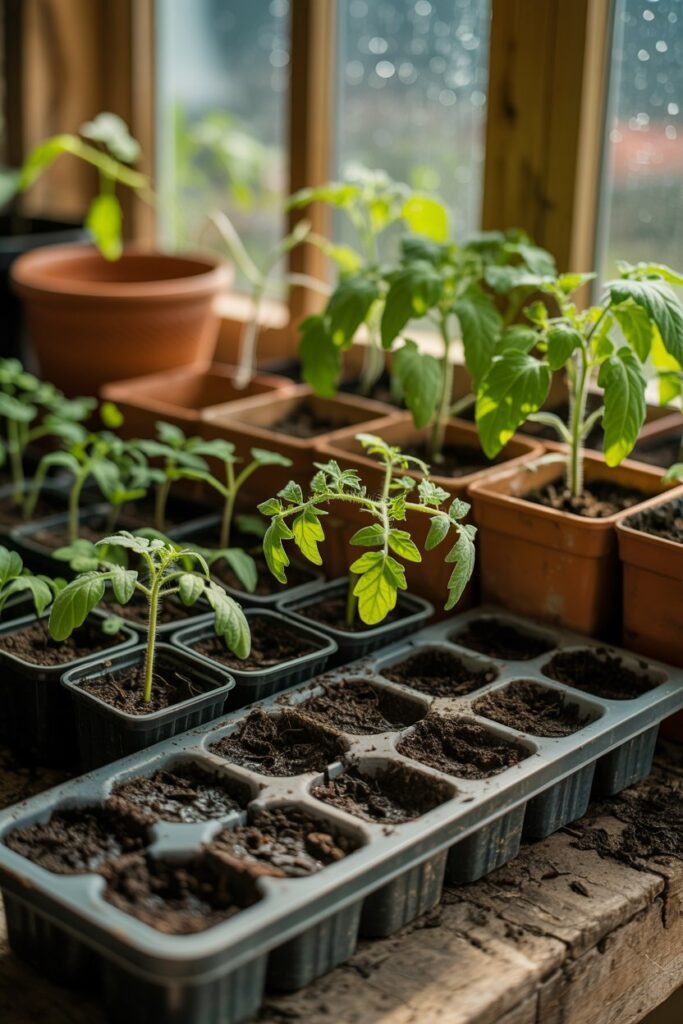
When I first started using my greenhouse, I assumed that simply putting plants inside would solve every problem. It didn’t.
The truth is, a greenhouse can help your garden thrive—but only when you understand how to work with it, not against it. Here are the mistakes I made early on, and how you can avoid them from the very beginning.
1. Keeping the Greenhouse Completely Closed All Day
In the beginning, I believed warmth was the goal—so I kept every window and door tightly shut. By afternoon, the temperature climbed higher than I realized, and several seedlings wilted before I understood what was happening.
Why it’s a common mistake:
- Greenhouses heat up quickly, even on cool days
- Still air encourages mold and weak growth
How to avoid it:
- Open the door or vent every morning
- Close it only when temperatures drop in the evening
- Aim for steady warmth, not trapped heat
Think of ventilation as the greenhouse breathing—not a luxury, but a daily habit.
2. Watering Too Often Because the Soil Dries Faster
I assumed dry soil meant thirsty plants, so I watered constantly. What I didn’t realize was that greenhouse plants need consistent moisture, not frequent soaking.
The issue that follows:
- Overwatering leads to root rot, especially in trays and containers
What works instead:
- Check soil with your fingers—water only when the top inch is dry
- Water early in the day so leaves dry naturally
- Use trays for bottom-watering to prevent soggy stems
It took me time to learn that sometimes plants need patience more than water.
3. Filling the Greenhouse Too Quickly
Because everything grew faster inside, I started cramming in every pot I owned. Eventually, airflow disappeared, and problems followed.
What overcrowding causes:
- Fungal diseases
- Leggy, weak seedlings
- Pests spreading quickly
A better approach:
- Leave space between plants
- Remove weak seedlings instead of keeping all of them
- Add new plants gradually as you learn your space
A greenhouse works best when it feels open—not packed.
4. Ignoring Temperature Swings
I assumed cold was the only danger. Then I learned the hard way that heat can be just as stressful.
What beginners often miss:
- Greenhouses can overheat even when outdoor temperatures feel mild
Simple solutions:
- Use shade cloth during hot months
- Vent earlier than you think necessary
- Avoid placing heat-sensitive plants in direct midday sun
The goal is stability—not extremes.
5. Treating the Greenhouse as a Pest-Free Zone
I believed pests couldn’t enter a closed structure. Eventually, one small aphid hitchhiked in on a new plant—and multiplied quickly because conditions were perfect.
To prevent this:
- Inspect all plants before bringing them inside
- Remove dead leaves and debris weekly
- Keep a simple routine of checking undersides of leaves
A greenhouse protects plants, but it also protects pests—unless you stay a step ahead.
Beginner Greenhouse Setup Checklist
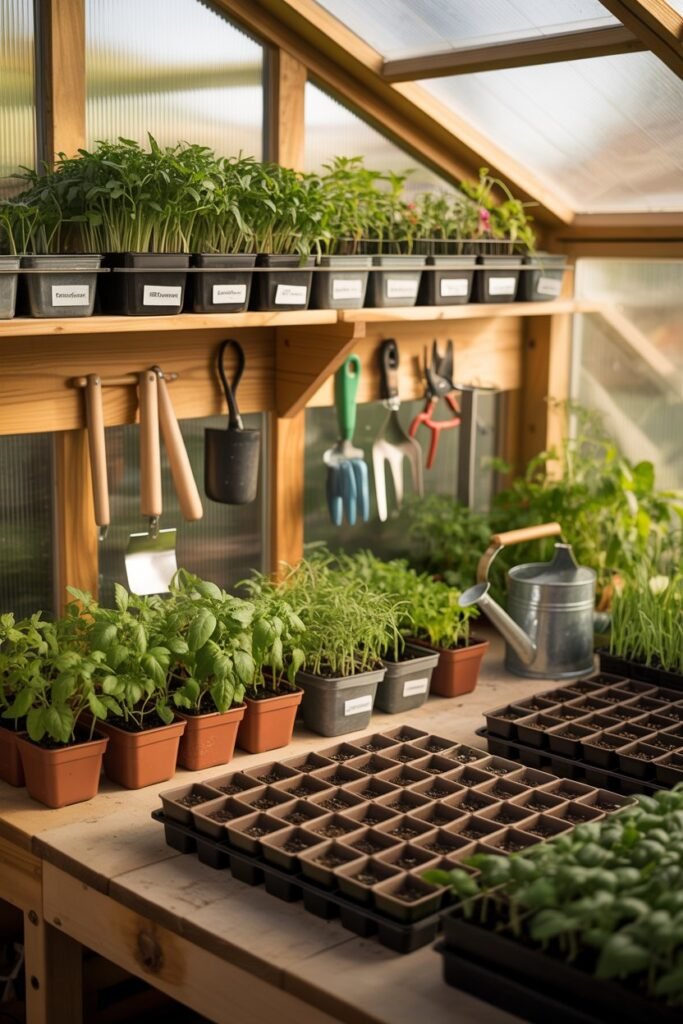
When I set up my first greenhouse, I thought I needed everything at once—but the truth is, a simple, thoughtful setup works beautifully. Here’s the checklist I wish I had from the start.
1. Choose the Right Location
Make sure your greenhouse is placed where it can work with nature, not against it.
- A spot with at least 6 hours of sunlight
- Positioned away from large trees that block light
- On level ground to prevent water pooling
- Easy access to water—close to a tap if possible
- Door facing a direction that’s convenient for daily checks
A good location does half the work for you.
2. Basic Structure Essentials
You don’t need a big or fancy greenhouse—just make sure it has:
- A sturdy frame (metal, wood, or reinforced plastic)
- Clear panels that allow strong light
- A door that opens smoothly for ventilation
- Vents or windows you can open daily
- Secure anchoring so wind doesn’t shift it
Even small pop-up greenhouses benefit from proper support.
3. Temperature & Airflow Tools
These simple items prevent the most common beginner problems:
- Thermometer (digital or basic dial)
- Ventilation plan—door and vents opened daily
- Shade cloth for hot months
- Small circulating fan (optional, for airflow)
The goal is steady temperature—not constant warmth.
4. Shelving & Surface Setup
Organizing your space makes every task easier.
- Sturdy, rust-resistant shelves
- Space between trays for air movement
- A clear walkway so you can move comfortably
- A small work surface for potting and tools
Your greenhouse should feel open, not crowded.
5. Soil & Growing Supplies
Start with materials that support healthy root growth:
- High-quality potting mix (not garden soil)
- Seed trays or small starter pots
- Clean containers with drainage holes
- Labels for tracking dates and varieties
Keeping things simple helps you stay consistent.
6. Watering Essentials
Greenhouses dry out differently than outdoor beds.
- A watering can with a gentle rose head
- Spray bottle for humidity-sensitive seedlings
- Tray for bottom watering when needed
- Bucket for mixing soil or collecting rainwater
Water early in the day to reduce disease risk.
7. Cleanliness & Pest Prevention
Good habits matter more than fancy products.
- Keep floors and shelves free of dead leaves
- Disinfect pots before reuse
- Inspect plants before bringing them inside
- Store tools in a dry, clean spot
A tidy greenhouse is a healthy greenhouse.
8. Start Simple With Plant Choices
Begin with plants that reward you quickly:
- Lettuce or leafy greens
- Herbs like basil, parsley, and mint
- Tomatoes (once you gain confidence)
- Hardy seedlings such as broccoli or kale
Growing success early builds courage for bigger steps.
Best Plants to Start in a Greenhouse (Beginner Approved)

When I began using my greenhouse, I quickly learned that choosing the right plants makes all the difference. These are the ones that gave me quick success, gentle learning, and the confidence to keep going.
1. Lettuce and Leafy Greens
Perfect for beginners because they don’t demand much, and they grow quickly.
Why they’re ideal:
- Thrive in cooler temperatures
- Germinate fast, giving early wins
- Take up very little space
Best varieties to try:
Loose-leaf lettuce, spinach, arugula, kale
You can sow a new tray every couple of weeks for continuous harvests.
2. Herbs
Herbs taught me patience and timing without overwhelming me.
Beginner-friendly choices:
- Basil
- Parsley
- Mint
- Chives
- Cilantro
Why they work well:
- Don’t need deep soil
- Appreciate consistent warmth
- Can be harvested gradually
Start with just two or three to avoid overcrowding.
3. Tomatoes
Once I gained a little confidence, tomatoes became the plant that made my greenhouse feel like a real garden.
Why they do well:
- Love stable warmth
- Benefit from protection from wind
- Produce longer and earlier inside
Tip:
Choose compact or determinate varieties if space is limited.
4. Cucumbers
Cucumbers taught me the importance of airflow and support.
Why beginners succeed with them:
- Fast growers once settled
- Enjoy warm, humid conditions
- Produce generously in protected spaces
Use a simple vertical trellis to keep vines tidy and disease-free.
5. Peppers
Peppers grow slowly at first, but the greenhouse gives them the head start they crave.
Why they thrive:
- Prefer steady warmth
- Less likely to drop flowers in sheltered environments
- Produce for a longer season
Start small varieties like mini bell or jalapeño before moving to larger types.
6. Strawberries
These are a joy to grow and reward beginners with early sweetness.
Why they’re great for greenhouses:
- Protected from pests and slugs
- Earlier fruiting than outdoor beds
- Compact and easy to manage
Choose everbearing types for continuous harvests.
7. Seedlings for Outdoor Transplanting
Even if your goal isn’t to grow everything inside, the greenhouse gives you a powerful head start.
Best beginner seedlings:
- Broccoli
- Cabbage
- Cauliflower
- Brussels sprouts
They germinate more reliably in stable temperatures and transition well outdoors.
8. Hardy Flowers for Confidence Building
Flowers taught me timing and gave the greenhouse a little beauty.
Beginner picks:
- Marigolds
- Zinnias
- Calendula
They’re quick to sprout, forgiving, and help attract beneficial insects when moved outside.
A Simple Weekly Greenhouse Maintenance Routine

When I first started, I thought greenhouse care required complicated schedules—but it turned out that a gentle weekly rhythm kept everything healthy without feeling overwhelming. Here’s the routine I still follow today.
**1. Air & Temperature Check (2–3 times a week)
- Open vents or doors in the morning to release excess heat
- Close them before evening when temperatures drop
- Check your thermometer—aim for steady, not perfect
What you’re preventing:
Heat stress, mold, and weak stems
2. Watering Routine (1–2 times a week)
- Check soil moisture with your fingers, not by sight
- Water early in the day so leaves dry naturally
- Bottom-water trays to avoid soggy stems
- Empty standing water from trays to prevent rot
Remember:
Greenhouses hold humidity—plants may need less water than you think.
3. Plant Health Inspection (once a week)
Walk through slowly and notice what’s changing.
Check for:
- Yellowing or curled leaves
- Spots or powdery buildup
- Sticky residue (early pest sign)
- Wilting even when soil is moist
Early action saves plants, especially in a closed environment.
4. Ventilation & Airflow Refresh (weekly habit)
- Remove overcrowded trays
- Trim dead or damaged leaves
- Space plants for better airflow
- Run a small fan if humidity stays high
Good airflow equals stronger stems and fewer fungal issues.
5. Clean & Clear Surfaces (5–10 minutes weekly)
- Sweep or wipe shelves
- Remove fallen leaves
- Clean tools and trays
- Disinfect pots before reuse
A tidy greenhouse is your first pest-prevention tool.
6. Light & Shade Adjustments (as seasons shift)
- Add shade cloth in hot months
- Rotate plants for even growth
- Raise seed trays closer to light if leggy
Small tweaks make big differences over time.
7. Record Keeping (quick but powerful)
Keep a simple notebook or phone note for:
- Watering dates
- Temperature highs/lows
- Seedling germination times
- Problems and solutions
Patterns will become your greatest teacher.
If you follow just this gentle routine, your greenhouse will stay healthy without feeling like a full-time job.
Best Plants for Each Season in a Greenhouse
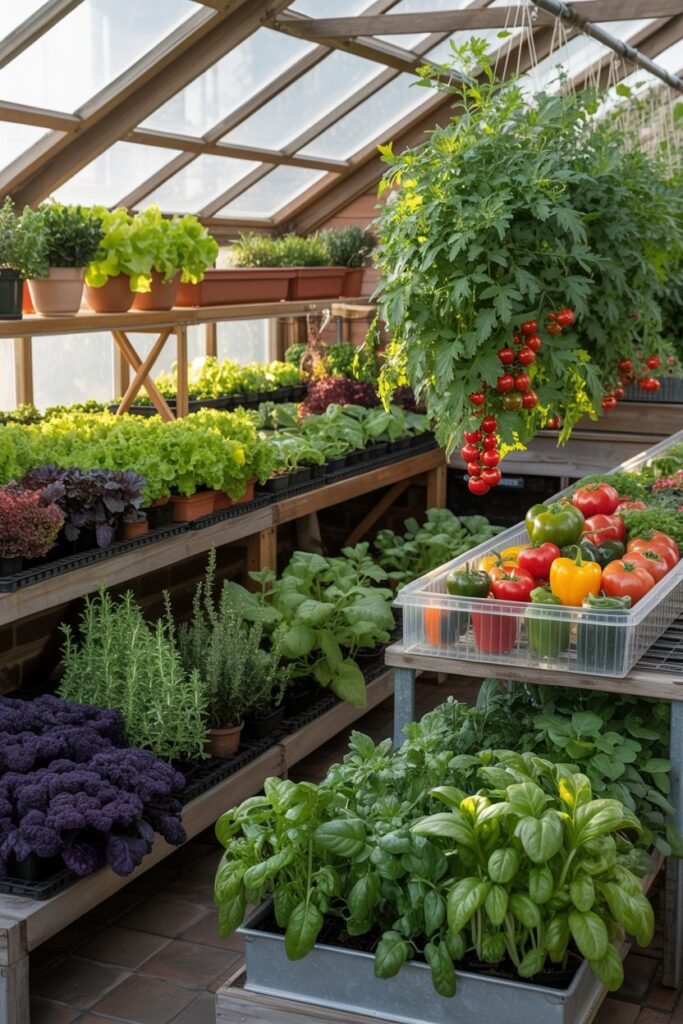
Starting the right plants at the right time makes greenhouse gardening feel easy—especially when you’re learning. Here’s a beginner-friendly seasonal guide.
Spring (the most rewarding beginner season)
Perfect for starting fast growers and outdoor transplants.
Best choices:
- Tomatoes
- Peppers
- Cucumbers
- Lettuce & spinach
- Herbs (basil, cilantro, parsley)
- Broccoli & cabbage seedlings
Why spring works well:
Stable warmth + gentle sunlight = strong early growth.
Summer (focus on heat-loving and shade-protected crops)
Greenhouses can overheat quickly—choose plants that enjoy warmth.
Best choices:
- Melons (small varieties)
- Eggplants
- Chili peppers
- Basil
- Okra
- Sweet potatoes (slips)
Tips:
Use shade cloth and vent early in the day.
Autumn (extend the season, don’t rush it)
A greenhouse turns fall into a soft landing instead of a sudden stop.
Best choices:
- Kale
- Swiss chard
- Winter lettuce mixes
- Carrots in deep containers
- Parsley
- Late-season strawberries
Why autumn is special:
Cooler temps + protection = slow, steady, sweet growth.
Winter (keep expectations gentle)
This is the season for maintenance, not marathon growth—unless you heat your greenhouse.
Best unheated options:
- Spinach
- Cold-tolerant lettuce
- Mizuna & mustard greens
- Mache (corn salad)
- Green onions
- Potted herbs like thyme & rosemary
Key reminder:
Growth slows—but it doesn’t stop.
Conclusion
Stepping into your first greenhouse can feel a little overwhelming at the beginning, but with time, you start to realize something comforting—growth inside a greenhouse doesn’t happen all at once. It happens slowly, quietly, and often when you’re not looking.
The more you learn to observe rather than rush, the more your greenhouse becomes what mine eventually became:
a gentle space where mistakes are softened, seedlings feel protected, and confidence builds one small success at a time.
You don’t need the perfect setup or years of experience to begin. You only need:
- a simple structure
- a few beginner-friendly plants
- light, fresh air, and steady care
- and the willingness to learn as you go
Soon, you’ll start noticing the changes—stronger stems, earlier harvests, and that familiar warmth on cold mornings that feels like a quiet promise.
Most of all, remember this:
A greenhouse isn’t just a place to grow plants—it’s a place to grow yourself as a gardener. Every season will teach you something new, and every small victory will remind you why you started.
Whenever you’re ready for the next step—whether it’s choosing supplies, planning your first planting schedule, or learning how to handle your greenhouse through extreme weather—I’ll be right here to guide you.
