
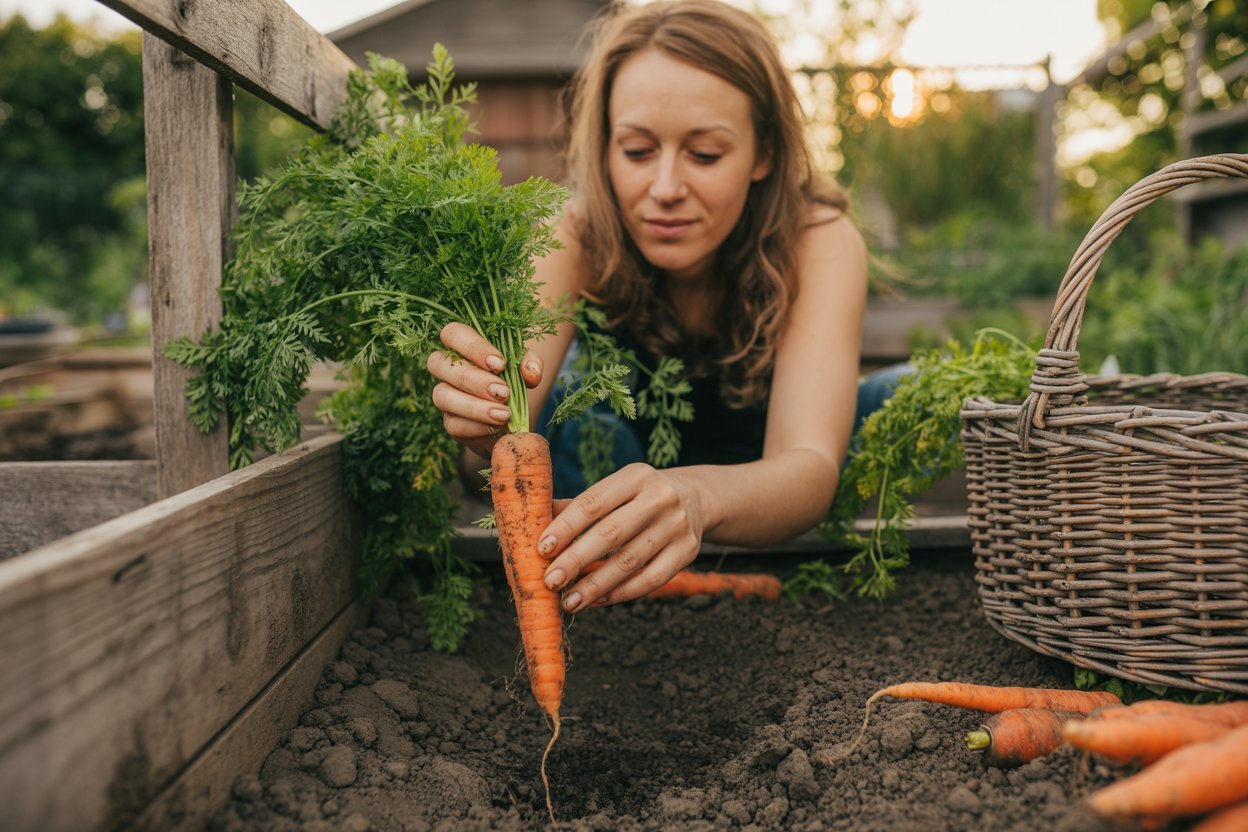

The first time I grew carrots, I checked them every single morning like an impatient child waiting for a birthday surprise.
I would kneel down in the garden, brush away the soil gently, and whisper, “Are you ready yet?” Harvesting carrots feels like unwrapping a gift you planted months ago but knowing exactly when to pull them can feel confusing if you’ve never done it before.
If you’ve been asking yourself How Do You Know When Your Carrots Are Ready To Harvest?, you are absolutely not alone.
Carrots are humble little roots that hide their progress underground, which means we have to pay attention to subtle signs.
In this guide, I’m going to walk you through every detail from timing and size to color, texture, taste, seasonal differences, and even common mistakes.
By the end, you’ll feel confident, calm, and completely in tune with your carrot patch.
Let’s gently dig into it together.
How Do You Know When Your Carrots Are Ready To Harvest? Learn the exact signs, timing, size, color, and expert tips to harvest sweet, crunchy carrots at the perfect moment in your home garden.
Why Harvest Timing Truly Matters
Carrots may look simple, but timing changes everything.
Pull them too early and you’ll get thin, underdeveloped roots that lack sweetness. Wait too long and they can become woody, tough, or even crack in the soil. The perfect harvest moment gives you:
- Maximum sweetness
- Crisp texture
- Ideal size
- Beautiful color
- Best storage potential
Carrots store their sugars differently depending on temperature and maturity. That’s why a carrot harvested at the right time tastes dramatically better than one pulled randomly.
Understanding How Do You Know When Your Carrots Are Ready To Harvest? is really about learning to read the plant’s quiet signals.
The Average Days to Maturity (But Don’t Rely on This Alone)
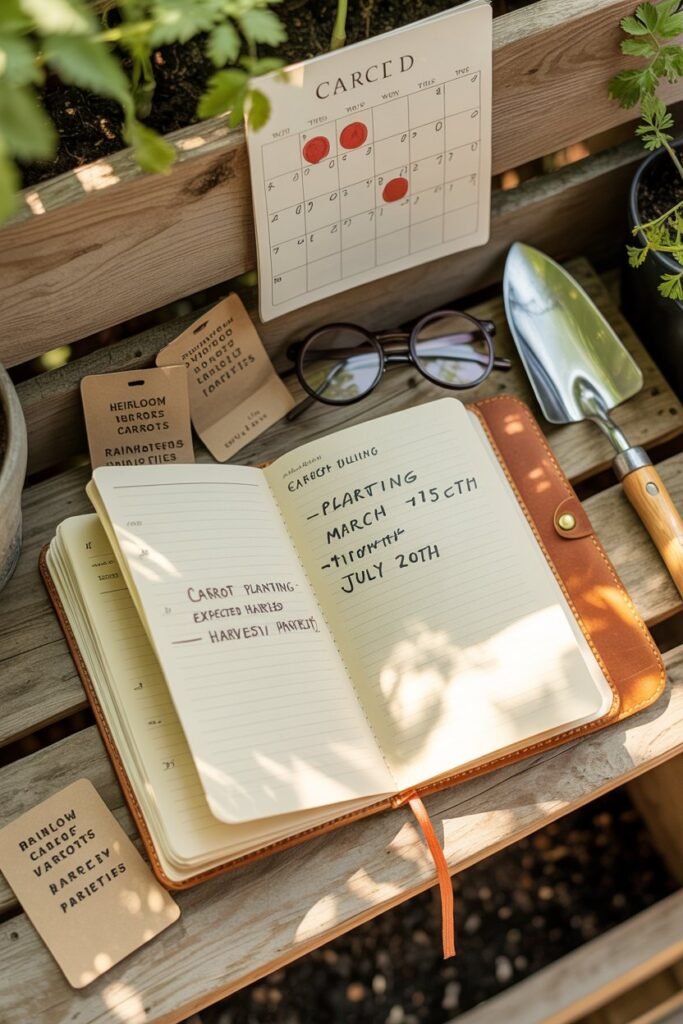
Most carrot varieties take:
- 50–60 days (baby carrots)
- 60–75 days (standard varieties)
- 75–90 days (long or storage types)
But here’s the soft truth: days to maturity are just guidelines.
Weather, soil quality, watering habits, and variety all influence growth. If you planted seeds and counted the days religiously, you may still find they need a little more time or sometimes less.
Instead of relying only on a calendar, look for physical clues.
The Most Reliable Sign: Shoulder Size
This is my favorite trick.
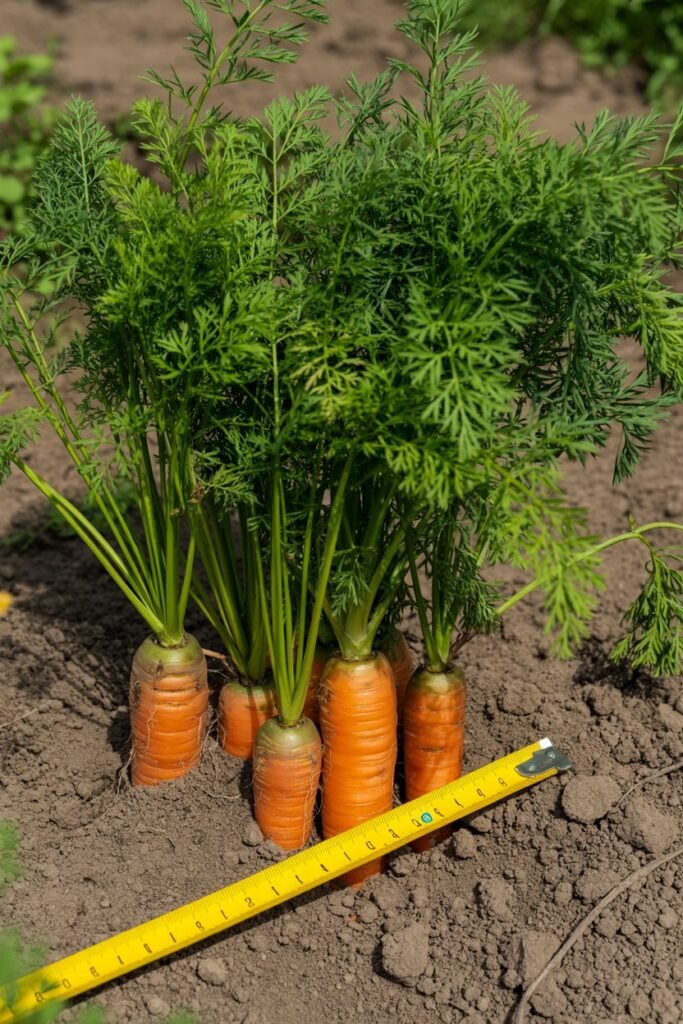
Gently brush away the top layer of soil near the base of the carrot where the greens meet the root. That little exposed portion is called the “shoulder.”
If the shoulder looks:
- ½ inch wide → still small
- ¾ inch to 1 inch wide → usually ready
- 1–1½ inches wide → mature and ideal
Most standard carrots are perfect when their shoulders reach about 1 inch across.
This simple visual cue is one of the clearest answers to How Do You Know When Your Carrots Are Ready To Harvest?
Look at the Color Intensity
Color tells a quiet story underground.
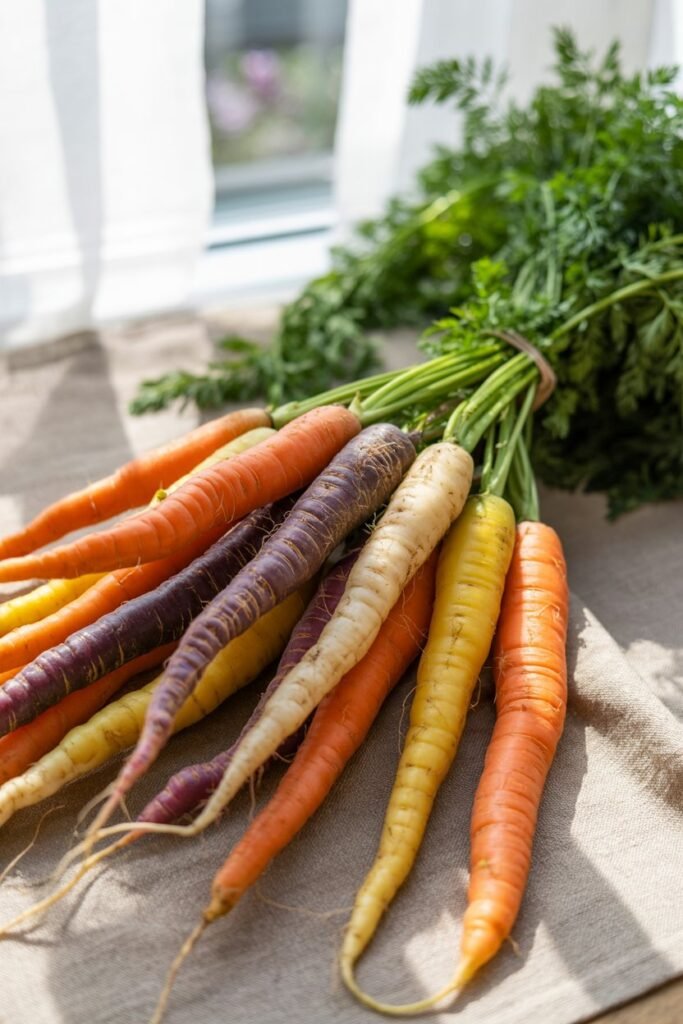
A fully mature carrot will have deep, vibrant coloring depending on its type:
- Bright orange (classic varieties)
- Deep purple
- Golden yellow
- Creamy white
- Red-orange
Pale coloring can signal immaturity.
If you see a strong, rich tone at the exposed shoulder, that’s usually a very good sign.
Check the Top Growth (But Don’t Be Fooled)
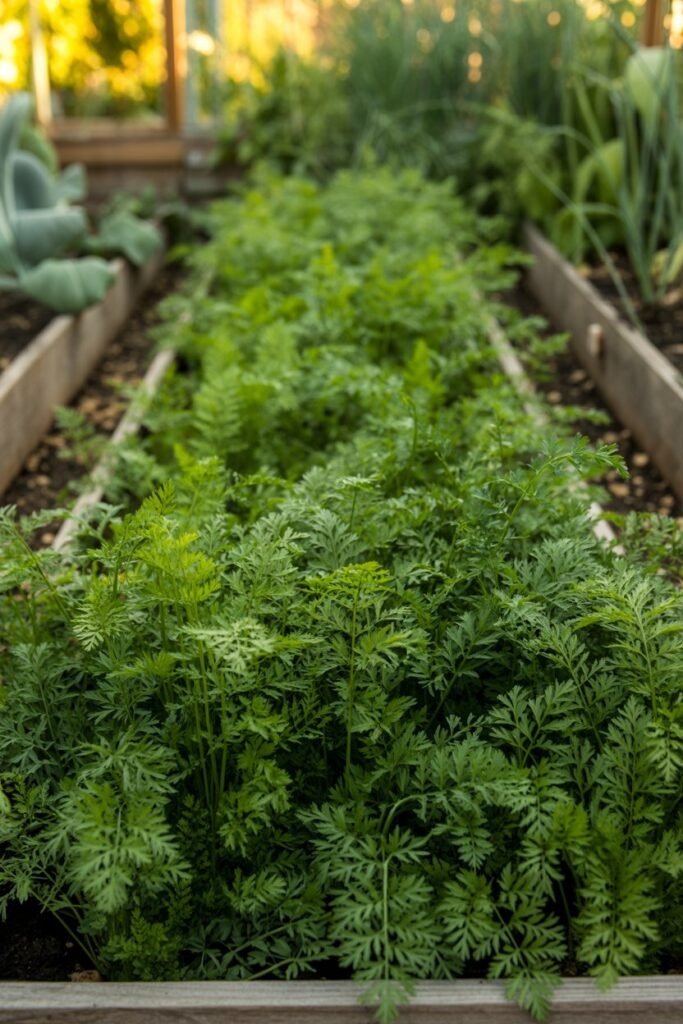
Healthy carrot tops are:
- 6–10 inches tall
- Feathery and bright green
- Standing upright
However, lush tops don’t always mean mature roots. Sometimes carrots grow lots of leaves before bulking underground.
Think of tops as a supporting clue not the final answer.
Gently Test One Carrot First
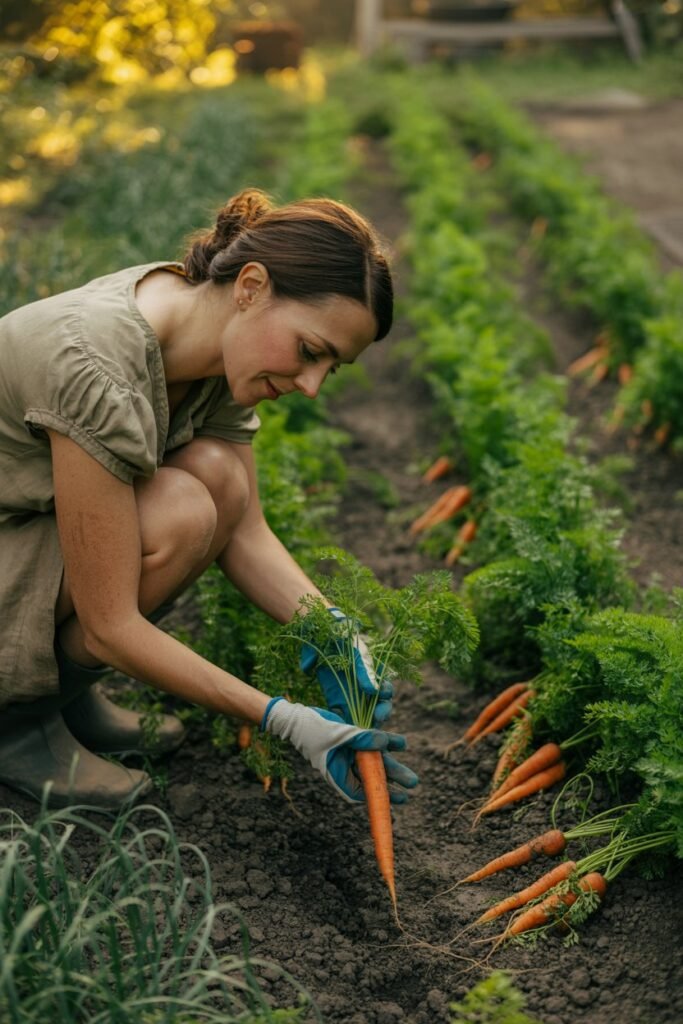
When in doubt, harvest just one.
Loosen the soil carefully with a hand fork, grip the greens near the base, and pull gently. Examine:
- Length
- Thickness
- Shape
- Firmness
Taste it raw. Is it crisp and sweet? If yes, your crop is likely ready.
If it’s thin or slightly bitter, give the others more time.
This gentle “sample harvest” removes all guesswork.
Texture Tells You Everything
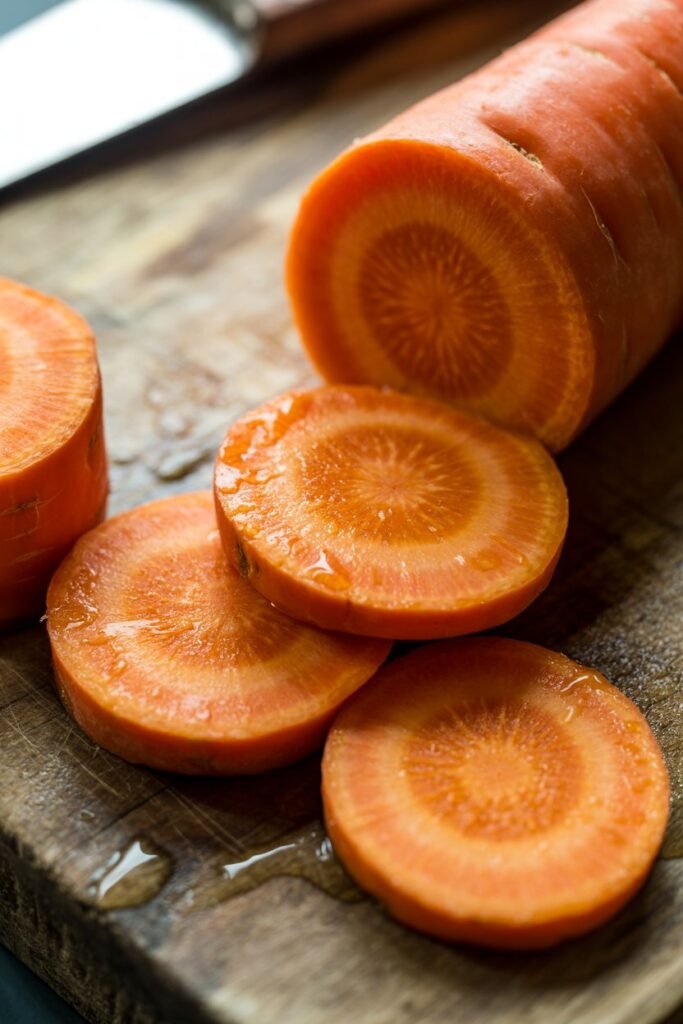
A mature carrot feels:
- Firm
- Solid
- Dense
An immature carrot feels:
- Soft
- Thin
- Flexible
An overgrown carrot can feel:
- Tough
- Fibrous
- Slightly woody
Texture may not be visible above ground, but you’ll know instantly once you pull one.
Seasonal Timing Makes a Difference
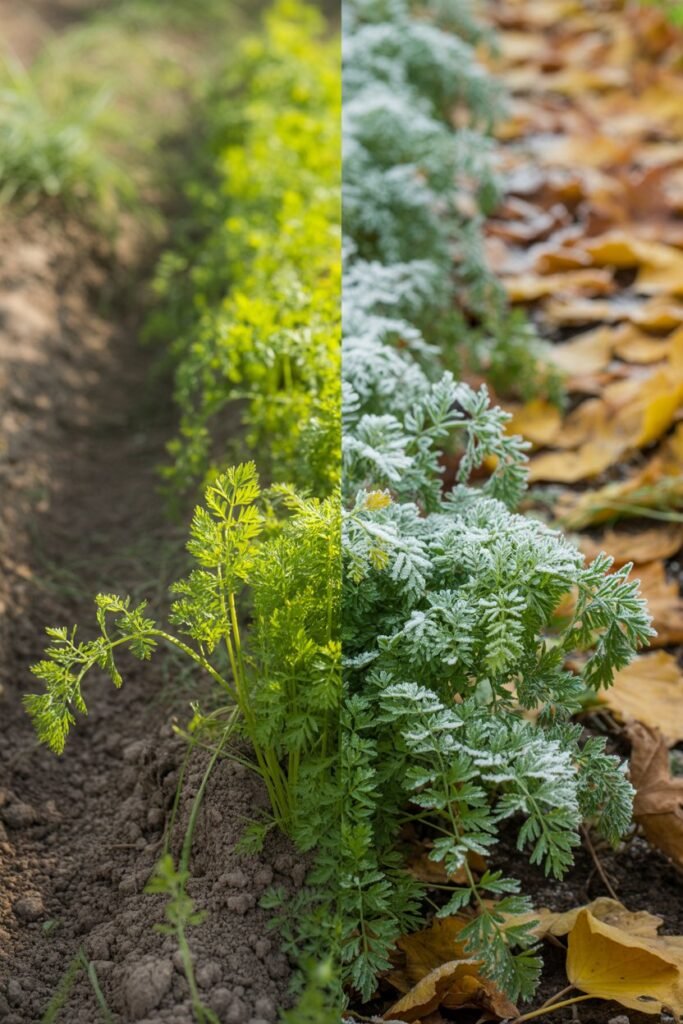
Carrots grown in cool weather are sweeter.
If you planted in:
Spring
Harvest before extreme summer heat. Too much heat reduces sweetness.
Late Summer
Allow carrots to mature into fall. Light frost actually increases sugar content.
Fall/Winter (Mild Climates)
Carrots can stay in the ground longer and taste even sweeter.
If you live in a warmer region, harvest before intense heat arrives.
What Happens If You Wait Too Long?
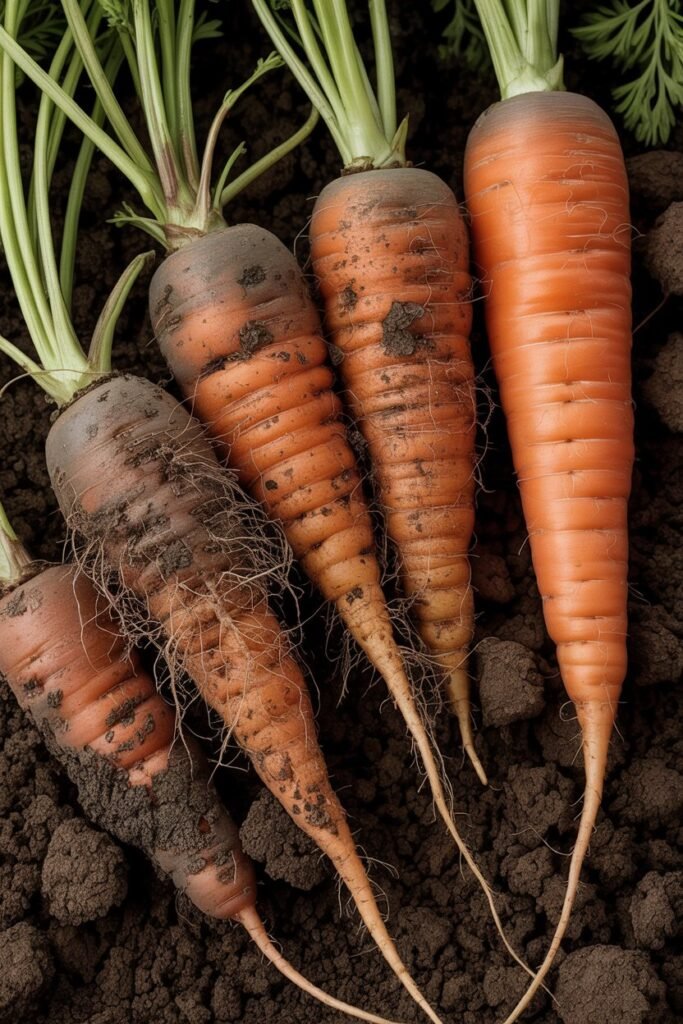
Overgrown carrots can:
- Become woody
- Develop cracks
- Split
- Taste bitter
- Grow hairy side roots
They won’t always be ruined but texture suffers.
That’s why understanding How Do You Know When Your Carrots Are Ready To Harvest? helps you avoid disappointment.
Baby Carrots vs Full-Size Carrots
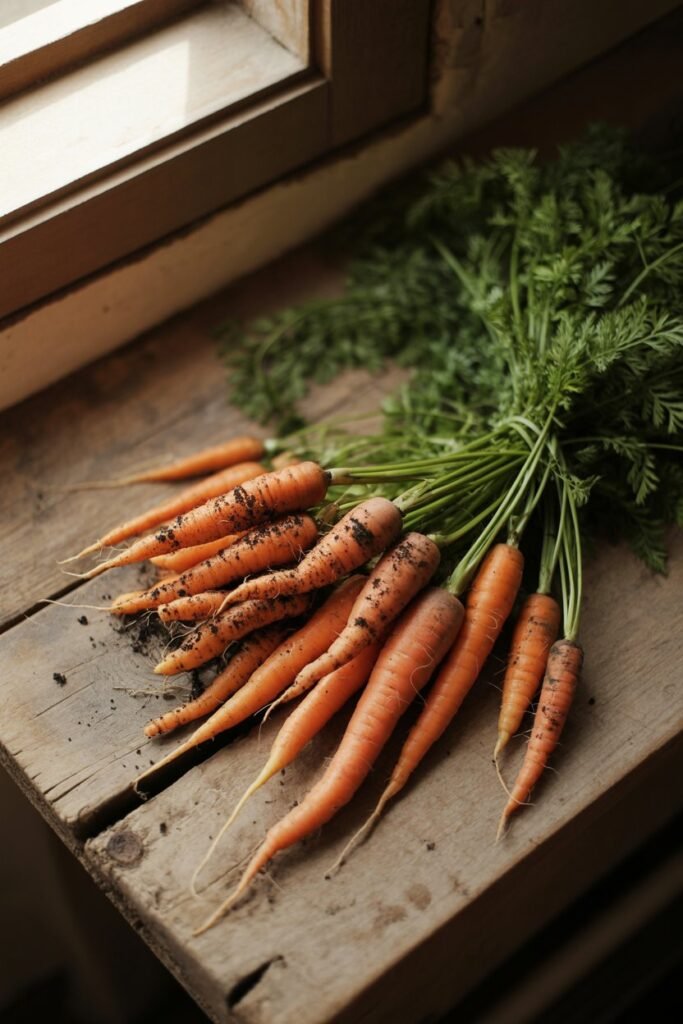
You can harvest carrots early intentionally.
Baby Carrots
- Harvest at finger-size thickness
- Usually 50–60 days
- Sweet and tender
Full-Size Carrots
- Wait until 1-inch shoulders
- 60–75+ days
- Ideal for storage
Both are delicious it just depends on your preference.
Soil Conditions Affect Harvest Timing
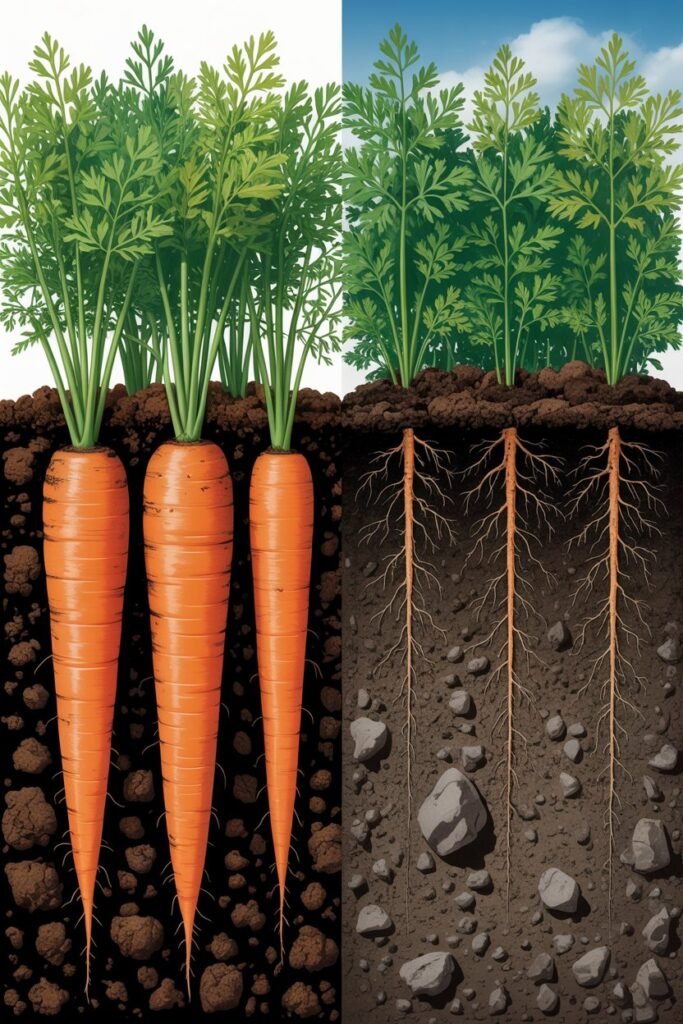
Carrots need:
- Loose soil
- Deep cultivation
- No rocks
- Even moisture
If soil is compacted, carrots may grow shorter and mature differently.
In heavy soil, they may appear ready at the top but still be stubby underground.
Signs They Are NOT Ready Yet
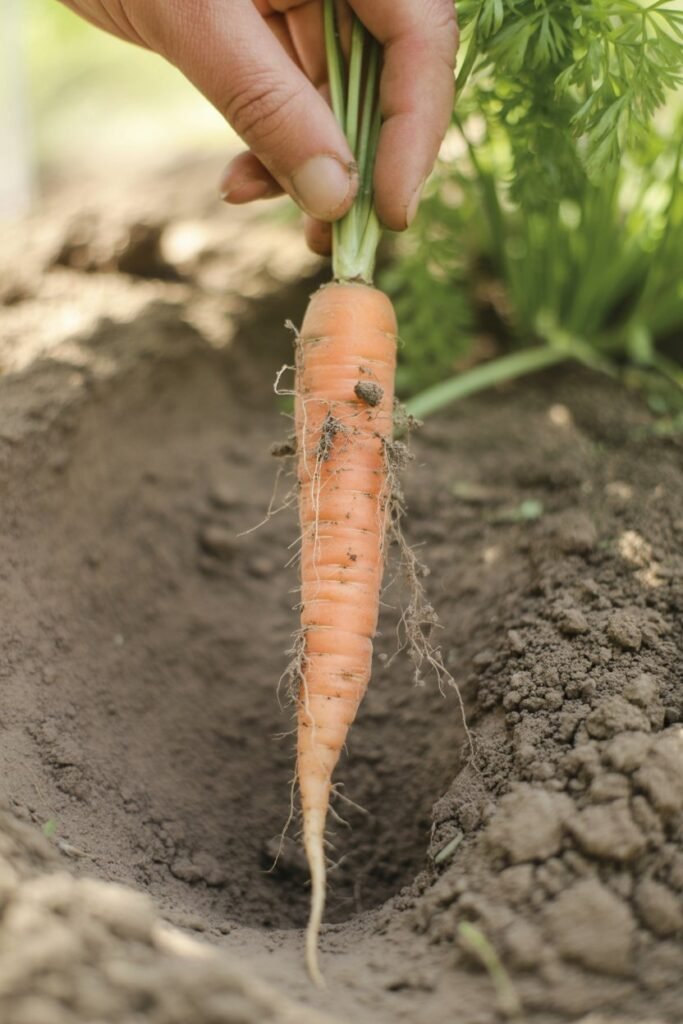
- Shoulder smaller than ¾ inch
- Pale coloring
- Thin root
- Weak crunch
- Bitter taste
Patience makes sweeter carrots.
Signs They Are Definitely Ready
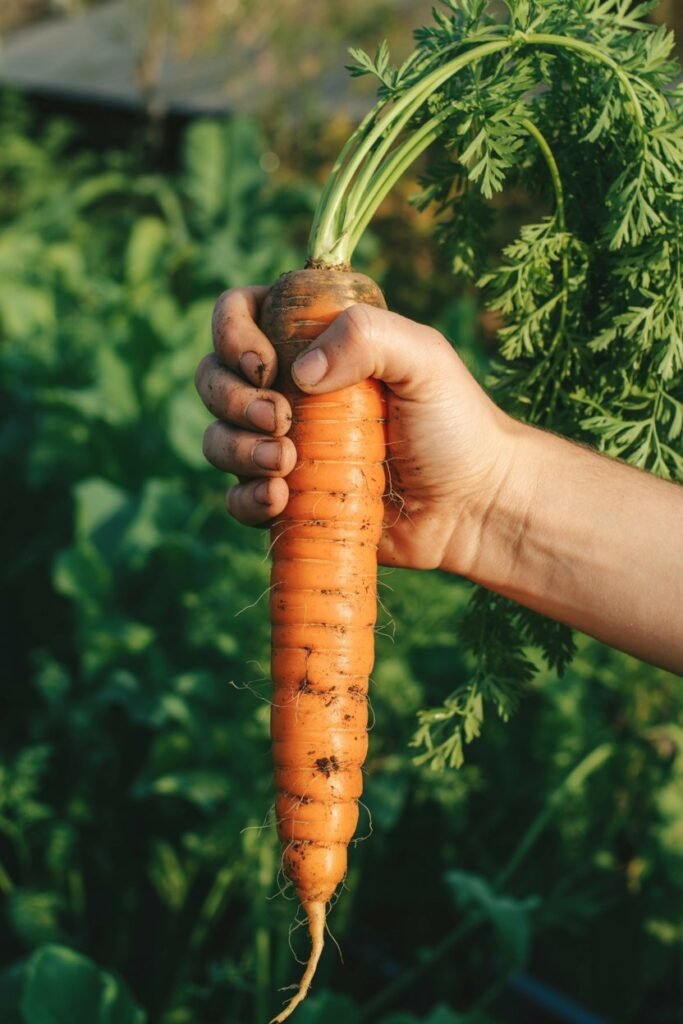
- Shoulder about 1 inch wide
- Deep, vibrant color
- Firm and dense texture
- Strong crunch
- Sweet flavor
This combination rarely lies.
How to Harvest Without Damaging Them
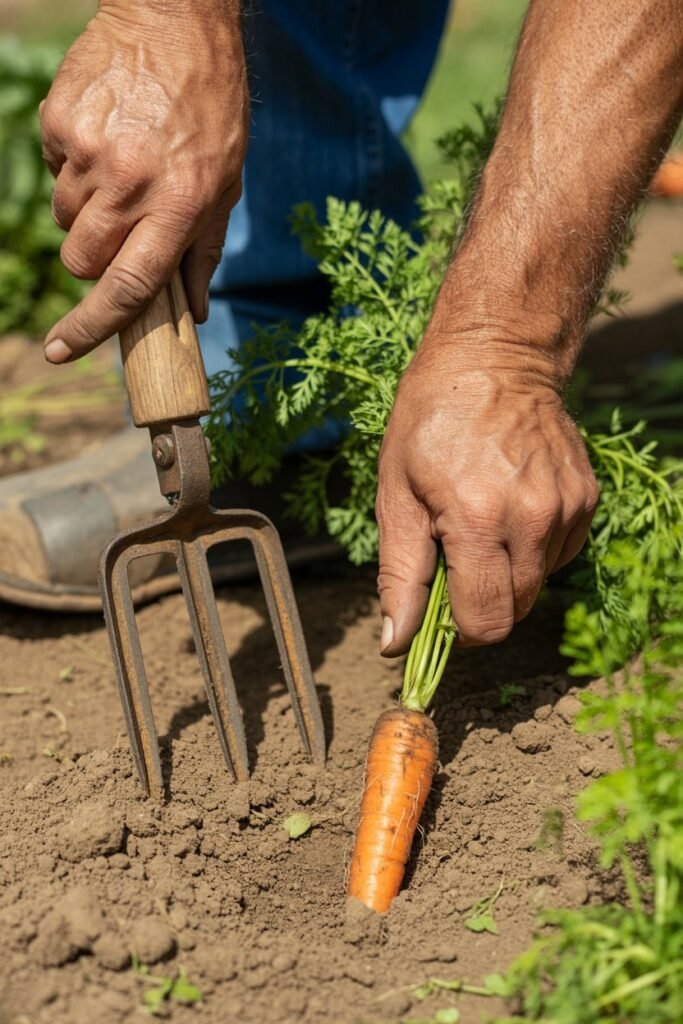
- Water soil lightly the day before.
- Use a garden fork to loosen soil beside the row.
- Pull gently by the base of the greens.
- Twist slightly if needed.
Never yank from hard soil roots can snap.
Can You Leave Carrots in the Ground?
Yes and sometimes it’s beneficial.
In cool climates, carrots can remain in soil:
- After light frost
- Through early winter (with mulch)
Cold temperatures improve sweetness by converting starches into sugars.
However, in hot climates, leaving them too long can reduce quality.
Do Carrots Flower Before Harvest?
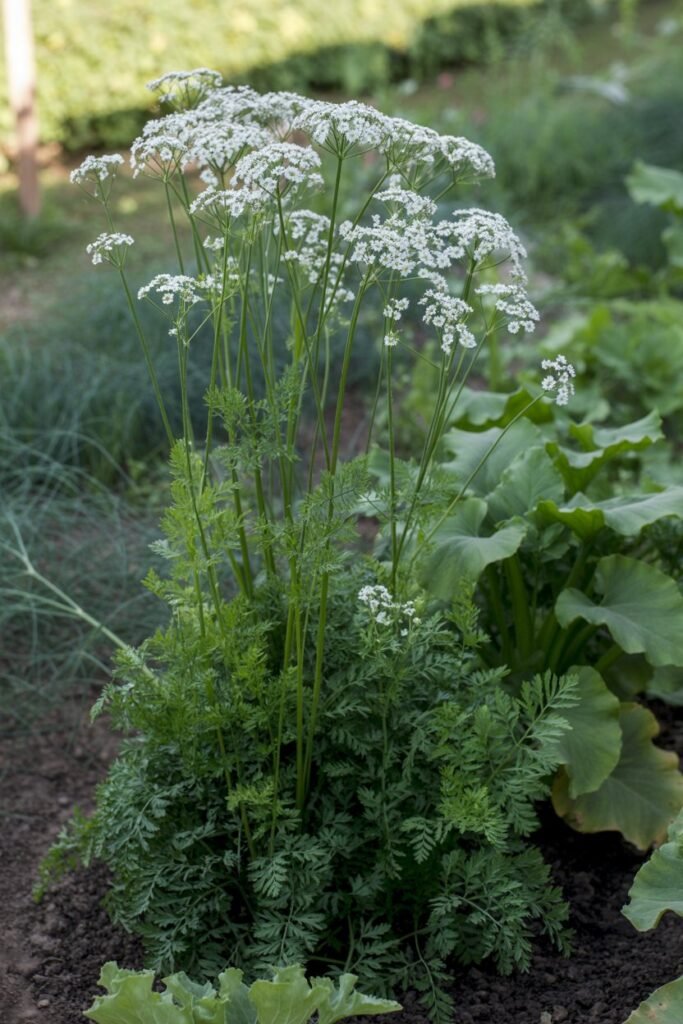
If carrots send up a tall flower stalk (bolting), they are past ideal harvest stage.
Bolting usually happens:
- In second-year plants
- Due to stress or temperature swings
Once flowering begins, roots become woody.
Storage After Harvest

Once you harvest:
- Remove green tops immediately.
- Do not wash if storing long-term.
- Store in refrigerator in perforated bag.
- Keep at high humidity.
Carrots can last 2–4 weeks refrigerated.
Common Mistakes Gardeners Make
- Relying only on days to maturity
- Pulling too early out of excitement
- Forgetting to thin seedlings
- Growing in rocky soil
- Ignoring shoulder size
We all make these mistakes at least once I certainly did.
The Emotional Side of Harvesting
Pulling your first perfect carrot feels magical.
You place it in your hand soil clinging softly and realize you grew this from a seed smaller than a grain of rice. That moment changes you.
Understanding How Do You Know When Your Carrots Are Ready To Harvest? isn’t just about size and color. It’s about building intuition.
Every season, you’ll get better at reading the soil.
A Quick Harvest Checklist
Before pulling your whole crop, ask:
- Has it reached the right shoulder width?
- Is the color rich and vibrant?
- Does one test carrot taste sweet?
- Is the texture firm and crisp?
- Has it reached typical maturity days?
If yes it’s time.
Final Thoughts
Carrots teach patience more than almost any other vegetable. They grow quietly, steadily, invisibly asking only that you trust the process.
The next time you find yourself wondering, How Do You Know When Your Carrots Are Ready To Harvest?, remember this:
Look at the shoulders.
Check the color.
Taste one.
Trust your senses.
Gardening becomes less about rules and more about rhythm when you slow down and observe.
And when you finally pull that perfectly sweet carrot from the soil? It feels like the garden is smiling back at you.
