


There are some plants you grow… and then there are plants that grow you.
For me, the lemon tree was the second kind.
I didn’t realize when I planted my first little lemon sapling that it would reshape the way I garden, the way I observe nature, and even the way I move through my mornings.
But lemon trees have a way of doing that. They invite you to slow down. They reward consistency. They teach you to pay attention.
If you’ve ever thought about growing a lemon tree or if you already have one let me walk you through everything I’ve learned.
Not just the “how-to,” but the deeper lessons and practical details that truly make lemon trees special.
Why Lemon Trees Change the Way You Garden
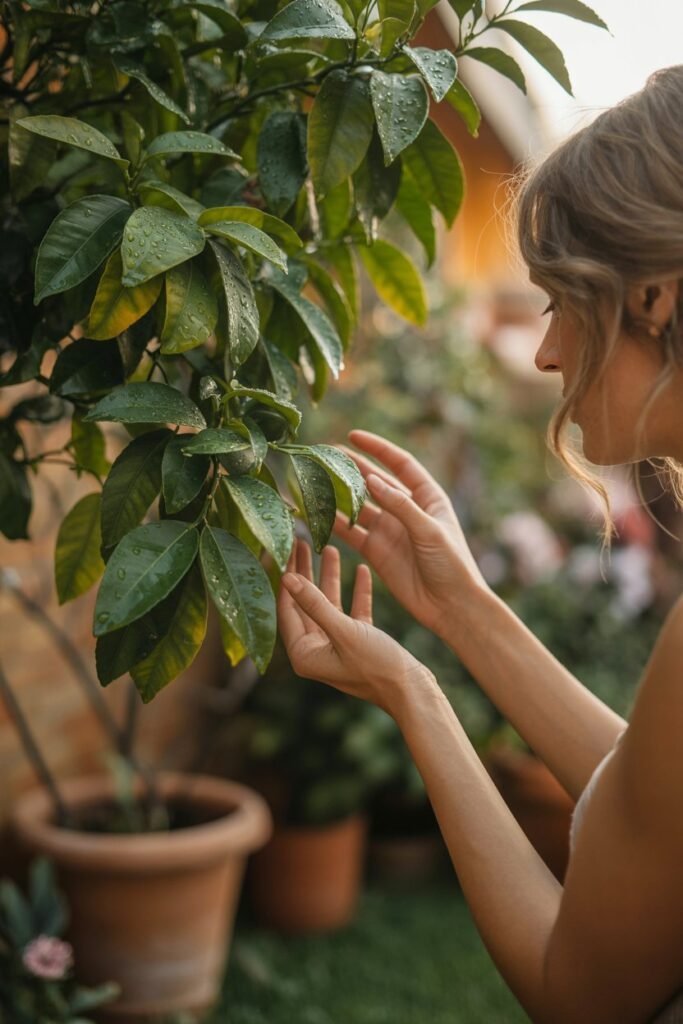
Lemon trees aren’t rushed plants.
They don’t grow overnight.
They don’t fruit immediately.
They don’t thrive on neglect.
And that’s exactly why they make you a better garden lover.
When you grow a lemon tree, you learn:
- To watch the leaves for subtle signs of stress
- To understand soil health deeply
- To respect sunlight patterns
- To embrace seasonal rhythms
- To celebrate small growth
Unlike fast-growing vegetables, lemon trees require commitment. And in that commitment, you develop a more thoughtful, intuitive relationship with your garden.
You begin to notice things you once overlooked the smell of blossoms at dusk, the difference between healthy green and nitrogen deficiency, the way new growth blushes slightly bronze before turning deep green.
Lemon trees don’t just produce fruit. They sharpen your awareness.
Choosing the Right Lemon Variety for Your Space
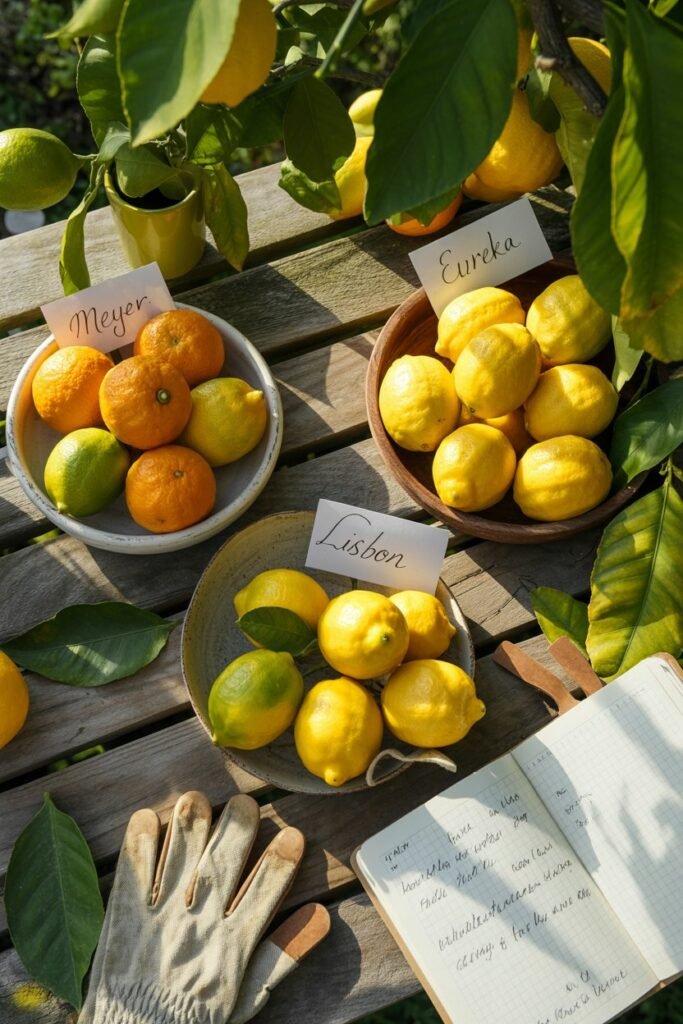
Before planting, choosing the right variety is one of the most important decisions you’ll make.
Different lemon trees have different growth habits, fruiting timelines, and climate preferences.
1. Eureka Lemon
- Classic grocery-store lemon
- Produces fruit year-round in warm climates
- Slightly thorny
- Ideal for backyard gardens
2. Lisbon Lemon
- Very similar to Eureka
- More cold-tolerant
- High-yielding
- Great for slightly cooler regions
3. Meyer Lemon (My personal favorite)
- Sweeter, less acidic flavor
- Compact growth habit
- Perfect for containers
- Ideal for patios and balconies
4. Ponderosa Lemon
- Very large fruit
- More ornamental
- Slower growing
If you live in a cooler region or have limited space, Meyer lemons are often the easiest to start with. They’re forgiving, beautiful, and incredibly rewarding.
Is Lemon Tree a Perennial?

Yes and that’s one of the reasons they feel so meaningful.
Lemon trees are evergreen perennials. That means:
- They keep their leaves year-round.
- They can live for decades.
- They fruit multiple times throughout their life.
In warm climates (USDA Zones 9–11), they can live happily outdoors permanently. In cooler regions, they thrive in containers that can be moved indoors during winter.
There’s something grounding about planting a tree that will outlive seasons maybe even outlive you. It changes how you care for it.
Where Should You Plant a Lemon Tree?
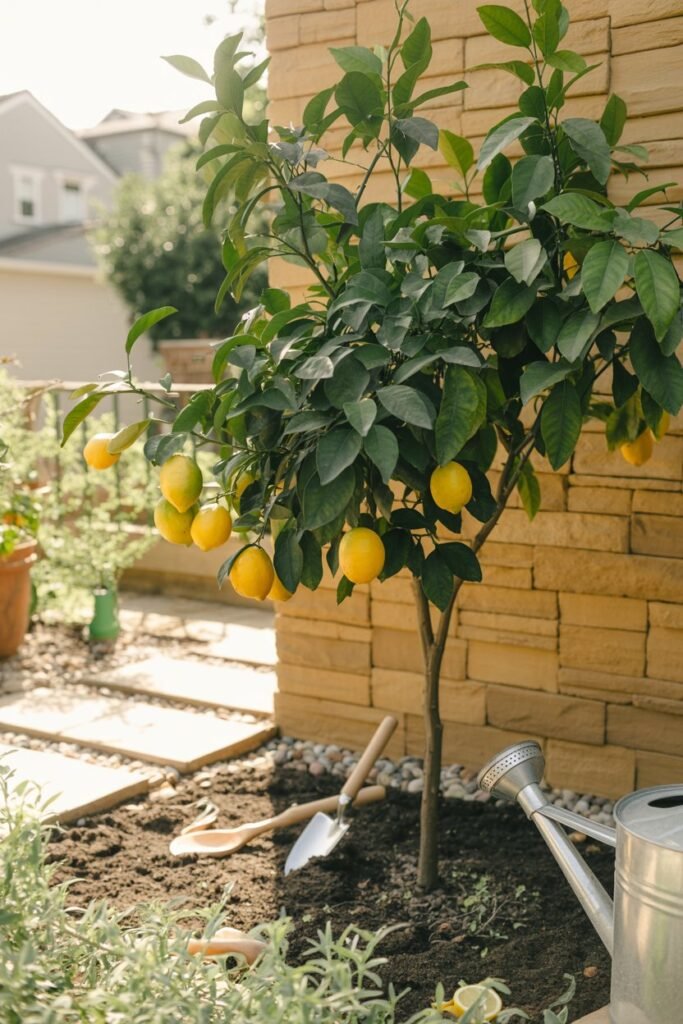
This is where many beginners go wrong and where lemon trees quietly teach you the importance of location.
Lemon trees need:
☀️ 6–8 hours of full sunlight daily
🌬 Protection from strong winds
🌱 Well-draining soil
🌡 Warm temperatures
Best Outdoor Location
- South-facing spot
- Near a wall for reflected warmth
- Slight elevation for drainage
Growing in Containers
If you’re growing in a pot:
- Choose at least a 12–15 gallon container.
- Ensure large drainage holes.
- Use citrus-specific potting mix.
I learned the hard way that lemon trees hate wet feet. My first tree struggled because I underestimated drainage. Once I corrected the soil and repotted, it transformed.
Lemon trees demand good soil and once you see how dramatically they respond, you begin prioritizing soil health across your entire garden.
Step-by-Step: How to Grow a Lemon Tree Successfully
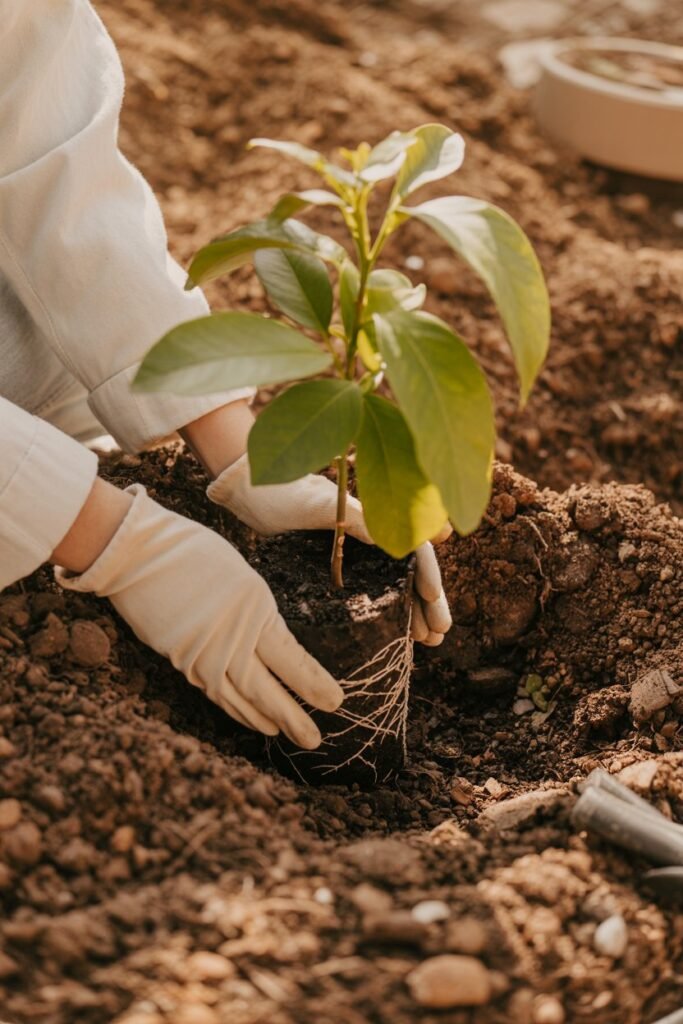
Here’s the clear, practical process that works beautifully.
Step 1: Start with a Healthy Tree
Buy from a reputable nursery. Look for:
- Glossy green leaves
- No yellow spotting
- Strong central stem
- No pests underneath leaves
Step 2: Prepare the Soil
Ideal soil pH: 5.5–6.5
Amend with:
- Compost
- Sand (for drainage if needed)
- Organic citrus fertilizer
Step 3: Planting
- Dig a hole twice as wide as the root ball.
- Keep the root crown slightly above soil level.
- Backfill gently — do not compact too tightly.
- Water deeply after planting.
Step 4: Watering Routine
Young trees:
- Water 2–3 times weekly
Established trees:
- Deep watering once weekly
Allow the top 2 inches of soil to dry between waterings.
Step 5: Fertilizing
Lemon trees are heavy feeders.
Feed:
- Every 4–6 weeks during growing season
- With citrus-specific fertilizer
- Higher nitrogen in spring
This is where you truly learn plant nutrition.
Lemon Nutrition: What the Tree Needs to Thrive
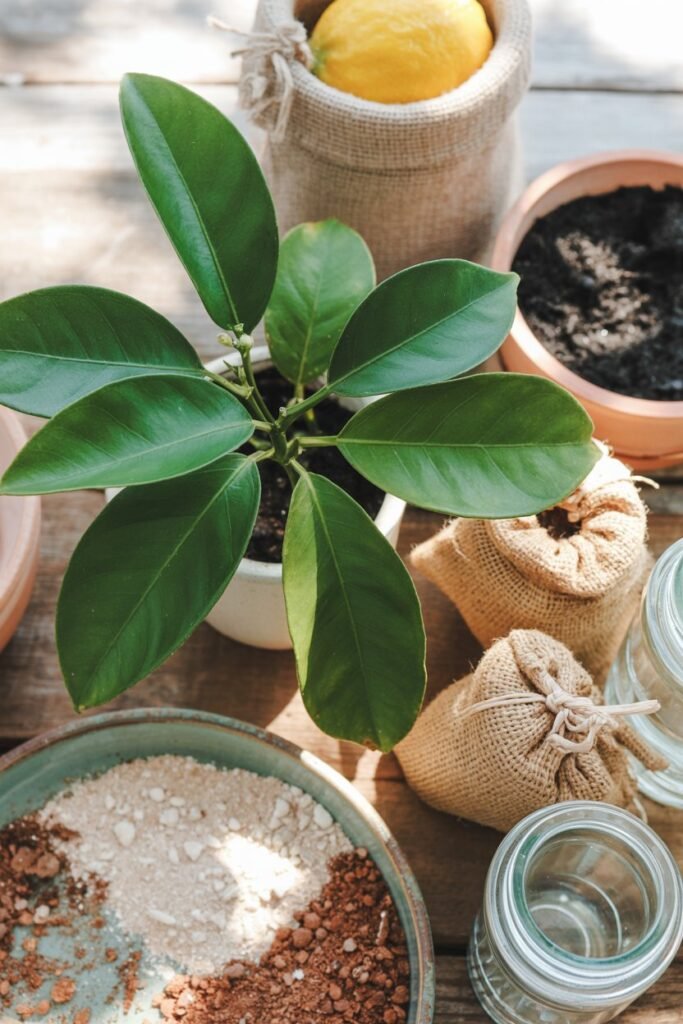
Lemon trees demand balanced nutrients.
They need:
- Nitrogen (for leafy growth)
- Potassium (for fruit development)
- Magnesium (for leaf health)
- Iron (to prevent yellowing)
Yellow leaves with green veins? Likely iron deficiency.
Overall pale leaves? Nitrogen deficiency.
Once you understand this, you start recognizing nutrient signals in all your plants.
Lemon trees train your eye.
Companion Plants for Lemon Trees
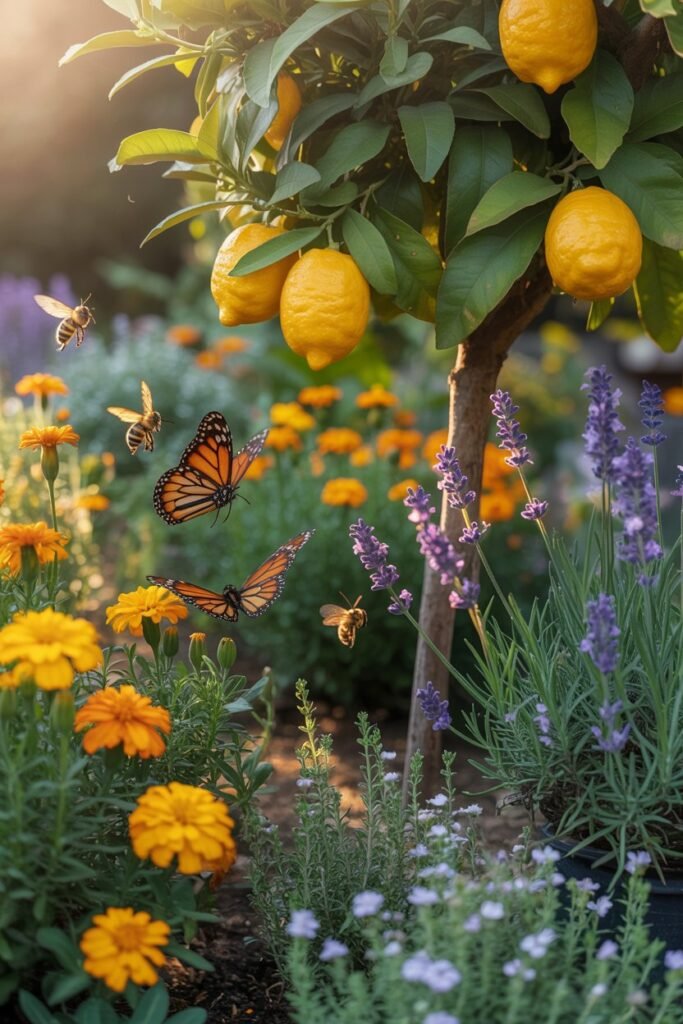
I love planting companions beneath my lemon tree. It creates a mini ecosystem.
Best companions:
- Marigolds (repel pests)
- Lavender (attracts pollinators)
- Nasturtiums (trap aphids)
- Thyme (ground cover)
Avoid:
- Heavy root competitors
- Plants requiring excessive water
Companion planting deepens your understanding of garden relationships.
Can You Propagate Lemon from Cuttings?
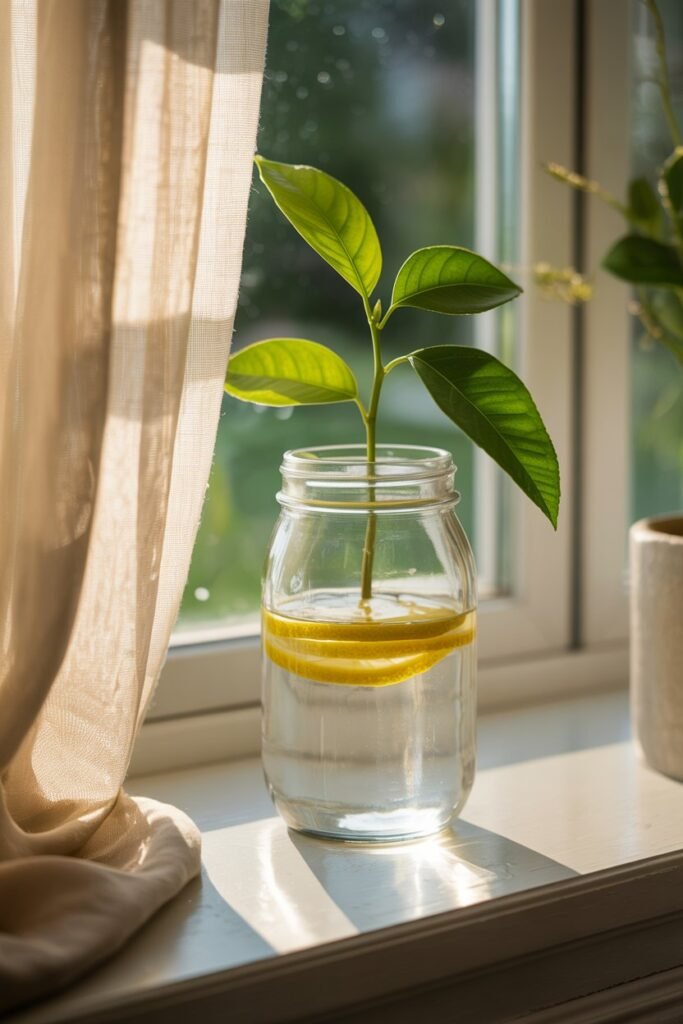
Yes and it’s magical.
Here’s how:
- Take a 6–8 inch semi-hardwood cutting.
- Remove lower leaves.
- Dip in rooting hormone.
- Plant in moist, well-draining mix.
- Cover loosely to maintain humidity.
- Keep in bright indirect light.
It can take 6–8 weeks to root.
However, grafted nursery trees fruit faster and more reliably.
Growing from cuttings teaches patience in its purest form.
How Long Does It Take for Lemons to Bear Fruit?
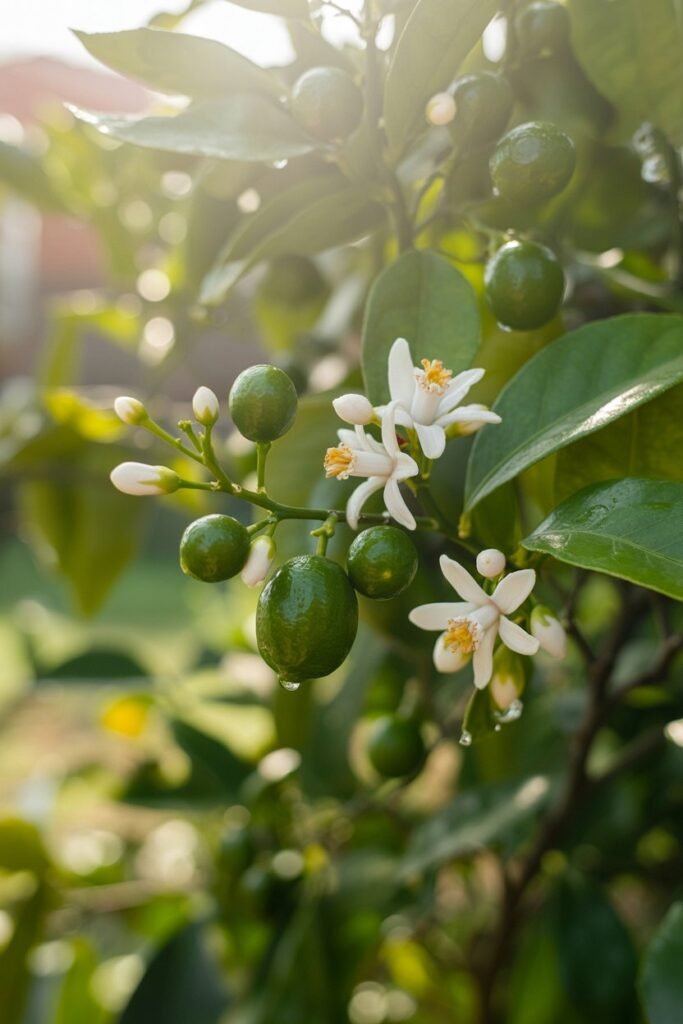
This depends on how you start.
- Grafted tree: 2–3 years
- From seed: 4–7 years
Yes, years.
But when those first blossoms open sweet and fragrant the wait feels sacred.
You learn that not everything beautiful comes quickly.
When to Trim a Lemon Tree
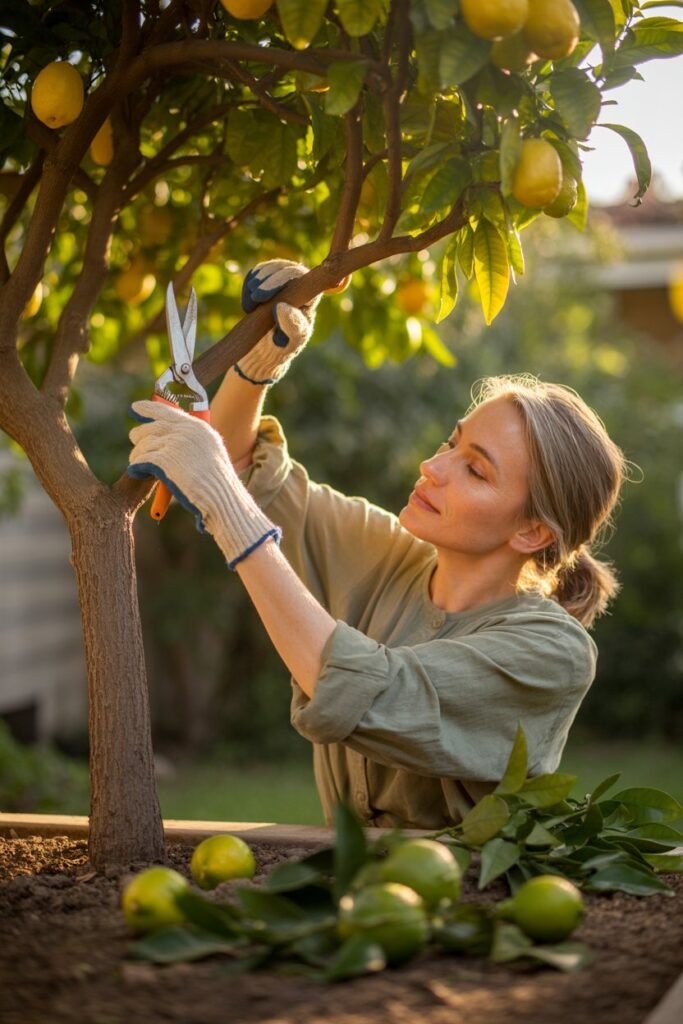
Pruning is gentle shaping, not aggressive cutting.
Best time:
- Late winter or early spring
- After harvest
Remove:
- Dead branches
- Crossing branches
- Suckers at the base
Avoid heavy pruning lemons fruit on new growth.
Pruning teaches restraint.
Health Benefits of Lemons

Growing lemons changes how you eat and care for your body.
Lemons are rich in:
- Vitamin C
- Antioxidants
- Potassium
- Plant compounds that support digestion
Benefits include:
- Immune support
- Skin health
- Digestive stimulation
- Natural detox support
When you grow your own, you use them more intentionally warm lemon water in the morning, fresh zest in baking, homemade cleaning sprays.
Precautions When Growing Lemon Trees
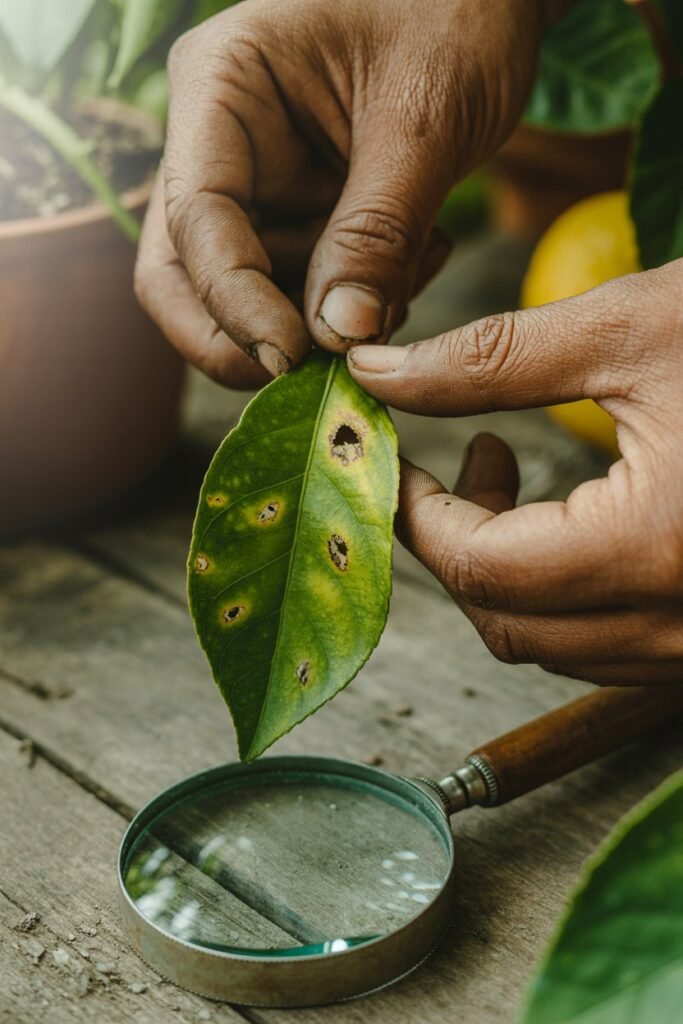
A few things to watch carefully:
- Frost damage (cover during cold nights)
- Overwatering
- Root rot
- Citrus leaf miner
- Aphids
Regularly inspect leaf undersides.
The more closely you observe, the more confident you become as a gardener.
Is Lemon Safe for Pets?
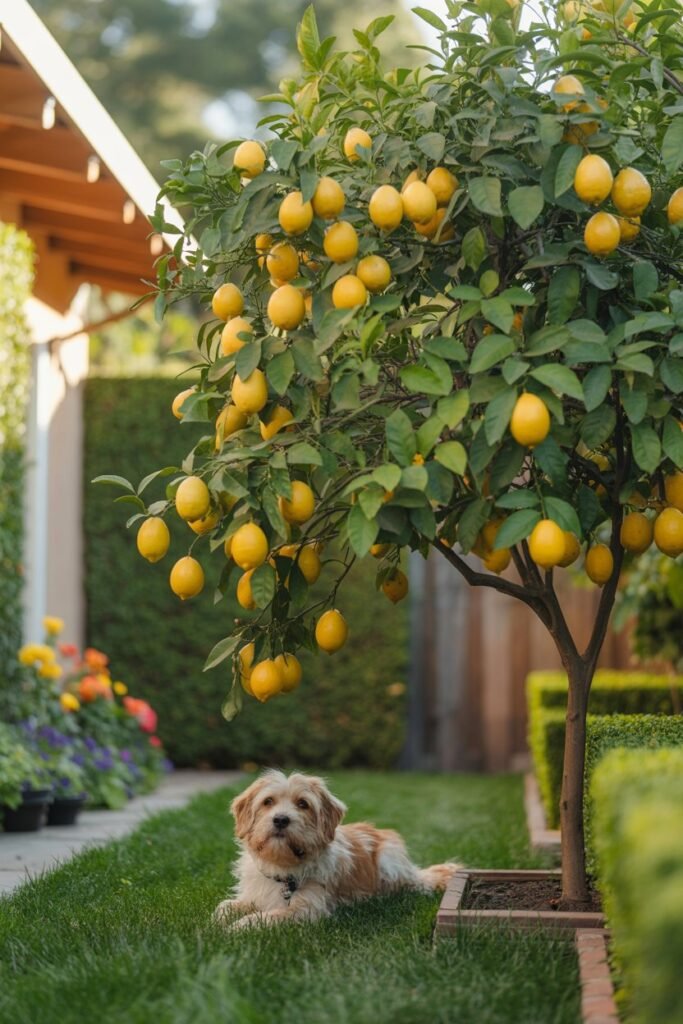
This is important.
Lemon fruit itself is not toxic, but:
- The peel contains oils that may upset pets’ stomachs.
- Large amounts can cause digestive discomfort.
- Essential oils from citrus are not safe for cats.
Keep fallen fruit picked up.
Avoid allowing pets to chew leaves or peels.
Always consult a vet if concerned.
Seasonal Care Guide
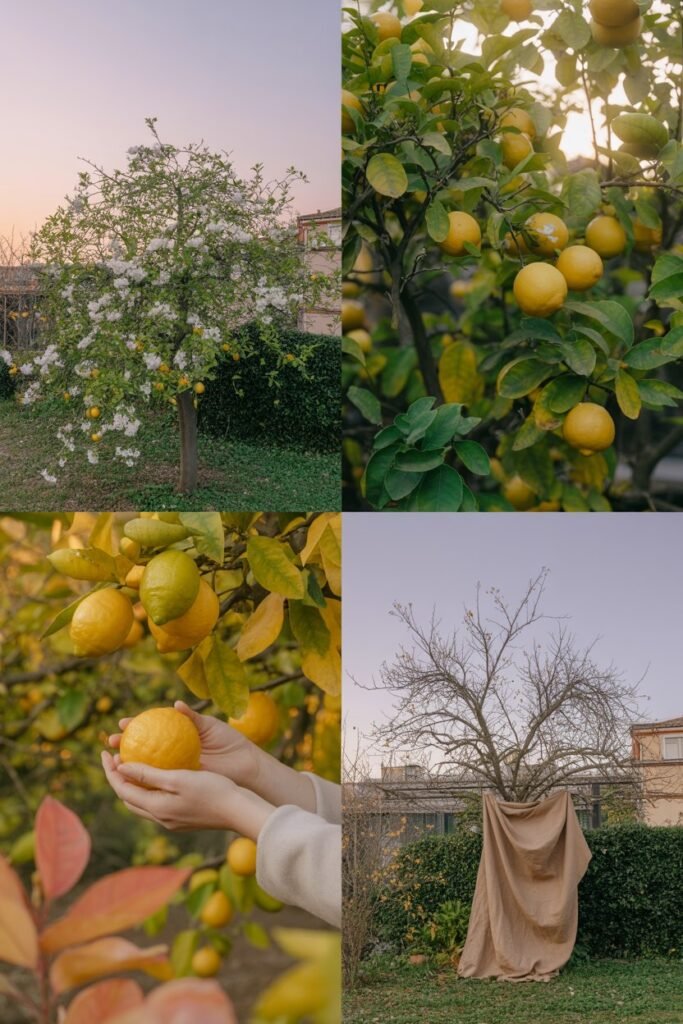
Spring
- Fertilize
- Watch for blossoms
- Increase watering
Summer
- Deep watering
- Monitor pests
- Mulch soil surface
Fall
- Harvest ripe fruit
- Reduce feeding
Winter
- Protect from frost
- Minimal watering
- Move containers indoors if needed
Following seasonal rhythms connects you deeply to nature’s calendar.
The Emotional Rewards of Growing Lemon Trees

There is something about stepping outside and picking a lemon you nurtured.
The weight of it.
The scent of the peel.
The vibrant yellow against glossy leaves.
It feels like participation in something ancient.
You become more observant.
More patient.
More nurturing.
More grateful.
And these qualities spill into the rest of your garden.
You begin checking soil moisture before assuming.
You feed plants before they show distress.
You anticipate seasonal shifts.
Lemon trees gently elevate your gardening standards.
Common Mistakes Beginners Make

Let me lovingly save someone from my early errors:
❌ Planting in shade
❌ Overwatering
❌ Ignoring drainage
❌ Using regular garden soil in containers
❌ Pruning too aggressively
❌ Expecting fruit in the first year
Lemon trees are forgiving but they reward informed care.
Growing Lemons in Containers (Perfect for Small Spaces)
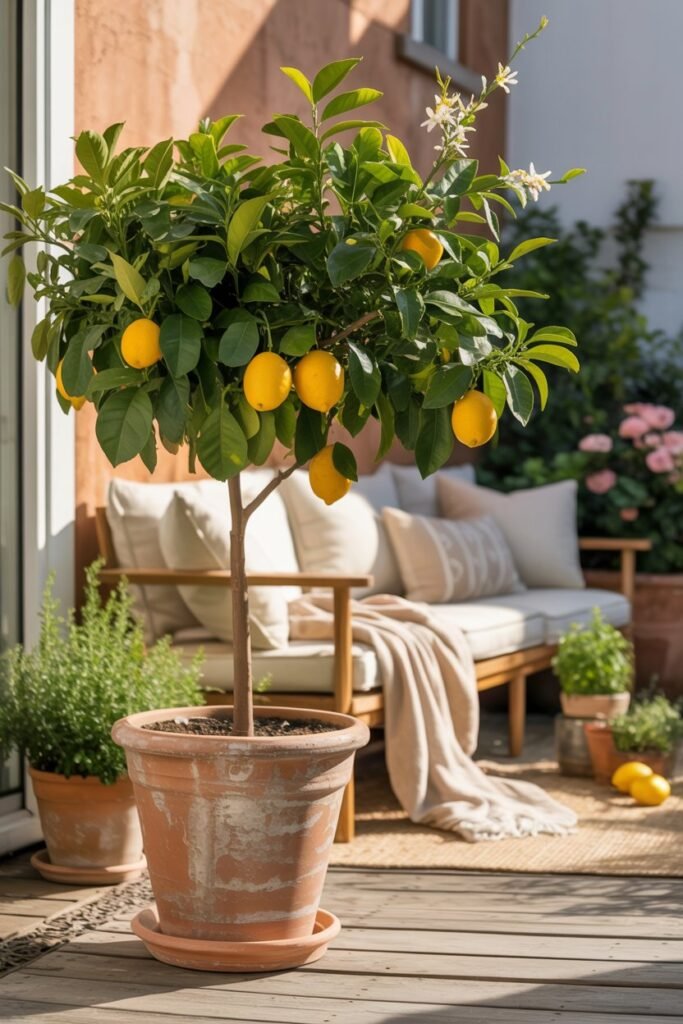
If you only have a balcony or patio, don’t worry.
Use:
- 15–20 gallon container
- Lightweight citrus potting mix
- Slow-release fertilizer
- Rolling plant stand for mobility
Container lemons need more frequent feeding and watering, but they are wonderfully manageable.
Final Thoughts: The Tree That Makes You Grow
Lemon trees make you a better garden lover because they ask more of you.
They ask you to observe.
To learn.
To wait.
To adjust.
To commit.
But in return, they give you:
- Fragrance
- Beauty
- Nourishment
- Confidence
- Pride
- Growth both botanical and personal
When I look at my lemon tree now, I don’t just see fruit.
I see seasons I’ve lived through.
Mistakes I corrected.
Lessons I learned.
And that’s the magic of gardening
