
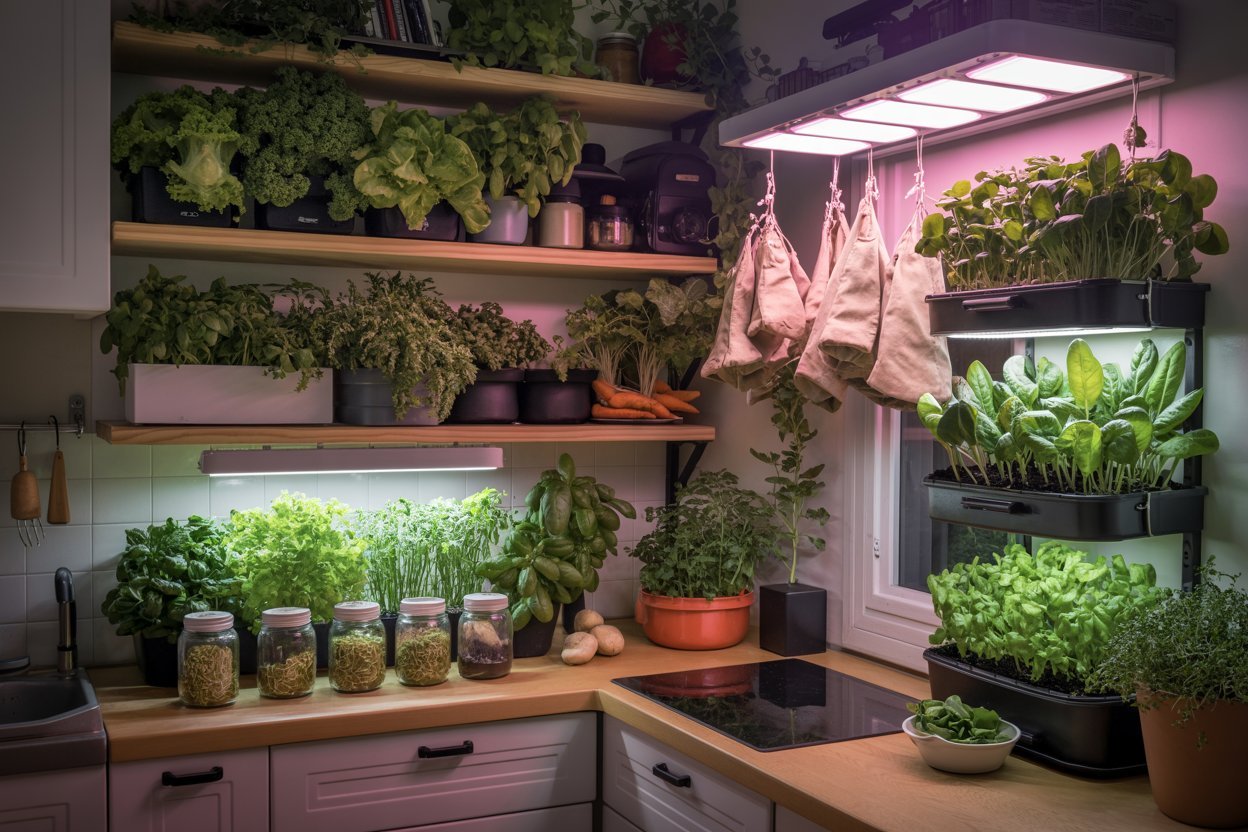

I didn’t start my indoor survival garden because it was trendy or aesthetic. I started it out of quiet concern the kind you feel late at night when you realize how fragile food access really is.
Rising prices, supply shortages, power outages, unpredictable weather all of it nudged me toward one simple question: If I had to rely on myself, could I feed my household?
That question changed everything.
An indoor survival garden isn’t just about growing herbs on a windowsill. It’s about resilience. It’s about food security, nutrition, and peace of mind all within the walls of your home.
Over time, I learned how to grow calorie-dense crops, medicinal herbs, and fast-growing greens year round, even without perfect lighting, even during power interruptions, even with limited space.
In this guide, I’m sharing everything I’ve learned, including practical survival hacks most indoor gardening articles never talk about. This is written from one woman to another grounded, honest, and focused on real-life preparedness.
What Makes a Garden a Survival Garden?
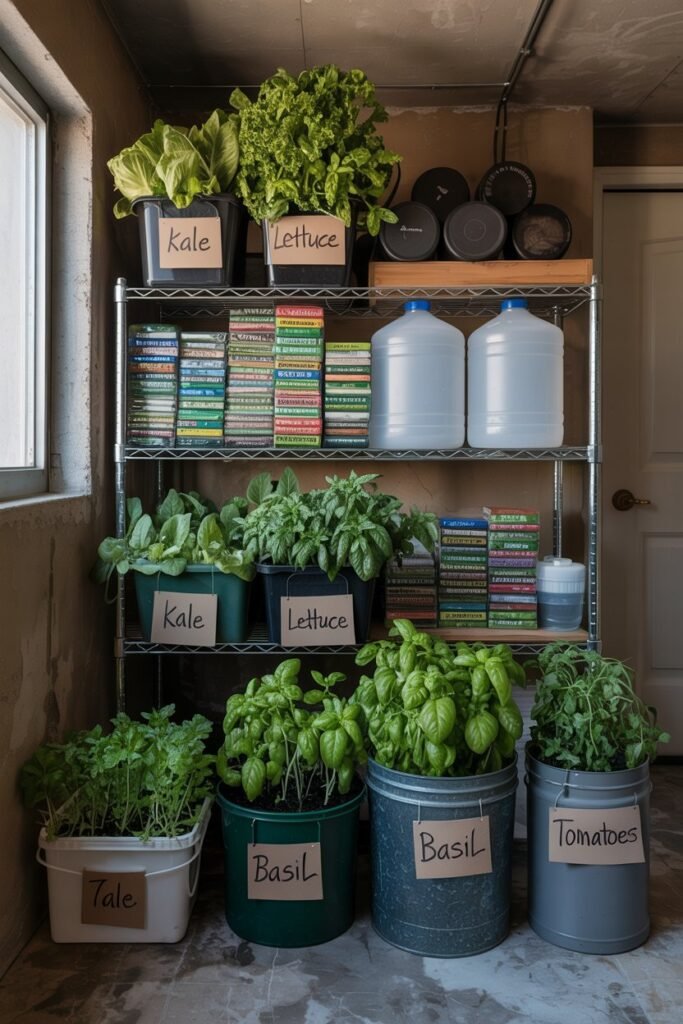
A survival garden is very different from a decorative indoor garden.
Instead of asking:
- “Does this look pretty?”
We ask:
- “Will this keep us fed?”
- “Is it nutrient-dense?”
- “Can I save seeds from it?”
- “Will it grow fast in low light?”
- “Can it survive stress?”
Survival Garden Priorities
- Calories first – greens are important, but calories keep you alive
- Nutrition density – vitamins, minerals, medicinal value
- Fast harvest cycles – food in weeks, not months
- Regrow ability – cut-and-come-again plants
- Seed saving potential – independence from stores
- Low energy dependence – minimal electricity needs
Once I understood this shift, my plant choices and my setup changed completely.
Choosing the Right Space Inside Your Home
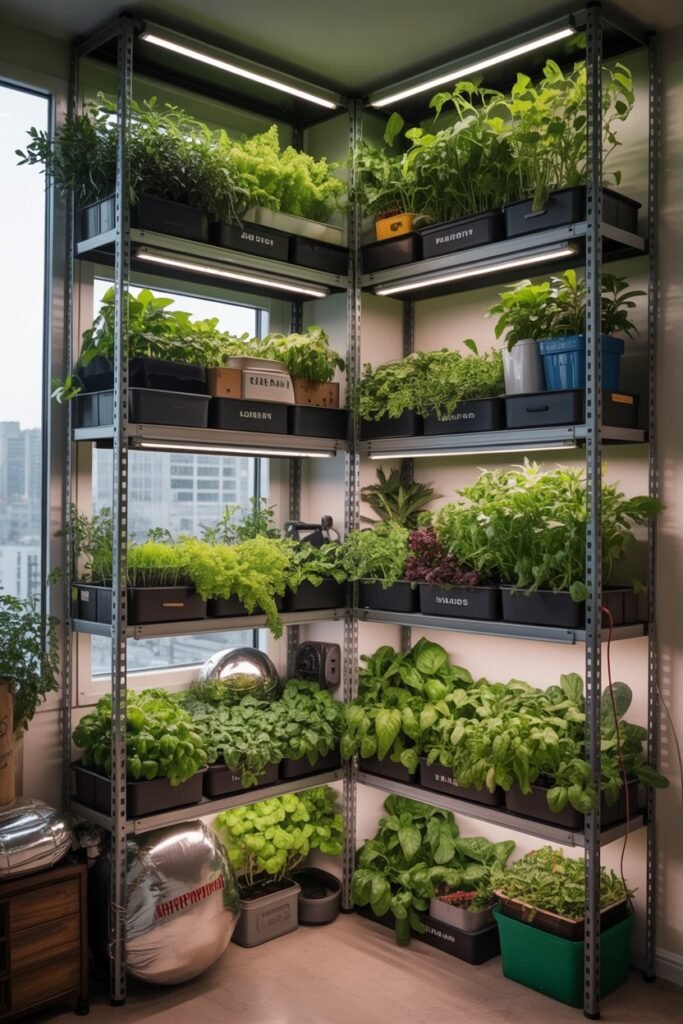
One of the biggest survival myths is that you need a perfect sunny room. You don’t.
Best Indoor Locations for Survival Gardening
- South- or east-facing windows
- Corners near balconies
- Kitchen windows
- Spare rooms
- Closets (yes, closets with lighting)
- Under staircases
Survival Hack: I grow plants in layers, not just on floors. Shelving turns one square meter into a food-producing wall.
Temperature Control Tips
- Most survival crops thrive between 18–24°C (65–75°F)
- Avoid placing plants near heaters or AC vents
- Bathrooms can work surprisingly well for leafy greens due to humidity
Lighting: Growing Food When the Sun Isn’t Reliable
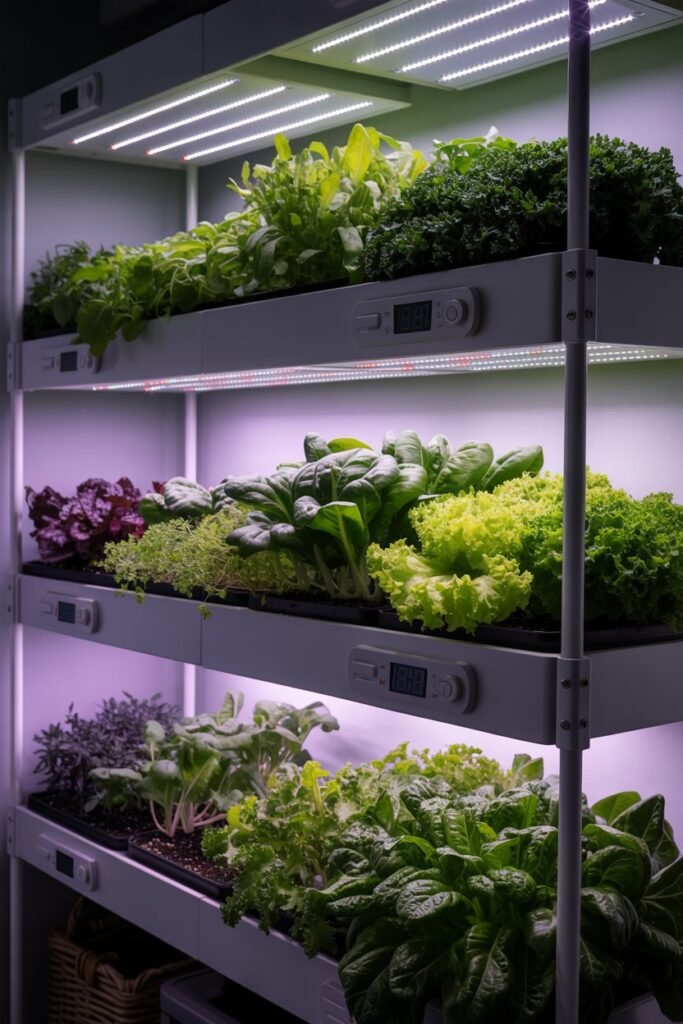
Light is often the biggest challenge and where most indoor gardeners give up.
Survival Lighting Options (From Best to Worst)
- LED grow lights (full spectrum) – most efficient
- Shop lights (cool white) – budget-friendly
- Window + reflective surfaces – low-tech
- Emergency battery-powered LEDs – blackout survival
Survival Hack: I keep at least one shelf of plants under a USB-powered grow light connected to a power bank. If the grid goes down, my food doesn’t.
Lighting Schedule
- Leafy greens: 12–14 hours
- Fruiting plants: 14–16 hours
- Herbs: 10–12 hours
Use simple timers. Consistency matters more than perfection.
Soil vs Soilless: What Works Best for Survival?
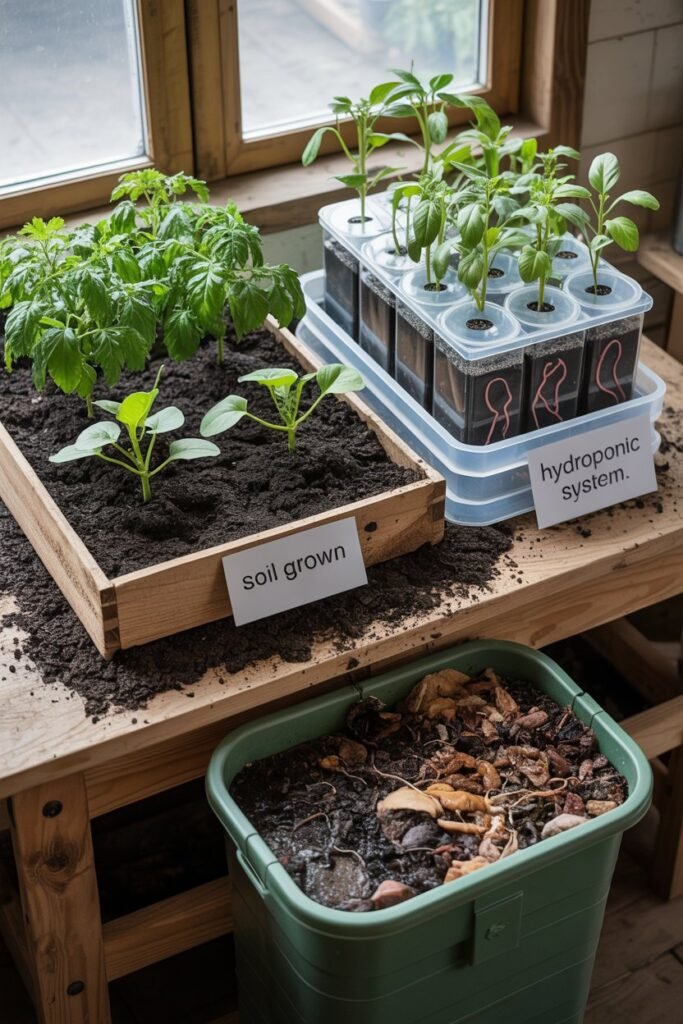
Soil-Based Growing (My Long-Term Choice)
Pros:
- Easier seed saving
- Microbial life
- Less dependence on nutrients
Cons:
- Heavier
- Risk of pests
My survival mix:
- 40% coco coir
- 30% compost
- 20% perlite
- 10% worm castings
Soilless & Hydroponic Growing
Great for:
- Fast greens
- Water efficiency
- Small spaces
But…
- Requires nutrients
- Harder during supply shortages
Survival Rule: If you can’t make or source inputs yourself, it’s a vulnerability.
Watering Strategies When Water Is Limited
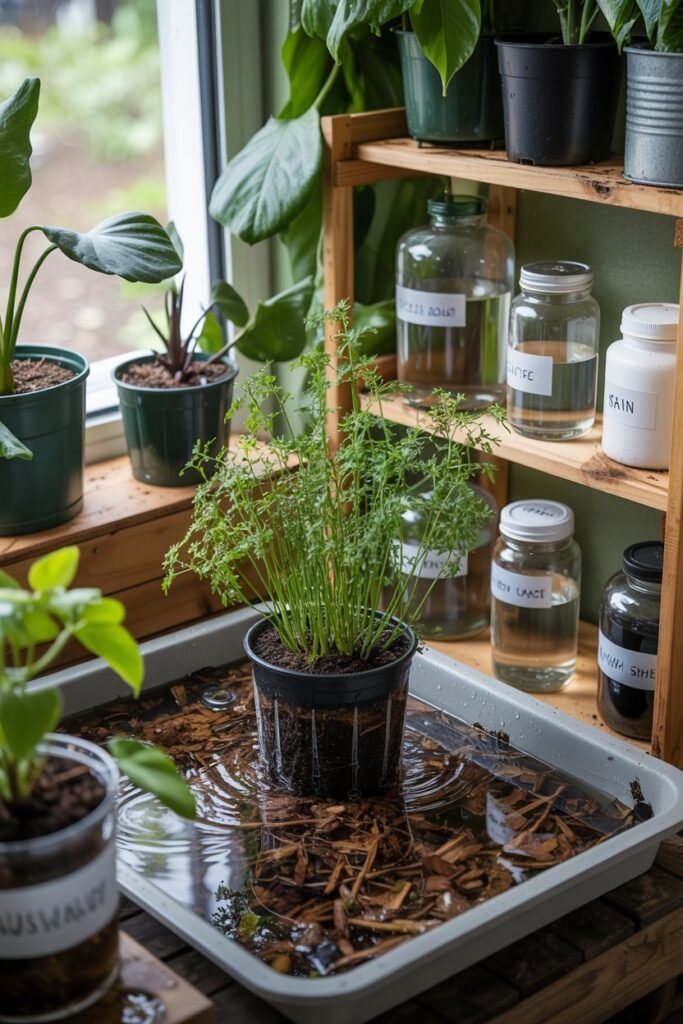
Indoor survival gardening forces you to become intentional with water.
Water-Saving Survival Hacks
- Bottom watering to reduce waste
- Reuse cooled cooking water
- Collect rainwater for indoor use
- Use moisture meters (or finger test)
- Mulch indoor pots with dry leaves or straw
Emergency Tip: I store dechlorinated water specifically for plants not just drinking.
Best Plants for an Indoor Survival Garden (Year Round)
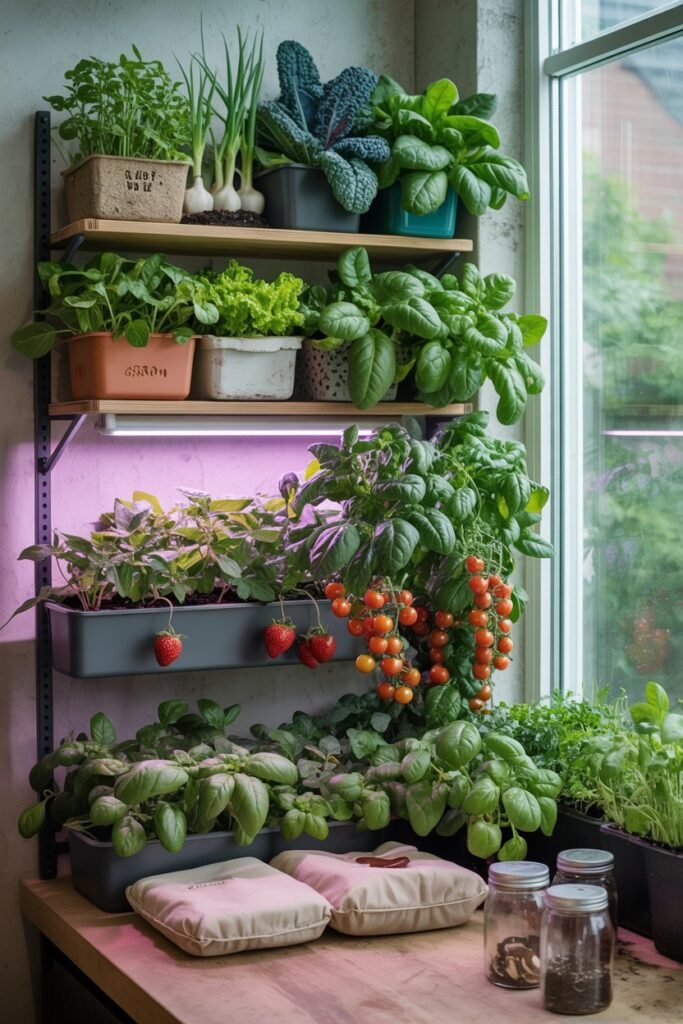
High-Calorie Indoor Survival Crops
These are rare indoors — but possible:
- Sweet potatoes (greens + tubers)
- Regular potatoes (container-grown)
- Beans (bush varieties)
- Peas
- Winter squash (dwarf varieties)
Fast-Growing Survival Greens
- Kale
- Swiss chard
- Spinach
- Arugula
- Mustard greens
- Lettuce (cut-and-come-again)
Survival Hack: I stagger planting every 7–10 days so food never stops.
Protein & Nutrient Boosters
- Lentils (sprouts)
- Chickpeas (microgreens)
- Sunflower microgreens
- Pea shoots
Sprouting alone can feed you when nothing else grows.
Medicinal Plants You Should Always Grow Indoors
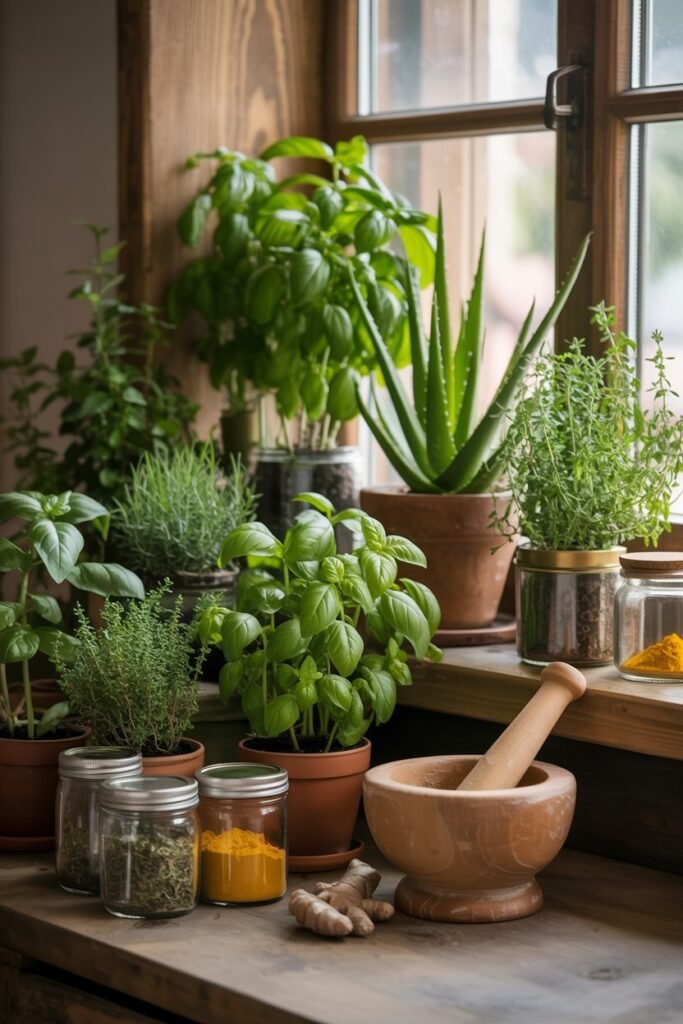
Survival isn’t just about calories it’s about health.
Essential Medicinal Plants
- Aloe vera (burns, skin)
- Basil (anti-inflammatory)
- Mint (digestion)
- Thyme (antibacterial)
- Oregano (immune support)
- Ginger (anti-nausea)
- Turmeric (anti-inflammatory)
Survival Hack: I dry excess herbs and store them in glass jars — medicine on demand.
Seed Saving Indoors: True Survival Independence
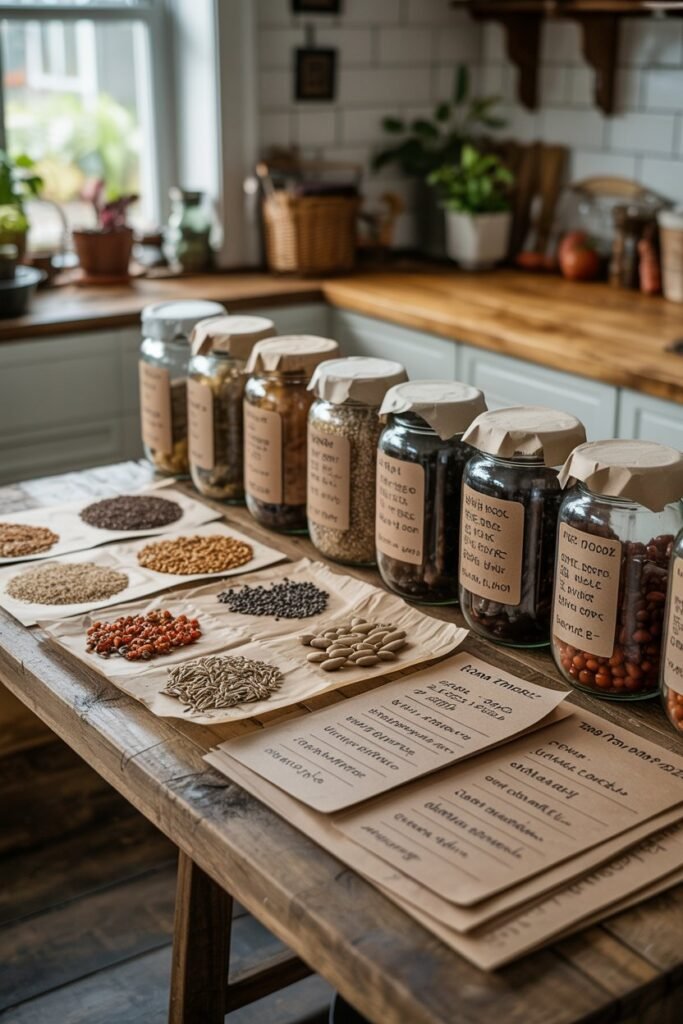
If you can’t save seeds, your garden isn’t truly sustainable.
Easiest Indoor Plants for Seed Saving
- Lettuce
- Beans
- Peas
- Tomatoes (dwarf)
- Basil
Let a few plants go to seed — always.
Store seeds in:
- Paper envelopes
- Airtight jars
- Cool, dark spaces
Label everything. Trust me.
Pest Control Without Chemicals
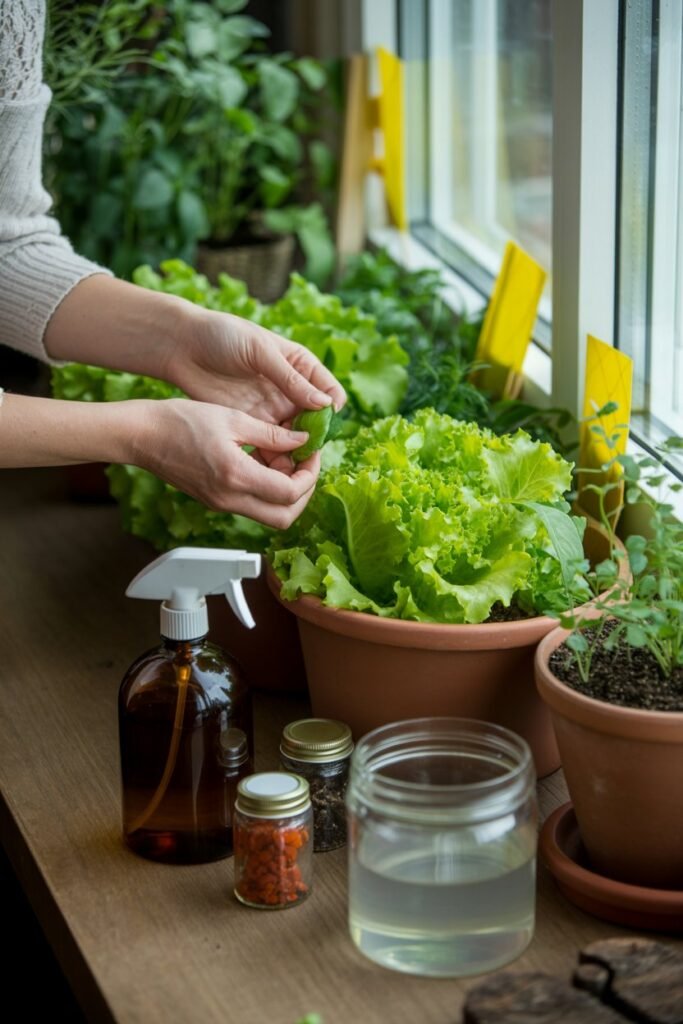
Indoor pests can wipe out a survival garden fast.
Natural Survival Pest Solutions
- Neem oil
- Soap spray
- Garlic + chili spray
- Sticky traps
- Manual removal
Prevention Hack: Healthy plants resist pests better than weak ones.
Growing Food During Power Outages
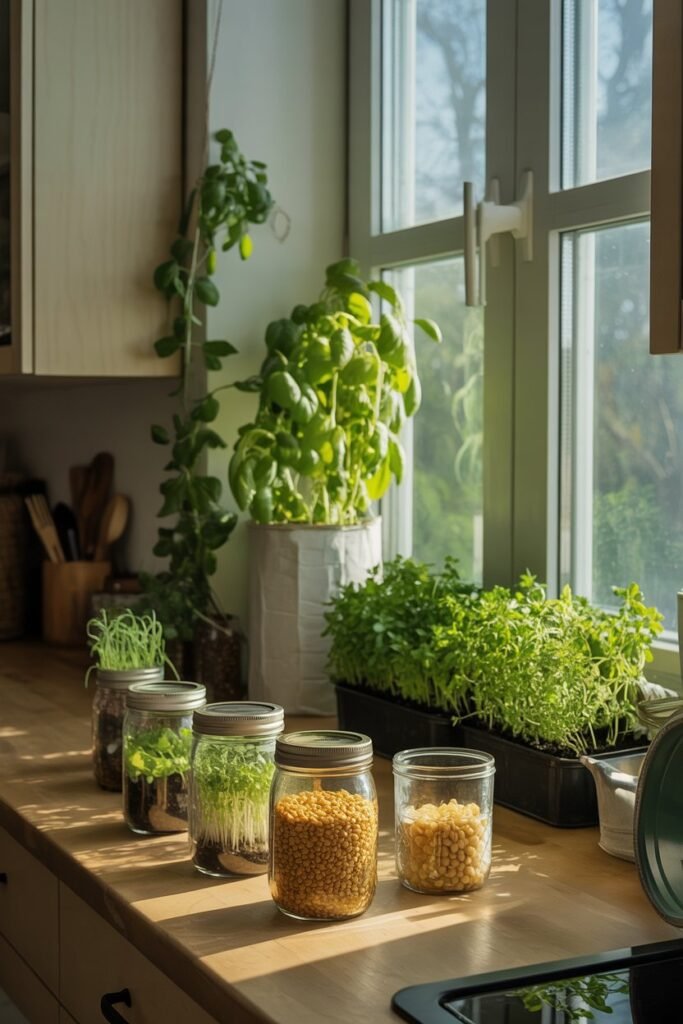
This is where survival gardening gets real.
Blackout Gardening Strategies
- Prioritize window-light crops
- Use reflective foil or white boards
- Rotate plants toward light
- Switch to sprouts temporarily
- Use battery-powered grow lights
I keep sprouting jars ready at all times. No power needed.
Preserving Your Indoor Harvest
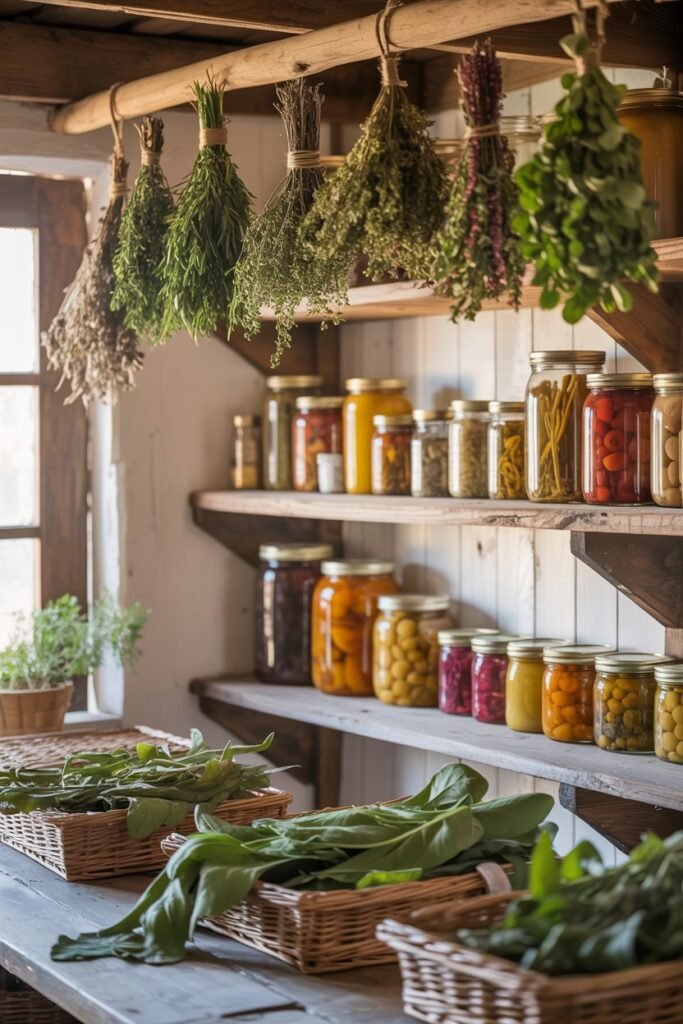
Fresh food is wonderful stored food is survival.
Indoor-Friendly Preservation Methods
- Air-drying herbs
- Dehydrating greens
- Freezing blanched vegetables
- Fermenting (sauerkraut, kimchi)
- Powdering herbs
Preservation turns abundance into insurance.
Mental Resilience: The Hidden Survival Benefit
There is something deeply grounding about tending food indoors.
In uncertain times, my garden gives me:
- Routine
- Control
- Calm
- Confidence
Survival isn’t only physical it’s emotional too.
Some Vegetables That Grow Well Indoors (Survival-Tested Choices)
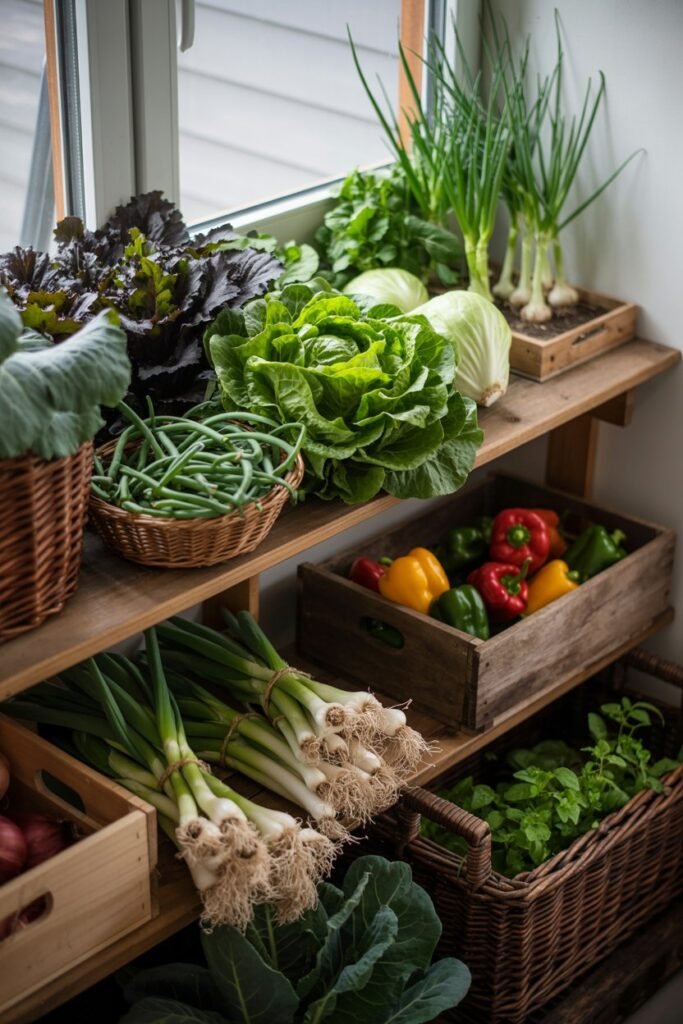
Not every vegetable is suited for indoor survival growing. Over time, I learned to focus on plants that tolerate limited light, container life, and repeated harvesting.
Reliable Indoor Vegetables
- Kale
- Swiss chard
- Spinach
- Lettuce varieties (especially romaine and loose-leaf)
- Bush beans
- Peas
- Dwarf tomatoes
- Peppers (compact varieties)
- Green onions
- Garlic greens
Survival Insight: I prioritize vegetables that either regrow after cutting or mature quickly. In survival situations, waiting months for food is a liability.
Some Things to Remember When Growing an Indoor Survival Garden
This is the quiet wisdom that only comes with practice.
- Indoor plants grow slower than outdoor plants plan redundancy
- Always grow more than you think you need
- Diversity protects you from total crop failure
- Seeds are as valuable as food
- Water management matters more than fertilizer
- Light consistency is more important than intensity
- One strong plant is better than three struggling ones
Survival Rule I Live By: Never rely on a single crop or system.
Plants That Grow Well Indoors (Categorized for Survival)
Organizing plants by function helps you design a balanced indoor food system rather than a random collection of pots.
Fruiting Vegetables (Nutrition + Morale Boosters)
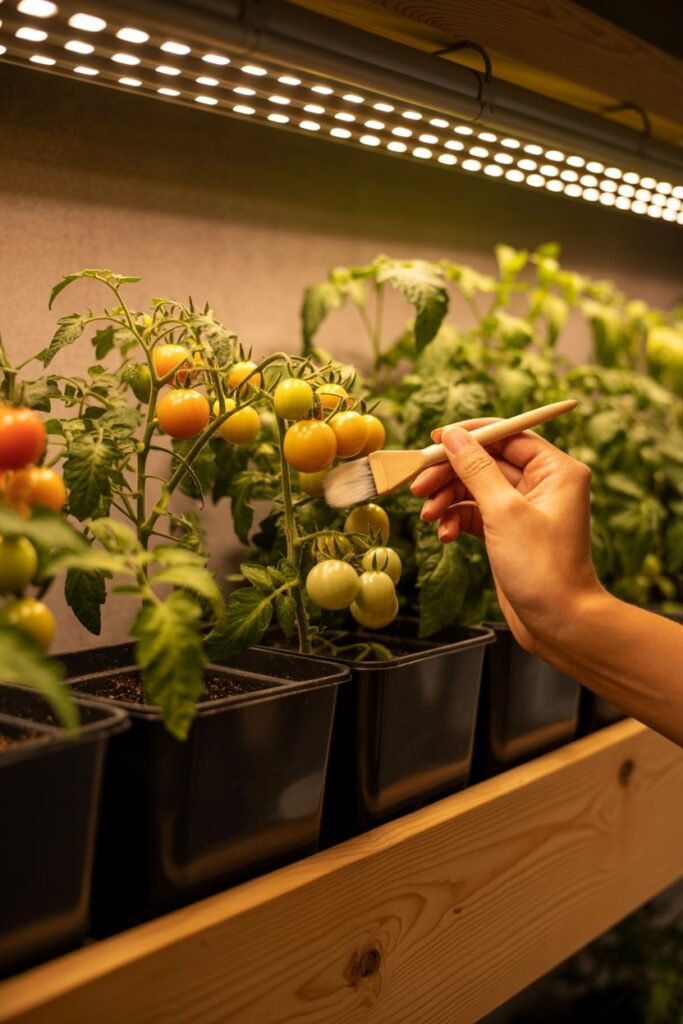
Fruiting plants require more light, but they are worth the effort.
Best Fruiting Vegetables Indoors
- Cherry tomatoes (determinate varieties)
- Sweet peppers
- Chili peppers
- Bush cucumbers
- Dwarf eggplant
Care Notes:
- 14–16 hours of light daily
- Hand-pollination using a soft brush or gentle shaking
- Rich soil with steady feeding
Survival Hack: Fruiting plants boost morale. Fresh tomatoes in hard times feel like luxury.
Leafy Vegetables (The Backbone of Indoor Survival Food)
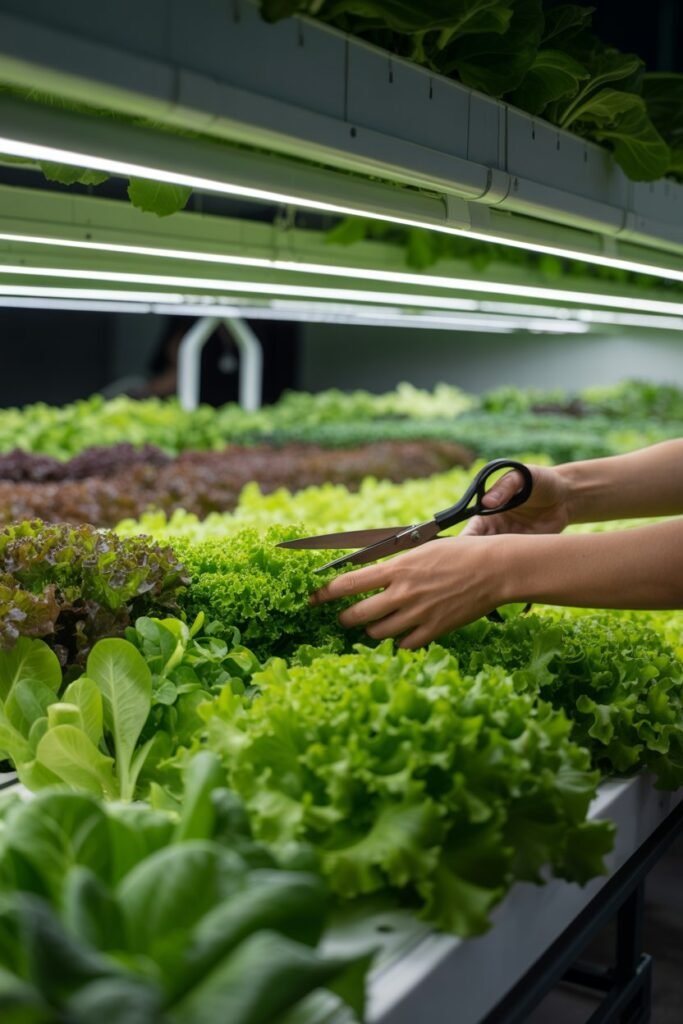
Leafy greens are my non-negotiables.
Best Leafy Vegetables Indoors
- Kale
- Spinach
- Swiss chard
- Mustard greens
- Arugula
- Bok choy
- Lettuce mixes
Why They Matter:
- Fast harvest (3–6 weeks)
- High vitamins A, C, and K
- Can be harvested continuously
Survival Tip: Harvest outer leaves only. Never uproot unless absolutely necessary.
Root Vegetables (Challenging but Powerful)
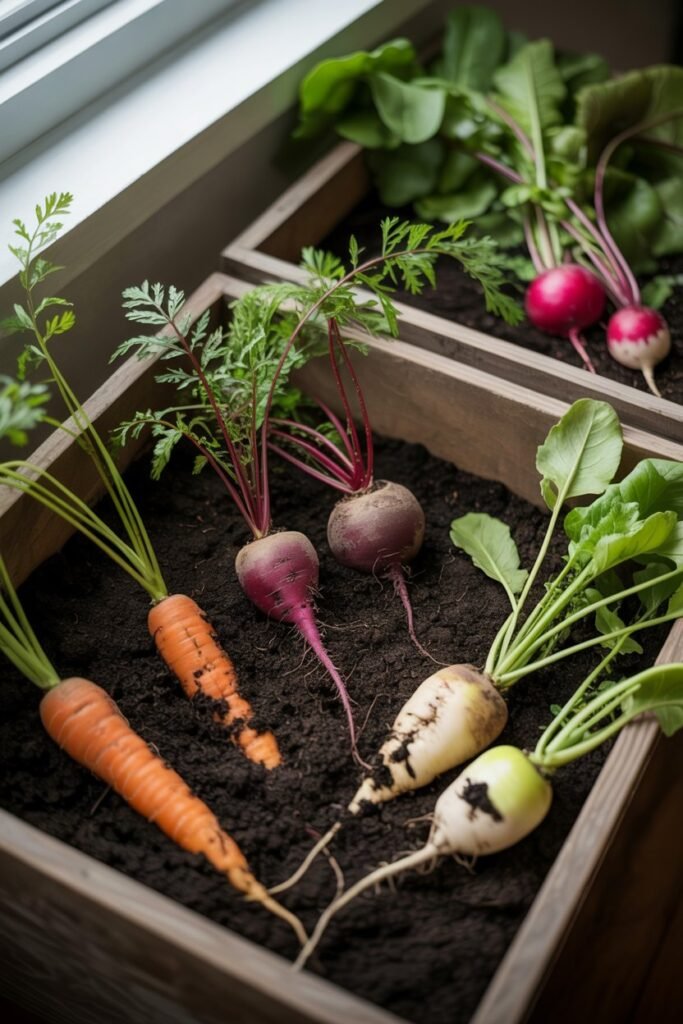
Root vegetables are calorie anchors but require deeper containers.
Indoor-Friendly Root Crops
- Radishes
- Baby carrots
- Beets (greens + roots)
- Turnips
- Potatoes (container grown)
- Sweet potatoes
Container Requirement: Minimum 10–12 inches deep.
Survival Hack: Even when roots are small, the greens are edible and nutritious.
Fruits You Can Grow Indoors
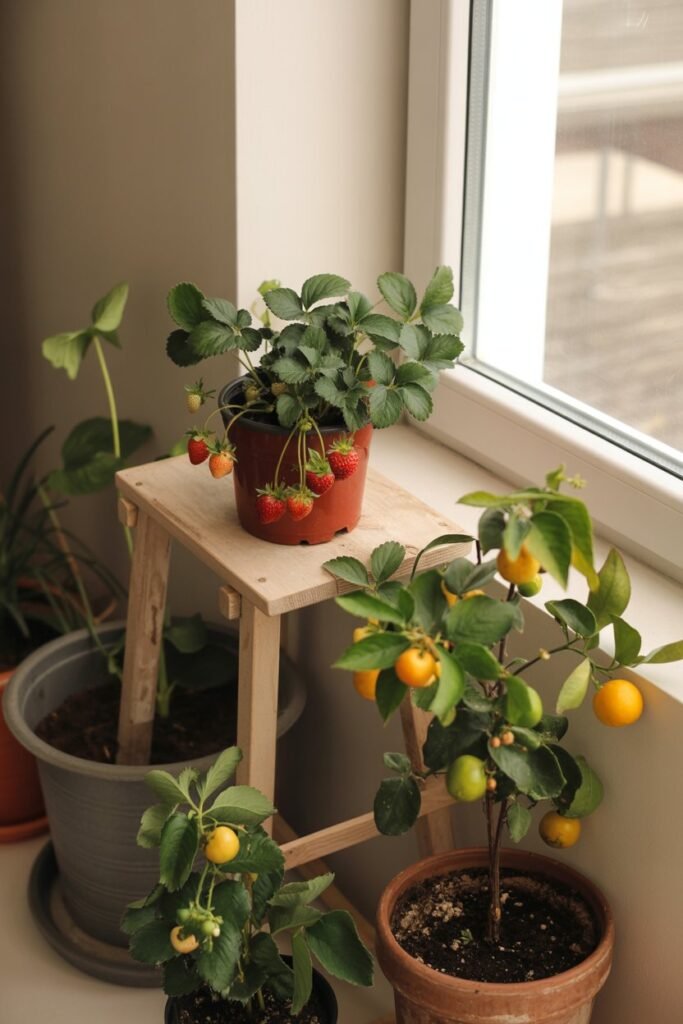
Fruit is often overlooked in survival planning, but certain fruits thrive indoors.
Indoor Fruit Options
- Strawberries
- Dwarf citrus (lemons, limes)
- Figs (compact varieties)
- Blueberries (acidic soil required)
Reality Check: Fruit grows slower indoors but provides essential vitamins and emotional comfort.
Fungi: The Forgotten Indoor Survival Food
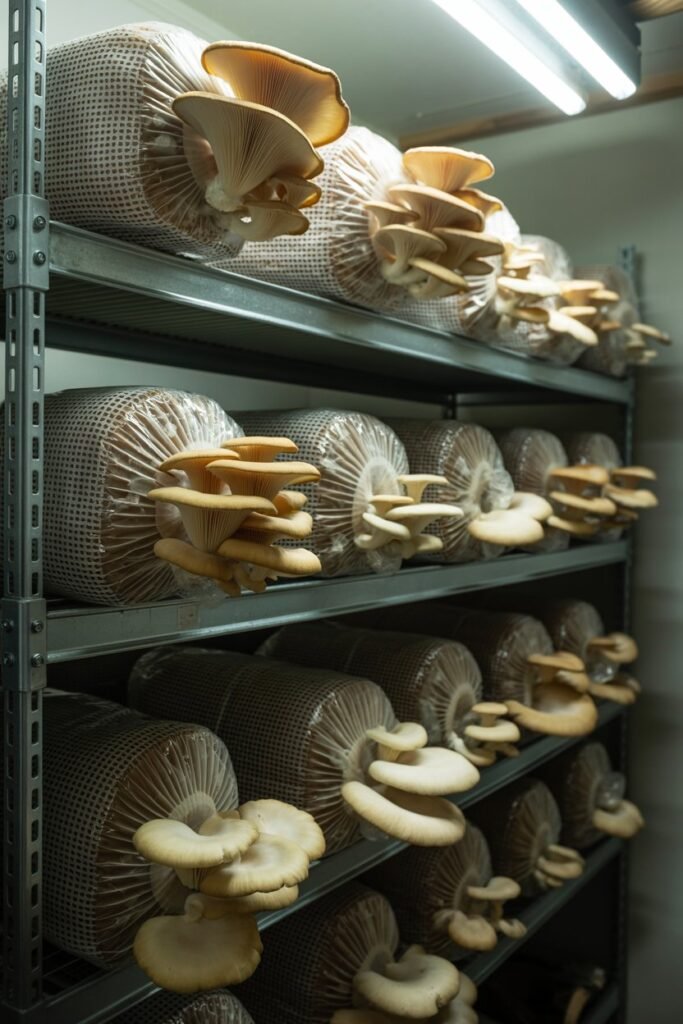
Mushrooms are one of the most efficient indoor protein sources.
Easy Indoor Mushrooms
- Oyster mushrooms
- Button mushrooms
- Shiitake (with experience)
Why Fungi Matter:
- Grow without light
- High protein and B vitamins
- Grow on waste materials
Survival Hack: I keep at least one mushroom kit ready for emergency food production.
Final Thoughts: Building Quiet Strength, One Plant at a Time
An indoor survival garden isn’t loud or dramatic. It doesn’t scream “prepper.”
It whispers preparedness.
Every seed I plant is a small declaration of independence. Every harvest reminds me that even within four walls, life can flourish. You don’t need land. You don’t need perfection. You just need intention.
Start small. Grow steadily. Learn constantly.
Your future self will thank you — quietly, deeply, and with a full plate.
