
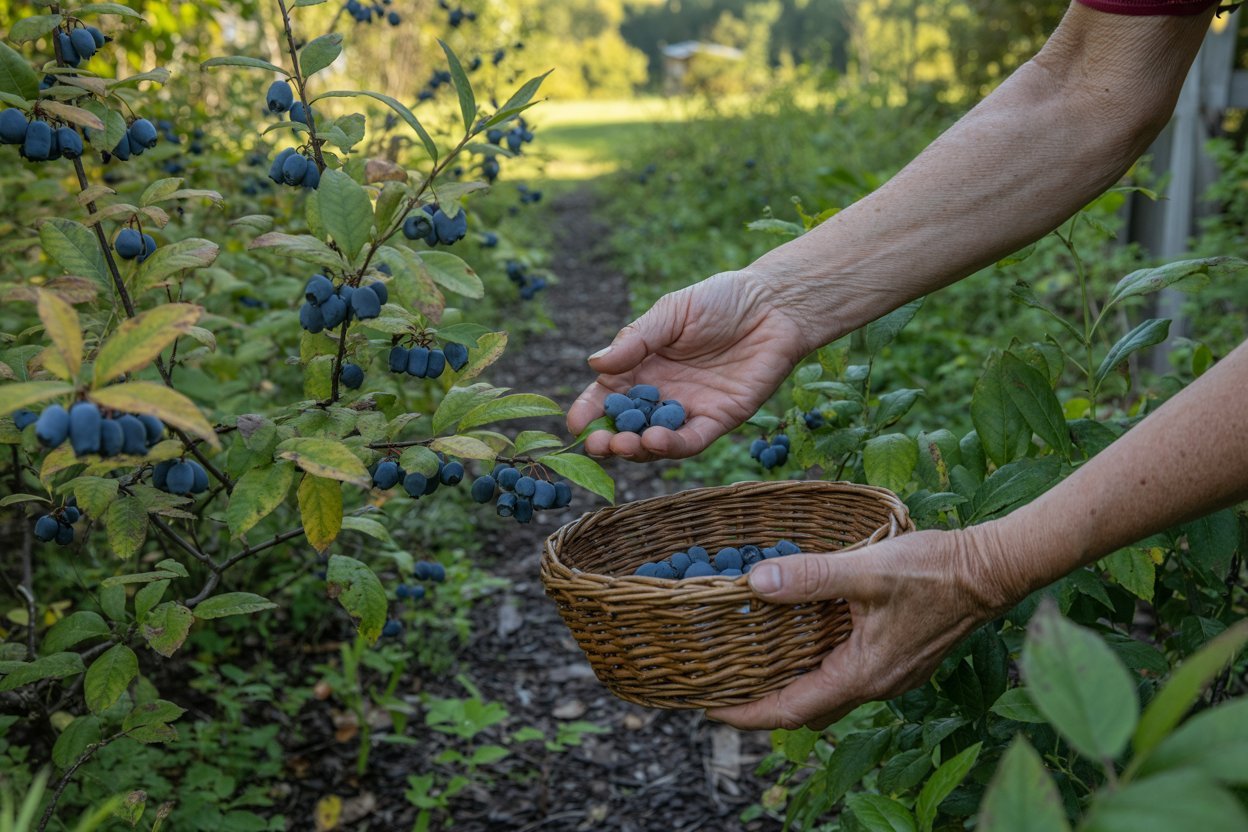

The first time I tasted a honeyberry, I remember standing in my garden in early spring, surprised.
Everything else was barely waking up my apples were still weeks from bloom, my berries were only leaves but here was this small, unassuming shrub already offering fruit.
That moment changed how I viewed food security on a homestead.
As a gardener who has grown food through unpredictable weather, supply shortages, and seasons that don’t always follow the rules, I’ve learned to value plants that show up early, survive hardship, and give generously.
Honeyberries do all three. They’re resilient, cold-hardy, nutrient-dense, and incredibly reliable once established.
For anyone building a survival-minded garden whether on acreage or in a modest backyard honeyberries are a plant worth knowing deeply.
This guide is written to help you grow honeyberries successfully, realistically, and confidently, no matter where you are in the world.
What Are Honeyberries (and Why They Matter for Survival Gardening)?
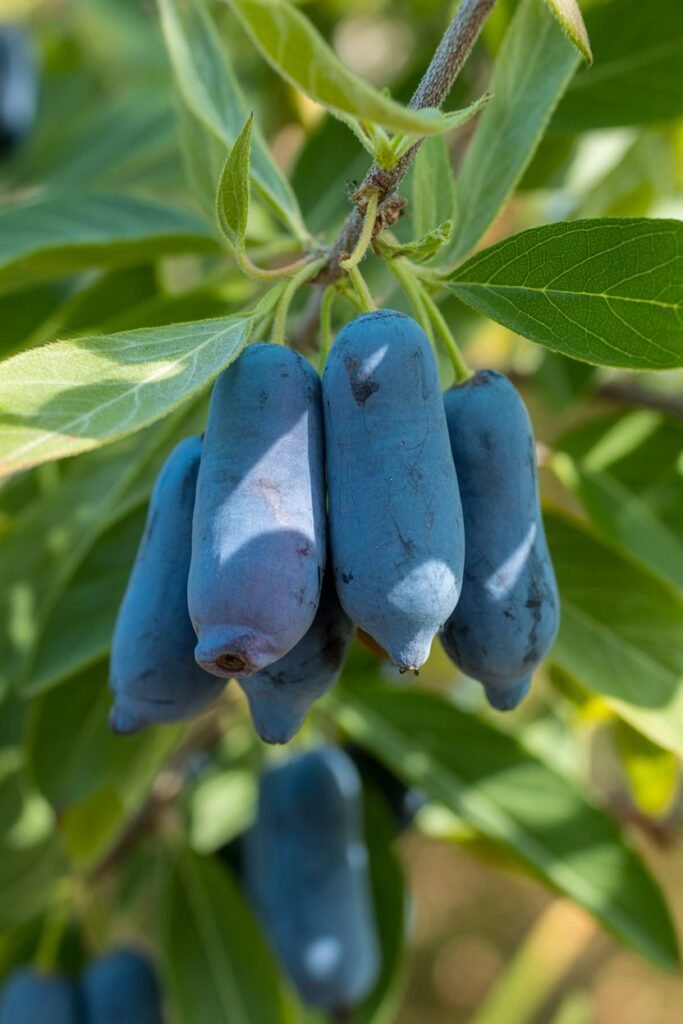
Honeyberries (Lonicera caerulea), also known as haskap berries, are a type of edible honeysuckle native to cold regions of Russia, Japan, and Northern Europe.
Unlike ornamental honeysuckle, these are completely edible and incredibly nutritious.
From a homestead survival perspective, honeyberries are valuable because they:
- Produce fruit earlier than almost any other berry
- Tolerate extreme cold (down to -40°C / -40°F)
- Require very little ongoing maintenance
- Live and produce for decades
- Are rarely affected by pests or disease
- Provide high levels of antioxidants, vitamin C, and fiber
In a crisis or low-input situation, plants like this are gold. They don’t demand constant attention, expensive inputs, or perfect conditions. They simply grow and feed you.
Choosing the Right Honeyberry Varieties (This Step Truly Matters)
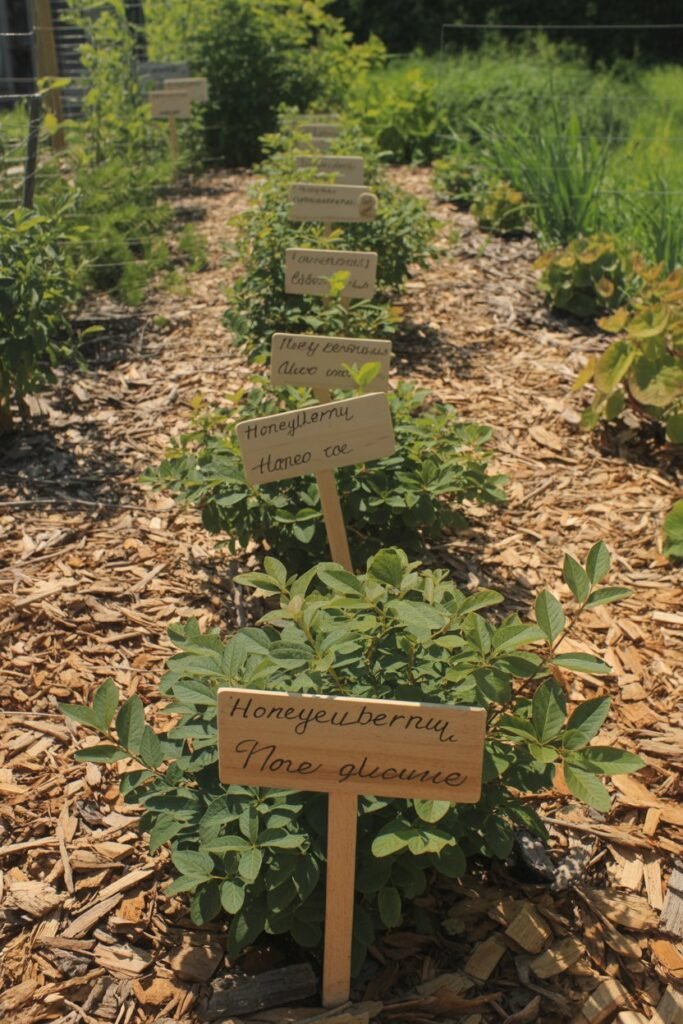
One of the most common mistakes new honeyberry growers make is planting just one variety or choosing varieties that don’t pollinate each other.
Honeyberries require cross-pollination to produce fruit.
Key things to look for when selecting varieties:
- At least two compatible varieties (three is even better)
- Similar bloom times
- Varieties suited to your climate
Popular and reliable variety groups:
- Boreal Series (Boreal Beauty, Boreal Blizzard, Boreal Beast): Larger fruit, excellent flavor
- Aurora & Indigo Series: High yields, hardy, widely adaptable
- Russian types: Extremely cold-hardy, smaller berries but very early producers
- Japanese types: Sweeter flavor, slightly less cold-hardy
If you live in a warmer climate, look for low-chill or heat-tolerant cultivars, and give them afternoon shade. Honeyberries prefer cold winters but can adapt with proper placement.
People read 14 Foolproof Vegetables for Your Indoor Garden
Best Climate Conditions for Growing Honeyberries
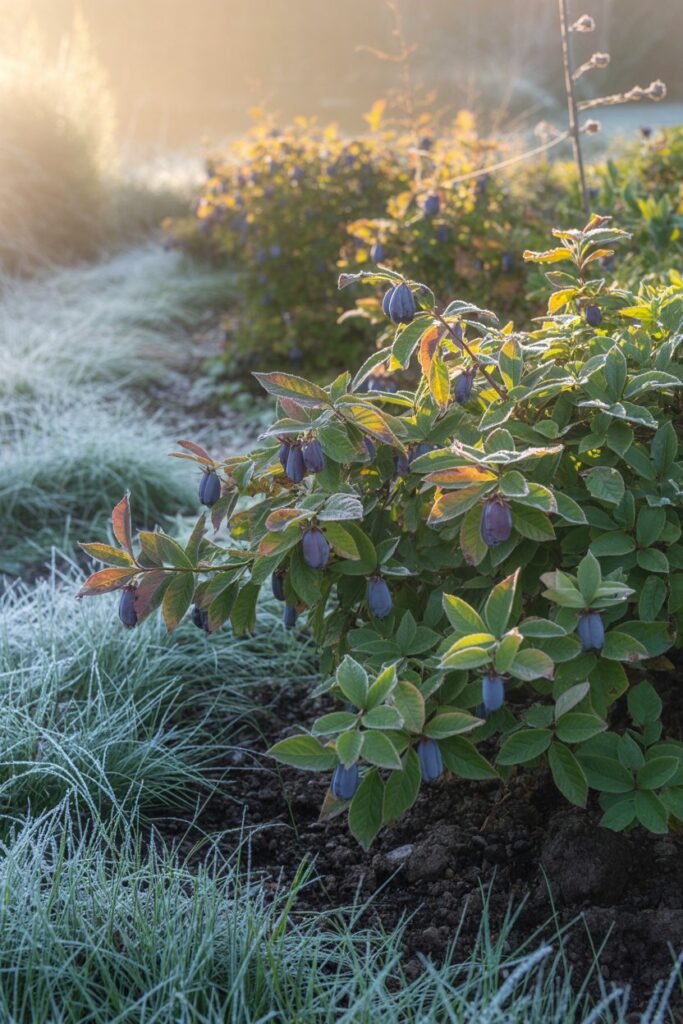
Honeyberries thrive best in cool to cold climates, but they are surprisingly adaptable.
Ideal conditions:
- Cold winters (they need winter chill)
- Cool to mild summers
- Zones 2–7 are ideal, but some varieties do well in Zone 8 with care
Heat management tips for warmer regions:
- Plant where they receive morning sun and afternoon shade
- Mulch heavily to keep roots cool
- Ensure consistent moisture during hot months
What makes honeyberries unique is their ability to flower extremely early, sometimes while frost is still present.
Their blossoms can survive temperatures as low as 20°F (-6°C), making them far more reliable than many fruiting plants.
Soil Requirements: Building a Strong Foundation
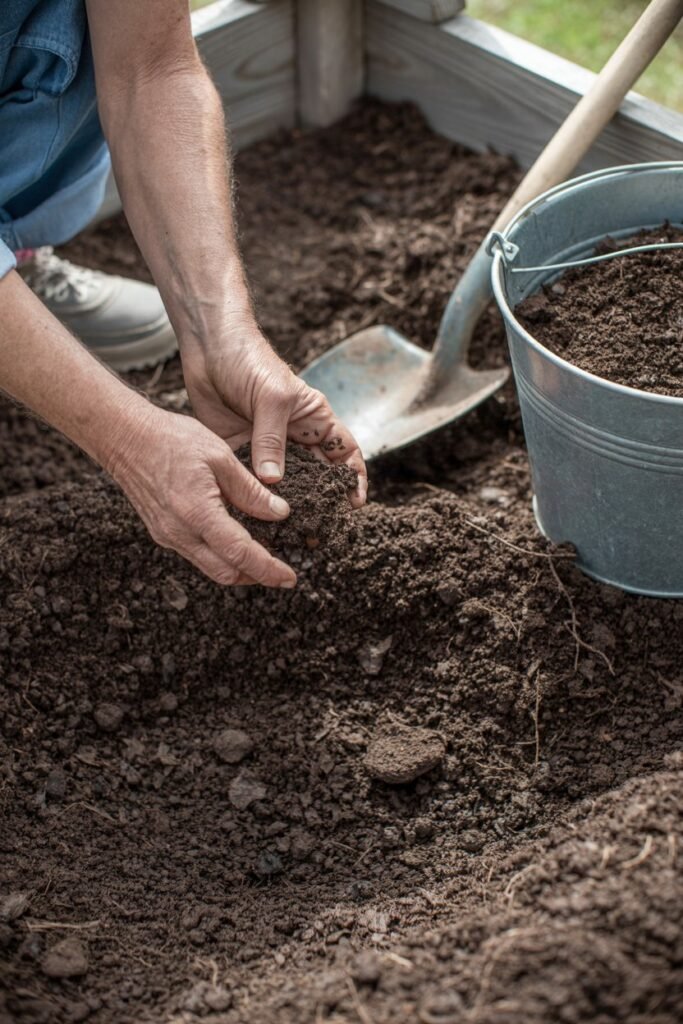
Honeyberries are forgiving, but they do best when their soil is prepared with intention.
Ideal soil conditions:
- Slightly acidic to neutral (pH 5.5–7.0)
- Well-draining but moisture-retentive
- Rich in organic matter
Before planting, I always recommend:
- Mixing compost or aged manure into the planting hole
- Avoiding heavy clay without amendment
- Avoiding waterlogged areas
For survival gardening, healthy soil means less reliance on fertilizers later. A well-prepared planting site can sustain a honeyberry bush for decades.
Read 15 Beautiful Winter Flowers That Survive and Bloom in the Cold
How to Plant Honeyberries for Long-Term Success
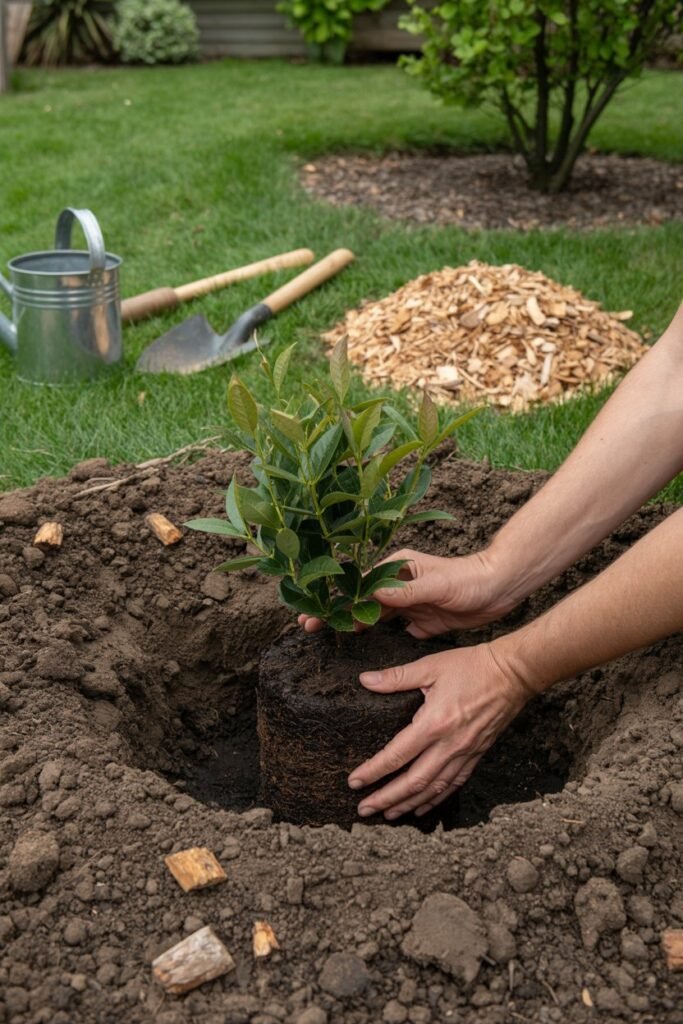
Honeyberries are best planted in early spring or fall, when the soil is workable and temperatures are mild.
Step-by-step planting:
- Dig a hole twice as wide as the root ball
- Set the plant at the same depth it grew in the nursery
- Backfill with native soil mixed with compost
- Water deeply
- Mulch heavily (wood chips, straw, or leaves)
Spacing:
- Space plants 4–6 feet apart
- Rows should be at least 8 feet apart for airflow and harvesting
Planting correctly at the beginning saves years of frustration later.
Watering Honeyberries: Simple but Consistent
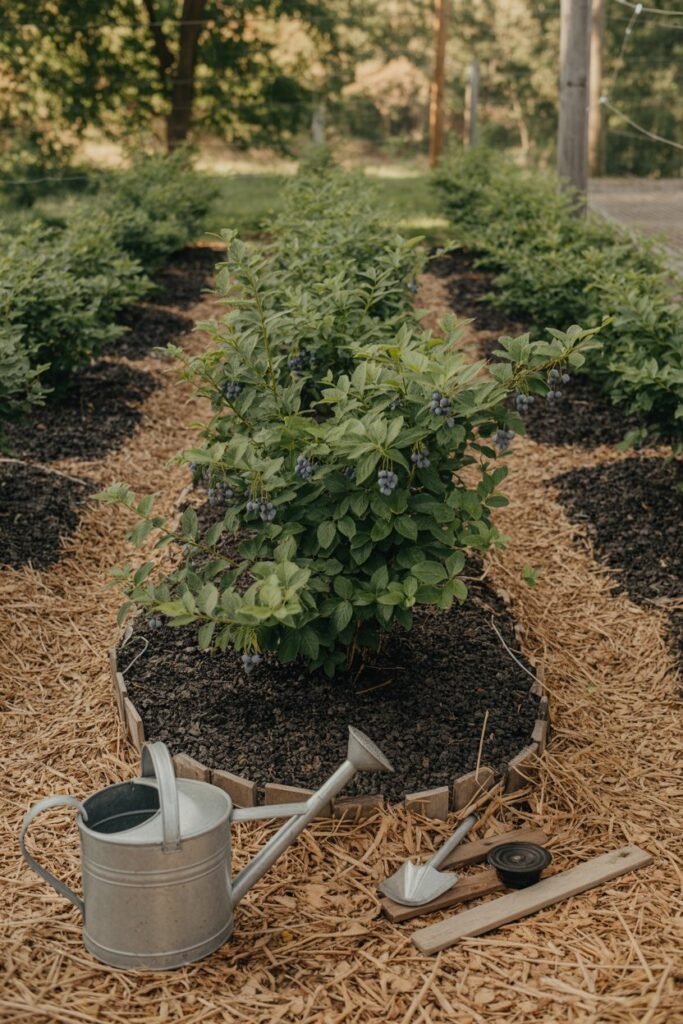
Honeyberries are not drought lovers, especially while establishing.
Watering guidelines:
- First year: Water deeply once or twice a week
- After establishment: Weekly watering during dry periods
- Avoid shallow, frequent watering
Mulching is critical. A thick layer of mulch:
- Conserves moisture
- Protects roots from heat and cold
- Suppresses weeds
- Builds soil over time
On a survival homestead, mulch is one of your most powerful tools—and honeyberries respond beautifully to it.
Check Top 13 Indoor Plants That Bring Positive Energy & Good Vibes Into Your Home
Feeding and Fertilizing (Less Is Truly More)
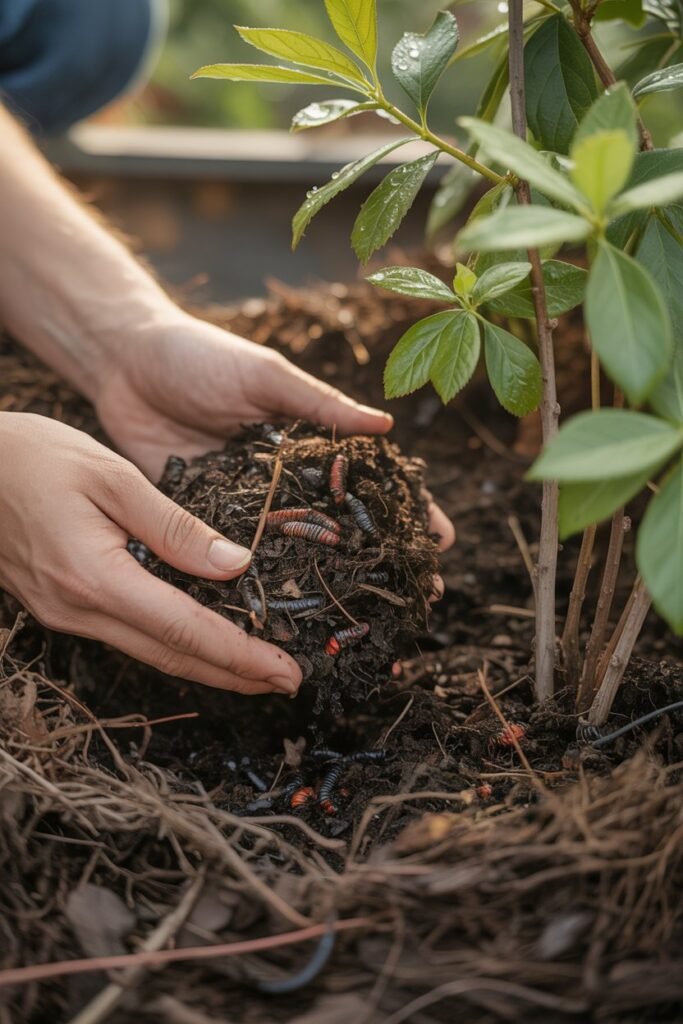
One reason I love honeyberries is how little feeding they require.
Best practices:
- Compost once a year in early spring
- Avoid heavy nitrogen (it causes leafy growth with fewer berries)
- Use natural amendments like worm castings or compost tea if needed
In most cases, healthy soil is enough. Over-fertilizing does more harm than good.
Pruning Honeyberries the Right Way
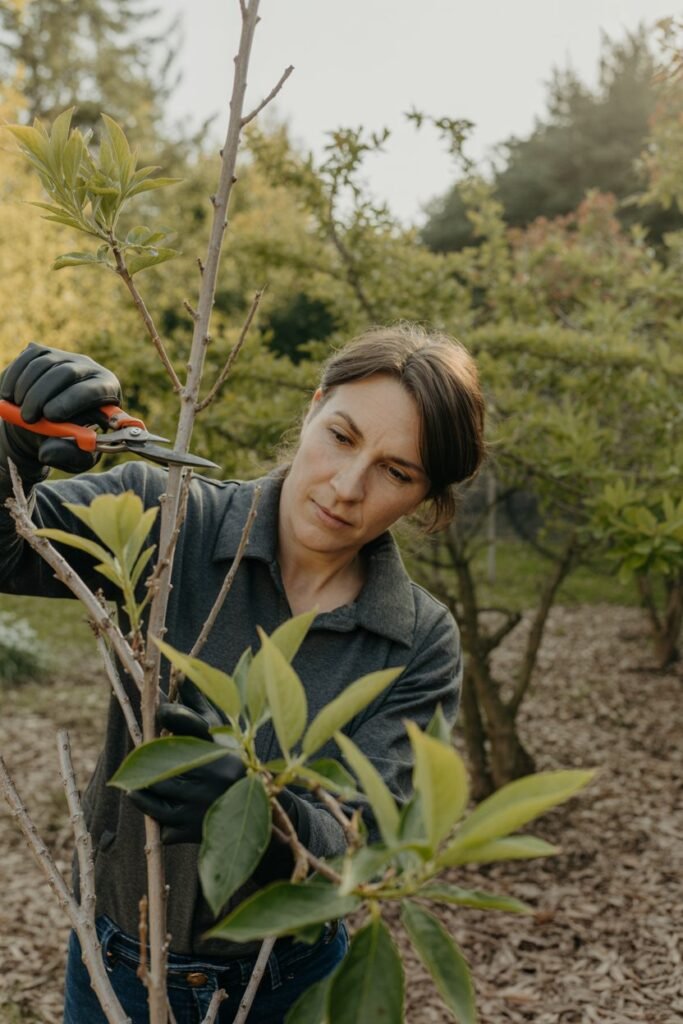
Honeyberries don’t need pruning in their first 2–3 years. After that, minimal maintenance keeps them productive.
Pruning tips:
- Remove dead or damaged branches annually
- Thin older wood after 5–7 years
- Focus on airflow and light penetration
Unlike many fruit bushes, honeyberries fruit on older wood, so aggressive pruning will reduce yields. Gentle, thoughtful pruning is the key.
Pollination: Ensuring a Reliable Harvest
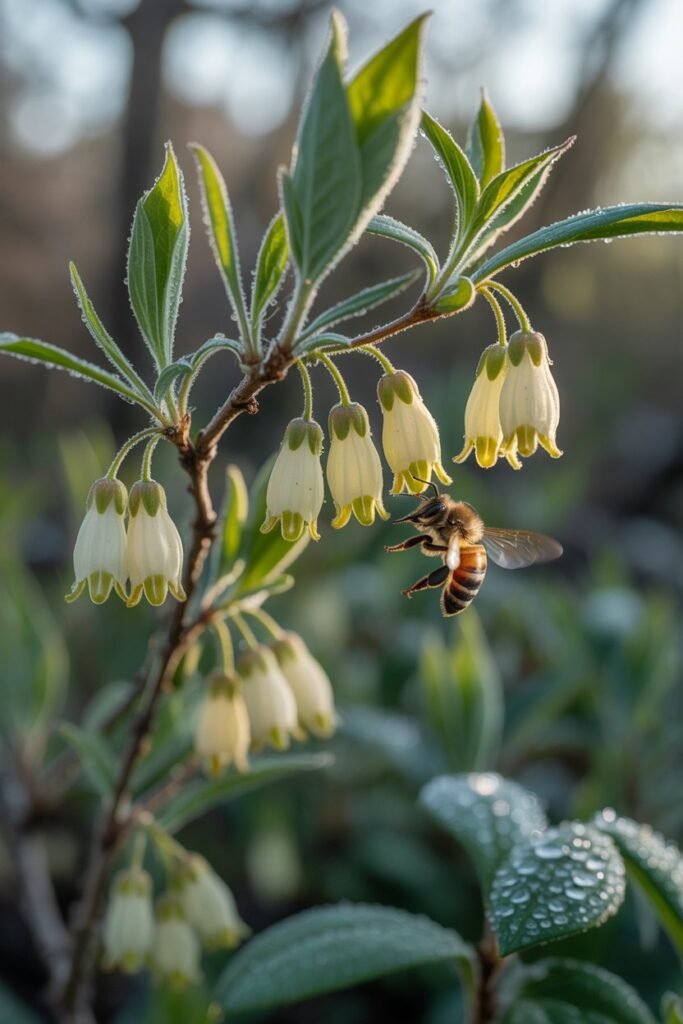
Honeyberries are insect-pollinated, primarily by bees and early-season pollinators.
To improve pollination:
- Plant multiple varieties
- Avoid pesticides
- Include early-blooming companion plants nearby
Because they flower so early, honeyberries often support pollinators when few other food sources are available another survival benefit.
Pests and Diseases: Rare but Manageable
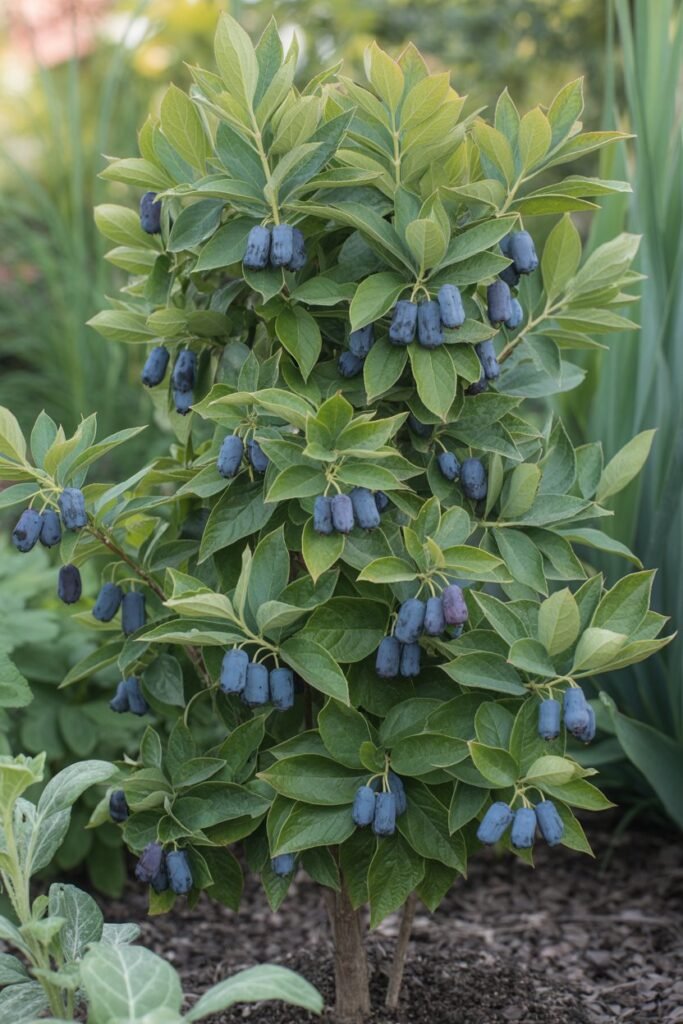
One of honeyberry’s greatest strengths is its natural resistance.
Common issues (rare but possible):
- Birds eating ripe fruit (netting helps)
- Powdery mildew in humid climates (improve airflow)
- Root rot in poorly drained soil
Compared to other berries, honeyberries are remarkably low-maintenance, making them ideal for low-input homesteads.
Harvesting Honeyberries: Timing Is Everything
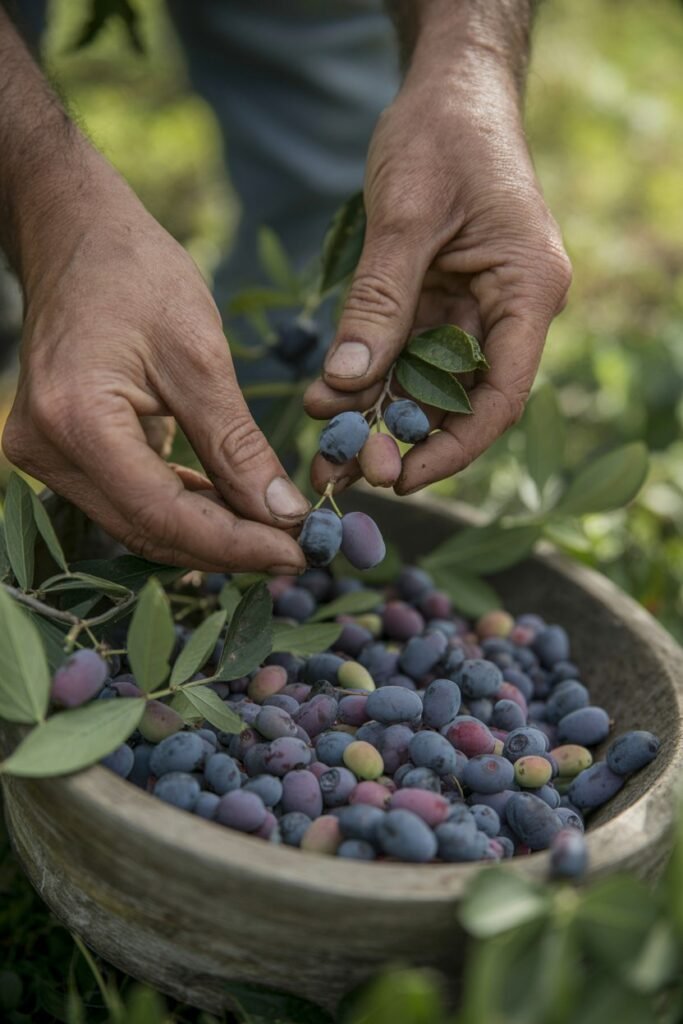
Honeyberries ripen early often before strawberries.
Signs they’re ready:
- Deep blue color
- Slight softness
- Easily detach from the branch
Flavor improves if you wait a few days after they turn blue. Harvest gently; the skin is thin.
Preserving Honeyberries for Survival Use
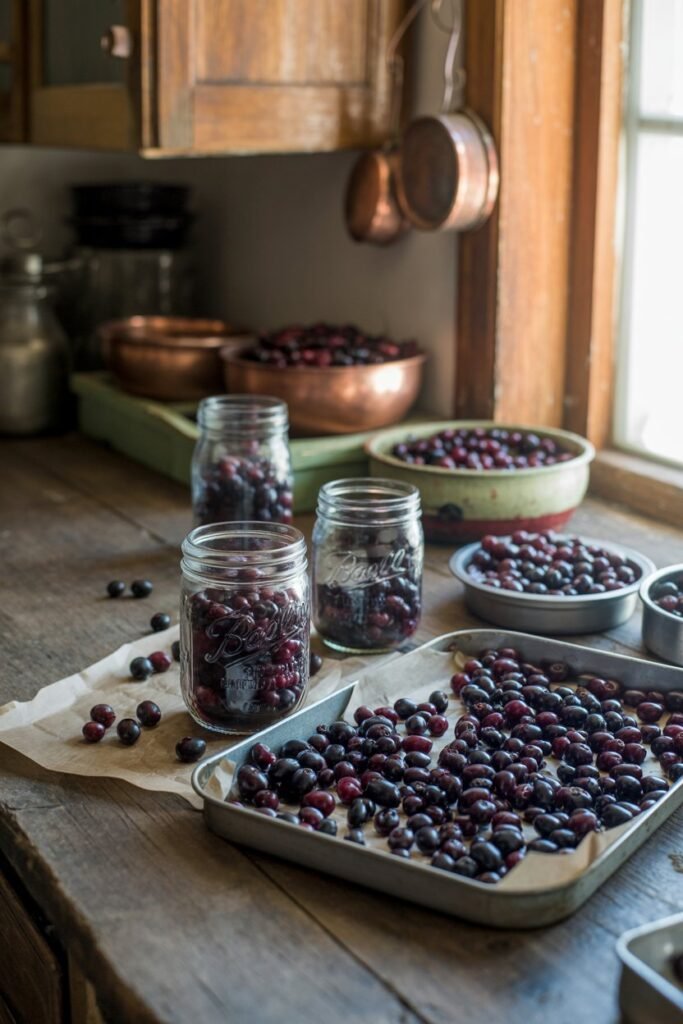
Honeyberries store beautifully and retain their nutrition well.
Preservation methods:
- Freezing (my favorite)
- Dehydrating
- Making jam or syrup
- Fermenting into wine or vinegar
Frozen honeyberries can last over a year and are perfect for smoothies, baking, and medicinal use.
Nutritional Value: Why Honeyberries Matter in a Crisis
Honeyberries are packed with:
- Antioxidants (higher than blueberries)
- Vitamin C
- Anthocyanins
- Anti-inflammatory compounds
In survival situations, nutrient-dense foods are just as important as calories. Honeyberries offer both.
Honeyberries as a Long-Term Homestead Investment
Once established, honeyberries can:
- Produce for 20–30 years
- Require minimal care
- Provide early-season food reliably
- Serve as hedges or food forest plants
They fit beautifully into permaculture systems, edible hedgerows, and survival gardens alike.
Final Thoughts: A Plant Worth Trusting
Honeyberries are not flashy. They don’t demand attention or praise. But year after year, they quietly produce food when you need it most.
As a gardener who values resilience, reliability, and real-world performance, I consider honeyberries one of the smartest plants you can grow for homestead survival.
If you’re building a garden meant to sustain you not just impress honeyberries deserve a place in your soil and in your long-term plans.
