
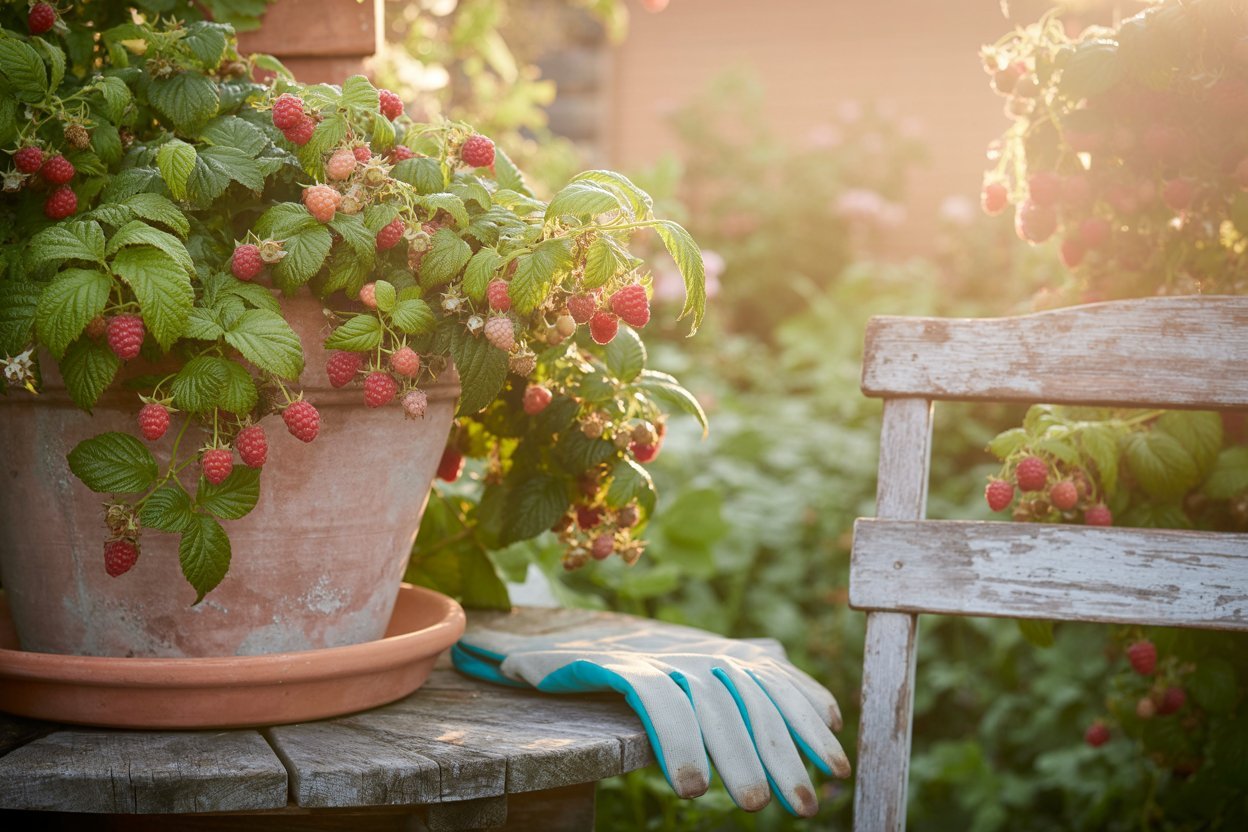

Sun-warmed raspberries picked straight from a pot on my patio will always feel a little magical to me. I still remember the first time I grew them in containers I honestly wasn’t sure it would work.
Raspberries felt like something that belonged in sprawling countryside gardens, climbing along wooden fences in neat rows.
But I didn’t have acres of land. I had a sunny corner, two large pots, and a quiet determination to grow something sweet and beautiful in my small space.
If you’re here, I imagine you’re dreaming about the same thing juicy berries, soft green canes, and that gentle satisfaction that only homegrown fruit can give.
Let me walk you through everything I’ve learned about growing raspberries in pots. This is the real, detailed, practical guide I wish someone had handed me when I first began.
Why Growing Raspberries in Pots Is So Rewarding
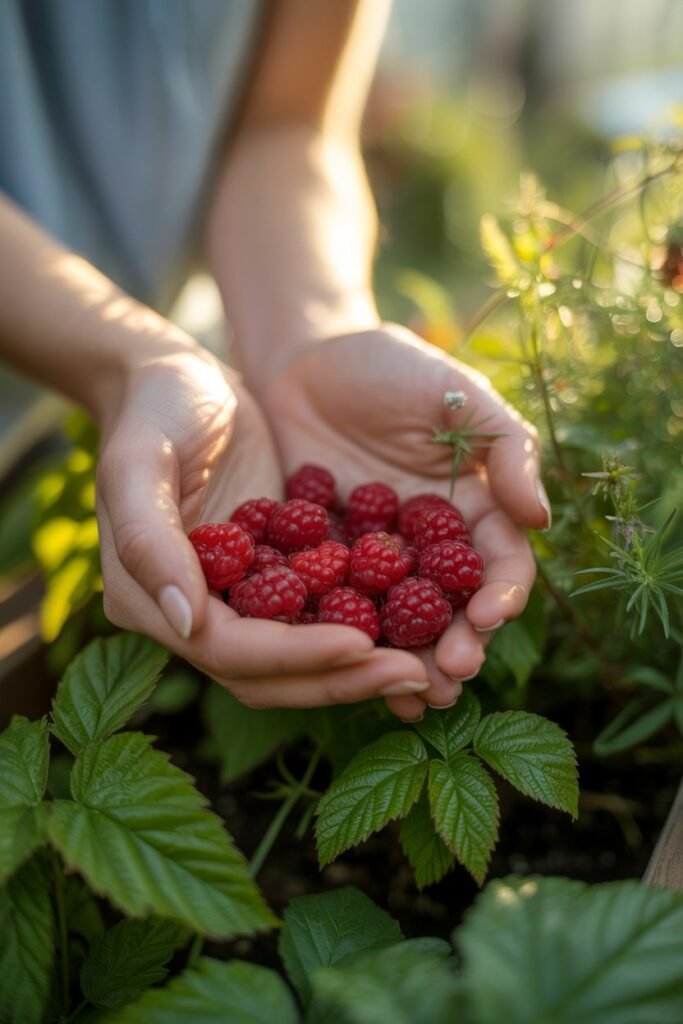
Growing raspberries in containers is surprisingly empowering. You don’t need a large backyard. You don’t need perfect soil. You don’t even need years of gardening experience.
What you do need is:
- A sunny spot
- A large enough pot
- The right variety
- A little consistency
Container growing gives you control. You control the soil quality. You control drainage. You can move the pot if the sun shifts. You can protect it from harsh weather.
And perhaps most importantly you can grow fruit even if you rent your home or live in an apartment.
Raspberries are also generous plants. Once they’re happy, they produce abundantly. One healthy plant can give you bowls of berries week after week.
Choosing the Right Raspberry Variety for Pots
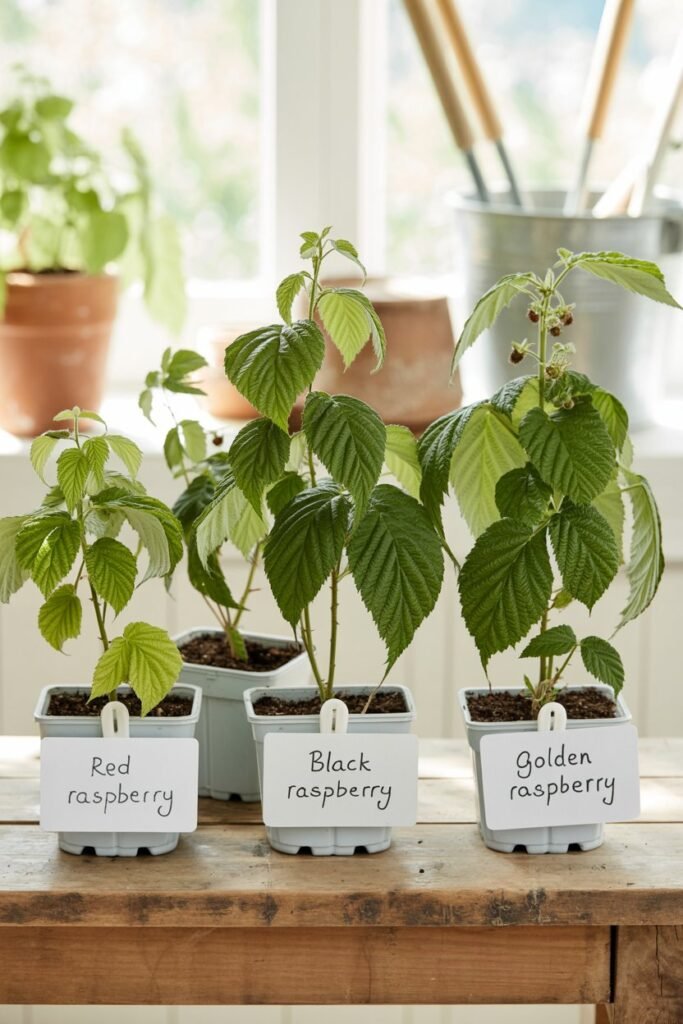
This is where success truly begins.
Not all raspberries thrive in containers. Some grow tall and aggressive, sending runners everywhere. In a pot, you want something manageable.
Best Types for Containers
- Raspberry ‘Heritage’
Reliable, productive, and beginner-friendly. Produces fruit on first-year canes. - Raspberry ‘Fall Gold’
A soft golden raspberry with a delicate sweetness. Absolutely beautiful in pots. - Raspberry ‘Raspberry Shortcake’
Compact and thornless ideal for patios and balconies.
Summer-Bearing vs. Everbearing
Understanding this difference prevents so much confusion later.
Summer-bearing varieties
- Produce one large crop in early or mid-summer
- Fruit on second-year canes
Everbearing (fall-bearing) varieties
- Produce in late summer/fall
- Fruit on first-year canes
- Easier for beginners
For container growing, I usually recommend everbearing types. They are simpler to prune and very forgiving.
Choosing the Perfect Pot
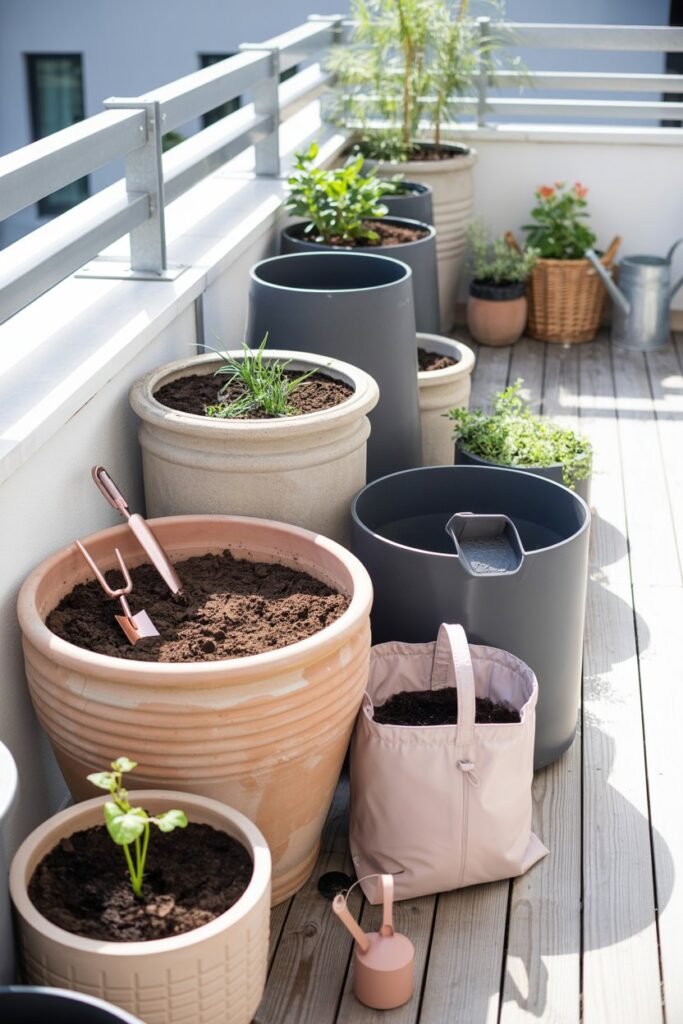
If you remember only one thing from this guide, let it be this:
Raspberries need space for their roots.
Pot Size Requirements
- Minimum: 15–20 gallons
- Depth: At least 18 inches
- Width: Wide enough for root spread
A small decorative pot will not support a raspberry plant long term. The roots need room to establish, especially because nutrients in containers are limited.
Best Pot Materials
- Plastic – Lightweight and retains moisture
- Terracotta – Beautiful but dries out quickly
- Fabric grow bags – Excellent drainage, great airflow
Drainage holes are non-negotiable. Without them, root rot becomes almost inevitable.
In very hot climates, lighter-colored pots help prevent overheating. In cooler regions, darker pots can retain warmth.
The Best Soil for Potted Raspberries
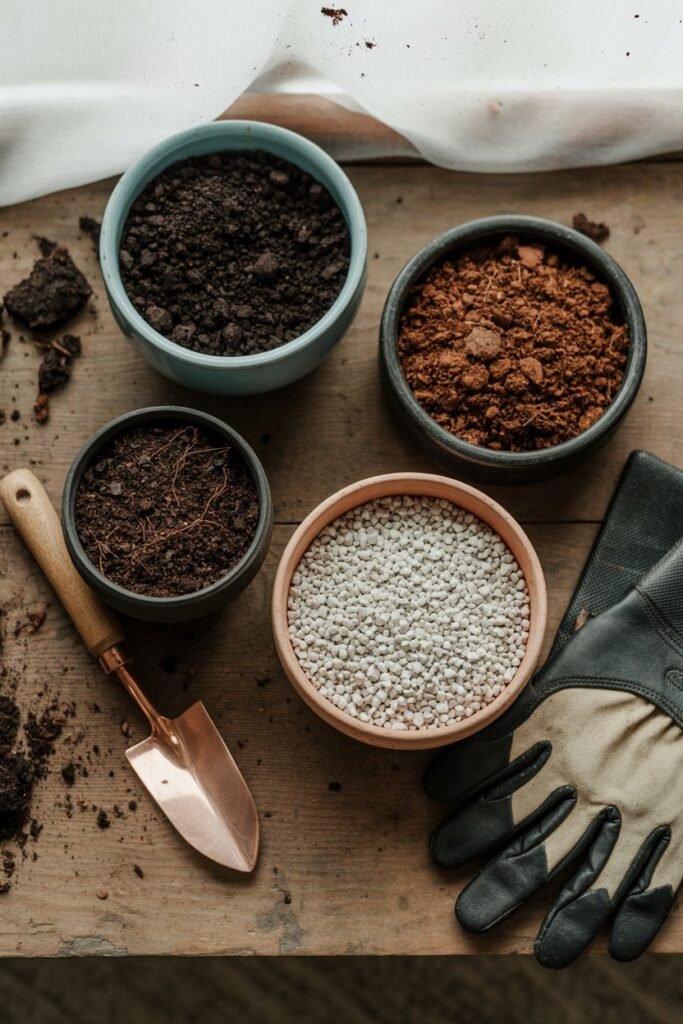
Garden soil is too dense for containers. It compacts, drains poorly, and suffocates roots.
Instead, use:
- High-quality potting mix
- Added compost for nutrients
- A handful of perlite for drainage
Raspberries prefer slightly acidic soil with a pH between 5.5 and 6.5.
When I prepare a pot, I usually mix:
- 70% quality potting mix
- 20% compost
- 10% perlite or coarse sand
You can also add worm castings for a gentle nutrient boost.
How to Plant Raspberries in a Pot (Step-by-Step)
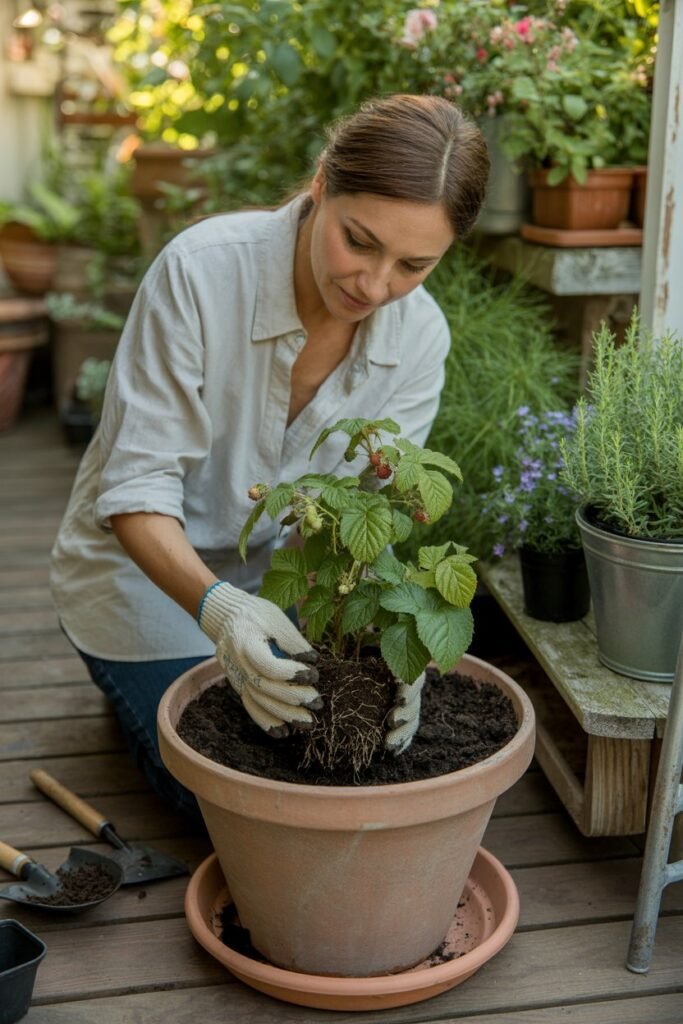
Planting day always feels special to me. It’s the quiet beginning of something that will reward you for months.
Step 1: Prepare the Pot
Fill it halfway with your soil mix.
Step 2: Loosen the Roots
Gently tease apart any tightly bound roots from the nursery pot.
Step 3: Position the Plant
Place it in the center. The crown should sit at the same level it was growing before.
Step 4: Fill and Firm
Add soil around the plant and gently press to remove air pockets.
Step 5: Water Deeply
Water until it drains out of the bottom.
After planting, add a layer of mulch. Straw, bark chips, or coconut coir work beautifully. Mulch keeps moisture consistent and protects the roots.
Sunlight Requirements
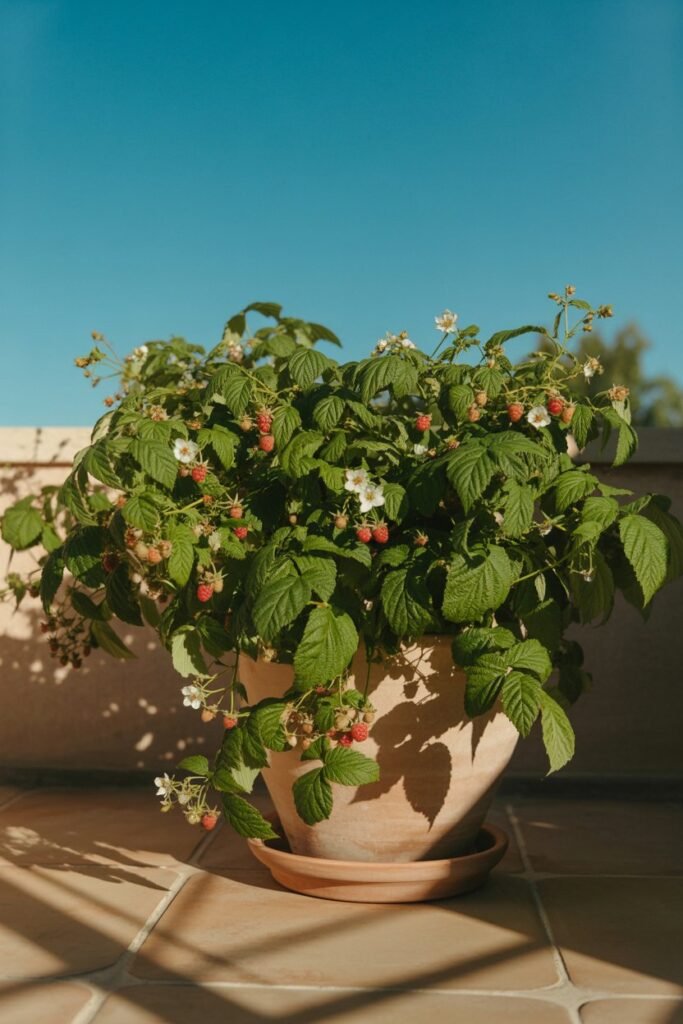
Raspberries adore sunlight.
They need:
- 6–8 hours of full sun daily
If you live in a very hot climate, afternoon shade can protect them from stress. Morning sun with filtered afternoon light is ideal in extremely warm regions.
If fruit production is low, sunlight is often the first thing to evaluate.
Watering Raspberries in Pots
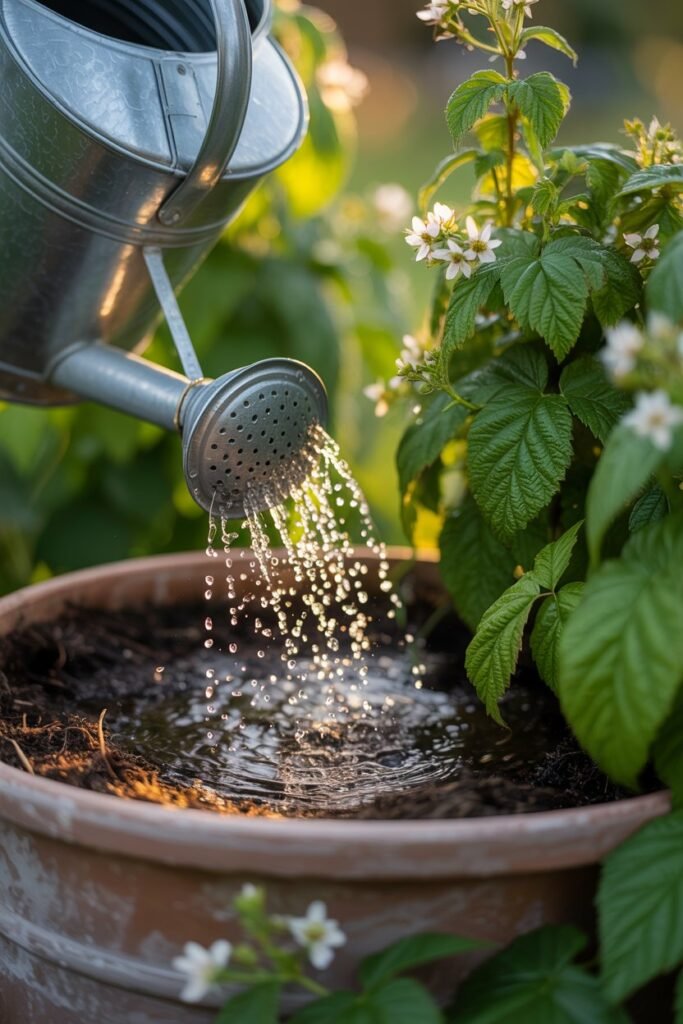
This is where container growing demands attention.
Pots dry out faster than ground soil. During summer, I check my raspberry pots every single morning.
The soil should be:
- Moist
- Never soggy
- Never bone dry
Stick your finger two inches into the soil. If it feels dry, water thoroughly.
In very hot weather, daily watering may be necessary.
Consistency prevents:
- Small berries
- Leaf drop
- Fruit shriveling
Mulching helps reduce how often you need to water.
Feeding Your Raspberry Plant
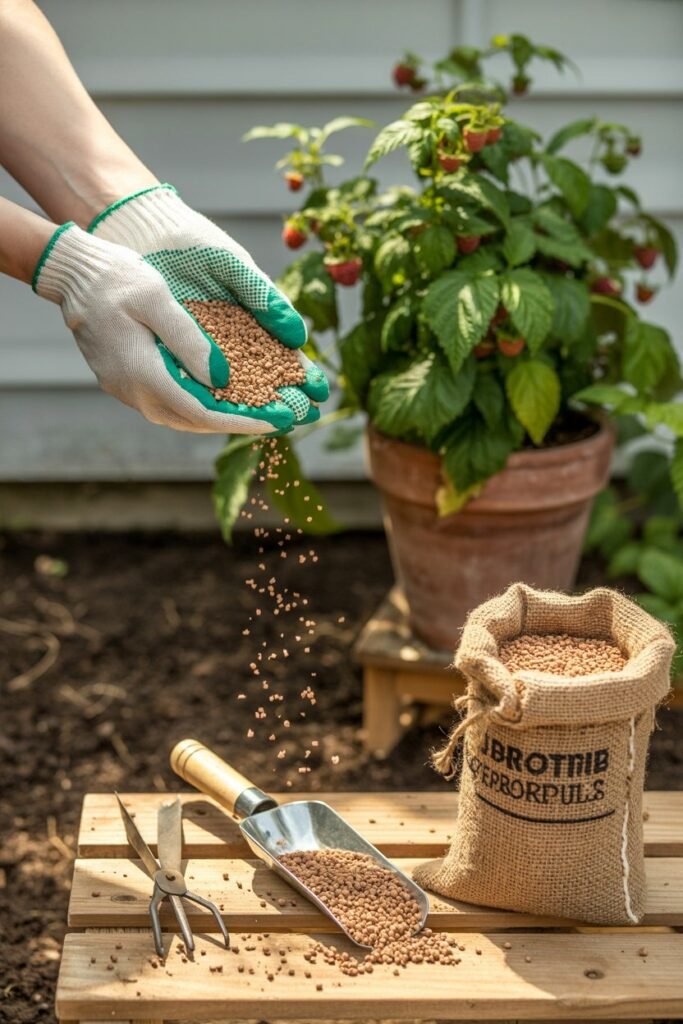
Because nutrients wash out of containers quickly, feeding is essential.
During the growing season:
- Feed every 4–6 weeks
- Use a balanced organic fertilizer
- Avoid excessive nitrogen
Too much nitrogen creates lush leaves but fewer berries.
I prefer organic granular fertilizer mixed into the top layer of soil, followed by deep watering.
Stop feeding in late fall as the plant prepares for dormancy.
Supporting Raspberry Canes
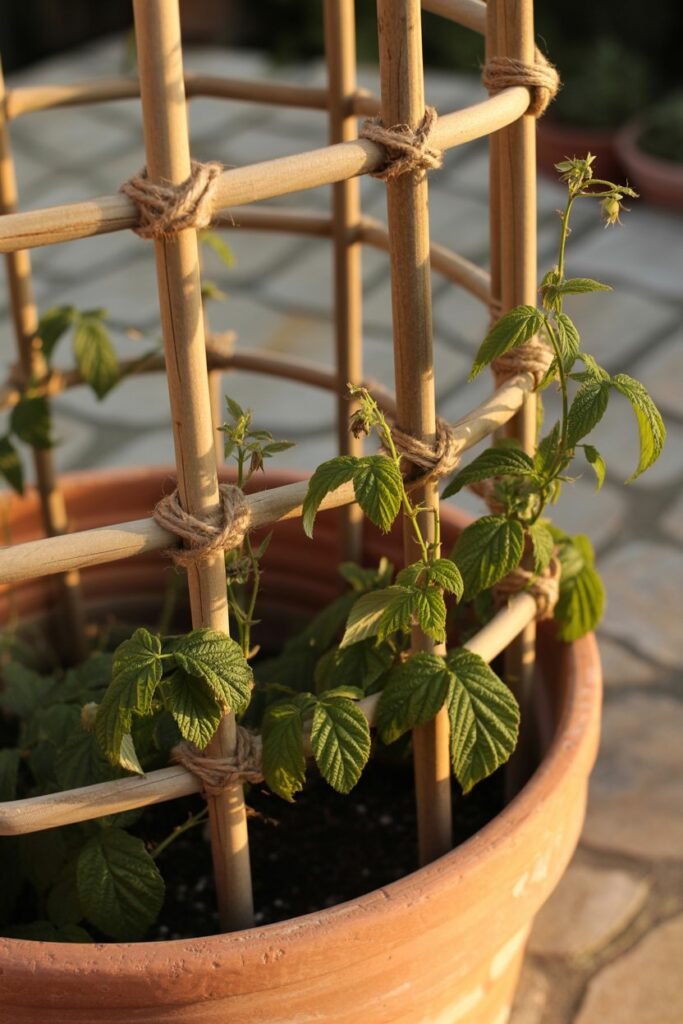
Even compact varieties benefit from support.
Options include:
- Small trellis
- Bamboo stakes
- Tomato cage
Tie canes loosely with soft garden ties. Avoid tight binding, as stems need room to grow.
Supporting the plant:
- Improves air circulation
- Prevents disease
- Keeps fruit off the ground
Pruning Raspberries Without Fear
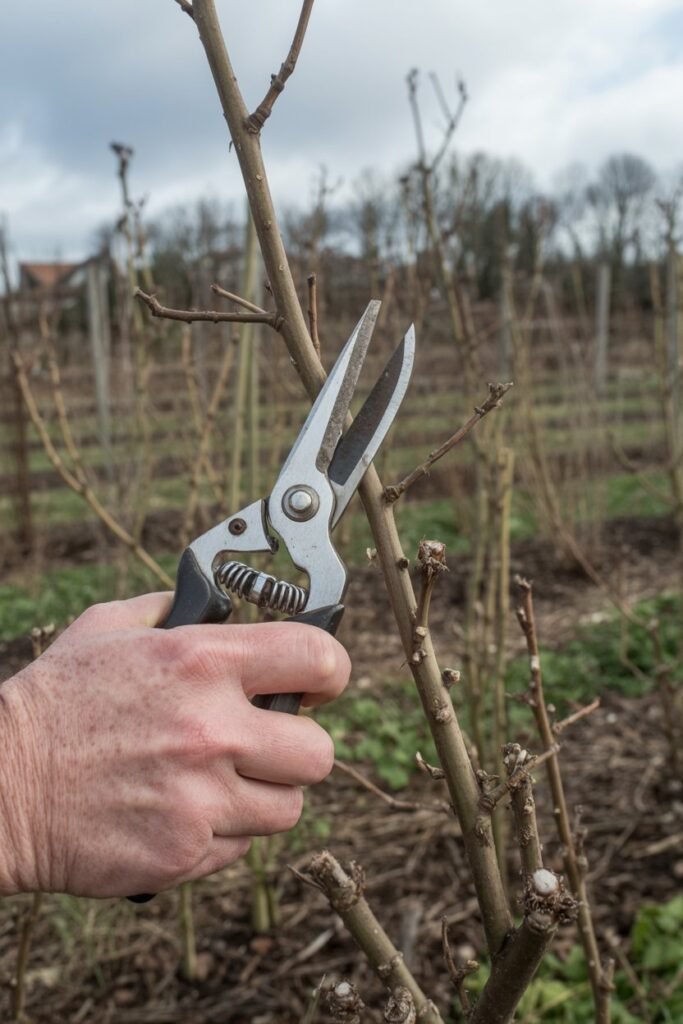
Pruning sounds intimidating, but once you understand your variety, it becomes simple.
For Everbearing Varieties
Option 1 (Easiest Method):
- Cut all canes down to the ground in late winter.
- You’ll get one large fall crop.
Option 2:
- Leave canes standing.
- They produce summer fruit on old wood.
- New growth produces fall fruit.
For beginners, I recommend cutting everything down annually. It simplifies the process beautifully.
For Summer-Bearing Varieties
- After harvest, remove the canes that produced fruit.
- Leave green new canes for next year’s crop.
Always use clean, sharp pruners.
Common Problems and How to Fix Them
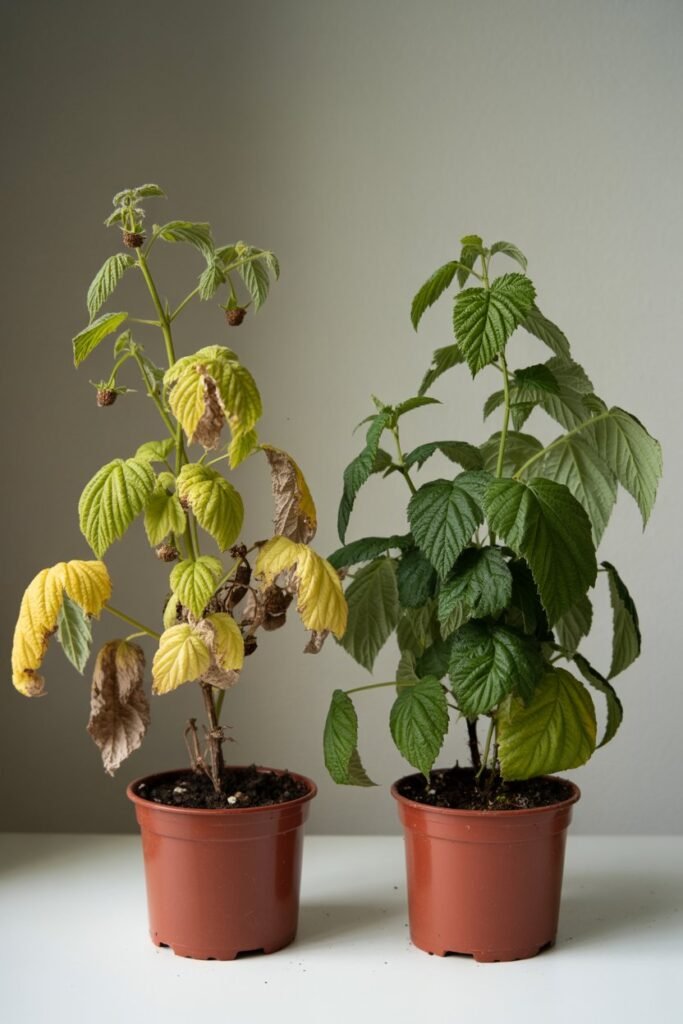
Even healthy plants can have moments of struggle.
Yellow Leaves
Often caused by:
- Overwatering
- Poor drainage
- Nutrient deficiency
Check drainage first.
Small or Dry Berries
Usually:
- Inconsistent watering
- Lack of feeding
No Fruit
Often:
- Not enough sunlight
- Too much nitrogen
Root Rot
Prevent by:
- Ensuring drainage holes
- Avoiding soggy soil
Container growing makes problems easier to correct because you control the environment.
Winter Care for Potted Raspberries
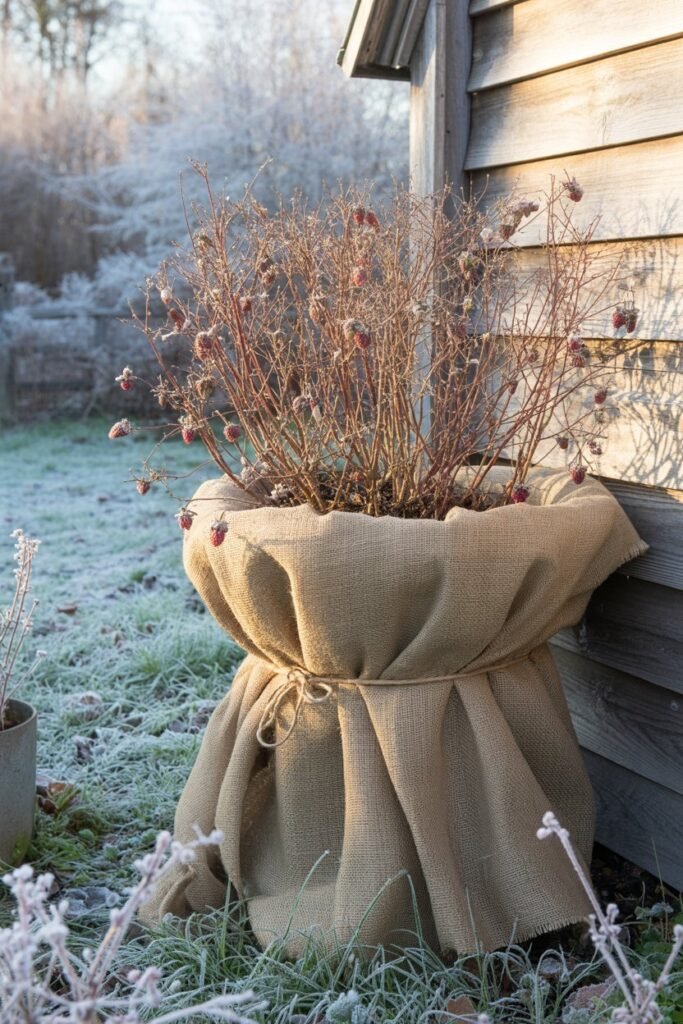
Container plants are more exposed to cold than in-ground plants.
If you experience cold winters:
- Move pots against a wall
- Wrap containers in burlap
- Reduce watering
In mild climates, minimal protection is needed.
The plant will look bare and dormant this is normal. Growth resumes in spring.
Harvesting Your Raspberries
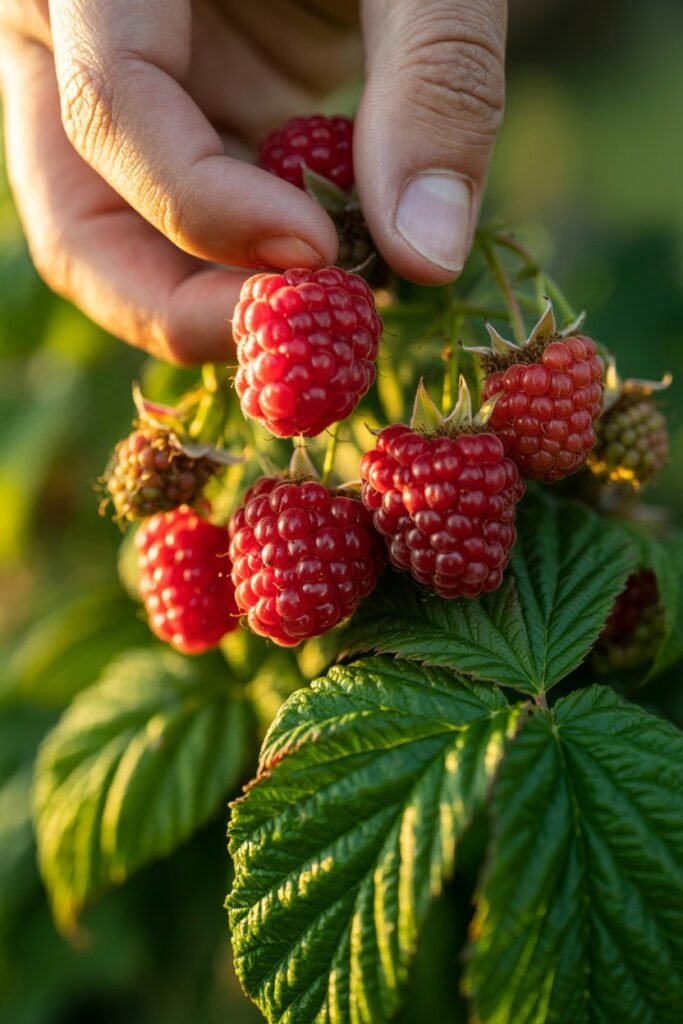
This is the moment that makes everything worthwhile.
A ripe raspberry:
- Slips off easily
- Feels plump
- Has full color
If you have to tug hard, it isn’t ready.
Harvest every 2–3 days during peak season. Regular picking encourages more production.
Fresh raspberries don’t last long, so enjoy them quickly or freeze them for smoothies and desserts.
A Few Personal Lessons I’ve Learned
Over the years, growing raspberries in pots has taught me patience and observation.
I’ve learned:
- Morning garden walks prevent problems
- Consistency matters more than perfection
- One healthy plant is better than three struggling ones
Most importantly, growing fruit in small spaces changes how you see your home. A patio becomes a mini orchard. A balcony becomes productive.
Even one pot can bring joy, color, and nourishment.
Final Thoughts: Why Every Small Garden Deserves Raspberries
Raspberries in pots feel romantic, but they are also practical. They make small-space gardening feel abundant. They remind you that you don’t need a farm to grow something meaningful.
With the right pot, soil, sunlight, and care, raspberries reward you generously.
Start with one plant. Give it space. Water it consistently. Feed it gently.
And one day soon, you’ll step outside and pick a berry warmed by the sun and it will taste like success.
