
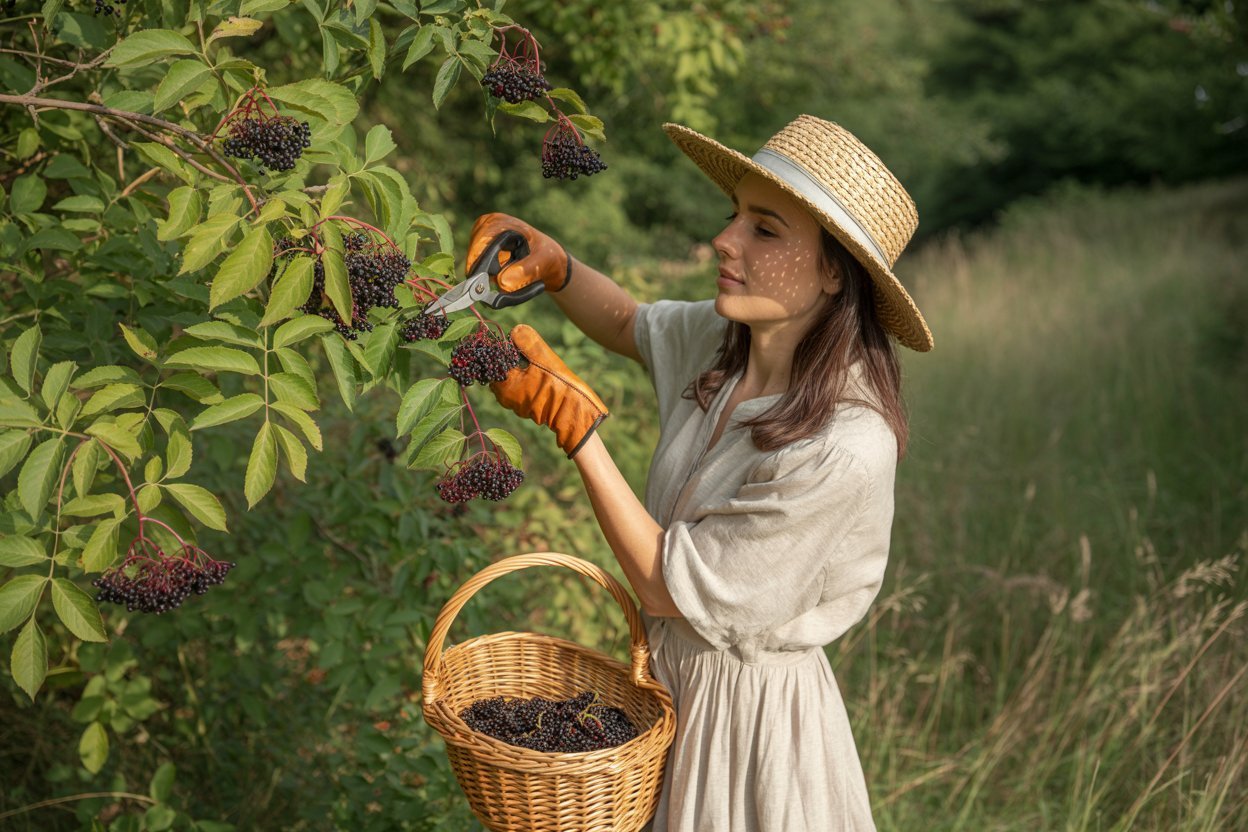

I still remember the first time I went looking for elderberries. I had a basket in one hand, curiosity in the other, and a quiet sense of nervous excitement fluttering in my chest.
Elderberries have a long history of nourishing families, strengthening immune systems, and connecting us to the land but they also demand respect, patience, and knowledge.
You don’t simply pick elderberries; you learn them.
In this guide, I want to walk you through everything you need to know about picking elderberries safely and confidently.
Whether you’re hoping to make syrup, tea, wine, or simply want to deepen your connection to wild plants, this post will help you do it the right way.
I’ll share not only the how, but the why, the when, and the little details that only come from time spent among elder shrubs.
This is a long, detailed guide because elderberries deserve care and so do you.
What Are Elderberries?
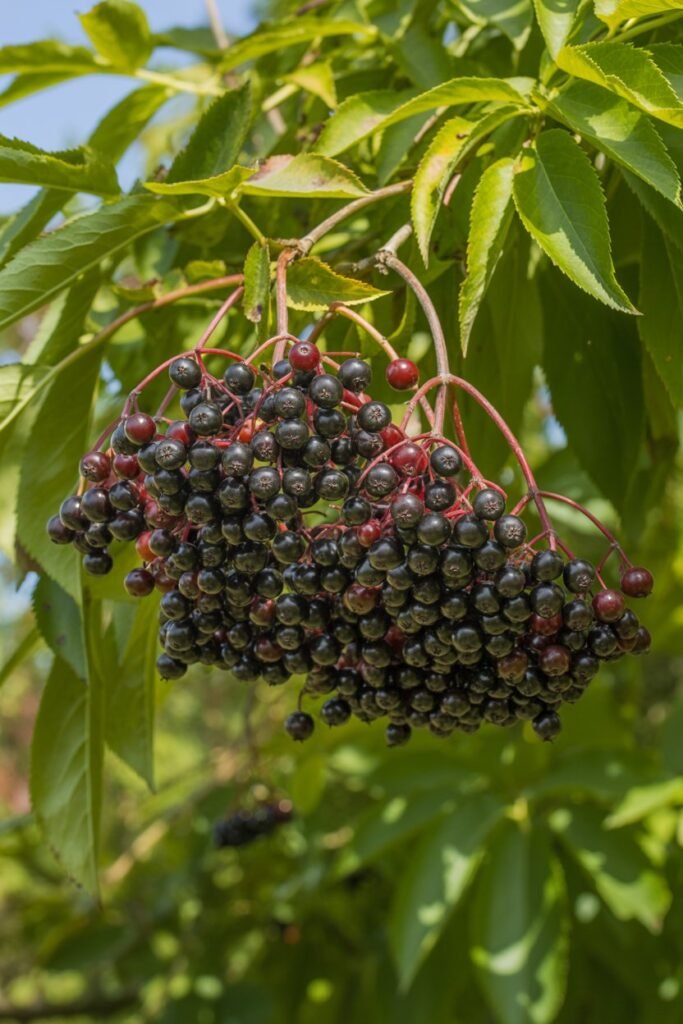
Elderberries are the small, dark purple to nearly black berries produced by the elder tree or shrub, most commonly Sambucus nigra or Sambucus canadensis.
These plants have been used for centuries across Europe, North America, and parts of Asia for both food and medicine.
Elderberries grow in large, drooping clusters, and each individual berry is about the size of a pea.
While they may look delicate, elder plants are incredibly resilient and often thrive along roadsides, forest edges, riverbanks, and neglected land.
It’s important to understand early on that elderberries are not eaten raw.
When properly harvested and cooked, they are safe and deeply beneficial but unripe berries, leaves, stems, and seeds contain compounds that can cause nausea if consumed improperly.
This is why learning to identify and pick them correctly is so important.
Why Pick Elderberries?
People are drawn to elderberries for many reasons, and none of them are wrong.
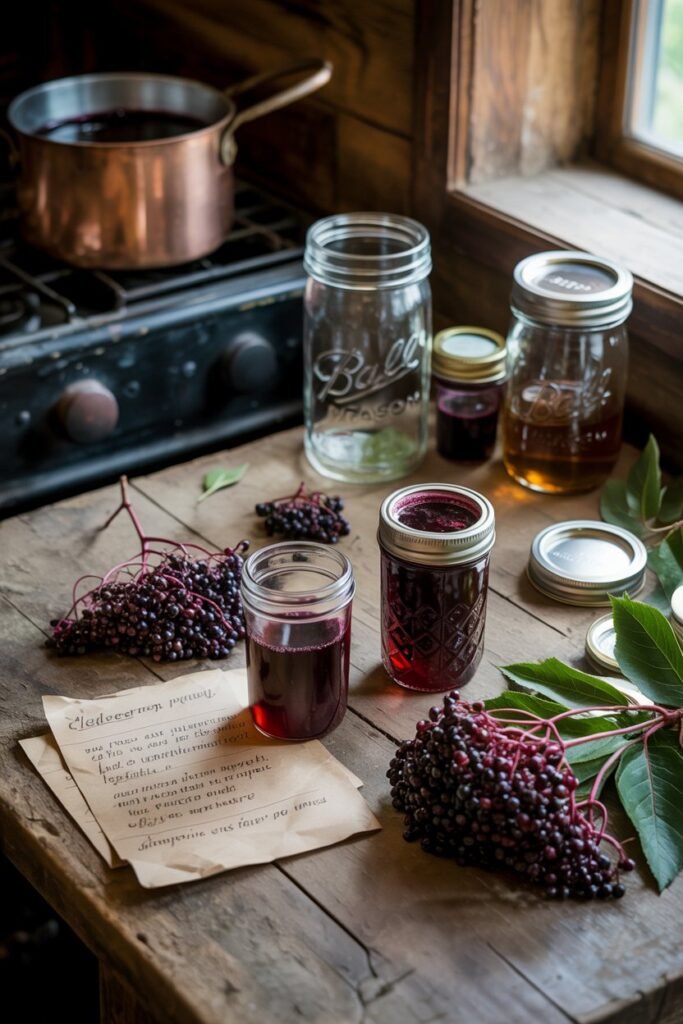
Some harvest elderberries for traditional medicine, especially homemade elderberry syrup used during cold and flu season.
Others love them for jams, jellies, wine, cordials, and teas. And for many of us, picking elderberries is about reconnecting with ancestral skills slowing down, paying attention, and gathering food with intention.
Elderberries are rich in:
- Antioxidants
- Vitamin C
- Flavonoids
- Immune-supporting compounds
But beyond the nutrition, elderberry picking teaches patience. These berries ripen slowly, unevenly, and often all at once rewarding those who observe closely and return at the right moment.
Understanding Elderberry Varieties (And Why It Matters)
Before you pick a single berry, you need to know which elderberry you’re dealing with. Not all elder plants are safe, and some look deceptively similar.
Common Edible Elderberries
- Sambucus nigra (European elder)
- Sambucus canadensis (American elder)
These produce dark purple or black berries and are the varieties most commonly used for food and medicine.
Elderberry Look-Alikes to Avoid
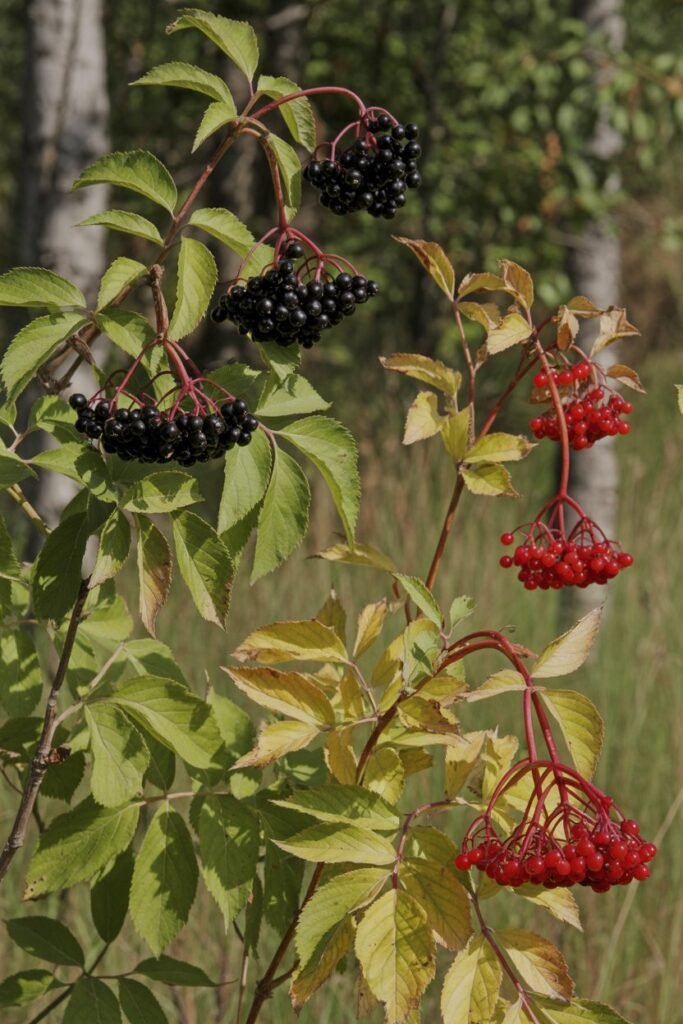
- Red elderberry (Sambucus racemosa) – produces red berries; considered toxic
- Water hemlock or pokeweed – not elders at all, but sometimes confused by beginners
Edible elderberries grow on woody shrubs or small trees, not soft green stems. Their berries grow in flat or slightly drooping clusters, not upright spikes.
If you are ever unsure, do not pick. Elderberries are abundant there is no need to rush or take risks.
When Is the Right Time to Pick Elderberries?
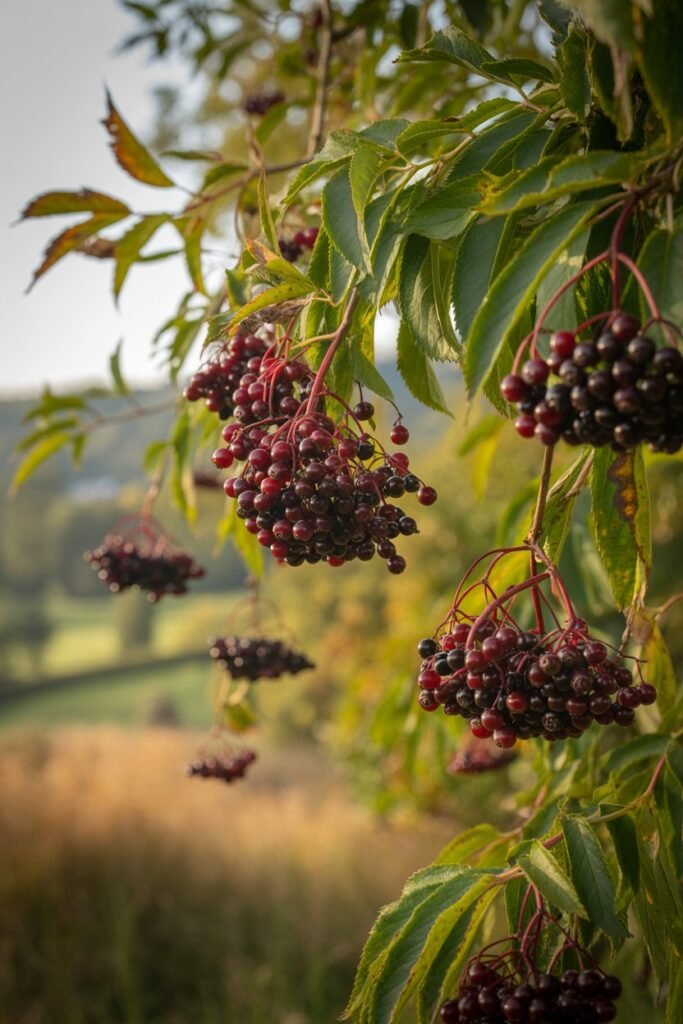
Timing is everything when it comes to elderberries.
Elderberry Harvest Season
- Typically late summer to early fall
- This can vary depending on climate, rainfall, and location
You want to pick elderberries only when they are fully ripe. Ripe elderberries are:
- Deep purple or nearly black
- Plump and glossy
- Heavy enough to make the cluster droop
Unripe berries are green, red, or purple-tinged and should be left on the plant. Even a small amount of unripe berries mixed in can cause digestive upset.
A good rule I follow:
If the cluster looks tired and heavy, it’s probably ready.
Where to Find Elderberries in the Wild
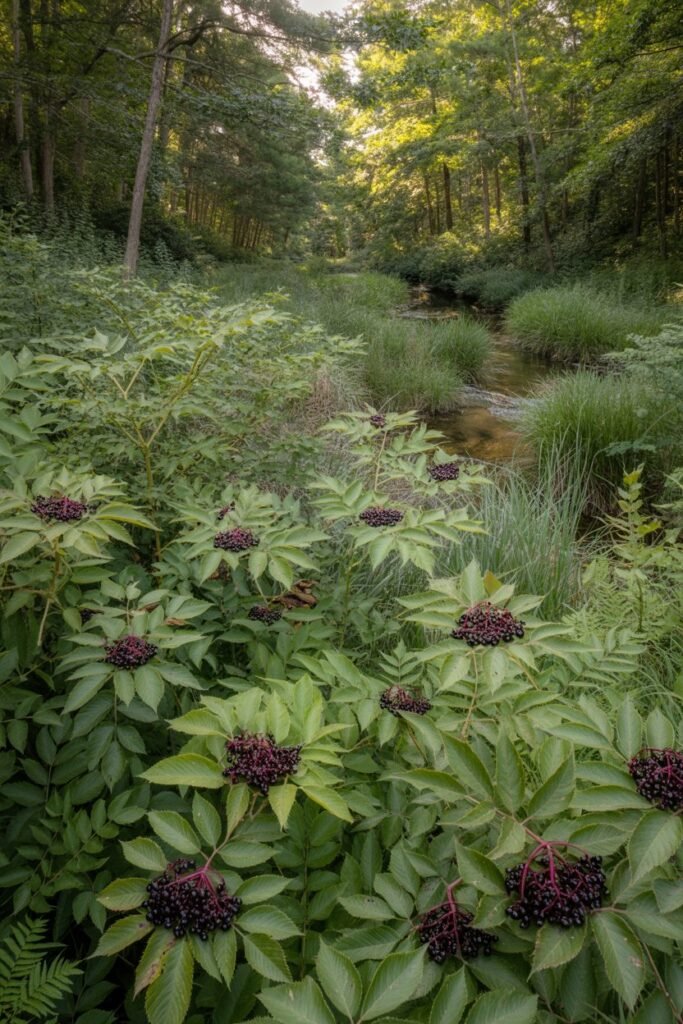
Elderberries love edges the places where ecosystems meet.
You’re most likely to find them:
- Along forest edges
- Near rivers, streams, and wetlands
- Along rural roadsides
- In overgrown fields or old homesteads
They prefer moist soil and full sun to partial shade. Once you learn what an elder shrub looks like, you’ll start noticing them everywhere.
If you are harvesting on public land, always check local foraging rules. If on private land, ask permission. Ethical foraging builds good relationships with people and the land.
How to Identify Elderberries with Confidence
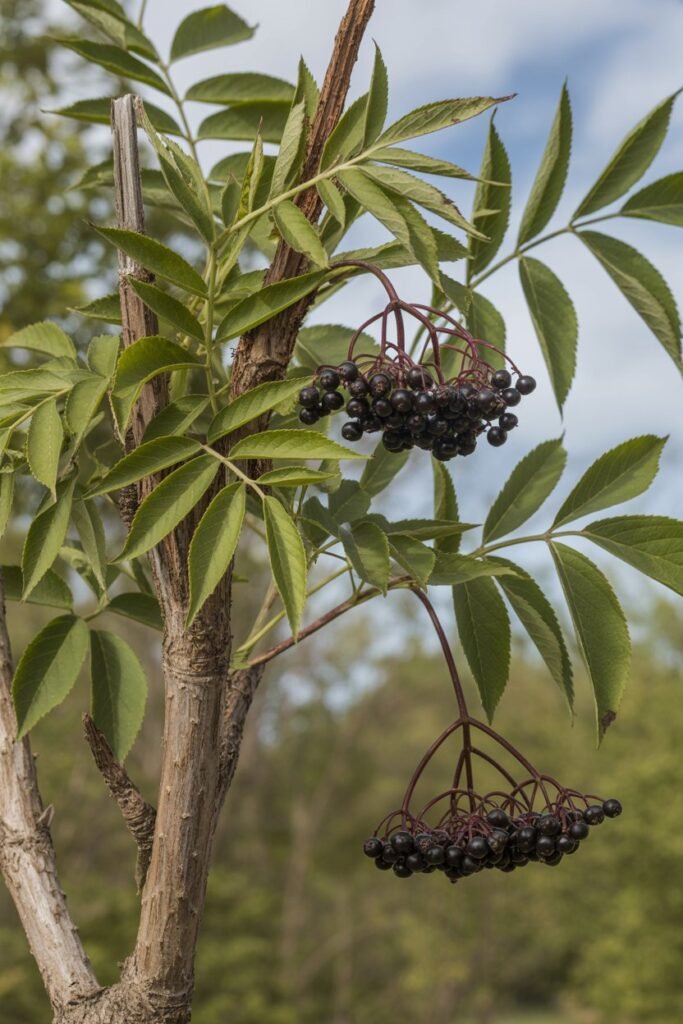
Correct identification is the foundation of safe foraging.
Key Identification Features
- Leaves: Opposite arrangement, long and narrow with serrated edges
- Flowers (early season): Creamy white, flat-topped clusters with a sweet scent
- Berries (late season): Dark purple-black, growing in drooping clusters
- Stems: Woody, with a soft pith inside
If you saw white elderflowers on the same plant earlier in the season, that’s an excellent confirmation you’re dealing with a true elder.
What Tools You Need for Picking Elderberries
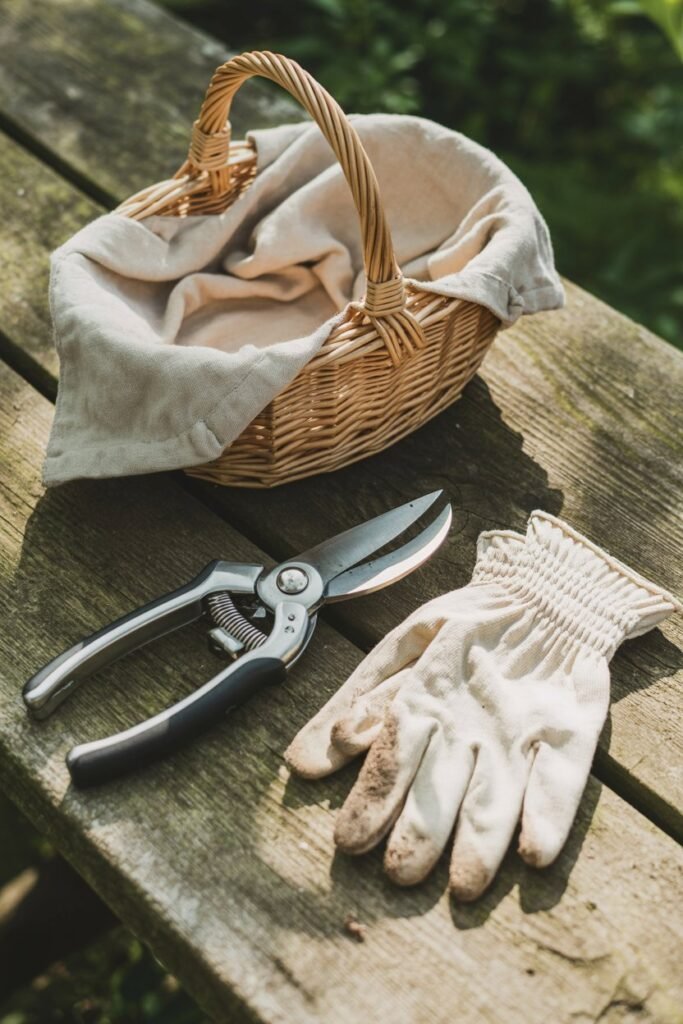
Elderberry picking doesn’t require fancy equipment, but a few simple tools make the process much easier.
I recommend:
- Sharp garden scissors or pruning shears
- A basket or bucket lined with cloth
- Gloves (optional, but helpful for staining)
- Long sleeves to protect against insects
Never pull berries off by hand. Instead, cut the entire cluster where it meets the stem. This protects the plant and saves you time.
Step-by-Step: How to Pick Elderberries Properly
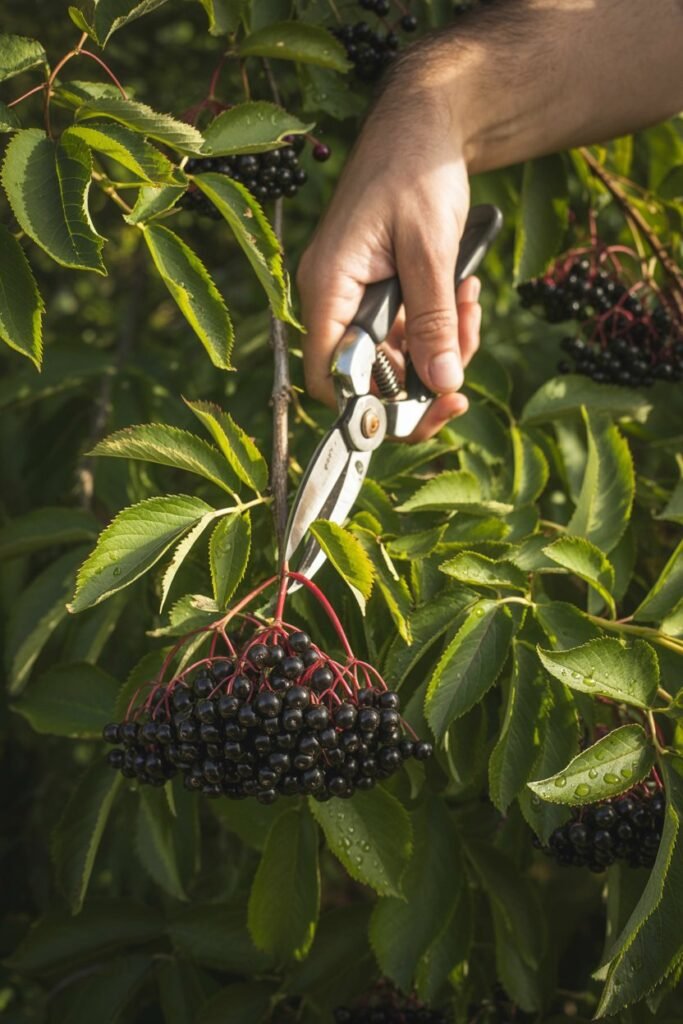
This is the heart of the process, and it’s where care really matters.
- Inspect the cluster carefully
Look for full ripeness and minimal green berries. - Cut the entire cluster cleanly
Snip just above where the cluster meets the woody stem. - Leave some berries behind
Birds rely on elderberries too. A good forager never takes everything. - Place clusters gently into your basket
Crushing berries releases juice and attracts insects. - Move slowly and intentionally
Rushing leads to mistakes both in identification and handling.
I often hum or talk softly while harvesting. It keeps me grounded and present, and reminds me this is a relationship, not a transaction.
Common Mistakes Beginners Make
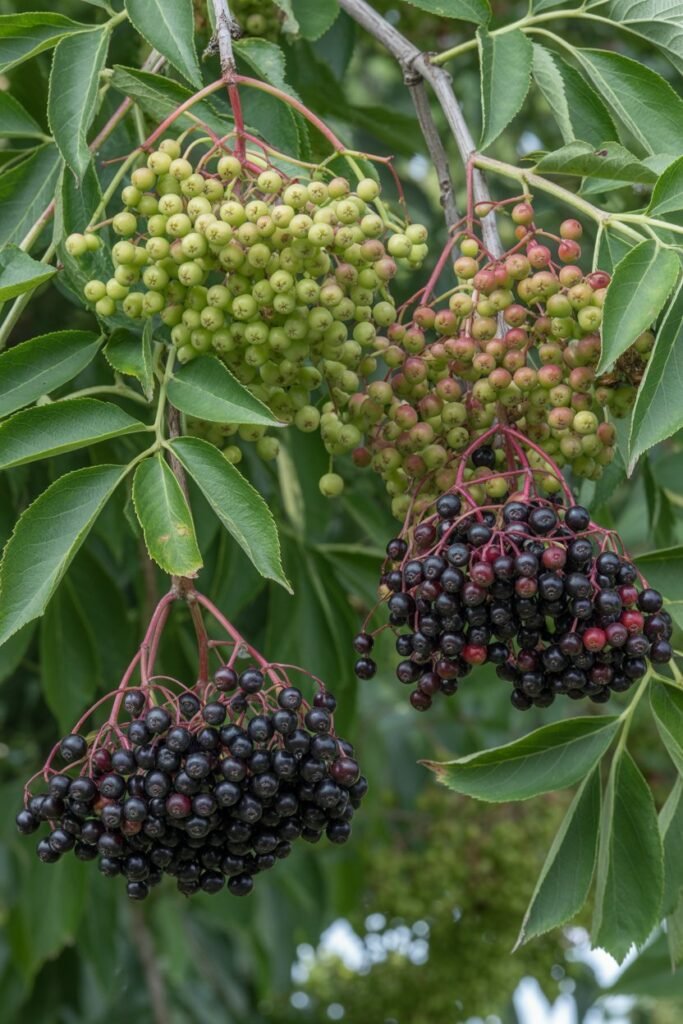
Even experienced gardeners make mistakes when starting out with elderberries.
Picking Too Early
Unripe berries are the most common issue. Patience is key.
Harvesting from Polluted Areas
Avoid berries near busy roads, industrial sites, or sprayed fields.
Mixing Ripe and Unripe Berries
Even a handful of green berries can ruin an entire batch.
Eating Elderberries Raw
Always cook elderberries before consuming.
Mistakes happen. The important thing is learning and adjusting.
How to Handle Elderberries After Picking
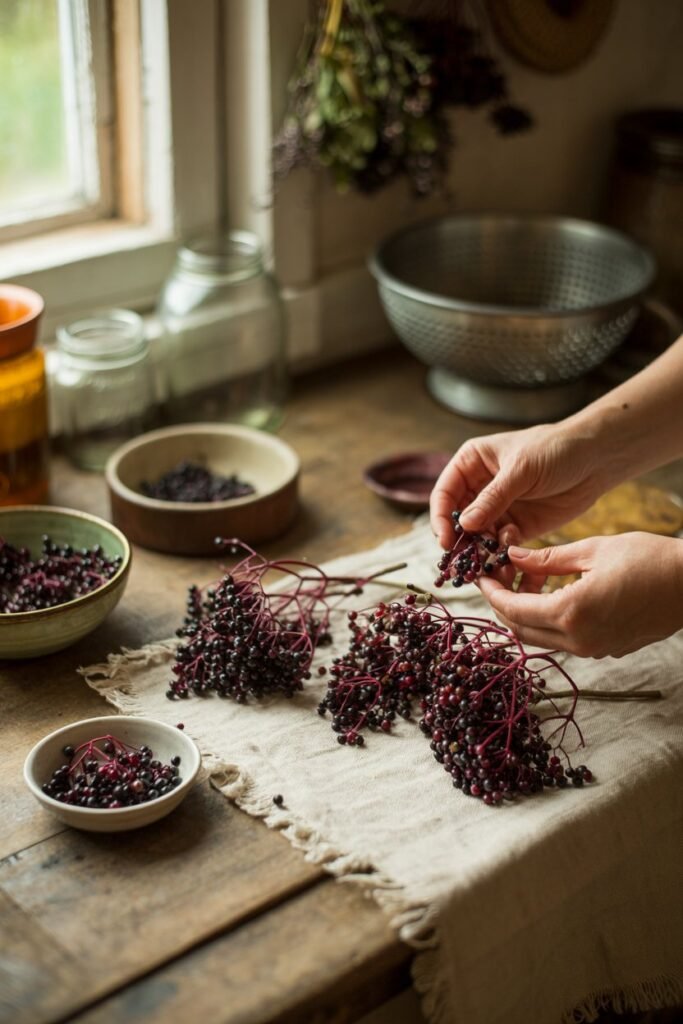
Once you bring your harvest home, the work isn’t quite done.
Sorting
Spread clusters out and remove:
- Green or red berries
- Leaves and thick stems
- Insects or debris
Removing Berries from Stems
Elderberry stems are mildly toxic and should not be cooked.
Helpful methods:
- Freeze clusters and gently shake berries off
- Use a fork to strip berries into a bowl
- Rub gently with gloved hands
Washing
Rinse berries gently in cool water and drain well.
Storing Fresh Elderberries
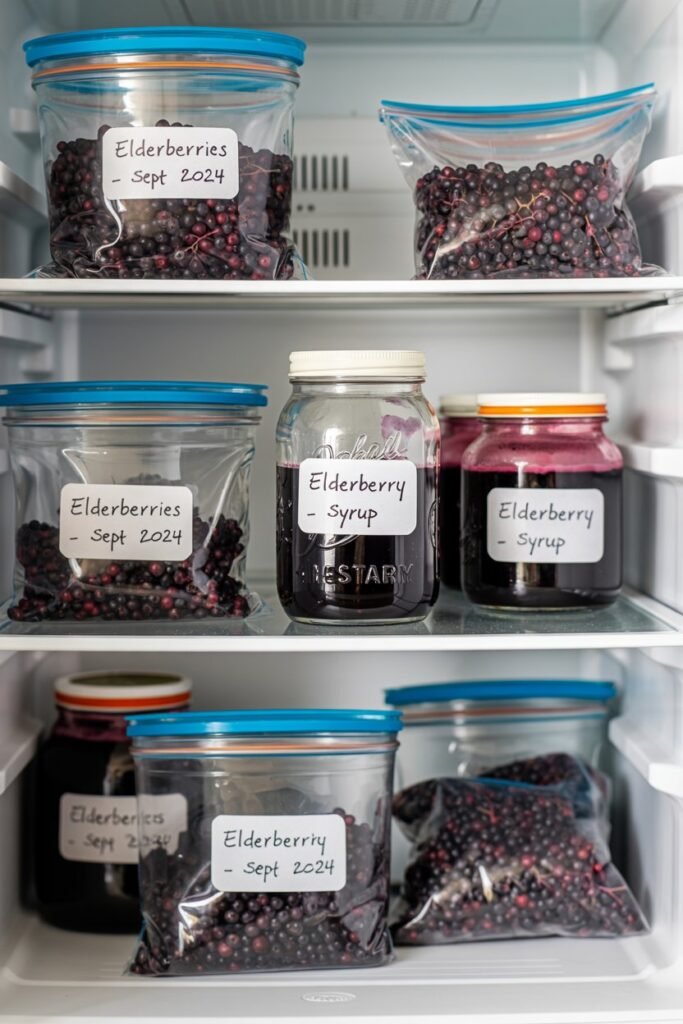
Fresh elderberries don’t last long, so plan ahead.
- Refrigerator: 2–3 days max
- Freezer: Up to 12 months
- Dried: Several months if stored properly
Freezing is my favorite method because it preserves nutrients and makes stem removal easier.
Safety Notes Every Elderberry Picker Should Know
I can’t stress this enough: elderberries are powerful, but they require respect.
- Never eat raw elderberries
- Never use leaves, stems, or bark
- Always cook berries thoroughly
- When in doubt, throw it out
If you are pregnant, nursing, or have health conditions, consult a qualified professional before using elderberries medicinally.
Using Your Elderberry Harvest
Once safely processed, elderberries can be used for:
- Elderberry syrup
- Jams and jellies
- Herbal teas
- Wine and cordials
- Gummies and lozenges
Each preparation brings out a different side of this remarkable berry.
Final Thoughts: Elderberry Picking as a Practice, Not a Task
Picking elderberries isn’t just about filling jars or preparing for winter. It’s about slowing down, observing seasonal rhythms, and trusting your senses.
Each year you return to the elder shrubs, you’ll notice something new how the light falls, how the birds move, how the berries ripen just a little differently than last season.
If you take one thing from this guide, let it be this:
Go slowly, learn deeply, and harvest with gratitude.
The elder plant has been caring for people for generations. When we pick with knowledge and respect, we become part of that long, beautiful story.
