
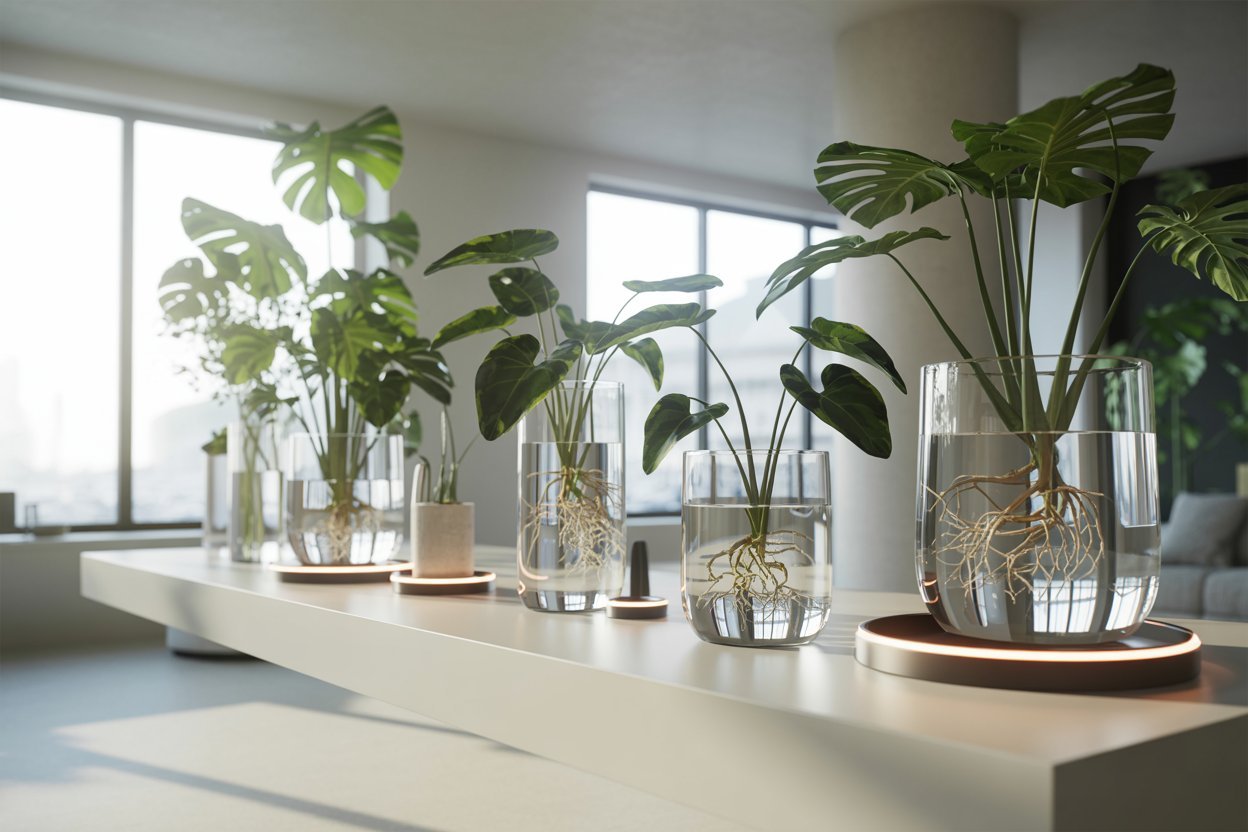

I still remember the moment I discovered how many large houseplants you can grow from cuttings in water. It happened by accident: one of my Monstera stems snapped while I was rearranging a shelf.
Instead of throwing it out, I placed the cutting into a tall glass jar filled with water and set it near a bright window. I didn’t expect much but within a few weeks, delicate white roots began to stretch from the node. That tiny bit of growth felt like magic.
From that day on, I became fascinated with water propagation. Over time, I realized that many large houseplants plants I once thought needed potting soil from the start actually root faster, stronger, and more reliably in water.
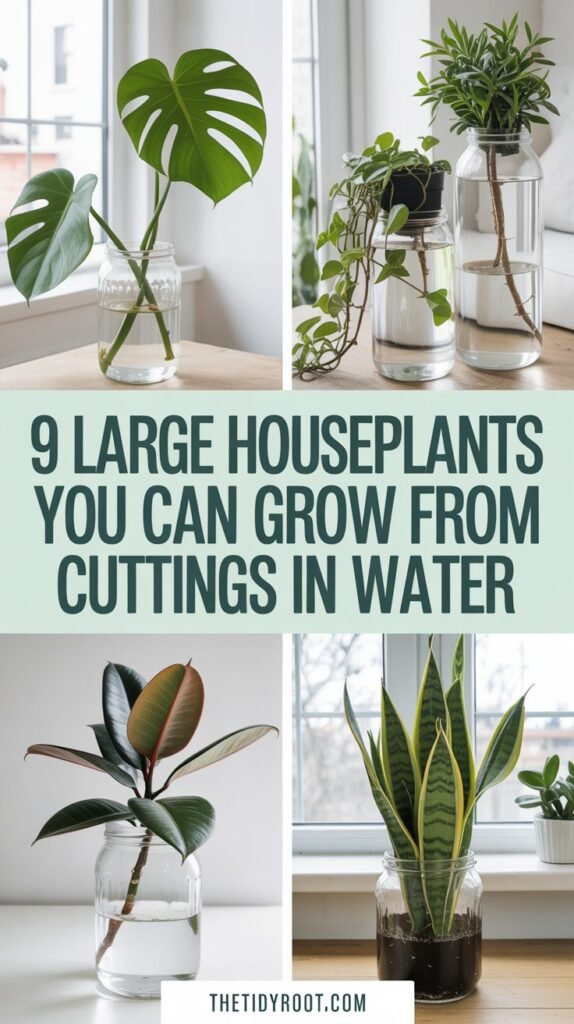
My biggest indoor plants today, from towering Rubber Plants to full, elegant Philodendrons, all began as simple cuttings sitting quietly in jars.
What I appreciate most is how forgiving this method can be. Water gives stressed or declining plants a chance to recover, and it allows you to start new growth with almost no cost or equipment.
Through trial, error, and plenty of observation, I’ve learned a series of care practices and planting strategies that make water-growing both successful and remarkably enjoyable.
Shop my amazon essential
- Clear Glass Vases & Propagation Jars
- Liquid Houseplant Fertilizer
- Sharp Pruning Shears
- Clip-On Grow Lights
- Decorative Pebbles or Glass Stones
- Humidity Gauge
- High-Quality Potting Soil
- Hydrogen Peroxide
- Leaf cleaning wipes
Care Tips for Growing Large Plants in Water
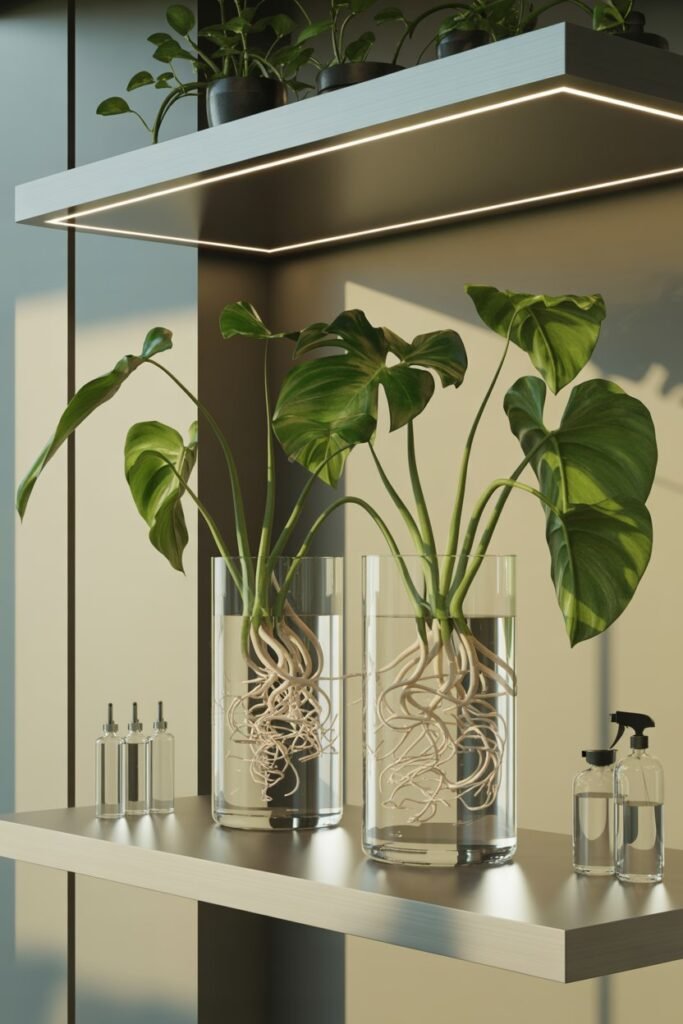
- Start with a firm, healthy stem cutting; weak or soft stems root slowly and unevenly.
- Use clean water and replace it regularly to keep roots oxygenated and free from rot.
- Keep leaves above the waterline and only submerge the node or stem section.
- Place the jar in bright, indirect light to encourage active and steady root growth.
- Use a clear jar or vase so you can easily monitor new root development and water clarity.
- Trim away yellowing or damaged leaves so the plant can conserve energy for rooting.
Planting Tips for Transitioning Water-Grown Cuttings
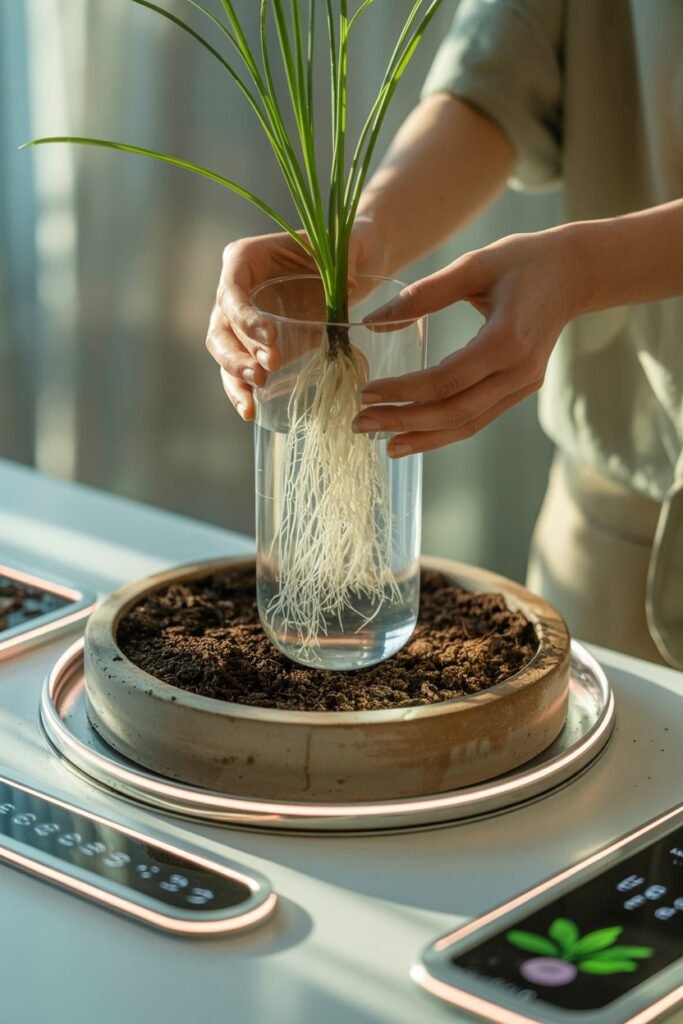
- Wait until roots reach at least two to four inches before transferring to soil.
- Choose a well-draining soil mix to prevent compacting around fragile new roots.
- Water lightly during the first week after planting to help the plant adjust gradually.
- Provide support early such as a stake, small trellis, or moss pole—for plants that naturally climb or grow upright.
- Keep newly potted plants in soft, indirect light while they adjust to soil.
- Avoid fertilizing immediately; wait three to four weeks until the plant shows stable growth.
10 Large Houseplants You Can Grow From Cuttings in Water
- Monstera Deliciosa
- Monstera Adansonii (Swiss Cheese Vine)
- Pothos (Golden, Marble Queen, Neon, etc.)
- Philodendron (Heartleaf, Brasil, Lemon Lime)
- ZZ Plant (Zamioculcas zamiifolia)
- Rubber Plant (Ficus elastica)
- Schefflera (Umbrella Plant)
- Dieffenbachia (Dumb Cane)
- Tradescantia (Wandering Dude)
- Chinese Evergreen (Aglaonema)
1. Monstera Deliciosa
Why It Grows Well in Water
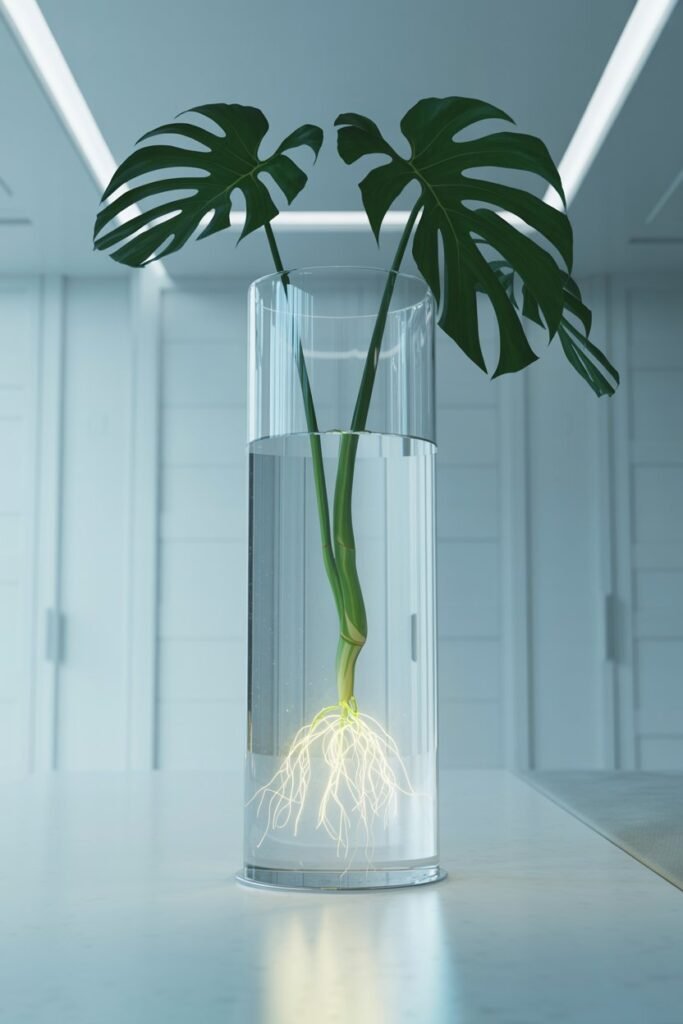
Monstera Deliciosa has thick stems with natural aerial nodes that root quickly once placed in water. It adapts easily and begins forming strong white roots within a few weeks.
How to Take the Cutting
- Choose a stem with at least one visible node.
- Make a clean cut below the node using sterilized shears.
- Remove any lower leaves that may sit below the waterline.
How to Root It in Water
- Place the node fully underwater while keeping leaves above.
- Use a tall jar so the stem stays upright.
- Keep the jar in bright, indirect light.
- Change water every 7–10 days.
Expected Growth Size
Can reach 6–8 feet indoors, developing those iconic split leaves as it matures.
Extra Tip
When growing my monstera cutting in water, I noticed the roots developed much faster once I placed it in a clear glass vase near the window and added a gentle liquid fertilizer made for water-grown plants.

Glass Vase Bowl
This glass vase bowl is perfect for displaying flowers, plant cuttings, or decorative arrangements. Its clear, elegant design complements any home décor while allowing roots and stems to remain visible. Sturdy and versatile, it works beautifully as a centerpiece or a stylish plant display accent.
Get it on Amazon2. Monstera Adansonii (Swiss Cheese Vine)

Why It Grows Well in Water
This vining Monstera forms roots very quickly often in under 10 days and continues to grow steadily in water.
How to Take the Cutting
- Take a 4–6 inch vine cutting with one or two nodes.
- Ensure at least one node is exposed for rooting.
- Snip just below a node for best results.
How to Root It in Water
- Submerge only the node.
- Keep the jar in filtered, bright light.
- Combine several cuttings in one jar for a fuller future plant.
Expected Growth Size
Vines can trail several feet or climb upward if given support.
Extra Tip
Rotate the jar weekly to ensure the vines grow evenly and maintain a balanced shape.
Pro tip: people also read Growing Blueberries in Containers

Adjustable Plant Stand
This adjustable plant stand provides a versatile and sturdy platform for displaying your plants at different heights. Perfect for indoor or outdoor use, it helps create a layered, decorative look while keeping plants organized. Easy to assemble and durable, it’s an excellent solution for maximizing space and showcasing your greenery beautifully.
Get it on Amazon3. Pothos (Golden, Marble Queen, Neon, etc.)
Why It Grows Well in Water
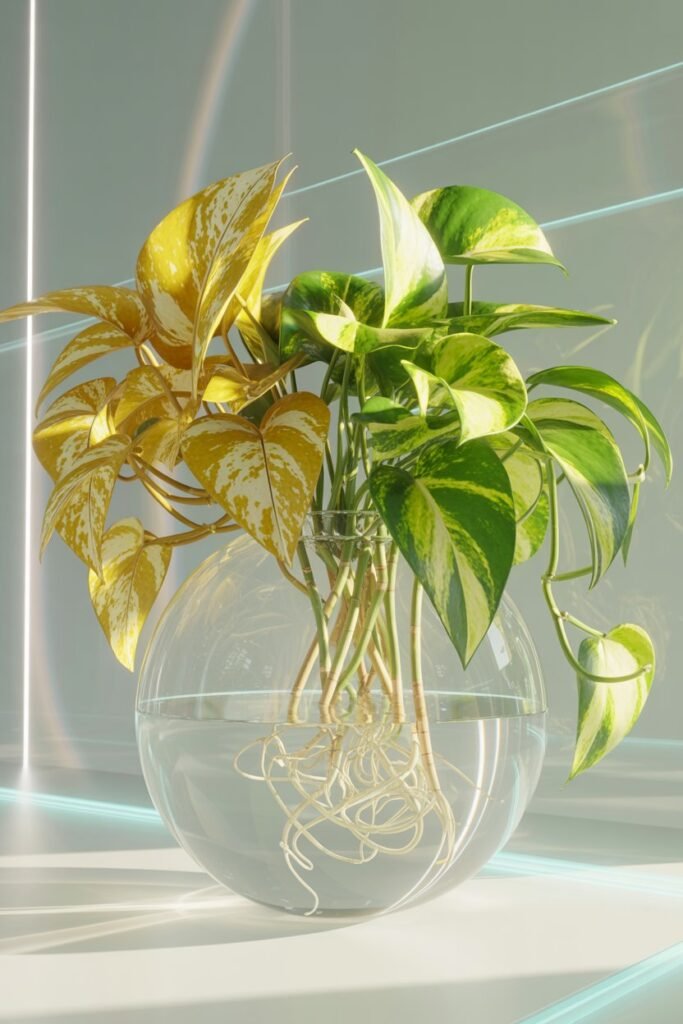
Pothos is known for being one of the easiest plants to propagate. It roots in almost any clean water source and grows steadily with minimal care.
How to Take the Cutting
- Cut a vine just below a node.
- Aim for a cutting with 3–4 leaves for a stronger start.
- Remove leaves near the base of the cutting.
How to Root It in Water
- Place multiple cuttings together to create a fuller plant early on.
- Keep in bright, indirect light.
- Refresh water every 1–2 weeks.
Expected Growth Size
Vines can reach 10–30 feet indoors, depending on care.
Extra Tip
If you want bushier growth, prune the vines regularly and root those trimmings in the same jar.

Bubble Planter
This bubble planter features a modern, sculptural design that adds visual interest to any space. Perfect for succulents, small houseplants, or decorative arrangements, it blends style with function. Durable and eye-catching, it’s an elegant accent piece for shelves, desks, or tabletops.
Get it on Amazon4. Philodendron (Heartleaf, Brasil, Lemon Lime)
Why It Grows Well in Water
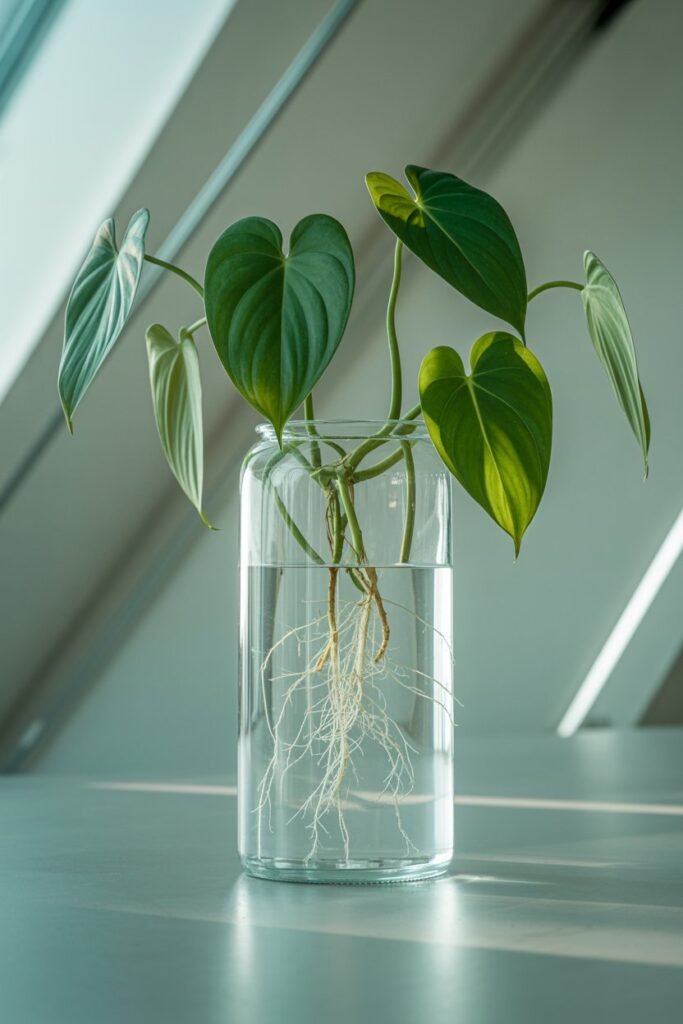
Philodendrons root quickly, stay stable in water, and continue growing for long periods without needing soil immediately.
How to Take the Cutting
- Use 4–6 inch cuttings with at least one node and one leaf.
- Make a clean cut below the node.
- Remove damaged or drooping leaves before placing in water.
How to Root It in Water
- Keep nodes submerged and leaves dry.
- Provide warm temperatures and soft light.
- Use a clear jar to track root growth.
Expected Growth Size
Vines can grow several feet long, forming full, cascading foliage.
Extra Tip
Philodendrons appreciate warmth; avoid placing the jar near cold windows during colder seasons.

Plant Growing Lamp
This plant growing lamp provides consistent, full-spectrum light to support healthy plant growth indoors. Ideal for houseplants, seedlings, and herbs, it helps plants thrive even in low-light spaces. Energy-efficient and easy to set up, it’s a dependable solution for year-round indoor gardening.
Get it on Amazon5. ZZ Plant (Zamioculcas zamiifolia)
Why It Grows Well in Water
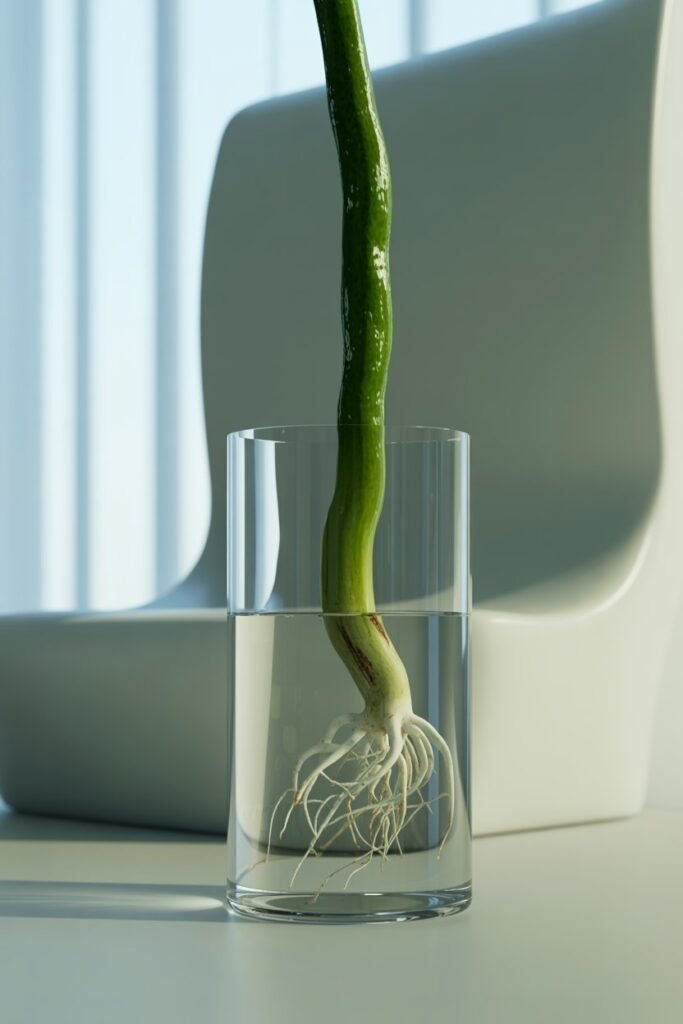
Although ZZ Plants root slowly, they form strong, bulb-like rhizomes when propagated in water. This makes them excellent long-term indoor plants even when started from a single cutting.
How to Take the Cutting
- Cut a tall, healthy stem near the plant base.
- Ensure the stem is firm and free from yellowing.
- The bottom 2–3 inches of the stem should be left bare for rooting.
How to Root It in Water
- Place the cut end in a narrow jar so the stem stays upright.
- Keep in medium to bright indirect light.
- Expect roots to begin forming within 6–10 weeks.
Expected Growth Size
Can reach 3–5 feet indoors with multiple stems forming a thick, upright clump.
Extra Tip
Be patient. ZZ roots develop slowly at first, but once established, new shoots appear in strong, healthy clumps.
Pro tip: people also read 10 Indoor Plants That Change Color

Hand Pruner
This hand pruner is an essential gardening tool designed for clean, precise cuts on stems and small branches. Ideal for pruning flowers, herbs, and shrubs, it offers a comfortable grip and smooth cutting action. Durable and easy to use, it helps keep your plants healthy and well-shaped with minimal effort.
Get it on Amazon6. Rubber Plant (Ficus elastica)
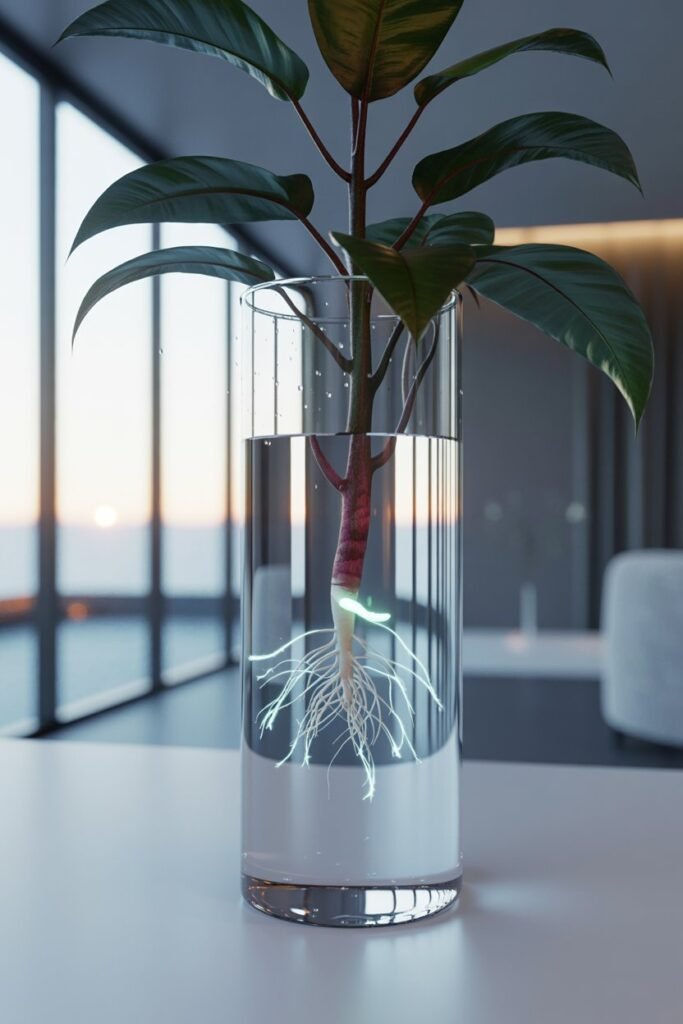
Why It Grows Well in Water
Rubber Plants develop strong, woody stems that root reliably in water when given enough light and warmth. They adapt well once moved to soil, making water propagation an excellent option.
How to Take the Cutting
- Choose a semi-mature stem (firm but not overly woody).
- Cut just below a node using clean, sharp shears.
- Remove lower leaves and keep 2–3 leaves at the top.
How to Root It in Water
- Place the cutting in a tall jar with at least one node submerged.
- Keep in bright, indirect light to stimulate rooting.
- Change the water weekly to prevent sap buildup.
Expected Growth Size
Can grow 6–10 feet indoors, forming a tall, tree-like structure.
Extra Tip
Rubber Plants love light. The more indirect light they get, the larger and glossier their leaves become.
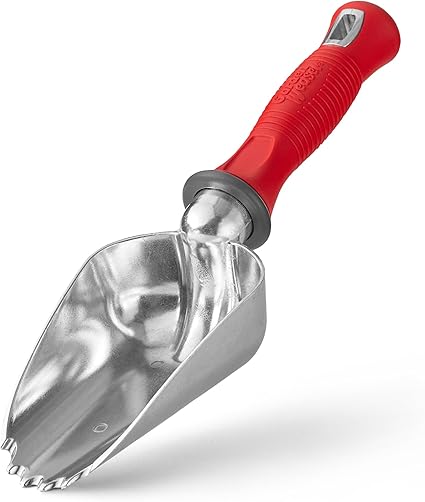
Potting Scoop
This potting scoop makes transferring soil, compost, or fertilizer clean and easy. Designed with a deep scoop and comfortable handle, it helps reduce spills and mess. Ideal for potting plants or repotting indoors, it’s a practical tool every gardener will appreciate.
Get it on Amazon7. Schefflera (Umbrella Plant)
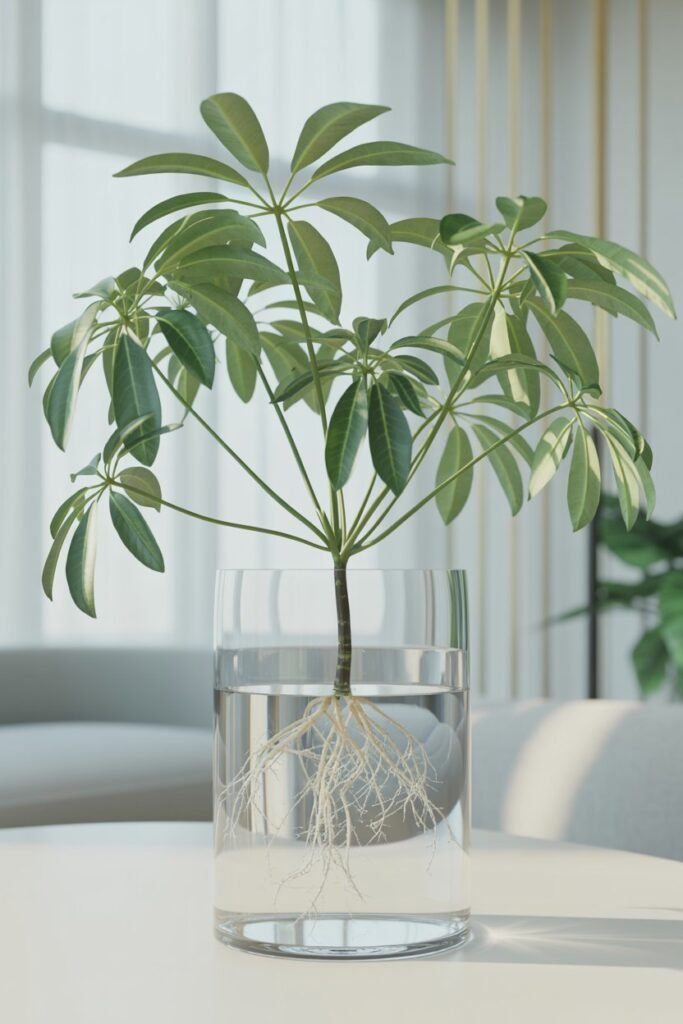
Why It Grows Well in Water
Schefflera stems stay stable in water and root quickly with consistent warmth. Their flexible growth habits make them easy to start from small cuttings.
How to Take the Cutting
- Cut a 6–8 inch stem from the tip of a healthy branch.
- Remove the lower leaves so the stem can sit cleanly in the jar.
- Ensure at least one node will be underwater.
How to Root It in Water
- Submerge the lower stem while keeping leaves above water.
- Place in bright, indirect light.
- Maintain warm room temperatures for best results.
Expected Growth Size
Grows 6–8 feet tall indoors with a full canopy of umbrella-shaped leaf clusters.
Extra Tip
Rotate your plant weekly once potted to maintain even, upright growth.

Watering Can
This watering can is designed for easy, controlled watering of houseplants, garden beds, and container plants. Its balanced handle and smooth spout help prevent spills while delivering water right to the roots. Durable and lightweight, it’s a reliable everyday tool for keeping plants healthy and well hydrated.
Get it on Amazon8. Dieffenbachia (Dumb Cane)

Why It Grows Well in Water
Dieffenbachia has thick, fleshy cane-like stems that root easily in water. Even short sections of stem can produce new growth.
How to Take the Cutting
- Cut a 4–6 inch piece of stem containing at least one node.
- You can use either a tip cutting or a mid-stem “cane” section.
- Remove any soft, damaged parts.
How to Root It in Water
- Place the stem upright or horizontally in a shallow jar.
- Keep the water level just high enough to cover the node.
- Provide consistent, bright indirect light.
Expected Growth Size
Can reach 3–6 feet indoors with large, patterned leaves.
Extra Tip
Dieffenbachia prefers stable conditions. Avoid sudden temperature changes while it is rooting.
Pro tip: people also read Easy DIY Balcony Pond Ideas for a Small Oasis

Bucket Tool Organizer
This bucket tool organizer keeps gardening tools neatly arranged and within easy reach. Designed to fit standard buckets, it offers multiple pockets for hand tools, gloves, and accessories. Durable and portable, it’s a smart way to stay organized while working in the garden or around the home.
Get it on Amazon9. Tradescantia (Wandering Dude)
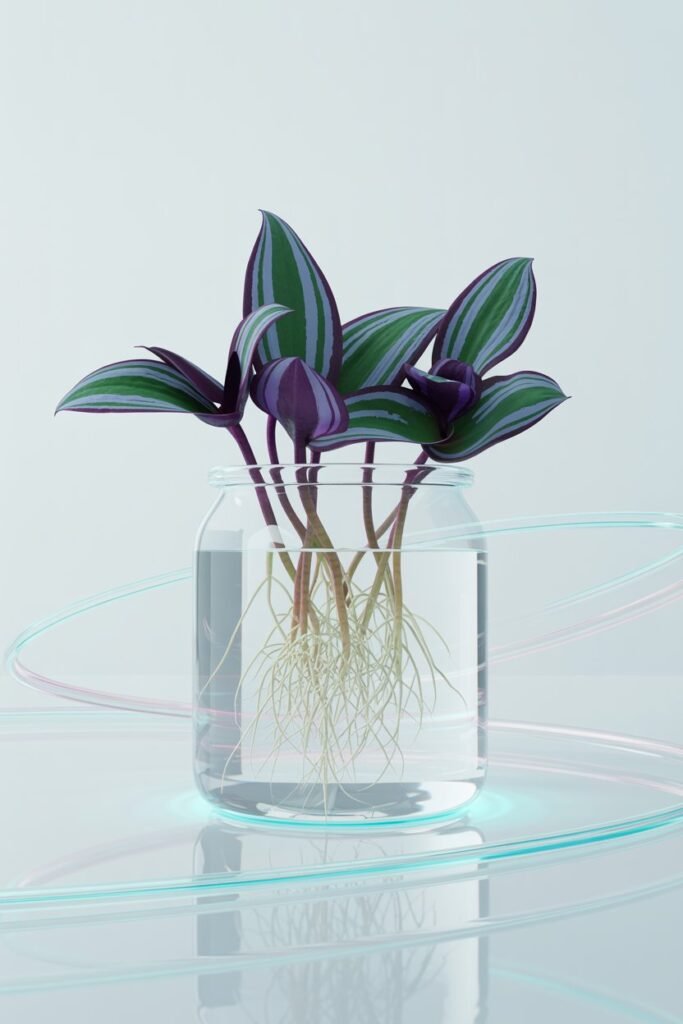
Why It Grows Well in Water
Tradescantia is one of the fastest water rooters. It can establish roots within days and grows thick, trailing foliage when multiple cuttings are combined.
How to Take the Cutting
- Snip a 4–5 inch stem with a healthy node.
- Remove leaves from the lower inch of the stem.
- Use firm, vibrant stems instead of older, woody ones.
How to Root It in Water
- Keep the node submerged in a small jar.
- Use several cuttings together for a fuller plant.
- Change the water every 5–7 days.
Expected Growth Size
Produces long, cascading vines and fills pots quickly.
Extra Tip
To keep Tradescantia from getting leggy, pinch back the tips regularly and root the cuttings in the same pot.

Measuring Spoon
This measuring spoon set is a reliable kitchen essential designed for accuracy and convenience. Ideal for cooking, baking, and precise ingredient measuring, it helps ensure consistent results every time. Durable and easy to clean, it’s a practical tool for everyday home cooks and seasoned chefs alike.
Get it on Amazon10. Chinese Evergreen (Aglaonema)
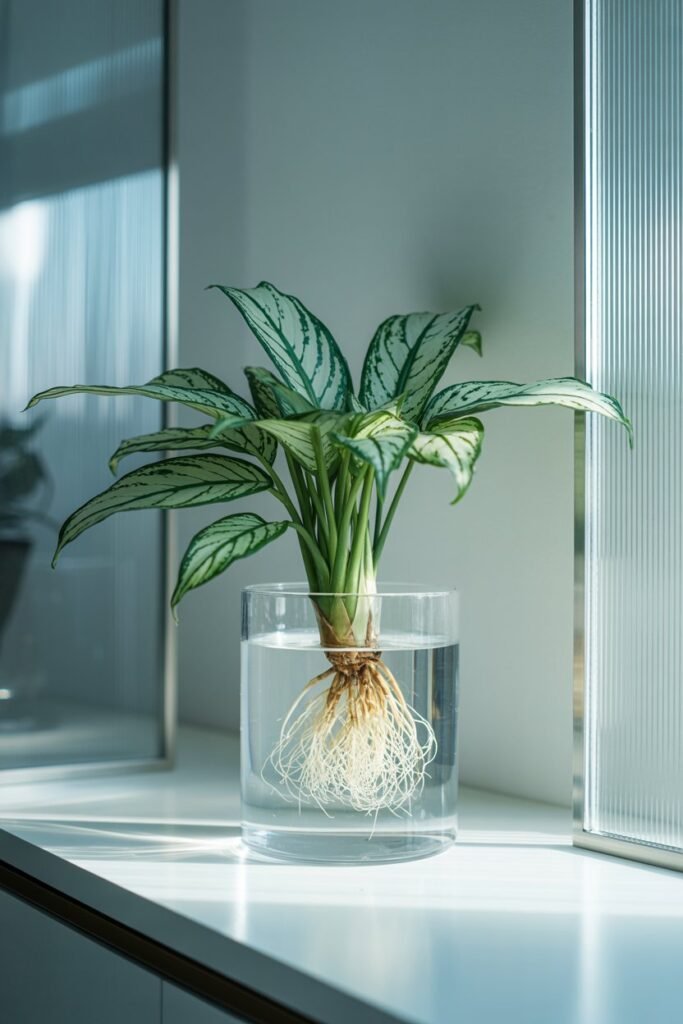
Why It Grows Well in Water
Aglaonema stems root beautifully in water and maintain their colorful leaves even during the propagation period. They’re adaptable, slow-growing, and easy to transition into soil.
How to Take the Cutting
- Take a 4–8 inch tip cutting with a few leaves.
- Make a clean cut below a node.
- Remove lower leaves to expose the rooting area.
How to Root It in Water
- Submerge the node in a clear jar.
- Keep the jar in medium, indirect light.
- Replace water every week to keep roots healthy.
Expected Growth Size
Grows 2–4 feet tall with thick, lush foliage in silver, green, or red tones.
Extra Tip
Aglaonema prefers softer light. Avoid placing it directly in front of strong windows while rooting.

Gardening Gloves
These gardening gloves provide reliable hand protection while maintaining comfort and flexibility. Designed to shield your hands from dirt, thorns, and minor scratches, they are ideal for planting, pruning, and general garden work. Durable and easy to wear, they help make gardening safer and more enjoyable for everyday use.
Get it on AmazonConclusion
Growing large houseplants from cuttings in water is one of those gardening experiences that feels both simple and quietly rewarding.
It teaches patience, encourages observation, and reminds you that even the smallest leaf or stem has the potential to become something impressive.
Over the years, I’ve found that starting plants in water creates a gentle environment where they can rebuild strength, develop clean roots, and begin fresh growth without the stress of soil.
Whether you’re rescuing a declining plant, expanding your collection without spending much, or simply enjoying the calm beauty of roots swirling in a glass jar, water propagation offers a method that is accessible to every gardener—beginner or experienced.
And as these cuttings grow into tall Monsteras, lush Philodendrons, or sturdy Rubber Plants, they become meaningful reminders of how much can grow from just a small, thoughtful start.
With consistent care, clean water, and bright indirect light, each of these ten plants can develop into a full, vibrant part of your indoor garden.
And the best part is that you’ll always know exactly where they came from—your own hands, your own patience, and your own quiet efforts.
