

I’ve spent many years with my hands in the soil, growing herbs not just for beauty or flavor, but for their healing history and quiet power.
Some herbs are easy companions in the garden generous, forgiving, and abundant.
Others, however, are rare, slow to grow, difficult to harvest, or deeply rooted in ancient medicine. These are the herbs that command astonishing prices.
When we talk about the most expensive medicinal herbs, we’re not talking about luxury for luxury’s sake.
We’re talking about scarcity, time, tradition, labor, climate sensitivity, and generations of medicinal use.
Many of these herbs take years sometimes decades to mature. Some can only grow in very specific regions. Others require careful hand-harvesting or precise processing to preserve their medicinal value.
In this post, I want to walk you through the world’s most expensive medicinal herbs what they are, why they cost so much, how they’re traditionally used, and whether they can be grown or sourced responsibly.
My hope is that by the end, you’ll not only understand their value, but also respect the patience and knowledge behind them.
Why Some Medicinal Herbs Are So Expensive
Before diving into individual herbs, it’s important to understand what drives their price.
Expensive medicinal herbs usually share one or more of these traits:
- Extremely slow growth cycles (5–20+ years)
- Limited growing regions with very specific climate needs
- Labor-intensive harvesting, often done entirely by hand
- High demand in traditional medicine systems
- Overharvesting or endangered status
- Complex processing methods
- Potent medicinal compounds that cannot be easily synthesized
Unlike common culinary herbs, these plants are not mass-produced easily. Their value lies as much in time and tradition as in chemistry.
1. Agarwood (Aquilaria species)
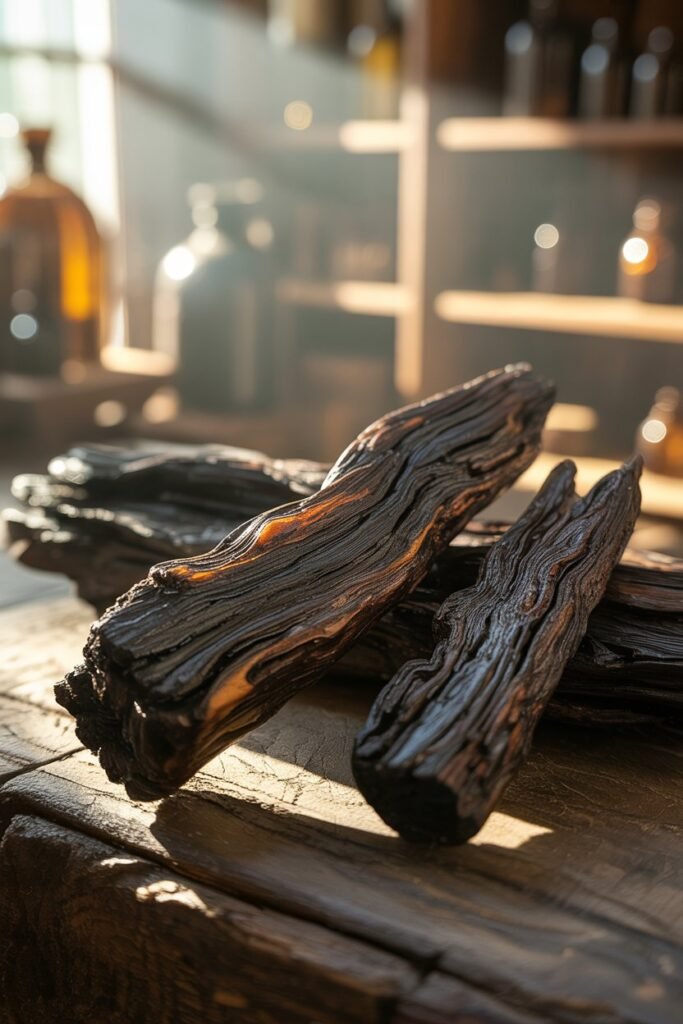
Price: $10,000 – $100,000+ per pound
Medicinal system: Traditional Chinese Medicine, Ayurvedic medicine, Middle Eastern herbal traditions
Agarwood is one of the rarest and most expensive medicinal substances in the world, often referred to as “liquid gold” when distilled into oil.
Unlike most medicinal plants, agarwood does not naturally form in every Aquilaria tree.
It develops only when the tree is wounded or infected, triggering a slow production of dark, resin-rich heartwood as a defense mechanism.
What makes agarwood extraordinarily expensive is its unpredictability and time.
Resin formation can take decades, and only a small percentage of trees ever develop usable medicinal-grade agarwood.
Harvesting is done carefully by hand, and high-quality pieces are sorted, aged, and sometimes distilled into oil, further increasing their value.
Medicinally, agarwood has been used for centuries as:
- A calming remedy for the nervous system
- Support for digestion and stomach discomfort
- Relief for respiratory congestion
- Emotional grounding and spiritual balance
Because wild agarwood has been severely overharvested, ethical cultivation and sustainable inoculation methods are now essential.
True medicinal agarwood is rare not because of trend, but because of time, patience, and respect for nature.
2. Schisandra (Schisandra chinensis)
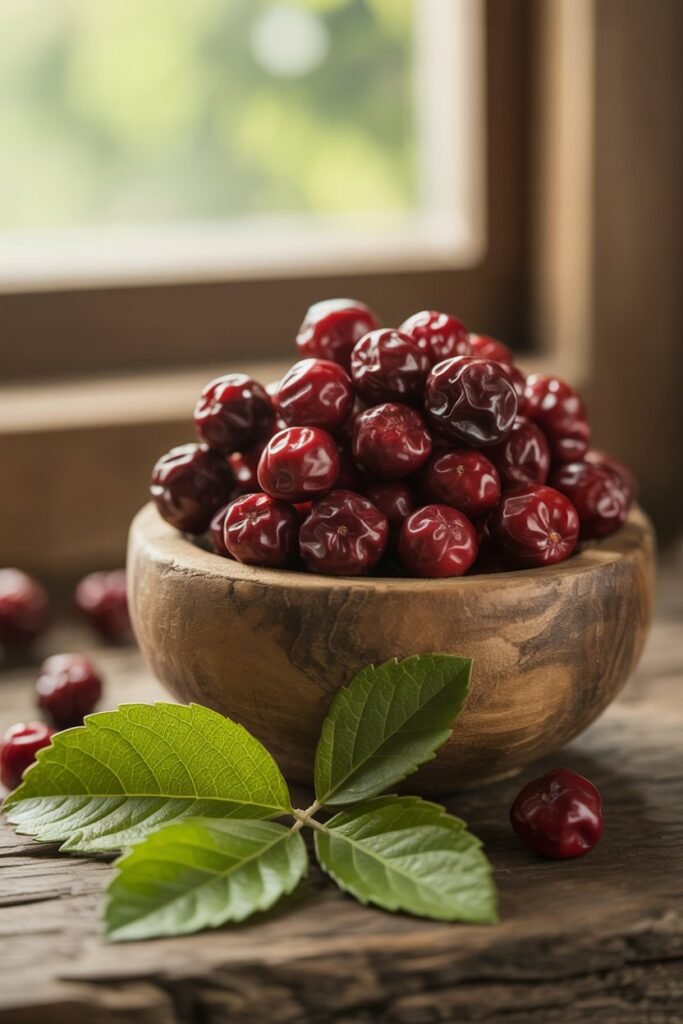
Price: $80 – $300 per pound
Medicinal system: Traditional Chinese Medicine, Russian herbal medicine
Schisandra is known as the “five-flavor fruit,” as its berries contain sweet, sour, salty, bitter, and pungent tastes all at once.
This unique profile reflects its balancing nature in traditional medicine, where it is prized for supporting the entire body rather than targeting a single symptom.
Schisandra becomes expensive due to the care required during harvesting and processing.
The berries must be picked at peak ripeness and dried gently to preserve their active compounds. Large quantities of fresh berries shrink significantly once dried, increasing the cost per pound.
Medicinally, schisandra has traditionally been used for:
- Liver protection and detox support
- Stress resistance and adrenal balance
- Mental clarity and focus
- Hormonal and reproductive support
In herbal practice, schisandra is valued for its ability to strengthen while gently restoring balance. It is not a fast-acting herb, but one that works quietly over time.
3. Saffron (Crocus sativus)
Price: $500 – $5,000 per pound
Medicinal system: Persian, Ayurvedic, Traditional Chinese Medicine
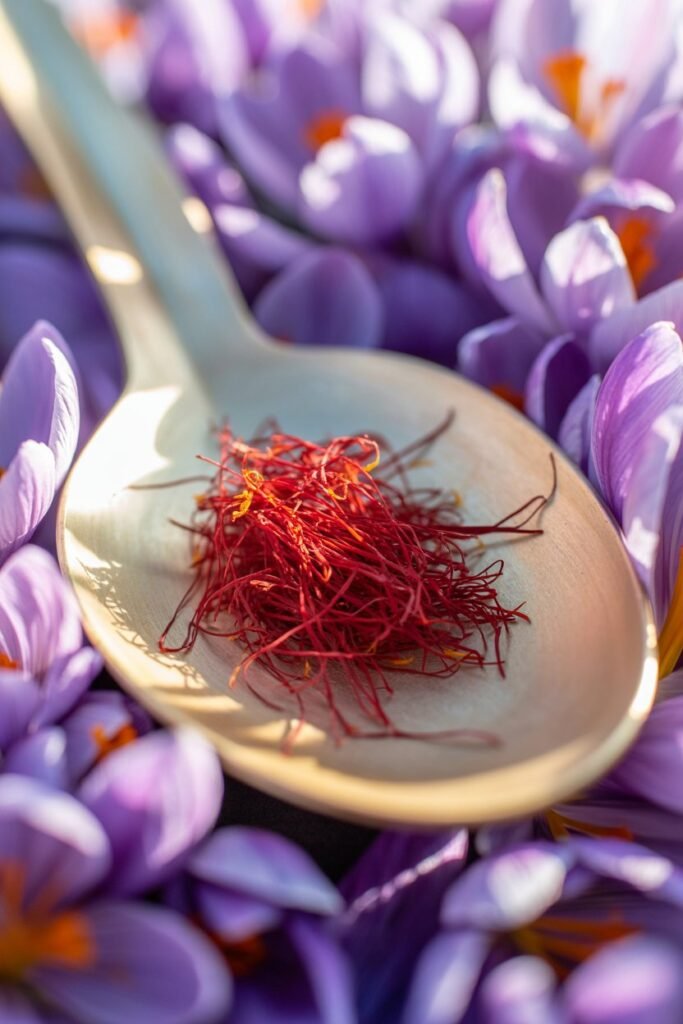
Saffron is often called the most expensive spice in the world, but it is also one of the most valuable medicinal herbs ever cultivated.
Each saffron thread is the dried stigma of a crocus flower and each flower produces only three delicate stigmas.
What makes saffron so costly is the harvesting process. Flowers bloom for just a few weeks each year, and the stigmas must be picked by hand, often at dawn, before the flowers fully open.
It takes over 75,000 flowers to produce a single pound of dried saffron.
Medicinally, saffron has been used for centuries as:
- A mood enhancer and support for emotional balance
- A gentle nerve tonic
- Support for digestion and circulation
- Women’s reproductive health
Modern research continues to explore saffron’s role in mental wellness and inflammation. When grown carefully and used respectfully, a little saffron truly goes a very long way.
4. Cordyceps (Cordyceps sinensis – traditional form)
Price: $3,000 – $20,000 per pound
Medicinal system: Traditional Chinese Medicine
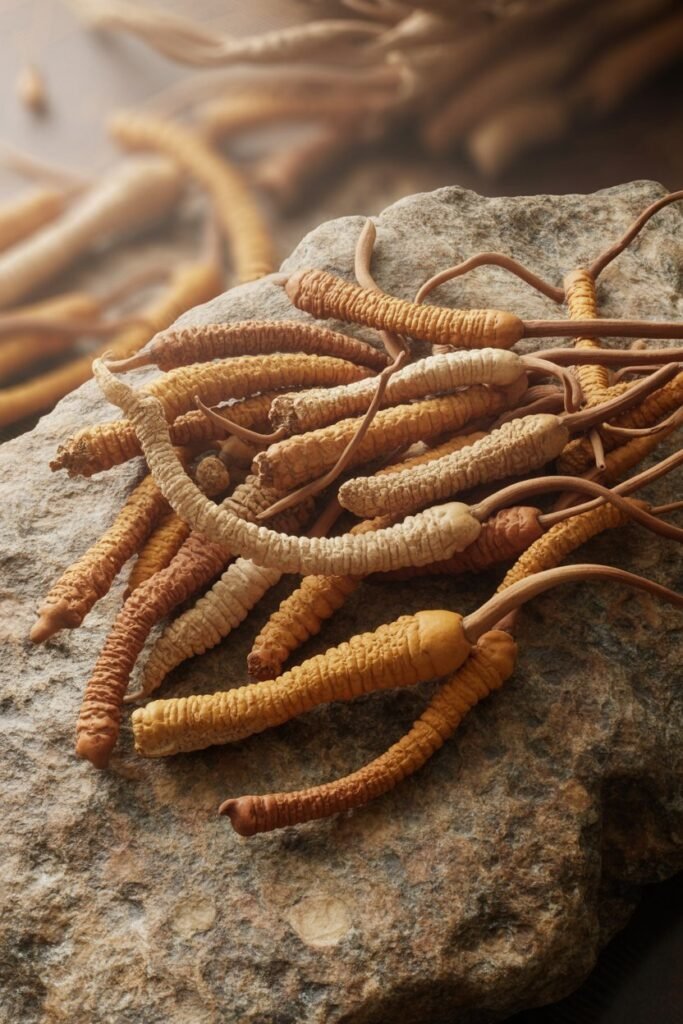
Cordyceps is one of the most fascinating and valuable medicinal organisms in the natural world.
Traditionally, it grows in high-altitude Himalayan regions and forms through a rare interaction between fungus and insect, making natural specimens extremely scarce.
The high cost of cordyceps comes from its limited habitat, short harvesting season, and the difficulty of collecting it in remote mountainous terrain.
Wild cordyceps has become increasingly rare, driving prices even higher.
Medicinally, cordyceps has been used to:
- Enhance physical stamina and endurance
- Support lung and respiratory health
- Strengthen kidney energy in traditional medicine
- Improve recovery and vitality
Today, cultivated cordyceps offers a more sustainable option, but wild-harvested specimens remain among the most expensive medicinal substances on Earth.
5. Goldenseal (Hydrastis canadensis)
Price: $50 – $200 per pound
Medicinal system: Native American herbalism, Western herbal medicine
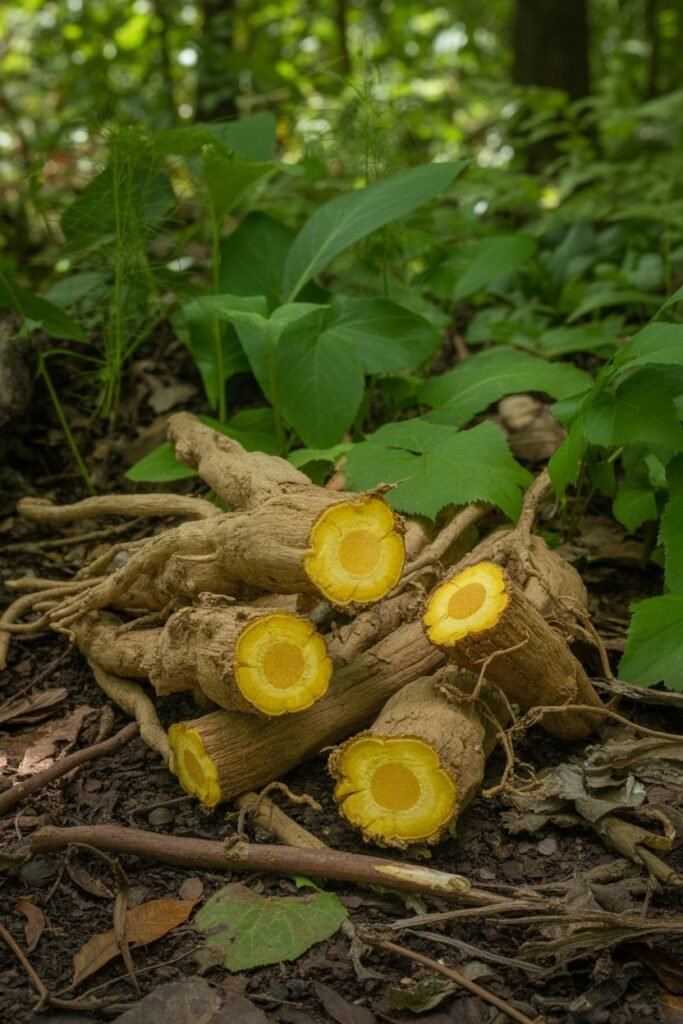
Goldenseal is a woodland medicinal herb known for its bright yellow root and powerful antimicrobial properties. Native to North American forests, it grows slowly and prefers shaded, undisturbed environments.
Goldenseal became expensive due to decades of overharvesting and habitat loss. Because it takes several years to mature, wild populations declined rapidly before conservation efforts were put in place.
Medicinally, goldenseal has long been used for:
- Immune system support
- Digestive and gut health
- Skin infections and wound care
- Respiratory tract support
Today, sustainably cultivated goldenseal is essential to preserving this powerful herb for future generations.
6. Vanilla (Vanilla planifolia)
Price: $200 – $600 per pound
Medicinal system: Traditional Mesoamerican medicine
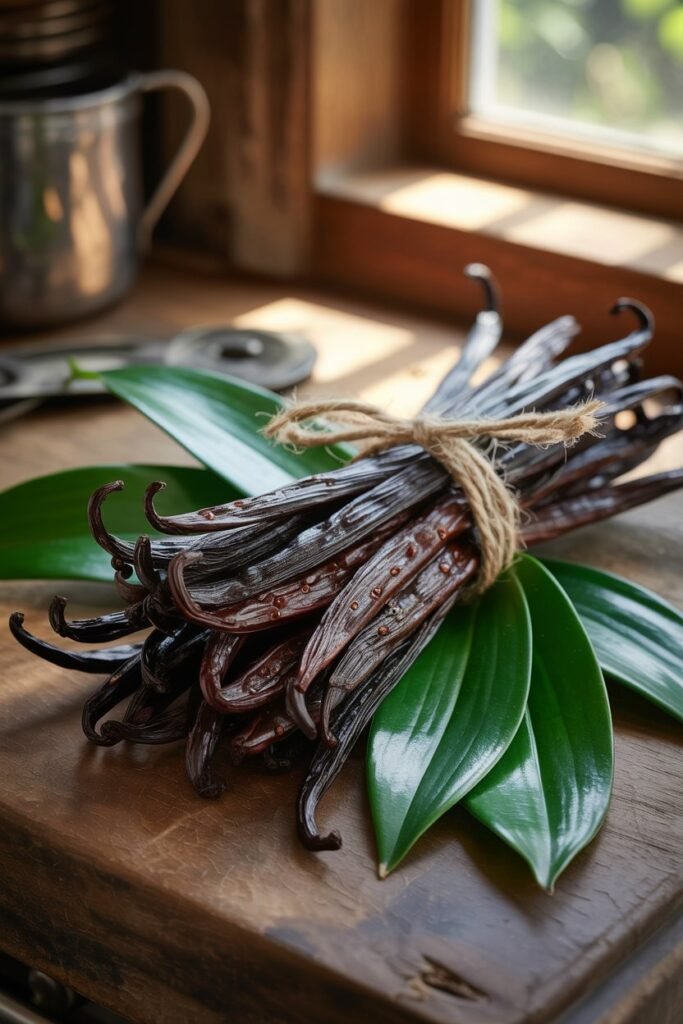
Vanilla is far more than a flavoring it is a medicinal orchid with a long history of therapeutic use.
The vanilla vine takes several years to mature, and each flower must be hand-pollinated within a very short window of time.
The labor-intensive nature of vanilla cultivation is the main reason for its high cost. After harvesting, vanilla beans must be cured and aged for months to develop their medicinal and aromatic properties.
Traditionally, vanilla has been used as:
- A calming remedy for the nervous system
- Support for digestion
- Relief from anxiety and emotional tension
- A gentle aphrodisiac
Growing vanilla requires patience, warmth, and care qualities reflected in its price and value.
7. Rhodiola rosea
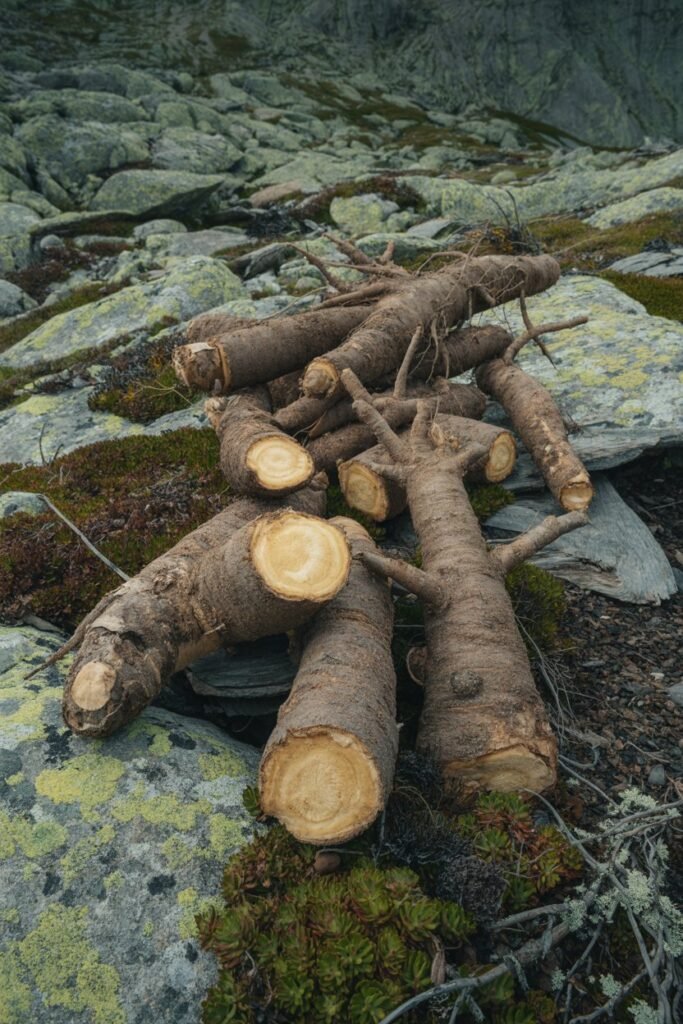
Price: $150 – $400 per pound
Medicinal system: Scandinavian, Russian, Traditional Chinese Medicine
Rhodiola is a cold-climate adaptogenic herb that grows in rocky, mountainous regions. Its roots contain compounds that help the body adapt to physical and emotional stress.
Harvesting rhodiola is physically demanding, often requiring collection from remote, high-altitude environments. Overharvesting has increased its price and emphasized the need for responsible sourcing.
Medicinally, rhodiola has been used for:
- Stress and fatigue management
- Mental clarity and cognitive support
- Physical endurance
- Emotional balance during challenging times
Rhodiola works gently but deeply, making it highly valued in modern herbalism.
8. Astragalus (Astragalus membranaceus – aged roots)
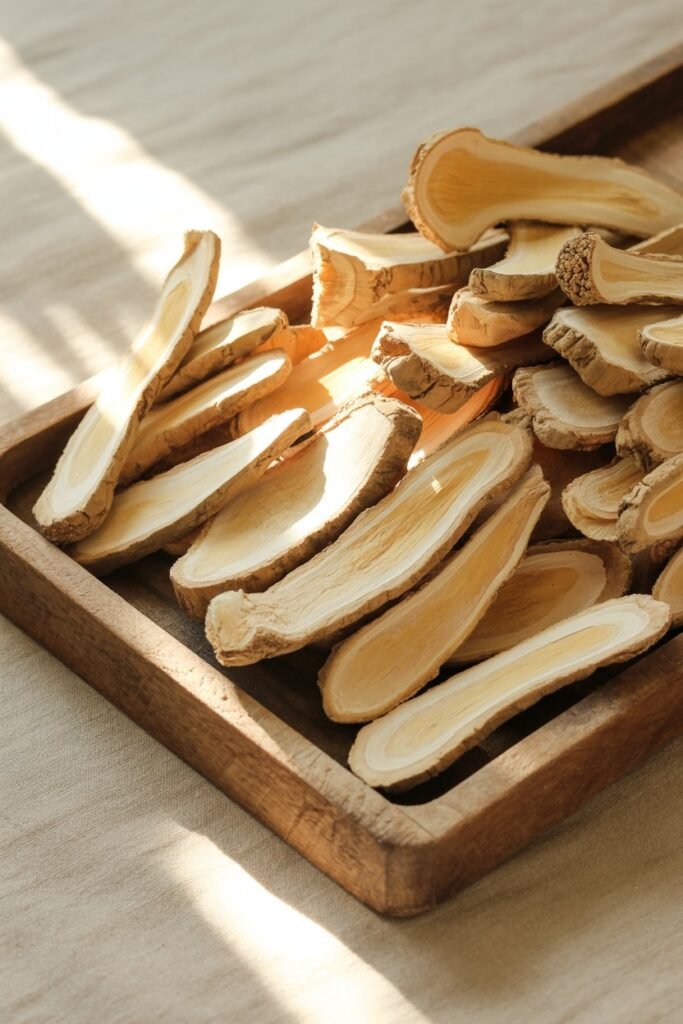
Price: $100 – $500 per pound
Medicinal system: Traditional Chinese Medicine
Astragalus is a foundational herb in Traditional Chinese Medicine, prized especially when its roots are aged. Older roots are thicker, denser, and considered more potent, which significantly increases their price.
The root must grow for several years before harvest, and careful drying is essential to preserve its medicinal qualities.
Astragalus has traditionally been used to:
- Strengthen the immune system
- Support longevity and vitality
- Improve resistance to stress
- Support overall energy balance
Its reputation as a long-term wellness herb makes it especially valued rather than quickly consumed.
9. Ginseng (Panax ginseng & Panax quinquefolius)
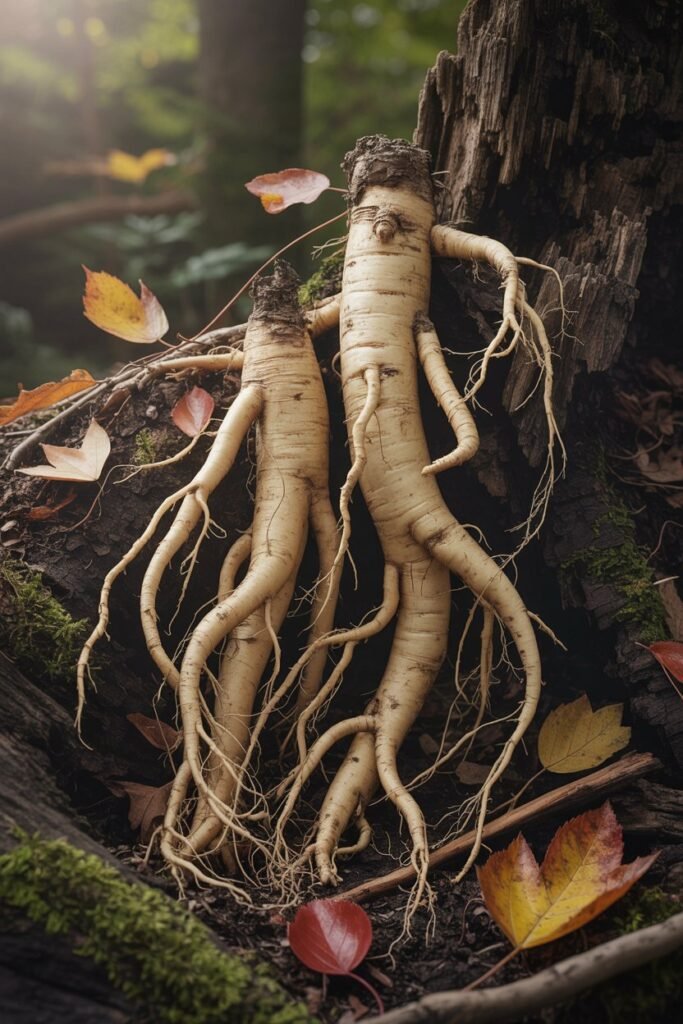
Price: $300 – $20,000+ per pound (wild varieties)
Medicinal system: Traditional Chinese Medicine, Korean medicine
True ginseng is one of the most revered medicinal roots in history. It grows slowly, often taking six to ten years to reach maturity, and wild specimens are increasingly rare.
The price of ginseng depends on age, shape, and origin. Older, human-shaped roots are especially prized and can command astonishing prices.
Medicinally, ginseng has been used for:
- Restoring energy and vitality
- Supporting immune health
- Enhancing mental clarity
- Strengthening stress resilience
Ethical cultivation is now essential to protect wild ginseng populations.
10. Turmeric (High-Curcumin Medicinal Grade)
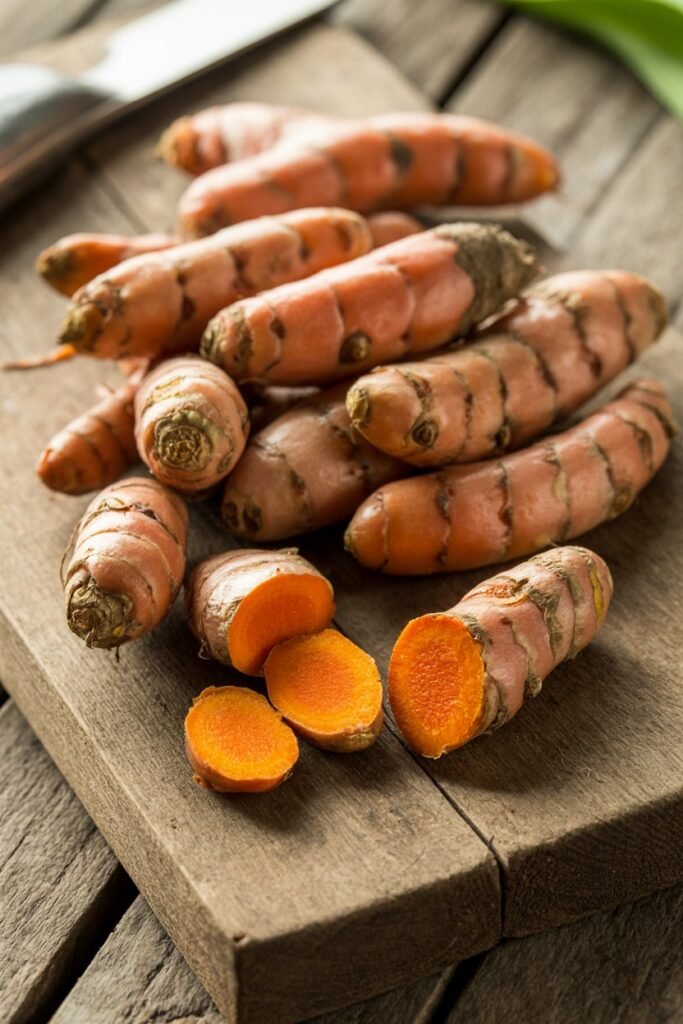
Price: $40 – $300 per pound (medicinal extracts)
Medicinal system: Ayurvedic medicine, Traditional Chinese Medicine
While turmeric is widely known, medicinal-grade turmeric with high curcumin content is far more expensive than culinary varieties.
It requires careful cultivation, testing, and processing to achieve therapeutic potency.
Medicinal turmeric has traditionally been used for:
- Inflammation support
- Joint and muscle health
- Digestive balance
- Liver and detox support
Its value lies not in rarity alone, but in quality, purity, and potency.
Final Thoughts: True Value Goes Beyond Price
The most expensive medicinal herbs are not expensive because they are fashionable they are expensive because they represent time, tradition, and care.
Every root pulled from the soil, every flower harvested at dawn, every seed protected for future generations carries a story. As gardeners, herbalists, and caretakers of the earth, we are part of that story too.
If there’s one thing I’ve learned over the years, it’s this: the most powerful medicine grows slowly.
And sometimes, the patience required to grow or source these herbs is part of the healing itself.
