
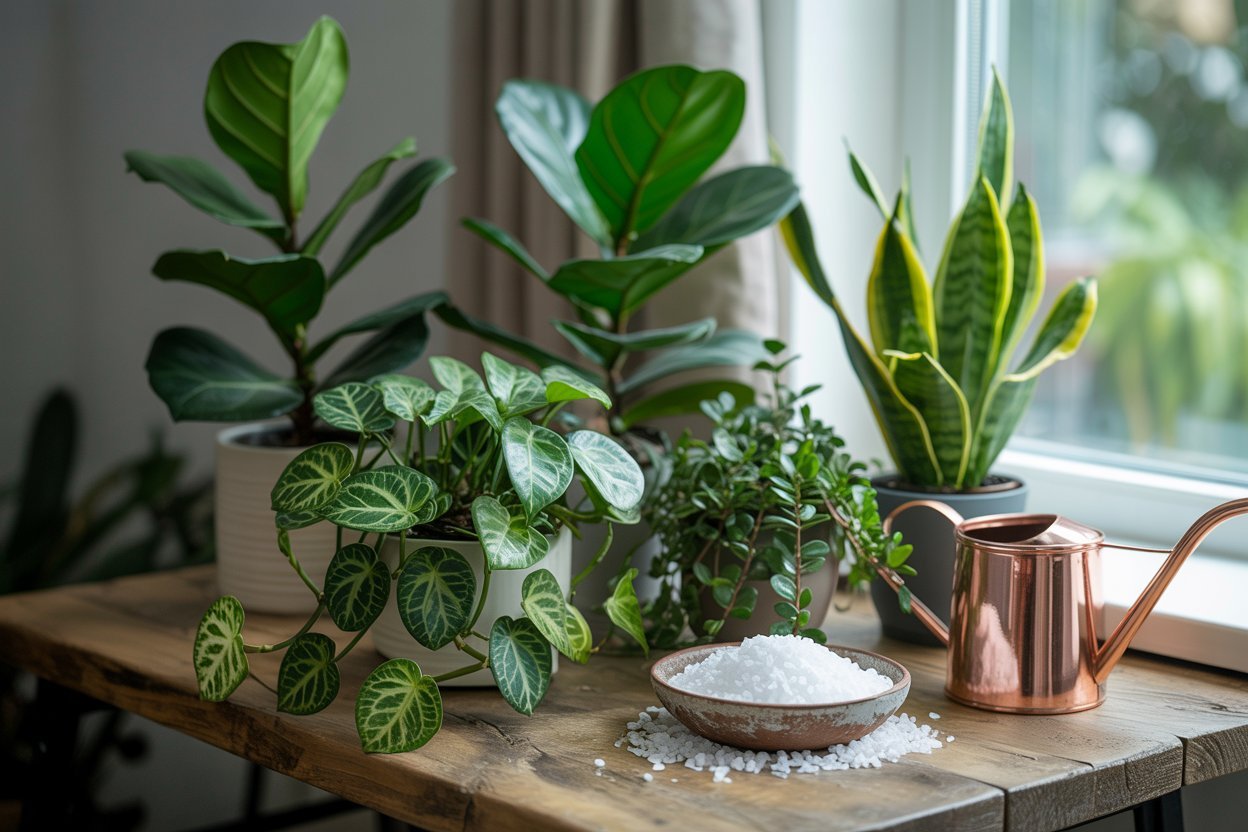

The Gentle Power of Epsom Salt in the Garden
There’s a quiet kind of magic that happens when you pour love into your garden. The early morning light, the soft hum of bees, the earthy scent that fills the air it all feels like a conversation between your soul and the soil.
For years, gardeners have whispered about a humble secret ingredient that seems to make everything greener, stronger, and more vibrant: Epsom salt.
Made from magnesium sulfate, Epsom salt is a natural mineral compound that plays a vital role in plant health.
Magnesium helps plants produce chlorophyll, the green pigment responsible for photosynthesis that life-giving process that turns sunlight into energy. Sulfur, meanwhile, improves the plant’s ability to absorb nutrients like nitrogen and phosphorus.
The result? Deeper green leaves, stronger roots, and more beautiful blooms and fruits.
But here’s the best part: you don’t need to be a professional horticulturist to use it.
Whether you’re growing herbs on your kitchen windowsill or nurturing an entire backyard garden, Epsom salt is an easy, affordable, and organic way to make your plants thrive.
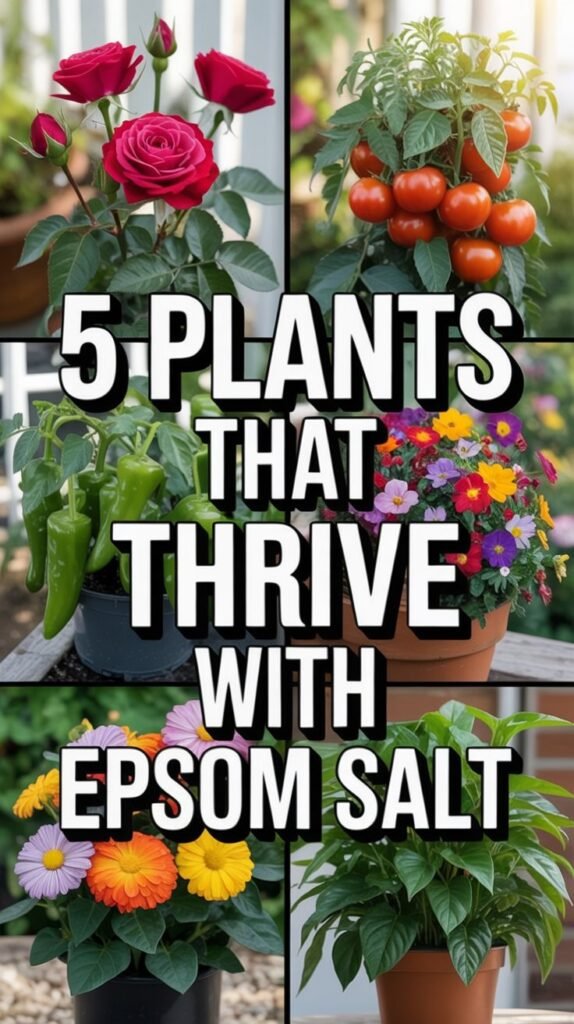
In this guide, we’ll explore five plants that absolutely adore Epsom salt, why it works, and exactly how to use it.
Amazon essentials
- Epsom Salt for Plants
- Liquid Epsom Salt Plant Fertilizer
- Hydroponic-Grade Magnesium Supplement
- Plant Fertilizer Measuring Spoon Set
1. Roses — The Queen That Deserves Her Minerals
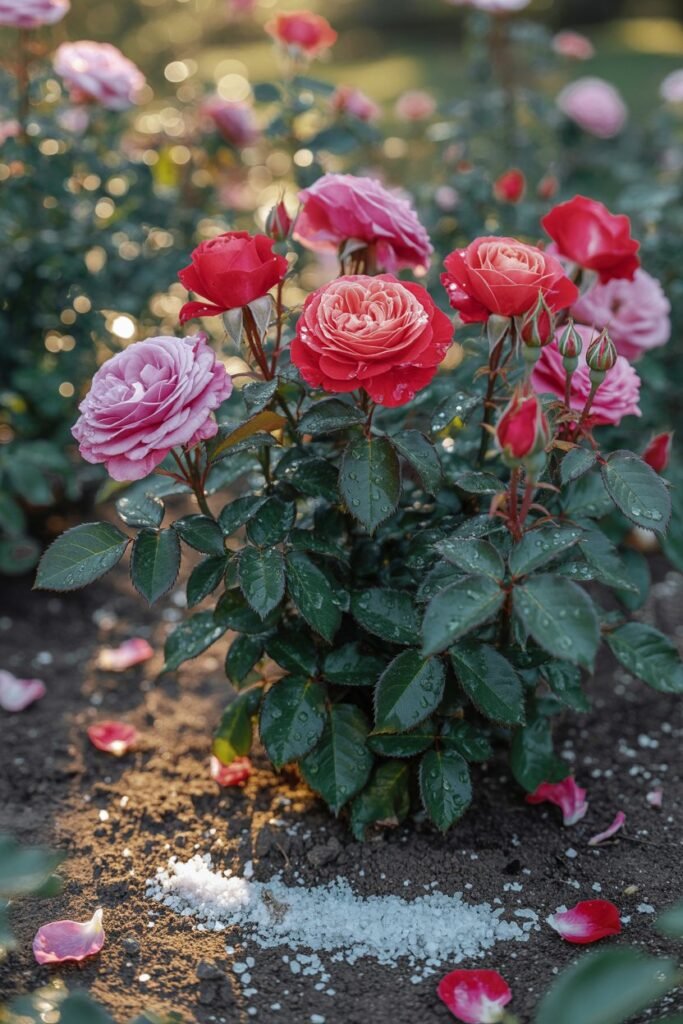
Roses are the heart of any garden elegant, timeless, and filled with soul. They respond beautifully to Epsom salt because magnesium is essential for strong stems and lush foliage.
Why Roses Love Epsom Salt
Roses are heavy feeders that use a lot of magnesium to produce their iconic blooms. When the soil lacks magnesium, their leaves turn pale or yellow, and blossoms become smaller or fewer.
Epsom salt replenishes that magnesium, giving your roses the nutrients they need to produce vibrant, long-lasting flowers.
How to Use Epsom Salt for Roses
- When planting new roses: Add 1 tablespoon of Epsom salt to the bottom of the planting hole before setting in your bush. Cover lightly with soil before planting to avoid root burn.
- For established roses: Mix 1 tablespoon per gallon of water and apply around the base once a month during growing season.
- For foliar feeding: Dissolve 1 tablespoon per gallon of water in a spray bottle and mist the leaves every two weeks.
Materials You’ll Need
- Epsom salt (plain, unscented)
- Watering can or spray bottle
- Garden gloves
- Mulch (optional, to retain moisture)
Bonus Gardener’s Tip
I like to give my roses their Epsom salt feeding early in the morning when the garden is still quiet. It’s a small ritual — a way to start the day with peace, intention, and the promise of beauty.

Epsom Salt
Epsom salt is a versatile household essential valued for its high magnesium sulfate content. Commonly used in gardening, it helps support healthy plant growth, greener leaves, and improved nutrient uptake. It’s also widely appreciated for home and wellness uses, making it a practical, multi-purpose staple to keep on hand.
Get it on Amazon2. Tomatoes — The Sun-Loving Stars of the Garden
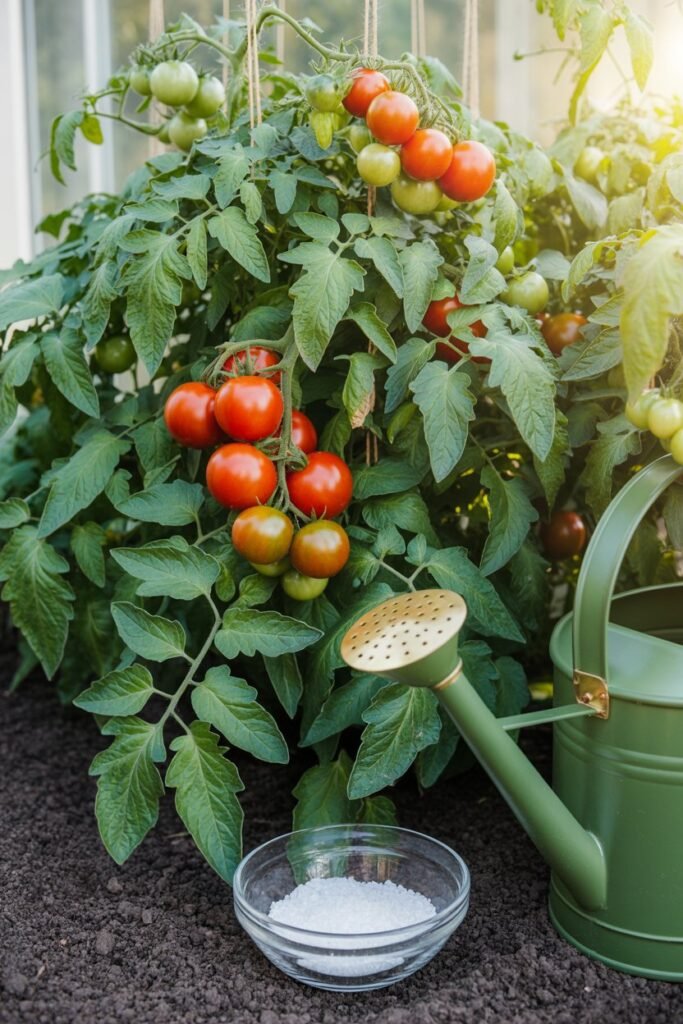
If roses are the queens, tomatoes are the heart and soul of every kitchen garden. They thrive in warmth, sunshine, and nutrient-rich soil — and Epsom salt gives them exactly what they need for strong, juicy, flavorful fruit.
Why Tomatoes Love Epsom Salt
Tomatoes are notorious for magnesium deficiency, especially in mid-season when they’re producing heavily. This can cause yellowing leaves, weak stems, and a condition called blossom-end rot.
Epsom salt helps by replenishing magnesium and improving the plant’s uptake of calcium and other nutrients, leading to healthier, sweeter fruit and stronger growth.
Pro tip: people also read Easy Garden Hacks Using Everyday Items
How to Use Epsom Salt for Tomatoes
- When planting: Add 1 tablespoon of Epsom salt to the hole before placing your tomato plant.
- During growth: Mix 1 tablespoon per gallon of water and feed every two weeks.
- Mid-season boost: Sprinkle 1–2 tablespoons around the base of each plant and water deeply.
Materials You’ll Need
- Epsom salt
- Watering can
- Mulch to regulate soil moisture
- Organic compost for balanced nutrients
Bonus Gardener’s Tip
Epsom salt helps tomato plants absorb the nutrients already in your soil so don’t skip your compost or fertilizer. The combination is what creates those rich, flavorful tomatoes that taste like summer sunshine.

Watering Can
This watering can is a simple yet essential gardening tool designed to deliver water gently and evenly to your plants. Ideal for houseplants, balcony gardens, and small outdoor spaces, it helps prevent soil disturbance while ensuring proper hydration. Durable, easy to handle, and practical for everyday use, it’s a must-have for any home gardener.
Get it on Amazon3. Peppers — For Bold Color and Sweet Flavor
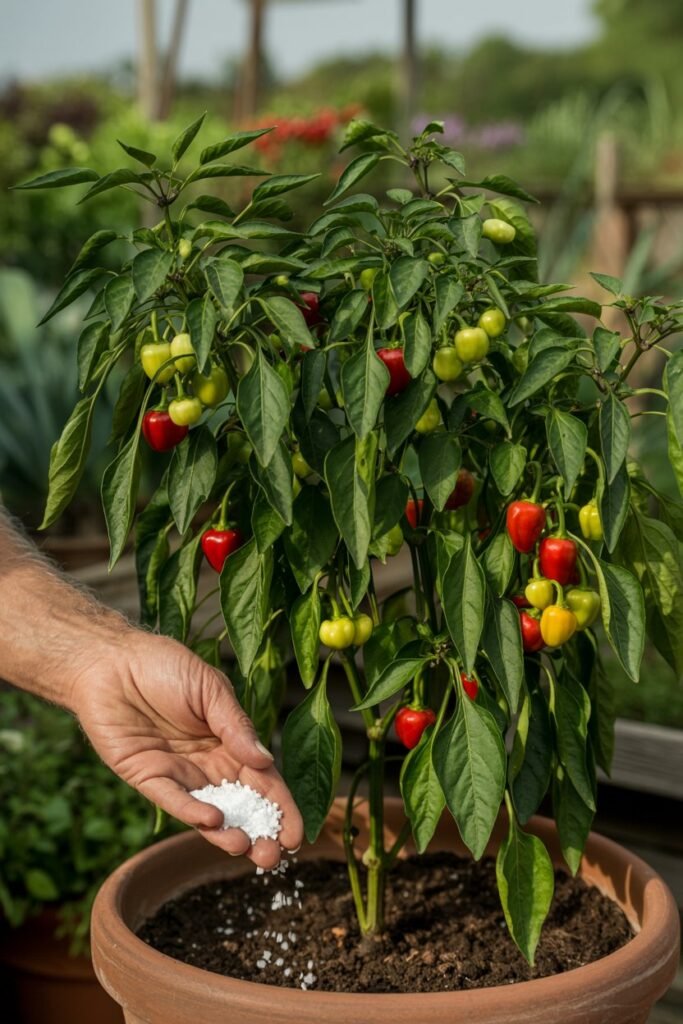
Peppers, both sweet and spicy, love magnesium almost as much as tomatoes do. If your pepper leaves are curling, yellowing, or dropping blossoms, it’s a cry for help and Epsom salt can be the answer.
Why Peppers Love Epsom Salt
Magnesium helps peppers develop vivid color, thicker fruit walls, and balanced flavor. Sulfur improves root strength and resilience against stress. Without enough magnesium, your peppers might struggle to hold fruit or develop uneven ripening.
How to Use Epsom Salt for Peppers
- When transplanting: Add 1 tablespoon of Epsom salt to the bottom of the hole.
- During growth: Dissolve 1 tablespoon per gallon of water and feed monthly.
- During fruiting: Use a foliar spray every two weeks for a quick nutrient boost.
Materials You’ll Need
- Watering can or sprayer
- Epsom salt
- Rich, well-draining soil
- Sunlight at least 6 hours per day
Bonus Gardener’s Tip
Talk to your plants! It sounds whimsical, but there’s power in it. As you water your peppers, whisper a few kind words gratitude, joy, hope. Plants respond to energy, and kindness helps everything grow better.
People also read 14 Foolproof Vegetables for Your Indoor Garden

Measuring Spoon
This measuring spoon set is a reliable kitchen essential designed for accuracy and convenience. Ideal for cooking, baking, and precise ingredient measuring, it helps ensure consistent results every time. Durable and easy to clean, it’s a practical tool for everyday home cooks and seasoned chefs alike.
Get it on Amazon4. Cucumbers — For Crisp Vines and Abundant Harvests
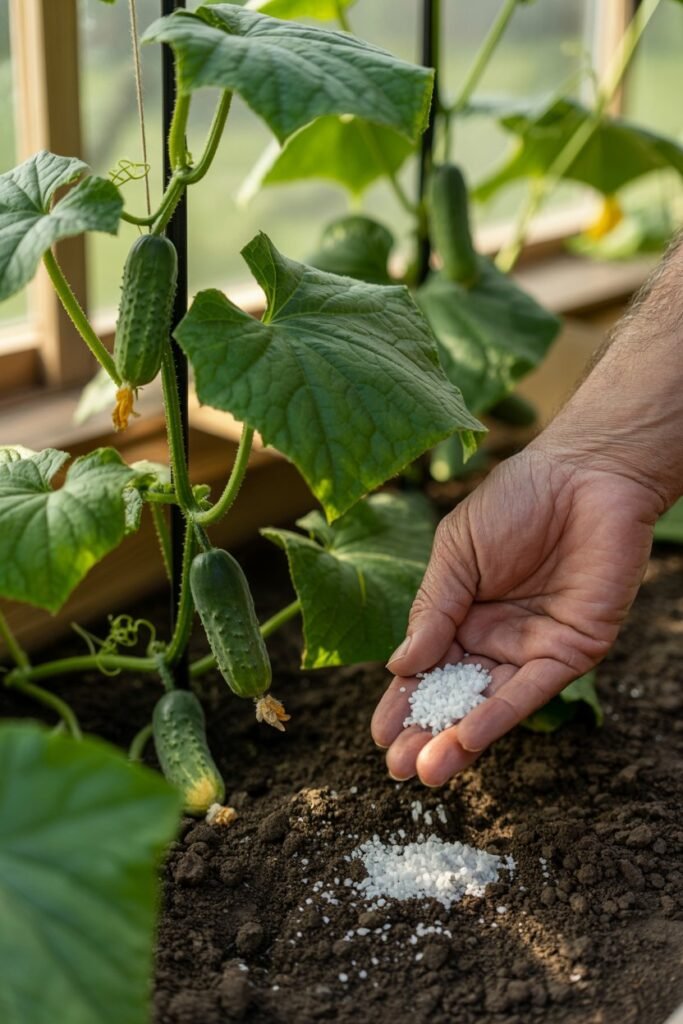
Cucumbers thrive on warmth, water, and magnesium. If your cucumber leaves look pale or your vines are weak, it’s time for a dose of Epsom salt.
Why Cucumbers Love Epsom Salt
Epsom salt encourages strong root systems and enhances chlorophyll, helping cucumbers stay lush and productive. It also prevents yellowing leaves and increases fruit yield.
How to Use Epsom Salt for Cucumbers
- Soil preparation: Before planting, mix 1 tablespoon of Epsom salt per foot of soil into your bed.
- During growth: Water with 1 tablespoon per gallon of water once every two weeks.
- Fruiting stage: Mist with a foliar spray every two weeks for vibrant leaves and crisp fruits.
Materials You’ll Need
- Epsom salt
- Watering can or sprayer
- Well-draining soil with compost
- Mulch for moisture retention
Bonus Gardener’s Tip
Cucumbers love consistent moisture. Epsom salt won’t replace watering it complements it. Keep the soil evenly moist, and your cucumbers will reward you with abundant, crunchy fruit.
Read 15 Beautiful Winter Flowers That Survive and Bloom in the Cold

Gardening Gloves
These gardening gloves provide reliable hand protection while maintaining comfort and flexibility. Designed to shield your hands from dirt, thorns, and minor scratches, they are ideal for planting, pruning, and general garden work. Durable and easy to wear, they help make gardening safer and more enjoyable for everyday use.
Get it on Amazon5. Strawberries — For Sweet, Plump, and Juicy Berries

There’s nothing like the joy of picking a ripe strawberry straight from your garden the scent, the taste, the satisfaction. Epsom salt helps your strawberries grow stronger and sweeter by improving their root strength and fruit quality.
Why Strawberries Love Epsom Salt
Magnesium enhances sugar production in strawberries, resulting in richer flavor and plumper berries. Sulfur supports disease resistance and helps the plant absorb nutrients effectively.
How to Use Epsom Salt for Strawberries
- Soil prep: Add ½ tablespoon per plant at the base before watering.
- During the growing season: Mix 1 tablespoon per gallon of water and apply monthly.
- In early spring: Combine Epsom salt with crushed eggshells for an ideal magnesium-calcium balance.
Materials You’ll Need
- Epsom salt
- Watering can
- Crushed eggshells (optional but excellent for calcium)
- Mulch to protect roots and maintain moisture
Bonus Gardener’s Tip
Keep your strawberries happy with morning watering. They dislike wet leaves overnight, which can invite disease. Add Epsom salt in the morning sunshine, and you’ll watch your berries sparkle with life.

Portable Trowel
This portable trowel is a compact and practical tool designed for easy digging, planting, and soil work. Ideal for container gardening, raised beds, and small garden spaces, it offers a comfortable grip and reliable performance. Lightweight yet durable, it’s perfect for gardeners who want a handy tool they can use anywhere.
Get it on AmazonThe Science Behind Epsom Salt: Why It Works
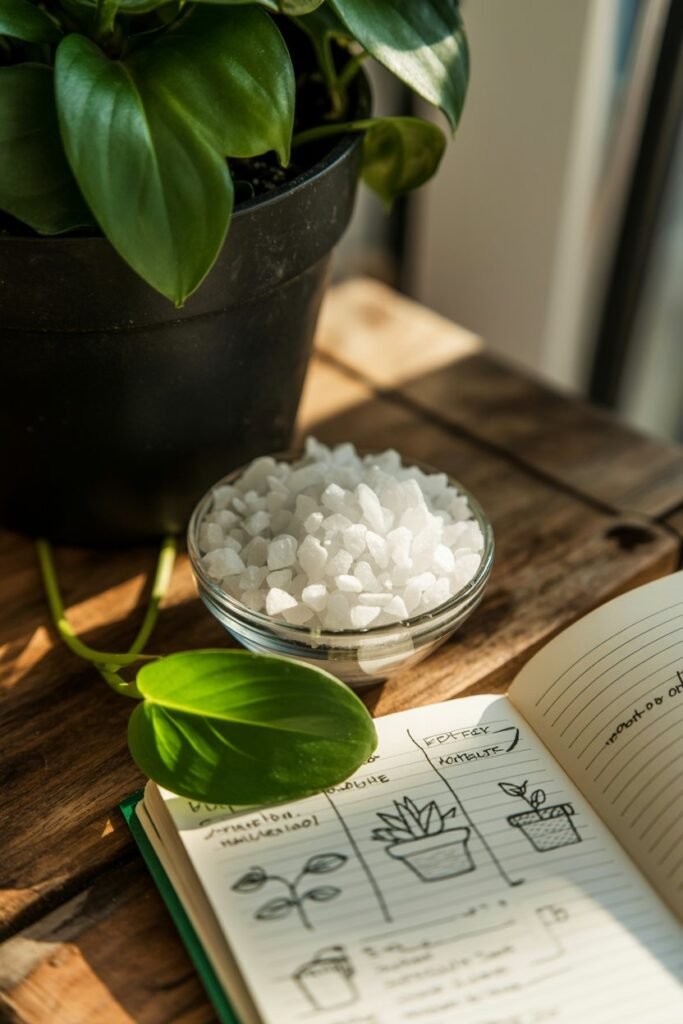
Epsom salt contains two essential elements:
- Magnesium (Mg): vital for chlorophyll production, photosynthesis, and nutrient absorption.
- Sulfur (S): enhances root strength, flavor, and disease resistance.
When you add Epsom salt to soil, it:
- Boosts nutrient uptake of nitrogen and phosphorus.
- Strengthens root development.
- Improves leaf color and structure.
- Helps prevent common deficiencies that stunt growth.
It’s best used as a supplement, not a fertilizer replacement. Think of it like vitamins for your plants a little extra love to keep them thriving.
When (and When Not) to Use Epsom Salt
While Epsom salt benefits many plants, it’s not suitable for all. Avoid using it excessively too much magnesium can unbalance your soil.
Great for:
- Roses
- Tomatoes
- Peppers
- Cucumbers
- Strawberries
- Houseplants with yellowing leaves (in moderation)
Avoid overuse on:
- Acid-loving plants like azaleas or blueberries
- Already magnesium-rich soil (test first if possible)

Plastic Terracotta Pots
These plastic terracotta pots combine the classic look of traditional clay pots with the lightweight durability of plastic. Ideal for indoor and outdoor gardening, they resist cracking while providing excellent drainage for healthy roots. Perfect for herbs, flowers, and small plants, they offer a stylish and practical solution for everyday gardening needs.
Get it on AmazonMaterials Checklist for Your Epsom Salt Garden

- Unscented Epsom salt (magnesium sulfate)
- Watering can or hose-end sprayer
- Measuring spoons
- Gloves and small trowel
- Mulch and compost
- A notebook to track your plant’s progress (optional but lovely!)
Seasonal Epsom Salt Schedule
| Season | Use | Frequency |
|---|---|---|
| Spring | Soil preparation | Once before planting |
| Summer | Foliar spray & watering | Every 2–4 weeks |
| Autumn | Root strengthening | Once before dormancy |
| Winter (indoors) | Minimal feeding | Once every 6–8 weeks |
Common Mistakes Gardeners Make
- Overusing Epsom salt: More isn’t better. Stick to the recommended ratios.
- Skipping basic nutrients: Epsom salt complements fertilizer it doesn’t replace it.
- Ignoring soil pH: Test your soil if possible. Epsom salt doesn’t fix acidic or alkaline imbalances.
- Applying at the wrong time: Water early in the day for best absorption.
Final Thoughts: Gardening from the Heart
Your garden is more than a patch of soil — it’s a reflection of your care, patience, and love. Each scoop of Epsom salt, each drop of water, is a gesture of devotion to something living.
When I walk through my garden, I see more than plants. I see moments the first rosebud of the season, the blush of ripening tomatoes, the bees dancing around the cucumbers.
Epsom salt helps my garden thrive, but love is what truly makes it grow.
So here’s to you — the woman who nurtures life from the ground up. May your garden flourish, your blooms overflow, and your heart feel as full as your harvest basket.
