
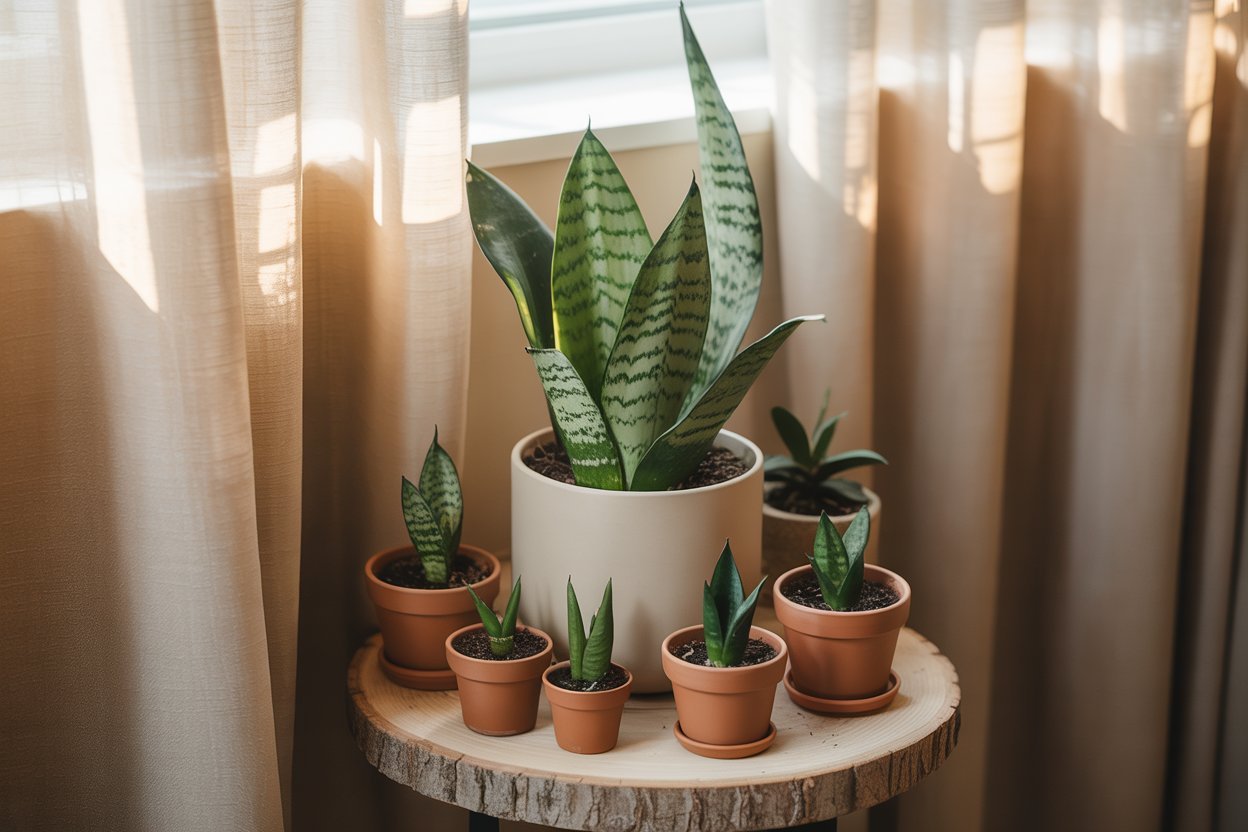

I remember standing over my snake plant one quiet morning, coffee in hand, gently parting the soil at the base the way I had done so many times before.
I had nurtured this plant for years. It was tall, glossy, and unwaveringly green everything a healthy snake plant should be. And yet, there were no pups. No little offshoots. No signs of multiplication.
If you’ve found yourself in that same moment of wondering, you’re not alone.
Snake plants have a reputation for being easy, but pup production is one of those topics that often leaves plant lovers confused and discouraged.
The truth is, snake plants don’t produce pups by accident. They do it when their environment quietly tells them it’s safe and worthwhile to grow beyond themselves.
This post is designed to help you truly understand why your snake plant isn’t producing pups and, more importantly, how to gently guide it toward doing so.
These are not quick hacks or forced tricks. These are long-term, plant-respecting solutions that work.
1. Your Snake Plant Isn’t Getting Enough Light
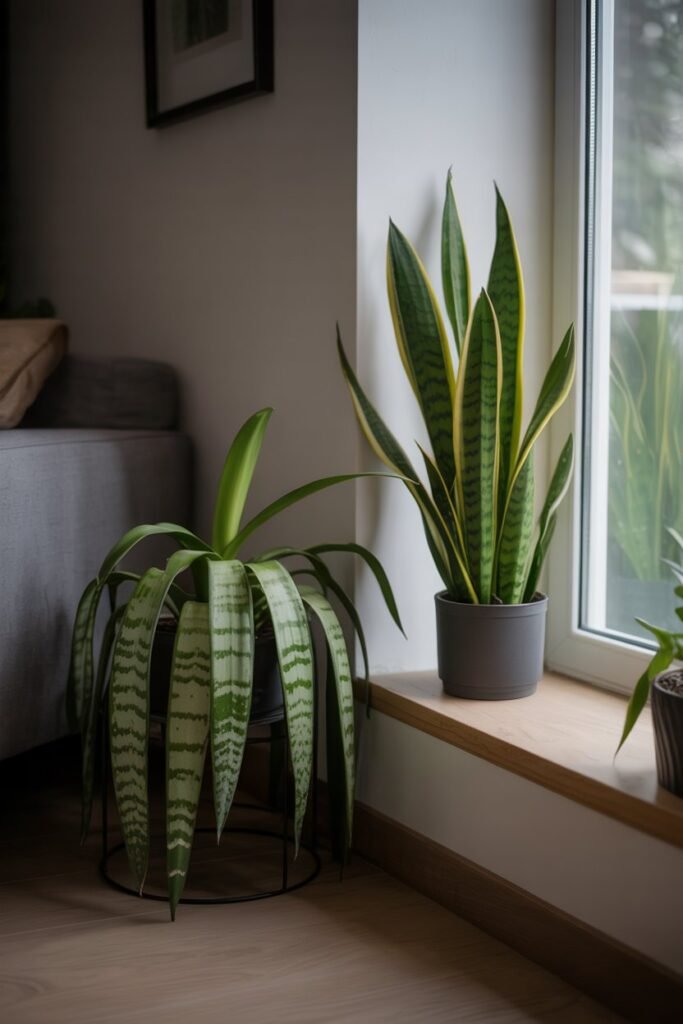
Why Light Matters for Pup Production
Snake plants are often labeled as “low-light plants,” and while they can survive in dim spaces, survival and reproduction are very different goals.
Producing pups requires surplus energy. Without enough light, your plant will conserve energy just to maintain its leaves.
In low light, growth slows, photosynthesis is limited, and pup-producing rhizomes simply don’t activate.
How to Fix It
Move your snake plant into bright, indirect light:
- Near an east-facing window for gentle morning sun
- A few feet away from a south-facing window
- Supplement with a grow light if natural light is limited
Avoid harsh, direct sunlight, which can scorch the leaves. Instead, aim for consistent brightness. Once lighting improves, many snake plants begin pup production within a few months.
2. The Pot Is Too Large
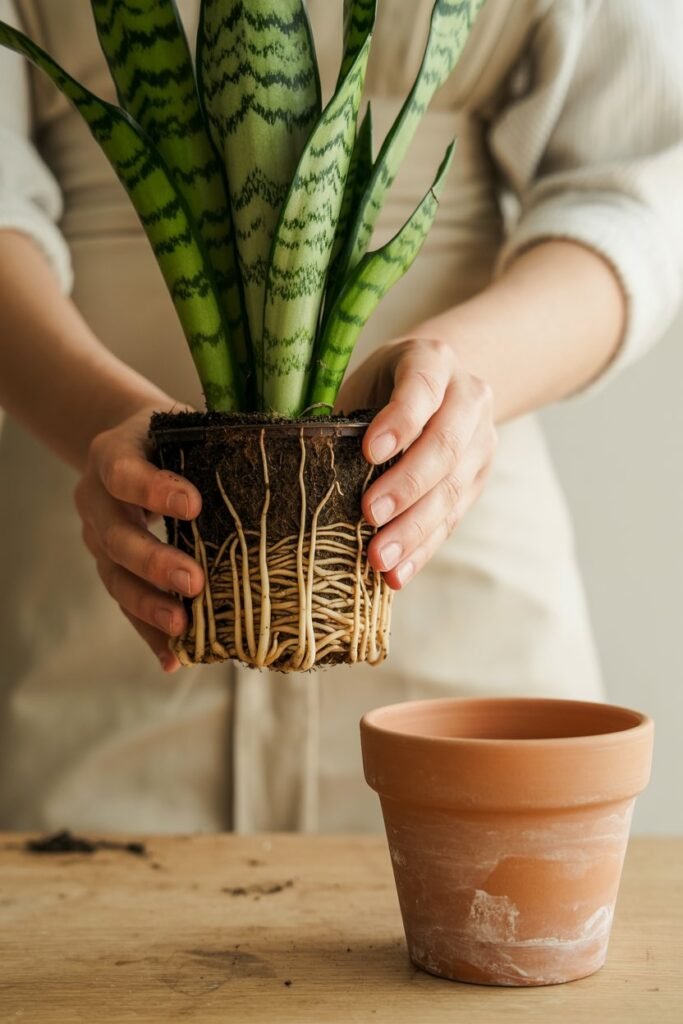
Why Pot Size Affects Pups
It seems logical to give your plant lots of room, but snake plants don’t think that way.
In an oversized pot, the plant focuses its energy on filling empty soil with roots rather than producing pups.
Excess soil also retains moisture longer, which can slow growth or stress the roots.
Mild root restriction actually signals the plant to reproduce.
How to Fix It
Choose a pot that is:
- Only 1–2 inches wider than the root ball
- Snug but not cramped
- Heavy enough to prevent tipping
If your plant is currently in a very large pot, consider downsizing during the growing season.
A slightly root-bound snake plant is far more likely to produce pups.
3. Inconsistent Watering Patterns
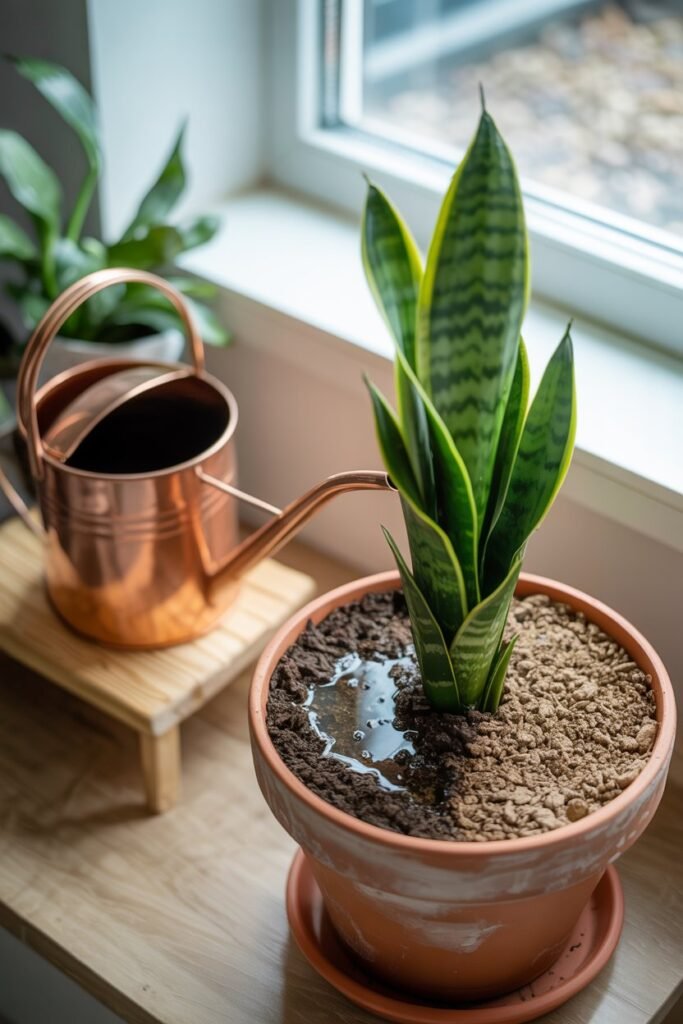
Why Watering Affects Pup Growth
Snake plants store water in their thick leaves.
Too much watering can cause root stress or rot, while too little keeps the plant in survival mode.
Inconsistency prevents the plant from settling into a stable growth rhythm.
Roots that are stressed or damaged cannot support new growth.
How to Fix It
Adopt a calm, predictable watering routine:
- Water only when the soil is completely dry
- Water deeply, then allow full drainage
- Reduce watering during fall and winter
Healthy roots are essential for rhizome development, which is where pups originate.
4. Poor or Compacted Soil
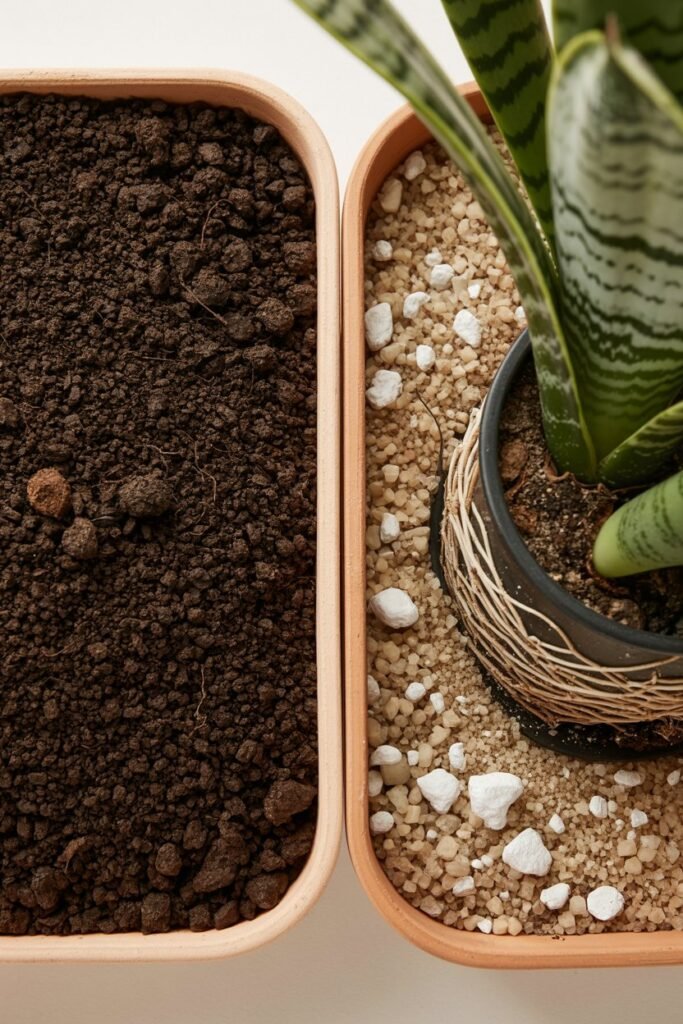
Why Soil Quality Matters
Dense soil restricts airflow and traps moisture around the roots. Snake plants need oxygen just as much as they need water.
Without proper aeration, root growth slows and without healthy roots, pups cannot form.
Garden soil is especially problematic, often compacting over time and introducing pests or disease.
How to Fix It
Use a well-draining soil mix:
- Cactus or succulent soil as a base
- Amend with perlite or coarse sand
Recommended mix:
- 2 parts cactus or succulent soil
- 1 part perlite or coarse sand
This blend allows roots to breathe and encourages steady, confident growth.
5. Lack of Nutrients
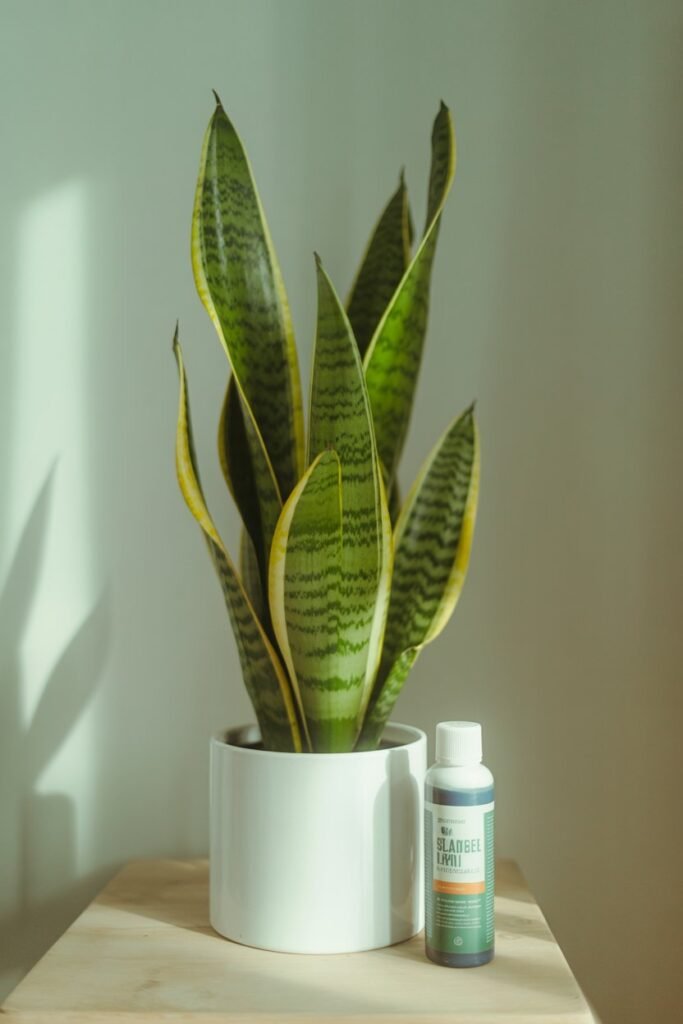
Why Feeding Supports Pup Growth
Snake plants are light feeders, but they still require nutrients to reproduce.
Without occasional feeding, the plant may maintain leaves but lack the energy reserves needed to form pups.
Underfed plants often remain stagnant for years.
How to Fix It
Feed modestly during the growing season:
- Use a balanced or succulent fertilizer
- Dilute to half strength
- Apply every 4–6 weeks in spring and summer
Avoid fertilizing in fall and winter. Overfeeding can damage roots and delay pup formation.
6. The Plant Is Not Mature Enough
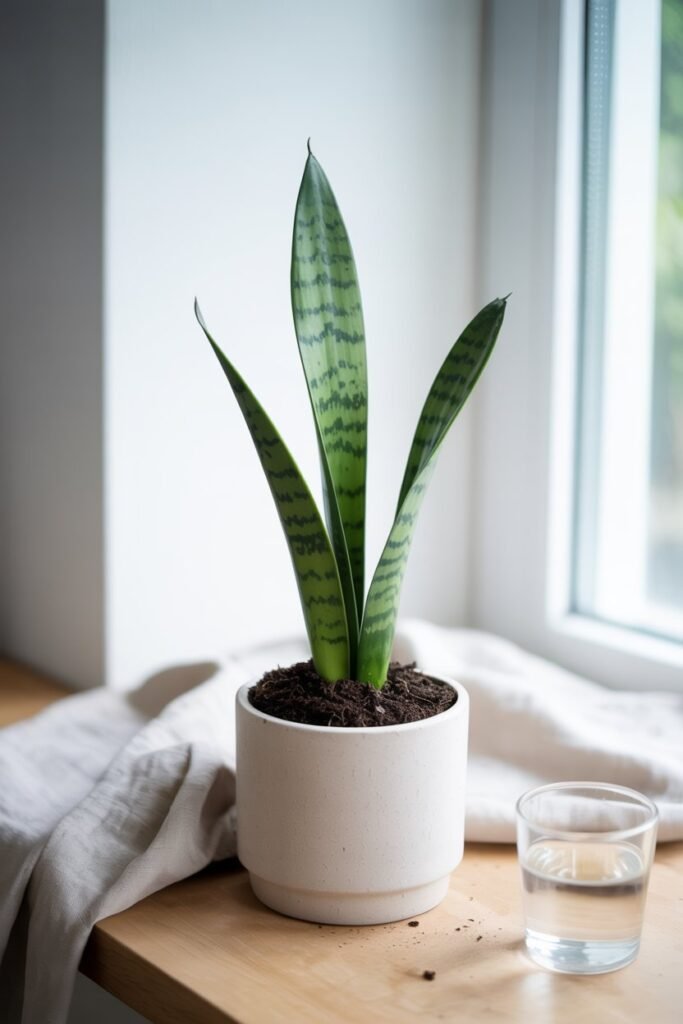
Why Age Matters
Young snake plants focus on establishing roots and leaves. Pup production usually begins once the plant is mature and stable.
Plants grown from leaf cuttings often take longer to reach this stage.
Impatience often leads to unnecessary repotting or overcare.
How to Fix It
Allow time and consistency:
- Avoid frequent repotting
- Maintain steady light and watering
- Focus on overall plant health
Once maturity is reached, snake plants often produce multiple pups at once.
7. The Plant Is Too Comfortable
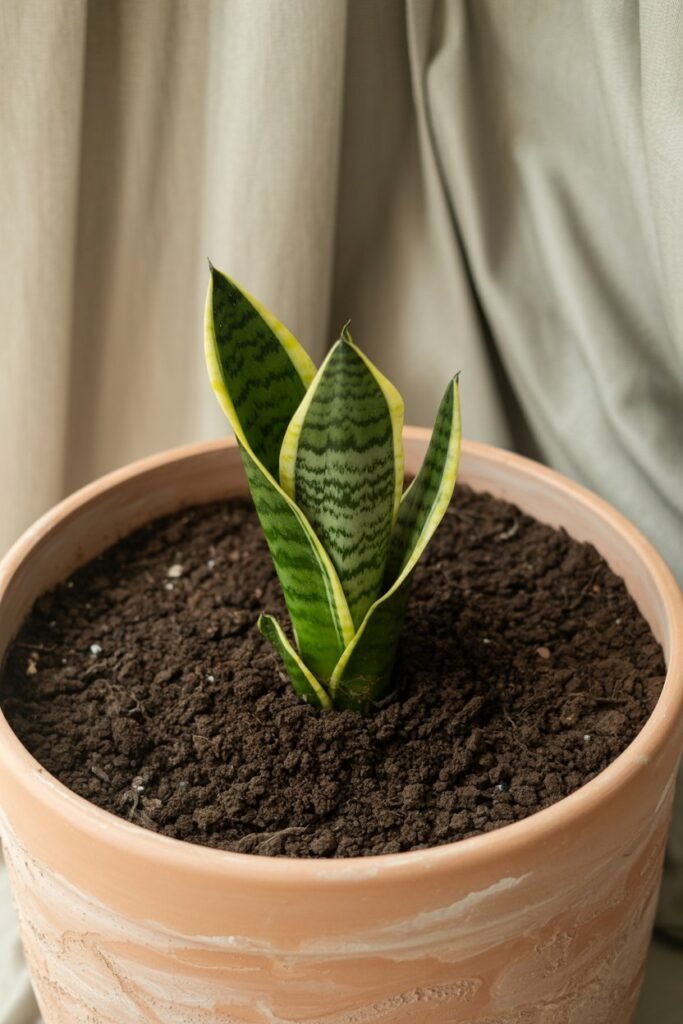
Why Mild Stress Encourages Pups
In nature, plants reproduce when conditions suggest it’s time to spread.
A snake plant that is slightly challenged never harmed often responds by producing pups.
Overwatering, oversized pots, and excessive pampering can remove this natural signal.
How to Fix It
Introduce gentle encouragement:
- Allow the plant to become mildly root-bound
- Avoid overwatering
- Maintain bright, indirect light
This balance tells the plant it’s time to multiply.
When to Expect Snake Plant Pups
Once conditions improve, pup growth still takes patience:
- Expect pups within 2–6 months
- Growth is fastest in spring and summer
- Pups often emerge suddenly after a long quiet period
Resist the urge to disturb the soil while waiting.
Final Thoughts
A snake plant that doesn’t produce pups is not failing it’s responding to its environment.
Once you understand what your plant needs and adjust with care rather than force, the results can be deeply rewarding.
Pups are a sign of confidence, not pressure. When your snake plant feels stable, supported, and gently encouraged, it will multiply in its own time.
Care slowly, observe closely, and trust the process. Your plant knows exactly when it’s ready.
