
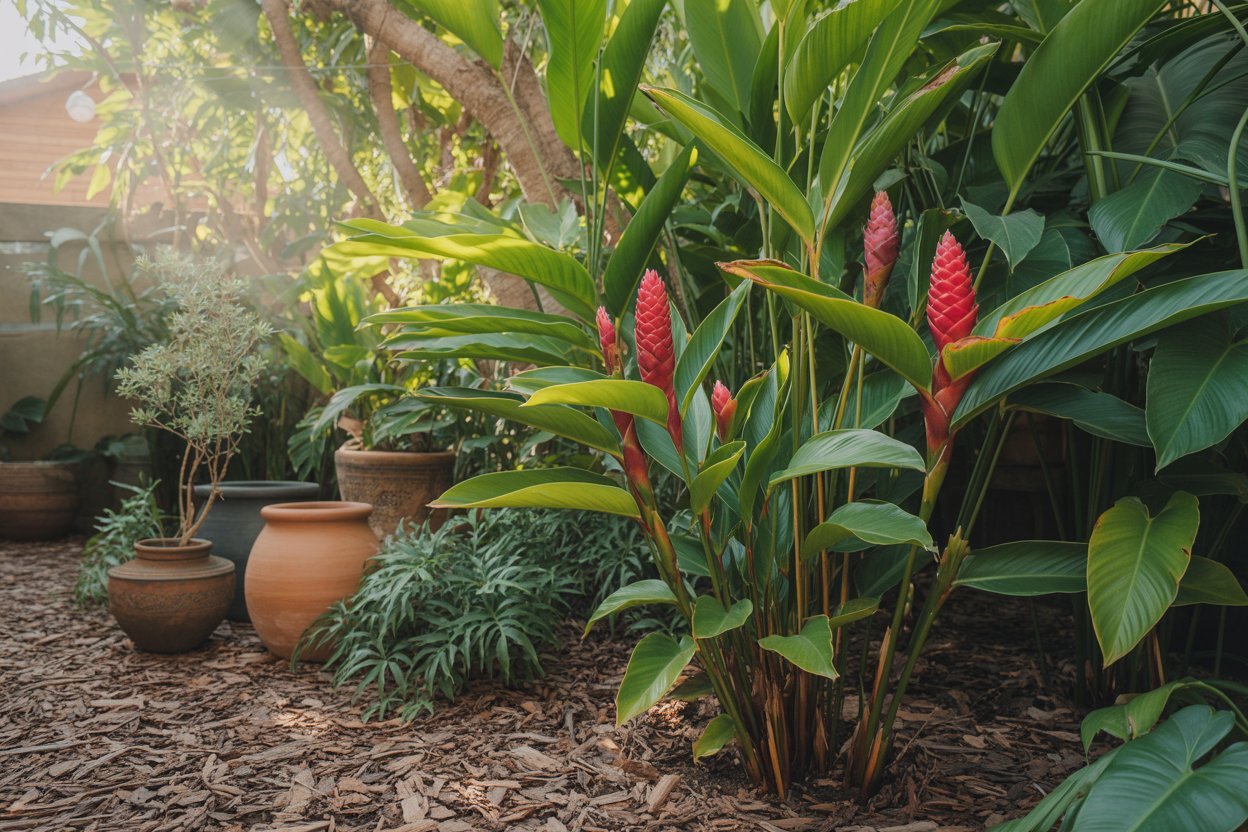

Shampoo Ginger, scientifically known as Zingiber zerumbet, is a tropical perennial plant belonging to the ginger family.
It originates from Southeast Asia and has been traditionally grown for centuries for its medicinal and cosmetic benefits.
The plant grows tall leafy stems reaching up to 3–6 feet, producing thick green foliage that gives gardens a lush, tropical feel.
Near the base of the plant, vibrant red cone-shaped flowers emerge. Inside these cones is a clear, fragrant liquid often called “ginger shampoo.”
This liquid is:
- Naturally cleansing
- Gentle on skin and hair
- Lightly fragrant
- Traditionally used in herbal remedies
Why Grow Shampoo Ginger in Your Garden?
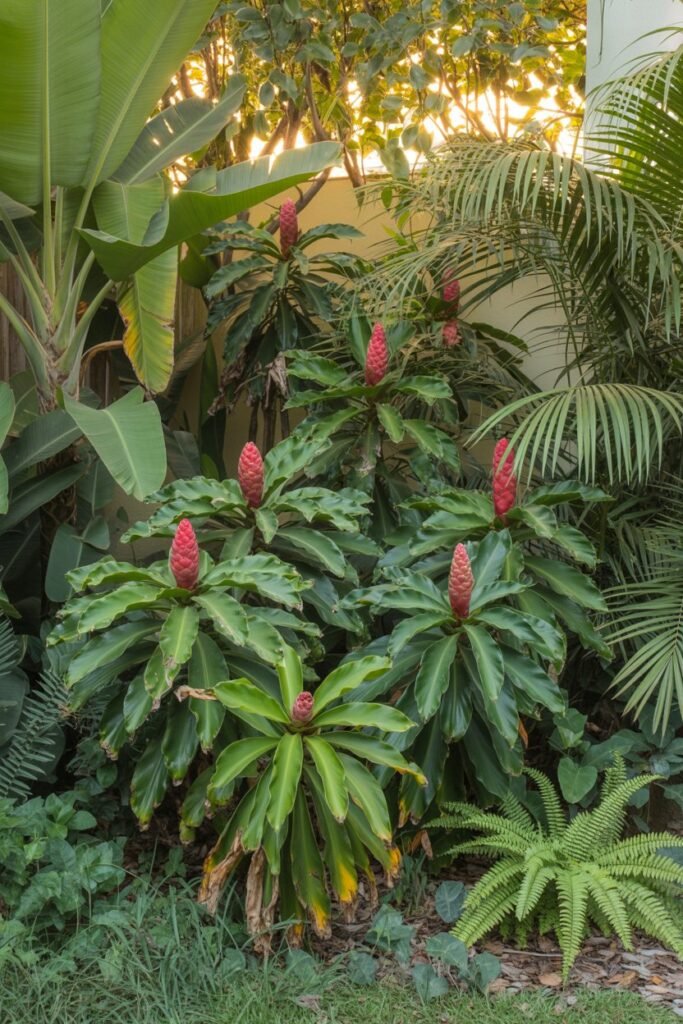
Shampoo Ginger offers beauty and function in one plant.
Benefits of Growing Shampoo Ginger:
• Natural hair cleanser
• Ornamental tropical plant
• Easy to propagate
• Thrives in containers or garden beds
• Adds lush greenery
• Low pest problems
It’s perfect for home gardeners, tropical climates, and anyone interested in natural living.
Supplies Needed to Grow Shampoo Ginger Successfully
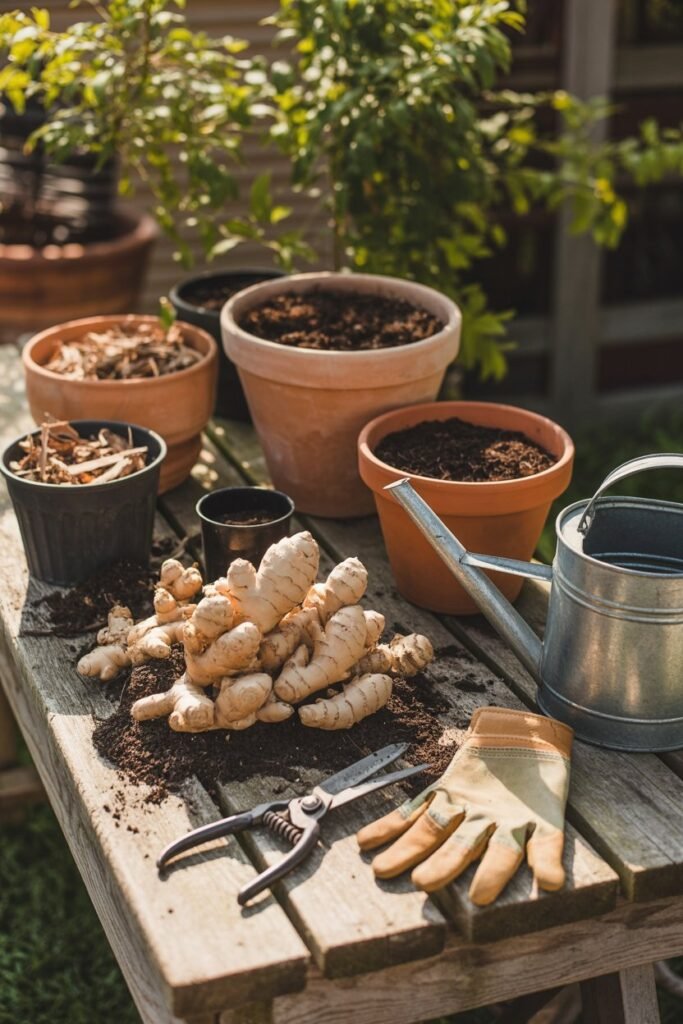
Before planting, gather the right tools and materials.
Essential Supplies:
- Healthy shampoo ginger rhizome (root)
- Large container or garden space
- Well-draining rich soil
- Compost or organic matter
- Mulch (bark, straw, leaves)
- Watering can or hose
Optional but Helpful:
- Organic fertilizer
- Pruning shears
- Gardening gloves
Choosing the Perfect Growing Location
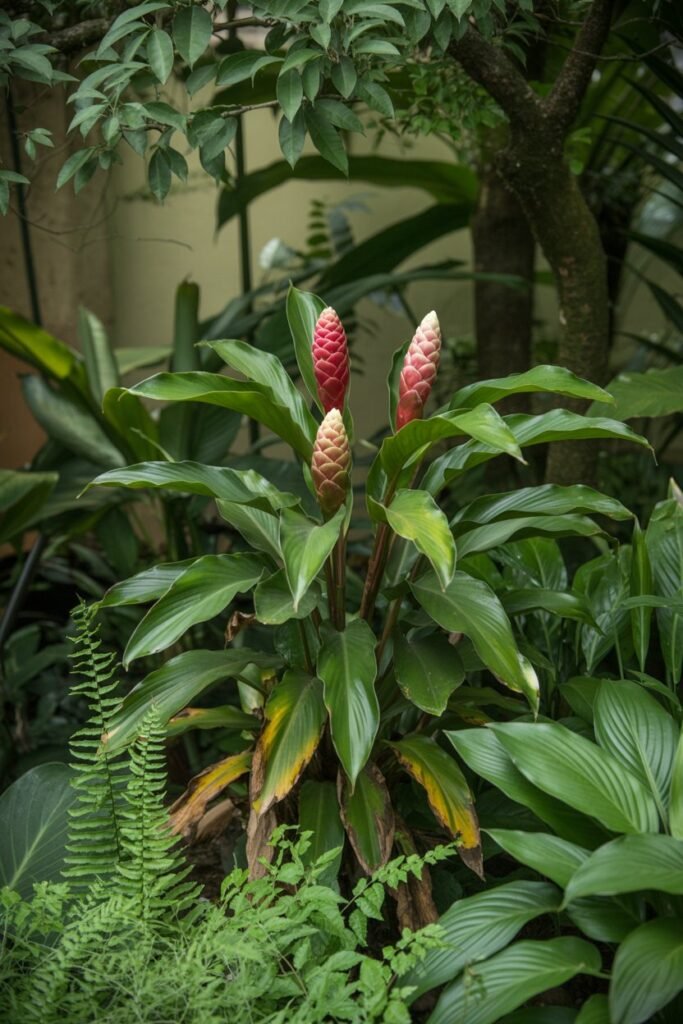
Shampoo Ginger thrives in warm, humid environments with gentle sunlight.
Best Light Conditions:
- Partial shade
- Filtered sunlight
- Morning sun + afternoon shade
Outdoor Growing:
Plant under trees, beside fences, or in areas protected from harsh sun.
Indoor Growing:
Place near a bright window with indirect light. Bathrooms or kitchens with natural light work wonderfully due to humidity.
Best Soil for Shampoo Ginger Plants
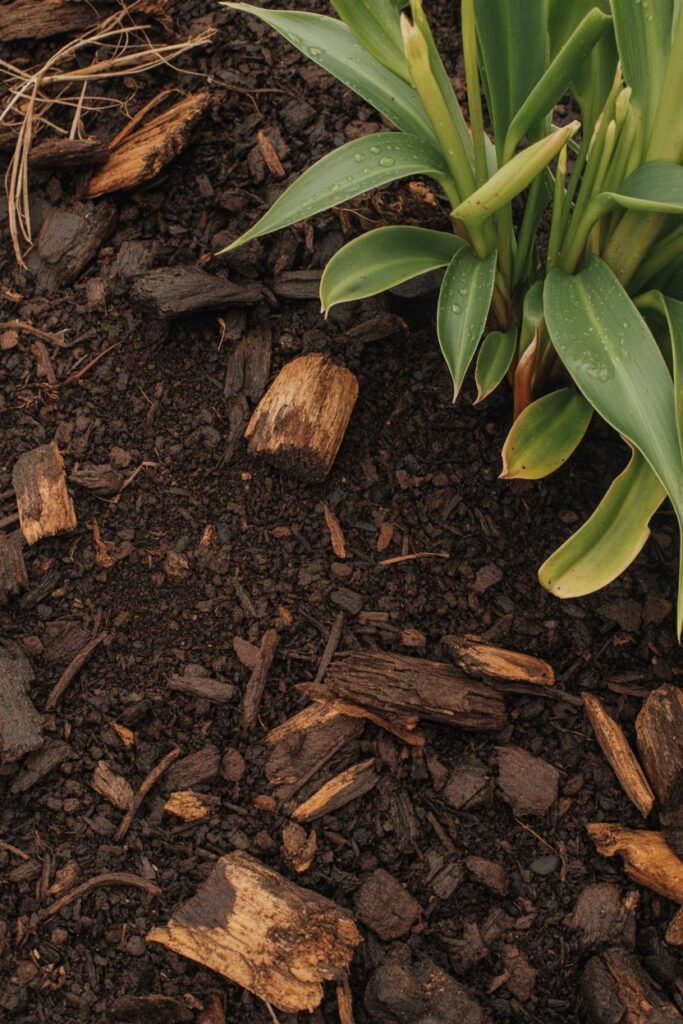
Healthy soil leads to healthy plants.
Ideal Soil Characteristics:
- Loose and airy
- Well-draining
- Rich in organic matter
- Slightly acidic to neutral pH
Easy Homemade Soil Mix:
- Potting soil or garden soil
- Compost or aged manure
- Sand or perlite for drainage
Step-by-Step Guide to Planting Shampoo Ginger
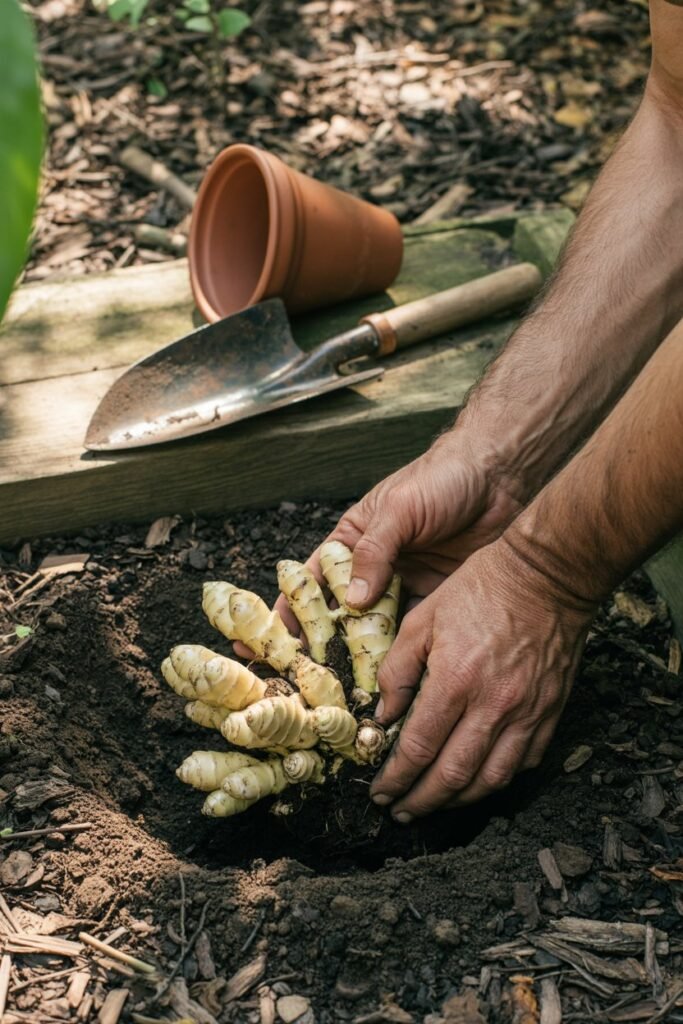
Step 1: Prepare the Rhizomes
Choose firm, healthy rhizomes with visible buds. If large, cut into sections and let dry for a few hours.
Step 2: Dig or Prepare Containers
Dig 2–3 inches deep holes or fill pots halfway with soil mix.
Step 3: Plant Horizontally
Place rhizomes flat with buds facing upward.
Step 4: Cover and Water
Cover lightly with soil and water gently.
Step 5: Mulch
Add mulch to lock in moisture and warmth.
Watering Shampoo Ginger the Right Way
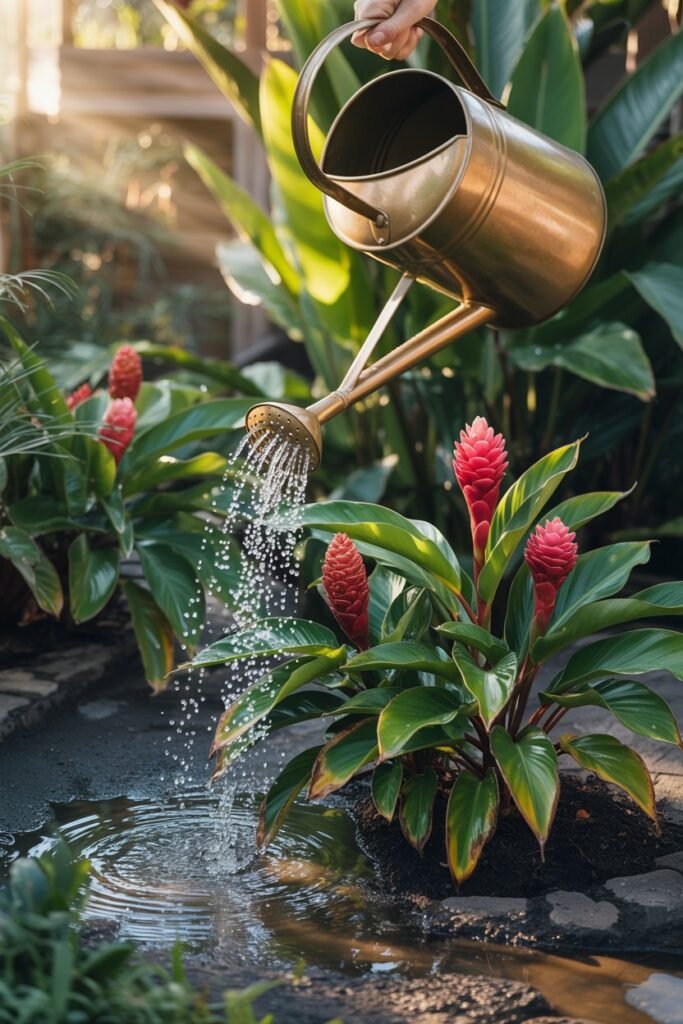
Shampoo Ginger loves moisture but hates soggy roots.
Watering Tips:
- Water 2–3 times weekly in warm weather
- Keep soil evenly moist
- Reduce in cooler months
- Ensure drainage
Always check soil before watering.
Fertilizing for Lush Growth and Flowering
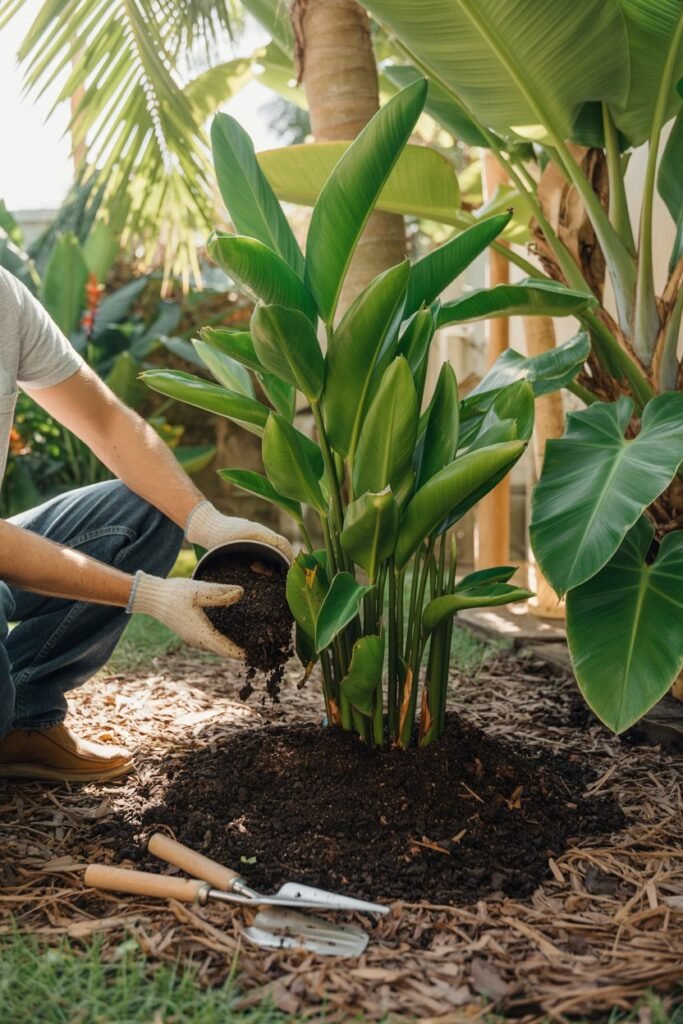
Feed your plant regularly for vibrant leaves and blooms.
Best Fertilizers:
- Compost every 4–6 weeks
- Organic balanced fertilizer monthly
- Compost tea
Avoid chemical-heavy products.
Understanding Shampoo Ginger Growth Stages
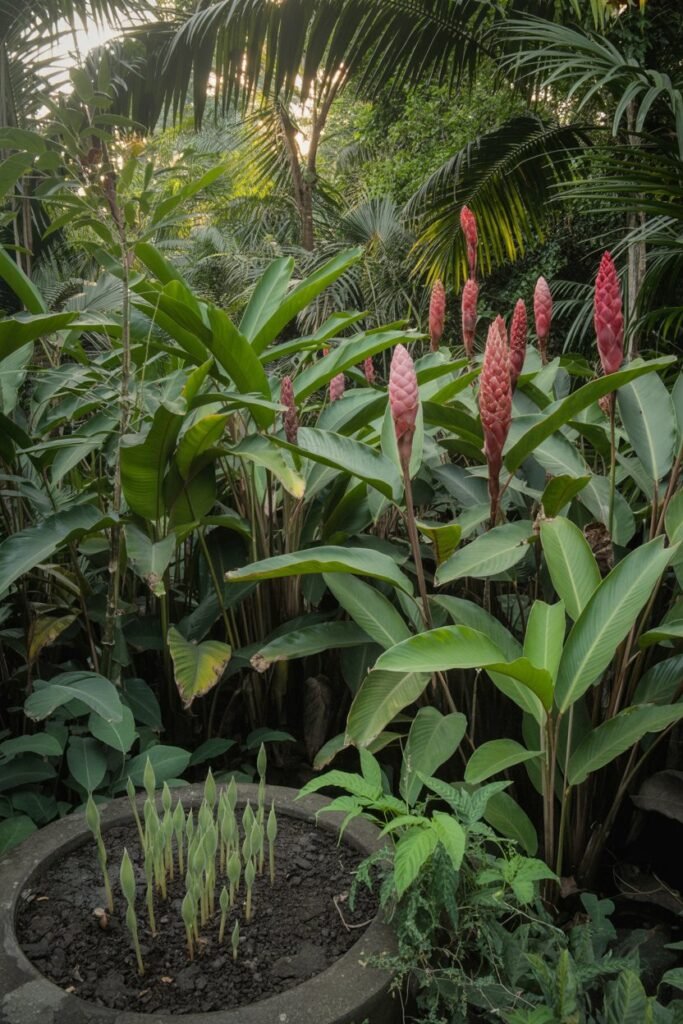
Sprouting Stage
Shoots appear in 2–4 weeks.
Leaf Growth
Tall leafy stems grow quickly.
Flowering Stage
Red cone-shaped flowers form near base after several months.
How to Harvest Shampoo Ginger Liquid
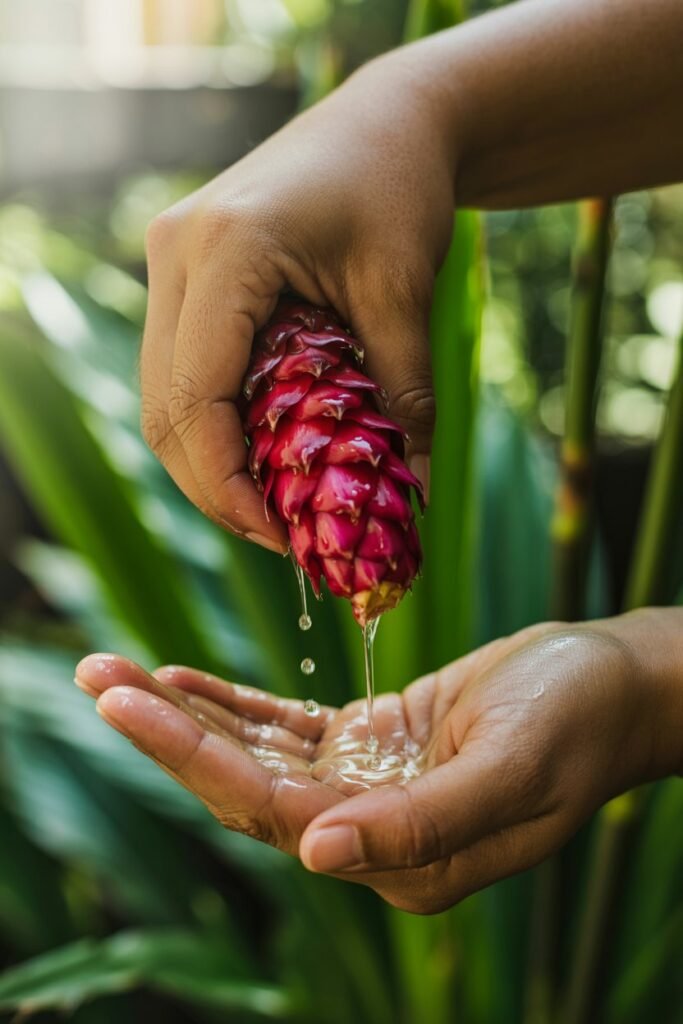
When cones turn bright red and plump:
- Gently squeeze cone
- Catch liquid in hand or jar
- Use fresh or store briefly
Other Uses of Shampoo Ginger (Beyond Hair Care)
Shampoo Ginger is far more than a natural shampoo plant.
1. Natural Skin Cleanser
The liquid is gentle and moisturizing, making it perfect for:
- Face washing
- Body cleansing
- Sensitive skin
2. Herbal Medicine
Traditionally used to help with:
- Inflammation
- Digestive discomfort
- Muscle aches
- Headaches
(The rhizome is often boiled into teas or poultices)
3. Aromatherapy & Natural Fragrance
The fresh scent is used in:
- Natural soaps
- Homemade lotions
- Hair products
4. Decorative Garden Plant
Its bold flowers and lush foliage make it perfect for:
- Tropical gardens
- Landscape borders
- Patio pots
5. Traditional Cooking (in some cultures)
Young shoots and rhizomes are sometimes used lightly in cooking, similar to ginger.
Essential Care Tips for Healthy Plants
- Keep warm
- Maintain moisture
- Provide humidity
- Trim dead leaves
- Mulch regularly
Growing Shampoo Ginger in Containers
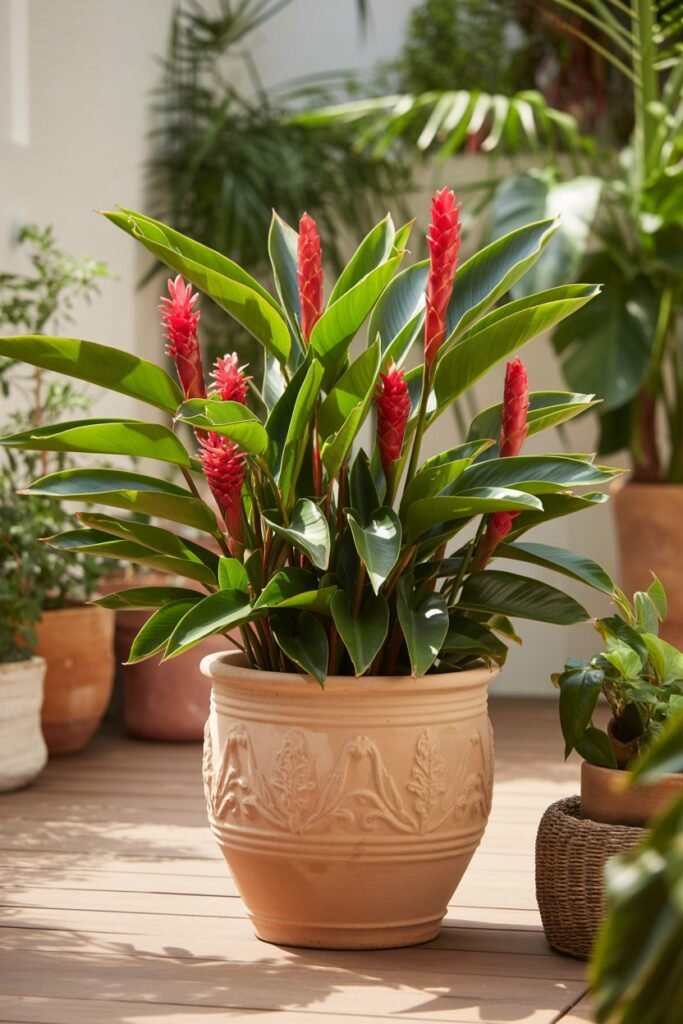
Perfect for small spaces!
Container Tips:
- Use 12–18 inch pots
- Ensure drainage
- Refresh soil yearly
Common Problems and Easy Fixes
Yellow Leaves
Overwatering or poor drainage
No Flowers
Lack of sunlight or nutrients
Pests
Treat with neem oil
How Long Does Shampoo Ginger Take to Grow?
- Sprouting: 2–4 weeks
- Full growth: 5–8 months
- Flowering: within first year
How to Propagate Shampoo Ginger
Simply divide rhizomes after the growing season and replant.
Frequently Asked Questions (FAQs)
Is Shampoo Ginger easy to grow for beginners?
Yes! It’s low-maintenance once established and perfect for beginners.
Can Shampoo Ginger grow indoors?
Absolutely as long as it gets bright indirect light and humidity.
How often can I harvest the liquid?
Whenever cones are fully red and plump.
Does Shampoo Ginger come back every year?
Yes, it’s a perennial in warm climates.
Can it survive cold weather?
It prefers warmth. Bring indoors if temperatures drop below 50°F (10°C).
Is the liquid safe for daily use?
Yes it’s gentle and natural.
Final Thoughts
Shampoo Ginger is truly one of nature’s gifts a plant that offers beauty, practicality, and easy care all in one.
With warm soil, gentle sunlight, moisture, and love, you can enjoy lush growth and harvest natural shampoo straight from your garden.
It’s perfect for gardeners who love tropical plants and natural living.
Let your garden grow beauty, health, and joy
