
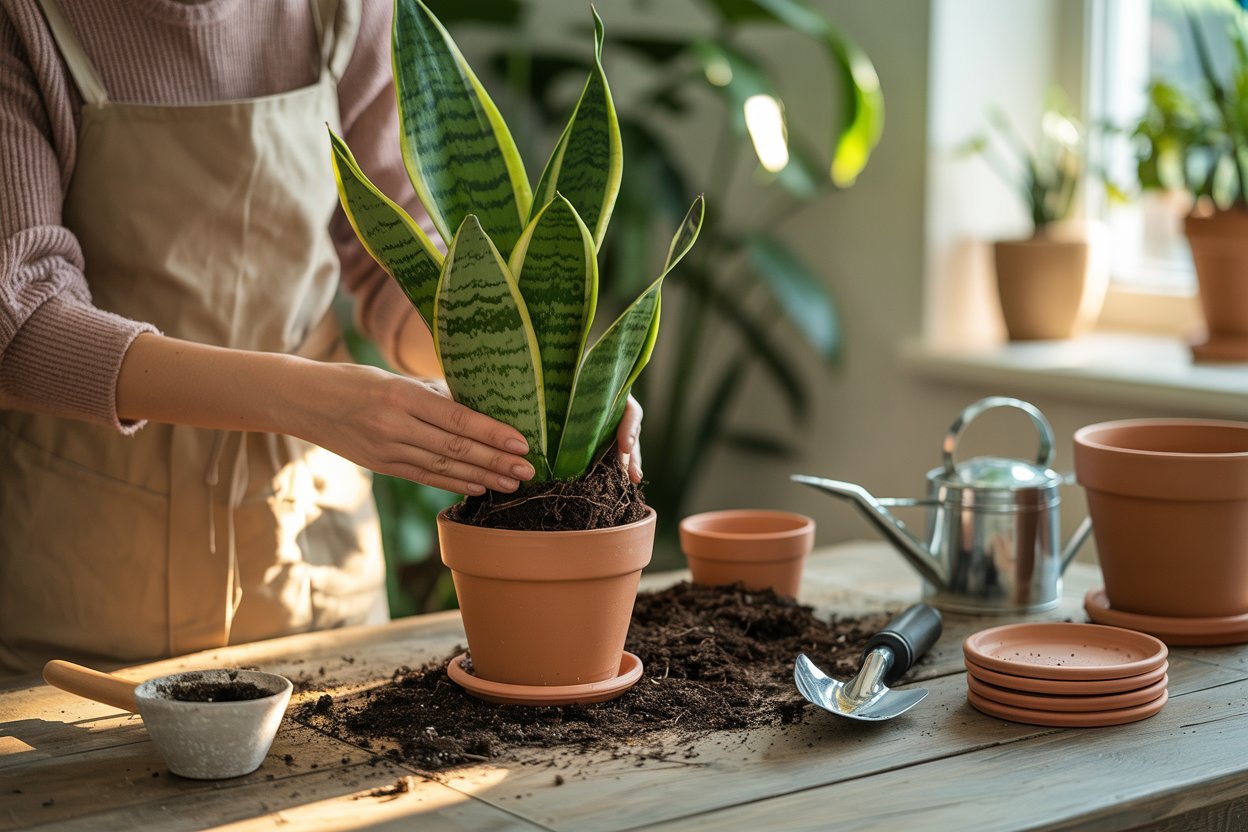

The first time I repotted a snake plant, I didn’t do it because a care guide told me to. I did it because something felt different.
The pot dried out faster than usual, the leaves leaned just a little, and every time I watered, I had the sense that the roots were asking for more room.
That moment taught me something important: repotting isn’t about schedules or rules it’s about paying attention.
This guide is written for plant lovers who want to understand why and how to repot a snake plant without stress or guesswork.
I’ll gently walk you through the process step by step, explain what to look for, and help you care for your plant afterward so it settles in beautifully.
How to Tell If Your Snake Plant Needs Repotting
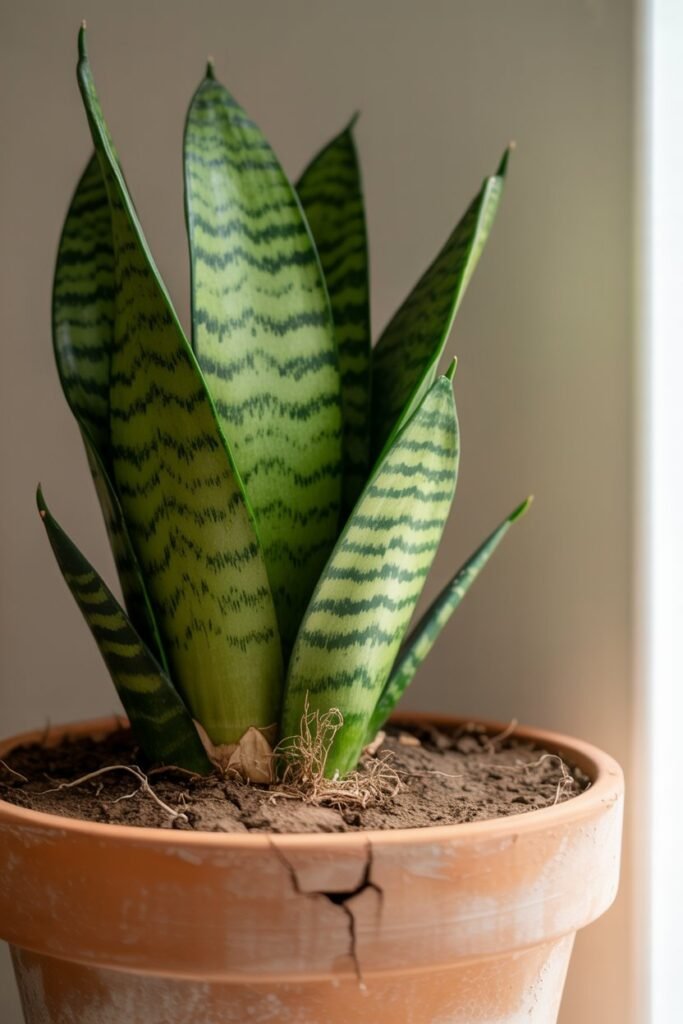
Snake plants are resilient, but they always give subtle clues when they’ve outgrown their space.
Before reaching for a new pot, look for these signs.
Roots Coming Out of the Drainage Holes
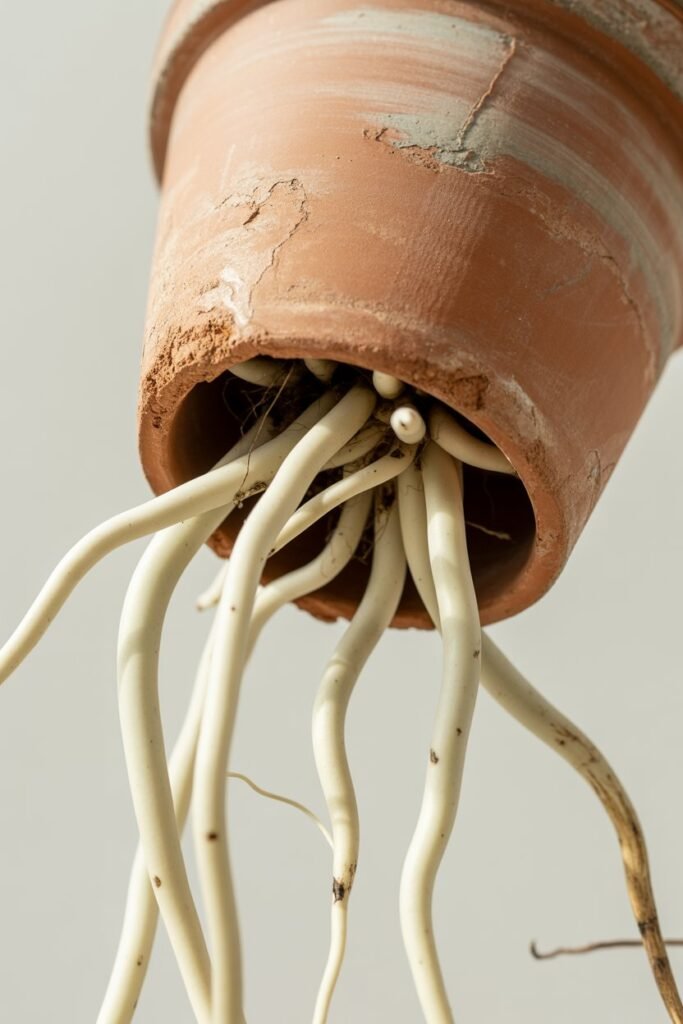
If you notice roots poking through the drainage holes, your snake plant has officially run out of room.
Roots grow outward in search of space, air, and nutrients, and when they can’t find any, they escape through the bottom.
The Plant Is Top-Heavy or Leaning
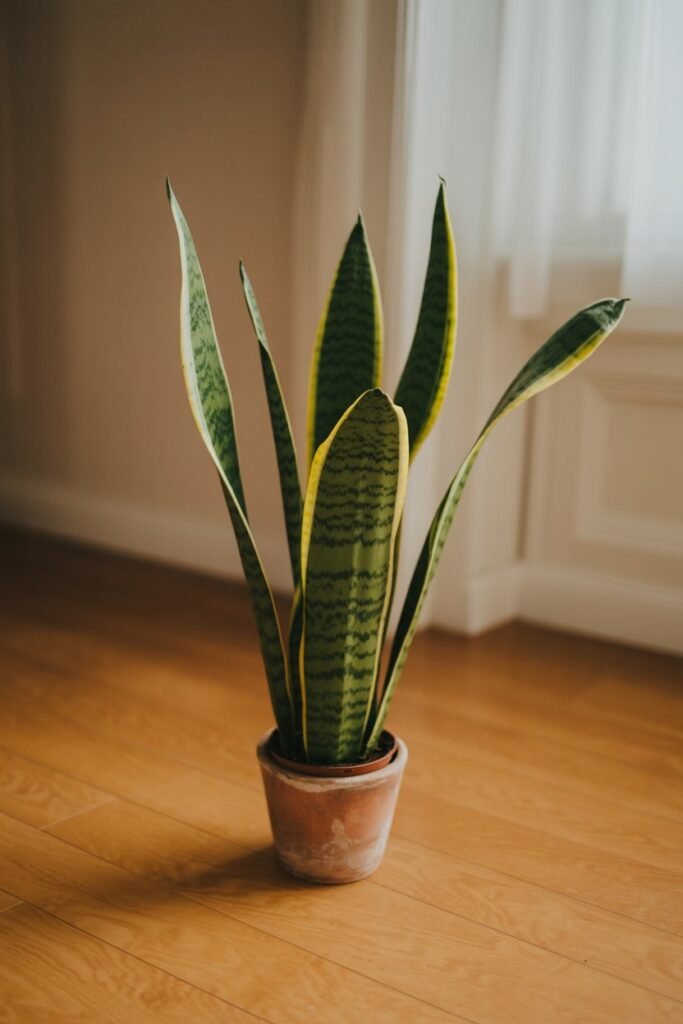
Tall leaves combined with compacted soil can make a snake plant unstable.
If your plant leans or tips easily, it’s often because the roots can no longer anchor it properly.
The Pot Drains Too Quickly

When water rushes straight through the pot and the soil dries out almost immediately, there may be more roots than soil left.
This prevents the plant from holding moisture and nutrients.
The Plant Has Too Many Pups
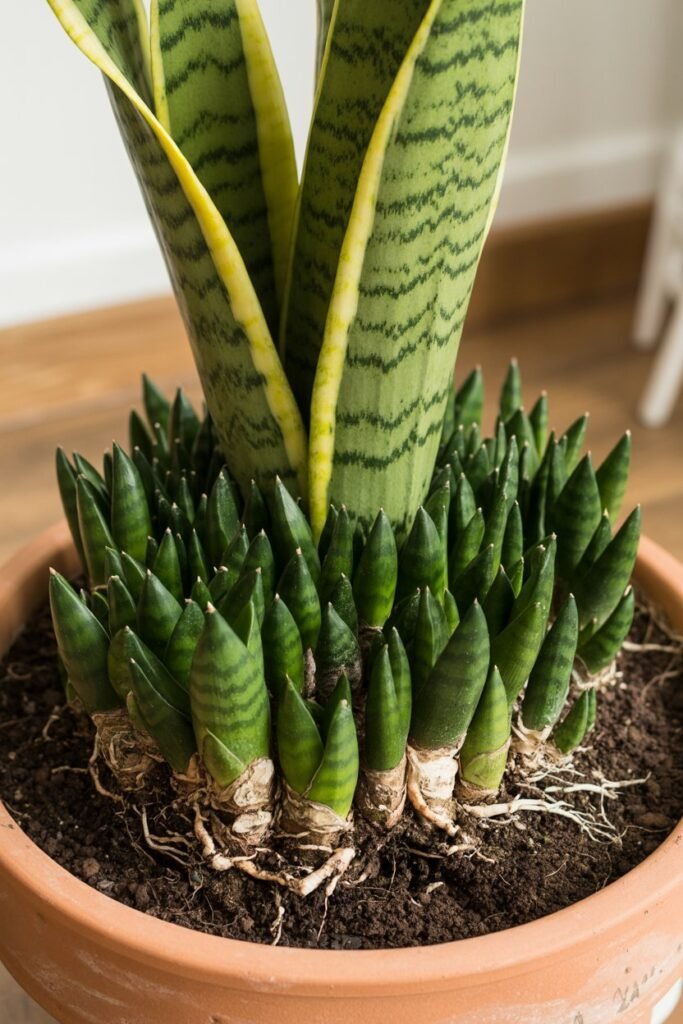
Snake plants multiply by producing pups.
While this is a healthy sign, too many pups in one pot can crowd the root system and slow growth, often leading to yellowing leaves.
The Plant Looks Unhealthy
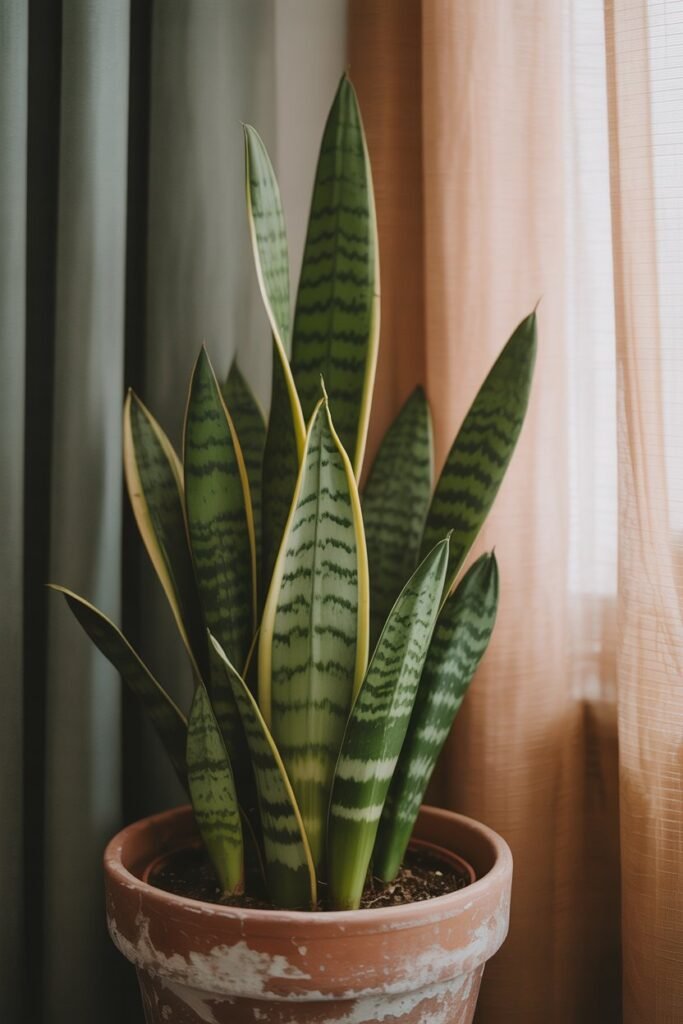
Stunted growth, drooping, or yellowing leaves when light and watering are already correct can signal exhausted soil or tightly bound roots.
How Often Should You Repot a Snake Plant?
Snake plants prefer consistency. Most only need repotting every 2–5 years.
Plants growing slowly or kept in lower light may go even longer, sometimes up to 10 years, without needing a new pot.
Always let the plant’s condition guide you rather than a fixed timeline.
How Big of a Pot Does a Snake Plant Need?
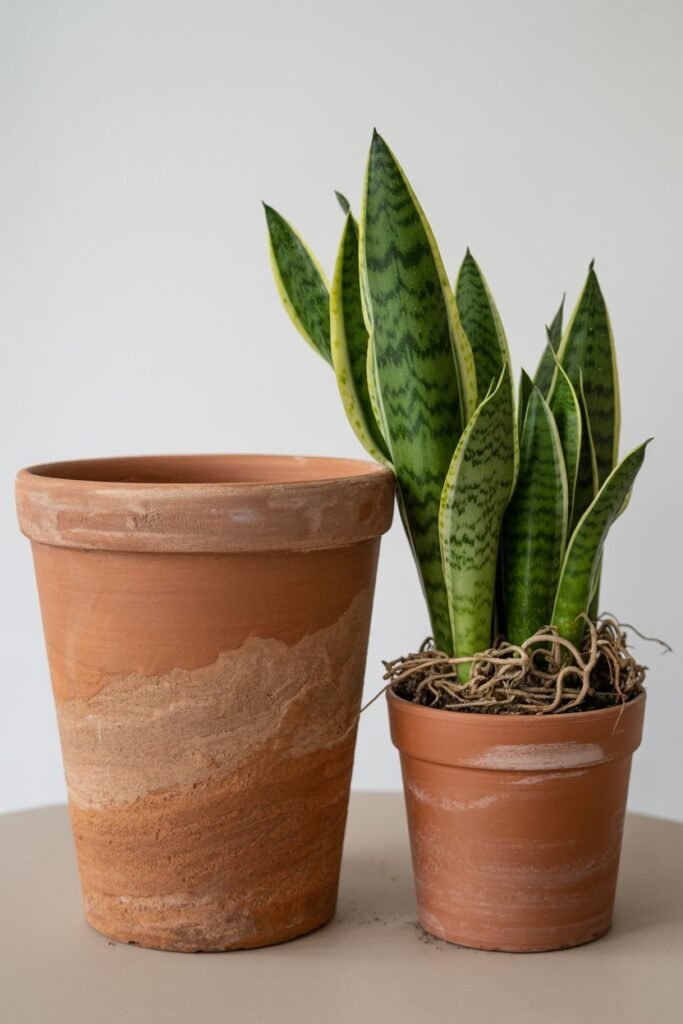
Choosing the right pot size is essential. A new pot should be only 1–2 inches wider than the current one or about one-third larger than the root ball.
Oversized pots hold excess moisture, which can lead to root rot.
Heavier pots like terracotta or ceramic are ideal because they provide stability and allow moisture to evaporate more naturally.
Drainage holes are absolutely essential.
Best Soil for Snake Plants
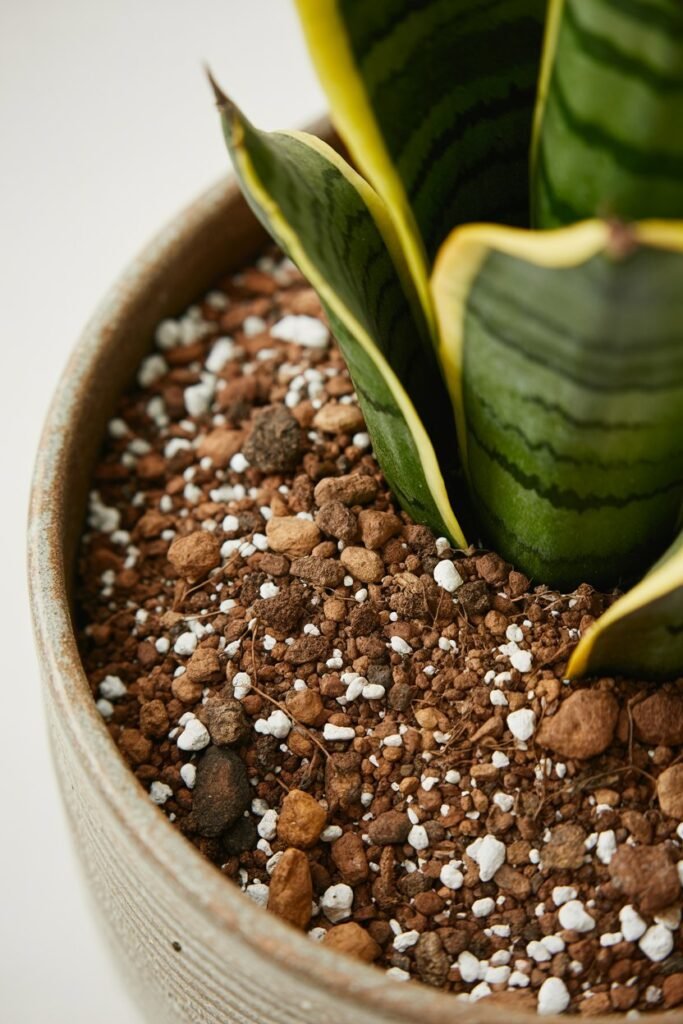
Snake plants need soil that drains quickly and allows air to move freely around the roots.
Garden soil is too dense and often harbors pests or disease.
The best options include:
- Cactus or succulent potting mix (ideal)
- All-purpose potting mix amended with perlite or sand
- Light, loamy soil with a pH between 5.5 and 7.0
Simple DIY mix:
- 2 parts cactus or succulent soil
- 1 part perlite or coarse sand
This blend prevents water from sitting around the roots and mimics the dry conditions snake plants love.
How to Repot a Snake Plant in 5 Thoughtful Steps
Repotting is simple when done gently and with intention. Rushing is what causes problems not the process itself.
Step 1: Prepare the New Soil
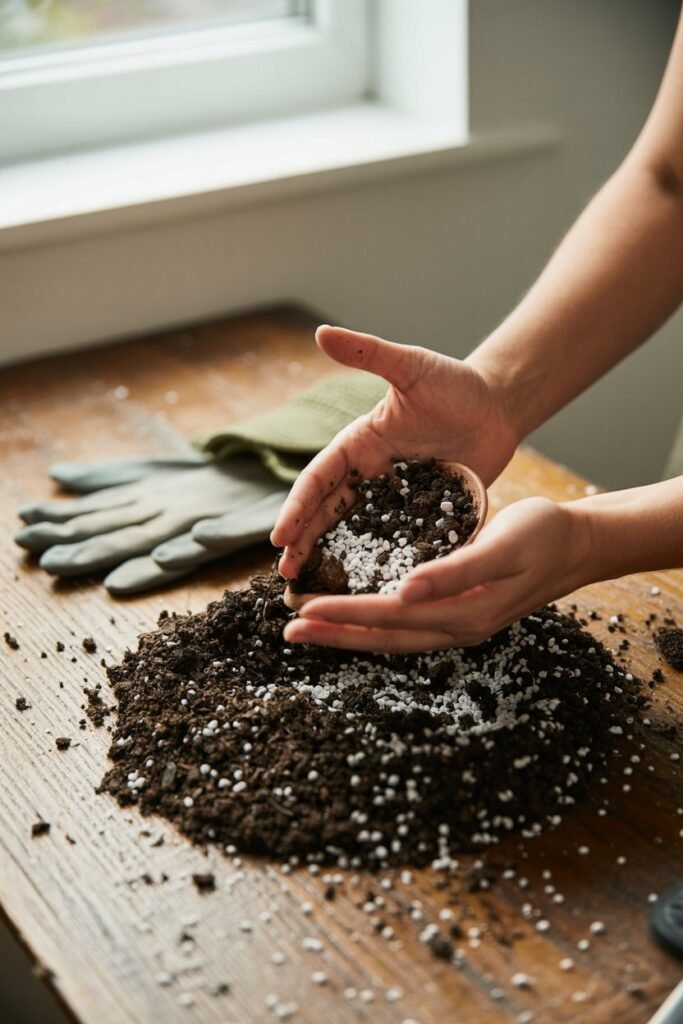
Before touching your plant, prepare your soil mix and workspace. Light, airy soil is the foundation of a successful repotting.
Avoid garden soil it’s too dense, holds too much water, and can introduce pests. Your soil should crumble easily in your hands and drain freely.
Add enough soil to the bottom of the new pot to fill roughly one-third of its height.
Step 2: Remove the Plant from the Pot
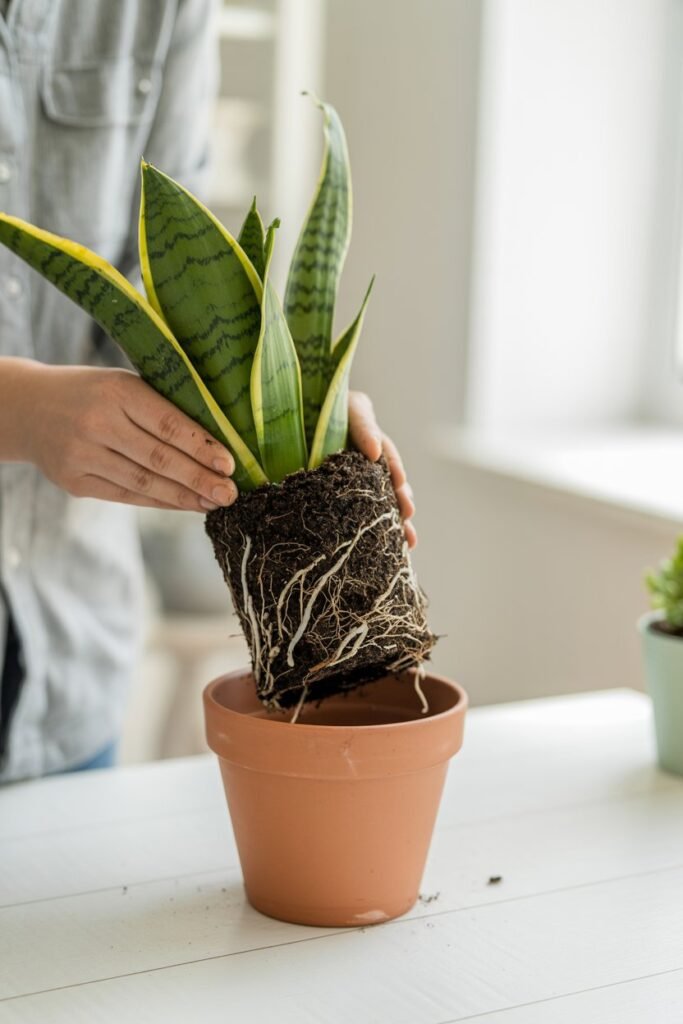
Do not water your snake plant for a day or two before repotting dry soil releases roots more easily.
Gently squeeze the sides of the pot, lay it on its side, and tap until the plant slides out. Always support the base of the plant rather than pulling on the leaves.
Once removed, check the old soil for signs of mold, fungus, or pests and discard it.
Step 3: Inspect the Roots

Healthy snake plant roots are firm and light in color. Take this moment to inspect them closely.
You may notice small, white, potato-like structures called rhizomes. These are normal and often develop into pups.
If rhizomes or roots are overcrowded, you can gently remove some using clean scissors or shears. Trim away any roots that are dark, mushy, or foul-smelling.
Step 4: Fill the New Pot with Soil

Place the plant in the center of the new pot at the same depth it was growing before. Adding soil too high can cause rot at the base.
Fill around the roots with soil, lightly pressing to remove air pockets. Avoid compacting the soil roots need air as much as they need water.
Step 5: Replant the Snake Plant and Settle It In

Once planted, add a little extra soil around the base for support. You can gently loosen soil around the roots with a chopstick to improve airflow.
Water lightly to help the soil settle, then stop. Overwatering at this stage is the most common mistake.
How to Care for a Recently Transplanted Snake Plant
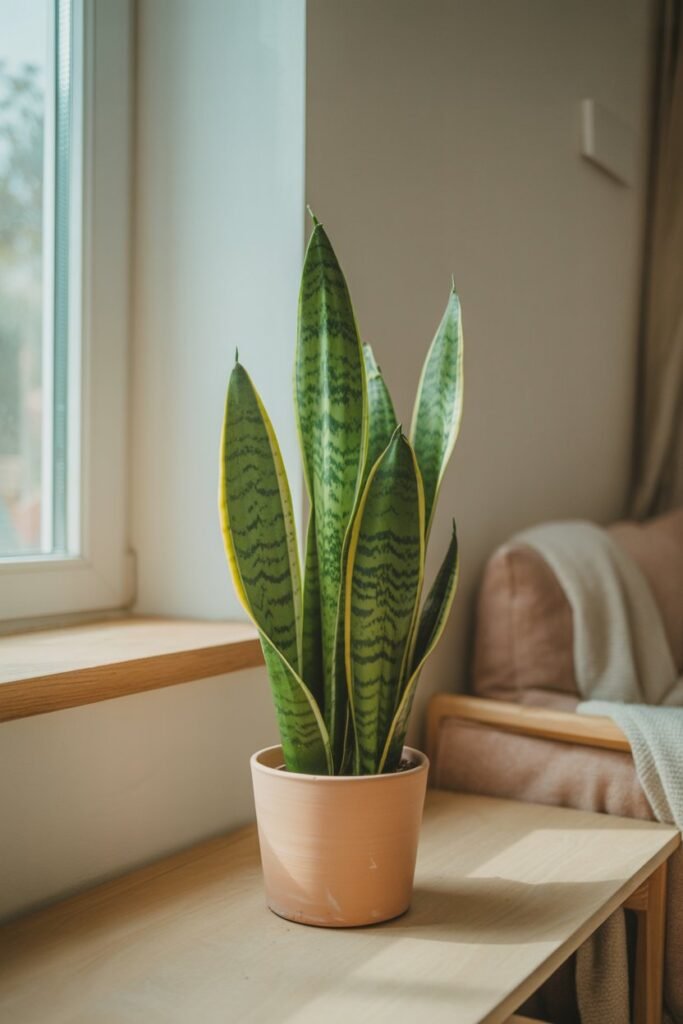
After repotting, your snake plant needs time to recover.
- Water deeply but less frequently than usual
- Allow soil to dry out completely between waterings
- Place the plant in bright, indirect light
- Avoid fertilizing for at least 6 weeks
- Watch for mild drooping this is normal and temporary
With patience, your plant will settle in and resume steady growth.
Final Thoughts
Repotting a snake plant isn’t about perfection it’s about responding when your plant quietly asks for more space.
When done with care, it refreshes the roots, renews the soil, and restores balance.
Move slowly, trust what you notice, and let the process be gentle. Your snake plant will reward you with strength, resilience, and that timeless calm it brings into any space.
