


Have you ever walked into someone’s home and felt something shift inside you—almost before you even understood why?
The air feels softer.
The energy feels kinder.
Your breathing slows without effort.
And for a moment, the chaotic world outside seems to quiet down.
This is the magic of a home filled with plants.
Not just decorative plants, but living companions that uplift the atmosphere, elevate the mood, and create a sense of peace that feels almost tangible. Over the years, I’ve realized that plants don’t just beautify a space—they transform it.
They carry centuries of symbolism, spiritual meaning, emotional resonance, and cultural significance. They have been used to invite abundance, soothe the mind, protect the home, and bring harmony into daily life long before interior design became a trend.
I’ve personally experienced what plants can do emotionally. I remember a period when I was overwhelmed work felt heavy, my space felt cluttered, and I felt drained.
Without even planning to, I started buying a few plants here and there. A soft-leaved philodendron. A tiny aloe. A sturdy snake plant. Slowly, my home felt lighter. Brighter. Safer. More me.
It was as if the plants were silently holding the room together.
And I’m not the only one. Many cultures—from Chinese Feng Shui principles to Indian Vastu, African spiritual practices, Mediterranean traditions, and Native wisdom—believe firmly that certain plants carry specific kinds of energy.
Some plants encourage growth, some draw in good fortune, some bring romantic harmony, and others cleanse the atmosphere, pushing away stagnation and negativity.
But beyond the symbolism, there’s something else…
Something beautifully feminine and nurturing about caring for living greenery.
There is a quiet ritual in watering your plants.
A peaceful joy in seeing new leaves unfurl.
A soft reassurance in waking up to a home that feels alive.
A grounding comfort in touching soil.
And a deep sense of fulfillment in watching something thrive under your care.
Plants ask for so little, yet give so much in return.
They purify your air.
They soften your space.
They soothe your nervous system.
They awaken your creativity.
They help you connect with yourself.
In this guide, I want to share 13 deeply supportive plants that bring positive energy, emotional harmony, abundance, and calmness into your home.
Instead of focusing only on the typical plants you see everywhere, I’ve chosen species that offer a blend of beauty, symbolism, spiritual meaning, and emotional grounding. These are plants that help you feel better the moment you walk into the room.
Each plant has its own story—its own personality, its own energy, its own way of nurturing your home and well-being.
I’ll walk you through the symbolism, care, placement recommendations, benefits, and emotional effect of each one so you can choose the plants that resonate with the intentions you want to invite into your life.
1. Snake Plant (Sansevieria trifasciata)
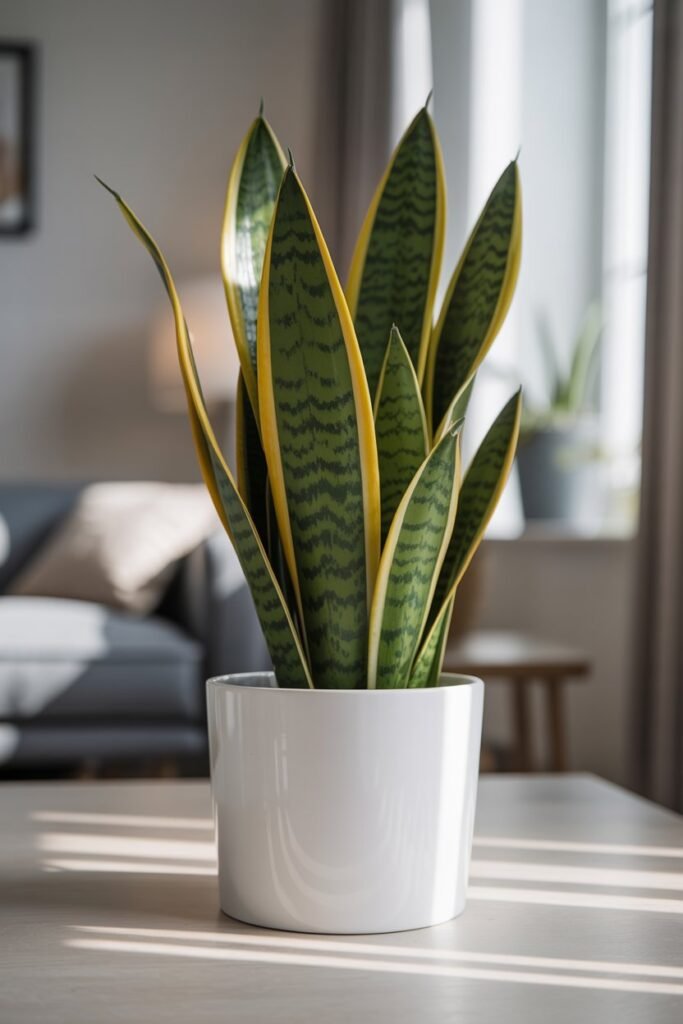
Symbolism: Protection • Strength • Grounding • Resilience • Cleansing
The Snake Plant—often lovingly called “Mother-in-Law’s Tongue”—is one of the most grounding and protective plants you can bring into your home.
It has upright, sword-like leaves that grow toward the sky, giving it a naturally assertive presence.
But don’t be fooled by the bold appearance—this is one of the most spiritually protective plants in the world.
In many cultures, the Snake Plant is believed to guard the home from negative energy, especially emotional heaviness, envy, conflict, or lingering stress.
Feng Shui often recommends placing it at entries or corners where energy tends to stagnate or accumulate.
African households traditionally kept them near front doors to shield the family from harmful intentions.
Emotional & Energetic Benefits
- Creates emotional boundaries in your space
- Shields against negativity and draining energy
- Stabilizes the mood with grounding, earthy presence
- Encourages confidence and calm resilience
There’s something very comforting about the Snake Plant.
It stands tall, strong, and unwavering—reminding you to stay rooted, no matter what life brings.
Why This Plant Brings Positive Energy
Snake Plants are one of the most powerful natural air purifiers. They remove toxins like:
- Benzene
- Formaldehyde
- Trichloroethylene
- Xylene
and they’re one of the few plants that produce oxygen even at night, making them wonderful bedroom companions.
Cleaner air = clearer mind.
Cleaner energy = calmer emotions.
Ideal Placement for Positive Vibes
- Near your front door to protect your home’s energy
- Bedroom to improve sleep + nighttime oxygen flow
- Office corner to enhance mental clarity and resilience
- Living room to absorb tension and create grounding harmony
Care (Very Beginner Friendly)
- Light: Low to bright light (incredibly adaptable)
- Water: Every 2–4 weeks
- Soil: Fast-draining succulent mix
- Bonus: Thrives on neglect — perfect if you’re busy or forgetful
Snake Plants fit beautifully into minimalist, boho, modern, and cozy home aesthetics. Their tall lines add structure and elegance to any room, while supporting a calm and resilient emotional atmosphere.
2. Areca Palm (Dypsis lutescens)

Symbolism: Peace • Freshness • Emotional Balance • Joy • Flowing Energy
Areca Palm is one of the most uplifting, softening, and mood-brightening indoor plants you can bring into your home.
With its feathery, arching fronds and tropical vibes, it instantly transforms any space into a breezy, peaceful oasis.
If the Snake Plant is grounding and protective, the Areca Palm is soothing, feminine, and emotionally restorative.
It gives the room a gentle movement almost like the whisper of a warm coastal wind. Many people describe the Areca Palm as the plant that makes a house feel like a relaxing retreat.
Emotional & Energetic Benefits
- Purifies emotional energy and replaces it with softness
- Creates a peaceful, spa-like atmosphere
- Encourages emotional healing and renewal
- Increases feelings of joy, freshness, and spaciousness
People often place Areca Palms in spaces where they want a light, airy, uplifting vibe—like living rooms, reading corners, wellness nooks, or meditation areas.
Why This Plant Brings Positive Energy
Areca Palms are one of the best natural humidifiers. They release moisture into the air, making your environment feel fresher, more breathable, and more vibrant.
They also remove toxins like:
- Carbon monoxide
- Xylene
- Toluene
—and they produce large amounts of oxygen during the day.
The result?
A home that feels alive, bright, and emotionally clean.
Ideal Placement for Positive Vibes
- Living room or lounge areas for uplifting social energy
- Meditation or self-care corner for emotional clarity
- Bedroom to soften the energy and promote calm
- Near windows to let the soft fronds sway gently in natural light
Care (Gentle but Not Difficult)
- Light: Bright, indirect sunlight
- Water: Keep soil lightly moist — not soggy
- Humidity: Loves moderate humidity
- Bonus: Non-toxic to pets
When thriving, the Areca Palm grows full, lush, and beautifully broad—and its presence feels like a warm embrace.
3. Jade Plant (Crassula ovata)
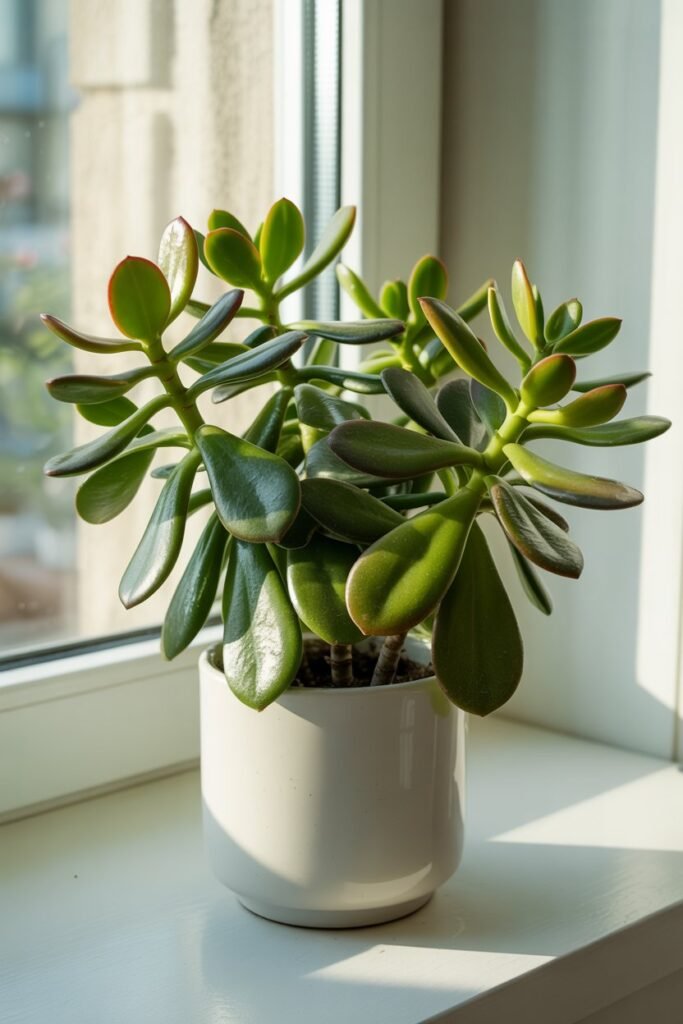
Symbolism: Prosperity • Growth • Abundance • Protection • Longevity
The Jade Plant, sometimes called the “Money Tree” or “Lucky Plant,” is a succulent that feels like a tiny tree of abundance.
Its thick, round, coin-like leaves seem to store not just water but also good fortune. In many spiritual and design traditions, the Jade Plant is deeply associated with wealth, renewal, and emotional stability.
Emotional & Energetic Benefits
- Attracts abundance: In Feng Shui and Vastu, Jade’s round, plump leaves symbolize coins or ingots, making it a classic symbol of prosperity and financial luck.
- Protects energetic space: It’s believed to form a soft but steady barrier against negative energy, creating a calm, protected environment in your home.
- Promotes emotional endurance: With its slow, deliberate growth, the Jade Plant reminds you to nurture patience, long-term growth, and commitment—both in your life and in your dreams.
- Encourages grounding joy: Its resilience and solidity can help stabilize your mood, making your space feel anchored and full of gentle confidence.
Why It Brings Positive Energy
- Air purification: While not the absolute top air-purifier, Jade plants help filter the air by absorbing some indoor pollutants.
- Nighttime CO₂ absorption: Jade uses a special metabolic process (CAM photosynthesis), meaning it can absorb carbon dioxide at night, helping to refresh the ambient air.
- Long-term companion: These plants live many years and, when well cared for, can become heirloom-style additions to your home.
Ideal Placement for Good Vibes
- Entrance / Front Door: Place your Jade Plant near the front door or in the foyer to welcome prosperity and abundance. Feng Shui experts often recommend this location for maximum “wealth-attracting” energy.
- Wealth Corner: According to Feng Shui, the southeast corner of your home is associated with wealth; placing a Jade Plant there can enhance financial energy.
- Office / Workspace: Its upward growth encourages ambition, stability, and long-term growth—perfect for a desk or work nook.
- Quiet Corner: Because of its slow growth and steady presence, the Jade Plant works beautifully in calm, meditative spots where you can connect with its gentle energy.
Care Guide
- Light: Bright, indirect light is ideal. A spot where it gets some morning or afternoon sun helps it thrive.
- Watering: Let the soil dry out completely between waterings. Overwatering can cause root rot.
- Soil: Use a well-draining cactus or succulent mix. Good drainage is essential.
- Humidity & Temperature: Prefers a moderate, drier environment. It tolerates typical indoor humidity well.
- Longevity: With good care, Jade Plants can live for decades, becoming more tree-like over time.
- Maintenance: Wipe the leaves occasionally to keep them clean and shiny (this also helps with Feng Shui energy). Dead or yellow leaves should be pruned so the plant stays vital.
4. Lavender (Lavandula species)
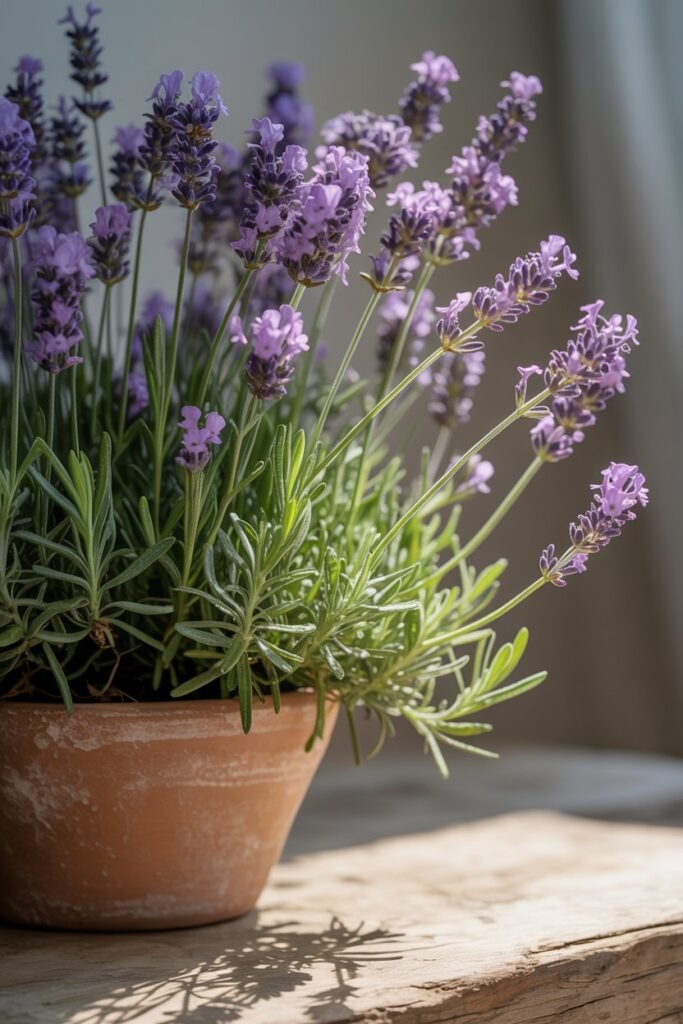
Symbolism: Calm • Healing • Peace • Rest • Purity
Lavender is one of those gentle, soul-nourishing plants whose fragrance and delicate blooms evoke tranquility.
Even the name “Lavender” feels like a lullaby—it whispers of dreamy fields, warm sunshine, and soft breezes.
Having lavender in your home is like inviting a tender, healing presence.
Emotional & Energetic Benefits
- Promotes deep rest: Lavender is deeply linked to sleep and relaxation. Its gentle scent helps calm the mind and ease anxiety.
- Reduces stress: The aroma of lavender has been shown to lower stress hormones and soothe tension.
- Encourages mental clarity: In quiet moments, just brushing your fingers along its stems or inhaling its fragrance can feel like a mini reset—a soft breath for your soul.
- Spiritual healing: In many traditions, lavender symbolizes purity, spiritual peace, and gentle protection. It helps weave a nurturing, calm energy into any space.
Why It Brings Positive Energy
- Aromatherapy benefits: Lavender’s essential oils (especially linalool and linalyl acetate) are well-known for their calming, anti-anxiety effects.
- Natural humidifier: While not as powerful as tropical plants, lavender still releases a modest amount of moisture into the air through transpiration, contributing to a lighter, more breathable space.
- Mindful connection: Tending to lavender (pruning, deadheading, simply smelling it) becomes a meditative act — a daily ritual of care and presence.
- Therapeutic tradition: Lavender has been used historically for baths, sachets, tea, and even spiritual rituals—tying together wellness, ritual, and nature.
Ideal Placement for Good Vibes
- Bedroom: Place it on a windowsill or near the bed to enhance sleep quality and create a calming environment at night.
- Bath or Self-Care Area: In a bathroom or self-care corner, lavender feels like a spa partner—softening the mood with its relaxing energy.
- Windowsill / Sunlit Spot: Lavender thrives with plenty of sunlight—ideally 6+ hours of direct or very bright indirect light.
- Mindful Corner: A little desk, reading nook, or meditation altar is perfect—where you can touch and smell the plant whenever you need a moment of calm.
Care Guide
- Light: Needs strong, direct sunlight. A sunny window is ideal.
- Watering: Allow the top inch of soil to dry out between waterings; be careful not to overwater. Healthy Houseplants
- Soil: Use a very well-draining potting mix—lavender hates “wet feet.”
- Humidity: Prefers moderate to low humidity. Good air circulation helps prevent problems like powdery mildew. Healthy Houseplants
- Temperature: Likes cooler nights; avoid overly warm, stuffy spaces.
- Maintenance: Remove spent flower spikes to encourage new blooms. Watch for pests like aphids or spittlebugs and treat with gentle, plant-safe methods.
5. Basil (Sweet Basil)
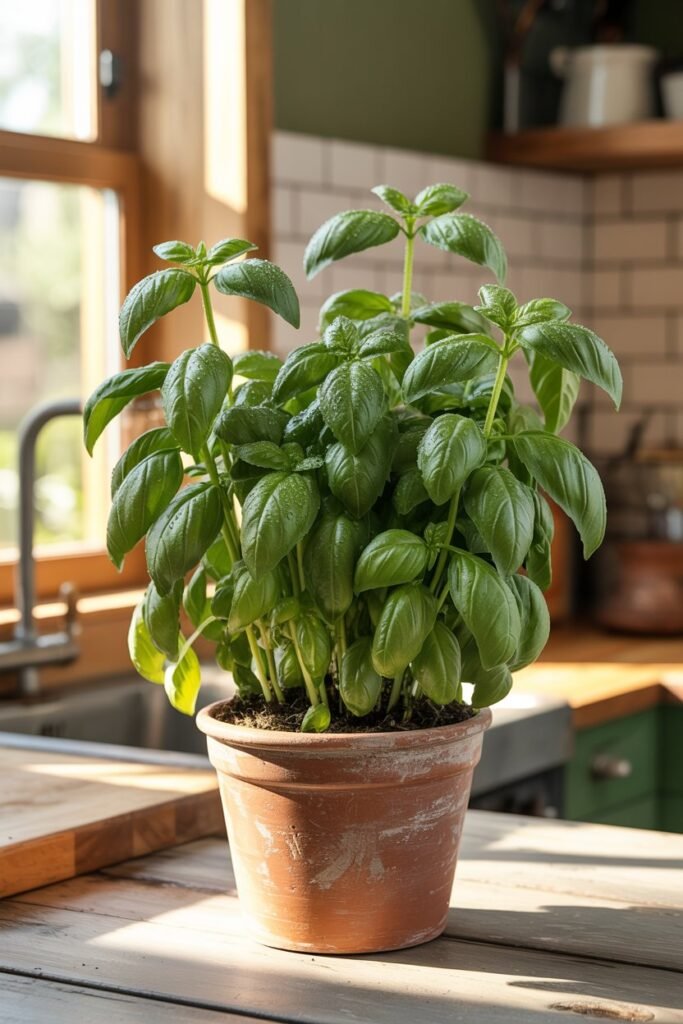
Basil is one of those plants that instantly makes you feel like a successful gardener. It grows quickly, responds beautifully to pruning, and fills your small space with that unmistakable sweet–spicy aroma.
Whether you’re growing it on a sunny balcony or a small kitchen window, basil brings life, flavor, and freshness into your home.
But basil is also misunderstood. Many beginners unknowingly shorten its lifespan by harvesting the wrong way, watering at the wrong time, or letting it flower too early.
When grown intentionally, basil can produce vigorously for four to six months, and even longer in warm climates.
Here’s how to grow basil that stays bushy, vibrant, and productive all season.
Ideal Growing Conditions
Sunlight
- Basil loves sun — give it 6–8 hours of direct sunlight daily.
- In very hot climates (35°C+), offer light afternoon shade to prevent leaf scorch.
Container Requirements
- Minimum 6–8 inch pot for a single basil plant.
- Use well-draining soil. Basil hates sitting in soggy conditions.
Soil
- Use a loose, high-quality potting mix — basil loves oxygen around its roots.
- Mix in compost or worm castings for slow, steady nutrition.
Watering
- Water deeply when the top inch of soil feels dry, but do not let the plant sit in water.
- Morning watering helps prevent disease.
- Avoid wetting the leaves unnecessarily.
Basil’s biggest enemy is overwatering, especially in containers.
Feeding
- Feed lightly once a month with a diluted organic fertilizer or a handful of compost around the base.
- Too much fertilizer produces big leaves but weaker flavor.
Pruning & Harvesting (This Is the Secret)
Most basil plants die early or become leggy because gardeners pinch incorrectly. The trick:
How to Harvest Basil for Endless Growth
- Find a pair of leaves.
- Look slightly below them.
- Snip just above a leaf node, where two tiny new shoots are forming.
- Those two shoots will grow into two stems.
Every cut creates two new branches — this is how basil becomes bushy instead of tall and weak.
Never do this:
- Don’t harvest single leaves.
- Don’t let it flower early.
- Don’t cut from the bottom only — cut from the top ⅓ of the plant.
Common Problems
- Yellow leaves: overwatering.
- Tiny leaves: lack of sunlight.
- Flowering too soon: prune more frequently.
- Pests: aphids or whiteflies — use neem or insecticidal soap.
Why Basil Is Great for Beginners
- Grows fast
- Easy to prune
- Thrives in small spaces
- Delicious and versatile
- Attracts pollinators (if allowed to bloom)
6. African Violet (Saintpaulia Ionantha)
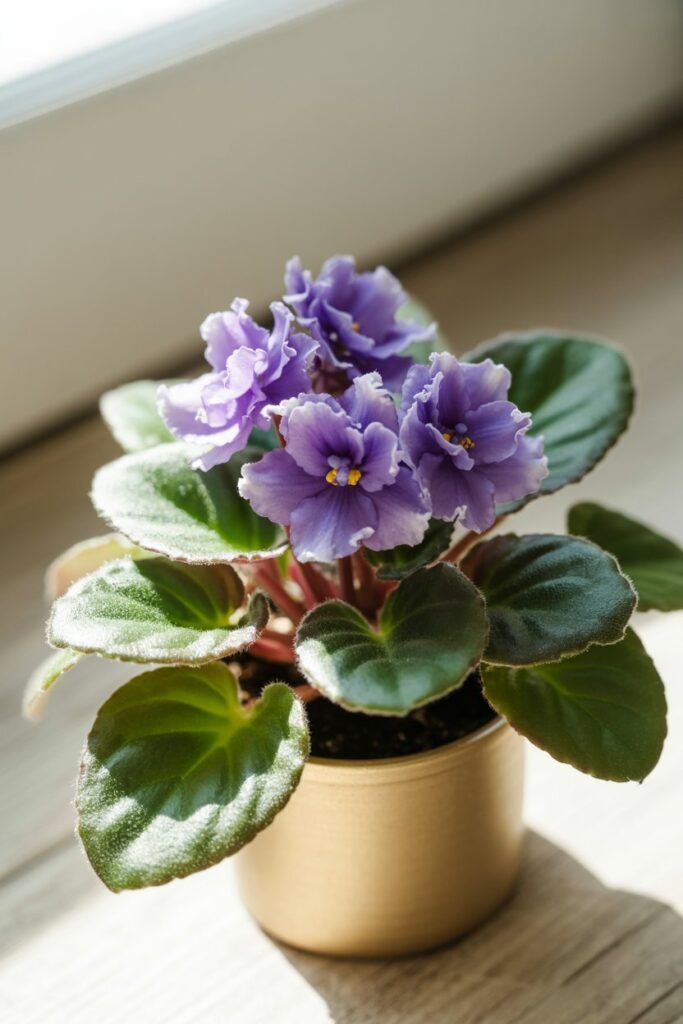
A compact beauty that brings color indoors year-round — perfect for windowsills, bedrooms, and tiny apartments.
African violets look delicate, but don’t let that fool you. These soft, velvety-leaved plants are one of the easiest flowering houseplants you can grow.
With the right conditions, they’ll bloom almost continuously, giving you purple, pink, white, or bi-colored flowers that brighten any corner.
Unlike the basil or lettuce you’re growing for harvest, African violets offer pure aesthetic joy compact, colorful, and calming.
They’re excellent for beginners because they communicate clearly through their leaves when they need something.
Ideal Growing Conditions
Light
African violets need bright, indirect light — not direct sun.
Perfect spots include:
- East-facing windows
- A few inches back from a south-facing window
- Under grow lights (12–14 hours daily)
If the plant stops blooming, it usually means light levels are too low.
Container Requirements
- Small pots actually help violets bloom more.
- Choose 3–4 inch pots for a mature plant.
- Always use pots with drainage holes.
Soil
African violets prefer a light, fluffy mix:
- Peat moss
- Perlite
- Vermiculite
Do not use heavy garden soil — it suffocates the roots.
Watering (The Most Important Part)
African violets are sensitive to water touching their leaves.
Use one of these methods:
Bottom Watering
- Fill a small dish with water.
- Place the pot in it for 15–30 minutes.
- Let it drain completely.
Avoid cold water.
It causes leaf spots. Water should be room temperature.
Water when:
- Soil feels dry to the touch
- Leaves look slightly less perky than usual
Feeding
Use a diluted, balanced fertilizer every 3–4 weeks.
Too much fertilizer = no blooms.
Pruning & Maintenance
- Remove dead or faded flowers immediately to encourage new blooms.
- Gently remove old leaves from the bottom to keep the plant looking neat.
- Rotate your pot weekly for even growth.
Common Problems
- Crown rot: too much water or water on leaves.
- No blooms: not enough light.
- Yellow leaves: cold water or drafts.
- Powdery soil surface: use a lighter mix.
Why African Violets Are Perfect for Small-Space Gardeners
- They bloom repeatedly
- They stay small
- They brighten up indoor spaces
- They teach gentle plant care habits (great for beginners)
- They come in stunning varieties
7. Mint (Spearmint or Peppermint)

An aromatic herb that grows fast, smells incredible, and instantly elevates your small-space garden — but only when grown with control.
Mint is one of the easiest herbs to grow and one of the most aggressive. Outdoors, mint can take over entire garden beds.
In containers, though? Mint becomes one of the most satisfying and productive plants you can grow.
It’s fast, fragrant, and constantly refreshing itself with new shoots.
Whether you love mint tea, cocktails, fruit salads, smoothies, or just brushing your hands through the leaves for the smell, mint is a plant that rewards you almost instantly.
However — and this is key — mint must be grown in its own pot. If you plant it with anything else, it will steal the entire container.
Once you respect mint’s boundaries, it becomes a low-stress, high-reward plant you’ll enjoy for months.
Ideal Growing Conditions
Light
Mint grows well in multiple light conditions:
- Prefers 4–6 hours of sunlight
- Can tolerate partial shade
- Grows even in weaker indoor light (though more slowly)
Morning sun + afternoon shade is ideal in hot climates.
Container Requirements
Mint needs space for its spreading roots.
Use:
- A medium to large pot (8–10 inches wide)
- Plastic or ceramic both work
- Drainage holes are essential
- Grow mint alone — no companions
Mint grows outward through runners, so a wider container works better than a deep one.
Soil
Mint isn’t picky, but it thrives in:
- Light, well-draining potting soil
- Added compost or worm castings for nutrients
- Slightly moist conditions (not soggy)
Watering
Mint likes consistent moisture.
Not soaked, not dry — just evenly damp.
Water when:
- The top 1 inch of soil feels dry
- Leaves begin to droop slightly
- Weather is hot and windy
Avoid:
- Letting it completely dry out (it becomes stressed and bitter)
- Leaving it sitting in water
Mint bounces back quickly from mild underwatering, but not from root rot.
Feeding
Mint grows fast and appreciates nutrients.
- Feed monthly with an organic liquid fertilizer
- Or mix compost into the topsoil every few weeks
Be careful: too much nitrogen = overly soft growth with weak flavor.
Pruning & Harvesting
This is the fun part — mint LOVES being cut.
How to harvest properly:
- Cut stems just above a leaf pair
- Harvest frequently to encourage bushiness
- Remove any flowering spikes immediately (flowers slow leaf production)
A well-pruned mint plant becomes thick and lush.
If mint becomes leggy, cut the whole plant back by one-third — it will bounce back quickly.
Common Problems
- Brown edges: underwatering
- Black stems: overwatering
- Leggy, weak growth: not enough sunlight
- Small leaves: old stems that need pruning
- Pests: spider mites or aphids — treat with neem
Mint is dramatic — it shows stress quickly, but also recovers quickly.
Why Mint Belongs in Every Beginner Garden
- Extremely fast-growing
- Perfect for teas, drinks, and cooking
- Wonderful fragrance
- Tolerant of partial shade
- Thrives in containers
- Almost impossible to kill if grown alone
8. English Ivy (Hedera helix)
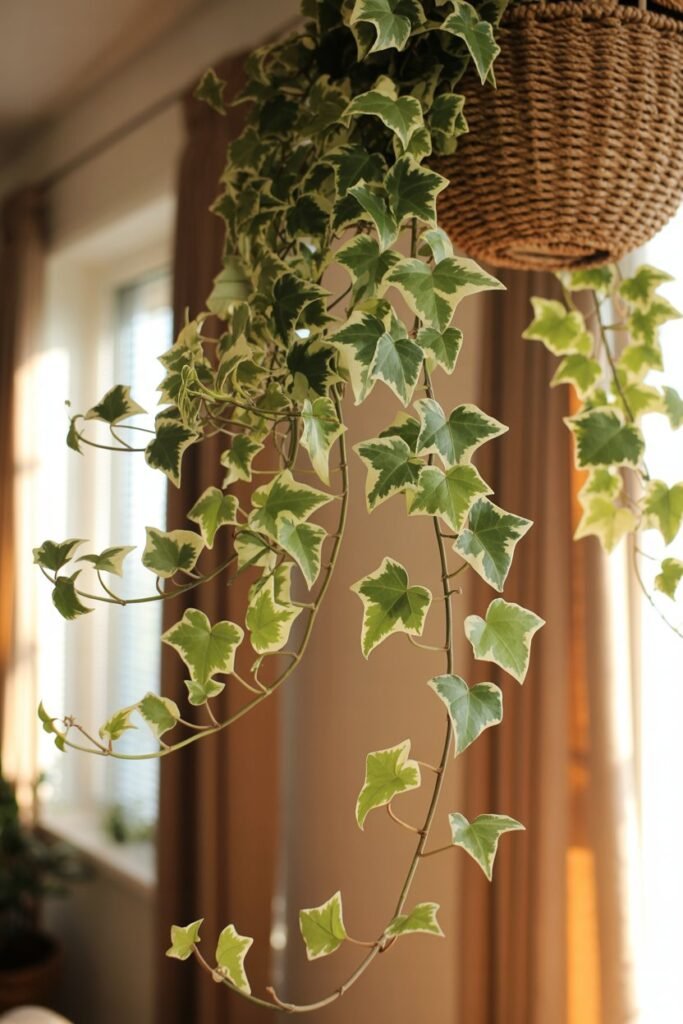
A timeless trailing beauty that brings softness, movement, and a touch of old-world elegance to any indoor space.
English Ivy has that effortless romantic charm the kind of plant that makes a room feel cozy, lived-in, and naturally stylish without you even trying.
Its trailing vines spill beautifully from shelves, hanging baskets, or tall planters, adding instant texture and depth. Whether your aesthetic is modern minimalism or cottagecore, ivy blends in seamlessly.
Even better? English Ivy is one of the BEST natural air-purifying plants. NASA’s famous Clean Air Study (yes, it’s real!) found that this classic vine removes benzene, formaldehyde, toluene, and even mold spores from indoor air.
If you’ve ever wanted a plant that both beautifies your home and quietly improves your environment, this is the one.
But Ivy does have preferences — and once you learn them, it becomes a long-living, easygoing companion.
Ideal Growing Conditions
Light
English Ivy prefers:
- Bright, indirect light
- Can tolerate medium light
- Avoid harsh, direct rays (they scorch variegated leaves)
If the leaves lose their patterns or become dark solid green, it’s a sign your plant needs more light.
Container Setup
Because English Ivy trails outward rather than growing upward:
- Use hanging baskets, shelf planters, or tall ceramic pots
- Ensure good drainage
- Avoid overly deep pots — ivy prefers wider containers
If you want that romantic cascading look, raise the pot slightly so the vines can trail freely.
Soil
A rich but light mix is perfect:
- Standard potting mix
- Add perlite for drainage
- Optional: a handful of compost for nutrients
Ivy doesn’t like compact, soggy soil — it needs airflow around the roots.
Watering
Ivy prefers a steady routine.
Water when:
- The top 1–2 inches of soil feel dry
- Leaves look slightly dull instead of glossy
Avoid:
- Letting it stay soggy
- Watering on a strict schedule
Pruning & Shaping
Ivy is a natural climber and cascader.
To keep it lush and dense:
- Pinch or cut stems regularly
- Remove leggy vines
- Encourage branching by cutting just above leaf nodes
You can also train it on a trellis for a beautifully structured look.
Common Problems
- Yellow leaves: underwatering OR overwatering — check soil
- Dry, crispy tips: low humidity
- Pale leaves: lack of light
- Tiny bugs on stems: spider mites — ivy’s #1 pest
A quick wipe with damp cloth + neem spray usually solves pest issues.
Why Ivy Is Wonderful for Beginner Spaces
- Low-maintenance (once you learn watering rhythm)
- Amazing air purifier
- Elegant trailing look
- Perfect for shelves and hanging décor
- Flexible lighting needs
9. Peace Lily (Spathiphyllum)

The Peace Lily is one of those plants that instantly changes the energy of a room. Its glossy green leaves and pure white flowers give it a clean, soft, peaceful presence.
Many people describe Peace Lilies as “soothing” and I agree. There’s something about its simple elegance that makes a space feel calm, refreshed, and emotionally lighter.
And if you’re someone who sometimes forgets to water your plants? You’re in luck — the Peace Lily is incredibly forgiving.
It droops dramatically when thirsty (as if saying “excuse me, I need water!”) but pops back up within hours of watering.
It’s also one of the best indoor plants for improving air quality.
Peace Lilies filter out VOCs like benzene, xylene, ammonia, and formaldehyde — toxins often found in home cleaners, furniture finishes, and paints.
It’s no surprise this plant is often recommended for bedrooms, workspace corners, meditation areas, and living rooms.
Ideal Growing Conditions
Light
Peace Lilies love low to medium light, making them perfect for:
- Bedrooms
- Offices
- Bathrooms
- Corners where other plants struggle
They DO grow faster in brighter indirect light, but avoid intense direct sun — it will scorch the leaves.
If your lily never blooms, that usually means it wants brighter indirect light.
Container Requirements
Peace Lilies don’t like oversized pots. Choose:
- A snug container
- 1–2 inches bigger than the rootball
- Ceramic or plastic both work
- Must have drainage holes
These plants handle slight root-binding well and often bloom more when slightly tight in their pot.
Soil
Peace Lilies prefer rich, moisture-retentive but breathable soil.
Perfect mix:
- 2 parts potting soil
- 1 part coconut coir or peat moss
- 1 part perlite
This combination keeps moisture in while preventing soggy roots.
Watering
This is where Peace Lilies shine — they literally tell you when they need water.
Signs to water:
- Leaves droop dramatically
- Soil feels dry halfway down
- Pot feels unusually light
How to water correctly:
- Water until it drains through
- Let excess water drain away
- Keep soil evenly moist but not wet
They love moisture, but sitting in water = root rot.
Feeding
Feed lightly:
- Once a month during spring–summer
- Use balanced liquid fertilizer
- Skip feeding in winter
Too much fertilizer can cause brown leaf tips.
Pruning & Maintenance
Peace Lilies are very tidy plants.
Prune by:
- Cutting spent flower stalks at soil level
- Removing yellow or brown leaves
- Wiping leaves with damp cloth to keep them shiny
They grow new foliage steadily, so trimming encourages fresh growth.
Common Problems
- Brown tips: low humidity or too much fertilizer
- Drooping: needs water
- Yellowing leaves: too much water or old foliage
- No blooms: not enough light
Peace Lilies are expressive plants — they communicate their needs clearly.
Why Peace Lilies Are Perfect for Indoor Serenity
- Thrive in low light
- Beautiful white blooms
- Excellent air purifiers
- Forgiving and beginner-friendly
- Add instant calm to any room
10. Rosemary (Rosmarinus officinalis)
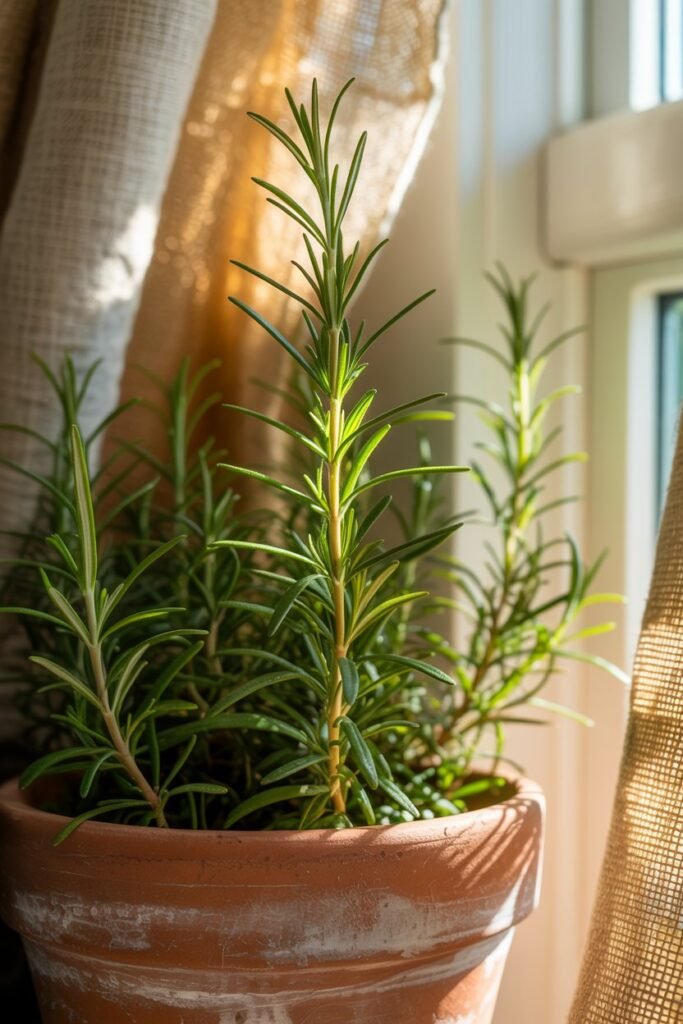
A fragrant, uplifting herb that boosts mood, sharpens focus, and brings a Mediterranean glow to your indoor garden.
Rosemary is one of those plants that instantly makes your home feel more alive.
Its scent is fresh, herbal, slightly pine-like, and so invigorating that many people keep it on their work desks to help with concentration.
It’s not just a culinary superstar — rosemary is believed to promote clarity, confidence, and protective energy, making it a favorite for people who want both productivity and positivity in their space.
When you lightly brush your fingers across the leaves, rosemary releases essential oils that brighten your mood and refresh the air.
It can grow into a gorgeous little shrub indoors, but only when you understand its love for sunshine and airflow.
Think of rosemary as a tiny piece of Mediterranean coastline in your living room — elegant, aromatic, and quietly transformative.
Ideal Growing Conditions
Light
Rosemary absolutely adores sun.
- 6–8 hours of bright, direct sunlight
- South-facing windows are ideal
- If indoors light is weak, a grow light helps tremendously
When rosemary doesn’t get enough light, it becomes thin, scraggly, and loses flavor.
Container Requirements
Rosemary grows into a woody little bush, so it prefers:
- A sturdy pot that balances height
- At least 8–12 inches deep
- Excellent drainage
- Terracotta is perfect (keeps roots airy)
Avoid oversized pots — rosemary doesn’t enjoy wet soil around its roots.
Soil
Choose something sandy, loose, and quick-draining.
Best mix:
- 2 parts potting mix
- 1 part coarse sand or perlite
- Optional: a pinch of compost
Rosemary hates heavy, waterlogged soil — its roots need to breathe.
Watering
Rosemary prefers to stay on the dry side.
Water when:
- The top 2 inches of soil are dry
- The pot feels light
- Leaves start looking slightly dull
Avoid:
- Constant moisture
- Water sitting in the saucer
- Spraying leaves (rosmary dislikes wet foliage indoors)
Overwatering is the #1 killer of rosemary indoors.
Airflow
This is incredibly important.
Rosemary thrives with:
- Good circulation
- Open windows
- Fans running occasionally
- Avoiding tight, stuffy rooms
Without airflow, rosemary becomes prone to mildew and fungal issues — something many beginners don’t expect.
Feeding
Rosemary doesn’t need much fertilizer.
- Once every 6 weeks during spring/summer
- Use a mild, diluted liquid fertilizer or compost tea
Overfeeding makes rosemary weak and flavorless.
Pruning & Harvesting
Pruning is essential for rosemary’s shape.
How to prune:
- Cut above leaf nodes
- Never cut into old woody stems
- Trim lightly but regularly
- Harvest small sprigs from different parts of the plant
This keeps rosemary full, bushy, and beautifully shaped.
Common Problems
- Yellow leaves: overwatering
- Soft stems: fungal growth
- Slow growth: not enough sun
- Browning tips: underwatering or dry air
Rosemary communicates through its color — pay attention to the leaves.
Why Rosemary Is Perfect Indoors
- Smells incredible
- Boosts focus and clarity
- Culinary and decorative
- Symbolizes protection, strength, and confidence
- Loves bright windows and minimal fuss
11: Kale (Brassica oleracea var. sabellica)

Kale is one of the most productive leafy greens you can grow in a small-space garden. It’s hardy, extremely nutrient-rich, and thrives in containers when given the right structure and consistent care.
And because it’s “cut-and-come-again,” you can harvest leaves continuously without needing to replant each month.
Varieties like Lacinato (Dinosaur) Kale, Red Russian, and Curly Kale not only taste great—but add stunning texture and color to your balcony garden.
Why Kale is a Must-Grow Plant
• It tolerates heat better than lettuce
Perfect for gardeners in warm climates (like Nigeria) where lettuce can bolt easily.
• It produces for months
If properly harvested, a single plant can feed you all season.
• Packed with nutrients
High in iron, calcium, vitamin K, vitamin C, and antioxidants.
• Grows well in medium-sized containers
A 3–5 gallon pot is enough to grow a beautiful, productive kale plant.
• Pest-resistant under the right conditions
While cabbage worms may appear occasionally, container-grown kale is easier to protect.
Ideal Growing Conditions for Kale
Light Needs
- Prefers full sun, 6–8 hours daily.
- Can handle partial shade, but growth will be slower and leggier.
Soil Requirements
Blend for success:
- 60% high-quality potting mix
- 20% compost
- 20% coco coir or perlite for drainage
Kale needs a nutrient-rich base to thrive.
Watering
- Keep soil evenly moist.
- Avoid letting it dry out fully between waterings.
- Water deeply rather than shallowly.
Fertilization
Kale is a heavy feeder.
Use:
- Organic liquid fertilizer every 2–3 weeks, or
- Slow-release granular fertilizer monthly
A nitrogen-rich fertilizer encourages lush leaf production.
Pruning & Harvesting
To keep kale producing for months:
How to Harvest Properly
- Always harvest from the bottom leaves first.
- Keep the top crown intact—it’s the growth generator.
- Harvesting regularly encourages upward growth, almost like a small palm tree.
How to Encourage Bushiness
- Remove yellowing lower leaves.
- Pinch off early flowers (bolting signals).
When to Harvest
You can begin harvesting once leaves reach the size of your hand.
Common Problems & Solutions
Yellowing Leaves
Often a sign of underfeeding—add nitrogen.
Pale, thin leaves
Kale needs more sunlight.
Holes in leaves
Likely caterpillars. Use neem oil or hand-pick.
Stunted growth
Plant may be root-bound—repot into a larger container.
Who Kale is Perfect For
This plant is ideal if:
- You want high nutrition from your garden
- You’re interested in continuous harvests
- You have a sunny balcony or patio
- You want a hardy plant that survives mild mistakes
12: Rosemary (Salvia rosmarinus)
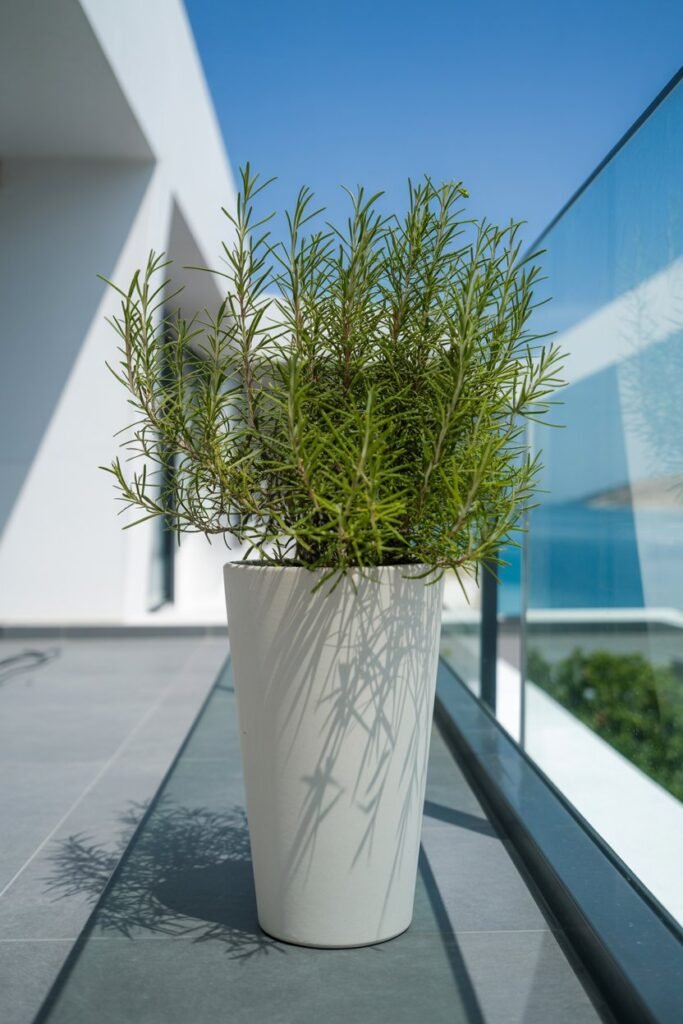
If you want a plant that brings structure, fragrance, flavor, and elegance to your garden—all while asking for almost nothing in return rosemary is your girl.
Often referred to as the “Mediterranean queen,” rosemary thrives in the exact type of conditions that frustrate many other herbs: bright sun, dry air, and minimal watering.
This makes it an excellent choice for container gardeners, especially those who live in warm climates or have busy schedules.
Rosemary isn’t just a plant—it’s an experience. When you brush your hand across its needle-like leaves, the scent is invigorating, woodsy, and grounding.
It’s a beautiful reminder of sunlit hillsides, seaside cliffs, and breezy Mediterranean afternoons.
But beyond its sensory appeal, rosemary is also incredibly useful in cooking, crafting, DIY skin care, and natural home fragrances.
And when grown in a pot, rosemary forms a compact, evergreen shrub that stays attractive all year round.
Why Rosemary Deserves a Spot in Your Balcony or Container Garden
• Drought-tolerant and low-maintenance
Rosemary practically thrives on neglect. If you accidentally skip waterings for a few days? She’ll be fine—maybe even happier.
• Loves strong sunlight
Sun-heavy balconies, patios, and rooftops that scorch other plants become rosemary’s paradise.
• Natural pest repellent
Its strong aroma repels mosquitoes, flies, cabbage worms, and even some soil pests.
• Evergreen beauty year-round
Unlike basil or cilantro, rosemary doesn’t die back each season. It remains green, vibrant, and fragrant all year.
• Adds vertical structure
It grows upright, making it a great design element for creating depth and height in small spaces.
Best Growing Conditions for Rosemary
Sunlight
Rosemary needs full sun, ideally 6–8 hours daily.
- If your balcony gets strong afternoon sun, rosemary will thrive.
- If light is limited, choose upright varieties over creeping ones—they tolerate shade slightly better.
Soil Requirements
Rosemary wants a fast-draining, sandy-style soil mix.
Use this ideal blend:
- 70% potting mix
- 20% coarse sand or perlite
- 10% compost
Avoid heavy, moisture-retentive mixes—root rot is the biggest killer of rosemary.
Container Type
- Terra cotta pots are best because they allow moisture to evaporate.
- Use containers with lots of drainage holes.
- Size: start with 8–10 inches, upgrade as it grows into a mini shrub.
Watering Needs
This is where people overthink rosemary.
- Water deeply but infrequently.
- Allow the top 2–3 inches of soil to fully dry before watering again.
- If leaves turn yellow or drop from the bottom, you’re likely overwatering.
Fertilization
Rosemary is a light feeder.
Feed only every 6–8 weeks with a diluted, balanced fertilizer or a handful of compost at the start of the growing season.
Pruning & Harvesting Rosemary
Rosemary becomes more beautiful the more you prune it.
How to Prune for Shape
- Trim the tips regularly to encourage bushier growth.
- Never cut into the thick, woody stems—only harvest from the green growth.
- Early spring and mid-summer are the best times for shaping.
How to Harvest
- Snip sprigs from various parts of the plant to maintain symmetry.
- Harvest before flowering for the strongest aroma and essential oil content.
Encouraging Long-Term Health
- Remove dead or brown branches promptly.
- Repot to a slightly larger pot every few years to refresh the soil.
Common Problems and How to Fix Them
1. Yellowing Leaves
Cause: Overwatering
Fix: Water less, improve drainage, switch to a clay pot.
2. Dry, Brown Leaf Tips
Cause: Underwatering or excessive heat
Fix: Increase watering slightly—but only when dry.
3. Powdery Mildew
Cause: Poor airflow or too much shade
Fix: Move plant to a sunnier, breezier location.
4. Droopy or limp appearance
Cause: Root rot
Fix: Remove damaged roots, repot in fresh dry soil, reduce watering schedule.
Varieties Worth Trying
• Tuscan Blue
Upright, bold flavor, great for cooking.
• Blue Spire
Tall and architectural, perfect for balcony aesthetics.
• Prostrate Rosemary
A trailing variety ideal for hanging baskets or cascading edges.
• Miss Jessopp’s Upright
Hardy, great structure, excellent fragrance.
Best Uses for Balcony Gardeners
- Flavoring roasted meats and vegetables
- Herbal teas
- Natural room freshener
- Infused oils and vinegars
- DIY skincare (scalp tonics, bath salts)
- Companion planting near basil or thyme
Who Rosemary is Perfect For
Rosemary is ideal if you:
- Have strong sunlight available
- Want a no-fuss herb
- Prefer long-lived perennials over seasonal herbs
- Want something ornamental and edible
- Live in a warm climate where many herbs struggle
- Enjoy fragrance-rich gardening
13: Calathea Orbifolia

If indoor plants could be described as “quiet luxury,” the Calathea Orbifolia would be the definition of it. She’s stunning, graceful, and effortlessly elegant.
With her huge, round, silver-striped leaves that look hand-painted, the Orbifolia adds an instant sense of beauty and tranquility to any space.
In energy work, Calatheas are considered “prayer plants,” symbolizing renewal, emotional cleansing, and spiritual calm.
They move their leaves up and down throughout the day (a trait called nyctinasty), which many people say brings a sense of rhythm, life, and grounding energy into the home.
It’s the kind of plant you look at and immediately feel your nervous system relax.
Despite her glamorous appearance, Calathea Orbifolia isn’t a diva—she’s more like a sensitive queen who just needs the right environment to thrive.
When you understand her preferences, she becomes one of the most rewarding, peaceful houseplants you’ll ever grow.
Why Calathea Orbifolia Is Amazing for Positive Energy
• Symbol of emotional balance & tranquility
Calatheas promote calm energy, making them ideal for bedrooms and meditation spaces.
• Air-purifying powerhouse
Their large leaves absorb toxins and release moisture, improving air quality naturally.
• Gentle movement = gentle vibes
The way they raise and lower their leaves throughout the day creates a soothing, grounding presence.
• Non-toxic to pets
Safe for cats and dogs—huge plus for pet owners who want lush greenery.
• Adds softness to modern décor
Round leaves, pastel silvery stripes, and gentle movement create a feminine, serene atmosphere.
Light Requirements
Calatheas love medium, indirect light.
- East-facing windows are ideal
- They tolerate low light but thrive with consistent brightness
- Avoid direct sun—it scorches their delicate leaves
- Near a sheer-curtained window is perfect
If your Orbifolia gets too much sun:
Leaves become pale and crispy.
Too little light:
Growth slows and patterns fade.
Watering Needs
This is the part people overthink, but it’s simple once you learn the rhythm.
Golden Rule:
Keep the soil evenly moist, not dry or soggy.
- Water when the top 1 inch feels slightly dry
- Use filtered or distilled water if possible (calatheas are sensitive to minerals)
- Avoid letting the soil dry completely—it causes brown edges
- Never let the pot sit in water
Humidity is Everything
Calatheas LOVE humidity—think rainforest, not desert.
Ideal humidity: 55–70%
Signs your plant wants more humidity:
- Brown edges
- Curling leaves
- Crispy tips
Boost humidity with:
- Pebble tray
- Humidifier
- Grouping plants together
Soil & Potting
Calatheas prefer a soft, airy, moisture-retentive soil mix.
Best mix:
- 40% coco coir
- 30% perlite
- 20% compost
- 10% orchid bark
This keeps roots moist but still breathable.
Pot Type
- Plastic pots are best because they hold moisture longer
- Use one with multiple drainage holes
Avoid terracotta—it dries out too quickly.
Pruning & Maintenance
Orbifolias are low-maintenance once their environment is stable.
To keep them beautiful:
- Remove brown or yellow leaves from the base
- Wipe leaves gently with a damp cloth every 2–3 weeks to keep patterns vibrant
- Rotate every month to encourage balanced growth
- Fertilize lightly once a month in spring & summer
Avoid heavy fertilizers—they burn the roots.
Common Problems & How to Fix Them
1. Brown Leaf Edges
Cause: Low humidity or tap water minerals
Fix: Increase humidity, switch to filtered water.
2. Leaf Curling
Cause: Dry soil or too much sun
Fix: Increase watering frequency slightly; move away from direct sunlight.
3. Yellow Leaves
Cause: Overwatering
Fix: Check drainage, reduce watering, use airy soil.
4. Faded Leaf Stripes
Cause: Insufficient light
Fix: Move to brighter, indirect light.
Best Varieties Similar to Orbifolia
If you fall in love with this one, you might also adore:
- Calathea Makoyana (Peacock Plant)
- Calathea Medallion
- Calathea White Fusion (Gorgeous but sensitive)
- Calathea Rattlesnake (Easier beginner option)
Best Places to Put Calathea Orbifolia for Good Vibes
- Bedroom → for peace, soft energy, and relaxation
- Living room corners → adds lush elegance without overwhelming the space
- Home office → encourages calm focus
- Meditation/reading nook → enhances spiritual grounding
- Bathroom (if bright) → perfect humidity
This plant brings beauty, calm, freshness, and emotional balance—all wrapped in one elegant, silver-striped leaf.
